
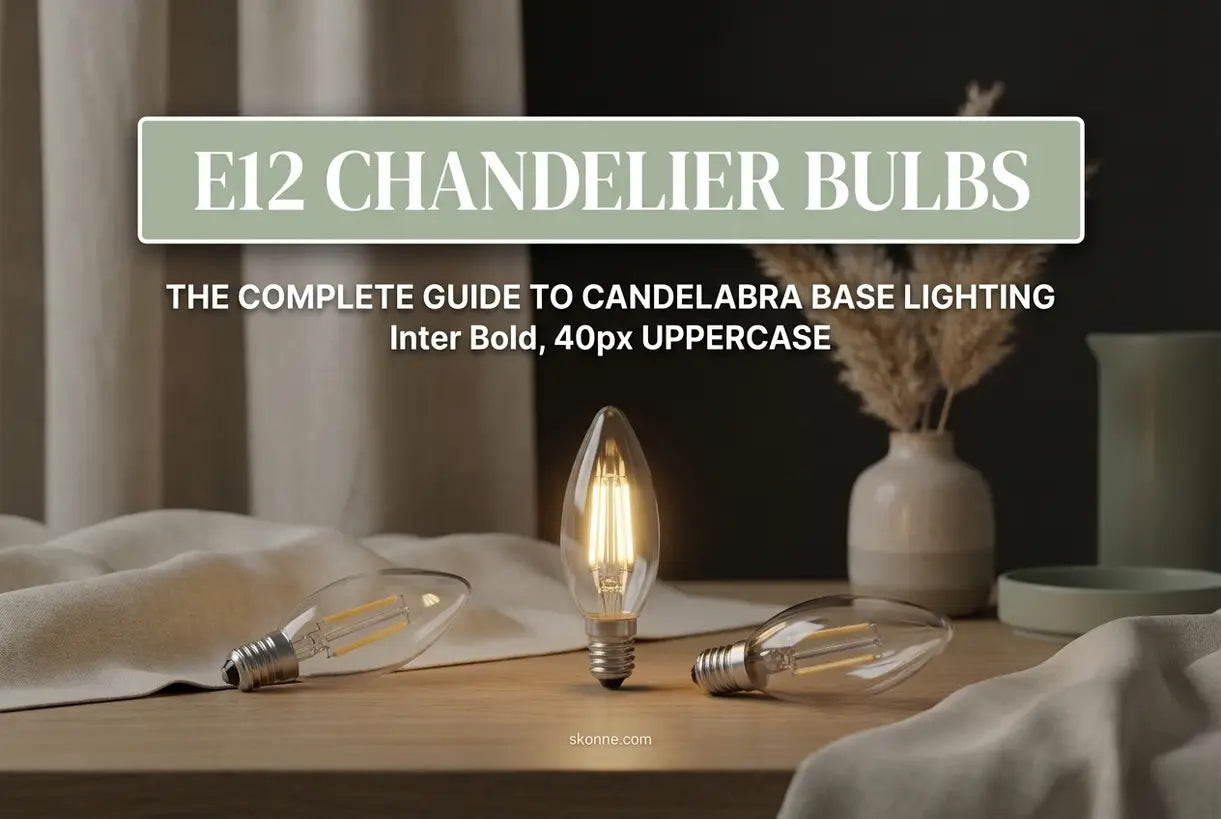
E12 Chandelier Bulbs: The Complete Guide to Candelabra Base Lighting
Summary›
Lighting transforms a house into a home, and few elements wield as much influence over your interior's atmosphere as the bulbs you choose. Whether you're illuminating a statement chandelier in your dining room or adding warmth to a bedside sconce, understanding the nuances of bulb bases and specifications ensures your space glows exactly as you envision. For homeowners embracing Scandinavian aesthetics—where intentionality meets warmth—the details matter.
E12 chandelier bulbs, commonly known as candelabra base bulbs, represent one of the most frequently used yet misunderstood lighting specifications in residential design. These compact bulbs power everything from elegant chandeliers to delicate accent lamps, yet many homeowners struggle to identify them correctly when shopping. This guide will demystify E12 bulbs, helping you select the perfect candelabra base lighting for your Scandinavian-inspired sanctuary while ensuring every fixture in your home achieves that coveted hygge feeling.
What Are E12 Chandelier Bulbs?
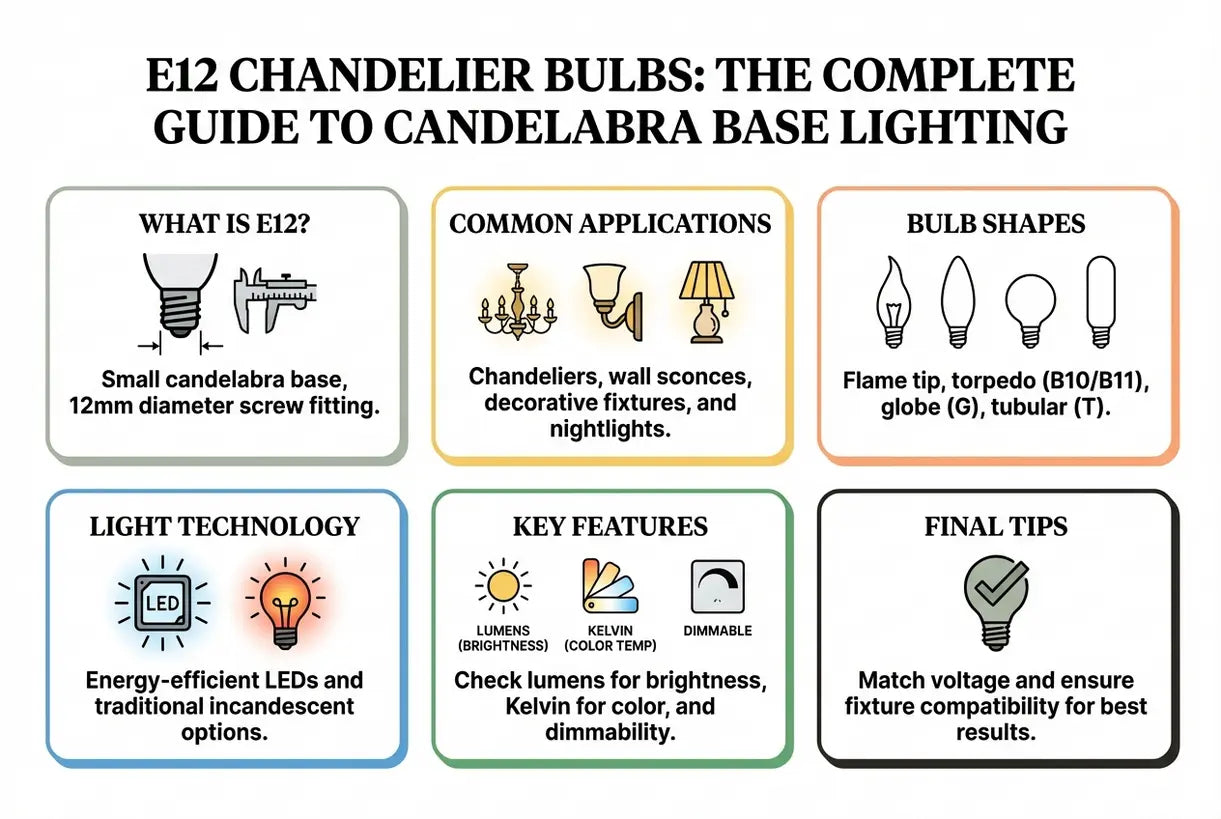
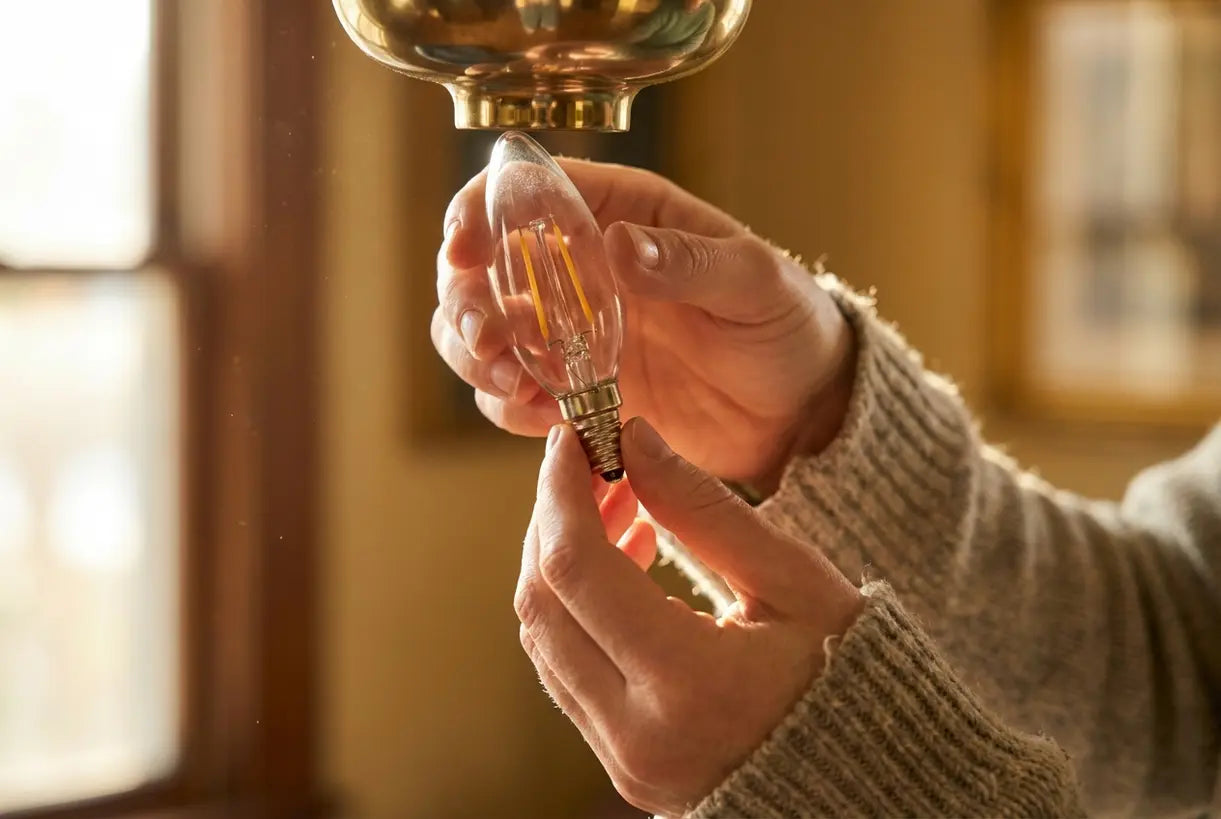
At its core, E12 refers to the base size of a light bulb—the threaded metal portion that screws into a fixture's socket. The "E" stands for Edison screw base, and the "12" denotes the diameter in millimeters. This small 12mm base distinguishes candelabra bulbs from standard medium bases (E26) and intermediate bases (E17).
Historically, E12 bulbs earned their "candelabra" nickname because they traditionally resembled the flame-shaped candles of antique chandeliers. While modern designs have evolved considerably, the terminology persists. Today, candelabra base bulbs come in various shapes beyond the classic flame tip, including globe, torpedo, and vintage Edison styles.
The diminutive size of E12 bases serves an important functional purpose. Smaller fixtures—particularly chandeliers with multiple arms, wall sconces with compact backplates, and decorative accent lamps—simply cannot accommodate larger base sizes. This is why nearly all chandelier light bulbs utilize the E12 specification.
Where You'll Find E12 Bulbs in Your Home
Understanding where E12 bulbs typically appear helps you plan your lighting strategy more effectively. These compact bulbs illuminate fixtures throughout Scandinavian-inspired interiors, from grand statement pieces to subtle accent lighting.
Chandeliers represent the most common application. Whether you're lighting a minimalist dining space or an entryway with dramatic proportions, chandelier light bulbs almost universally feature E12 bases. Wall sconces—particularly those with vintage or ornate designs—also frequently require candelabra base bulbs. For those exploring additional overhead options, our Mounted Ceiling Lights collection offers curated fixtures that pair beautifully with the right E12 specifications.
Table lamps with delicate proportions, ceiling fan light kits, and decorative holiday lighting also commonly utilize E12 bases. When shopping for replacement bulbs, always verify your fixture's requirements, as using the wrong base size can damage both the bulb and socket.
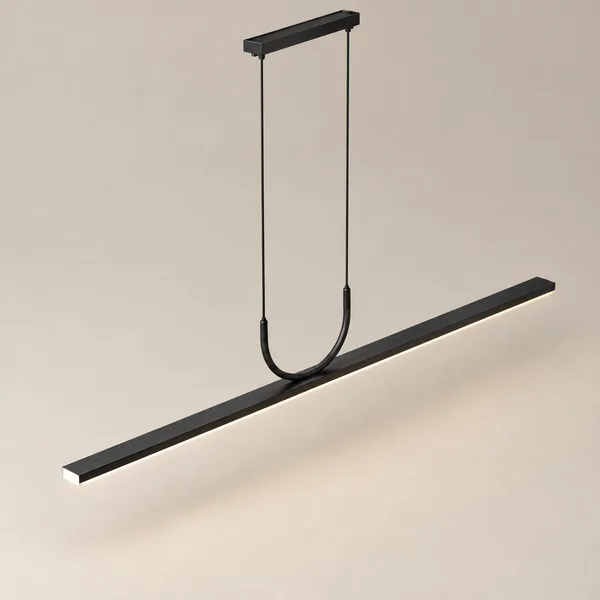
Chandeliers
Shop all Chandeliers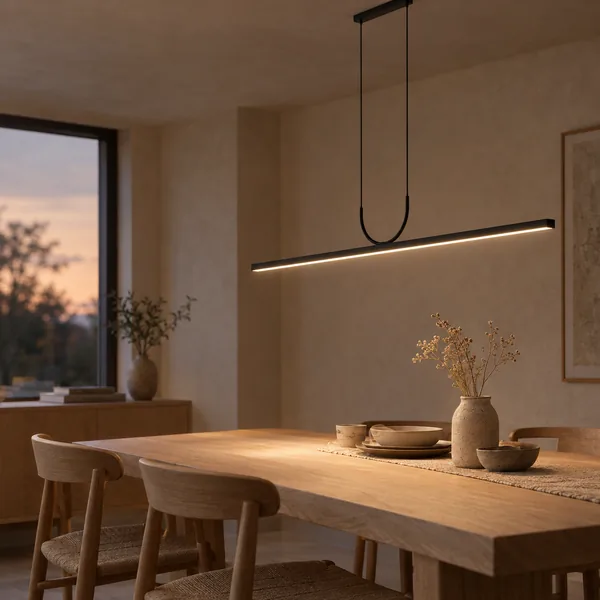
Choosing the Right E12 Bulbs for Your Space
Selecting the ideal e12 led bulbs involves more than simply matching the base size. Several factors influence both the quality of light and the longevity of your investment.
Wattage and brightness equivalence represents your first consideration. Traditional incandescent bulbs are rated by actual wattage consumed (typically 25W, 40W, or 60W for E12 bulbs), while LED bulbs use lumens to indicate brightness. A 40W equivalent e12 LED typically produces 450 lumens, while 60W equivalents generate approximately 800 lumens. For dining and living spaces where ambiance matters most, 40W equivalents often provide sufficient illumination without overwhelming the room.
Color temperature dramatically affects mood. Measured in Kelvin (K), lower numbers indicate warmer, more yellow light while higher numbers produce cooler, bluer tones. For authentic Scandinavian hygge, warm white e12 bulbs in the 2700K-3000K range create that cozy, inviting atmosphere central to Nordic design philosophy. Daylight bulbs (5000K-6500K) work better in task-oriented spaces but can feel harsh in living areas.
Dimming capabilities matter enormously for ambiance control. Not all dimmable e12 bulbs work with every dimmer switch, so verify compatibility before purchasing. High-quality dimmable LEDs should transition smoothly from full brightness to a soft glow without flickering or buzzing.
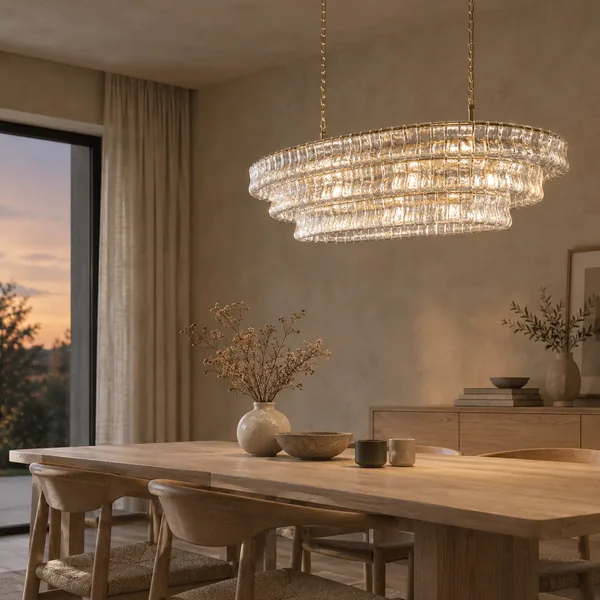 Stjerna Vintage French Clear Glass Chandelier$1,799.00$2,259.00
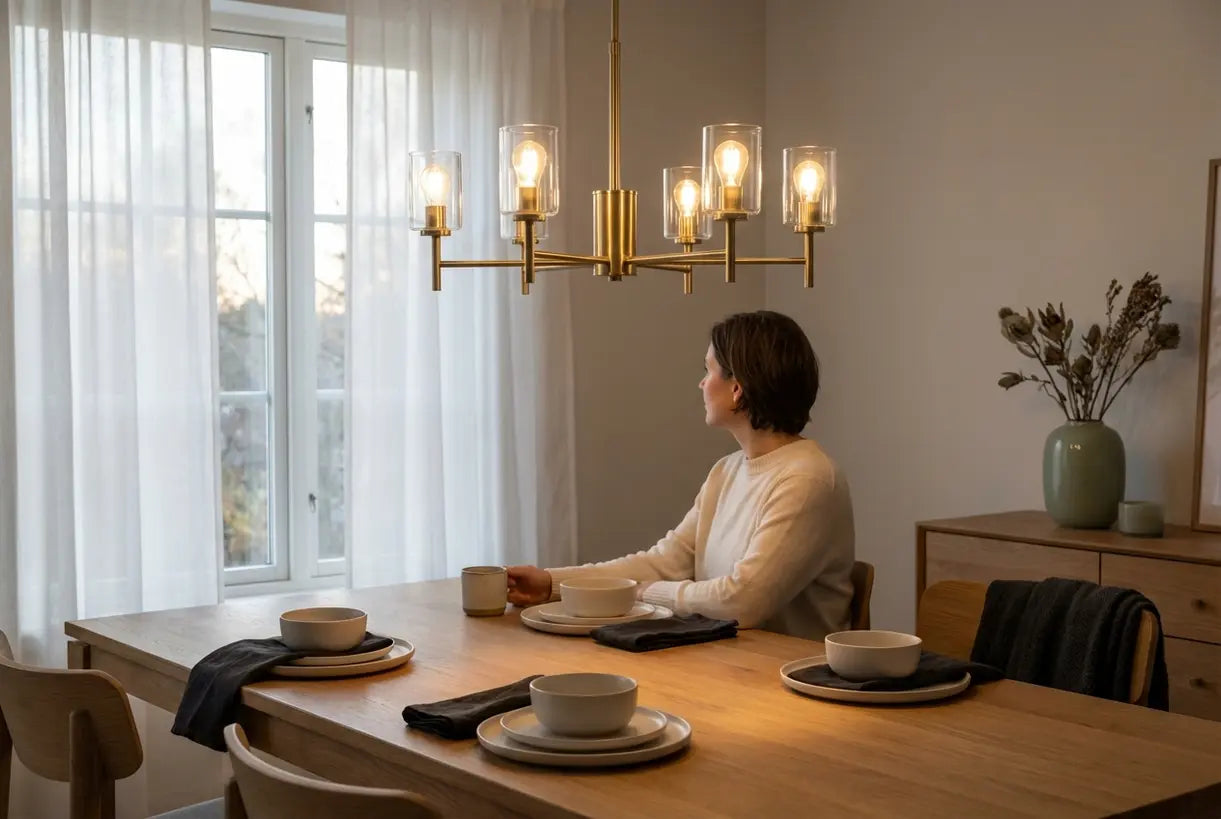
The Stjerna Vintage French Clear Glass Chandelier demonstrates how the right bulbs transform a fixture. Its rippled clear glass panels diffuse light beautifully when paired with warm white E12 bulbs, creating that shimmering glow that makes dining spaces feel both elevated and intimate. With selectable color temperatures from 2700K to 6000K, you can customize the ambiance for everything from morning coffee to evening gatherings.
LED vs Traditional E12 Bulbs: Making the Smart Choice
The transition from incandescent to LED technology has revolutionized how we illuminate our homes. When selecting candelabra led bulbs, understanding the benefits helps justify the typically higher upfront investment.
Energy efficiency stands as the most compelling advantage. LED e12 candelabra bulbs consume 75-90% less electricity than their incandescent counterparts while producing equivalent brightness. Over a bulb's lifetime, this efficiency translates to significant cost savings, particularly in fixtures with multiple bulbs.
Longevity further enhances LED value. While traditional bulbs last approximately 1,000 hours, quality LED alternatives operate for 15,000 to 25,000 hours—sometimes longer. For hard-to-reach fixtures or chandeliers with numerous bulbs, this extended lifespan means fewer replacements and less maintenance hassle.
Heat reduction improves safety and comfort. Incandescent bulbs convert most energy into heat rather than light, creating potential fire hazards near flammable materials and contributing to summer cooling costs. LEDs run dramatically cooler, making them safer for enclosed fixtures and delicate lamp shades.
Creating Ambiance with E12 Lighting
The Scandinavian design philosophy centers on hygge—that untranslatable Danish concept encompassing coziness, comfort, and contentment. Lighting plays an essential role in cultivating this atmosphere, and e12 chandelier bulbs offer remarkable versatility for achieving it.
Layering light sources creates depth and visual interest. Rather than relying on a single overhead fixture, combine your chandelier with table lamps, floor lamps, and candles (even LED alternatives) to build dimension. The warm glow from multiple sources feels inherently more inviting than harsh, single-point illumination.
Glass Lighting
Shop all Glass Lighting
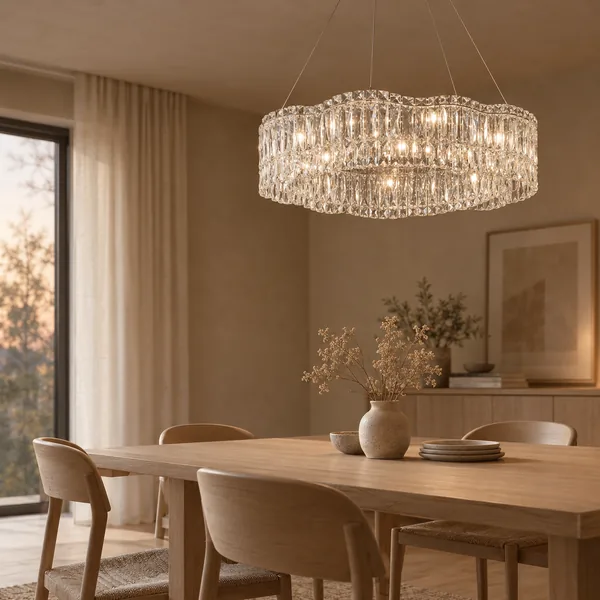
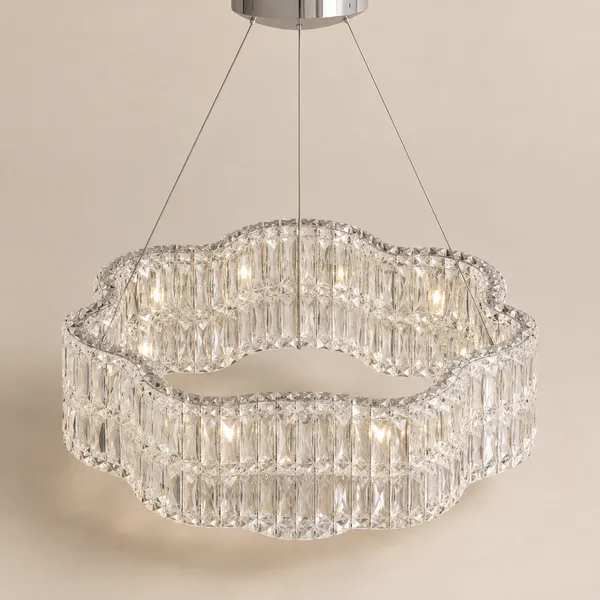
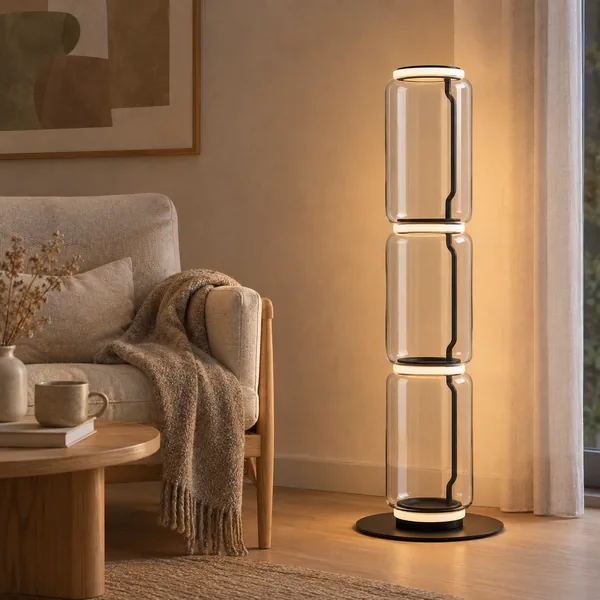
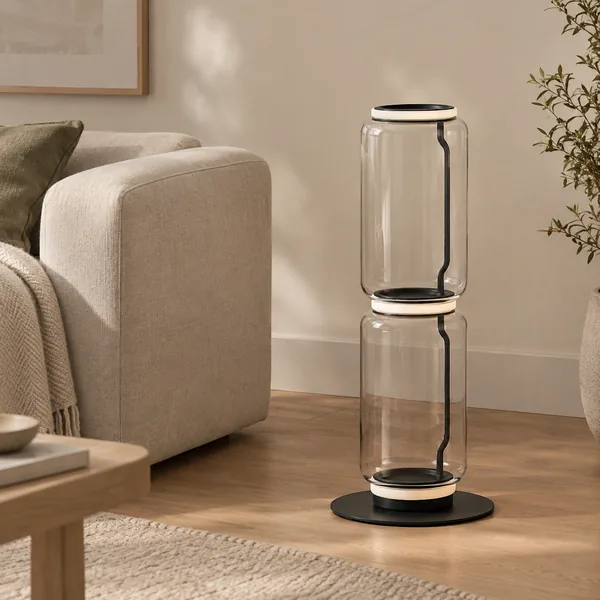
Consider the interplay between bulb and fixture. Amber-tinted glass, like that found in handcrafted stained glass chandeliers, naturally warms the light passing through it. Clear glass fixtures offer more direct, brilliant illumination. The Ravglo Handcrafted Amber Stained Glass Chandelier floods interiors with deep, honeyed radiance when paired with standard E12 bulbs, creating an unforgettable atmosphere that embodies Nordic warmth.
Statement Chandeliers for E12 Candelabra Bulbs
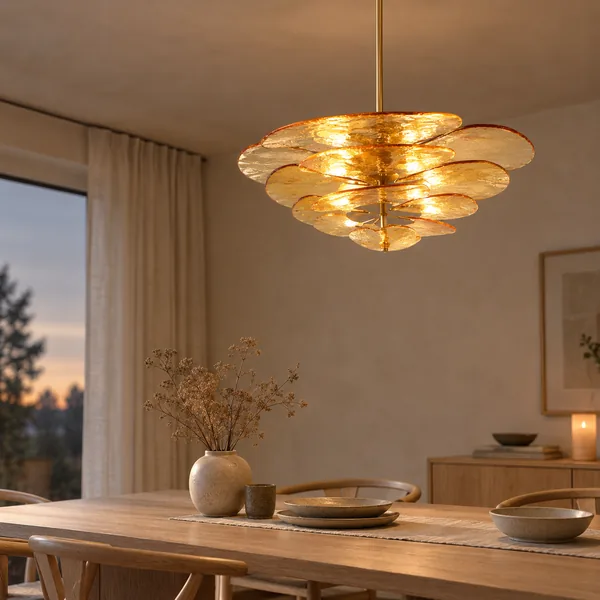 Ravglo Handcrafted Amber Stained Glass Chandelier$899.00$1,389.00
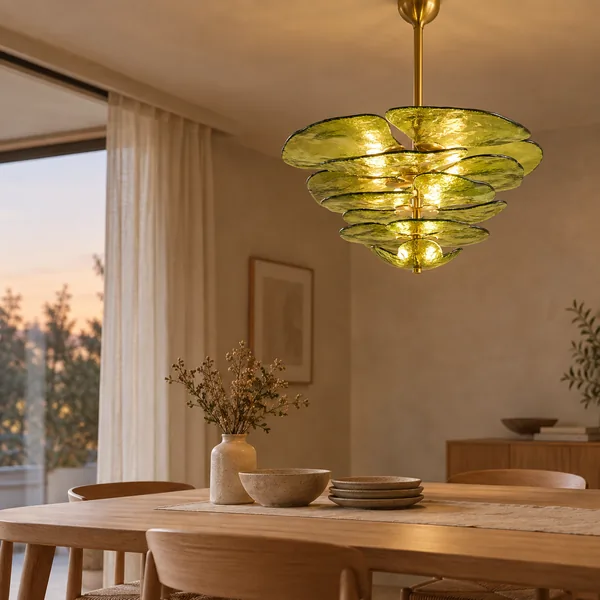 Grønja Stained Green Glass Ceiling Chandelier$899.00$1,289.00
For those drawn to nature-inspired elements, colored glass fixtures offer a distinctive approach. The Grønja Stained Green Glass Ceiling Chandelier brings organic presence through its hand-stained green glass and sculptural semi-flush form. When illuminated by warm E12 bulbs, it casts layered light patterns that evoke forest canopies and natural tranquility.
Installation and Maintenance Tips
Installing e12 led bulbs requires minimal technical expertise, but a few precautions ensure optimal performance and safety. Always turn off power at the circuit breaker before replacing bulbs in hardwired fixtures. For plug-in lamps, simply unplug before handling.
Handle bulbs by their base rather than the glass to prevent oils from your skin affecting performance and lifespan. This is particularly important for halogen bulbs, though good practice applies to all types. Ensure bulbs are screwed in firmly but never force them—stripped sockets create dangerous electrical hazards.
For chandeliers with multiple arms, replace bulbs in pairs or complete sets to maintain consistent color temperature and brightness. Mixing old and new bulbs, or different color temperatures, creates uneven lighting that undermines your carefully curated aesthetic.
Conclusion
Understanding E12 chandelier bulbs empowers you to make informed decisions about your home's lighting. From recognizing the candelabra base specification to selecting between LED and traditional options, choosing appropriate wattage equivalents, and curating the perfect warm white ambiance, you now possess the knowledge to illuminate your Scandinavian-inspired sanctuary with intention.
At Skonne, we believe lighting should do more than simply brighten a room—it should transform how you feel within it. Our curated collection of chandeliers, sconces, and accent fixtures pairs beautifully with quality E12 bulbs to create that unmistakable hygge atmosphere. Whether you're drawn to the vintage elegance of the Stjerna, the warm radiance of the Ravglo, or the organic presence of the Grønja, each piece awaits the perfect candelabra bulbs to bring your vision to life.
Related Article
Chandelier Shades: How to Choose, Replace & Style Your Fixture's ShadesDiscover how to choose, replace, and style chandelier shades to transform your lighting. From linen to glass, learn the secrets to finding the perfect fit.