
Chandelier Shades: How to Choose, Replace & Style Your Fixture's Shades
Summary›
- Why Chandelier Shades Matter in Modern Interiors
- Understanding Different Types of Chandelier Shades
- How to Choose the Right Size Chandelier Shade
- Step-by-Step Guide to Replacing Chandelier Shades
- When to Upgrade: Complete Fixtures with Integrated Shade Design
- 2025-2026 Chandelier Shade Trends and Styling Ideas
- Modern Pendant Alternatives to Traditional Shades
- Expert Tips for Styling Chandeliers with Shades
- Conclusion: Transform Your Space with Intentional Lighting
Chandelier shades have emerged as one of the most transformative yet overlooked elements in interior lighting design. Whether you're looking to soften harsh glare from an existing fixture, update a dated chandelier without the expense of full replacement, or simply add layers of texture to your space, chandelier shades offer an elegant solution that balances function with aesthetics.
At Skonne, we believe lighting should feel intentional and warm, never harsh or clinical. For homeowners and renters seeking that Scandinavian-inspired hygge atmosphere, the right shade can convert an ordinary light source into a sculptural element that diffuses illumination beautifully throughout your room. In this comprehensive guide, we'll walk you through choosing, replacing, and styling chandelier shades to elevate your interior lighting.
Why Chandelier Shades Matter in Modern Interiors
The resurgence of chandelier shades isn't merely nostalgic, it's a response to our collective desire for softer, more ambient lighting. In open-concept homes where multiple light sources compete for attention, shades help define the mood of specific zones. They transform brilliant, exposed bulbs into gentle pools of illumination that flatter skin tones and reduce eye strain during evening hours.
Beyond the practical benefits, chandelier lamp shades introduce materiality and texture to vertical space. A cluster of linen shades brings organic warmth to minimalist rooms, while frosted glass options add subtle refinement without visual heaviness. For those with existing crystal or brass chandeliers, adding shades can modernize the fixture's silhouette while preserving its structural elegance.
Understanding Different Types of Chandelier Shades
Before selecting your shades, familiarize yourself with the primary categories available. Each material and shape creates distinct lighting effects that serve different spatial needs.
Fabric and Linen Chandelier Shades
Natural fiber shades remain the gold standard for creating ambient, diffused light. Linen chandelier shades offer a refined texture that complements Scandinavian and coastal aesthetics particularly well. These shades cast a warm, golden glow that makes dining rooms and bedrooms feel instantly more inviting. For a more casual approach, consider burlap or textured cotton varieties that add rustic character.
Glass and Crystal Options
Frosted glass chandelier shades provide the perfect middle ground between transparency and opacity, softening bulb brightness while maintaining a clean, contemporary profile. Clear glass shades, like those featured in our curated collections, work beautifully when you want to showcase decorative filament bulbs while still directing light downward. For those seeking something unique, textured or seeded glass adds artisanal interest.
Drum and Empire Silhouettes
Shape significantly impacts both aesthetics and light distribution. Drum chandelier shades offer a modern, cylindrical profile that works exceptionally well over dining tables and kitchen islands. Traditional empire shapes (wider at the bottom) provide broader illumination coverage, making them ideal for entryways and living rooms where you want to maximize ambient light.
How to Choose the Right Size Chandelier Shade
Proportion is everything when selecting replacement shades. A shade that's too small appears lost and fails to properly diffuse light, while oversized options overwhelm the fixture and obstruct sightlines. Here are essential sizing guidelines:
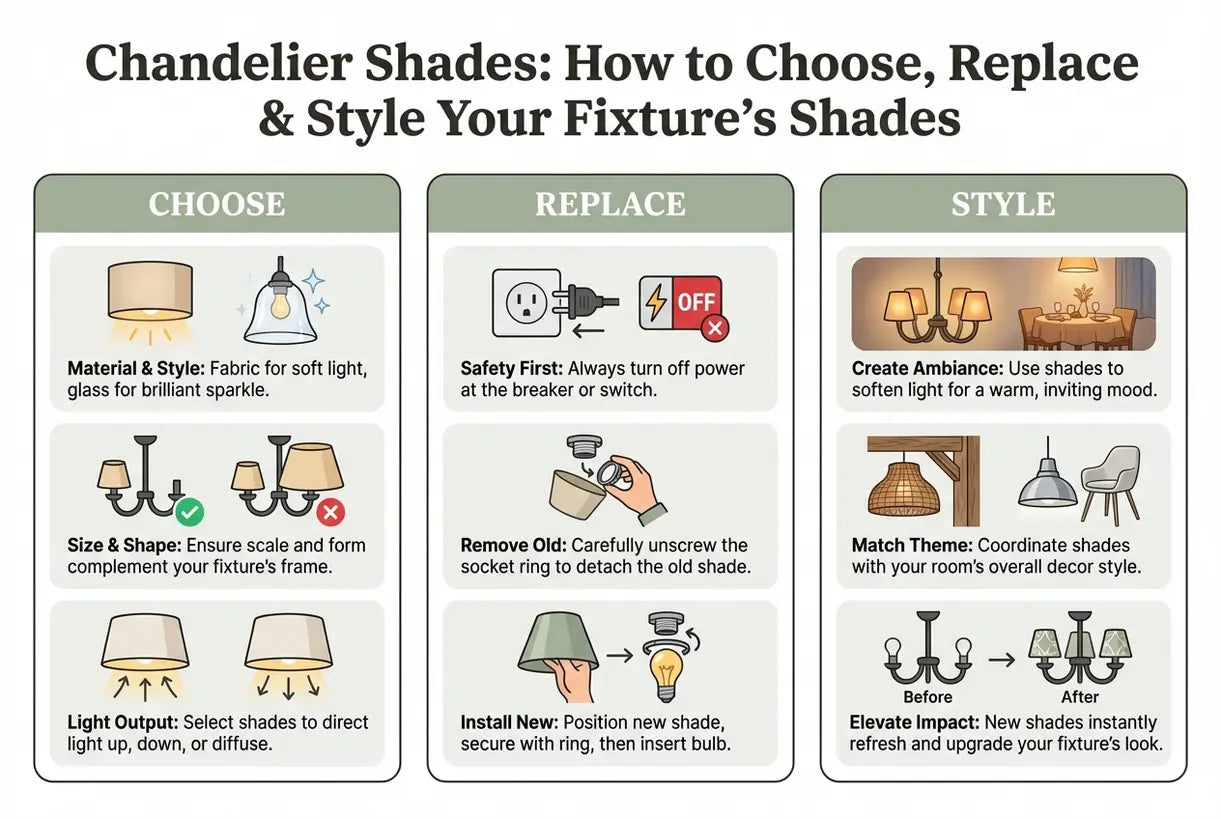
- For individual bulbs on branching chandeliers, the shade diameter should generally measure 2 to 3 inches wider than the light bulb itself
- Shade height should cover the bulb completely when viewed from eye level while seated
- Clip-on chandelier shades should attach securely without visible hardware when viewed from below
- Ensure adequate clearance between multiple shades on multi-arm fixtures to prevent overcrowding
When measuring existing fixtures, record the harp size (for slip-uno fitters) or the bulb base diameter (for clip-on styles). For those with Dining Room Lighting collections, coordinating shade proportions with table dimensions creates visual harmony throughout the space.
Step-by-Step Guide to Replacing Chandelier Shades
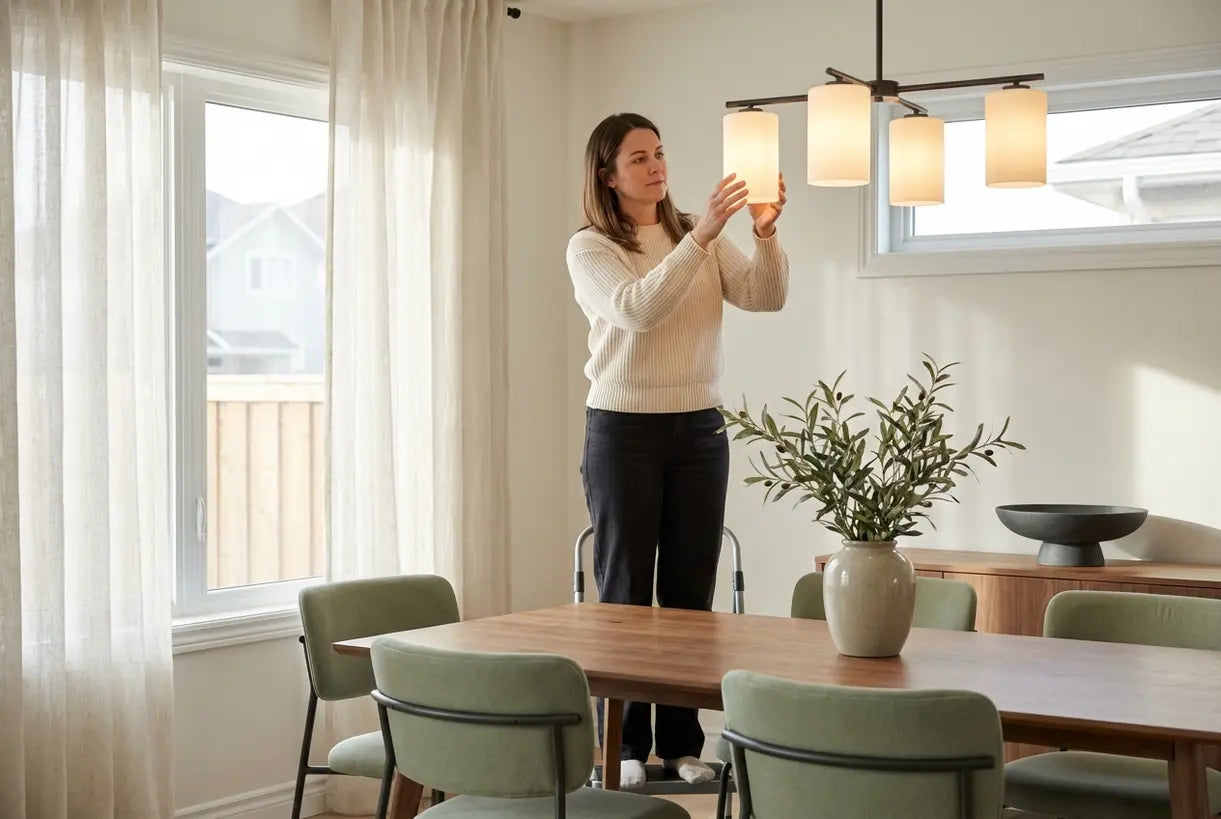
Installing new chandelier shades requires minimal tools but benefits from methodical preparation. Begin by turning off power at the circuit breaker, never just the wall switch, to eliminate any risk while working above your head.
Remove existing shades by unscrewing the finial caps or gently releasing clip mechanisms. Clean the fixture arms thoroughly before installing new shades, as dust accumulates in these often-neglected areas. When attaching replacements, ensure all hardware is finger-tight plus a quarter turn to avoid cracking glass or warping fabric fitters.
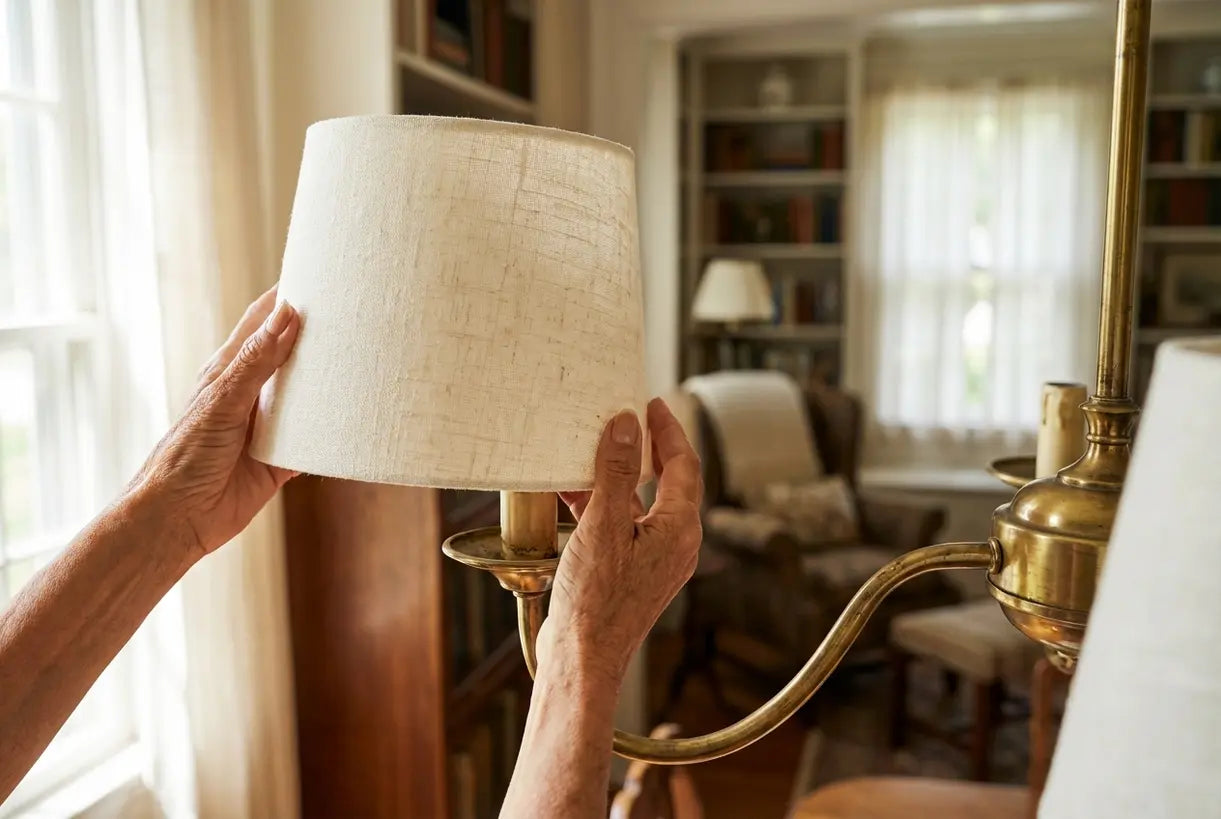
Test your installation by restoring power and observing from multiple angles. Replacement lamp shades should hang level and show no wobble when gently touched. If using fabric shades, verify that no bulb sits closer than 2 inches to the material to prevent discoloration or fire hazards.
Chandeliers
Shop all Chandeliers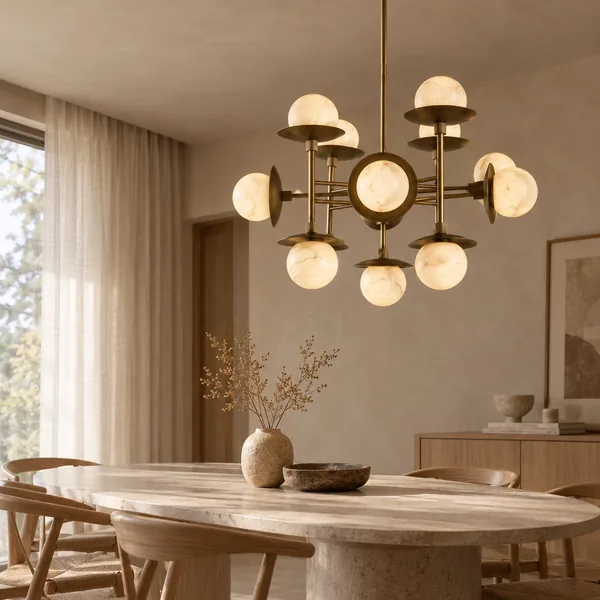
When to Upgrade: Complete Fixtures with Integrated Shade Design
Sometimes, a fixture has reached the end of its aesthetic lifespan, and replacement shades merely postpone the inevitable. When your chandelier's metalwork feels dated or its proportions don't suit your space, investing in a new fixture with thoughtfully designed modern chandelier shades built into its architecture often proves more satisfying than retrofitting.
The Klarglod Dimmable Nordic K9 Crystal Chandelier exemplifies how contemporary fixtures integrate shade functionality with sculptural beauty. Its hand-selected K9 crystal accents and clear glass shades create a sophisticated diffusion effect that adjustable shades cannot replicate. With remote-controlled brightness and color temperature adjustment, this piece eliminates the need for aftermarket modifications entirely.
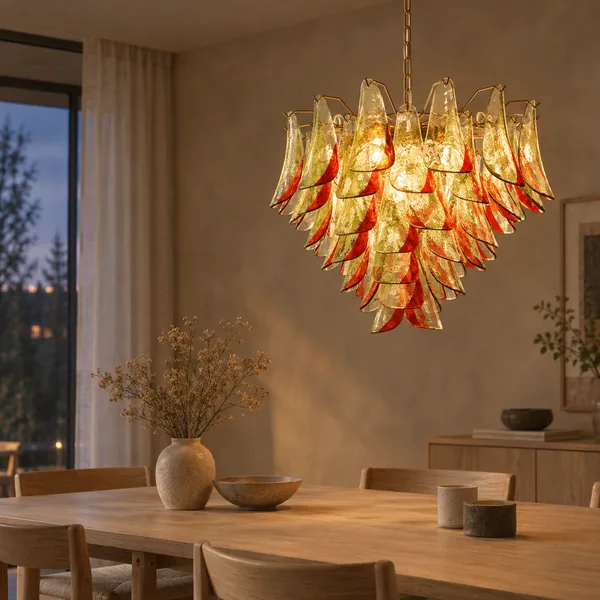 Klarglod Dimmable Nordic K9 Crystal Chandelier$889.00$1,279.00
2025-2026 Chandelier Shade Trends and Styling Ideas
The landscape of lighting design continues evolving toward natural materials and organic forms. Current trends emphasize handcrafted textures that celebrate imperfection and material honesty.
Natural Material Dominance
We're seeing unprecedented interest in unbleached linens, raw silks, and handwoven fibers. These materials age beautifully, developing a patina that adds character over time. Paired with brass or matte black hardware, natural shades bridge the gap between traditional and contemporary interiors.
Sculptural Glass Innovations
Beyond standard frosted options, glass chandelier shades now feature subtle ripples, seeded textures, and gradient opacity that create dynamic light patterns. These artistic elements transform functional lighting into conversation pieces, particularly effective in minimalist spaces where every object must earn its place.
Mixing Metals and Materials
Don't feel constrained to match shades perfectly across your home. Strategic contrast, such as pairing black chandelier shades with warm wood tones or combining clear glass with brushed nickel, creates sophisticated visual tension. The key lies in maintaining consistent undertones, warm with warm, cool with cool.
Modern Pendant Alternatives to Traditional Shades
For those building their lighting scheme from scratch, consider whether a pendant with an integrated sculptural form might serve your needs better than a traditional chandelier with separate shades. Contemporary Nordic design offers compelling alternatives that eliminate the shade-versus-fixture distinction entirely.
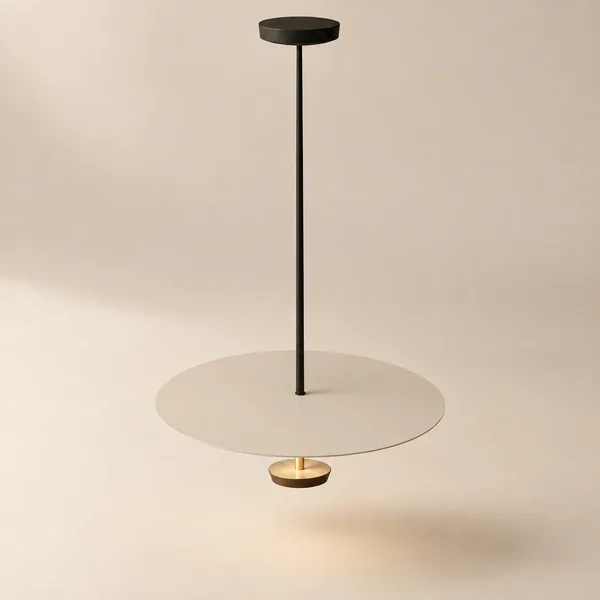
The Skiva Saucer Nordic LED Pendant Ceiling Light demonstrates this philosophy beautifully. Its clean, saucer-shaped silhouette functions as both shade and fixture, floating effortlessly above your space to cast a soft, even glow. The understated disc geometry draws the eye upward without dominating the visual field, perfect for minimalist Scandinavian interiors where simplicity reigns.
Similarly, the Driva Sculptural Cloud Pendant Light in Glass offers an ethereal alternative to conventional shaded fixtures. Each hand-sculpted shade is individually shaped from high-quality glass, meaning no two are exactly alike. This organic texture introduces warmth and personality to clean-lined spaces while providing the diffused illumination that fabric shades traditionally offer.
Elevated Lighting Solutions
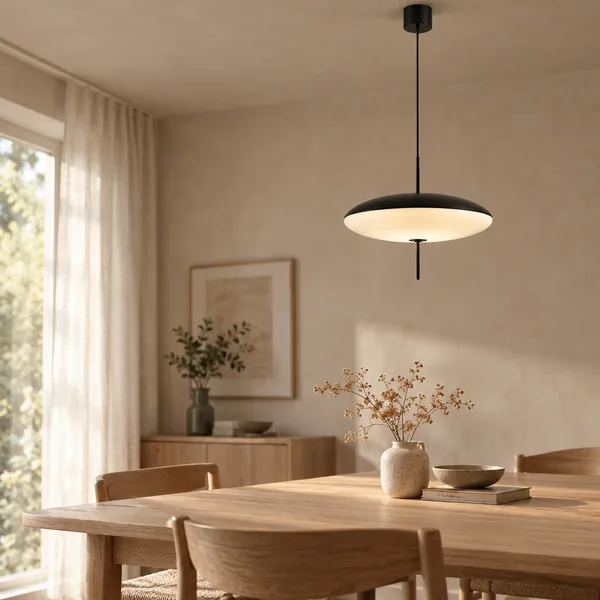 Skiva Saucer Nordic LED Pendant Ceiling Light$179.00$219.00
Both options eliminate the compatibility concerns of clip-on chandelier shades while providing cohesive design statements that standalone shades cannot achieve. For new construction or complete room renovations, these integrated solutions often prove more cost-effective than purchasing separate fixtures and aftermarket shades.
Expert Tips for Styling Chandeliers with Shades
Once you've selected your chandelier with lampshades, consider these professional styling approaches to maximize impact:
Layer your lighting. Chandelier shades work best as part of a comprehensive lighting plan. Pair shaded overhead fixtures with table lamps at eye level and accent lighting at ground level to eliminate harsh shadows and create dimensional illumination.
Consider color temperature. The material of your shade affects how warm or cool your light appears. Cream and beige linens enhance warm-toned LED bulbs, while white or gray fabric shades balance cooler temperatures. Always test bulb and shade combinations before committing to multiple units.
Maintain visual breathing room. In rooms with standard 8-foot ceilings, ensure at least 7 feet of clearance below the bottom of your shaded fixture. For dining applications, hang the fixture 30 to 36 inches above the tabletop surface, adjusting based on the room's overall scale and ceiling height.
Pendant Lights
Shop all Pendant Lights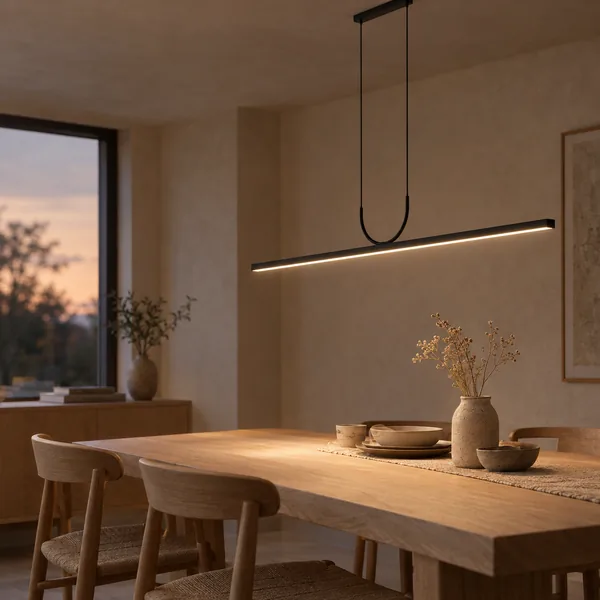
 Save $140.00
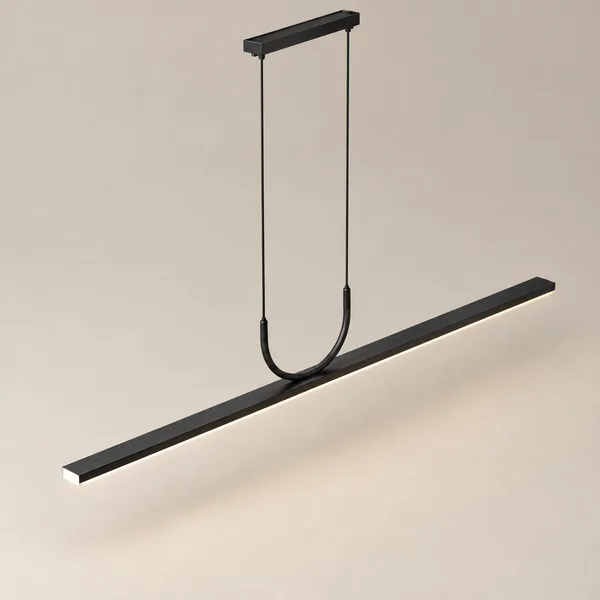
Linné Minimalist Linear Black LED Pendant Light
 Save $60.00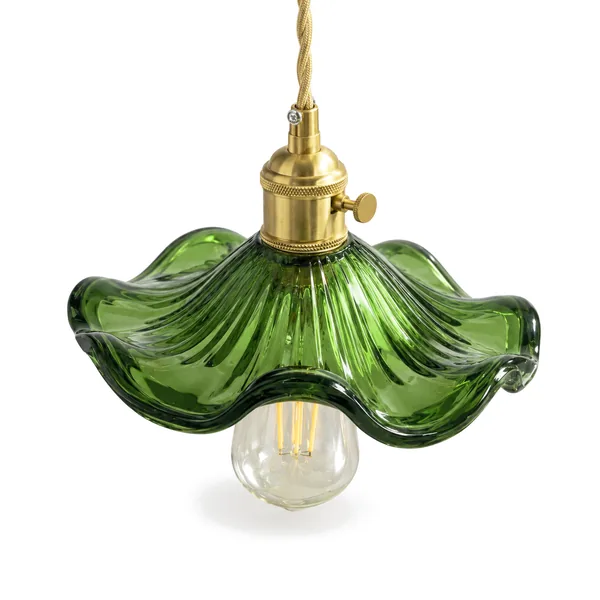
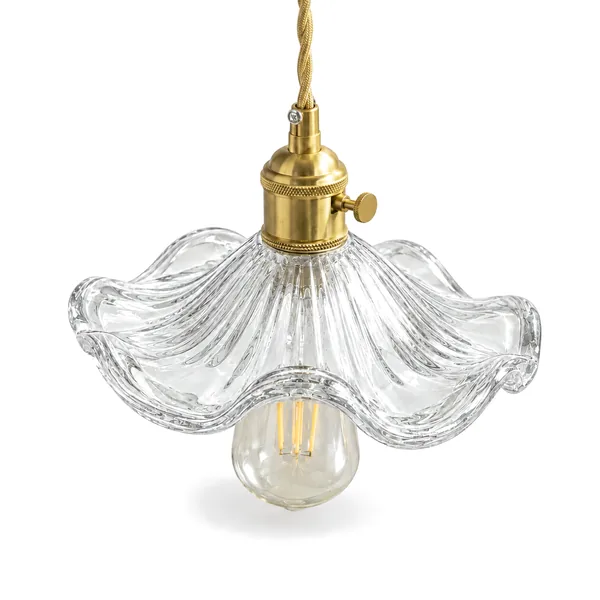
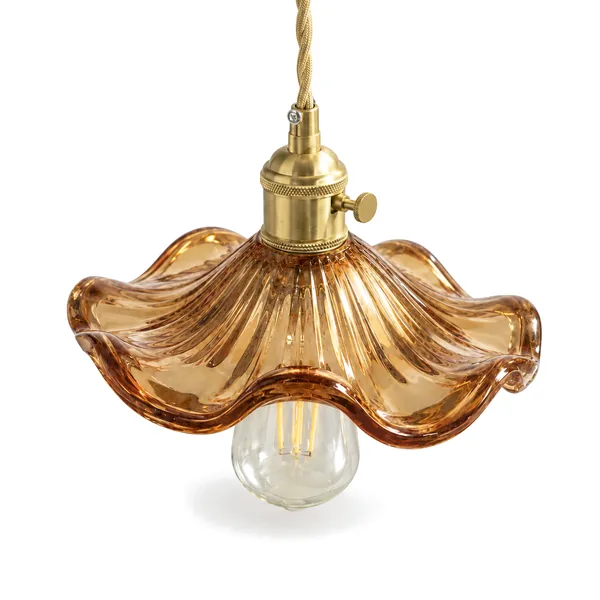 3 options
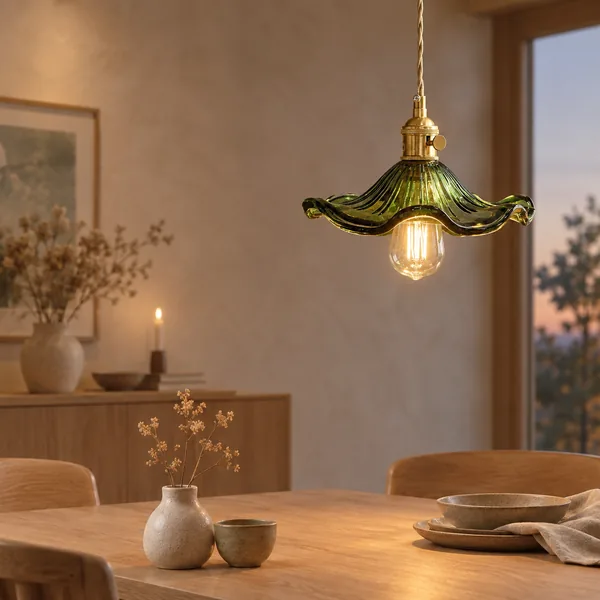
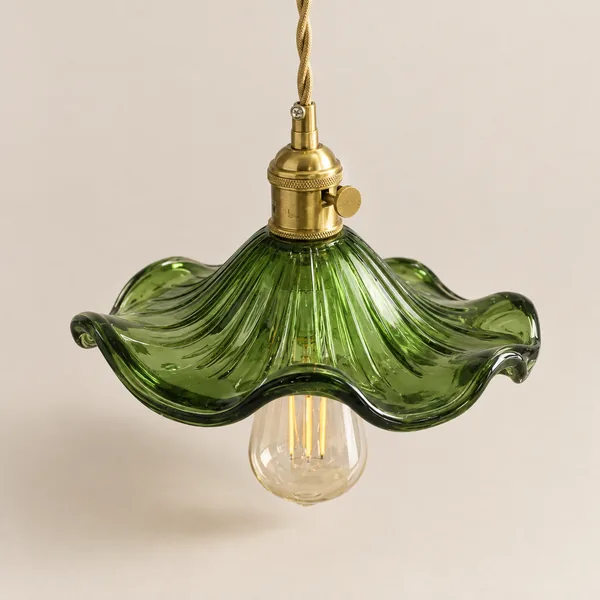
Glora Nordic Glass Pendant Light with Copper
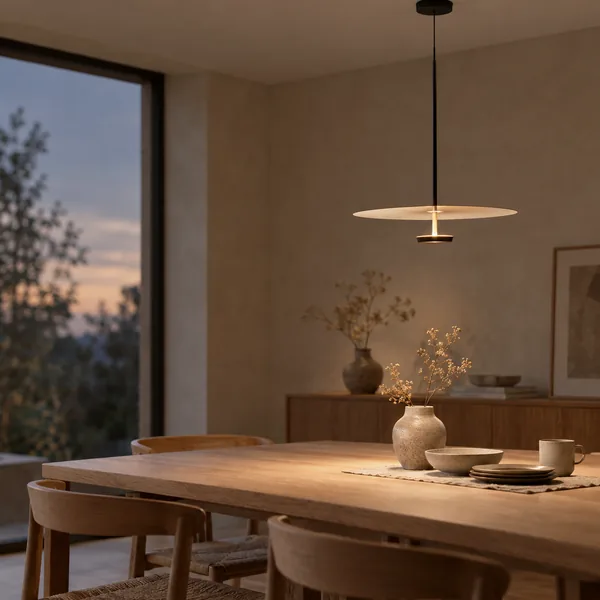
 Save $120.00
Skiva Nordic Saucer Ceiling Pendant Light LED
Conclusion: Transform Your Space with Intentional Lighting
Chandelier shades represent one of the most accessible entry points into elevated interior design. Whether you're breathing new life into a vintage fixture with vintage chandelier shades, modernizing with sleek drum silhouettes, or exploring the soft diffusion of linen options, the right shade transforms harsh illumination into ambient atmosphere.
At Skonne, we curate lighting solutions that honor the Scandinavian principles of intentional design and warm functionality. While replacement shades offer immediate improvements to existing fixtures, our collection of complete pendants and chandeliers provides cohesive alternatives for those ready to invest in architectural lighting. Each piece is selected to create that elusive sense of hygge, the comfort and contentment that comes from spaces designed with care.
Explore our curated lighting collections to discover how thoughtful illumination can transform not just your rooms, but the way you experience daily life within them.
Related Article
Farmhouse Chandeliers: Charming Fixtures for Country-Inspired & Rustic-Modern HomesFind the perfect farmhouse chandelier to transform your space. From wagon wheel to modern farmhouse styles, discover sizing tips and rustic lighting ideas.