
Eclectic Home Decor: How to Mix Styles, Colors & Eras for a Uniquely Personal Interior
Summary›
- What Is Eclectic Style Home Decor?
- The Core Principles of Eclectic Style Interior Design
- How to Mix Different Interior Design Styles
- The 3-5-7 Rule in Decorating
- Curating Your Colorful and Unique Home Decor
- Common Eclectic Decor Mistakes to Avoid
- Creating Your Eclectic Style Home Decor Living Room
- Conclusion: Your Personal Design Journey
Creating a home that truly reflects your personality requires more than following a single design trend. Eclectic style home decor offers the freedom to blend different aesthetics, periods, and influences into one cohesive narrative. Yet many homeowners hesitate, fearing the result will look chaotic rather than curated. The good news? With the right principles and intentional selections, you can master this artfully mixed approach without sacrificing harmony.
In this guide, you will discover how to confidently combine vintage and contemporary pieces, mix bold colors with neutral foundations, and create a space that feels uniquely yours. Whether you are drawn to quirky home decor finds or prefer a more restrained colorful home decor palette, the techniques ahead will help you cultivate eclectic interiors that feel intentional and elevated.
What Is Eclectic Style Home Decor?
At its essence, eclectic style home decor is the intentional combination of diverse design elements from different periods, cultures, and aesthetical movements. Unlike a strictly modern or traditional interior, eclectic spaces draw from multiple sources while maintaining visual cohesion through thoughtful curation.
This approach celebrates individuality. It allows you to incorporate that mid-century chair you inherited, the contemporary artwork that speaks to you, and the global textiles from your travels—all within the same room. The key is not randomness, but rather a unifying thread that ties these varied elements together. This might be a consistent color palette, similar material finishes, or a shared design philosophy like craftsmanship and authenticity.
The Core Principles of Eclectic Style Interior Design
Before diving into specific techniques, understanding the foundational principles will set you up for success. These guidelines ensure your unique home decor choices feel intentional rather than accidental.
Balance Through Intention
The heart of successful eclectic design lies in intentional balance. Every piece should earn its place in your home. Ask yourself: Does this object contribute to the story I want to tell? Does it complement or meaningfully contrast with my existing pieces?
Consider creating what design professionals call "visual rest areas"—neutral zones where the eye can pause between more expressive elements. A quiet wall color, a simple sofa in a solid hue, or unadorned natural wood surfaces provide this necessary breathing room. Without these anchoring moments, even the most beautiful colorful home decor can overwhelm.
The Art of Color Mixing
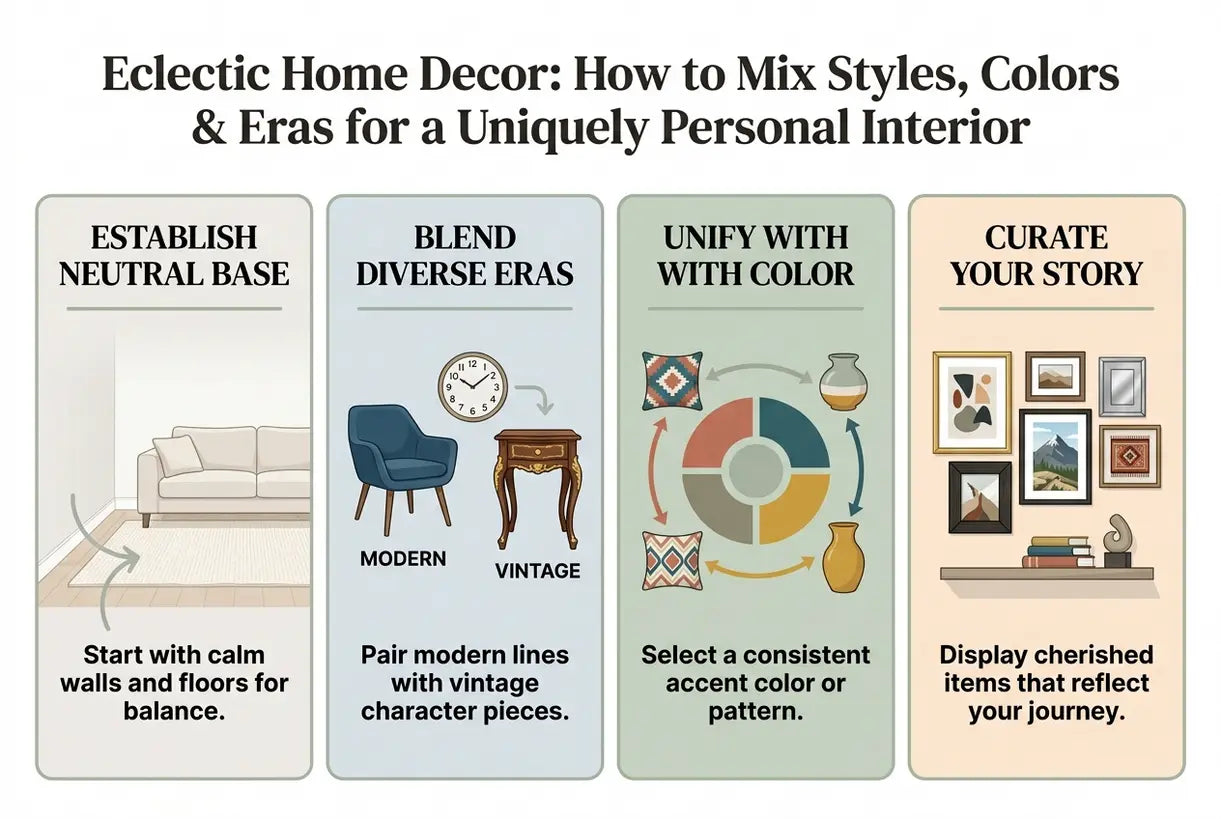
Color serves as one of the most powerful unifying elements in eclectic style interior design. Rather than using every shade you love simultaneously, establish a core palette of three to four colors that appear throughout your space in varying proportions.
Start with a neutral foundation—warm whites, soft grays, or natural wood tones work beautifully in Scandinavian-inspired spaces. Then layer in your accent colors through textiles, artwork, and decorative accessories. This approach gives you freedom to incorporate bold hues while maintaining the serene, hyggelig atmosphere that makes a house truly feel like home.
How to Mix Different Interior Design Styles
Successfully blending multiple design styles requires understanding the essence of each aesthetic you want to incorporate. Rather than simply placing a Victorian chair next to a minimalist table, look for common threads—similar proportions, complementary materials, or shared color tones.
Consider pairing these combinations:
- Industrial and Bohemian: Raw metal finishes with woven textiles and organic shapes
- Mid-Century and Scandinavian: Clean lines, warm wood tones, and functional beauty
- Traditional and Contemporary: Classic silhouettes in modern materials or updated colors
- Global and Minimalist: Curated artifacts against a restrained, neutral backdrop
When mixing styles, scale and proportion become crucial. A bulky traditional sofa might overwhelm delicate modern side tables, while an oversized contemporary artwork can anchor an otherwise traditional room. Play with these relationships until you achieve visual equilibrium.
Pendant Lights
Shop all Pendant Lights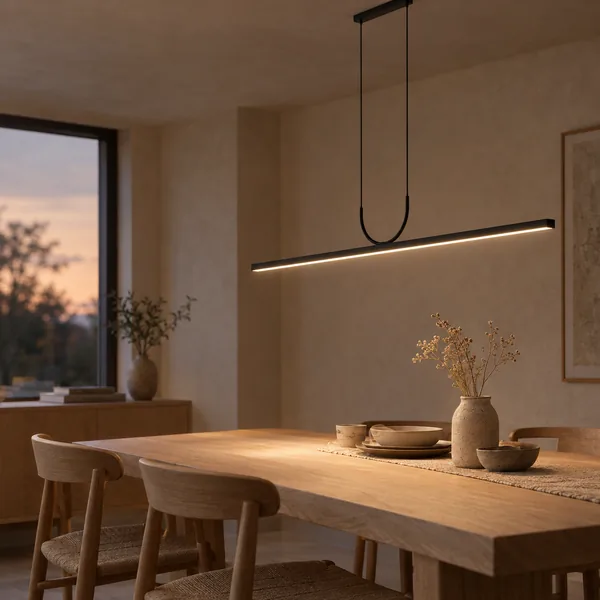
 Save $140.00
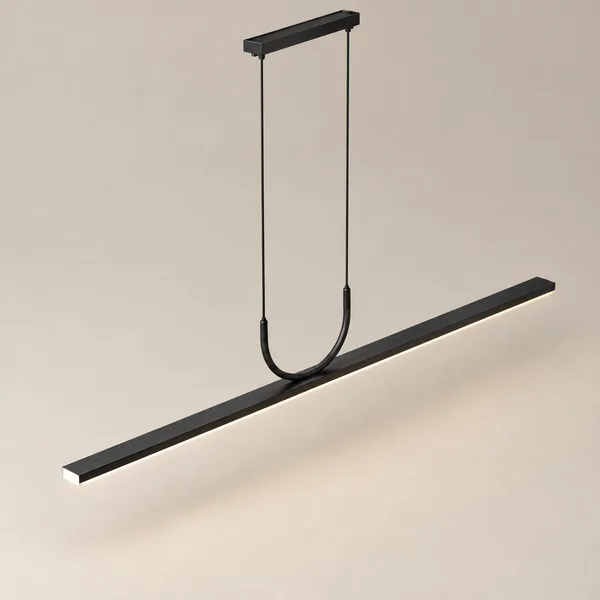
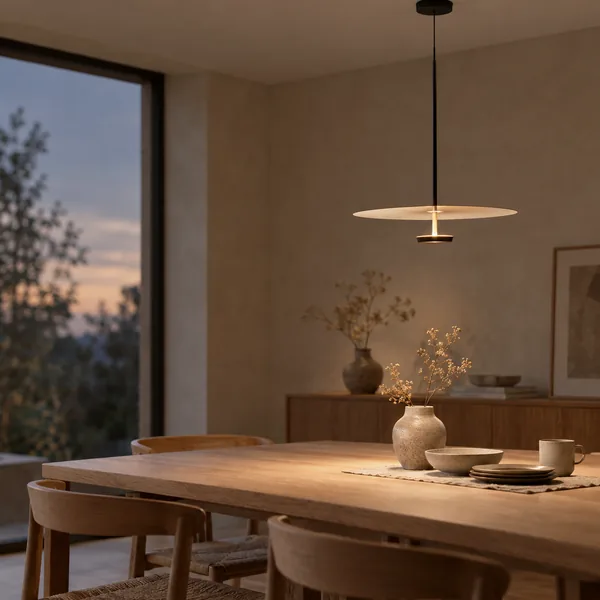
Linné Minimalist Linear Black LED Pendant Light
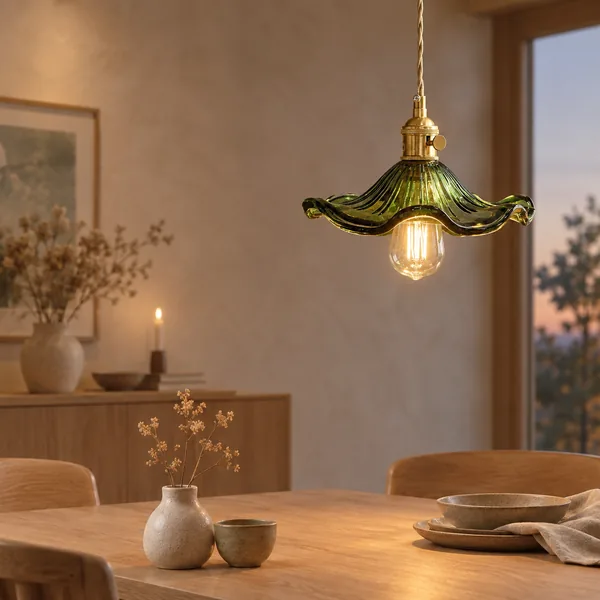
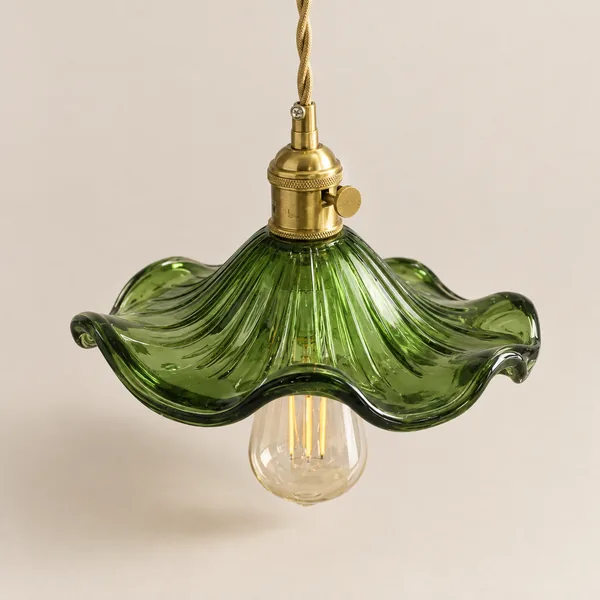 Save $60.00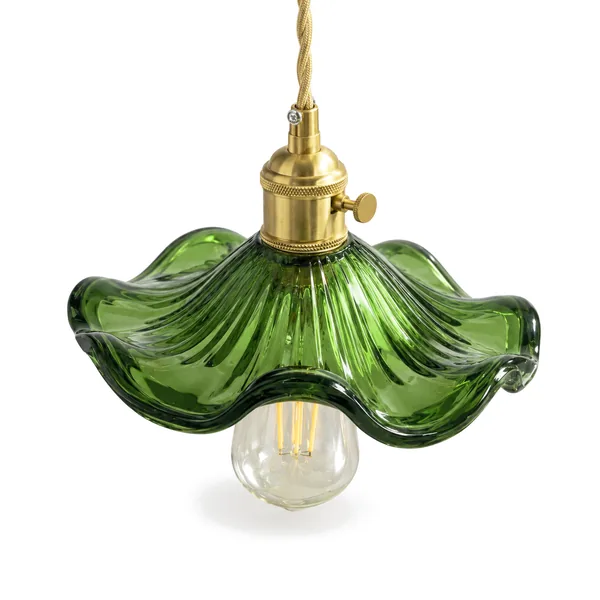
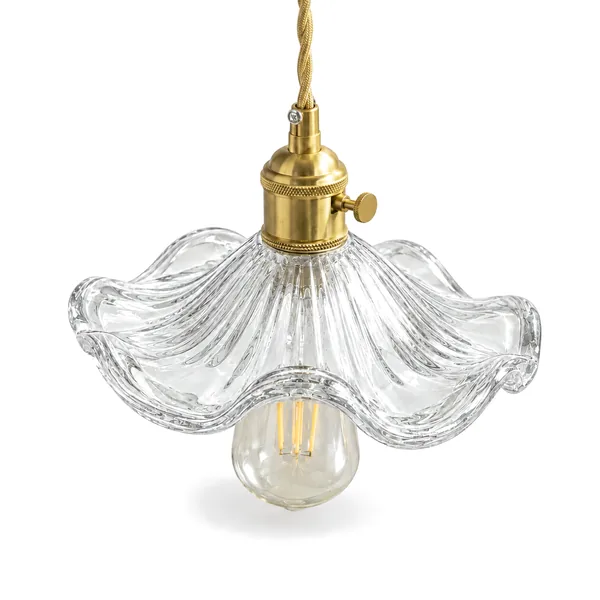
 3 options
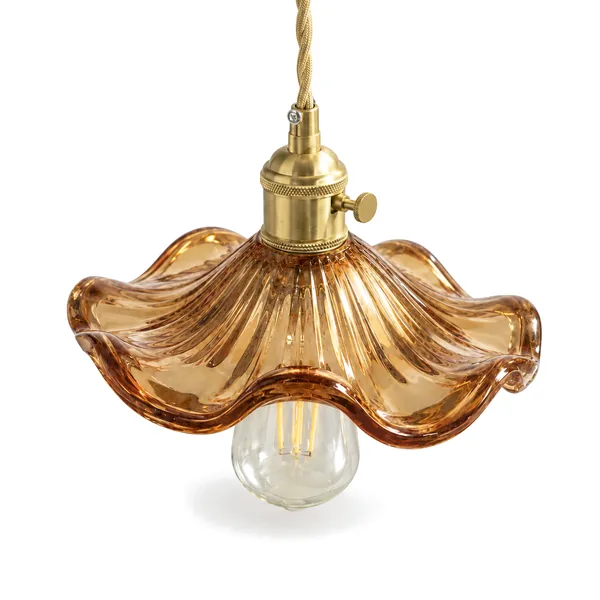
Glora Nordic Glass Pendant Light with Copper
 Save $120.00
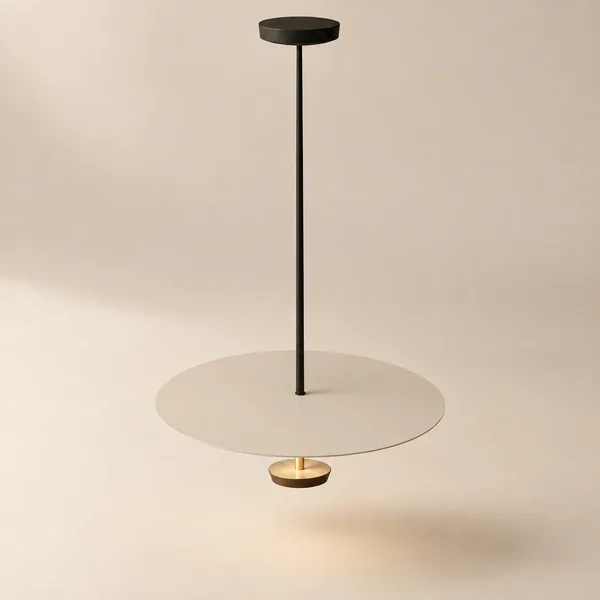
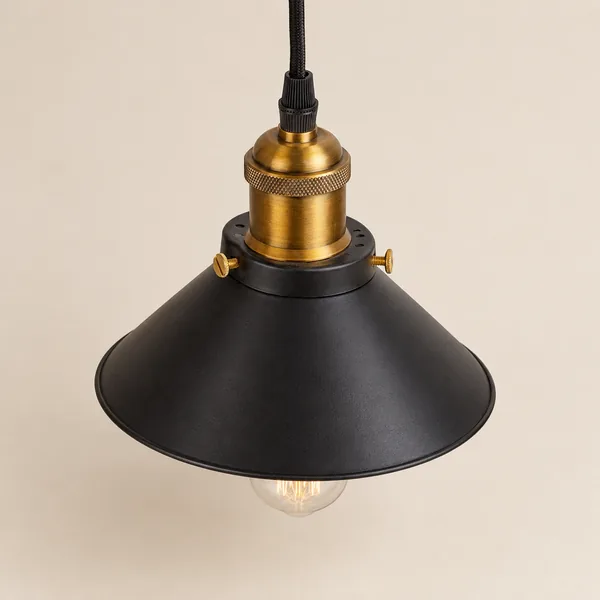
Skiva Nordic Saucer Ceiling Pendant Light LED
The 3-5-7 Rule in Decorating
One of the most practical frameworks for achieving balanced eclectic style home decor is the 3-5-7 rule. This guideline helps you arrange decorative objects in groupings that feel naturally harmonious to the human eye.
The rule suggests using:
- Three items for simple, impactful arrangements (symmetrical or asymmetrical)
- Five items for medium complexity displays that draw more visual interest
- Seven items for maximum impact on larger surfaces like credenzas or fireplace mantels
Within these groupings, vary the heights, textures, and visual weights of your objects. A tall ceramic vase paired with a medium sculpture and small woven basket creates more dynamic tension than three items of identical proportions. This principle works beautifully for those drawn to vintage eclectic decorating style arrangements, where collected treasures of varying eras naturally differ in scale and material.
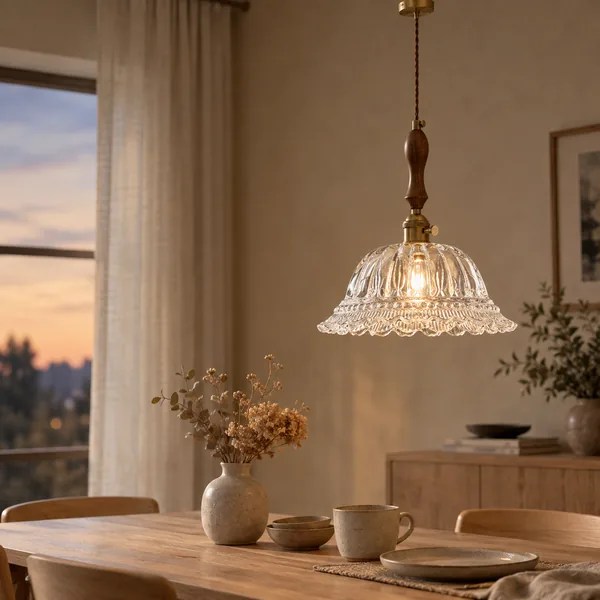 Gloda Walnut Brass French Style Pendant Light$169.00$229.00
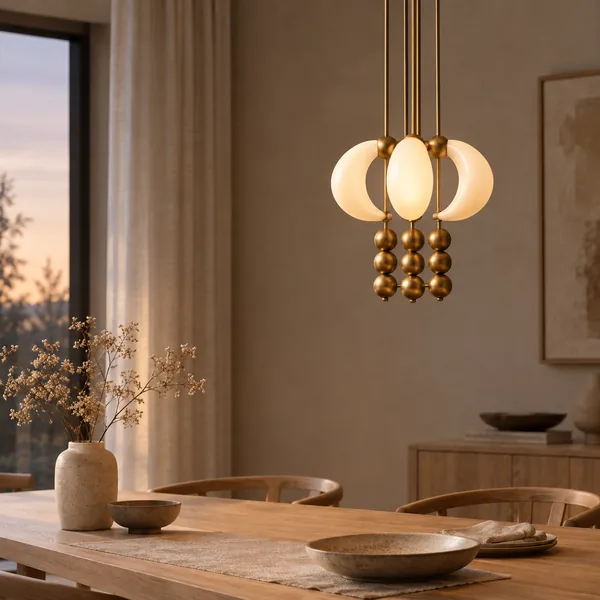
The Gloda Walnut Brass French Style Pendant Light exemplifies how a single statement piece can bridge multiple design eras. Its French pastoral aesthetic introduces vintage warmth, while the walnut and brass materials work beautifully in modern, Scandinavian, or traditional settings alike. Suspended over a dining table or in an entryway, it becomes the unifying element that allows other diverse pieces to coexist harmoniously.
Curating Your Colorful and Unique Home Decor
Building an eclectic collection happens gradually. The most compelling spaces evolve over time as you discover pieces that truly resonate with your aesthetic sensibility. Rather than rushing to fill every shelf, embrace the slow process of finding objects with genuine character.
Artisan Pieces for Your Curated Space
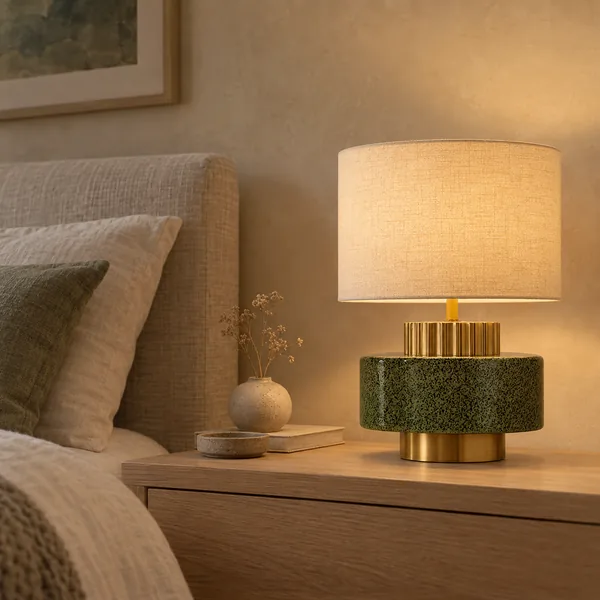 Leireld Artisan Ceramic Pottery Table Lamp Vintage$469.00$789.00
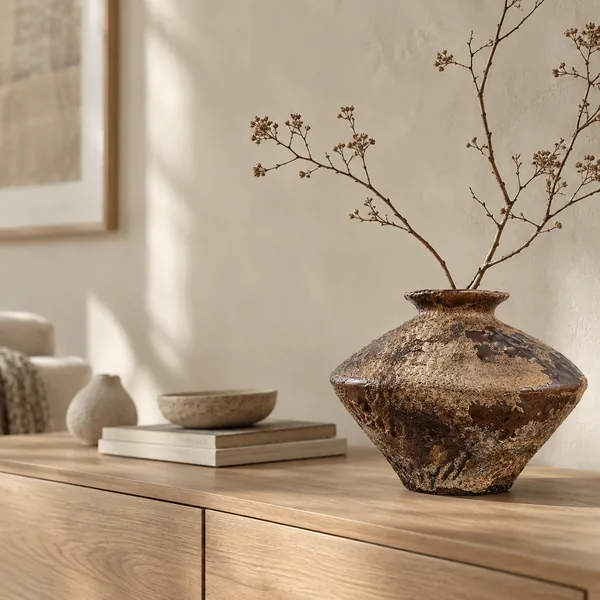 Jorde Handmade Rustic Ceramic Vase Home Decor$129.00$189.00
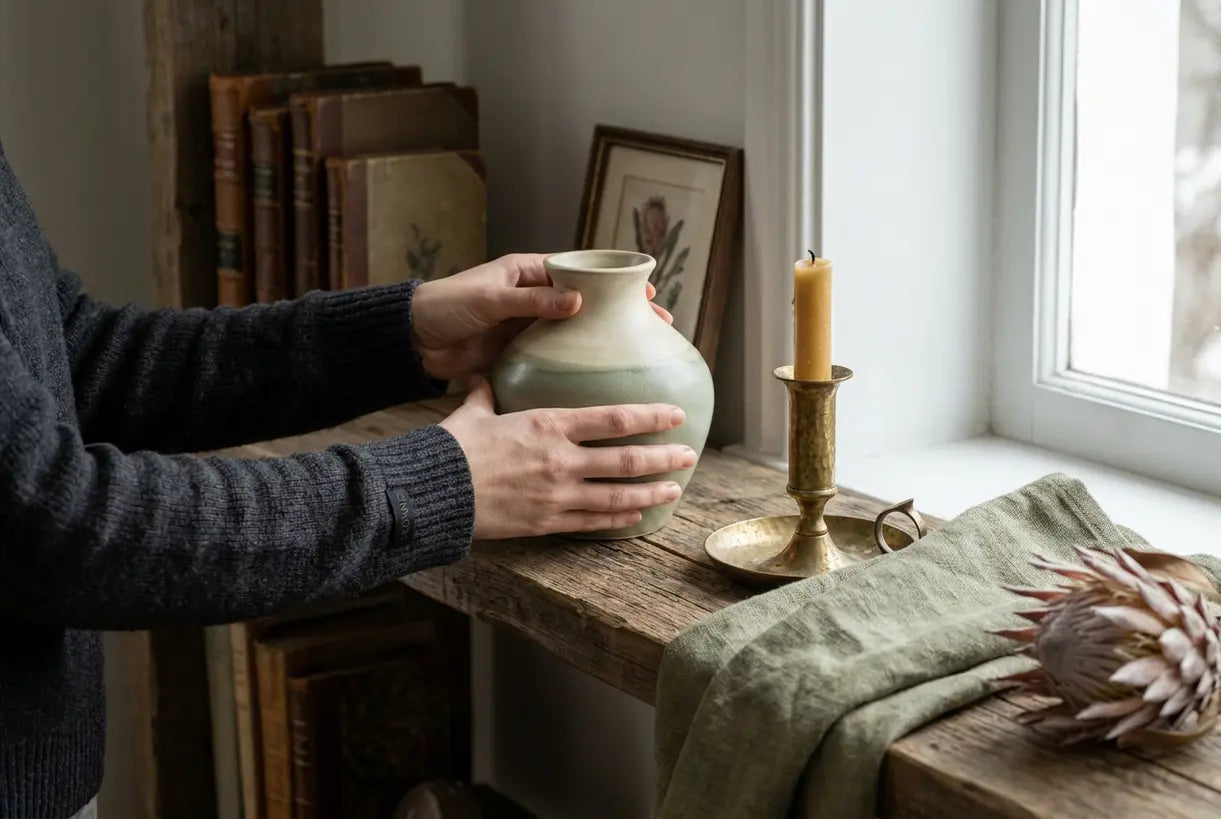
Handcrafted items bring irreplaceable soul to eclectic style home decor. The Leireld Artisan Ceramic Pottery Table Lamp Vintage carries the unique marks of its maker—no two pieces are identical. This inherent individuality makes it perfect for spaces that celebrate personal expression. Likewise, the Jorde Handmade Rustic Ceramic Vase Home Decor embraces intentional imperfections and active glazing that tell a story of craftsmanship and material honesty.
Finding Treasures at Flea Markets
Some of the most meaningful additions to your home come from unexpected places. Flea markets, estate sales, and antique shops offer opportunities to discover one-of-a-kind pieces with history and patina. When shopping secondhand, look for:
- Quality materials: Solid wood, genuine metal, natural stone, and hand-blown glass age beautifully
- Interesting silhouettes: Shapes that contrast with your existing furniture create visual interest
- Restoration potential: Sometimes a simple reupholstery job or refinishing transforms a dated piece into a showstopper
- Authentic craftsmanship: Look for dovetail joints, hand-stitching, and other signs of quality construction
These found objects often become conversation starters—the vintage leather trunk that now serves as a coffee table, the brass chandelier rescued from a closing hotel, the ceramic collection gathered from travels near and far.
Common Eclectic Decor Mistakes to Avoid
Even with the best intentions, certain pitfalls can derail your eclectic style interior design vision. Awareness of these common errors helps you sidestep chaos and maintain the elevated, curated feeling that defines successful eclectic spaces.
Mistake 1: Randomness Without Reason
The most frequent misstep is collecting eye-catching pieces without a unifying framework. While each item might be beautiful individually, they fail to create a harmonious whole. Combat this by establishing your core color palette and material story before adding new pieces. When considering a purchase, ask yourself how it relates to at least two existing elements in your home.
Mistake 2: Neglecting Scale and Proportion
Mixing furniture from different eras often means mixing different scales. A delicate antique writing desk might look lost against a massive contemporary sectional. Pay attention to the overall footprint and visual weight of each piece. Aim for balance across the room rather than matching individual items.
Mistake 3: Too Many Focal Points
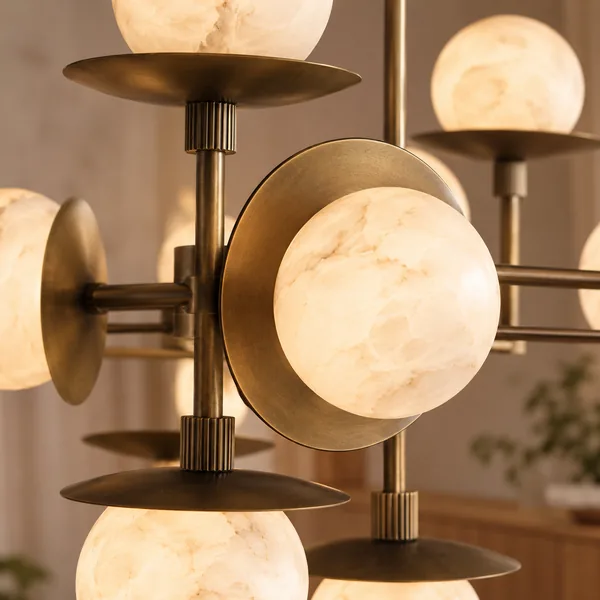
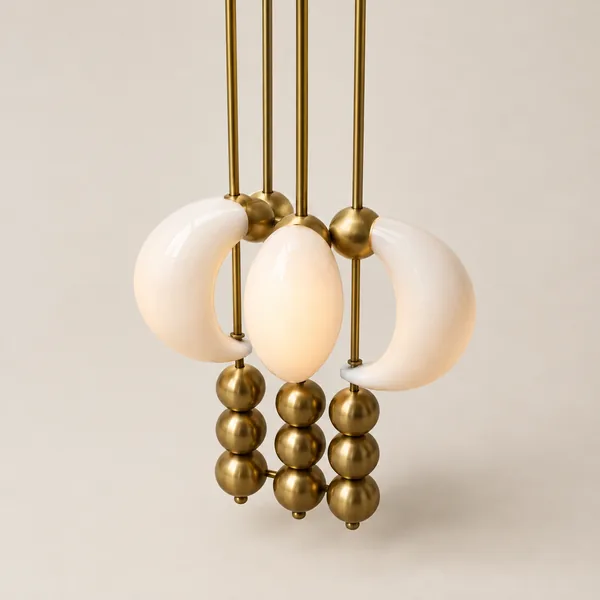
Every room needs a hero—a primary focal point that draws the eye and anchors the arrangement. In eclectic spaces, the temptation to make everything a statement piece creates visual confusion. Choose one dominant element (perhaps a dramatic light fixture, a bold piece of art, or an architectural feature) and allow supporting pieces to play secondary roles.
Chandeliers
Shop all Chandeliers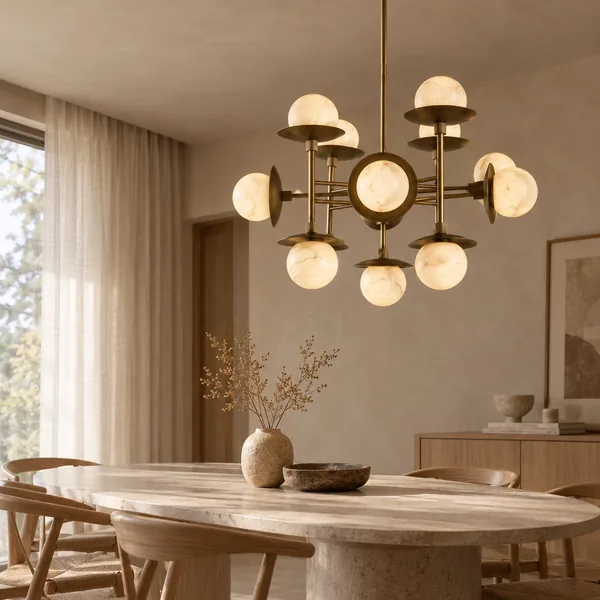
Creating Your Eclectic Style Home Decor Living Room
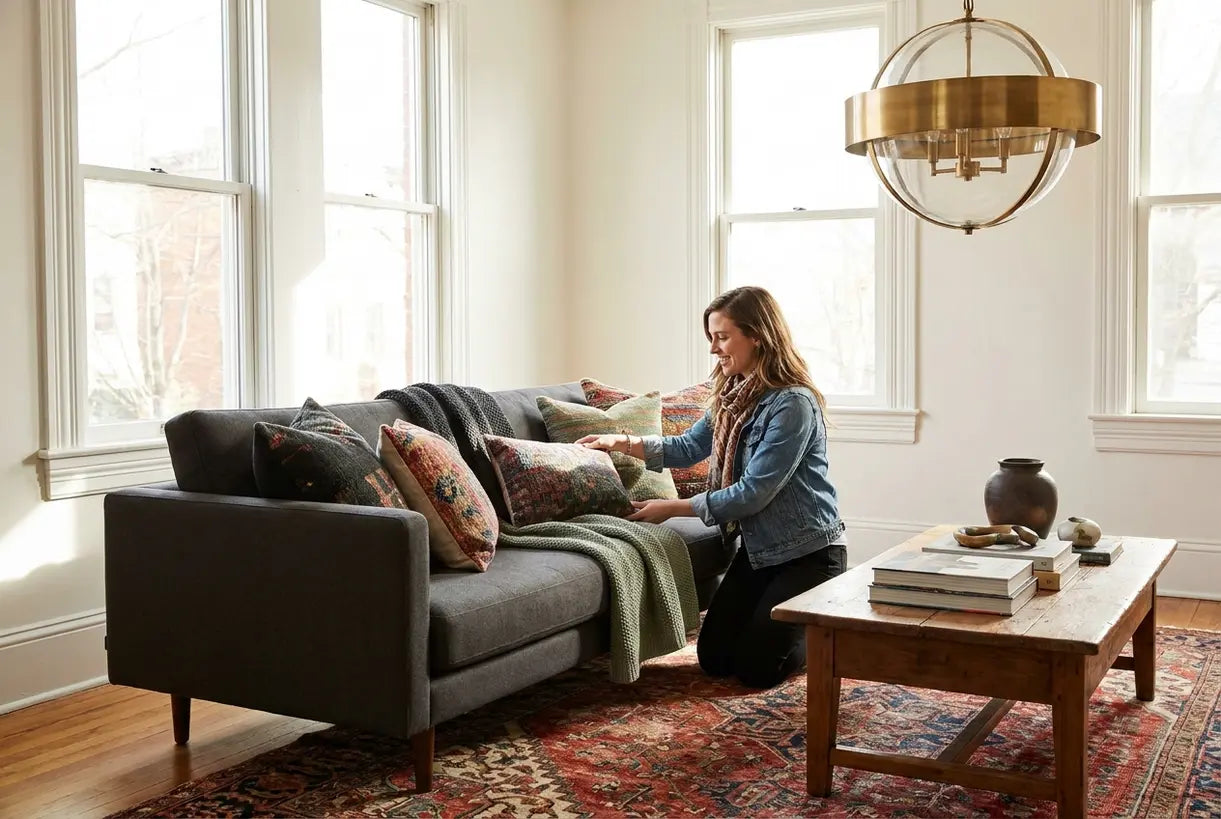
The living room often serves as the heart of eclectic design, where family life and personal expression intersect. Start with a foundational piece—perhaps a well-loved sofa in a neutral tone or a vintage rug that grounds the space. From there, build layers of personality.
For those wanting to explore more options, our Decorative Vases collection offers a curated selection of vessels perfect for introducing organic shapes and artisan textures into your arrangement. Display them on open shelving, clustered on a coffee table, or as standalone sculptural elements.
Consider these strategies for your eclectic style home decor living room:
- Anchor with textiles: A Moroccan pouf, Turkish kilim pillows, and a hand-loomed throw blanket introduce global warmth
- Mix wood tones: Combine light Scandinavian oak with darker walnut or warm cherry for dimensional interest
- Layer lighting: Combine ambient ceiling fixtures with task lamps and accent candles to create mood and depth
- Curate wall displays: Create gallery walls that mix frame styles, mediums, and subject matter while maintaining consistent spacing
Remember that eclectic style home decor ideas work best when they evolve organically. Start with what you love, follow the principles of balance and cohesion, and allow your space to grow alongside your life and experiences.
Conclusion: Your Personal Design Journey
Mastering eclectic style home decor is ultimately about trusting your instincts while applying thoughtful design principles. By understanding how to balance diverse elements, mix colors with intention, and curate pieces that tell your unique story, you create spaces that feel both dynamic and harmonious.
At Skonne, we believe that the best interiors emerge from a foundation of quality craftsmanship and authentic materials. Our curated collection of artisan lighting and home decor offers the distinctive pieces that elevate eclectic spaces from interesting to extraordinary. Whether you are drawn to the warmth of hand-finished ceramics, the character of vintage-inspired fixtures, or the clean lines of Scandinavian design, you will find pieces designed to play beautifully within your personal aesthetic.
Begin building your curated sanctuary today. Explore our collections and discover how the right pieces transform a house into a home that truly reflects who you are.
Related Article
Home Office Decor: How to Style a Productive, Beautiful WorkspaceA practical guide to choosing bedside lamps for comfortable, eye-friendly reading—covering brightness, color temperature, adjustability, and top product picks.