
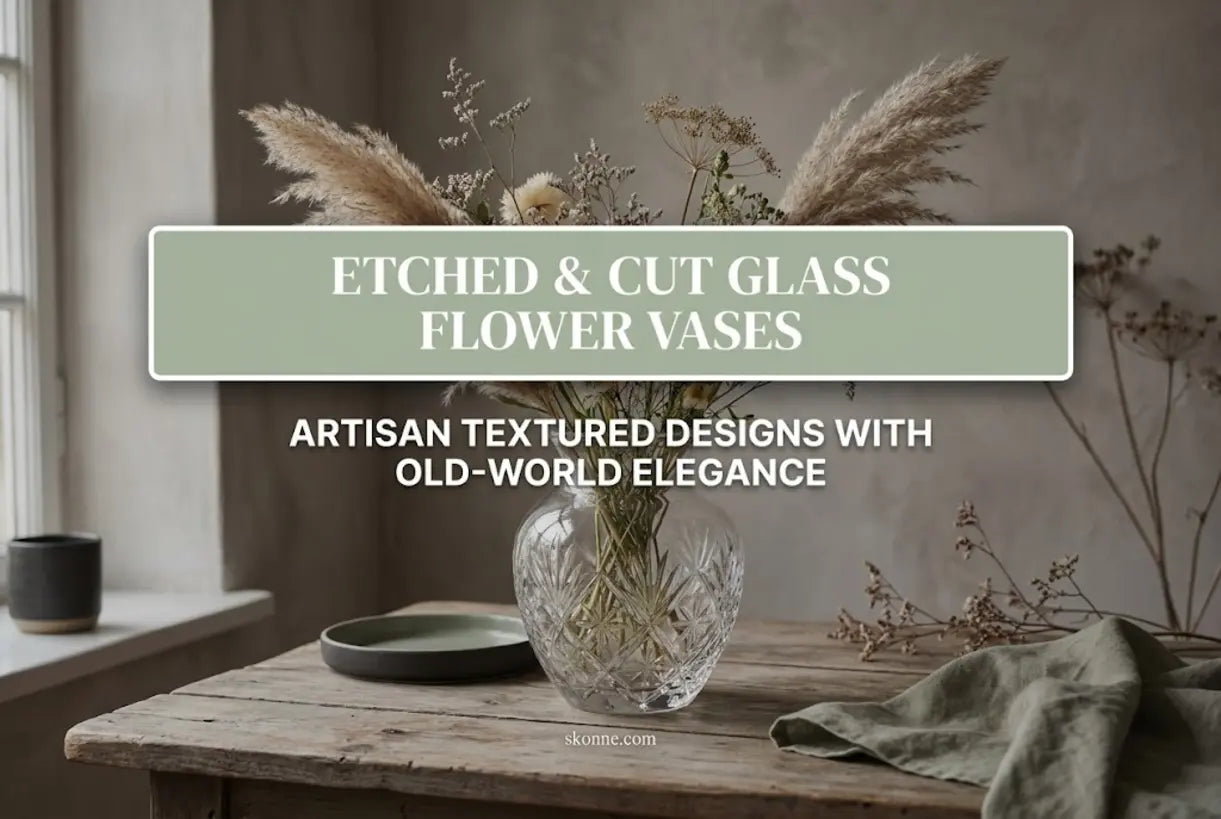
Etched & Cut Glass Flower Vases: Artisan Textured Designs with Old-World Elegance
Summary›
- The Enduring Appeal of Artisan Glass Vases
- Understanding Etched vs. Cut Glass: What's the Difference?
- What Makes an Etched Glass Flower Vase Valuable?
- Exploring Types of Etched Glass Designs
- Styling Etched and Cut Glass in Modern Interiors
- When Light Meets Texture: Beyond Traditional Vases
- How to Identify a Valuable Vintage Etched Glass Vase
- Conclusion
There's something deeply captivating about an etched glass flower vase catching the morning light. Those delicate patterns—whether hand-cut by a master craftsman or created through time-honored acid-etching techniques—transform a simple vessel into a sculpture that changes character throughout the day. In an era of mass production, these artisan pieces remind us of the beauty that emerges when human hands meet molten glass.
Whether you've inherited a vintage etched glass treasure, spotted a striking cut glass flower vase at your favorite boutique, or are simply curious about adding old-world character to your Scandinavian-inspired home, this guide illuminates everything you need to know. We'll explore the craftsmanship behind these pieces, how to identify quality and value, and most importantly—how to style them in ways that bring warmth and intentionality to your space.
The Enduring Appeal of Artisan Glass Vases
Long before factory automation, every piece of decorative glass emerged from the collaborative dance between a glassblower and a skilled etcher. The artisan glass vase tradition spans centuries, from the crystal palaces of Bohemia to the studio workshops of contemporary makers. What makes these pieces so special isn't perfection—it's the subtle variations that reveal human intention.
In Scandinavian design philosophy, we cherish this concept deeply. The notion that objects should be beautiful and functional, that they should age gracefully and tell stories over time. An etched glass vessel embodies this perfectly: it serves its purpose while engaging with light in ever-changing ways.
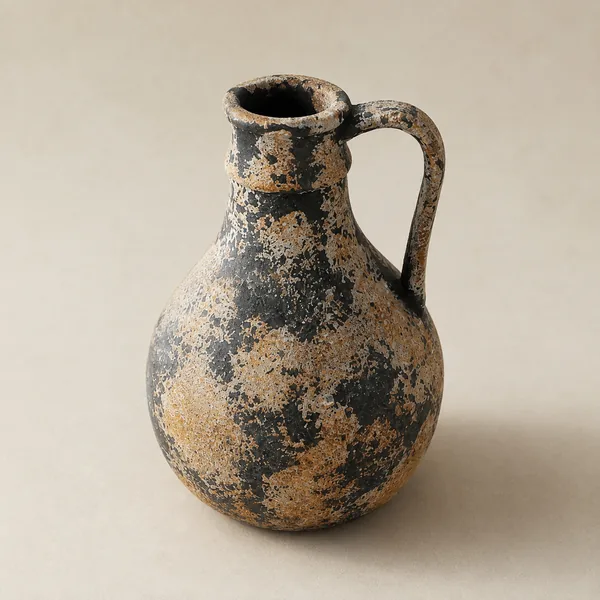
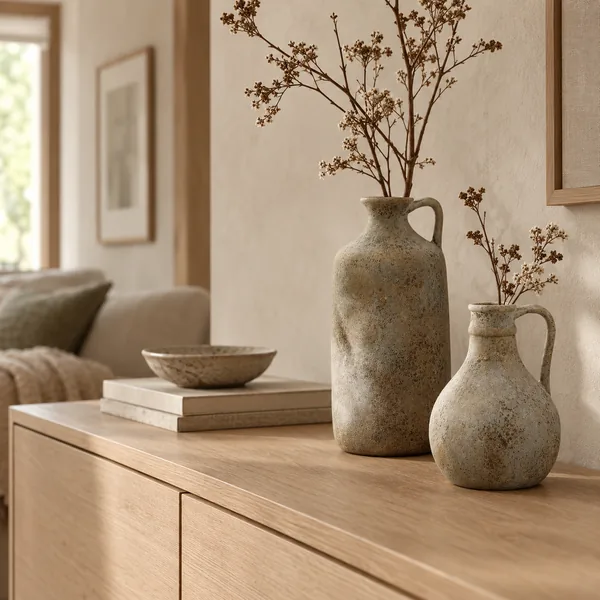
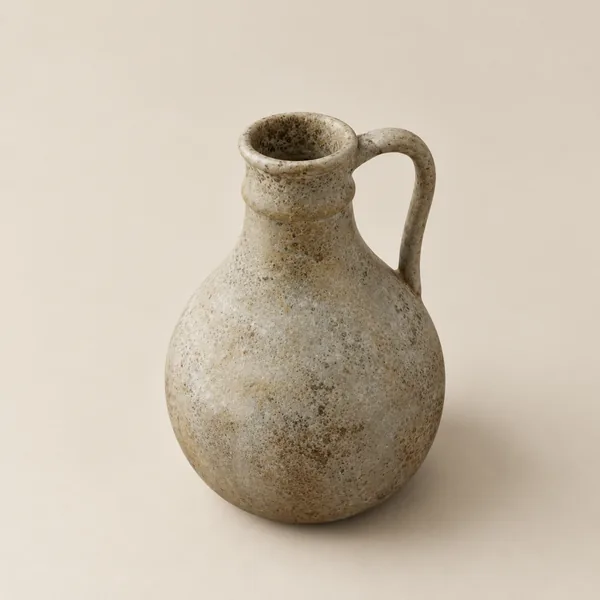
This appreciation for handcrafted beauty extends beyond glass. The Stille Small Jingdezhen Ceramic Wabi-Sabi Vase represents this same artisan spirit in ceramic form. Handcrafted in China's porcelain capital, it brings intentional imperfection and wabi-sabi philosophy to your curated shelves—proving that texture and craftsmanship transcend material.
Decorative Vases
Shop all Decorative Vases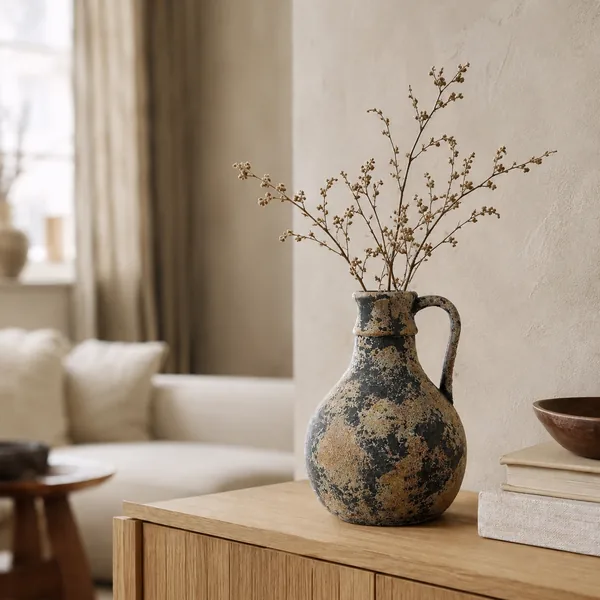
 Save $40.00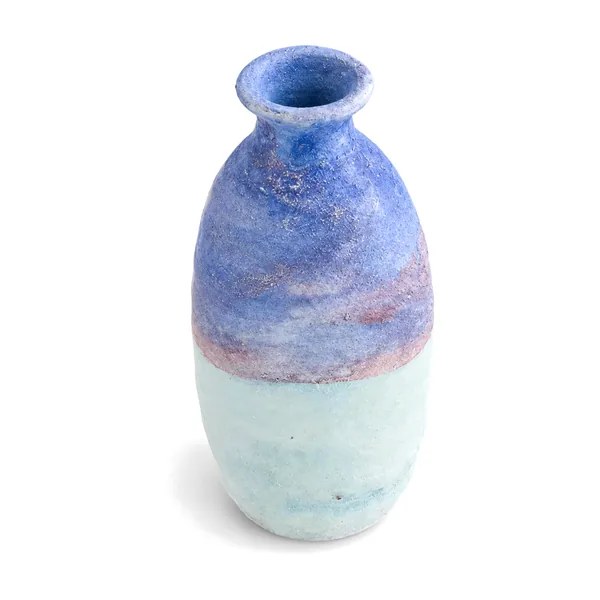
 4 options
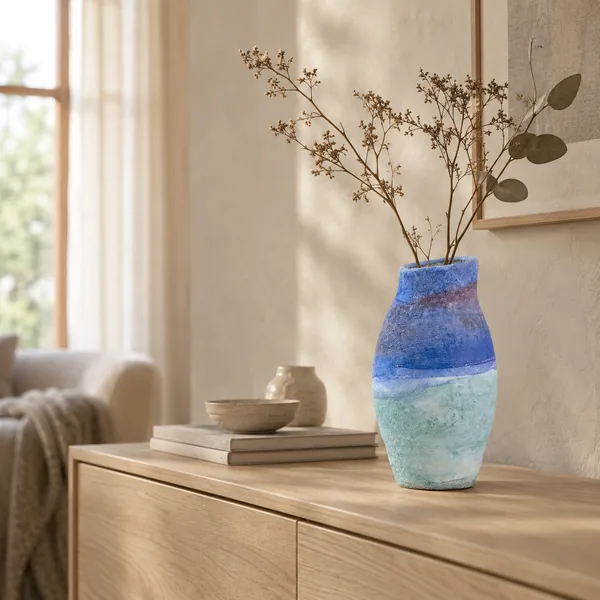
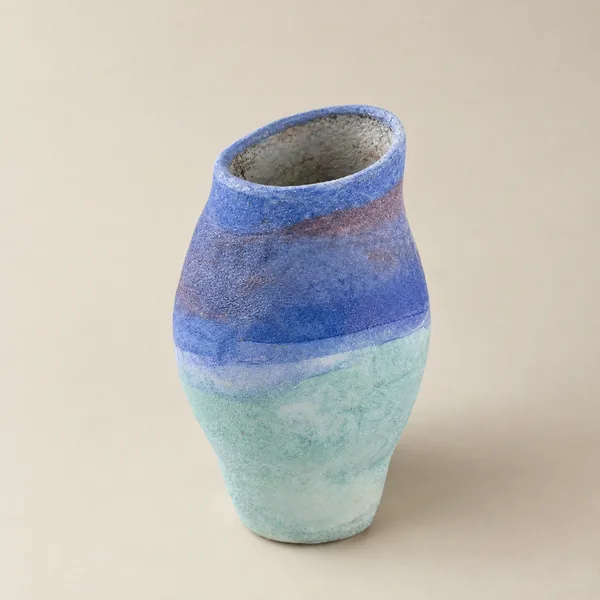
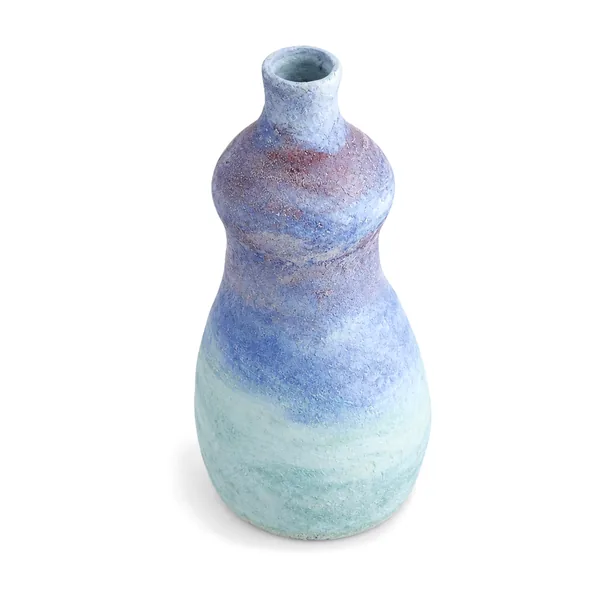
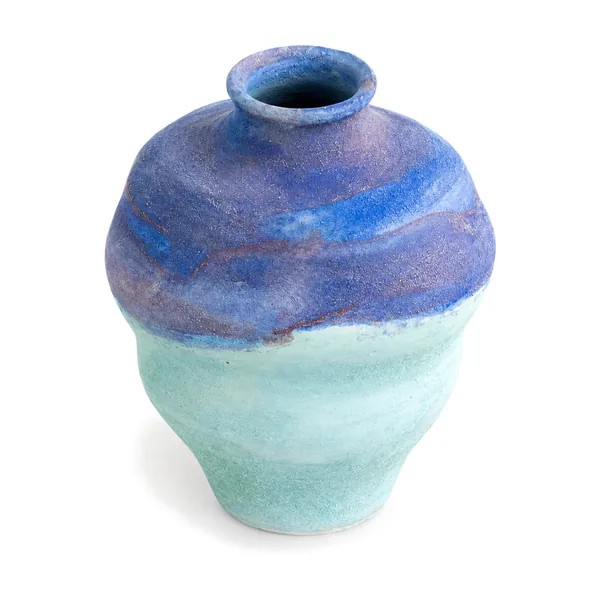
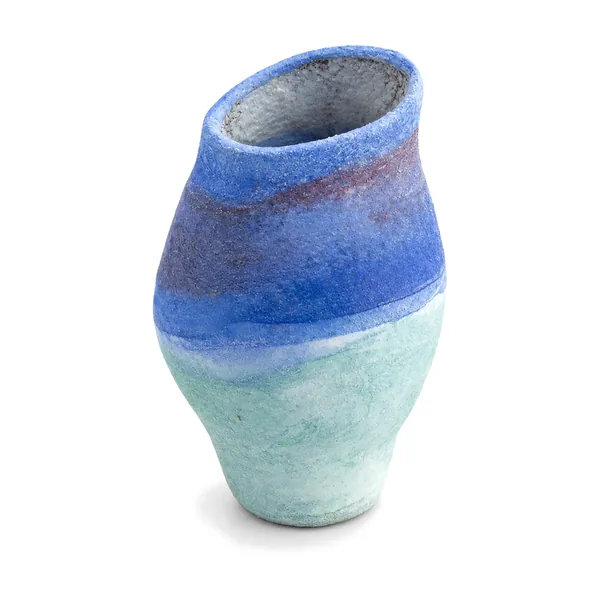
Dyvna Blue Gradient Ceramic Vase for Home Decor
Understanding Etched vs. Cut Glass: What's the Difference?
The terms "etched" and "cut" are often used interchangeably, yet they describe distinctly different processes that produce unique visual effects. Understanding this difference helps you appreciate the craftsmanship behind your piece—or make an informed choice when adding to your collection.
Etched glass involves chemically or mechanically treating the surface to create a frosted, matte design. Acid etching, one of the oldest methods, uses hydrofluoric acid to eat away at selected areas of the glass surface. The result is a soft, velvety texture that diffuses light beautifully. Modern sandblasting achieves similar effects through abrasive blasting, though the texture tends to be more uniform.
Cut glass, by contrast, involves physically grinding and polishing the glass surface with abrasive wheels. This creates deep, precise facets that catch and refract light dramatically—those characteristic rainbows you see when sunlight hits a quality cut glass flower vase. The technique requires tremendous skill and has its roots in 19th-century American and European luxury glassmaking.
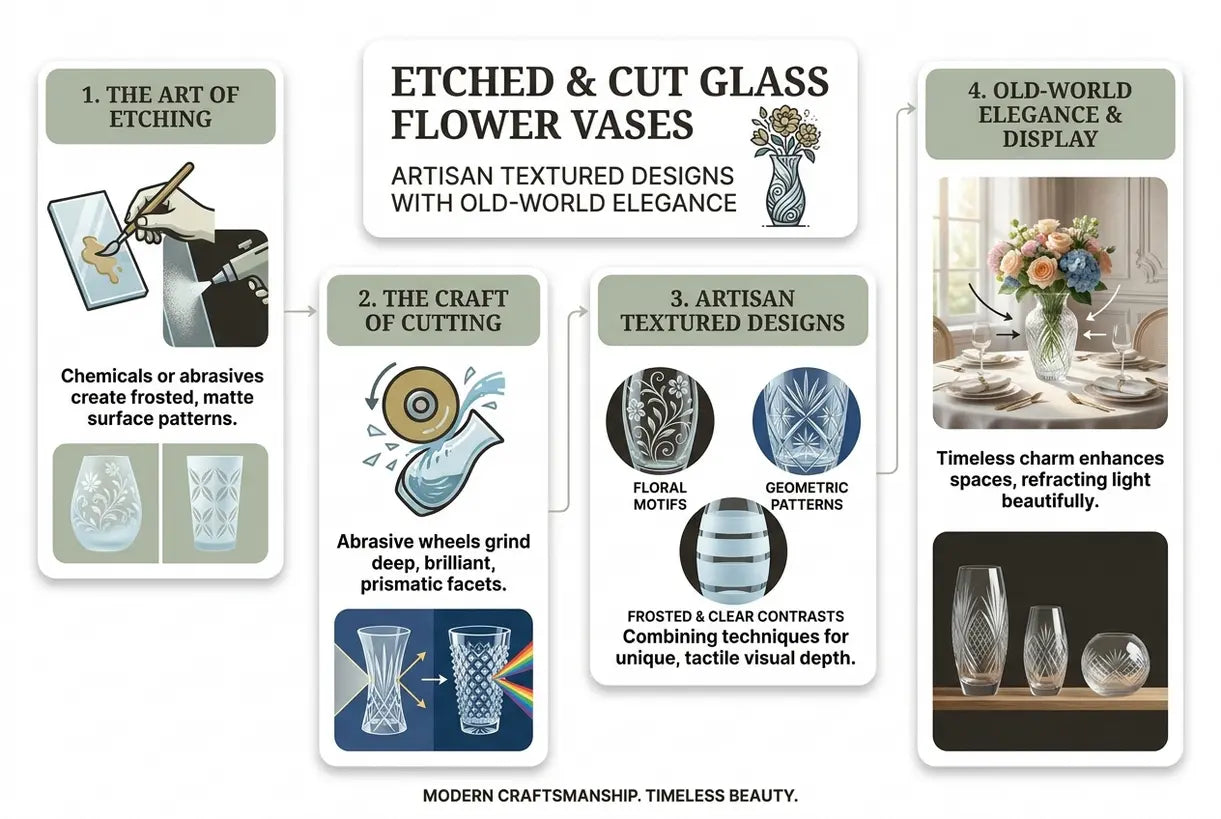
Curious about how these techniques work in practice? This video demonstrates the etching process beautifully:
What Makes an Etched Glass Flower Vase Valuable?
Is etched glass worth anything? The answer, like many things in the world of decorative arts, is nuanced. While not every etched piece commands premium prices, certain factors can significantly elevate a piece's value—both monetary and aesthetic.
Several key elements determine worth in the vintage and artisan glass market:
- Age and provenance: Pieces from recognized glassmaking houses like Lalique, Baccarat, or Moser carry documented heritage that collectors value highly.
- Craftsmanship quality: Hand-cut patterns consistently outperform machine-made alternatives in both beauty and resale value.
- Condition: Chips, cracks, or clouding diminish value considerably in decorative glass.
- Rarity of pattern: Unusual motifs or limited production runs attract serious collectors.
- Artist signatures: Studio glass pieces signed by the artist command significant premiums.
However, value isn't solely about investment potential. A large etched glass flower vase that speaks to your personal aesthetic, that catches the afternoon light exactly right in your living room—that has immeasurable worth in creating a home that feels genuinely yours. For those seeking complementary pieces to build a curated collection, our Decorative Trays & Bowls collection offers carefully selected items that harmonize beautifully with artisan glass.
Exploring Types of Etched Glass Designs
What are the different types of etched glass designs? The world of decorated glass offers remarkable variety, from the deeply traditional to the boldly contemporary.
Acid-etched designs create soft, organic patterns ranging from delicate florals to bold geometric motifs. The technique allows for subtle gradations in opacity, lending pieces an almost watercolor-like quality.
Wheel-cut decoration produces sharp, precise lines and deeply incised patterns. These pieces catch light with brilliant clarity and were particularly popular in Victorian and Edwardian-era glassware.
Sandblasted finishes offer a more contemporary aesthetic—clean, consistent, and well-suited to modern minimalist interiors. Many decorative etched glass vase designs today use this technique for its versatility and affordability.
Engraved glass represents the pinnacle of the craft, with skilled artisans using copper wheels to carve freehand designs directly into the glass surface. These one-of-a-kind pieces are prized by collectors worldwide.
Styling Etched and Cut Glass in Modern Interiors
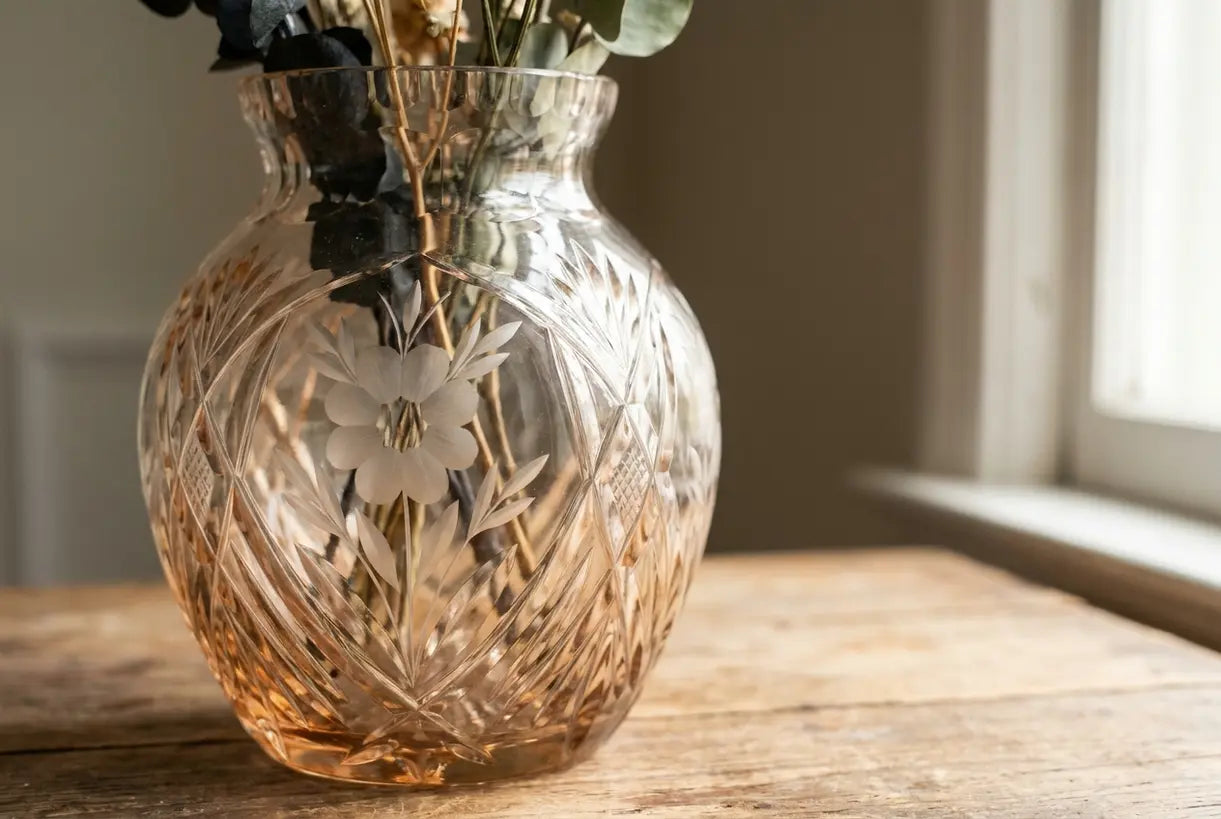
The beauty of an oval etched glass flower vase or any textured glass piece lies in its versatility. In Scandinavian-inspired interiors, these objects thrive when allowed to interact with natural light and simple, organic styling.
Consider placing your vase near a window where morning or afternoon light can stream through the textured surface. The shadows and reflections become part of your interior landscape—changing throughout the day just as the Nordic sky changes through the seasons.
For arrangements, resist the urge to overfill. A single branch of budding cherry, a few stems of dried grasses, or a handful of wildflowers often create more impact than elaborate bouquets. The Scandinavian concept of lagom—not too much, not too little—applies beautifully here.
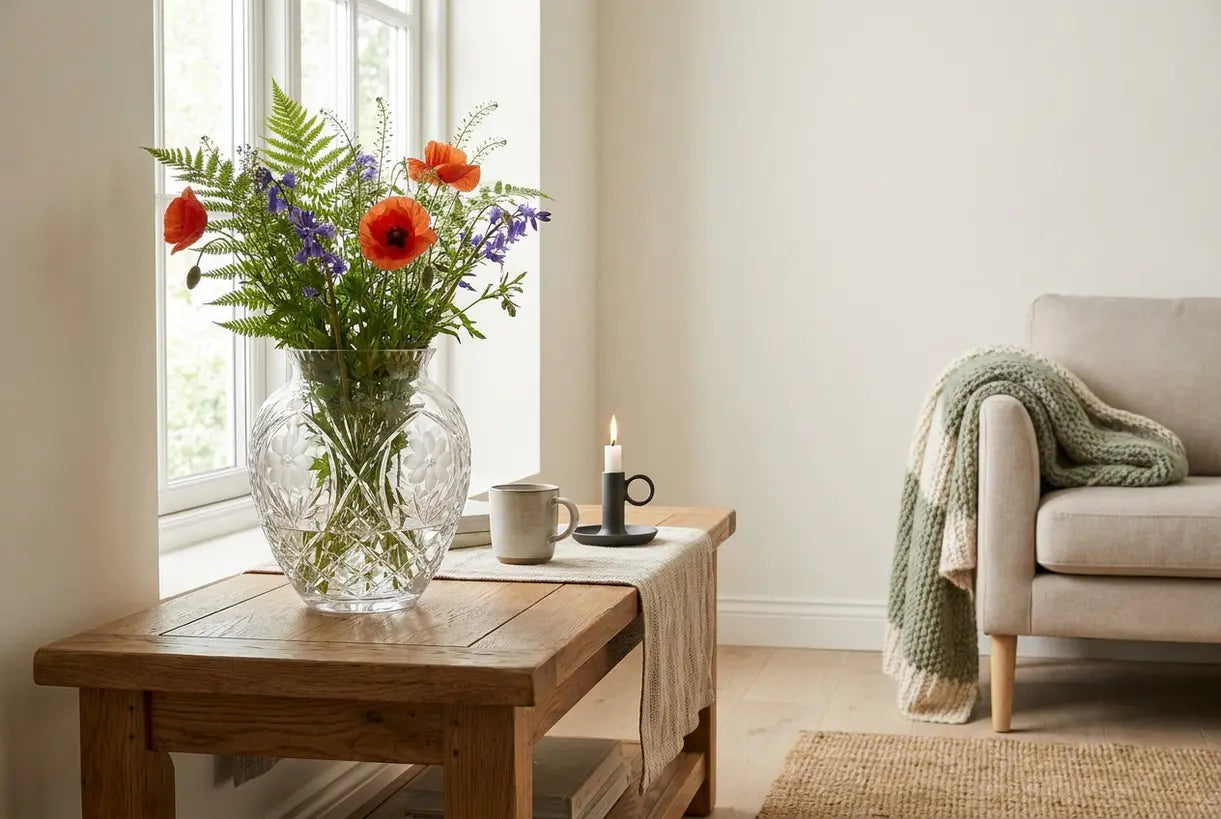
For a contemporary interpretation of this aesthetic, the Glovik Amber Geometric Glass Sculptural Vase brings sculptural warmth through its transparent form. Like classic cut glass, it catches and plays with light through its geometric surfaces—offering that same sense of crafted intentionality in a modern silhouette.
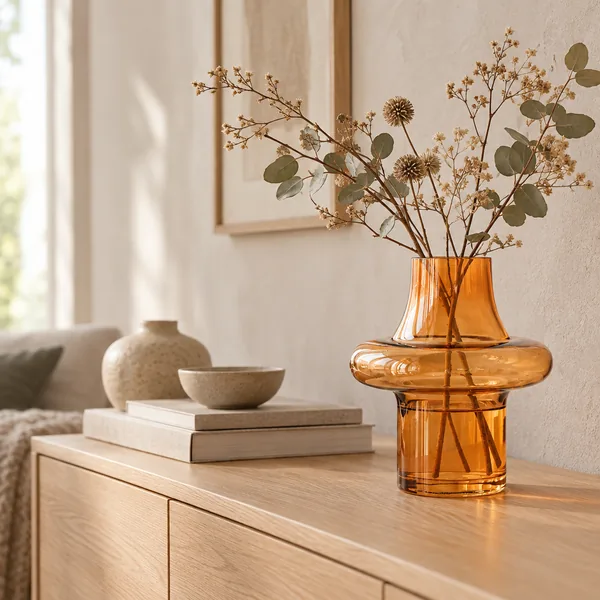 Glovik Amber Geometric Glass Sculptural Vase$89.00
When Light Meets Texture: Beyond Traditional Vases
The principles that make etched and cut glass captivating—texture, light refraction, artisan craftsmanship—extend beautifully beyond traditional vessels. When you begin to see your home through this lens, opportunities for bringing that same sense of old-world elegance emerge in unexpected forms.
Consider how a textured glass vase and a crystal table lamp share a similar language. Both transform utilitarian function into art through the manipulation of light and surface. Both invite you to slow down and notice how illumination changes throughout the day.
The Lysglass Dimmable Cordless Crystal Table Lamp exemplifies this beautifully. Its crystal-cut surfaces cast light patterns reminiscent of a cut-glass vase catching the afternoon sun, bringing Nordic elegance to any room. Meanwhile, the Stille Small Jingdezhen Ceramic Wabi-Sabi Vase offers an earthy counterpoint—proving that artisan texture in matte ceramic can be equally captivating as polished glass.
Curated Pieces for the Light-Conscious Home
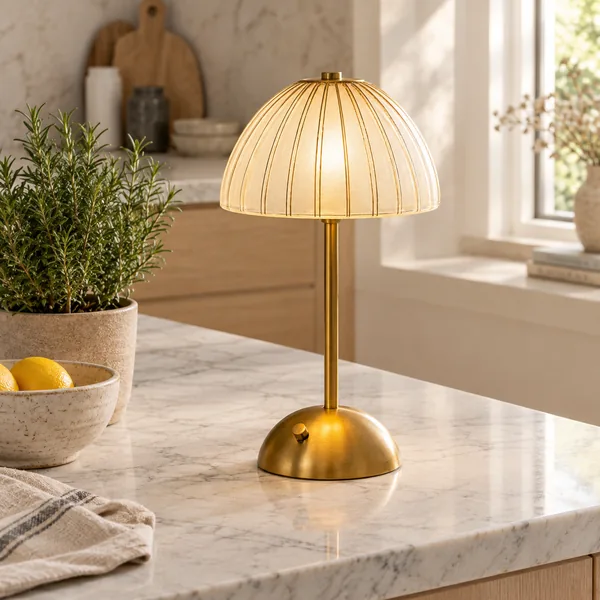 Lysglass Dimmable Cordless Crystal Table Lamp$58.00$119.00
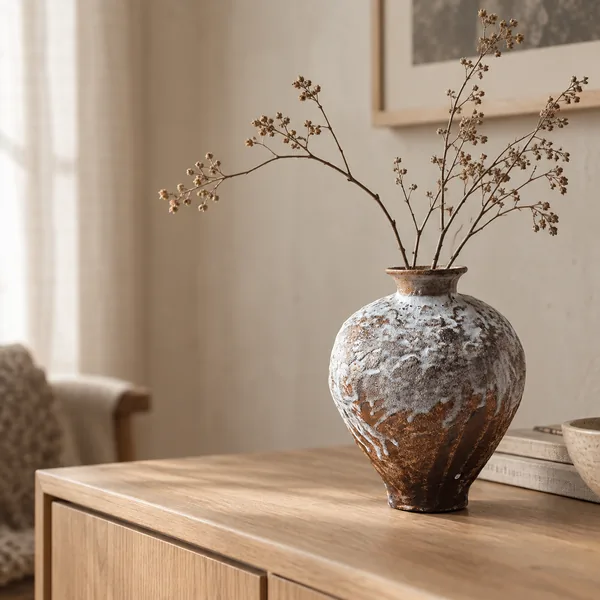 Stille Small Jingdezhen Ceramic Wabi-Sabi Vase$129.00$189.00
Home Decor
Shop all Home Decor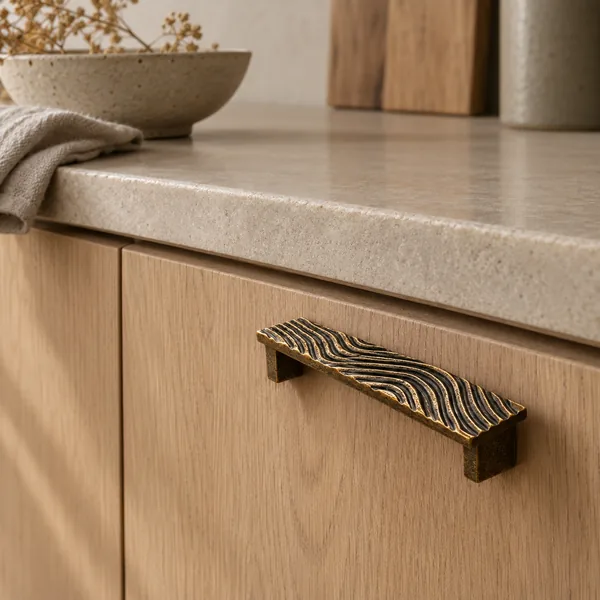
 Save $44.50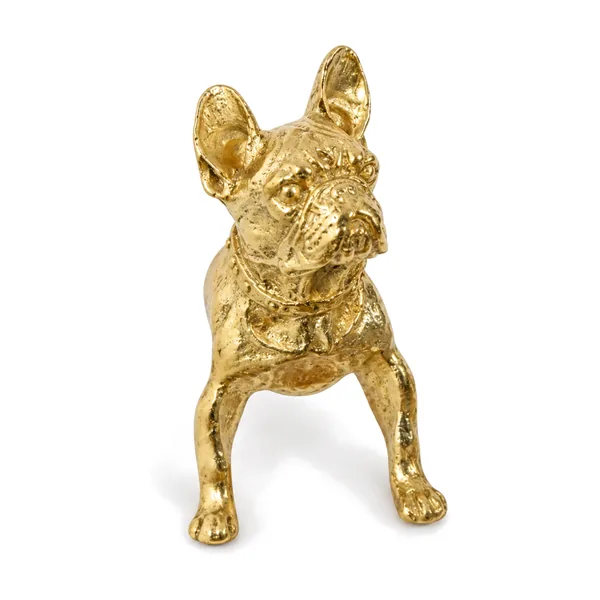
 2 options
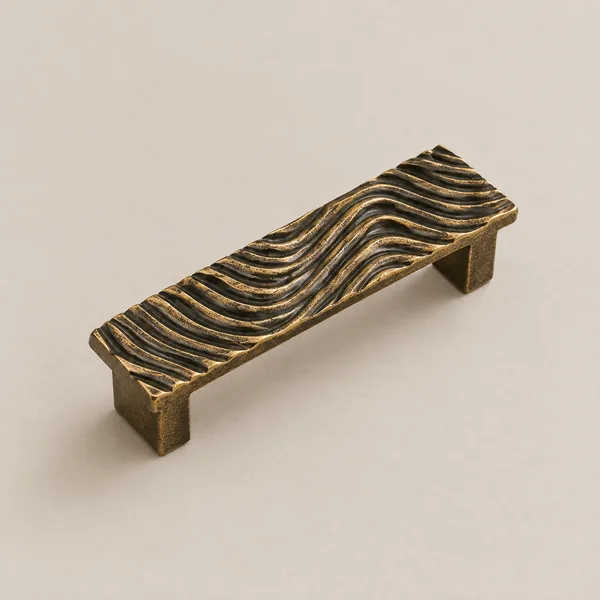
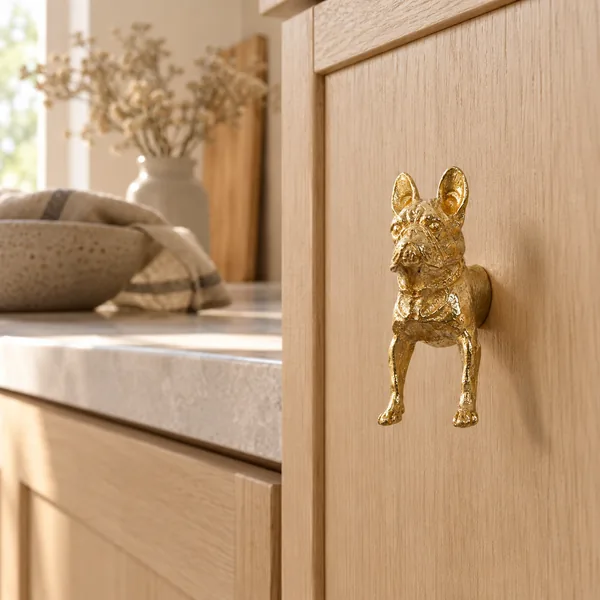
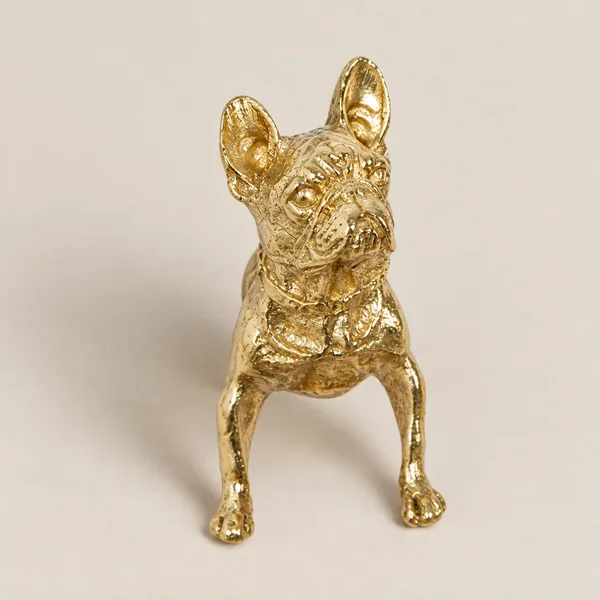
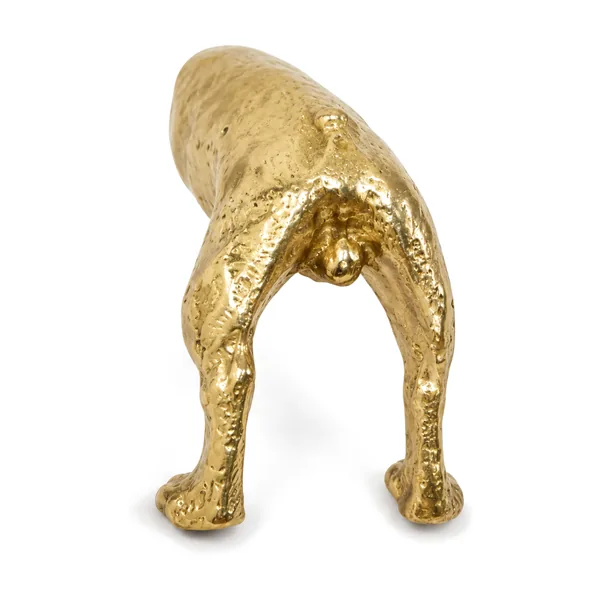
Tassa Polished Brass Dog Cabinet Pull Handle
 Save $110.00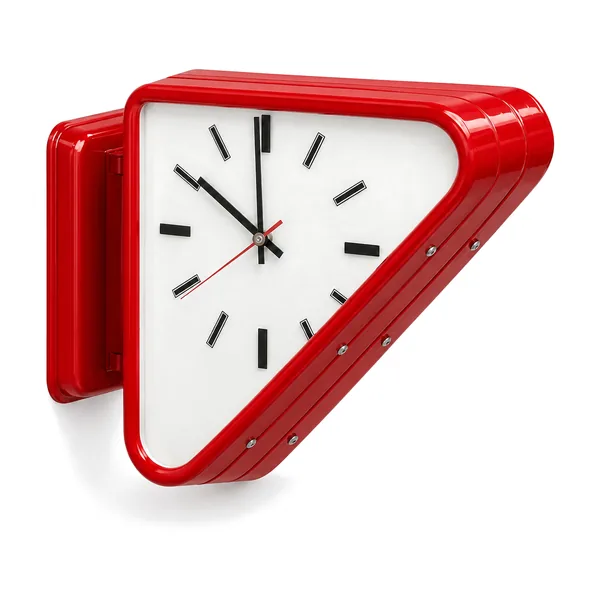
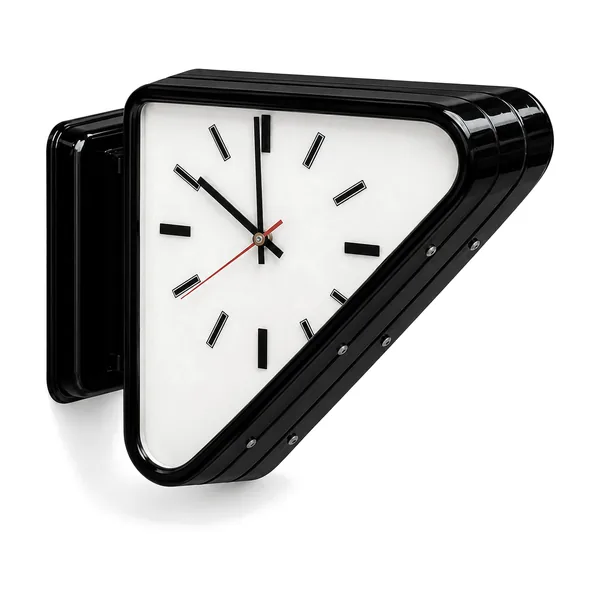
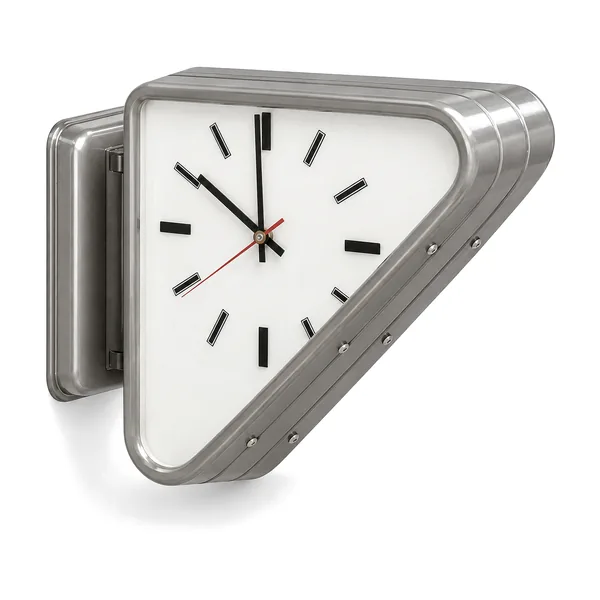
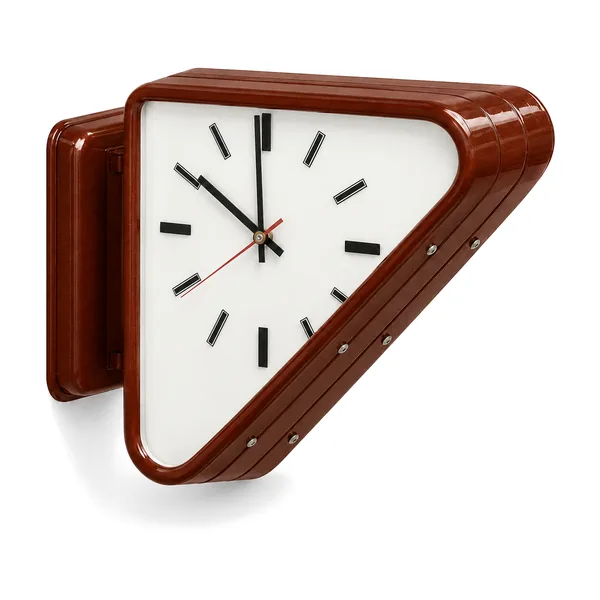 +15 options
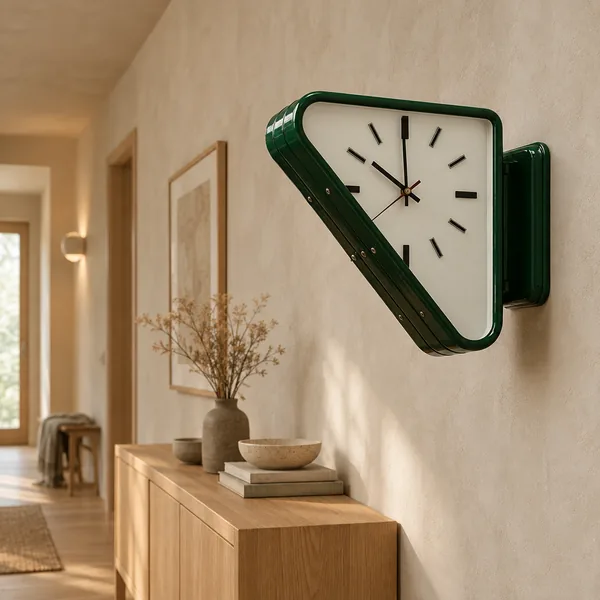
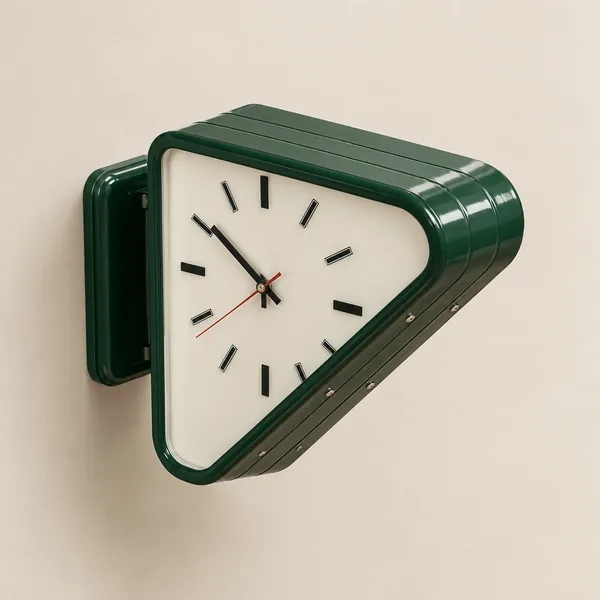
Tvilling Dual-Sided Geometric Metal Wall Clock
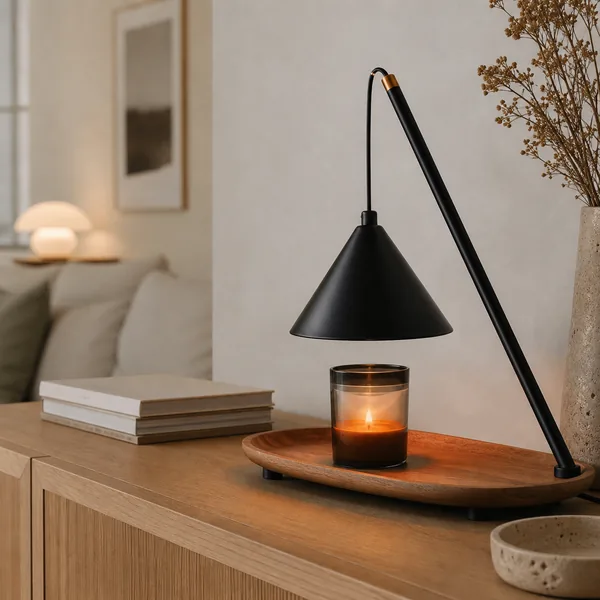
How to Identify a Valuable Vintage Etched Glass Vase
How to tell if a vase is valuable? Whether you're browsing estate sales, inheriting family pieces, or evaluating a potential purchase, knowing what to look for helps you make informed decisions.
Start by examining the base and rim with good magnification. Quality etched and cut glass often bears maker's marks, signatures, or acid stamps indicating the manufacturer or artist. Familiarize yourself with marks from major houses like Lalique, Waterford, or Baccarat—these signatures significantly impact value.
Assess the craftsmanship quality by examining the pattern's consistency. Hand-cut designs show slight variations that machines cannot replicate. Turn the piece in the light—genuine cut glass produces sharp, prismatic sparkles while acid-etching creates a softer, diffused glow.
Check for condition issues: chips along edges, cracks spiderwebbing across surfaces, or cloudiness from dishwasher damage all reduce value. For colored pieces, ensure the hue is consistent throughout—indicating genuine color rather than surface coating.
Finally, consider provenance. Documentation connecting a piece to a specific glasshouse, period, or previous owner adds tangible value to etched crystal flower vase collectibles.
Conclusion
An etched glass flower vase is more than a vessel for flowers—it's a conversation between artisan and material, between past and present, between light and shadow. Whether you choose a vintage piece rich with history or a contemporary interpretation that honors these traditions, you're bringing something meaningful into your home.
At Skonne, we believe in the power of objects to transform spaces into sanctuaries. Our curated collection of Scandinavian-inspired lighting and decor celebrates this same philosophy—quality materials handled with intention, designs that honor tradition while feeling thoroughly modern. From glass sculptures that catch the Nordic light to ceramics bearing the quiet marks of human hands, each piece invites you to slow down and appreciate beauty in its many forms.
May your home be filled with light, texture, and the warmth of objects chosen with care.
Related Article
Personalized Flower Vases: Custom, Engraved & Birth Flower Designs for Meaningful GiftsDiscover the art of giving with personalized flower vases — from custom engravings to birth flower designs, find meaningful Scandinavian pieces that capture memories.