
Flip Clocks: Retro Split-Flap Designs for a Nostalgic Wall Feature
Summary›
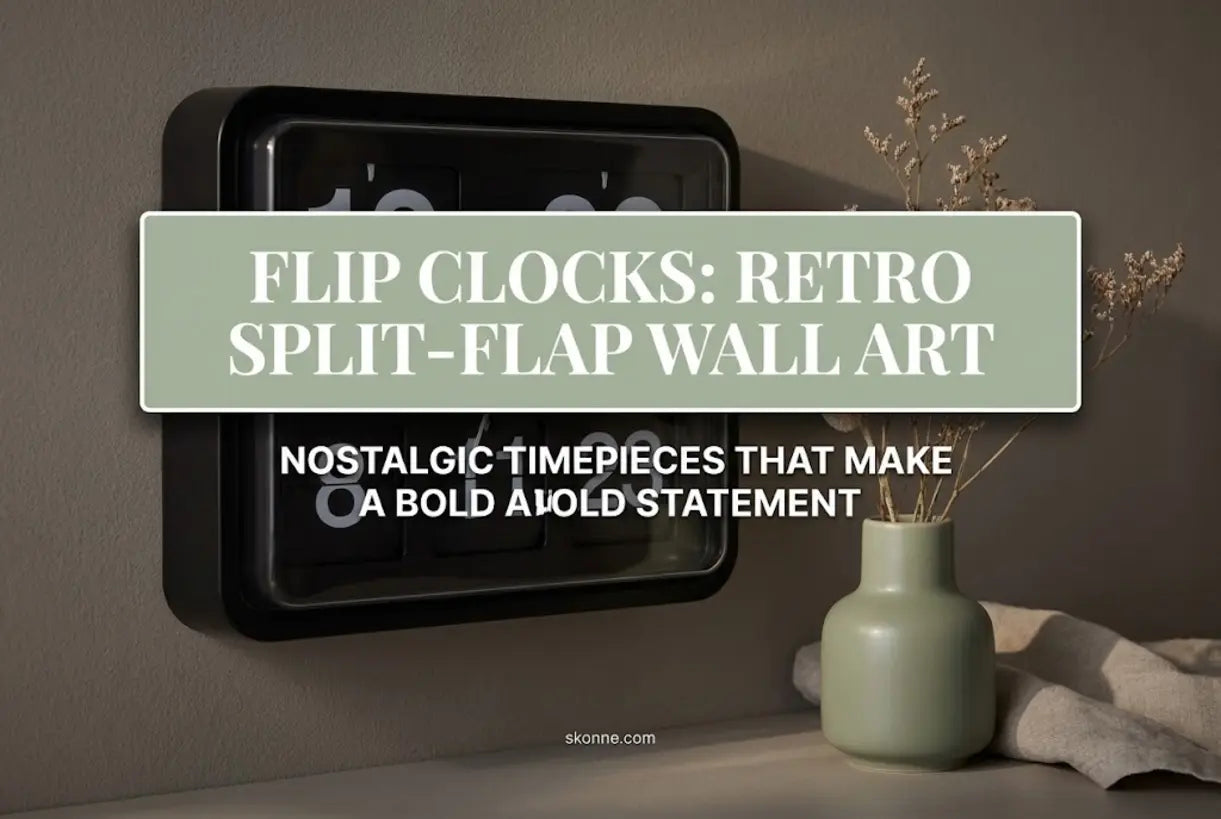
There's something undeniably captivating about the rhythmic flip of a number card, the mechanical dance of time unfolding before your eyes. Flip clock wall designs have mounted a remarkable comeback, transforming from mid-century artifacts into coveted statement pieces for contemporary homes. Whether you're drawn to the nostalgic charm of retro aesthetics or seeking a conversation-starting focal point for your living space, these split-flap timepieces offer a unique blend of mechanical artistry and functional decor.
At Skonne, we understand that the perfect timepiece does more than tell time—it tells your story. While classic flip clocks evoke memories of train stations and vintage airports, today's interpretations seamlessly integrate into Scandinavian-inspired interiors, bringing warmth and intentional character to modern homes. In this guide, we'll explore everything you need to know about these nostalgic wall features and how to choose the right piece for your space.
What Is a Flip Clock Wall Timepiece?
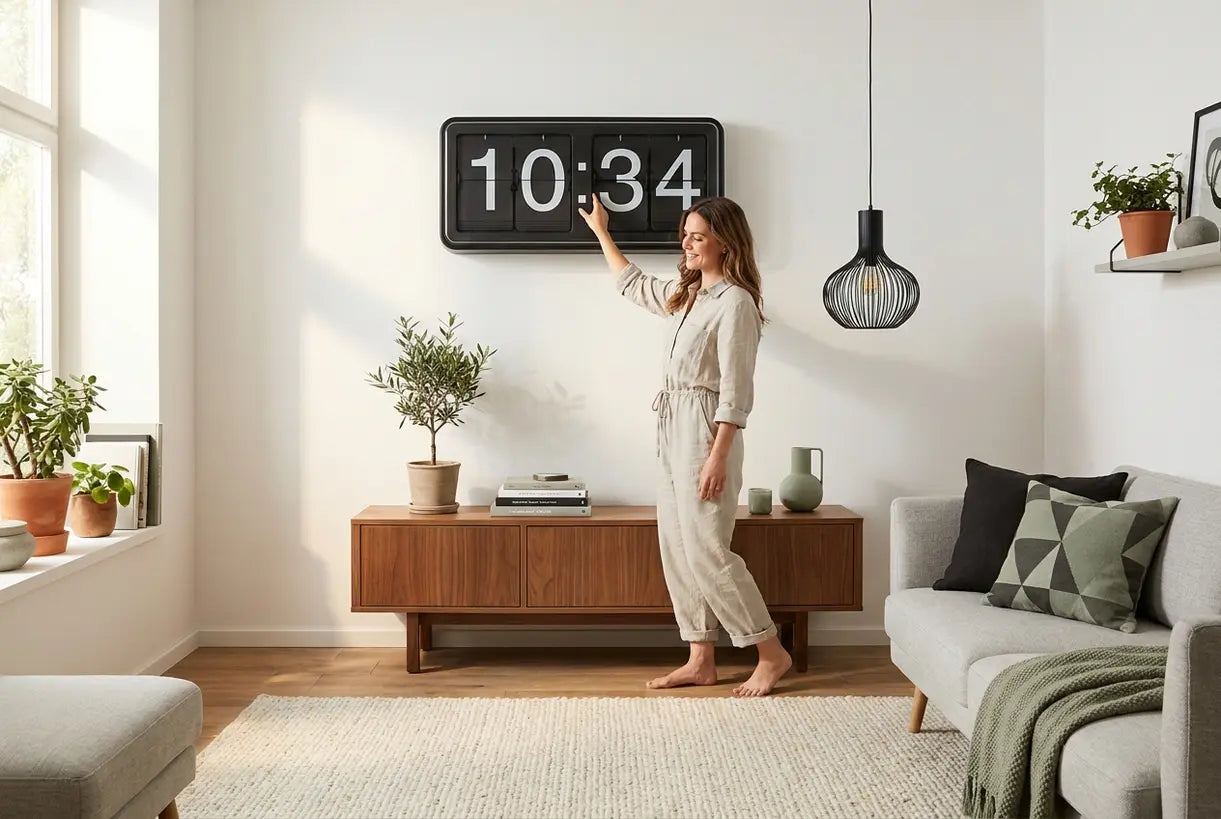
A split-flap clock represents a distinctive category of timekeeping devices that display numbers through mechanical rotating cards rather than traditional hands or digital screens. Originally developed in the mid-20th century, these clocks gained prominence in transportation hubs and public spaces, where their bold, legible displays made time-reading instantaneous from a distance.
Unlike conventional wall clocks, flip clocks create a sensory experience. The subtle metallic click as each minute advances adds an audible dimension to time's passage, while the three-dimensional character of the numbers creates visual depth that flat clock faces simply cannot match. For those exploring our Home Decor collection, these timepieces represent the intersection of functional art and nostalgic wall heritage.
The Mechanism Behind the Magic
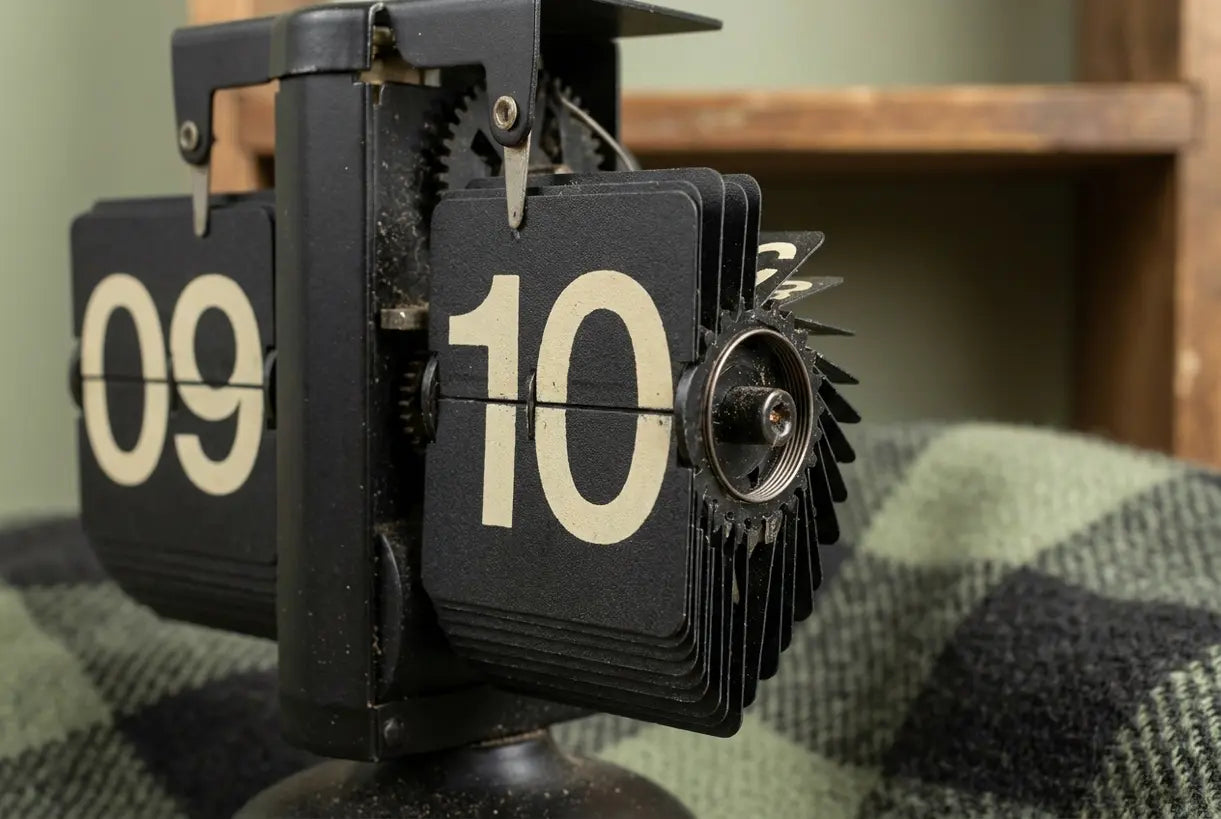
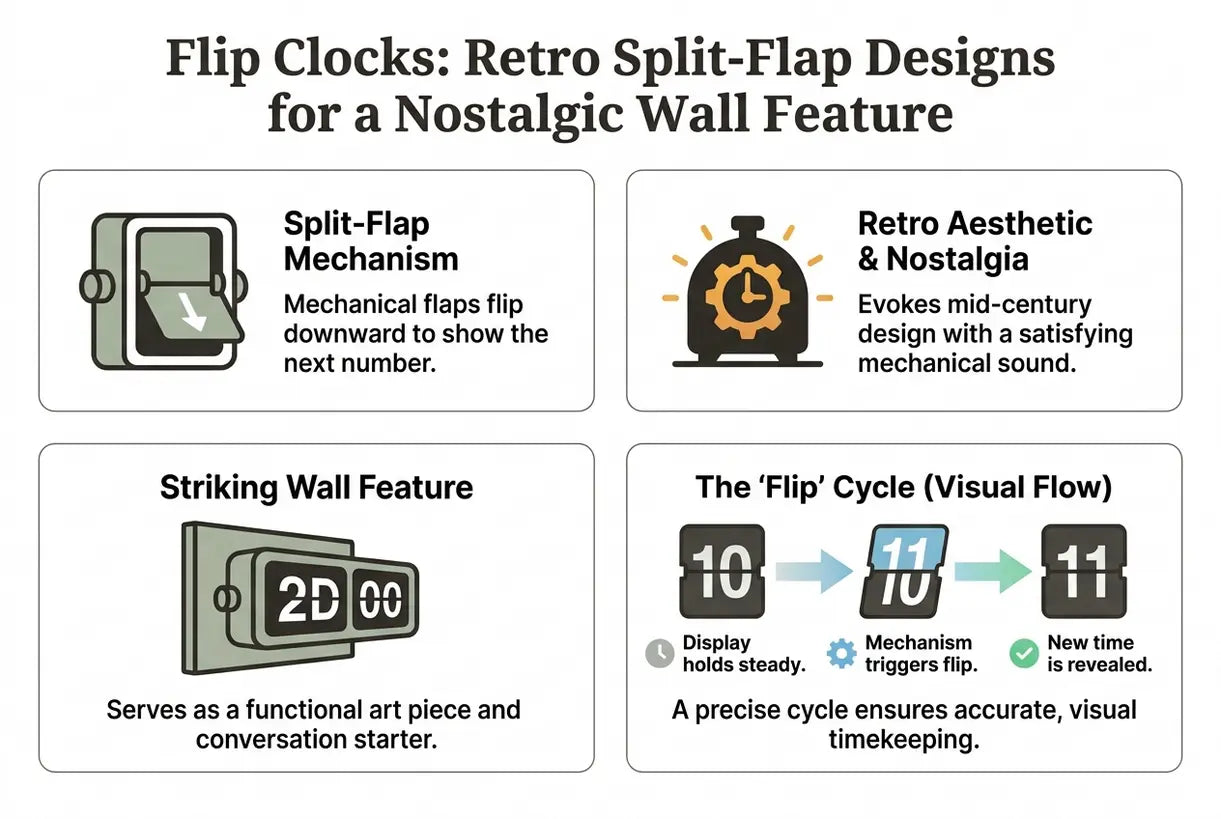
Understanding how split-flap wall clocks work adds to their appreciation. Each digit operates independently through a sophisticated mechanism:
- Rotating drums carry multiple number cards arranged sequentially
- Electromechanical motors advance the drums at precise intervals
- Flap cards fall into place with satisfying precision, creating the characteristic flipping motion
- Acoustic dampening in modern versions controls the signature clicking sound
This mechanical ballet transforms the mundane act of checking time into a small moment of wonder—an intentional pause in our digitally dominated world.
Are Flip Clocks Noisy or Silent? Managing the Soundscape
One of the most common concerns among potential buyers centers on acoustic performance. Traditional mechanical wall clocks with flip mechanisms do produce a distinctive clicking sound as number cards advance—particularly noticeable during hourly transitions when multiple digits change simultaneously.
However, modern manufacturing has evolved considerably. Contemporary retro wall clocks now incorporate sound-dampening technologies and refined motor systems that significantly reduce operational noise. Many brands offer adjustable volume settings or silent operation modes, making them suitable for bedrooms and quiet workspaces.
If you're seeking a truly silent timepiece that maintains vintage-inspired aesthetics without the mechanical soundtrack, consider alternatives like the Glansa Chrome Ceramic Wall Clock. This sculptural piece captures refined Nordic character while operating in complete silence—perfect for creating calm, intentional spaces.
Decorative Wall Clocks
Shop all Wall Clocks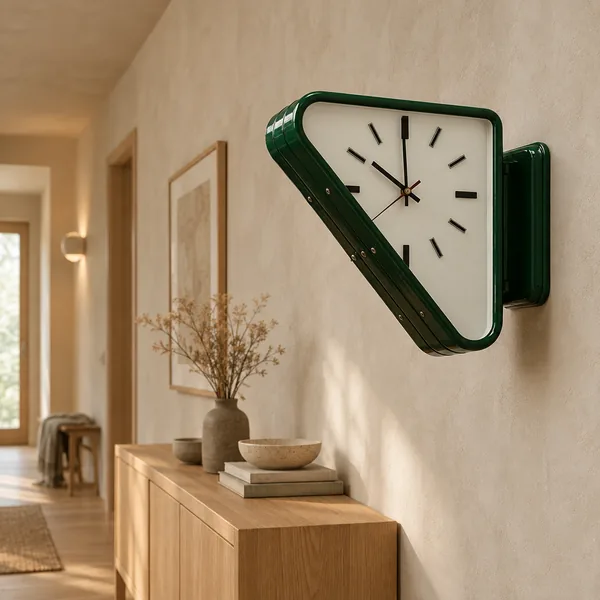
 Save $110.00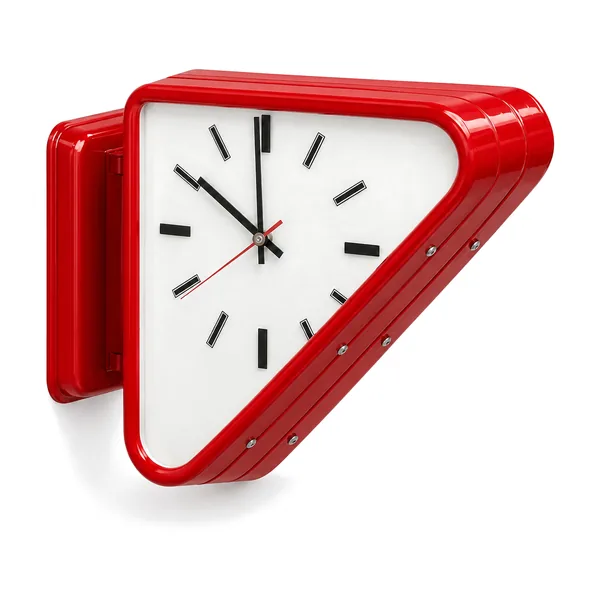
 +15 options
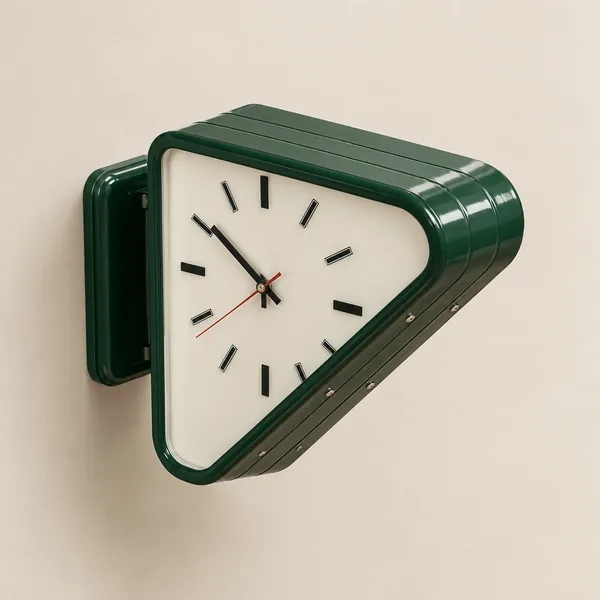
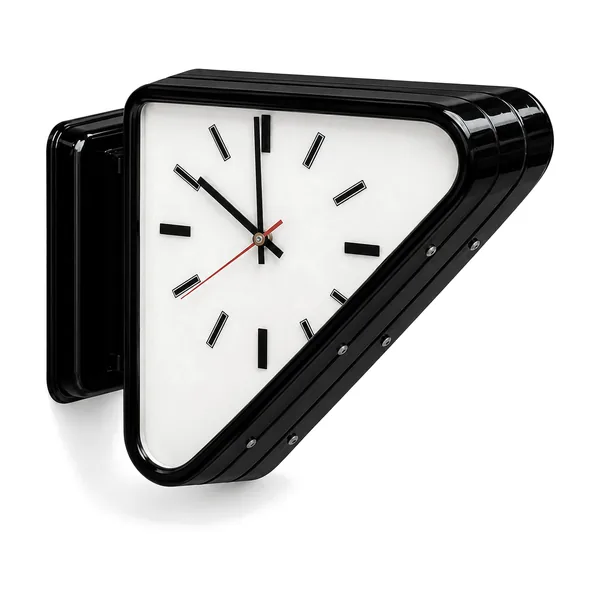
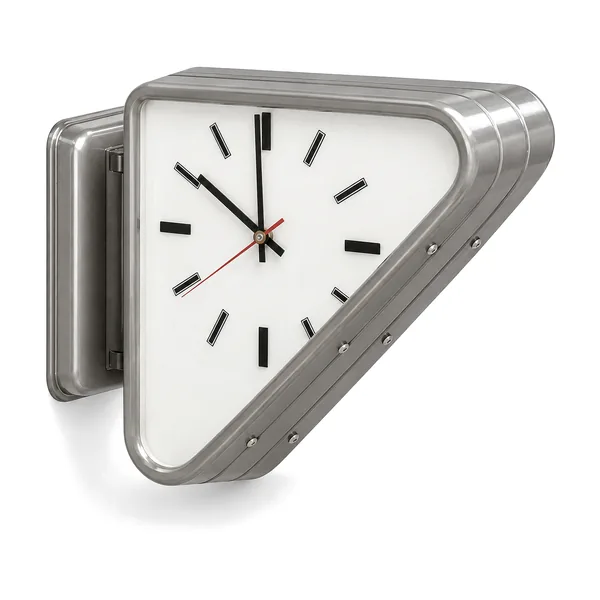
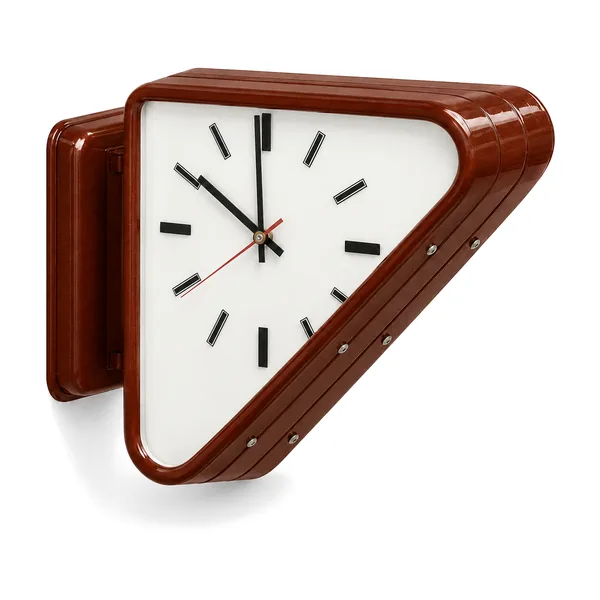
Tvilling Dual-Sided Geometric Metal Wall Clock
 Save $70.00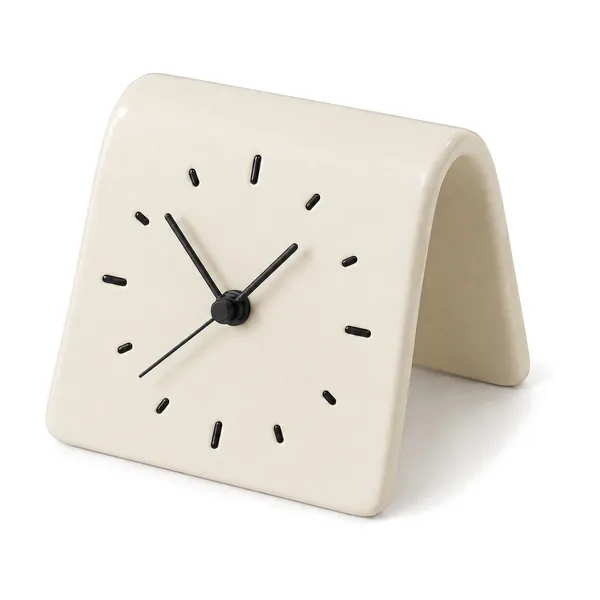
 +37 options
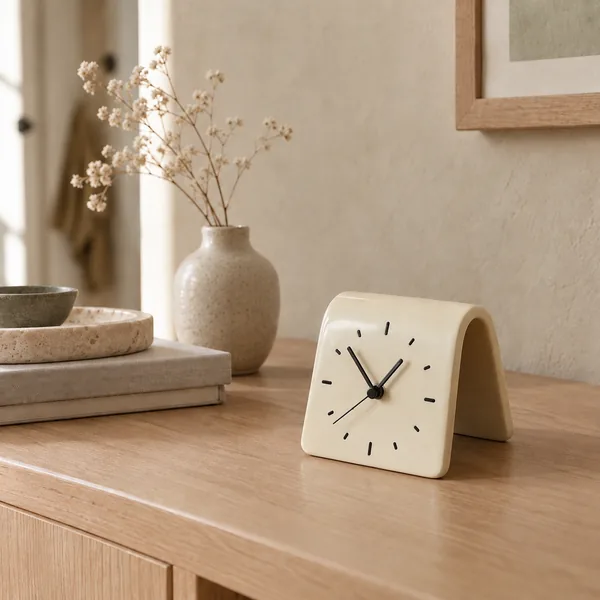
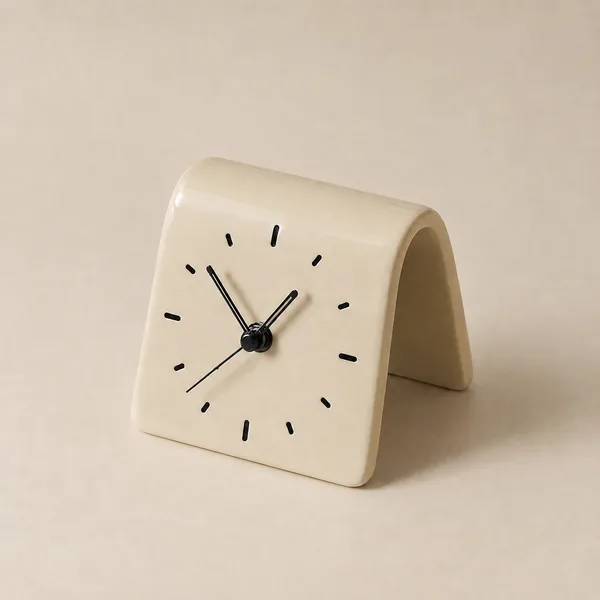
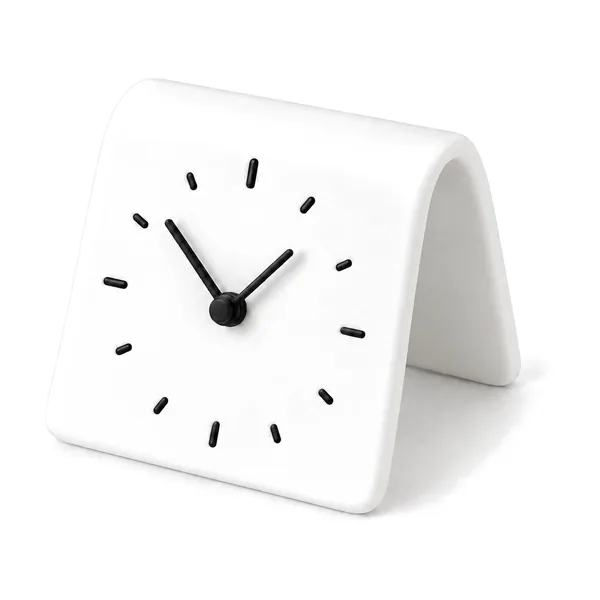
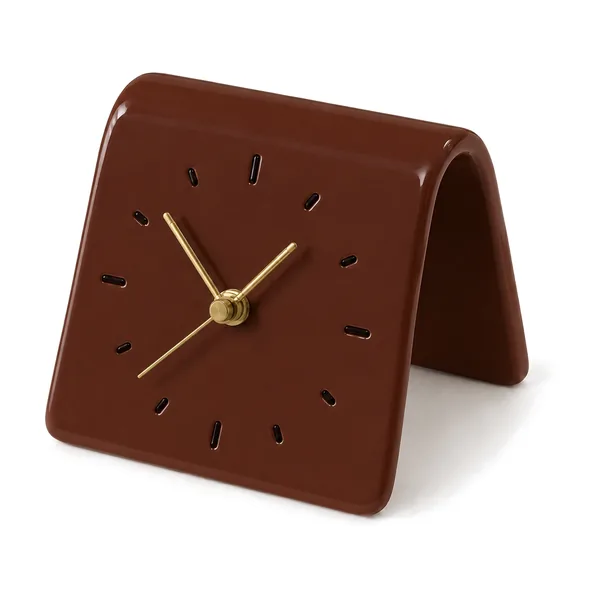
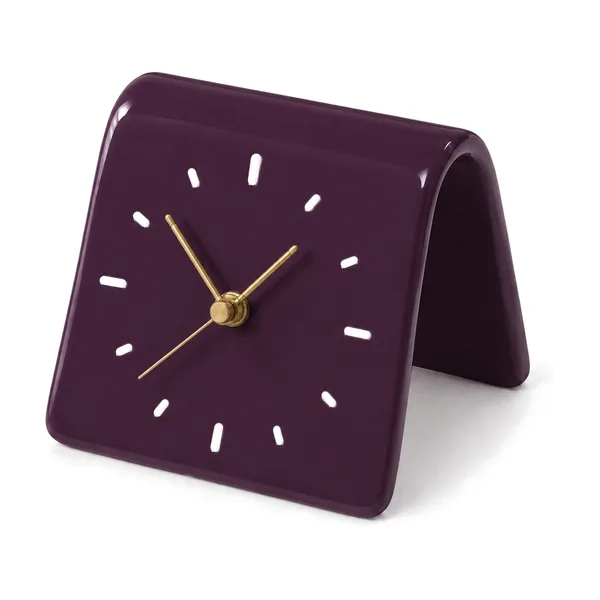
Tilje Silent Ceramic Desk Clock for Modern Homes
 Save $120.00
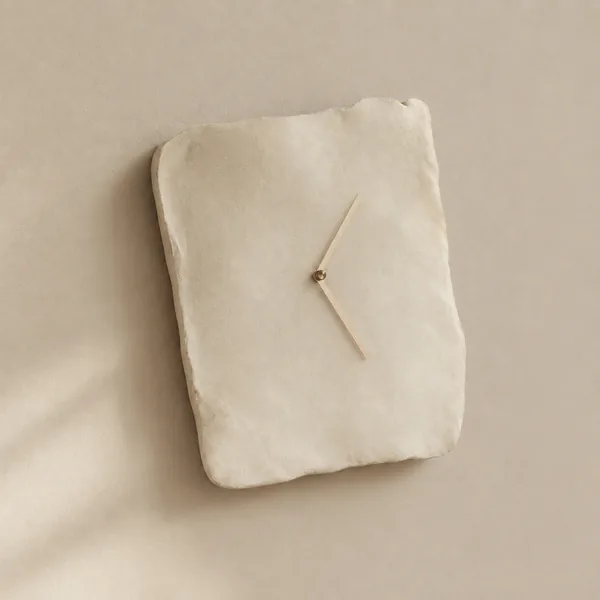
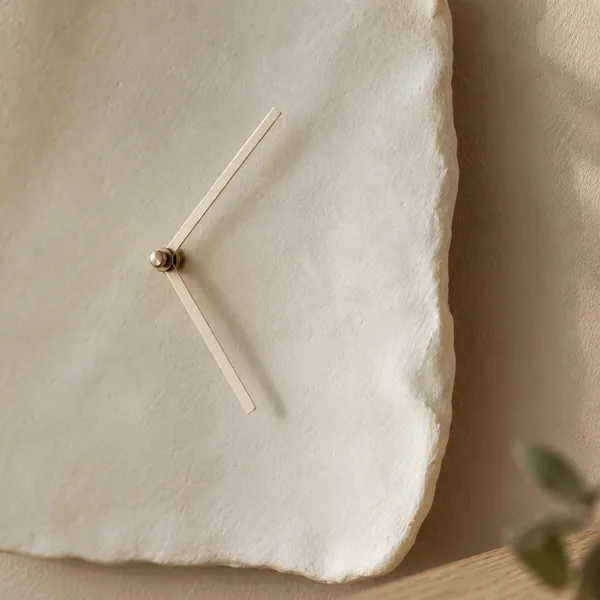
Stilla Silent Resin Wall Clock Nordic Minimalist
Where to Hang Your Flip Clock: Placement Strategies
Strategic placement transforms a vintage wall clock from a simple timekeeper into a defining architectural element. These substantial pieces command attention and work best in locations where their mechanical presence can be fully appreciated.
Optimal Locations for Maximum Impact
Consider these placement strategies for your statement timepiece:
- Entryway focal point: Create an immediate impression as guests enter your home
- Living room gallery wall: Anchor a collection of art and photographs with the clock as centerpiece
- Home office backdrop: Position behind video call setups for a sophisticated, design-conscious impression
- Kitchen dining zone: Above breakfast nooks or dining areas where the clock remains visible during daily routines
- Loft or high-ceiling spaces: Take advantage of vertical volume with larger format pieces
Ensure mounting surfaces can support the weight—these are not lightweight decorative items but substantial mechanical objects requiring secure installation.
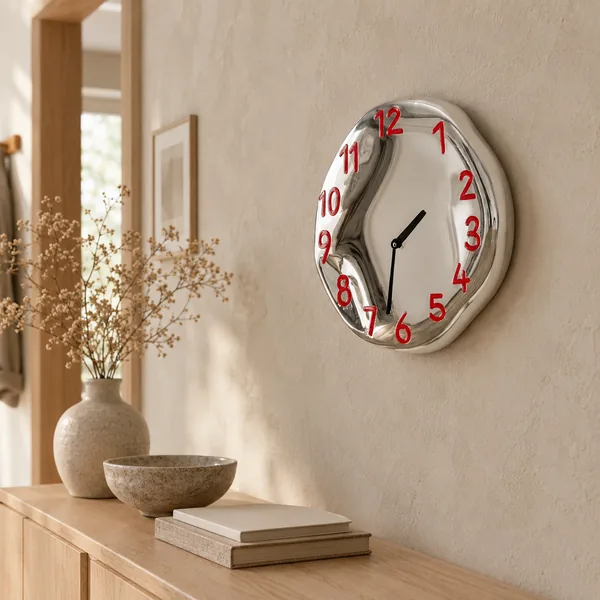 Glansa Chrome Ceramic Wall Clock Silent Quartz$329.00$479.00
Interior Styles That Embrace Flip Clock Aesthetics
While mid-century clock enthusiasts immediately gravitate toward these pieces, the styling versatility of flip clocks extends far beyond retro enthusiasts. Understanding which interior design philosophies embrace these timepieces helps you contextualize them within your existing decor.
Scandinavian and Minimalist Interiors
The clean lines and functional beauty of split-flap mechanisms align perfectly with Scandi vintage clock aesthetics. In minimalist spaces, these clocks serve as singular focal points that add warmth without visual clutter. The monochromatic palette of most flip clocks—typically black, white, or metallic finishes—complements the neutral tones characteristic of Nordic design.
Industrial and Loft Spaces
Exposed brick, raw concrete, and steel elements provide the perfect backdrop for industrial wall clocks. The mechanical complexity of flip mechanisms echoes the utilitarian ethos of industrial design, where function becomes decoration.
Eclectic and Contemporary Settings
Modern interiors benefit from the textural contrast these pieces provide. A flip flap wall clock introduces three-dimensional interest to flat walls, while the kinetic nature of the mechanism adds life to static spaces.
Design Tip: Balance the bold presence of a flip clock with simpler, understated accessories. Let the timepiece serve as your room's exclamation point rather than competing with multiple statement items.
Pendant Lights
Shop all Pendant Lights
 Save $140.00
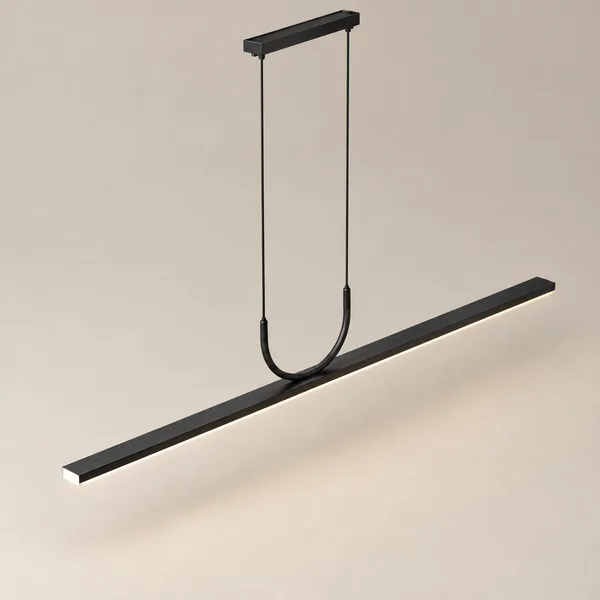
Linné Minimalist Linear Black LED Pendant Light
 Save $60.00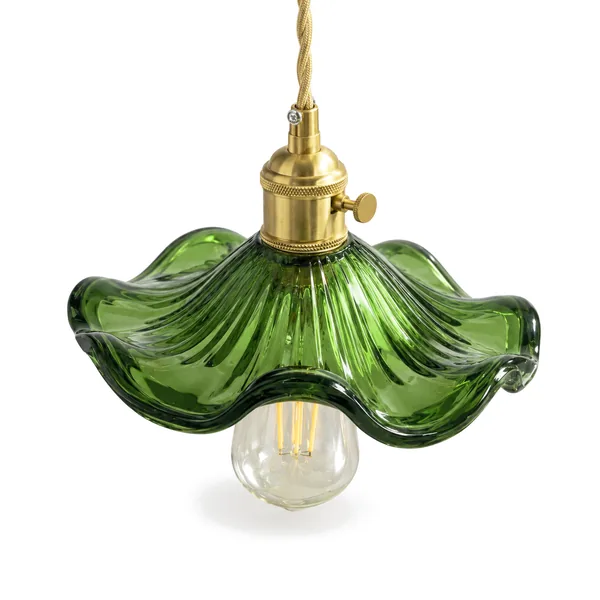
 3 options
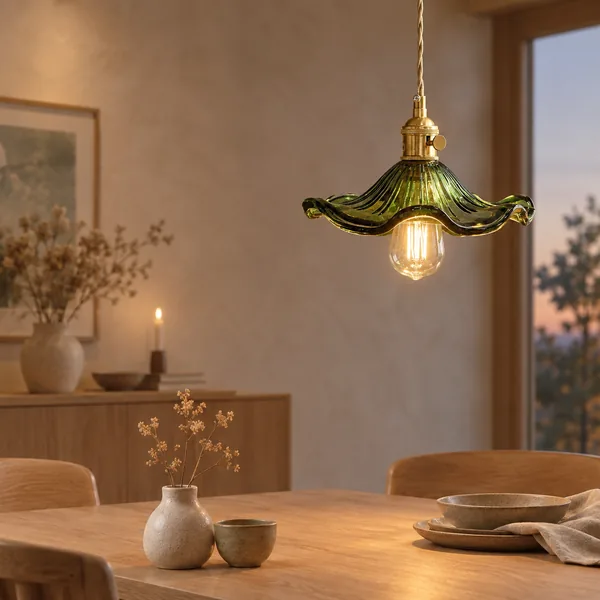
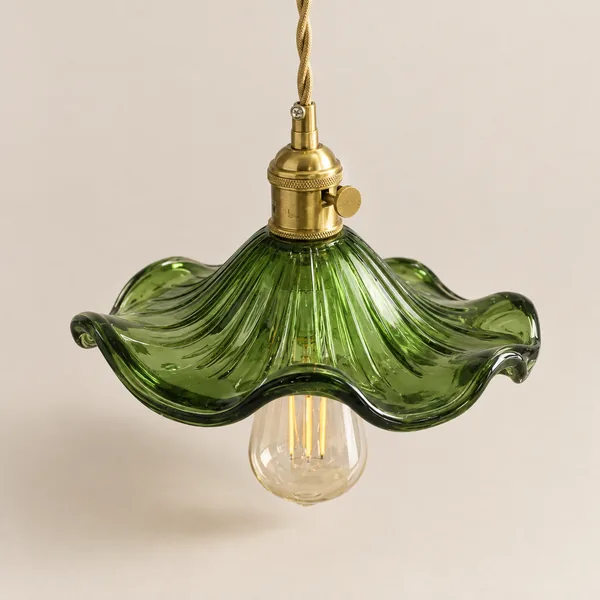
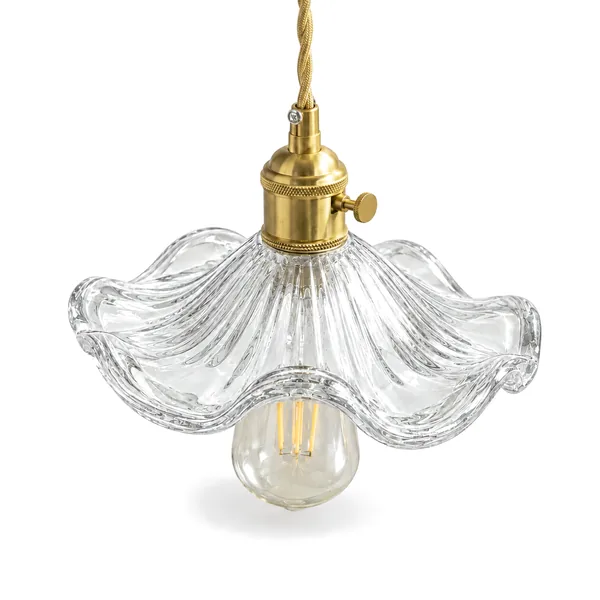
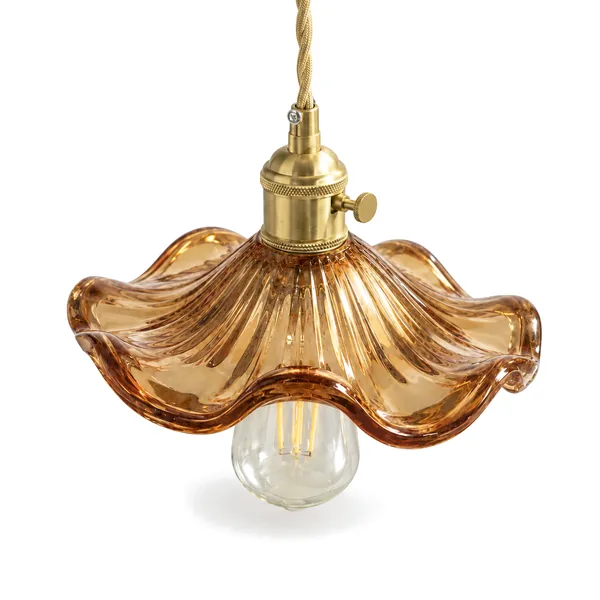
Glora Nordic Glass Pendant Light with Copper
 Save $120.00
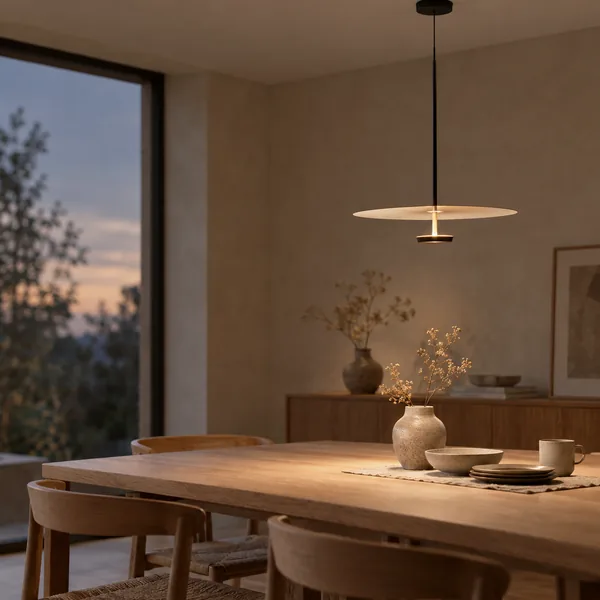
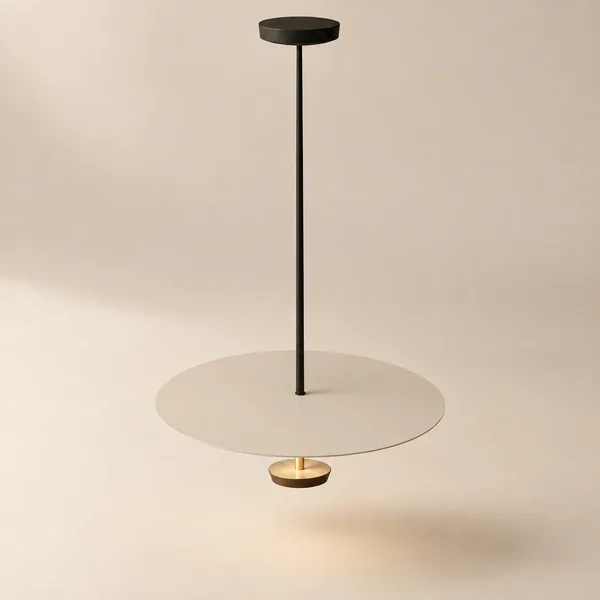
Skiva Nordic Saucer Ceiling Pendant Light LED
Curating Your Timepiece Collection: Alternatives and Companions
While authentic split-flap clocks occupy a special niche, building a layered approach to timekeeping allows you to capture nostalgic vibes across different rooms and functions. Consider how various nostalgic timepiece styles can complement each other within your home.
For spaces where mechanical noise might disrupt concentration—home offices, bedrooms, or meditation areas—silent alternatives that maintain vintage-inspired aesthetics prove invaluable. The Stilla Silent Resin Wall Clock Nordic Minimalist offers organic sculptural presence with its matte stone-like finish, while desk companions like the Tilje Silent Ceramic Desk Clock provide accessible entry points into curated timekeeping for smaller spaces.
Silent Alternatives for Calm Spaces
Stilla Silent Resin Wall Clock Nordic Minimalist$259.00$379.00Tilje Silent Ceramic Desk Clock for Modern Homes$89.00$159.00Price Considerations: Authentic mechanical split-flap clocks represent a significant investment, typically ranging from $300 to $800 depending on size and brand. Budget-conscious alternatives using similar visual languages but quartz movements offer the aesthetic appeal at more accessible price points. At Skonne, our curated selection spans this spectrum, ensuring you find the right balance of authenticity and value.
Conclusion: Time as Art
Embracing a flip clock wall design means inviting a piece of mechanical history into your contemporary life. These split-flap timepieces transcend mere functionality to become living sculptures—artifacts of an era when craftsmanship and industrial design merged to create objects of enduring beauty.
At Skonne, we believe your home deserves pieces that spark conversation and bring genuine joy. Whether you choose an authentic mechanical flip clock or one of our silent Nordic alternatives, you're making a statement about valuing intentionality over convenience, aesthetics over ubiquity. Our collection of timepieces reflects our commitment to Scandinavian principles: warm minimalism, functional beauty, and the art of living well.
Ready to transform your walls into a gallery of thoughtful design? Explore our curated selection of clocks and discover how the right timepiece can anchor your space with personality and purpose.
Related Article
Metal Wall Clocks: Steel, Iron & Industrial Designs for Modern InteriorsExplore steel, iron and industrial metal wall clock designs. Discover contemporary styles that bring modern sophistication to any room's decor.