
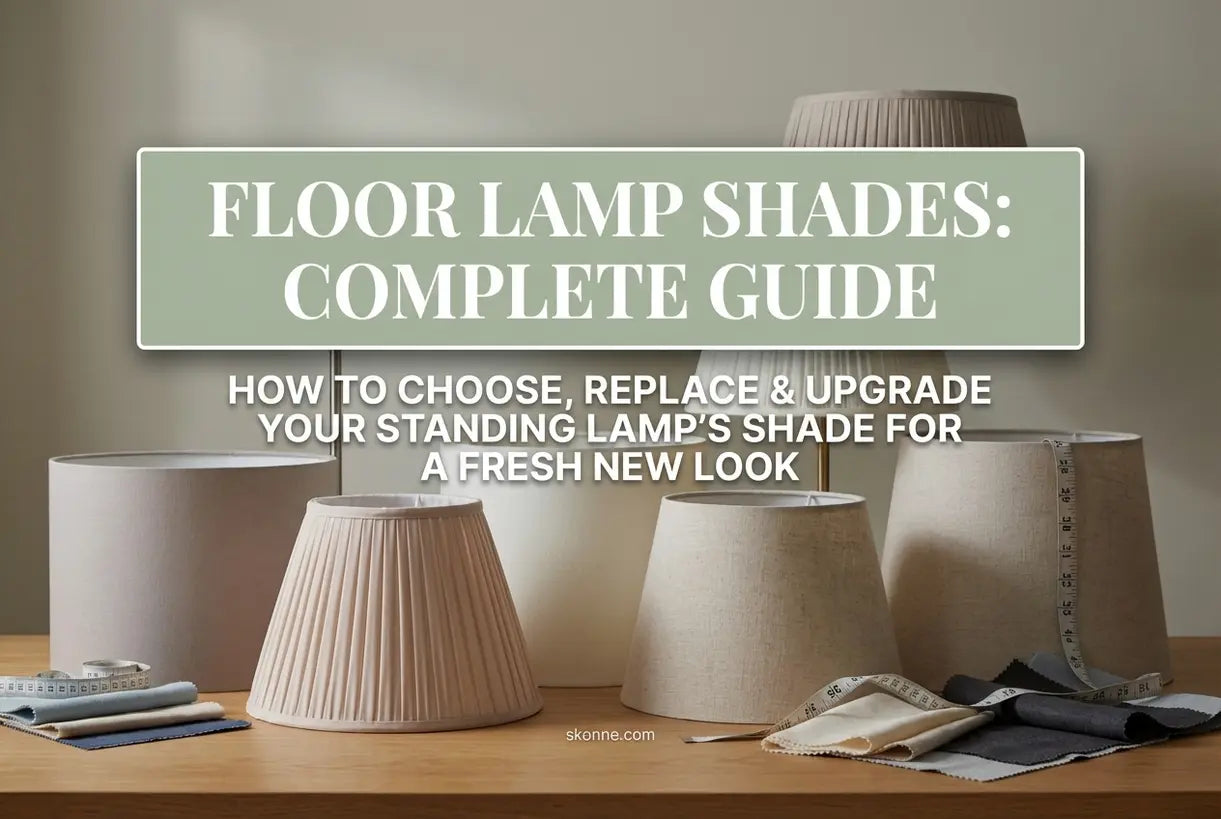
Floor Lamp Shades: How to Choose, Replace & Upgrade Your Standing Lamp's Shade
Summary›
- Understanding Floor Lamp Shade Basics
- How to Choose the Right Floor Lamp Shade
- Popular Floor Lamp Shade Styles for Modern Homes
- Measuring for Your Floor Lamp Shade Replacement
- Upgrading Your Space: Why Shade Selection Matters
- Styling Floor Lamp Shades in Scandinavian Interiors
- Conclusion: Elevating Your Home Through Thoughtful Lighting
Finding the perfect floor lamp shades for your home isn't just about covering a bulb—it's about transforming how light moves through your space. Whether you're replacing a worn shade on a beloved standing lamp or seeking to upgrade your current fixture with something more aligned with Scandinavian design principles, the right shade creates that coveted hygge atmosphere: warm, inviting, and intentionally curated.
At Skonne, we believe lighting should feel effortless yet elevated. The shade you choose determines whether your floor lamp casts a harsh spotlight or a gentle pool of ambient glow. From drum silhouettes that anchor modern living rooms to pleated textures that add visual interest to minimalist spaces, understanding your options empowers you to make choices that resonate with both your aesthetic and functional needs.
Understanding Floor Lamp Shade Basics
Before diving into styles and measurements, let's establish what makes a floor lamp shade both beautiful and functional. A well-designed shade does three things: it diffuses light to eliminate glare, directs illumination where you need it, and contributes to your room's overall design language.
The relationship between your lamp base and shade should feel harmonious. A disproportionately large shade overwhelms a delicate base, while a tiny shade on a substantial floor lamp looks like an afterthought. The key is balance—something Scandinavian design has mastered through decades of thoughtful craftsmanship.
For those looking to explore more options, our Japandi Lighting collection offers a curated selection of pieces that blend Japanese wabi-sabi philosophy with Nordic minimalism, featuring thoughtfully designed shades that transform ordinary corners into sanctuaries.
How to Choose the Right Floor Lamp Shade
Selecting a floor lamp shade replacement requires consideration of scale, material, and light quality. Start by evaluating your room's existing palette. Neutral interiors benefit from textured shades in natural linen or cotton, while bolder spaces might welcome subtle contrast through softly colored fabrics.
Consider the lamp's purpose, too. Reading lamps need shades that direct light downward, making drum lamp shades for floor lamps or narrow tapered styles ideal. Ambient lighting, however, benefits from wider silhouettes or translucent materials that allow light to filter through the sides, creating that signature soft glow central to Scandinavian interiors.
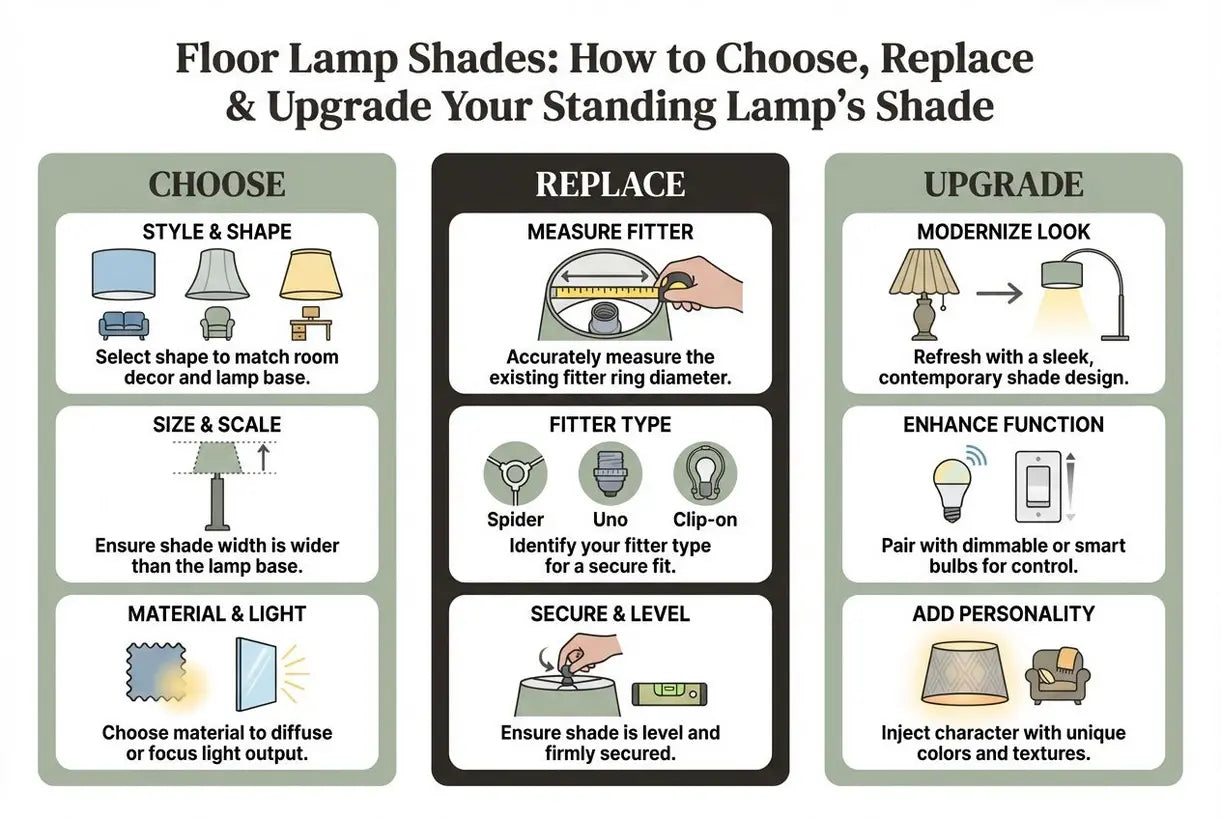
Material selection impacts both aesthetics and light quality. Linen and cotton create warm, diffused illumination, while silk adds subtle luxury. Paper and rice paper shades, inspired by traditional Japanese craftsmanship, cast the most ethereal glow—perfect for creating intimate corners in bedrooms or living spaces.
Floor Lamps
Shop all Floor Lamps
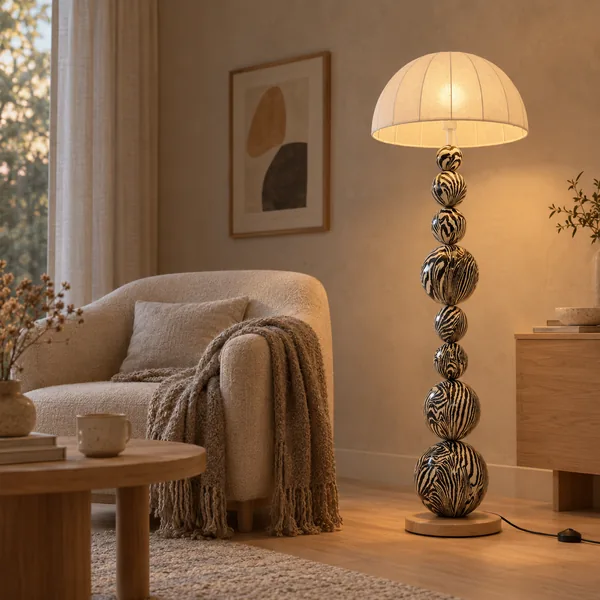
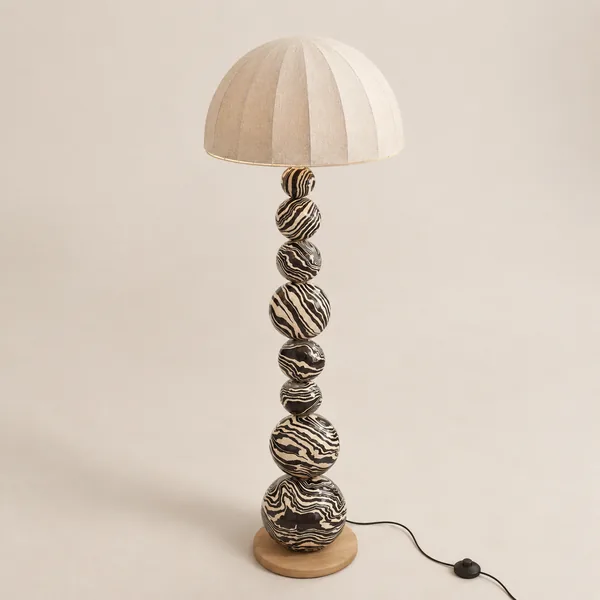
Popular Floor Lamp Shade Styles for Modern Homes
Today's design landscape offers remarkable variety in shade styles, yet certain silhouettes remain timeless for good reason. Understanding these classic forms helps you navigate the sea of options with confidence.
Drum Floor Lamp Shades
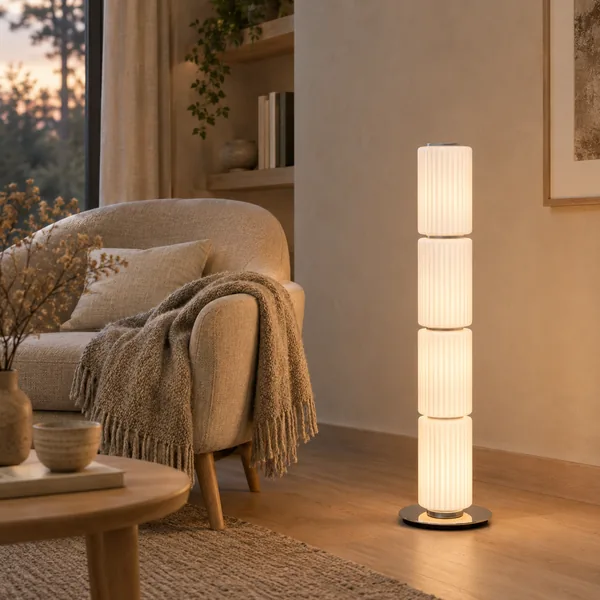
The drum shade—cylindrical with straight vertical sides—has become synonymous with contemporary Scandinavian design. Its clean lines complement minimalist interiors while providing even light distribution. Floor lamp drum shades work particularly well in spaces where you want understated elegance without fussy details.
The Kveld Scandinavian Mushroom Floor Lamp Walnut exemplifies this approach perfectly. Its acrylic fabric shade diffuses soft, even light while the mushroom silhouette adds organic warmth to any space. This piece demonstrates how the right shade transforms a functional object into a sculptural element that anchors your room's design.
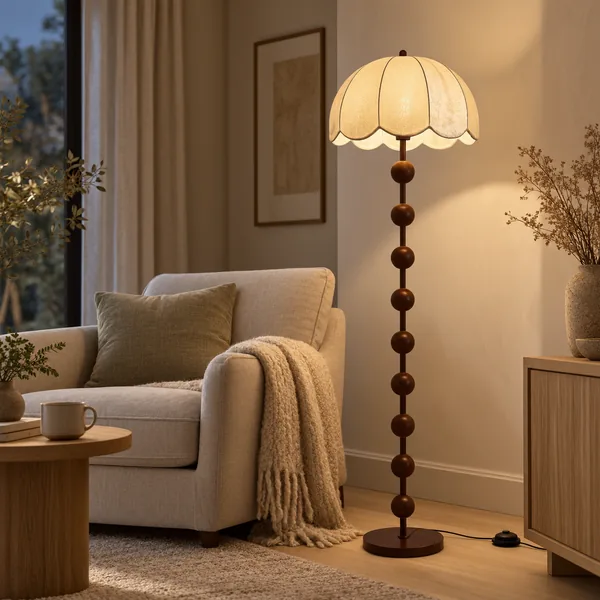 Kveld Scandinavian Mushroom Floor Lamp Walnut$219.00$349.00
Pleated Floor Lamp Shades
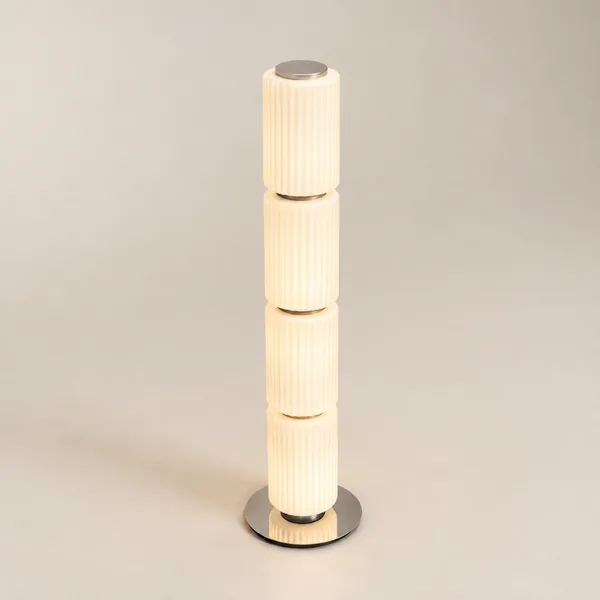
Pleated shades introduce texture and visual rhythm to a room. The accordion folds catch light beautifully, creating subtle shadows and depth that plain shades cannot achieve. Pleated floor lamp shades bridge traditional and contemporary aesthetics, making them remarkably versatile for transitional interiors leaning toward Scandinavian hygge.
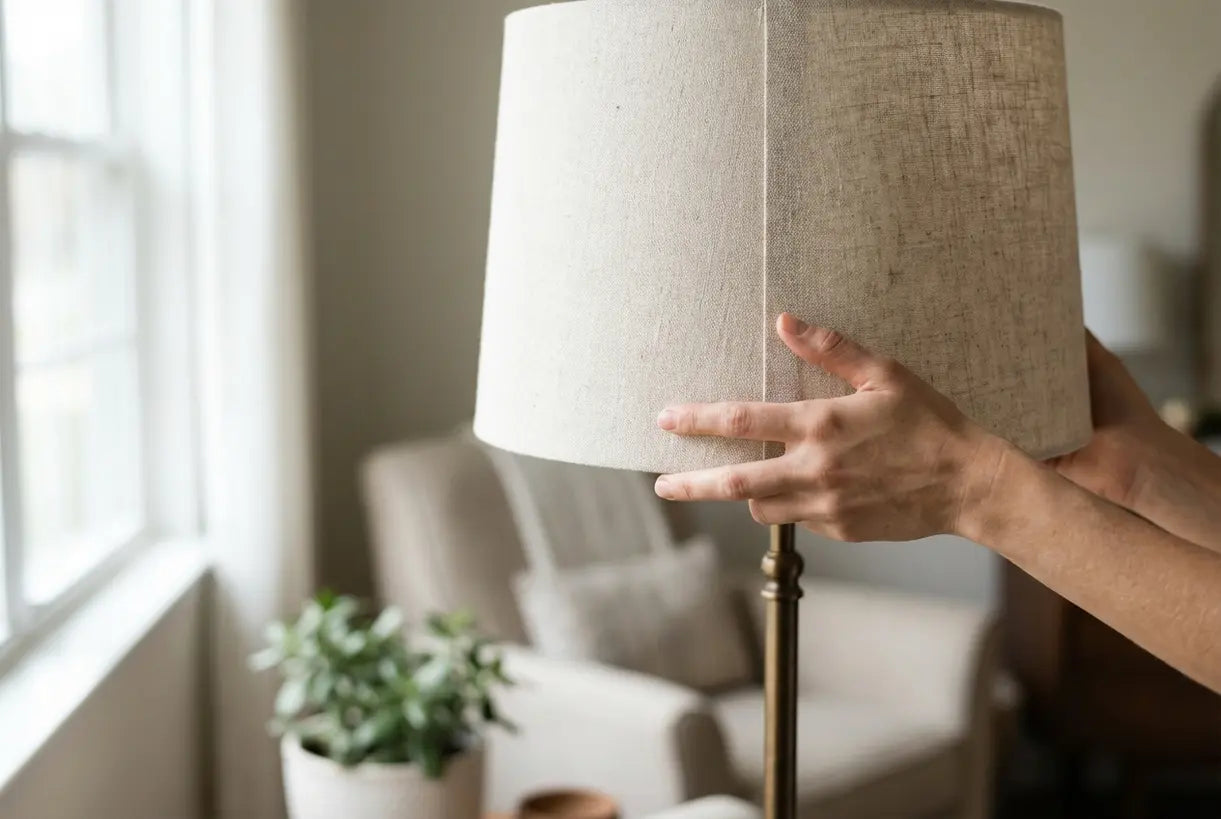
When selecting pleated shades, consider the scale of the pleating. Micro-pleats read as sophisticated and refined, while larger folds make a bolder statement. Either choice adds that handcrafted quality essential to warm, lived-in spaces.
Artisanal Paper and Fabric Options
Beyond conventional drum and pleated styles, handcrafted shades offer something increasingly rare in today's mass-produced world: uniqueness. Rice paper shades, like those inspired by Japanese lantern-making traditions, create the most enveloping, atmospheric light possible.
Elevated Shade Styles for Discerning Spaces
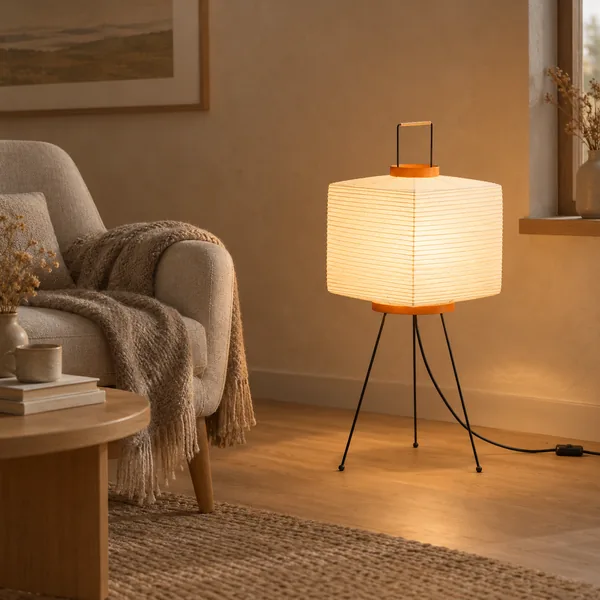 Papira Handcrafted Rice Paper Ambient Floor Lamp$159.00$249.00
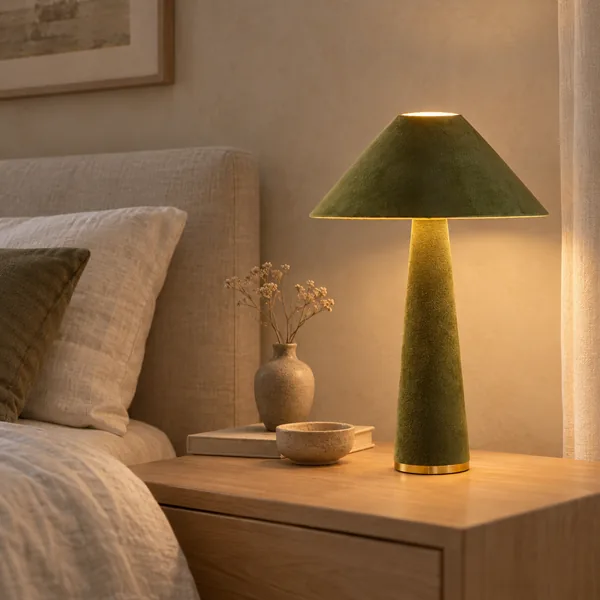 Mysa Minimalist Velvet Fabric Shade Table Lamp$659.00$1,019.00
The Papira Handcrafted Rice Paper Ambient Floor Lamp demonstrates this philosophy beautifully, casting a warm, enveloping glow through its artisanal shade. Similarly, the Mysa Minimalist Velvet Fabric Shade Table Lamp shows how fabric shades create intimate, cocooning spaces through thoughtful material selection.
Lamps
Shop all Lamps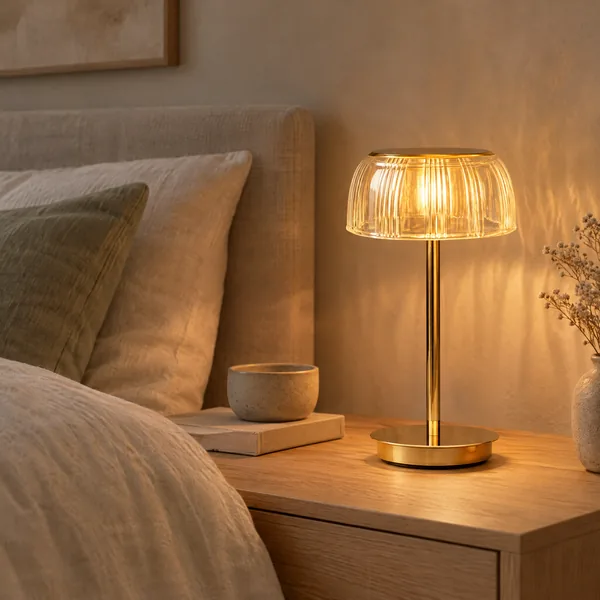
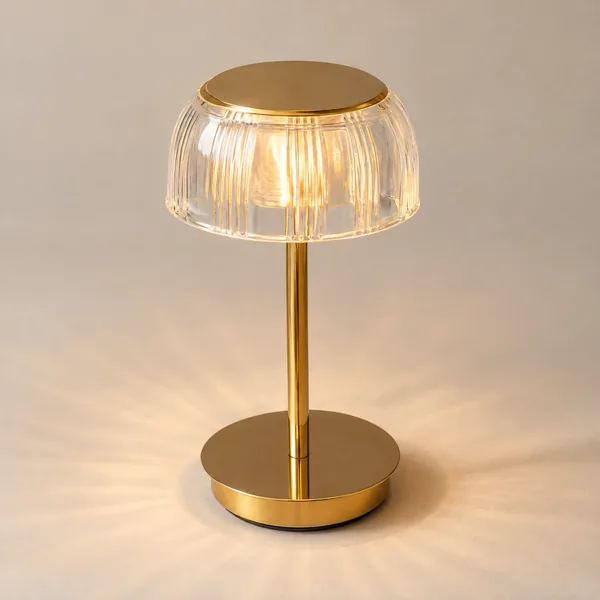 Save $30.00
Kvalla Jellyfish LED Rechargeable Table Lamp
 Save $140.00
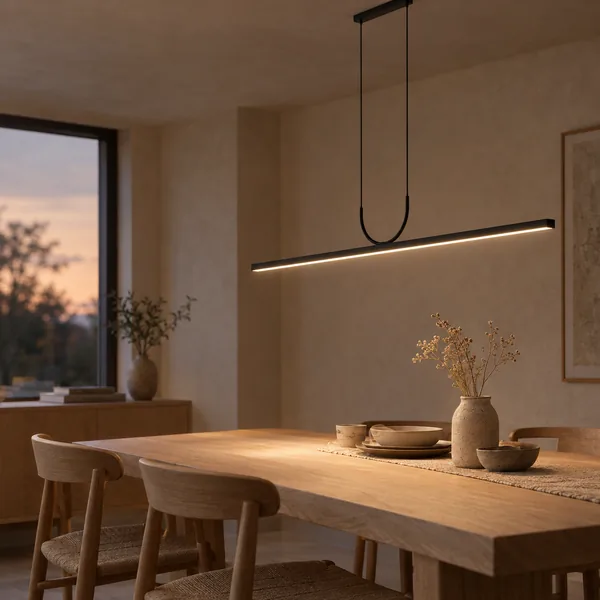
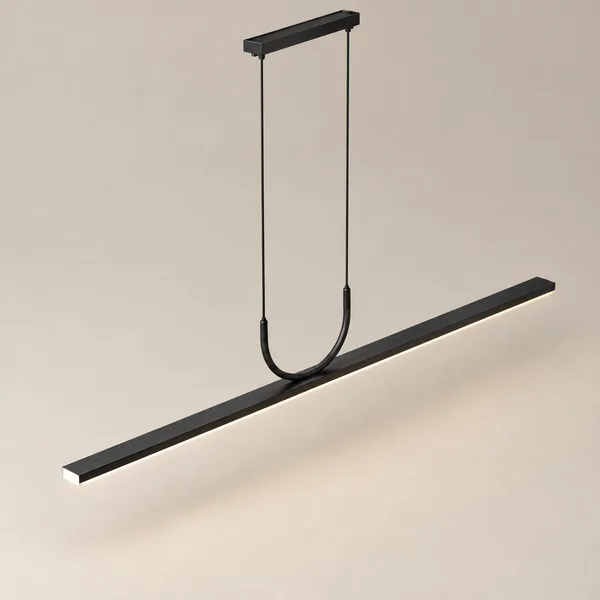
Linné Minimalist Linear Black LED Pendant Light
 Save $60.00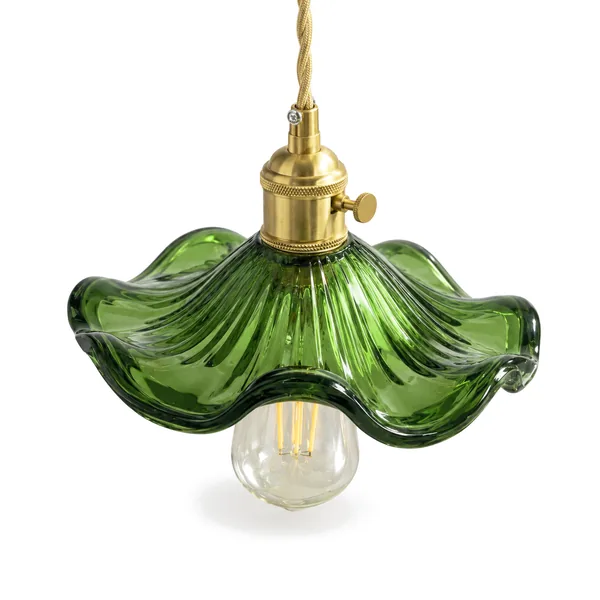
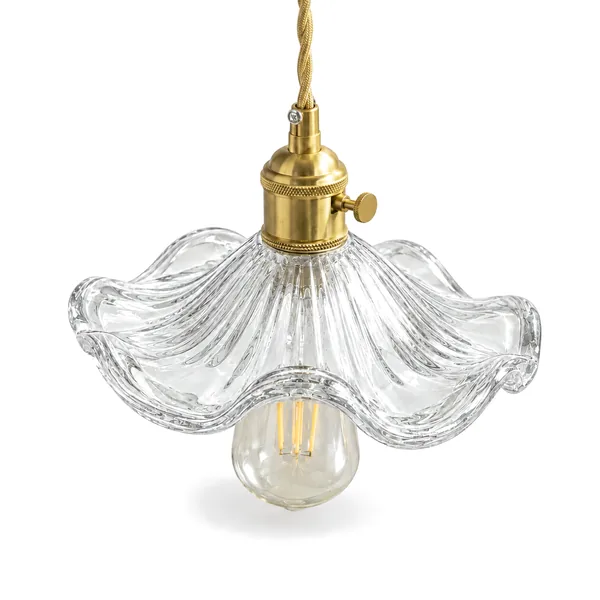
 3 options
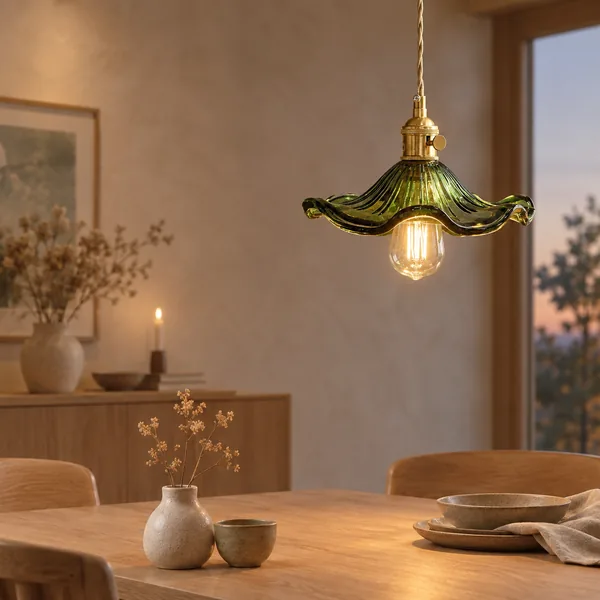
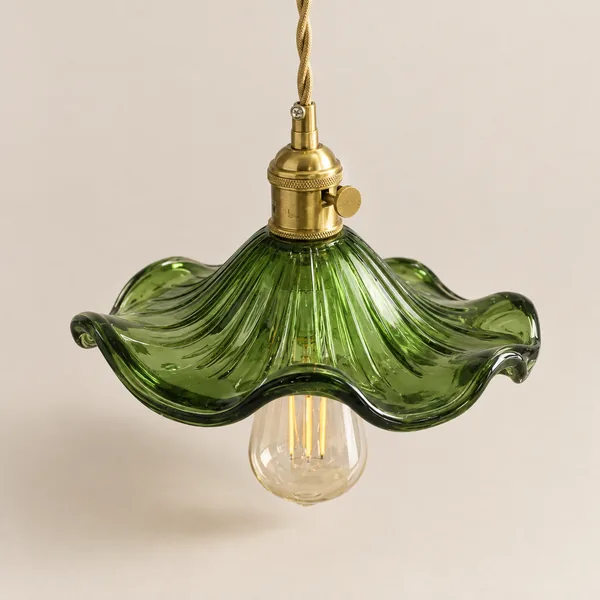
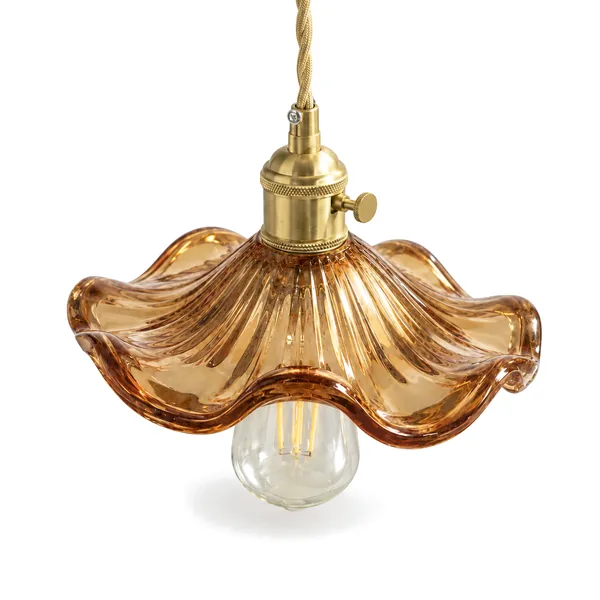
Glora Nordic Glass Pendant Light with Copper
Measuring for Your Floor Lamp Shade Replacement
Nothing disappoints quite like ordering the perfect floor lamp globe replacement only to discover it doesn't fit your base. Accurate measurement ensures your investment enhances rather than frustrates your space.
Pro Tip: The shade's diameter should typically be within two inches of the lamp base's height. For a 20-inch tall base, look for shades between 18-22 inches wide. The shade's height should be approximately 60-70% of the base height.
When measuring for replacement shades for floor lamps, record three dimensions: the top diameter, bottom diameter, and height of the shade itself. Also measure your lamp base from the bottom to the socket to ensure proper proportion. Most importantly, check the harp size (the metal frame holding the shade) or the uno-fitter dimensions if your lamp uses that attachment style.
Upgrading Your Space: Why Shade Selection Matters
Swapping a floor lamp shade represents one of the most cost-effective ways to refresh your interior without purchasing entirely new fixtures. A dated brass lamp base suddenly feels contemporary when paired with a crisp white linen drum shade. Conversely, a simple IKEA lamp base transforms into a statement piece with a handcrafted pleated shade.
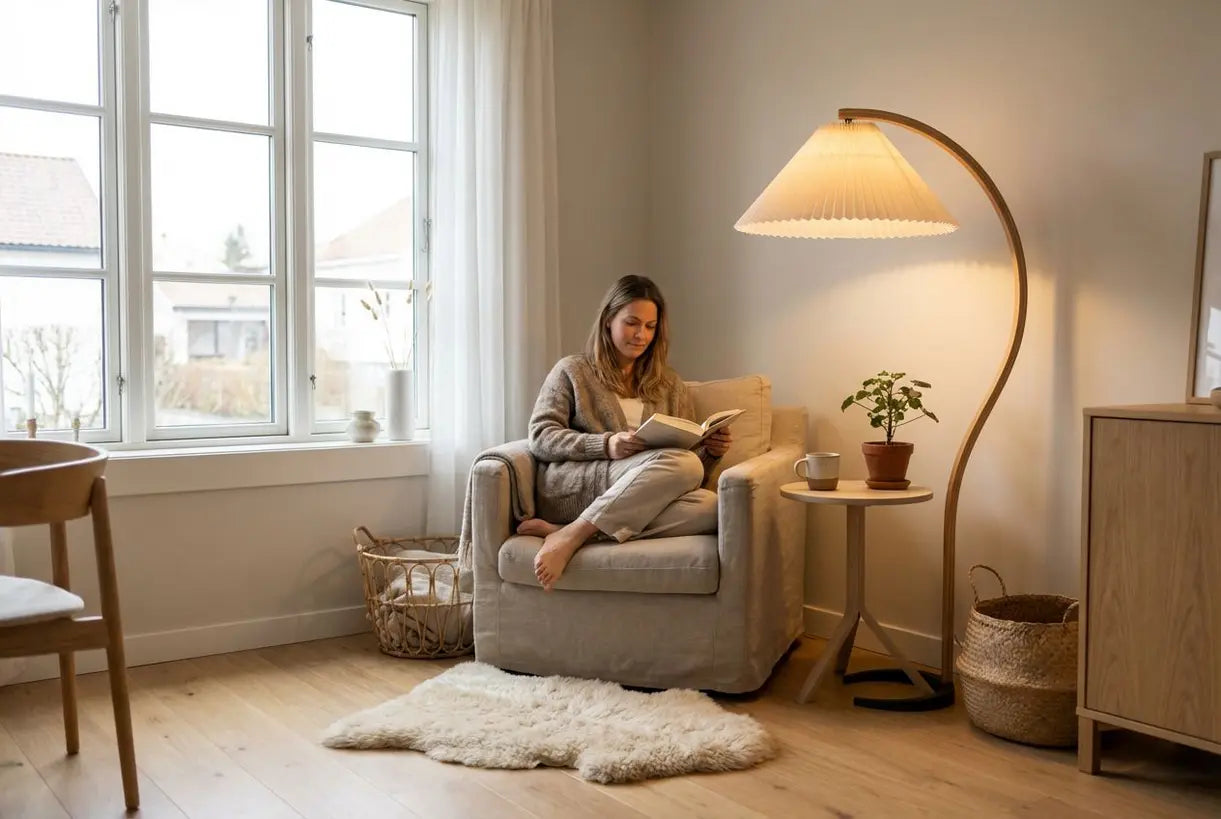
The emotional impact shouldn't be underestimated either. The quality of light in your home directly affects your circadian rhythms and overall wellbeing. Harsh, unshaded bulbs create stress and visual fatigue, while properly diffused light through quality large lamp shades for floor lamps supports relaxation and comfort.
Visualizing the Perfect Fit
If you're still uncertain about proportions and styles, this expert guide demonstrates the principles of shade selection in action:
Remember that standing lamp shades serve dual purposes: they house the light source and contribute significantly to your room's visual weight. Consider how the shade's silhouette interacts with nearby furniture and architectural elements.
Styling Floor Lamp Shades in Scandinavian Interiors
Scandinavian design principles emphasize harmony between function and form. When styling your floor lamp shades, consider the overall light composition of your room. Rather than relying on a single overhead fixture, Scandinavian spaces layer multiple light sources at different heights—floor lamps with fabric shades often anchor these arrangements.
Stick to neutral palettes: warm whites, soft greys, natural linens, and muted earth tones. These hues complement the light wood tones typical of Nordic furniture while ensuring the shade doesn't compete with other design elements. Texture becomes crucial in these restrained palettes—choose shades with visible weave patterns or subtle slubbing that adds interest without overwhelming.
Position your floor lamp pleated shade or drum shade to create pockets of warmth rather than uniform brightness. The goal is variation—bright areas for tasks, softer pools for relaxation, and gentle gradients between them.
Conclusion: Elevating Your Home Through Thoughtful Lighting
Choosing the right floor lamp shade transcends mere decoration—it's an act of creating atmosphere. Whether you're drawn to the clean geometry of drum shades, the textural interest of pleated options, or the atmospheric glow of handcrafted paper, your selection shapes how you experience your home every evening.
At Skonne, we curate lighting that honors both Scandinavian design heritage and contemporary living needs. Our collection features pieces with thoughtfully designed shades that balance proportion, material quality, and light diffusion—ensuring every lamp becomes a cherished element of your interior rather than merely functional equipment.
When you invest in quality floor lamp shades, you invest in moments: the soft illumination that makes a Monday evening feel manageable, the gentle glow that welcomes guests, the ambient light that transforms ordinary spaces into sanctuaries. That's the power of thoughtful lighting—and it's available to you through informed selection and intentional design.
Related Article
Tripod Floor Lamps: Three-Legged Designs for Modern & Scandinavian InteriorsDiscover how tripod floor lamps blend stability with style. From wood tripod designs to modern metal finishes, find the perfect three-legged lamp for your Scandinavian interior.