
Floral & Nature-Inspired Floor Lamps: Botanical, Lotus & Petal Designs
Summary›
- What Sets Floral Floor Lamps Apart from Conventional Lighting
- Botanical Design Styles: From Lotus to Tulip
- Styling Your Floral Floor Lamp in Any Space
- Why Floral Floor Lamps Are Dominating Interior Design Trends
- The Art of Sculptural Ceramic Lighting
- Interior Design Styles That Embrace Botanical Lighting
- Visual Inspiration: Art Nouveau Botanical Lighting
- Selecting the Right Size for Your Space
- Curating Layered Botanical Illumination
- Creating Sanctuary Through Scandinavian Design
- The Timeless Appeal of Nature-Inspired Illumination
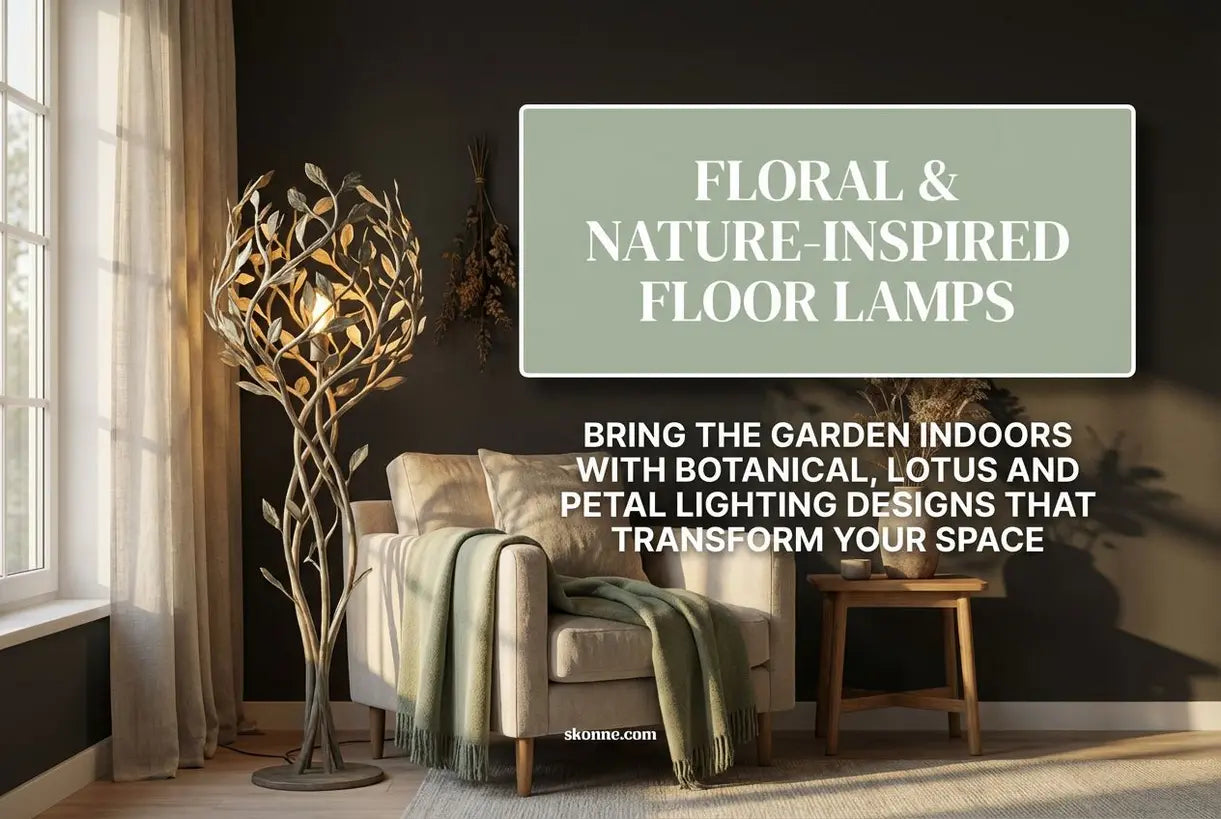
There's something transformative about bringing the outside world into your home. A floral floor lamp doesn't merely illuminate a room—it breathes life into it, casting organic shadows and creating a connection to nature that static furniture simply cannot achieve. At Skonne, we believe lighting should do more than brighten a space; it should evoke the serenity and beauty of the natural world, transforming everyday moments into experiences of mindful calm.
Whether you're drawn to the sculptural elegance of a lotus flower floor lamp, the graceful lines of a tulip floor lamp, or the textural warmth of botanical lighting, understanding how to select and style these nature-inspired pieces will elevate your entire interior. This guide walks you through everything you need to know about integrating organic lighting into your home, from choosing the perfect size to styling across different design aesthetics—all while discovering pieces that embody the essence of Scandinavian hygge.
What Sets Floral Floor Lamps Apart from Conventional Lighting
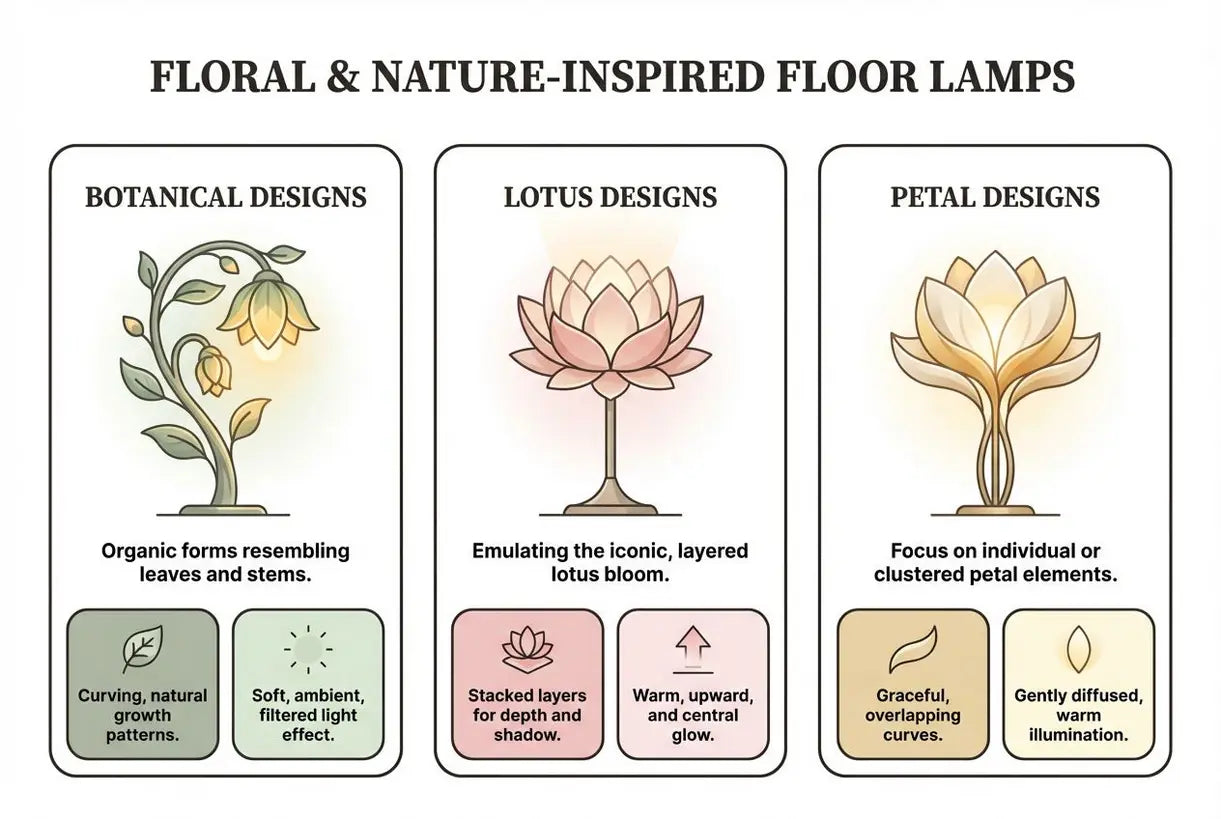
Unlike standard floor lamps with rigid geometric bases and uniform shades, botanical and nature-inspired lighting celebrates organic forms, asymmetrical beauty, and materials that honor their natural origins. A vintage lotus floor lamp might feature hand-formed metal petals that diffuse light softly, while a petal floor lamp could incorporate linen or paper materials that create gentle, dappled illumination reminiscent of sunlight filtering through leaves.
The defining characteristics that distinguish these lamps include sculptural silhouettes inspired by flora, the use of natural materials like ceramic, paper, and stained glass, and the creation of ambient rather than harsh directional light. These aren't merely functional objects—they become statement pieces that anchor an entire room's aesthetic, much like a thoughtfully placed work of sculpture or a living plant that commands attention.
Botanical Design Styles: From Lotus to Tulip
The world of botanical floor lamps encompasses a rich variety of organic interpretations, each bringing its own character to interior spaces. Understanding these distinct styles helps you select a piece that resonates with your personal aesthetic and existing décor.
- Lotus Flower Floor Lamps: Characterized by layered, petal-like elements that create elegant, upward-reaching forms. These often feature metal or glass constructions that cast dramatic shadows while providing warm, diffused light. Vintage versions bring retro charm, while modern interpretations offer clean lines.
- Tulip Floor Lamps: These designs embrace the graceful curve of tulip blooms, often featuring single-stem bases that swell into bud-like shades. They bring a sense of vertical elegance perfect for compact spaces or corners needing soft illumination.
- Petal Floor Lamps: Focusing on the delicate structure of individual petals, these lamps frequently use materials like rice paper, fabric, or thin金属 to create layered, flower-like appearances that glow from within.
- Garden Floor Lamps: Broader interpretations might incorporate leafy motifs, branch-like stands, or vine-wrapped elements that suggest wild, natural growth rather than formal floral arrangements.
Styling Your Floral Floor Lamp in Any Space
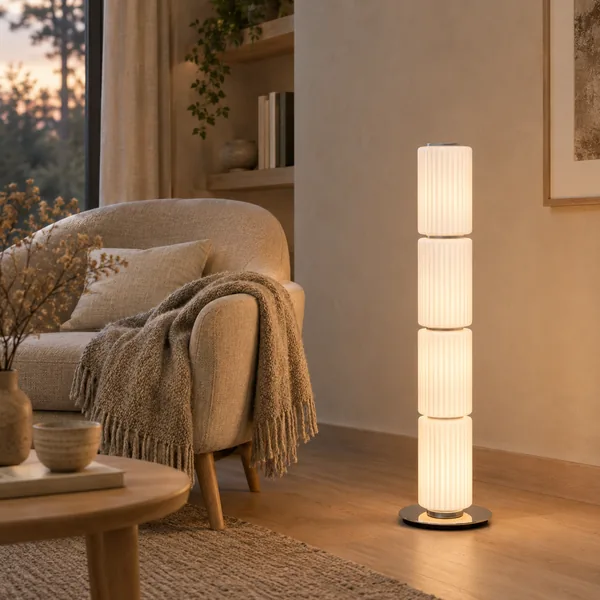
The versatility of flower floor lamps makes them surprisingly adaptable across various rooms and design schemes, though thoughtful placement maximizes their impact. In the living room, position botanical lighting beside accent chairs or sofas to create intimate reading corners. A floral floor lamp for living room placement works beautifully when paired with minimal furniture, allowing the organic form to become a natural focal point without competing with other decorative elements.
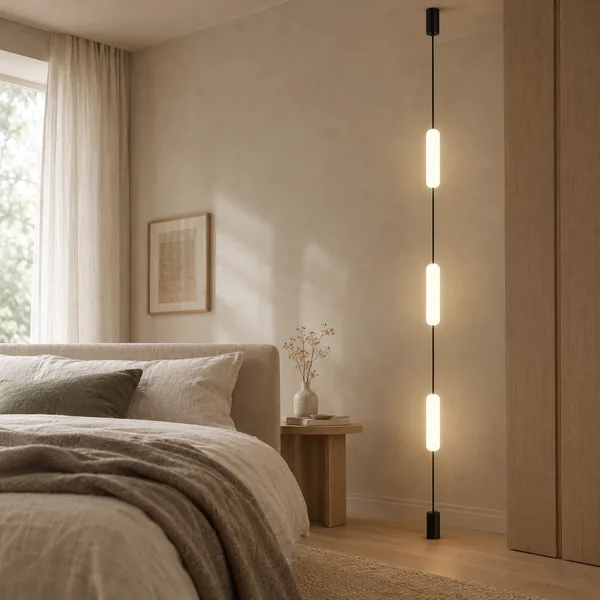
For bedrooms, softer styles like tulip or petal designs enhance the serene atmosphere essential for restful spaces. Place them beside nightstands or in reading nooks where their gentle illumination supports evening wind-down routines. The key is ensuring the lamp's scale complements rather than overwhelms the room's proportions.
Paired lighting creates sophisticated layers—consider complementing your floor lamp with smaller botanical accents. Our Table Lamps collection offers curated pieces that harmonize beautifully with nature-inspired floor lighting, allowing you to build cohesive illumination throughout your home.
Floor Lamps
Shop all Floor Lamps
Why Floral Floor Lamps Are Dominating Interior Design Trends
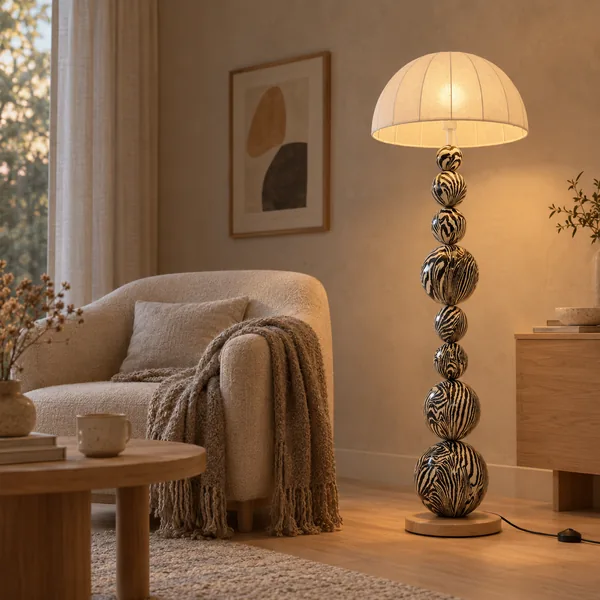
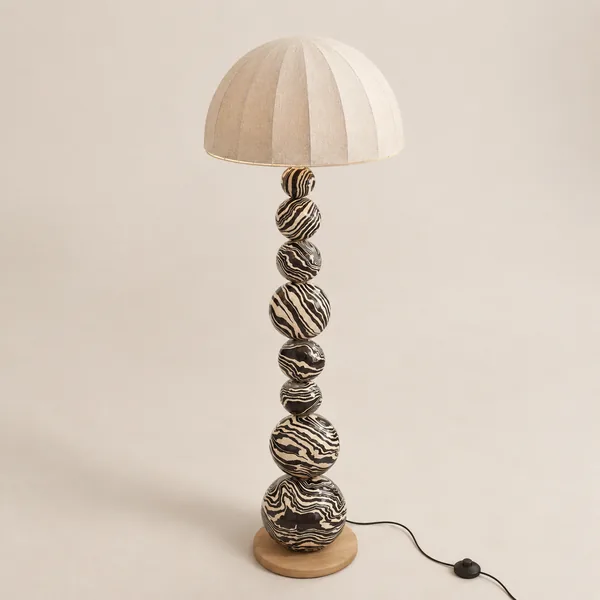
Are floral floor lamps currently trending in interior design? Absolutely—and the reasons extend beyond mere aesthetics. The resurgence of nature-inspired lighting reflects a broader cultural shift toward biophilic design, the practice of incorporating natural elements into built environments to enhance wellbeing and reduce stress. Psychological studies consistently demonstrate that organic shapes and references to nature create measurable improvements in mood and cognitive function.
Additionally, the blending of vintage and contemporary aesthetics has elevated pieces like the vintage lotus floor lamp from retro curiosity to must-have design object. Modern designers are reimagining these classic forms with sustainable materials and updated silhouettes, making them relevant for environmentally conscious consumers seeking timeless pieces. This trend toward longevity over disposable décor aligns perfectly with Scandinavian values of intentional, lasting design.
The Art of Sculptural Ceramic Lighting
When standard floor lamps feel impersonal and mass-produced, the Vasten Artisan Japanese Ceramic Floor Lamp emerges as the antidote—embodying wabi-sabi philosophy that finds beauty in imperfection and transience. This sculptural piece represents ceramic craftsmanship elevated to functional art, with its organic form capturing the essence of weathered stones or seed pods discovered during a forest walk.
The problem with many supposedly "natural" lighting options is their manufactured uniformity—their perfection betrays their claim to organic inspiration. The Vasten lamp answers this frustration through its handcrafted nature, where each subtle variation in glaze and form tells a story of human artistry interacting with elemental materials. Its sculptural presence works equally well as a standalone art piece or as part of a curated vignette, casting warm pools of light that transform ordinary evenings into moments of sanctuary.
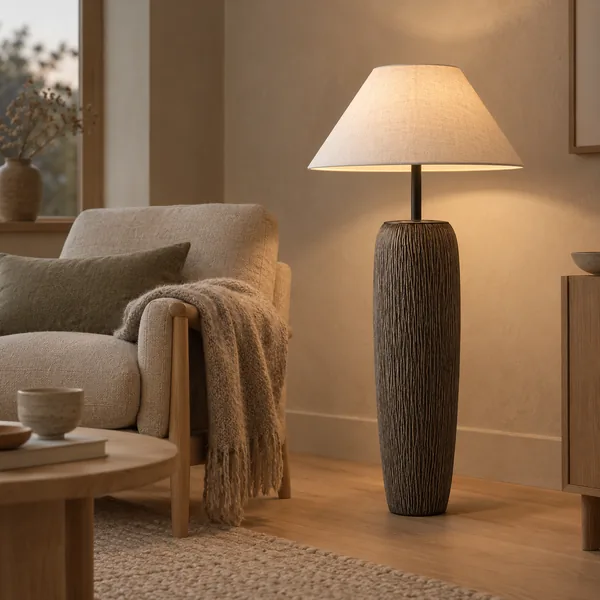 Vasten Artisan Japanese Ceramic Floor Lamp$394.00$569.00
Interior Design Styles That Embrace Botanical Lighting
What interior design styles work best with botanical and nature-inspired floor lamps? While these pieces transcend rigid categorization, certain aesthetics particularly embrace their organic character:
Scandinavian and Hygge Interiors: These design philosophies practically demand nature-inspired lighting. The emphasis on natural materials, neutral palettes, and cozy atmospheres creates perfect synergy with modern floral floor lamp designs that blend form and function seamlessly.
Japandi Style: The fusion of Japanese minimalism and Scandinavian functionality finds its ideal expression in ceramic and paper-based botanical lighting. The restrained elegance of lotus and tulip forms complements Japandi's "less but better" ethos.
Bohemian and Eclectic Spaces: Layered textures and collected treasures provide the perfect backdrop for vintage-inspired floral lighting. Here, a vintage lotus floor lamp becomes part of a narrative of gathered beauty and worldly sophistication.
Contemporary Organic Modern: This emerging style pairs clean architectural lines with soft, natural forms—making sculptural flower floor lamps ideal bridging pieces that soften minimalist interiors without compromising sophistication.
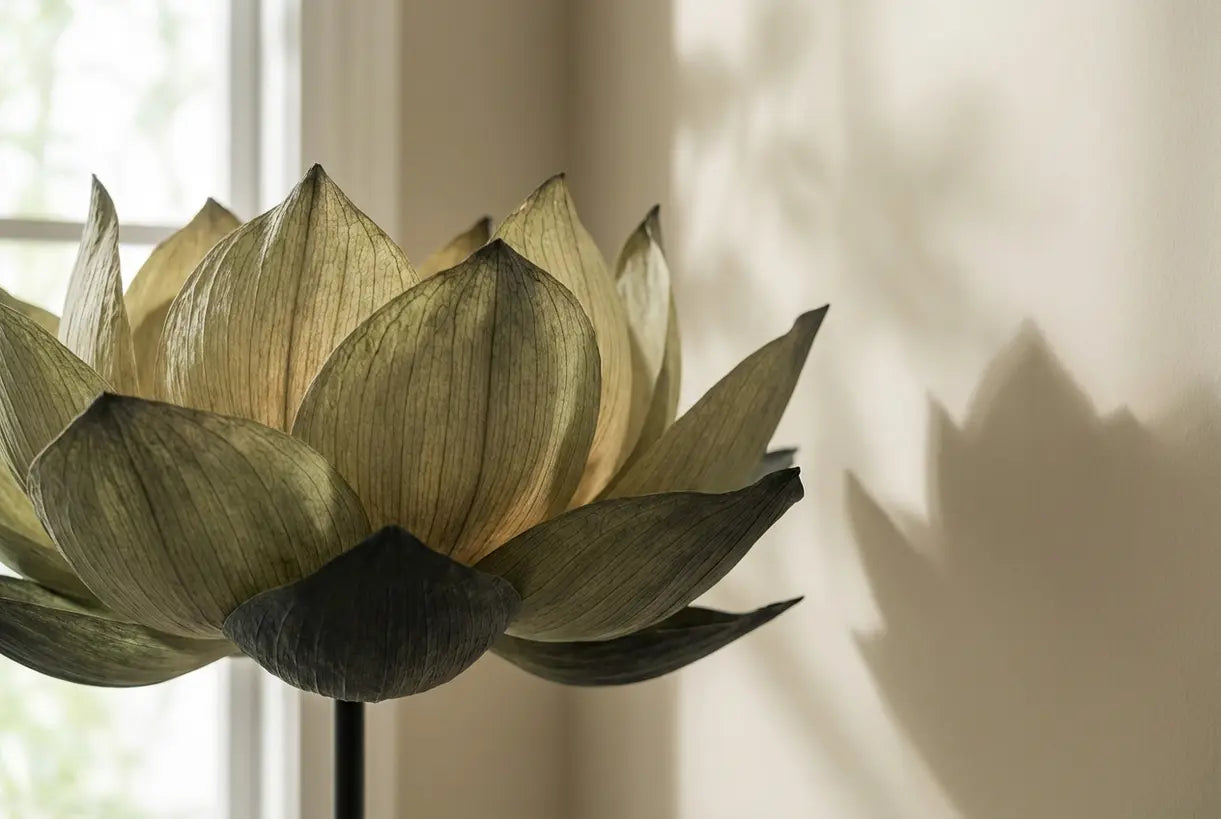
Visual Inspiration: Art Nouveau Botanical Lighting
Understanding the historical context of nature-inspired lighting enriches your appreciation for contemporary designs. Art Nouveau masters understood what contemporary designers are rediscovering: that botanical forms possess inherent structural integrity and visual rhythm that elevate functional objects into art.
Selecting the Right Size for Your Space
How do I choose the right size floral floor lamp for my space? Proportion ensures your botanical lighting enhances rather than overwhelms your room. Consider these guidelines when selecting your perfect piece:
- Ceiling Height: Standard 8-foot ceilings accommodate most floor lamps easily, but ensure at least 12-18 inches of clearance between the top of the shade and ceiling. For dramatic lotus flower floor lamps with upward-reaching elements, consider ceiling height carefully.
- Room Scale: In compact spaces, opt for tulip-style or slender petal lamps that provide visual interest without consuming precious square footage. Larger rooms can accommodate substantial plant floor lamp designs with broader bases and layered elements.
- Seating Arrangement: The lamp should relate proportionally to nearby furniture. Ideally, the bottom of the shade sits at or slightly above eye level when seated, typically 40-50 inches from floor to shade bottom for reading purposes.
- Visual Weight: Consider the lamp's presence alongside existing pieces. A delicate rice paper design balances heavier furniture, while substantial ceramic or metal botanical lamps ground lighter, airier spaces.
Curating Layered Botanical Illumination
The most sophisticated interiors layer multiple light sources to create depth and atmosphere. The Papira Handcrafted Rice Paper Ambient Floor Lamp addresses the common challenge of harsh artificial lighting that disrupts the natural rhythms of relaxation. Its delicate rice paper construction solves this by diffusing light into soft, shadow-casting illumination reminiscent of lantern glow through forest leaves.
For those seeking cohesion between overhead and floor lighting, the Ravglo Handcrafted Amber Stained Glass Chandelier offers complementary organic beauty. Its amber glasswork echoes the natural materials and flowing forms of botanical floor lamps, creating visual dialogue between vertical lighting levels that unifies your space.
Rice paper and stained glass serve different but complementary purposes in nature-inspired schemes—paper provides soft, enveloping ambient light perfect for intimate moments, while carefully placed colored glass creates focal points of warm, jewel-toned illumination. Together, they eliminate the clinical harshness that plagues many contemporary interiors.
Complete Your Botanical Lighting Scheme
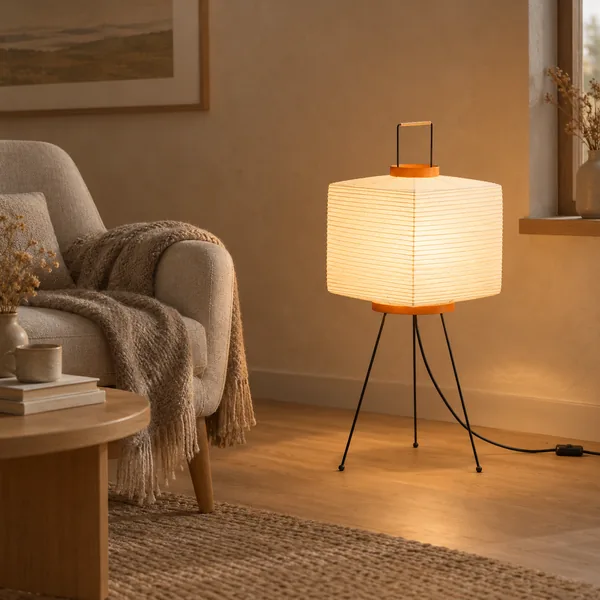 Papira Handcrafted Rice Paper Ambient Floor Lamp$159.00$249.00
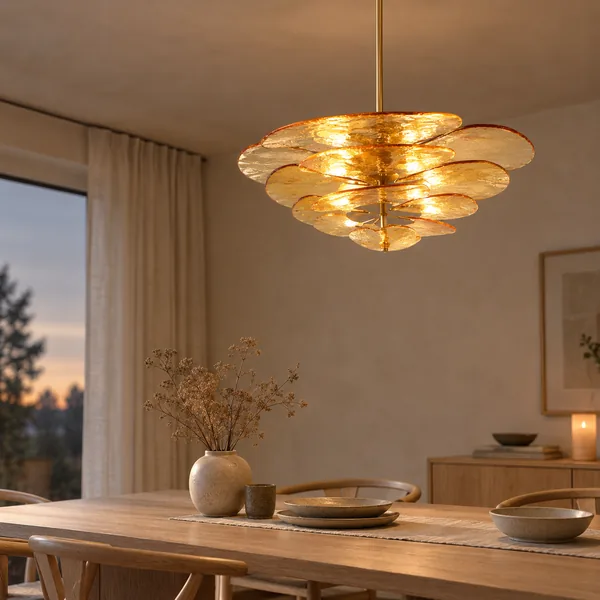 Ravglo Handcrafted Amber Stained Glass Chandelier$899.00$1,389.00
Living Room Lighting
Shop all Living Room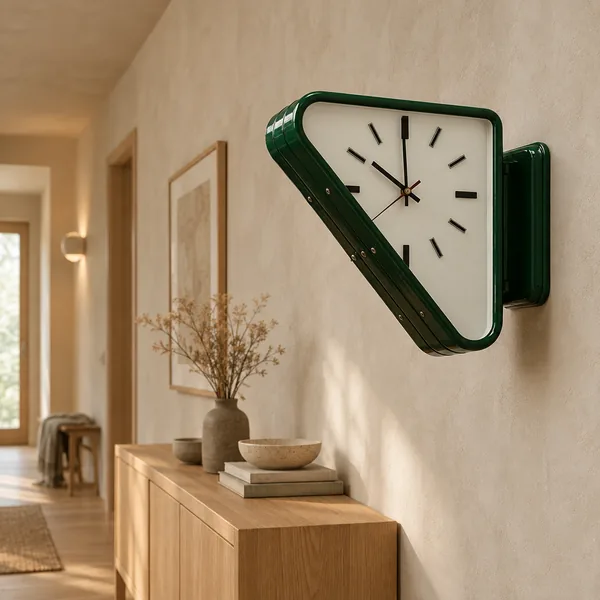
 Save $110.00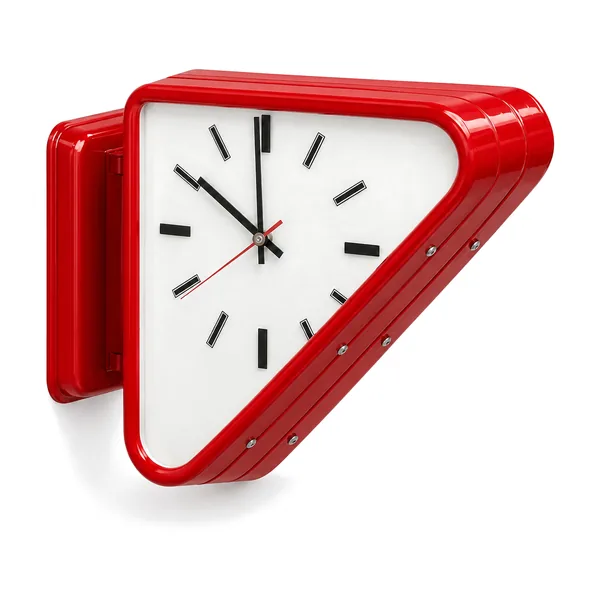
 +15 options
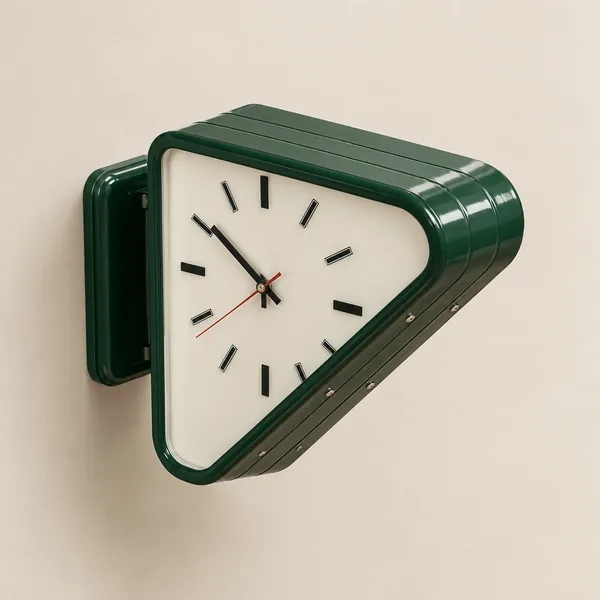
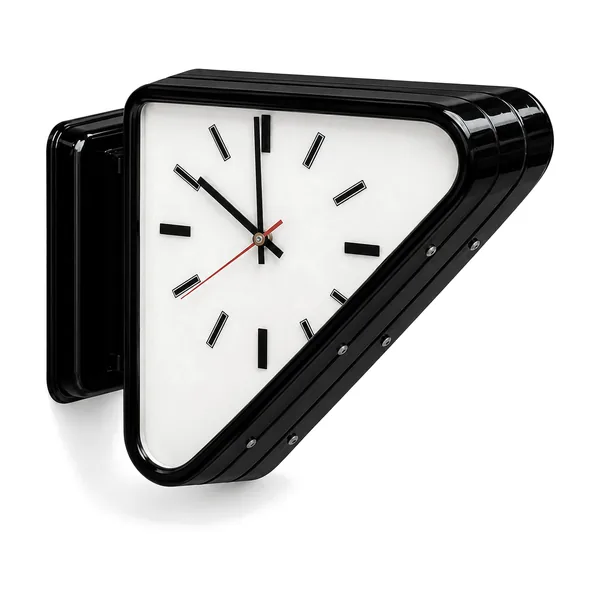
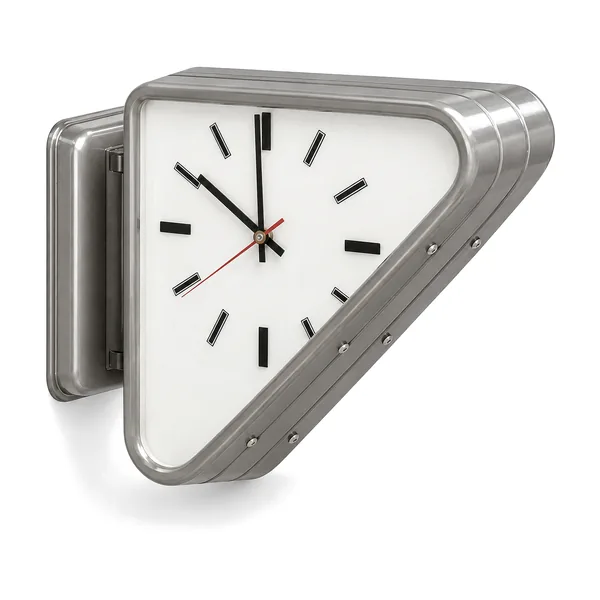
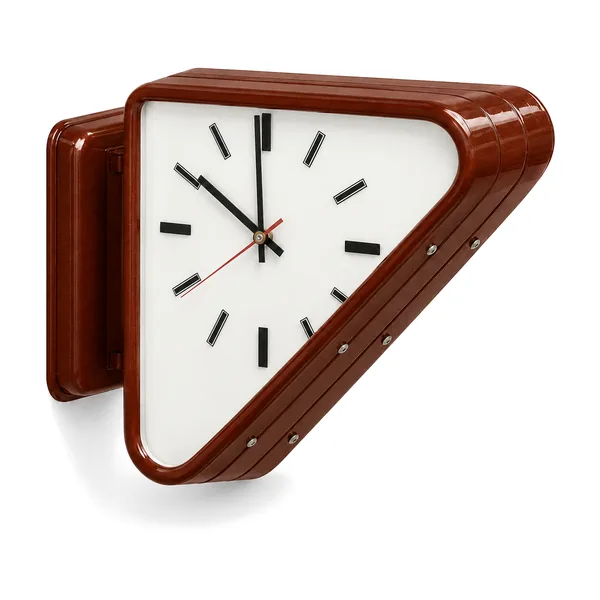
Tvilling Dual-Sided Geometric Metal Wall Clock
 Save $70.00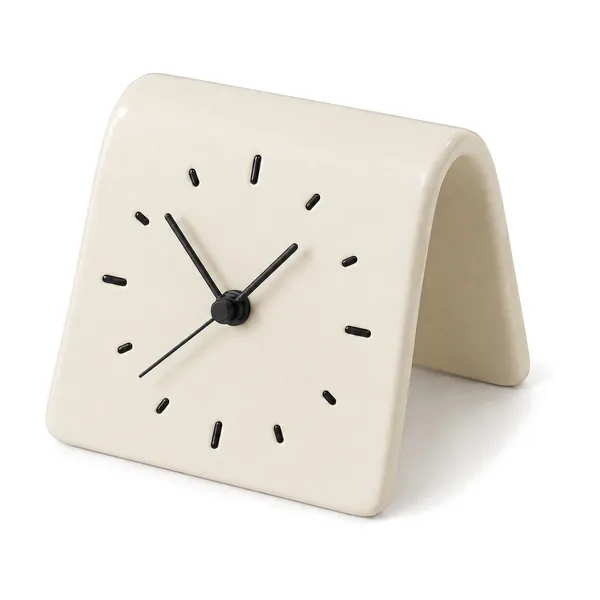
 +37 options
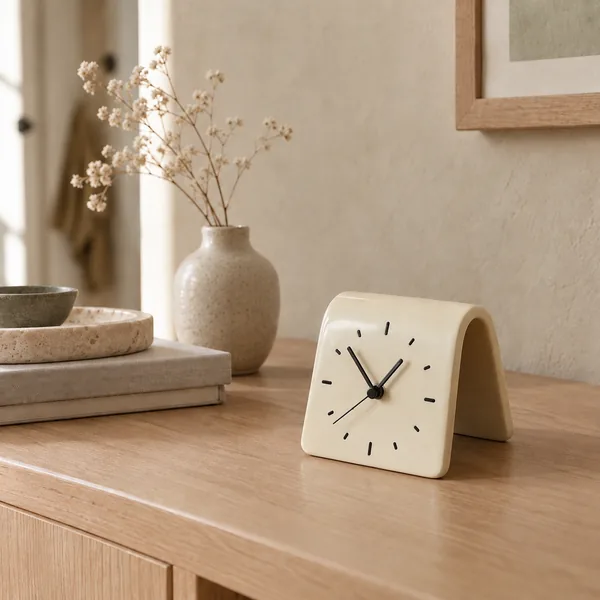
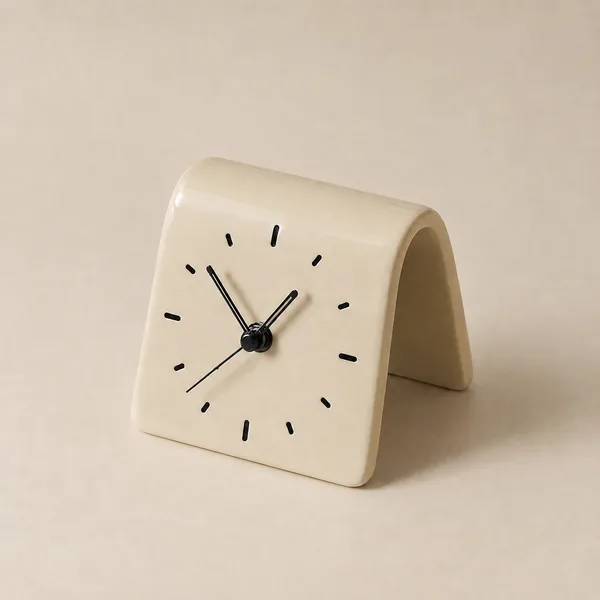
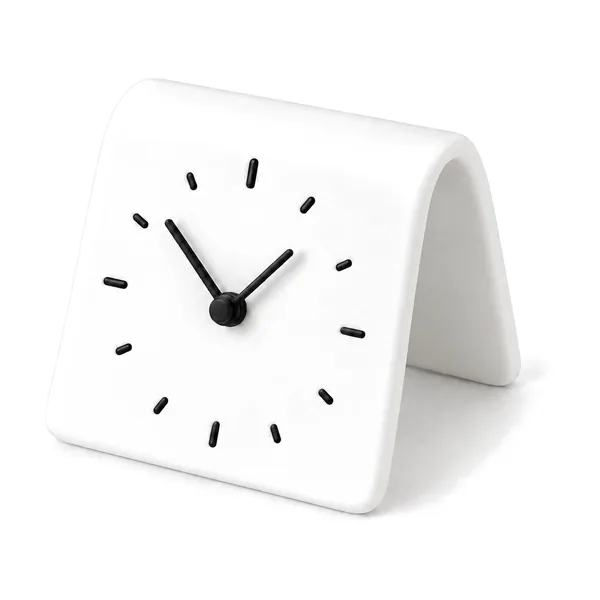
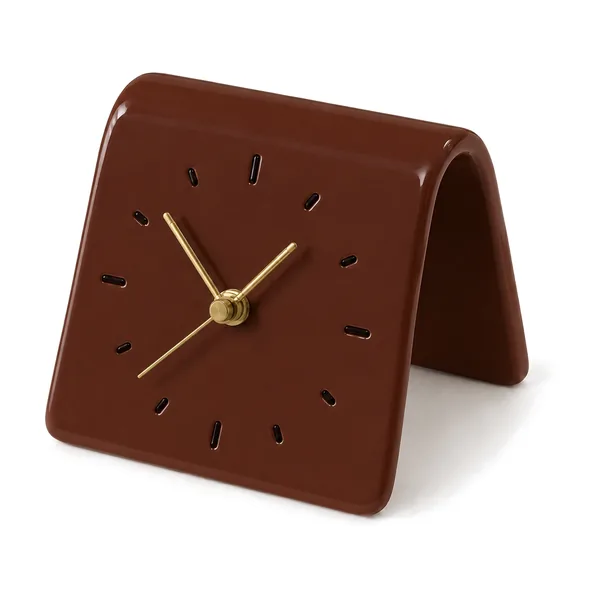
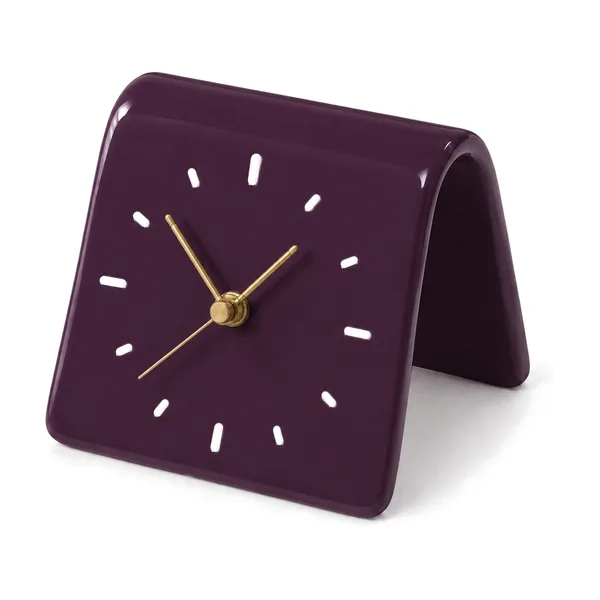
Tilje Silent Ceramic Desk Clock for Modern Homes
Creating Sanctuary Through Scandinavian Design
The ultimate goal of botanical lighting extends beyond mere decoration—it creates sanctuary. When you choose a floral floor lamp, you're not simply selecting a light source; you're inviting nature's calming presence into your daily rituals. The soft illumination, organic silhouettes, and tactile materials work collectively to transform houses into homes that nurture wellbeing.
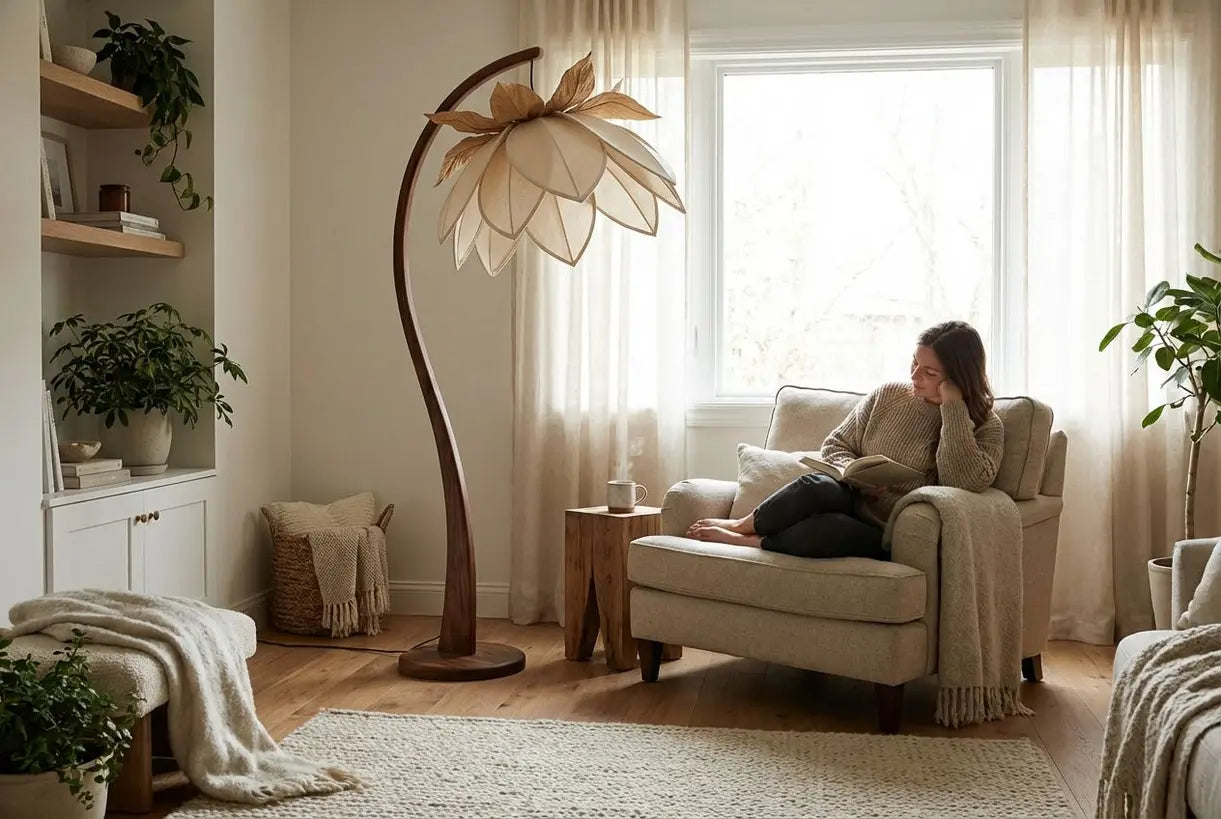
At Skonne, we curate floral floor lamp modern interpretations alongside timeless classics, ensuring every piece meets our standards for quality craftsmanship and authentic connection to natural inspiration. Whether you're seeking the sculptural impact of a statement lotus lamp or the subtle elegance of a petal-inspired design, our collection honors the Scandinavian tradition of hygge—creating warmth, comfort, and contentment through thoughtfully designed objects.
The Timeless Appeal of Nature-Inspired Illumination
Investing in botanical and nature-inspired floor lamps means choosing pieces that outlast fleeting trends while adapting to evolving personal styles. These lamps grow with your home, moving seamlessly between spaces and design schemes because their fundamental beauty derives from universal natural forms rather than momentary fashions.
The best floral lighting transcends its functional purpose to become part of your home's narrative—a daily reminder of the beauty waiting just beyond your door, captured in ceramic, paper, glass, or metal. As you select your perfect piece, remember that true Scandinavian design isn't about accumulation but curation; choosing fewer, better things that bring genuine joy and lasting beauty to your everyday life.
Related Article
Black Floor Lamps: Bold, Versatile Designs for Modern & Moody InteriorsDiscover bold black floor lamp designs that bring sophistication and moody ambiance to modern interiors. Find your perfect statement piece today.