
French Wall Clocks: Romantic, Provincial Designs for Elegant & Parisian-Inspired Interiors
Summary›
- The Essence of French Provincial and Parisian Clock Design
- What Defines a French Provincial Wall Clock Style?
- How to Style a French Wall Clock in a Modern Home
- The Art of Complementing Your Timepiece with Lighting
- French Wall Clocks and Scandinavian Interiors: A Natural Partnership
- Creating Your Timeless Interior with Skonne
There's something undeniably captivating about a beautifully crafted french wall clock adorning your living space. These timeless pieces bring an air of romantic sophistication that transforms ordinary rooms into elegant sanctuaries inspired by the sun-drenched countryside of Provence and the graceful boulevards of Paris. Whether you're drawn to the weathered patina of vintage-inspired designs or the refined details of Parisian sophistication, these timepieces serve as both functional necessities and stunning focal points.
For homeowners and design enthusiasts seeking to curate spaces that feel intentionally warm and elevated, understanding the nuances of French Provincial and romantic wall clock styles is essential. In this guide, we'll explore what makes these clocks special, how to style them in contemporary homes, and which pieces from the Skonne collection can help you achieve that coveted European elegance.
The Essence of French Provincial and Parisian Clock Design
When we speak of French wall clocks, we're evoking a rich tapestry of design traditions that span centuries. The Provincial style draws inspiration from the rural regions of France, particularly Provence, characterized by natural materials, muted color palettes, and ornate yet approachable details. These clocks often feature distressed wood finishes, aged metal accents, and decorative elements like vines or scrollwork.
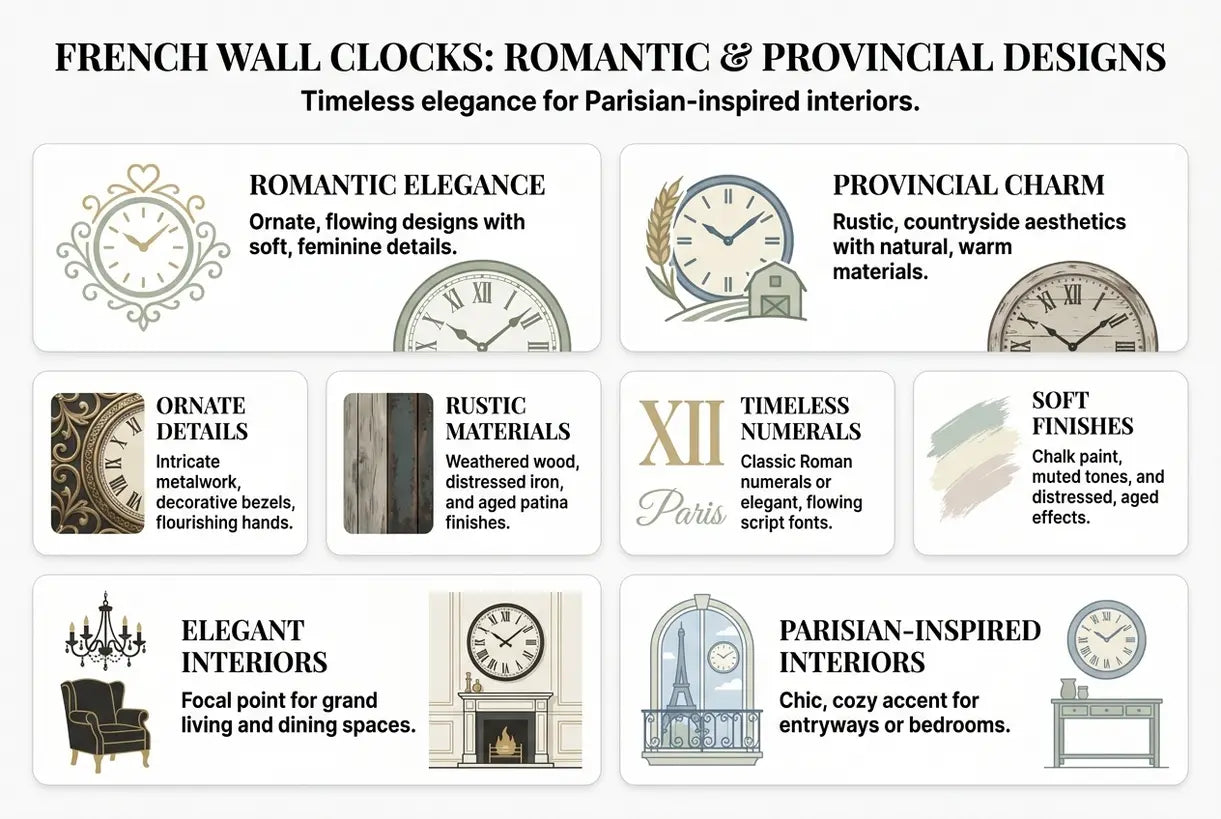
On the other hand, Parisian-inspired designs lean toward the refined elegance found in the City of Light's grand apartments and boutique hotels. These pieces typically showcase clean lines balanced with ornate flourishes, Roman numerals against creamy backgrounds, and brass or gold-toned hardware that catches afternoon light beautifully. Both styles share a common thread: they prioritize beauty that feels lived-in and authentic rather than overly polished.
What Defines a French Provincial Wall Clock Style?
Understanding the defining characteristics of Provincial wall decor helps you select authentic pieces that bring genuine character to your home. The Provincial aesthetic emerged from the practical needs of 18th-century French country life, blending functionality with the decorative influences circulating from Parisian ateliers.
Key features you'll find in traditional French country clocks include:
- Distressed or painted wood frames in shades of cream, soft blue, sage green, or weathered white
- Classic Roman numerals that evoke vintage timepieces found in French châteaux
- Ornate metal pendulums featuring fleur-de-lis motifs or decorative flourishes
- Toile patterns or botanical motifs when textural elements are incorporated
- Relaxed symmetry that feels curated yet unstudied
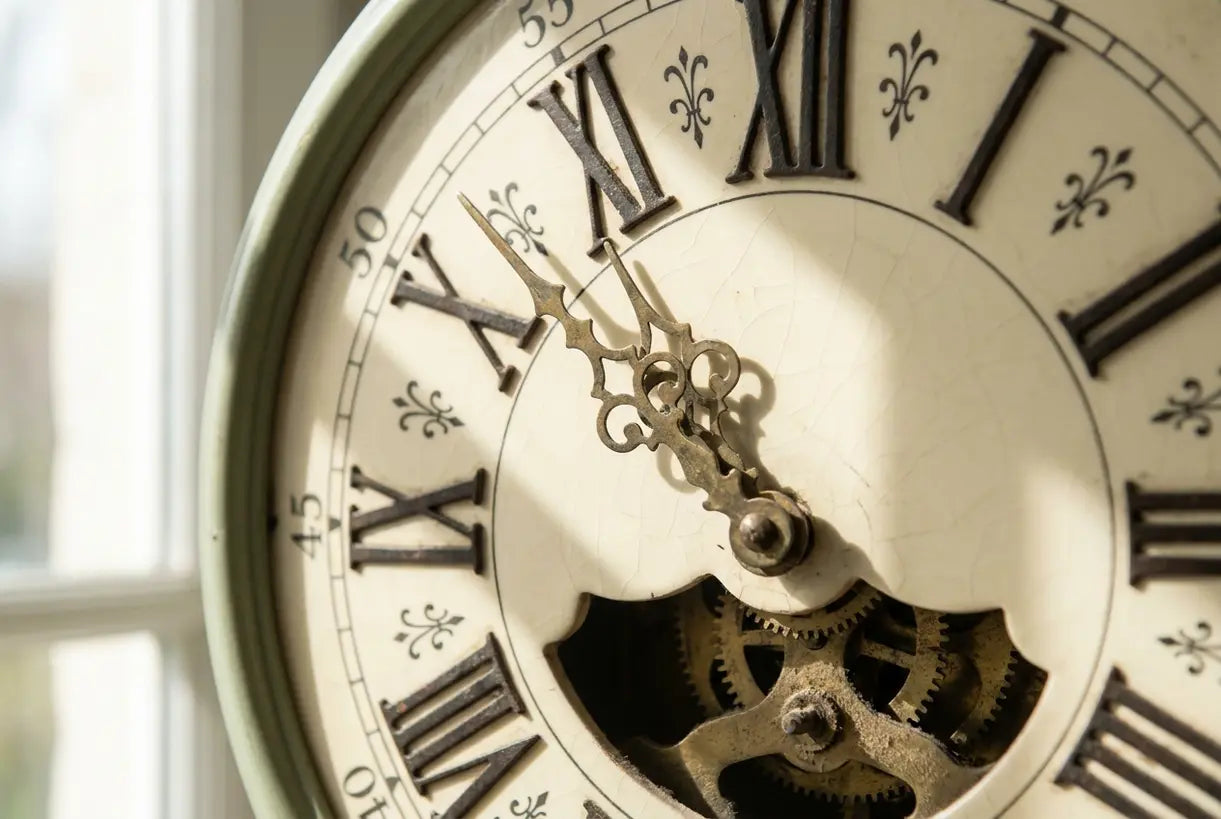
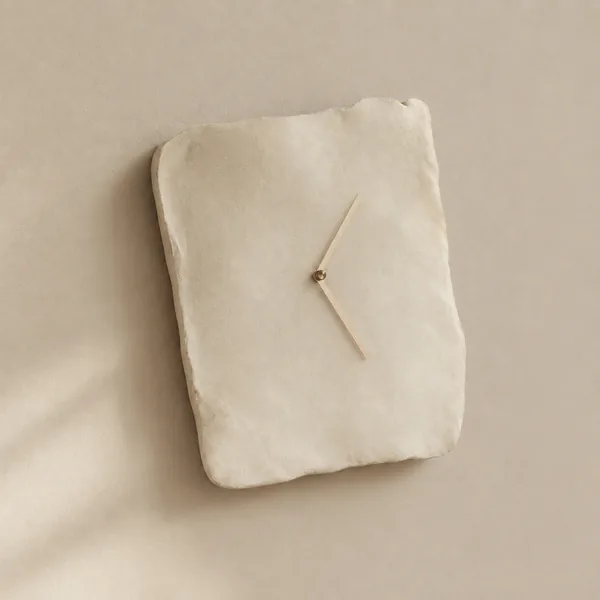
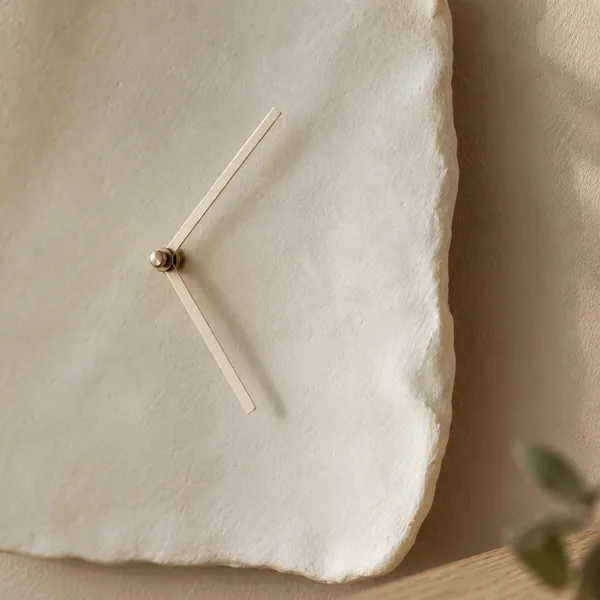
Modern interpretations of this style maintain these romantic sensibilities while incorporating updated materials and mechanisms. The Glansa Chrome Ceramic Wall Clock Silent Quartz exemplifies this evolution, combining the sculptural elegance of French design with refined Nordic sensibilities. Its chrome ceramic composition brings a contemporary edge to traditional Provincial silhouettes, making it versatile for today's eclectic interiors.
Decorative Wall Clocks
Shop all Wall Clocks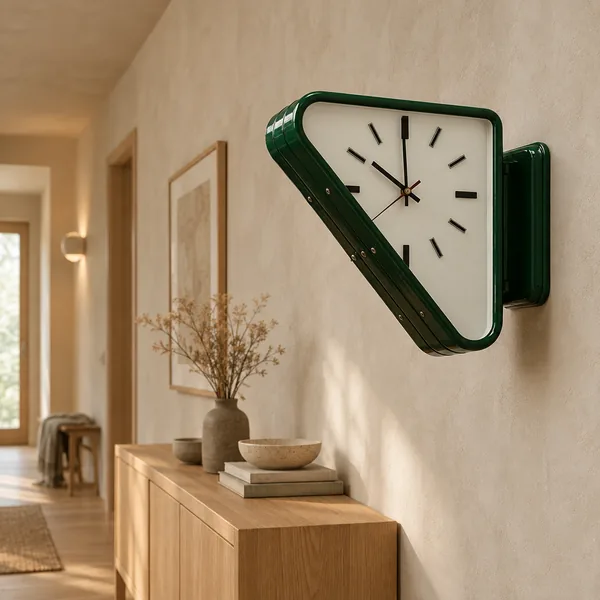
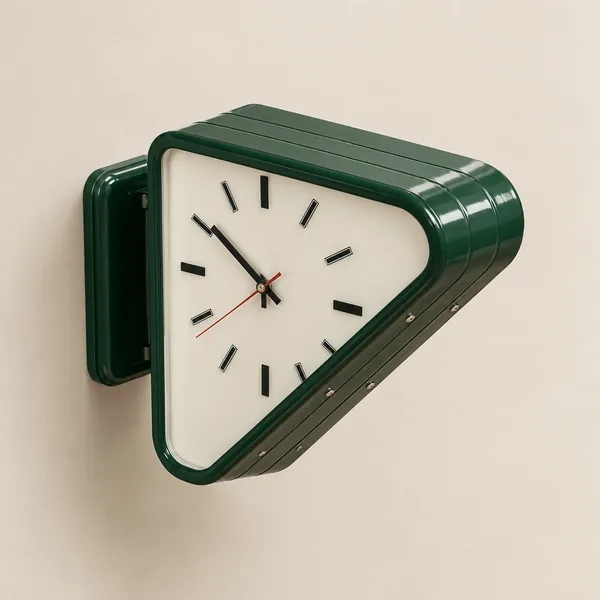 Save $110.00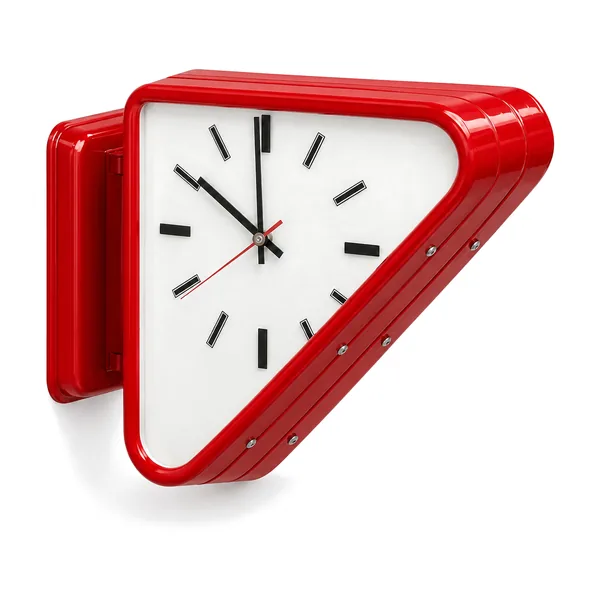
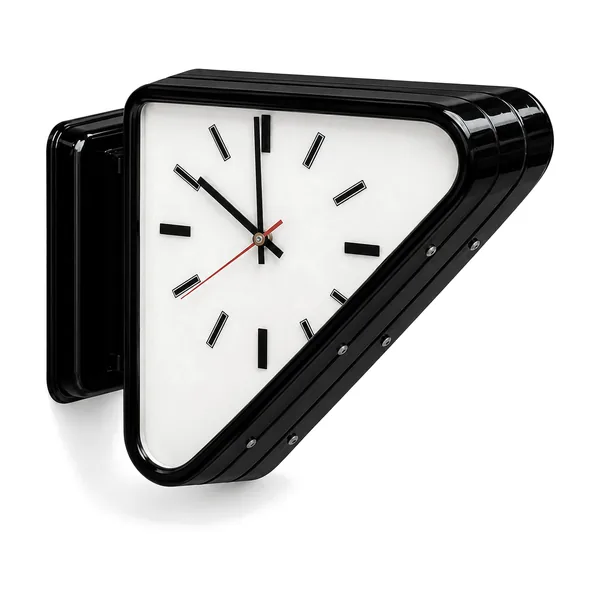
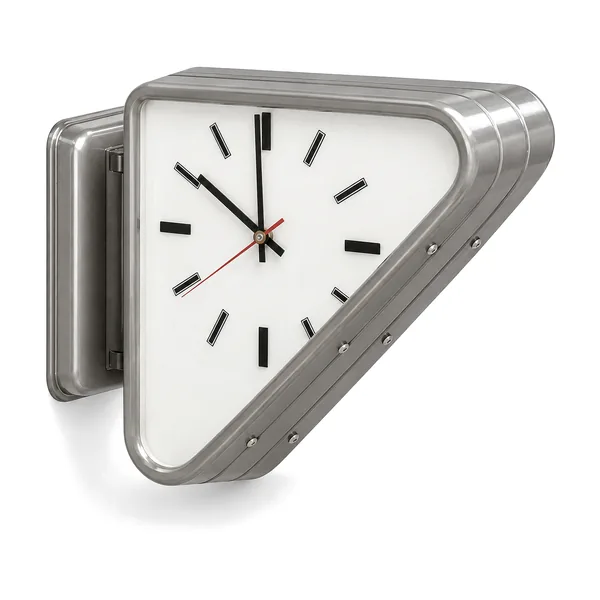
 +15 options
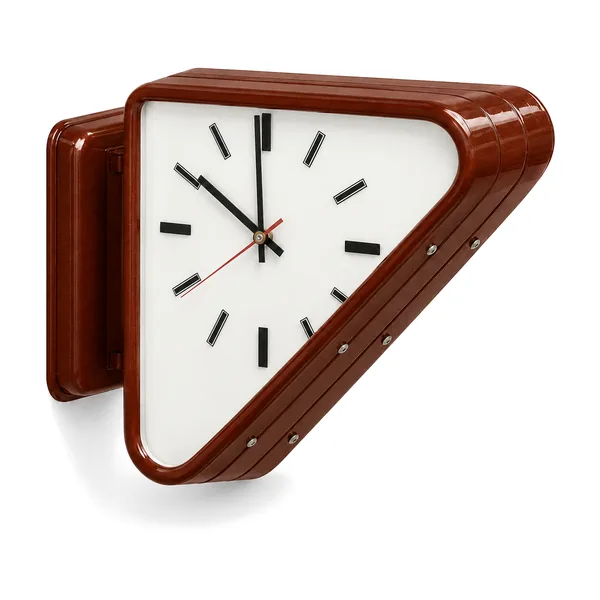
Tvilling Dual-Sided Geometric Metal Wall Clock
 Save $70.00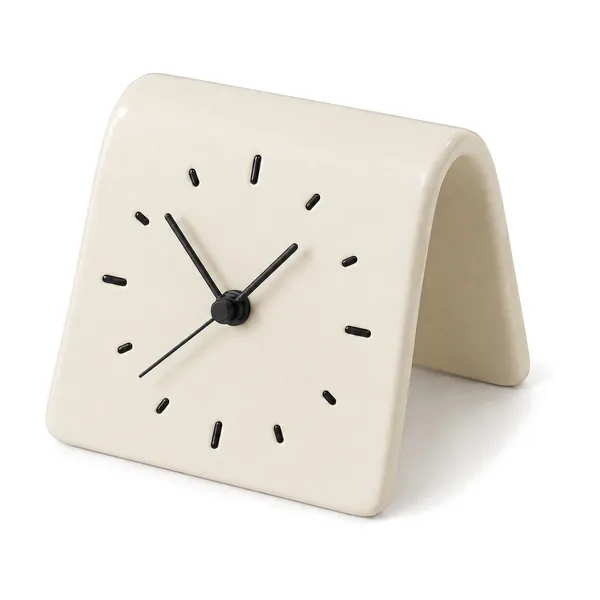
 +37 options
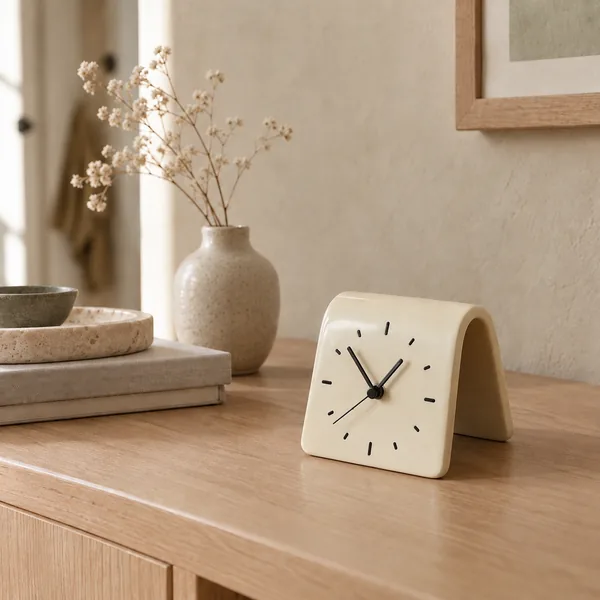
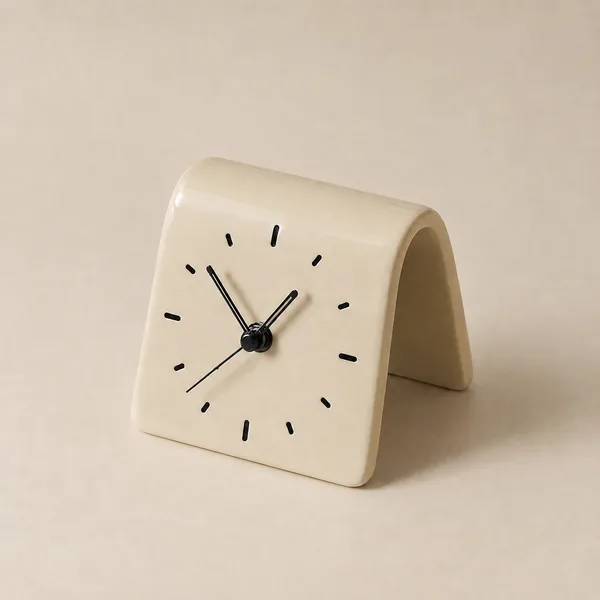
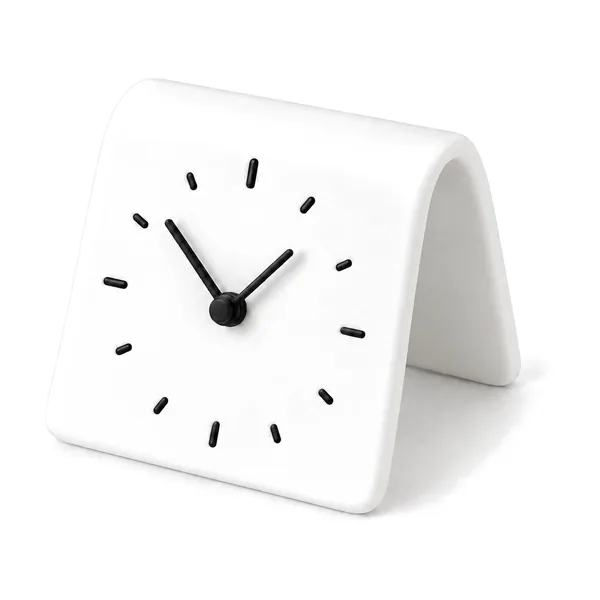
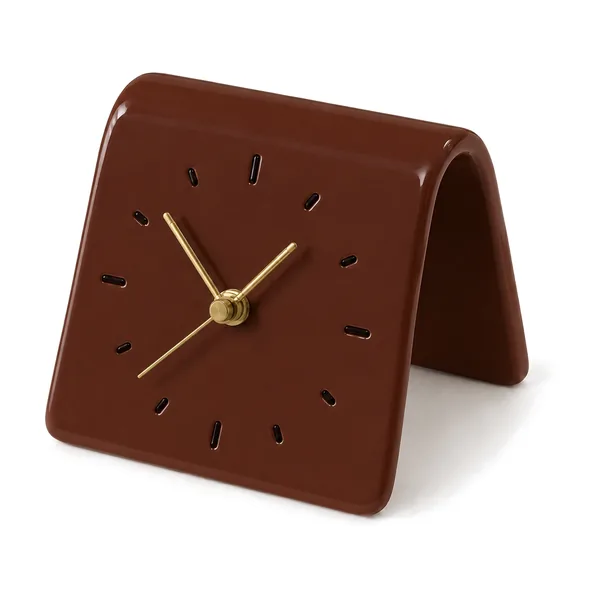
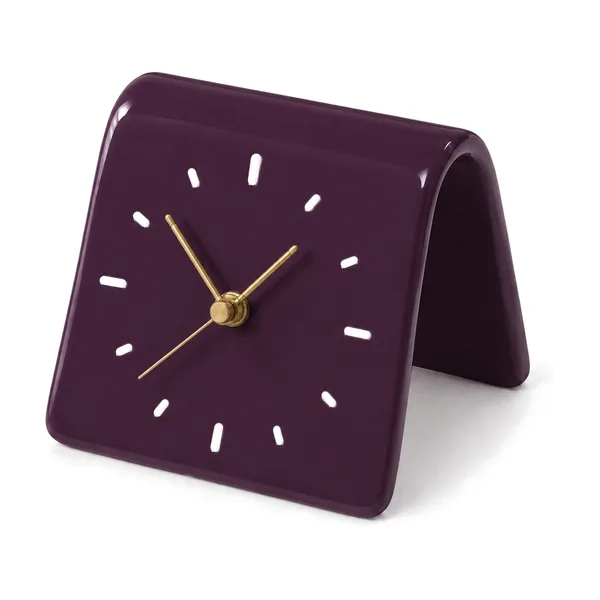
Tilje Silent Ceramic Desk Clock for Modern Homes
 Save $120.00
Stilla Silent Resin Wall Clock Nordic Minimalist
How to Style a French Wall Clock in a Modern Home
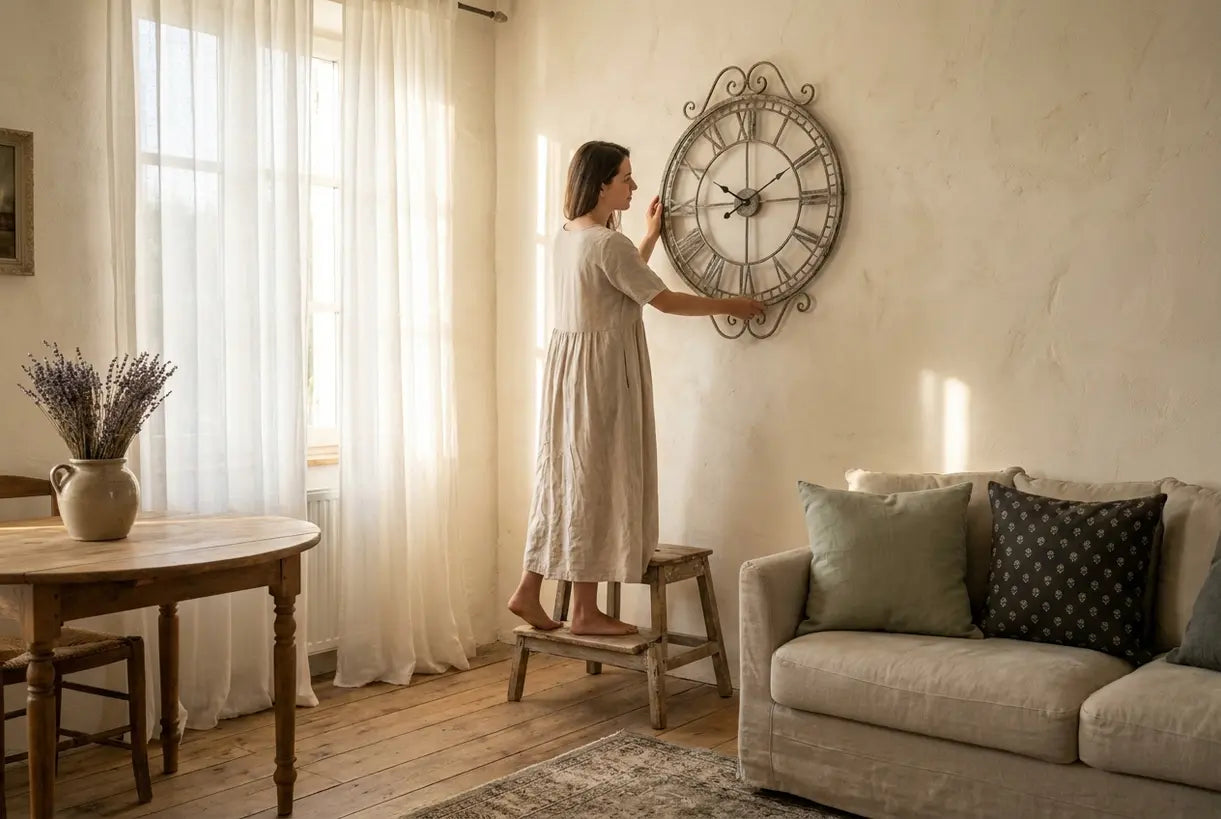
Integrating vintage-inspired timepieces into contemporary spaces requires thoughtful placement and complementary styling choices. The good news is that French wall clocks are remarkably adaptable, especially when you understand the balance between old-world charm and modern simplicity.
Consider these strategic approaches:
- Create a gallery wall anchor: Position your French wall clock as the central element in a curated collection of botanical prints, vintage photographs, and decorative objects. This approach works beautifully in dining rooms or hallways.
- Contrast with clean lines: Place an ornate Provincial clock against a backdrop of minimalist Scandinavian furniture. The juxtaposition highlights both the clock's intricate details and your modern pieces.
- Layer with textiles: Soften the architectural presence of larger clocks by surrounding them with linen curtains, wool throws, or natural fiber tapestries that echo the organic origins of French country design.
For those looking to extend this romantic aesthetic throughout their home, our Bedroom Lighting & Decor collection offers curated selections that complement the warm, intentional feeling of French interiors perfectly.
What Materials Are Typical for French Country Clocks?
Authentic French country clocks draw from materials that were readily available to Provincial craftsmen centuries ago. Understanding these traditional materials helps you identify quality reproductions and vintage pieces:
Wood remains the cornerstone, particularly oak, walnut, and fruitwoods like cherry that develop beautiful patinas over time. Reclaimed wood has become increasingly popular for eco-conscious homeowners seeking sustainable options.
Wrought iron adds decorative scrollwork and structural elements, often finished with aged paint or rust treatments that enhance the vintage appeal. Brass and bronze metals provide warmth and sophistication through clock faces, hands, and ornamental details.
Contemporary manufacturers also incorporate ceramic, glass, and even chrome to reinterpret these classic designs for modern sensibilities. These material innovations allow French-inspired clocks to complement various interior styles while maintaining their romantic essence.
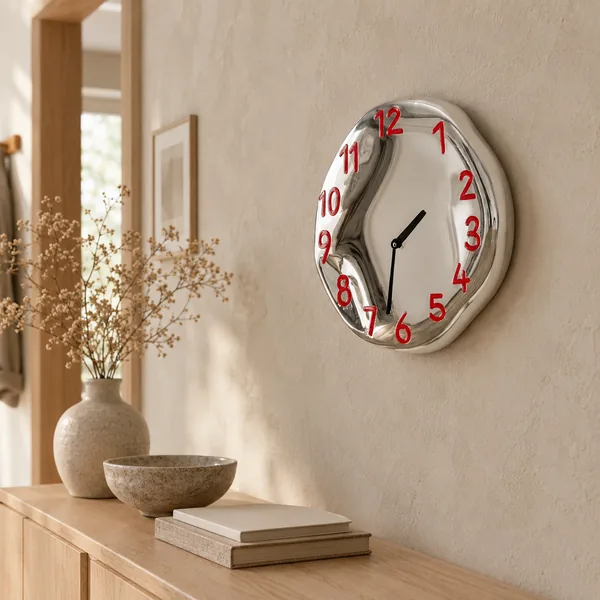 Glansa Chrome Ceramic Wall Clock Silent Quartz$329.00$479.00
The Art of Complementing Your Timepiece with Lighting
A well-designed room considers how all elements interact, and few pairings feel as naturally harmonious as French wall clocks with thoughtful lighting. The right chandelier or sconce can amplify the romantic ambiance your clock creates, while providing the warm illumination that makes Provincial interiors so inviting.
When selecting lighting to accompany your French wall clock, consider these design principles drawn from European interior traditions:
- Metal harmony: Match or complementary contrast the metal finishes. If your clock features brass details, a chandelier with aged gold accents creates cohesion, while a chrome fixture offers striking modern contrast.
- Scale balance: Large statement clocks pair beautifully with substantial lighting fixtures, while petite timepieces shine beside delicate sconces or minimalist pendants.
- Light quality: French Provincial style thrives on warm, ambient lighting. Seek fixtures that diffuse light through glass, fabric, or natural materials rather than harsh direct illumination.
Complete Your French-Inspired Interior
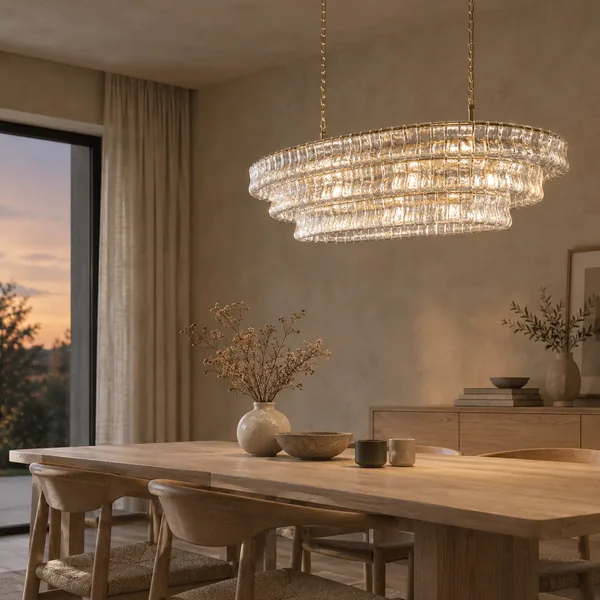 Stjerna Vintage French Clear Glass Chandelier$1,799.00$2,259.00
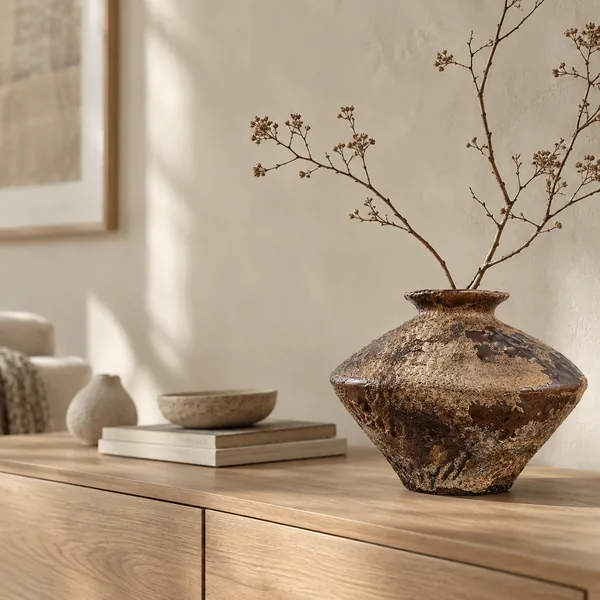 Jorde Handmade Rustic Ceramic Vase Home Decor$129.00$189.00
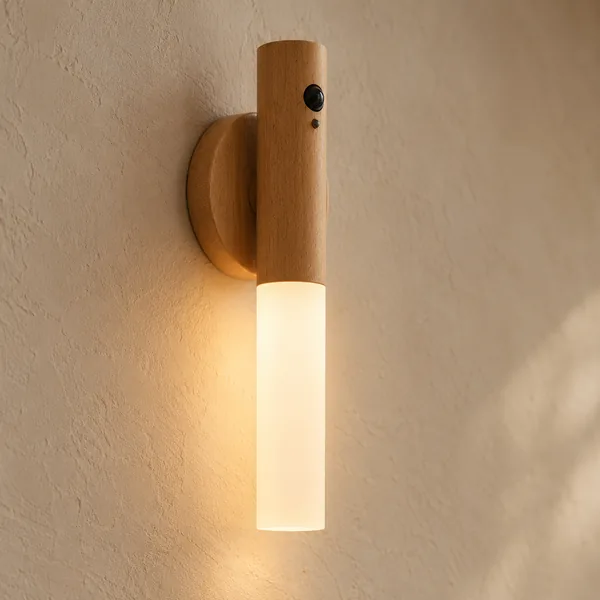
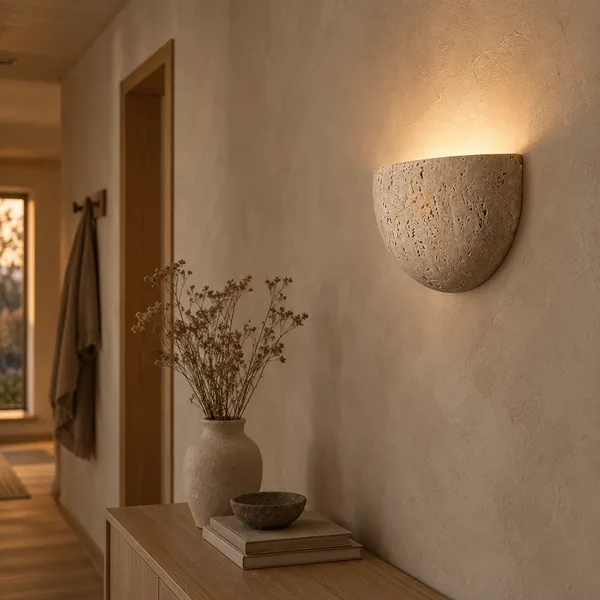
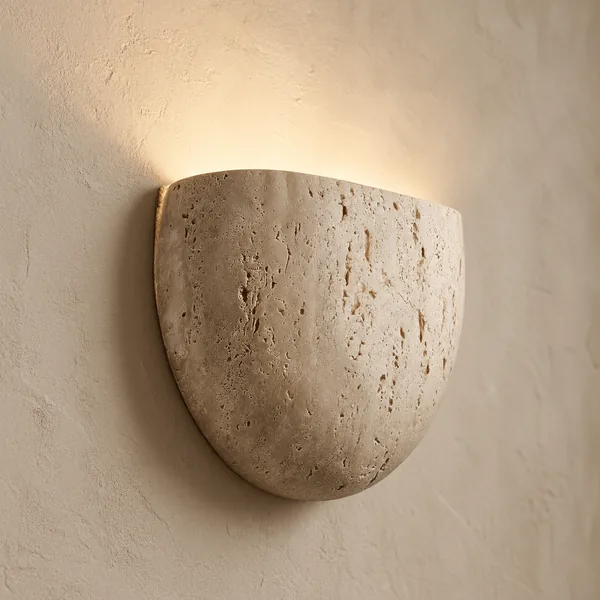
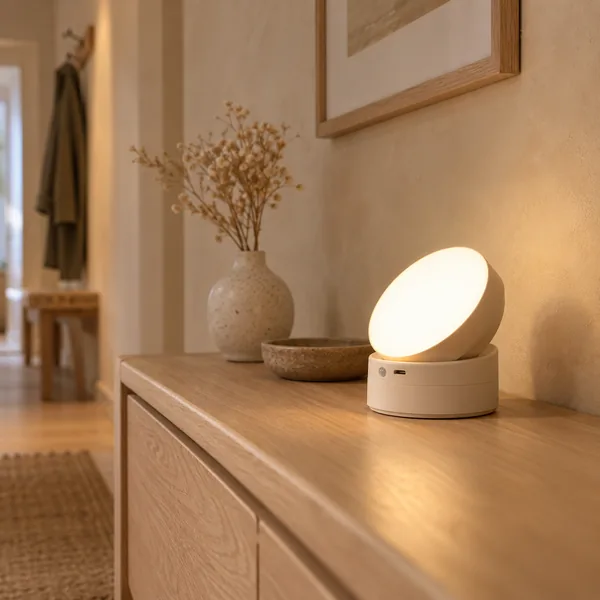
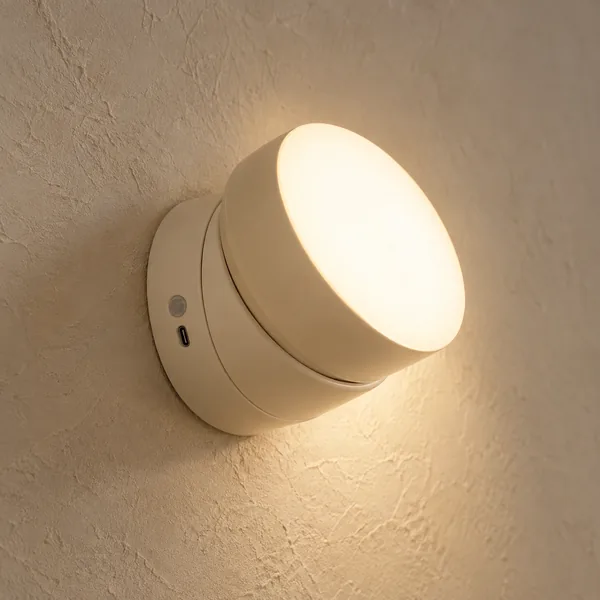
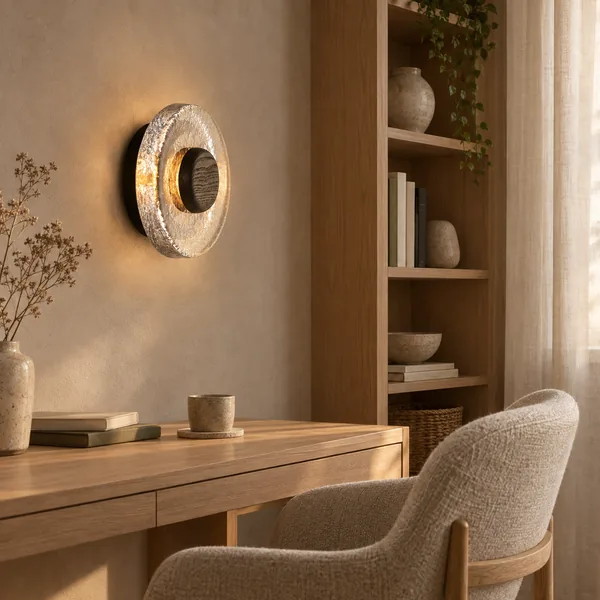
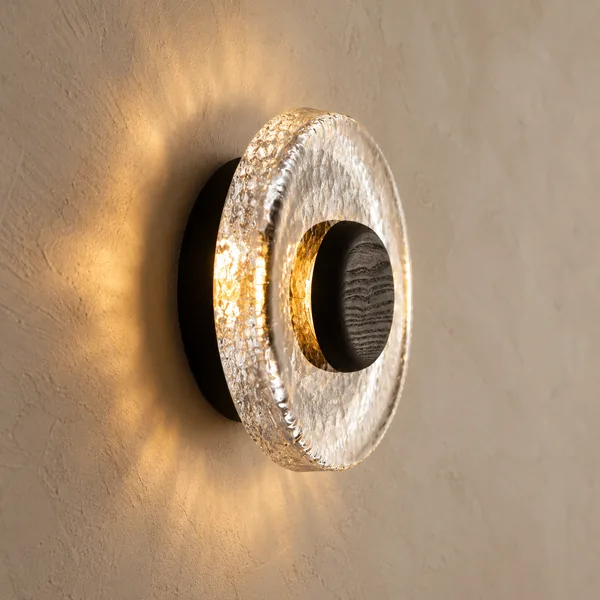
Wall Lights
Shop all Wall Lights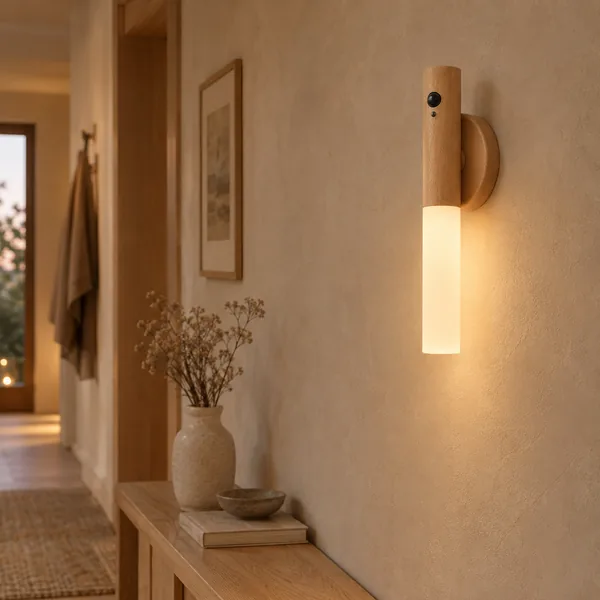
French Wall Clocks and Scandinavian Interiors: A Natural Partnership
One of the most exciting developments in interior design has been the emergence of Scandi-Provincial hybrid styles that blend French romanticism with Nordic simplicity. If you're wondering whether French wall clocks belong in a Scandinavian-inspired home, the answer is a resounding yes—with thoughtful execution.
Both design traditions share fundamental values: an appreciation for natural materials, a preference for neutral palettes punctuated by textural interest, and the creation of spaces that feel both beautiful and livable. The experts at Apartment Therapy have noted that this cross-cultural design approach creates homes that feel curated yet approachable, elevated yet comfortable.
To successfully blend these aesthetics:
- Choose French clocks with cleaner lines and fewer ornate flourishes
- Stick to clocks in white, cream, or natural wood tones rather than bold colors
- Pair them with minimalist furniture that lets the clock's character shine
- Incorporate hygge elements like candles and soft textiles to bridge both traditions
What Size French Wall Clock Should You Choose for Your Room?
Scale is crucial when selecting the perfect timepiece. The right large french wall clock can anchor a spacious living room, while a delicate piece suits intimate dining areas or reading nooks.
As a general guideline, ensure your clock occupies approximately two-thirds the width of the furniture beneath it when hung above a credenza or console table. For open wall placement, consider the ceiling height and overall room dimensions. Rooms with high ceilings can accommodate statement pieces 30 inches or larger in diameter, while standard 8-foot ceilings pair beautifully with clocks ranging from 18 to 24 inches.
Pro Tip: Always hang your wall clock at eye level—approximately 57 to 60 inches from the floor to the center of the clock—for optimal visual harmony and comfortable time-reading.According to design professionals at Houzz, proper placement transforms a wall clock from a mere time-telling device into an integral part of your room's architecture and flow.
Creating Your Timeless Interior with Skonne
French wall clocks offer more than functionality; they bring history, artistry, and romantic sensibility into our daily lives. Whether you're drawn to the weathered elegance of Provincial designs or the refined grace of Parisian-inspired pieces, these timepieces become beloved elements of your home's story.
At Skonne, we curate lighting and decor that honors timeless European traditions while embracing contemporary sensibilities. Our collection of clocks, chandeliers, and decorative accents embodies the warm, intentional approach to home design that transforms spaces into sanctuaries. From the sculptural elegance of our ceramic timepieces to the sparkling brilliance of our vintage-inspired chandeliers, each piece is selected to bring that coveted balance of beauty and livability to your interior.
We invite you to explore how our carefully chosen products can help you achieve the romantic, Provincial-inspired atmosphere you've been envisioning—where every hour is marked not just by hands on a dial, but by the gentle presence of thoughtful design.
Related Article
Brass & Copper Wall Clocks: Warm Metallic Designs for Classic & Contemporary InteriorsExplore stunning brass and copper wall clocks that blend classic warmth with contemporary design—perfect timepieces for elevating modern interiors.