
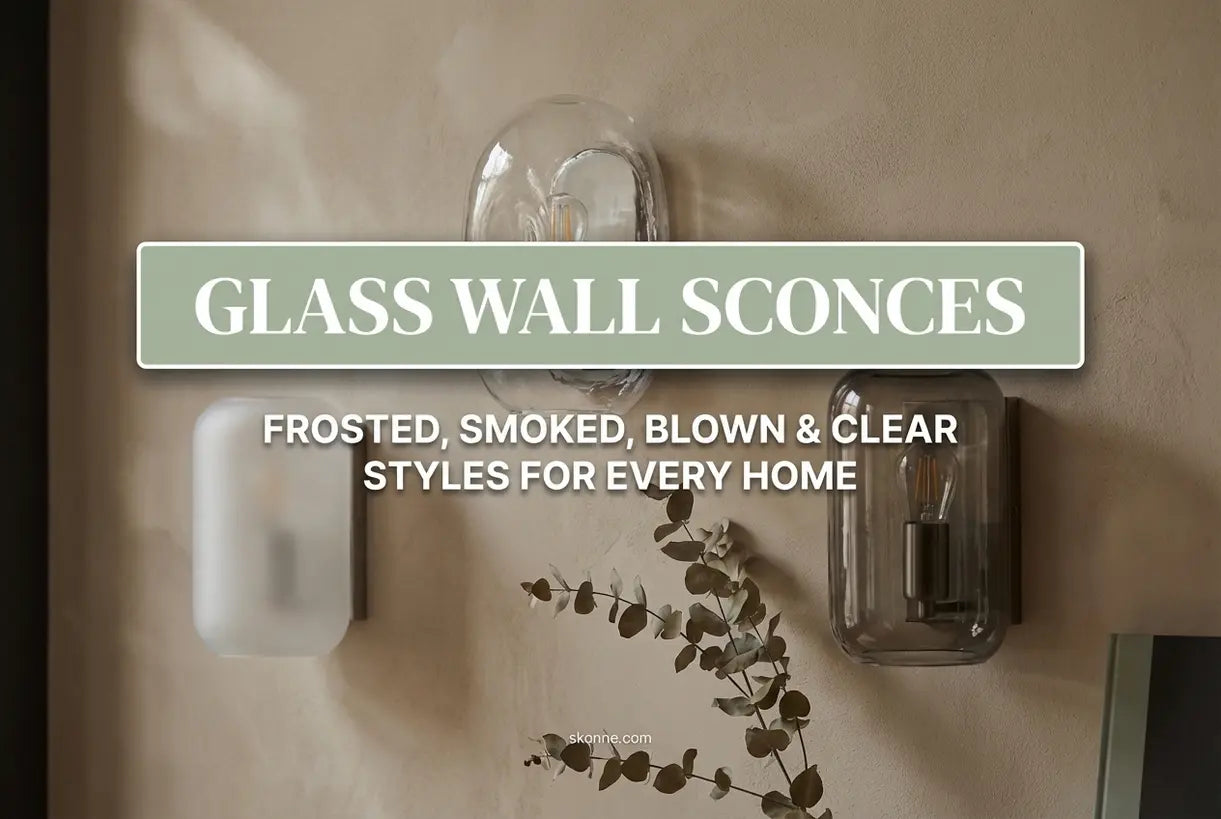
Glass Wall Sconces: Frosted, Smoked, Blown & Clear Styles for Every Home
Summary›
Choosing the perfect glass wall sconce can transform a room from ordinary to extraordinary. Whether you're renovating a Scandinavian-inspired living space or simply updating your bedroom's ambiance, the type of glass you select dramatically affects how light plays across your walls and creates mood.
At Skonne, we believe lighting should be both functional and emotionally resonant. This comprehensive guide explores the four essential glass types—frosted, clear, smoked, and blown—and how each brings its own character to modern interiors. By understanding these distinctions, you'll discover exactly which style aligns with your home's unique personality and your personal lighting needs.
Understanding Glass Wall Sconce Types
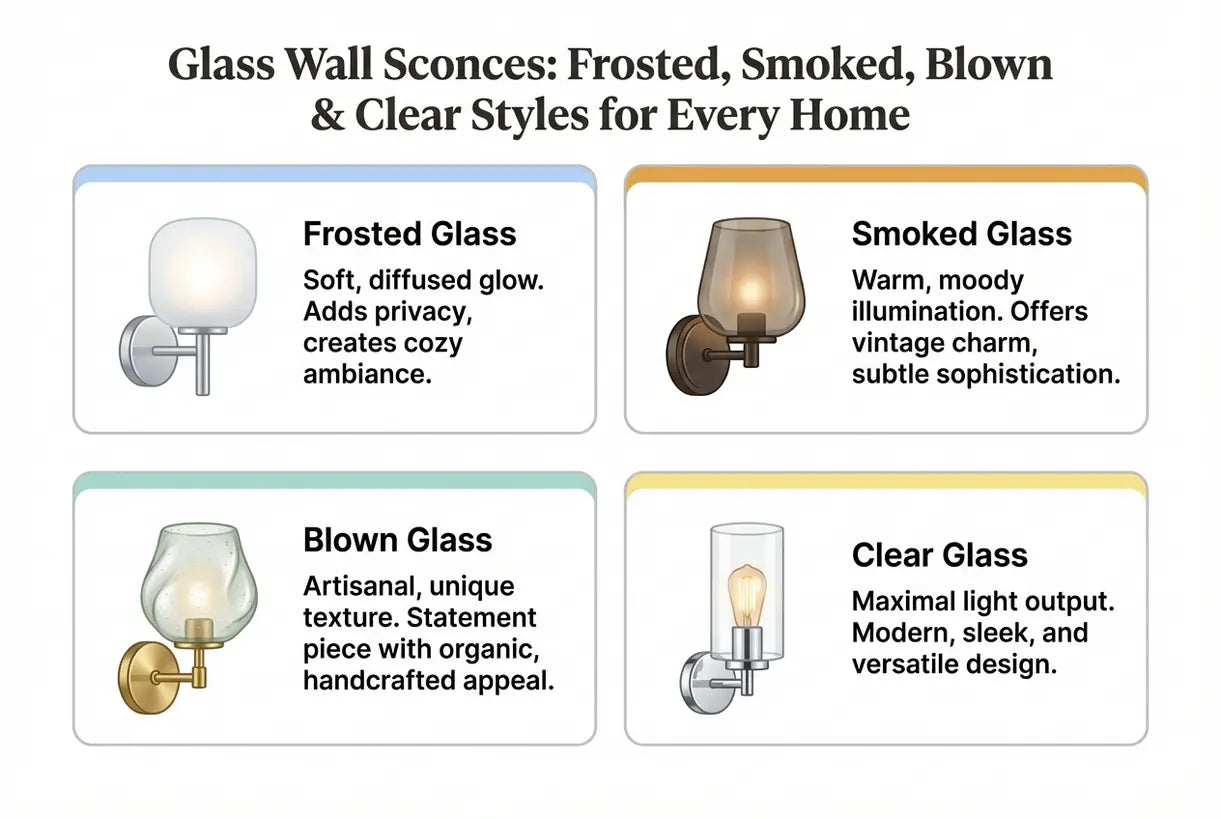
Not all glass wall sconce shades are created equal. The manufacturing process, glass thickness, and finishing techniques create vastly different lighting effects. Before browsing collections, understanding these four primary categories helps narrow your selection.
Frosted Glass Wall Sconces: Soft and Diffused
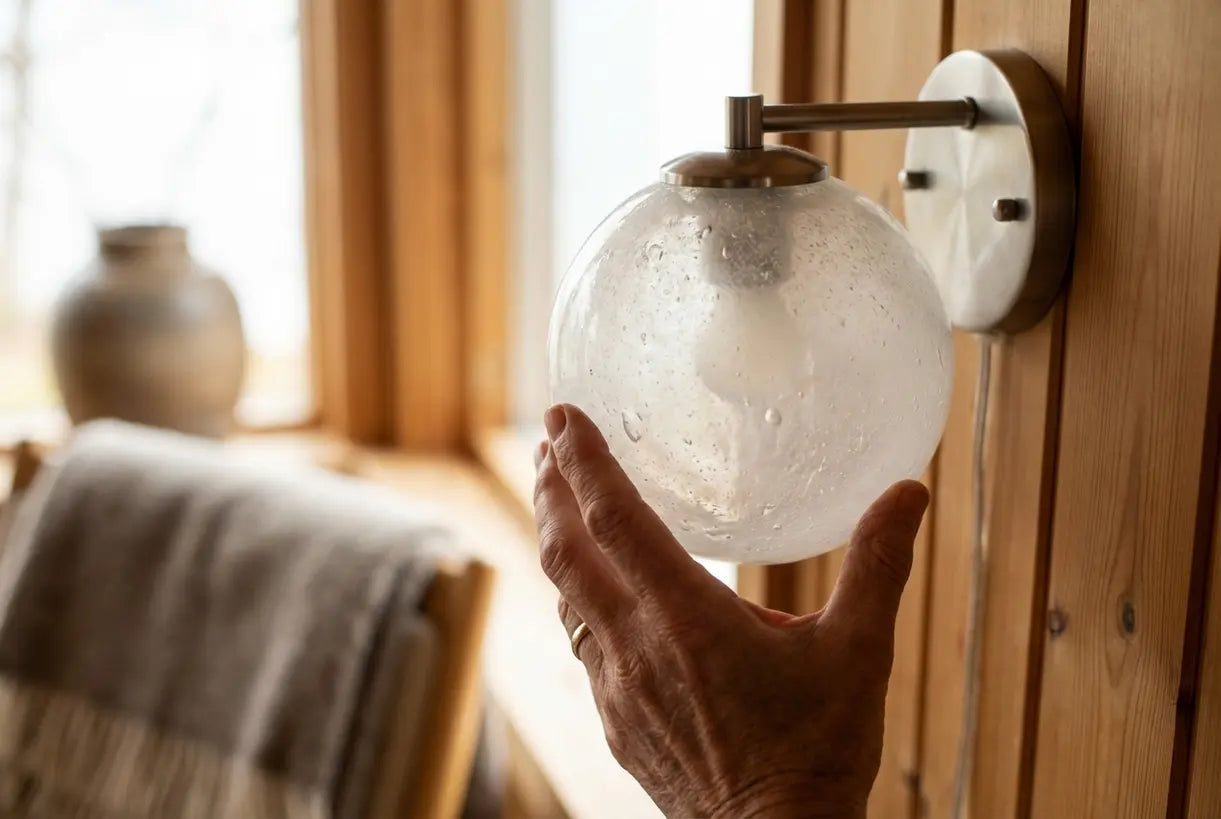
Frosted glass undergoes a sandblasting or acid-etching process that creates a translucent, matte surface. This treatment scatters light in multiple directions, eliminating harsh glare while maintaining brightness. For bedrooms and reading nooks where eye comfort matters, frosted options provide that gentle Scandinavian hygge feeling—warm, inviting, and never overwhelming.
True frosted glass differs from opaque acrylic because it retains depth and subtle texture. When illuminated, quality frosted shades glow from within rather than simply blocking light, creating an ethereal quality perfect for intimate spaces.
Clear Glass Wall Sconces: Pure and Luminous
Clear glass represents transparency at its finest. Without any tint or texture, these sconces showcase the filament or LED module within, often becoming sculptural elements even when unlit. The Glova Retro Glass Wall Sconce exemplifies this approach—its pristine clear shade honors industrial heritage while feeling thoroughly contemporary.
Clear sconces work exceptionally well in areas where you want maximum light output, such as hallways, entryways, and task-oriented spaces. They also complement minimalist interiors where visual clutter must be minimized.
Smoked Glass Wall Sconces: Moody and Sophisticated
Smoked glass adds grey or charcoal tinting during the manufacturing process, creating depth and mystery. When lit, these sconces emit a warm, amber-tinged glow rather than stark white light. The effect feels intimate, luxurious, and slightly vintage—perfect for restaurants, moody living rooms, or spaces where ambiance trumps pure illumination.
A quality smoked glass wall sconce should demonstrate consistent tinting throughout the shade. Premium examples achieve this through actual colored glass rather than surface coatings, ensuring the color never scratches or fades.
Blown Glass Wall Sconces: Artisan and Organic
True blown glass represents centuries-old craftsmanship where artisans shape molten glass using breath and tools. Each piece carries subtle variations—tiny bubbles, slight undulations, organic asymmetry—that mass-produced alternatives cannot replicate. This technique creates living art rather than mere lighting fixtures.
The Gloda Nordic Orange Stained Glass Wall Sconce honors this tradition, with hand-tinted glass that transforms walls into canvases of shifting color and light.
Wall Lights
Shop all Wall Lights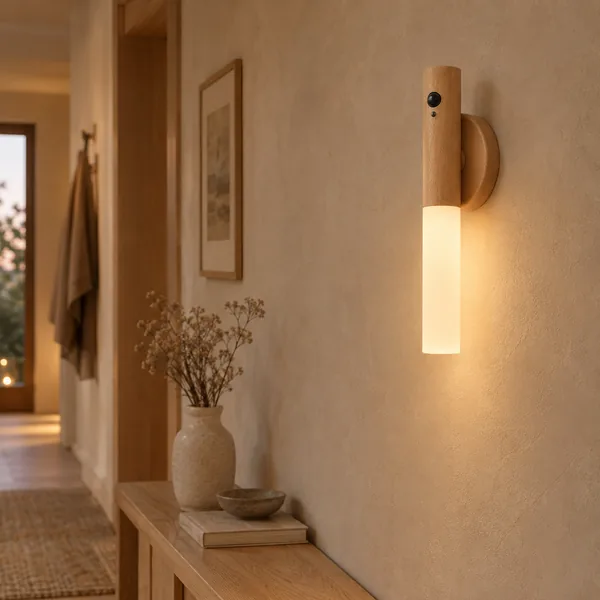
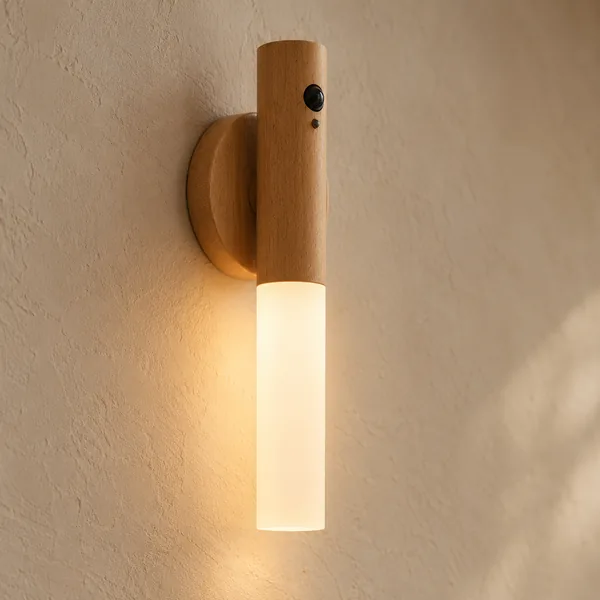
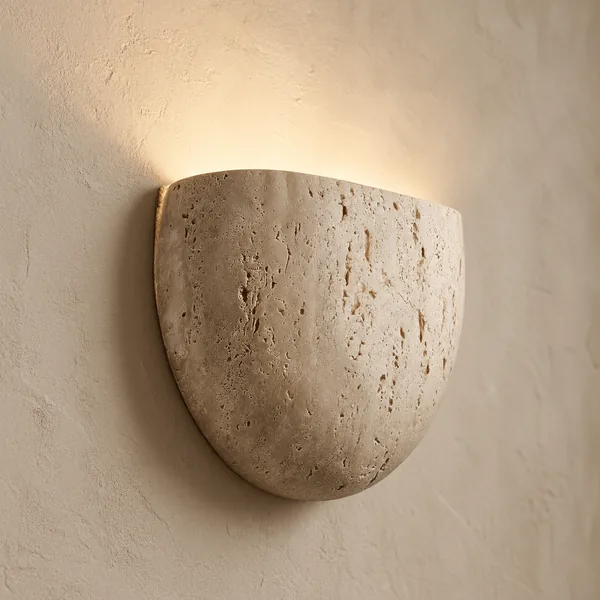
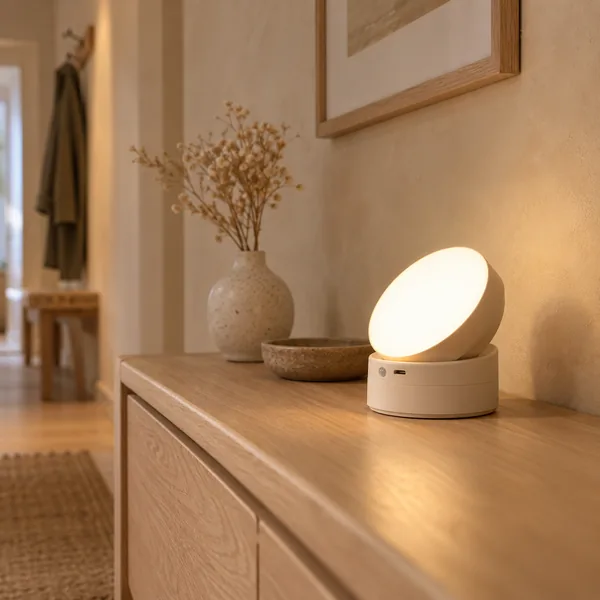
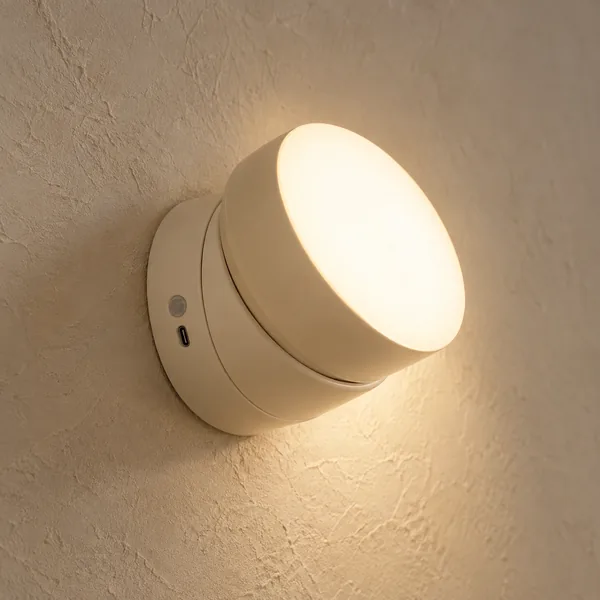
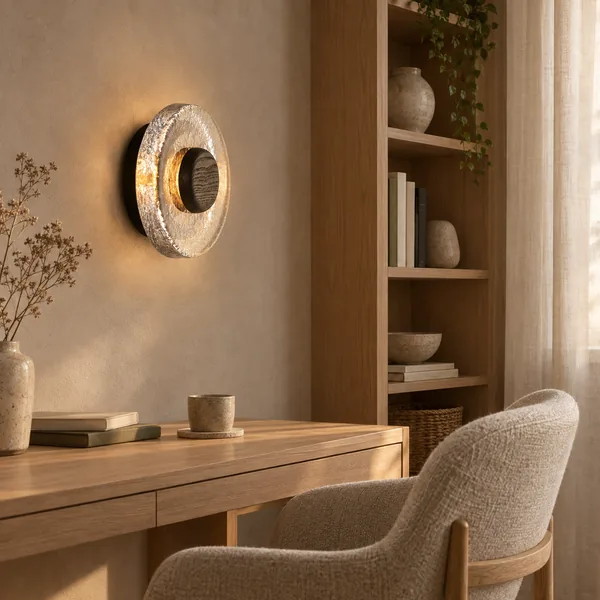
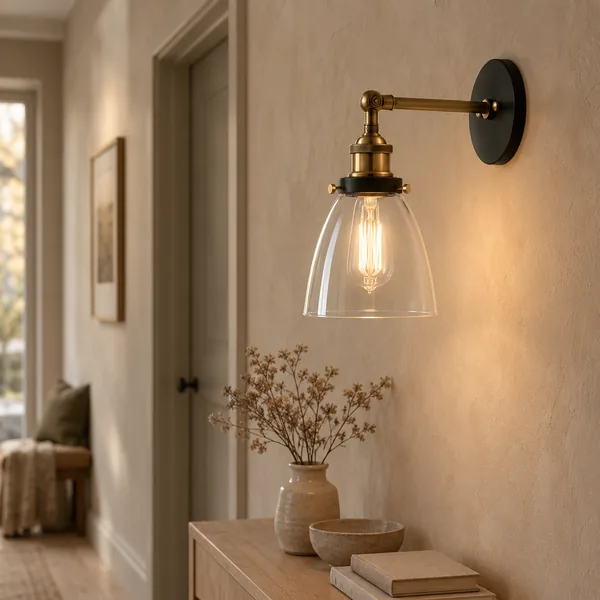 Glova Retro Glass Wall Sconce for Modern Homes$119.00$179.00
How to Choose the Right Glass Wall Sconce for Your Space
Beyond aesthetic preference, practical considerations guide successful glass wall sconce selection. Your room's size, existing color palette, lighting needs, and intended atmosphere all influence which glass type serves you best.
Matching Glass Types to Room Functions
Consider where your sconce will live. Kitchens benefit from clear glass that maximizes task lighting. Bedrooms favor frosted options for soft morning and evening transitions. Dining rooms welcome smoked glass for romantic dinner ambiance. Art studios might showcase blown glass pieces as inspiration.
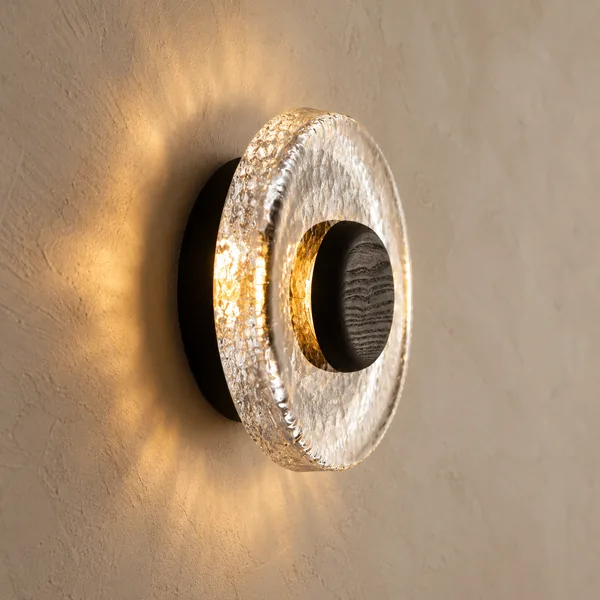
The Vågla Sculptural Clear Glass Wall Light demonstrates versatility through its remote dimming feature—adapting from bright task lighting to gentle evening glow as your needs change.
Styling Tips for Glass Wall Sconces
Placement separates amateur installations from professional-looking results. The rule of thumb for sconces states eye level placement—approximately 60-66 inches from floor to center of fixture—works universally. However, specific applications benefit from adjustments.
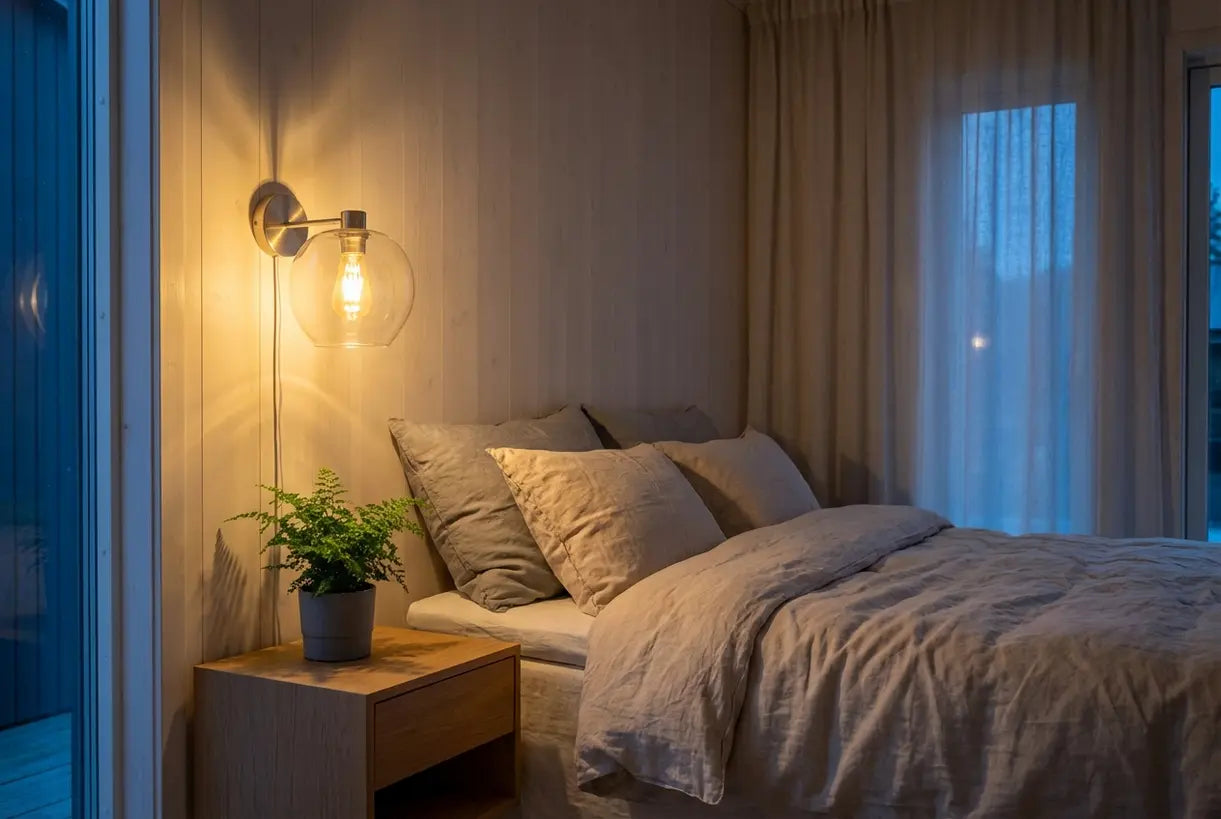
Flanking mirrors or artwork? Position 6-12 inches from the edge, matching the piece's height. In narrow hallways, stagger heights to create visual rhythm. Above bedside tables, align with mattress height for comfortable reading posture.
Mixing Glass Types Within Your Home
Scandinavian design celebrates curated eclecticism. Don't fear mixing glass types across rooms. Clear sconces in modern kitchens pair beautifully with frosted bedroom fixtures. The key lies in maintaining consistent metal finishes—brass, black, or chrome hardware threads disparate glass styles into cohesive narratives.
Artisan Glass Wall Sconces for Contemporary Homes
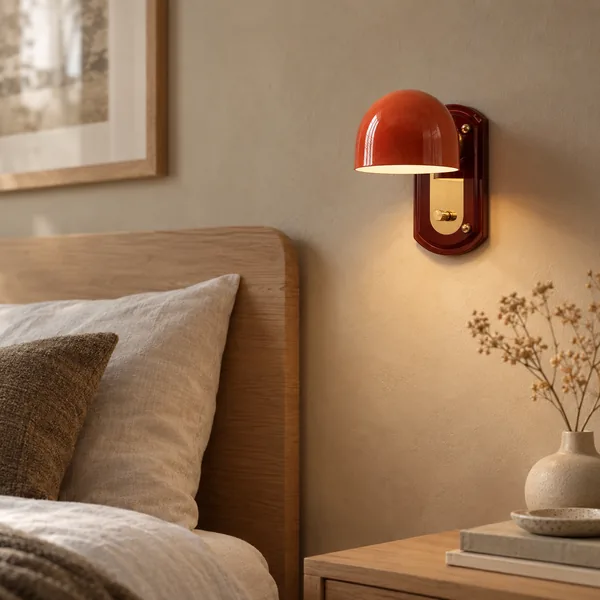 Gloda Nordic Orange Stained Glass Wall Sconce$169.00$229.00
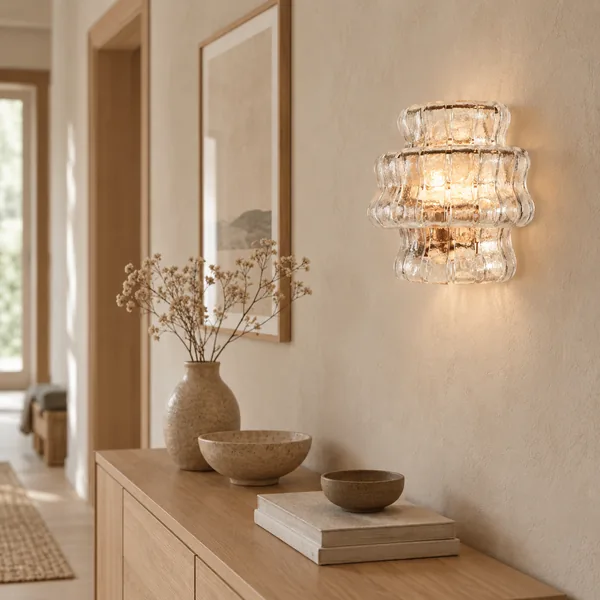 Vågla Sculptural Clear Glass Wall Light Dimmable$399.00$579.00
Glass Wall Sconce Trends and Placement Rules
Interior lighting constantly evolves, yet quality craftsmanship remains timeless. What style wall light is trending currently emphasizes organic materials, warm metal finishes, and artisan glass techniques that celebrate imperfection. The shift away from purely industrial aesthetics toward softer, more human-centered design continues gaining momentum.
For those seeking dimensional lighting designs, our Pendant Lights collection offers complementary pieces that pair beautifully with glass sconces when designing complete room schemes.
Bedroom Lighting & Decor
Shop all Bedroom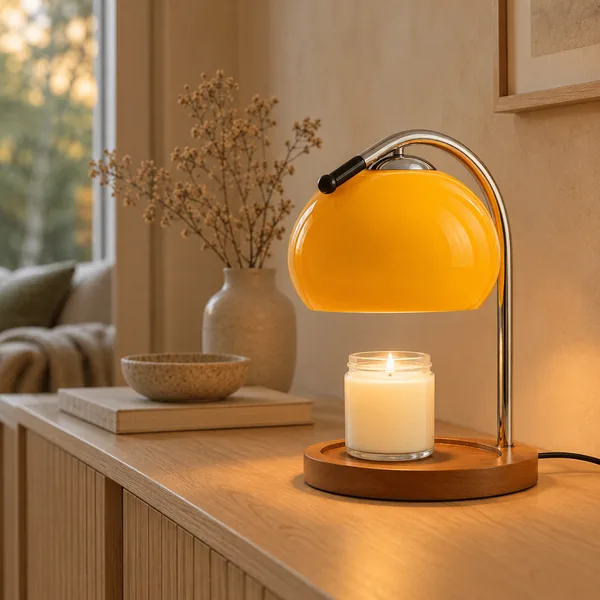
 Save $60.00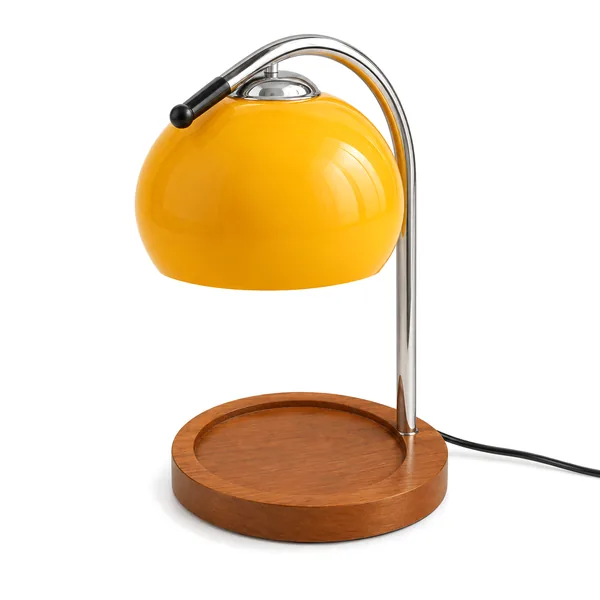
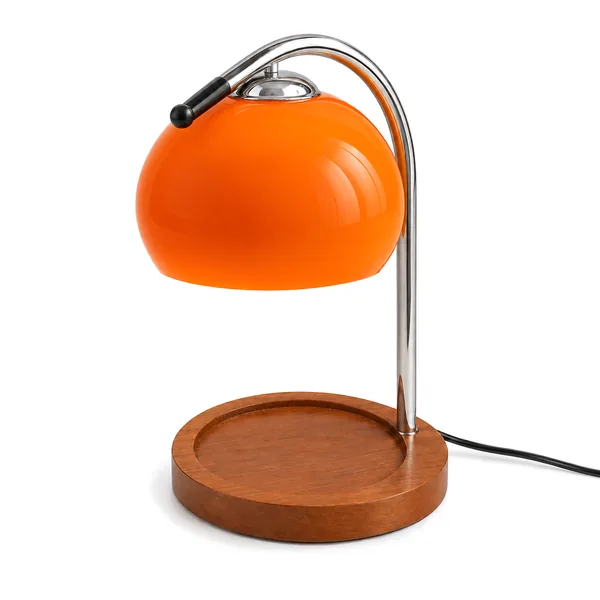
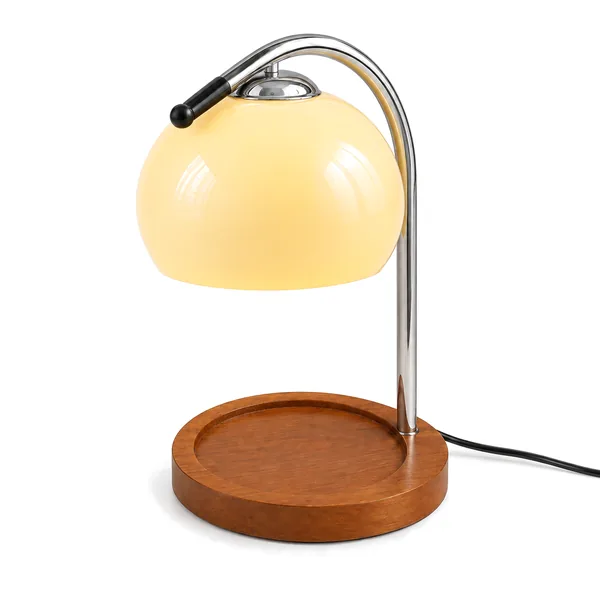 3 options
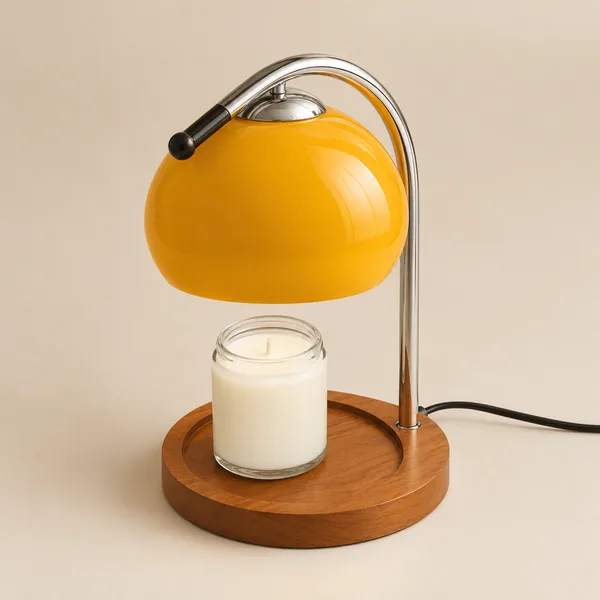
Solvarm Stained Glass Candle Warmer Table Lamp
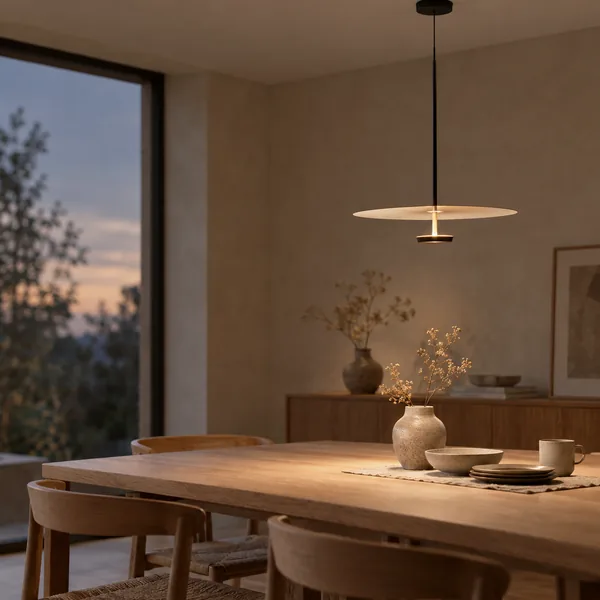
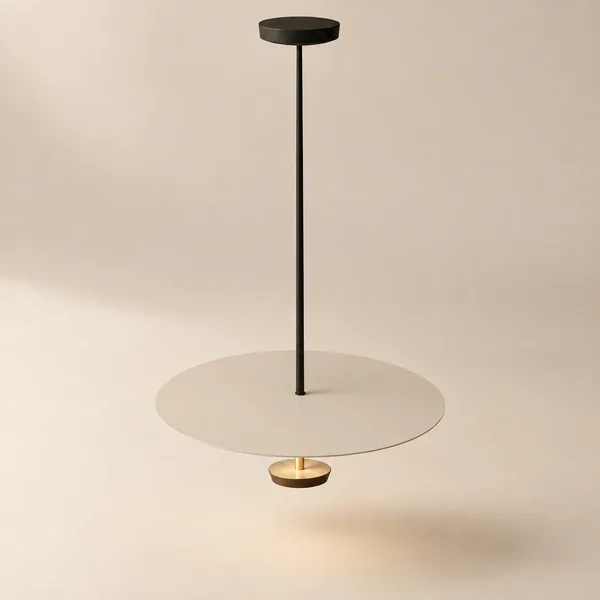 Save $120.00
Skiva Nordic Saucer Ceiling Pendant Light LED
Are Glass Wall Sconces Out of Date?
Absolutely not. Are wall sconces out of date? The resounding answer from designers and architects is clear—wall lighting evolves but never disappears. Today's glass wall sconces embrace technology integration, with dimmable LED compatibility and smart home features alongside traditional craftsmanship.
Modern glass sconces represent the intersection of heritage techniques and contemporary functionality. Murano-inspired pieces, minimalist Scandinavian designs, and experimental blown glass forms all prove this fixture category continues innovating.
Understanding Sconce Terminology
Wondering what do you call the glass on a sconce? Industry terminology varies. The protective or decorative covering is technically the shade, globe, or diffuser. However, glass sconces where the shade constitutes the entire visible element are often simply called glass sconces, implying the shade is the fixture.
Colored variations include amber glass, smoke glass, jade glass, and cobalt glass depending on tint. Texture descriptors include seeded glass (with visible bubbles), crackled glass (with fractured interior patterns), and hammered glass (with wavy, concave surfaces).
Creating Your Perfect Lighting Scheme
Selecting a glass wall sconce involves balancing practical lighting needs with emotional impact. The best choices feel inevitable—as if your space has been waiting for exactly that fixture. At Skonne, our curated collection honors this philosophy, offering pieces that serve everyday functions while elevating ordinary moments.
Whether drawn to the crystalline purity of clear glass, the soft mystery of frosted finishes, the moody sophistication of smoked options, or the artisan heritage of blown glass, your perfect sconce awaits. Scandinavian design teaches us that every element in our homes should spark joy and serve purpose—your lighting deserves nothing less.
Related Article
Wall Sconce Shelves: Decorative Fixtures That Double as Display LedgesExplore how wall sconce shelves combine beautiful lighting with practical display space. Perfect for showcasing decor while saving space in Scandinavian-inspired homes.