
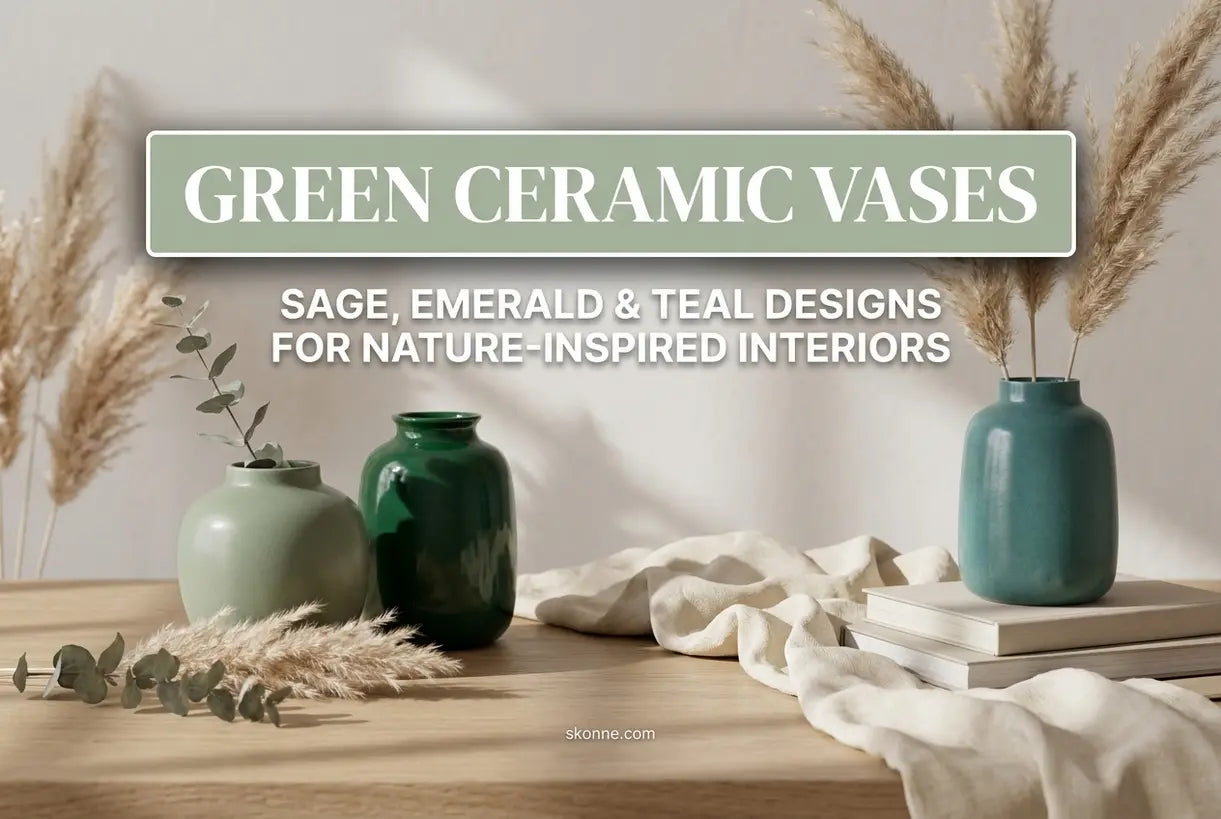
Green Ceramic Vases: Sage, Emerald & Teal Designs for Nature-Inspired Interiors
Summary›
- Why Green Ceramic Vases Anchor Nature-Inspired Design
- Sage Green Vases: The Soft Scandinavian Staple
- Emerald & Forest Green: Statement Presence
- Teal & Aquatic Tones: Unexpected Sophistication
- DIY Inspiration: Transforming Ordinary Vases
- Styling Green Ceramic Vases in Every Room
- Color Palettes That Elevate Green Ceramics
- Caring for Your Ceramic Green Vase Collection
- Conclusion: Cultivating Your Green Ceramic Collection
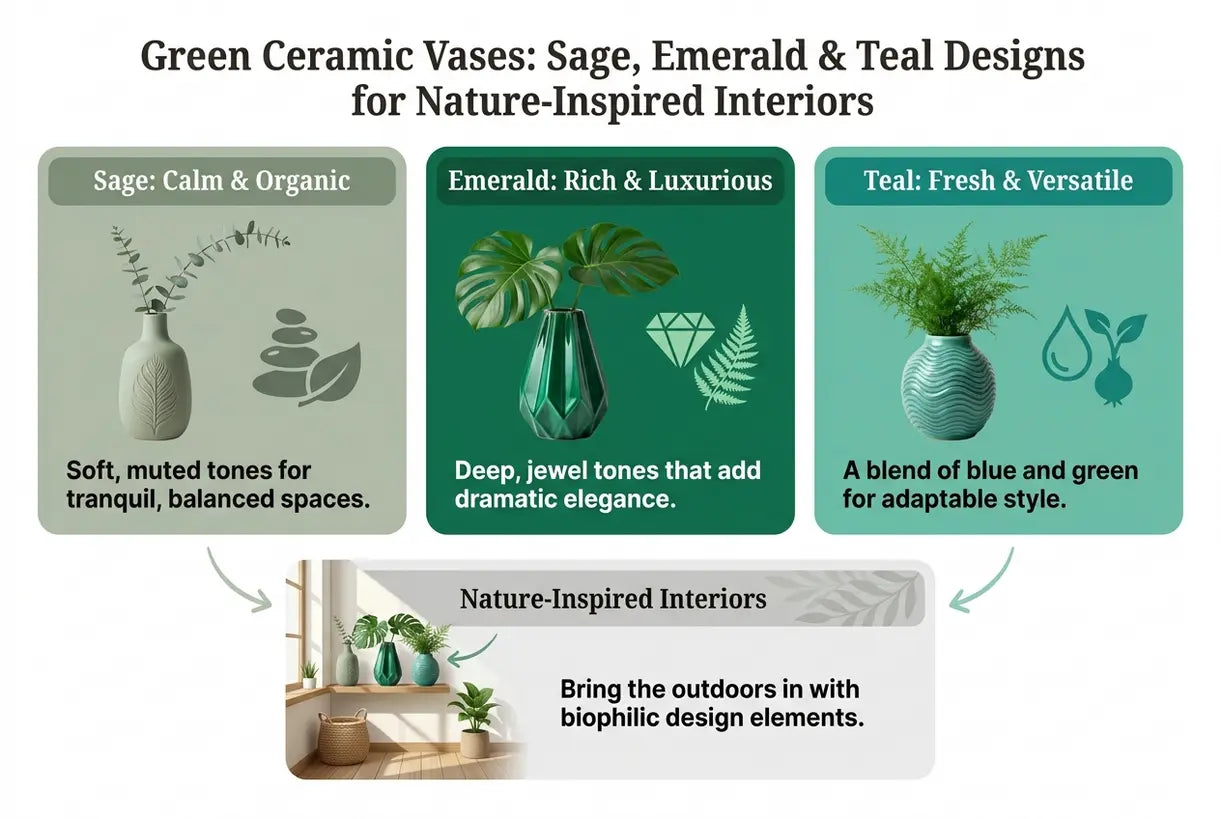
There's something undeniably serene about bringing nature indoors. A ceramic green vase does more than hold flowers—it captures the essence of moss-covered forests, morning dew on ferns, and that quiet moment when sunlight filters through leaves. Whether you're drawn to the soft whisper of sage green vases, the bold richness of emerald green vases, or the coastal sophistication of a ceramic teal vase, these pieces anchor nature-inspired interiors with effortless intentionality.
In this guide, we'll explore how different shades of green ceramic vases can transform your space, from creating calming vignettes in your bedroom to commanding attention as sculptural art in your living room. You'll discover styling techniques, color coordination principles, and curated pieces that embody Scandinavian hygge—because the right vase isn't just an object; it's an invitation to slow down and breathe.
Why Green Ceramic Vases Anchor Nature-Inspired Design
The power of a ceramic green vase lies in its primal connection to the natural world. In Scandinavian design philosophy, bringing elements of nature indoors isn't merely decorative—it's essential for wellbeing. The color green has been scientifically linked to reduced stress levels and improved focus, making it the perfect hue for spaces where we seek restoration.
Ceramic as a material amplifies this organic feeling. Unlike glass or metal, ceramic carries the memory of earth. Its textured surfaces, subtle glaze variations, and substantial weight remind us of handmade craftsmanship and slow artistry. When paired with green tones ranging from soft sage to deep forest, these vases become more than vessels—they become tactile connections to the outdoors.
The versatility of green ceramic vases extends across design styles. A large green ceramic vase might anchor a minimalist entryway with sculptural presence, while smaller emerald pieces add jewel-like accents to shelves and consoles. Whether your aesthetic leans toward rustic warmth or refined modernism, there's a shade and silhouette that resonates.
Sage Green Vases: The Soft Scandinavian Staple
Sage green has emerged as the quintessential neutral of contemporary interiors. Muted, calming, and effortlessly sophisticated, sage green vases create a soft backdrop that allows other elements to shine while maintaining visual interest. This shade particularly shines in spaces where you want to cultivate tranquility—bedrooms, reading nooks, and meditation corners.
The beauty of sage lies in its chameleon-like quality. It reads as a neutral in bright rooms, taking on warm or cool tones depending on your lighting. In north-facing spaces, sage feels fresh and cool; in south-facing rooms, it warms into something cozier. This adaptability makes sage green ceramic vases perfect for renters and homeowners alike who want investment pieces that transition between spaces.
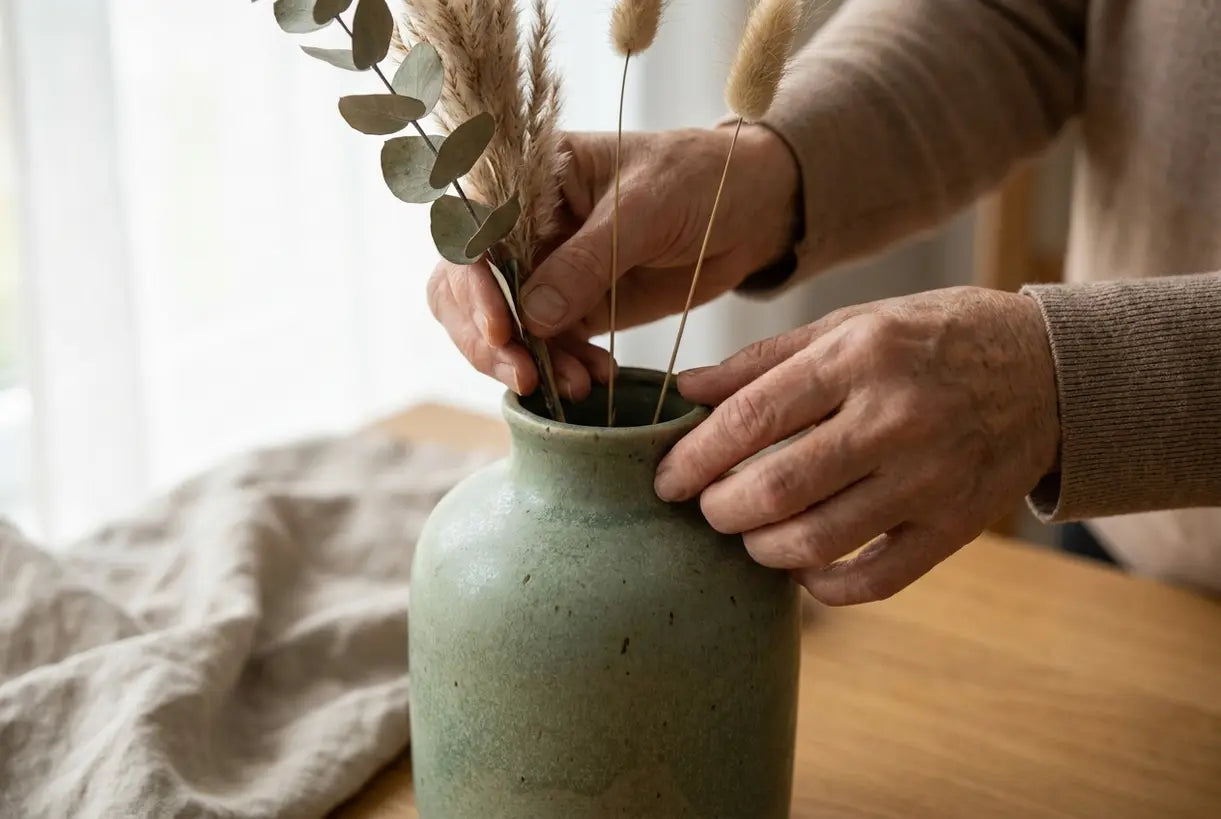
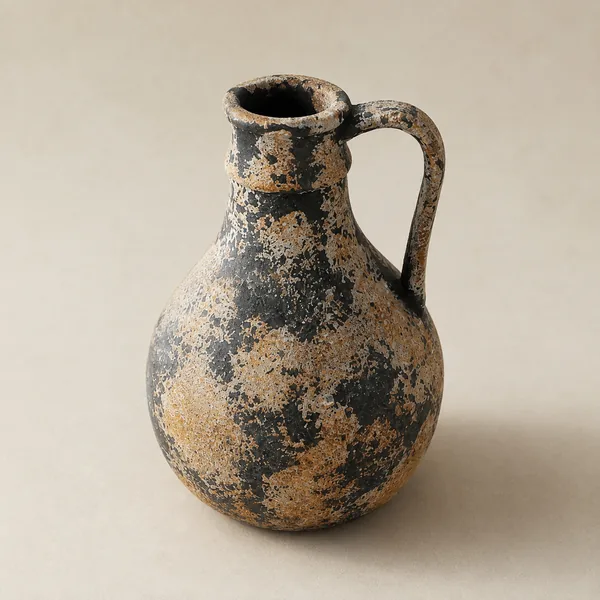
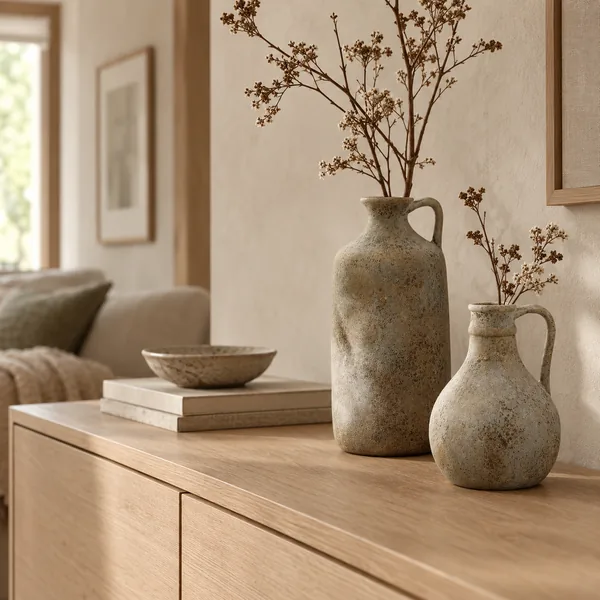
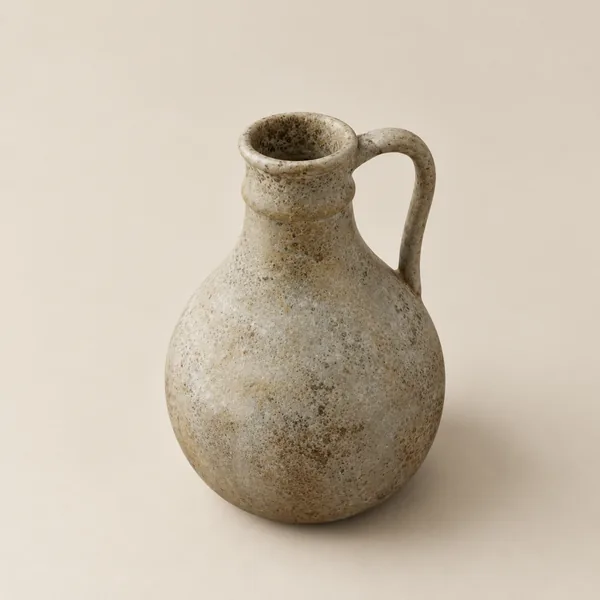
When styling a sage green ceramic vase, consider pairing it with dried botanicals for year-round organic texture. Pampas grass, dried eucalyptus, and natural wheat stalks complement the earthy undertones beautifully. The Jorde Handmade Rustic Ceramic Vase exemplifies this approach with its handcrafted construction and expressive glaze variations that catch light differently throughout the day.
Emerald & Forest Green: Statement Presence
While sage whispers, emerald green vases command. These deeper tones bring drama and sophistication to interiors, functioning as jewel-toned focal points that draw the eye and ground a space. An emerald green vase doesn't blend into the background—it claims its territory with confidence.
Dark green ceramic vases work particularly well in spaces with abundant natural light, where their depth creates beautiful contrast against lighter surfaces. Think of a sweeping dark green ceramic vase on a white oak console, or a collection of varying emerald tones clustered together for gallery-worthy impact. These pieces excel at breaking up monochromatic schemes and adding layers of visual depth.
The richness of emerald also connects beautifully with vintage-inspired aesthetics. Vintage ceramic green vase styles often feature these deeper hues, carrying stories of craftsmanship and time-worn beauty. Modern interpretations honor these traditions while offering fresh silhouettes suited to contemporary living.
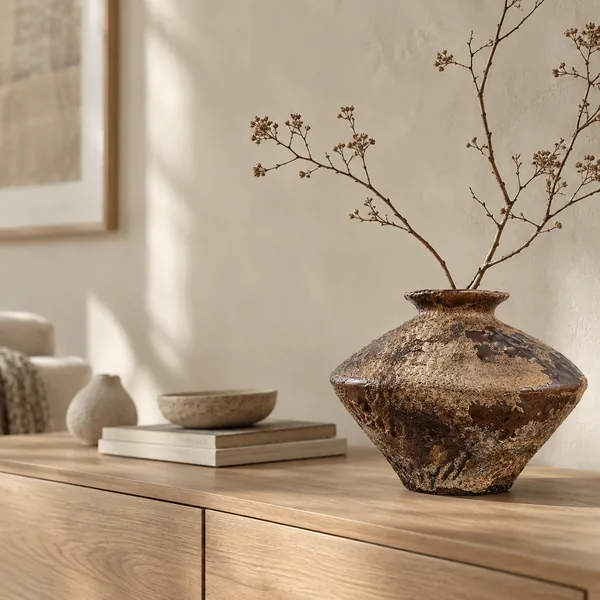 Jorde Handmade Rustic Ceramic Vase Home Decor$129.00$189.00
The Jorde Handmade Rustic Ceramic Vase showcases how deep green glazes can transform a simple vessel into sculptural art. Its expressive surface catches shadows beautifully, making it equally compelling whether displayed with botanicals or standing alone as a minimalist statement piece.
Decorative Vases
Shop all Decorative Vases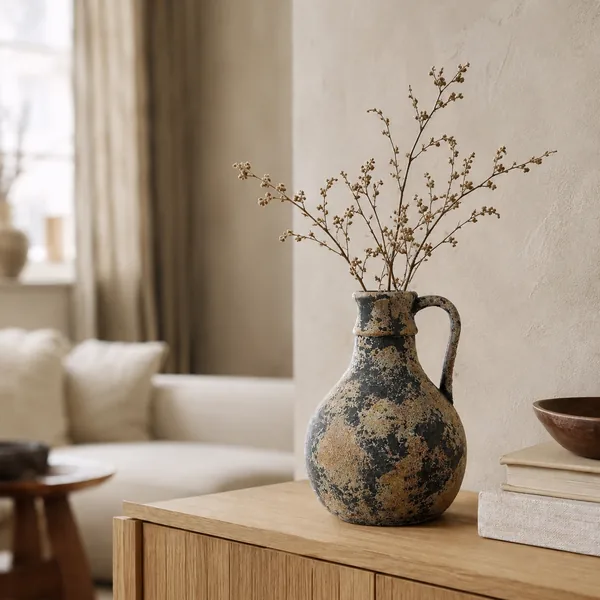
 Save $40.00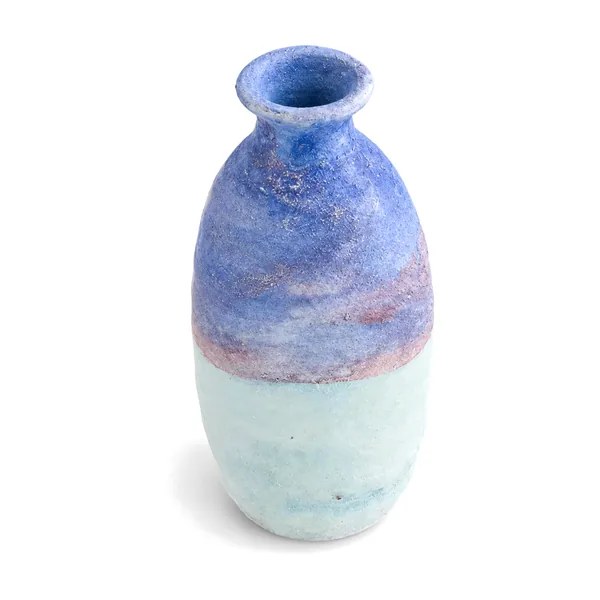
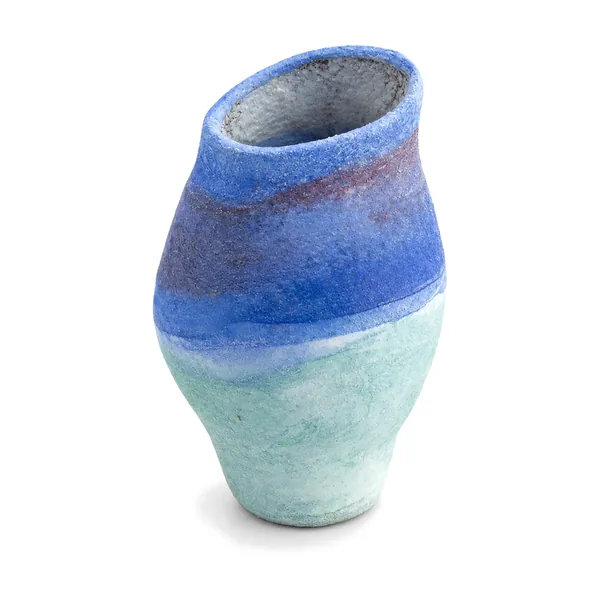 4 options
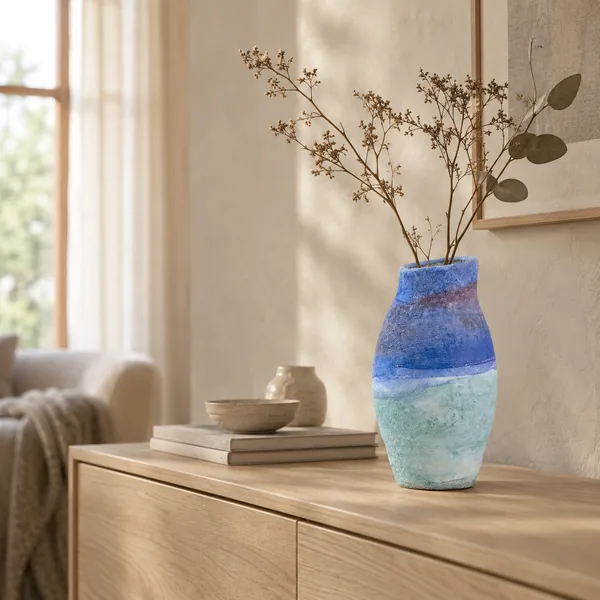
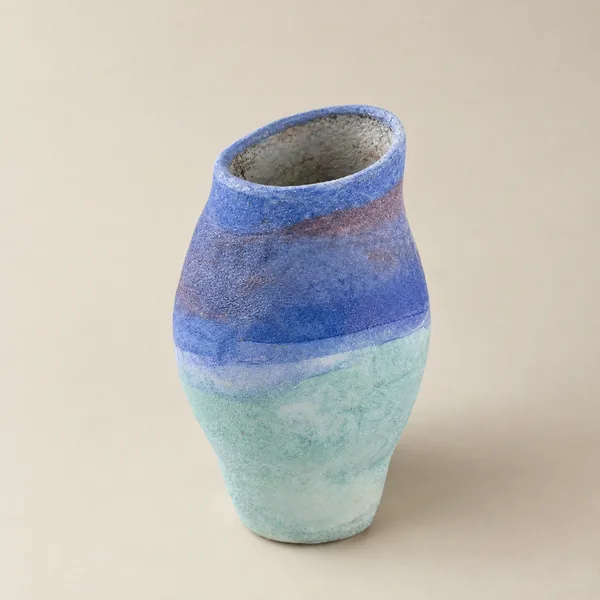
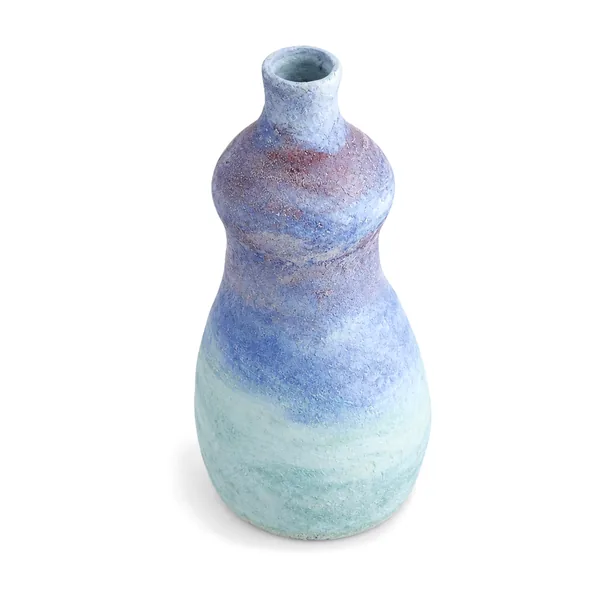
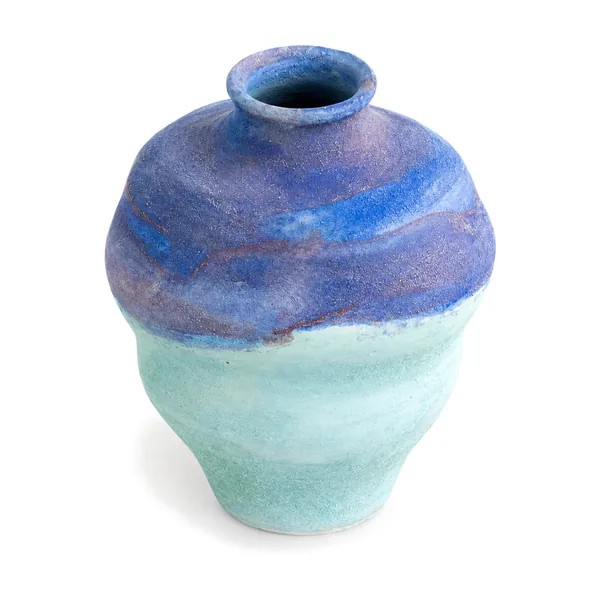
Dyvna Blue Gradient Ceramic Vase for Home Decor
Teal & Aquatic Tones: Unexpected Sophistication
Occupying the liminal space between green and blue, teal ceramic vases offer something uniquely versatile. These blue-green hybrids bridge coastal and forest aesthetics, bringing water-inspired calm to nature-themed interiors. A ceramic teal vase feels both refreshing and mysterious—a reminder of tide pools and deep ocean coves.
Teal works exceptionally well in spaces that blend Scandinavian simplicity with subtle coastal influences. It pairs beautifully with natural wood finishes, cream textiles, and brass accents. Unlike pure green, teal carries a cooling energy that can visually lower the temperature of sun-drenched rooms while maintaining warmth through its ceramic texture.
When curating collections, consider how teal vases interact with green vessels. The relationship between sage, emerald, and teal creates a harmonious spectrum that mimics natural environments—think of forest meeting sea, meadows fading into sky. Layering these tones creates visual flow that feels intentional rather than random.
DIY Inspiration: Transforming Ordinary Vases
For those who love hands-on creativity, there's something deeply satisfying about giving new life to existing pieces. While the curated pieces we offer represent the pinnacle of artisanal craftsmanship, experimenting with your own decorative projects can deepen your appreciation for ceramic artistry. This approach lets you test color palettes before investing in permanent pieces.
DIY projects like upcycling offer accessible entry points into the world of green ceramic aesthetics. However, the depth of true ceramic glazes—those subtle variations that make handmade pieces sing—remains challenging to replicate. This is where investing in artisan-crafted vases from dedicated makers rewards you with heirloom-quality pieces that only grow more beautiful with time.
Styling Green Ceramic Vases in Every Room
The versatility of green ceramic vases extends across every corner of your home. In living rooms, a large green ceramic vase on a mantel or console becomes an instant focal point. Layer it with books, candles, and natural objects like interesting stones or driftwood to create a curated vignette that draws the eye and invites touch.
In bedrooms, smaller sage green vases on nightstands contribute to restful atmospheres. Their gentle color promotes relaxation without overwhelming the space. Consider pairing them with soft textiles in cream, oatmeal, or dusty pink for a palette that feels like a deep breath.
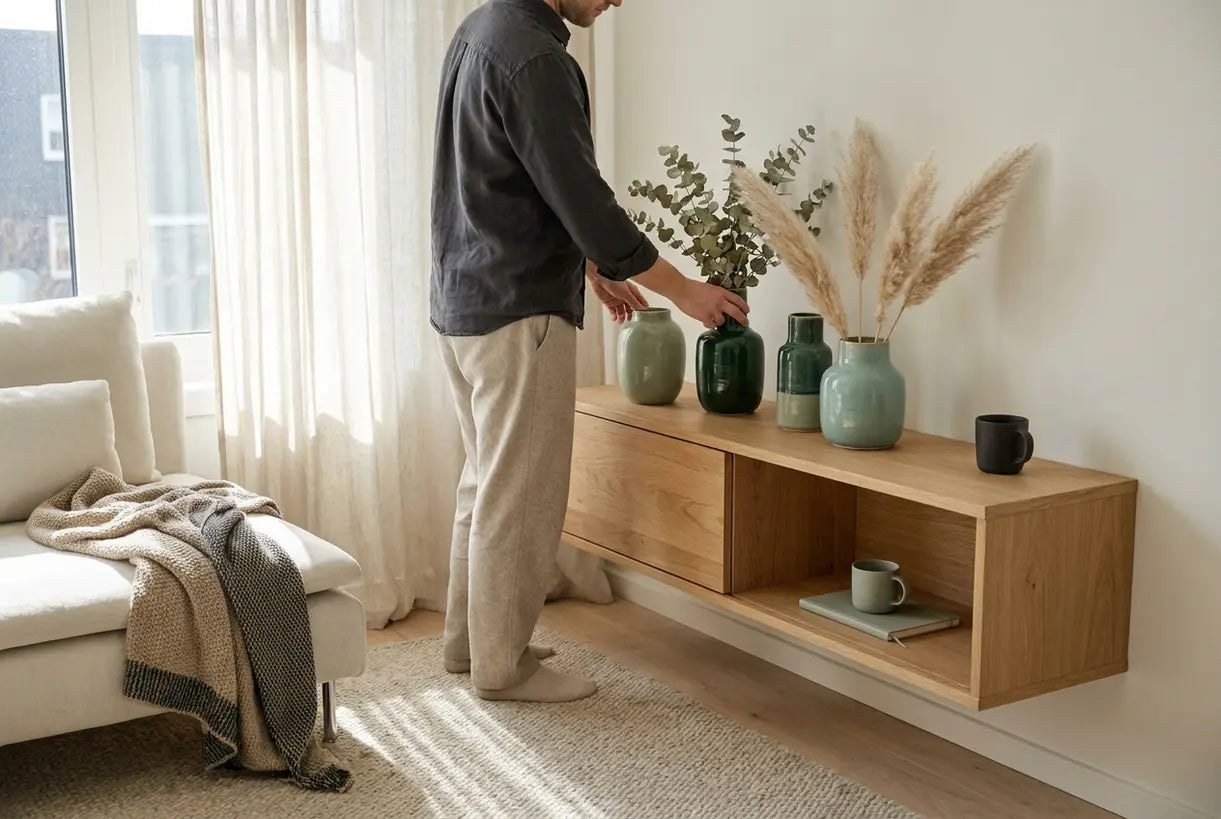
Dining rooms benefit from the drama of emerald or forest green vases. A substantial piece centered on a table or buffet instantly elevates the space. For everyday use, consider green ceramic vase for flowers arrangements that rotate with the seasons—fresh blooms in spring and summer, dried botanicals in autumn and winter.
Entryways offer prime real estate for making first impressions. A sculptural green ceramic vase on a console table signals your design sensibility immediately upon arrival. The organic color welcomes guests with warmth while the ceramic material conveys permanence and craft quality.
Home Decor
Shop all Home Decor
 Save $44.50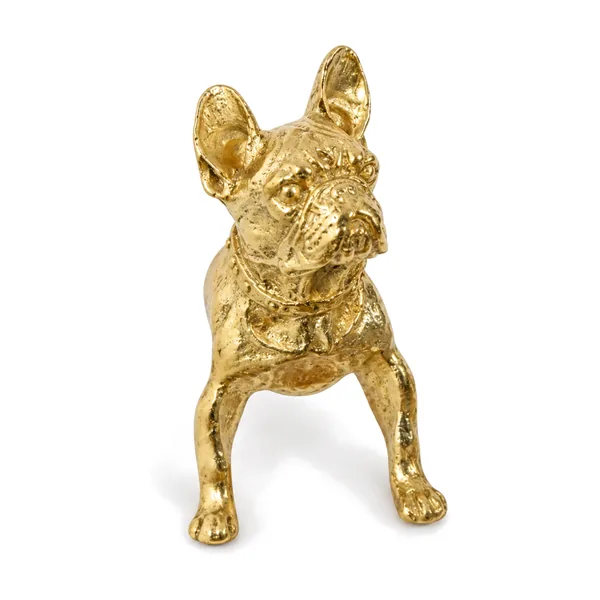
 2 options
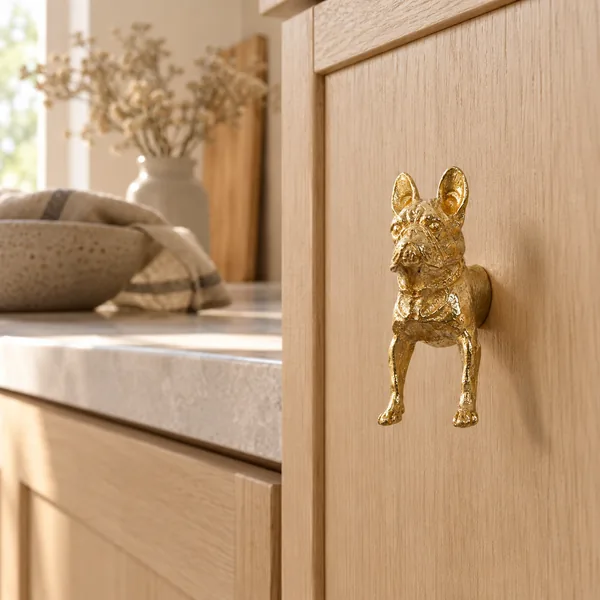
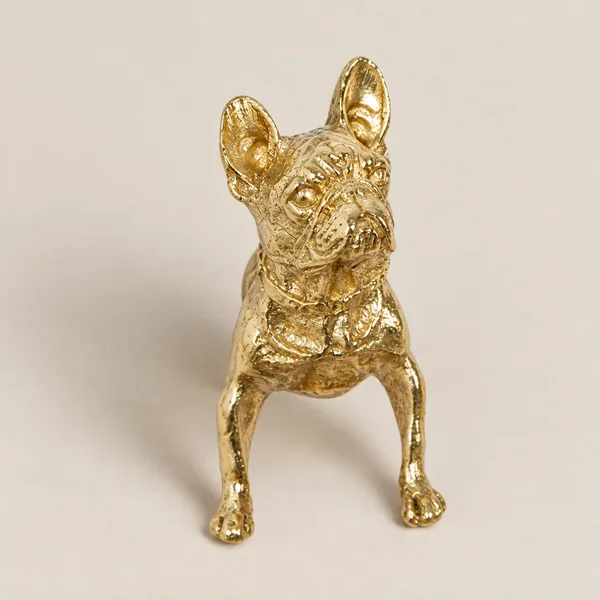
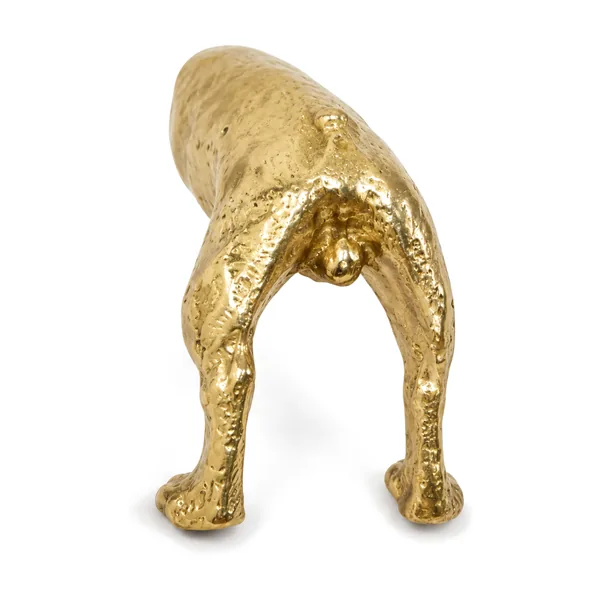
Tassa Polished Brass Dog Cabinet Pull Handle
 Save $110.00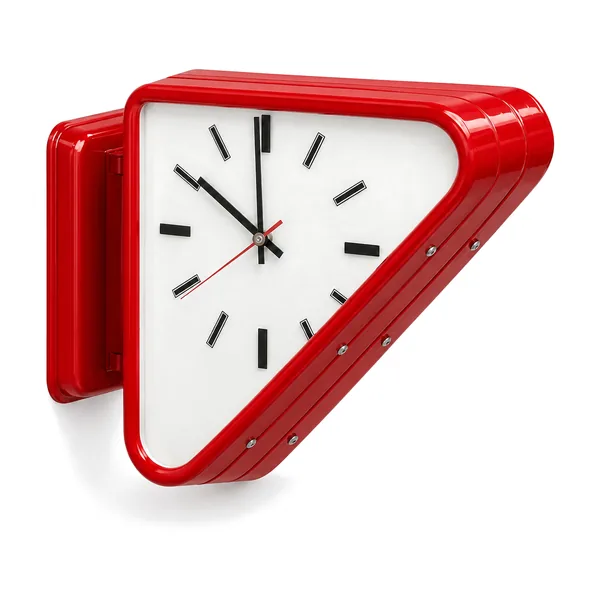
 +15 options
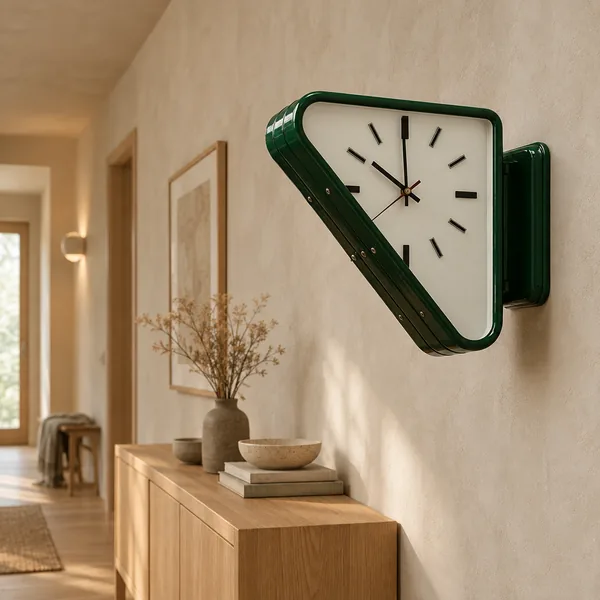
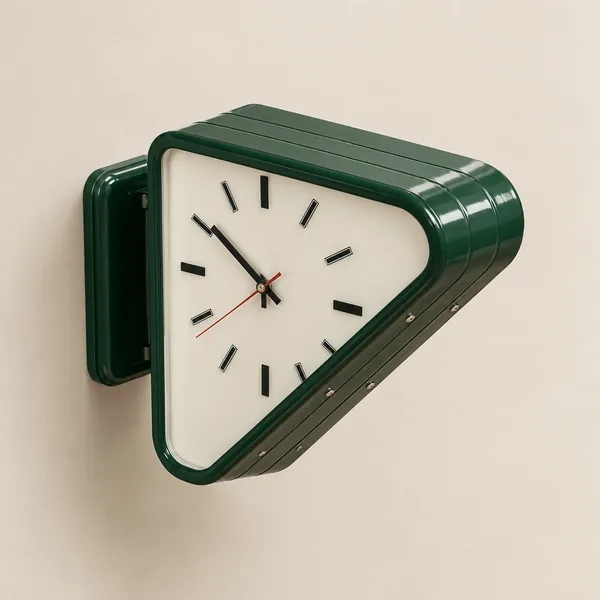
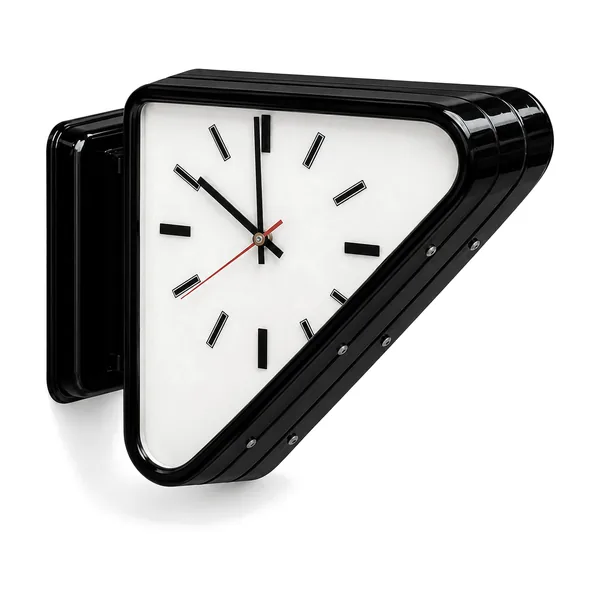
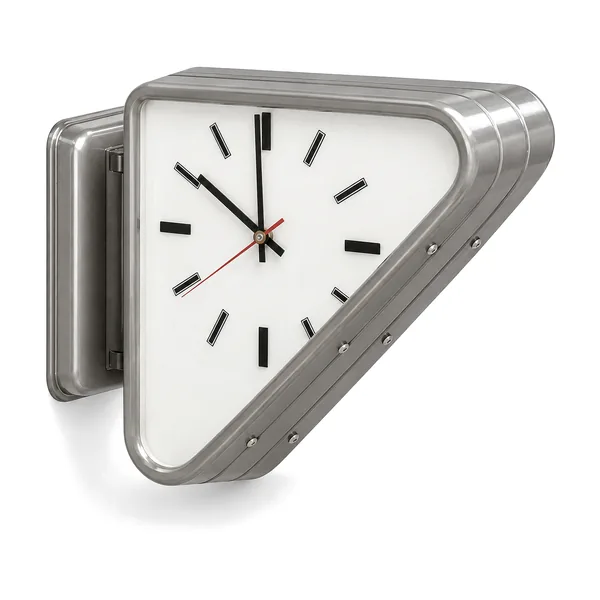
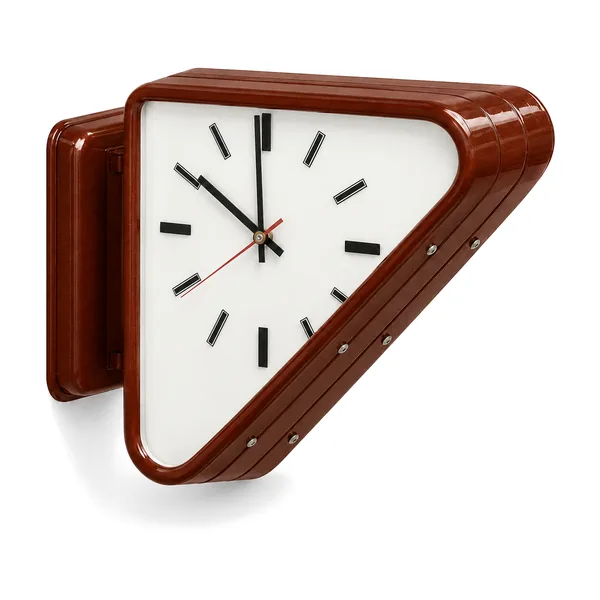
Tvilling Dual-Sided Geometric Metal Wall Clock
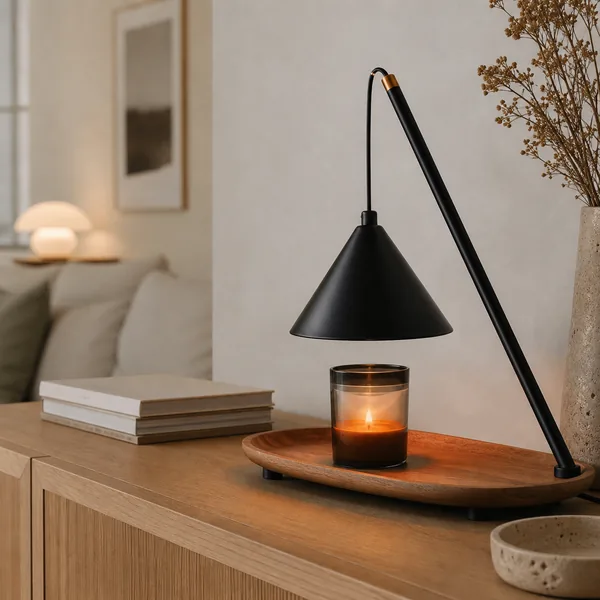
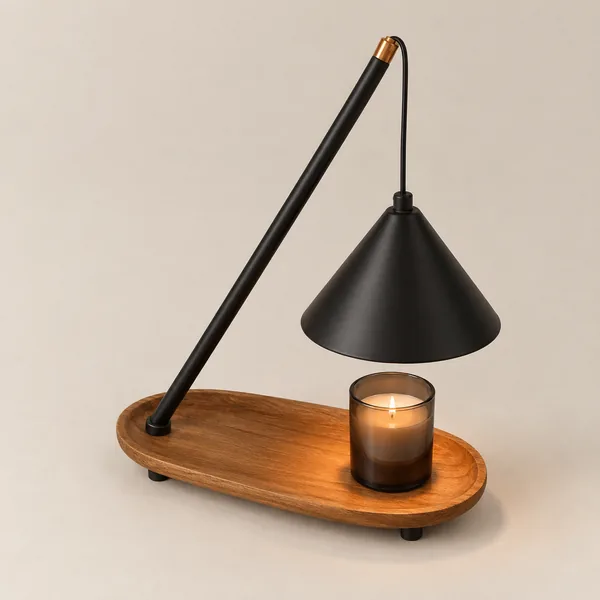
Color Palettes That Elevate Green Ceramics
Understanding which colors complement green ceramic vases opens endless styling possibilities. The most harmonious palettes draw from nature itself—earth tones, neutrals, and organic materials that enhance rather than compete with your vase.
Natural Wood: Oak, walnut, and teak provide warm foundations for green ceramics. The combination of earth-toned wood and green glaze feels inherently grounded and timeless. Light woods let darker emerald vases stand out, while darker woods create sophisticated contrast with sage pieces.
Earthy Terracotta: The combination of green and terracotta evokes Mediterranean gardens and sun-baked clay. This pairing feels both ancient and contemporary, especially in rustic green ceramic vase styles that emphasize organic textures.
Soft Neutrals: Cream, oatmeal, and warm white allow green vases to be the heroes. These backgrounds create gallery-like presentations where the ceramic piece commands attention without visual competition.
For those seeking fresh inspiration and the latest additions to our curated collections, our New Arrivals section offers a carefully selected range of pieces that embody Scandinavian design principles while incorporating contemporary color trends including the latest in green ceramic artistry.
Featured Pieces: Complementary Designs
Building a cohesive collection means considering how pieces interact. The following selections showcase how different materials and textures can layer beautifully with green ceramic vases:
Create a relevant title
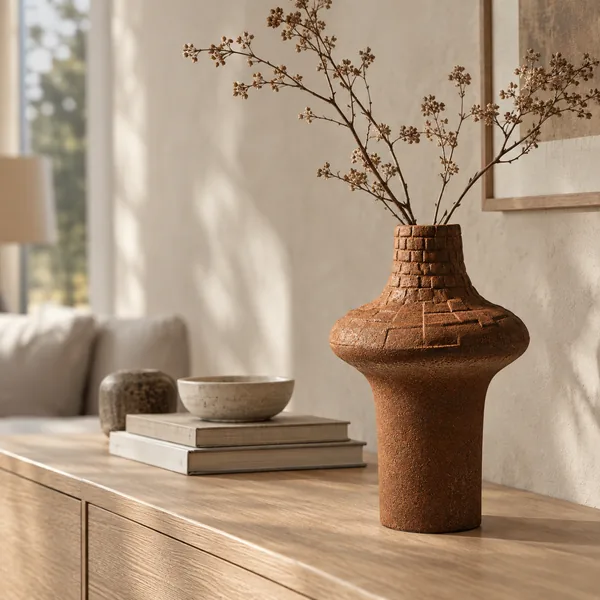 Torva Rustic Plaid Ceramic Vase Artisan Decor$149.00$219.00
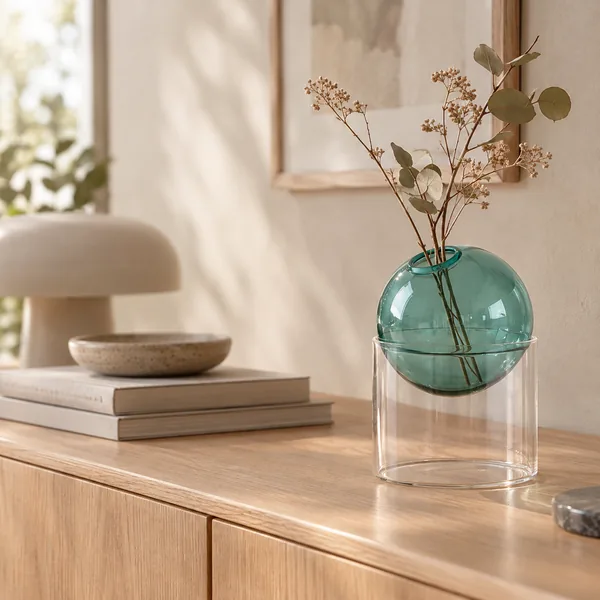 Vårka Borosilicate Round Glass Vase for Flowers$38.00$59.00
The Torva Rustic Plaid Ceramic Vase features a distinctive textural surface that complements smooth green ceramics beautifully, while the Vårka Borosilicate Round Glass Vase offers crystalline contrast that makes green tones appear even richer by comparison.
Caring for Your Ceramic Green Vase Collection
Quality ceramic vases are remarkably resilient, but understanding proper care ensures they remain beautiful for generations. Most ceramic green vase pieces feature protective glazes that make cleaning straightforward—simply wipe with a soft, damp cloth to remove dust. Avoid abrasive cleaners that could scratch delicate glaze surfaces.
Many collectors wonder about practical functionality. Yes, most ceramic vases can accommodate fresh flowers and water, but it's wise to check whether your specific piece has a water-resistant interior glaze. Some artisan pieces are designed primarily as sculptural objects and may lack the waterproof seal needed for fresh arrangements. When in doubt, use a watertight liner or opt for dried botanicals, which offer enduring beauty without maintenance concerns.
Display your vases away from direct, prolonged sunlight if you want to preserve the integrity of colored glazes. While high-quality ceramics are colorfast, extreme sun exposure over years can subtly shift even the most stable pigments. Rotating pieces seasonally not only prevents uneven fading but also keeps your displays feeling fresh and intentional.
Conclusion: Cultivating Your Green Ceramic Collection
Finding the perfect ceramic green vase is less about following trends and more about discovering pieces that resonate with your personal sense of home. Whether you're drawn to the soft serenity of sage, the commanding presence of emerald, or the unexpected sophistication of teal, these vessels offer far more than function. They become daily reminders of nature's calming influence, handmade artistry, and the Scandinavian principle that our spaces should nurture our wellbeing.
At Skonne, we curate collections that honor these principles—pieces crafted by skilled artisans using time-honored techniques, designed to bring warmth and intention to contemporary living. Your perfect green ceramic vase awaits, ready to transform a corner of your home into a sanctuary of natural beauty.
Related Article
Ceramic Book Vase: The Unique Stacked-Book Design Taking Home Decor by StormThe ceramic book vase is the must-have decor piece for book lovers. Discover why this stacked-book design is taking homes by storm.