
Green Flower Vases: Sage, Emerald & Teal Designs for Nature-Inspired Interiors
Summary›
- Why Green Vases Are Essential for Nature-Inspired Interiors
- Exploring Green Vase Color Variations
- The Art of Styling Green Flower Vases
- Material Matters: Choosing the Right Green Vase
- Scandinavian Styling: Green Vases in Nordic Interiors
- Color Combinations That Work with Green Vases
- Elevating Your Collection with Statement Pieces
- Curating Your Green Vase Collection
- Bringing Nature Home with Skonne
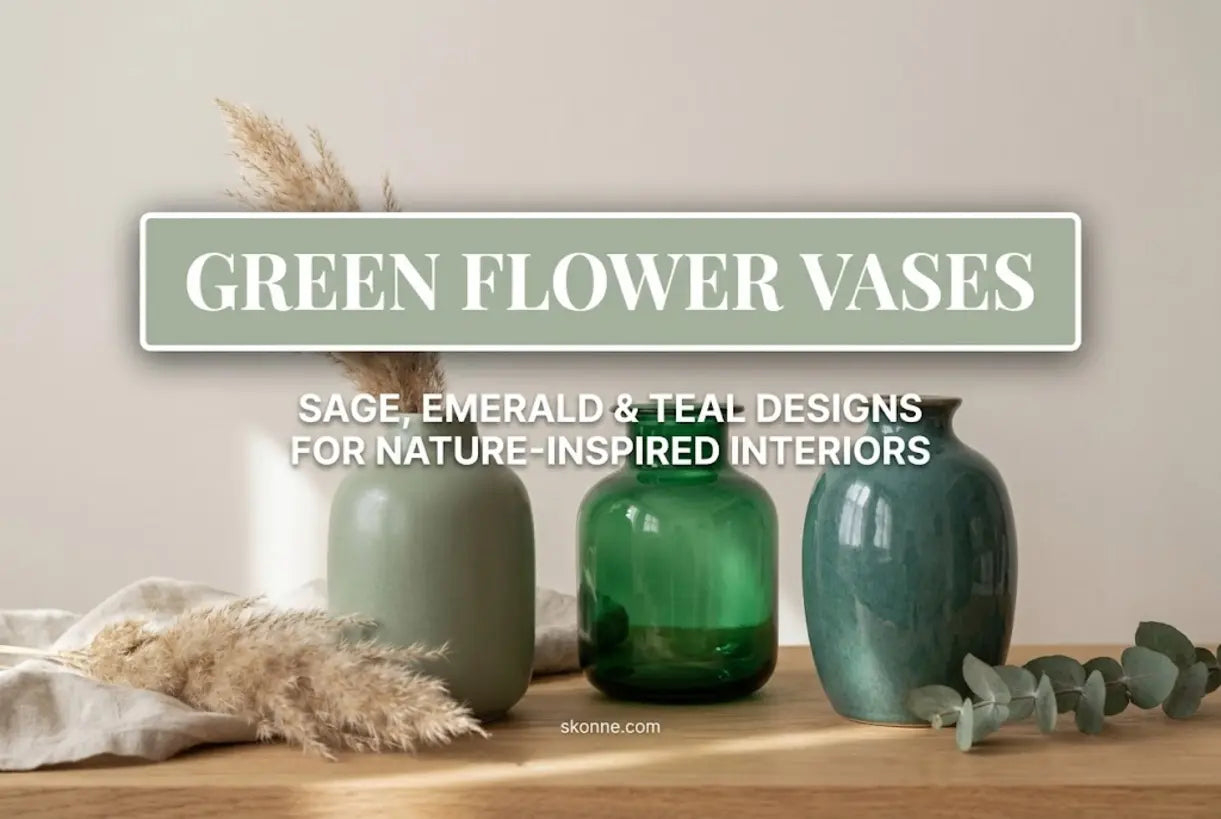
There's something instantly calming about bringing nature indoors. The soft greens of forest canopies, the deep richness of moss, the tranquil tones of sage leaves—these hues have an innate ability to transform a space into a peaceful retreat. A thoughtfully chosen green flower vase becomes more than just a vessel for blooms; it becomes a statement piece that bridges the gap between your interior and the natural world beyond your windows.
For those embracing the Scandinavian philosophy of hygge—creating warmth, comfort, and intentional living—green vases offer the perfect touch of organic color without overwhelming a minimalist palette. Whether you're drawn to the muted elegance of sage, the bold sophistication of emerald, or the coastal freshness of teal, there's a shade of green that speaks to your aesthetic and elevates your botanical displays.
In this guide, we'll explore how to select, style, and curate green vases for nature-inspired interiors. Along the way, you'll discover pieces from Skonne's collection that capture the essence of Nordic design—where functionality meets artistry, and every object tells a story.
Why Green Vases Are Essential for Nature-Inspired Interiors
The resurgence of biophilic design—incorporating natural elements into built environments—has made green vases a cornerstone of contemporary interior styling. Unlike clear glass or neutral ceramics, a colored glass vase in sage, emerald, or teal introduces subtle chromatic interest while maintaining a connection to the organic world.
Green occupies a unique place on the color spectrum. It's simultaneously grounding and uplifting, familiar yet refreshing. When you place a green vessel in your living space, you're not just adding color; you're creating a visual reminder of growth, renewal, and the changing seasons. This makes green vases particularly suited for spaces where you want to foster relaxation and mindfulness.
The versatility of green cannot be overstated. From deep emerald that commands attention on a console table to whisper-soft sage that recedes into a layered shelfscape, green vases adapt to your design vision while maintaining their connection to nature.
The Psychology Behind Green in Home Decor
Color psychology research consistently shows that green reduces anxiety and promotes feelings of well-being. This makes it an ideal choice for dining rooms, bedrooms, and home offices—spaces where calm focus is essential. A ceramic green vase filled with simple stems can become a meditative focal point, drawing the eye and centering the mind.
In Scandinavian design philosophy, where every object should serve a purpose while bringing joy, green vases excel. They hold flowers (function) while evoking the serenity of Nordic forests (joy). This dual purpose aligns perfectly with the hygge principle of intentional curation.
Decorative Vases
Shop all Decorative Vases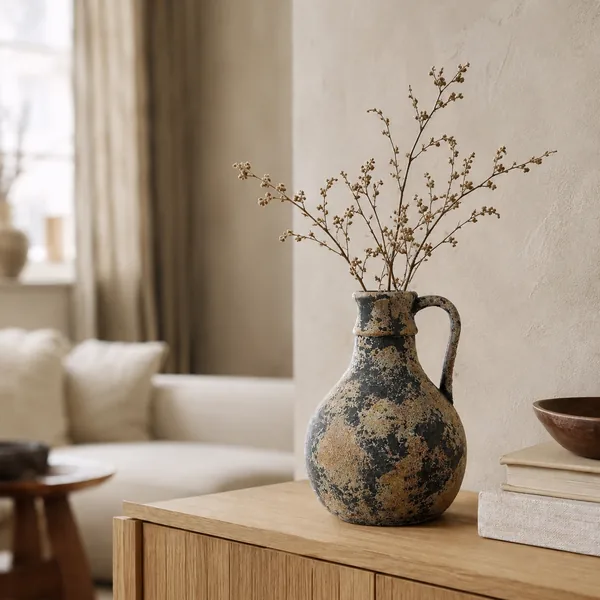
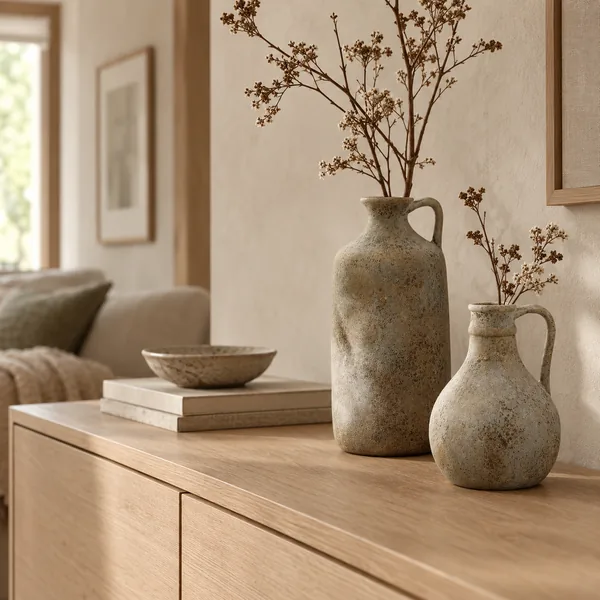
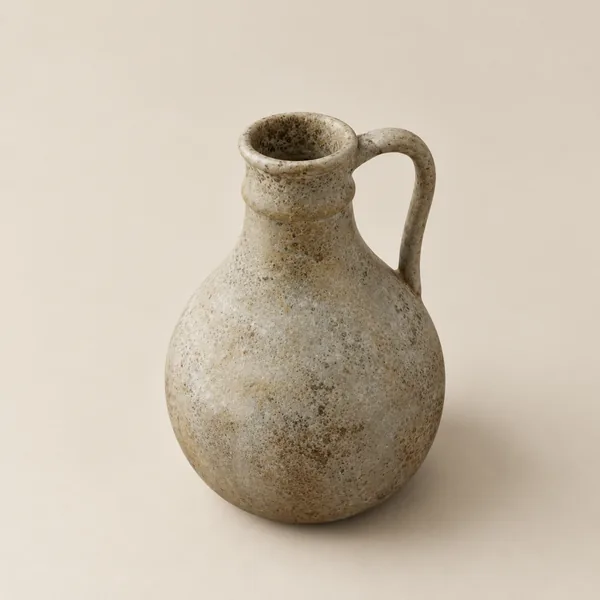
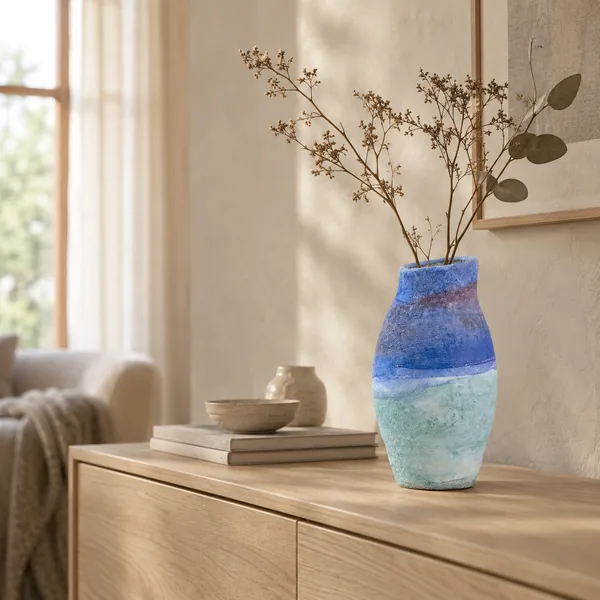
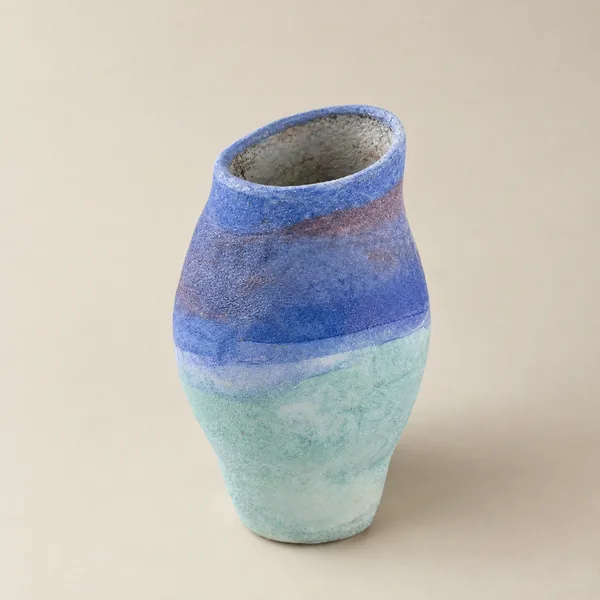 Save $40.00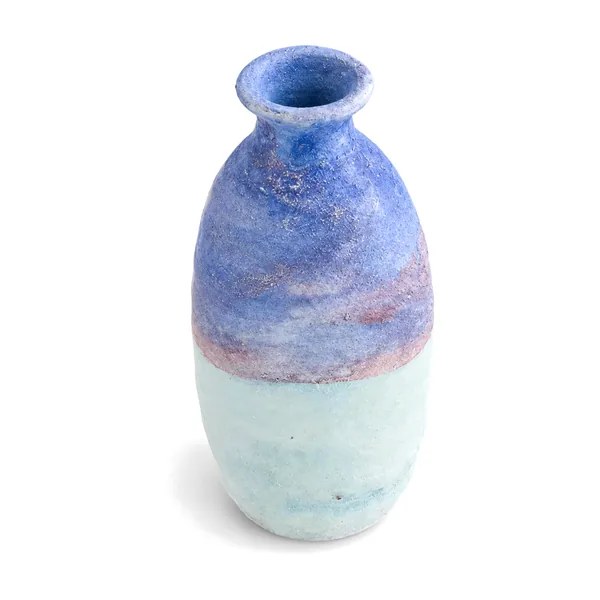
 4 options
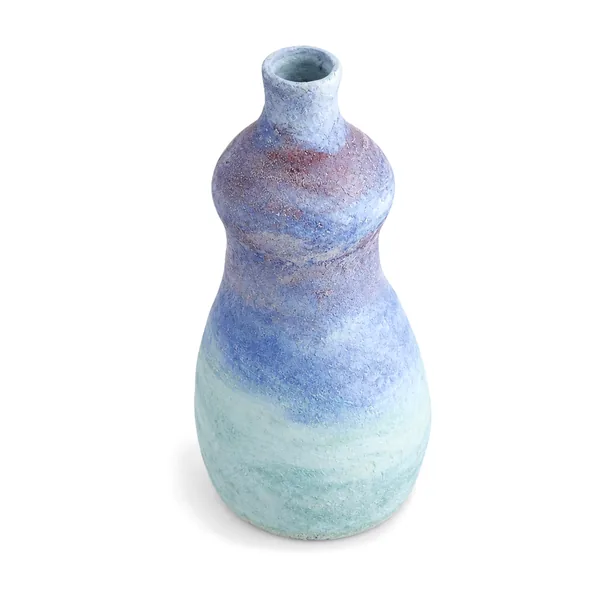
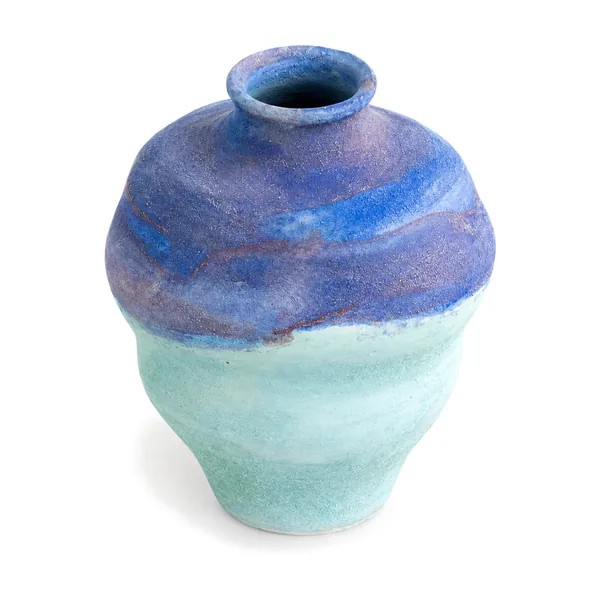
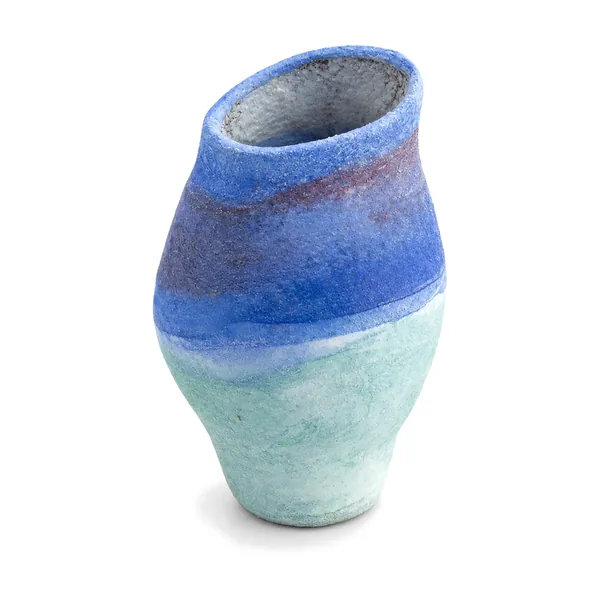
Dyvna Blue Gradient Ceramic Vase for Home Decor
Exploring Green Vase Color Variations
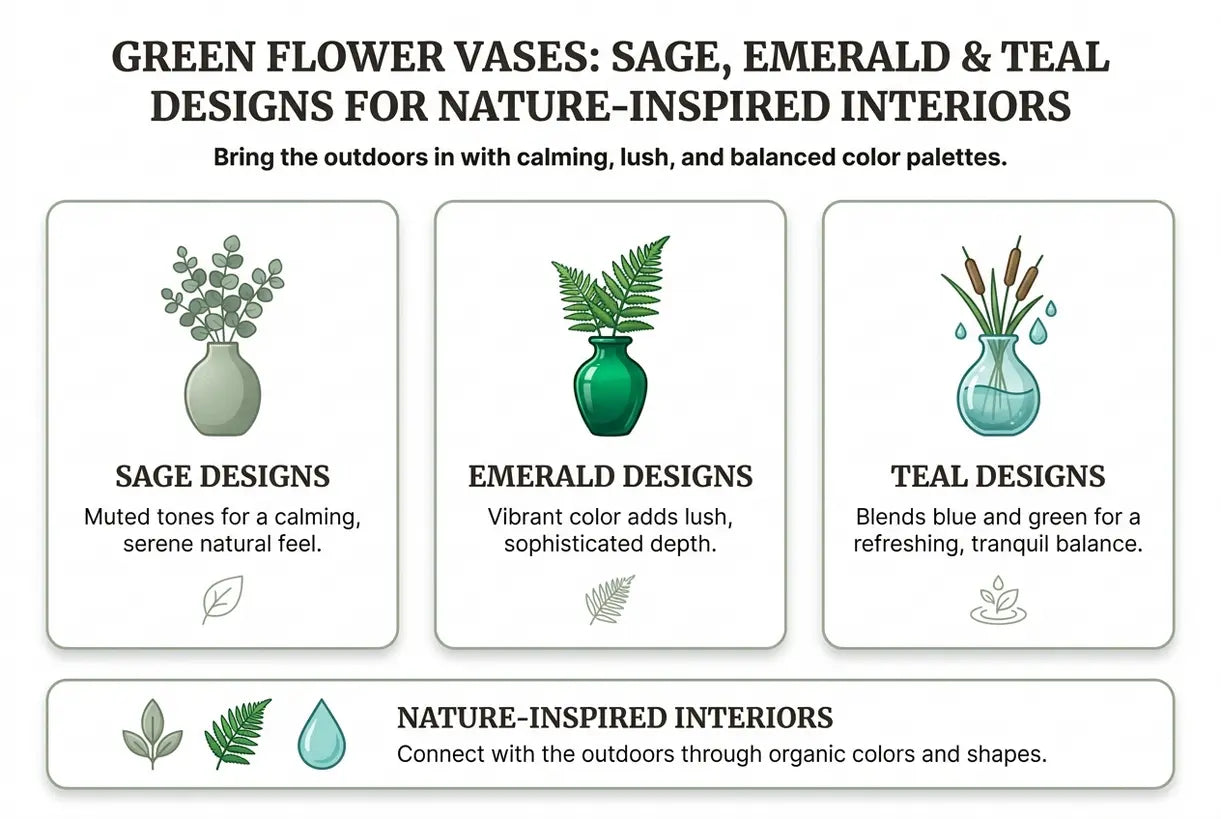
Sage Green: The New Neutral
Sage green has emerged as the darling of modern interiors, and for good reason. This muted, gray-green tone acts as a sophisticated neutral that pairs beautifully with warm woods, natural linens, and brass accents. A sage vase whispers rather than shouts, making it ideal for minimalist spaces where restraint is valued.
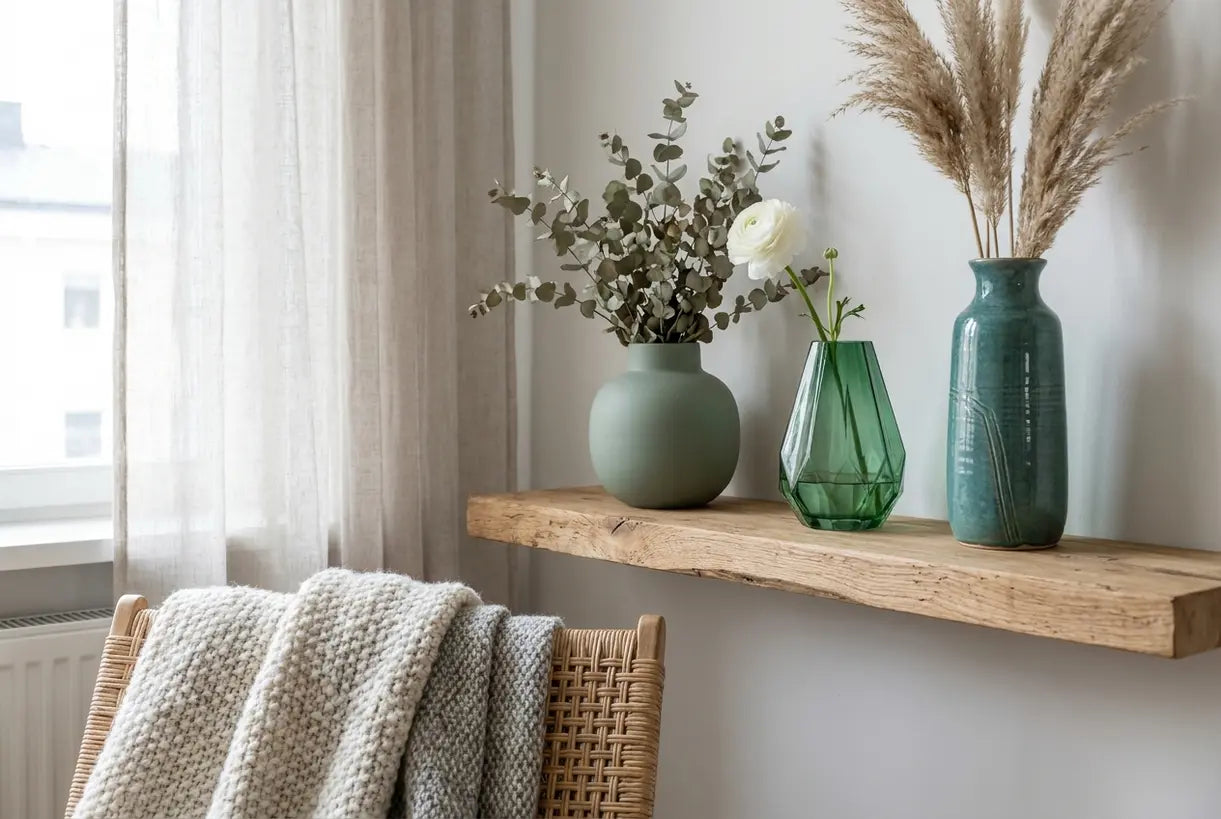
Sage works exceptionally well with dried botanicals—think pampas grass, bunny tails, or preserved eucalyptus. The softness of the color harmonizes with the textural quality of dried arrangements, creating vignettes that feel both curated and effortless.
Emerald: Deep Drama and Luxury
For those seeking to make a bolder statement, emerald green delivers rich, saturated color that evokes precious gemstones and deep forest shadows. An emerald vase commands attention and works beautifully as a singular accent piece in a neutral room or as part of a tonal green collection.
Pair emerald vases with white flowers for high contrast drama, or lean into the jewel-tone aesthetic by combining them with other saturated hues like sapphire blue, ruby red, or amethyst purple. The result is a luxurious, collected-over-time feel that elevates any interior.
Teal and Seafoam: Coastal Cool
Teal sits at the intersection of green and blue, offering a fresh, aquatic quality that brings breezy coastal energy to your space. This range works particularly well in light-filled rooms where the color can shift and shimmer throughout the day.
A teal glass vase reflects light in fascinating ways, creating subtle color variations that keep your display dynamic. This makes it an excellent choice for windowsills or areas that receive direct sunlight.
The Art of Styling Green Flower Vases
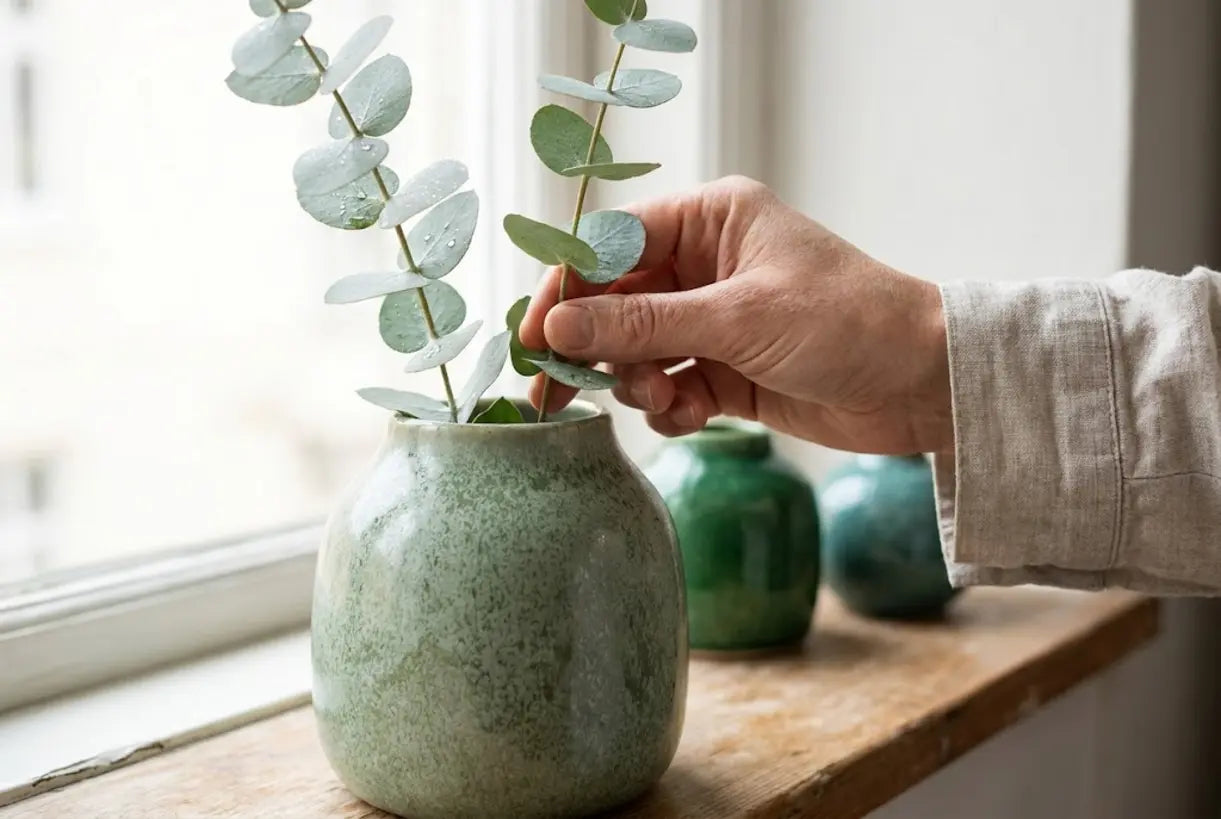
Styling a green vase is an exercise in restraint and intention. The goal is to create arrangements that feel organic and unforced—capturing that nature inspired decor aesthetic that makes spaces feel lived-in rather than staged.
For those looking to enhance the ambiance beyond vessels, our Glass Lighting collection offers complementary pieces that echo the organic forms and light-catching qualities of green glass vases.
Floral Pairings for Green Vases
The color of your vase should influence but not dictate your floral choices. Here are some winning combinations:
- Sage vases: Dried grasses, white hydrangeas, blush peonies, wildflower mixes
- Emerald vases: White orchids, deep red roses, citrus branches, dark foliage
- Teal vases: Yellow tulips, coral ranunculus, white lilies, blue thistle
Remember that green vases also excel when empty. A sculptural green vessel can stand alone as a decorative object, particularly when it features interesting texture, form, or material qualities.
Material Matters: Choosing the Right Green Vase
The material of your vase significantly impacts its aesthetic and functional qualities. Understanding these differences helps you select pieces that align with your lifestyle and design goals.
Pro Tip: For a truly cohesive nature-inspired interior, vary materials within the same color family. Combine a translucent green glass vase with an opaque ceramic piece and a textured vintage vessel for depth and visual interest.
Glass: Light and Luminous
A green glass vase captures and plays with natural light, creating subtle variations in tone throughout the day. Glass can range from ultra-transparent to deeply opaque, with textured options adding tactile interest. Look for hand-blown or mouth-blown pieces that feature organic irregularities—these imperfections celebrate the wabi-sabi philosophy of finding beauty in the handmade.
Ceramic: Earthy and Grounding
Ceramic vases bring weight and substance to your displays. The clay body can be smooth and refined or feature intentionally irregular surfaces that celebrate the maker's hand. Ceramic green vases often feel more grounded and permanent than their glass counterparts, making them ideal for anchoring shelf displays or dining table centerpieces.
Acrylic and Resin: Modern Versatility
For contemporary spaces or homes with young children, acrylic and resin vases offer the look of glass with added durability. These materials can be molded into dramatic, sculptural forms that would be difficult to achieve with traditional glassblowing techniques.
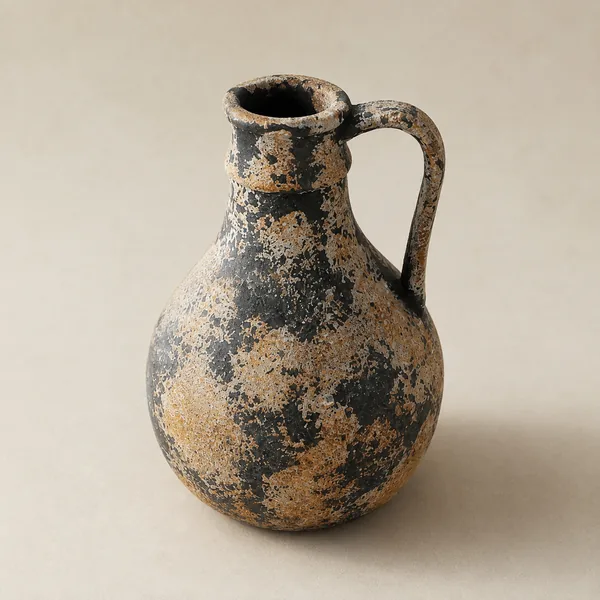
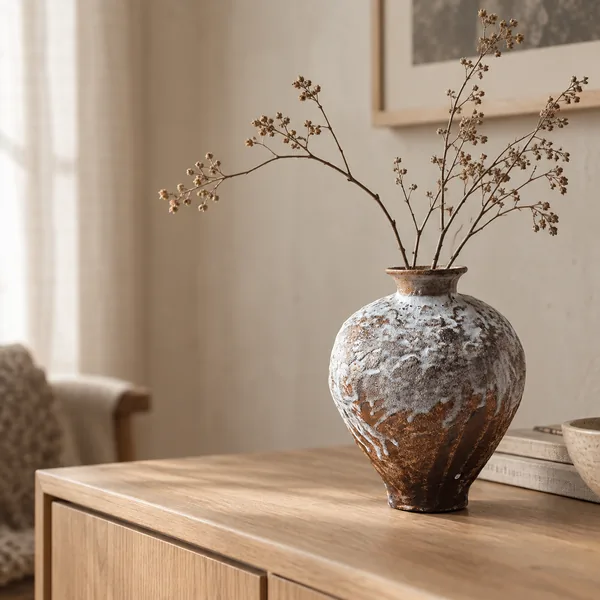 Stille Small Jingdezhen Ceramic Wabi-Sabi Vase$129.00$189.00
The Stille Small Jingdezhen Ceramic Wabi-Sabi Vase exemplifies the organic warmth that ceramic vases bring to nature-inspired interiors. Its handcrafted surface and intentional imperfections capture the essence of botanical beauty, making it an ideal choice for sage-toned displays.
Scandinavian Styling: Green Vases in Nordic Interiors
Scandinavian design principles—simplicity, functionality, and connection to nature—make Scandinavian vases in green tones particularly harmonious choices for modern homes. The Nordic design ethos emphasizes fewer, better things, meaning each piece in your collection should earn its place through beauty and utility.
In a Scandinavian-styled room, a green vase serves as a bridge between the cool neutrality of white walls and pale woods and the warmth of living plants. The result is a balanced, harmonious space that feels both designed and welcoming.
Creating Vignettes with Green Vases
The key to successful styling lies in thoughtful composition. Consider these Nordic-inspired approaches:
- The Rule of Three: Group your green vase with two complementary objects—a small sculpture and a stack of books, perhaps—varying heights and materials while maintaining tonal harmony.
- Natural Pairings: Place green vases on surfaces made of natural materials: raw wood, linen, stone, or cork. The contrast between organic vessel and organic surface creates visual cohesion.
- Negative Space: Resist the urge to fill every surface. A single green vase on an empty shelf allows the piece to breathe and command attention.
Home Decor
Shop all Home Decor
 Save $44.50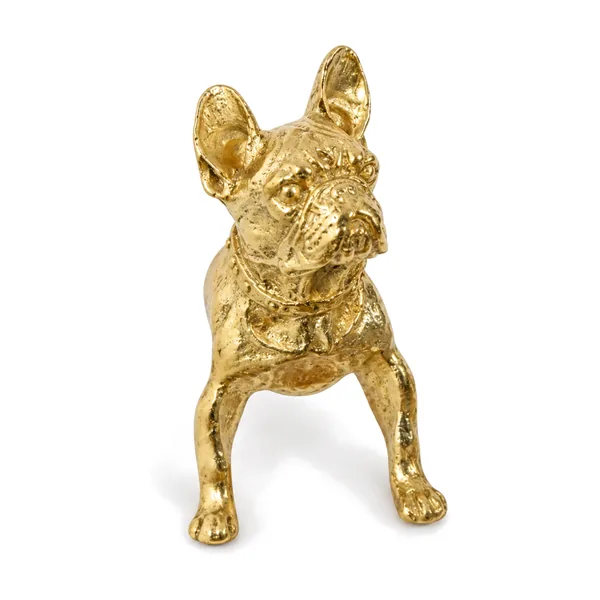
 2 options
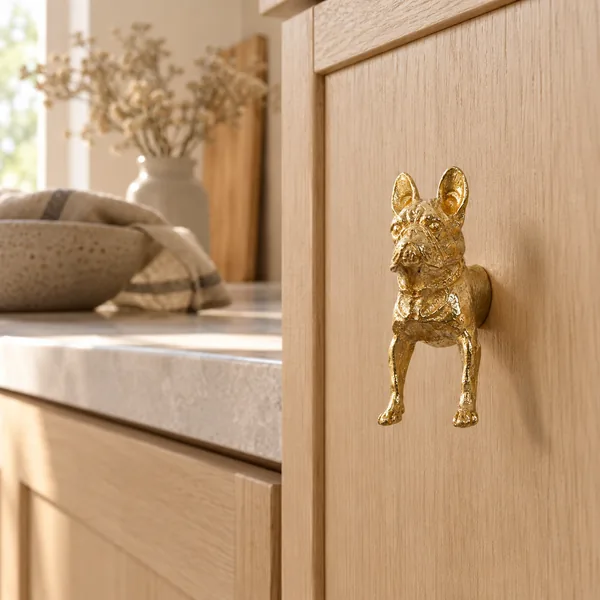
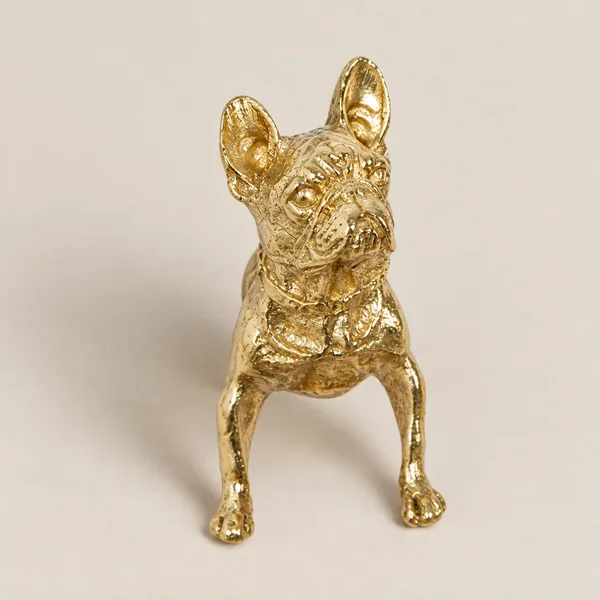
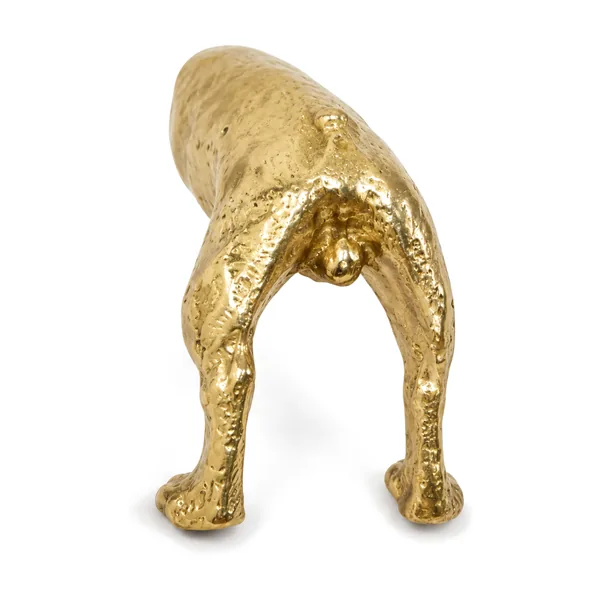
Tassa Polished Brass Dog Cabinet Pull Handle
 Save $110.00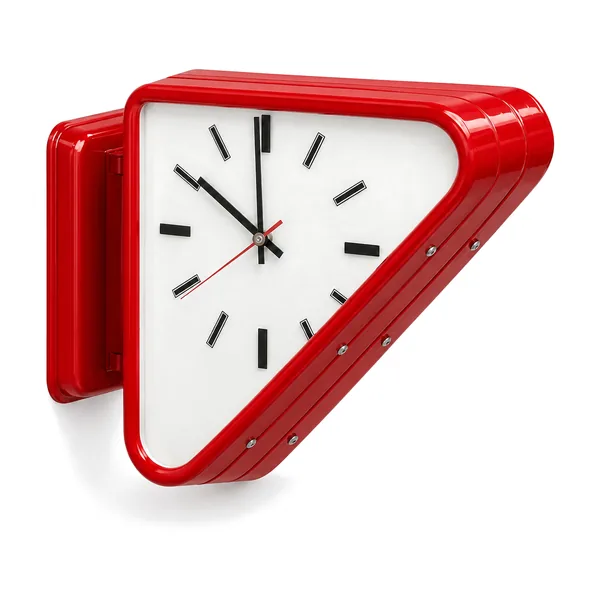
 +15 options
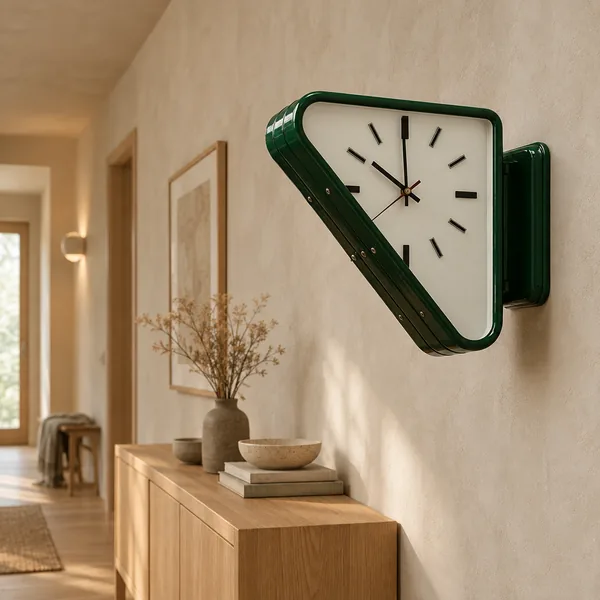
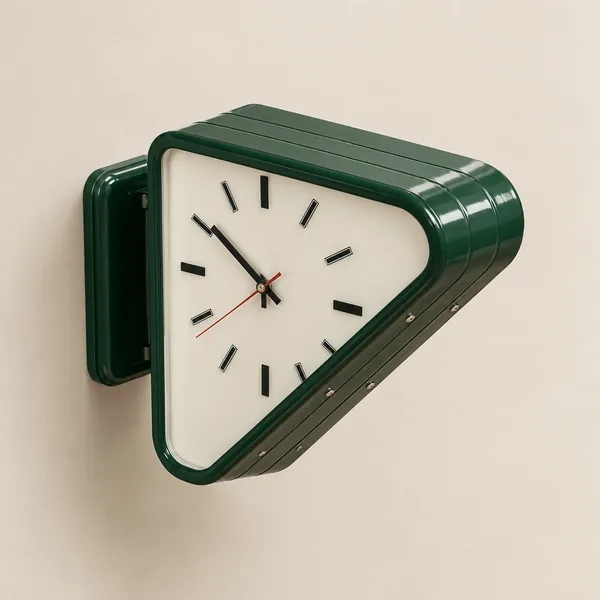
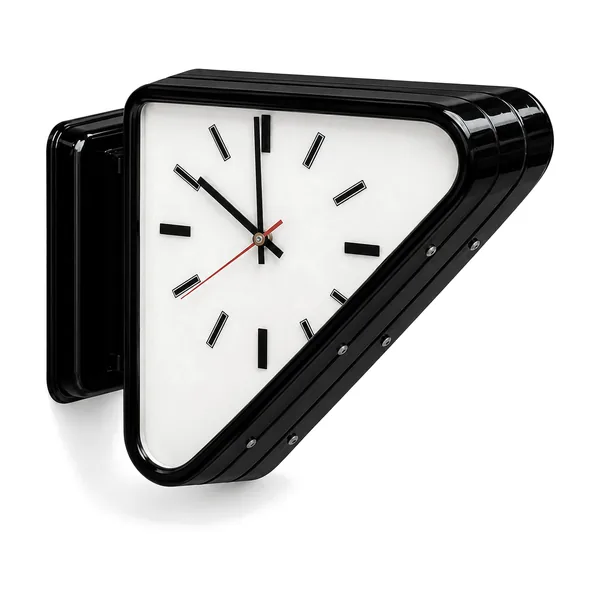
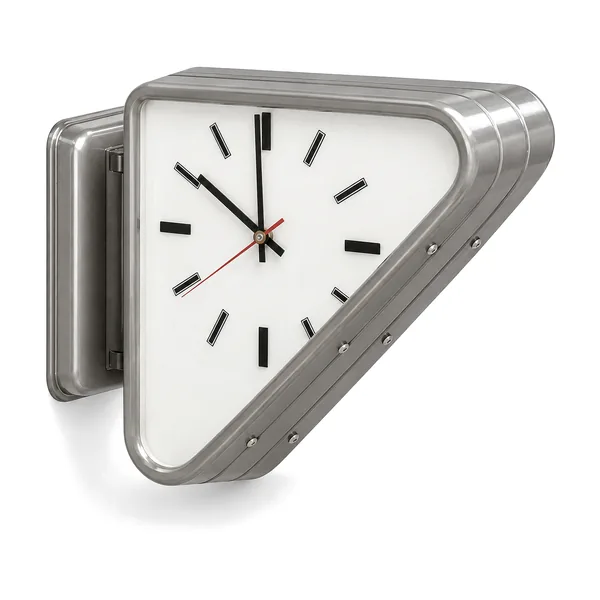
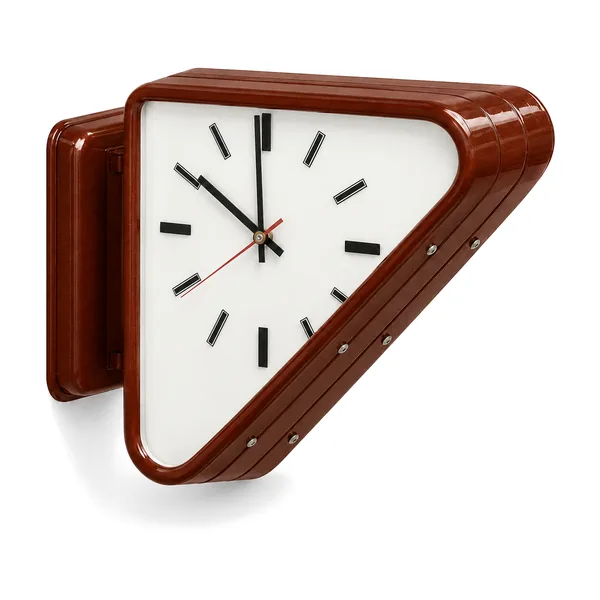
Tvilling Dual-Sided Geometric Metal Wall Clock
Color Combinations That Work with Green Vases
Understanding color theory helps you integrate green vases into existing color schemes. Green's position on the color wheel makes it remarkably adaptable.
Harmonious Analogous Schemes
Colors adjacent to green on the color wheel—yellow-greens and blue-greens—create harmonious, monochromatic effects. Pair your sage vase with chartreuse accents and deep forest green textiles for a layered, sophisticated look.
Complementary Contrasts
For more drama, look to green's complementary color: red. This doesn't mean you need bright red flowers (though those can be stunning). Instead, think burgundy foliage, rust-colored ceramics, or terracotta accents. The warmth of these reddish tones makes green appear even more vibrant and fresh.
Neutral Foundations
Perhaps the most foolproof approach combines green vases with a neutral palette of white, cream, gray, and warm wood tones. This allows the green to be the hero color while maintaining a calm, uncluttered aesthetic.
Elevating Your Collection with Statement Pieces
While green vases serve beautiful functional purposes, they can also function as sculptural art objects. Selecting pieces with dramatic silhouettes, unusual proportions, or distinctive textures elevates them from mere vessels to conversation-starting centerpieces.
Sculptural Vases for Nature-Inspired Displays
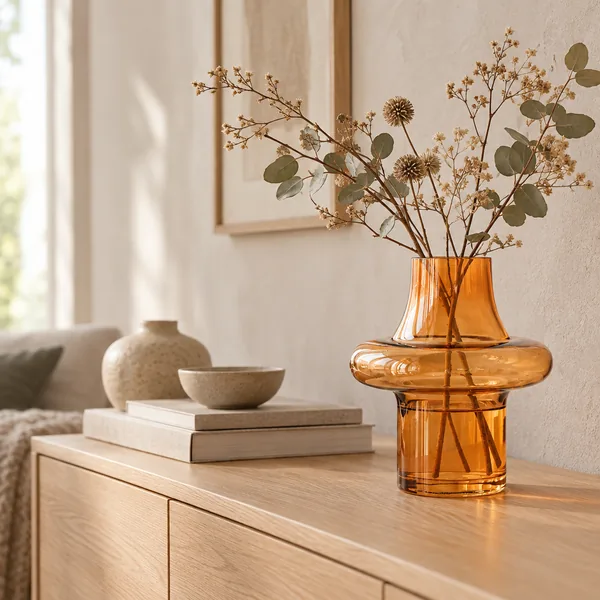 Glovik Amber Geometric Glass Sculptural Vase$89.00
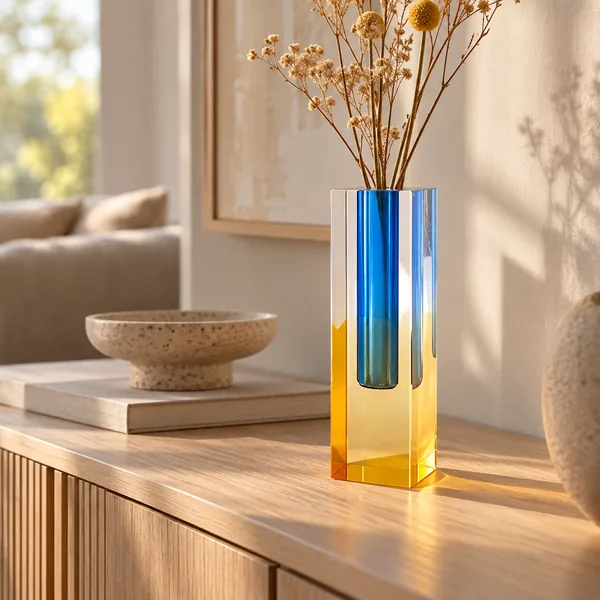 Klaris Tall Nordic Acrylic Bud Vase Minimalist$59.00$99.00
The Glovik Amber Geometric Glass Sculptural Vase demonstrates how a non-green vase can still serve your nature-inspired aesthetic. Its amber tones echo autumn leaves and honeyed sunlight, providing a warm counterpoint to green botanicals. Meanwhile, the Klaris Tall Nordic Acrylic Bud Vase brings minimalist elegance with its slender profile and iridescent finish—perfect for single-stem displays that celebrate simplicity.
Curating Your Green Vase Collection
Building a collection of green vases happens gradually and intentionally. Rather than purchasing matching sets, seek out pieces that speak to different moods and purposes. A small sage bud vase for bedside blooms. A substantial emerald vessel for dining table drama. A vintage green vase discovered at a flea market that carries stories of its own.
This approach—curated eclecticism— creates interiors that feel personal and collected rather than purchased from a single catalog. It honors the Scandinavian value of authenticity over perfection, ensuring your home reflects your unique journey and aesthetic sensibilities.
Bringing Nature Home with Skonne
Creating a home that feels connected to nature requires more than aesthetics—it demands intention and curation. Every object should serve your daily life while bringing genuine beauty to your surroundings. A carefully chosen green flower vase accomplishes both, holding water for fresh blooms while providing a daily reminder of the natural world's quiet power.
At Skonne, we believe that Scandinavian design isn't about following trends; it's about creating spaces that support meaningful living. Our collection of vases, lighting, and home decor reflects this philosophy—pieces crafted with care, designed to last, and selected to help you build your sanctuary.
Whether you're beginning your nature-inspired decor journey or seeking that perfect piece to complete a vignette, we invite you to explore how green vases can transform your interior. From sage to emerald, from ceramic to glass, these vessels bring the outside in—creating homes that breathe, calm, and inspire.
Related Article
Wooden Flower Vases: Natural, Organic & Bamboo Designs for Warm InteriorsDiscover how wooden flower vases bring organic warmth to Scandinavian interiors. Explore natural, bamboo, and woven designs for a cozy, hygge-inspired home.