
Dining Room Home Decor Ideas: How to Style Your Table, Walls & Space

Summary›
The dining room holds a unique place in our homes. It is where morning coffee becomes a ritual, where family dinners transform into cherished memories, and where friends gather for conversations that stretch long into the evening. Yet many of us struggle to create a home decor dining table and surrounding space that feels both functional and genuinely inviting.
The secret lies not in following rigid rules, but in understanding how Scandinavian design principles—simplicity, natural materials, and intentional curation—can help you craft a dining area that tells your story. Whether you are working with a spacious formal dining room or a cozy breakfast nook, the right approach to styling your table, walls, and lighting can utterly transform how the space feels and functions.
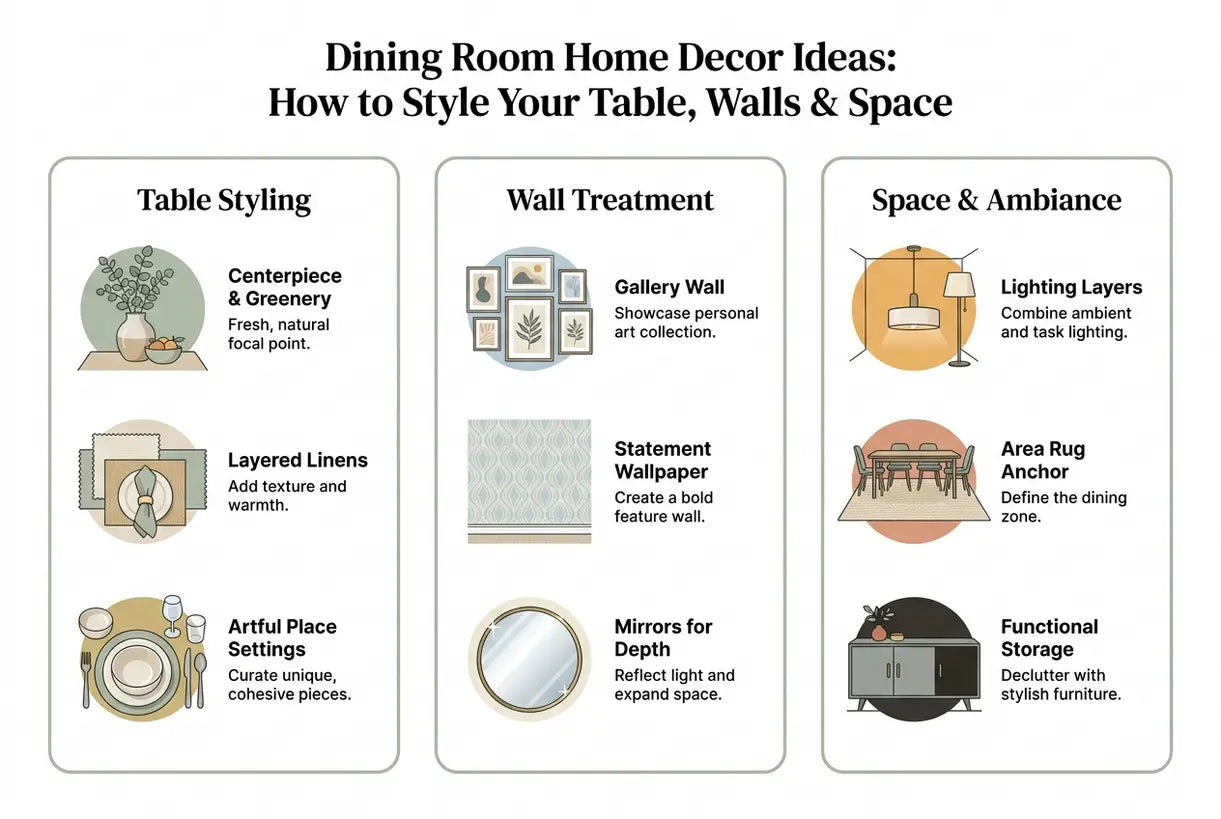
The Foundation of Scandinavian Dining Design
Scandinavian dining spaces are built on a philosophy of hygge—that untranslatable Danish concept of cozy contentment and well-being. This approach rejects clutter and excess in favor of pieces that serve both practical and aesthetic purposes. When creating your dining room home decor, start with a neutral palette that allows natural materials to shine.
Wood tones, whether through your dining table, flooring, or accent pieces, provide the warmth that prevents minimalist spaces from feeling cold. Linen tablecloths, ceramic dishware, and woven textiles add texture and tactile interest. The goal is a space that feels curated over time rather than assembled in a single shopping trip.
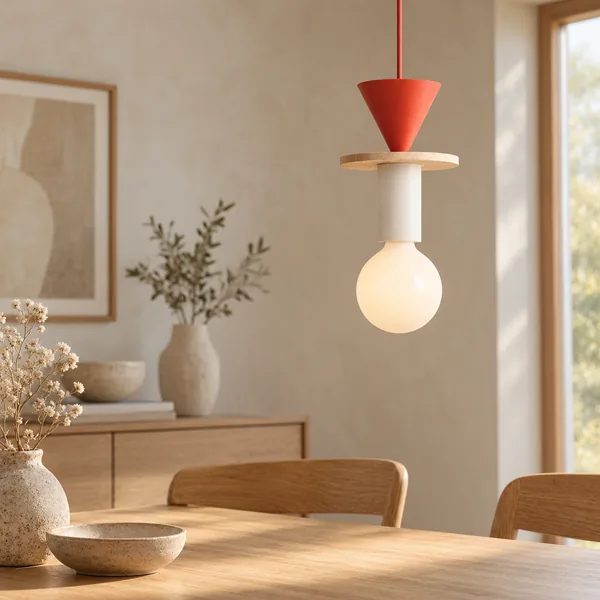
Lighting plays a foundational role in establishing this atmosphere. For those looking to explore more options, our Pendant Lights collection offers a curated selection designed specifically for dining environments, each piece balancing form and function in true Nordic tradition.
The beauty of this approach is its flexibility. Scandinavian design accommodates both the everyday breakfast rush and the elaborate dinner party with equal grace. The key is selecting versatile pieces that can be dressed up or down depending on the occasion.
Dining Room Lighting
Shop all Dining Room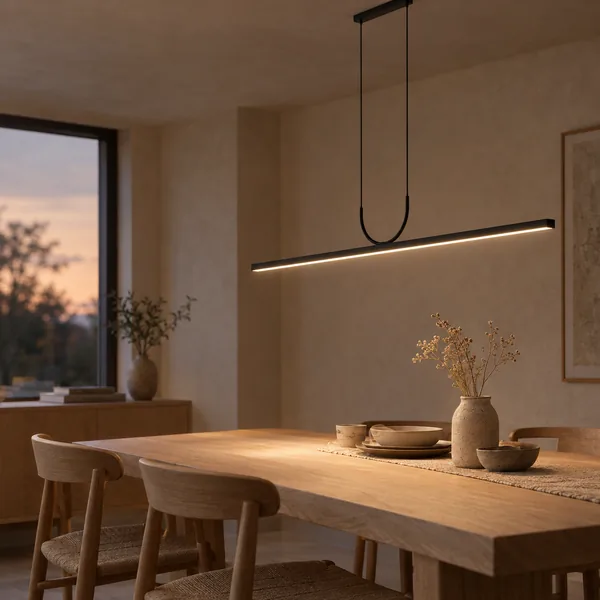
 Save $140.00
Linné Minimalist Linear Black LED Pendant Light
 Save $60.00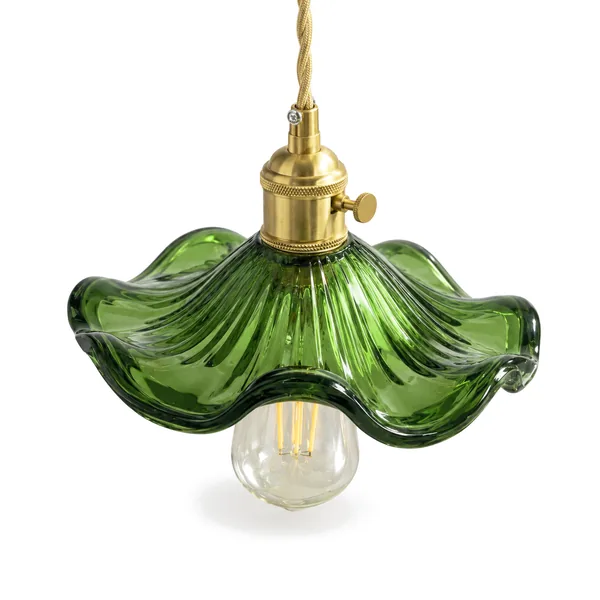
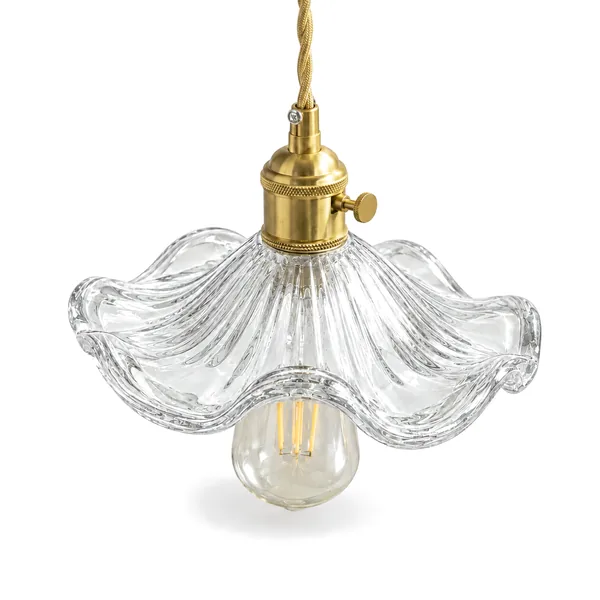
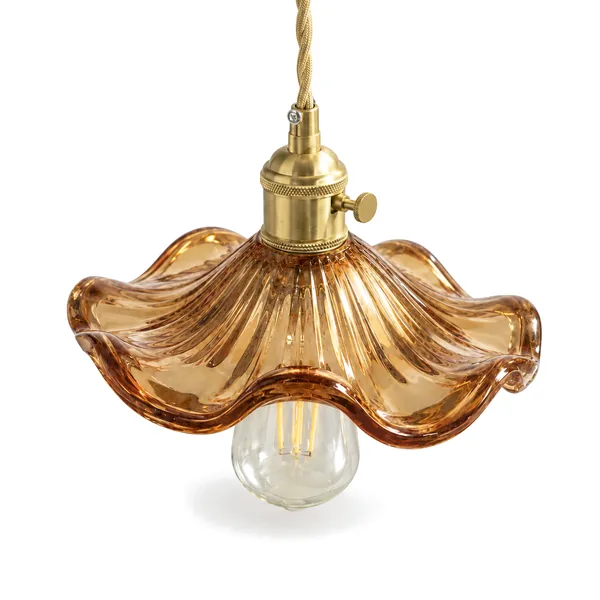 3 options
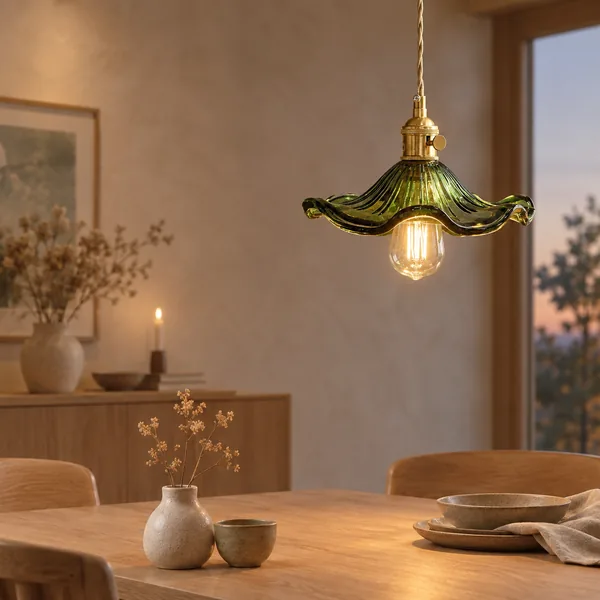
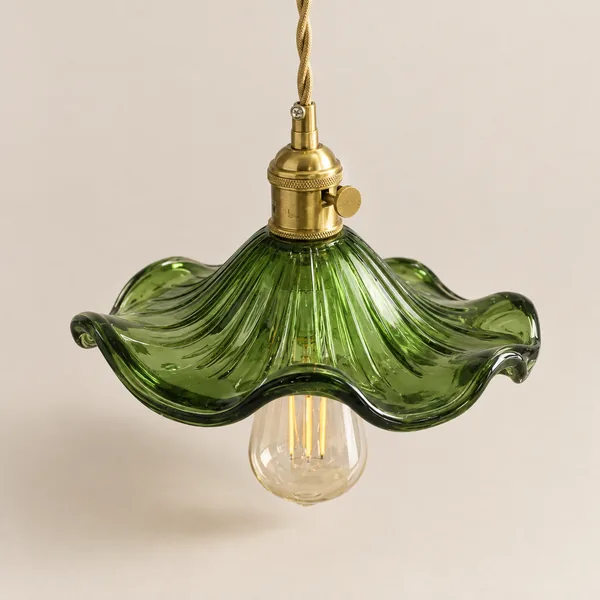
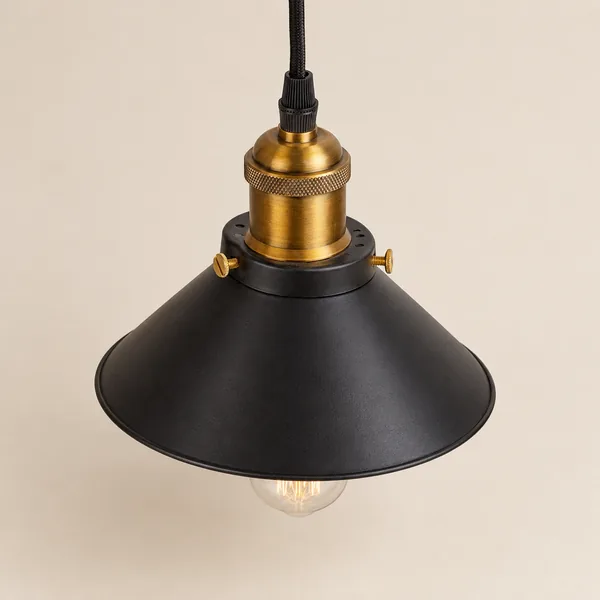
Glora Nordic Glass Pendant Light with Copper
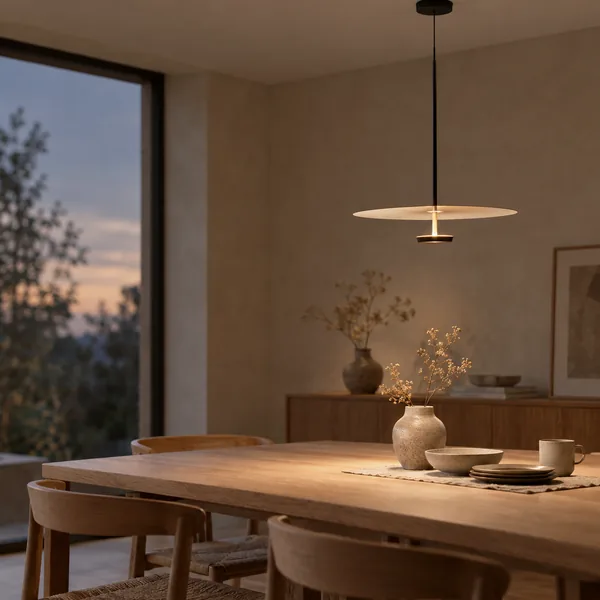
 Save $120.00
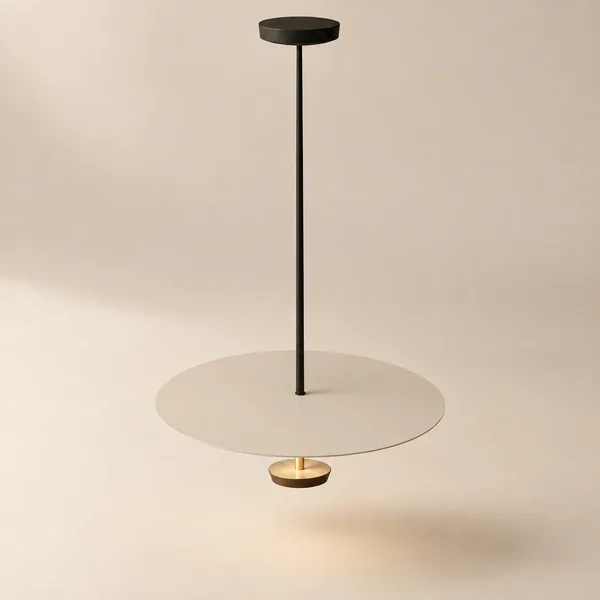
Skiva Nordic Saucer Ceiling Pendant Light LED
Creating a Memorable Tablescape
Your dining table is the natural focal point of the room, making table styling one of the most impactful aspects of dining room home decor. The best tablescapes achieve balance—they draw the eye without obstructing conversation or the passing of serving dishes.
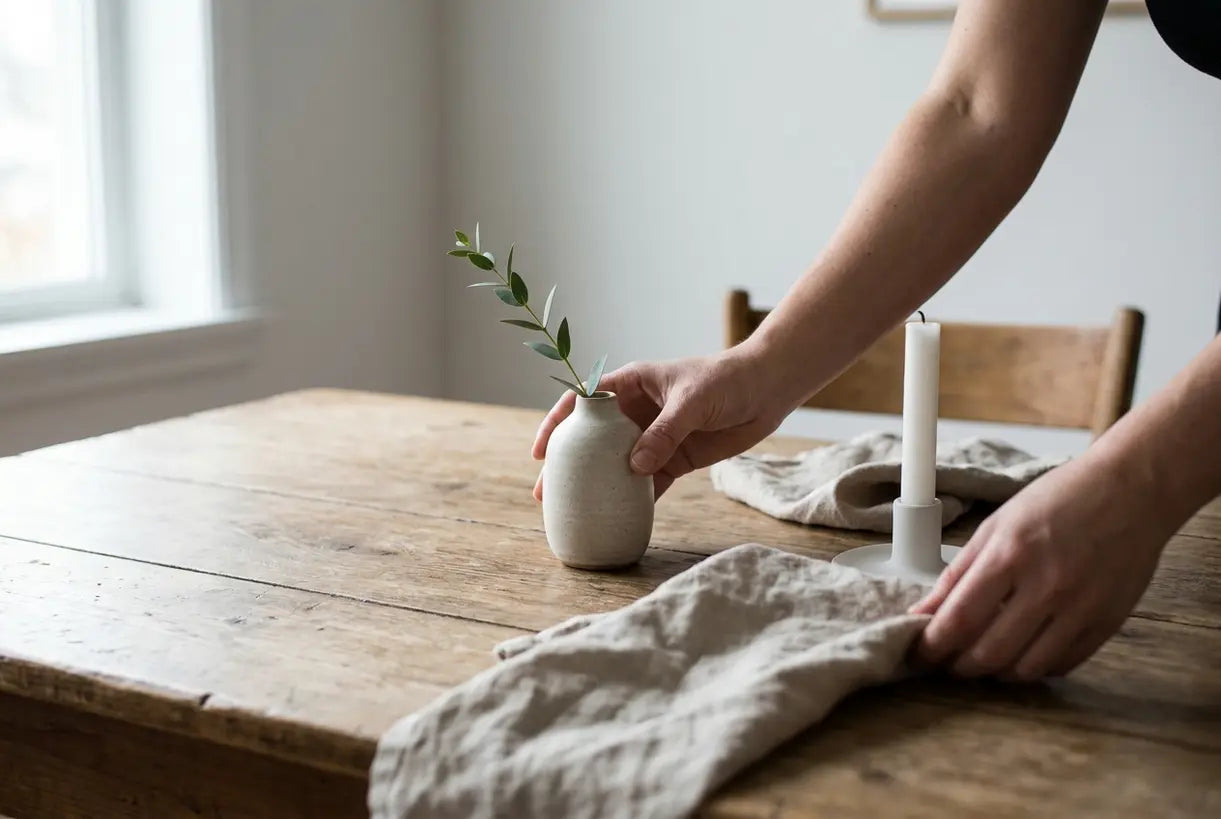
Start with height variation. A single, sculptural centerpiece creates visual interest without overwhelming the space. Low-profile runners paired with elevated candle holders or a statement vase add dimension. When considering materials, look for pieces that echo the organic warmth of your overall design scheme—handcrafted ceramics, natural wood, and blown glass all bring authentic character.
The vessels you choose for your centerpiece deserve particular attention. A well-chosen vase or decorative object becomes a statement piece that anchors the entire dining experience. The Jorde Handmade Rustic Ceramic Vase exemplifies this approach—a handcrafted piece with organic character that works beautifully styled with dried botanicals or standing alone as a sculptural element.
Layering is essential for creating a table that feels curated rather than cluttered. Begin with a foundation—perhaps a woven runner or simple linen cloth. Add your central piece, then build outward with smaller accents. Remember that negative space is your ally; not every inch needs to be filled.
Seasonal Adaptations for Your Table
One of the joys of table styling is the ability to evolve your look with the seasons. Spring might bring fresh branches and pale ceramic vessels. Summer calls for lighter linens and natural elements like driftwood or shells. Autumn introduces warmer tones and textural elements like dried grasses. Winter invites candlelight and rich, cozy materials.
Regardless of the season, maintain the principle of restraint that defines Scandinavian design. One thoughtful centerpiece makes a stronger statement than a crowded arrangement. Let quality materials and clean lines do the visual work.
The Art of Dining Room Lighting
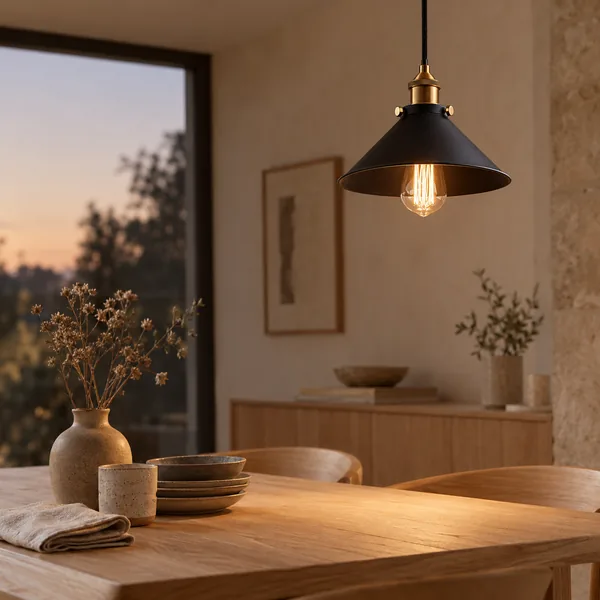
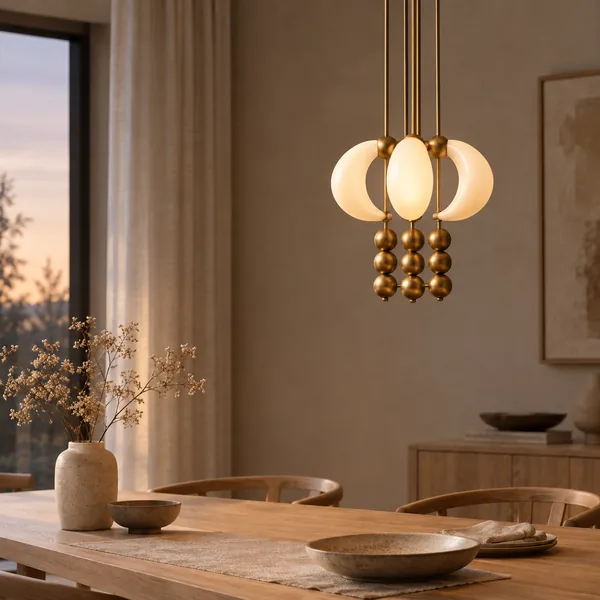
Lighting determines not just how your dining room looks, but how it feels. The fixture above your dining table serves as both functional illumination and a defining design element. This is where Scandinavian lighting design truly excels—creating pieces that cast beautiful light while serving as sculptural centerpieces.
When selecting dining room lighting, consider scale first. Your fixture should complement your table size without overwhelming the space. For standard dining tables, the bottom of your pendant or chandelier should hang approximately 30-36 inches above the tabletop. This placement provides adequate illumination while maintaining sightlines across the table.
The quality of light matters as much as the fixture itself. Warm light temperature (2700K-3000K) creates the inviting atmosphere ideal for dining spaces. Dimmable options allow you to transition seamlessly from functional task lighting during meal prep to ambient lighting for evening gatherings.
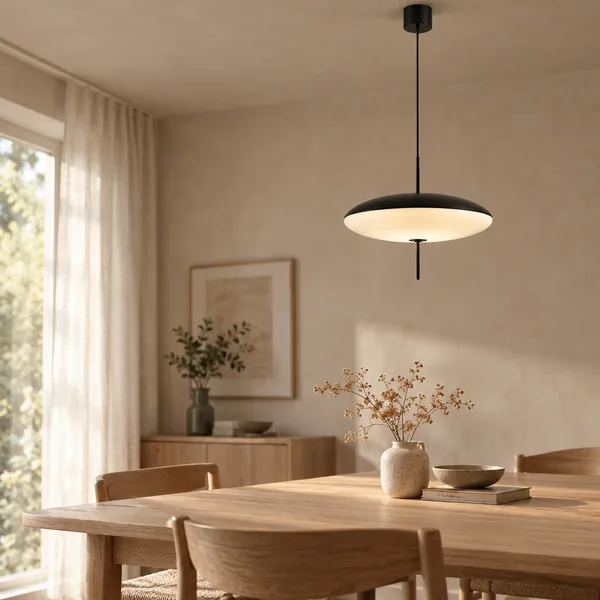 Skiva Saucer Nordic LED Pendant Ceiling Light$179.00$219.00
The Skiva Saucer Nordic LED Pendant Ceiling Light demonstrates how the right fixture solves multiple design challenges simultaneously. Its sculptural saucer form creates a distinctive focal point while casting warm, even light across your dining surface. The Nordic minimalist elegance ensures it complements rather than competes with your overall aesthetic.
Layering light sources enhances both functionality and atmosphere. While your primary fixture provides general illumination, consider supplemental lighting through wall sconces, buffet lamps, or candles. This multi-source approach allows you to adjust the mood and eliminates harsh shadows that single-source lighting can create.
The Five Layers of Dining Room Lighting
Understanding lighting layers helps you create a complete and balanced scheme. Ambient lighting provides overall illumination—typically your ceiling fixture. Task lighting supports specific activities like food preparation or reading recipes. Accent lighting highlights architectural features, artwork, or decorative elements. Decorative lighting includes candles and fixtures chosen primarily for aesthetic impact. Finally, natural light through windows should be maximized during daylight hours.
Each layer serves distinct purposes, and a well-designed space incorporates multiple types. The secret is ensuring they work together cohesively rather than competing for attention.
Curated Elements for a Complete Dining Space
Beyond lighting and table styling, true dining room transformation requires attention to the statements that define the space. Statement pieces—in both lighting and accessories—create the memorable moments that elevate everyday dining into something special.
When selecting these anchor pieces, consider how they relate to one another across your space. A sculptural table centerpiece and an artful ceiling fixture can dialogue with each other, creating visual connection between the horizontal and vertical planes of your room. This interplay of elements is what separates truly considered interiors from spaces that feel randomly assembled.
Skonne Signature Pieces for Your Dining Room
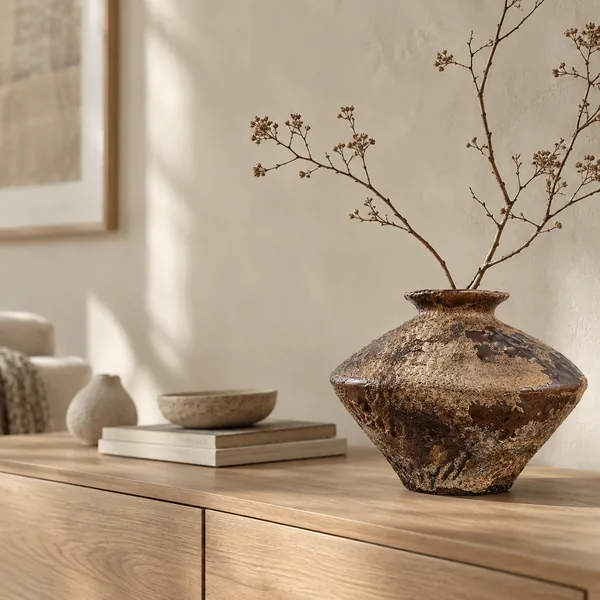 Jorde Handmade Rustic Ceramic Vase Home Decor$129.00$189.00
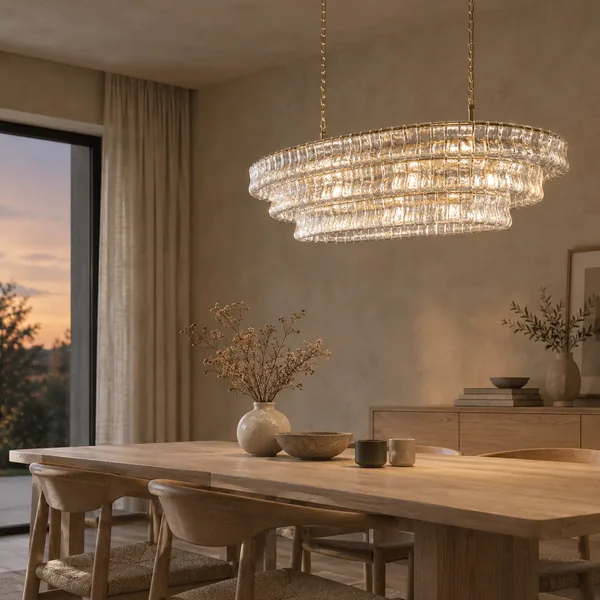 Stjerna Vintage French Clear Glass Chandelier$1,799.00$2,259.00
The Jorde Handmade Rustic Ceramic Vase brings organic texture to your tablescape, its handcrafted imperfections telling a story of artisanal tradition. For those seeking a more dramatic ceiling statement, the Stjerna Vintage French Clear Glass Chandelier transforms dining spaces with its rippled glass layers that scatter warm, shimmering light throughout the room.
These pieces work together to create a layered, collected-over-time aesthetic. The handcrafted ceramic grounds the table with its earthy presence, while the glass chandelier adds vertical interest and refracted light that animates the entire space. Together, they demonstrate how thoughtful object selection creates rooms that feel personal and intentional rather than decorated.
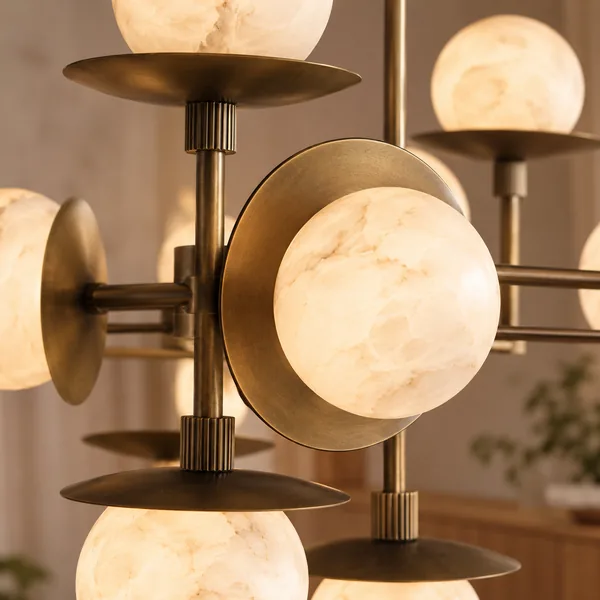
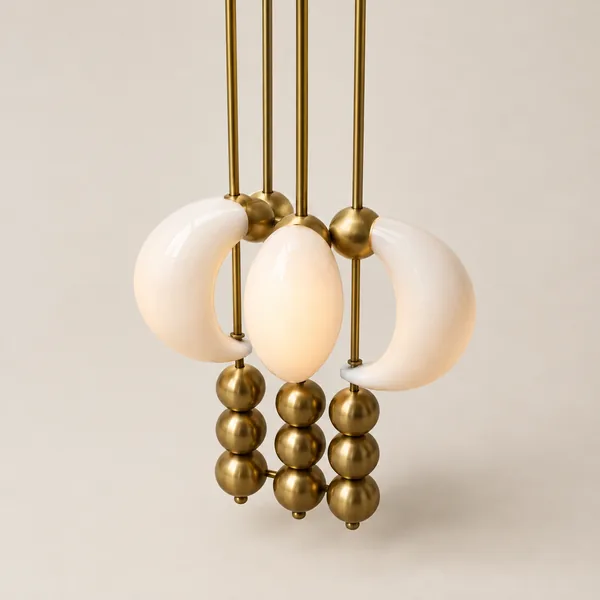
Chandeliers
Shop all Chandeliers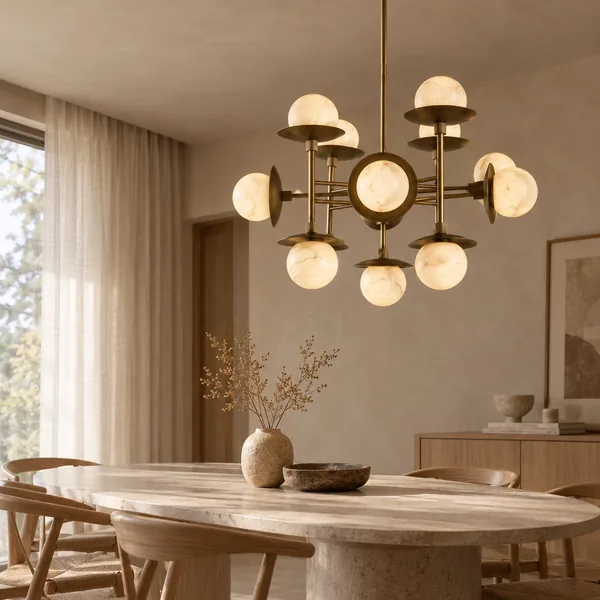
Wall Decor Strategies for Dining Environments
Walls provide the backdrop against which your dining table and lighting choices perform. The key is selecting wall treatments that complement without competing—a challenging balance that Scandinavian design navigates with characteristic grace.
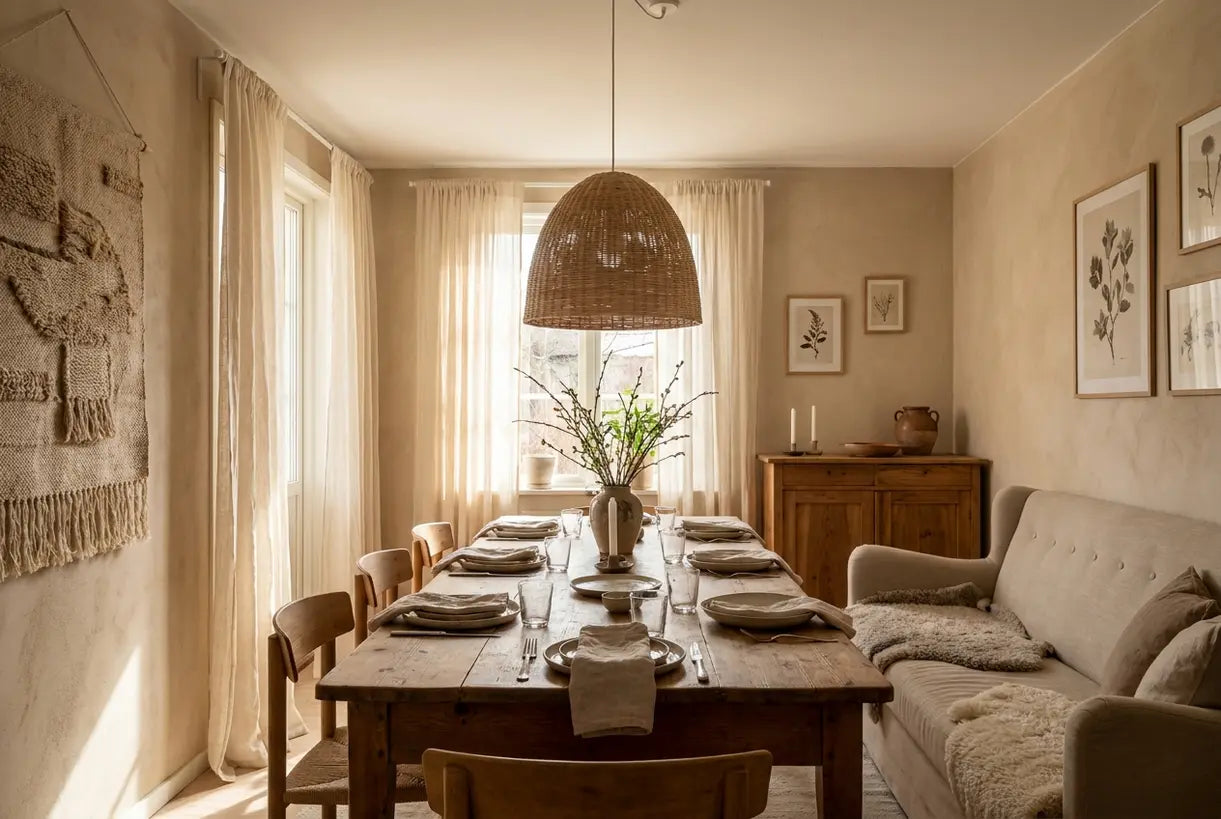
Artwork should reflect your personal taste while maintaining the color and mood established by your overall scheme. In Scandinavian dining rooms, this often means selecting pieces with natural subjects—landscapes, botanicals, or abstract works in earth tones. The scale matters; a single large piece often makes more impact than a cluttered gallery wall, though carefully curated collections can work beautifully when frames and spacing are consistent.
Mirrors serve double duty in dining spaces, reflecting light and visually expanding the room. Positioned to capture and scatter natural light or the glow of your pendant fixture, a well-placed mirror amplifies your lighting investment while adding decorative interest.
Alternative Wall Treatments
Beyond traditional art, consider other wall treatments that add character. Built-in shelving provides display space for ceramics and objects while maintaining the clean lines central to Scandinavian design. Textural treatments like limewash or subtle wallpaper can add depth without visual clutter. Even a simple, well-executed paint color—perhaps a warm off-white or sophisticated neutral—can be enough when paired with intentional lighting and thoughtful furnishings.
The guiding principle is restraint. Choose fewer, more significant pieces rather than filling every surface. Let walls breathe, creating negative space that allows your eye to rest and your selected pieces to truly command attention.
Creating Atmosphere Through Layered Design
The most memorable dining rooms share one quality: they engage all the senses. Beyond what you see, consider what you feel—the texture of your chair upholstery, the weight of ceramic in your hand, the warmth of light on your skin. This multisensory approach is where Scandinavian design excels, prioritizing human comfort alongside visual appeal.
Sound matters too. Soft textiles like curtains, upholstered seating, and even table linens absorb echo, creating acoustics that support conversation. The hard surfaces common in modern dining spaces—tile floors, glass tables, bare walls—can create harsh sound environments. Balance these with softer elements that make the room feel intimate.
Scent, though not strictly decor, completes the atmosphere. Consider how candles, whether clustered as a centerpiece or placed on a sideboard, add both gentle light and subtle fragrance. The ritual of lighting candles signals the transition from daily life to shared meal, marking time and creating occasion from the ordinary.
Conclusion
Creating a dining room that feels both beautiful and livable requires attention to the interplay between all elements—your home decor dining table, the lighting above it, the walls surrounding it, and the atmosphere you cultivate within it. The Scandinavian approach offers a blueprint: prioritize quality over quantity, embrace natural materials, and let each piece earn its place through both function and beauty.
At Skonne, we believe that the objects we live with should enhance our daily rituals rather than complicate them. From sculptural pendants that cast the perfect glow to handcrafted vases that bring organic warmth to your table, our curated collection supports the creation of dining spaces where memories are made. Because ultimately, the best dining room is not one that impresses visitors, but one that welcomes the people you love most to gather, linger, and connect.
Related Article
Cheap Home Decor: Best Budget-Friendly Ideas, Stores & Brands That Don't Sacrifice StyleDiscover budget-friendly home decor ideas, affordable stores, and stylish brands that prove you don't need to spend a fortune to create a beautiful space.