
Home Decor Fabric & Textiles: How to Use Fabrics, Throws & Soft Furnishings to Transform a Room
Summary›
- The Transformative Power of Textiles in Interior Design
- Understanding Different Types of Home Decor Fabrics
- How to Choose the Right Textiles for Your Space
- Mastering the Art of Throw and Pillow Styling
- Layering Textiles for Maximum Impact
- Balancing Soft and Hard Elements
- Room-by-Room Textile Strategies
- Caring for Your Home Textiles
- Conclusion: Creating Your Textile-Layered Sanctuary
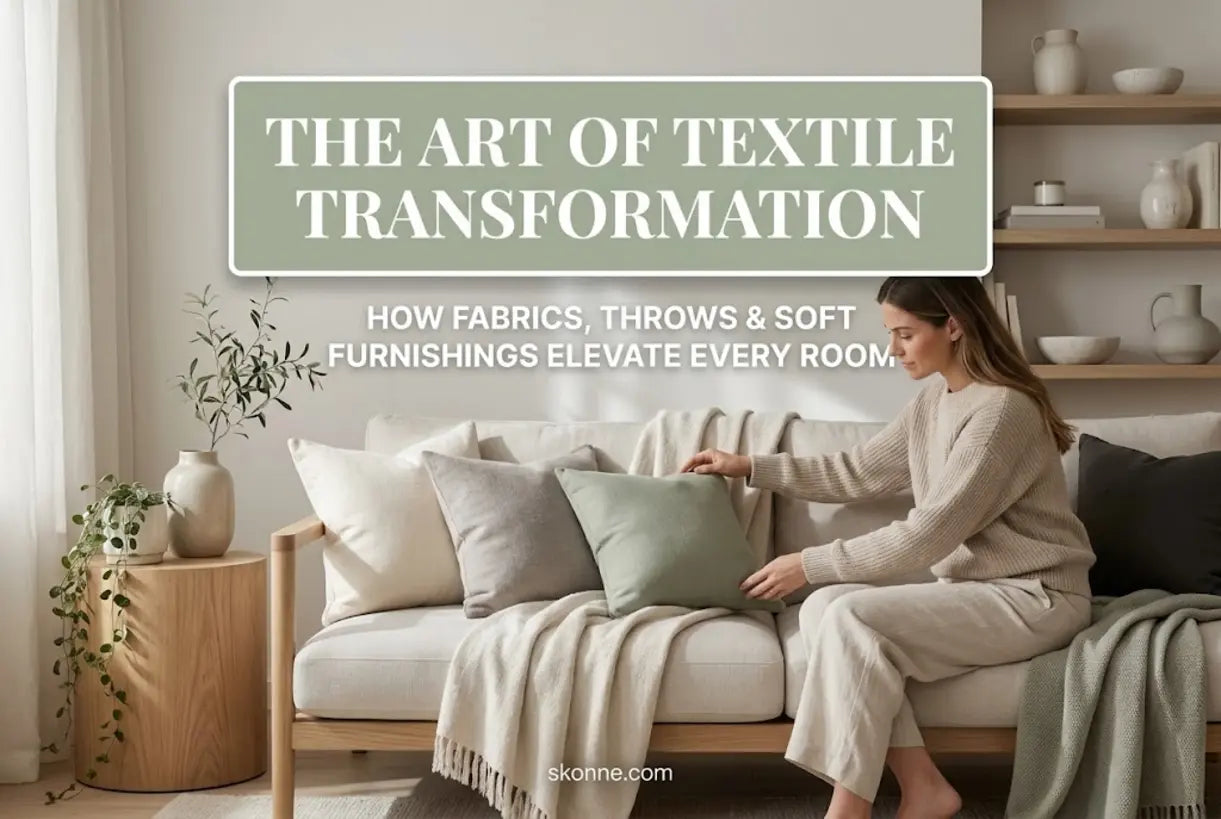
Walking into a room that feels genuinely inviting isn't just about the furniture or the color on the walls. It's about the textiles—the soft layers that invite you to touch, to sit, to stay awhile. Whether you're refreshing a tired living room or creating a sanctuary in your bedroom, home decor fabric holds transformative power that paint and furniture alone cannot achieve.
For homeowners and renters seeking that Scandinavian sense of hygge—that warm, cozy atmosphere where every element feels intentional—understanding how to work with fabrics, throws, and soft furnishings is essential. This guide will walk you through expert strategies for selecting, styling, and layering textiles to create spaces that feel lived-in, elevated, and unmistakably yours. Along the way, you'll discover how the right pieces can solve common design challenges while bringing that curated Nordic aesthetic into your home.
The Transformative Power of Textiles in Interior Design
Textiles do more than add color or pattern—they fundamentally alter how we experience a space. The right home decor fabric can soften harsh acoustics, introduce tactile warmth to minimalist settings, and create visual cohesion across different furniture pieces. In Scandinavian design philosophy, textiles aren't afterthoughts; they're essential tools for achieving balance between function and comfort.
Consider how a room changes when you add a chunky knit throw to a leather sofa, or when linen curtains filter afternoon light. These aren't merely decorative choices—they're sensory experiences that affect how you feel in your space. The goal isn't to overwhelm with patterns and textures, but to layer intentionally, creating depth without chaos.
Understanding Different Types of Home Decor Fabrics
Before selecting textiles, it's important to understand the materials available and their unique properties. Each fabric brings different strengths to your interior design scheme.
Natural Fiber Options
Natural fibers remain the gold standard for quality home textiles. Linen offers breathability and a relaxed, lived-in texture that improves with age—perfect for achieving that effortless Scandinavian look. Cotton provides versatility and easy care, making it ideal for everyday throws and cushions. Wool brings unmatched warmth and texture, while silk and velvet add touches of luxury for accent pieces.
Synthetic and Blended Fabrics
Modern synthetic fabrics and blends offer durability and stain resistance that natural fibers sometimes lack. These can be excellent choices for high-traffic areas or homes with children and pets. However, for that authentic hygge feeling, natural materials often provide the tactile warmth that makes a space feel truly welcoming.
Pro Tip: When sourcing home decor fabric, prioritize materials that feel good against your skin. You'll interact with these textiles daily—inhale their scent, feel their weight, and trust your sensory instincts.
For those looking to explore more options, our Decorative Vases collection pairs beautifully with soft textiles for a complete, balanced aesthetic.
How to Choose the Right Textiles for Your Space
Selecting textiles requires balancing practical considerations with aesthetic goals. Start by assessing your room's existing palette and identifying where you need warmth, color, or texture.
For minimalist Scandinavian interiors, neutral textiles in cream, taupe, and soft gray create cohesion without visual clutter. If your space feels too stark, introduce subtle pattern through woven textures rather than bold prints. For rooms lacking architectural interest, consider textiles with dimensional weaves or subtle textural variations.
Scale matters significantly. In smaller spaces, lighter fabrics in pale tones prevent heaviness. Larger rooms can accommodate weightier textiles and darker colors that might overwhelm compact areas. Always consider the function of the space—soft, plush fabrics suit bedrooms and lounging areas, while more structured textiles work well in dining or formal living spaces.
Home Decor
Shop all Home Decor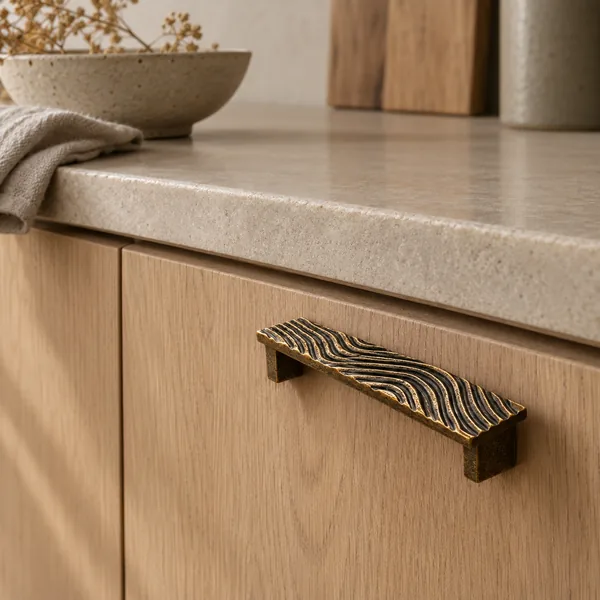

 Save $44.50
 2 options
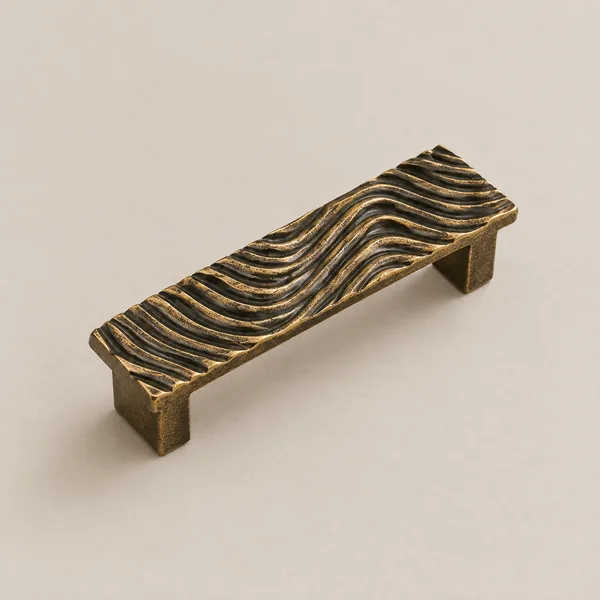
Tassa Polished Brass Dog Cabinet Pull Handle
 Save $110.00


 +15 options
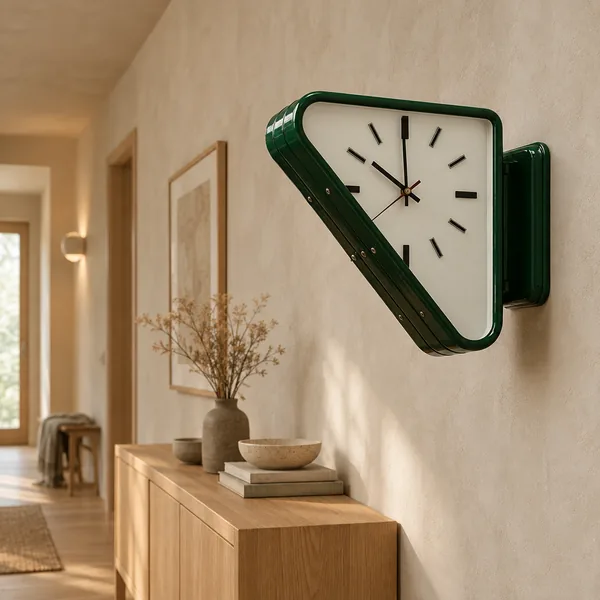
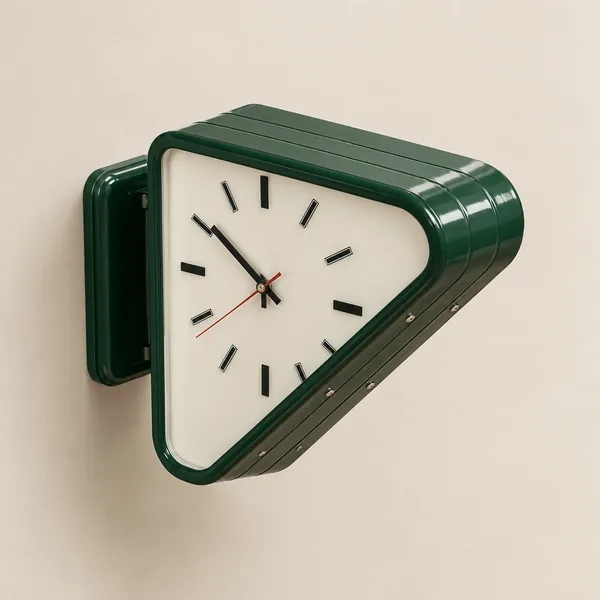
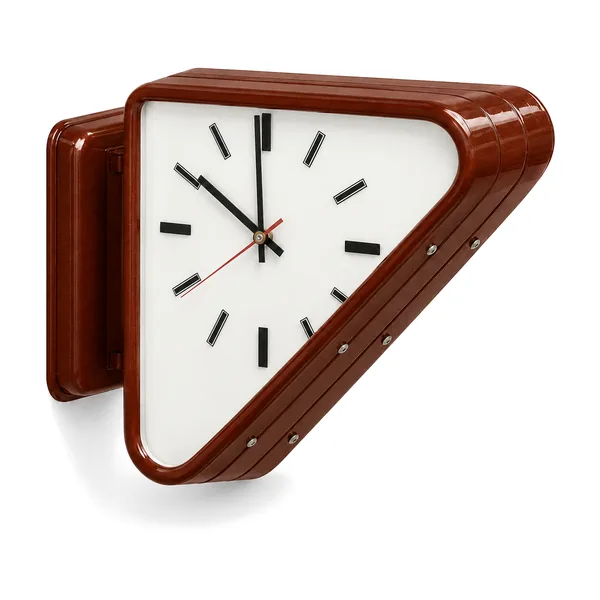
Tvilling Dual-Sided Geometric Metal Wall Clock
Mastering the Art of Throw and Pillow Styling
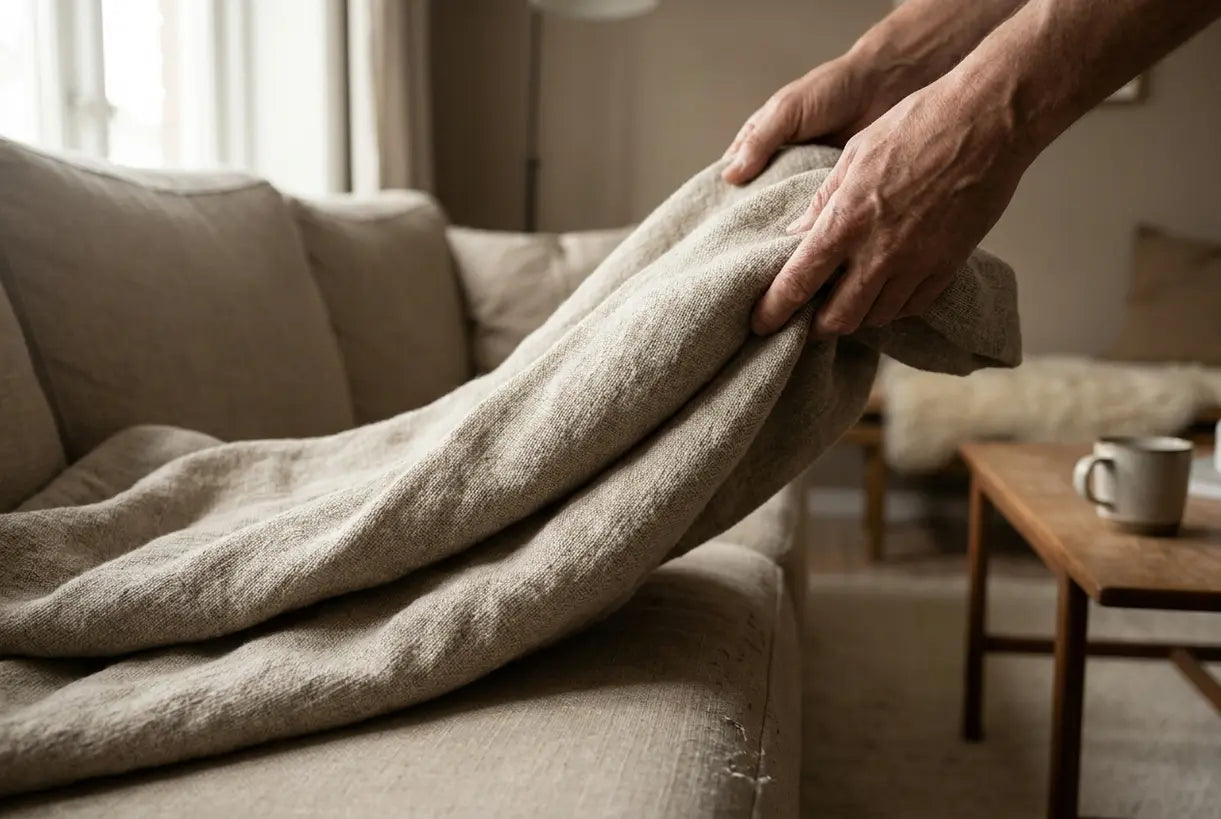
Throw blankets and decorative pillows offer the easiest entry point into textile styling. These accessible pieces allow experimentation without major commitment, and they can be rotated seasonally to refresh your space.
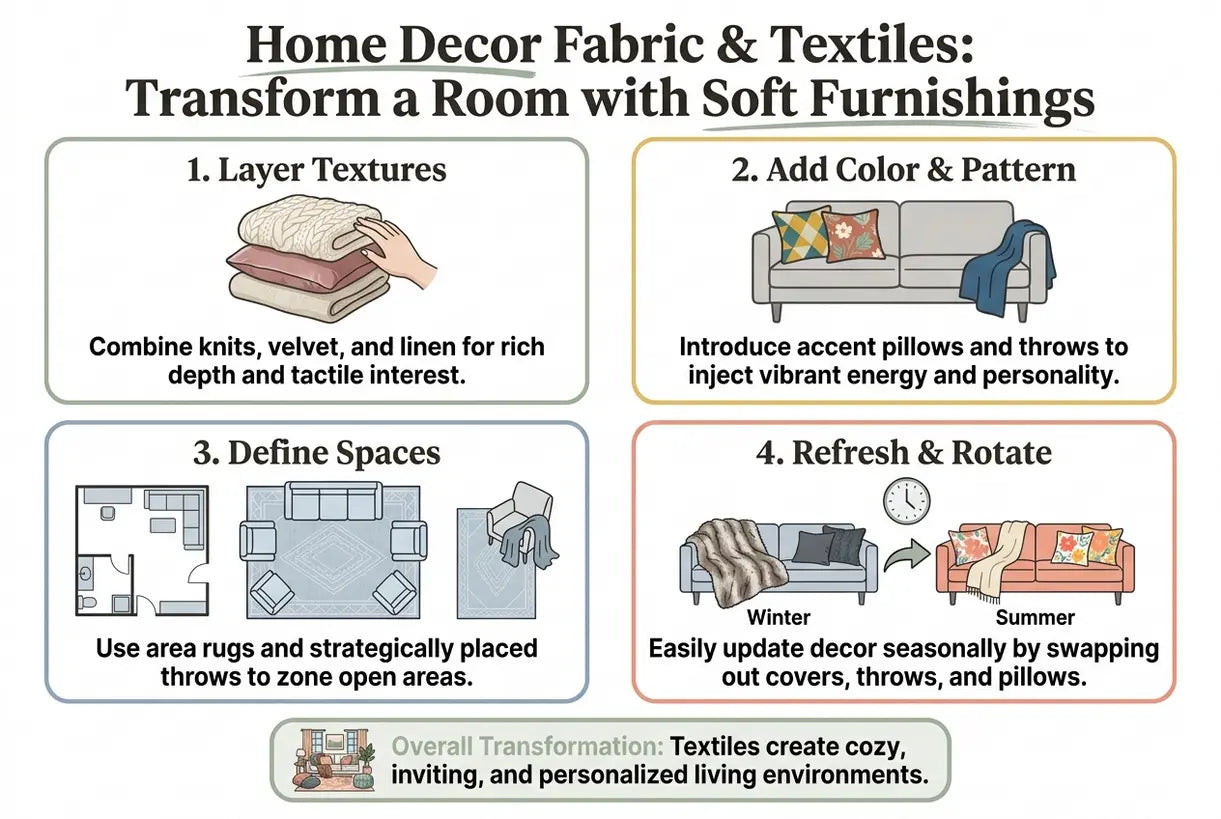
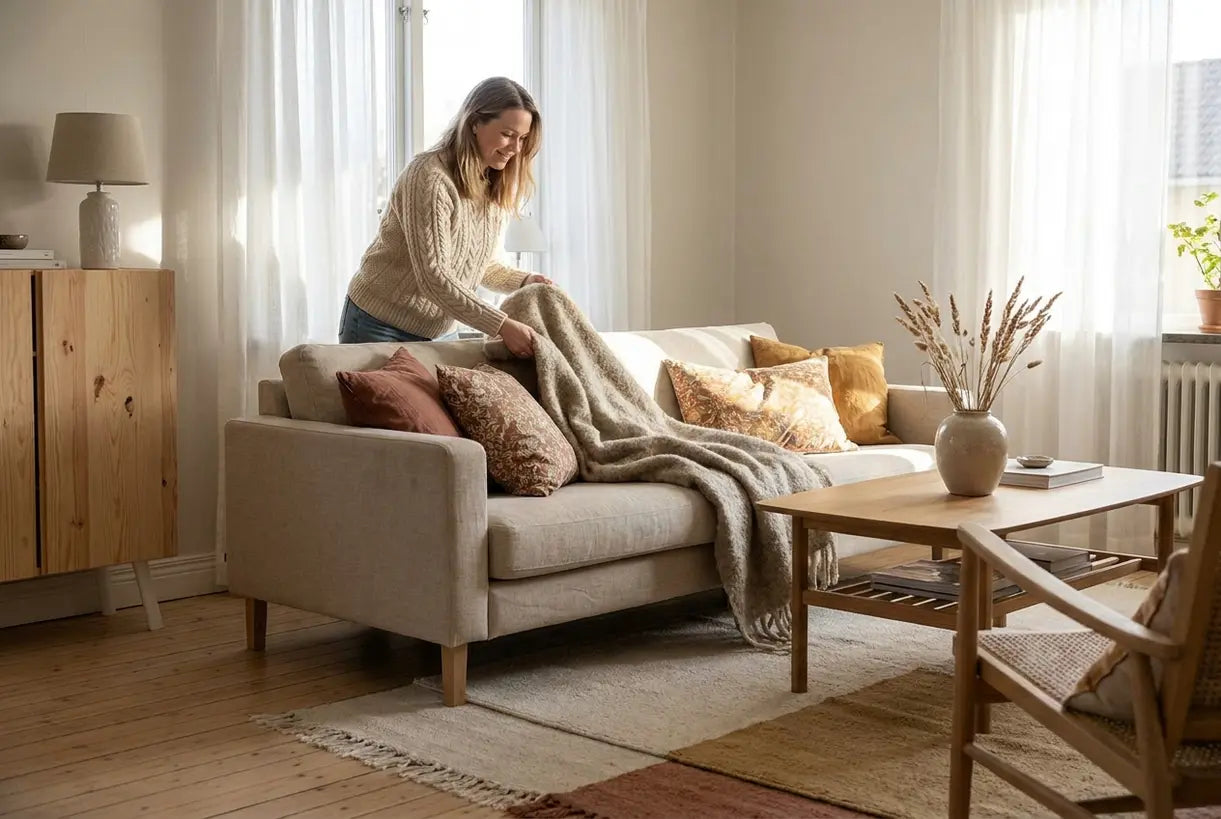
The key to professional-looking styling lies in thoughtful layering. Start with larger base cushions in neutral tones, then add medium-sized pillows in complementary textures. Finish with one or two smaller accent pillows featuring subtle patterns or contrasting materials. For throws, the "effortlessly draped" look actually requires intention—fold blankets loosely and drape them over sofa arms or chair backs at natural break points.
Layering Textiles for Maximum Impact
True textile mastery involves layering different materials, weights, and textures to create dimensional, interesting spaces. Think about combining smooth cotton with nubby wool, or pairing crisp linen with soft velvet. The contrast between textures adds visual interest even within a monochromatic color scheme.
Start from the bottom up: rugs anchor the space and define zones, curtains frame windows and control light, upholstery provides the foundation, and decorative throws and pillows add the finishing personality. Each layer should complement the others without competing for attention.
When selecting pieces for your personal sanctuary, consider how textiles extend beyond the living room. The Varda Luxury Organic Cotton Jacquard Bathrobe brings that same thoughtful textile approach to your daily routine, wrapping you in hotel-grade organic cotton that transforms ordinary moments into luxurious experiences.
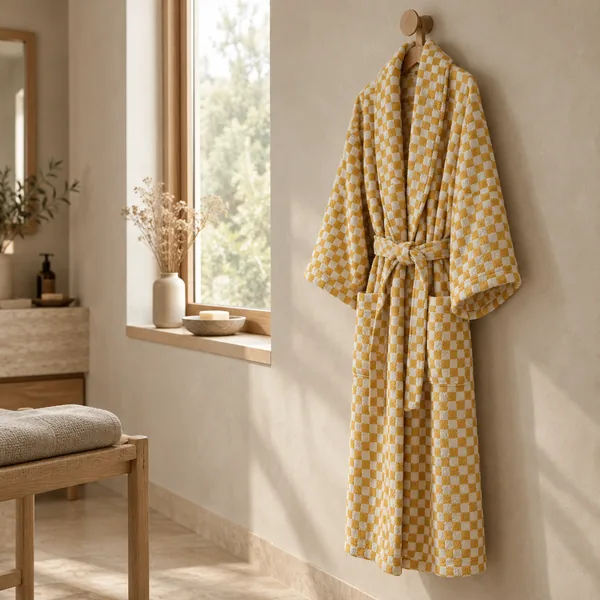 Varda Luxury Organic Cotton Jacquard Bathrobe$169.00
Balancing Soft and Hard Elements
The most successful interiors balance soft textiles with harder materials like wood, metal, and ceramic. This interplay creates visual tension and prevents spaces from feeling either too cold and stark or overly soft and cluttered.
Scandinavian design exemplifies this balance—clean-lined wooden furniture pairs with plush sheepskins, ceramic vessels sit atop woven table runners, and glass pendant lights cast warm glows over soft linen upholstery. The goal is equilibrium: for every hard surface, introduce a softening textile element.
Consider your bathroom, often overlooked in textile planning. Quality towels function as both practical necessities and decorative elements. The Halvvmyr Rust Stripe Combed Cotton Bath Towel demonstrates how everyday textiles can elevate a space through thoughtful Nordic design—its retro stripes and superior absorbency bring warmth to your morning routine.
Similarly, the Jorde Handmade Rustic Ceramic Vase illustrates the power of pairing soft textiles with artisanal hard surfaces. Place this handcrafted ceramic piece on a textured runner or beside a folded linen napkin to create a vignette that celebrates material contrast.
Curated Textiles & Accents for Your Home
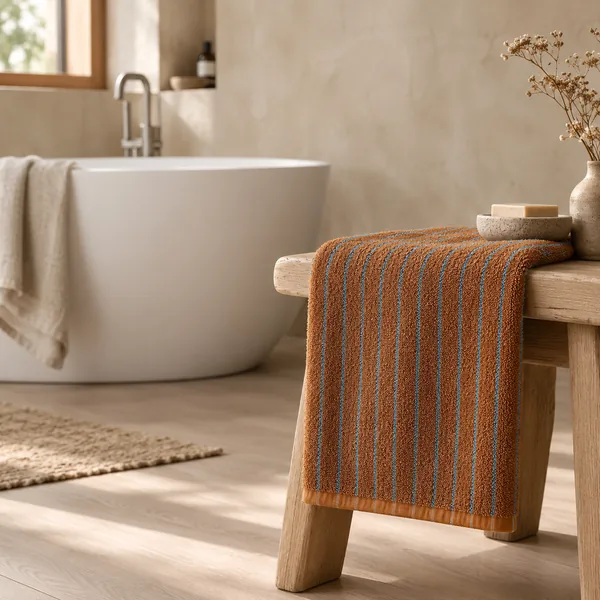 Halvmyr Rust Stripe Combed Cotton Bath Towel$29.00$39.00
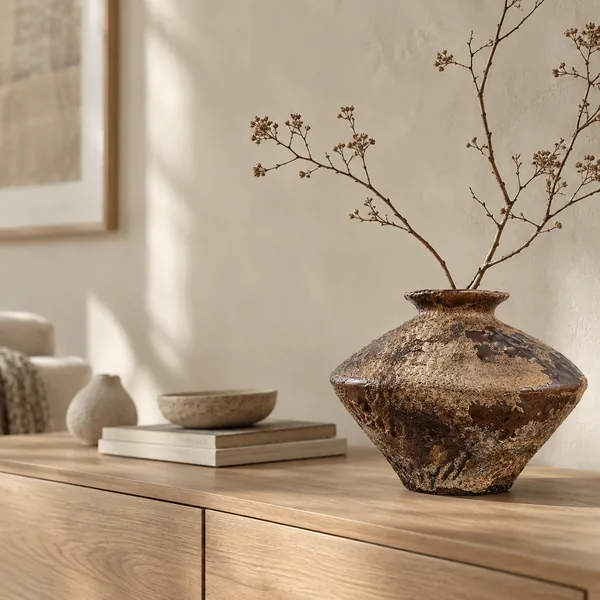 Jorde Handmade Rustic Ceramic Vase Home Decor$129.00$189.00
Room-by-Room Textile Strategies
Each room in your home presents unique textile opportunities and challenges. Tailoring your approach to specific spaces ensures cohesive design throughout.
Living Room Textiles
The living room typically hosts the most textile variety. Start with a rug that grounds the seating area—natural fibers like wool or jute work beautifully in Scandinavian-inspired spaces. Layer curtains that provide privacy while filtering light, and finish with an edited collection of throws and pillows that invite relaxation without creating visual chaos.
Bedroom Sanctuary
Bedrooms call for the softest, most comforting textiles. Invest in quality bedding in breathable natural fibers, add a textile headboard or wall hanging for acoustic softness, and layer multiple throw options at the foot of the bed. Consider a plush area rug beside the bed for that first morning step.
Bathroom Textile Considerations
Bathrooms often get neglected in textile planning, but they're essential spaces for material comfort. High-quality towels in materials like combed cotton provide daily luxury, while a well-chosen bath mat prevents cold tile shock. Even a simple linen curtain or woven storage basket introduces warmth to these functional spaces.
Lighting
Shop all Lighting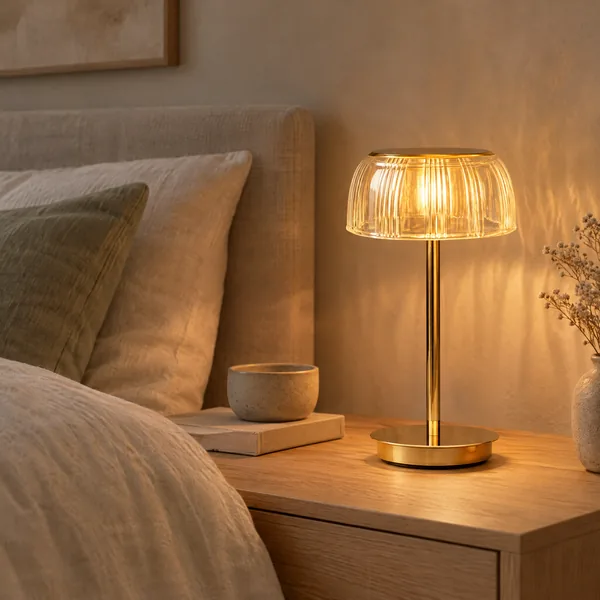
 Save $30.00
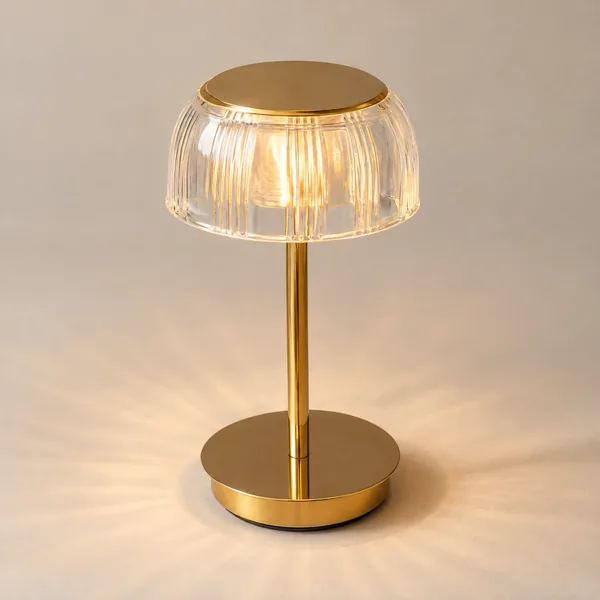
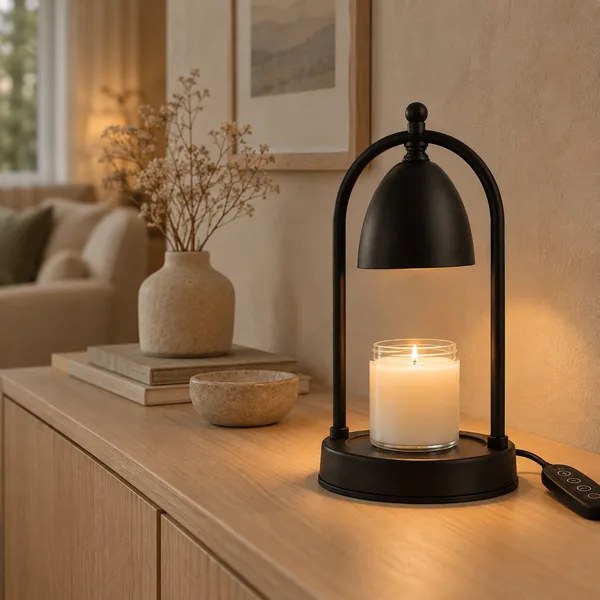
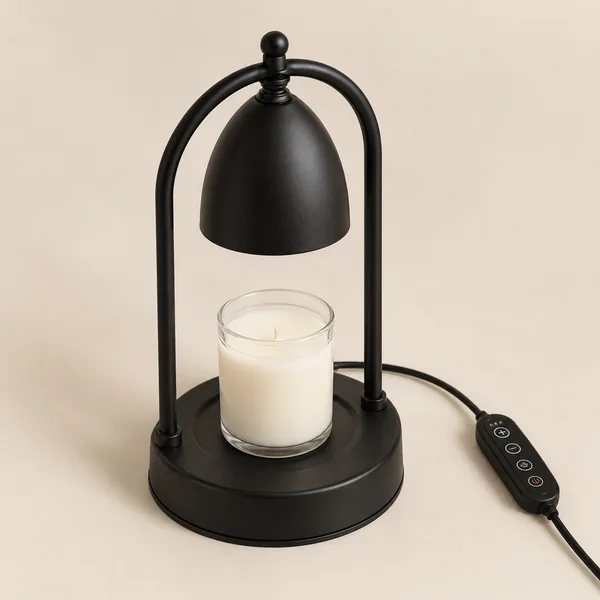
Kvalla Jellyfish LED Rechargeable Table Lamp
 Save $140.00
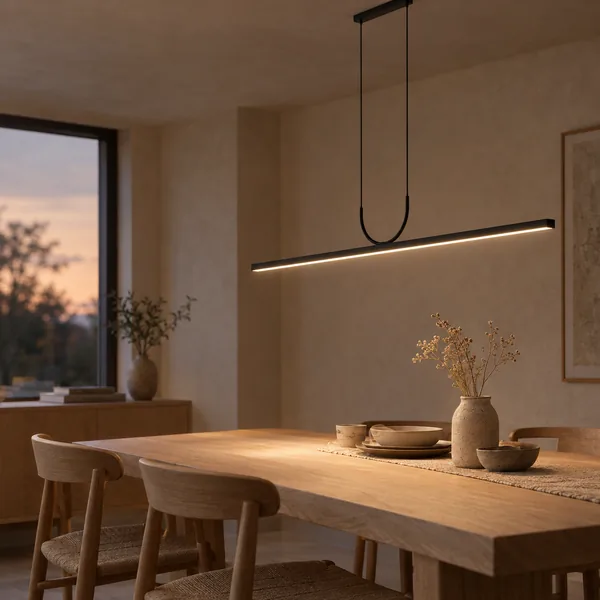
Linné Minimalist Linear Black LED Pendant Light
 Save $60.00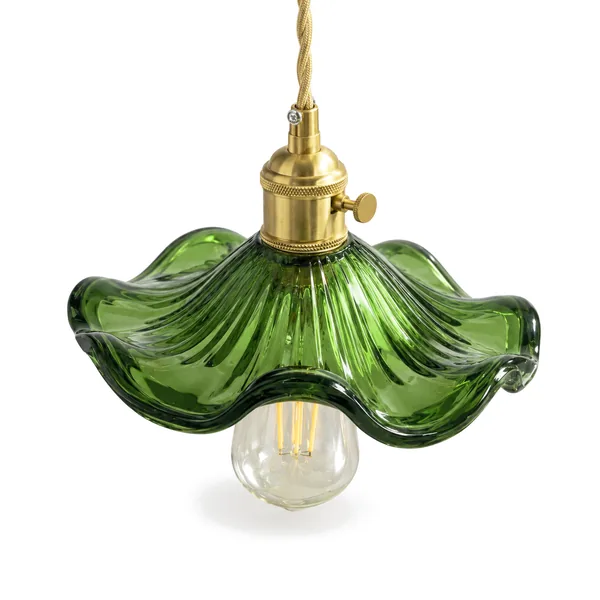
 3 options
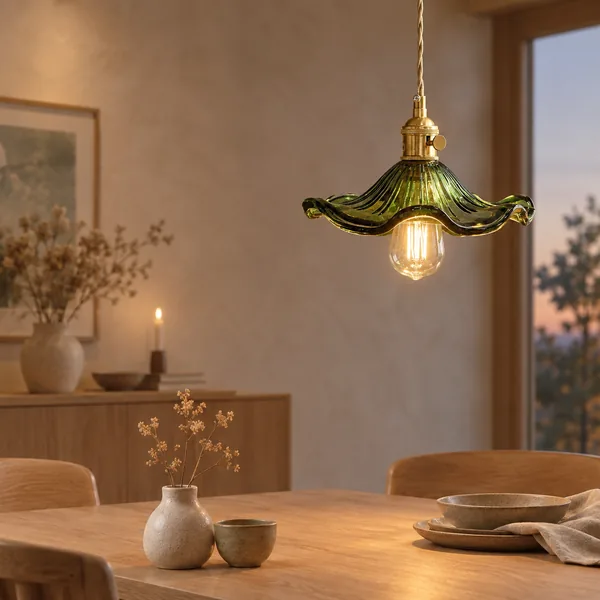
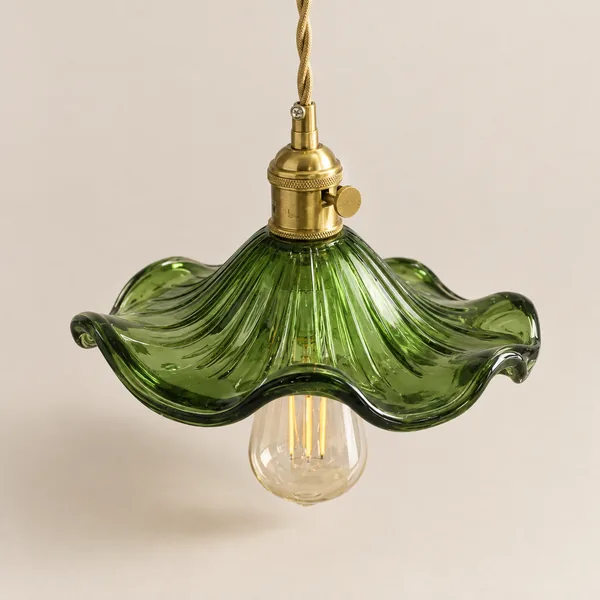
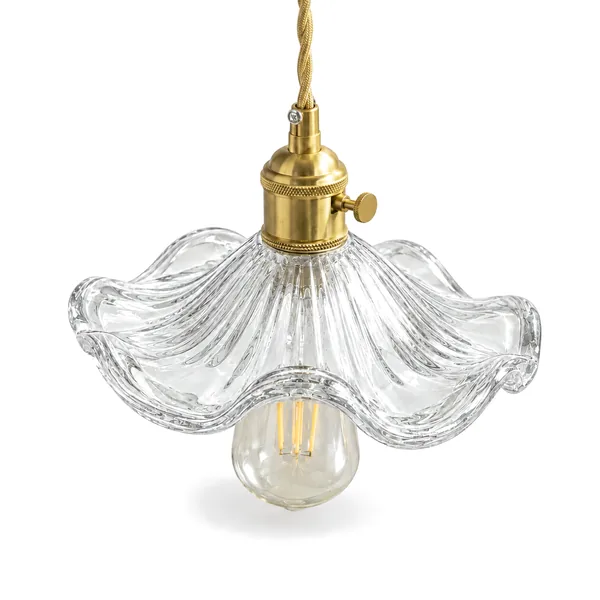
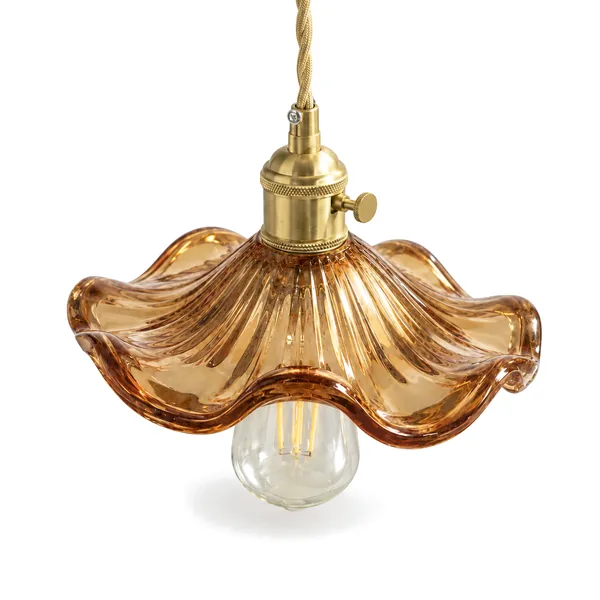
Glora Nordic Glass Pendant Light with Copper
Caring for Your Home Textiles
Quality textiles represent an investment in your daily comfort and your home's aesthetic. Proper care extends their lifespan and maintains their beauty.
Always follow manufacturer care instructions, but general principles apply across materials: wash in cold water to prevent shrinkage and fading, avoid harsh detergents that degrade natural fibers, and air dry when possible to preserve texture. For delicate items like wool throws or embroidered cushions, professional cleaning may be worth the expense.
Store seasonal textiles properly—clean items before storing, use breathable containers rather than plastic, and add natural moth deterrents like cedar or lavender for wool pieces. With proper care, quality textiles become heirlooms that improve with age.
Conclusion: Creating Your Textile-Layered Sanctuary
Transforming a room through home decor fabric isn't about following rigid rules—it's about understanding how textiles affect our sensory experience of space and making intentional choices that serve both function and beauty. Whether you're adding a single statement throw or completely reimagining your textile layers, the principles remain the same: prioritize quality materials, embrace natural textures, balance soft and hard elements, and always trust what feels right to you.
At Skonne, we curate textiles and home accessories that honor Scandinavian design principles while addressing the practical needs of modern living. From organic cotton bathrobes that elevate your morning routine to handcrafted ceramic vases that anchor your shelves, each piece is selected to help you create that warm, intentional atmosphere where life feels genuinely good.
Your home should be a sanctuary that welcomes you at the end of each day. The right textiles—chosen thoughtfully, arranged intentionally, and cared for properly—create the foundation for that feeling. Start with one room, one textile change, and notice how the space transforms around you.
Related Article
1990s Home Decor: Nostalgic, Retro Style Ideas & How to Bring the 90s BackRelive the magic of the 90s with nostalgic home decor ideas. From sculptural lighting to warm wood tones, discover how to bring retro style into your modern space.