
Living Room Home Decor Ideas: How to Style Your Lounge for Every Taste & Budget
Summary›
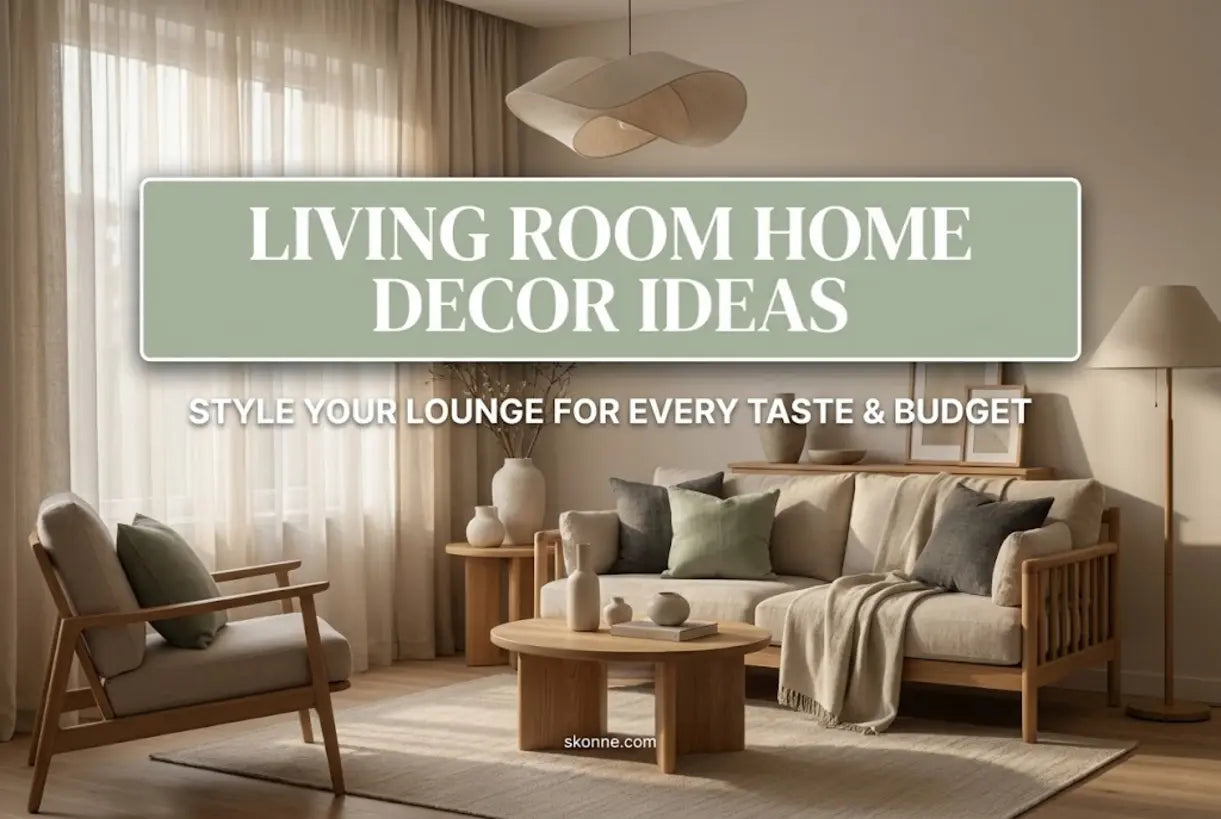
Creating a living room that feels both beautiful and livable is one of the most rewarding design challenges you'll undertake. Whether you're moving into your first home in a bustling city, refreshing a space you've loved for years, or simply craving a change, the right home decor ideas for living room spaces can transform how you experience your daily life. Your living room isn't just furniture and paint—it's where morning coffee rituals happen, where friends gather for wine and conversation, and where you finally exhale at the end of a long day.
At Skonne, we believe that exceptional living room design doesn't require an unlimited budget or a degree in interior architecture. What it does require is intentionality—the understanding that every piece you bring into your space should serve both a functional purpose and an emotional one. In this guide, we'll explore everything from modern living room design principles to budget living room makeover strategies, all filtered through the warm, curated lens of Scandinavian-inspired aesthetics. By the end, you'll have the inspiration and practical tools to create a lounge that truly feels like home.
Understanding Living Room Decor Fundamentals
Before diving into specific styles and pieces, it's essential to understand the underlying principles that make a living room feel cohesive rather than chaotic. The most successful cozy living room decor follows certain guiding frameworks that help you make confident decisions about what to keep, what to add, and what to let go.
One such framework is the 3-5-7 rule of decorating, a designer trick that suggests arranging items in odd numbers creates more visual interest and memorability than even-numbered groupings. When styling your coffee table, bookshelf, or sideboard, try grouping three, five, or seven objects together—varying their heights, textures, and materials for dynamic appeal. This simple principle can elevate even the most casual arrangements into something that feels professionally curated.
Another helpful guideline applies to lighting: in any living room, aim for at least three sources of light. This typically includes ambient overhead lighting, task lighting for reading or working, and accent lighting to highlight artwork or architectural features. Layering your lighting this way creates depth and dimension while allowing you to adjust the mood of your space throughout the day.
Living Room Lighting
Shop all Living Room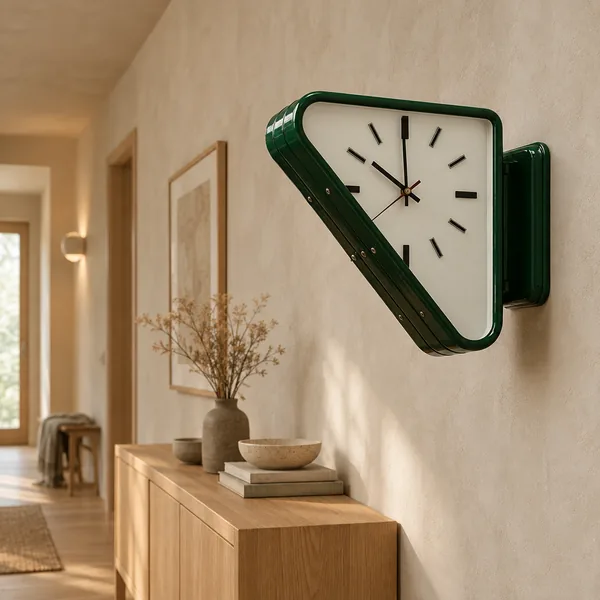
 Save $110.00
 +15 options
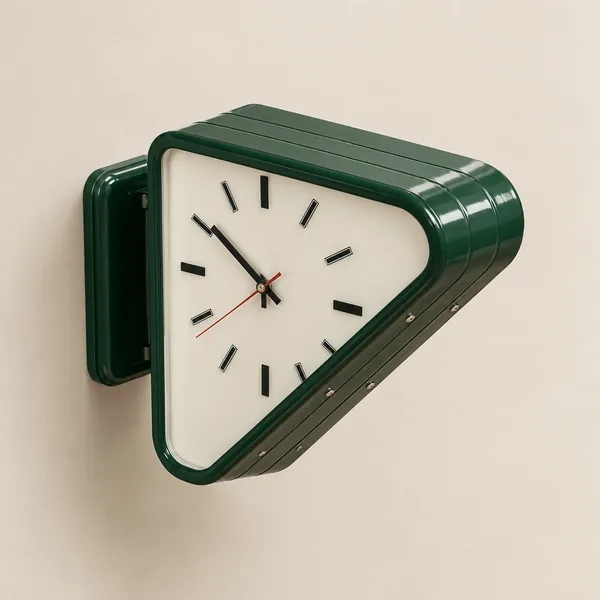
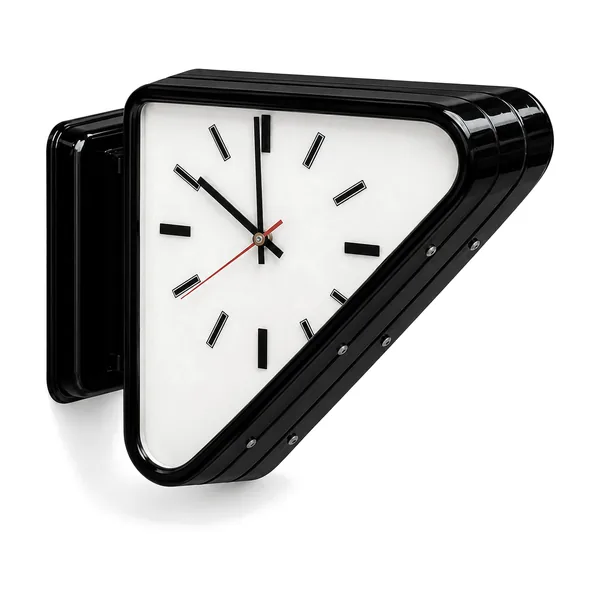
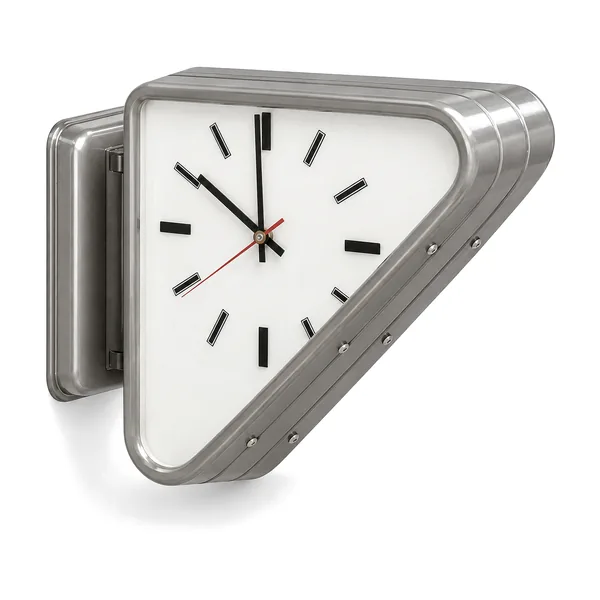
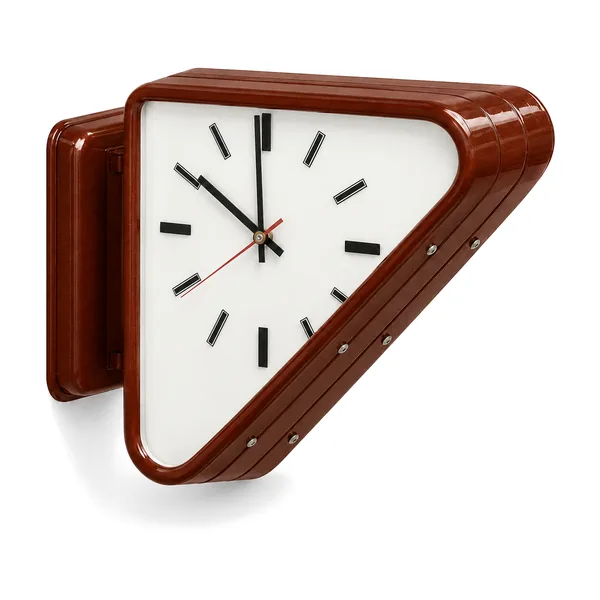
Tvilling Dual-Sided Geometric Metal Wall Clock
 Save $70.00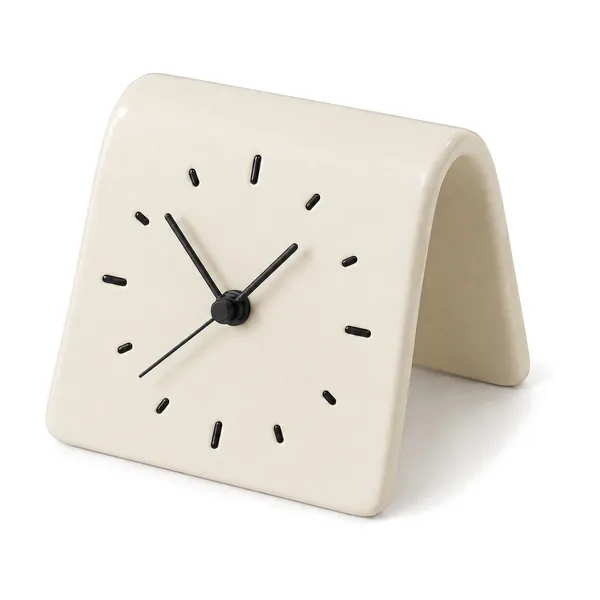
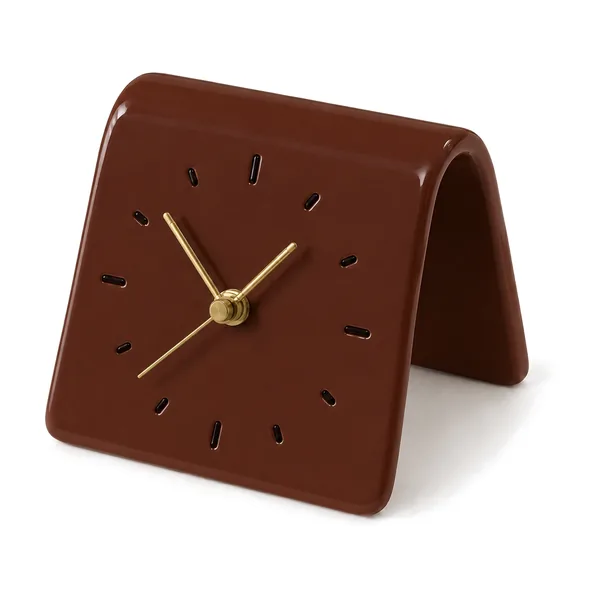
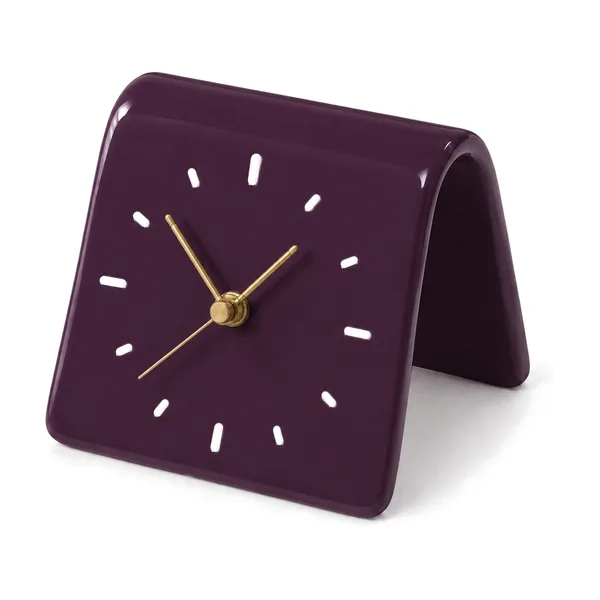 +37 options
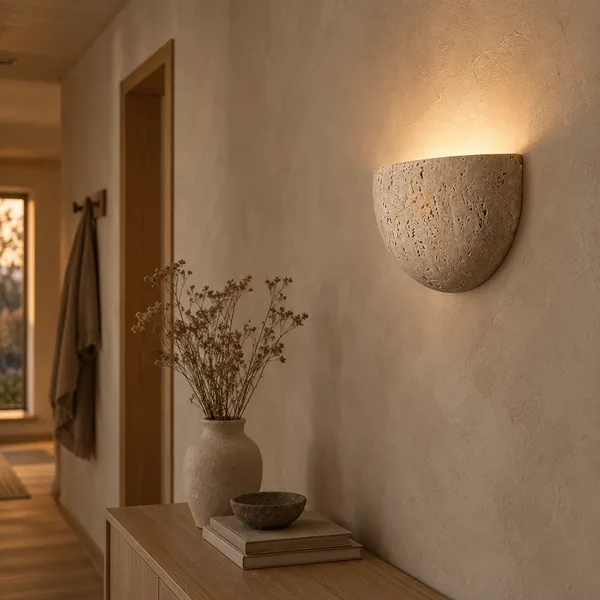
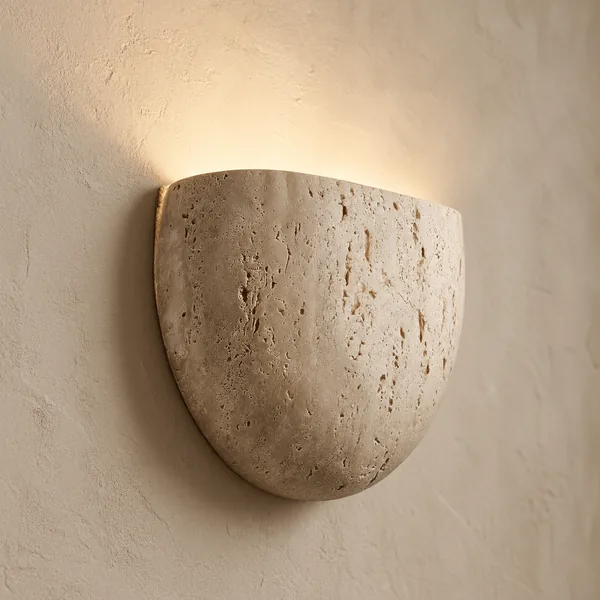
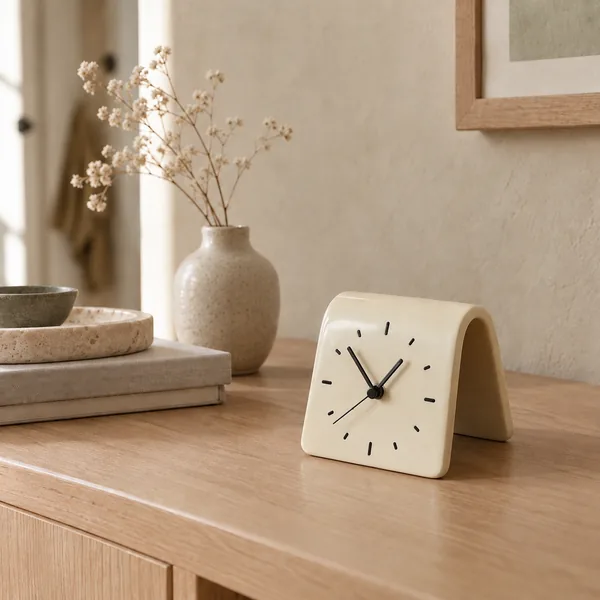
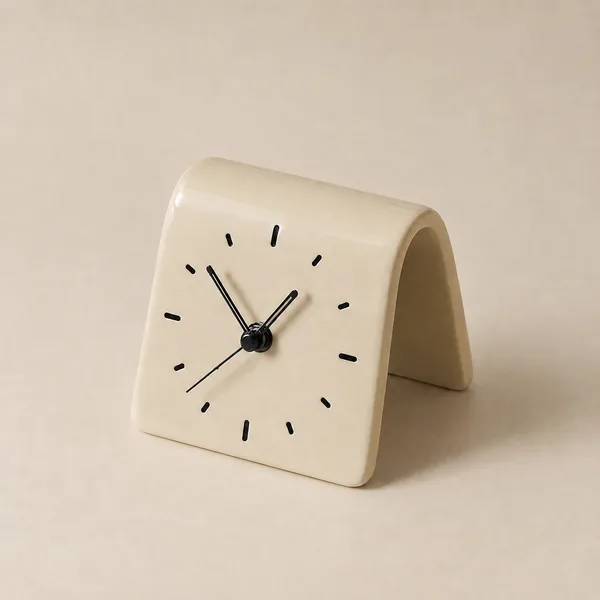
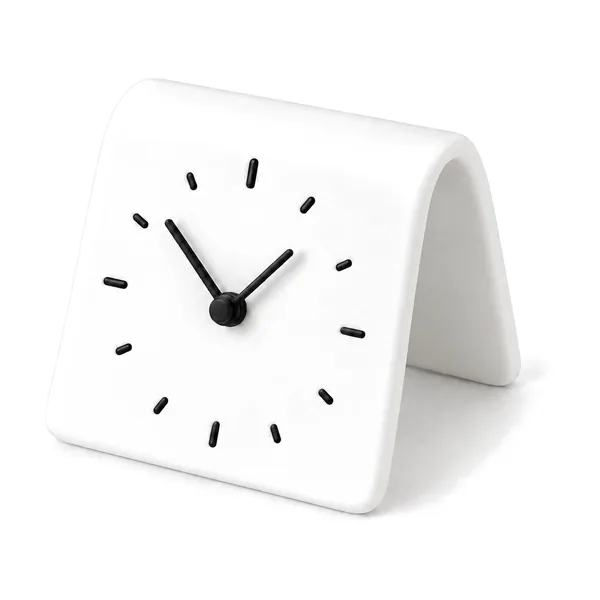
Tilje Silent Ceramic Desk Clock for Modern Homes
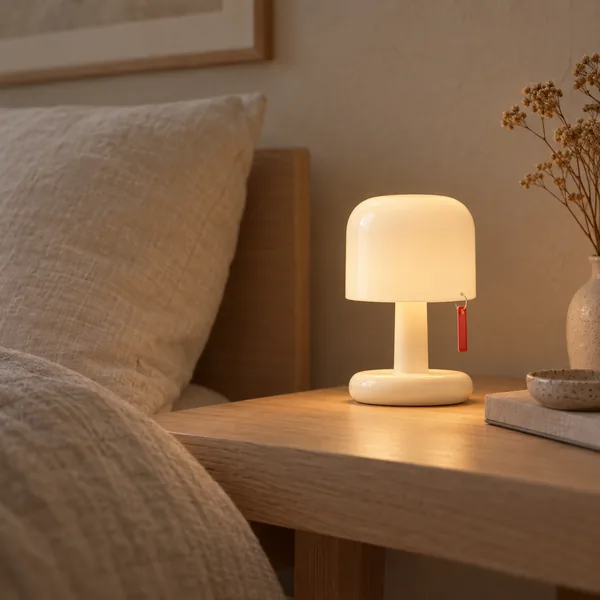
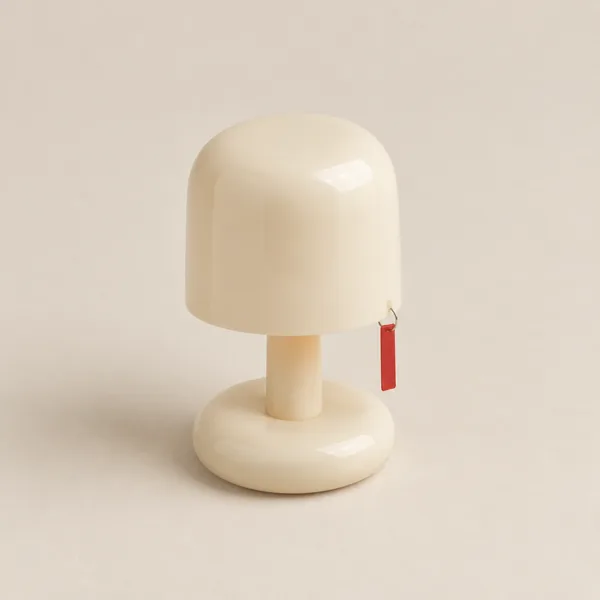
The Power of Lighting in Living Room Design
Lighting is perhaps the most transformative element in any home decor scheme, yet it's often treated as an afterthought. In Scandinavian design philosophy, lighting isn't merely functional—it's central to creating that coveted sense of hygge, the Danish concept of cozy contentment. The right lighting can make a small room feel spacious, a dark corner inviting, and a neutral palette rich with warmth.
When considering home decor ideas for living room transformations, start by evaluating your current lighting situation. Harsh overhead fixtures can make even the most thoughtfully decorated room feel sterile. Instead, look for ways to introduce softer, more diffused light sources that create pools of gentle illumination throughout your space.
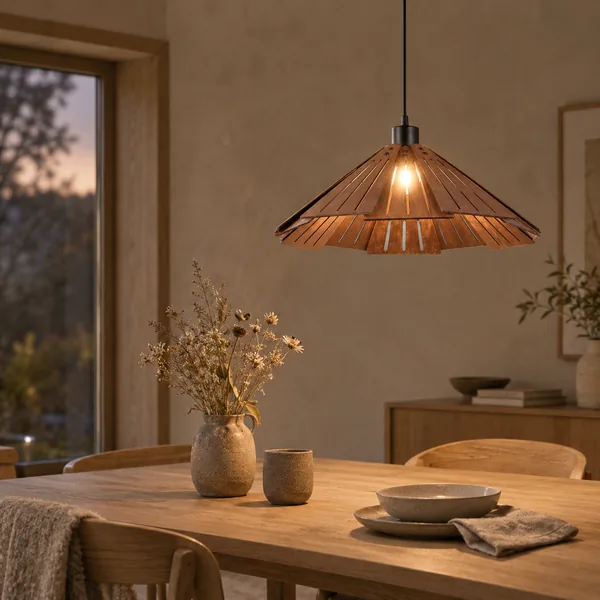 Vedra Natural Walnut Wood Nordic Pendant Light$159.00$239.00
The Vedra Natural Walnut Wood Nordic Pendant Light exemplifies the Scandinavian approach to lighting design. With its warm walnut wood construction and organic silhouette, this piece doesn't just illuminate your room—it becomes a sculptural element that draws the eye upward and adds natural warmth to your ceiling plane. Hung over a coffee table or dining nook within your open-concept living area, it creates an intimate atmospheric circle that encourages lingering conversations and relaxed evenings.
Scandinavian-Inspired Styling Principles
Scandinavian design has remained perennially popular for good reason. Born from the Nordic climate where long winters demand interiors that feel warm and inviting, this aesthetic balances clean lines with organic textures, minimalism with meaningful objects. When applied to your neutral living room styling approach, these principles create spaces that feel simultaneously elevated and approachable.
The foundation of any Scandinavian living room ideas palette begins with a neutral base: soft whites, warm greys, and natural wood tones form the canvas. But the magic happens in the layers you add on top. Think sheepskin throws draped over oak frames, linen cushions in muted terracotta and sage, and ceramic vessels that carry the imperfect beauty of human craftsmanship.
Functionality remains paramount in Scandinavian design. Every piece should earn its place through usefulness as well as beauty. This doesn't mean stark minimalism—it means choosing quality over quantity, selecting items that bring you genuine joy and daily utility. A well-designed Nordic living room feels lived-in, not staged; curated, not cluttered.
Small Space Solutions That Feel Intentional
Not everyone has the luxury of a sprawling open-concept lounge, but small living rooms offer unique opportunities for intimate, curated design. The key to successful small living room home decor lies in choosing pieces that serve multiple functions while maintaining visual lightness. In compact spaces, every square foot matters, but that constraint often leads to more creative, personal solutions.
Start by considering scale. Oversized sectionals might be tempting, but in a smaller room, they can overwhelm the space and make it feel cramped. Instead, opt for furniture with exposed legs—the visual space underneath creates an airy feel. Choose a loveseat or apartment-sized sofa paired with a single statement armchair rather than a full matching set. This asymmetry actually makes a room feel larger and more sophisticated.
Vertical space is your ally in small rooms. Tall bookshelves draw the eye upward, while wall-mounted lighting eliminates the footprint of floor and table lamps. Mirrors strategically placed opposite windows bounce natural light throughout the space, creating the illusion of depth. And don't underestimate the power of a unified color palette—rooms painted in a single hue, from ceiling to baseboards, feel infinitely more expansive.
Curated Lighting & Decor for Living Rooms
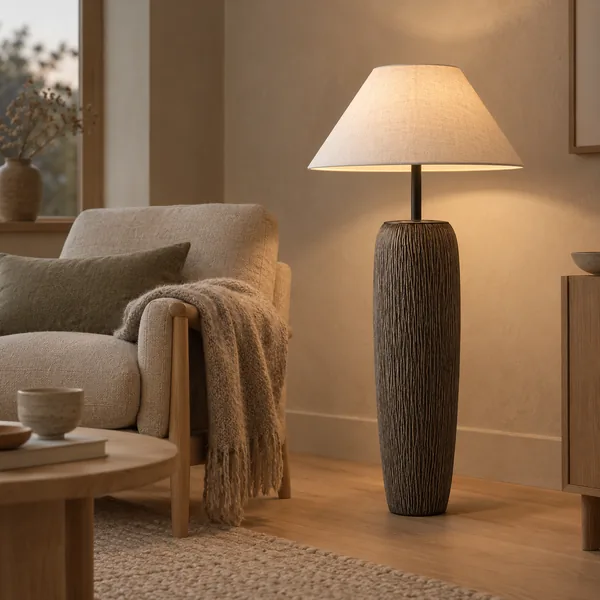 Vasten Artisan Japanese Ceramic Floor Lamp$394.00$569.00
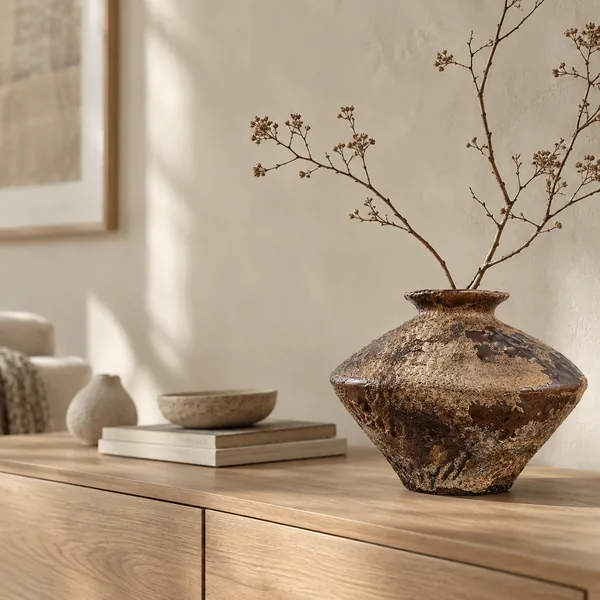 Jorde Handmade Rustic Ceramic Vase Home Decor$129.00$189.00
The Vasten Artisan Japanese Ceramic Floor Lamp demonstrates how sculptural lighting can anchor a small living room corner without overwhelming it. Its ceramic form adds organic warmth while its compact footprint respects spatial constraints. Pair it with the Jorde Handmade Rustic Ceramic Vase Home Decor on a side table or shelf, and you've created a vignette that feels both intentional and effortlessly stylish.
Budget-Friendly Decor Strategies
Creating a beautiful living room doesn't require a designer budget. Some of the most compelling spaces are built over time, through thoughtful accumulation rather than single-room makeovers. The secret to a successful budget living room makeover lies in knowing where to invest and where to save.
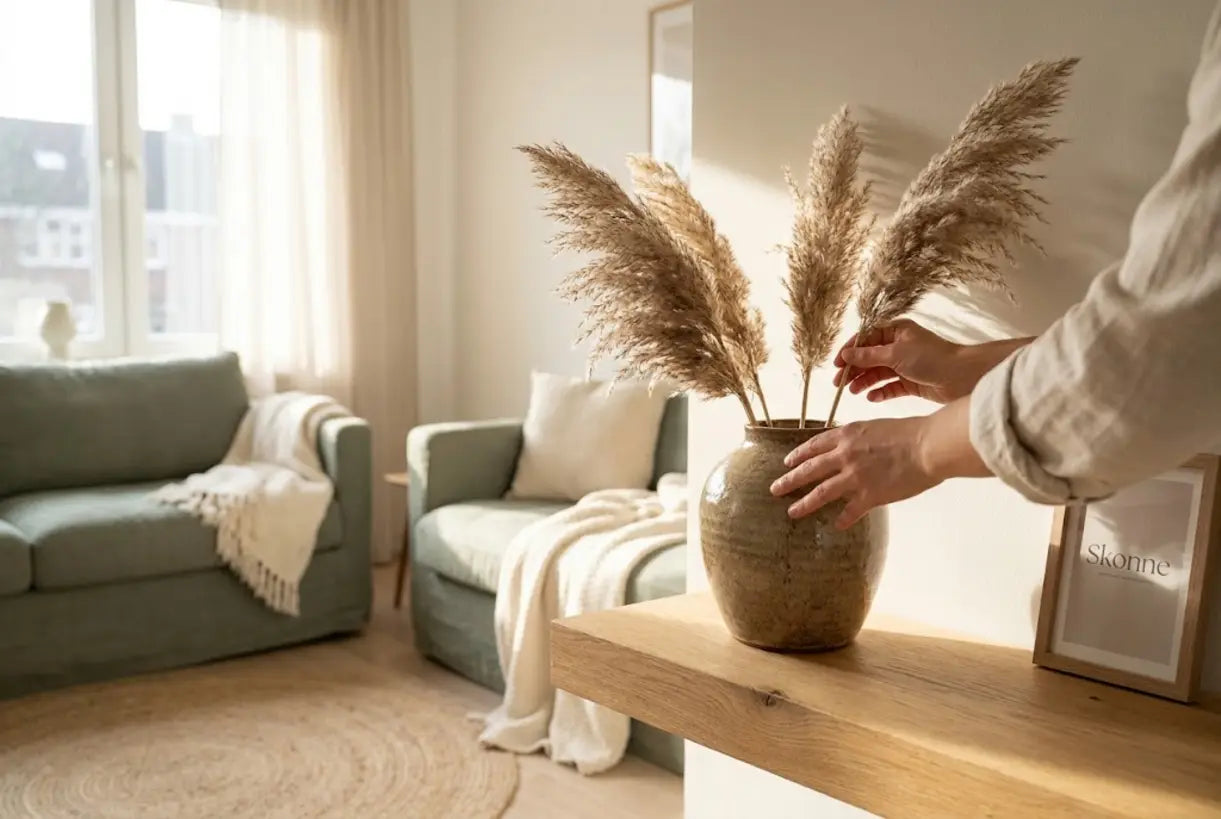
Start with your largest pieces—sofas and area rugs—as these form the foundation of your room. These are worth investing in for quality and longevity. Then, layer in affordable accents that carry visual impact without the price tag. Fresh or dried botanicals, decorative pillows in seasonally rotating covers, and thrifted ceramic pieces can transform a room for minimal cost.
For those looking to explore more options, our Decorative Vases collection offers a curated selection of pieces that bring artisan character to any surface. Whether filled with dried grasses or standing alone as sculptural objects, the right vase anchors a shelf, side table, or mantel with Nordic warmth and organic texture.
Consider shopping your own home before buying new. That ceramic bowl in your kitchen might be perfect on your coffee table. The throw blanket from your bedroom could add needed color to your sofa. Sometimes the most refreshing decor update simply involves seeing your existing belongings with fresh eyes and rearranging them in new combinations.
Pendant Lights
Shop all Pendant Lights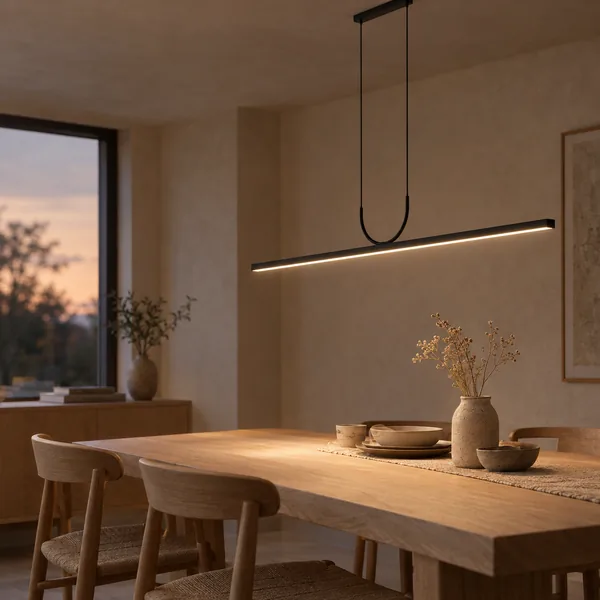
 Save $140.00
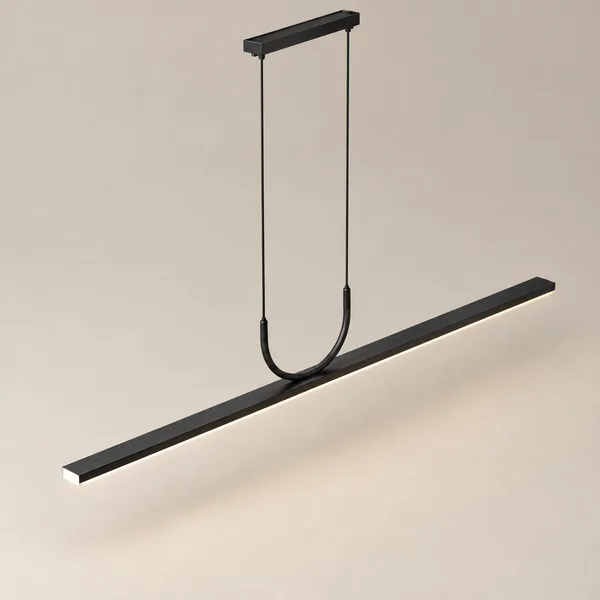
Linné Minimalist Linear Black LED Pendant Light
 Save $60.00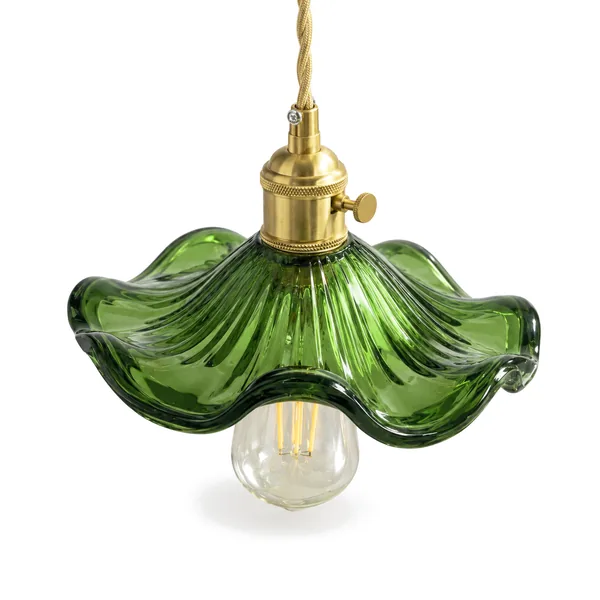
 3 options
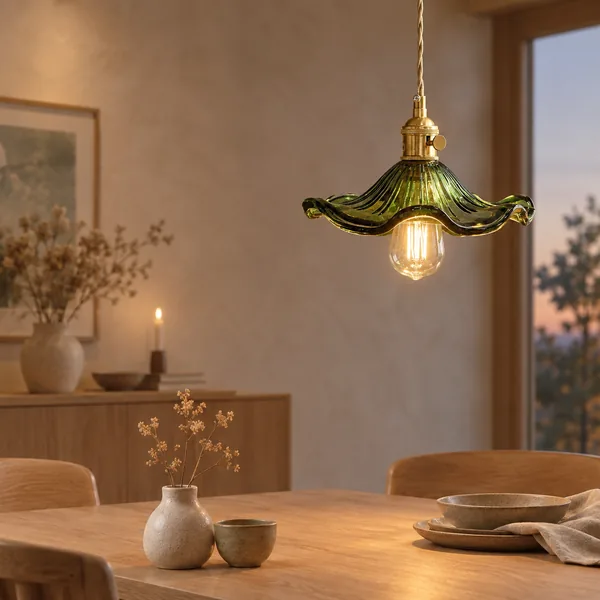
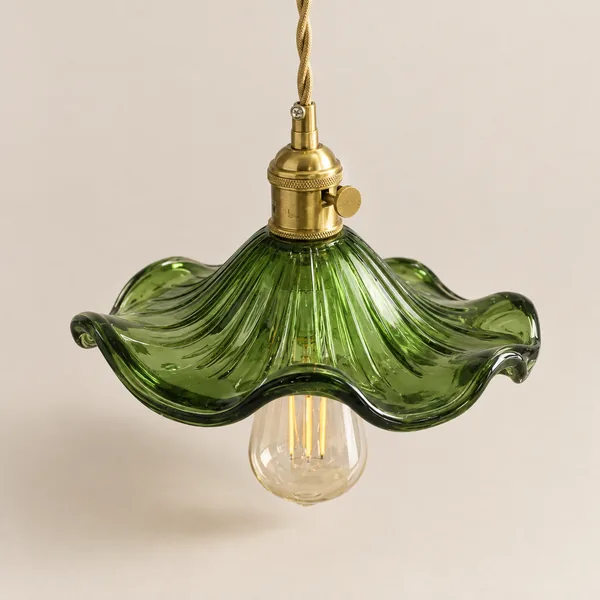
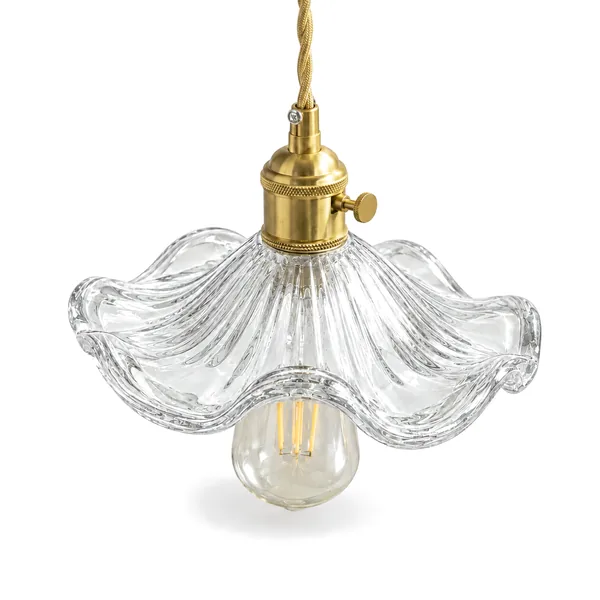
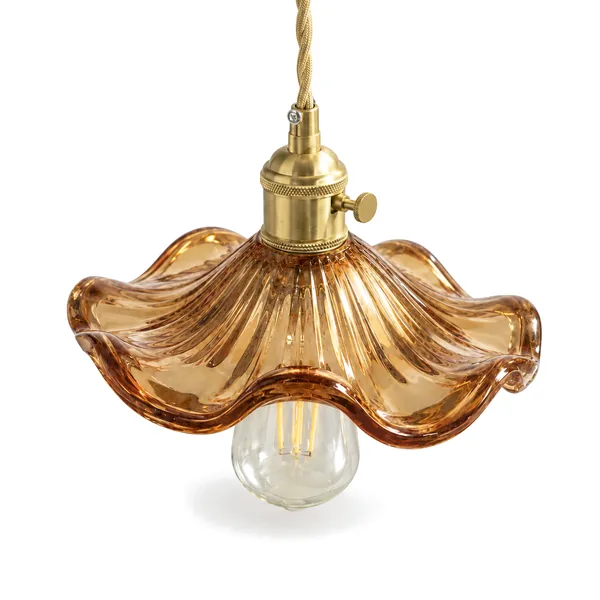
Glora Nordic Glass Pendant Light with Copper
 Save $120.00
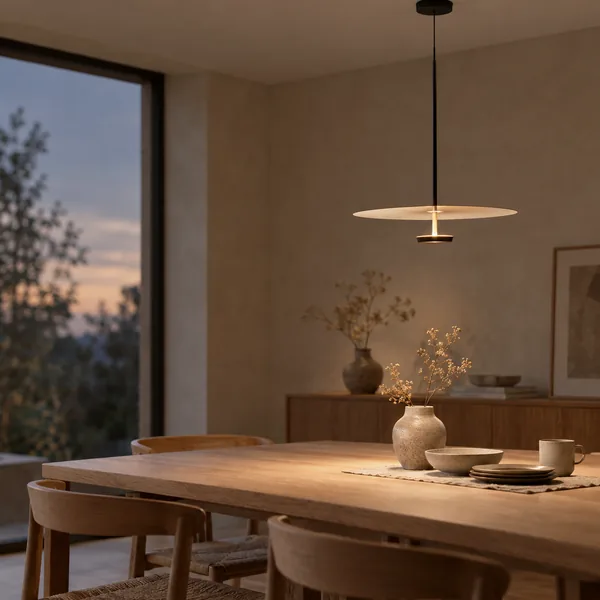
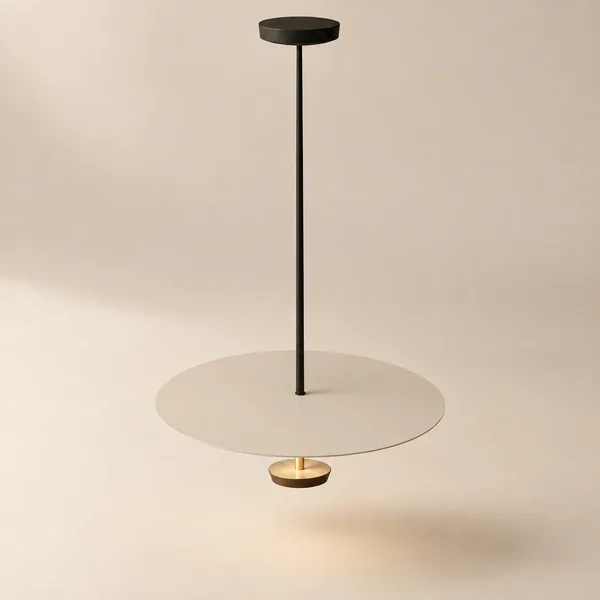
Skiva Nordic Saucer Ceiling Pendant Light LED
Making Your Living Room Look Expensive
The question of how to make a space look luxurious is one of the most common in interior design. The good news? Expensive-looking rooms rarely come from expensive price tags—they come from consistency, restraint, and attention to detail. Even the most modest budget can achieve that coveted high-end aesthetic with the right approach.
First, embrace negative space. Clutter reads as chaos, regardless of how much individual pieces cost. Edit ruthlessly, keeping only what you love and what serves your daily life. Then, focus on materials that feel rich to the touch: natural linen, solid wood, wool, and ceramic carry an inherent luxury that synthetic alternatives struggle to match.
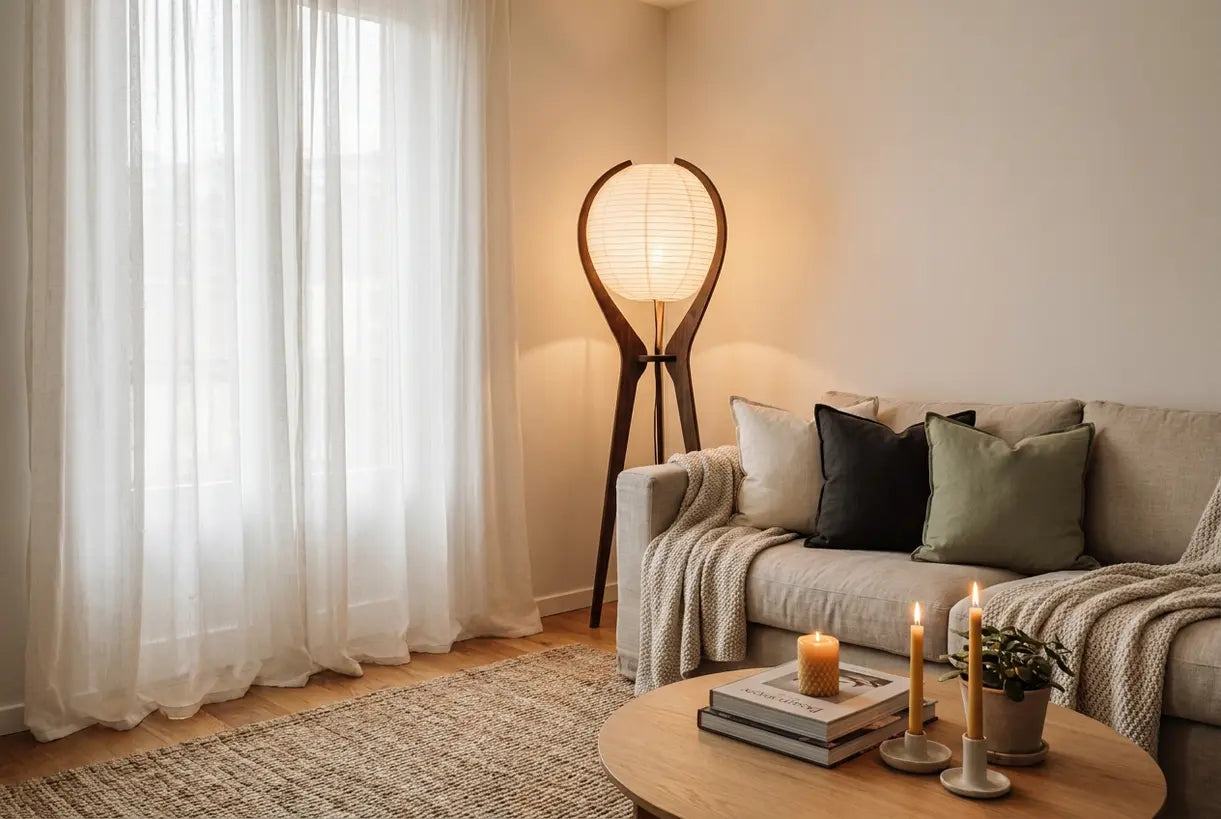
Lighting continues to play a crucial role here. Dimmer switches cost little but add immeasurable sophistication, allowing you to shift from bright task lighting to intimate evening ambiance. Avoid matching "suites" of furniture in favor of collected, complementary pieces that suggest your room evolved thoughtfully over time.
Pro Tip: The "expensive" look often comes from restraint. In any given room, limit your color palette to three main hues and vary them only in tone and texture rather than introducing competing colors.
Finally, pay attention to the small details that designers notice: properly fitted curtain rods hung high and wide, art positioned at eye level, and bookshelves styled with intentional negative space between objects. These finishing touches signal that care and consideration have gone into every decision.
Bringing Your Vision to Life
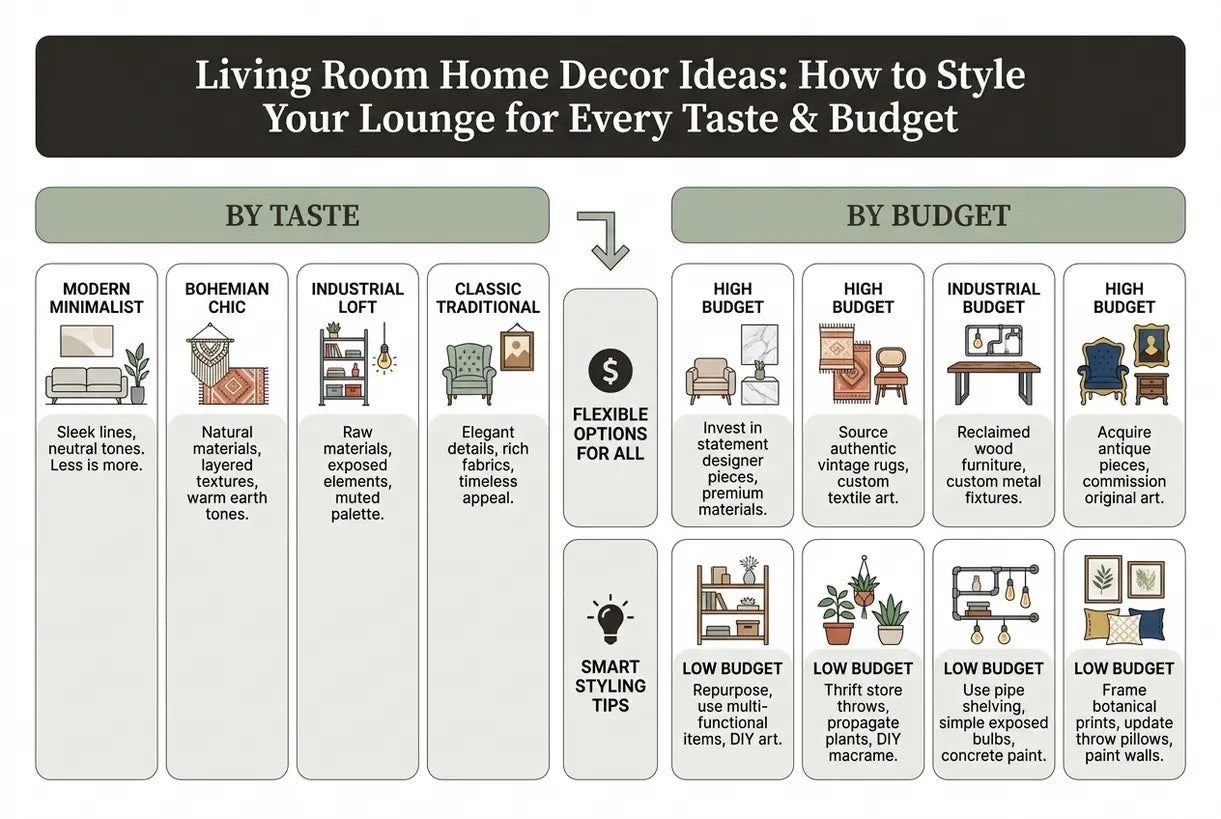
Creating your ideal living room is a journey, not a destination. The best spaces grow and evolve alongside the people who inhabit them, accumulating stories, mementos, and the patina of daily life. Whether you're drawn to modern living room design with clean lines and sculptural forms, or you prefer the layered coziness of a more traditional approach, the principles remain the same: prioritize quality over quantity, light over darkness, and intentionality over trend-chasing.
At Skonne, we've curated a collection of lighting and home decor that embodies the Scandinavian values we hold dear—warmth, functionality, and timeless beauty. From statement pendant lights that anchor your seating area to artisan ceramics that add organic character to your shelves, each piece has been selected to help you create a living room that feels genuinely like home. Explore our collections and discover how the right lighting and decor can transform not just your space, but how you feel within it.
Related Article
Mid-Century Home Decor: Retro Furniture, Colors & Styling Ideas for a Classic LookTransform your space with mid-century home decor featuring retro furniture, signature colors, and expert styling ideas for a classic yet modern look.