
Mid-Century Home Decor: Retro Furniture, Colors & Styling Ideas for a Classic Look
Summary›
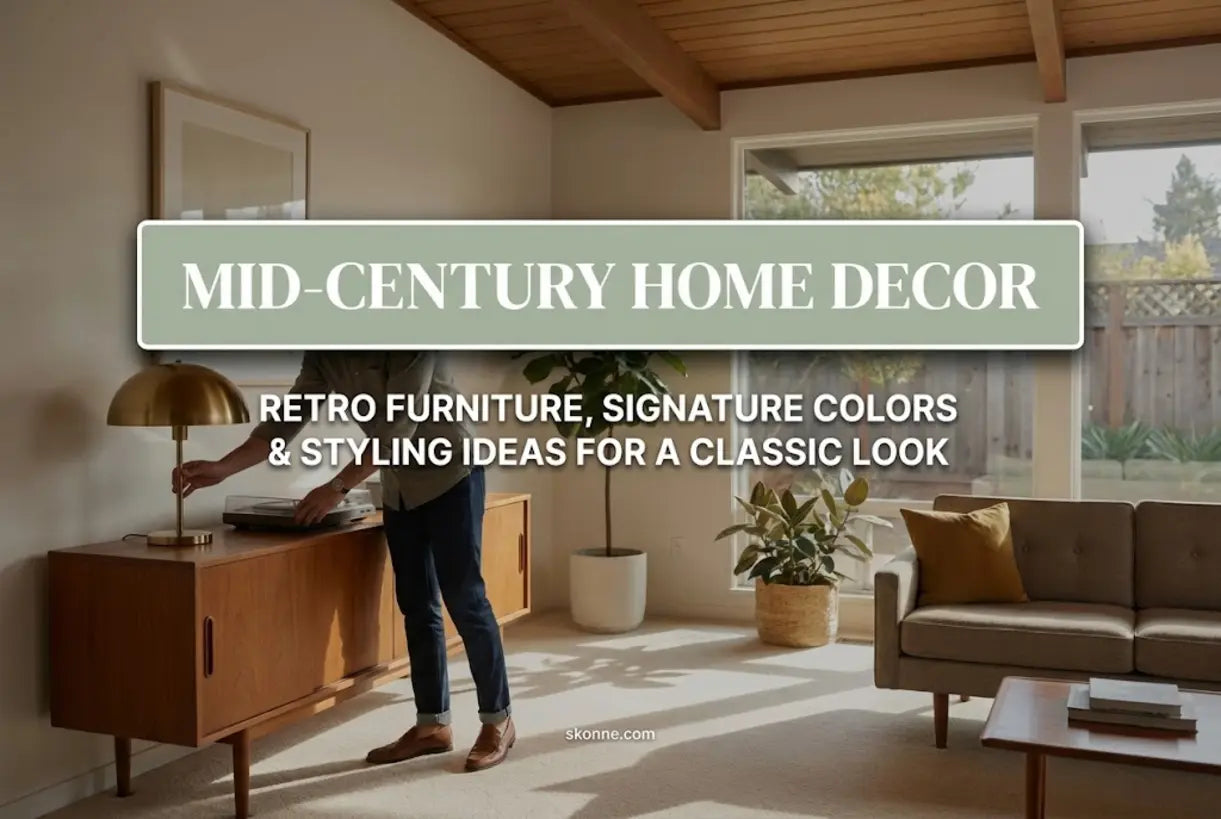
There's something undeniably captivating about spaces that feel both nostalgic and thoroughly modern. Mid century home decor continues to captivate homeowners and design enthusiasts alike, offering a timeless aesthetic that balances clean lines with organic warmth. Whether you're furnishing your first apartment or refreshing a beloved family home, the mid-century movement provides an approachable framework for creating spaces that feel intentional and lived-in.
At Skonne, we believe great design should feel effortless. As you discover the principles behind this iconic movement, you'll see how the right lighting and accessories can transform your space without requiring a complete renovation. This guide will walk you through everything from understanding what defines authentic mid-century styling to implementing practical techniques that bring the look home.
What Is Considered Mid-Century Decor?
Mid-century modern design refers to a diverse aesthetic movement that flourished from roughly the 1940s through the late 1960s. Born from post-war optimism and technological innovation, this style emerged when designers began experimenting with new materials like molded plywood, fiberglass, and plastic while maintaining a deep respect for natural wood and organic forms.
True mid-century decor is characterized by several hallmarks: furniture with clean, uncluttered lines; tapered legs that elevate pieces off the floor; and a celebration of both function and form. The iconic pieces from this era—from Eames chairs to Nelson clocks—were designed to be accessible to everyday people while maintaining sophisticated proportions. This democratic approach to good design remains relevant today.
The golden rule: Mid-century decor embraces "less but better"—every piece should earn its place through both beauty and utility.
Essential Elements of Mid-Century Modern Interiors
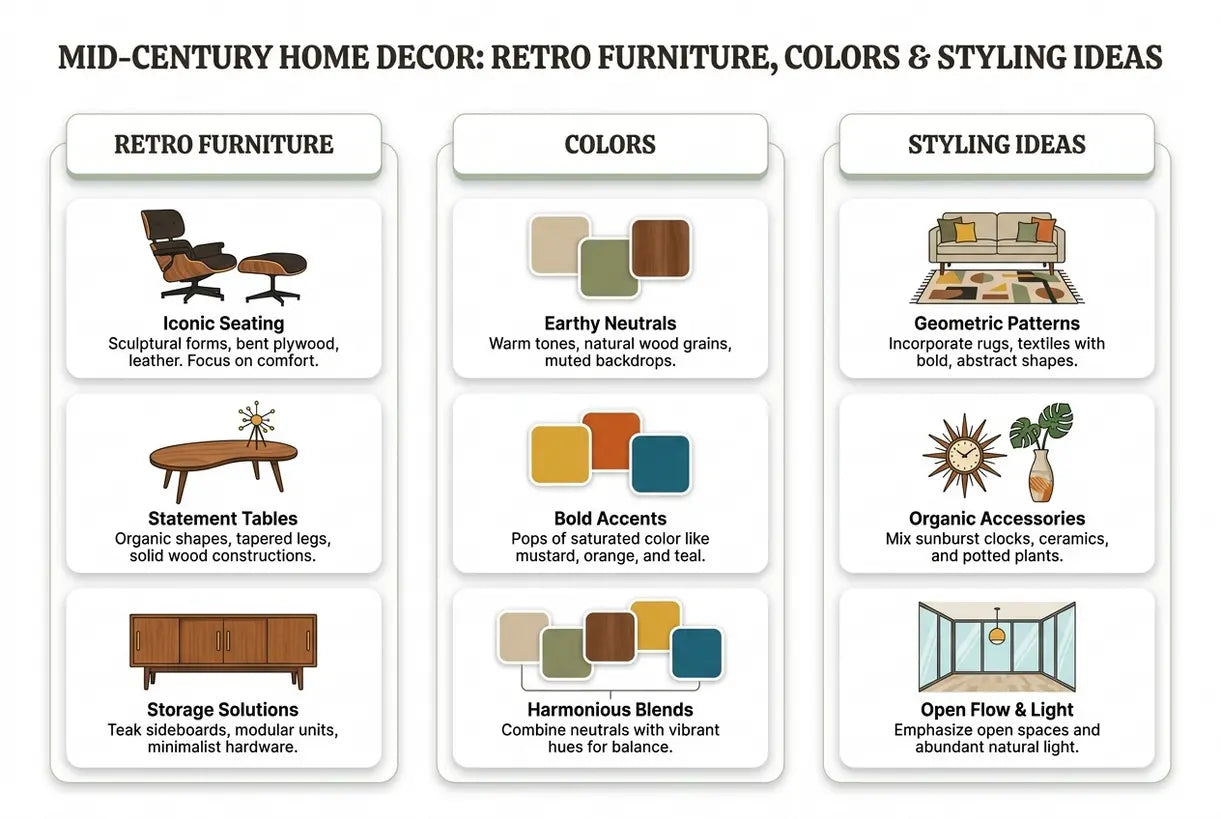
Creating an authentic mid-century atmosphere requires understanding the core materials and forms that defined the era. Warm wood tones—particularly teak, walnut, and oak—provide the foundational warmth that makes these spaces feel inviting rather than cold. Look for furniture that showcases wood grain through clean silhouettes with gentle curves rather than ornate carving.
Materials extend beyond wood to include polished metal accents, particularly brass and copper. These metallic touches add sophistication without formality. For those looking to explore more options, our Pendant Lights collection offers a curated selection of brass and wood fixtures that honor this material philosophy through contemporary craftsmanship.
Geometric patterns and atomic-inspired shapes appear frequently in textiles, artwork, and decorative objects. The key is balance—while a pop of pattern energizes a room, mid-century design never feels cluttered or excessive.
The Mid-Century Color Palette
Color played a revolutionary role in mid-century interiors, moving beyond the muted tones of earlier decades to embrace optimism and experimentation. Earthy mustard yellows, olive greens, and burnt oranges anchor the palette, evoking the natural world that heavily influenced mid-century designers.
These warm tones pair beautifully with neutral foundations: crisp whites, warm grays, and rich wood browns create a canvas that allows accent colors to sing. For a more dramatic interpretation, deep teals, charcoal blacks, and even bold reds can make powerful statements when used intentionally.
The secret to a successful vintage color palette lies in tonal harmony. Rather than competing colors, look for shades that share similar undertones—this creates the cohesive, intentional look that distinguishes truly considered spaces from haphazard retro collections.
Living Room Lighting
Shop all Living Room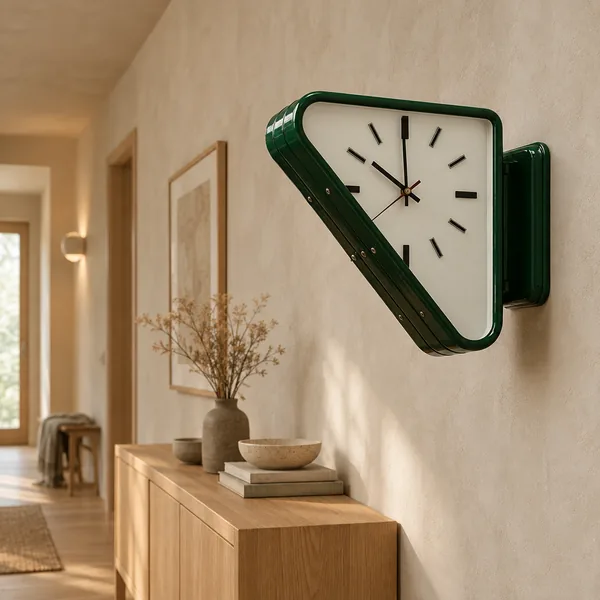
 Save $110.00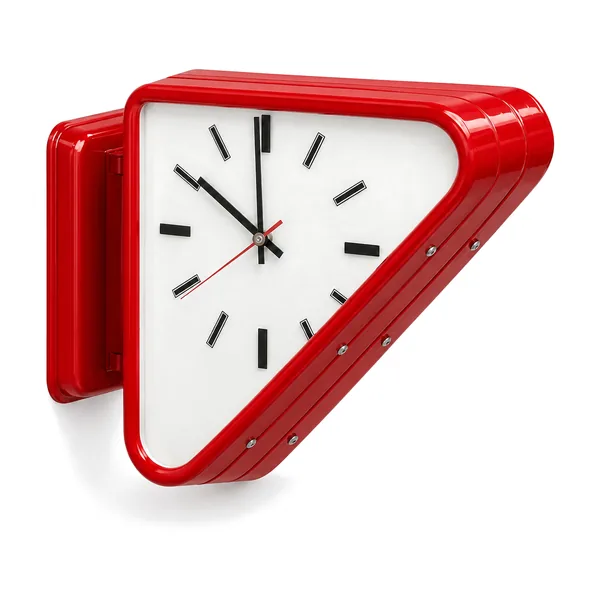
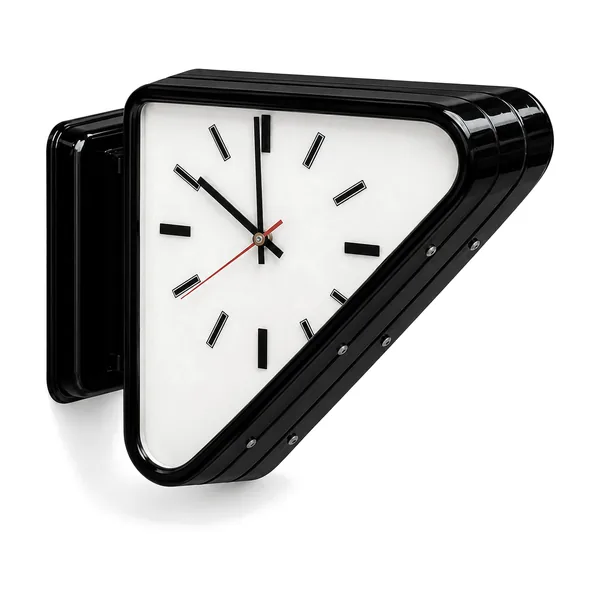
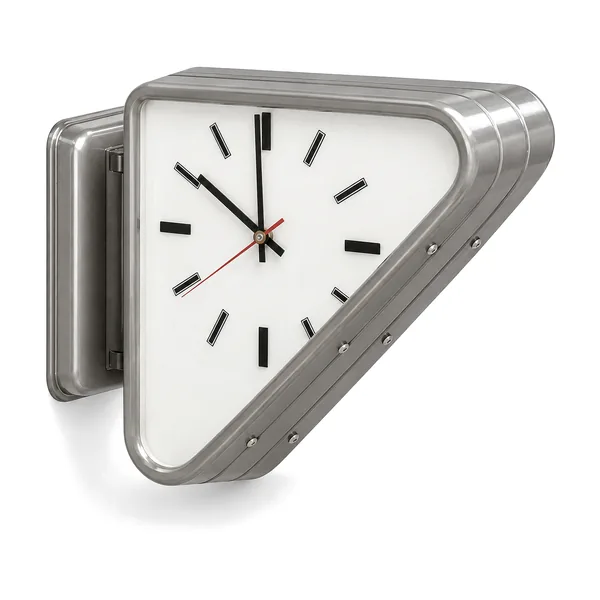
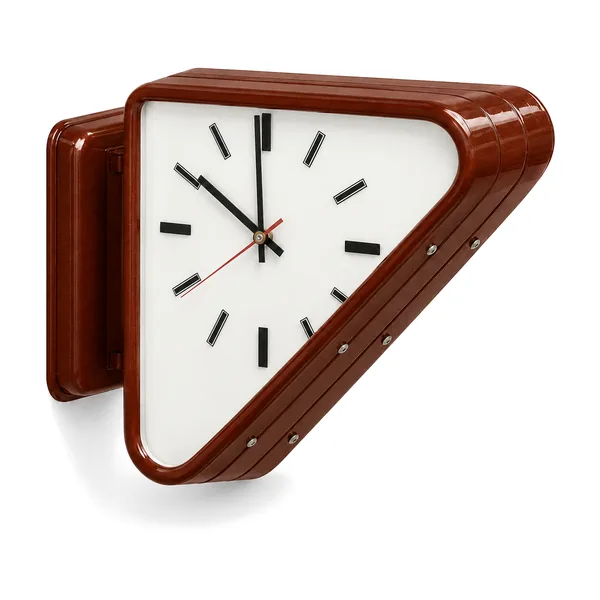 +15 options
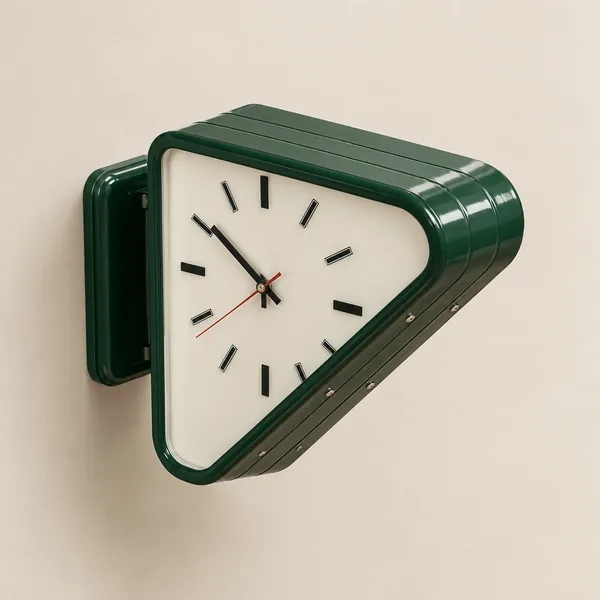
Tvilling Dual-Sided Geometric Metal Wall Clock
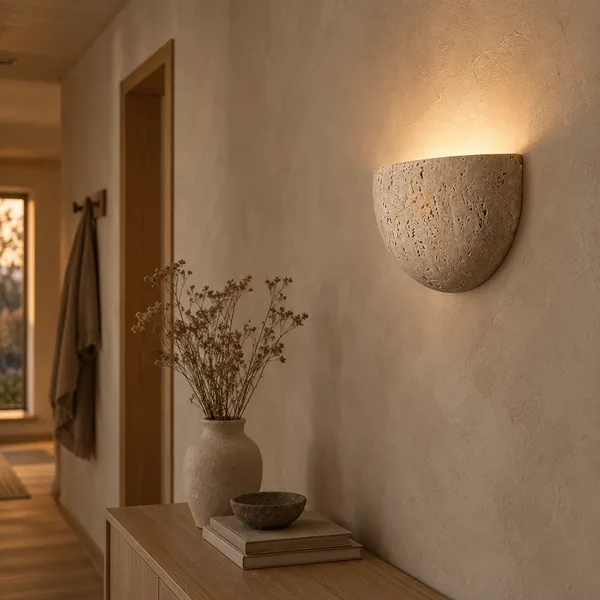
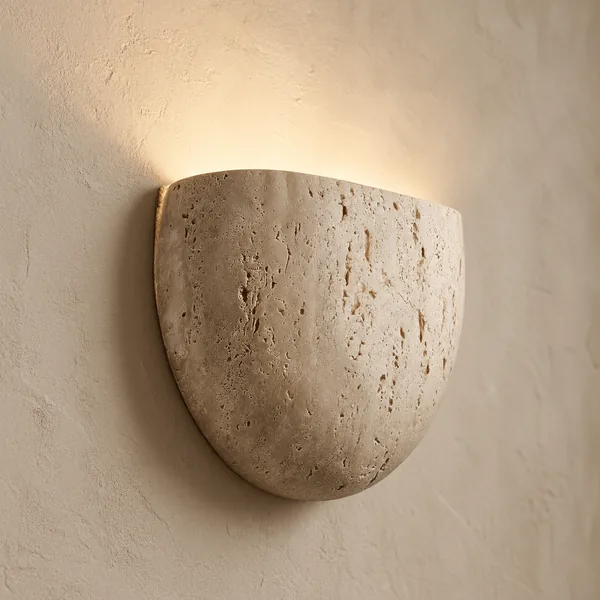
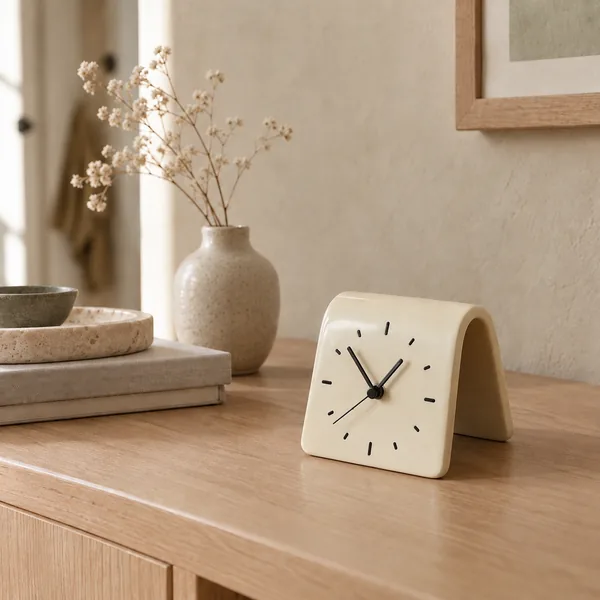
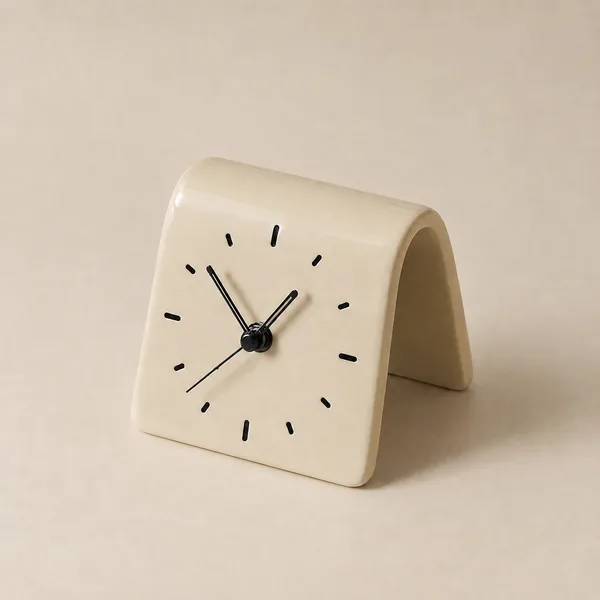 Save $70.00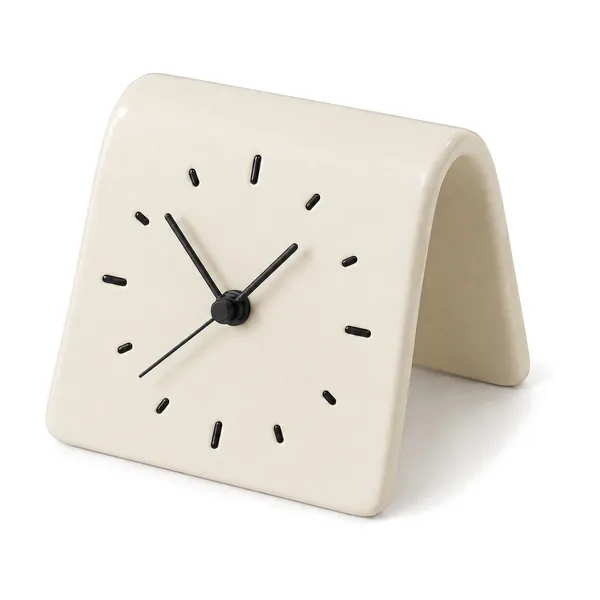
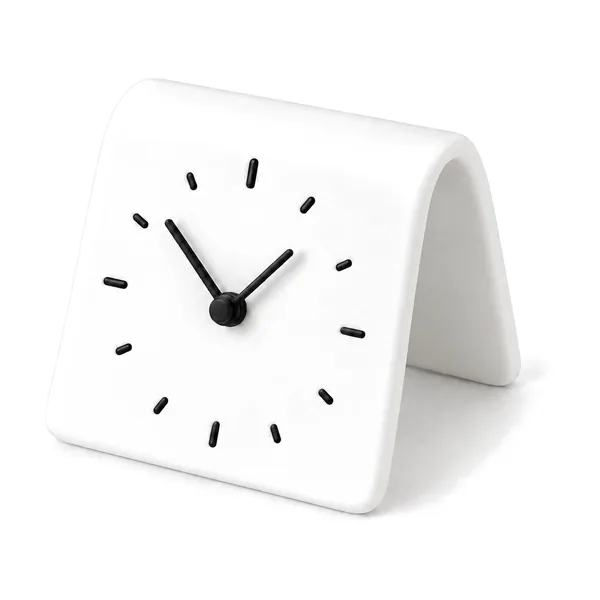
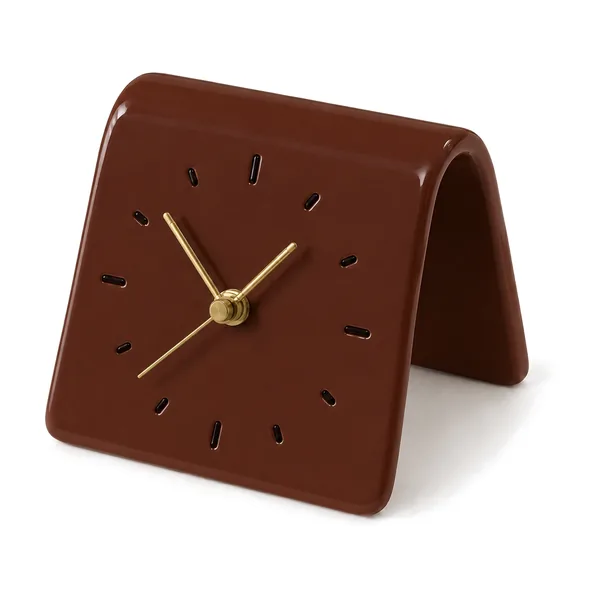
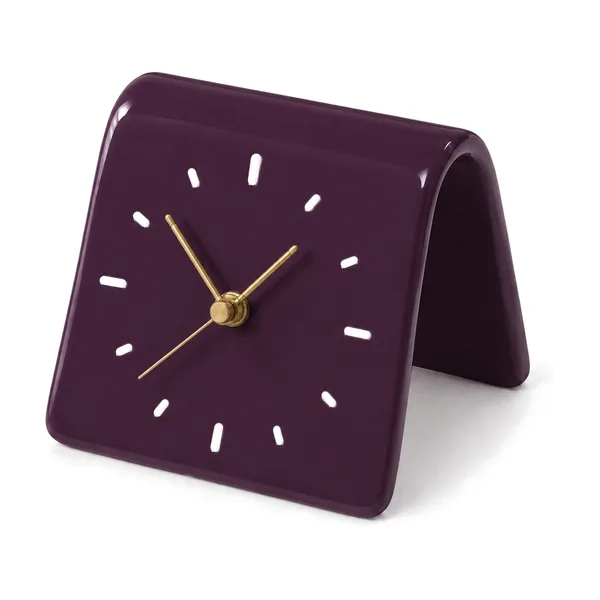 +37 options
Tilje Silent Ceramic Desk Clock for Modern Homes
The 3-5-7 Rule in Interior Design
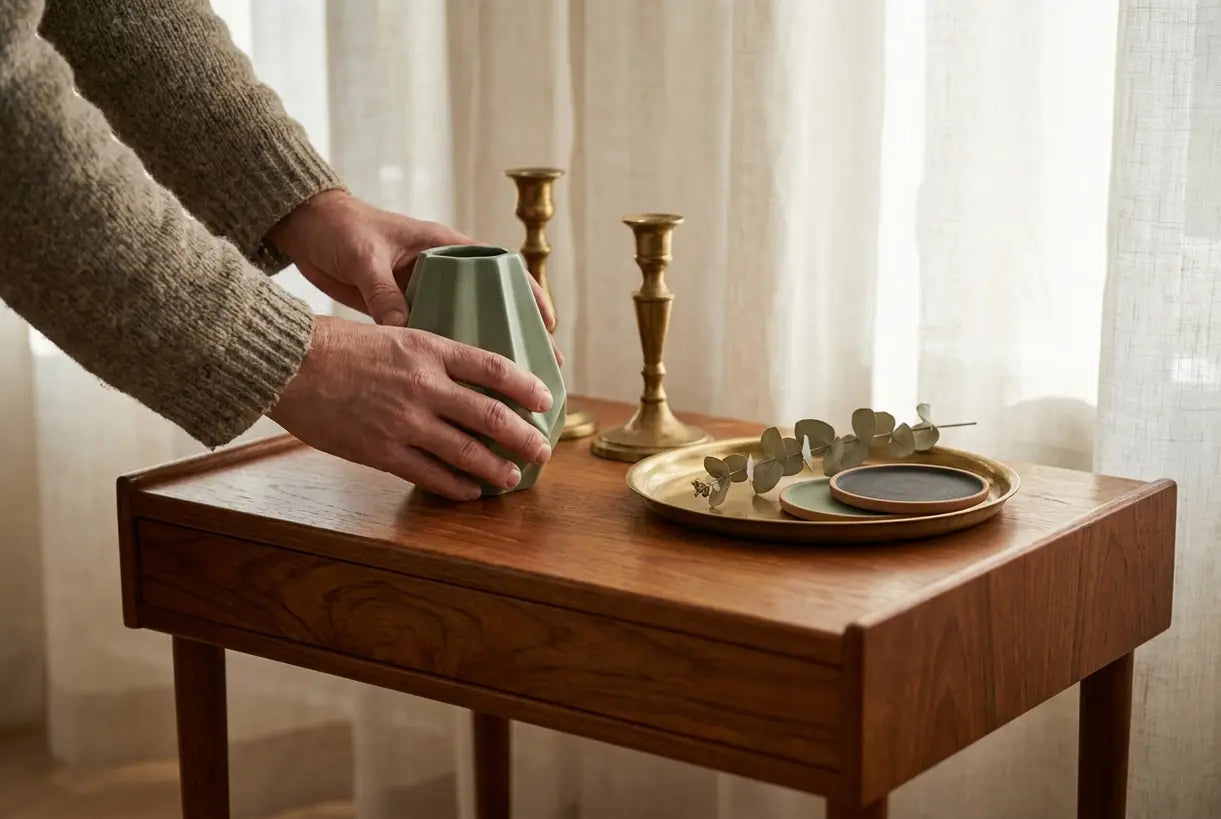
Professional designers often follow what they call the 3-5-7 rule to create visually balanced arrangements. This principle suggests using odd numbers of items—specifically groups of 3, 5, or 7—to create arrangements that feel dynamic and natural rather than static. The human eye finds these groupings more interesting because they force our brains to work slightly harder, engaging us visually.
In mid-century styling, this rule manifests beautifully when curating vignettes. Three sculptural objects of varying heights on a credenza feel intentional without appearing staged. Five books stacked beside a ceramic vase create rhythm. Seven frames of coordinated artwork make a gallery wall feel collected over time.
The technique applies equally to color distribution throughout a room: approximately 60% of the space should feature your dominant neutral, 30% your secondary color, and 10% your accent color. This proportional approach prevents mid-century spaces from feeling overwhelmed by the era's bold palette choices.
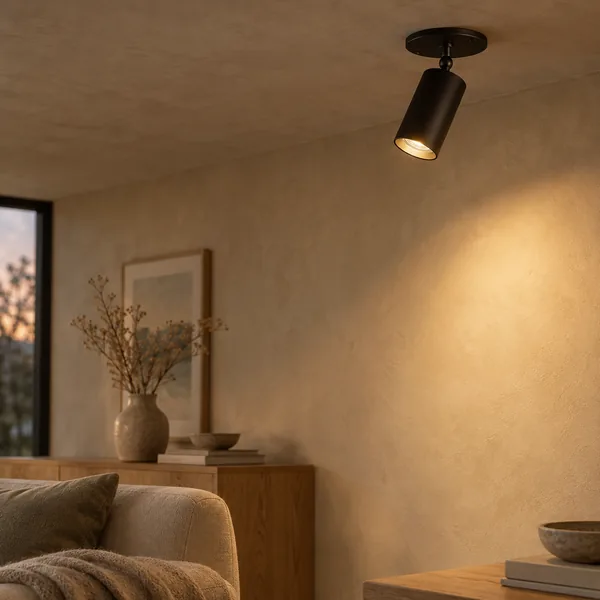 Kveld Adjustable LED Wall Sconce Mid-Century$259.00$399.00
How to Decorate Your Home Mid-Century Modern
Transforming your space doesn't require sourcing rare vintage finds from estate sales. Start by identifying anchor pieces—perhaps a streamlined sofa with tapered wooden legs or a credenza with clean geometric hardware. These larger investments provide the structural foundation upon which you'll layer your design story.
Pay special attention to lighting. Mid-century designers revolutionized how we illuminate our homes, moving from ornate fixtures to sculptural pieces that double as functional art. Consider the Kveld Adjustable LED Wall Sconce, which brings vintage brass warmth with its rotatable design—perfect for creating that dramatic accent lighting characteristic of the era. Its pivoting arm allows you to direct light precisely where you need it, marrying form and function authentically.
Next, introduce texture through natural materials: wool rugs with subtle geometric patterns, leather or tweed upholstery, and ceramic accessories in matte earth tones. Finally, edit ruthlessly—true mid-century spaces breathe, with plenty of negative space that allows each carefully chosen piece to command attention.
Curated Lighting for Mid-Century Spaces
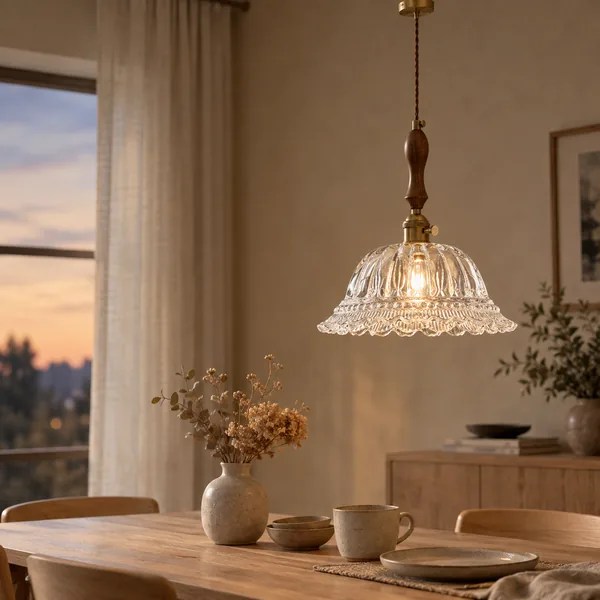 Gloda Walnut Brass French Style Pendant Light$169.00$229.00
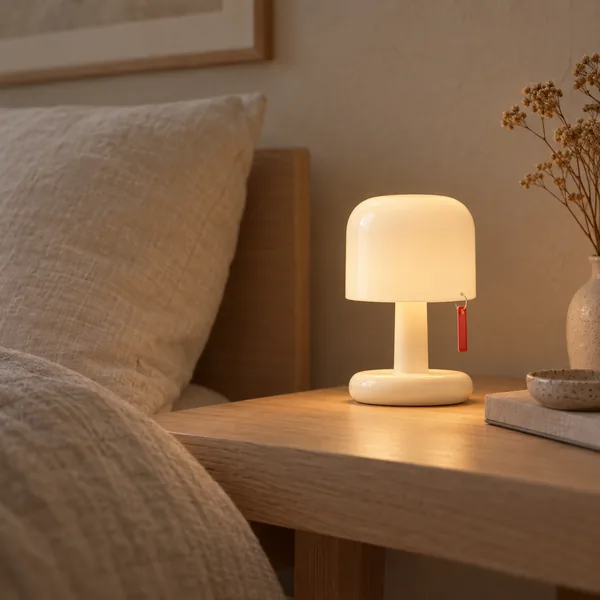
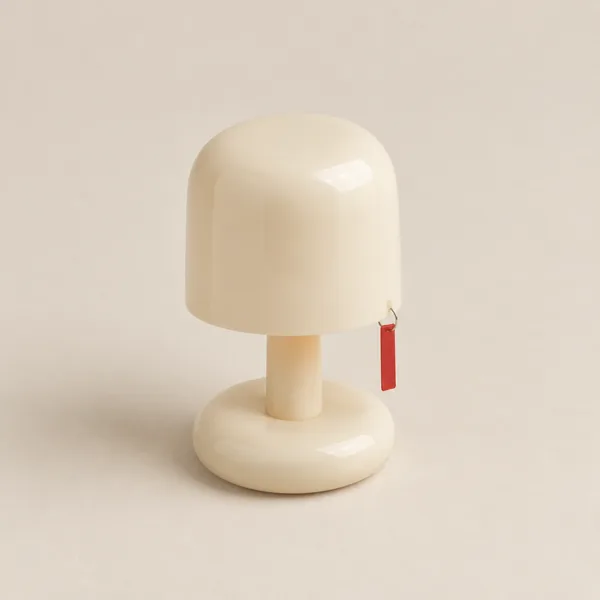
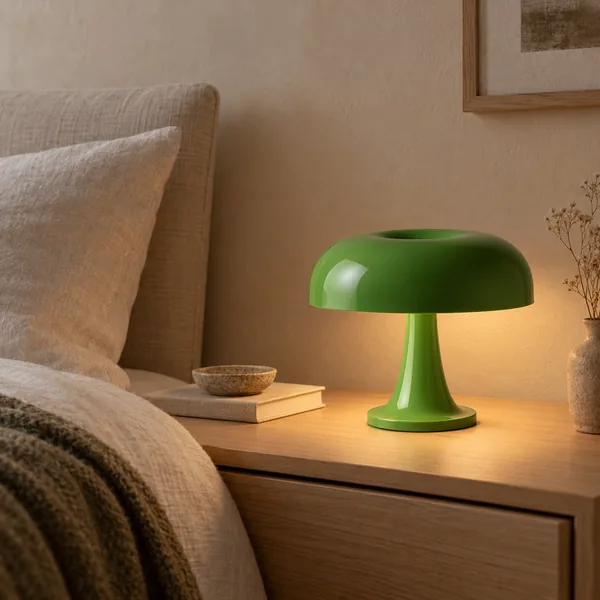 Svampa Retro Mushroom Table Lamp Tri-Color LED$79.00$129.00
How Do I Mix Mid-Century Modern with Other Styles?
The beauty of mid century home decor lies in its remarkable versatility. Perhaps the most natural pairing is with Scandinavian design—the shared emphasis on natural materials, clean lines, and functional beauty creates a harmonious dialogue between the two movements. Light wood tones and cozy textiles soften the more graphic elements of MCM.
Contemporary spaces benefit enormously from mid-century pieces that add warmth and character to minimalist backgrounds. A single sculptural pendant light or an iconic lounge chair can transform an otherwise generic modern space into something with soul and history. The key is restraint—one or two statement pieces speak louder than a collection of competing styles.
Pro tip: When mixing styles, find a unifying element—such as color palette, material finish, or scale—that creates visual continuity across different design languages.
Industrial elements can also complement mid-century design through shared appreciation for honest materials and exposed structure. Raw concrete paired with warm walnut, or blackened steel alongside burnished brass, creates compelling tension that keeps mid-century spaces from feeling like museum exhibits.
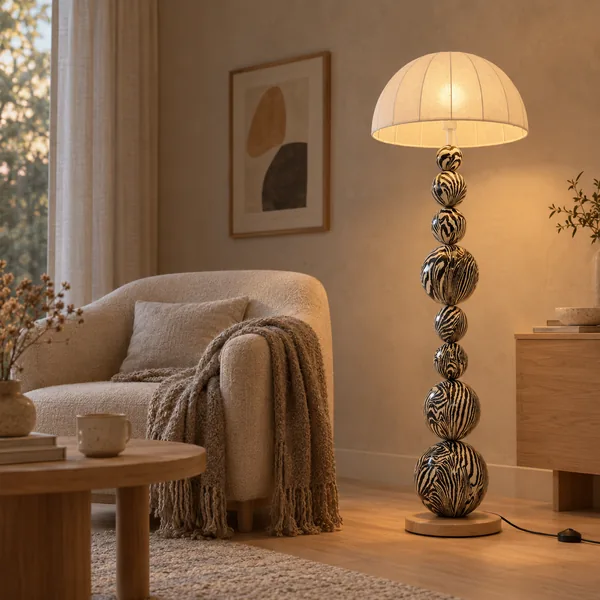
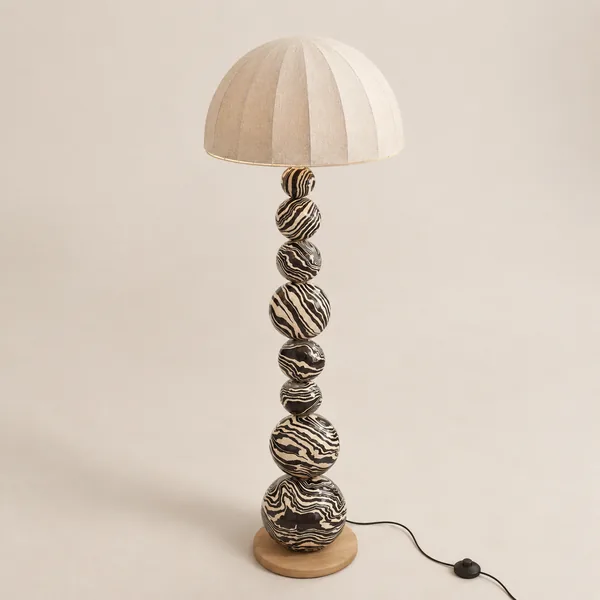
Floor Lamps
Shop all Floor Lamps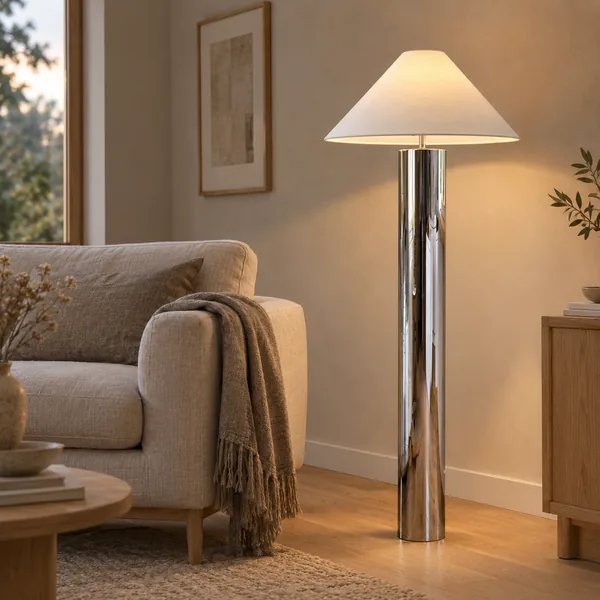
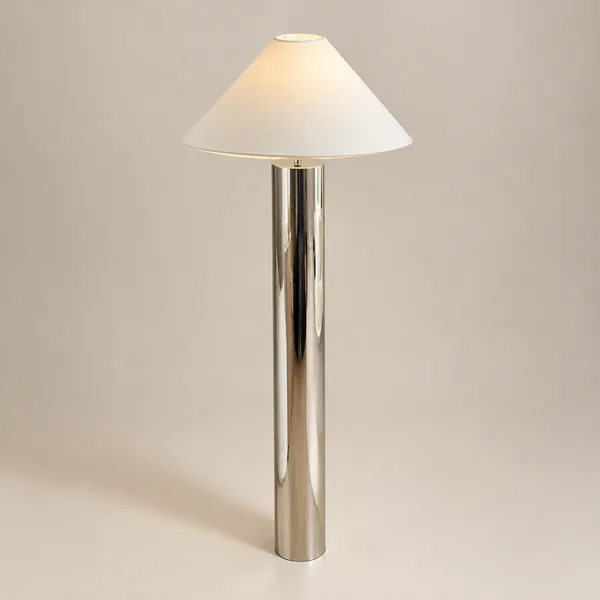
Creating Curated Vignettes
The art of the vignette elevates good design to great styling. These small, intentional arrangements—whether on a console table, bookshelf, or bedside table—tell a story about the people who live there. Begin with your largest piece: a vase, sculpture, or significant book stack provides visual weight.
Build layers by introducing varying heights and textures. Place a vertical element like the Svampa Retro Mushroom Table Lamp—its sculptural Bauhaus-inspired form and three color temperatures create an instant focal point that channels mid-century playfulness. This sculptural mushroom lamp exemplifies how functional lighting becomes decorative art.
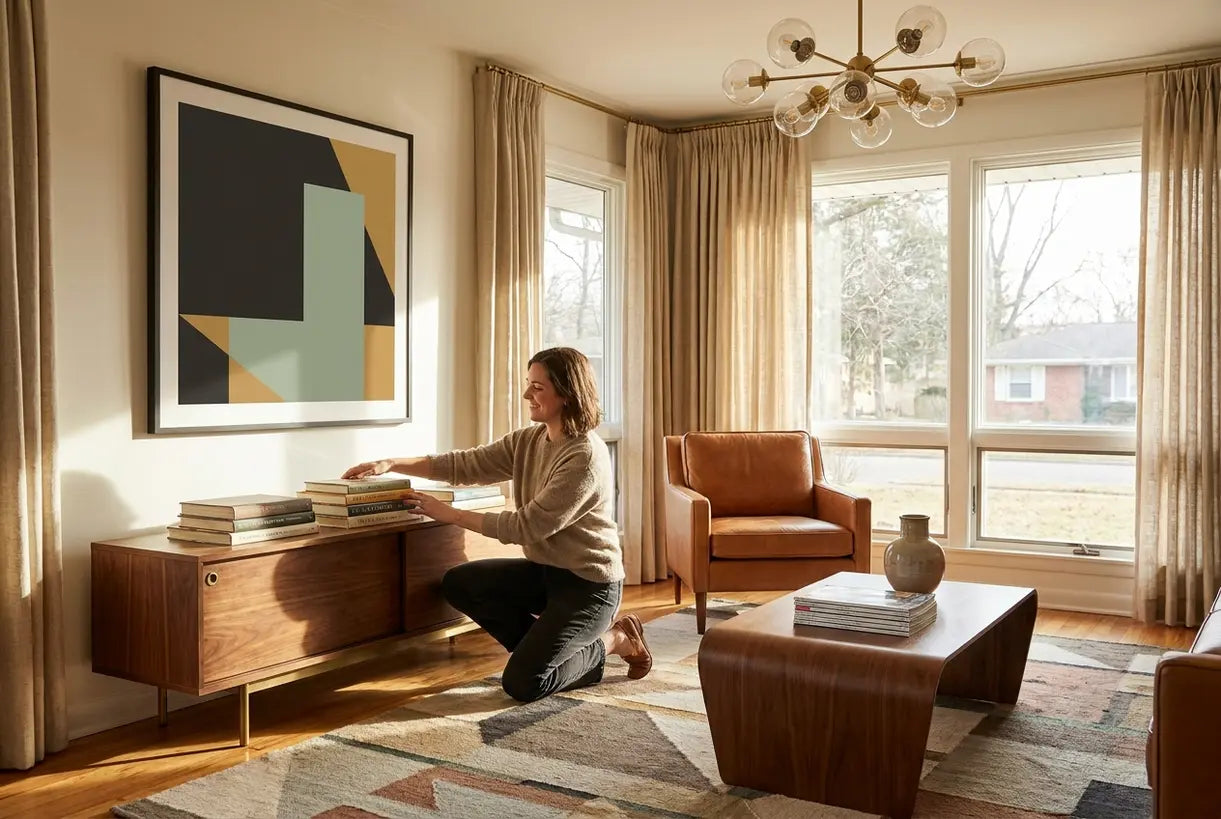
Add organic elements through plants or natural objects—something living softens the geometry of mid-century forms. Finally, ensure proper lighting, as featured in suggestions from Apartment Therapy, illuminates each piece while creating shadow and depth. The Gloda Walnut Brass French Style Pendant Light, with its handcrafted walnut and brass construction, provides warm downward glow perfect for highlighting thoughtfully arranged surfaces.
Conclusion
Mid century home decor remains perpetually relevant because it honors a simple truth: good design improves daily life. By understanding the principles behind this iconic movement—the celebration of natural materials, the balance of form and function, the courage to use color and pattern—you create spaces that feel both timeless and deeply personal.
The journey toward a beautifully styled home doesn't require unlimited budgets or access to antique markets. With thoughtful curation of key pieces, attention to lighting (like our wall sconces, pendants, and table lamps), and an understanding of compositional principles, any space can channel mid-century warmth. At Skonne, we're honored to help you illuminate your vision—literally and figuratively—with pieces designed to become the backdrop for your most meaningful moments.
Related Article
Maximalist Home Decor: Bold, Layered & More-Is-More Design for Expressive InteriorsLearn how to embrace bold colors, layered patterns, and expressive design with our guide to maximalist interior styling.