
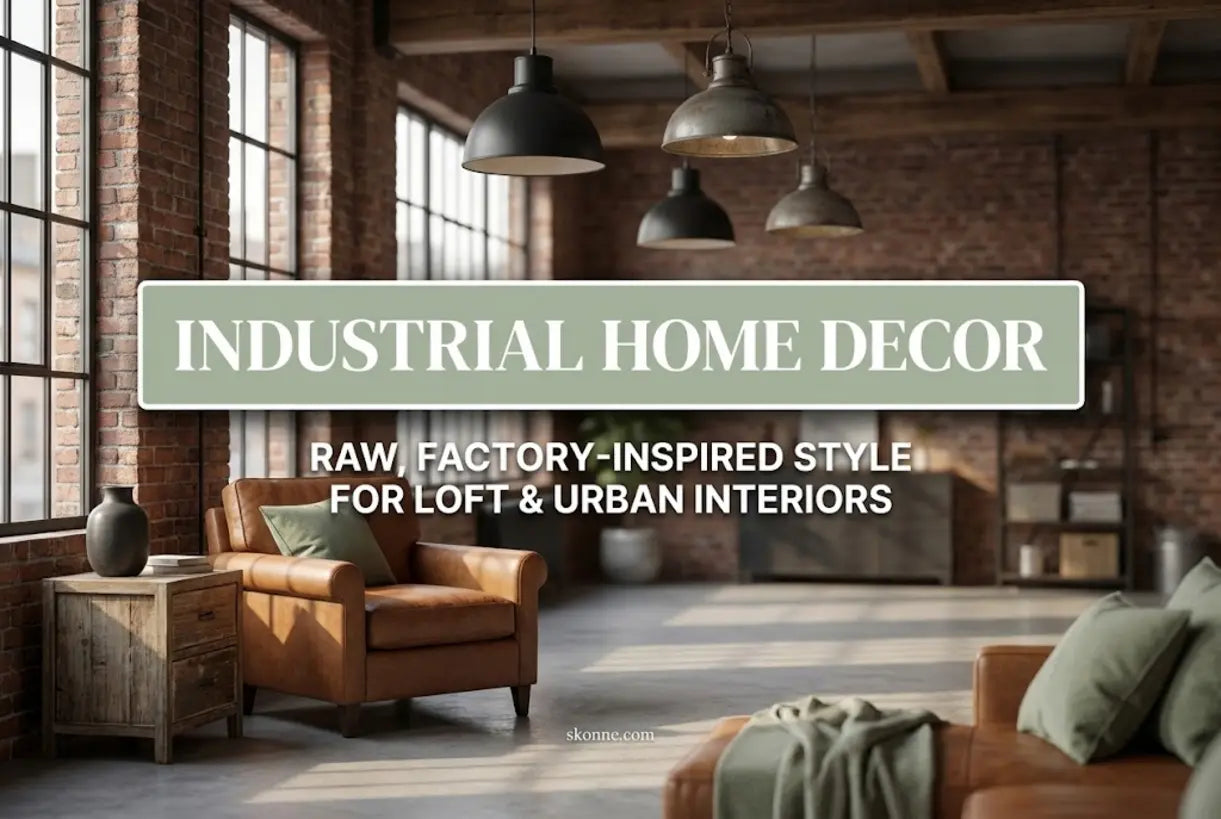
Industrial Home Decor: Raw, Factory-Inspired Style for Loft & Urban Interiors
Summary›
- What Is Industrial Decorating Style?
- Is Industrial Style Still In for 2026?
- The Anatomy of Factory-Inspired Interiors
- Creating Warmth in Raw Spaces
- Mastering Industrial Lighting Design
- Curated Lighting for Urban Lofts
- Small Space Industrial Solutions
- The 3-5-7 Rule for Industrial Spaces
- How to Make Your House Look Industrial
- Conclusion: Finding Your Industrial Expression
There's something undeniably captivating about walking into a space that whispers stories of old factories and converted warehouses. The raw textures, the honest materials, the interplay of shadow and light through exposed fixtures—home decor industrial style has a way of grounding us while simultaneously elevating our everyday surroundings. Whether you're drawn to the urban edge of loft aesthetics or the nostalgic charm of factory-inspired interiors, this design approach offers a canvas for creating spaces that feel both intentional and wonderfully lived-in.
At Skonne, we believe industrial design doesn't have to feel cold or uninviting. When approached with warmth and curation, these raw elements can transform your home into a sanctuary that honors the past while embracing modern comfort. In this guide, we'll explore everything you need to know about industrial home decor—from understanding its foundational principles to sourcing the perfect lighting that brings the whole vision together.
What Is Industrial Decorating Style?
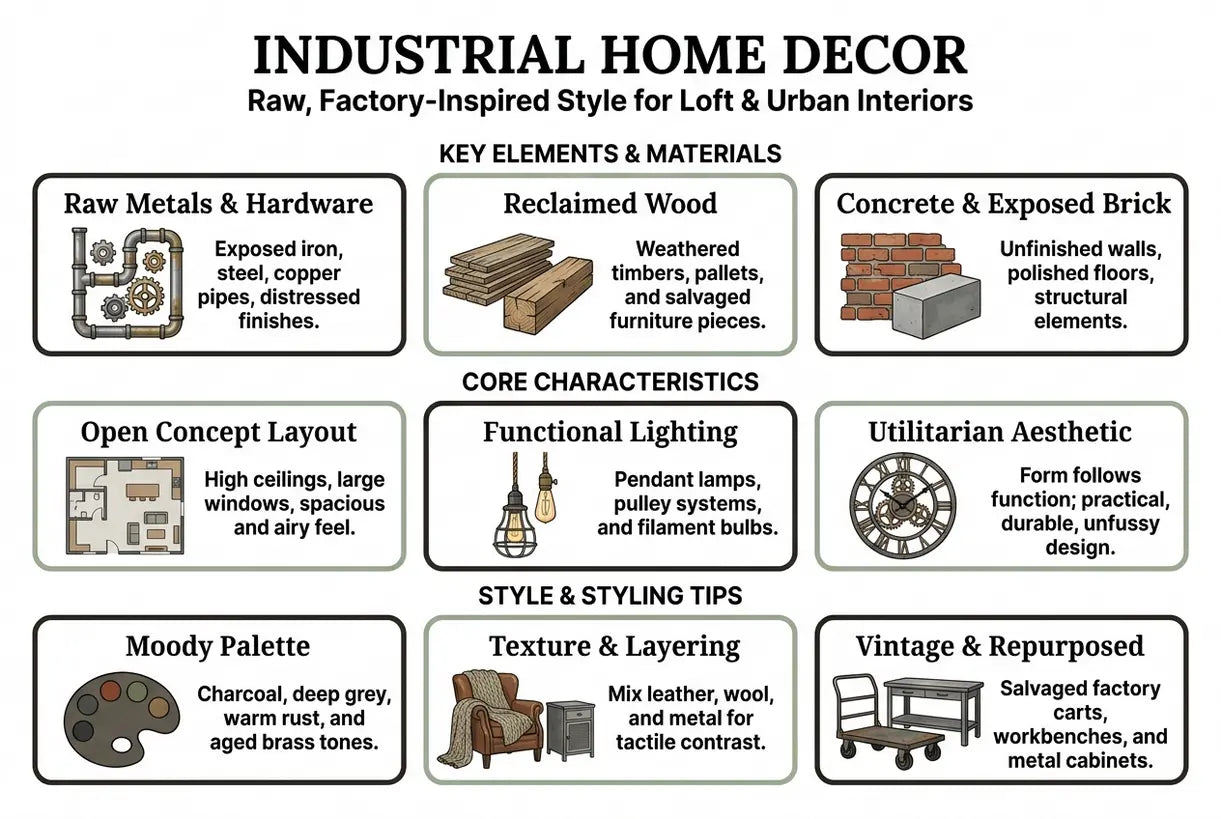
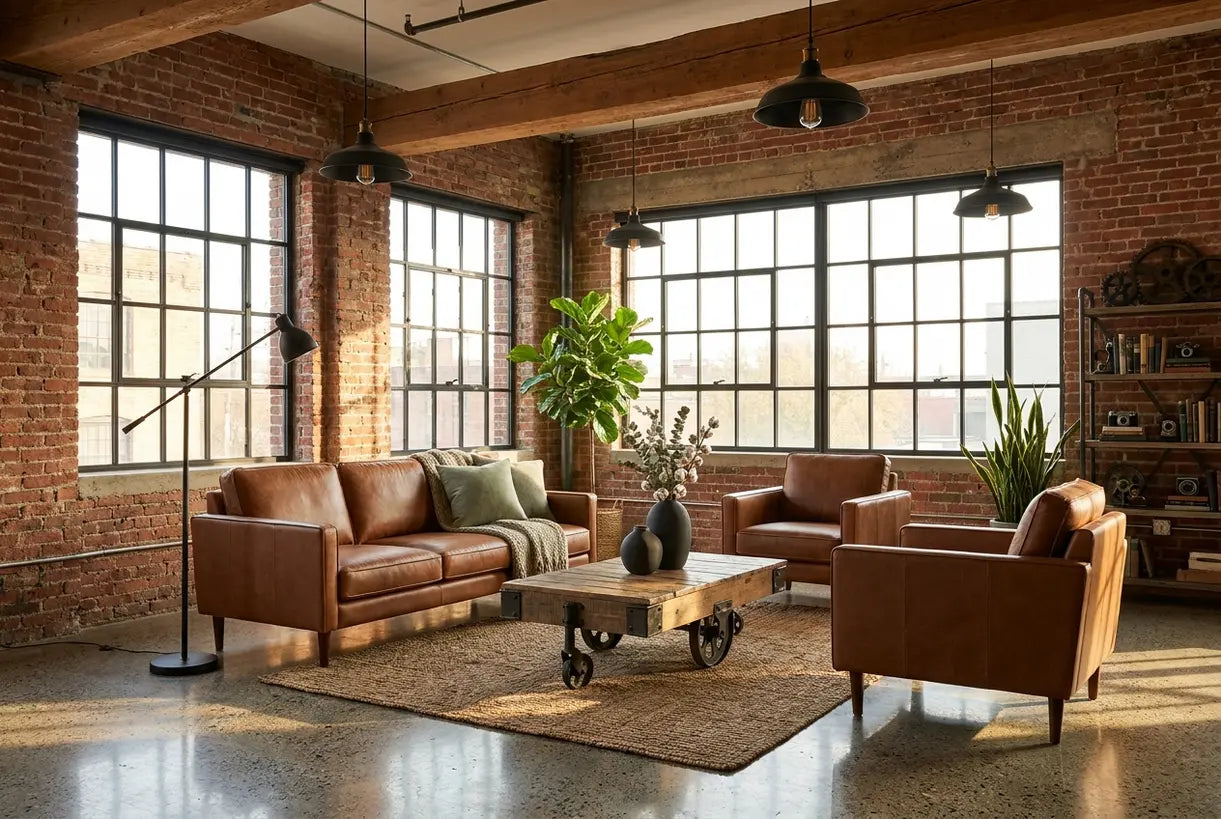
Industrial decorating style draws its essence from the adaptive reuse of commercial and manufacturing spaces that emerged in the mid-20th century. Think of those expansive Brooklyn lofts with their soaring ceilings, or the London warehouses converted into artist studios. This aesthetic celebrates what other styles try to hide: exposed ductwork, weathered brick, raw concrete, and the honest beauty of utilitarian materials.
The philosophy behind factory-inspired interiors is one of authenticity and function. Rather than concealing structural elements behind drywall and molding, industrial design embraces them as integral parts of the visual story. Metal beams become architectural statements. Concrete floors develop a patina that speaks to years of use. Pipes and conduits trace interesting patterns across ceilings and walls.
What distinguishes true industrial style from mere imitation is restraint. It's not about filling a space with rusty metal and calling it a day—it's about curating pieces that feel purposeful and timeless. The best industrial interiors balance their raw foundation with moments of warmth, whether through Table Lamps casting a soft glow or textiles that soften hard edges.
Is Industrial Style Still In for 2026?
The short answer is an emphatic yes—but with an exciting evolution. As we move through 2026, industrial design has matured beyond its purely utilitarian roots into something more refined and adaptable. The trend we're seeing most prominently is what designers are calling industrial boho or soft industrial—a beautiful marriage of raw architectural elements with organic textures, warm metals, and natural fibers.
Today's loft aesthetic isn't about perfectly preserved factory conditions. Instead, it's about layering. We're seeing exposed brick paired with shearling throws. Metal pendant lights hanging above reclaimed wood dining tables. Concrete floors softened by hand-woven rugs. This evolution has made industrial style accessible to far more than just those lucky enough to inhabit authentic converted warehouses.
The enduring appeal lies in industrial design's remarkable versatility. It plays well with virtually every other style—Scandinavian minimalism, mid-century modern, even traditional elements. This chameleon-like quality ensures its relevance regardless of shifting trends, making it a sound investment for homeowners who want their spaces to feel current yet timeless.
The Anatomy of Factory-Inspired Interiors
Understanding the components that define urban industrial design helps you implement the style with intention rather than accident. Let's break down the essential elements.
Raw Materials and Textures
The backbone of any industrial space is its material palette. Rustic industrial aesthetics rely heavily on:
- Metal: Aged steel, wrought iron, and brushed brass in matte or lightly oxidized finishes
- Wood: Reclaimed timbers, weathered oak, and wood with visible grain and imperfections
- Concrete: Floors, countertops, and accent walls that celebrate this humble material
- Leather: Distressed hides in cognac, tobacco, and deep brown tones
- Glass: Factory windows, exposed bulbs, and vintage apothecary bottles
The key is allowing these materials to show their age and history. A perfectly polished surface feels antithetical to the industrial spirit.
Exposed Architectural Elements
In modern industrial decor, what lies beneath becomes the decoration itself. Brick walls left unpainted, concrete ceilings showing their pour lines, and visible HVAC ductwork all contribute to the authentic atmosphere. If your home doesn't naturally possess these elements, they can be introduced through accent walls, ceiling treatments, and furniture choices that mimic these raw qualities.
The Role of Lighting
Lighting serves dual purposes in industrial spaces: it's both functional necessity and sculptural art. The fixtures themselves often feature exposed bulbs, metal cages, adjustable arms, and factory-inspired silhouettes. Unlike styles that hide light sources behind shades and diffusers, industrial design puts the mechanics of illumination on full display, celebrating the innovation of early electric lighting.
Pendant Lights
Shop all Pendant Lights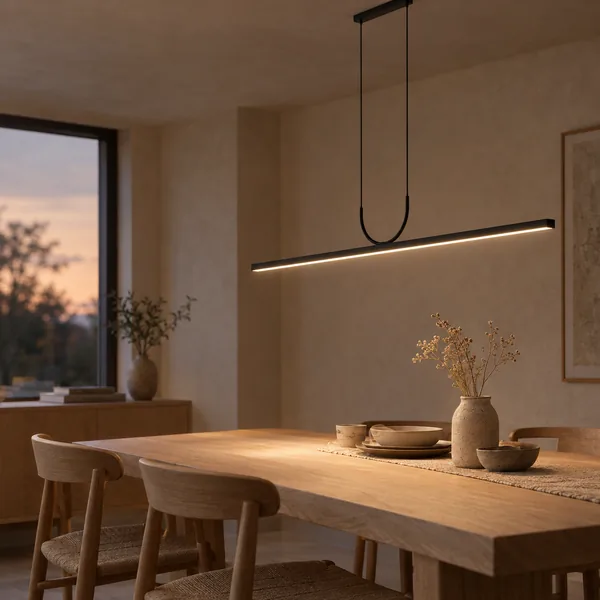
 Save $140.00
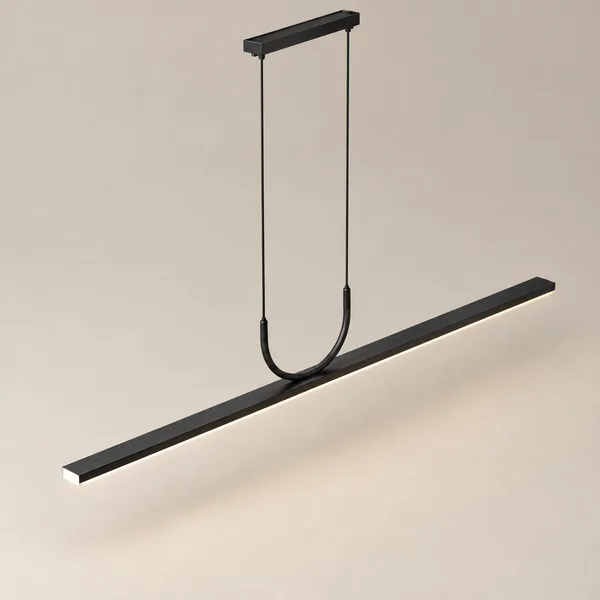
Linné Minimalist Linear Black LED Pendant Light
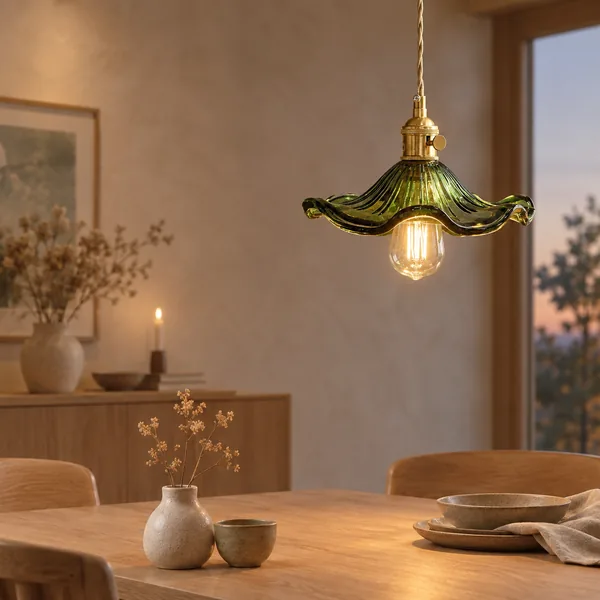
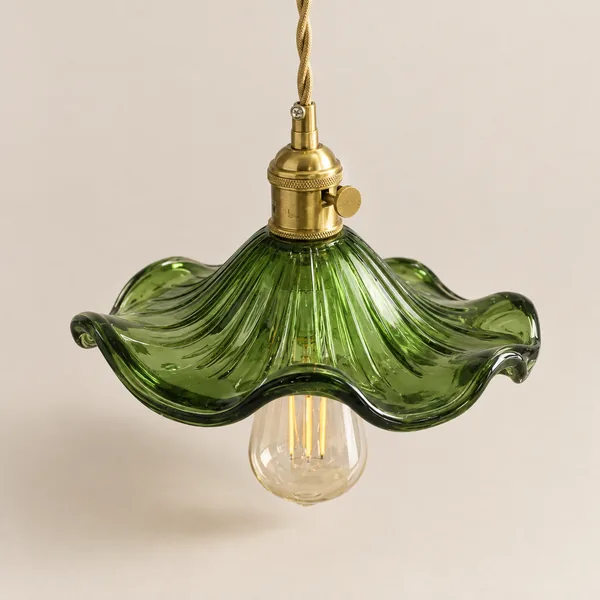 Save $60.00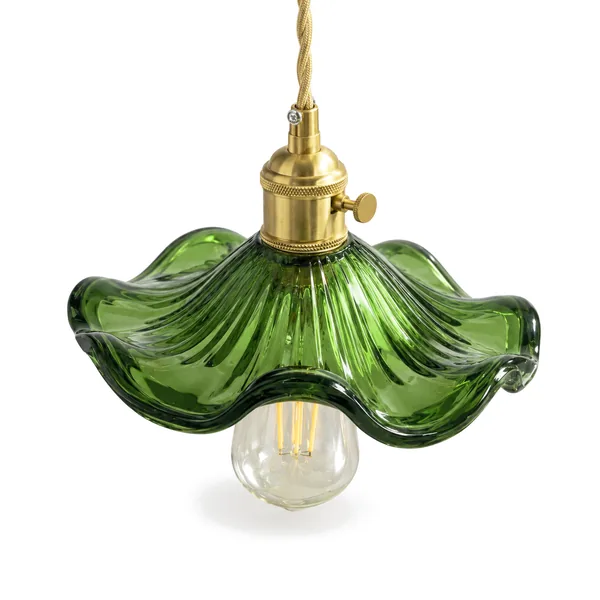
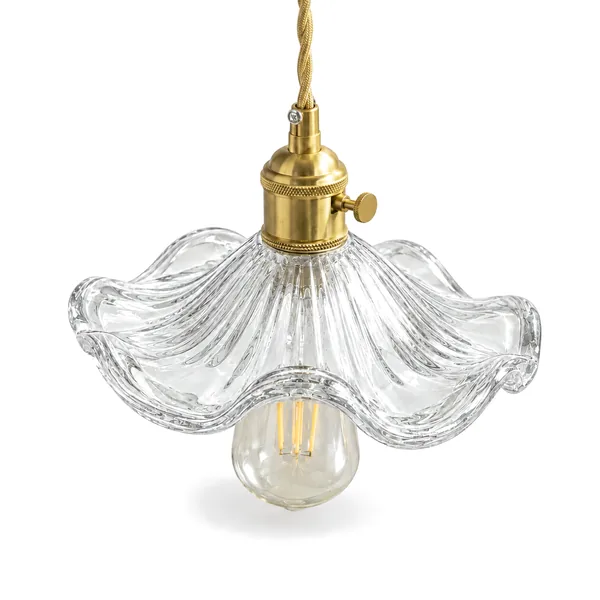
 3 options
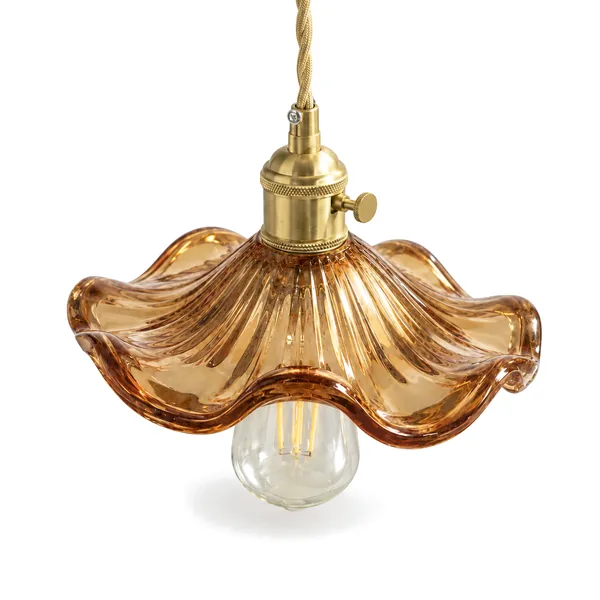
Glora Nordic Glass Pendant Light with Copper
 Save $120.00
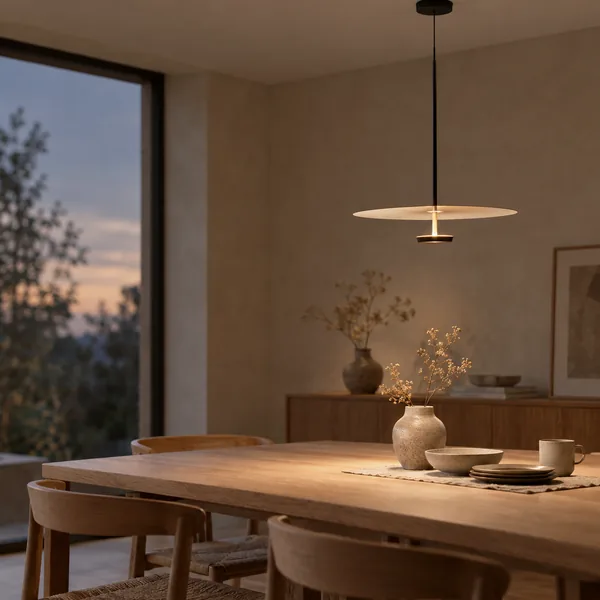
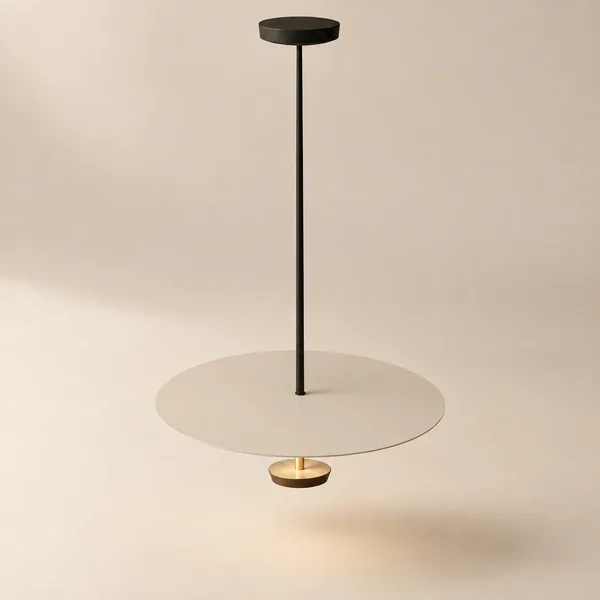
Skiva Nordic Saucer Ceiling Pendant Light LED
Creating Warmth in Raw Spaces
The most common challenge with home decor industrial style is avoiding a space that feels cold or sterile. The solution lies almost entirely in your lighting strategy. While the bones of an industrial room might be hard and utilitarian, the right illumination transforms those same elements into something intimate and inviting.
Adjustable spotlighting is particularly effective because it allows you to control exactly where warmth is needed. Instead of flooding an entire room with uniform light, directional fixtures create pockets of illumination that draw the eye and define spaces within open floor plans. This approach honors the industrial principle of functionality while solving the comfort problem beautifully.
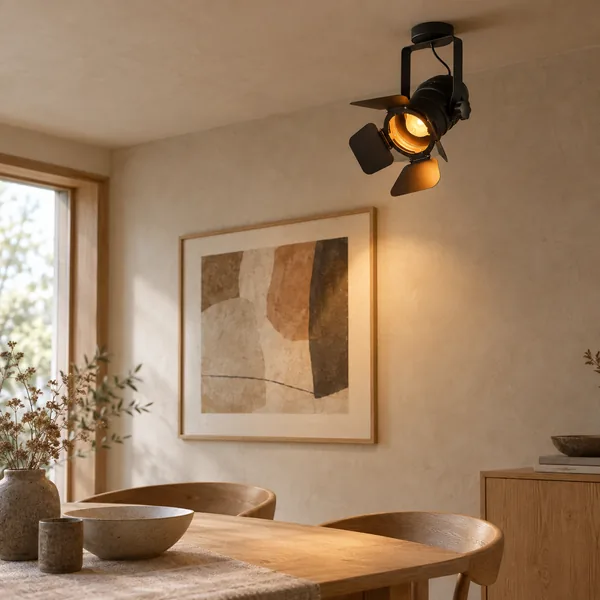 Skena Iron Barn Door Vintage Ceiling Spotlight$99.00$149.00
The Skena Iron Barn Door Vintage Ceiling Spotlight exemplifies this philosophy perfectly. Its adjustable metal barn doors let you direct light exactly where you want it, creating dramatic pools of warmth against raw brick or concrete. The vintage factory aesthetic feels authentic rather than themed, and the ability to control your lighting environment means you can shift from bright task lighting to intimate ambiance as your day evolves.
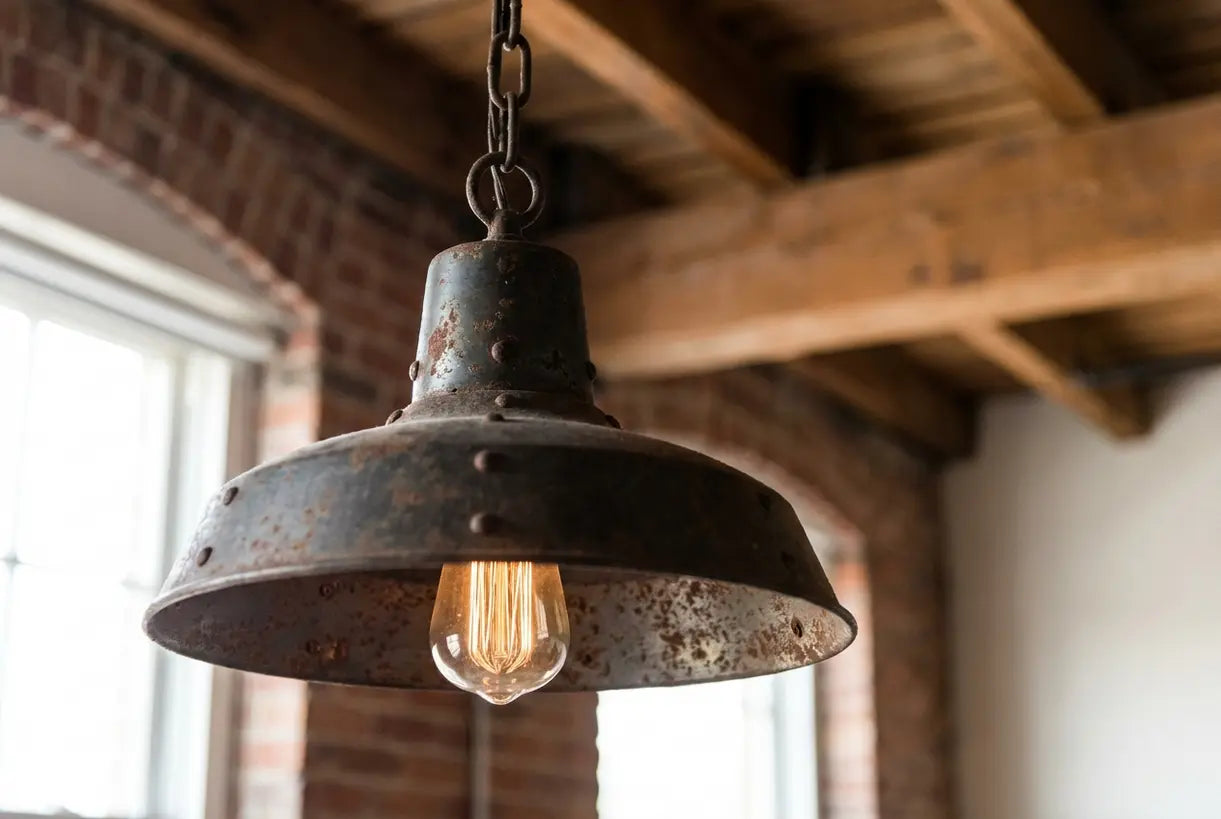
Mastering Industrial Lighting Design
Lighting in an industrial living room or loft space requires thoughtful layering. Rather than relying on a single overhead fixture, successful industrial interiors combine multiple light sources at different heights and intensities.
Start with your ambient layer—often pendant lights or track systems that provide overall illumination. Then add task lighting through adjustable wall sconces, desk lamps, or reading lights. Finally, incorporate accent lighting to highlight architectural features, artwork, or specific zones within an open floor plan.
This video tour of a modern loft demonstrates how these principles come together in practice. Notice how the designers use lighting not just to illuminate but to define different functional areas within the open space—creating distinct dining, living, and workspace zones without building a single wall.
Curated Lighting for Urban Lofts
Finding lighting that honors industrial heritage while meeting modern efficiency standards can feel overwhelming. The market is flooded with cheap imitations that capture the look but lack the substance. At Skonne, we've curated pieces that deliver authentic factory-inspired character without sacrificing quality or warmth.
Pendant lighting is perhaps the most iconic industrial fixture category. Suspended over kitchen islands, dining tables, or clustered in living areas, these fixtures anchor spaces while providing essential illumination. Look for designs that showcase the bulb—Edison-style filaments remain popular for their warm, golden glow—and feature materials like wrought iron, brushed steel, or aged brass.
Factory-Inspired Lighting Essentials
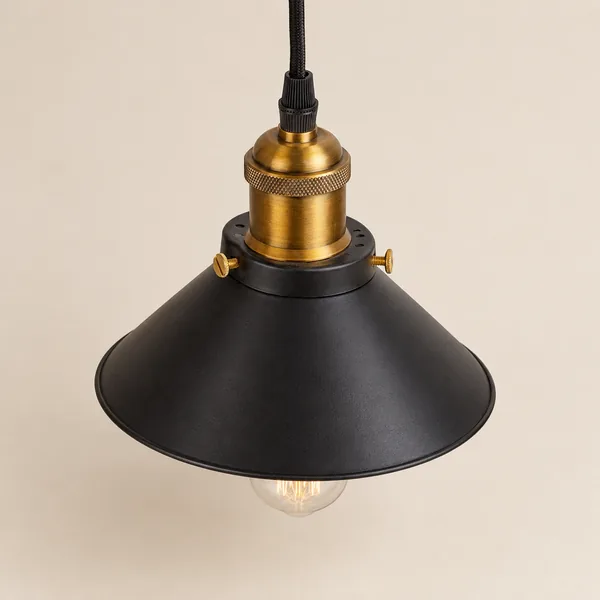
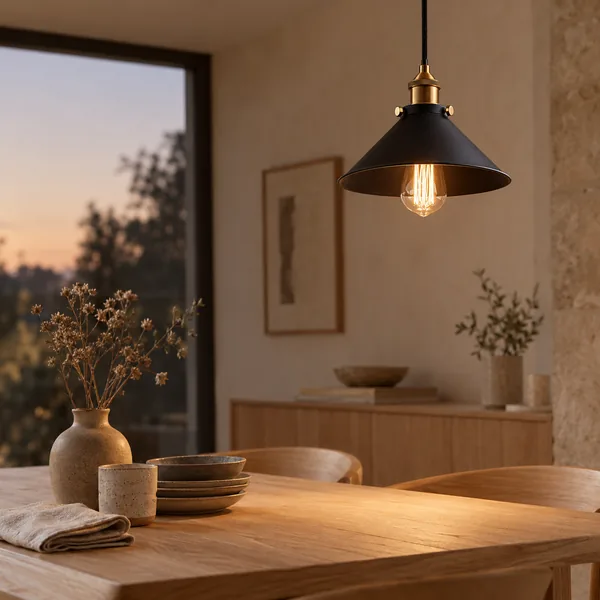 Kveld Retro Iron Pendant Lamp for Loft Spaces$89.00$129.00
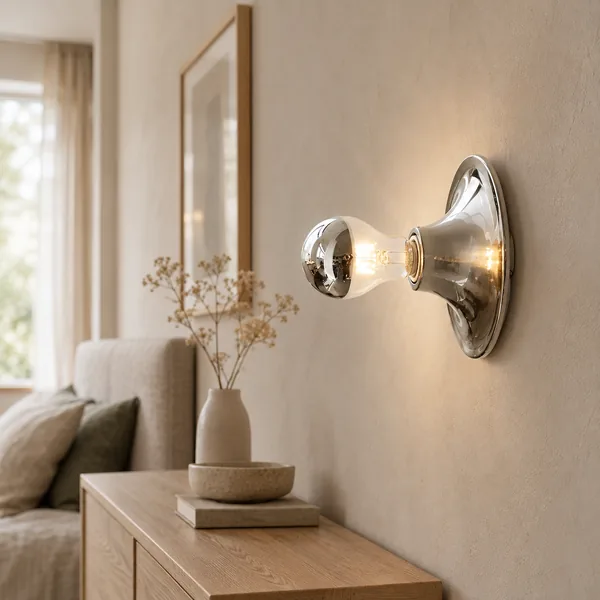 Glødvar Retro Iron Wall Sconce Nordic Design$89.00$129.00
The Kveld Retro Iron Pendant Lamp for Loft Spaces brings immediate character to any ceiling with its matte metal finish and adjustable cord. It's equally at home hanging solo over a bedside table or clustered in multiples above a dining surface. For wall-mounted solutions, the Glødvar Retro Iron Wall Sconce Nordic Design offers that perfect balance of industrial edge and Nordic warmth—available in multiple finishes to complement your specific raw material palette.
Small Space Industrial Solutions
You don't need a sprawling warehouse loft to embrace vintage factory style. The industrial aesthetic translates beautifully to apartments, townhomes, and compact urban dwellings when approached thoughtfully.
In smaller spaces, the key is selectivity. Choose one or two signature industrial elements—a striking metal pendant, an exposed brick accent wall, or a reclaimed wood dining table—rather than overwhelming the space with competing raw materials. This restrained approach prevents the room from feeling cluttered or heavy.
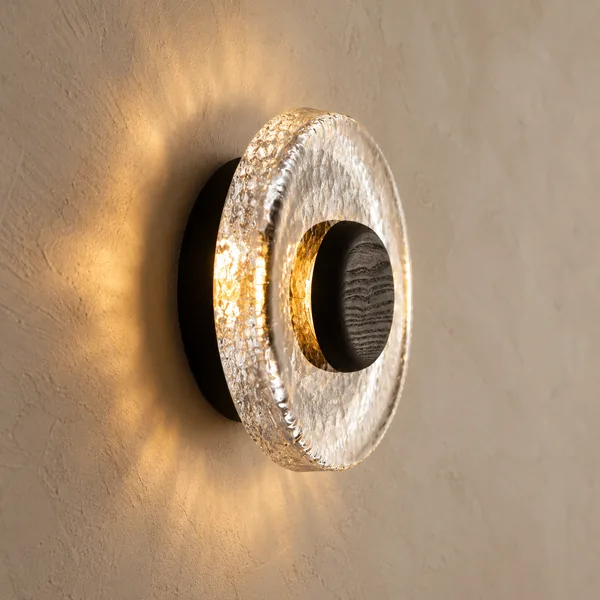
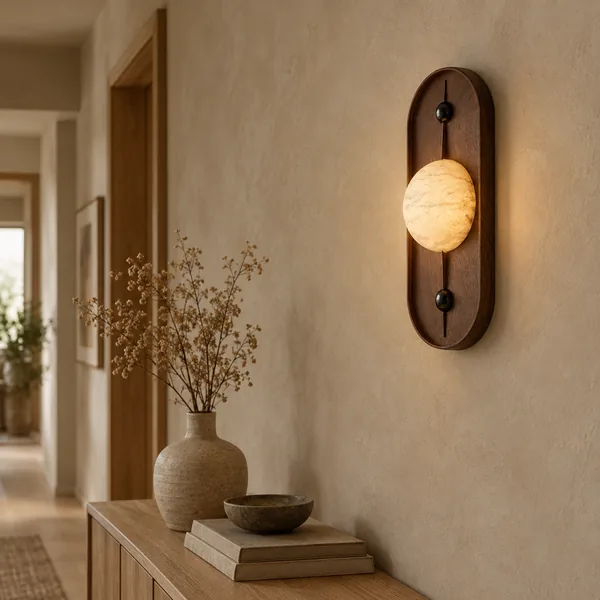
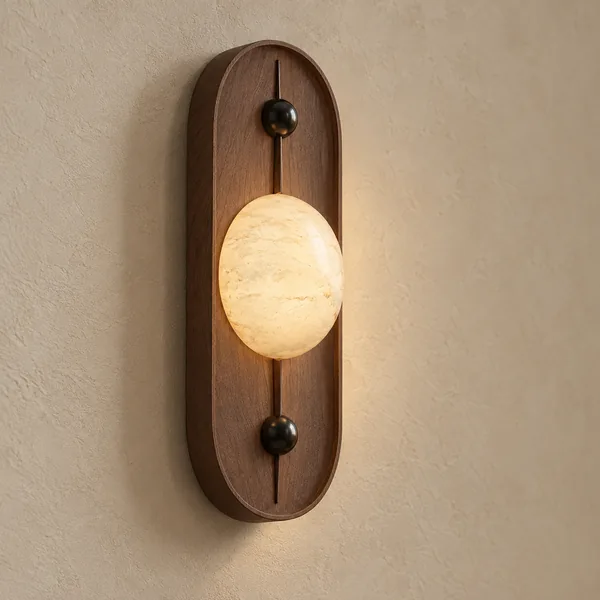
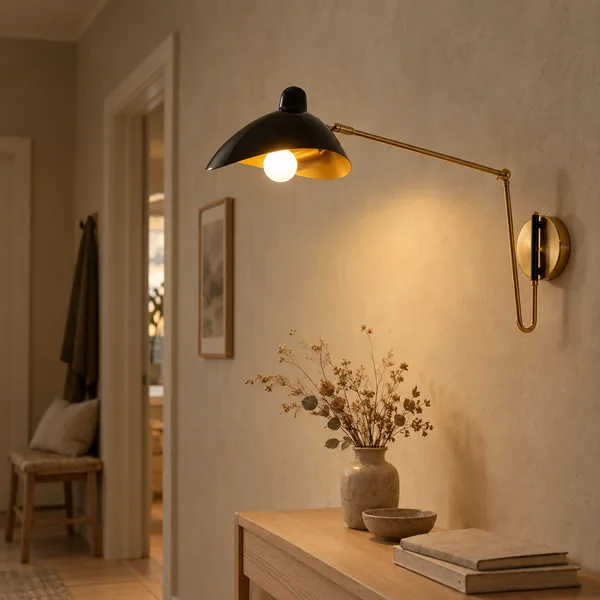
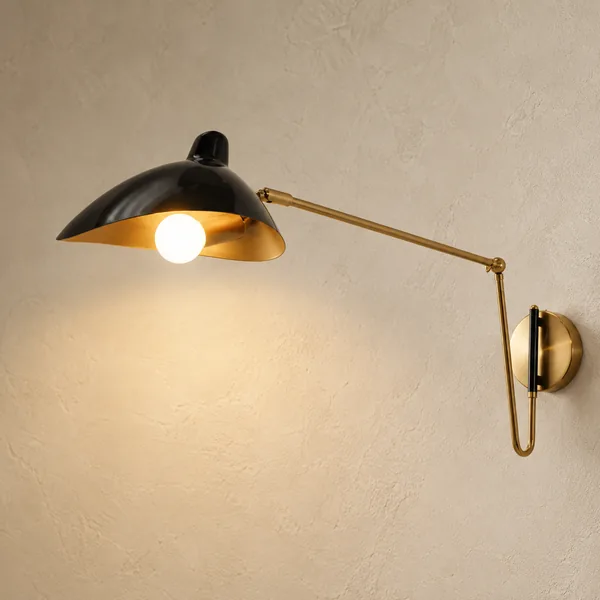
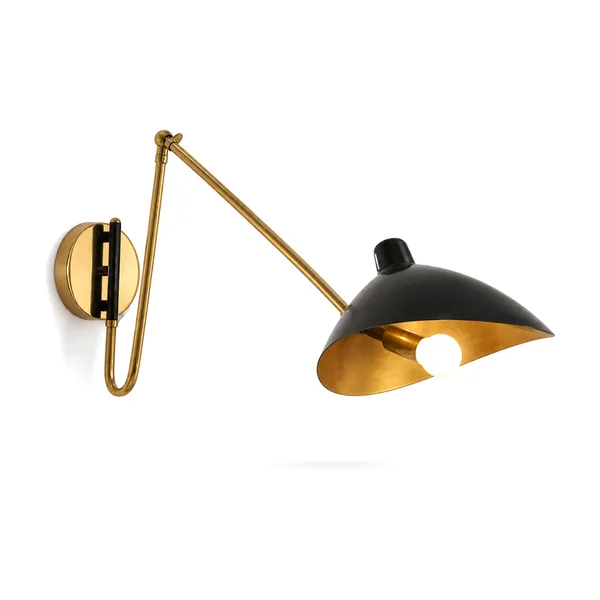
Lighting becomes even more critical in compact industrial spaces. Wall sconces save precious floor and surface area while adding vertical interest. Adjustable fixtures allow you to adapt your lighting to different activities without requiring multiple lamps. For intimate corners or reading nooks, Table Lamps in industrial finishes offer portable warmth that can move with your needs.
Color palette also plays a role in scaling industrial style for smaller spaces. While true lofts can handle expansive stretches of charcoal and steel, smaller rooms benefit from incorporating lighter tones—whitewashed brick, pale concrete, or natural wood tones—to maintain an open, airy feeling.
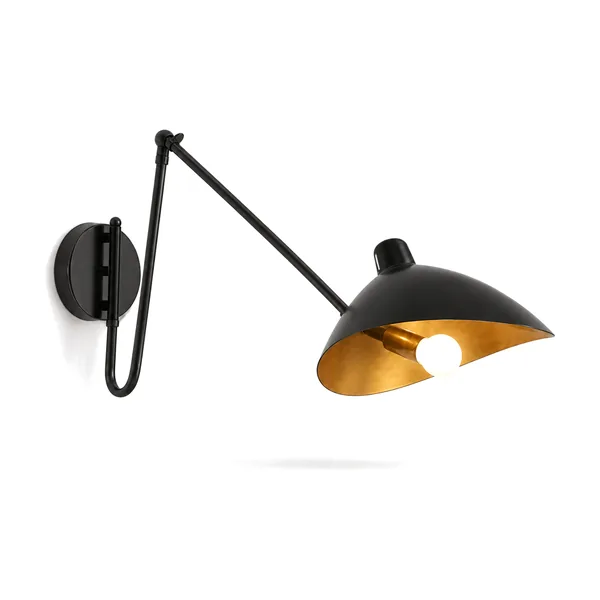
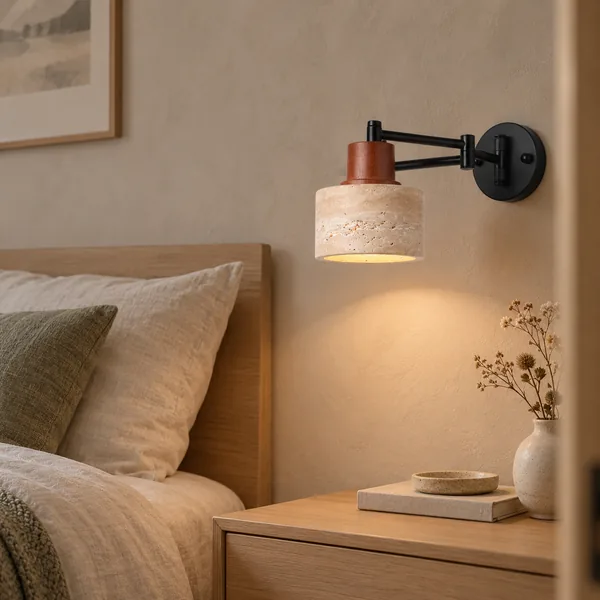
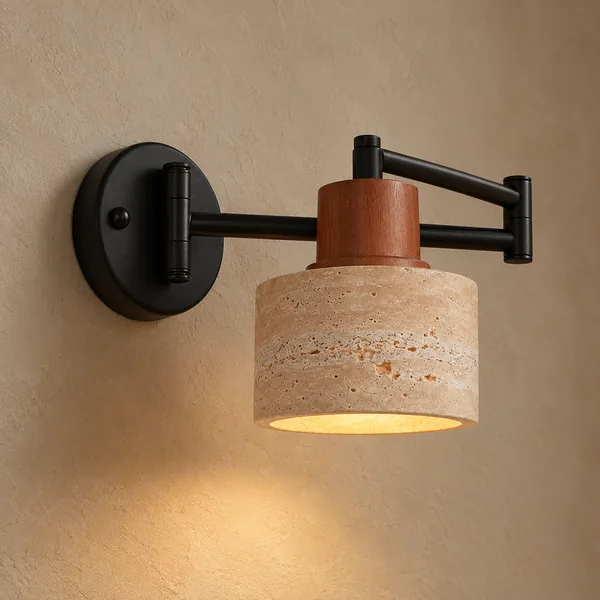
Adjustable Wall Lights
Shop all Adjustable Wall Lights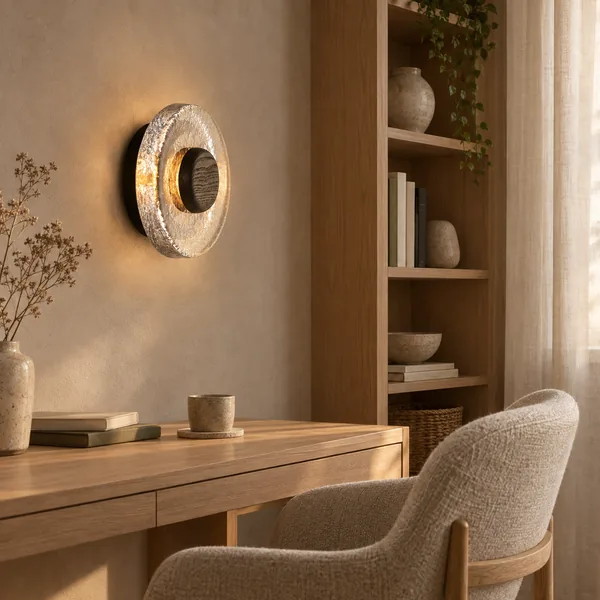
The 3-5-7 Rule for Industrial Spaces
You may have encountered the 3-5-7 rule in decorating circles—an approach to creating visual balance through odd-numbered groupings. In industrial bedroom and living applications, this principle helps organize the inherently chaotic nature of raw, factory-inspired design.
The rule suggests arranging items in groups of three, five, or seven rather than even numbers. This creates visual interest and prevents arrangements from feeling too symmetrical or static. In an industrial context, this might mean:
- Three pendant lights hung at varying heights over a kitchen island
- Five vintage accessories displayed on an open metal shelving unit
- Seven frames of industrial photography arranged asymmetrically on an exposed brick wall
This technique is particularly valuable when styling the open shelving common in industrial kitchens and living areas. Rather than cluttering every inch of space, curated groupings create breathing room while maintaining the collected-over-time aesthetic that defines the style.
How to Make Your House Look Industrial
Implementing industrial style decor doesn't require a complete renovation. Here are actionable steps to introduce factory-inspired character to any space:
- Start with lighting: Swapping out generic fixtures for industrial pendants or sconces delivers immediate transformation with minimal commitment.
- Embrace patina: Choose materials that look better with age. Leather that develops character, metal that shows subtle wear, wood that tells stories through its grain.
- Edit your concealment: Where possible, remove unnecessary coverings. Open shelving instead of cabinets, exposed bulbs instead of shaded fixtures, visible hardware on furniture.
- Mix vintage with new: Authentic industrial pieces—salvaged factory carts, vintage lockers, antique work stools—add credibility that reproductions alone cannot achieve.
- Layer textures thoughtfully: Soften the inherent hardness of industrial materials with textiles. Linen, wool, and distressed leather add warmth without compromising the aesthetic.
- Consider scale: Industrial furniture often feels substantial. Balance larger pieces with negative space to avoid overwhelming your rooms.
Pro Insight: The most successful industrial interiors feel evolved rather than decorated. Take your time collecting pieces that resonate with you, and don't rush to fill every corner. The beauty of this style lies in its honesty—and that includes acknowledging the journey of creating your space.
Conclusion: Finding Your Industrial Expression
Home decor industrial style offers something rare in the world of interior design: an aesthetic that feels both timeless and thoroughly contemporary. By honoring the raw beauty of factory architecture and the honest functionality of utilitarian materials, you create spaces that tell stories and welcome genuine living.
The evolution toward softer, more livable industrial design means this style is no longer reserved for converted warehouses in urban centers. Whether you're working with an authentic loft space or simply drawn to the warmth of aged materials and exposed mechanics, the principles remain the same: authenticity over perfection, function over ornament, and the embrace of materials that grow more beautiful with time.
At Skonne, we've built our collection around the belief that lighting is where industrial design truly comes alive. The right fixture doesn't just illuminate—it transforms, defines, and completes your vision. From adjustable spotlights that put you in control of your atmosphere to vintage-inspired pendants that anchor your space with character, our curated selection offers the authentic pieces you need to realize your loft-inspired dreams.
Your industrial sanctuary awaits—and it starts with a single, purposeful light.
Related Article
Home Decor Color Schemes: The Best Color Combinations for Every Interior StyleDiscover the best home decor color schemes for every interior style, from Scandinavian neutrals to bold earth tones and modern palettes.