
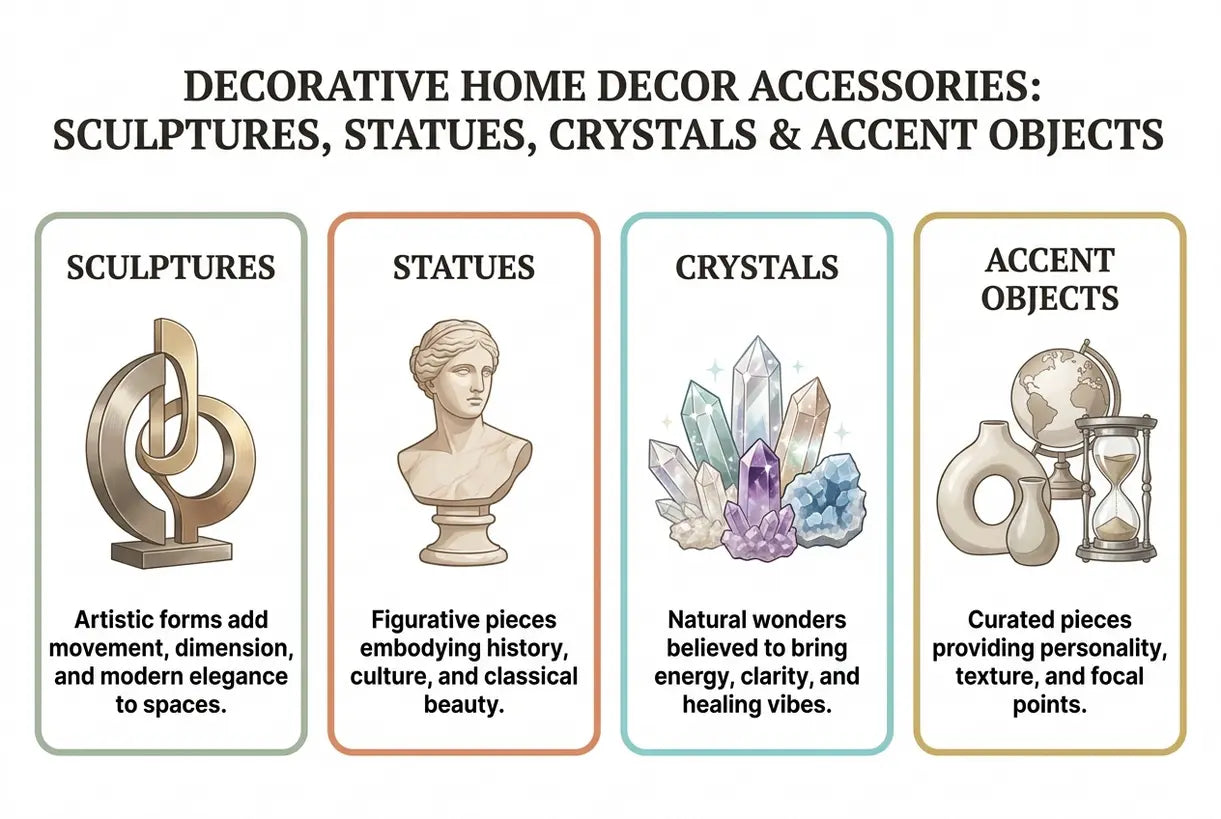
Decorative Home Decor Accessories: Sculptures, Statues, Crystals & Accent Objects

Summary›
- Understanding the Power of Decorative Home Accessories
- The Art of Sculptural Decor Objects
- Illuminating with Crystal Home Accents
- Styling Strategies for Maximum Impact
- Room-by-Room Guide to Accent Placement
- Mastering the Mix: Combining Different Decorative Elements
- Sourcing Quality Decorative Objects
- Conclusion: Curating Your Personal Collection
Your home should tell your story, and decorative home accessories are the punctuation marks that make that narrative compelling. Whether you're drawn to the organic curves of sculptural decor objects or the shimmering allure of crystal home accents, the right pieces transform a functional space into a personal sanctuary. At Skonne, we believe that Scandinavian design principles—simplicity, intentionality, and warmth—can guide you toward selections that feel both curated and deeply personal.
The world of home decor items extends far beyond basic furnishings. Today's design enthusiasts seek accent decor pieces that serve as conversation starters, artistic statements, and reflections of individual taste. From minimalist brass sculptures to prismatic crystal elements, these objects create layers of visual interest that elevate every corner of your living space. Understanding how to select, style, and display these decorative elements ensures your home achieves that coveted balance between sophistication and comfort.
Understanding the Power of Decorative Home Accessories
Decorative home accessories function as the jewelry of interior design. Just as the right necklace can transform an outfit, carefully chosen accent decor pieces bring personality and polish to your rooms. These items—ranging from statues home decor to delicate crystal formations—serve multiple purposes beyond aesthetics. They draw the eye through a space, create focal points, and establish the mood you want to cultivate.
The Scandinavian approach to decorative styling emphasizes quality over quantity. Rather than filling shelves with random objects, this philosophy encourages selecting fewer pieces that carry meaning, demonstrate exceptional craftsmanship, or spark genuine joy. When you curate your collection of home decor and accessories with intention, each item earns its place in your home's visual story. This mindful approach prevents clutter while maximizing impact—a particularly valuable strategy for modern living spaces where every square foot matters.
The Art of Sculptural Decor Objects
Sculptural elements bring three-dimensional artistry into your daily environment. Unlike flat artwork, home decor sculpture engages with light and shadow throughout the day, creating an ever-changing visual experience. These pieces work beautifully on console tables, bookcases, and mantels where they can be appreciated from multiple angles. The tactile quality of sculpted materials—whether smooth marble, textured ceramic, or polished metal—adds sensory richness to your interior.
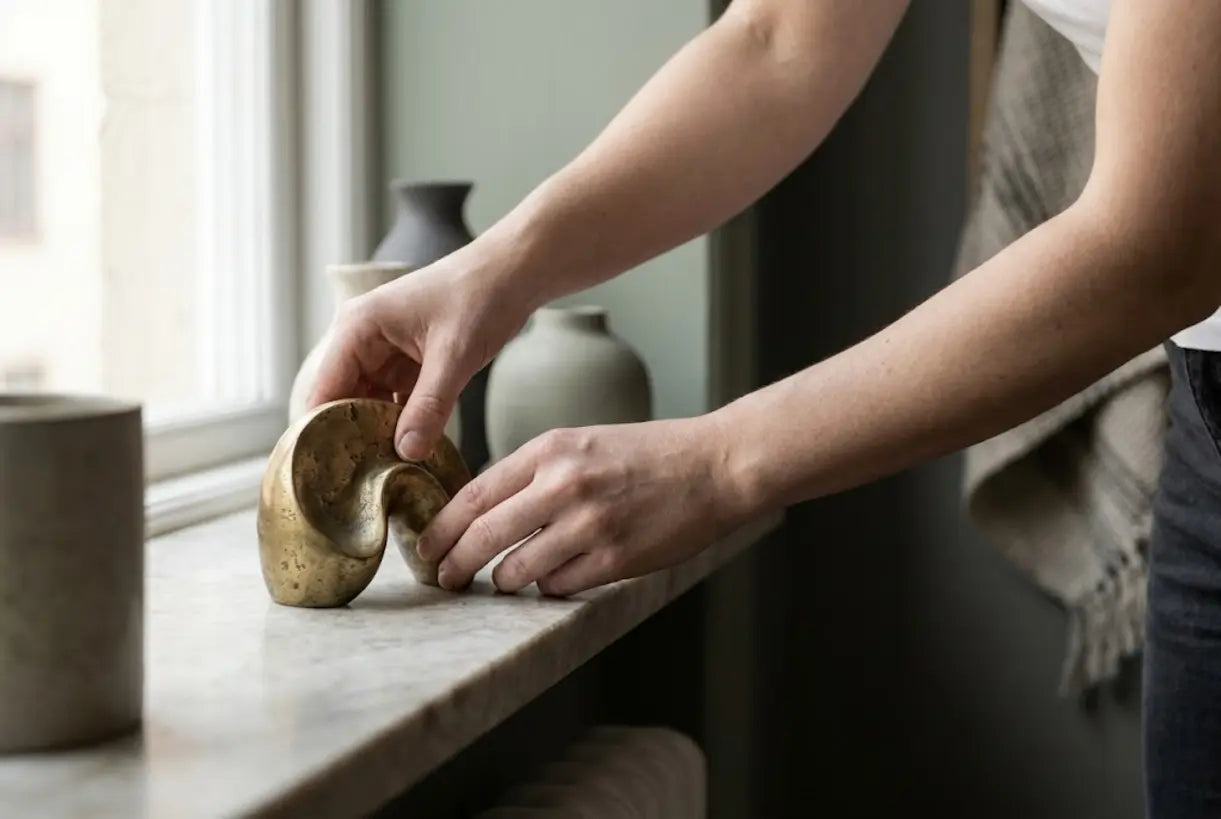
When selecting decorative sculptures for home display, consider scale and proportion relative to your furniture. A substantial piece commands attention on a large credenza, while smaller sculptural accents work better on narrow shelves or clustered in groups. The interplay between positive and negative space in sculptural design creates visual breathing room, preventing your displays from feeling overcrowded. Consider how natural light hits these forms throughout the day, as shadows become part of the artistic presentation.
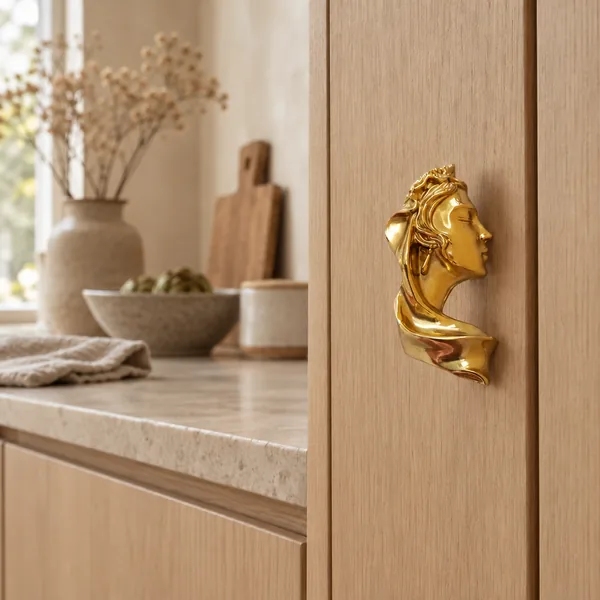 Figra Sculpted Brass Portrait Cabinet Handle$36.00$59.00
Functional sculpture represents one of the most sophisticated ways to incorporate art into everyday life. The Figra Sculpted Brass Portrait Cabinet Handle exemplifies this philosophy, transforming ordinary furniture into gallery-worthy pieces. These hand-forged solid brass handles—available in both male and female portrait designs—elevate kitchen cabinetry or wardrobe doors into the realm of functional art. By choosing hardware that doubles as sculpture, you infuse personality into utilitarian elements of your home.
Illuminating with Crystal Home Accents
Crystal elements bring an undeniable magic to interior spaces through their light-refracting properties. These crystal home accents capture ambient light and scatter prismatic reflections across walls and ceilings, creating an ethereal atmosphere that shifts throughout the day. Unlike heavy decorative metals or opaque ceramics, crystal and glass accessories maintain an airy quality that works beautifully in smaller spaces or minimalist interiors.
When incorporating crystalline elements, placement near natural or artificial light sources maximizes their impact. Window sills, side tables adjacent to floor lamps, and illuminated shelving all provide opportunities for these pieces to showcase their refractive qualities. The transparency of crystal accessories means they contribute visual interest without adding visual weight—an essential consideration when layering multiple decorative objects in a single vignette.
Home Decor
Shop all Home Decor
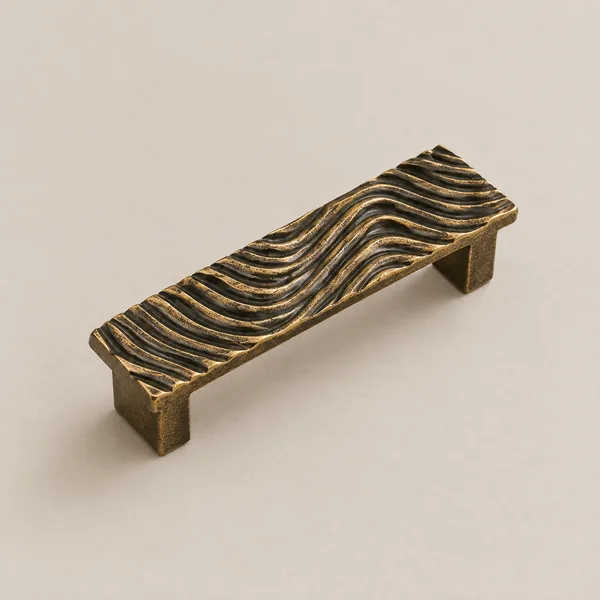
 Save $44.50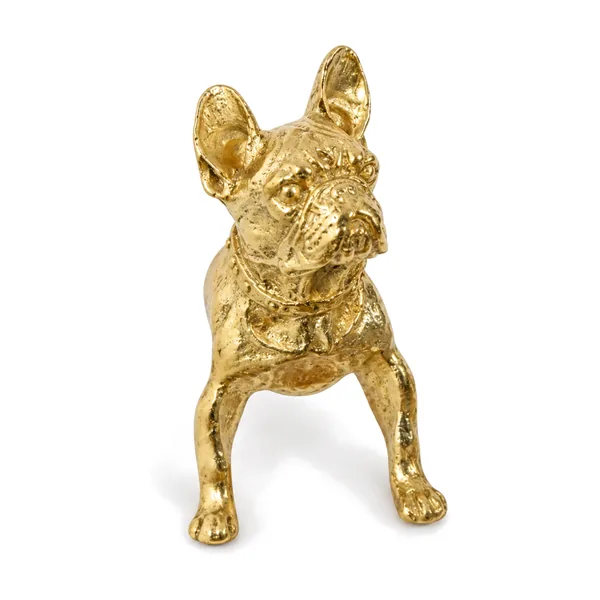
 2 options
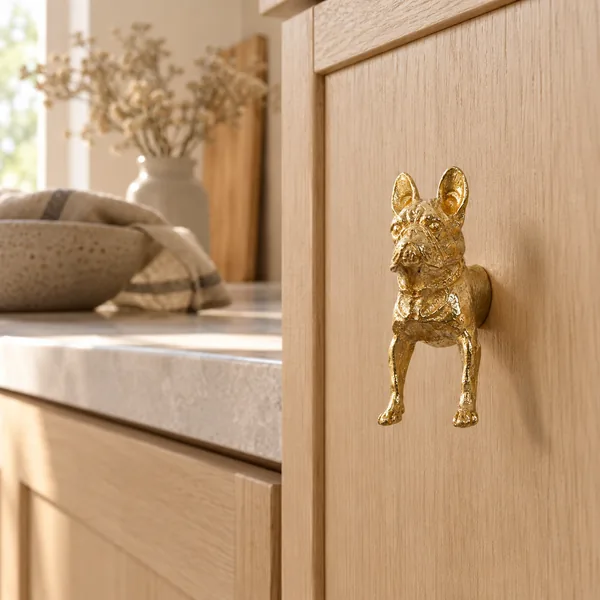
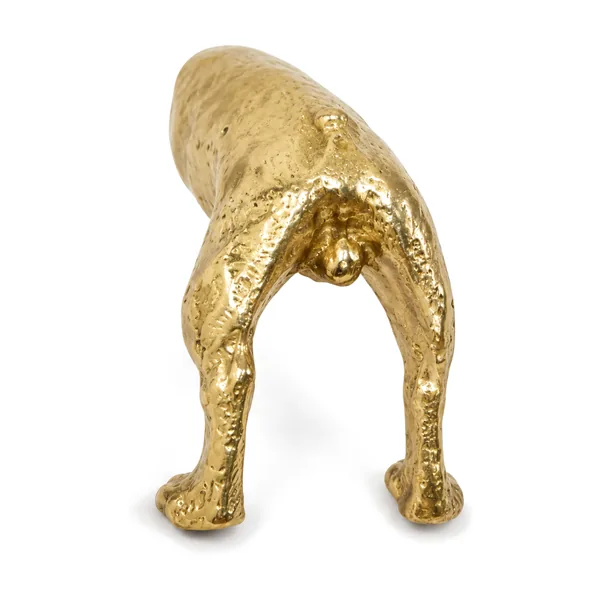
Tassa Polished Brass Dog Cabinet Pull Handle
 Save $110.00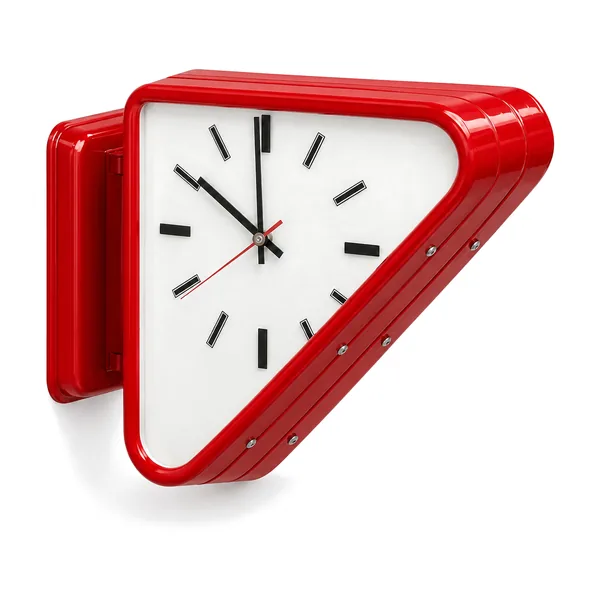
 +15 options
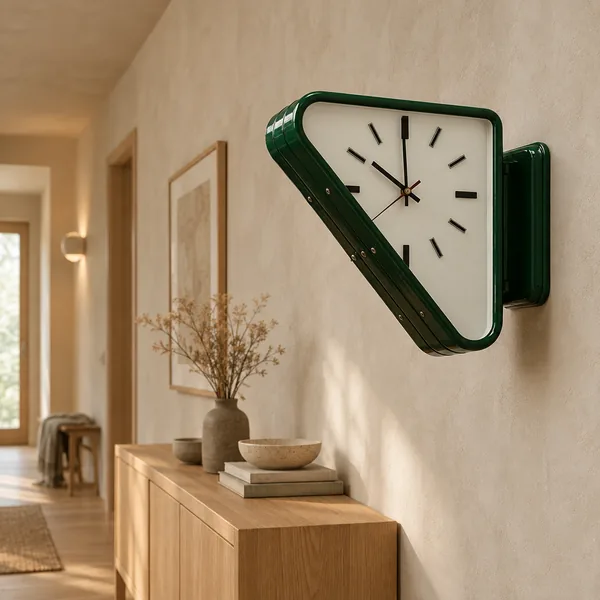
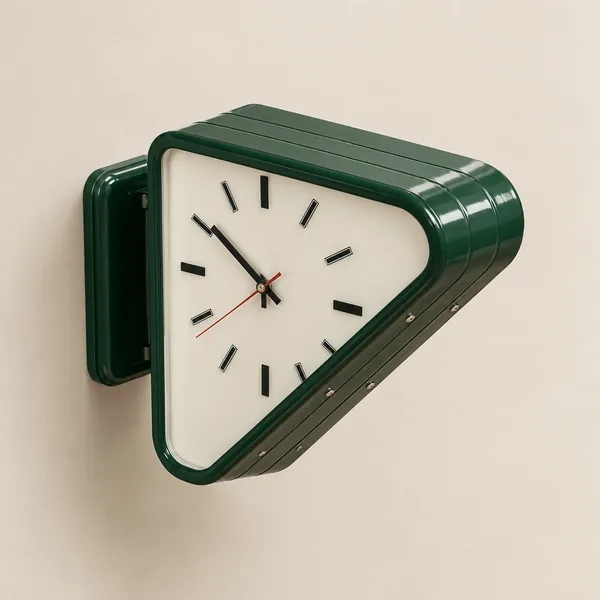
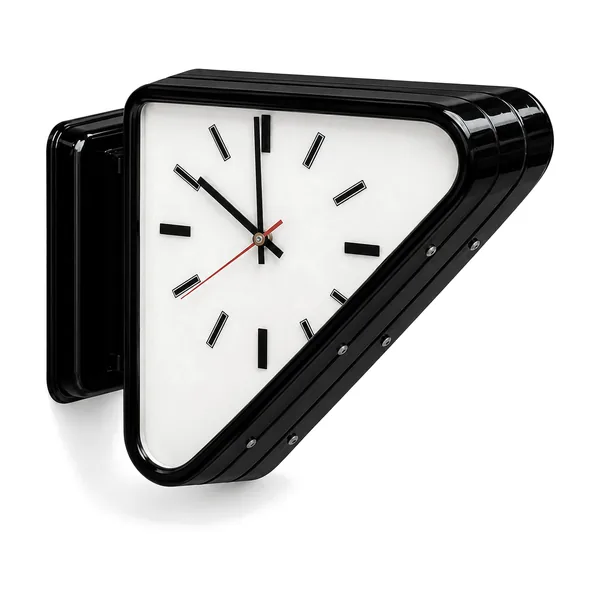
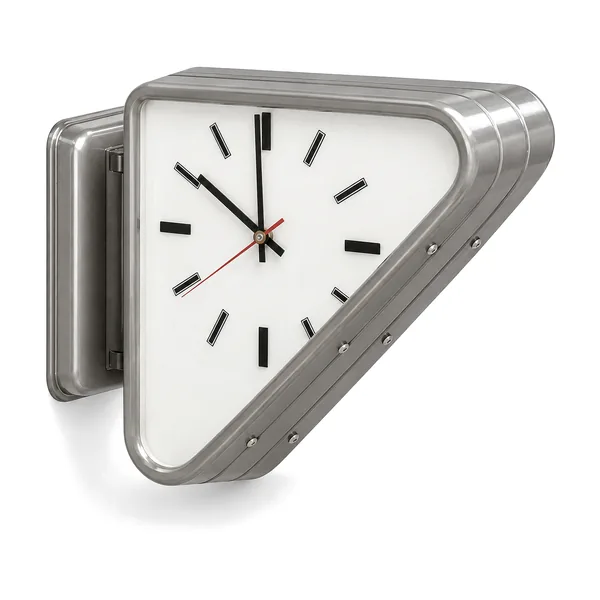
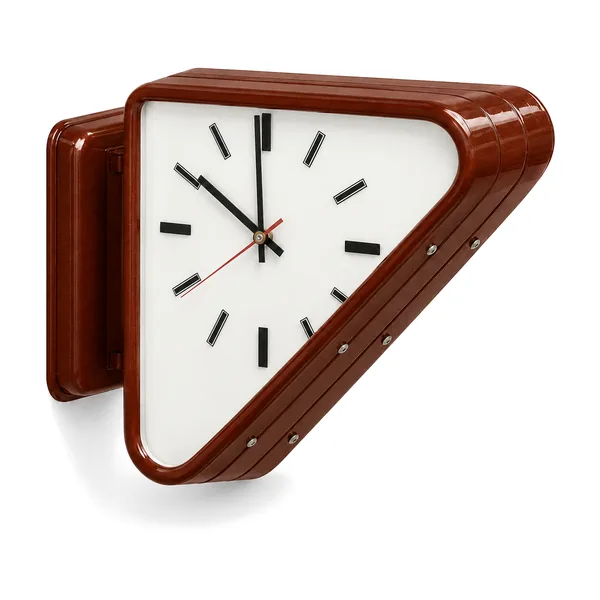
Tvilling Dual-Sided Geometric Metal Wall Clock
Styling Strategies for Maximum Impact
Creating compelling displays with your home decor items requires understanding basic principles of composition while leaving room for creative expression. The rule of thirds, odd-number groupings, and varying heights all contribute to visually pleasing arrangements. However, the most successful displays often break one rule while honoring others, creating tension and interest that catches the eye.
Start by establishing a color palette that complements your existing décor. Scandinavian design favors muted tones—soft grays, warm whites, and natural wood tones—with occasional bold accents. Within this framework, metallic sculptures, clear crystal elements, and monochromatic ceramics create cohesion while allowing individual pieces to shine. For those looking to explore more options, our Decorative Trays & Bowls offers a curated selection of foundational pieces that anchor any display.
Creating Visual Hierarchy
Every successful display needs a clear focal point—one piece that commands primary attention. Build around this anchor item using supporting elements that complement without competing. Height variation creates natural pathways for the eye to travel, while textural contrasts (smooth against rough, shiny against matte) add depth and sophistication. Leave intentional negative space around important pieces so they can breathe and be appreciated fully.
Luminous Accents for Your Space
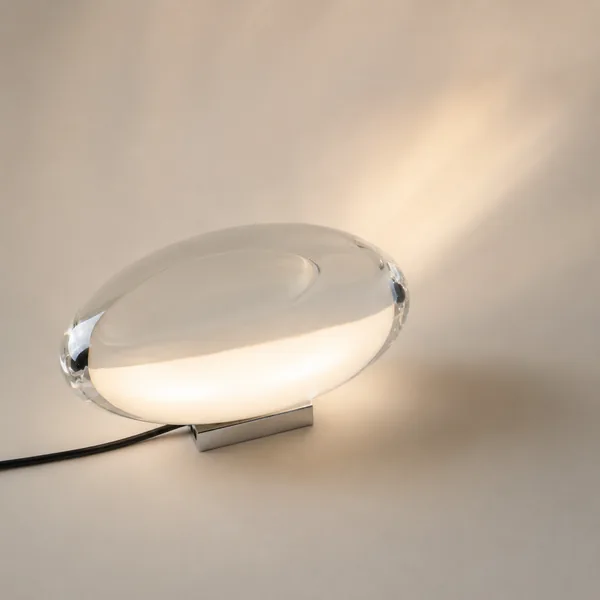 Glöra Crystal Table Lamp with LED Color Glow$49.00$79.00
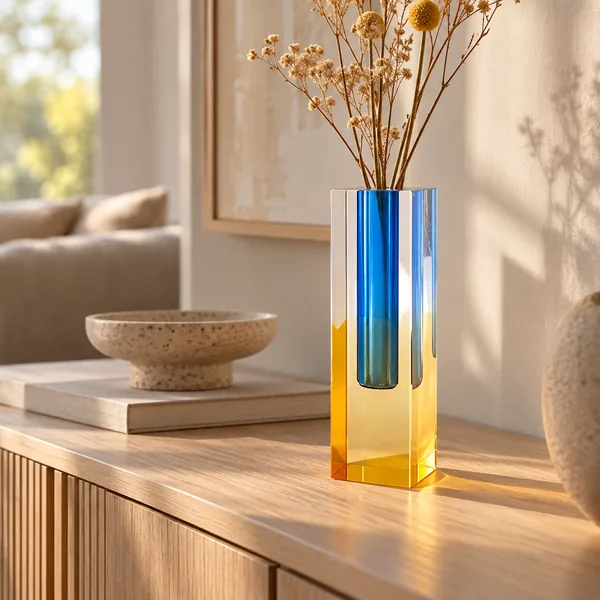 Klaris Tall Nordic Acrylic Bud Vase Minimalist$59.00$99.00
Lighting plays a crucial role in showcasing your decorative collection. The Glöra Crystal Table Lamp with LED Color Glow demonstrates how functional lighting can double as sculptural art. Its compact crystal form refracts light beautifully, while three swappable color films allow you to adjust the mood from warm amber to cool blue. Similarly, the Klaris Tall Nordic Acrylic Bud Vase captures and plays with light like traditional crystal, but its iridescent acrylic construction offers durability without sacrificing elegance.
Room-by-Room Guide to Accent Placement
Different spaces in your home call for different approaches to decorative styling. Understanding how accent decor pieces function in specific rooms helps you make intentional choices that serve both aesthetic and practical purposes.
Living Room Focal Points
The living room typically offers the most opportunities for decorative display. Coffee tables benefit from low-profile arrangements that don't obstruct sightlines or conversation. Consider a sculptural object paired with a small vase and perhaps a stack of beautiful books. Console tables behind sofas provide perfect staging grounds for taller pieces and layered compositions that draw the eye upward.
Decorative Vases
Shop all Decorative Vases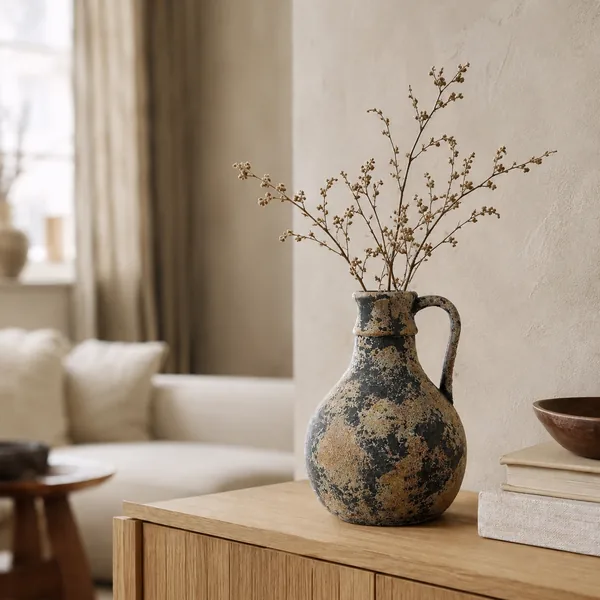
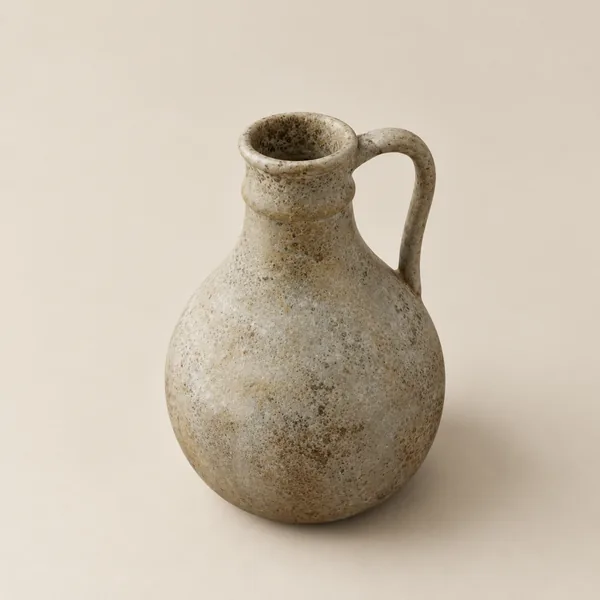
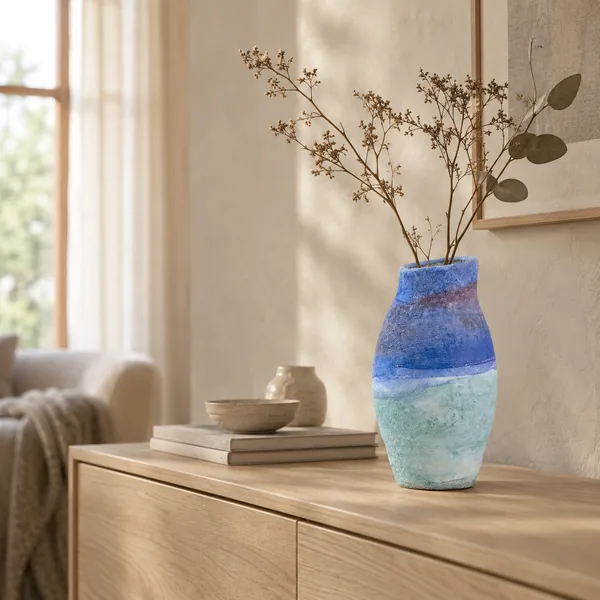
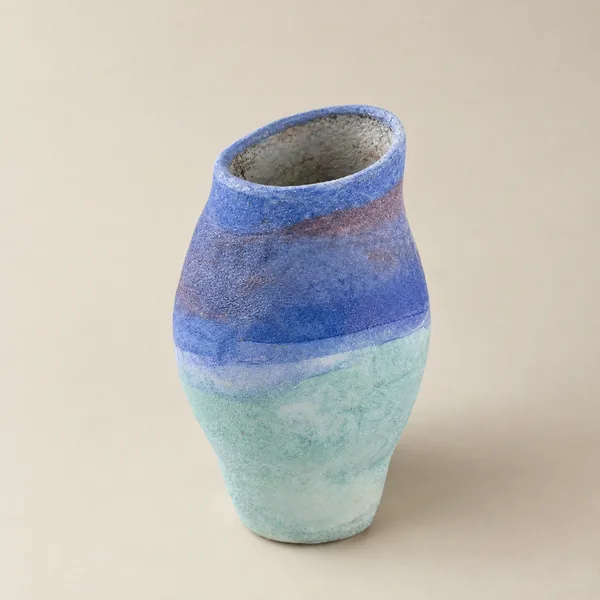 Save $40.00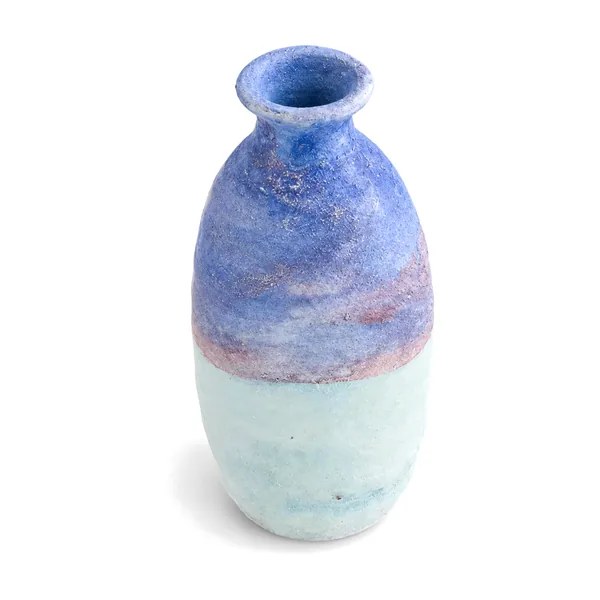
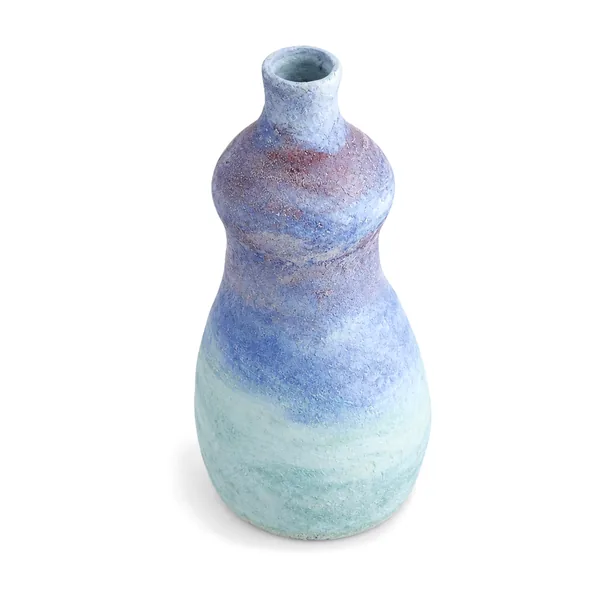
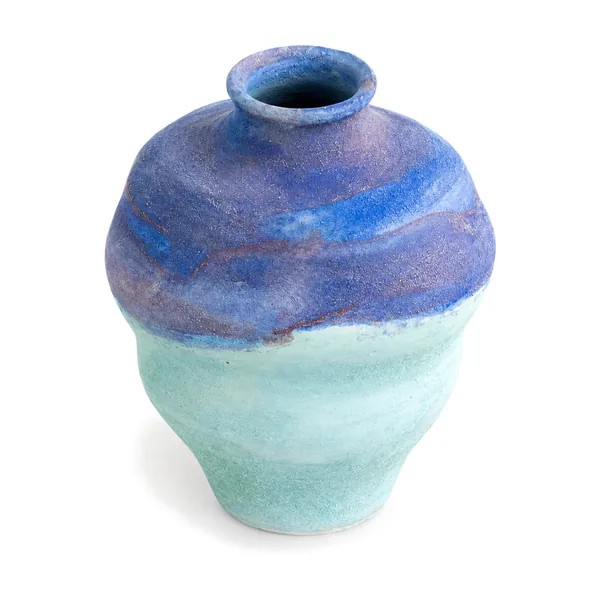
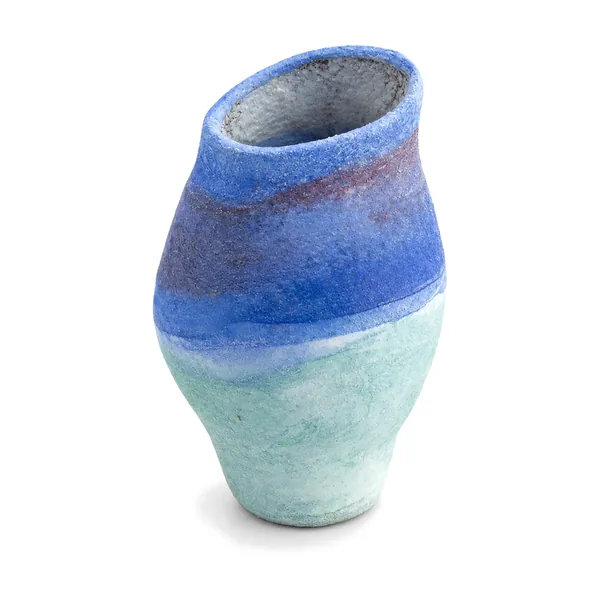 4 options
Dyvna Blue Gradient Ceramic Vase for Home Decor
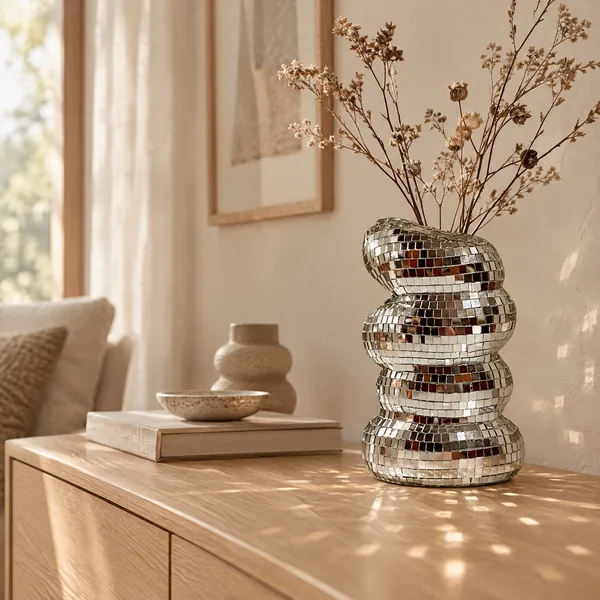
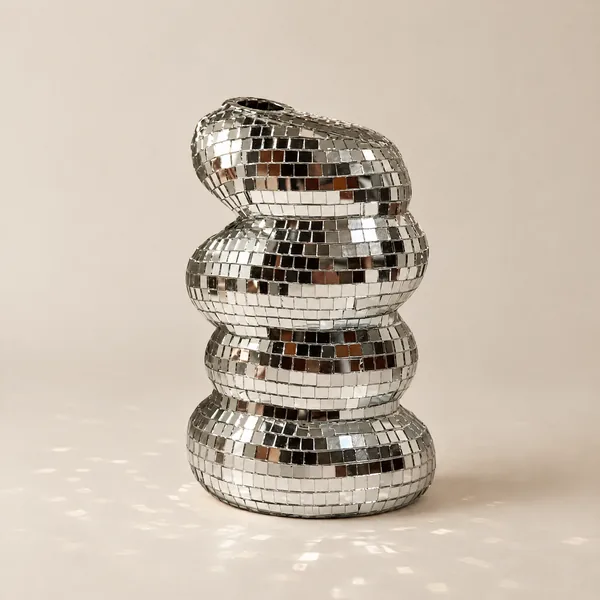
Bedroom Sanctuaries
Bedroom styling calls for a more restrained hand. Nightstands work best with minimal arrangements—a single sculptural piece, a small dish for jewelry, and perhaps a bud vase with a fresh bloom. The goal is creating a calm, uncluttered environment conducive to rest. Choose pieces with soft, organic forms and avoid anything too visually stimulating in this restful space.
Mastering the Mix: Combining Different Decorative Elements
The most sophisticated interiors blend diverse materials, styles, and eras with confidence. Combining decorative home accessories from different design movements creates depth and tells a more interesting visual story than strictly coordinated collections. The key lies in finding unifying elements—color, scale, or texture—that create cohesion despite variety.
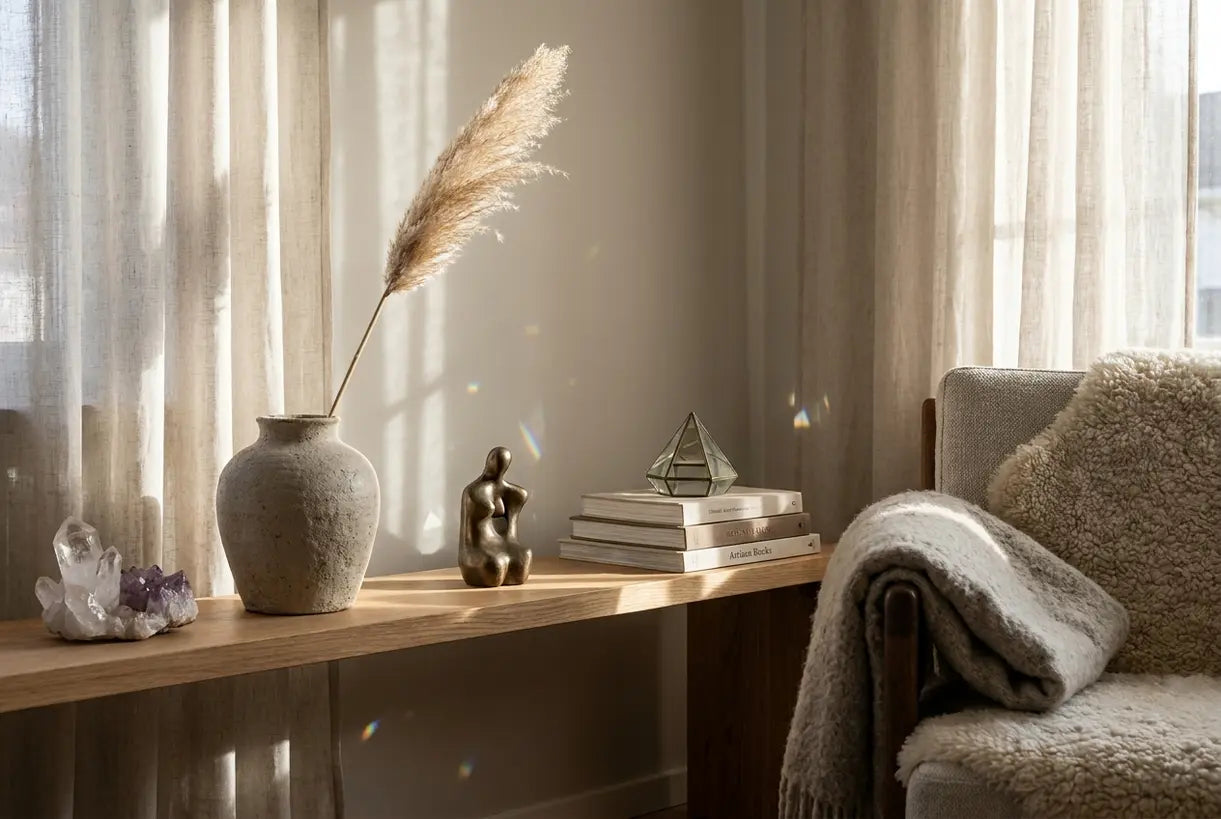
Start by mixing just two different styles—a sleek modern sculpture paired with a vintage ceramic, for example. Notice how they interact, where they complement each other, and where tension arises. Gradually introduce additional elements, always stepping back to assess the overall composition. Nature-inspired objects pair beautifully with geometric forms, while metallic finishes bridge different materials and periods.
Sourcing Quality Decorative Objects
Investing in well-crafted home decor sculpture and accent pieces means prioritizing materials and manufacturing techniques that stand the test of time. Solid brass develops a beautiful patina with age, while hand-blown glass carries subtle imperfections that signal artisanal production. These quality indicators distinguish truly special pieces from mass-produced alternatives that quickly lose their luster.
Consider the origin story of your decorative objects. Scandinavian design traditions emphasize honest materials, functional beauty, and sustainable production methods. When you choose pieces crafted with these values in mind, you surround yourself with objects that carry meaning beyond their aesthetic appeal. This intentionality transforms decorating from a chore into a joyful curation process.
Conclusion: Curating Your Personal Collection
Decorative home accessories offer endless possibilities for personal expression and spatial transformation. By understanding the principles of sculptural styling, the unique properties of crystal home accents, and the art of mixing different elements, you can create displays that feel both curated and deeply personal. Remember that the best interiors evolve over time, accumulating objects that mark journeys, celebrations, and quiet moments of beauty.
At Skonne, we curate our collection of home decor items with these principles in mind—each piece selected for its ability to bring warmth, intention, and Scandinavian sophistication to your space. Whether you're beginning your decorative journey or seeking that perfect accent to complete a vignette, our thoughtfully chosen selection honors the materials, craftsmanship, and design integrity that transform houses into homes. Explore our complete range of sculptural objects, crystal accents, and decorative accessories to discover pieces that resonate with your personal aesthetic and elevate your everyday environment.
Related Article
Modern Kitchen Home Decor: Stylish Ideas for Countertops, Islands & WallsGet inspired with modern kitchen home decor ideas for countertops, islands, and walls. Scandinavian lighting tips to elevate your kitchen design.