
How to Choose the Perfect Pendant Light for Your Space
Summary›
- Understanding Pendant Light Sizing: The Foundation of Good Lighting
- How High to Hang Pendant Lights: Spacing That Sings
- Room-by-Room Pendant Light Placement Strategies
- Best Bulbs for Pendant Lights: The Technical Heart
- Modern Pendant Lighting Ideas: Styles That Endure
- Special Considerations: Bathrooms and Beyond
- Installation and Safety Essentials
- Creating Your Perfect Lighting Plan
Walking into a room illuminated by the perfect pendant light feels like discovering hidden harmony in your home. Whether you're illuminating a kitchen island where morning coffee becomes meditation, or casting warm pools of light over dinner conversations, pendant lighting transforms ordinary moments into hygge-inspired experiences. Yet choosing from countless pendant light styles, sizes, and configurations can feel overwhelming when you're standing in the lighting aisle or scrolling through endless options.
The truth is, selecting the right pendant light isn't guesswork—it's a blend of spatial mathematics, design intuition, and understanding how light actually functions in your daily rituals. This guide will walk you through pendant light sizing, placement strategies, bulb selection, and styling approaches that honor both form and function. By the end, you'll know exactly how to choose pendant lights that don't just brighten rooms, but elevate how you live within them—starting with solutions from our curated Pendant Lights collection.
Understanding Pendant Light Sizing: The Foundation of Good Lighting
Before falling in love with a particular design, you need to anchor your search in practical measurements. The diameter of your pendant light determines whether it commands attention or gets lost in the architecture, while the height affects both functionality and visual balance.
The Room Width Rule
For general spaces, add the room's length and width in feet, then convert that sum to inches—this gives you the ideal pendant diameter. For example, a 12-by-14-foot kitchen suggests a 26-inch pendant. However, this rule shifts when considering kitchen pendant lighting over islands or dining room pendant lights above tables.
Island and Table Calculations
When lighting work surfaces, scale down slightly. Over a kitchen island, select pendants measuring 25-33% of the island's width. For a 6-foot island, this translates to fixtures between 18 and 24 inches in diameter. The same logic applies to dining tables—your pendant should feel substantial without blocking sightlines across the table.
How High to Hang Pendant Lights: Spacing That Sings
Height and spacing separate stunning installations from awkward afterthoughts. The question isn't just "how high to hang pendant lights?"—it's about creating layers of light that serve your activities while maintaining visual flow.
Kitchen Island Standards
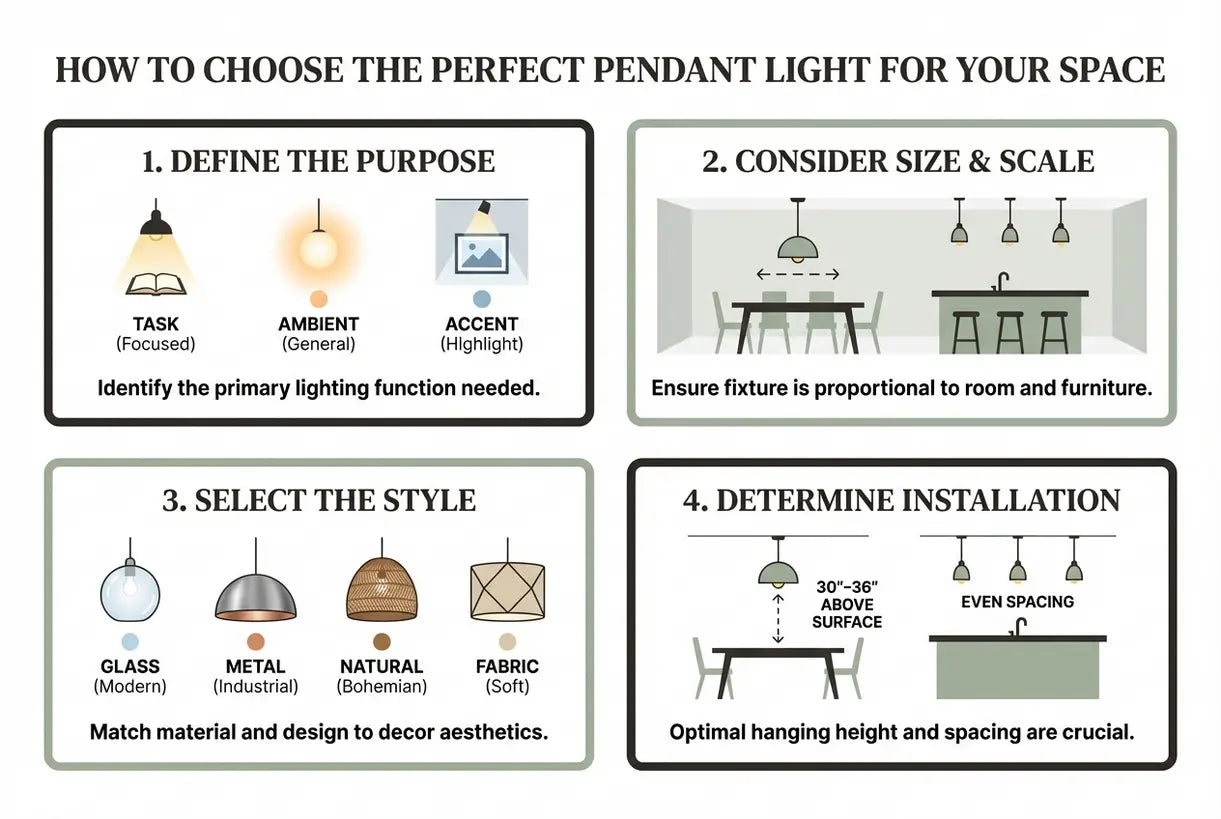
For task lighting over kitchen islands, hang pendants **30 to 36 inches above the countertop surface**. This range provides clear sightlines for detail work while shielding eyes from direct bulb glare. If you have particularly tall ceilings over 10 feet, aim for the higher end of this range or extend to 40 inches.
Dining Room Dynamics
Over dining tables, the standard shifts slightly. Position pendant light **30 to 34 inches above the table surface**—or approximately 5.5 to 6 feet from the floor. This creates intimate pools of light that encourage lingering conversations while remaining high enough that standing guests won't hit their heads.
The Multi-Pendant Formula
When calculating how many pendant lights you need over an island, the spacing between fixtures matters as much as the fixtures themselves. Plan for **24 to 30 inches between each pendant center point**. Over a standard 8-foot island, three medium-sized pendants create rhythm without clutter. For islands under 6 feet, two well-sized pendants often suffice.
Room-by-Room Pendant Light Placement Strategies
Different spaces demand different approaches to pendant light placement. Understanding these nuances ensures your lighting serves its purpose beautifully.
Kitchen Pendant Lighting: The Heart of the Home
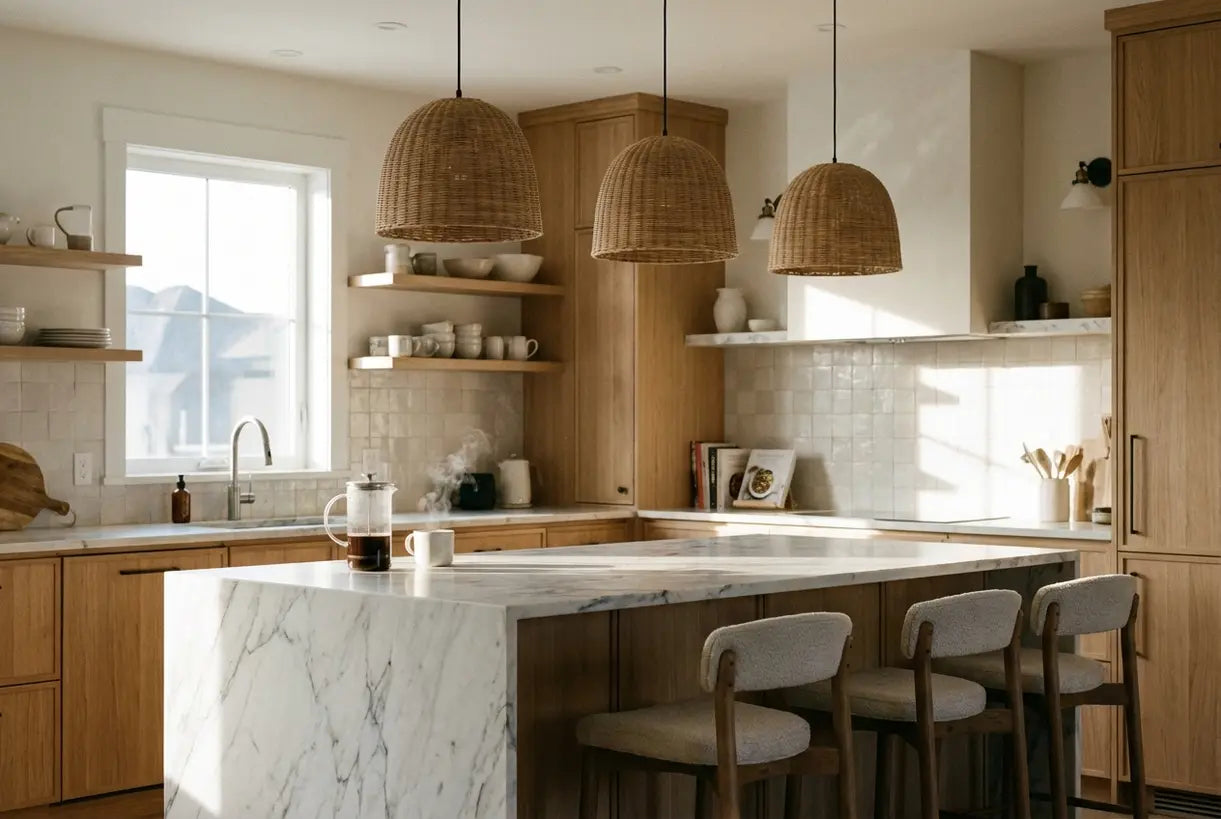
Kitchen islands are the natural habitat for pendant light groupings. The key is achieving even illumination without creating dark spots. For long islands, consider odd numbers—three or five pendants create visual rhythm. Position the outer pendants approximately 12 to 18 inches from the island's ends, then space remaining fixtures evenly between them.
Dining Room Pendant Lights: Creating Intimacy
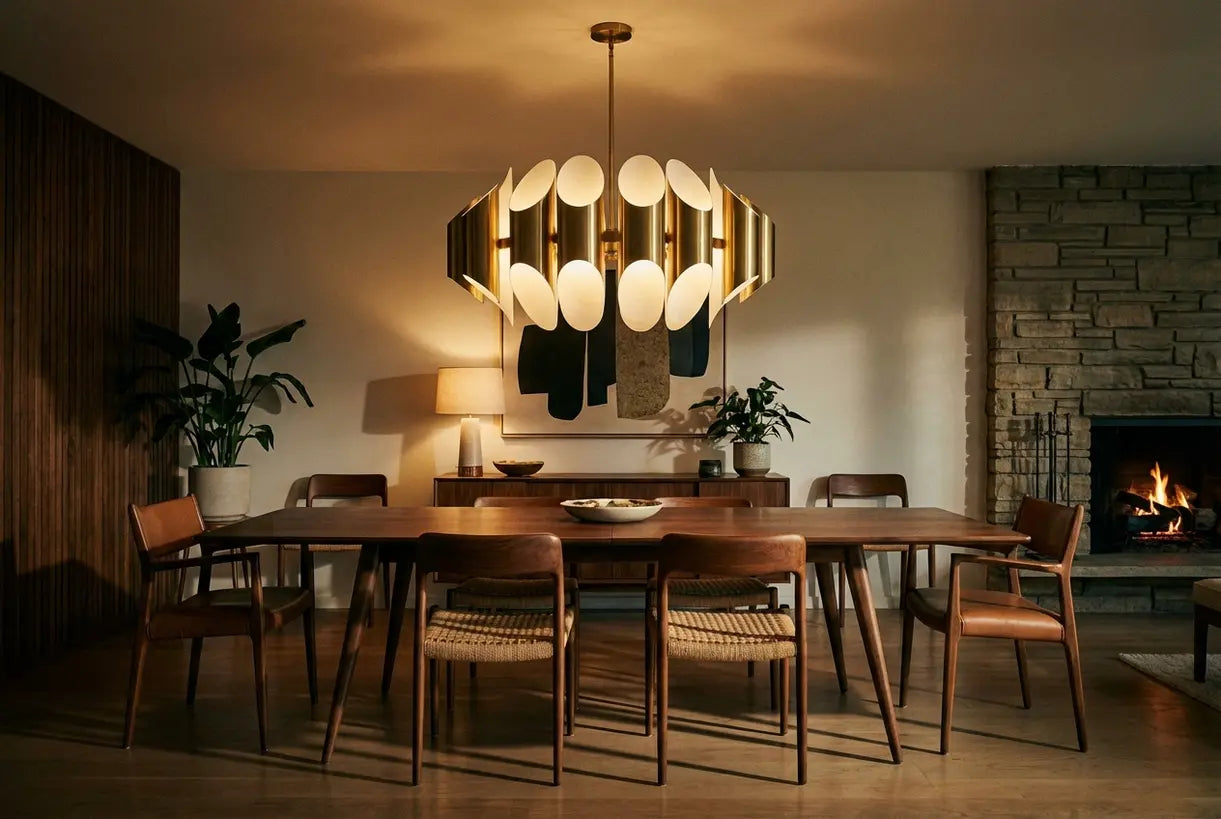
In dining spaces, pendants function as both task lighting and atmospheric anchors. Center your fixture over the table—or if using multiple pendants, center the grouping. For rectangular tables, linear arrangements work beautifully. Over round tables, a single statement pendant or a clustered arrangement at varying heights creates drama.
Entryway and Foyer Considerations
Entryways offer opportunities for grander scale. Here, you can embrace larger fixtures—sometimes doubling the diameter you'd use elsewhere. Ensure a minimum 7-foot clearance from the floor to the fixture bottom, adjusting for vaulted ceilings where linear suspension kits allow dramatic drops.
Best Bulbs for Pendant Lights: The Technical Heart
The soul of any pendant lives in its light source. What type of bulb is best for pendant lighting depends on your fixture type, dimming requirements, and the atmosphere you're cultivating.
LED: The Modern Standard
Are pendant lights energy efficient? When paired with LED technology, absolutely. Modern LED bulbs consume up to 75% less energy than incandescent alternatives while lasting years longer. Look for warm white LEDs (2700K to 3000K) for residential spaces—this color temperature mimics the cozy glow of sunset rather than the harsh glare of commercial fluorescents.
Dimming Capabilities
Not all LEDs dim smoothly, so check compatibility before purchasing. High-quality dimmable LEDs paired with compatible switches allow you to transition from bright task lighting to candlelit ambiance with a single touch.
Lumen Count Guidelines
- Kitchen islands: 3,000-4,000 lumens total across all pendants
- Dining tables: 2,000-3,000 lumens for ambient meals
- Entryways: 1,500-3,000 lumens depending on ceiling height
Pendant Solutions for Every Style
Modern Pendant Lighting Ideas: Styles That Endure
While trends shift, certain pendant light styles maintain their relevance through thoughtful design. Understanding these categories helps you select fixtures that feel current yet timeless.
Scandinavian Minimalism
Clean lines, natural materials like wood and opal glass, and neutral palettes define this approach. Glass globe pendants—the Alina Glass Globe Pendant exemplifies this—work brilliantly in clusters of varying heights, creating organic constellations over islands or dining tables.
Industrial Heritage
Metal shades, exposed hardware, and utilitarian proportions bring authentic character to kitchens and lofts. Matte finishes soften the industrial edge, making these fixtures suitable for modern farmhouses and urban apartments alike.
Organic Modernism
Asymmetrical shapes, woven materials, and earth-toned finishes are defining contemporary pendant design. These fixtures feel sculptural even when unlit, contributing to a room's architecture during daylight hours.
Special Considerations: Bathrooms and Beyond
Can pendant lights be used in bathrooms? Absolutely—but with important caveats. When installed in bathrooms, pendants must carry appropriate damp or wet-location ratings depending on their proximity to water sources. Keep fixtures at least 3 feet horizontally from tub and shower edges, and always ensure adequate ventilation to prevent moisture accumulation in shade interiors.
Bathroom pendants work beautifully flanking mirrors as alternatives to traditional vanity bars, or as accent lighting in powder rooms where moisture exposure is minimal. The key is choosing appropriate material finishes that resist corrosion in humid environments.
Installation and Safety Essentials
Even the most beautiful pendant requires proper installation. Always ensure junction boxes can support fixture weight—heavy chandeliers may require additional bracing. For adjustable cord pendants like our Alina Glass Globe Pendant, verify ceiling anchoring before final height adjustments.
Consider hiring a licensed electrician for complex installations or when modifying existing wiring. Professional installation ensures code compliance and protects your investment in quality lighting.
Creating Your Perfect Lighting Plan
The journey to perfect pendant lighting begins with measurement—the length of your island, the height of your ceilings, the width of your table. From these numbers, you derive proportions, spacing, and hanging heights that ensure your fixtures illuminate beautifully rather than obstruct accidentally.
Remember that pendant light placement is as much about rhythm and repetition as it is about individual fixtures. A single statement pendant over a dining table creates intimacy. Trios over kitchen islands create visual cadence. The Vela LED Disc Pendant offers adjustable mounting heights perfect for creating these harmonious groupings, while the Caden Industrial Metal Pendant brings architectural presence to farmhouse and industrial spaces.
Whether you're renovating a kitchen, refreshing a dining room, or finally addressing that dark entryway, the principles remain consistent: measure twice, hang thoughtfully, and choose fixtures that serve both your practical needs and your deepest aesthetic longings for a home that feels genuinely like yours.
Related Article
Tiffany Wall Sconces: Iconic Stained Glass Style for Your WallsAdd timeless elegance to your home with Tiffany wall sconces. These handcrafted stained glass fixtures bring colorful artistry and warm ambient light to any room.