
How to Choose the Right Pendant Lighting for Your Home
Summary›
- Decoding Materials: From Woven Paper to Brushed Brass
- The Science of Scale: Pendant Light Sizing Rules
- Height Matters: Getting the Drop Length Right
- Kitchen Island Lighting: Creating Functional Beauty
- Dining Rooms and Bathrooms: Adapting to the Space
- Material Selection: Glass, Metal, and Organic Textures
- Small Space Solutions and Visual Tricks
- Conclusion: Illuminating Your Scandinavian Sanctuary
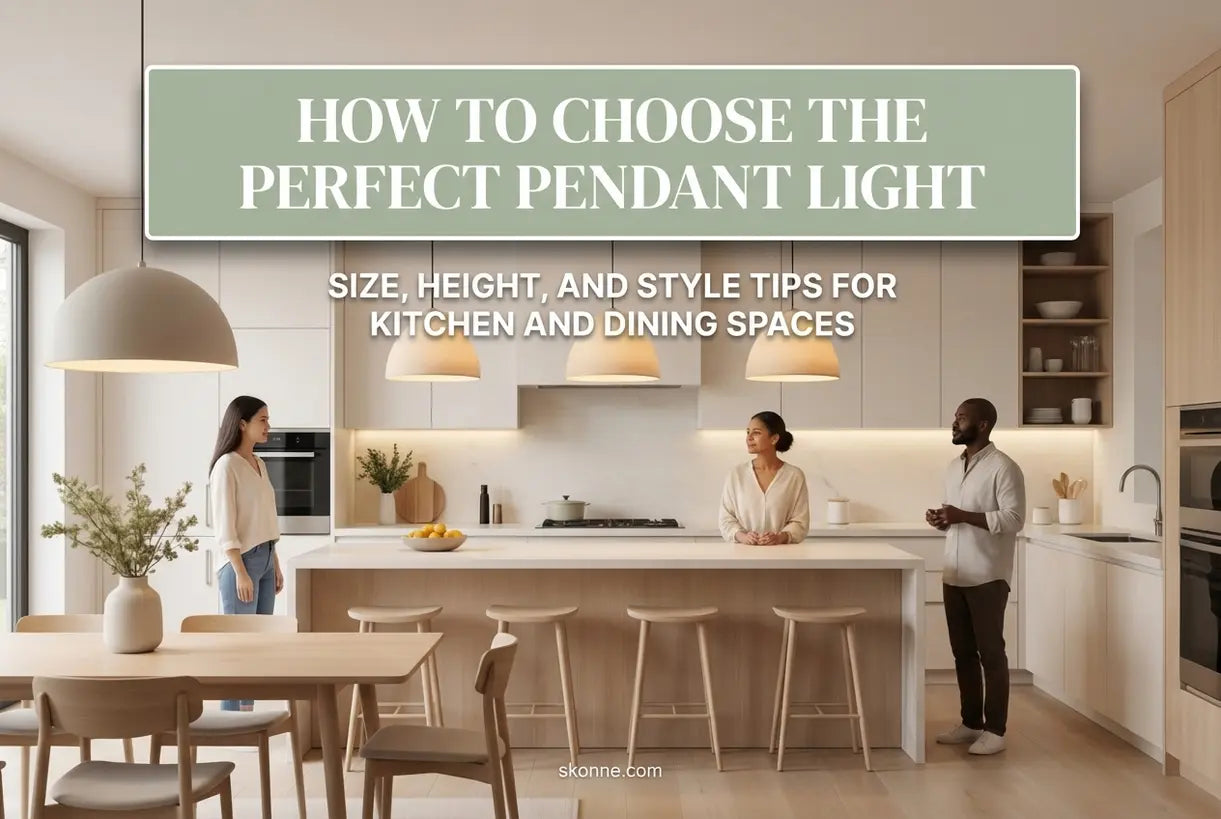
Pendant lighting has the remarkable ability to transform a room from ordinary to extraordinary, casting pools of warm illumination that invite gathering and conversation. Whether you're drawn to the organic texture of a paper pendant light swaying gently above your dining table, or the sleek sophistication of metal and glass fixtures over your kitchen island, selecting the right hanging lights requires thoughtful consideration of scale, placement, and style. For homeowners and renters seeking that perfect balance of function and Scandinavian-inspired beauty, understanding how to choose pendant lights is the first step toward creating spaces that feel both curated and welcoming.
At Skonne, we believe lighting should do more than brighten a room—it should elevate your daily rituals and create that coveted hygge atmosphere. This guide walks you through everything from pendant light sizing to placement heights, ensuring you select fixtures that harmonize with your space and lifestyle. For those looking to explore more options, our Pendant Lights collection offers a curated selection spanning from delicate woven shades to bold architectural statements.
Decoding Materials: From Woven Paper to Brushed Brass
The material of your pendant light profoundly influences both the quality of light and the overall aesthetic of your space. A paper pendant light offers a soft, diffused glow that creates intimate, shadow-free illumination—perfect for bedrooms and living areas where you want to cultivate warmth. These organic fixtures often feature intricate origami-inspired folds or smooth rice paper spheres that add textural interest without overwhelming minimalist interiors.
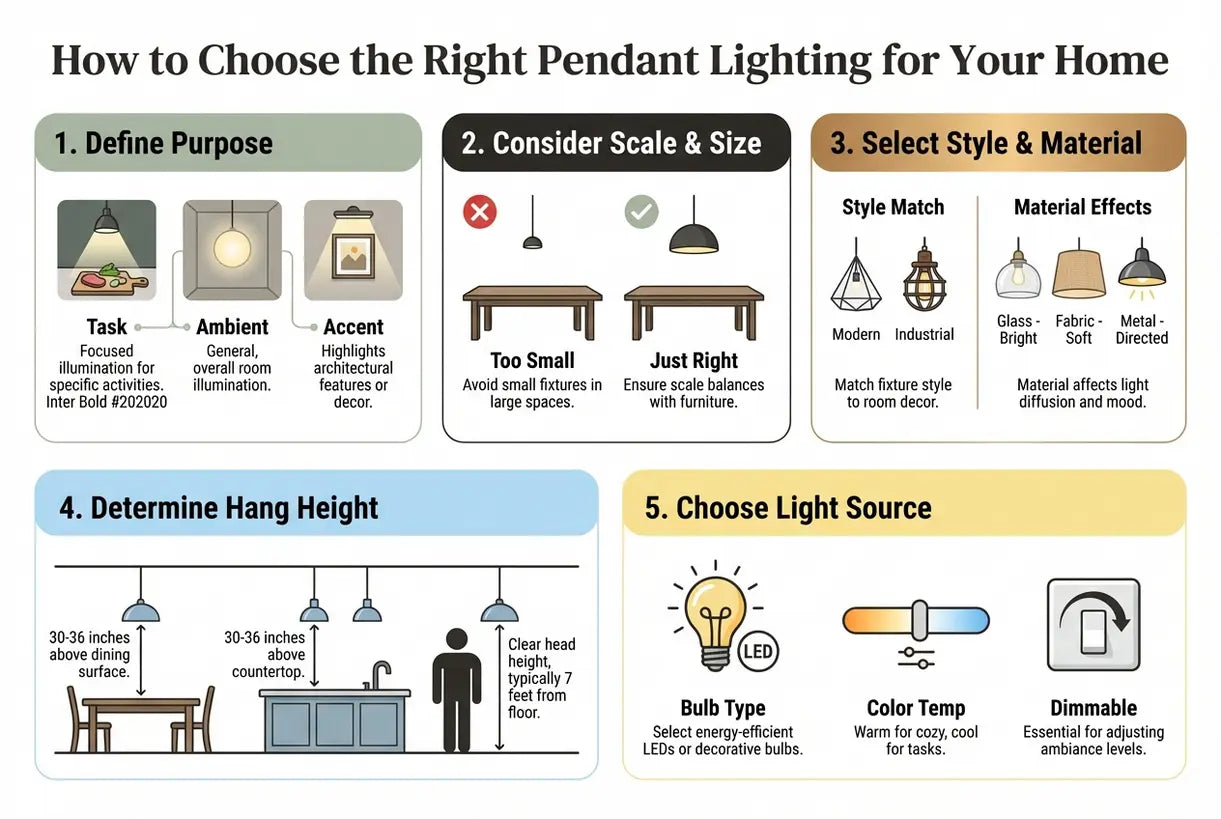
Glass pendants provide clarity and sparkle, bouncing light around the room while showcasing exposed filament bulbs. Metal fixtures in brushed brass, matte black, or satin nickel offer durability and clean lines that anchor contemporary spaces. When selecting materials, consider the existing finishes in your room; mixing metals is perfectly acceptable in Scandinavian design, provided you maintain a cohesive undertone—warm with warm, cool with cool.
The Science of Scale: Pendant Light Sizing Rules
Getting the proportions right prevents your lighting from feeling either lost in the space or visually overwhelming. A fundamental rule for pendant light sizing is that the fixture's diameter should be roughly equal to the length of your room (in feet) converted to inches. For example, a 10-foot wide dining room comfortably accommodates a fixture approximately 10 inches in diameter.
For kitchen island lighting, the math changes slightly. Individual pendants should measure between one-half to two-thirds the width of your island's surface. If selecting a single linear fixture, aim for a length approximately one-third to two-thirds the length of the island itself. Remember that multiple smaller fixtures often create better distributed light than one oversized piece, particularly when preparing meals or entertaining guests.
Height Matters: Getting the Drop Length Right
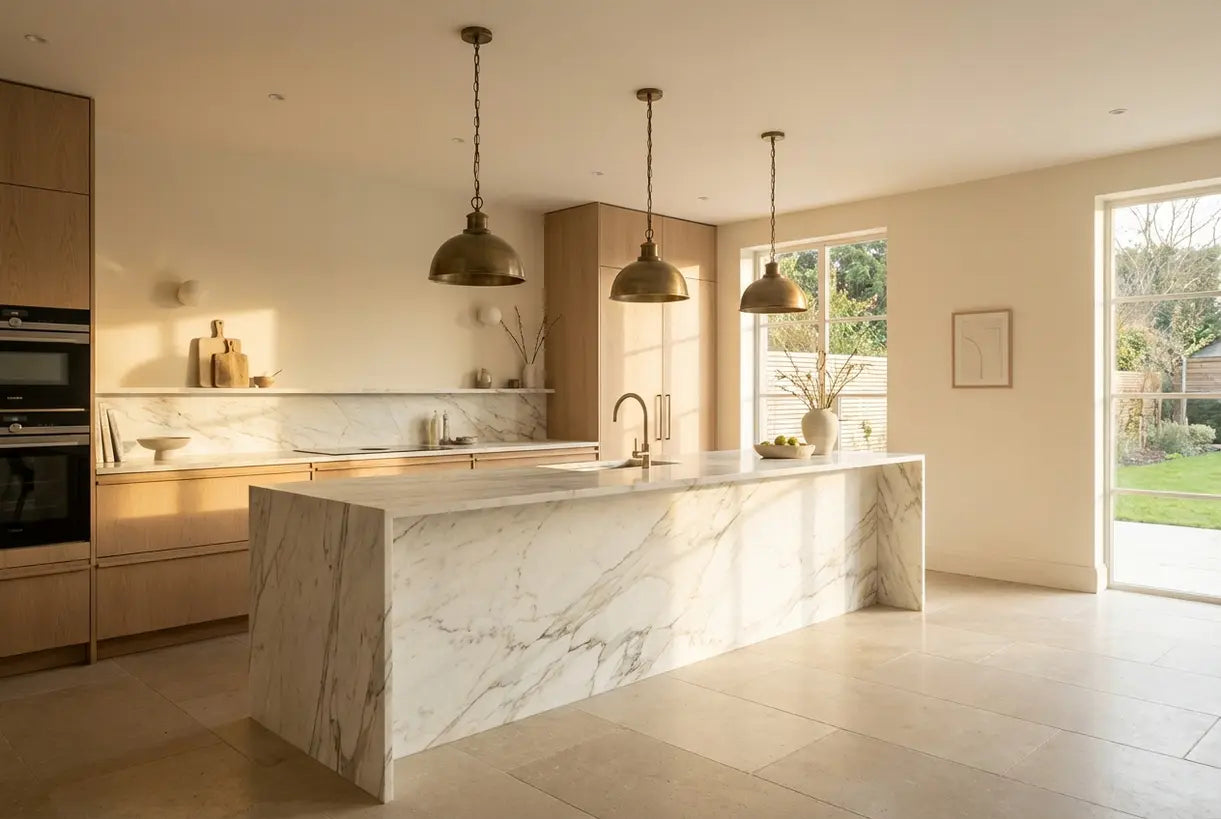
Placement height dramatically impacts both functionality and visual flow. Over dining tables, suspend your dining table pendant approximately 30 to 36 inches above the tabletop surface. This positions the light source low enough to create an intimate atmosphere during meals while maintaining sightlines across the table. For standard 8-foot ceilings, this typically means the bottom of the fixture hangs around 5 feet from the floor.
Kitchen island pendant light placement follows similar principles but with slight adjustments for task lighting needs. Hang island pendants 30 to 36 inches above the countertop, ensuring they illuminate work surfaces without obstructing views or creating head-clearance issues. In spaces with higher ceilings (9 feet or above), add approximately 3 inches of drop height for each additional foot of ceiling height to maintain proper proportions.
Kitchen Island Lighting: Creating Functional Beauty
The kitchen island serves as the heart of modern homes—a place for morning coffee, homework sessions, and wine-fueled dinner preparations. Proper kitchen island lighting requires balancing ambient illumination with focused task lighting. For islands shorter than 6 feet, two well-placed mini pendant lights provide adequate coverage without cluttering the visual field. Longer islands benefit from three fixtures spaced evenly, typically 24 to 30 inches apart on center.
When considering how many pendant lights do I need over a kitchen island, remember that odd numbers generally create more visual interest than even groupings. However, the scale of your chosen fixtures matters significantly. Three petite pendants might suit a compact galley kitchen, while two substantial drum pendants could better anchor a spacious open-concept island. Always leave at least 6 inches from the edge of the island to the center of the outermost pendant to prevent the arrangement from feeling cramped.
For those seeking a cohesive linear solution, the Arcadia Trio Pendant Light - Brushed Brass eliminates the guesswork of spacing multiple fixtures. This three-light linear pendant features an adjustable canopy that accommodates various ceiling heights, while the brushed brass finish and opal glass shades cast a warm, even glow across your workspace. The LED pendant fixtures compatibility ensures energy-efficient illumination that highlights food preparation areas while maintaining a sophisticated Scandinavian aesthetic.
Dining Rooms and Bathrooms: Adapting to the Space
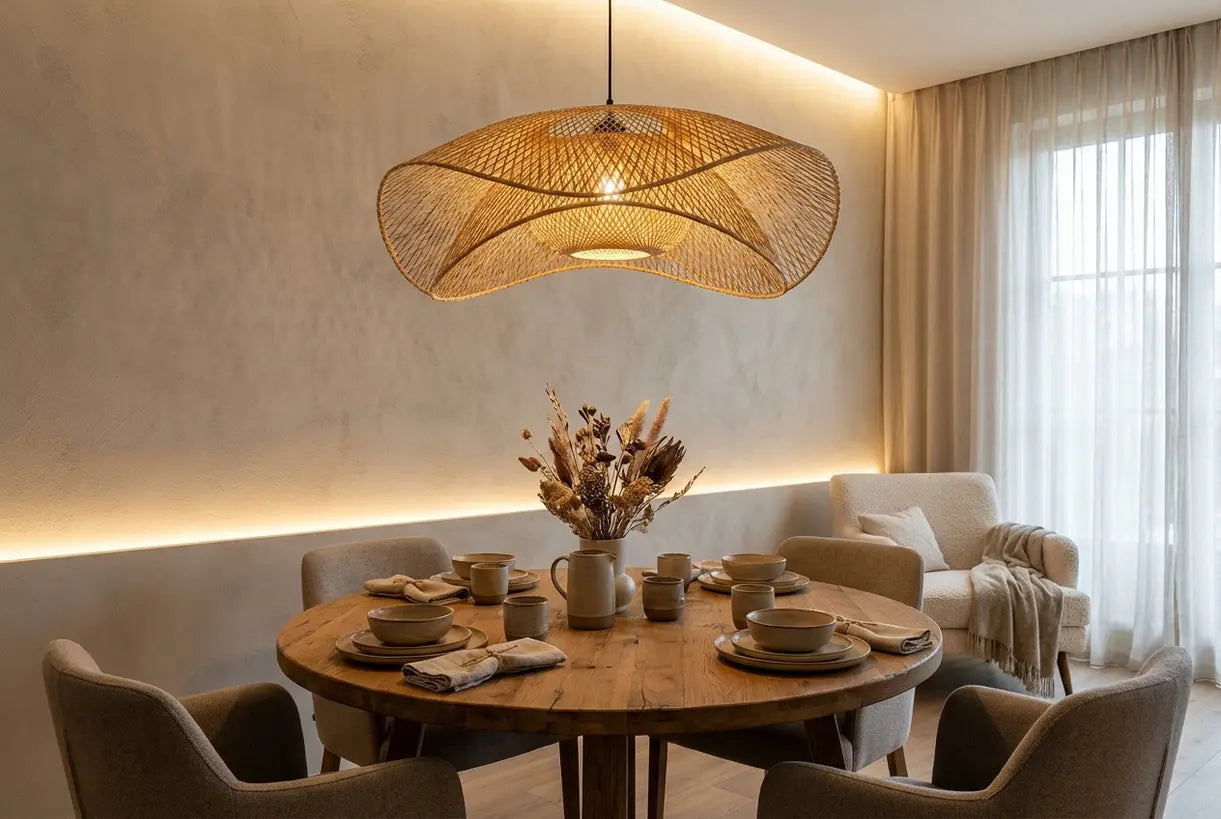
In dining rooms, your hanging lights should complement rather than dominate the tablescape. A single statement pendant works beautifully over round tables, while linear fixtures or multiple pendants suit rectangular surfaces. The key consideration is maintaining approximately 30 inches of clearance between the fixture bottom and the table surface—low enough for ambiance but high enough to avoid collisions with wine glasses and centerpieces.
Bathroom vanities present unique opportunities for pendant lights for kitchen and bath applications. Flanking a mirror with two small pendants provides even facial illumination without the harsh shadows that overhead lighting creates. Choose fixtures with damp ratings for these locations, and position them approximately 18 inches from the mirror's center line at eye level (roughly 65 to 70 inches from the floor). What style of pendant lighting works best over a bathroom vanity? Opt for designs with diffused shades or upward-facing light to prevent glare, and select finishes that complement your faucet hardware for a cohesive look.
Material Selection: Glass, Metal, and Organic Textures
Beyond aesthetics, your choice of material affects maintenance and light quality. Clear glass requires frequent dusting but maximizes brightness, while frosted or seeded glass offers forgiving upkeep with softer illumination. Metal shades direct light downward for task-focused applications, making them ideal for meal prep areas.
For smaller spaces or accent lighting, mini pendant lights offer versatility without visual weight. The Clara Mini Pendant - Matte Black exemplifies this approach with its compact silhouette and clear glass globe that works beautifully in clustered arrays over counters or flanking bathroom mirrors. Its matte black metal frame adds contemporary edge while the transparent shade ensures efficient light transmission.
When seeking ambient illumination for larger living areas, drum pendants provide generous light diffusion. The Lumen Drum Pendant - Satin Nickel features a diffused acrylic shade that eliminates harsh hotspots while distributing light evenly throughout the room. This LED pendant fixtures compatible design offers dimmable functionality, allowing you to transition from bright task lighting to soft evening ambiance with ease.
Scandinavian Pendant Solutions for Every Space
Small Space Solutions and Visual Tricks
Are pendant lights suitable for small rooms? Absolutely, provided you select appropriate scales and mounting options. In compact kitchens or cozy reading nooks, consider flush-mount or semi-flush pendant styles that hug the ceiling while providing directed light. Adjustable cord lengths allow you to customize drop heights for sloped ceilings or varying user needs.
Clear glass and open-frame designs help small spaces feel airy by allowing sightlines to continue through the fixture. Alternatively, a strategically placed paper pendant light can serve as a sculptural focal point that draws the eye upward, creating the illusion of height in rooms with lower ceilings. When square footage is limited, prioritize fixtures with integrated LED technology to maximize brightness without bulky hardware.
Conclusion: Illuminating Your Scandinavian Sanctuary
Choosing the right pendant lighting is ultimately about understanding how light shapes your daily experiences. By mastering the principles of scale—ensuring your fixtures relate proportionally to your furniture and room dimensions—and placement, hanging lights at heights that serve both function and atmosphere, you create environments that nurture connection and calm. Whether you gravitate toward the soft glow of woven natural materials or the crisp lines of modern metalwork, your lighting choices should reflect your personal rhythm while embracing the warmth of Scandinavian design philosophy.
At Skonne, we curate each piece in our collection to help you achieve that perfect balance of beauty and intentionality. From statement-making island fixtures to delicate bedside pendants, our selections honor the Nordic tradition of finding joy in thoughtful, well-crafted objects. As you embark on your lighting journey, remember that the best spaces evolve gradually, illuminated by pieces that truly resonate with how you live.
Related Article
Starburst & Star Pendant Lights: Sculptural Fixtures for a Dramatic Focal PointExplore how starburst and star pendant lights create dramatic focal points with their sculptural designs, perfect for elevating dining rooms, living spaces, and entryways.