
Industrial Ceiling Lamps: Raw, Factory-Inspired Overhead Fixtures for Loft & Urban Interiors

Summary›
- Understanding Industrial Ceiling Lamps
- Materials That Matter
- Can Industrial Lighting Work in Residential Homes?
- Choosing the Right Industrial Ceiling Light for Your Loft
- Styling Industrial Ceiling Lights in Urban Interiors
- Where Craftsmanship Meets Character
- Conclusion: Finding Your Perfect Industrial Fixture
There's something undeniably captivating about ceiling lamp industrial designs that transform ordinary rooms into soulful urban sanctuaries. Whether you've recently moved into a converted warehouse loft or you're simply drawn to the honest, unvarnished aesthetic of factory spaces, the right overhead lighting can anchor your entire interior narrative.
In this guide, you'll discover how to select and style factory-inspired fixtures that feel authentic without overwhelming your home. We'll explore the materials that define this aesthetic, navigate the nuances of choosing the right scale for your space, and reveal how the most successful designs pair raw industrial character with refined craftsmanship. You'll also learn where to find pieces that balance urban edge with the hygge warmth Scandinavian design is celebrated for.
Understanding Industrial Ceiling Lamps
So, what defines an industrial style ceiling lamp? At its core, this lighting category draws inspiration from the unapologetic functionality of 19th and early 20th-century factories, warehouses, and workshops. These weren't decorative objects—they were tools designed to illuminate workspaces with maximum efficiency and minimum fuss.
What makes these designs compelling today is how they've evolved from purely utilitarian fixtures to statement pieces that carry historical weight. The best examples celebrate visible mechanics: exposed bulbs, dangling cords, riveted joints, and raw metal surfaces that bear the marks of their creation. It's an aesthetic of honesty—nothing is hidden or dressed up.
Yet here's where Scandinavian sensibility transforms the category. While truly harsh industrial fixtures can feel cold and impersonal, the refined Nordic interpretation embraced by Skonne introduces subtle curves, warm metal finishes, and thoughtful proportions that make these pieces feel at home in residential spaces rather than just abandoned factories.
For those looking to explore more options, our Chandeliers collection offers a curated selection of dramatic overhead pieces that bridge industrial and elegant aesthetics.
Materials That Matter
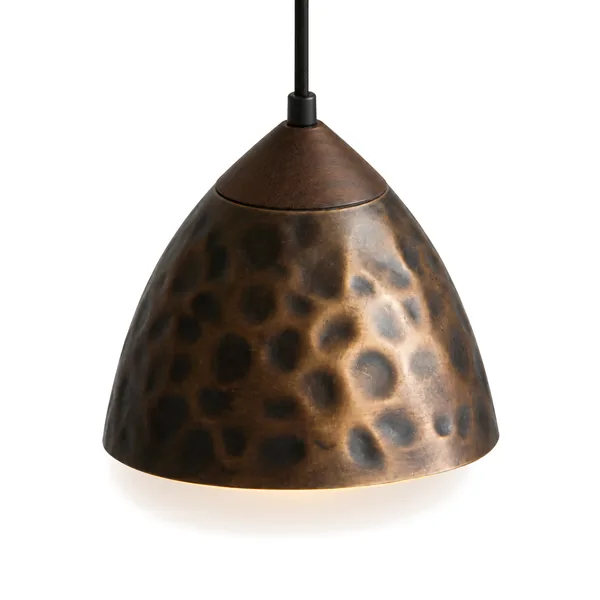
The soul of factory style lighting lies in its material integrity. Unlike mass-market fixtures that mimic industrial looks with painted finishes over plastic cores, authentic pieces rely on genuine materials that age beautifully and tell a story through their patina.
Iron and steel remain the foundational metals—these materials conducted electricity and supported heavy machinery in their original industrial contexts. Look for solid iron construction rather than thin stamped metal; the weight alone speaks to authenticity. brushed steel, matte black iron, and oil-rubbed bronze finishes each carry different historical associations, from machine shops to nautical applications.
Exposed filament bulbs aren't merely decorative—they're essential to the aesthetic. The warm glow Edison and squirrel cage bulbs produce softens the inherent coolness of metal, creating that perfect tension between hard and gentle, raw and inviting.
Glass elements in industrial ceiling lights are typically clear or lightly tinted rather than frosted—think factory windows and laboratory equipment. Metal cages or wire guards that once protected bulbs from flying debris now serve as defining visual signatures.
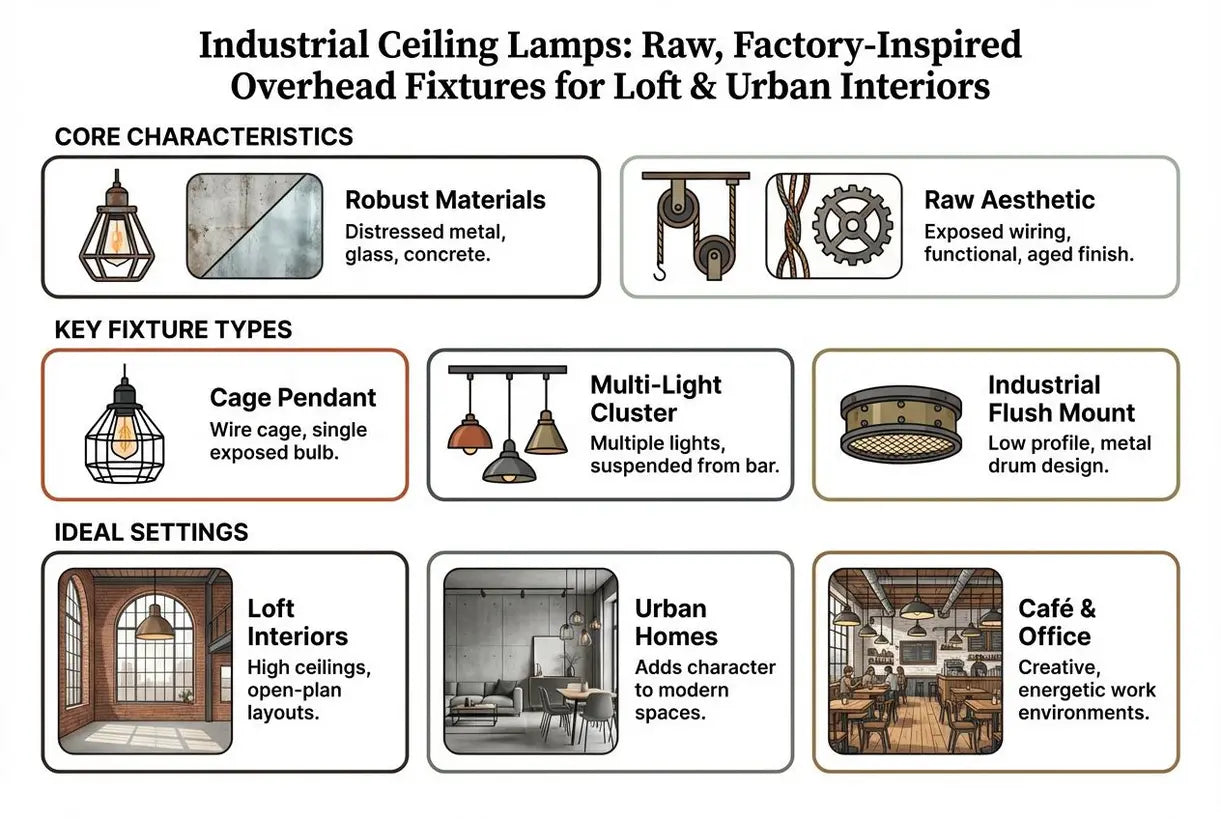
When shopping, examine how joints are finished. Authentic industrial ceiling lamps reveal their construction through visible welds, rivets, or threaded connections. These aren't flaws—they're the fingerprints of craftsmen who built pieces meant to outlast the buildings they illuminated.
Pendants & Chandeliers
Shop all Pendants & Chandeliers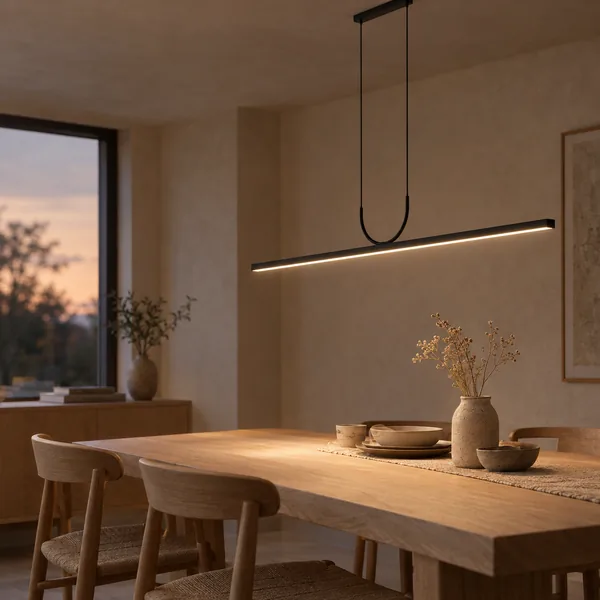
 Save $140.00
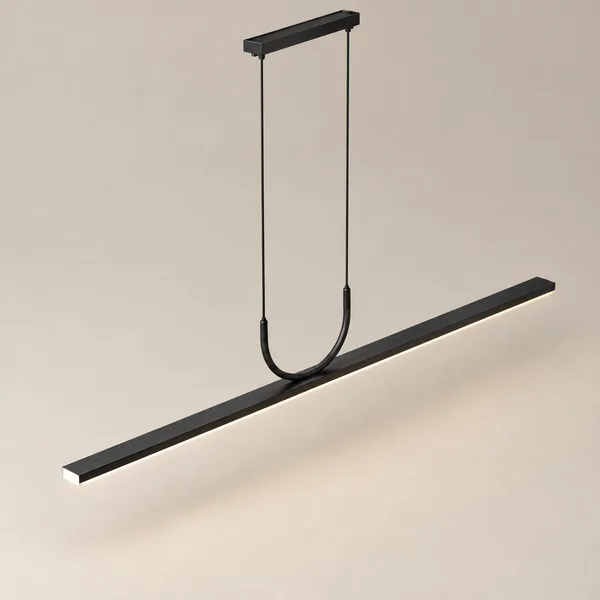
Linné Minimalist Linear Black LED Pendant Light
 Save $60.00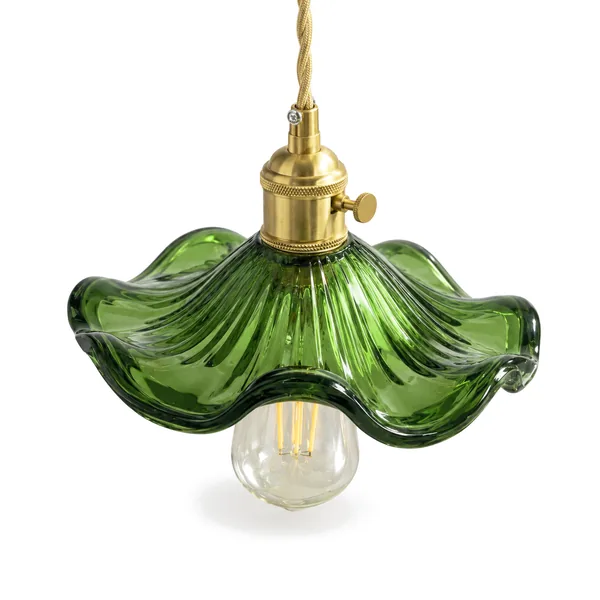
 3 options
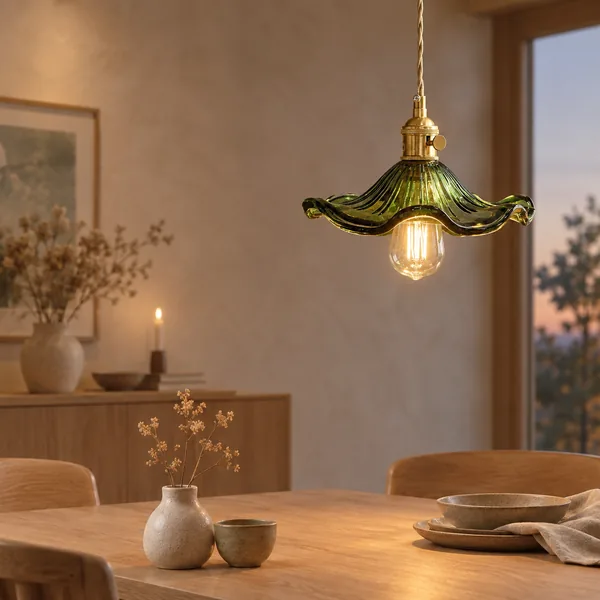
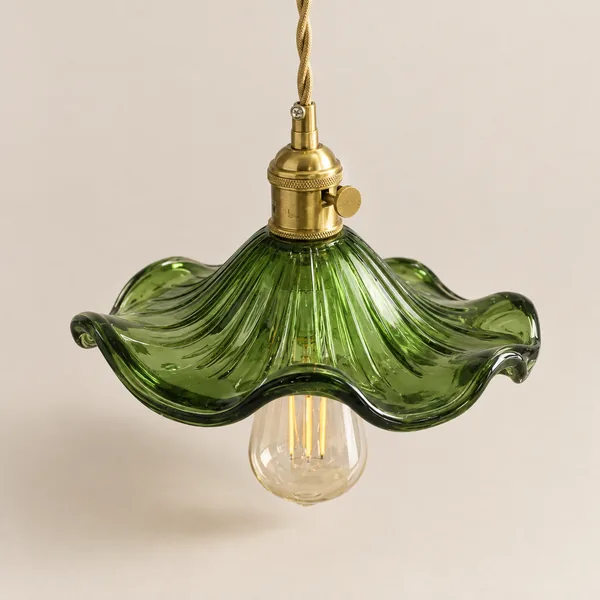
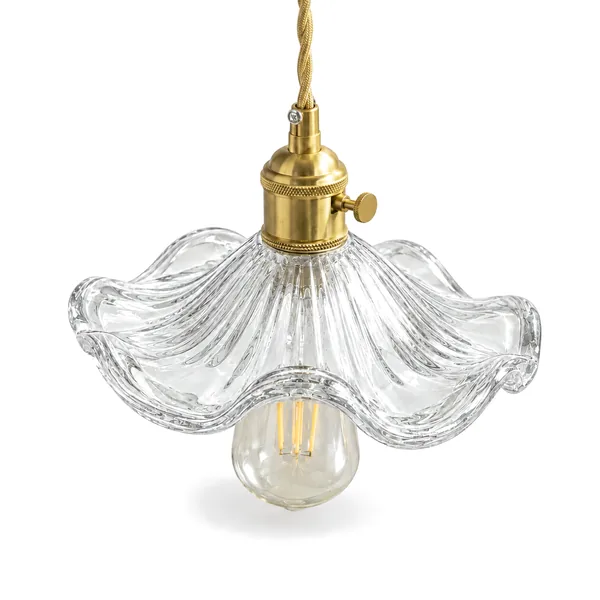
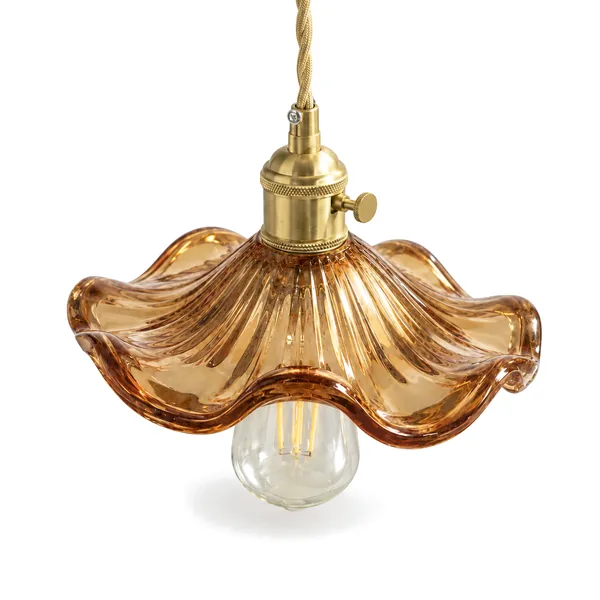
Glora Nordic Glass Pendant Light with Copper
 Save $120.00
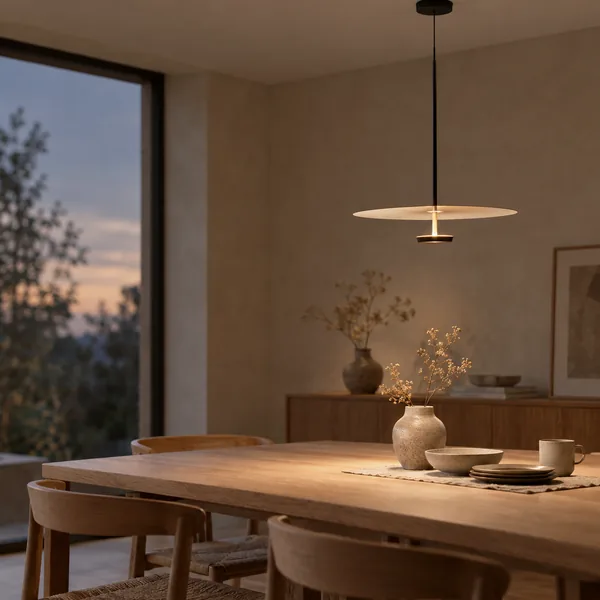
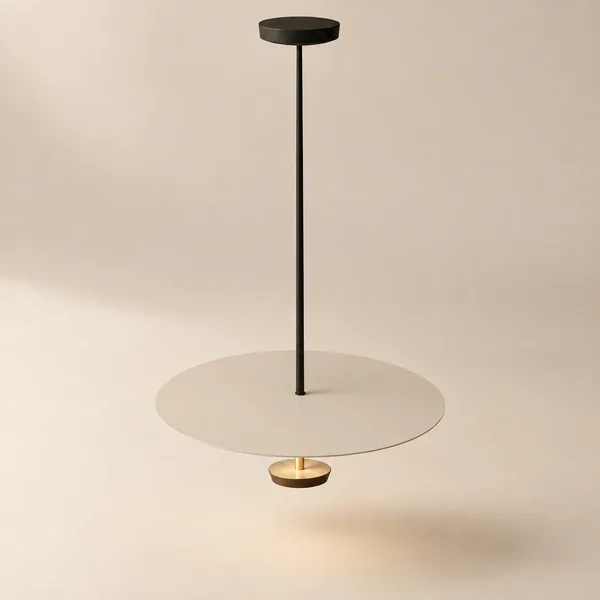
Skiva Nordic Saucer Ceiling Pendant Light LED
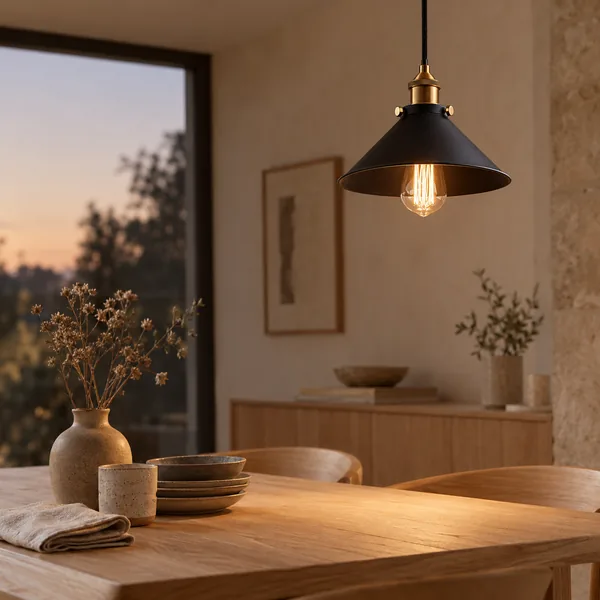
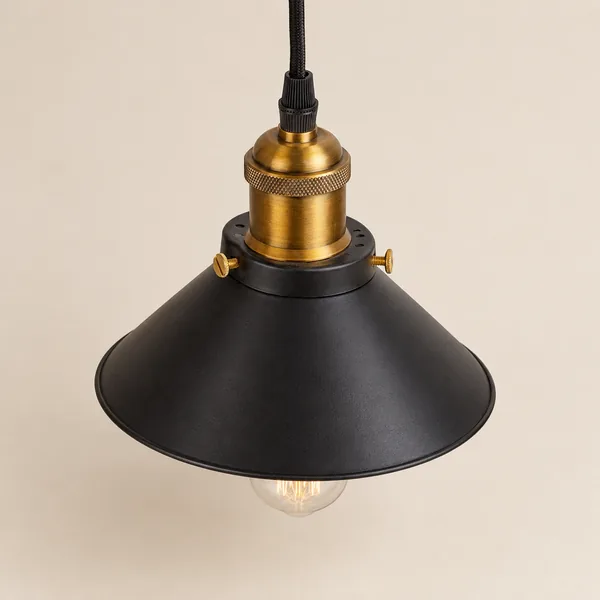
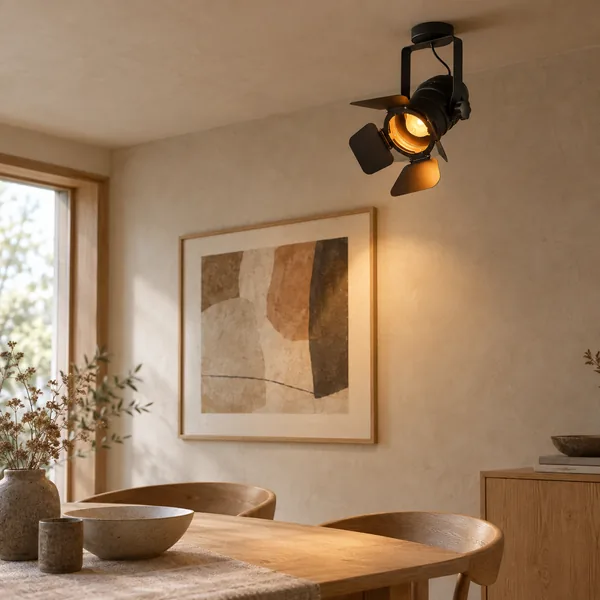 Skena Iron Barn Door Vintage Ceiling Spotlight$99.00$149.00
The Skena Iron Barn Door Vintage Ceiling Spotlight embodies this material philosophy perfectly. Its adjustable iron construction speaks to authentic industrial heritage, while the directional lighting capability solves a common urban living challenge: highlighting architectural elements or creating focused pools of light in multi-functional loft spaces. The adjustable mechanism isn't just about function—it introduces visual dynamism that static fixtures can't match.
Can Industrial Lighting Work in Residential Homes?
Perhaps the most common hesitation I hear from design-curious homeowners is this: Won't industrial ceiling lights make my home feel cold? It's a valid concern. Left unbalanced, the factory aesthetic can indeed create spaces that feel more workshop than sanctuary.
The answer lies in context and pairing. In spaces with natural warmth—think exposed brick walls, warm wood floors, or leather furniture—an industrial overhead fixture becomes a crucial counterweight rather than an overwhelming presence. The contrast creates visual chemistry: where everything is soft, nothing stands out. Where hardness meets softness, both qualities are amplified.
For homes without inherent industrial architecture, the key is introducing texture elsewhere. A chunky knit throw on a sofa, a live-edge wood dining table, or even abundant houseplants can provide the organic balance that prevents industrial fixtures from feeling stark. The goal isn't to recreate a factory—it's to borrow the aesthetic's confidence and honesty while maintaining residential comfort.
Consider also the color temperature of your lighting. While vintage filament bulbs emit warm amber glow around 2200K-2700K, some industrial-style LED retrofits can skew cold and blue. Always test bulb temperatures before committing, or choose fixtures with integrated warm-tone LEDs like those selected in the Skonne collection.
Choosing the Right Industrial Ceiling Light for Your Loft
Selecting urban ceiling fixtures requires understanding your space's specific conditions and how you actually live within it. The soaring heights of true loft spaces present different challenges than standard residential ceilings, and the open floor plans common in urban conversions demand lighting that can define zones while maintaining visual cohesion.
Ceiling height is paramount. With ceilings at 12 feet or higher, pendant lights with generous cable lengths create dramatic vertical lines that emphasize architectural scale. Look for fixtures that offer adjustable suspension—ideally 4-6 feet of cord or chain—to fine-tune your installation. For spaces with exposed ductwork or pipes, consider how your fixture will interact with these existing linear elements; parallel installation can create harmonious rhythm, while perpendicular placement creates deliberate contrast.
Scale follows space. A common error is selecting fixtures too small for expansive loft volumes. In open-concept living, your ceiling lamp industrial piece may need to visually hold its own across significant horizontal distances. Here's a practical guideline for loft spaces:
- Under 100 square feet: Single pendant 10-14 inches in diameter
- 100-200 square feet: Statement pendant 16-20 inches or linear multi-light fixture
- 200+ square feet: Consider 2-3 coordinating pendants in a cluster, large chandelier format, or substantial linear fixture
Task versus ambient lighting. Industrial fixtures excel at creating focused pools of light, but loft living often requires more diffused illumination. Layer your lighting: use directional industrial pendants over dining areas or reading nooks, while complementing with wall sconces or floor lamps that bounce light softly off walls and ceilings.

Curated Industrial Lighting for Refined Urban Spaces
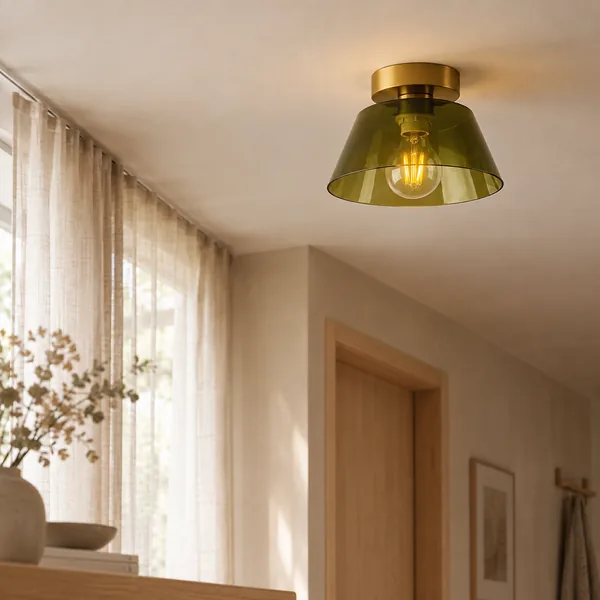 Grönlys Green Glass Ceiling Light Living Room$109.00$169.00
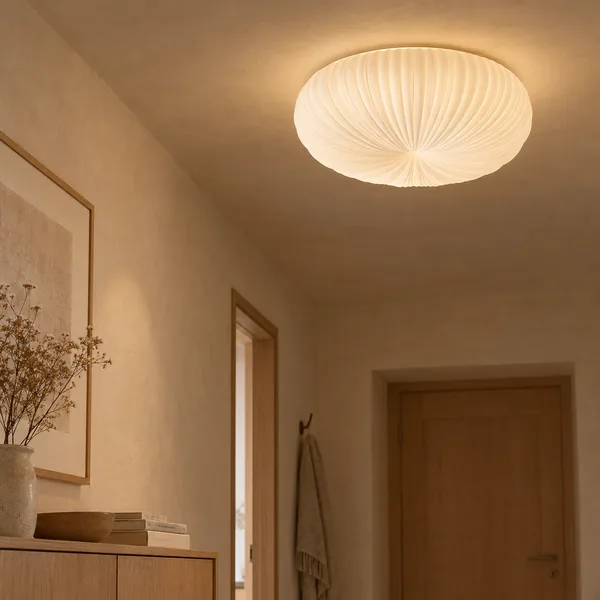 Kupa Cream Sculptural Flush Mount Ceiling Light$295.00$389.00
The Grönlys Green Glass Ceiling Light Living Room offers a sophisticated solution for lofts where pure industrial harshness won't do. Its emerald glass shade introduces color depth rarely seen in factory lighting, while the iron frame maintains material authenticity. For areas with lower ceilings or where you desire a more integrated look, the Kupa Cream Sculptural Flush Mount Ceiling Light proves that industrial elegance doesn't always hang from cords—the creamy organic form softens the aesthetic while the sculptural presence satisfies the desire for character-rich overhead lighting.
Styling Industrial Ceiling Lights in Urban Interiors
Successfully integrating factory inspired ceiling lights into your home is as much about what surrounds them as the fixtures themselves. The most compelling urban interiors don't commit fully to a single aesthetic—their power comes from thoughtful tension between different design languages.
Neutral foundations amplify industrial fixtures. White, cream, or warm gray walls allow raw metal lighting to become the visual punctuation they deserve. When your ceiling fixtures compete with bold wallpaper or saturated paint colors, both elements suffer. Think of your walls and ceiling as a gallery setting: neutral, consistent, designed to showcase what's suspended from them.
Reflective surfaces extend your lighting impact. Polished concrete or sealed floors, metal-framed mirrors, and glass-top tables catch and bounce industrial lighting in unexpected ways. This multiplication effect means your fixture investment yields greater returns—light travels further and fills more of your space than a single source could achieve alone.
The "workshop to living room" transition. Carry industrial materiality through your space in smaller doses to create cohesion. A steel cabinet, iron drawer pulls, or even a metal-framed photograph can echo your ceiling fixtures without competing with them. The goal is thematic breadth, not literal repetition.
For dining areas specifically, industrial ceiling lamps should hang 30-36 inches above the table surface—low enough to create intimacy, high enough to maintain sight lines. If your table frequently changes shape (extended leaves for guests, for example), choose adjustable-height fixtures or position your lighting to accommodate both configurations.
Mounted Ceiling Lights
Shop all Ceiling Lights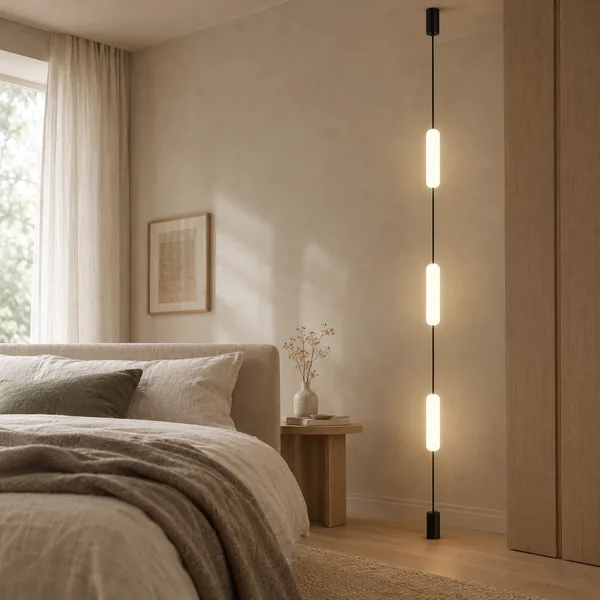

Where Craftsmanship Meets Character
The most disappointing industrial ceiling lights on the market today are those that cosplay authenticity—painted finishes that chip to reveal plastic, faux rivets that serve no structural purpose, and proportions borrowed from photographs of real fixtures without understanding why those dimensions worked in their original contexts.
What distinguishes meaningful factory style lighting is intentional design literacy—the understanding that vintage industrial fixtures weren't designed to look cool, they were designed to solve problems. When contemporary reproductions ignore this functional honesty, they become costume pieces. When they honor it, they become heirlooms.
This philosophy guides every fixture offered at Skonne. The industrial-inspired pieces in our collection aren't arbitrary aesthetic exercises—they solve real lighting challenges: directional illumination for flexible modern living, scale appropriate for contemporary spaces, and material quality that promises decades of service rather than seasons of trend-following. The Scandinavian design principles we champion—simplicity, material honesty, and human-centered functionality—perfectly complement the industrial tradition, resulting in fixtures that feel both authentic and livable.
As you evaluate options for your own space, look beyond surface aesthetics. Consider how the fixture was made, what it's made from, and whether its design reveals genuine understanding of industrial heritage. The best ceiling lamp industrial pieces don't merely reference history—they continue its spirit of unapologetic functionality, simply adapted for how we live today.
Conclusion: Finding Your Perfect Industrial Fixture
Industrial ceiling lamps carry a unique power—they ground contemporary spaces with historical weight and bring honest materiality to rooms that risk feeling ephemeral. When chosen thoughtfully, these factory-inspired fixtures become the architectural anchors of your home, creating focal points that draw the eye upward and establish the emotional tone of entire rooms.
Remember that authentic industrial lighting isn't about harshness or coldness. The most successful interpretations—like those curated by Skonne—balance raw metal and exposed mechanics with careful proportions, warm finishes, and the implicit promise of longevity. Whether you're illuminating a converted warehouse with soaring ceilings or bringing character to a standard apartment through strategic lighting choices, the right fixture transforms both how your space looks and how you feel within it.
The journey to finding that perfect piece requires understanding your space's specific needs, recognizing quality construction, and selecting designs that honor industrial heritage without becoming museum artifacts. Visit the Skonne collection to discover factory-inspired overhead lighting that marries urban edge with the hygge warmth your home deserves—fixture by fixture, curating spaces that feel both intentional and deeply personal.
Related Article
Ceiling Lamp Parts, Canopy & Hardware: Everything You Need to KnowDiscover the essential ceiling lamp parts, from wires to canopy hardware. Complete guide for installing pendant lights and ceiling fixtures safely.