
Industrial Wall Clocks: Raw, Factory-Inspired Designs for Loft & Urban Interiors
Summary›
- What Is an Industrial Wall Clock?
- What Are the Best Materials for Industrial Wall Clocks?
- How Do I Style an Industrial Wall Clock in a Loft?
- What Size Industrial Wall Clock Should I Choose?
- Are Industrial Wall Clocks Silent?
- Caring for Your Industrial Clock Investment
- Curating Your Industrial Loft Aesthetic
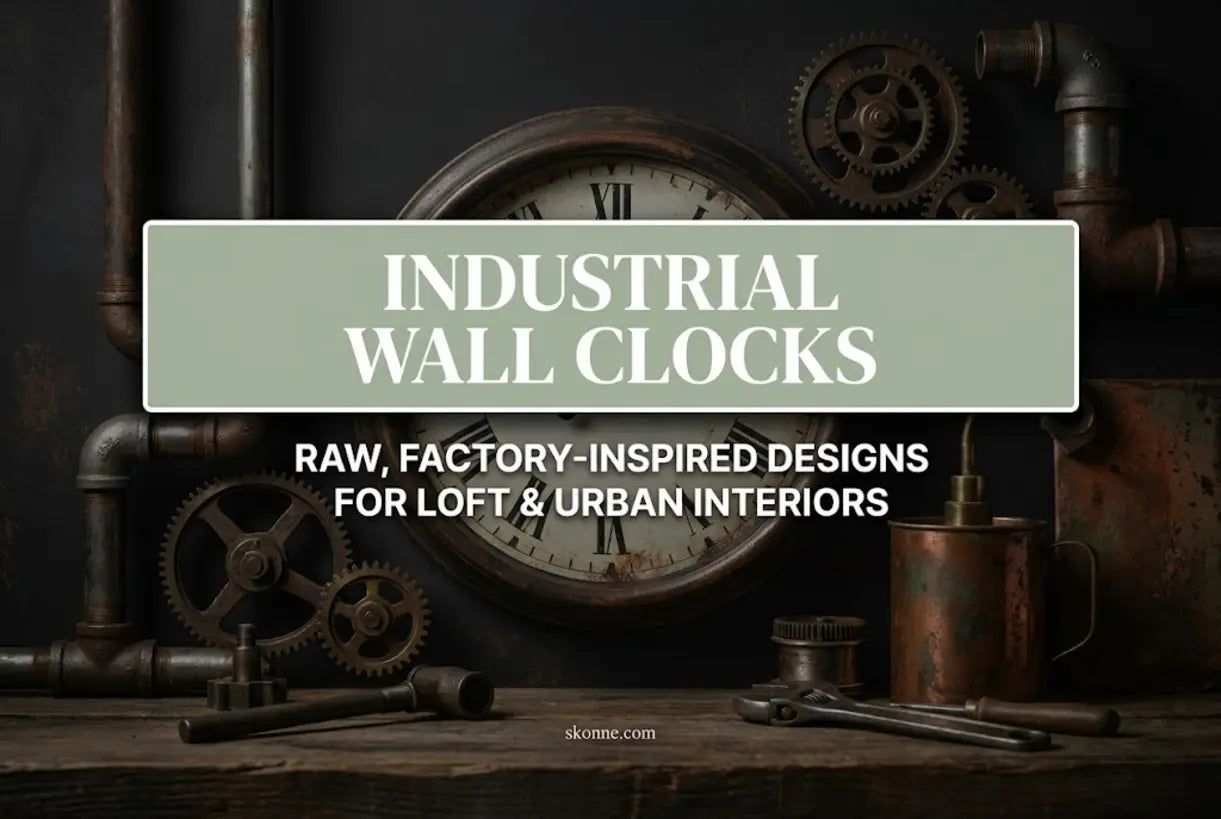
There's something undeniably captivating about the raw honesty of industrial design. Exposed brick walls, weathered metal surfaces, and mechanical details that tell stories of a bygone era—this aesthetic speaks to a desire for authenticity in our increasingly digital world. At the heart of this design movement sits the industrial wall clock, a functional art piece that transforms bare walls into compelling focal points.
Whether you've recently moved into a converted warehouse loft or you're simply looking to add an edge to your contemporary urban apartment, factory-inspired timepieces offer a unique blend of history and modern functionality. In this guide, we'll explore what makes these clocks so distinctive, how to choose the perfect piece for your space, and why pairing your clock with complementary elements from our Home Decor collection can elevate your entire interior.
What Is an Industrial Wall Clock?
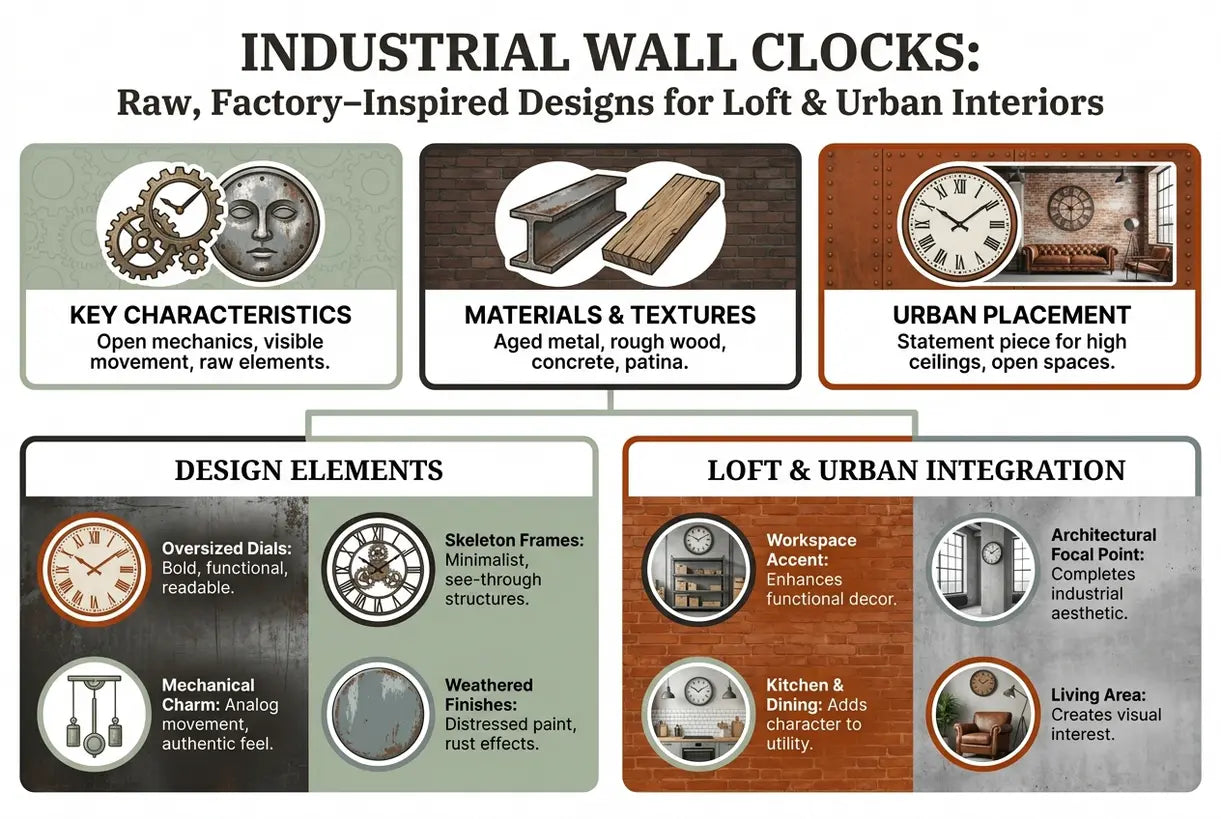
An industrial wall clock draws inspiration from the factories, warehouses, and mechanical workshops of the late 19th and early 20th centuries. These timepieces typically feature exposed mechanical elements, robust metal construction, oversized proportions, and finishes that celebrate age and wear rather than hiding them.
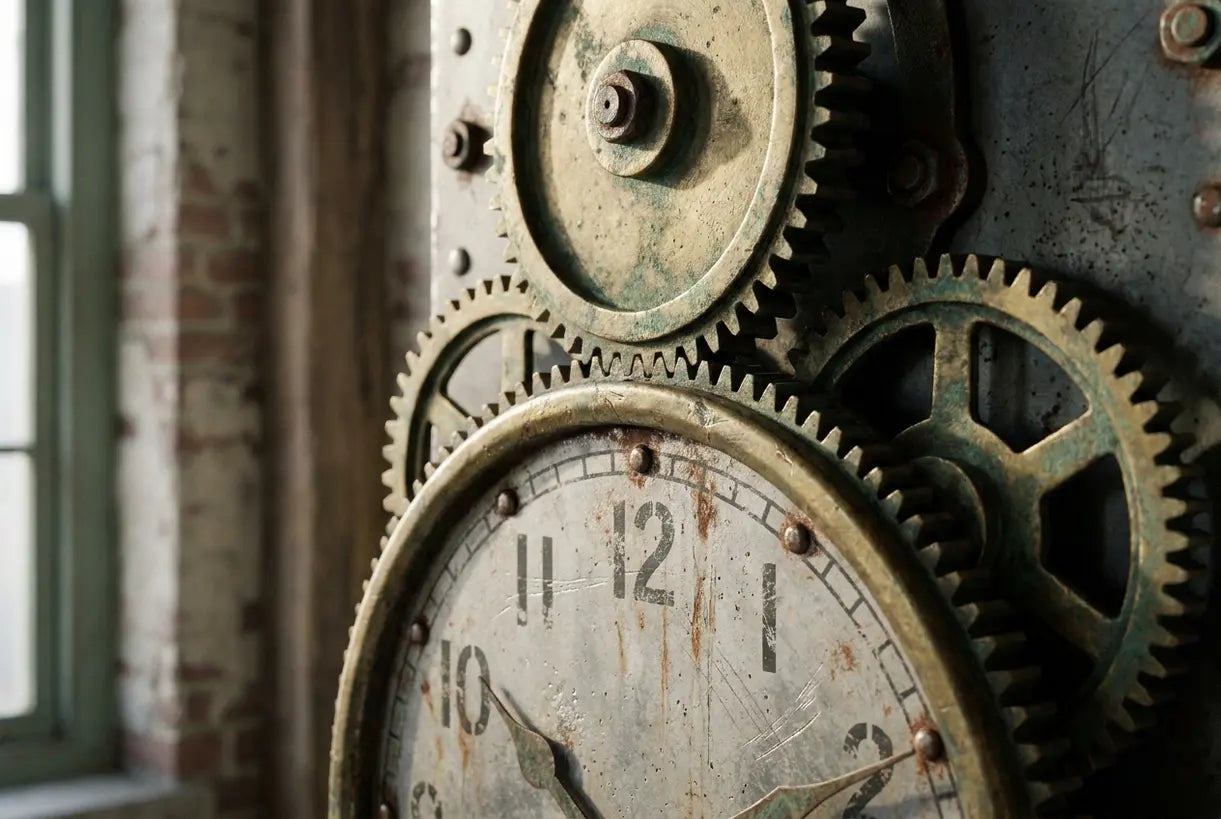
Unlike traditional decorative clocks that prioritize ornamentation, factory style clocks embrace utilitarian aesthetics. Think visible gears, riveted metal frames, weathered patinas, and bold numerical displays designed for visibility across large factory floors. This honest approach to design—celebrating function and material over embellishment—creates pieces that feel authentic and grounded.
The appeal extends beyond mere nostalgia. Today's loft wall clock designs marry vintage aesthetics with modern quartz movements, offering precision timekeeping without the maintenance of antique mechanical works. The result is a decorative object that serves as both functional timepiece and sculptural wall art.
Decorative Wall Clocks
Shop all Wall Clocks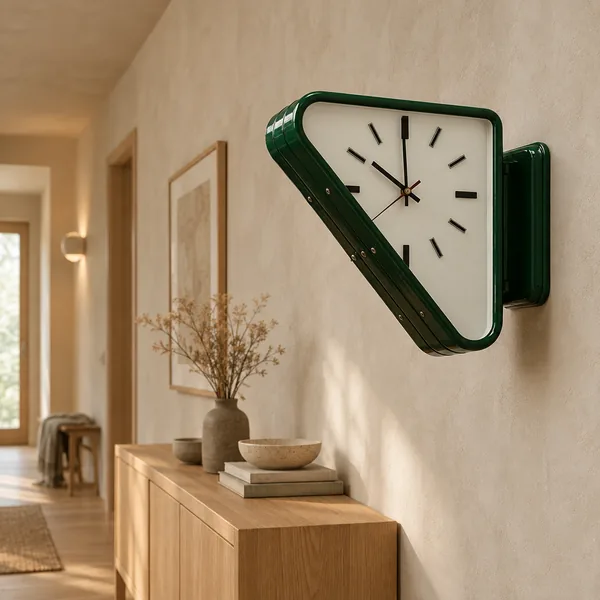
 Save $110.00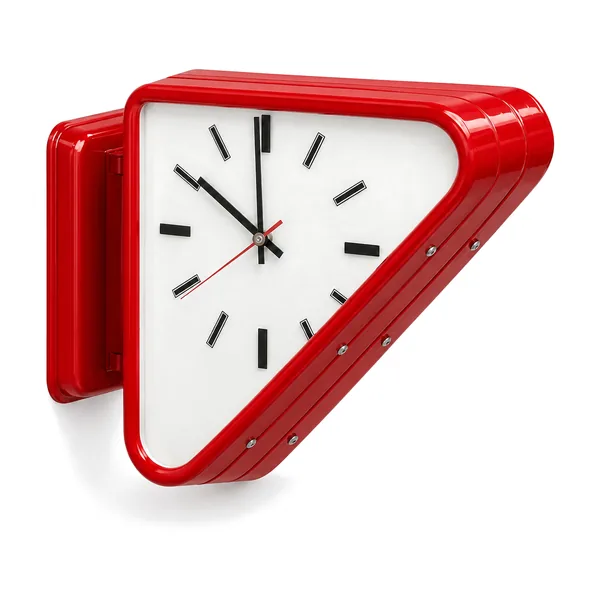
 +15 options
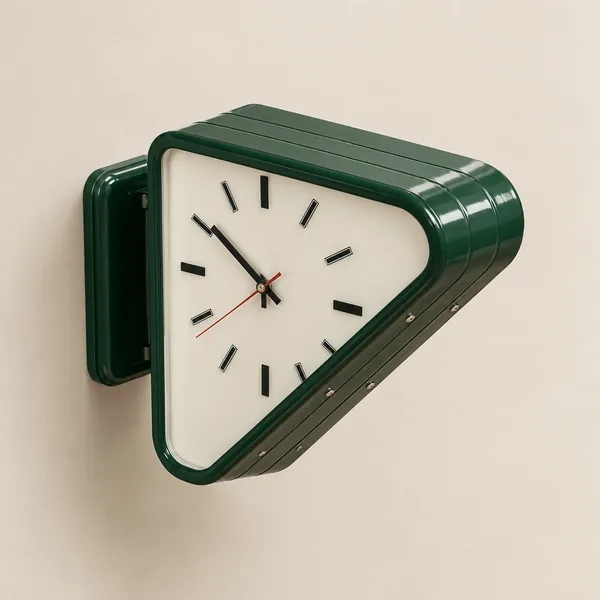
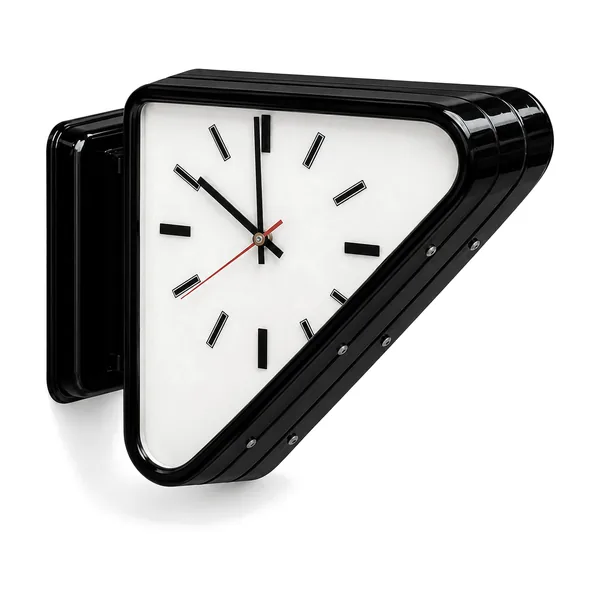
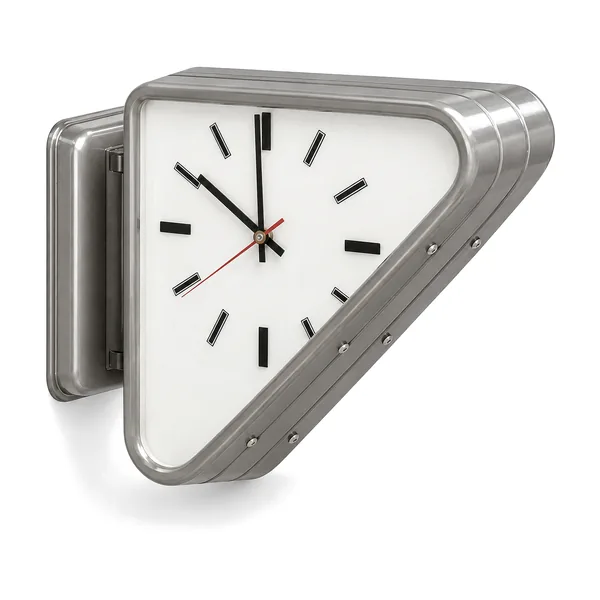
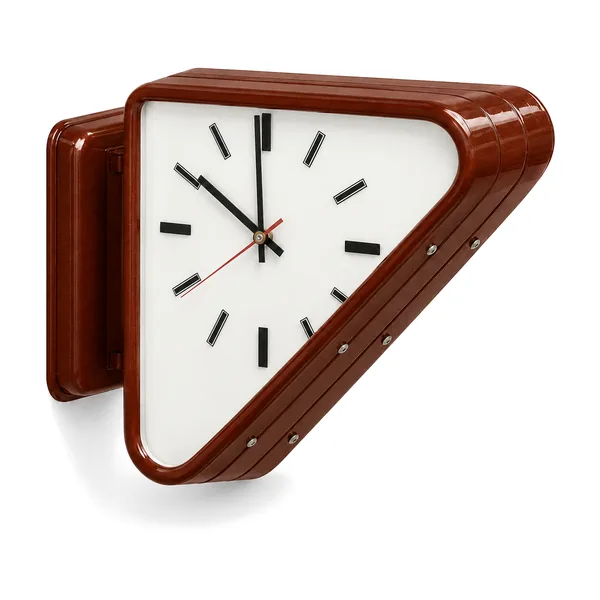
Tvilling Dual-Sided Geometric Metal Wall Clock
 Save $70.00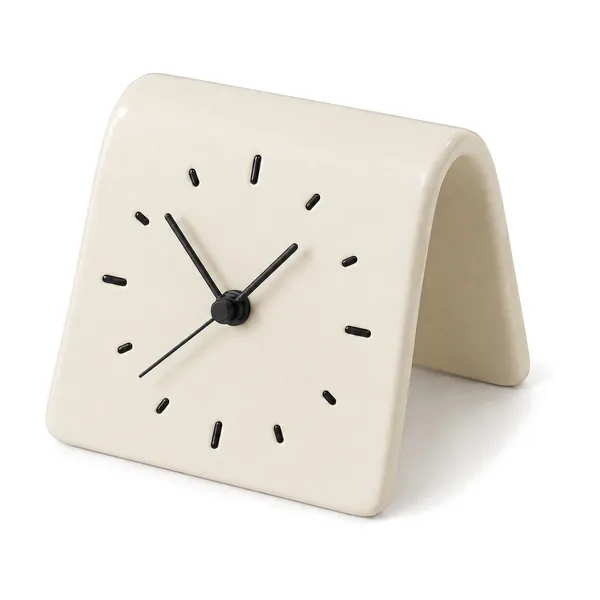
 +37 options
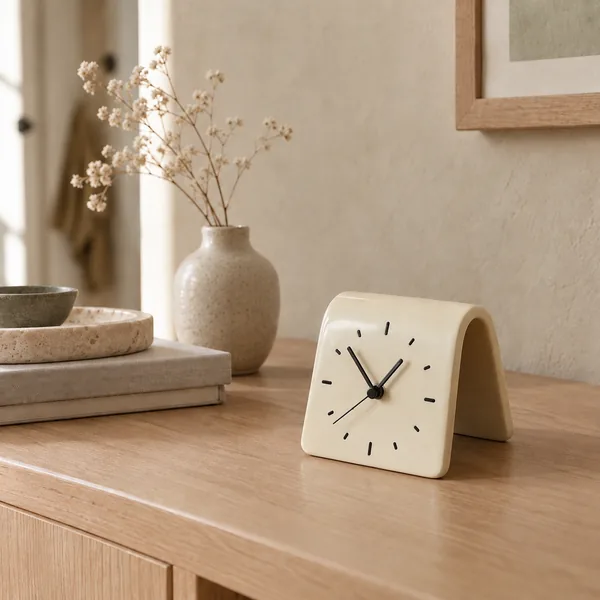
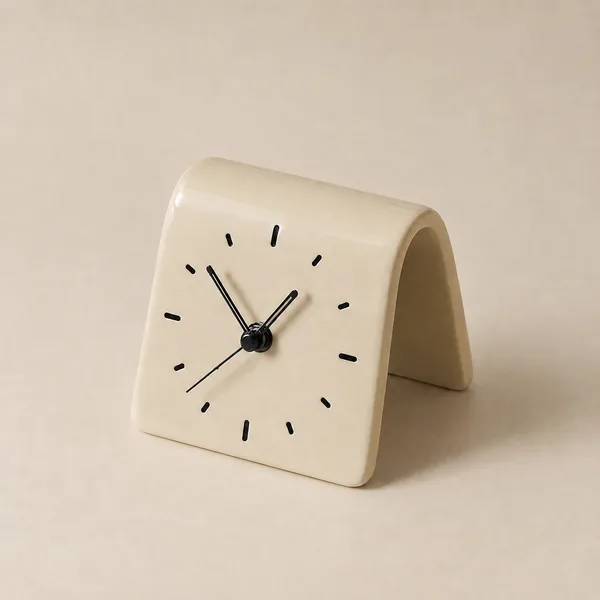
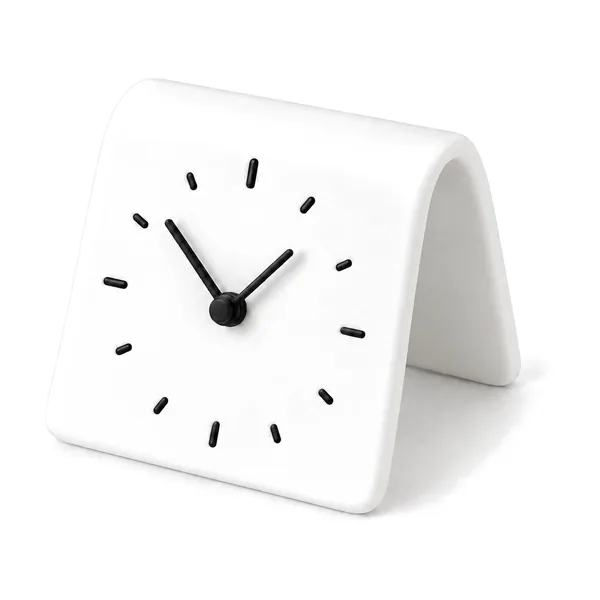
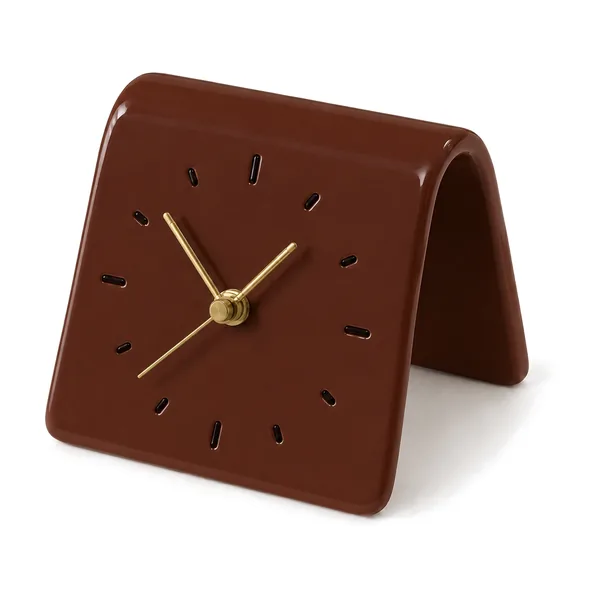
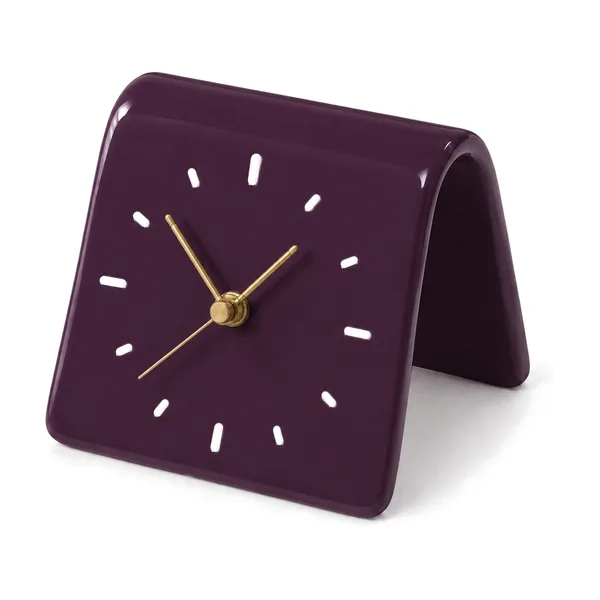
Tilje Silent Ceramic Desk Clock for Modern Homes
 Save $120.00
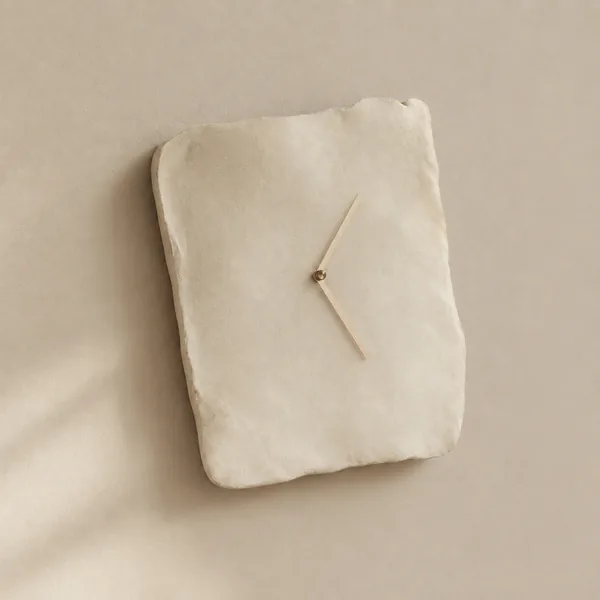
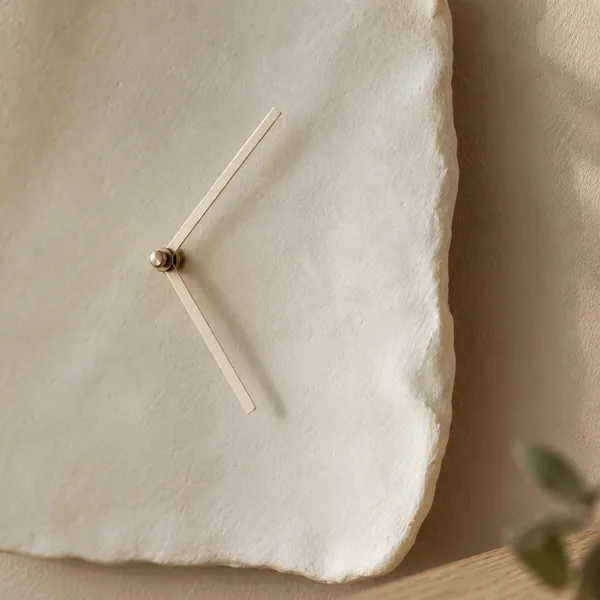
Stilla Silent Resin Wall Clock Nordic Minimalist
What Are the Best Materials for Industrial Wall Clocks?
The material selection fundamentally defines the character of an industrial timepiece. Understanding your options helps you choose a clock that not only looks right but also ages beautifully in your home.
Metal Construction
Metal wall clocks dominate the industrial category, offering durability and that coveted factory aesthetic. Wrought iron and steel provide substantial weight and an authentic workshop feel. Look for finishes that mimic the patina of age—oxidized blacks, burnished coppers, and raw gunmetal grays that suggest decades of industrial use.
For those seeking something different from standard steel, consider metal gear clocks with brass or bronze elements. These warmer metals add sophistication while maintaining the mechanical aesthetic, creating visual interest without overwhelming your wall.
Wood and Mixed Materials
While metal takes center stage, many authentic vintage factory clocks incorporate wood—typically dark-stained varieties that show grain and character. Reclaimed barn wood, for instance, brings its own history to the piece, with nail holes and weathered surfaces adding to the narrative.
Mixed material designs combine metal frames with wooden elements or back panels, softening the industrial edge just enough for transitional spaces that blend contemporary comfort with factory roots.
Specialty Details
Some adventurous designs incorporate pipes, mesh screens, or even repurposed industrial components. The industrial pipe clock category pushes boundaries with plumbing-inspired frames, while steampunk wall clock variations add Victorian flourishes to mechanical bases. These statement pieces work best in spaces with matching industrial architecture—exposed ductwork, brick walls, or concrete floors.
How Do I Style an Industrial Wall Clock in a Loft?
Successfully integrating a factory-inspired timepiece into your interior requires thoughtful placement and complementary styling. The goal is creating cohesion between your clock and the surrounding architecture of your loft space.
Start by identifying your wall anchor point. Urban wall clocks function best as focal points—mounted above a fireplace, centered on a gallery wall, or positioned to dominate an open sightline from your entryway. The scale should match the scale of your architecture; in spaces with 12-foot ceilings, a modest clock risks feeling lost.
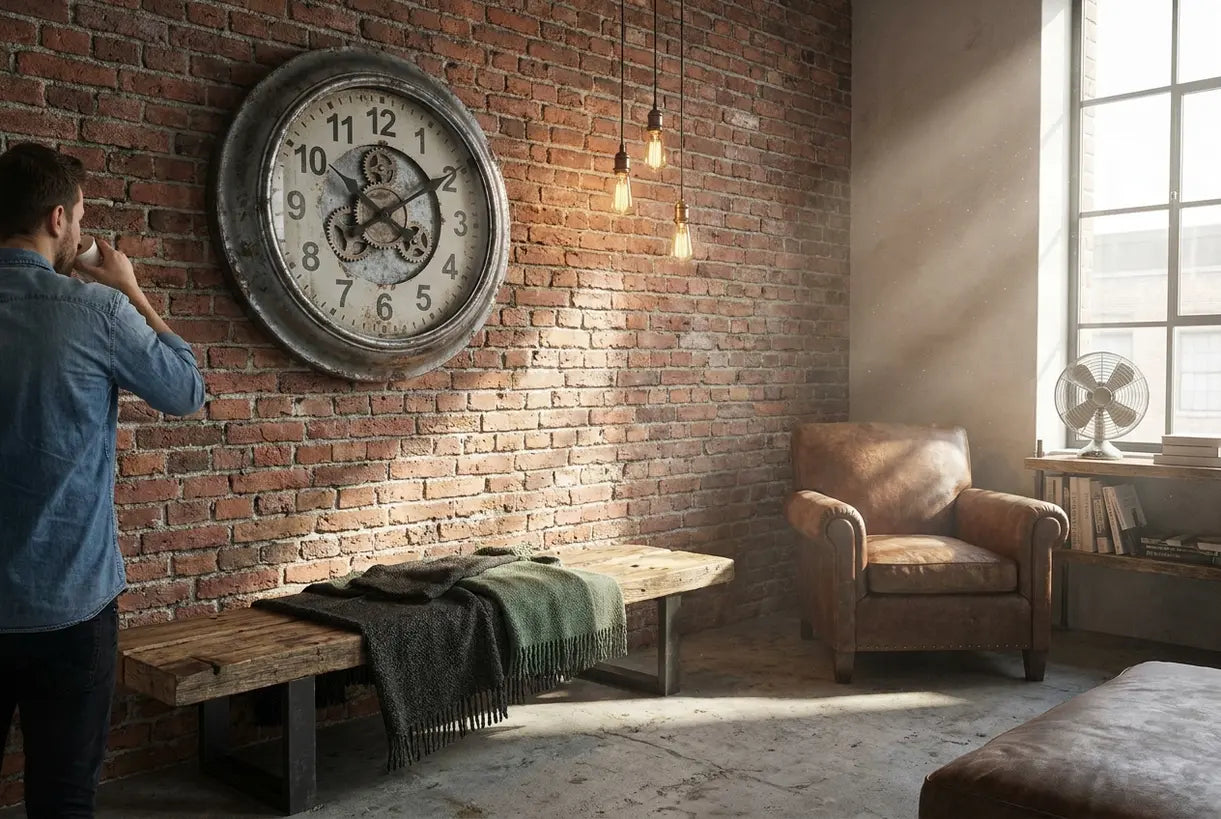
Surround your timepiece with materials that echo its industrial roots. Exposed brick creates an obvious backdrop for weathered metal. Dark wood shelving housing plants in metal containers reinforces the aesthetic without competing for attention. Consider lighting that casts dramatic shadows, emphasizing the three-dimensional quality of exposed gears or dimensional numbers.
Tvilling Dual-Sided Geometric Metal Wall Clock$269.00$379.00The Tvilling Dual-Sided Geometric Metal Wall Clock demonstrates how architectural clock design can double as room sculpture. Its triangular dual-sided configuration makes it ideal for open-concept lofts where the clock functions as a space divider between living and dining areas.
What Size Industrial Wall Clock Should I Choose?
Proportion matters significantly when selecting your timepiece. Large industrial wall clock designs typically range from 24 inches to 48 inches in diameter, making them suitable for spaces with high ceilings and expansive walls. For standard 8-9 foot ceilings, clocks between 16-24 inches maintain proper visual balance without overwhelming the room.
Consider viewing distance when making your selection. Clocks with exposed mechanical elements or intricate details require closer proximity for appreciation, while simple designs with bold numbers function effectively in hallways or large open areas. In dining rooms, ensure your clock doesn't exceed the width of your table—roughly 60-70% of the table's width creates proportional harmony.
Wall placement also influences size selection. Center your clock in available wall space with adequate breathing room—typically 6-12 inches of clearance from adjacent furniture or architectural features. Oversized designs need more space to avoid a cluttered appearance, while modest sizes can anchor smaller vignettes like reading nooks or breakfast corners.
Are Industrial Wall Clocks Silent?
The expectation of silent operation often conflicts with industrial aesthetics. Traditional mechanical clocks with exposed movements produce audible ticking—the heartbeat of mechanical timekeeping that many find nostalgic and comforting. However, modern living frequently demands silence, especially in bedrooms, home offices, or open-plan spaces where sound travels unobstructed.
Fortunately, contemporary modern industrial wall clock designs offer the best of both worlds. Many feature quartz movements that provide silent, reliable timekeeping while maintaining vintage-inspired exteriors. These designs use decorative gears as sculptural elements rather than functional components, achieving industrial aesthetics without acoustic compromise.
Curated Industrial Timepieces & Lighting
Stilla Silent Resin Wall Clock Nordic Minimalist$259.00$379.00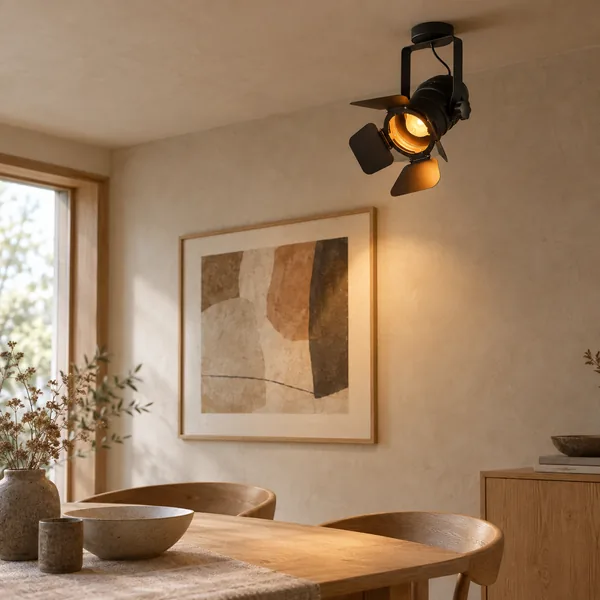 Skena Iron Barn Door Vintage Ceiling Spotlight$99.00$149.00
The Stilla Silent Resin Wall Clock Nordic Minimalist exemplifies this thoughtful combination—offering sculptural presence through organic, stone-like contours while delivering completely silent operation that respects the tranquility of Scandinavian-influenced spaces. Its Nordic minimalist aesthetic harmonizes beautifully with raw industrial textures.
Pendant Lights
Shop all Pendant Lights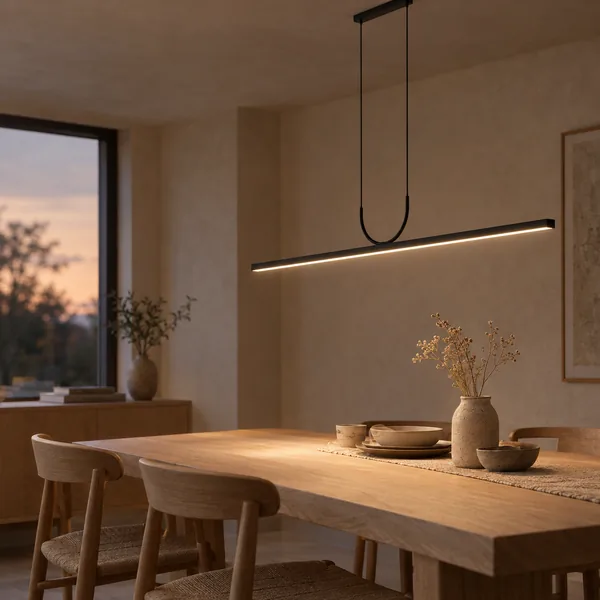
 Save $140.00
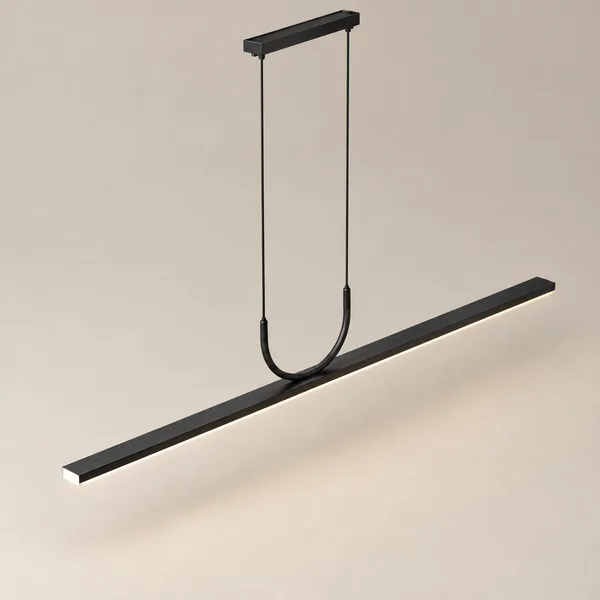
Linné Minimalist Linear Black LED Pendant Light
 Save $60.00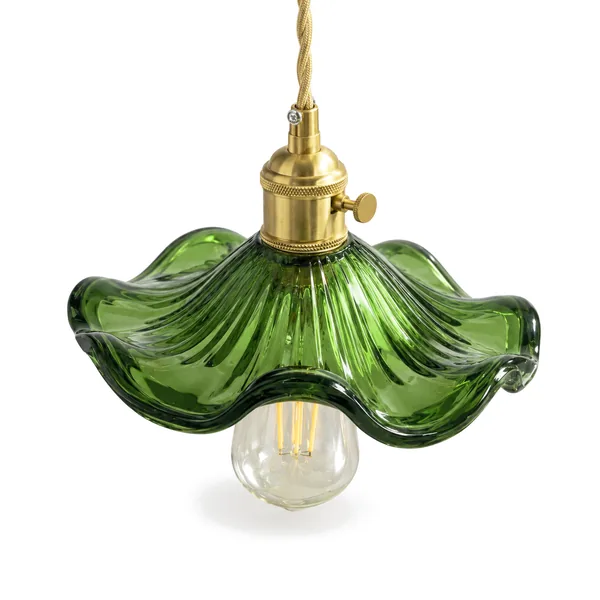
 3 options
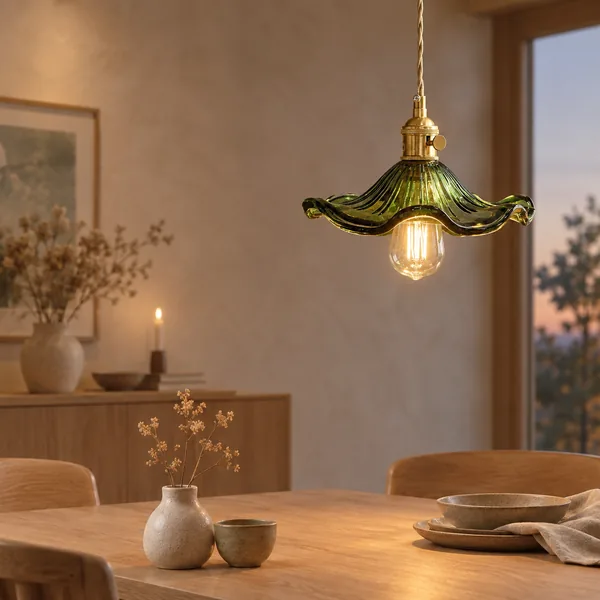
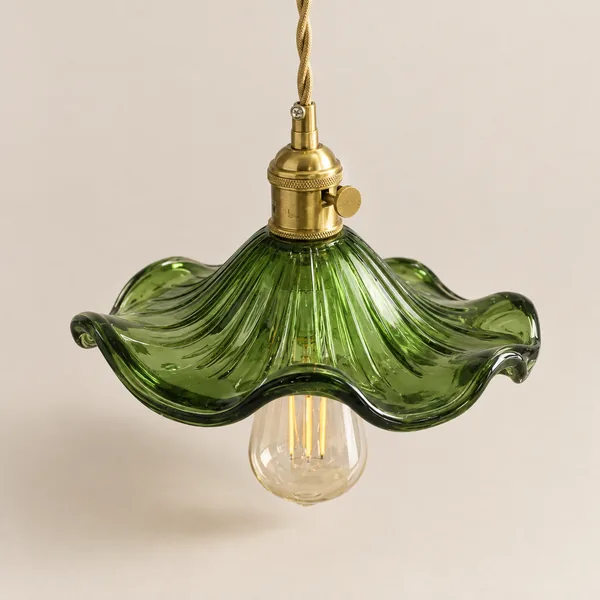
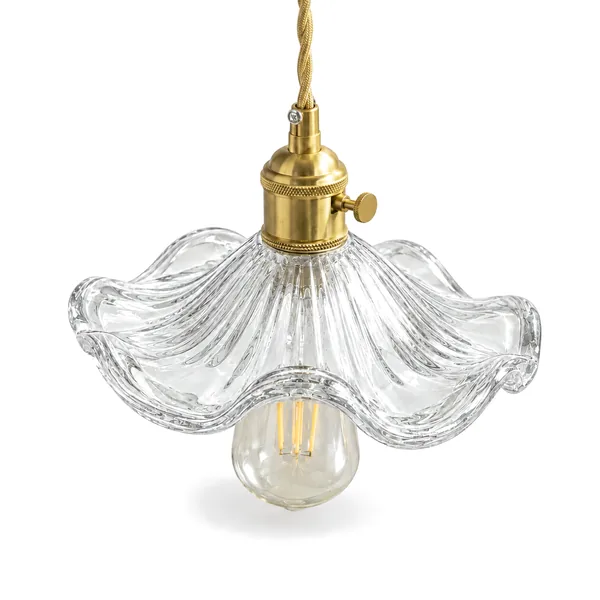
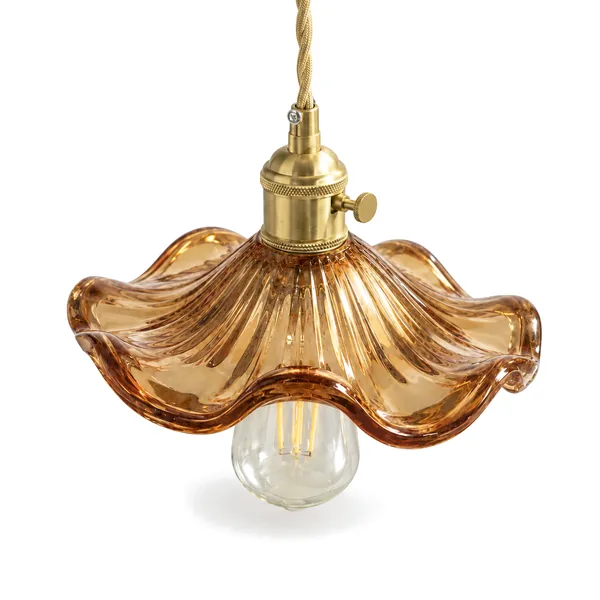
Glora Nordic Glass Pendant Light with Copper
 Save $120.00
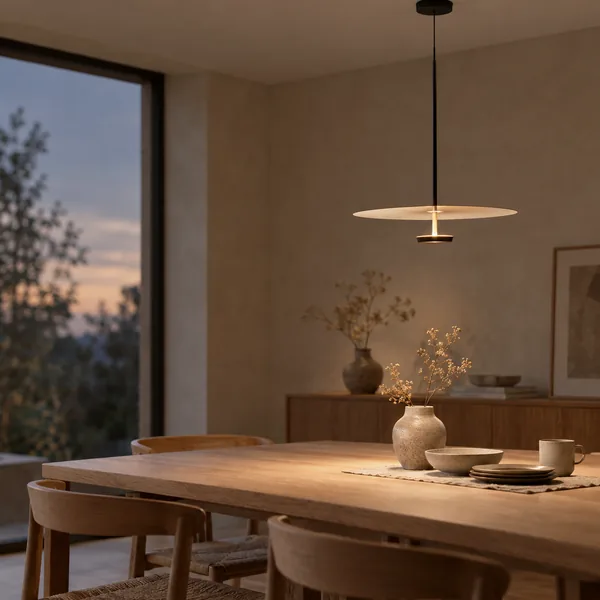
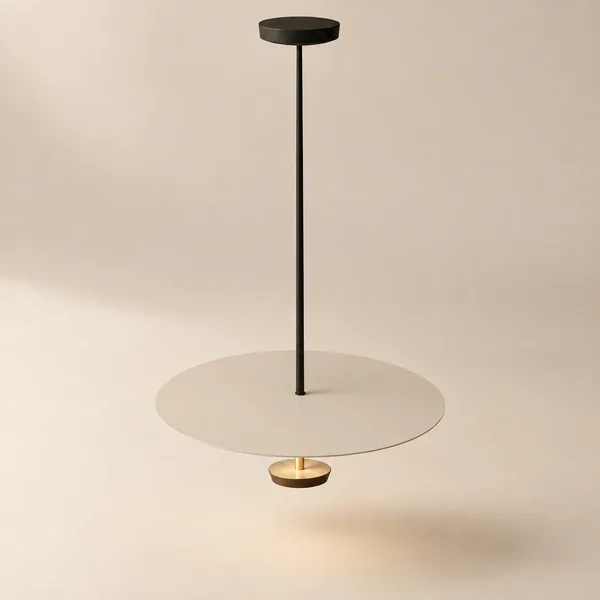
Skiva Nordic Saucer Ceiling Pendant Light LED
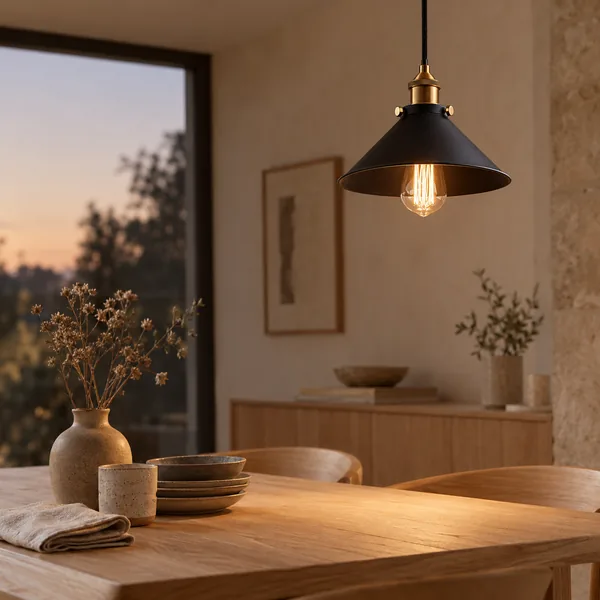
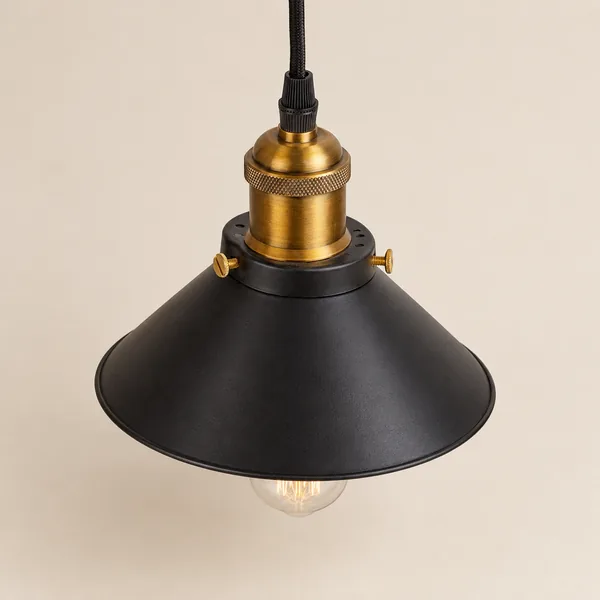
For lighting that complements your industrial clock aesthetic, consider the Skena Iron Barn Door Vintage Ceiling Spotlight. The adjustable directional spotlight pairs seamlessly with factory-inspired timepieces, casting dramatic shadows that enhance the dimensional quality of exposed gears and metal surfaces in your loft interior.
When mixing industrial and Scandinavian styles, balance is key. While factory aesthetics embrace raw textures and patina, the Scandinavian element—represented at Skonne through our curated approach—brings intentionality and restraint. This measured combination prevents industrial spaces from feeling cold or cluttered, instead creating that coveted sense of hygge warmth within urban settings.
Caring for Your Industrial Clock Investment
Maintaining the authentic appearance of factory-inspired timepieces requires specific considerations. Unlike pristine modern objects, industrial pieces often look better with age, but deliberate weathering differs from deterioration that compromises function.
Clean metal surfaces with soft cloths and mild cleaners designed for the specific metal type. Avoid harsh chemicals that accelerate corrosion unless you desire accelerated aging (some enthusiasts deliberately speed up patina development for authentic finishing). For clocks with genuine mechanical movements, occasional professional servicing ensures accurate timekeeping and longevity.
Battery-powered quartz models require minimal maintenance beyond timely battery replacement. Check manufacturer recommendations, but typically installing fresh batteries annually prevents potential leakage and ensures uninterrupted operation.
Curating Your Industrial Loft Aesthetic
The perfect industrial clock decor anchors your space but doesn't complete it. Consider how your timepiece relates to other elements—lighting, furniture, and textiles. Industrial design allows eclectic mixing; a 1920s factory clock pairs surprisingly well with mid-century modern seating when unified by material choices or color palette.
For those exploring industrial aesthetics without full commitment, clocks offer an accessible entry point. Starting with one statement timepiece lets you test how industrial elements feel in your space before investing in major fixtures or furniture pieces.
At Skonne, we appreciate the intersection of industrial and Scandinavian design sensibilities—both prioritize functionality and material honesty, though they express these values differently. Our clock collection bridges these worlds, offering factory-inspired pieces curated with the restraint and warmth characteristic of Nordic living.
Related Article
Green Wall Clocks: Sage, Emerald & Forest Green Designs for Nature-Inspired InteriorsExplore our curated collection of green wall clocks in sage, emerald, and forest tones. Perfect Scandinavian designs for nature-inspired homes.