
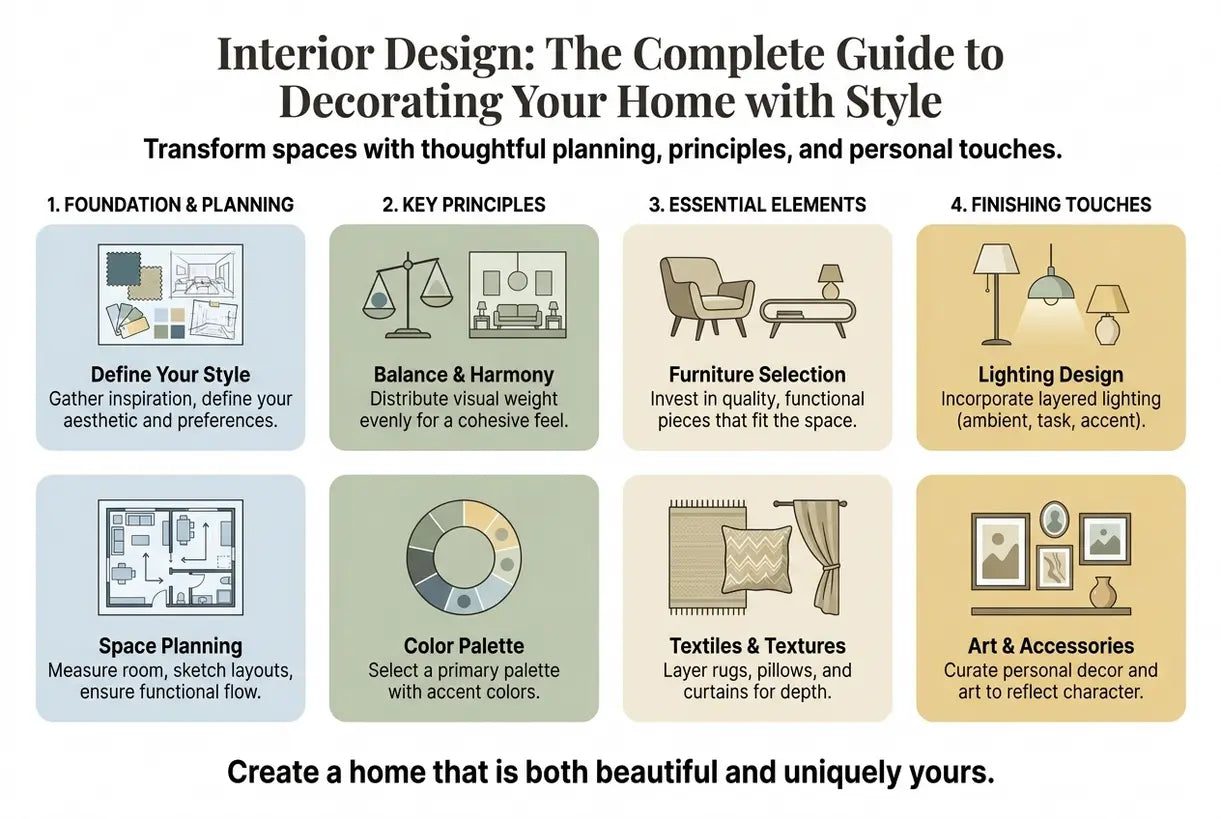
Interior Design: The Complete Guide to Decorating Your Home with Style
Summary›
- What Is Interior Design? Understanding the Art of Space
- Core Principles Every Homeowner Should Know
- Lighting as the Foundation of Ambiance
- Creating Atmosphere with Layered Lighting
- Decorative Objects That Elevate Your Space
- Scandinavian Design Philosophy: Intention Over Excess
- Practical Tips for Transforming Your Home
- Conclusion: Creating Your Signature Space
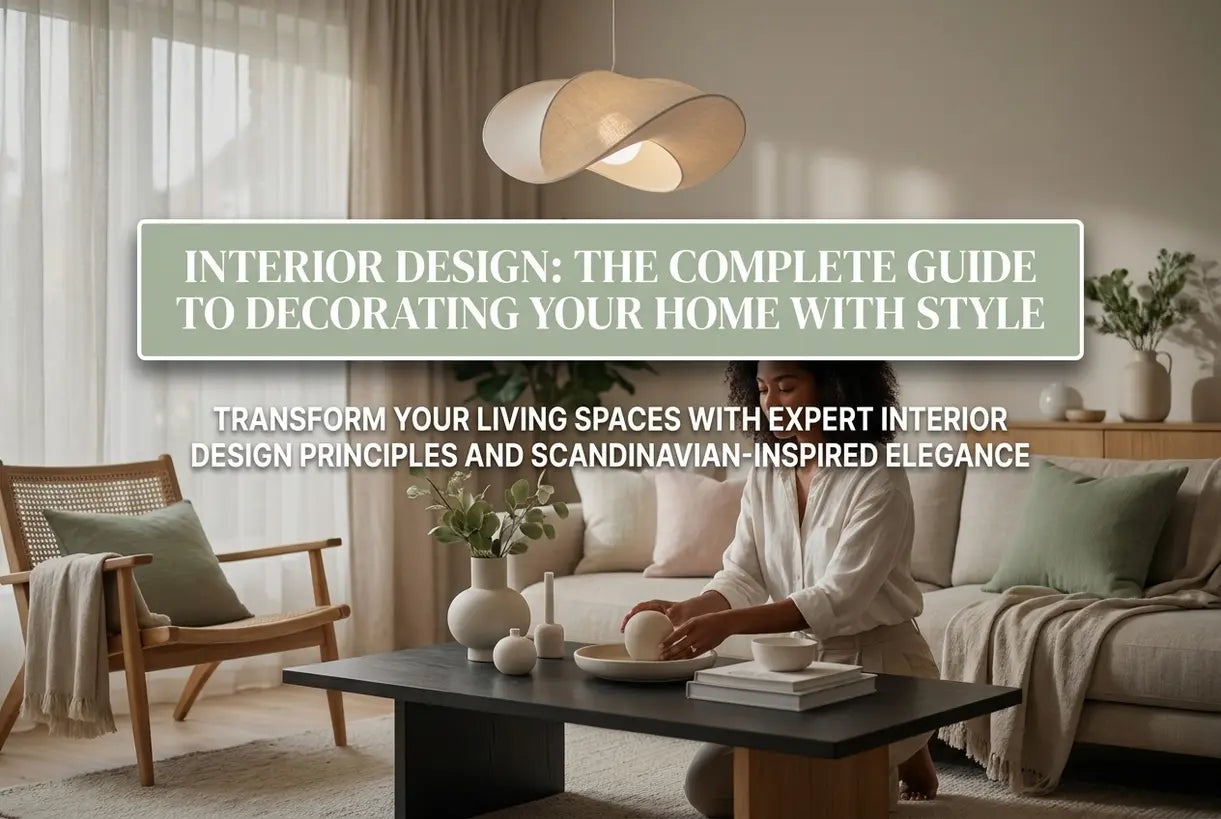
Interior design is more than arranging furniture or choosing paint colors—it's the thoughtful art of crafting spaces that nurture how we live, work, and connect. Whether you're a first-time homeowner looking to define your aesthetic or a design enthusiast seeking to refine your vision, understanding the fundamental principles of interior design can transform any room from ordinary to extraordinary. This comprehensive guide explores the core concepts, practical strategies, and Scandinavian-inspired wisdom that will help you create a home that feels both beautiful and authentically you—while introducing you to the curated pieces from Skonne that elevate every corner.
What Is Interior Design? Understanding the Art of Space
At its essence, interior design meaning extends far beyond surface decoration. It encompasses the intentional planning and execution of interior environments to enhance quality of life while expressing personal identity. Unlike simple decoration, residential interior design considers spatial flow, functionality, lighting, materials, and psychological impact—all working in harmony.
The interior design definition professionals use emphasizes problem-solving and human-centered thinking. A well-designed space doesn't just look good—it feels right. It supports daily routines, encourages meaningful interactions, and creates that coveted sense of sanctuary we all crave in our homes.
Core Principles Every Homeowner Should Know
Every accomplished interior designer relies on foundational principles that guide their decisions. Understanding these rules empowers you to make confident choices, whether you're refreshing a single room or undertaking a complete home transformation.
Balance and Proportion
Balance creates visual equilibrium in a space. There are three primary types: symmetrical (formal), asymmetrical (more dynamic), and radial (elements arranged around a focal point). Proportion ensures that objects relate harmoniously to each other and to the room's dimensions.
The Rule of Three (and Beyond)
Designers often work in odd numbers—groups of three, five, or seven objects create more visual interest than even-numbered arrangements. This principle applies to everything from pillow arrangements on a sofa to vases on a mantel.
Lighting as the Foundation of Ambiance
Perhaps no element influences a room's atmosphere as profoundly as lighting. The right illumination can make a small space feel expansive, turn a cold room into a cozy retreat, and transform the way colors and textures appear throughout the day.
Layered lighting—combining ambient, task, and accent sources—creates depth and flexibility. Ambient lighting establishes the overall brightness, task lighting supports specific activities like reading or cooking, and accent lighting highlights architectural features or artwork.
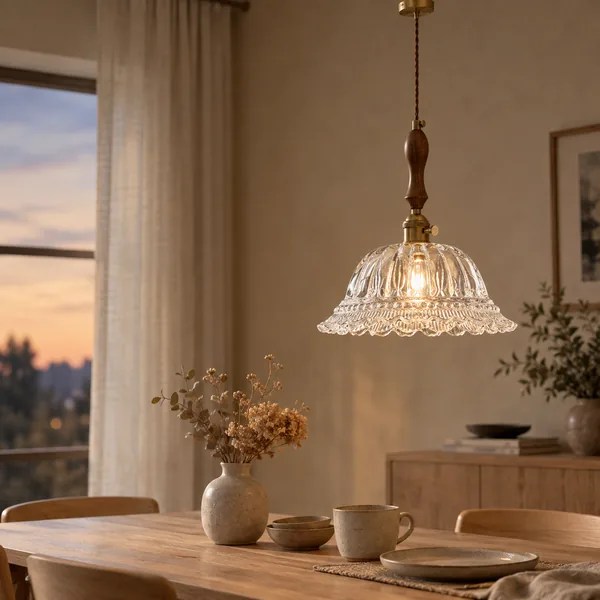 Gloda Walnut Brass French Style Pendant Light$169.00$229.00
For dining areas where conversation and connection matter most, the Gloda Walnut Brass French Style Pendant Light demonstrates how a single lighting piece can anchor an entire room. Its sculptural walnut and brass construction delivers both functionality and artful presence—precisely what makes French vintage aesthetics so enduring.
Creating Atmosphere with Layered Lighting
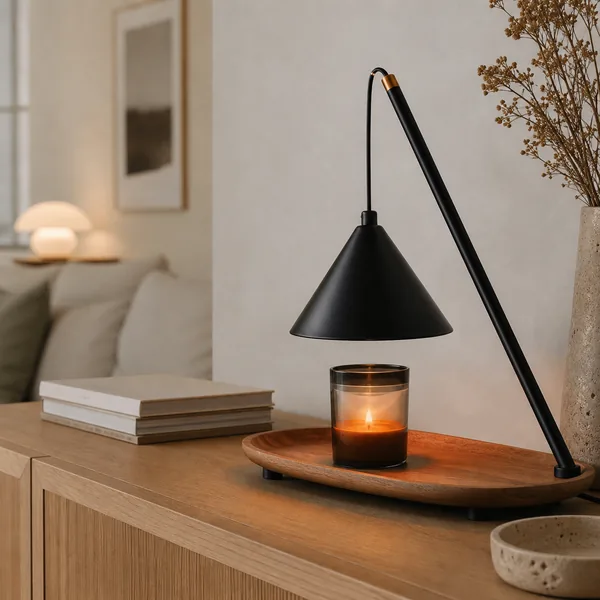
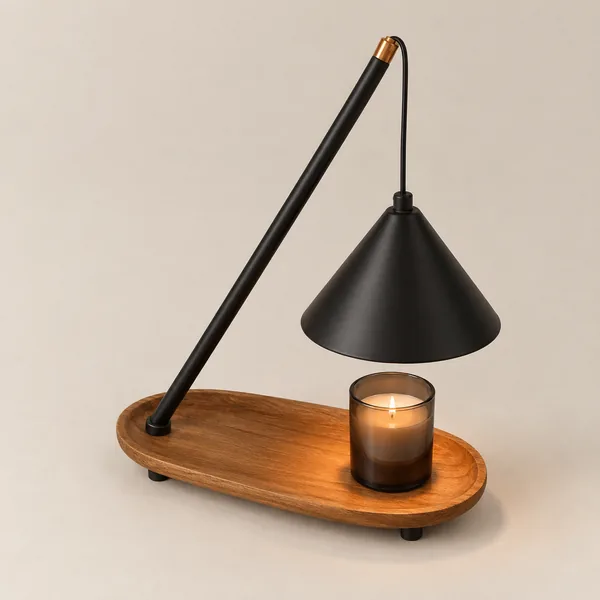
While statement pendants command attention, intimacy emerges through softer, more personal light sources. Bedrooms, reading nooks, and quiet corners demand lighting that invites relaxation without sacrificing style.
Consider how different lighting temperatures affect mood. Warm light (2700K-3000K) creates cozy, intimate environments perfect for living rooms and bedrooms. Cooler temperatures work beautifully in offices or kitchens where alertness and clarity matter.
Decorative Objects That Elevate Your Space
The objects we choose to display tell stories about who we are and what we value. Curated decor transforms empty surfaces into meaningful vignettes that spark joy and conversation. But restraint matters—too many objects create clutter, while too few leave spaces feeling barren.
Selecting pieces with intention means choosing items that resonate emotionally while contributing to your overall aesthetic. For those looking to explore more options, our Decorative Vases offers a curated selection of sculptural vessels that bring both form and function to shelves, consoles, and dining surfaces.
Reflective surfaces deserve special attention in interior design. They capture and scatter light in unexpected ways, creating movement and visual intrigue that static objects cannot achieve.
Curated Lighting and Decor for Your Home
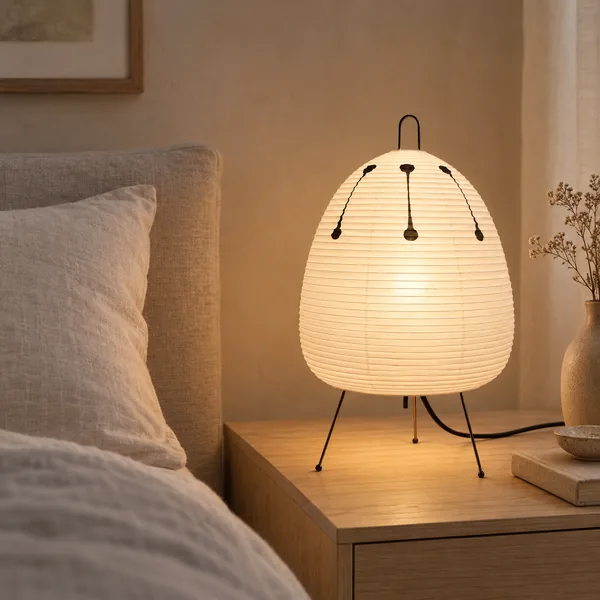 Shiro Rice Paper Table Lamp Nordic Minimalist$119.00$199.00
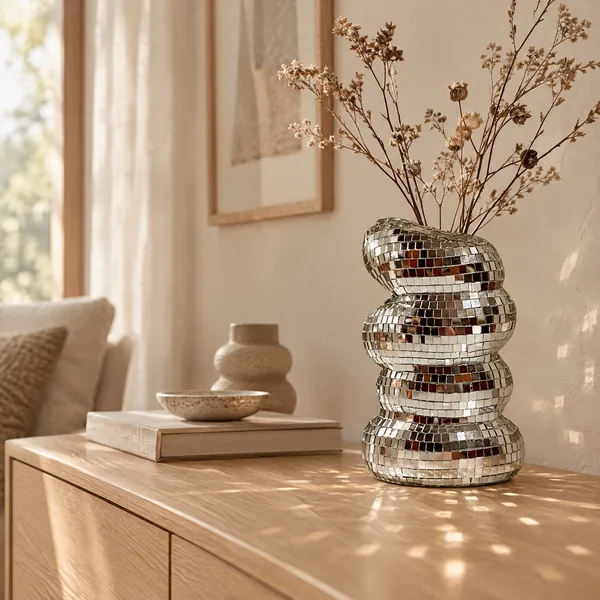 Glansa Reflective Disco Ball Glass Flower Vase$59.00$89.00
The Shiro Rice Paper Table Lamp Nordic Minimalist embodies the Japandi aesthetic that has captured the design world—handcrafted rice paper diffusing harsh light into gentle, layered illumination. Paired with the playful sophistication of the Glansa Reflective Disco Ball Glass Flower Vase, these pieces demonstrate how thoughtful object selection creates rooms that feel collected rather than decorated.
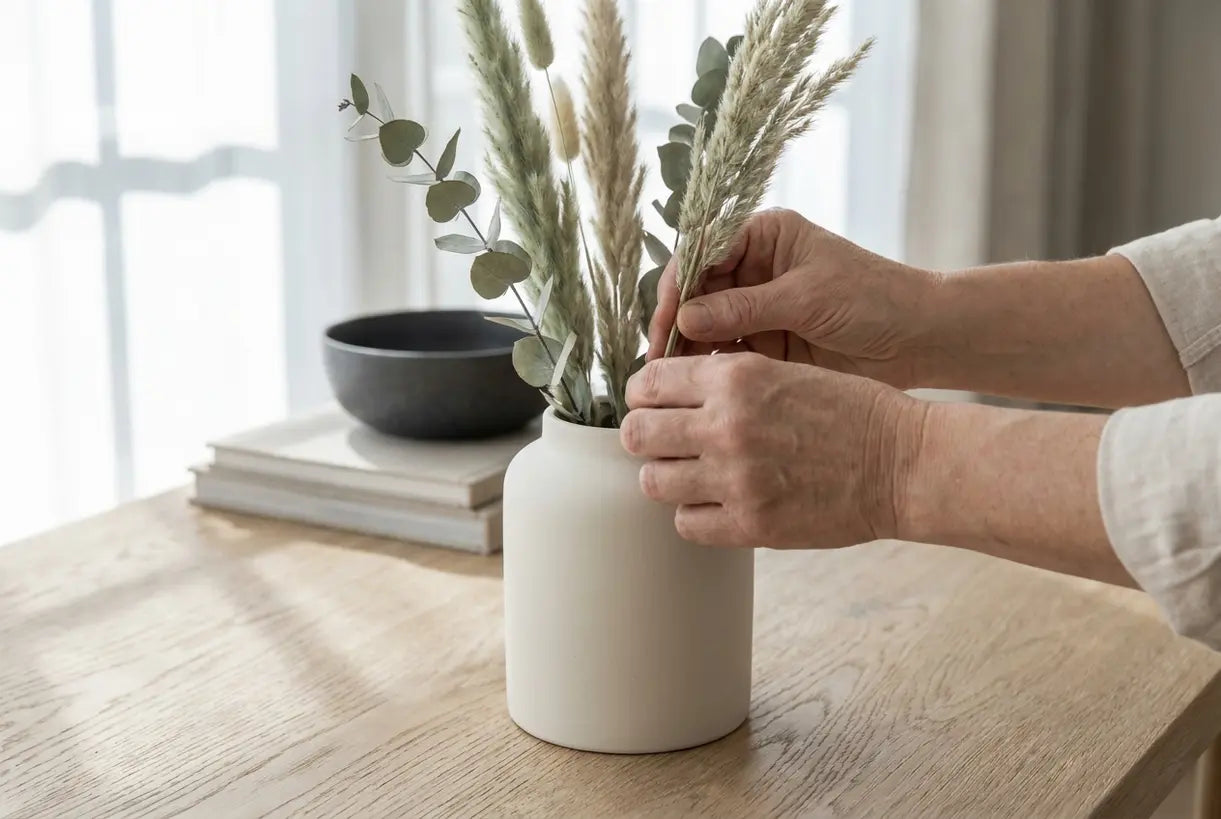
This tactile approach to styling—hands adjusting, rearranging, discovering the perfect placement—reflects the intentional nature of true Scandinavian design philosophy. It's not about perfection but about presence and purpose.
Scandinavian Design Philosophy: Intention Over Excess
Scandinavian interior design has transcended trend status to become a timeless approach to creating homes that nurture wellbeing. Rooted in the Danish concept of hygge—comfort, coziness, and contentment—this aesthetic prioritizes quality over quantity, natural materials over synthetic substitutes, and light-filled spaces over darkness.
The Scandinavian philosophy asks us to consider: Does this object serve a purpose? Does it bring joy? Does it contribute to the overall harmony of the space? This disciplined curation creates homes that feel both elevated and effortlessly livable.
Lighting
Shop all Lighting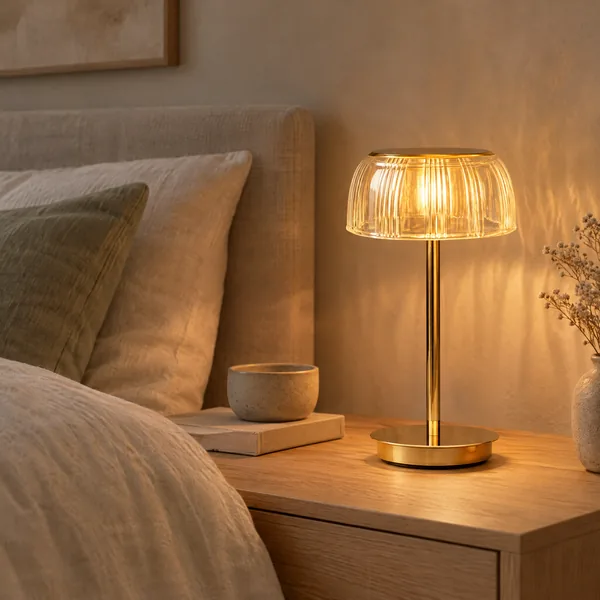
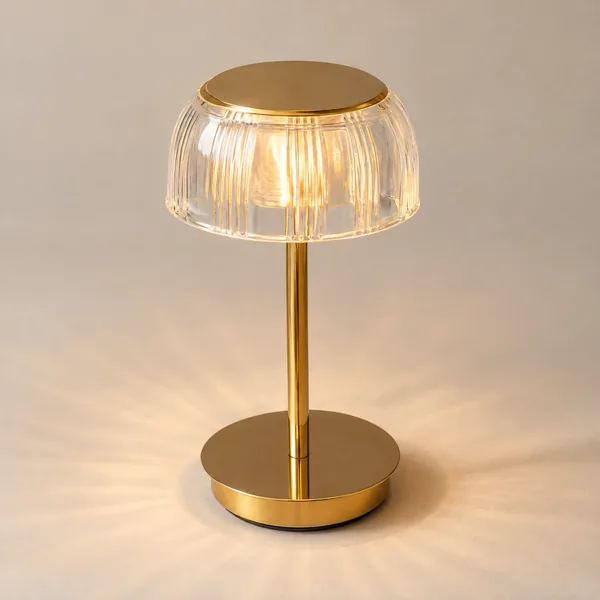 Save $30.00
Kvalla Jellyfish LED Rechargeable Table Lamp
 Save $140.00
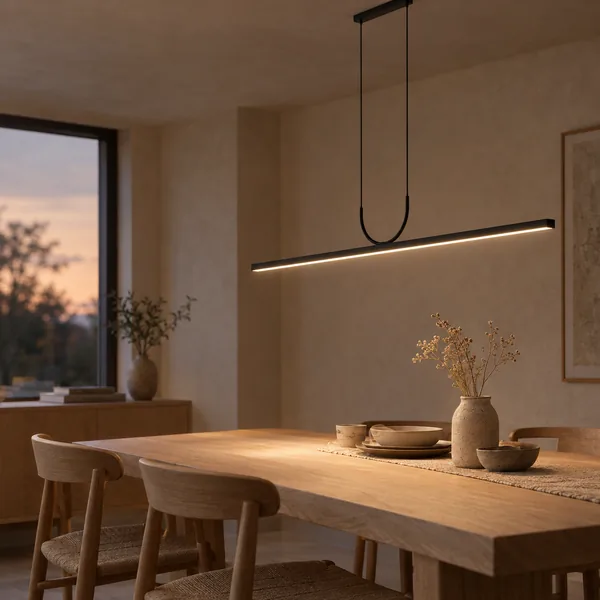
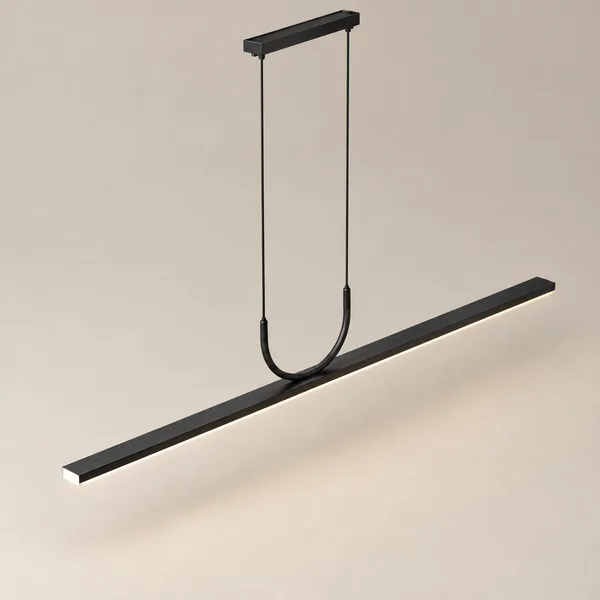
Linné Minimalist Linear Black LED Pendant Light
 Save $60.00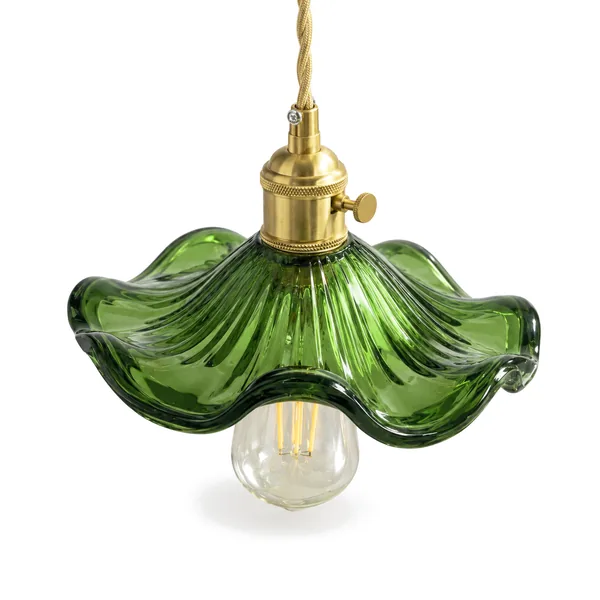
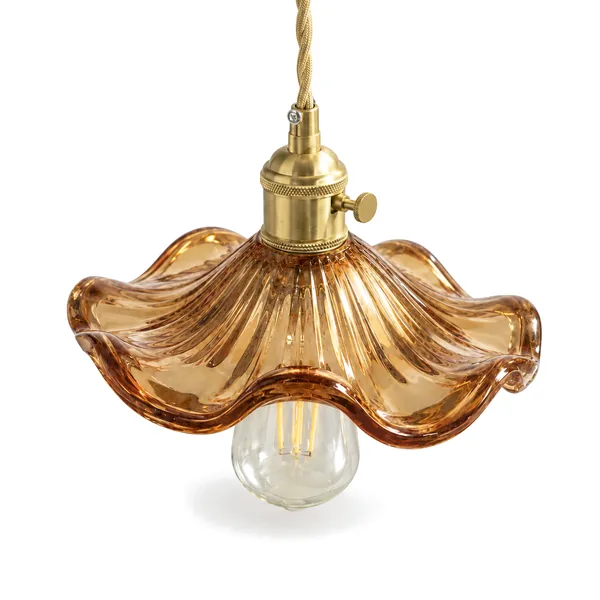 3 options
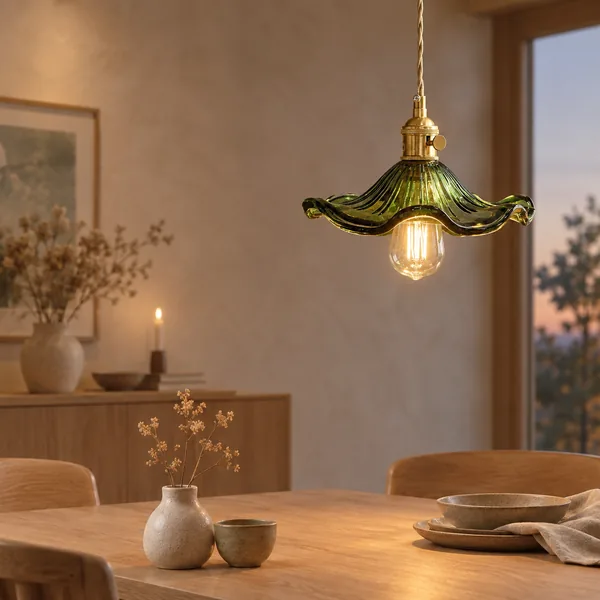
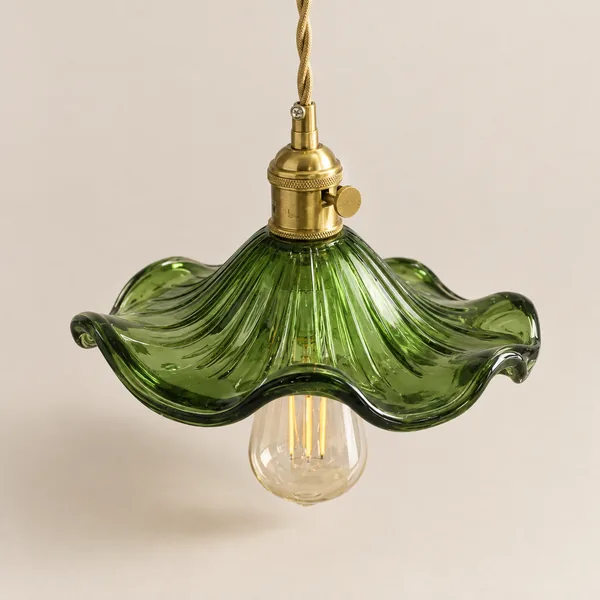
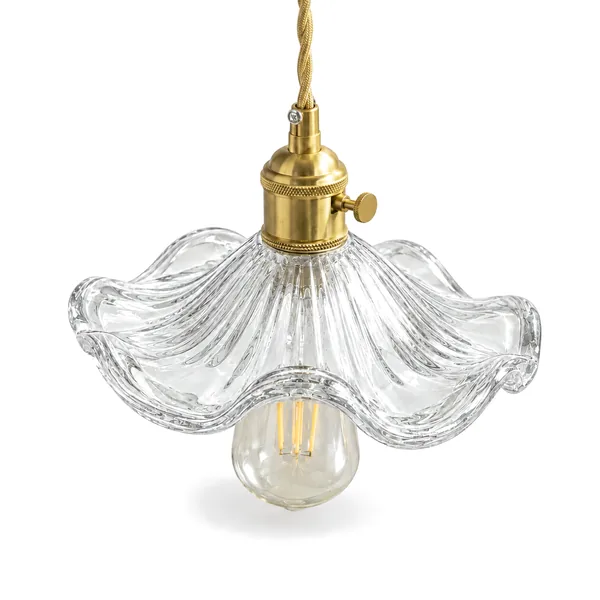
Glora Nordic Glass Pendant Light with Copper
Key characteristics include:
- Natural materials—wood, wool, linen, and stone that age beautifully
- Neutral palettes—whites, grays, and earth tones as foundation
- Thoughtful lighting—maximizing natural light while creating warmth after dark
- Functional beauty—every piece earning its place through utility
- Connection to nature—bringing the outside world in through plants and organic shapes
Practical Tips for Transforming Your Home
Applying interior design principles doesn't require a professional degree or unlimited budget. Small, intentional changes often yield the most significant impact. Here are actionable strategies to begin your transformation today:
Start With a Single Room
Rather than overwhelming yourself with whole-house renovation, focus on one space. This concentrated approach allows you to experiment, learn, and refine your aesthetic before expanding.
Invest in Lighting First
Replace builder-grade fixtures with pieces that reflect your style. Quality lighting transforms spaces instantly and creates the foundation upon which all other design decisions rest.
Edit Ruthlessly
Remove items that no longer serve you or your aesthetic. The space you create through editing is as important as the objects you choose to keep.
Create Focal Points
Every room needs a visual anchor—a fireplace, a statement light fixture, a piece of art, or an architectural feature. Design around this focal point, arranging supporting elements to complement rather than compete.
This video reinforces fundamental principles while offering inspiration for avoiding common pitfalls. Expert designers often emphasize that rules exist to guide, not constrain—understanding them thoroughly empowers you to break them intentionally when the vision demands.
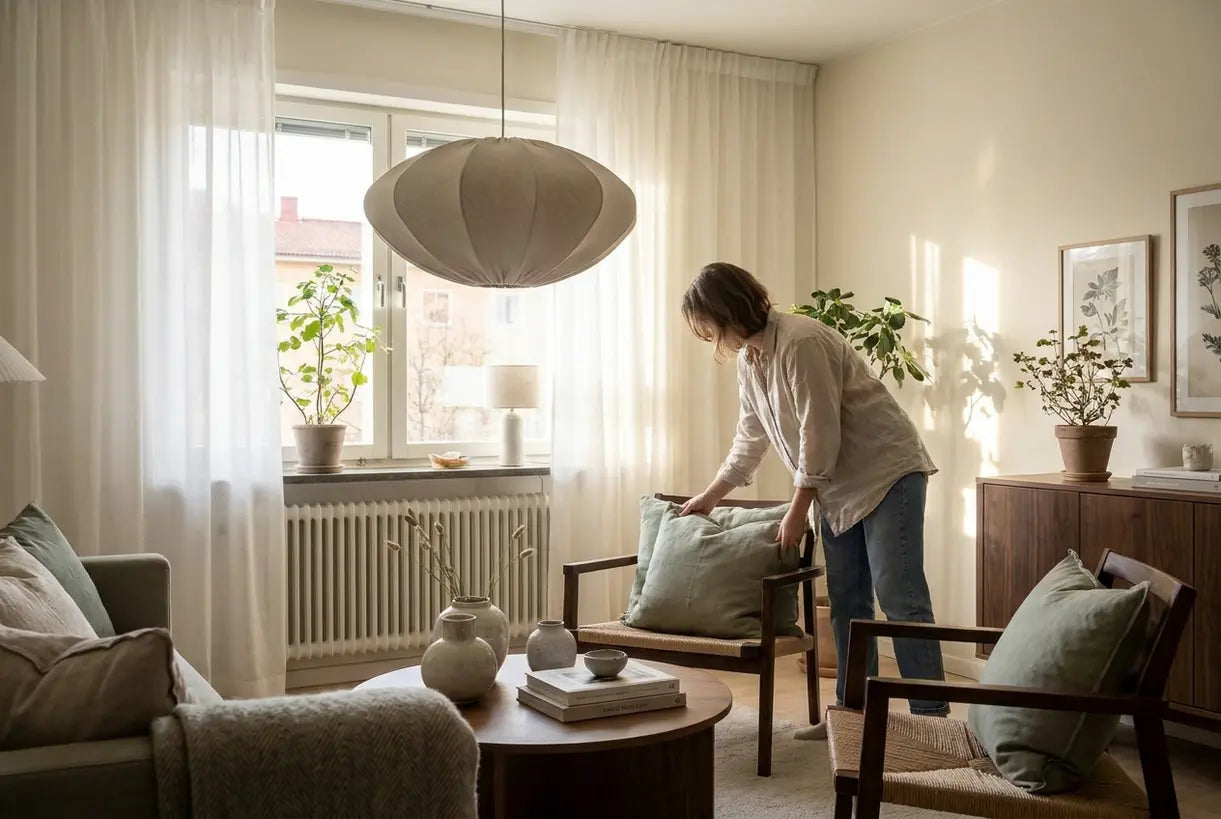
The aspirational yet achievable atmosphere captured above represents what happens when Scandinavian principles meet personal expression—light, warmth, and curated simplicity that invites living rather than just display.
Home Decor
Shop all Home Decor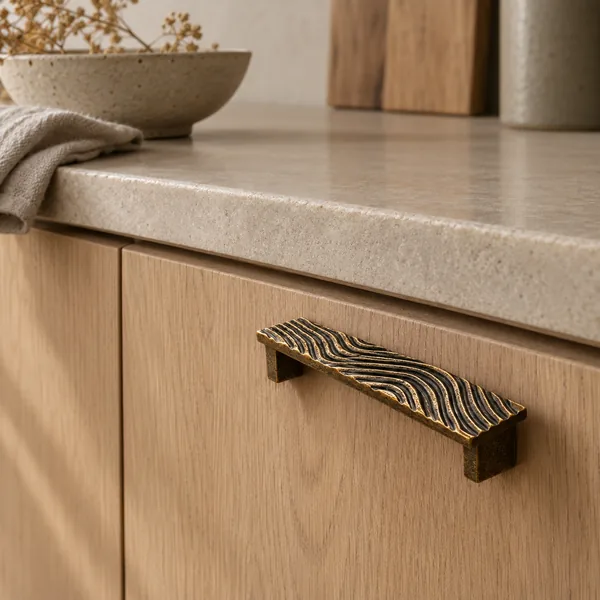
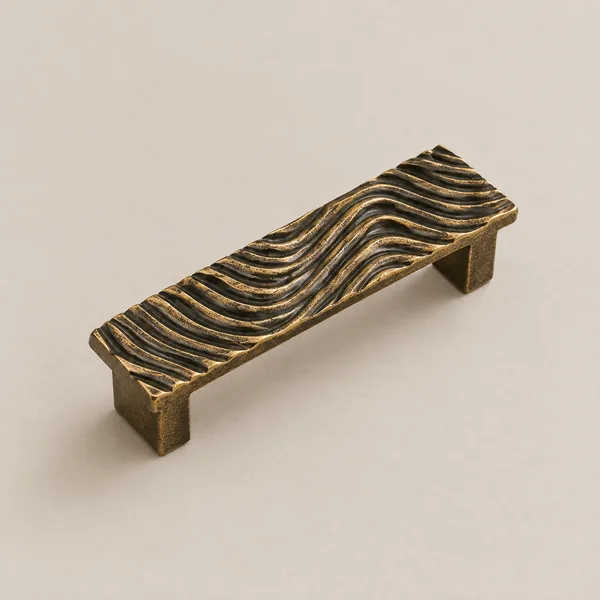
 Save $44.50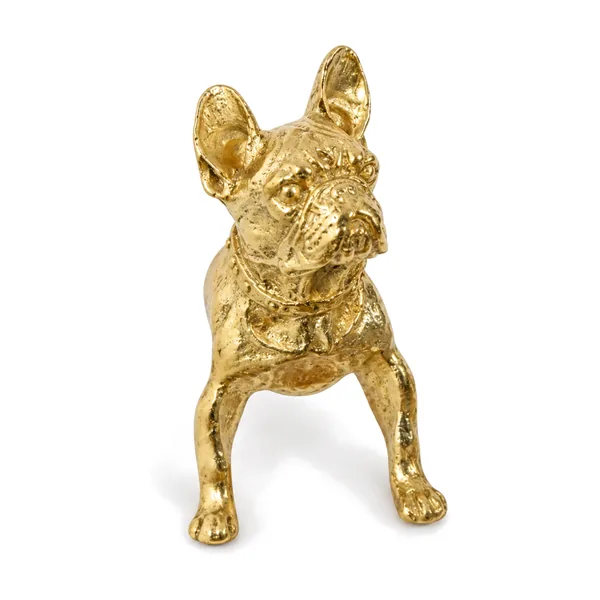
 2 options
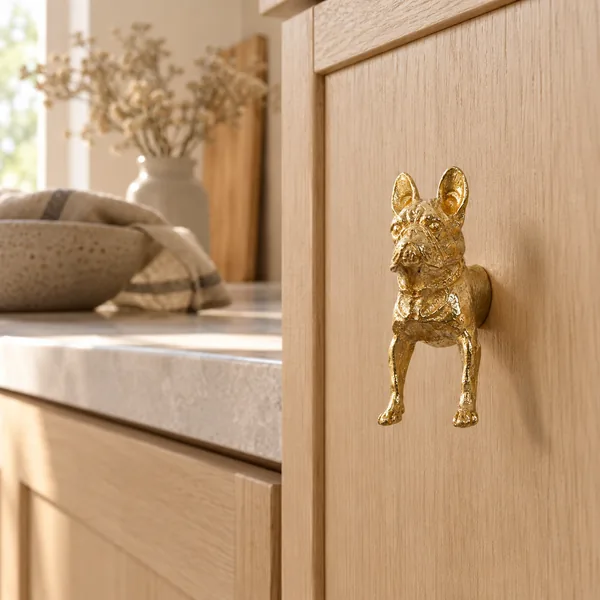
Tassa Polished Brass Dog Cabinet Pull Handle
 Save $110.00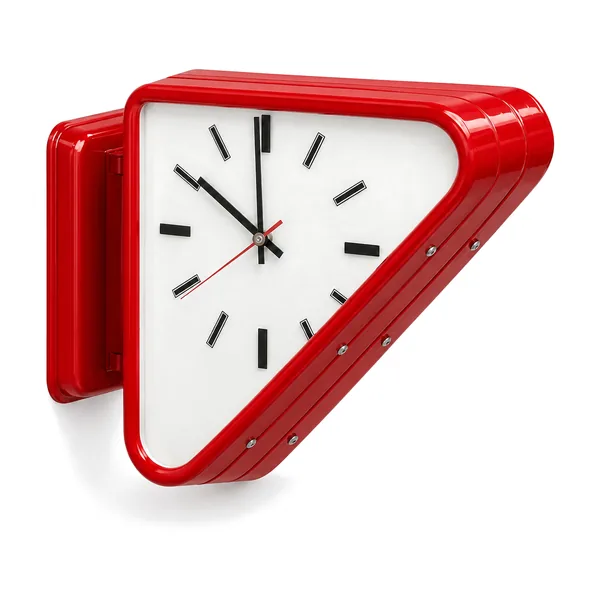
 +15 options
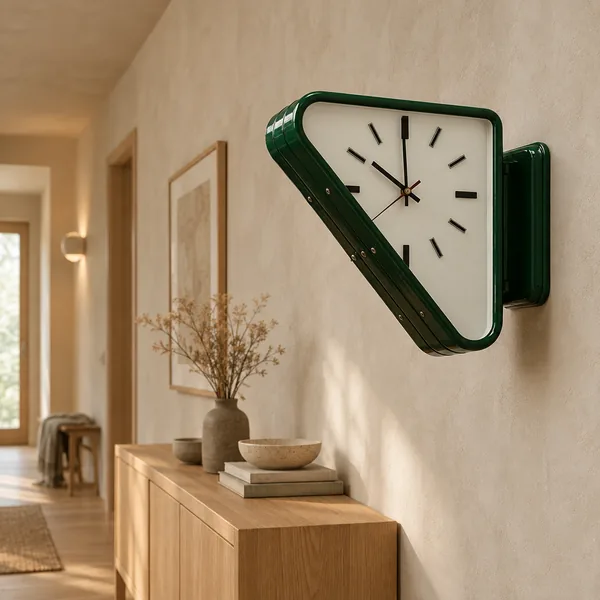
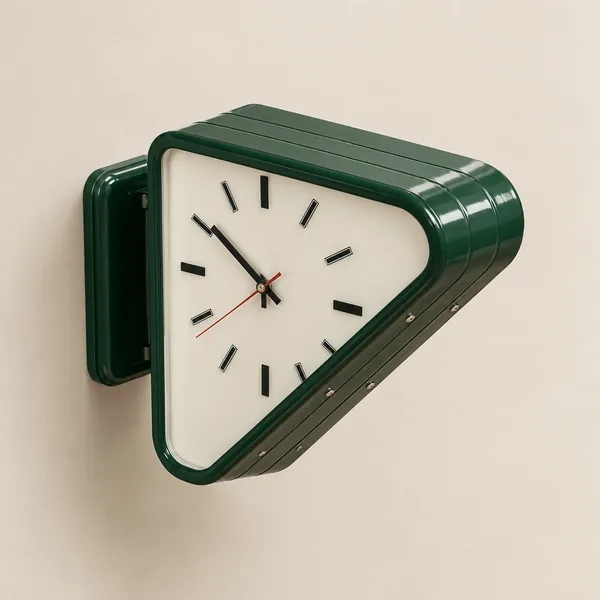
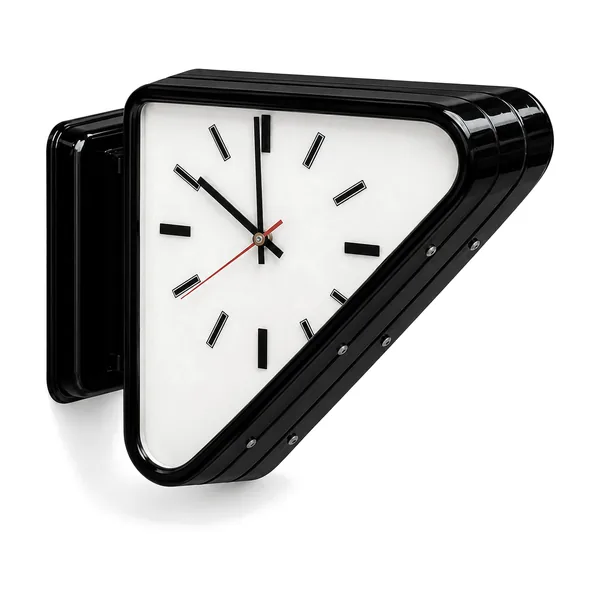
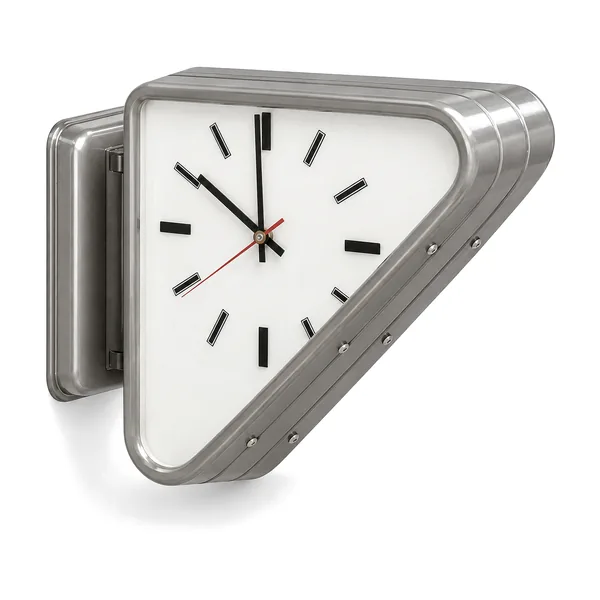
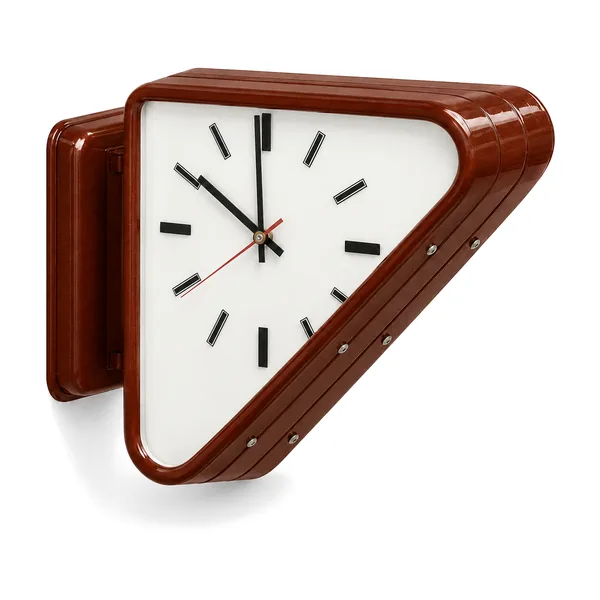
Tvilling Dual-Sided Geometric Metal Wall Clock
Remember that interior design suggestions are merely starting points. Your home should ultimately reflect your unique story, preferences, and the way you actually live. The best spaces evolve alongside their inhabitants, growing more meaningful with each passing year.
Conclusion: Creating Your Signature Space
Interior design is ultimately an act of self-expression—curating environments that support and inspire daily life. By understanding core principles, embracing quality over quantity, and investing in pieces that resonate emotionally, you create homes that transcend mere aesthetics to become genuine sanctuaries.
At Skonne, we believe exceptional design should feel approachable, not intimidating. Our Scandinavian-inspired lighting and home decor collections—including pendant lights, table lamps, and sculptural objects like those featured in this guide—are curated to help you achieve that coveted hygge feeling without the guesswork. Every piece is selected for its ability to transform spaces while honoring the timeless principles of intentional design.
Your journey toward a more beautiful home begins with a single choice. Whether that choice is new lighting for your dining room, a statement vase for your entryway, or simply the decision to approach your space with fresh intention, Skonne is here to illuminate the path forward.
Related Article
Pillar & Architectural Feature Decoration Ideas for Home: How to Style Columns, Arches & HallwaysDiscover creative ways to style columns, arches and hallways with Scandinavian lighting and decor. Transform your architectural features into stunning focal points.