
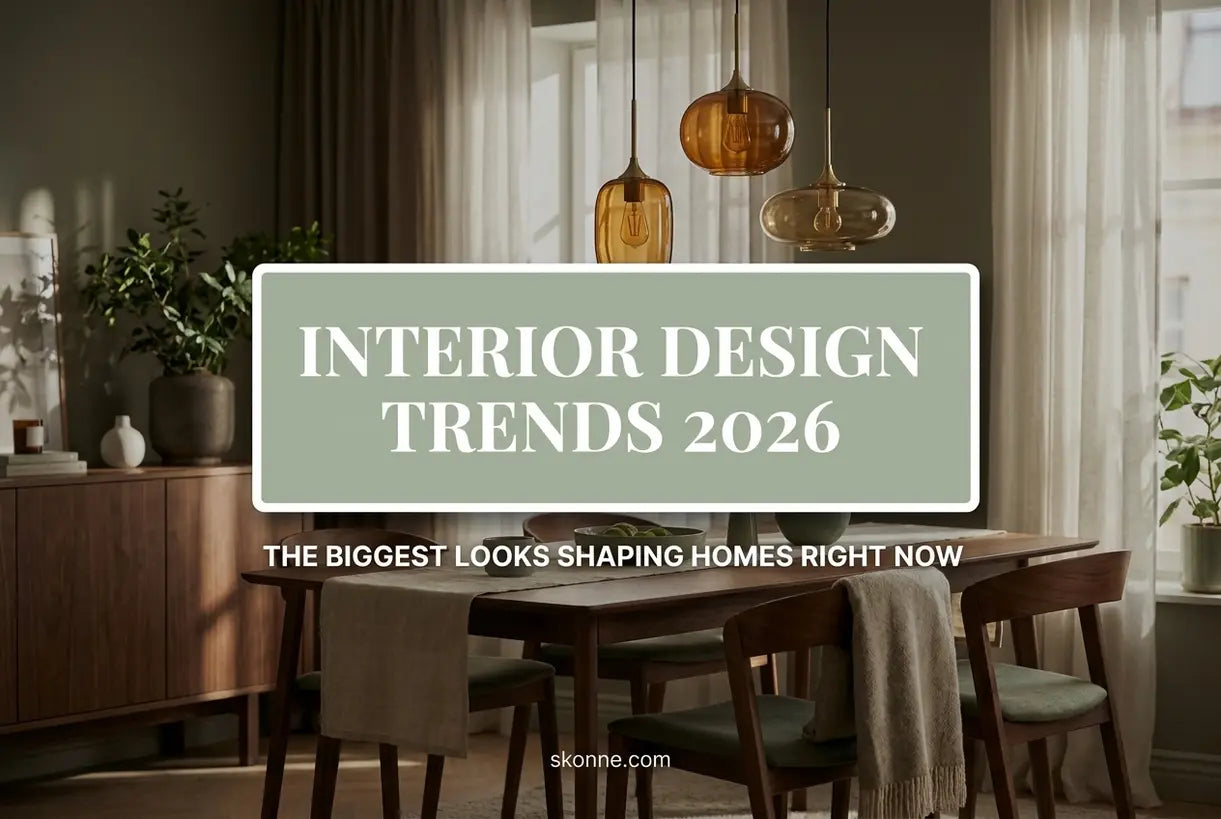
Interior Design Trends: The Biggest Looks Shaping Homes Right Now
Summary›
- The Rise of Warm, Organic Materials
- Sculptural Lighting as Art: The 2026 Game Changer
- Color Palettes Defining 2026 Interiors
- The Craft Revival: Handcrafted Elegance Returns
- Wabi-Sabi and Imperfect Beauty in 2026
- Biophilic Design and Natural Connection
- What Design Trends Are Going Out of Style
- How to Incorporate 2026 Interior Design Trends Into Your Home
- Conclusion: Creating Your Signature 2026 Interior
If you're looking to refresh your living space, you've probably already noticed that interior design trends are shifting toward something warmer, more intentional, and deeply personal. The era of cold minimalism is giving way to a design philosophy that embraces texture, craftsmanship, and human connection. At Skonne, we've watched these home decor trends evolve through a distinctly Scandinavian lens—where functionality meets soul, and every element serves a purpose.
The interior design trends 2025 have set the stage, but as we look toward interior design trends 2026, the direction is unmistakable. Warmth is back. Natural materials reign. And lighting has transformed from mere utility into sculptural art. Whether you're a design enthusiast or simply looking to refresh a single room, understanding these movements will help you create spaces that feel both timeless and of-the-moment.
Throughout this guide, we'll explore the biggest design trends shaping homes right now—from rich wood tones and moody palettes to the craft revival and wabi-sabi philosophy. And because great design deserves great execution, we'll show you how to bring these concepts to life with pieces that embody these emerging aesthetic principles.
The Rise of Warm, Organic Materials
Perhaps the most significant shift in modern interior trends is the return of warmth to our interiors. For years, cool grays and stark whites dominated, creating spaces that looked camera-ready but often felt hollow to live in. Now, designers and homeowners alike are embracing rich woods, burl veneer, travertine, and natural stone that bring organic texture and visual interest.
This movement toward material richness represents a broader desire for authenticity in our surroundings. When you run your hand along walnut credenza, you feel connected to nature. When you see the imperfect grain patterns in oak, you see character, not flaws. This is especially relevant in Scandinavian design trends, where the balance between natural materials and functional form has always been fundamental to the aesthetic.
Wood tones in 2026 are notably warmer than in previous years. Think honey oak, cherry reds, and walnut browns that add depth without overwhelming a space. These materials work beautifully as anchor pieces—whether through statement furniture, architectural elements, or architectural lighting fixtures that complement this organic palette.
Transitioning from this natural foundation, lighting has emerged as perhaps the most dramatic expression of individual style. And few elements transform a room quite like a thoughtfully chosen pendant light that doubles as functional art.
Sculptural Lighting as Art: The 2026 Game Changer
Lighting has transcended its purely functional origins to become central to interior lighting trends in 2026. The focus is on fixtures that command attention—pieces that draw the eye upward and create conversation. We're seeing bubbles made of blown glass, fluid forms that seem caught in motion, and materials that catch and refract light in unexpected ways.
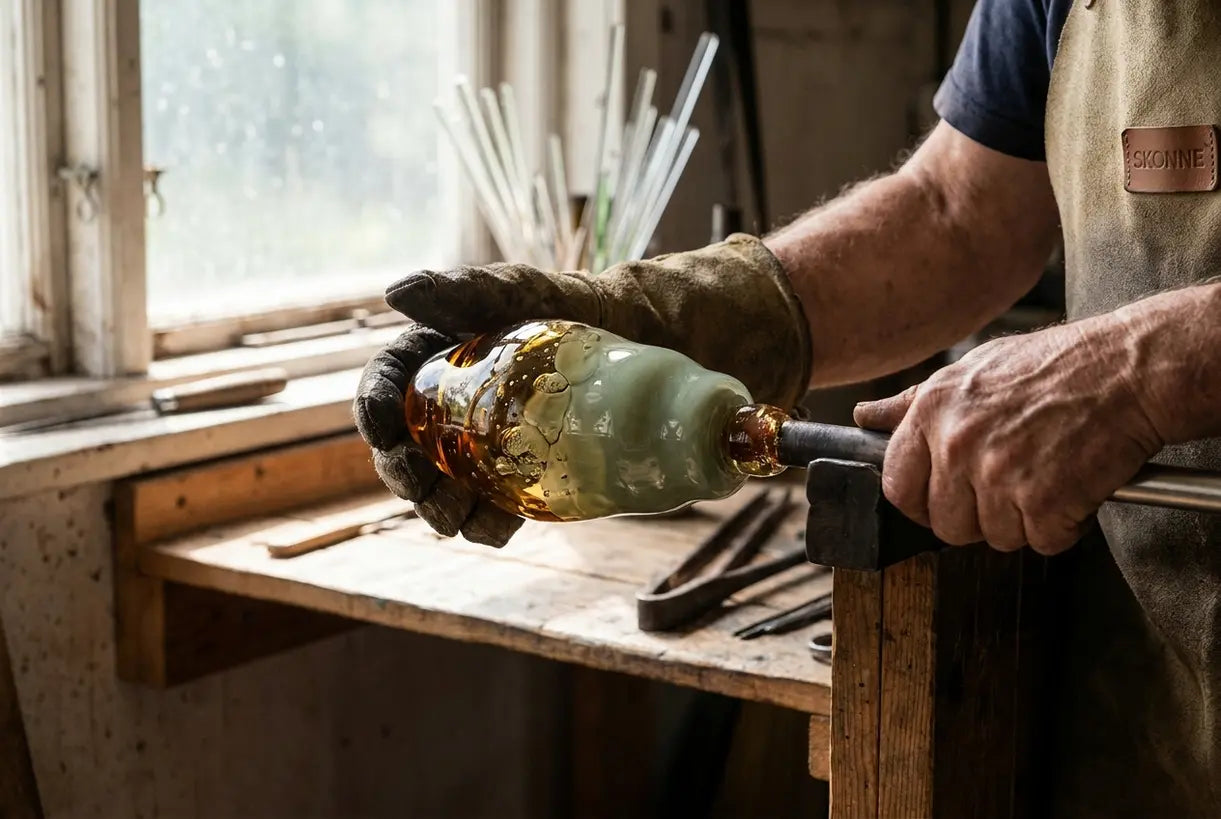
What makes this movement particularly exciting is the emphasis on artisan craftsmanship. Mass-produced, identical fixtures are giving way to pieces that bear the mark of the maker—subtle variations in glass thickness, organic irregularities in hand-formed metal, and finishes that feel lived-in rather than factory-fresh.
The Glødform Nordic Hand-Blown Glass Pendant Light exemplifies this trend perfectly. Each piece is crafted by skilled artisans using traditional glassblowing techniques, ensuring no two lights are exactly alike. When suspended over a kitchen island or dining area, it doesn't just illuminate—it transforms the entire space with its sculptural presence and the warm, diffused glow of quality glass.
This approach to lighting works particularly well in open-concept spaces where fixtures serve as natural room dividers. A cluster of sculptural pendants creates visual rhythm. A single statement chandelier becomes the focal point around which other design elements orbit. By choosing fixtures that prioritize form as much as function, you're investing in pieces that will remain relevant long after trend cycles shift.
Scandinavian Lighting
Shop all Scandinavian Lighting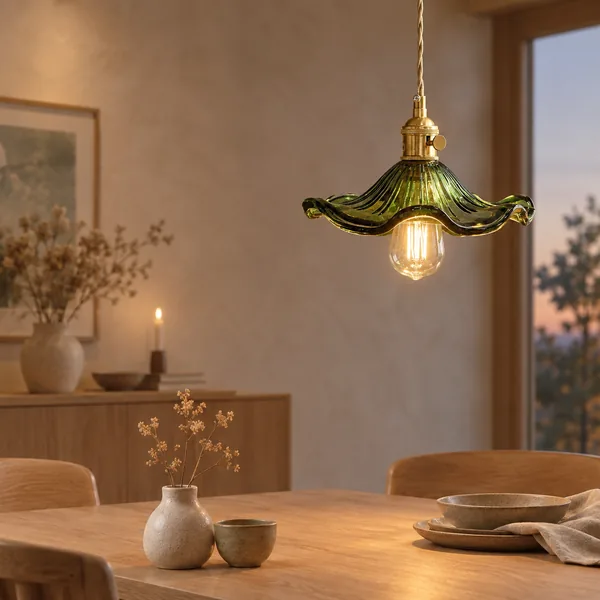
 Save $60.00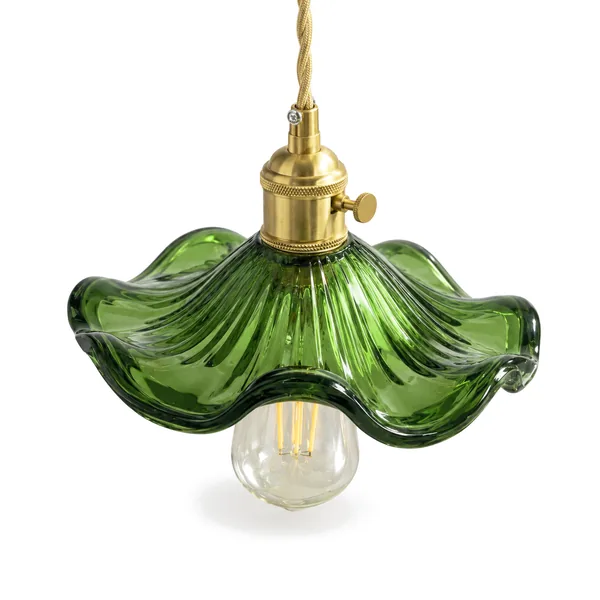
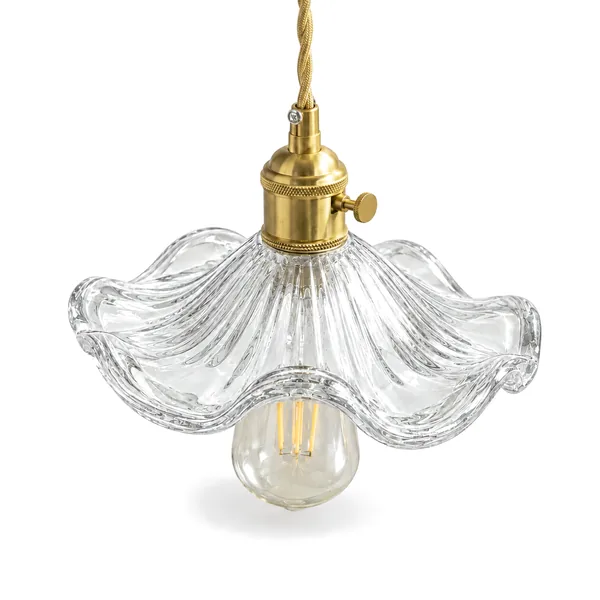
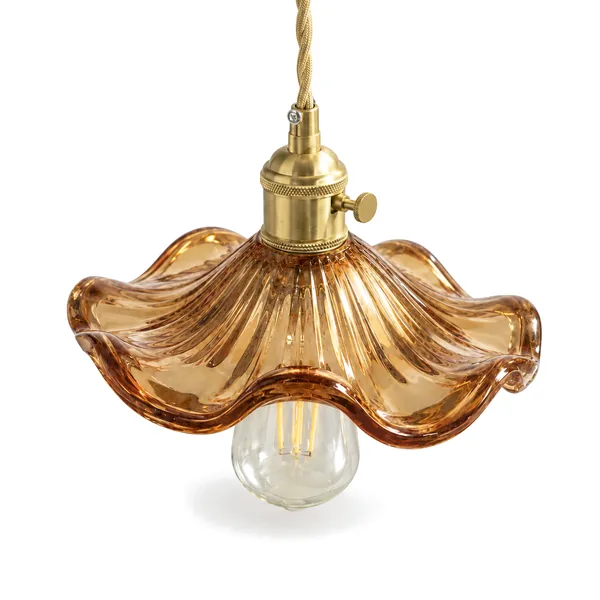 3 options
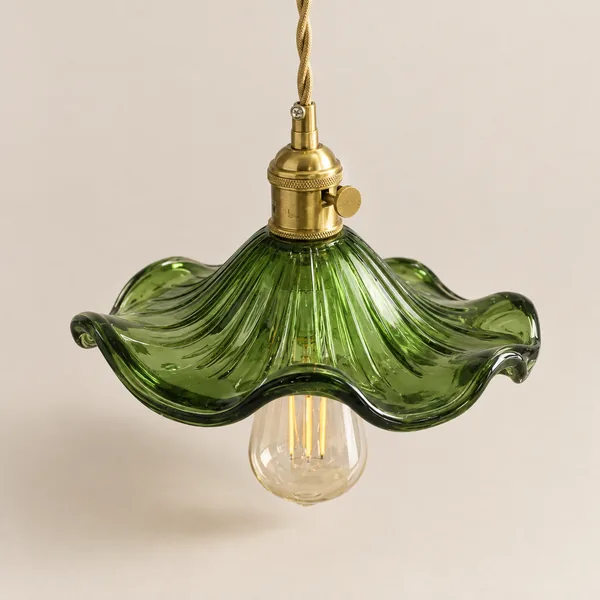
Glora Nordic Glass Pendant Light with Copper
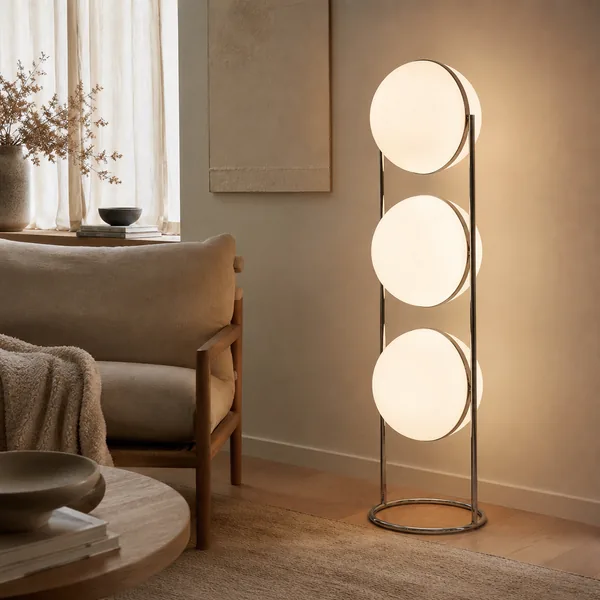
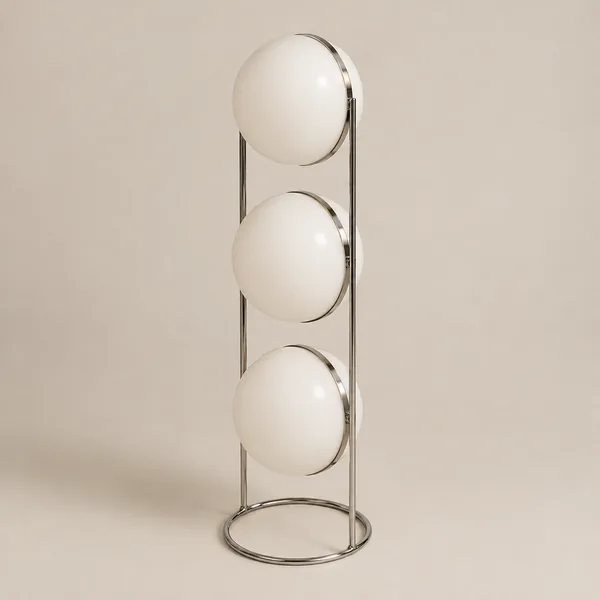 Save $150.00
Kulglod Bauhaus Chrome Acrylic Globe Floor Lamp
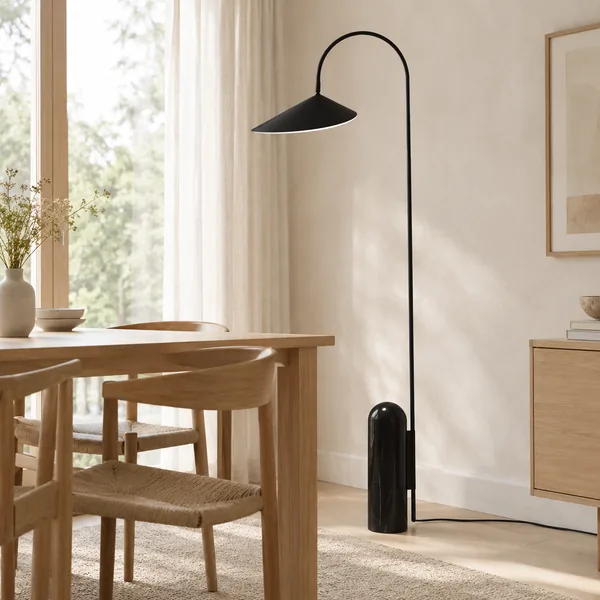
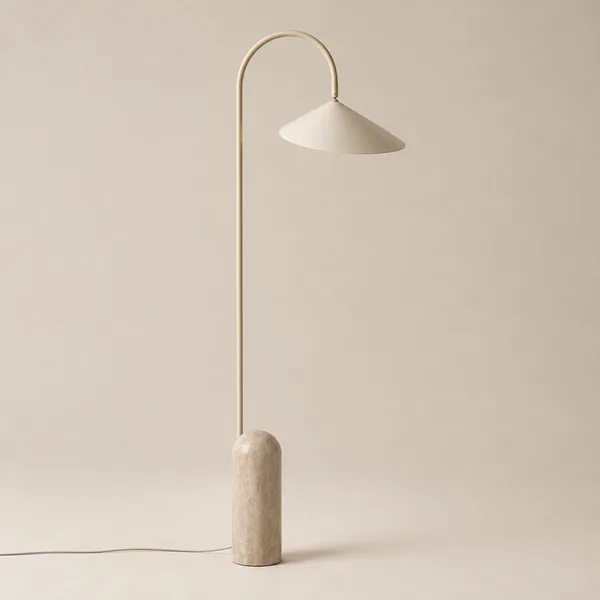 Save $230.00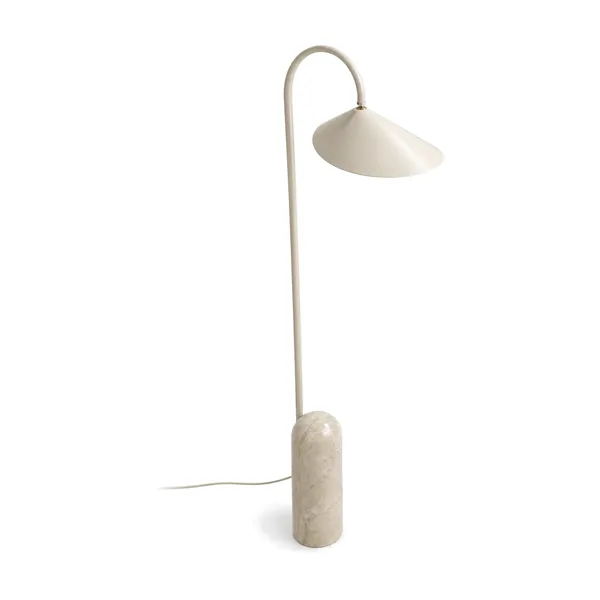
 2 options
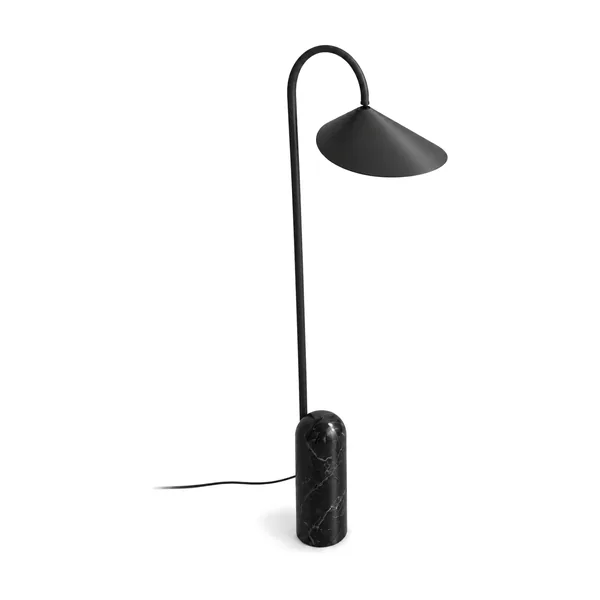
Velbue Marble Base Arc Floor Lamp Danish Design
 Save $210.00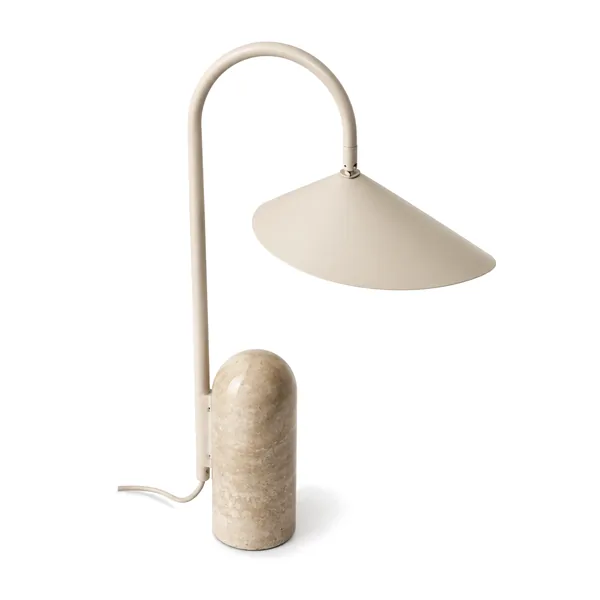
 2 options
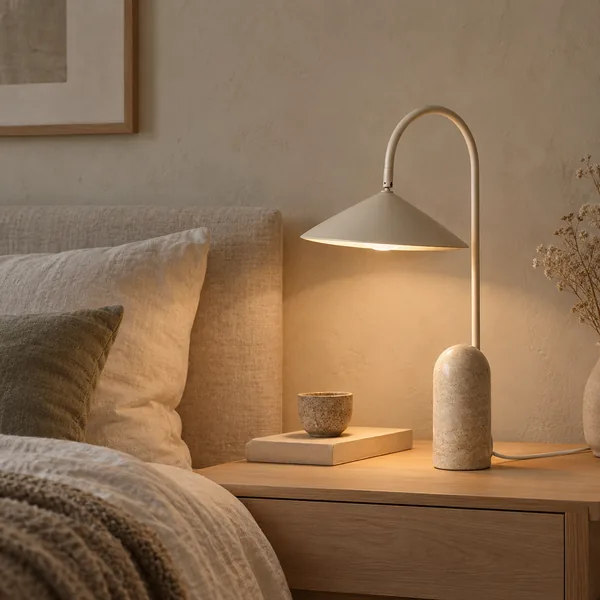
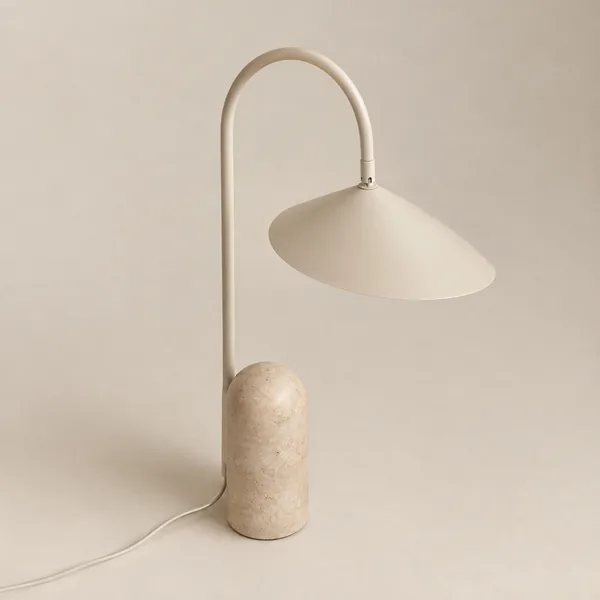
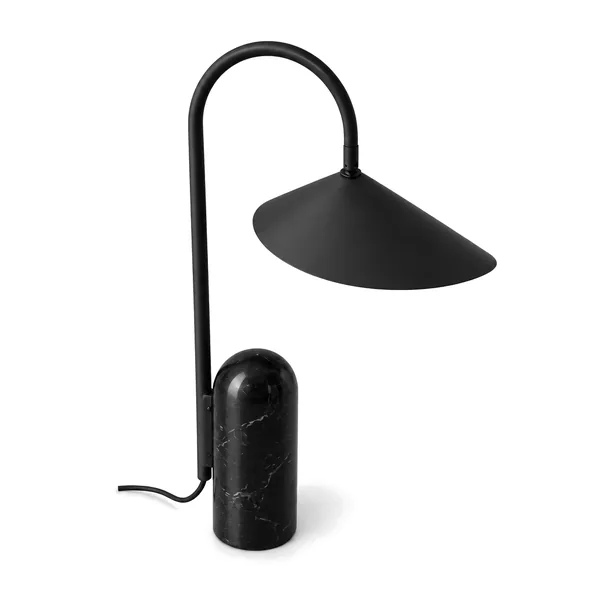
Solvei Danish Minimalist Arc Table Lamp Marble
Color Palettes Defining 2026 Interiors
The interior color trends for 2026 tell a story of emotional availability and sensory richness. Moving away from the clinical whites and industrial grays of previous decades, we're seeing a confident embrace of warm neutrals, earthy terracottas, sage greens, and moody, saturated tones.
This shift reflects deeper psychological needs. After years of uncertainty, people want spaces that embrace them, that feel cocoon-like and restorative. Clay tones, warm taupes, and caramel hues create backgrounds that flatter both natural materials and the human complexion. These aren't colors that fight with wood grain—they dance with it.
For those drawn to current home design trends but hesitant about commitment, the advice is simple: start with your palette but keep it in the background. Let architectural elements and furnishings provide the color interest while walls remain in warm, inviting neutrals. This approach feels modern without being dated, elegant without being precious.
Accent colors are becoming bolder, too. Deep burgundy, forest green, and midnight blue appear in upholstery, textiles, and yes—lighting. Colored glass fixtures that cast tinted shadows are having a moment, especially in spaces where you want to create atmosphere and intimacy.
The Craft Revival: Handcrafted Elegance Returns
Among the most meaningful upcoming design trends is the renewed appreciation for human craftsmanship. In an age of algorithmic generation and mass production, there's profound value in objects that carry the DNA of their maker. This craft revival extends across every category: ceramics with visible throwing marks, textiles with irregular weave patterns, furniture with hand-finished joinery.
The top interior design trends for 2026 recognize that true luxury isn't about perfection—it's about personality. A ceramic vase with a slightly off-center rim tells a story that no machine-made replica can match. A hand-hammered metal basin catches light differently than its stamped equivalent.
This philosophy extends to lighting as well. Hand-blown glass, forged iron, and turned wood all showcase the meditative quality of making. When you install a hand-crafted fixture, you're not just adding light—you're inviting the maker's intention into your space.
The movement toward craft also speaks to sustainability. Objects made by hand tend to be made better, with materials chosen for longevity rather than cost-efficiency. When something is crafted to last generations, it reduces the consumption cycle that disposable home goods encourage.
Wabi-Sabi and Imperfect Beauty in 2026
If there's one philosophy that's transcending mere trend status to become a genuine design movement, it's wabi-sabi. This Japanese aesthetic celebrates impermanence, imperfection, and the beauty that comes with age. In trending interior styles, wabi-sabi manifests as asymmetry, rough textures, faded colors, and an overall sense of organic authenticity.
Applying wabi-sabi doesn't mean creating a space that looks unfinished or chaotic. Instead, it's about making peace with the natural lifecycle of materials. A ceramic bowl with a crack that's been repaired with gold lacquer (kintsugi) becomes more beautiful, not less. Wood that's allowed to silver in sunlight shows character, not neglect.
This approach pairs beautifully with modern home trends that favor sustainable and vintage pieces. When you embrace wabi-sabi, you give yourself permission to buy secondhand, to keep furniture for decades, to celebrate the patina that develops on leather and brass with years of use.
Perfect Examples of 2026 Interior Design Philosophy
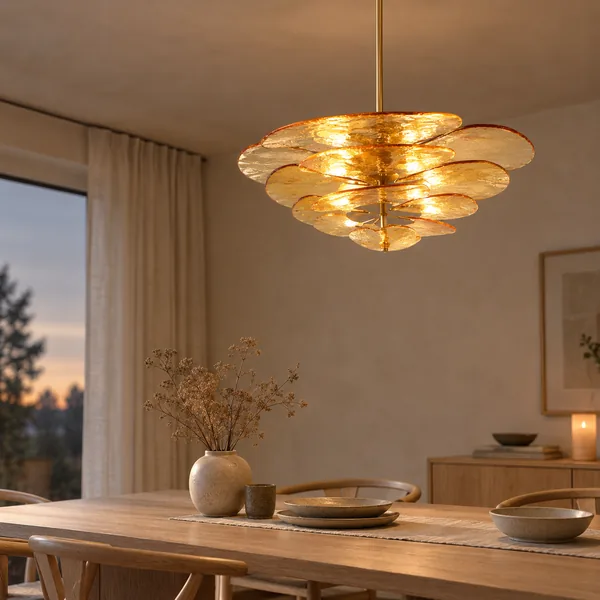 Ravglo Handcrafted Amber Stained Glass Chandelier$899.00$1,389.00
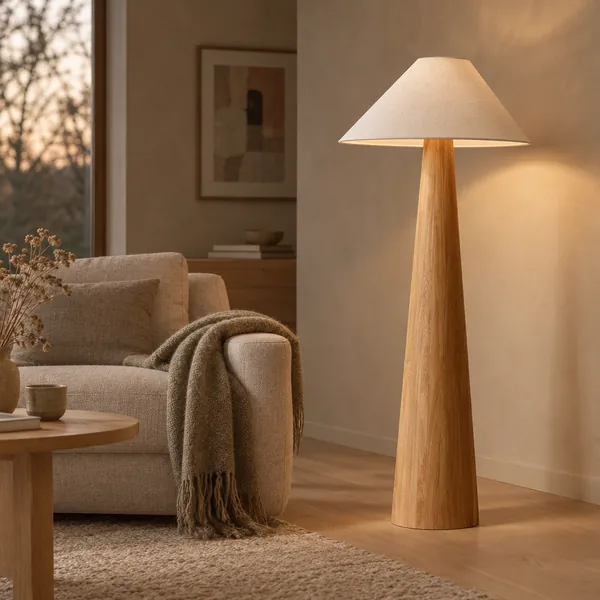 Stille Japanese Wabi-Sabi Solid Wood Floor Lamp$399.00$699.00
The Stille Japanese Wabi-Sabi Solid Wood Floor Lamp embodies this philosophy perfectly. Each lamp showcases the natural grain and texture of solid wood, celebrating rather than hiding the material's organic variations. The amber tones complement the trend toward warm interiors while the sculptural form adds character without demanding center stage.
Similarly, the Ravglo Handcrafted Amber Stained Glass Chandelier brings vintage-inspired elegance with its hand-stained glass panels. Amber glass is having a particular moment in current decor trends because it casts a honeyed, warm light that softens any space and adds instant sophistication. The handcrafted nature means each chandelier tells its own story through subtle variations in the glass.
Biophilic Design and Natural Connection
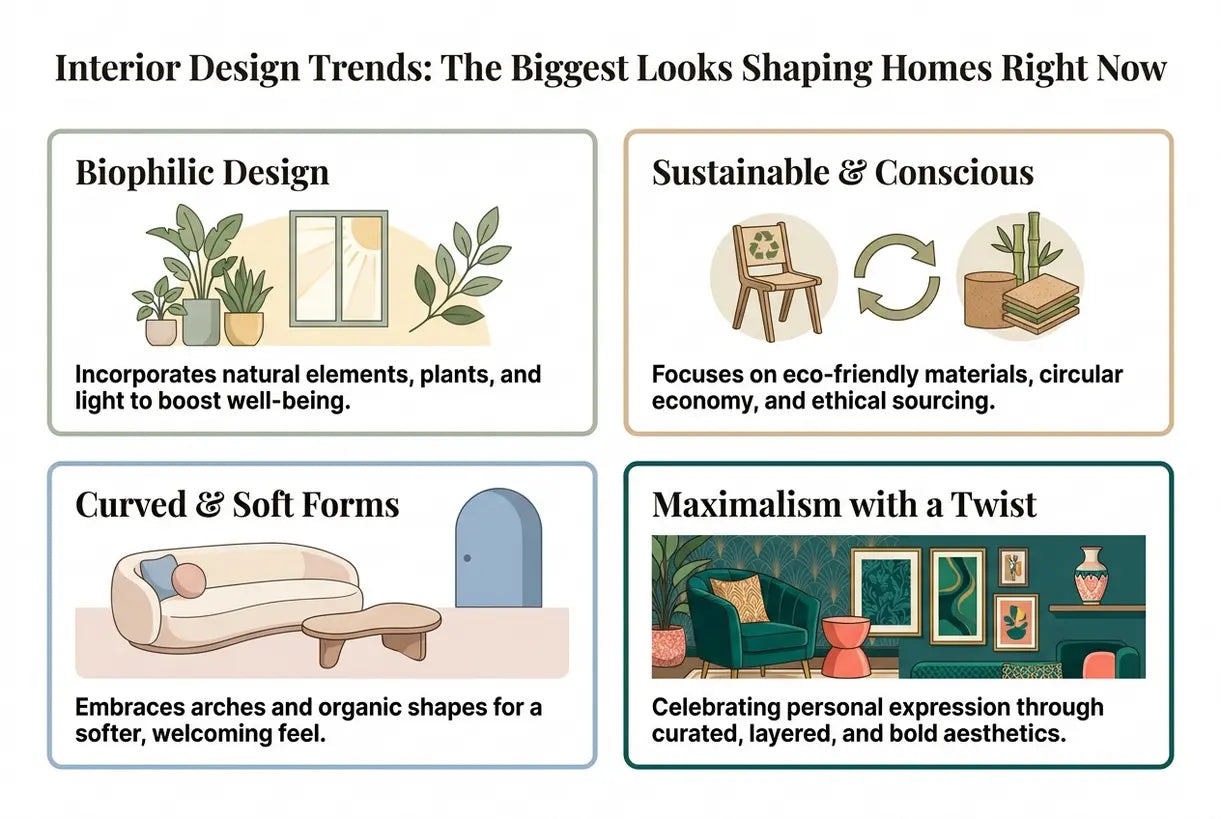
Our need to connect with nature has never been stronger, and home design trends are responding with biophilic principles that go beyond simply adding a few houseplants. True biophilic design incorporates natural patterns, organic shapes, and materials that reference the natural world in both obvious and subtle ways.
This year's interpretation focuses on layered, forest-like environments. Think dark, moody greens paired with honey oak; think stone and wood creating textural dialogue. Windows are being left bare or dressed in simple linen that filters rather than blocks natural light. The overall effect is space that feels more like a cabin retreat than an urban apartment.
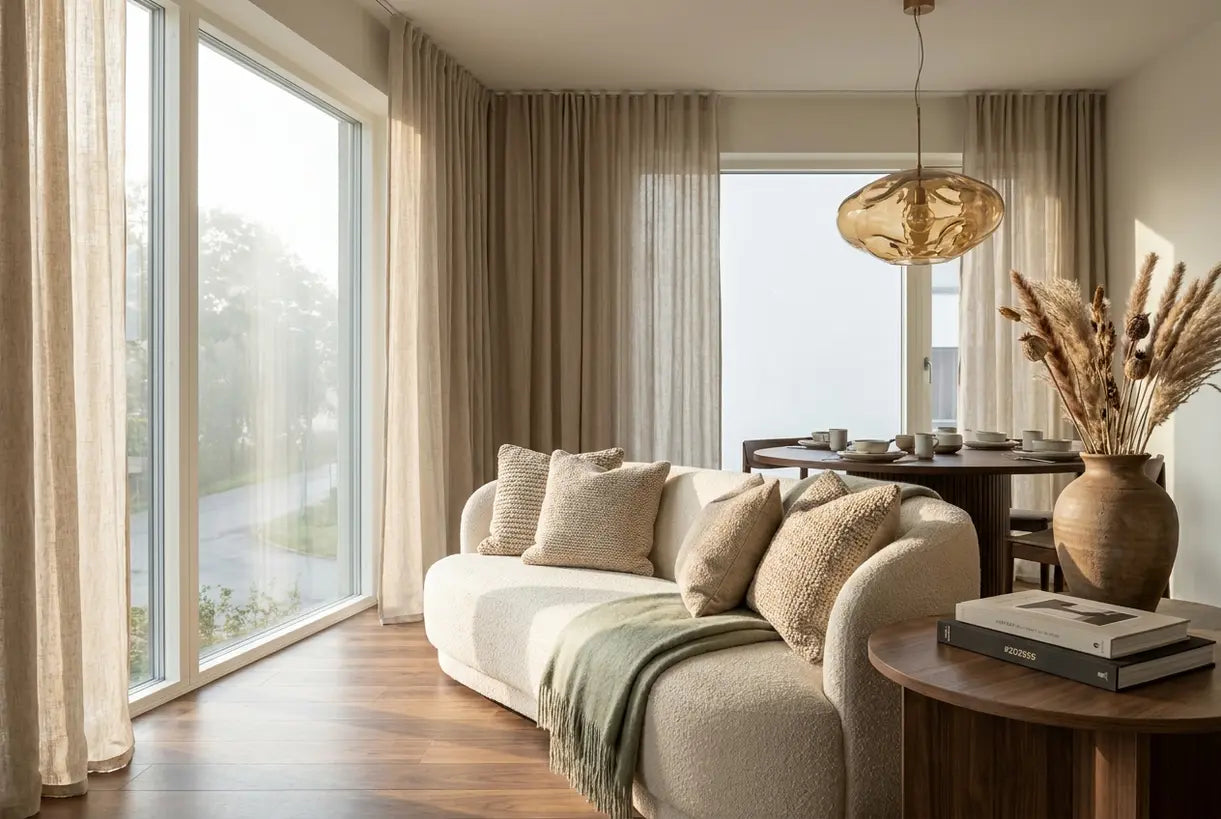
Water features, natural fiber textiles (linen, hemp, jute), and organic sculptural forms all support this trend. Even small elements—like decorative branches in vases, or rough-hewn wooden bowls—help establish that vital connection to the outdoors that modern life often lacks.
In terms of interior lighting trends, this translates to fixtures that mimic natural forms: paper shades that glow like lanterns, configurations that look like branching trees, and materials that age and change character over time, just as elements do in nature.
What Design Trends Are Going Out of Style
Understanding what's leaving is as important as knowing what's arriving. Several once-dominant aesthetics are fading as we move through 2025 toward 2026.
Fast furniture is perhaps the biggest casualty. The cheap, assembly-required pieces that dominated the 2010s are losing favor as people invest in quality over quantity. Similarly, the all-white everything aesthetic feels sterile and dated—most homeowners are introducing warmth through color, texture, and natural materials.
High-contrast black-and-white schemes are softening. While the combination remains classic, it's being tempered with wood, warm metallics, and textiles that prevent spaces from feeling too graphic or severe. The chrome-everything of the 2000s continues its decline as brass, bronze, and blackened metals take over.
Perhaps most notably, the "Instagram perfect" aesthetic—spaces designed primarily to photograph well rather than to live in comfortably—is giving way to more personal, idiosyncratic interiors. People want spaces that tell their unique stories, not replicas of the same design formulas.
Living Room Lighting
Shop all Living Room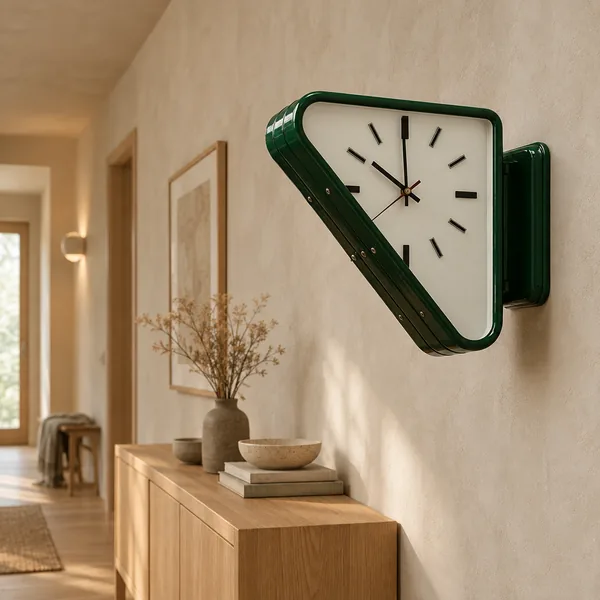
 Save $110.00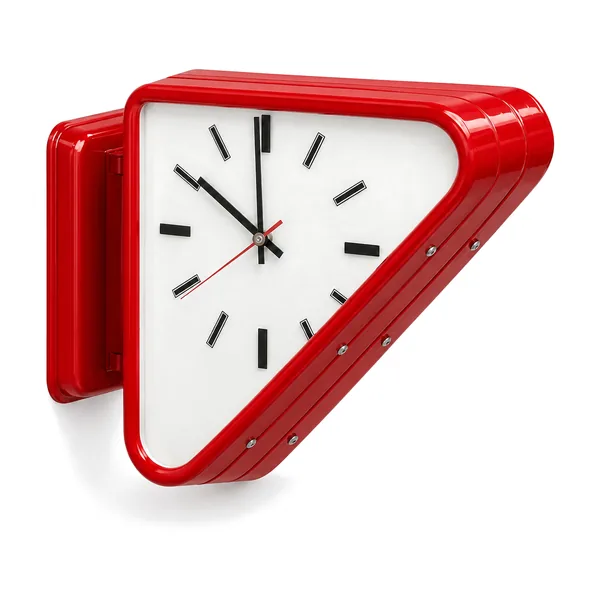
 +15 options
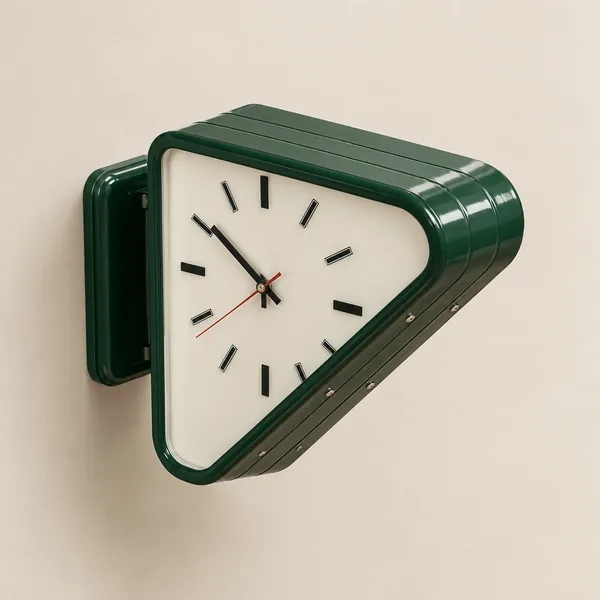
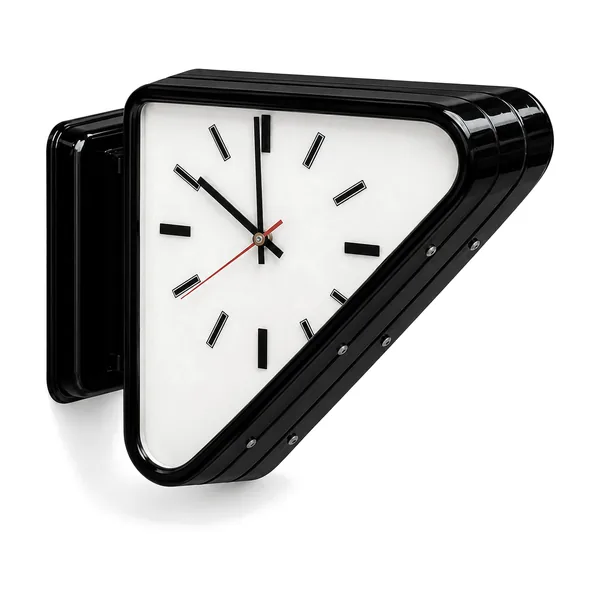
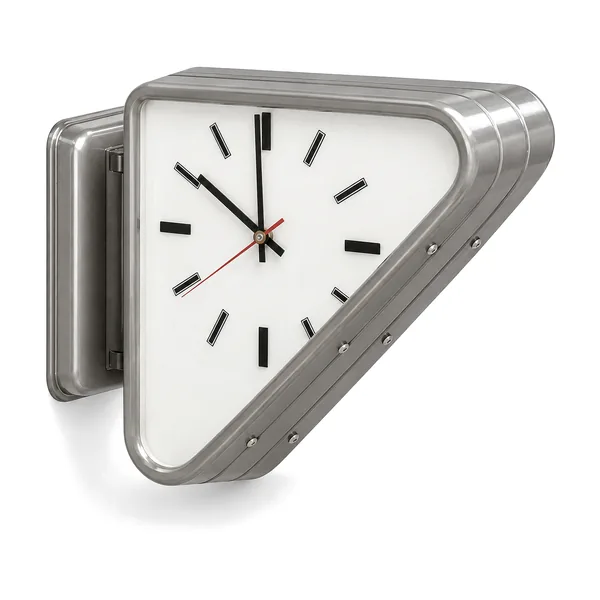
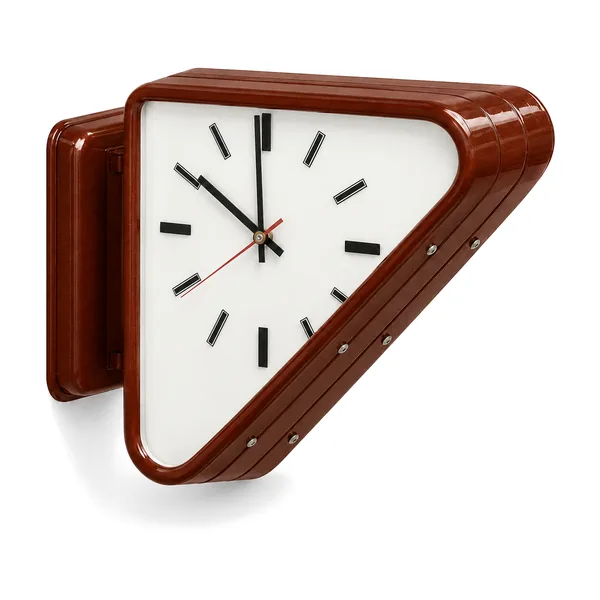
Tvilling Dual-Sided Geometric Metal Wall Clock
 Save $70.00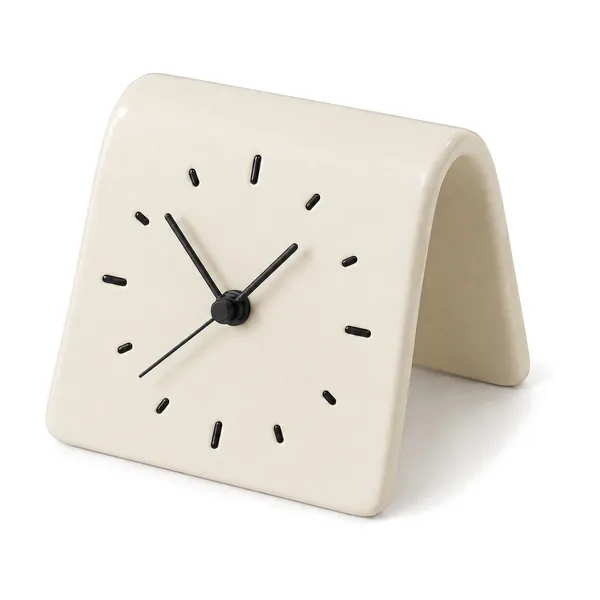
 +37 options
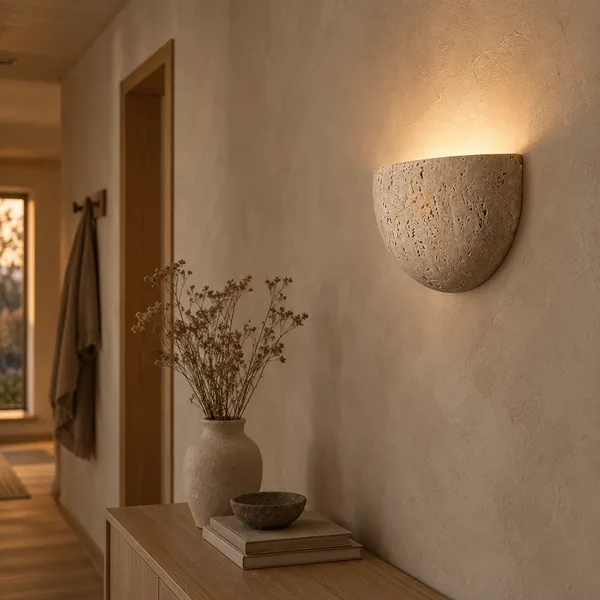
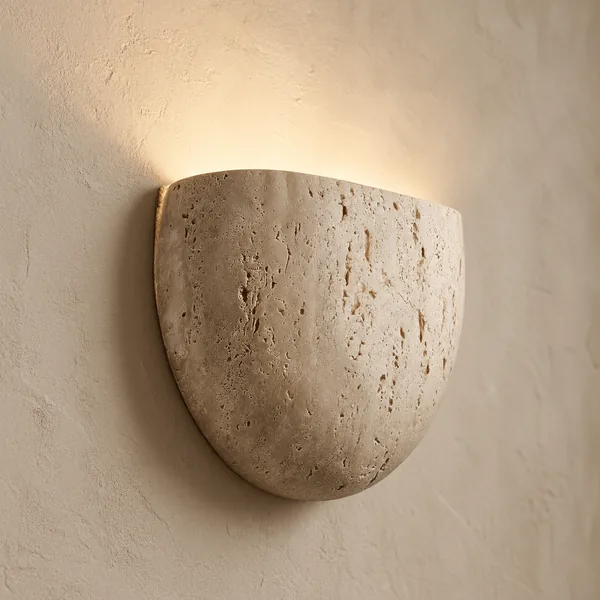
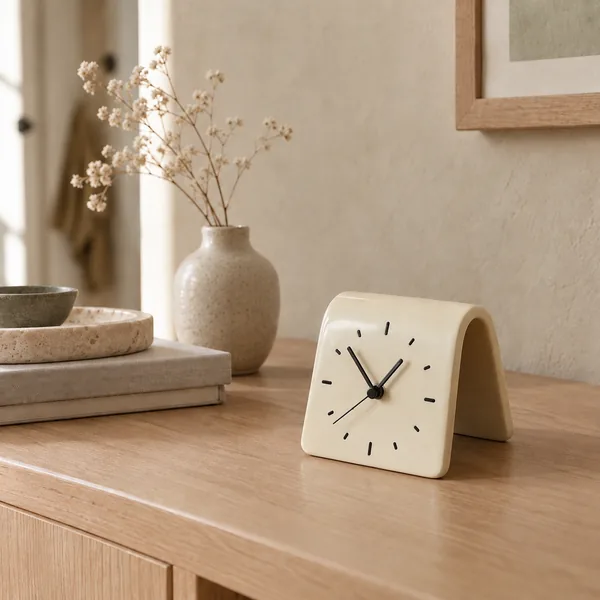
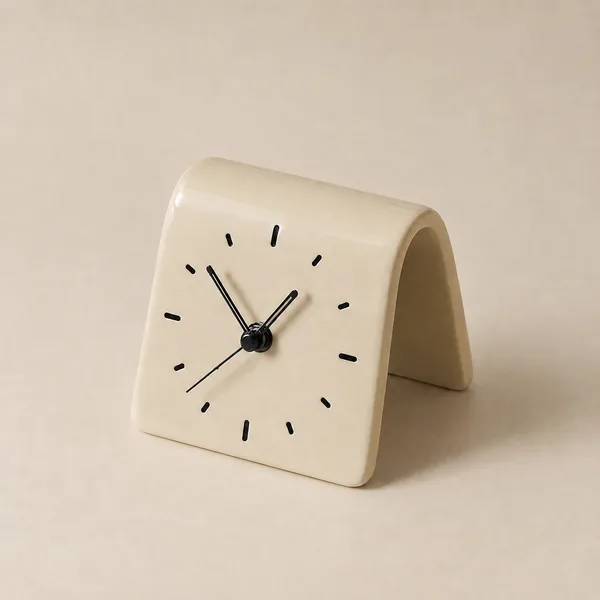
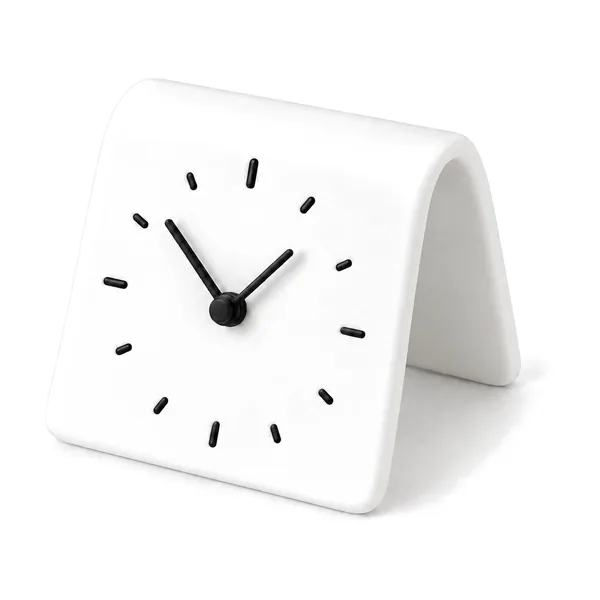
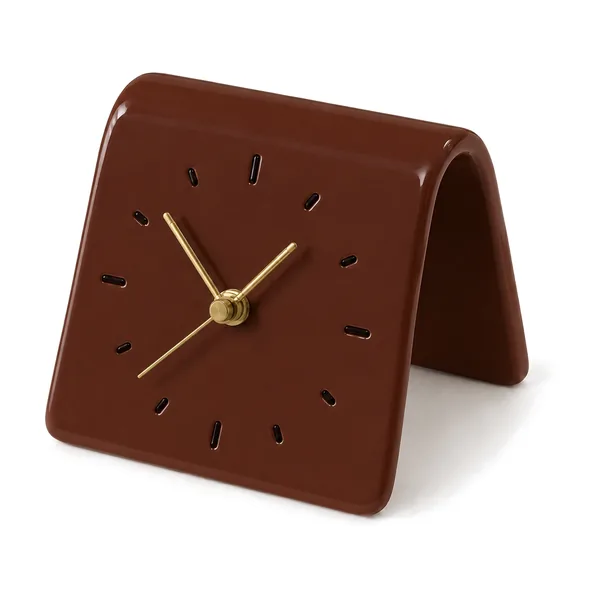
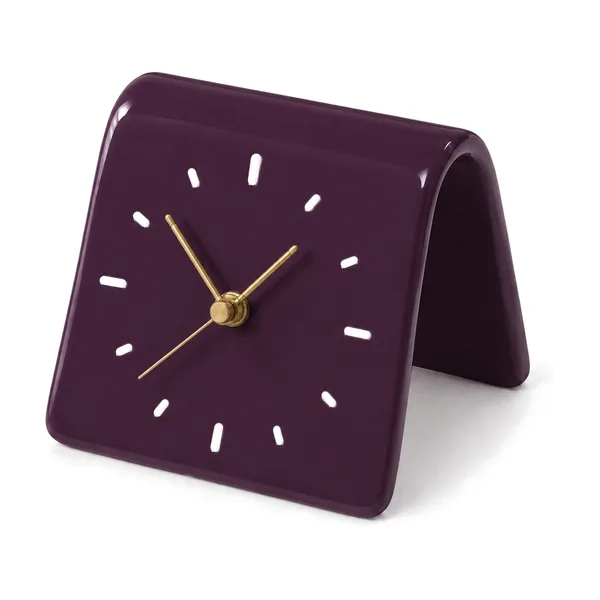
Tilje Silent Ceramic Desk Clock for Modern Homes
How to Incorporate 2026 Interior Design Trends Into Your Home
Adopting new design trend predictions doesn't require a complete home overhaul. The most successful interiors evolve gradually, layer by layer, reflecting the lives of their inhabitants rather than showroom displays.
Start with lighting. It's the fastest way to transform a room and the most impactful of interior lighting trends for 2026. Replace builder-grade fixtures with sculptural pieces that provide both function and artistry. Look for materials that will age beautifully—solid brass that develops patina, hand-blown glass that catches light uniquely, natural materials that settle and soften over time.
The best interiors aren't created overnight. Focus on introducing one meaningful investment piece—a handcrafted chandelier, a solid wood dining table, or artisan lighting that you'll treasure for decades rather than seasons.Next, address your neutral background. If you're fighting cold white walls, consider warming them with creamy tones or clay-based colors. Even decorative lighting can help—amber glass, in particular, casts warm glows that visually raise a room's ambient temperature.
Finally, embrace imperfection. Shop vintage, seek handcrafted pieces, and give yourself permission to collect slowly. The most compelling interiors aren't assembled from a single source—they're curated over time, reflecting travels, experiences, and meaningful finds.
As you explore these elements, consider how each choice serves your daily life. Great nordic design trends have always prioritized livability alongside beauty. A sculptural pendant isn't successful just because it looks striking—it's successful because it makes your morning coffee feel special, because it creates the perfect glow for dinner conversations, because it brings you joy every time you look up.
Conclusion: Creating Your Signature 2026 Interior
The interior design trends shaping homes right now share a common thread: they're about creating spaces that feel honest, warm, and deeply personal. Whether you're drawn to the sculptural quality of hand-blown glass, the philosophy of wabi-sabi, or the warmth of rich wood tones, the key is choosing elements that resonate with how you actually want to live.
At Skonne, we believe that exceptional design should be accessible, sustainable, and enduring. Our collection of Scandinavian-inspired lighting and decor reflects these values—pieces crafted by artisans who honor traditional techniques while speaking to contemporary sensibilities. Browse our pendant lights, chandeliers, and home accessories to discover how thoughtful design choices can transform your space into the sanctuary you deserve.
Related Article
Interior Design: The Complete Guide to Decorating Your Home with StyleA comprehensive guide to interior design principles, decorating techniques, and expert tips for creating a stylish, personalized home with Scandinavian flair.