
Italian Ceramic Vases: Hand-Painted Majolica & Mediterranean Artisan Designs
Summary›
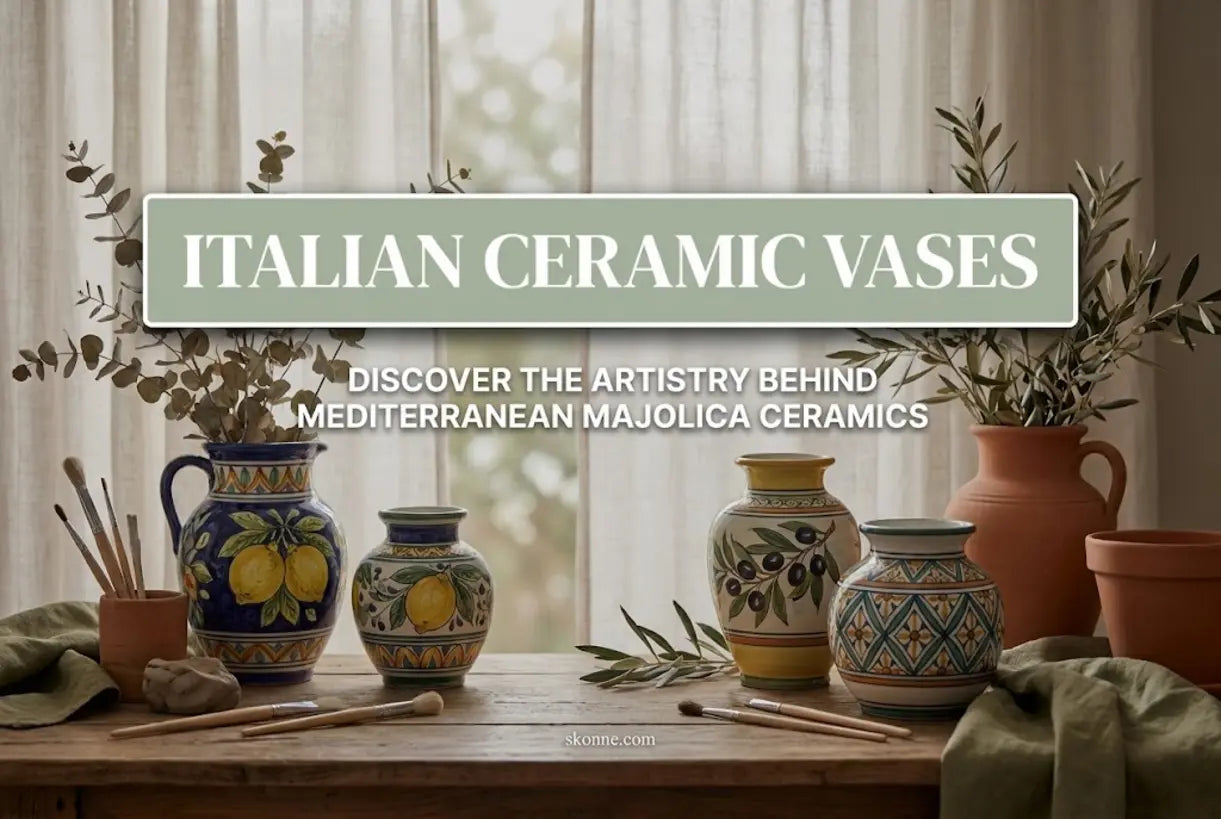
There's something undeniably captivating about a ceramic vase italy design resting on a sunlit shelf. Perhaps it's the centuries of craftsmanship etched into every curve, or the way hand-painted florals seem to dance across glazed surfaces, telling stories of Mediterranean hillsides and artisan workshops. For design enthusiasts seeking to infuse their homes with authentic character, Italian ceramic vases represent more than decorative objects—they're portals to a living tradition.
Whether you're drawn to the intricate patterns of hand painted majolica, the earthy warmth of rustic Tuscan pieces, or the bold geometry of mediterranean artisan designs, understanding what makes these vessels special will transform how you curate your space. In this guide, we'll explore the heritage, authenticity markers, and care practices that will help you select Italian ceramic vases that resonate with your personal aesthetic while honoring centuries of ceramic artistry.
The Art of Majolica: Italy's Ceramic Heritage
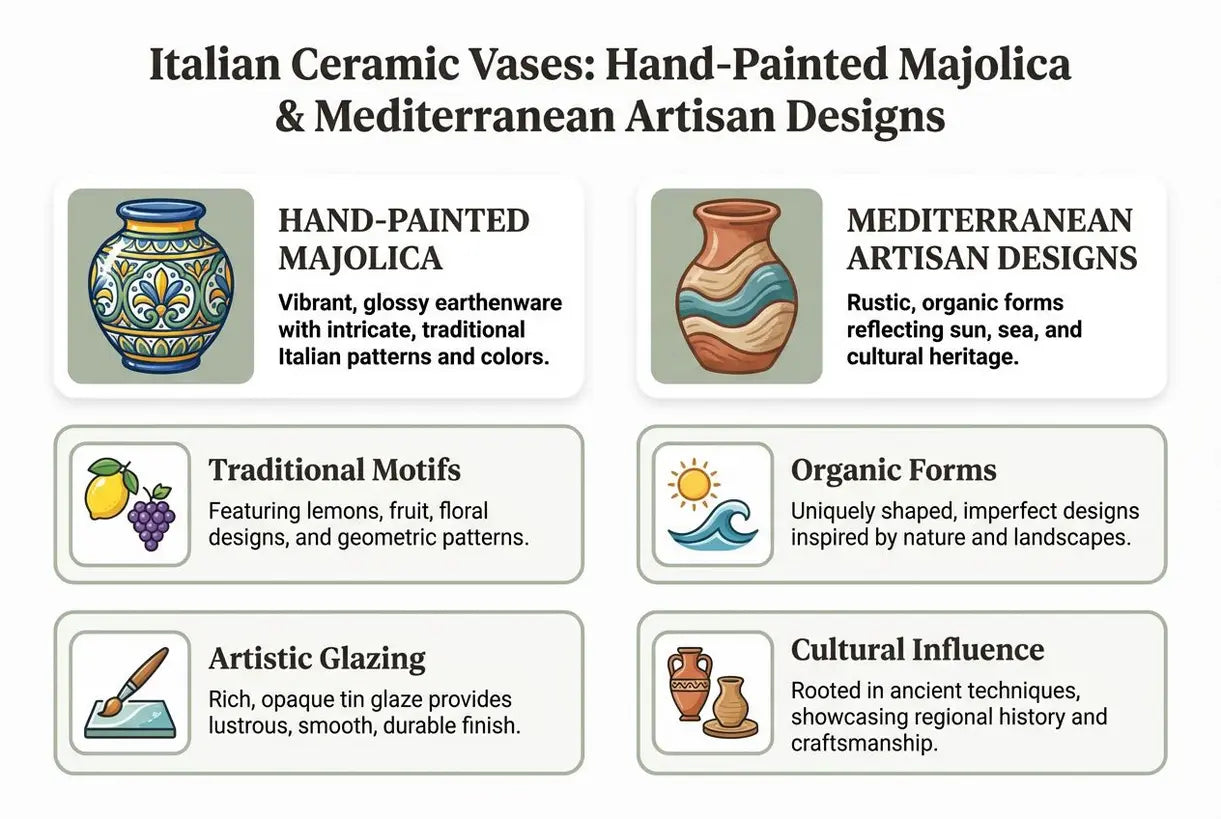
When discussing authentic Italian ceramics, one cannot overlook the significance of maiolica—the tin-glazed pottery tradition that has defined Italian decorative arts since the Renaissance. This distinctive technique involves applying an opaque white glaze made with tin oxide over earthenware, creating a luminous canvas for vibrant hand-painted designs.
The term "maiolica" derives from the Spanish island of Majorca, where these ceramics first arrived in Italy during the 15th century. However, Italian artisans quickly made the tradition their own, developing regional styles that persist today. Deruta, a small hill town in Umbria, remains synonymous with blue-and-gold geometric patterns. Faenza in Emilia-Romagna gave us the word "faience." Tuscany's workshops produce earthy, rustic pieces that feel grounded in the landscape itself.
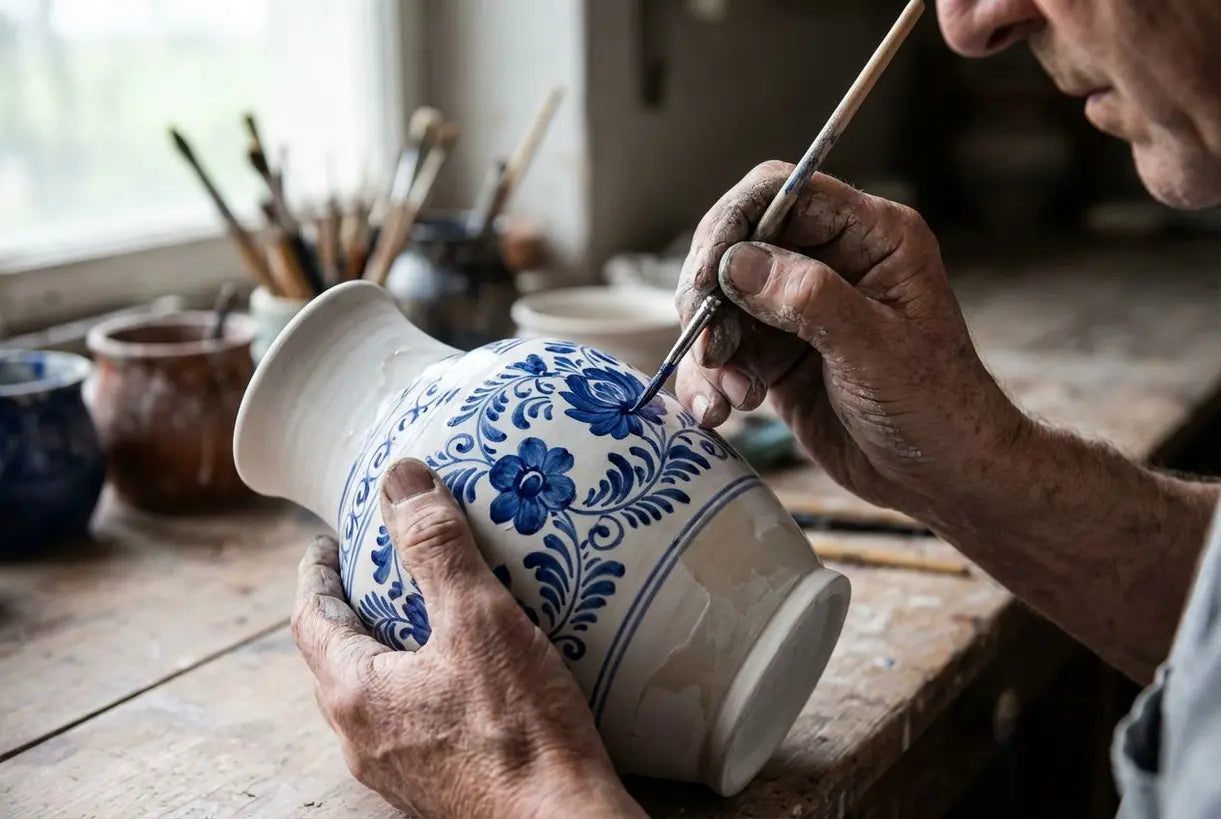
What distinguishes true hand painted majolica from mass-produced imitations is the Historical layering of technique. Authentic pieces undergo multiple firings—the bisque firing sets the clay, the tin glaze application creates the white ground, and the final glaze firing seals the painted decoration. This labor-intensive process means each piece carries the subtle variations that only human hands can create.
Regional differences matter deeply in Italian ceramic tradition. A vase from Vietri sul Mare on the Amalfi Coast will feature bright citrus colors and coastal motifs, while Deruta pieces lean toward heraldic patterns and intricate borders. Understanding these distinctions helps collectors appreciate not just the object, but its provenance.
What Sets Italian Ceramic Vases Apart
Quality italian ceramic vases possess qualities that transcend trends. In an era of fast furniture and disposable decor, these pieces represent intentional acquisition—objects chosen to become part of a family's story across generations.
The first distinguishing characteristic is material integrity. Traditional Italian ceramics use locally sourced clay, often from specific regional deposits that impart unique working properties and color tones. Tuscan clay runs terracotta-red, while Umbrian deposits yield lighter, more porous earthenware ideal for tin glazing.
Surface treatment reveals authenticity immediately. Machine-made vases exhibit uniformity that feels cold; handcrafted italian pottery vases display subtle asymmetries, finger impressions in the foot ring, and glaze variations that catch light differently across the surface. These "imperfections" aren't flaws—they're signatures of the maker.
The decorative vocabulary matters too. Authentic mediterranean artisan pottery draws from centuries of visual tradition: acanthus leaves, peacock feathers, citrus fruits, geometric arabesques, and heraldic motifs. These aren't random designs but coded languages that communicate regional identity and cultural memory.
Perhaps most importantly, genuine Italian ceramics carry provenance. Reputable workshops mark their pieces with stamps, signatures, or regional certifications that verify origin. The best pieces come with stories—documentation of the artisan, the workshop, the techniques employed—transforming a vase from object to treasured acquisition.
Decorative Vases
Shop all Decorative Vases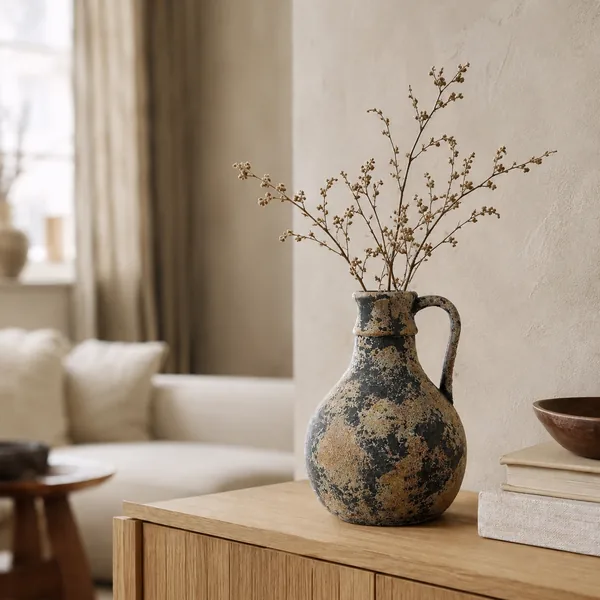
 Save $40.00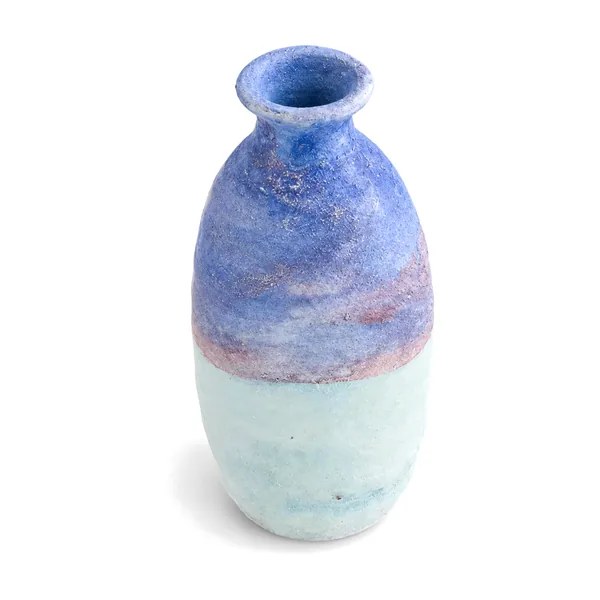
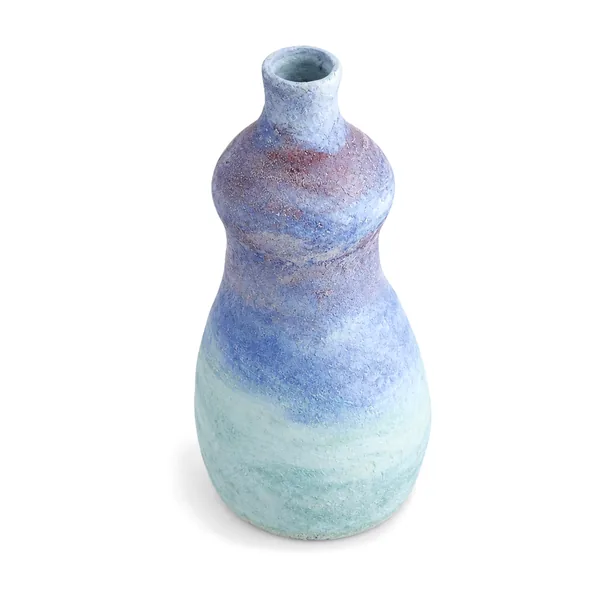
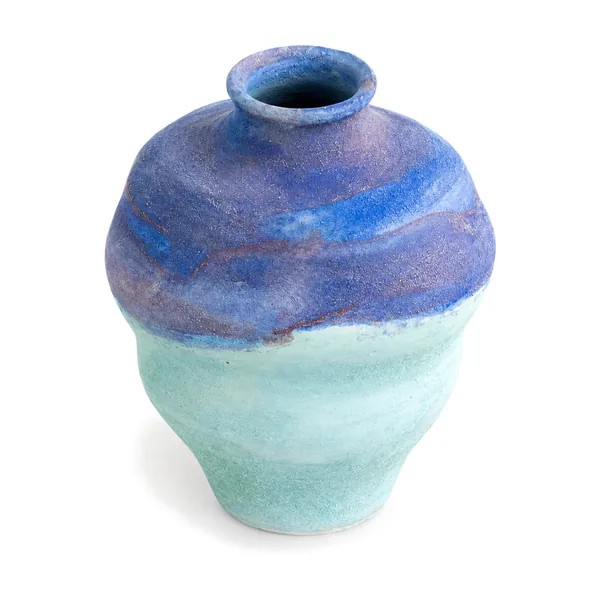
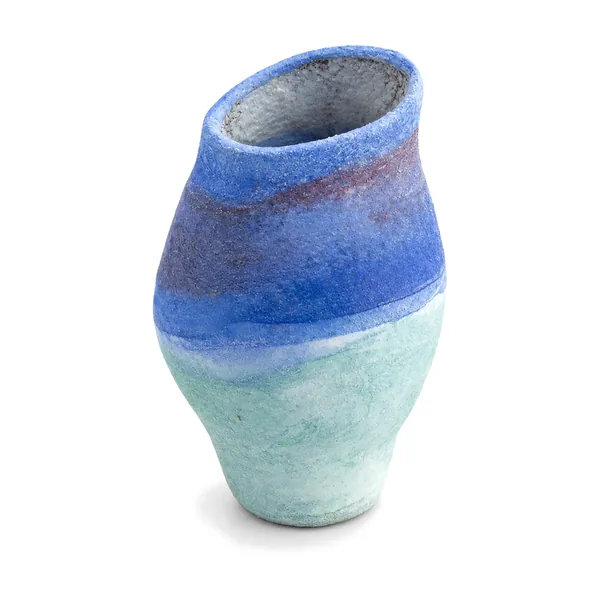 4 options
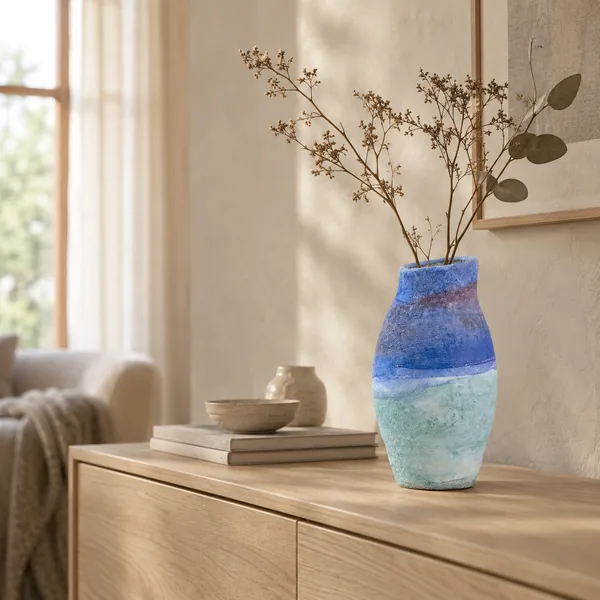
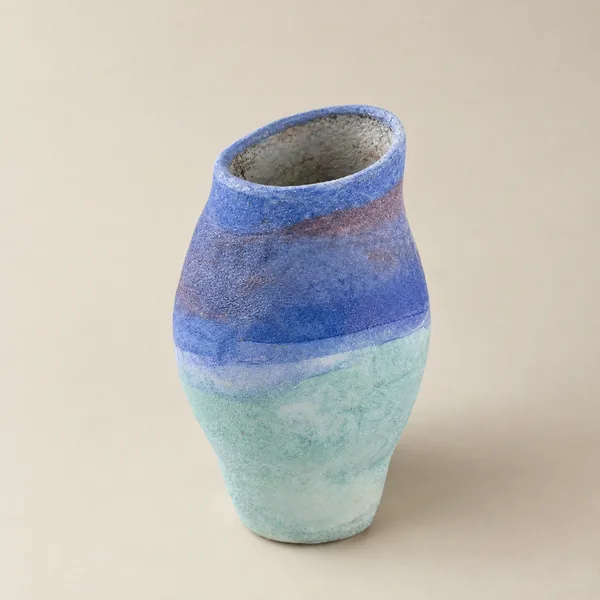
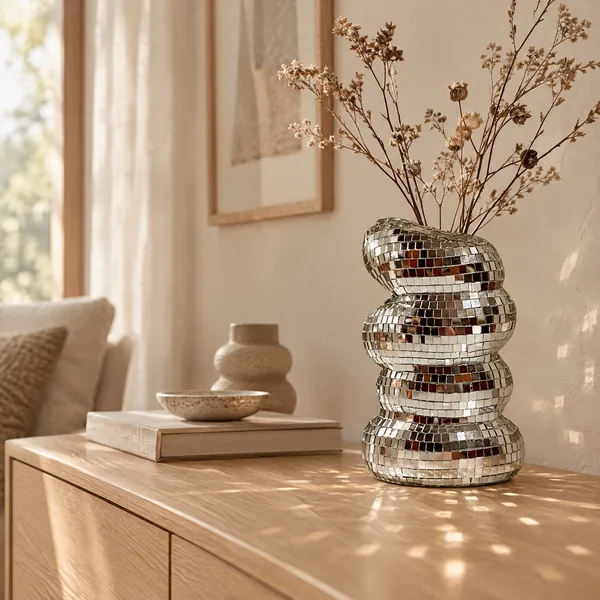
Dyvna Blue Gradient Ceramic Vase for Home Decor

The Appeal of Contemporary Artisan Pieces
For those seeking to incorporate mediterranean warmth without hunting antique markets, contemporary artisan pieces offer compelling alternatives. Modern Italian ceramicists honor traditional techniques while embracing current aesthetics—think muted earth tones, minimalist silhouettes, and organic textures that complement Scandinavian-inspired interiors beautifully.
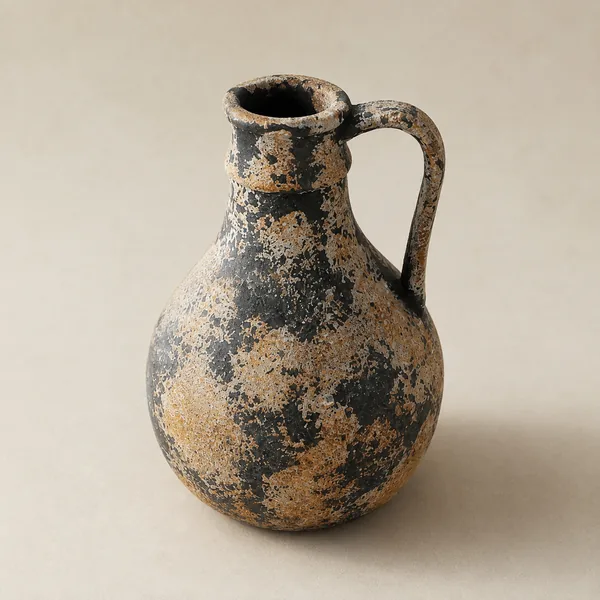
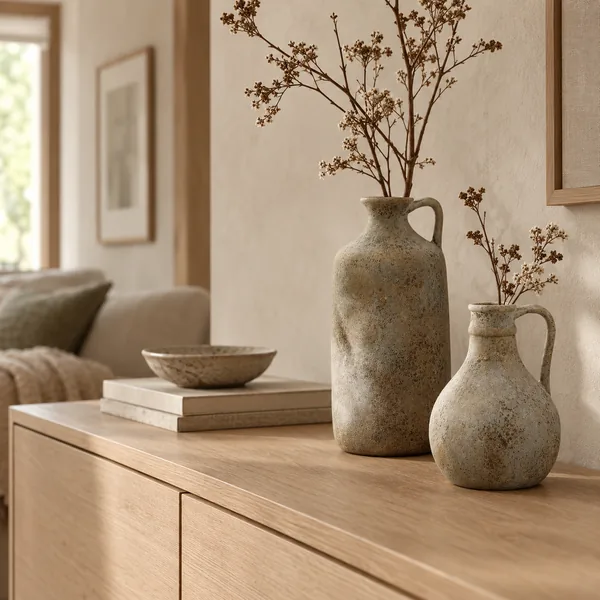
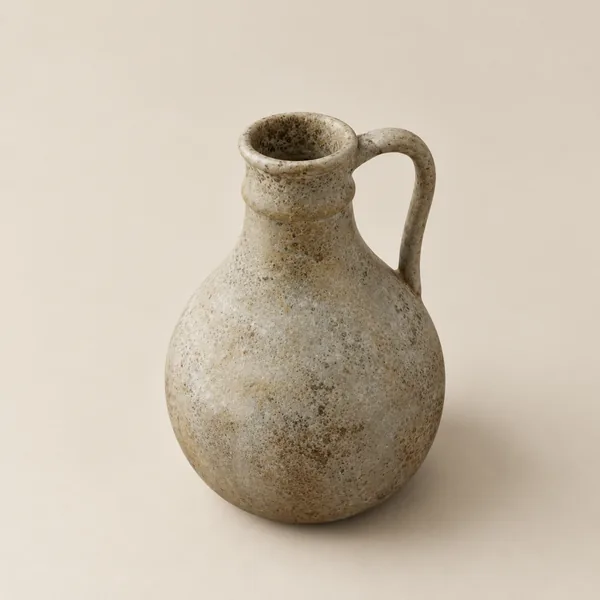
The Jorde Handmade Rustic Ceramic Vase exemplifies this bridge between heritage and contemporary design. While not Italian in origin, its artisanal approach—handcrafted from ceramic and porcelain with an organic active glaze that catches light beautifully—demonstrates how modern pieces can channel the same soulful quality that defines the best italian decorative ceramics.
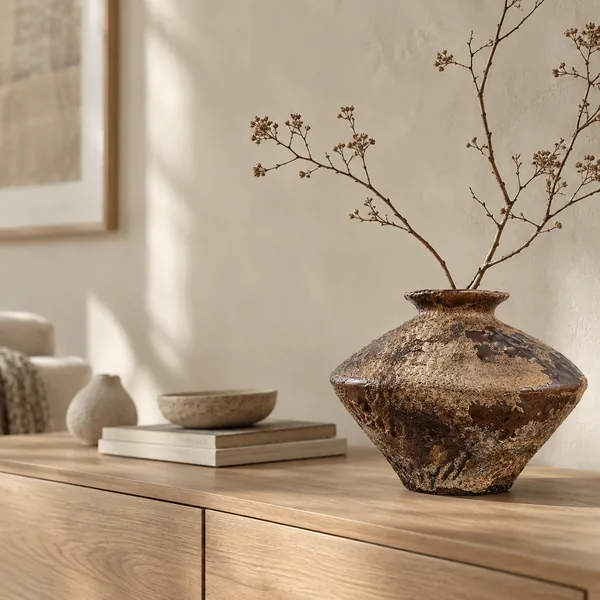 Jorde Handmade Rustic Ceramic Vase Home Decor$129.00$189.00
Authenticity Guide: Identifying Genuine Italian Ceramics
The market for handcrafted vase mediterranean designs includes both authentic treasures and clever reproductions. Learning to distinguish genuine Italian ceramics from mass-produced alternatives protects your investment and ensures your collection reflects true craftsmanship.
Start with the reverse side. Flip any ceramic vase italy candidate and examine the foot ring—the unglazed base where the piece rested during firing. Authentic hand-thrown pieces show tool marks, finger impressions, or subtle irregularities. Factory-made vases typically display perfectly uniform feet, sometimes with molded marks rather than hand-applied stamps.
Next, examine the glaze quality. True majolica ceramic vase pieces feature tin glaze that appears slightly creamy or ivory rather than stark white. The painted decoration should sit within the glaze surface, not merely on top of it. Run your fingers across the decoration—you shouldn't feel raised edges where paint meets glaze. If the design feels textured or sits above the glass-like surface, it's likely an inferior reproduction.
Documentation matters enormously for high-value pieces. Authentic Italian ceramics from established workshops carry certificates of authenticity, regional markings, or artisan signatures. For older pieces, provincial marks indicate compliance with Italian ceramic standards—look for symbols like the Deruta rooster or Faenza sun that certify regional origin.
For those expanding their collection with pieces that capture artisanal soul, our Home Decor collection offers curated options including vases that embody the warmth and intentionality beloved in mediterranean design traditions.
Red Flags to Watch For
Certain warning signs indicate mass production rather than authentic craftsmanship. Uniform patterns repeated exactly across multiple pieces suggest decals or transfers rather than hand painting. Vases with perfectly symmetrical shapes often indicate slip-casting in molds rather than wheel-throwing. Imported ceramics from non-Italian sources sometimes bear Italian-sounding workshop names—a quick search can verify whether the maker actually operates in Italy.
Price can signal authenticity, though it's not definitive. While genuine rustic ceramic vase pieces from smaller workshops might start around $50-100, complex hand-painted majolica from renowned artisans can command hundreds or thousands. Extremely low prices for supposedly "hand-painted Italian" pieces often indicate imported reproductions.
Rustic Artisan Vases with Mediterranean Soul
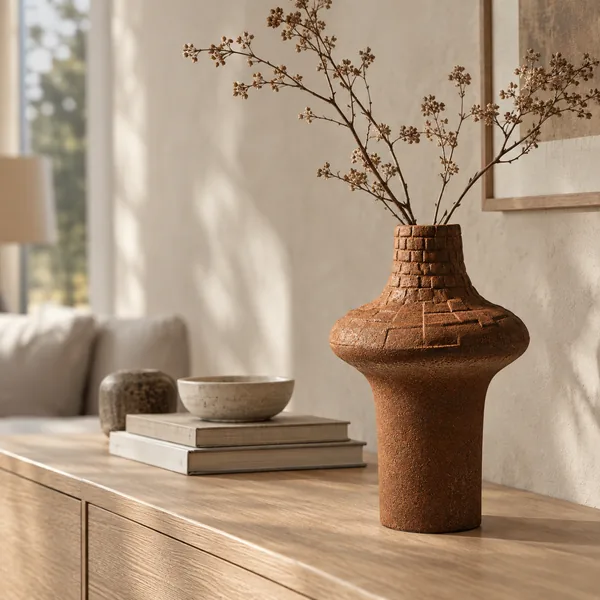 Torva Rustic Plaid Ceramic Vase Artisan Decor$149.00$219.00
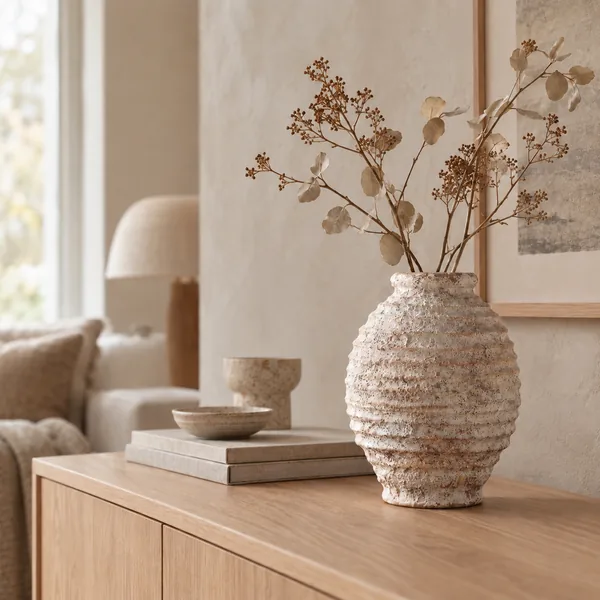 Stille Rustic Handmade Ceramic Vase Earth Tone$99.00$169.00
Contemporary pieces like the Torva Rustic Plaid Ceramic Vase anchor any room with the same organic warmth that defines traditional Mediterranean pottery. Its distinctive plaid texture and hand-shaped character speak to the same values—individuality, craftsmanship, and honest materiality—that collectors seek in authentic Italian work.
Similarly, the Stille Rustic Handmade Ceramic Vase demonstrates how earth-toned reactive glazes can achieve the tonal depth and presence that elevates a simple vessel to art object. Its quiet, contemplative form complements the bolder patterns of traditional italian ceramic vases while maintaining harmony in curated interiors.
Caring for Your Hand-Painted Treasures
Owning a hand painted vase italy design brings responsibility—these are pieces to steward, not merely use. Proper care ensures your ceramics remain vibrant across decades, perhaps becoming heirlooms that carry your own family's stories forward.
Cleaning hand-painted majolica requires gentleness. Never use abrasive scouring pads or harsh chemical cleaners that can damage glaze surfaces. Instead, wash with mild dish soap and lukewarm water using a soft cloth or sponge. For stubborn residue, soak briefly rather than scrubbing aggressively. While many modern majolica pieces are technically dishwasher-safe, the high heat and aggressive detergents can dull hand-painted decoration over time—hand washing preserves brilliance.
Display considerations matter for longevity. Direct sunlight can fade certain mineral-based pigments used in traditional Italian ceramics, particularly the more vivid blues and oranges. Position vases away from south-facing windows or use UV-filtering glass. Similarly, avoid placing ceramics near heating vents or fireplaces where thermal shock from temperature fluctuations can cause cracking.
Storage requires attention too. When not on display, wrap individual pieces in acid-free tissue paper rather than newspaper (the ink can transfer). Avoid nesting vases inside one another unless separated by padding—glaze surfaces can scratch each other. For particularly valuable pieces, consider climate-controlled storage during extreme seasonal shifts.
[p>Mediterranean Lighting
Shop all Mediterranean Lighting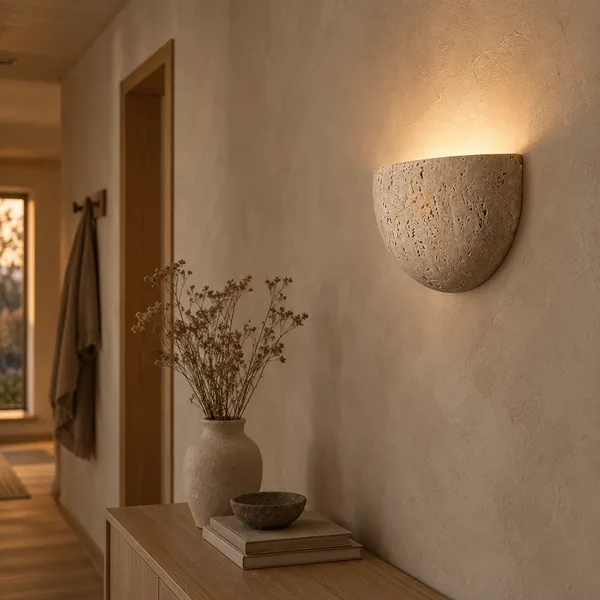
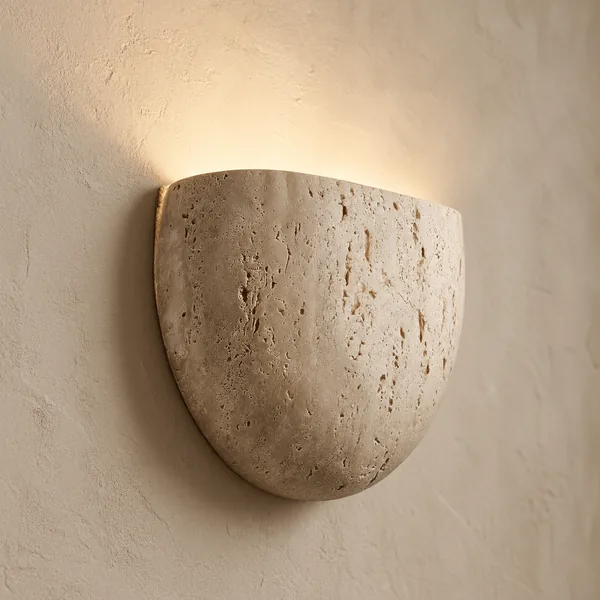
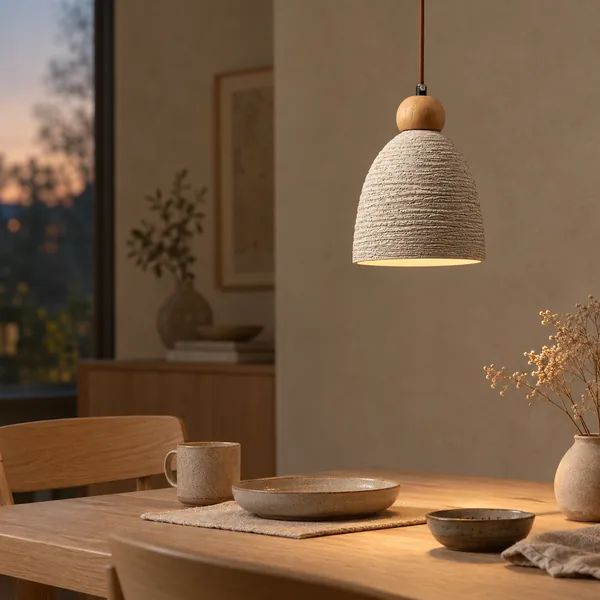
 Save $170.00
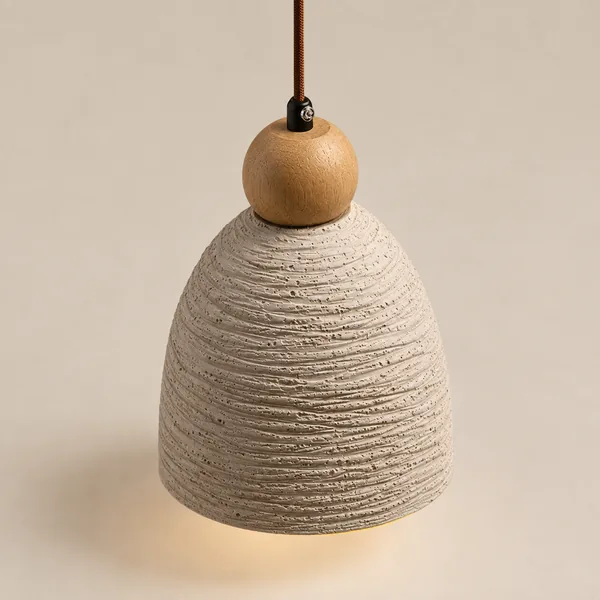
Steina Raw Microcement Industrial Pendant Light
 Save $510.00
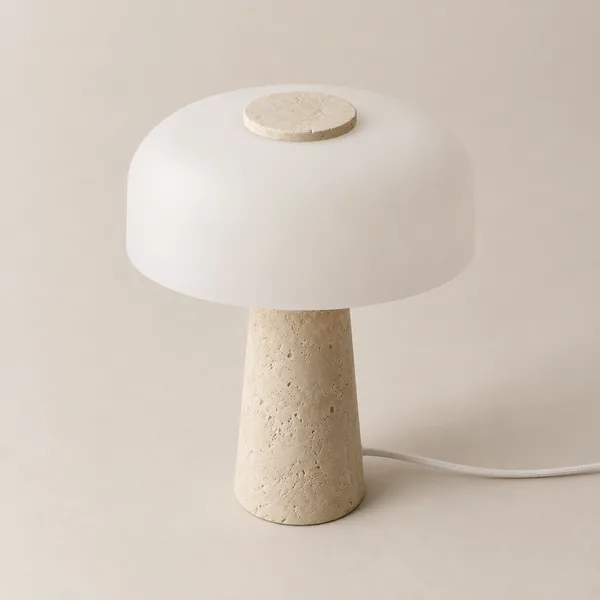
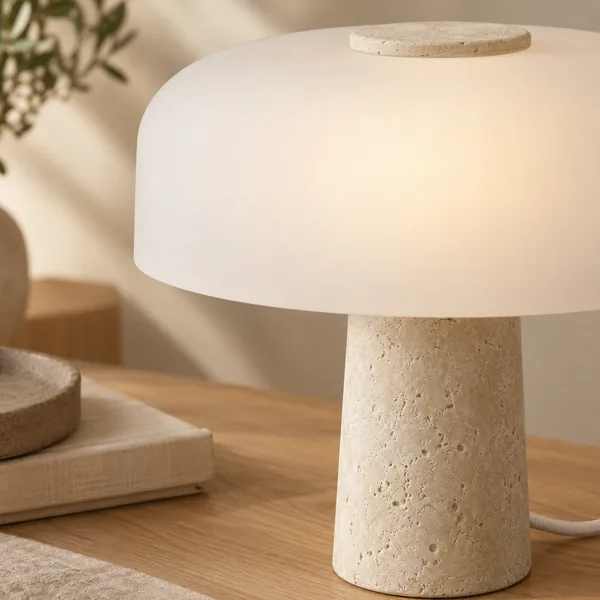
Svalna Frosted Glass Marble Mushroom Table Lamp

 Save $150.00
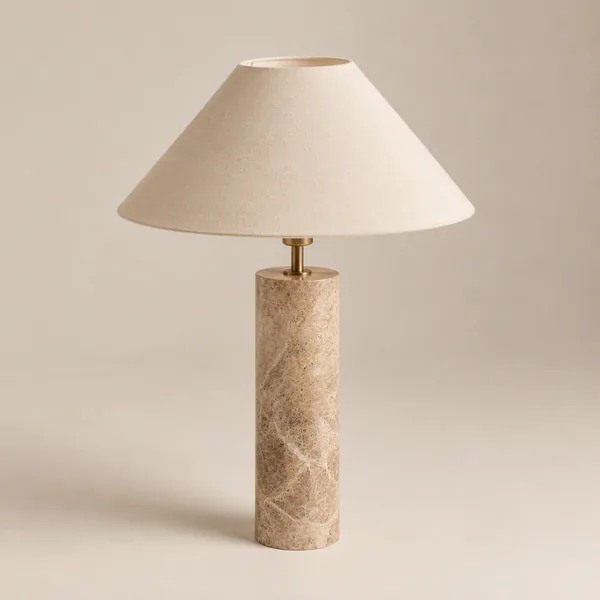
Steiva Natural Marble Table Lamp Nordic Style
Displaying Italian Vases in Contemporary Spaces
The beauty of italian pottery vases lies in their versatility. A single statement piece can anchor a minimalist shelf, while grouped collections create curated moments of Mediterranean warmth. Consider these styling approaches:
- Solitary drama: Place one large ceramic amphora vase on a console table with simple greenery, letting the vessel's form speak
- Eclectic clustering: Group vases of varying heights, patterns, and regional styles for collected-over-time authenticity
- Material contrast: Pair glossy majolica with raw wood, rough linen, or matte ceramics to highlight surface qualities
- Negative space: Allow breathing room around intricate pieces—Italian ceramics deserve to be seen, not crowded
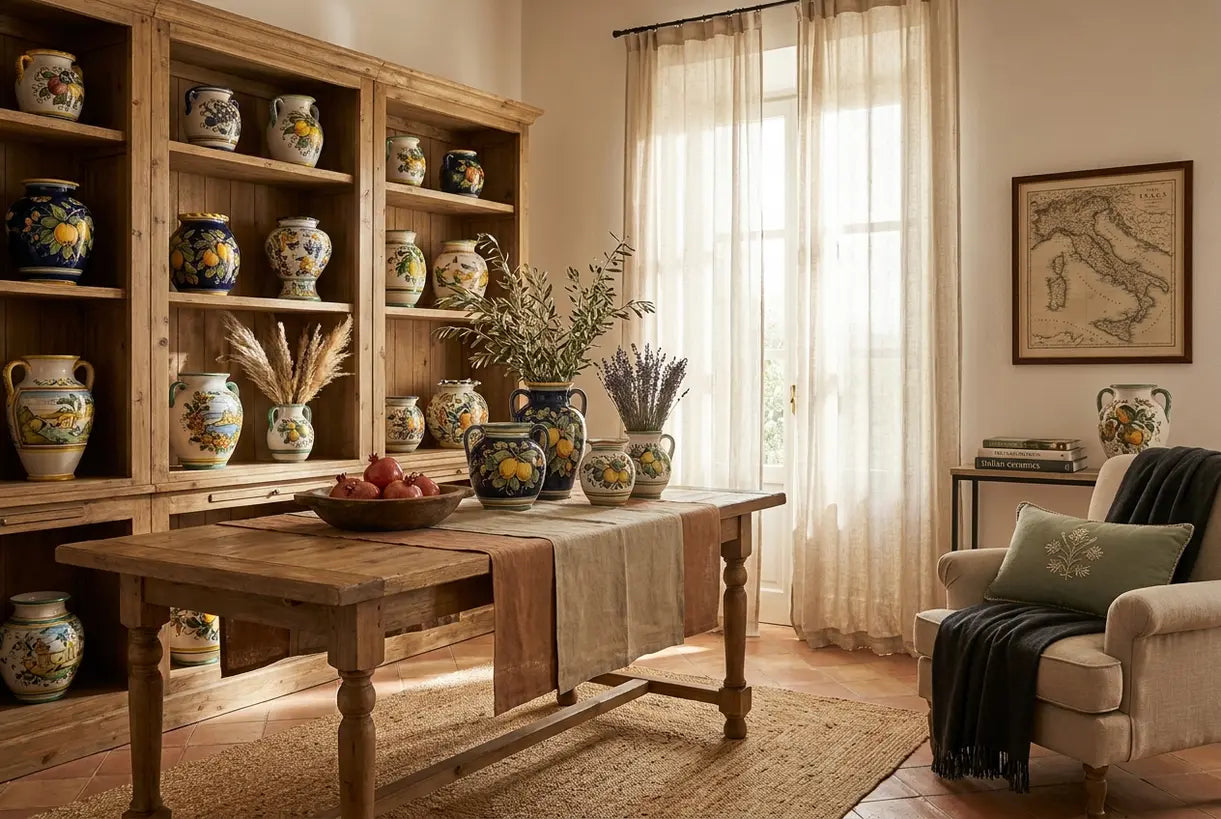
For styling inspiration and a curated selection of artisan vessels that complement Mediterranean aesthetics, explore collections that prioritize the same values—craftsmanship, authenticity, and timeless design—that define the best Italian ceramic traditions.
Finding Authentic Italian Ceramics for Your Home
When seeking ceramic vase italy designs for your collection, source matters as much as the object itself. The best acquisitions come through channels that verify authenticity and support artisan communities.
Direct purchasing from Italian workshops offers the purest provenance. Many established ceramics towns—Deruta, Vietri sul Mare, Montelupo Fiorentino—feature cooperative shops where multiple local artisans display work. These venues provide documentation, direct connection to makers, and the satisfaction of supporting traditional craft economies.
For collectors outside Italy, reputable importers and specialized galleries represent vetted intermediaries. Look for sellers who provide specific provenance information, not just generic "Italian ceramic" labels. The best retailers celebrate individual artisans by name and workshop, offering the stories behind the objects.
Online marketplaces require additional vigilance. When evaluating digital listings, examine seller reviews, request additional photographs of markings and foot rings, and ask direct questions about origin verification. Authentic sellers welcome scrutiny; vague or defensive responses often signal questionable merchandise.
Price ranges for authentic italian ceramic vases vary enormously based on complexity, artist reputation, and age. Entry-level functional pieces from small workshops might start around $30-75, while elaborate hand-painted centerpieces from master artisans can reach $500-2,000 or more. Antique pieces or works by particularly renowned makers command premium prices reflecting their rarity and artistic significance.
Key Consideration: When building a collection, prioritize pieces that resonate personally over perceived investment value. The best ceramic collections reflect individual taste and meaningful acquisition stories rather than market speculation.
Conclusion: Embracing the Artisan Spirit
The enduring appeal of italian ceramic vases transcends mere decoration. These vessels carry within them centuries of artistic tradition, regional identity, and human craftsmanship—the antidote to disposable culture and mass production. Whether you acquire an antique majolica heirloom from Deruta or a contemporary piece that channels the same mediterranean artisan designs, you're participating in a living tradition.
Understanding what makes authentic Italian ceramics special—from the tin-glazing techniques that define majolica to the regional markings that verify provenance—empowers you to curate a collection with confidence and meaning. The care practices you employ, the ways you display these pieces, and the stories you attach to them become part of your home's narrative.
At Skonne, we share this reverence for handcrafted quality and intentional design. While our curated collections embrace Scandinavian aesthetics, we deeply appreciate how mediterranean warmth and artisan soul can coexist beautifully in thoughtfully designed spaces. Whether through authentic Italian acquisitions or contemporary pieces that honor similar values of craftsmanship and material honesty, creating a home filled with objects that tell stories remains our shared aspiration.
Explore our collections to discover artisan vases and decor that speak to the same principles—intentionality, warmth, and timeless design—that have made Italian ceramic traditions endure across centuries.
Related Article
Stoneware Ceramic Vases: Material Guide, Care Tips & How They Compare to PorcelainLearn the differences between stoneware and porcelain vases, plus essential care tips to keep your ceramic pieces looking beautiful for years to come.