
Stoneware Ceramic Vases: Material Guide, Care Tips & How They Compare to Porcelain
Summary›
- What Makes Stoneware Distinctively Beautiful
- Stoneware vs Porcelain: The Complete Comparison
- Can You Put Water in a Stoneware Ceramic Vase?
- Everyday Care Tips for Stoneware Vases
- Designing with Stoneware: Scandinavian Style Integration
- The Enduring Benefits of Stoneware Vases
- Conclusion: Choosing Stoneware with Confidence
When you're curating your home with intention, every piece matters. A stoneware ceramic vase isn't just a container for flowers—it's a sculptural statement that brings organic warmth and Nordic authenticity to your space. Whether you're styling a minimalist apartment or adding the finishing touch to a Scandinavian-inspired living room, understanding the material you're investing in makes all the difference.
In this guide, we'll explore what makes Homeware pieces crafted from stoneware so special, how they compare to porcelain alternatives, and the essential care tips that keep your ceramics beautiful for years. You'll also discover how to choose pieces that align with the hygge aesthetic—those tactile, thoughtfully designed objects that transform a house into a home.
What Makes Stoneware Distinctively Beautiful
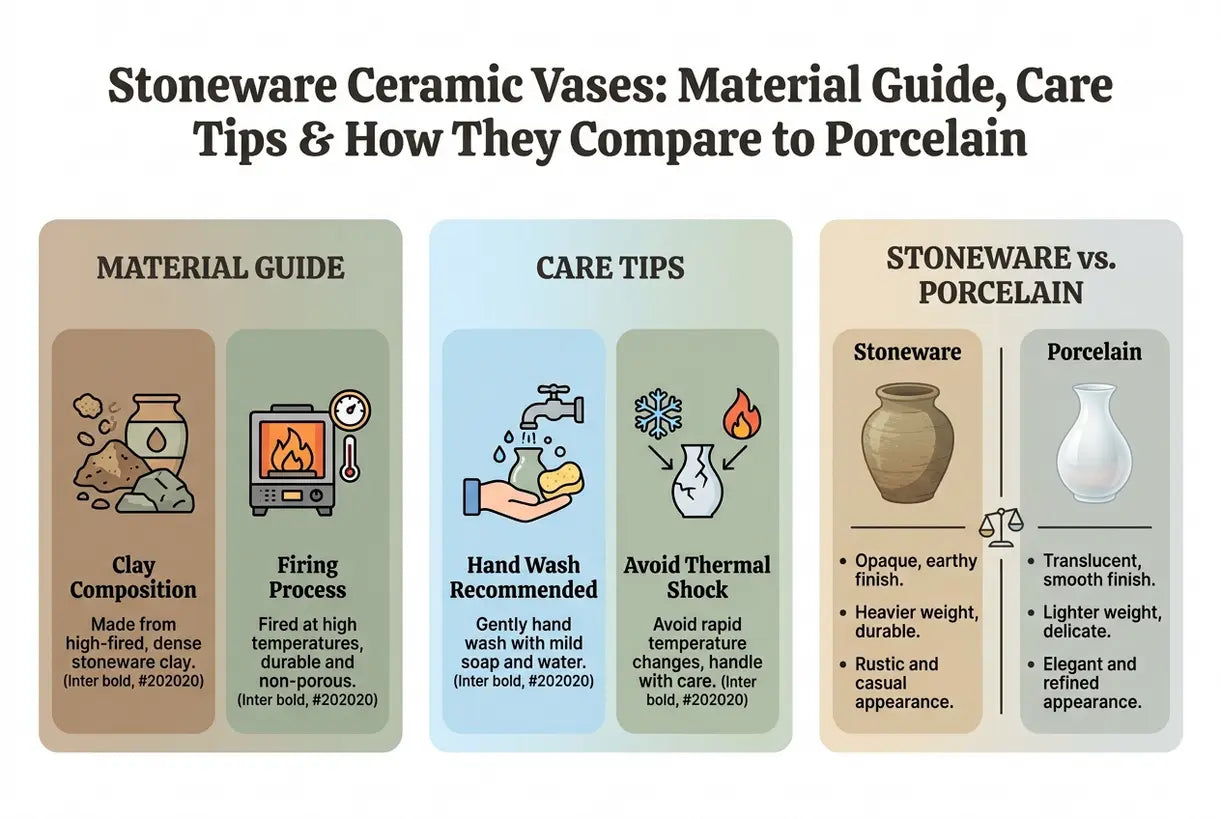
Stoneware occupies that perfect middle ground in the ceramic family. Fired at temperatures between 1,100°C and 1,300°C, it emerges denser and more durable than earthenware, yet more rustic and approachable than porcelain. This firing process creates a vitrified, non-porous body that resists water absorption—an essential quality for functional vases.
The magic of stoneware lies in its character. Unlike machine-perfect materials, quality stoneware carries subtle variations in glaze texture, gentle imperfections, and an organic heft that feels satisfying in your hands. These aren't flaws; they're signatures of authentic craftsmanship. At Skonne, we curate pieces that celebrate this intentional imperfection, bringing genuine artistry into everyday Scandinavian interiors.
For those exploring more ways to enhance their living spaces, our thoughtfully assembled Homeware collection offers curated selections that complement stoneware vases beautifully.
Stoneware vs Porcelain: The Complete Comparison
The ceramic vs porcelain vase debate isn't about superiority—it's about alignment with your aesthetic goals and practical needs. Understanding these differences helps you make confident choices for your curated home.
Porcelain is refined clay fired at extreme temperatures (1,200°C–1,400°C), resulting in a thin, often translucent ceramic with a smooth, glass-like finish. It's elegant, delicate, and traditionally associated with formal tableware and fine art objects.
Stoneware, by comparison, embraces earthiness. It's thicker, more substantial, and carries a tactile quality that invites touch. The surface can range from smooth to textured, matte to satin gloss, but always maintains that grounded, organic presence.
Can You Put Water in a Stoneware Ceramic Vase?
This practical question has a reassuring answer: yes, you can absolutely put water in properly glazed stoneware vases. The high firing temperature creates a vitrified, non-porous body that won't absorb moisture. Food-safe glazes provide an additional protective barrier.
However, a few caveats apply. Vintage or handmade stoneware with unglazed interiors may absorb water, leading to potential seepage or weakening of the clay body over time. When in doubt, use a plastic liner or simply display dried botanicals—pampas grass, bleached bunny tails, or dried eucalyptus pairs beautifully with the earthy quality of stoneware.
The video below offers an excellent visual comparison of these materials:
Everyday Care Tips for Stoneware Vases
Caring for your handmade ceramic vase collection is straightforward but worth doing right. Here are the essential practices to preserve both beauty and integrity:
- Hand wash gently: Use warm water and mild dish soap. Avoid abrasive scrubbers that can scratch glazes.
- Dry thoroughly: Allow interiors to dry completely before storing to prevent any moisture-related issues.
- Avoid thermal shock: Never move stoneware directly from a cold environment to hot water, or vice versa. The thermal expansion can cause cracking.
- Dust regularly: A soft microfiber cloth keeps textured surfaces looking their best without disturbing any delicate glaze details.
- Display mindfully: Place heavier stoneware on stable surfaces. While durable, a fall onto a hard floor can chip even the toughest ceramic.
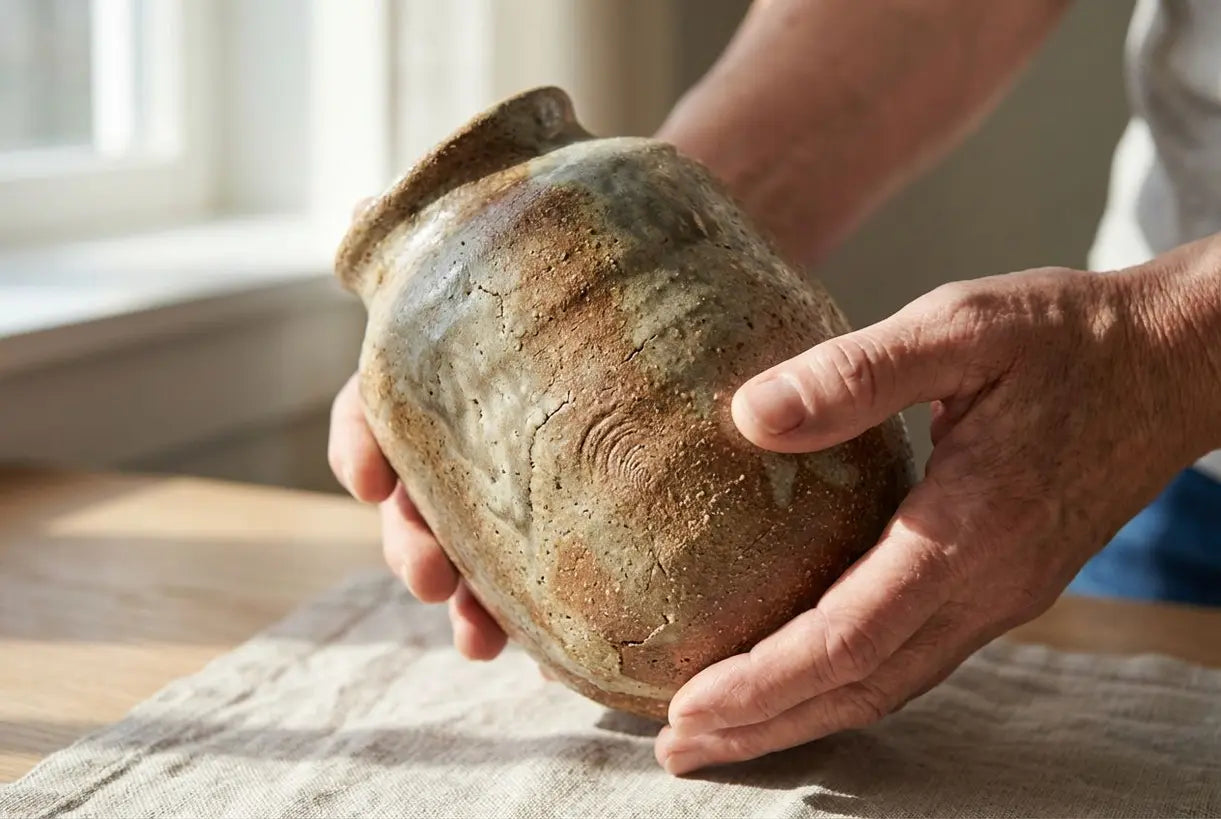
Stoneware ages gracefully. Minor surface marks from use often add to the wabi-sabi character—the Japanese aesthetic of finding beauty in imperfection and impermanence. This quality makes stoneware feel alive, evolving alongside your home.
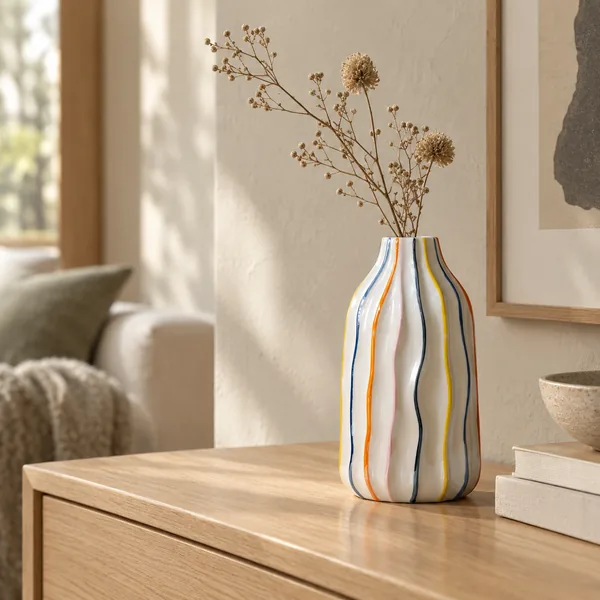 Randal Multicolor Striped Ceramic Vase Decor$69.00$119.00
Designing with Stoneware: Scandinavian Style Integration
The Scandinavian aesthetic values authenticity, natural materials, and objects that serve both purpose and beauty. Stoneware embodies these principles perfectly. Its earthy palette—think warm terracotta, soft sage, creamy oatmeal, and deep charcoal—complements the neutral foundations of Nordic interiors.
When styling stoneware, consider these approaches:
- Solo statement: Let a single sculptural piece shine on a console or bookshelf. The Stille Small Jingdezhen Ceramic Wabi-Sabi Vase exemplifies this approach with its contemplative form.
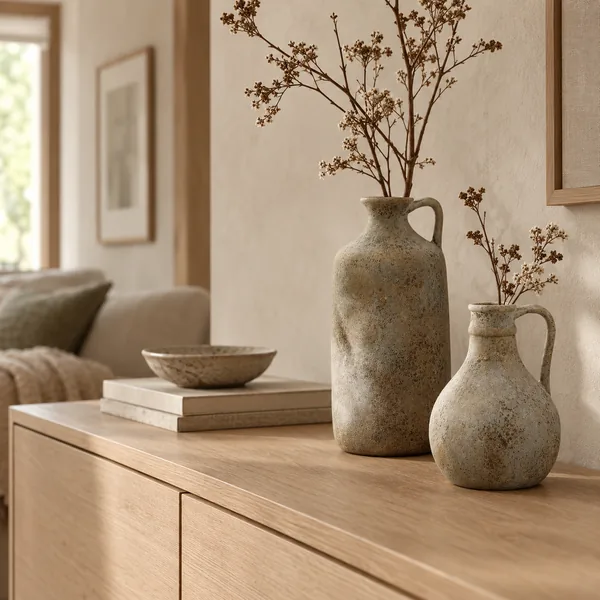
- Clustered vignettes: Group vases of varying heights and textures. Mix matte and glossy finishes for visual interest without chaos.
- Botanical pairings: Dried grasses, branches, and seed pods feel harmonious with stoneware's organic nature.
- Layered textures: Place stoneware alongside linen, raw wood, and wool to create that coveted hygge atmosphere.
The Homeware section of our store features carefully selected pieces designed to work together in these harmonious compositions.
Why Stoneware Wins for Modern Living
Is stoneware or porcelain better for vases? The answer depends on your lifestyle. Stoneware offers superior durability for daily life—it's less prone to chipping, handles temperature fluctuations better, and forgives the occasional bump. Its weight provides stability for taller arrangements, and the textured surface hides minor imperfections that would show on glossy porcelain.
Curated Stoneware Selections
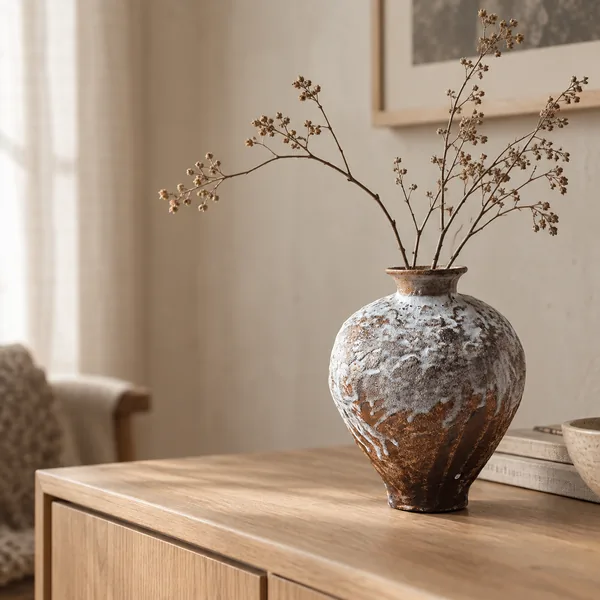 Stille Small Jingdezhen Ceramic Wabi-Sabi Vase$129.00$189.00
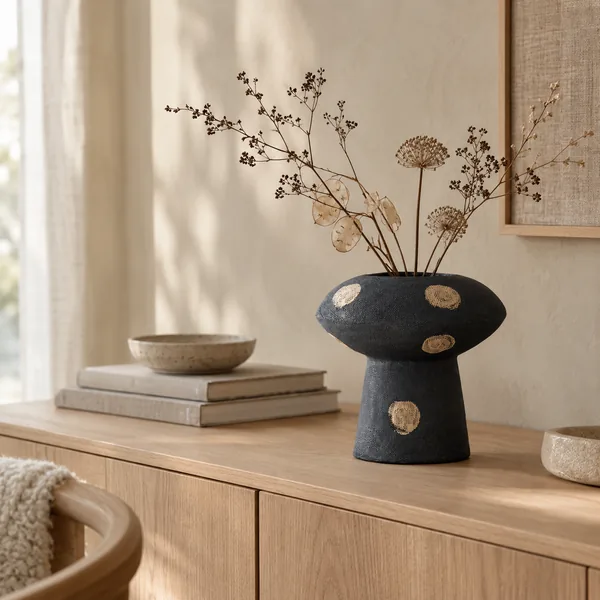 Prikka Handcrafted Ceramic Vase with Gold Detail$219.00$319.00
The Prikka Handcrafted Ceramic Vase with Gold Detail demonstrates how stoneware transcends rustic stereotypes. The interplay of matte black ceramic with hand-applied gold accents elevates the material into contemporary luxury territory—proof that stoneware belongs in refined, design-forward homes.
The Enduring Benefits of Stoneware Vases
Investing in quality stoneware pays dividends in both aesthetics and longevity. Here's why discerning homeowners consistently choose this material:
Timeless appeal: Unlike trend-driven materials, stoneware possesses an enduring quality that transcends seasons. A well-chosen piece feels as relevant in a decade as it does today.
- Environmental consideration: Quality stoneware is made to last generations, reducing the cycle of disposable decor.
- Versatility: From minimalist Scandinavian to bohemian eclectic, stoneware adapts to evolving style preferences.
- Tactile satisfaction: The weight and texture of stoneware creates a sensory experience that plastic and glass cannot replicate.
- Investment value: Handmade and artisan pieces often appreciate over time, becoming heirlooms rather than mere accessories.
Home Decor
Shop all Home Decor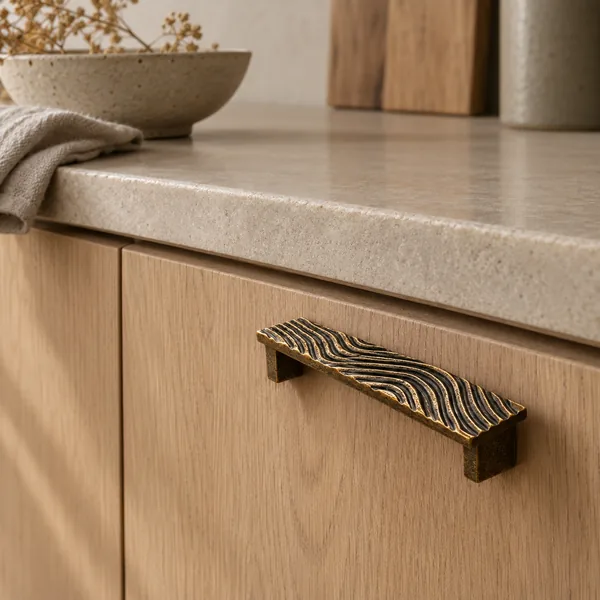
 Save $44.50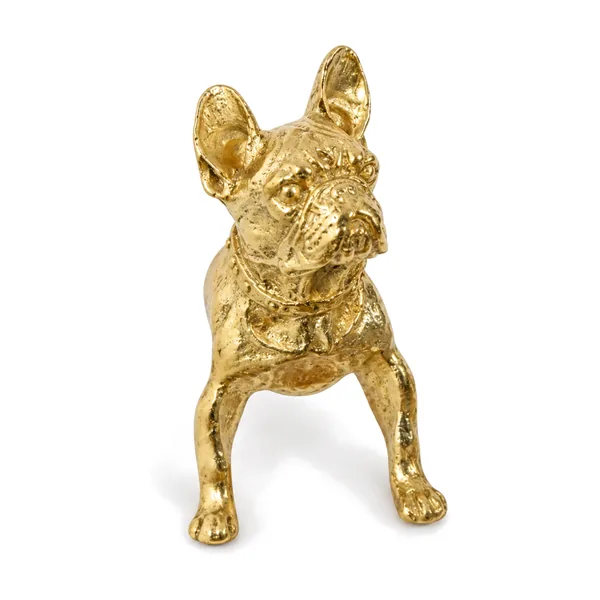
 2 options
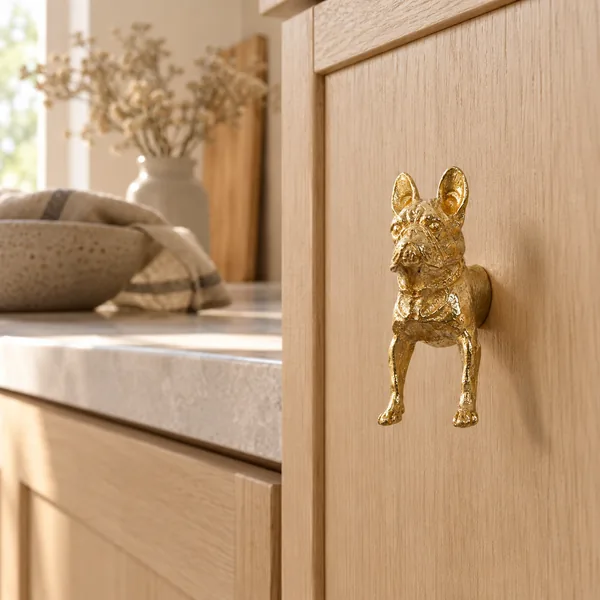
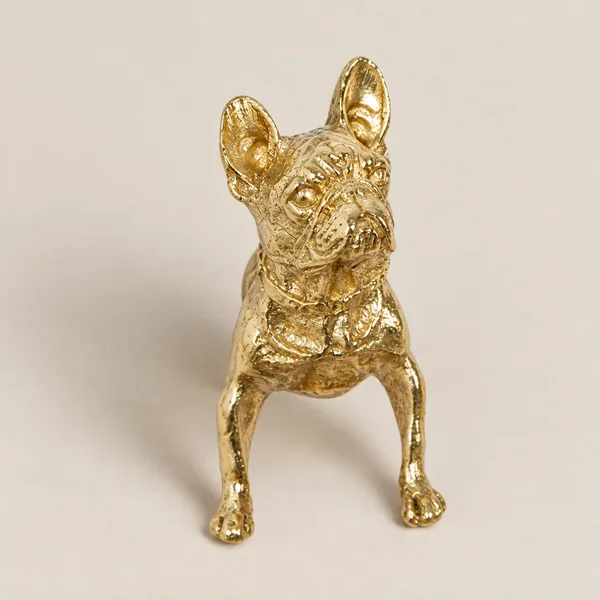
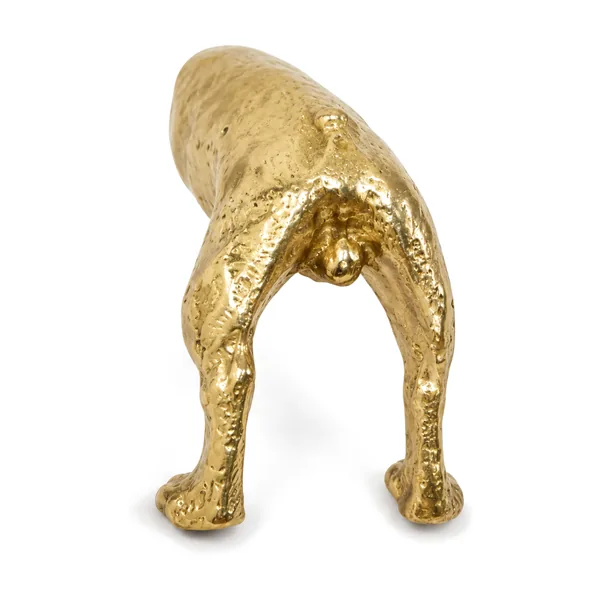
Tassa Polished Brass Dog Cabinet Pull Handle
 Save $110.00
 +15 options
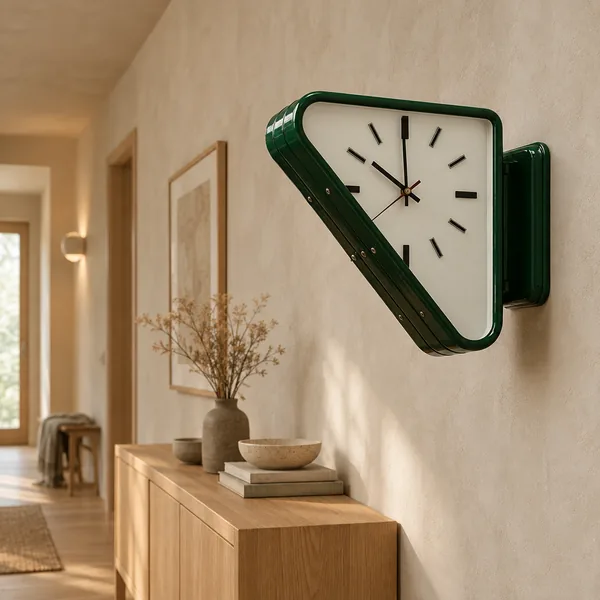
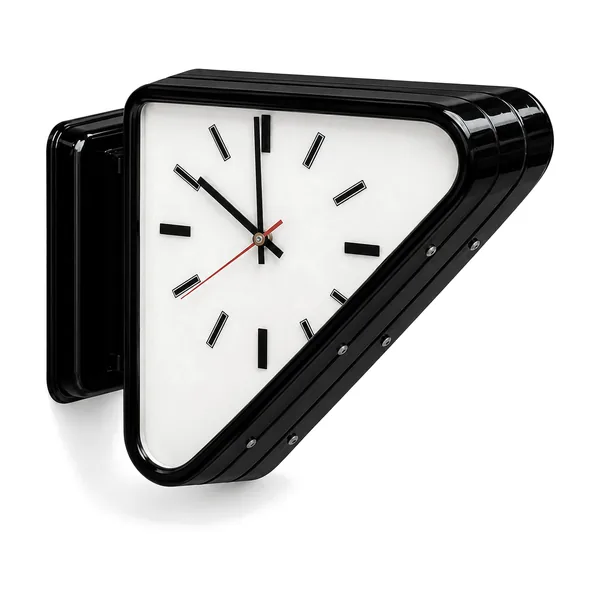
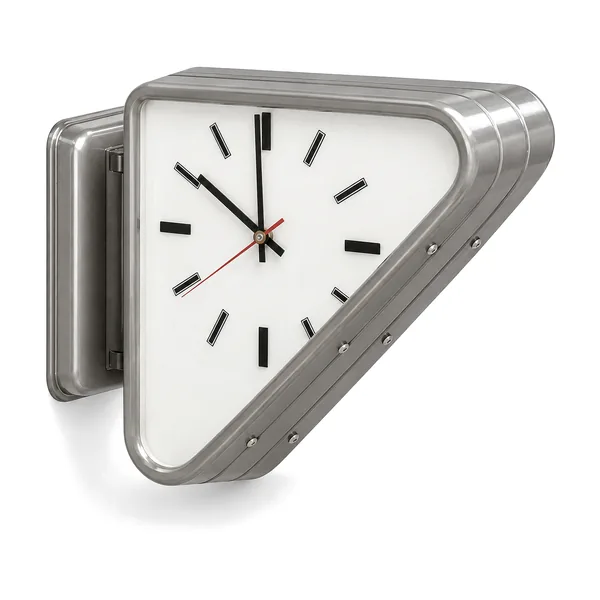
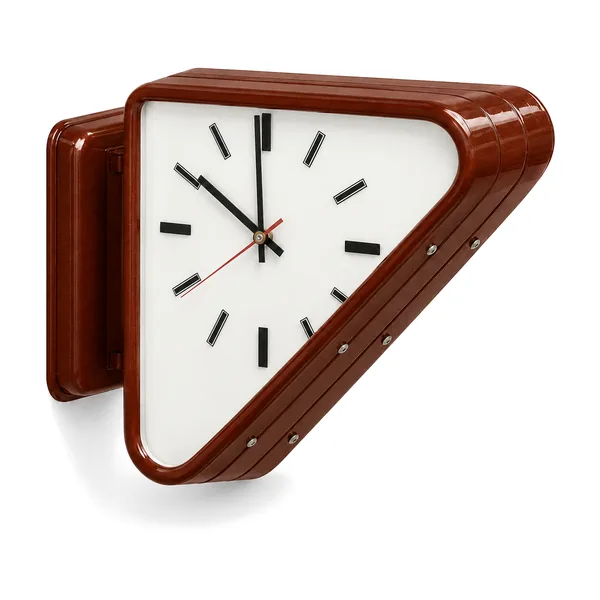
Tvilling Dual-Sided Geometric Metal Wall Clock
Conclusion: Choosing Stoneware with Confidence
The difference between ordinary and extraordinary home styling often comes down to material understanding. Now that you know how stoneware differs from porcelain, how to care for it, and why it deserves a place in your curated space, you can select pieces that truly resonate with your vision.
Whether you're drawn to the bold Nordic stripes of contemporary designs, the wabi-sabi authenticity of handcrafted Jingdezhen ceramics, or the sculptural elegance of gold-accented statement pieces, stoneware offers a material foundation that honors both craftsmanship and daily life. At Skonne, every vase in our collection has been chosen to bring that intentional, hygge feeling into your home—objects that don't just fill space, but create atmosphere.
Explore our complete selection and discover how the right stoneware ceramic vase transforms not just your shelf, but your everyday experience of home.
Decorative Vases
Shop all Decorative Vases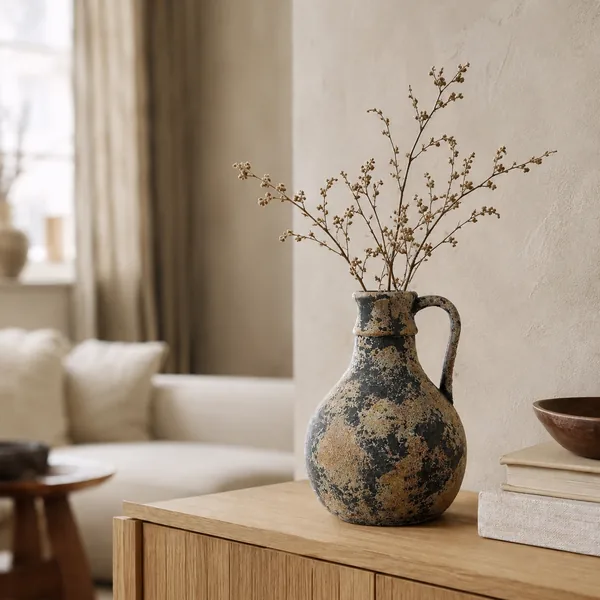
 Save $40.00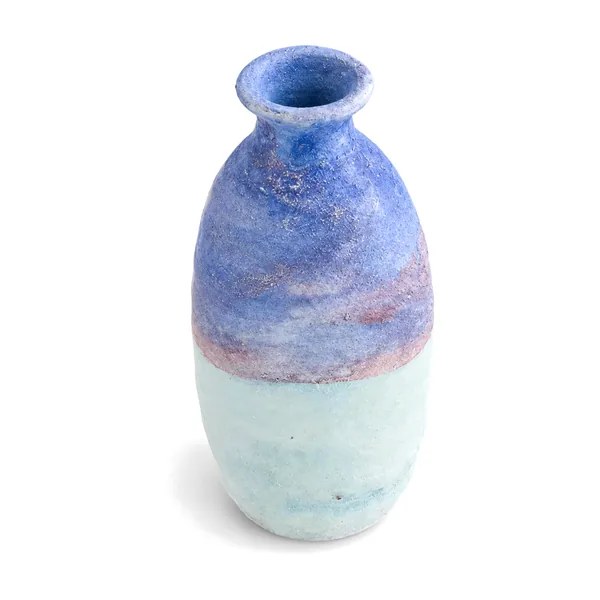
 4 options
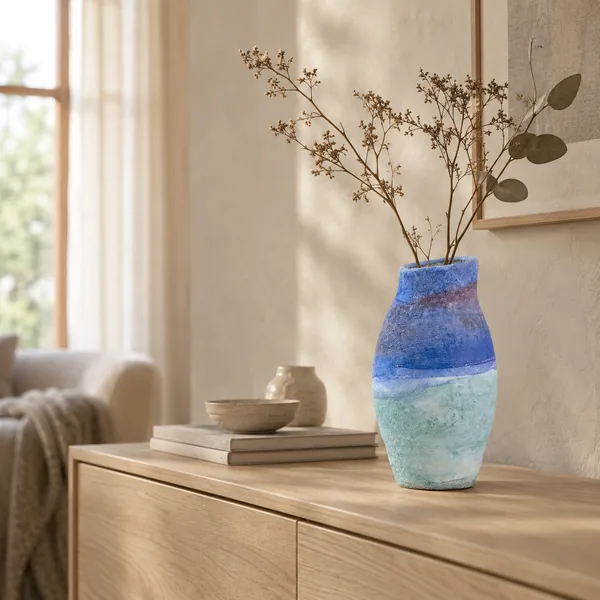
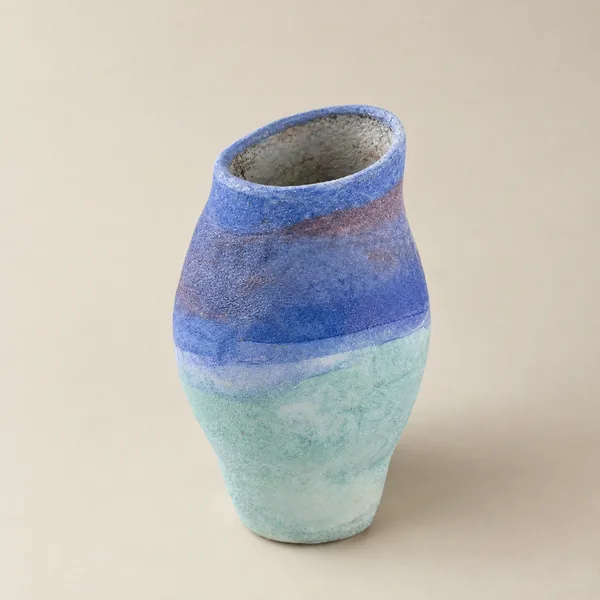
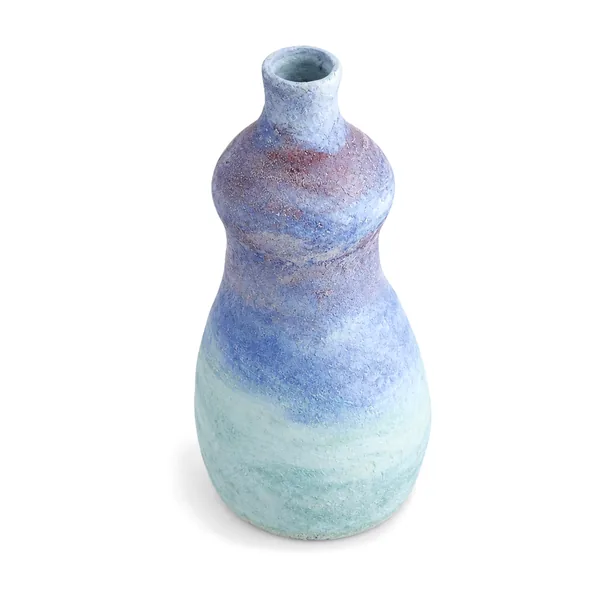
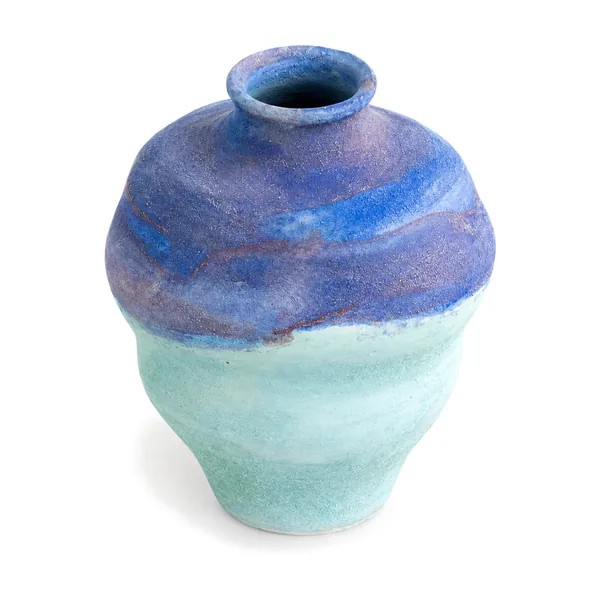
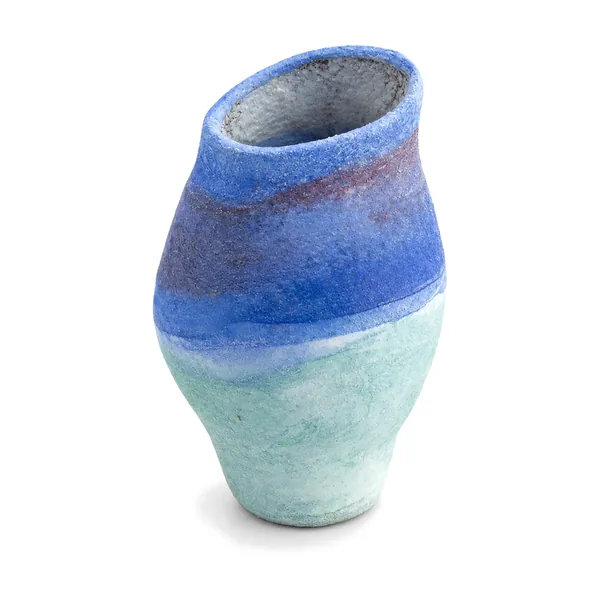
Dyvna Blue Gradient Ceramic Vase for Home Decor
Related Article
Rustic & Farmhouse Ceramic Vases: Earthy, Country-Inspired Designs for Cozy HomesDiscover handcrafted ceramic rustic vase designs that add earthy farmhouse charm to your home. From terracotta to earth-toned glazes, find the perfect piece.