
Japandi Lighting: How to Illuminate Your Home with Japanese-Scandinavian Style
Summary›
- What Is Japandi Lighting Style?
- How to Choose the Right Japandi Lighting for Your Home
- The Best Japandi Lighting Fixtures for Living Rooms
- What Makes Japandi Lighting Different from Other Styles?
- How to Incorporate Japandi Bathroom Lighting
- Creating Your Japandi Lighting Plan
- Conclusion: Illuminate with Intention
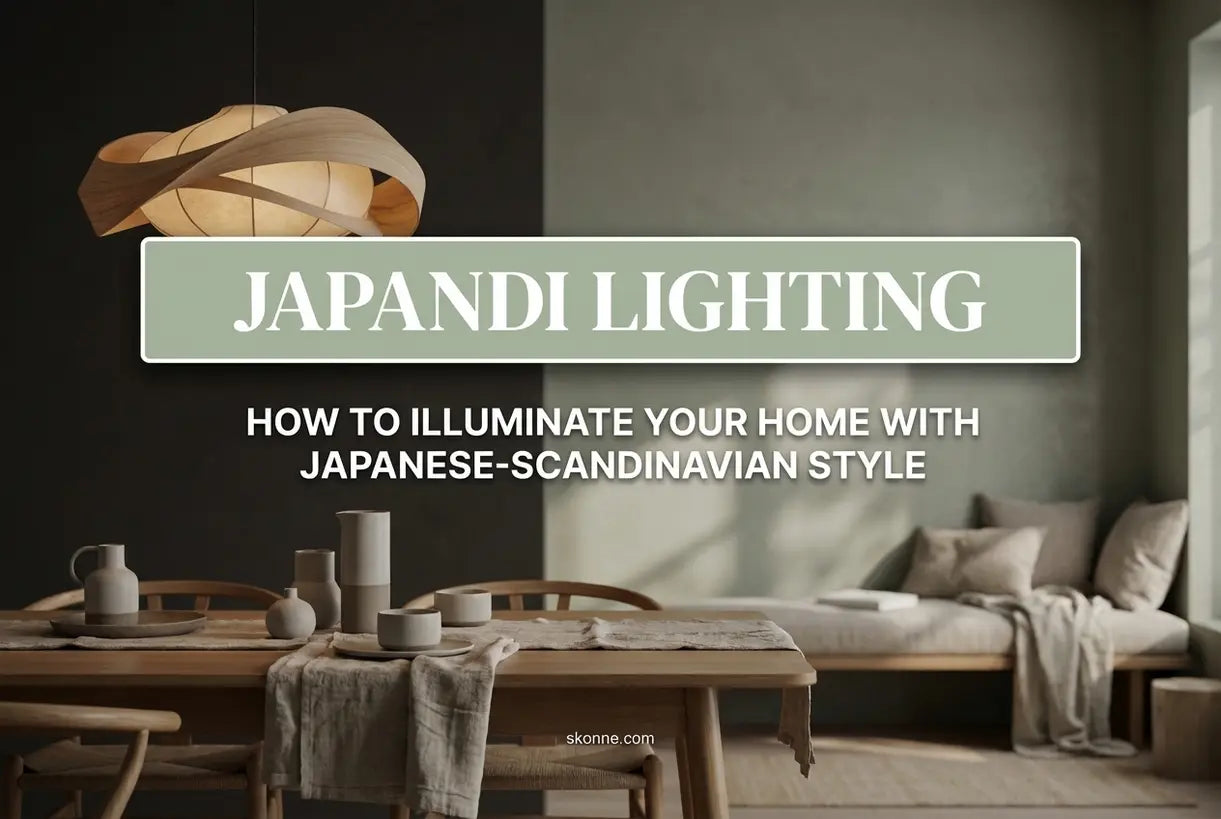
Creating a home that feels both peaceful and purposeful starts with the right illumination. Japandi lighting has emerged as one of the most sought-after design movements, blending the serene minimalism of Japanese aesthetics with the cozy functionality of Scandinavian design. Whether you're renovating your entire space or simply looking to refresh a single room, understanding how to incorporate this hybrid style can transform your home into a sanctuary of calm.
In this guide, you'll discover exactly what defines japandi lighting style, how to select fixtures that honor both traditions, and which pieces work best for different areas of your home. Along the way, we'll explore how the right lighting choices can elevate your daily experience—bringing that coveted sense of hygge and wabi-sabi into every corner.
What Is Japandi Lighting Style?
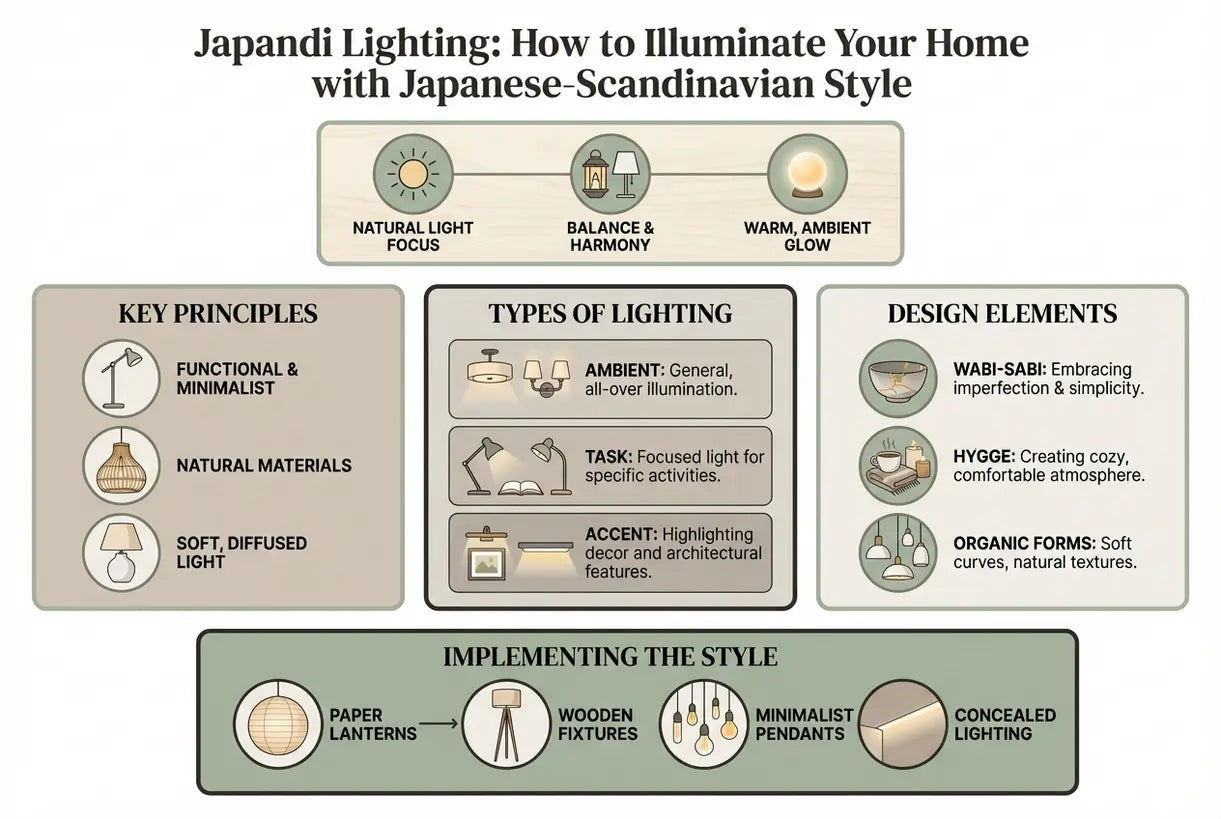
Japandi lighting represents the beautiful intersection of two design philosophies that share more similarities than differences. Japanese design brings principles of wabi-sabi—finding beauty in imperfection and transience—while Scandinavian design contributes hygge, the Danish concept of cozy contentment. Together, they create lighting that is both functional and deeply atmospheric.
At its core, japandi style lighting emphasizes:
- Natural materials like wood, paper, linen, and stone
- Neutral color palettes featuring warm whites, soft grays, and earthy tones
- Clean, uncluttered silhouettes without excessive ornamentation
- Warm, diffused illumination rather than harsh, direct lighting
- Connection to nature through organic shapes and textures
Unlike purely industrial or ultra-modern lighting, japandi fixtures tell a story of craftsmanship and intention. Each piece invites you to slow down and appreciate the moment—a philosophy that feels increasingly essential in our fast-paced world.
How to Choose the Right Japandi Lighting for Your Home
Selecting the perfect fixtures requires balancing aesthetic vision with practical needs. Start by assessing each room's purpose and the mood you want to create. For those looking to explore more options, our Scandinavian Lighting collection offers a curated selection that beautifully complements japandi interiors.
Consider these essential factors when making your selections:
Material Authenticity
True japandi lighting showcases materials in their honest form. Look for fixtures featuring raw wood grain, handmade paper textures, and natural fiber shades. These elements age gracefully, developing character over time—embodying the wabi-sabi principle that beauty evolves.
Scale and Proportion
Minimalist lighting works best when it respects the space around it. In smaller rooms, choose slender floor lamps or compact pendant lights that provide illumination without visual weight. Larger spaces can accommodate statement pieces, but they should never feel overwhelming or ostentatious.
Light Temperature
The warmth of your bulbs matters significantly. Opt for 2700K to 3000K temperatures that mimic the golden glow of candlelight or afternoon sun. This warmth is essential for creating that inviting, lived-in feeling central to both Japanese and Scandinavian interiors.
Japandi Lighting
Shop all Japandi Lighting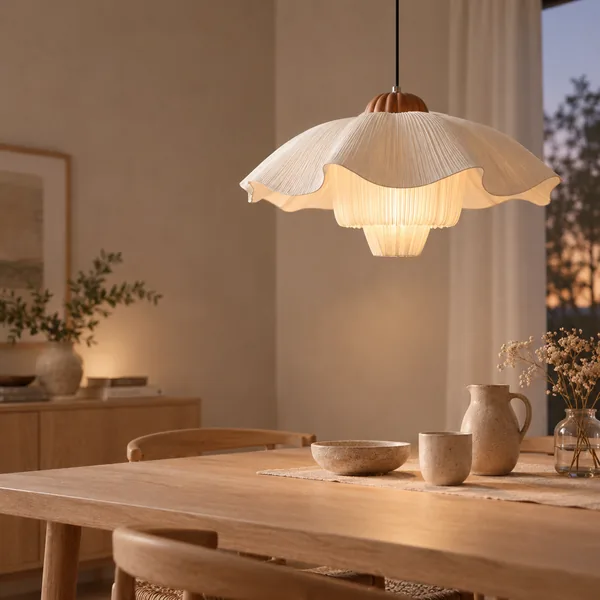
 Save $80.00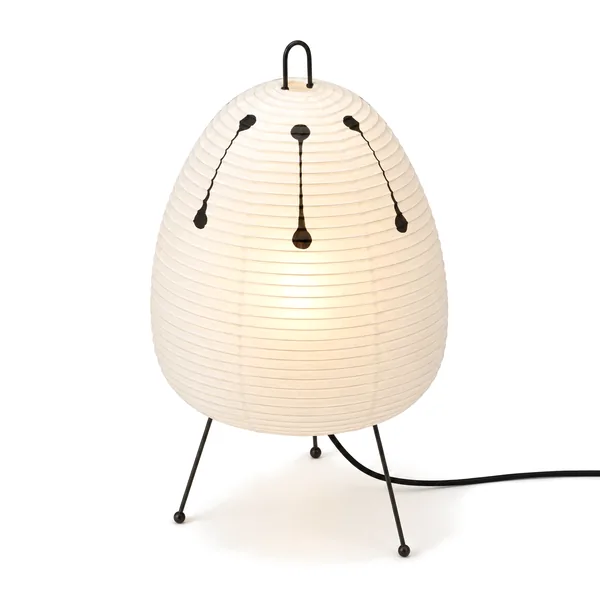
 +37 options
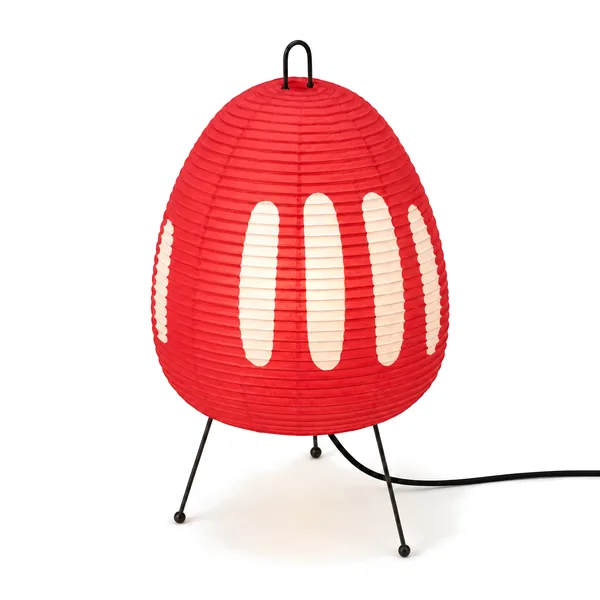
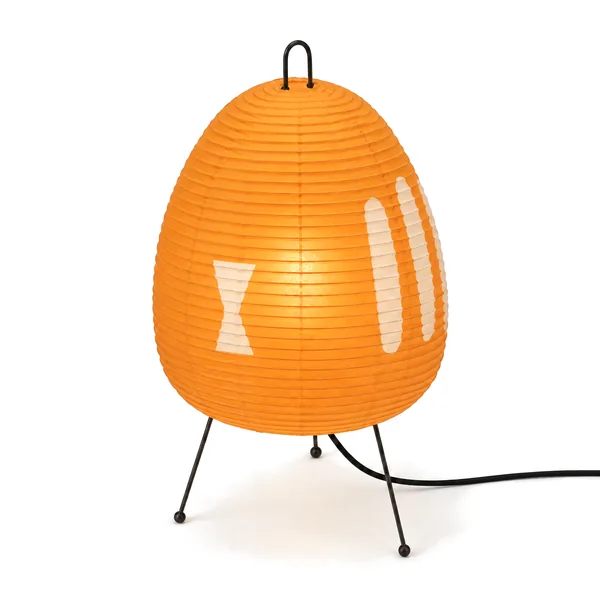
Shiro Rice Paper Table Lamp Nordic Minimalist
 Save $102.00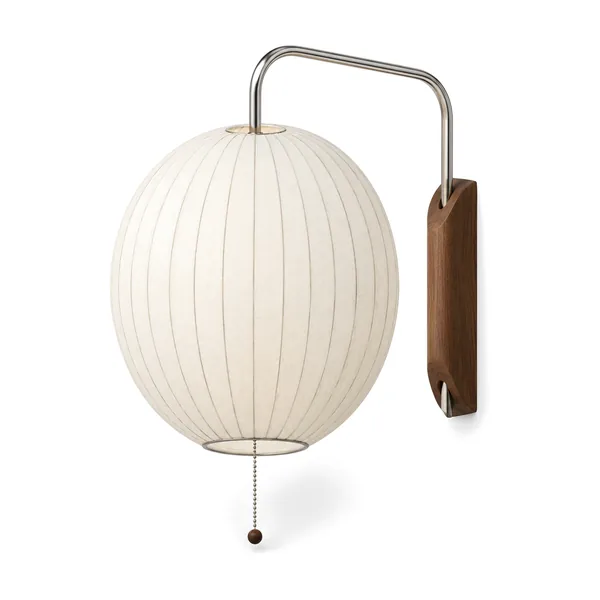
 4 options
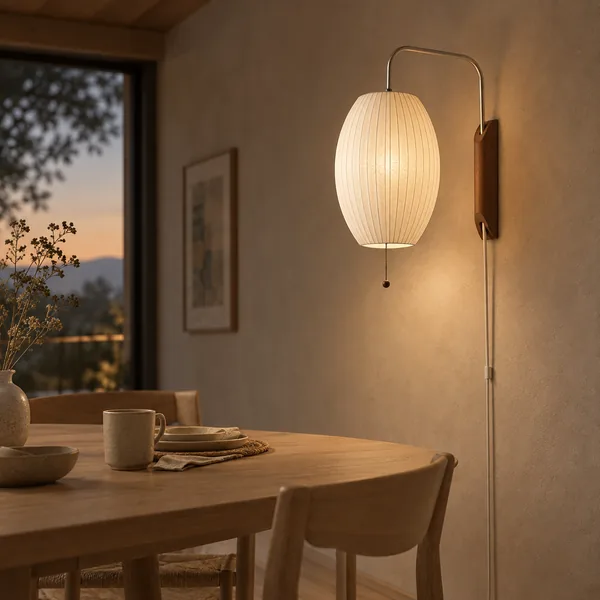
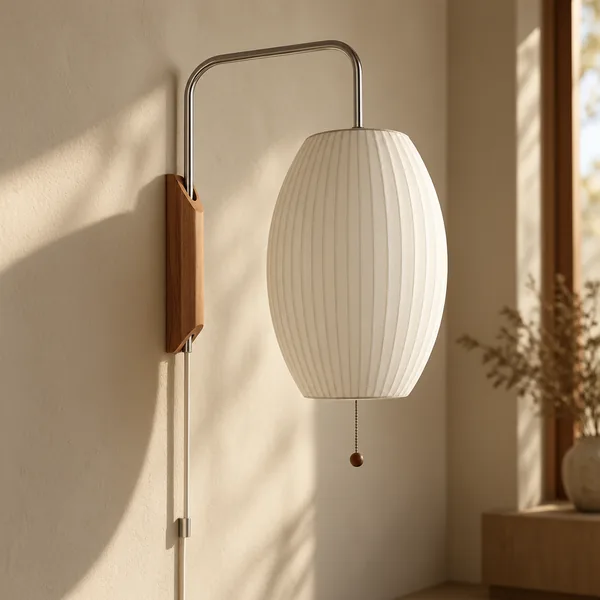
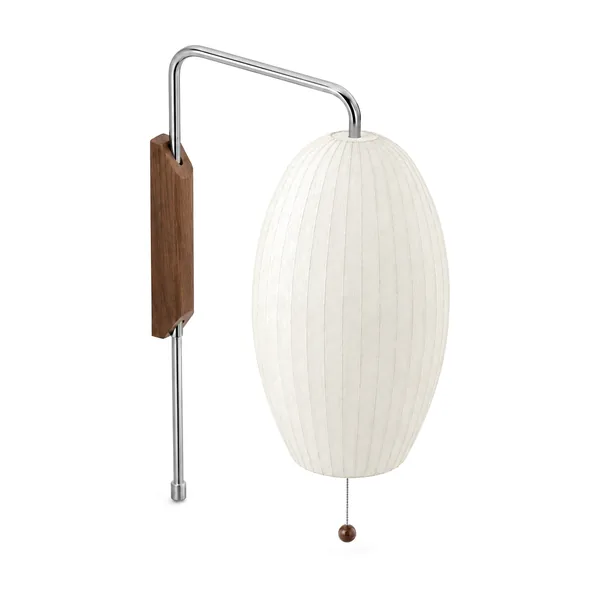
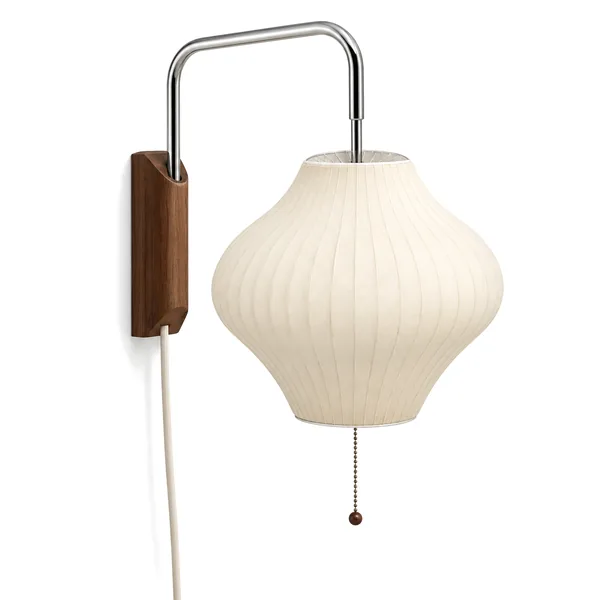
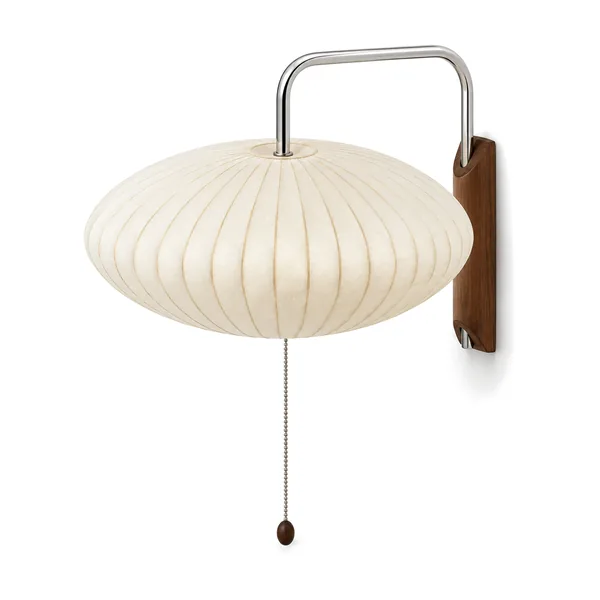
Solvei Minimalist Silk Wall Lamp for Bedroom
 Save $290.00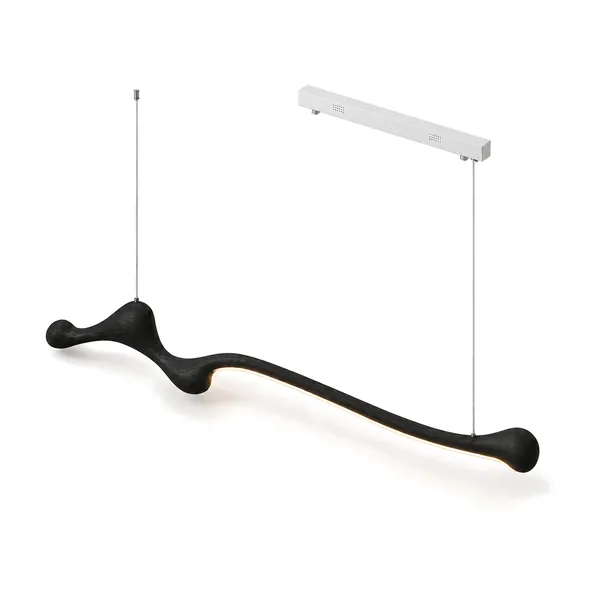
 3 options
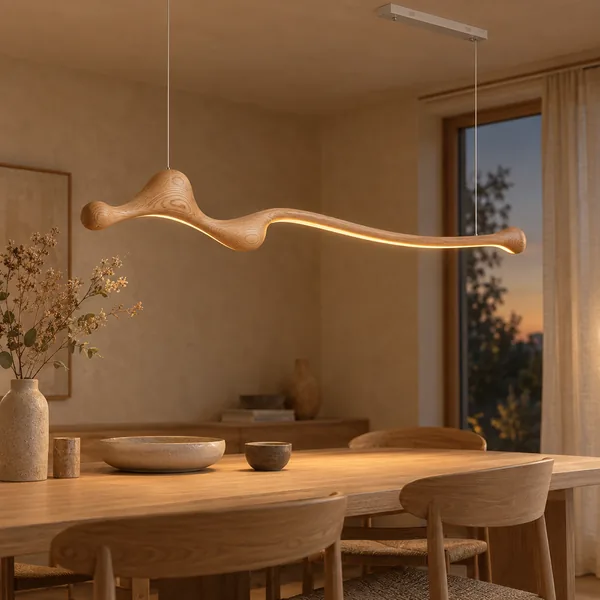
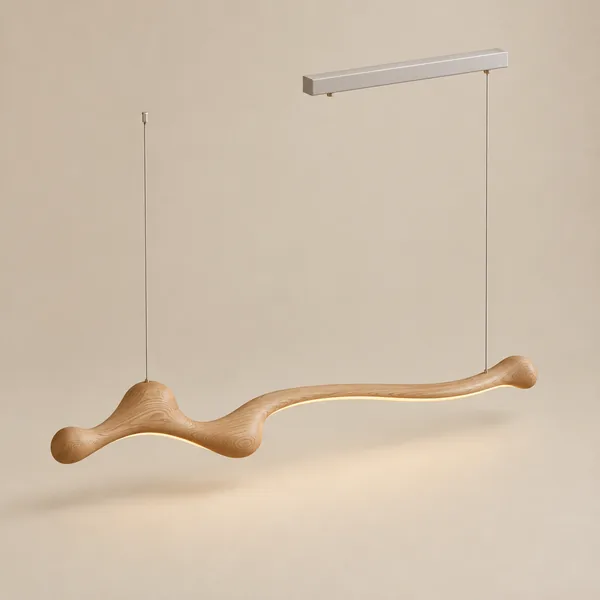
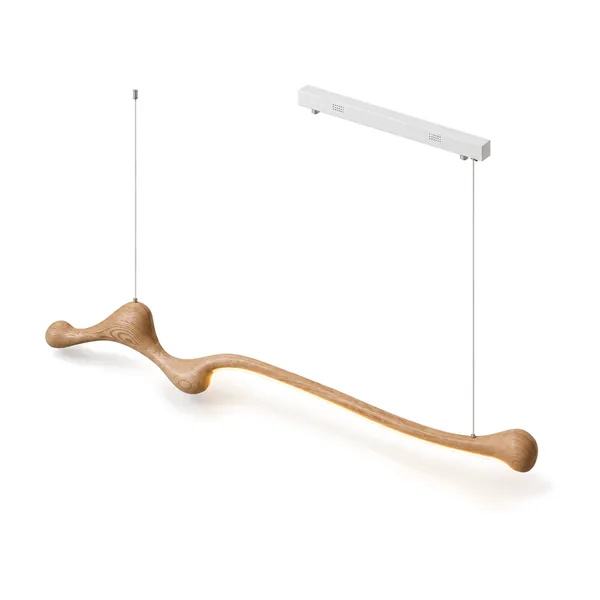
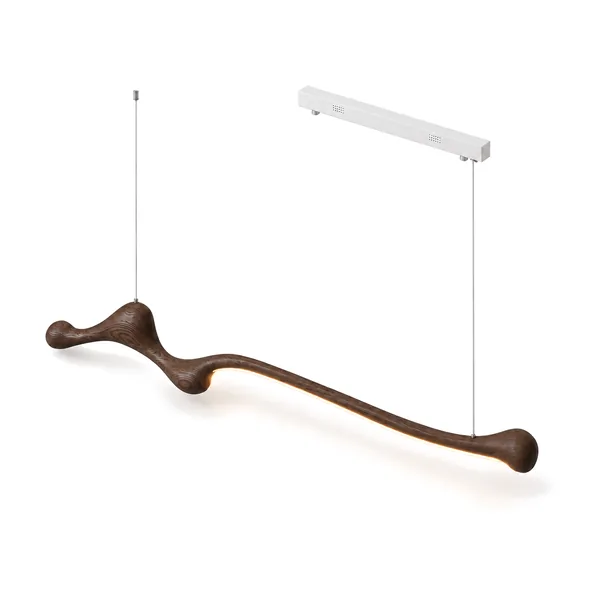
Skoglyn Dimmable Ash Wood Linear Pendant Light
The Best Japandi Lighting Fixtures for Living Rooms
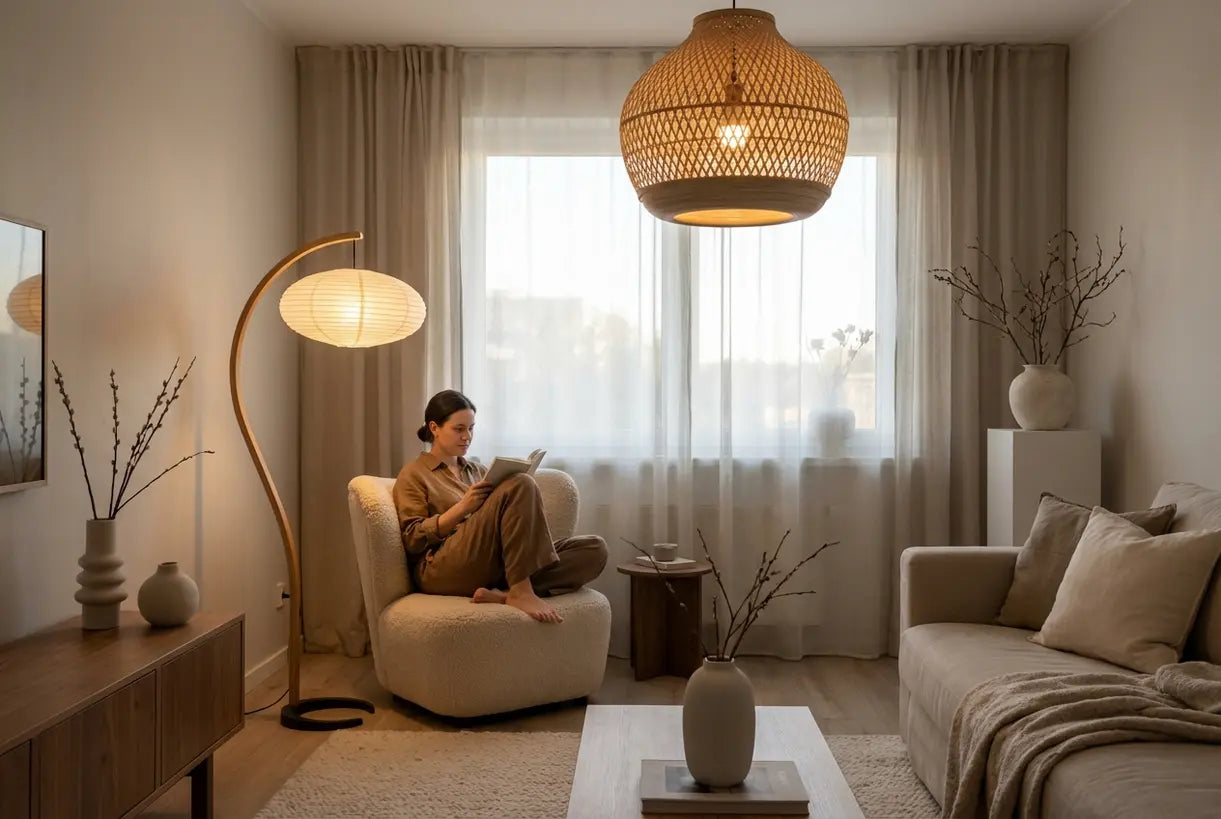
The living room serves as the heart of japandi-inspired homes—a space for gathering, relaxing, and finding respite. Layering different light sources creates depth and versatility, allowing you to adjust the atmosphere from bright and energizing to soft and intimate.
For dining areas or seating zones, a well-chosen pendant becomes the anchor of your design. The Driva Linen Lantern Pendant Light exemplifies this approach beautifully. Its organic linen shade diffuses light gently, eliminating harsh shadows while creating that coveted warm ambiance. The timeless lantern silhouette references traditional Japanese craftsmanship while feeling thoroughly contemporary.
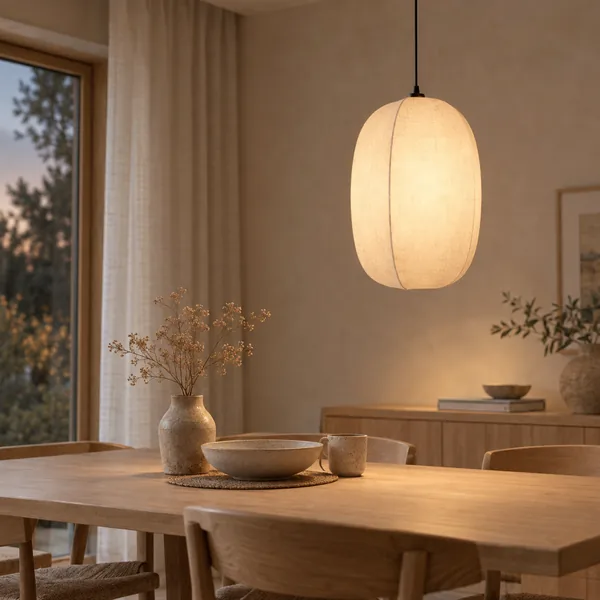 Driva Linen Lantern Pendant Light Warm Ambiance$189.00$299.00
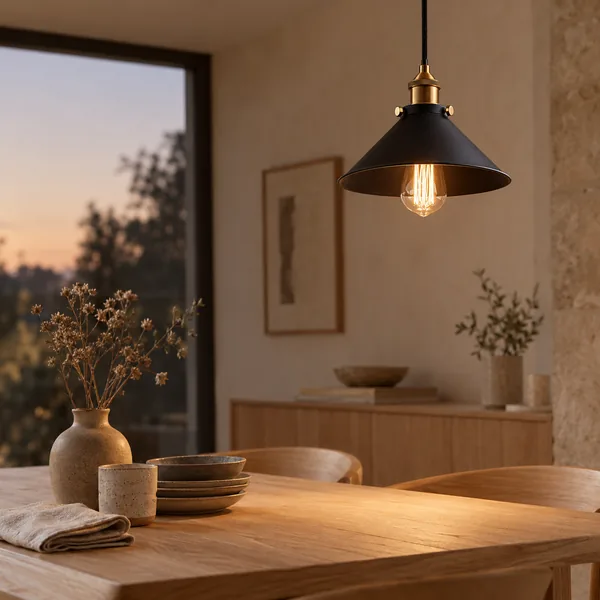
Position pendant lights approximately 30-36 inches above dining tables to create intimate pools of light without obstructing sightlines. In living rooms with higher ceilings, consider clustering two or three smaller pendants at varying heights for visual interest while maintaining the style's characteristic restraint.
What Makes Japandi Lighting Different from Other Styles?
While contemporary minimalist lighting often strips away character in pursuit of sleekness, japandi maintains a soulful quality that connects us to nature and tradition. This distinction becomes apparent when comparing materials, craftsmanship, and overall philosophy.
Unlike industrial lighting that celebrates metal and machinery, or mid-century modern that favors bold colors and geometric patterns, japandi finds sophistication in understatement. The style asks: How can light serve both function and feeling? The answer lies in thoughtful details—the subtle grain of ash wood, the imperfect texture of hand-finished paper, the gentle curve of a ceramic base.
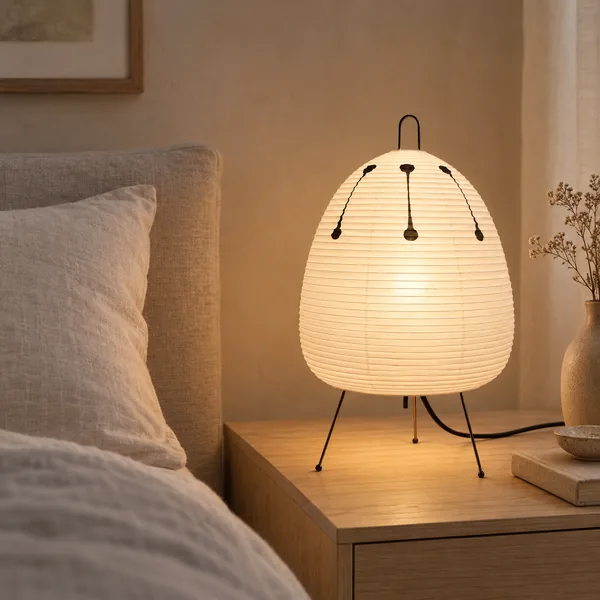
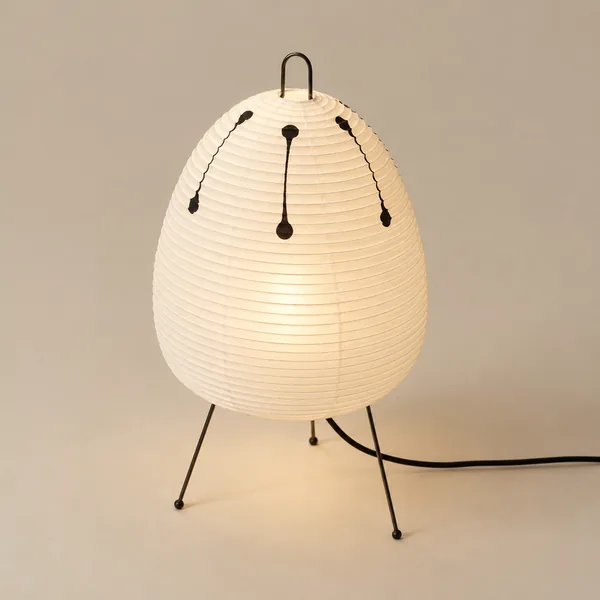
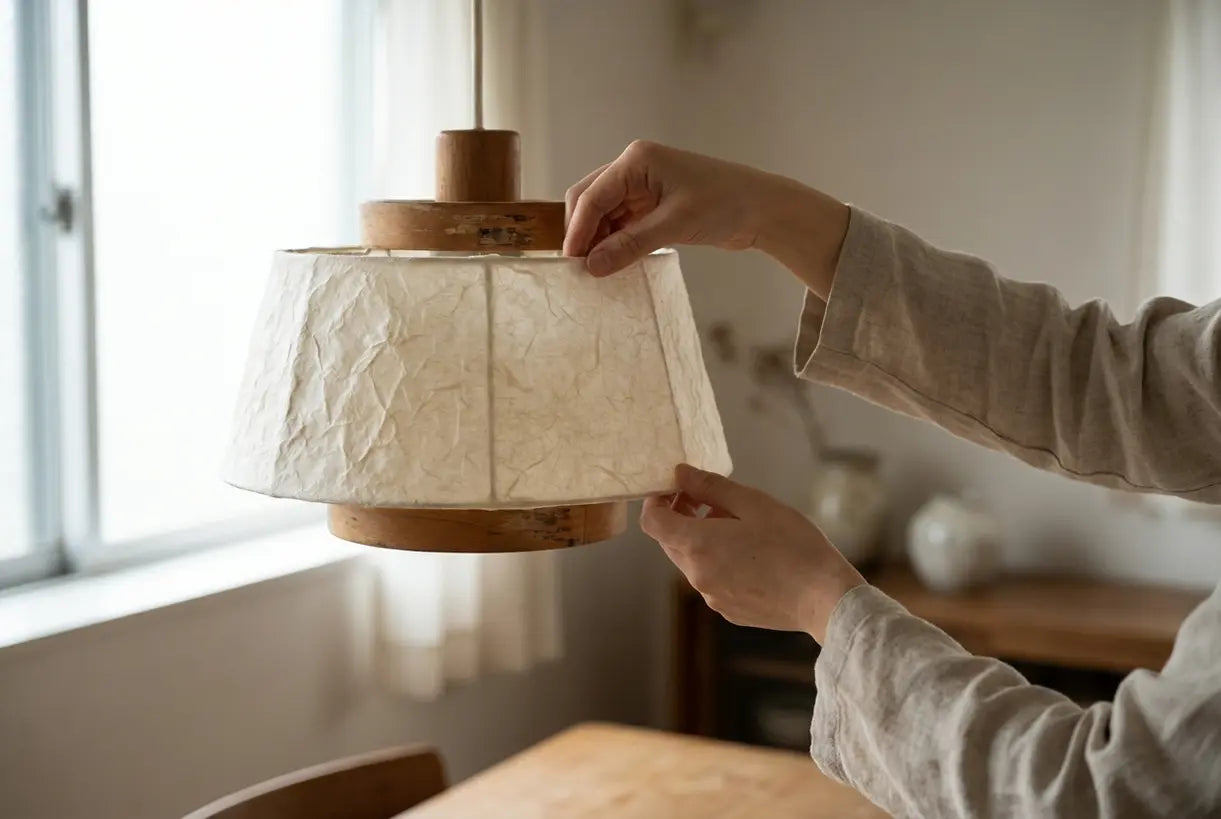
For accent lighting that embodies these principles, table lamps play an essential role. The Shiro Rice Paper Table Lamp brings serene ambient light to side tables, consoles, or bedside surfaces. Its handcrafted rice paper shade filters illumination into a soft, meditative glow that transforms ordinary moments into something special.
Similarly, floor lamps anchor seating areas while contributing sculptural presence. The Stille Japanese Wabi-Sabi Solid Wood Floor Lamp grounds your space with its natural wood grain and zen-like simplicity. Each lamp celebrates the unique character of its materials, ensuring no two pieces are exactly alike.
Curated Japandi Lamps for Your Home
Shiro Rice Paper Table Lamp Nordic Minimalist$119.00$199.00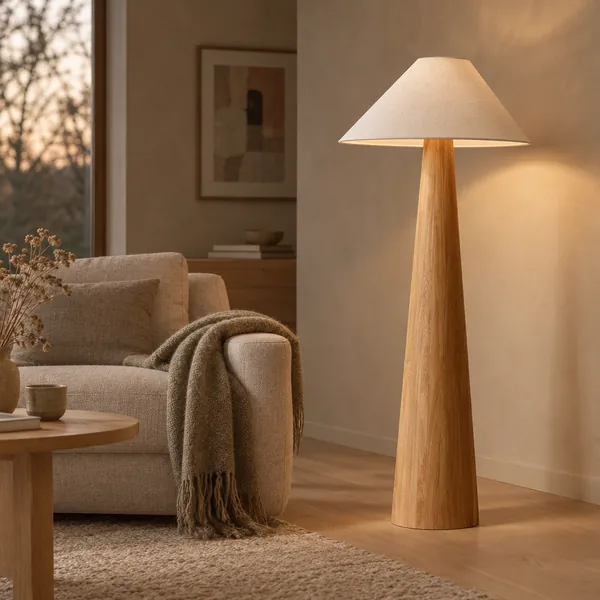 Stille Japanese Wabi-Sabi Solid Wood Floor Lamp$399.00$699.00
How to Incorporate Japandi Bathroom Lighting
Bathrooms present unique opportunities for japandi style lighting, transforming functional spaces into personal retreats. The key lies in balancing task lighting for grooming with ambient illumination that promotes relaxation.
Start with vanity lighting positioned at eye level on either side of mirrors rather than overhead. This eliminates harsh shadows while providing even illumination for daily routines. Choose fixtures with frosted glass or paper shades that soften the light and complement natural wood cabinetry or stone countertops.
For ambient layers, consider small pendant lights or wall sconces with organic materials. Japanese-inspired paper sconces create beautiful wall wash effects, while tiny pendant lights can hang gracefully in corners or near soaking tubs. Remember that bathrooms require damp-rated fixtures, so verify specifications before purchasing.
The goal is creating a spa-like atmosphere where lighting supports both energizing morning routines and calming evening rituals. Dimmer switches become essential tools, allowing you to shift from bright, clear light to gentle, restorative glow.
Pendant Lights
Shop all Pendant Lights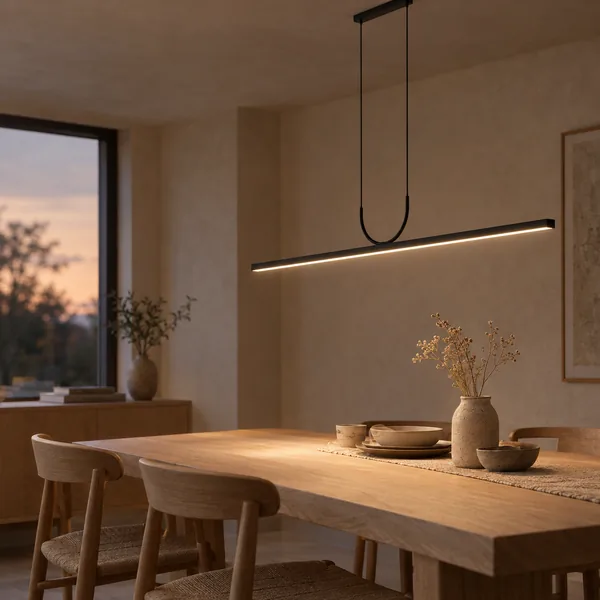
 Save $140.00
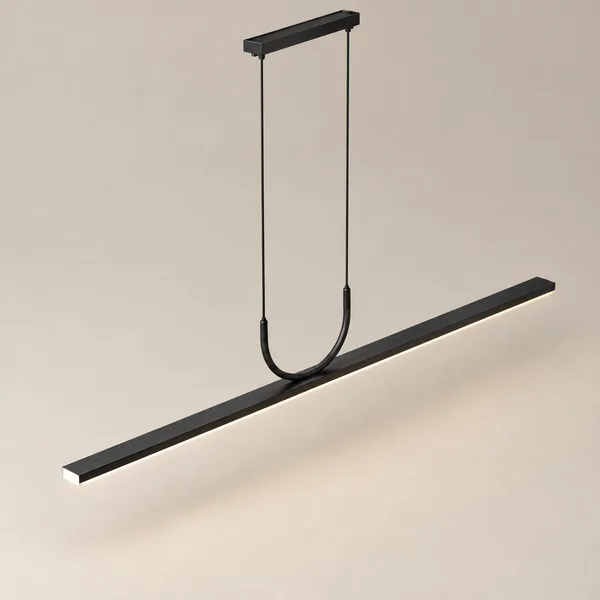
Linné Minimalist Linear Black LED Pendant Light
 Save $60.00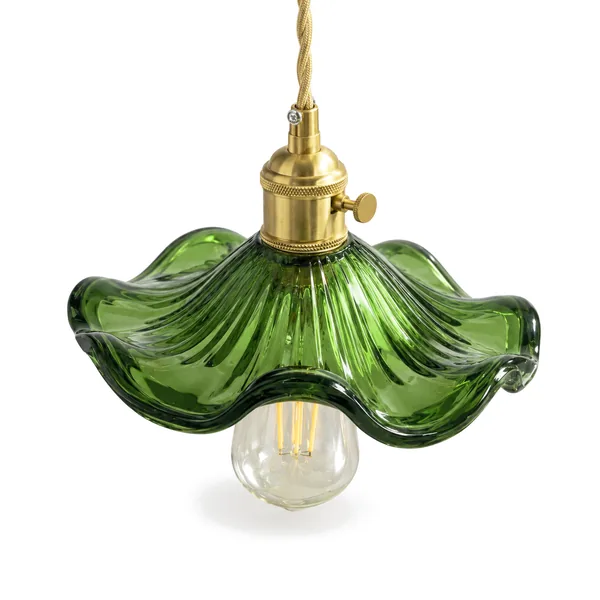
 3 options
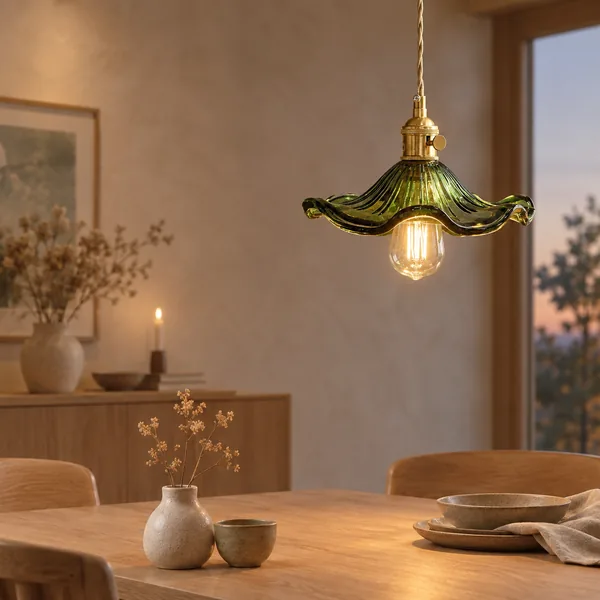
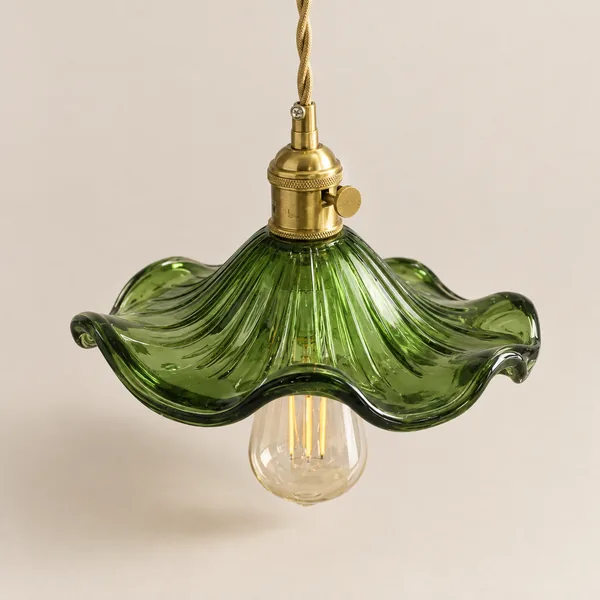
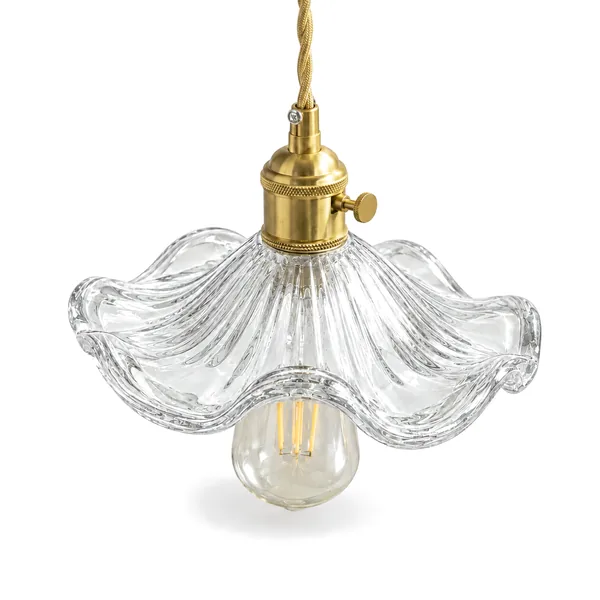
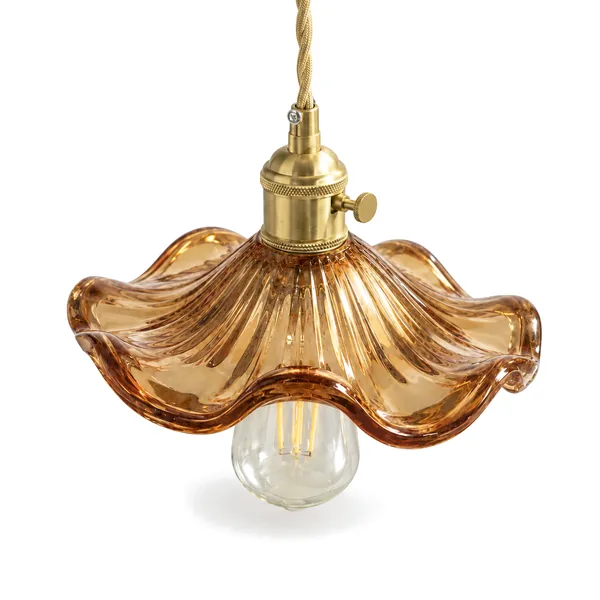
Glora Nordic Glass Pendant Light with Copper
 Save $120.00
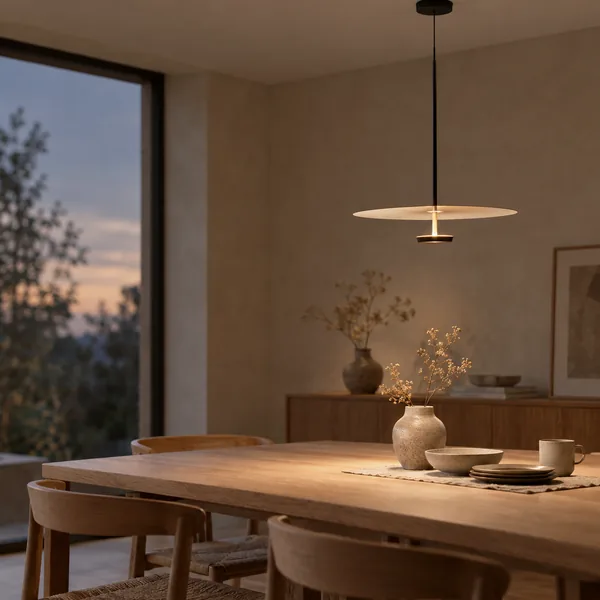
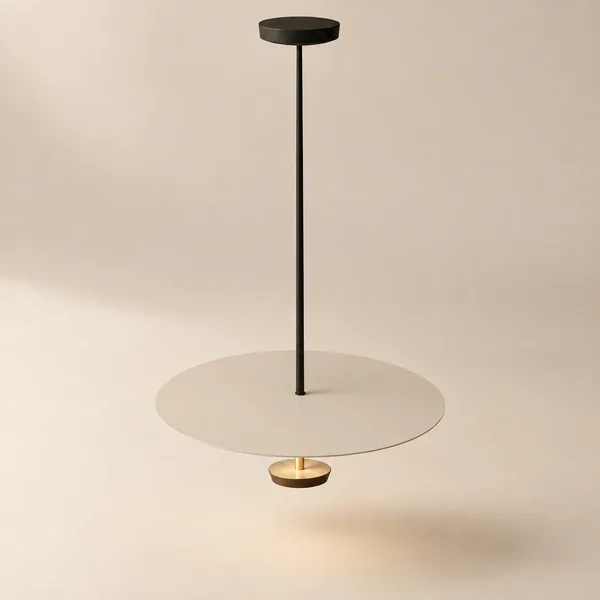
Skiva Nordic Saucer Ceiling Pendant Light LED
Creating Your Japandi Lighting Plan
Successfully implementing japandi lighting requires thinking holistically about your space. Begin by identifying the natural light your rooms receive throughout the day, then plan artificial layers that complement and extend these patterns.
Pro Tip: Layer three types of lighting in every room—ambient (general illumination), task (focused light for activities), and accent (decorative highlights). This approach, recommended by lighting designers at the International Association of Lighting Designers, ensures flexibility and depth.
Consider how each fixture contributes to the overall feeling of your home. A handcrafted floor lamp in the reading nook, linen pendants over the dining table, and rice paper table lamps on nightstands create continuity while serving distinct purposes. The result is a cohesive environment that feels intentional without appearing staged.
Conclusion: Illuminate with Intention
Japandi lighting offers more than beautiful fixtures—it provides a philosophy for living. By choosing pieces that honor natural materials, embrace imperfection, and create warm, inviting atmospheres, you craft spaces that nurture wellbeing and mindful presence.
Whether you're drawn to the sculptural presence of a wabi-sabi floor lamp, the gentle glow of a linen pendant, or the serene simplicity of a rice paper table lamp, the right lighting transforms your house into a home that feels distinctly yours.
At Skonne, we curate each piece with these principles in mind, selecting fixtures that bring authentic japandi character to modern American homes. Explore our collections and discover how intentional illumination can elevate your everyday experience—one warm, beautiful moment at a time.
Related Article
Minimalist Track Lighting: Clean Lines & Flexible Illumination for Modern SpacesTransform your space with minimalist track lighting. Clean lines, flexible LED illumination, and Scandinavian design create modern, adaptable ambiance.