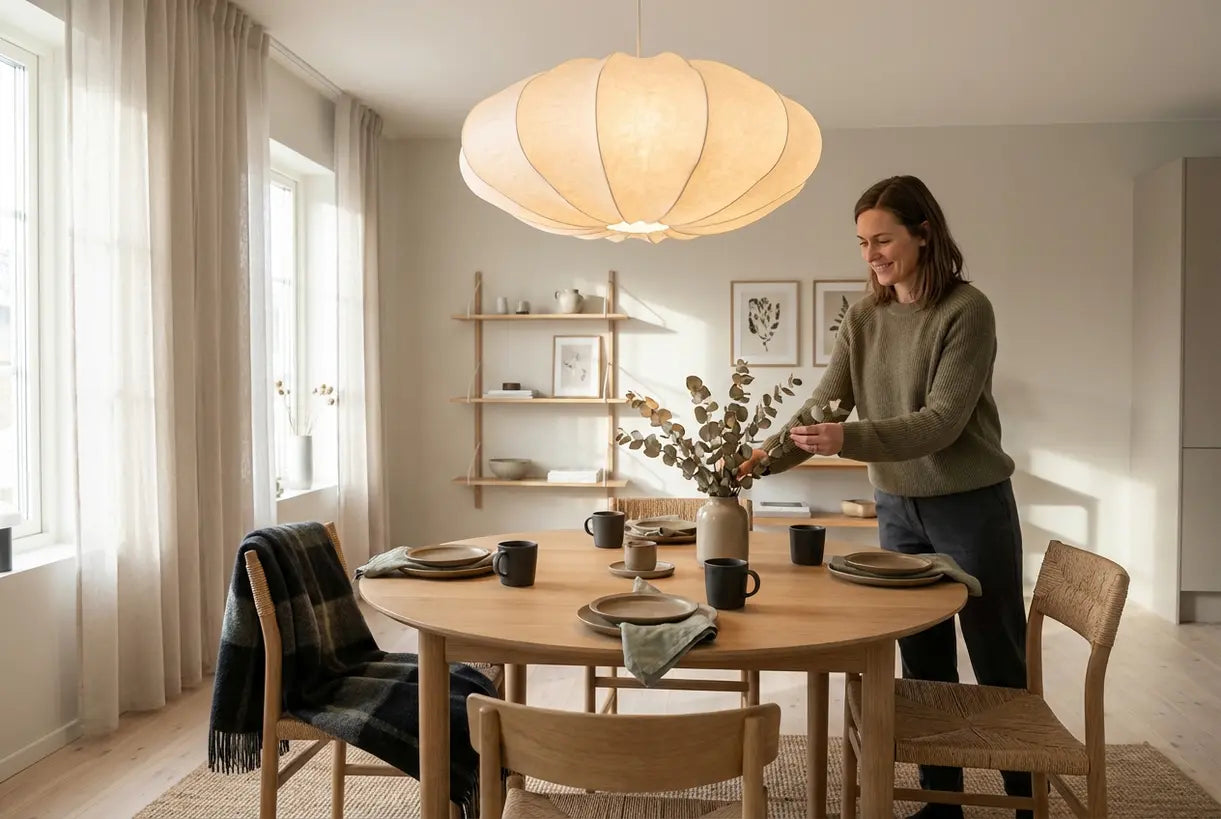
When you want to transform a room without heavy construction or expensive renovations, the solution often hangs right above your head. A **paper ceiling lamp** brings an ethereal quality to interior spaces that no other lighting category can replicate—floating like luminous sculptures while casting the kind of warm, diffused glow that makes evenings feel intentionally slower and more meaningful.These lightweight fixtures trace their origins to centuries-old Japanese craft traditions, where master artisans learned to transform humble mulberry bark and rice paper into objects of extraordinary beauty. Today, the Japandi movement has reintroduced these sculptural pieces to contemporary homes, bridging the gap between Scandinavian functionalism and Japanese wabi-sabi philosophy. In this article, you'll discover why paper ceiling lamps have become essential for creating that coveted hygge atmosphere, how traditional washi paper craftsmanship shapes modern designs, and which pieces deserve consideration for your own space.
The Origins: From Japanese Lanterns to Contemporary Fixtures
What is a paper ceiling lamp called? Depending on context and form, these fixtures carry several names rooted in their heritage. Traditional Japanese paper lanterns are called chochin (提灯)—cylindrical hanging lanterns that illuminated streets and homes for centuries. The iconic akari (灯) designs pioneered by Isamu Noguchi in the 1950s elevated washi paper from folk craft to fine art, creating sculptural pendant lights that remain coveted today.The term washi pendant light specifically references fixtures using authentic washi—the word literally translates to "Japanese paper," with wa meaning Japanese and shi meaning paper. Unlike mass-produced Western paper, washi is hand-processed from fibers of the kozo (mulberry), mitsumata, or gampi plants. The result is a material of remarkable durability and translucency that softens harsh LED light into the ambient glow we associate with Japanese interiors.
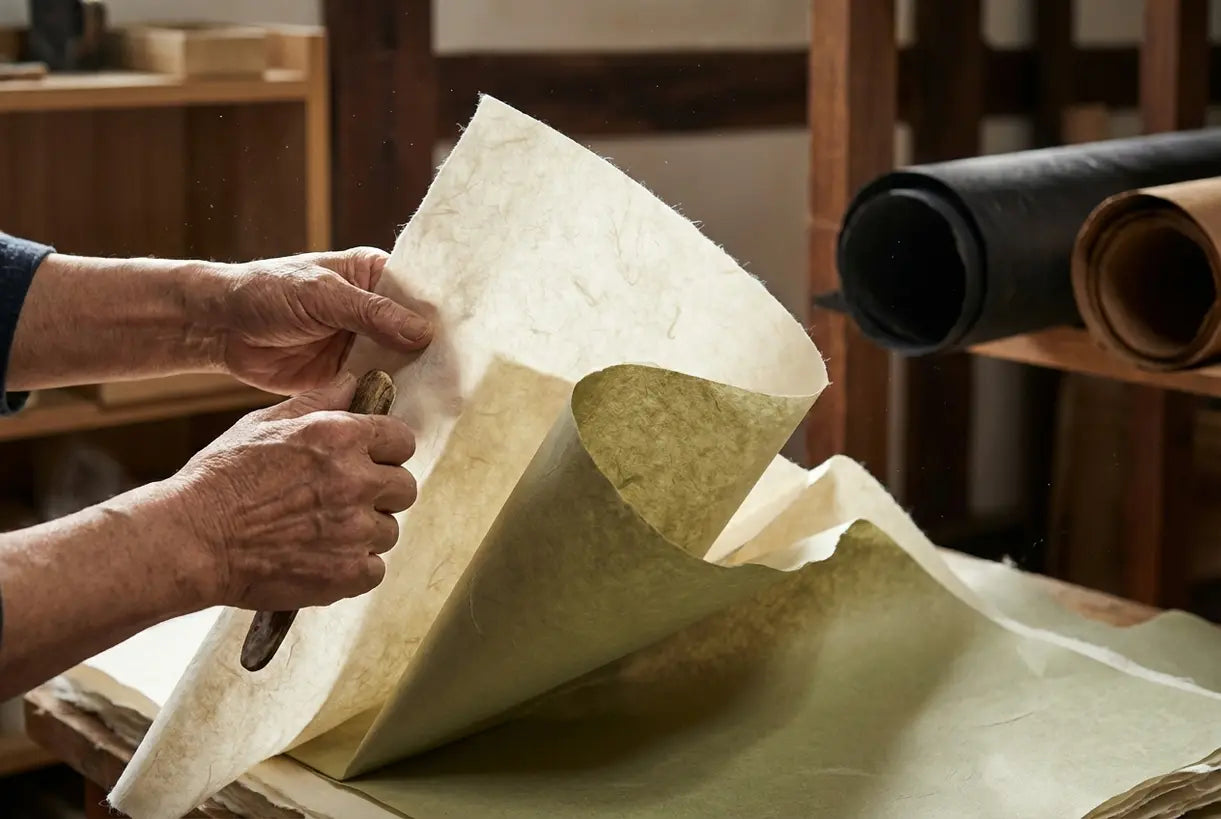
Not all paper ceiling lamp shades are created equal. The difference lies in the fiber. Traditional washi-making involves a labor-intensive process where artisans strip bark, pulp fibers by hand, and form sheets using suketa—bamboo screens that create the paper's characteristic texture.This handcrafting results in paper that is simultaneously strong and translucent. A single sheet of high-quality washi can last decades without yellowing or tearing, making it far more durable than the rice paper used in inexpensive party lanterns. When light passes through these irregular fiber networks, it creates subtle variations in brightness—an organic, living quality that manufactured materials cannot replicate.The texture you see when examining authentic washi reveals the intervention of human hands. Tiny fiber irregularities, slight variations in thickness, and the occasional tiny plant particle all signal genuine craftsmanship. These aren't flaws—they're the markers of a material shaped by intention rather than machinery.
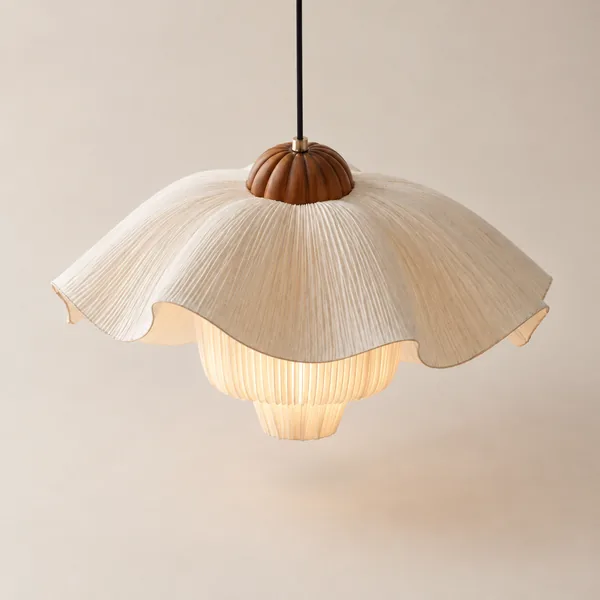
The Kvara Nordic Washi Paper Ceiling Pendant Light honors this tradition while adapting it for contemporary Nordic interiors. The shade's organic form references traditional akari proportions, but the minimalist silhouette integrates seamlessly into modern homes. Hung above a dining table or in an entryway, it creates that coveted pool of warm light that makes spaces feel instantly more intimate.
Sculptural Paper Lighting in the Japandi Movement
What style is Japandi lighting? This increasingly popular aesthetic fuses Japanese minimalism with Scandinavian warmth—two design philosophies that converge on similar values: natural materials, clean lines, and the celebration of imperfection. Paper ceiling fixtures embody this hybrid approach perfectly.Japanese craft lighting emphasizes the beauty of handmade objects and organic shapes, while Scandinavian design prioritizes functional simplicity. When combined in Japandi interiors, sculptural paper lighting serves as both art piece and light source—the fixture that draws the eye upward while quietly performing its practical function.The video above documents the painstaking creation of traditional chochin lanterns—a process virtually unchanged for generations. Understanding this craft heritage helps explain why authentic paper lighting commands premium prices while delivering unparalleled atmospheric quality. The hours of handwork embedded in each shade translate to decades of beauty in your home.
Styling Japanese Paper Ceiling Lamps in Your Home
Are paper lamps safe? Modern paper ceiling fixtures from reputable manufacturers incorporate safety features that address this common concern. LED bulbs generate minimal heat—unlike incandescent bulbs that could potentially scorch paper—making contemporary paper lighting perfectly safe for everyday use. Look for fixtures with proper electrical certification and heat-resistant paper treatments.For those looking to explore more options, our Mounted Ceiling Lights collection offers a curated selection of overhead fixtures that complement Japandi aesthetics while providing the warm illumination that defines Scandinavian interiors.When installing a paper ceiling lamp, consider these placement strategies:
Dining rooms: Position the fixture 30-36 inches above the table surface for intimate illumination without obstructing sightlines
Bedrooms: Hang slightly higher than bedside table lamps would sit, creating ambient rather than task lighting
Entryways: Use the fixture as a sculptural welcome piece, hanging at standard ceiling light height (7 feet from floor minimum)
Living areas: Layer with floor and table lamps to create depth—paper pendants provide the overhead ambient layer
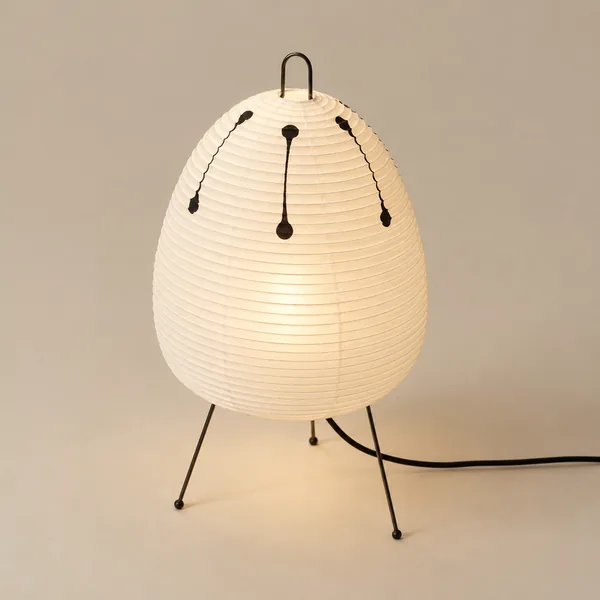
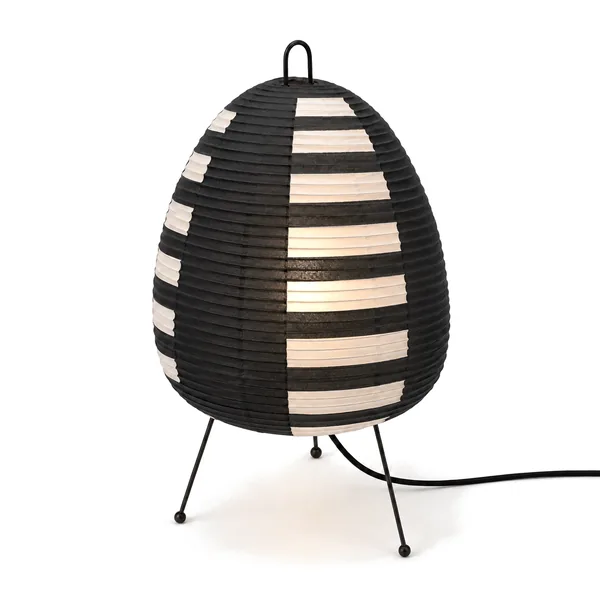
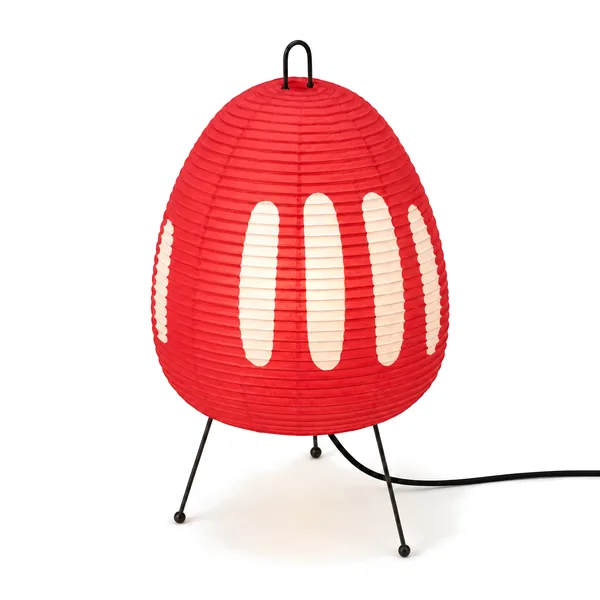
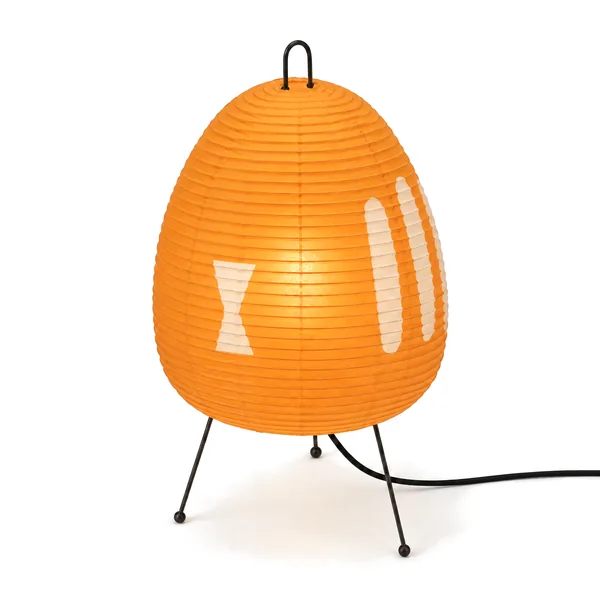
The Shiro Rice Paper Table Lamp provides the perfect companion to overhead paper fixtures, carrying the same material warmth to tabletops. For larger spaces, the Stillvei Wabi-Sabi Rice Paper Floor Lamp extends this aesthetic vertically, its 57-inch stature creating dramatic ambient pools that make rooms feel instantly more cocooned and comfortable.
How do you clean paper pendant lights? The key is gentle, infrequent maintenance. Unlike fabric or metal shades, paper fixtures rarely attract dust—their smooth surfaces and natural antistatic properties keep them cleaner than you'd expect. When cleaning is necessary:
Turn off the light and let bulbs cool completely
Use a soft, dry microfiber cloth or feather duster—never wet cloths or cleaning solutions
Work gently in circular motions, supporting the shade with your other hand to avoid pressure points
For interior dust, a hairdryer set to cool and low can blow away accumulated particles
Longevity tip: Position paper ceiling lamps away from direct sunlight and high-humidity areas like bathrooms. With proper placement, quality washi shades can maintain their beauty for 15-20 years or longer.What are Japanese paper lanterns called? Beyond the general term chochin, specific forms include bonbori (smaller desk lanterns), ando (paper-covered floor stands), and shoji-style panels. Understanding these distinctions helps when searching for authentic pieces or replicas that capture specific historical aesthetics.
The Investment in Craft: Why Paper Lighting Matters
In an era of mass-produced disposable lighting, choosing a handmade paper ceiling lamp represents a different value system. You're investing in centuries of accumulated craft knowledge, in materials sourced from sustainable plant crops, and in designs that will never look dated precisely because they reference timeless traditions.The sculptural quality of these fixtures transforms plain ceilings into compositions of light and shadow. The washi paper filters LED brightness into something that mimics candlelight—warm, gentle, and infinitely more flattering to skin tones than harsh overhead alternatives. This is lighting designed not just for visibility, but for presence. Design consideration: Paper ceiling lamps work most effectively when paired with dimmer switches. The ability to adjust brightness from functional task lighting to intimate evening ambiance multiplies the fixture's versatility exponentially.Sources like the Japan House organization and the National Institutes for Cultural Heritage Japan offer deeper exploration into the history and preservation of washi paper craft traditions that inform contemporary lighting design.
Conclusion: Embracing Light as Experience
Paper ceiling lamps offer something increasingly rare in modern homes: the opportunity to experience light as craft rather than commodity. These sculptural fixtures filter our digital, high-stimulation lives through the lens of traditional Japanese patience and material reverence.Whether you're drawn to the organic curves of a washi pendant light, the geometric precision of Japanese akari-inspired forms, or the warm neutrality that makes Japandi interiors so compelling, the right paper ceiling lamp becomes more than illumination—it becomes atmosphere. The pieces curated at Skonne honor this heritage while meeting contemporary needs for sustainability, safety, and Scandinavian-inspired simplicity.Begin with the overhead fixture; complete the vision with complementary paper lighting throughout your space. The result is a home that feels intentionally slower, quietly beautiful, and illuminated by something more than electricity—illuminated by intention.
Discover the timeless appeal of globe ceiling lamps - spherical lighting fixtures that add modern elegance and warm ambiance to any interior space.
Frequently asked questions
Paper ceiling lamps are called by several names depending on their origin and form. Traditional Japanese paper lanterns are known as chochin (提灯). The iconic sculptural fixtures designed by Isamu Noguchi are called akari (灯). More broadly, these fixtures may be referred to as washi pendant lights, rice paper ceiling lamps, or Japanese paper lanterns.
Yes, modern paper ceiling lamps are safe when used with LED bulbs and purchased from reputable manufacturers. LED technology generates minimal heat compared to traditional incandescent bulbs, eliminating fire risk. Quality paper fixtures also incorporate heat-resistant treatments and proper electrical certification. Always check that your chosen fixture is rated for your intended bulb type and includes appropriate safety certifications.
Traditional Japanese paper lanterns are called chochin (提灯)—the classic cylindrical hanging lanterns seen at festivals and in traditional architecture. Smaller desk lanterns are called bonbori , while ando refers to paper-covered floor stands. The material itself is washi (和紙), meaning Japanese paper. The term akari (灯) was popularized by designer Isamu Noguchi to describe light as an illuminated sculptural presence.
Clean paper pendant lights with a soft, dry microfiber cloth or feather duster—never use water or cleaning solutions. Work gently in circular motions while supporting the shade to avoid pressure damage. For interior dust, a hairdryer set to cool and low can blow away accumulated particles. The good news is that washi paper rarely attracts dust due to its smooth surface and natural antistatic properties, so cleaning needs are minimal.
Japandi lighting combines Japanese minimalism with Scandinavian warmth, emphasizing natural materials, organic shapes, and functional simplicity. Paper ceiling fixtures are quintessential Japandi—they embody the Japanese reverence for handmade craft and the Scandinavian priority of livable, comforting illumination. The style rejects ornamentation in favor of honest materials, celebrating imperfection through wabi-sabi principles while maintaining the clean lines and neutral palettes of Nordic design.

 Save $140.00
 Save $60.00
 3 options
 Save $120.00
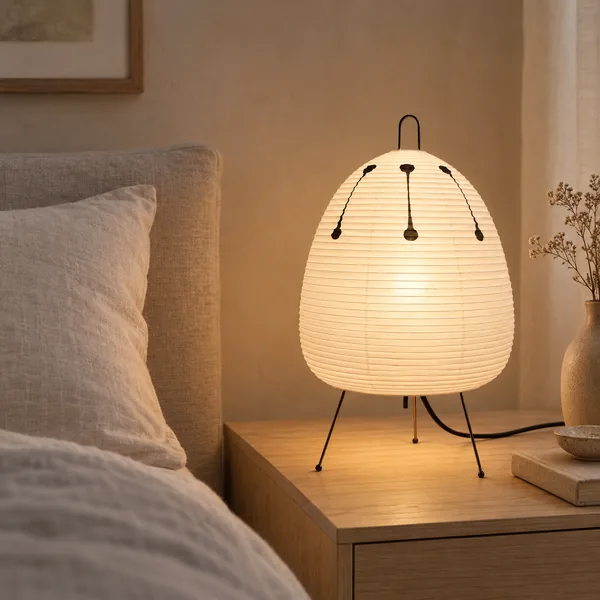 Shiro Rice Paper Table Lamp Nordic Minimalist$119.00$199.00
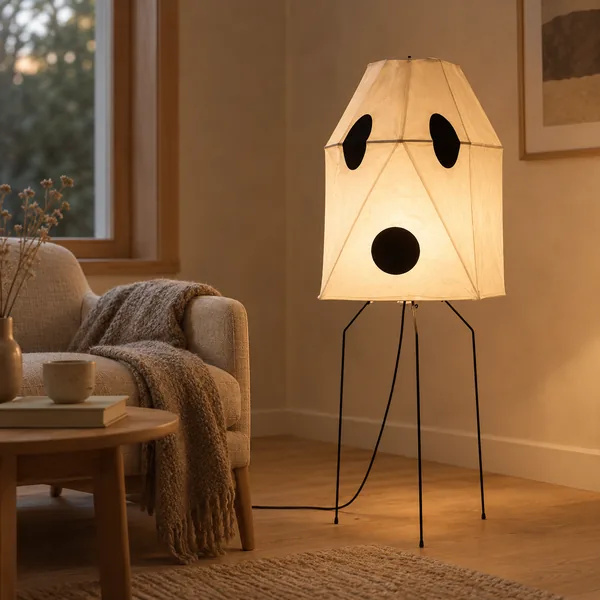 Stillvei Wabi-Sabi Rice Paper Floor Lamp 57in$389.00$529.00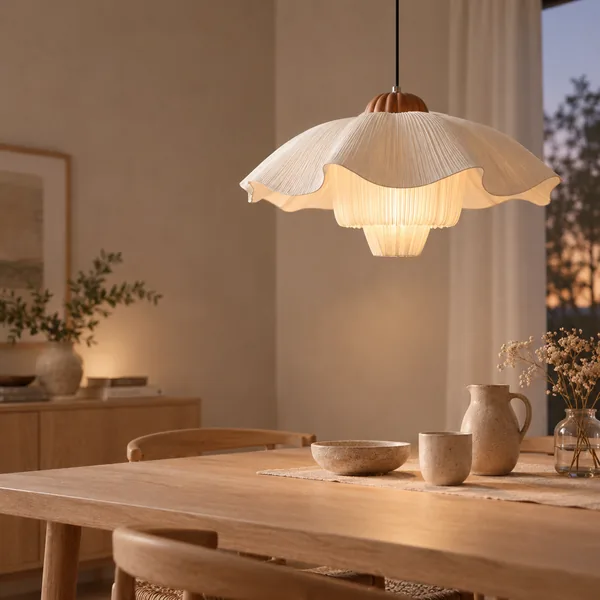
 Save $80.00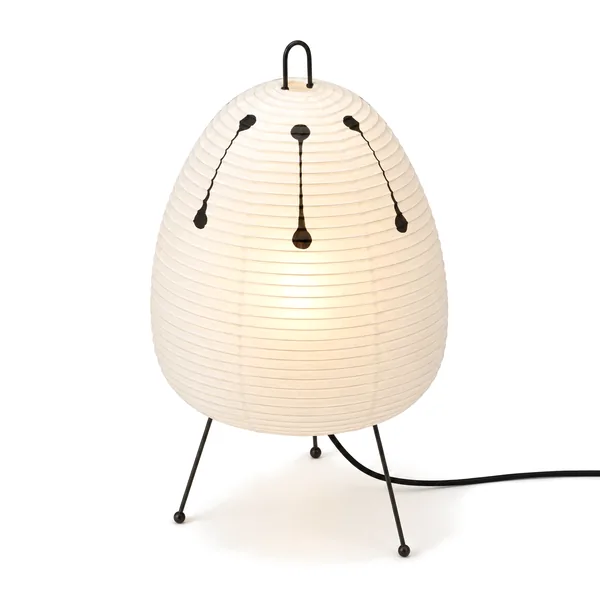
 +37 options
 Save $102.00
 4 options
 Save $290.00
 3 options