
Layered Lighting for the Living Room: How to Plan a Multi-Layer Lighting Scheme
Summary›
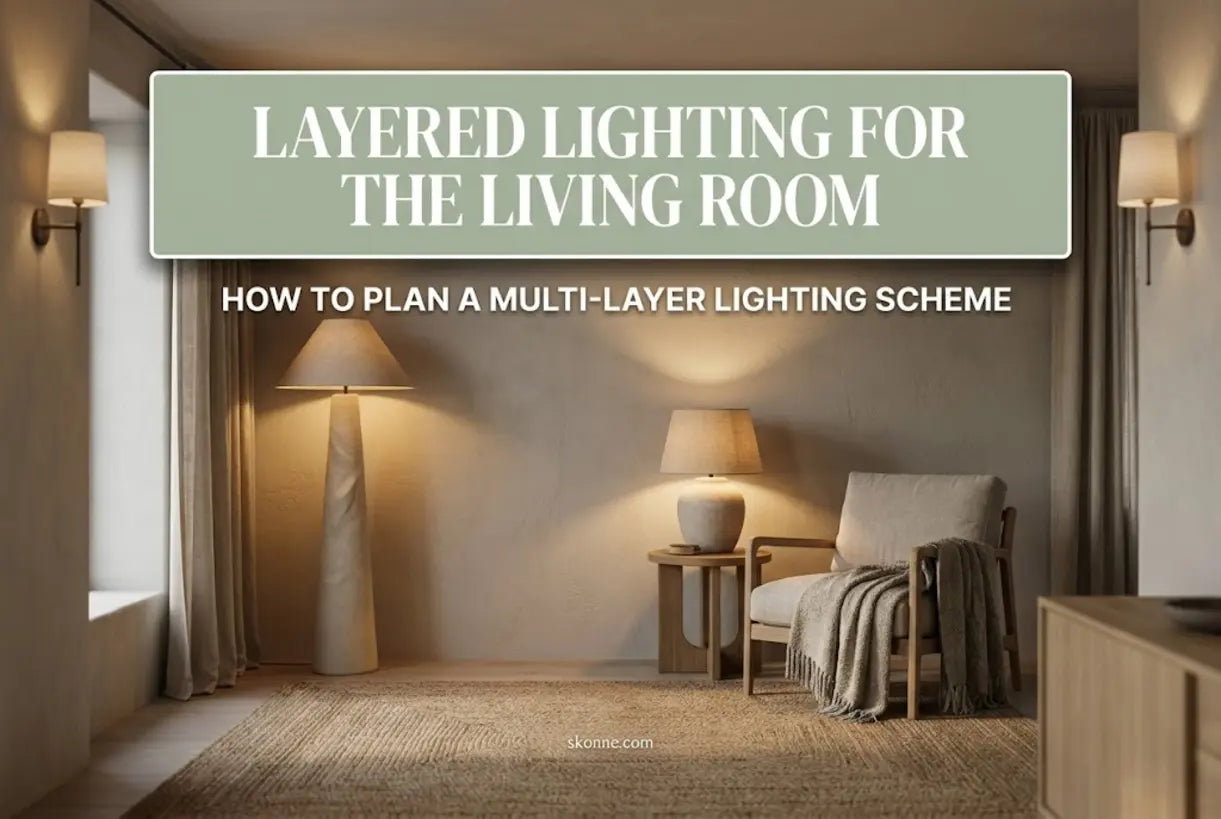
There's something magical about walking into a living room that just feels right—where the light wraps around you like a warm blanket, inviting you to settle in and stay awhile. That feeling doesn't happen by accident. It's the result of layered lighting for the living room, an intentional approach that transforms harsh, flat spaces into dimensional, welcoming sanctuaries.
Whether you're refreshing your current space or designing from scratch, understanding how to plan a multi-layer lighting scheme will change the way you experience your home. In this guide, we'll explore the three-layer lighting theory, break down the practical 5-7 lighting rule, and walk you through exactly how to position each light source for maximum impact. Along the way, you'll discover how the right fixtures—from ambient foundation pieces to sculptural accents—can create the kind of cozy, curated atmosphere that defines Scandinavian-inspired living.
The 3-Layer Lighting Theory Explained
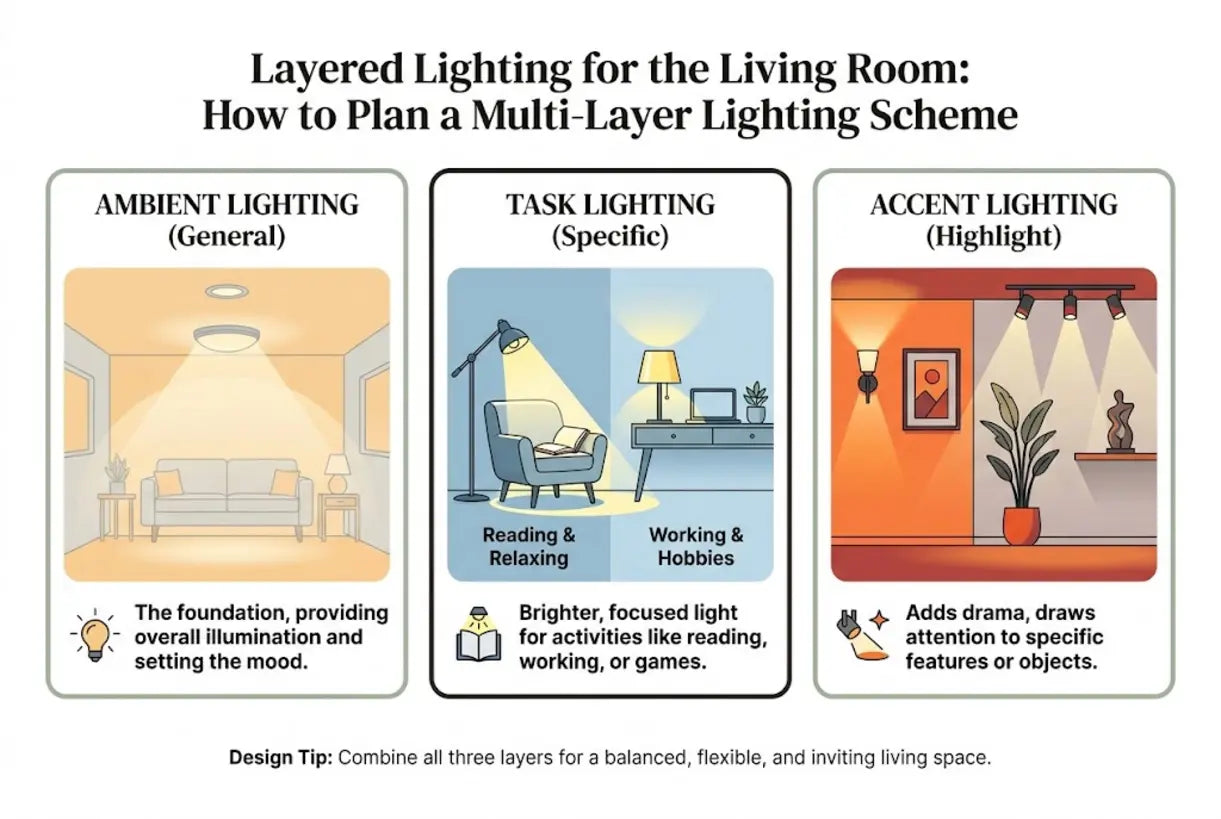
Professional designers universally rely on a three-tier approach when planning any room's lighting. Understanding these distinct layers is the foundation of creating a well-lit, harmonious space. Each layer serves a specific purpose, and together they create depth, flexibility, and visual interest.
The Foundation Layer: Ambient Lighting
Ambient lighting provides the overall illumination that allows you to navigate your space safely. Think of it as the base coat of paint—it's not the star of the show, but without it, nothing else works. In most living rooms, this comes from overhead fixtures, though savvy designers increasingly favor multiple lower-wattage sources rather than a single bright ceiling light.
The key to successful ambient lighting is softness. Harsh, direct overhead light creates unflattering shadows and eliminates the cozy atmosphere most homeowners crave. Instead, distribute your ambient sources throughout the room using floor lamps, pendant lights, and strategically placed ceiling fixtures on dimmers.
The Working Layer: Task Lighting
While ambient light helps you move around, task lighting illuminates specific activities. In the living room, this might mean a table lamp beside your reading chair, a well-positioned floor lamp near the sofa for crossword puzzles, or accent lighting that makes it easier to see the book you're holding.
Task lighting should be bright enough for the activity at hand, but still warm and inviting. The Scandinavian approach favors adjustable options—arms that bend, dimmers that respond to the time of day, and shades that diffuse rather than direct harsh light.
The Drama Layer: Accent Lighting
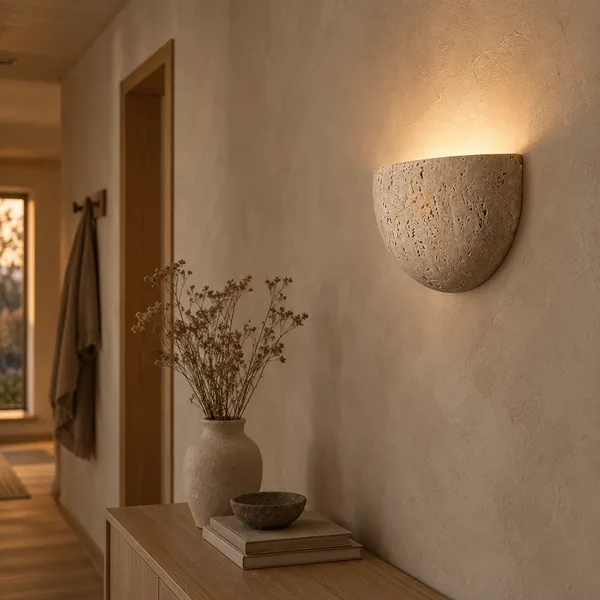
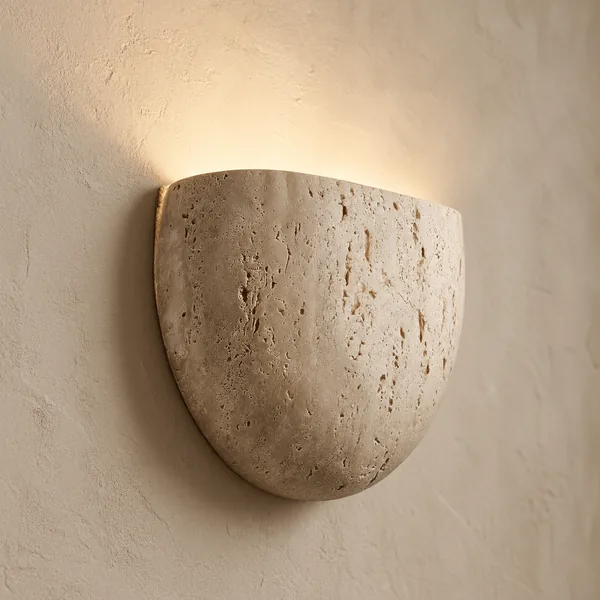
Accent lighting adds the finishing touch, creating visual interest and highlighting architectural features, artwork, or decorative objects. This is where personality shines through. Wall Lights are particularly effective for this layer, washing textured walls with gentle glow or drawing attention to a gallery wall without overwhelming the space.
The beauty of the accent layer is its subtlety. Good accent lighting is often felt more than seen—you notice the effect (a warm glow on a beautiful vase, soft illumination on a textured wall) without necessarily pinpointing the source.
Planning Your Living Room Layout
With the three layers in mind, it's time to plan your specific layout. This process requires thinking about how you actually use your living room, not just how it looks in photographs.
The 5-7 Lighting Rule
Interior designers follow a simple guideline: every room needs 5 to 7 distinct light sources to achieve proper layering. This doesn't mean counting every candle, but rather significant fixtures that contribute meaningfully to your lighting scheme. A typical living room might include:
- Two overhead or pendant lights (ambient)
- Two floor or table lamps flanking the sofa (task)
- One to two wall sconces or picture lights (accent)
- One additional accent piece highlighting a specific feature
This rule ensures you have enough variety to create different moods—bright and energizing for cleaning or entertaining, soft and intimate for movie nights, and everything in between.
Positioning Your Light Sources
Start by placing your ambient layer, ensuring even coverage without harsh bright spots. Then identify your activity zones—the reading nook, the conversation area, the TV viewing spot—and position task lighting for each. Finally, walk around your room and notice what catches your eye. Those are your candidates for accent lighting.
Remember that dimmers are essential for every layer. The ability to adjust brightness transforms a single fixture from daytime task lighting to evening ambiance.
Living Room Lighting
Shop all Living Room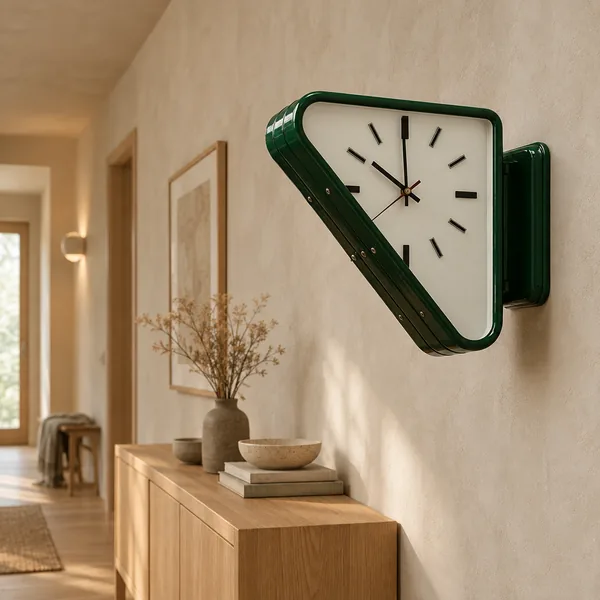
 Save $110.00

 +15 options
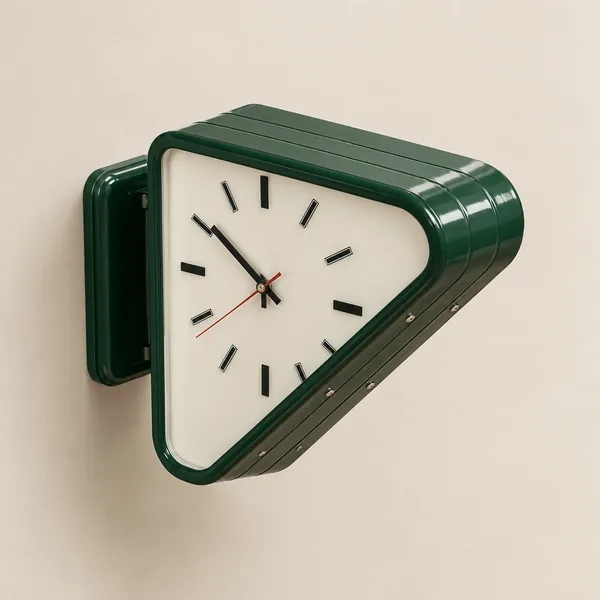
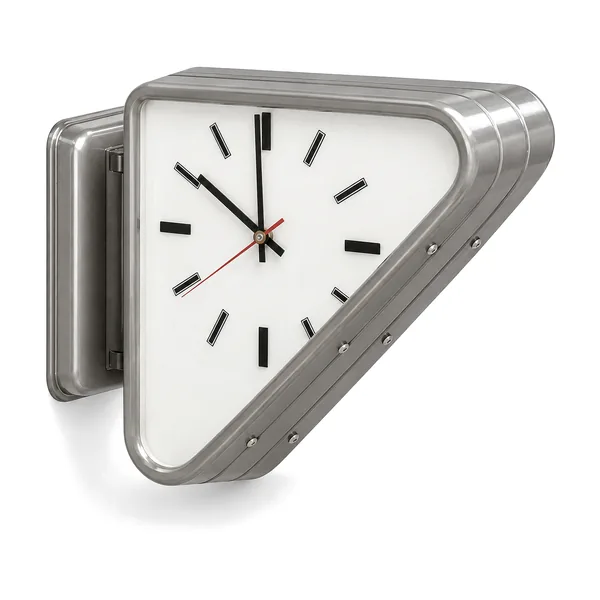
Tvilling Dual-Sided Geometric Metal Wall Clock
 Save $70.00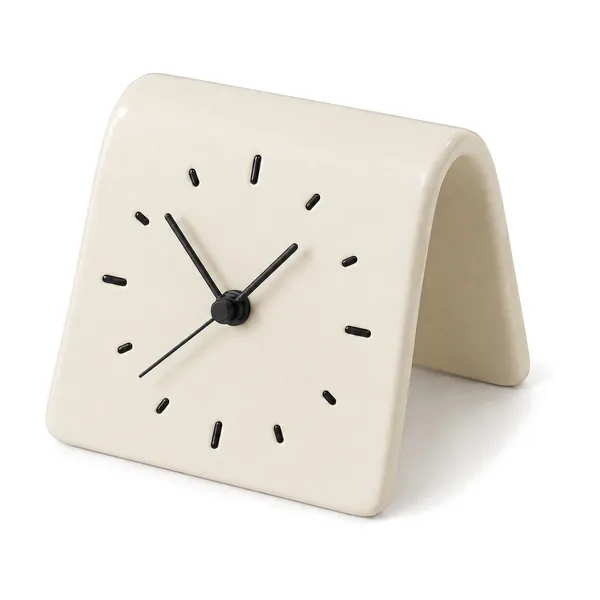
 +37 options
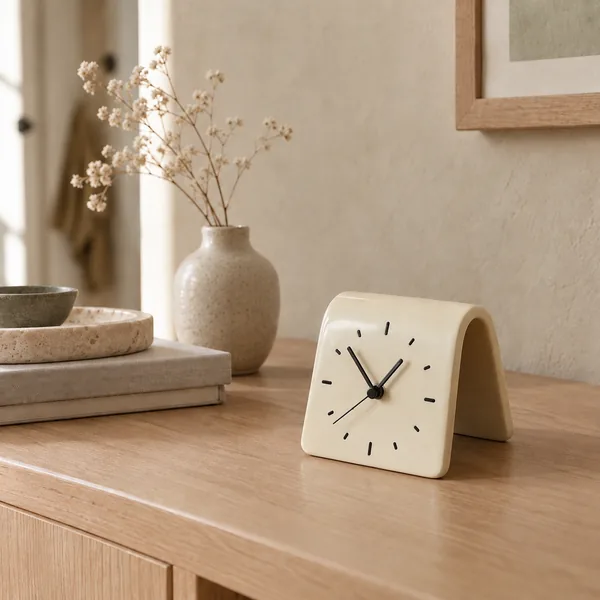
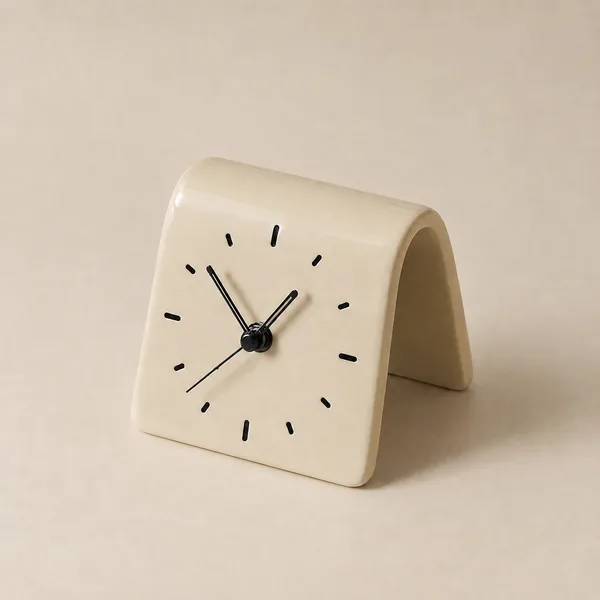
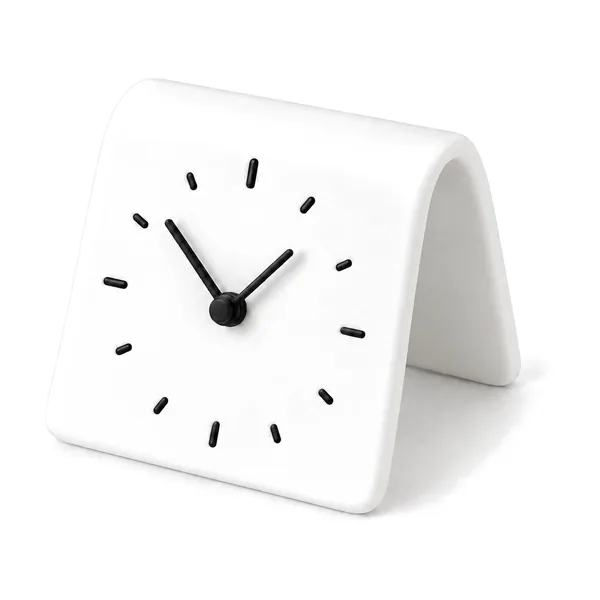
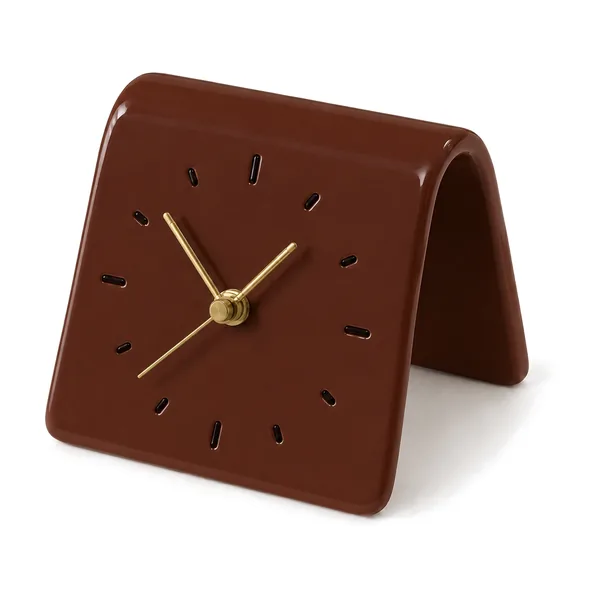
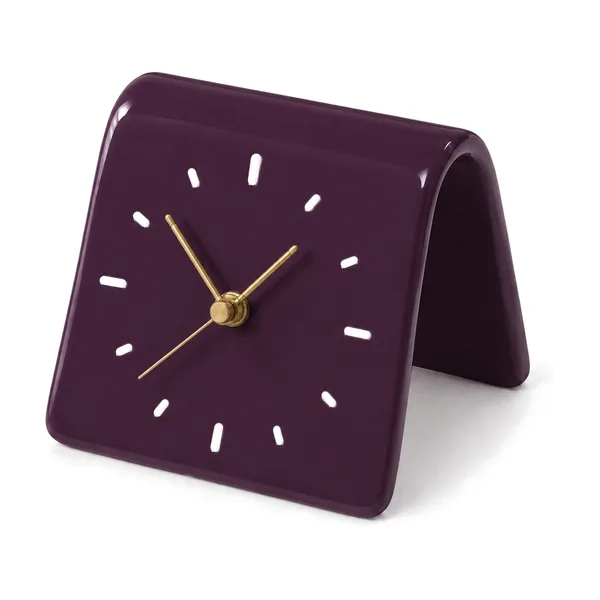
Tilje Silent Ceramic Desk Clock for Modern Homes

Why Overhead Lighting Alone Falls Short
If you've ever felt that your living room is too bright yet somehow still gloomy, you're experiencing the limitations of single-source overhead lighting. This approach creates harsh shadows, eliminates depth, and often leaves corners in darkness while the center of the room feels clinical.
The Gen Z Perspective
Interestingly, Gen Z has largely rejected overhead lighting altogether, embracing instead the soft, atmospheric glow of multiple smaller sources. On social media platforms like TikTok and Instagram, you'll find countless conversations about the "big light" (overhead fixtures) versus the romantic, layered glow of lamps and sconces.
This generational preference aligns perfectly with Scandinavian design principles, where light is seen as a tool for creating atmosphere and well-being rather than mere visibility. The result is spaces that feel more human, more intimate, and ultimately more beautiful.
Building Your Layered Scheme: Start with Ambient Light
When planning your multi-layer lighting scheme, begin with a strong ambient foundation. The right floor lamp doesn't just provide illumination—it sets the emotional tone for your entire room. For Scandinavian-inspired spaces, materials matter: rice paper diffuses light beautifully, creating that coveted soft glow without harsh edges.
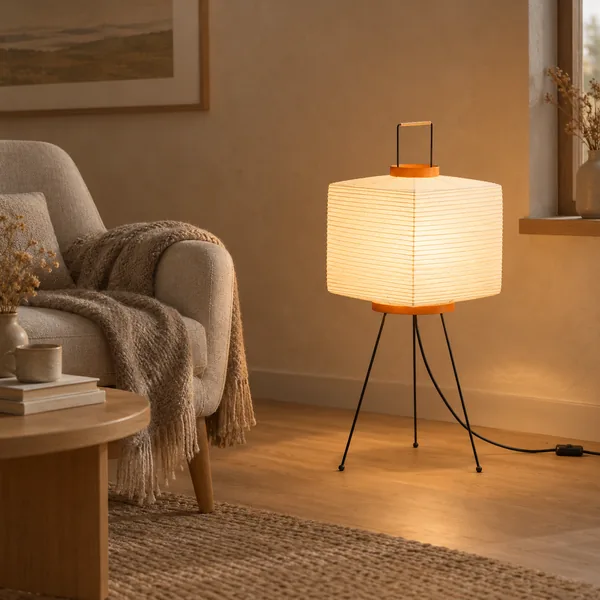 Papira Handcrafted Rice Paper Ambient Floor Lamp$159.00$249.00
The Papira Handcrafted Rice Paper Ambient Floor Lamp exemplifies the Scandinavian approach to ambient lighting. Its handcrafted paper shade creates an enveloping, diffused glow that serves as the perfect foundation for your layered scheme. Position this piece in a corner to bounce light off walls and ceiling, or place it beside a reading chair where its warmth can be enjoyed up close.
To learn more about ambient lighting fundamentals, this Architectural Digest guide offers deeper insights into layered lighting principles.
The Scandinavian Approach to Light
Scandinavian design has long understood that light is emotional. In countries where winter darkness stretches for months, the quality of interior lighting becomes essential to well-being. This philosophy extends beyond mere brightness to embrace warmth, texture, and the interplay of light and shadow.
The Scandinavian layered lighting approach prioritizes natural materials, soft diffusion, and multiple low-level sources over harsh overhead illumination. The result is spaces that feel alive, welcoming, and deeply comfortable—what the Danes call hygge.
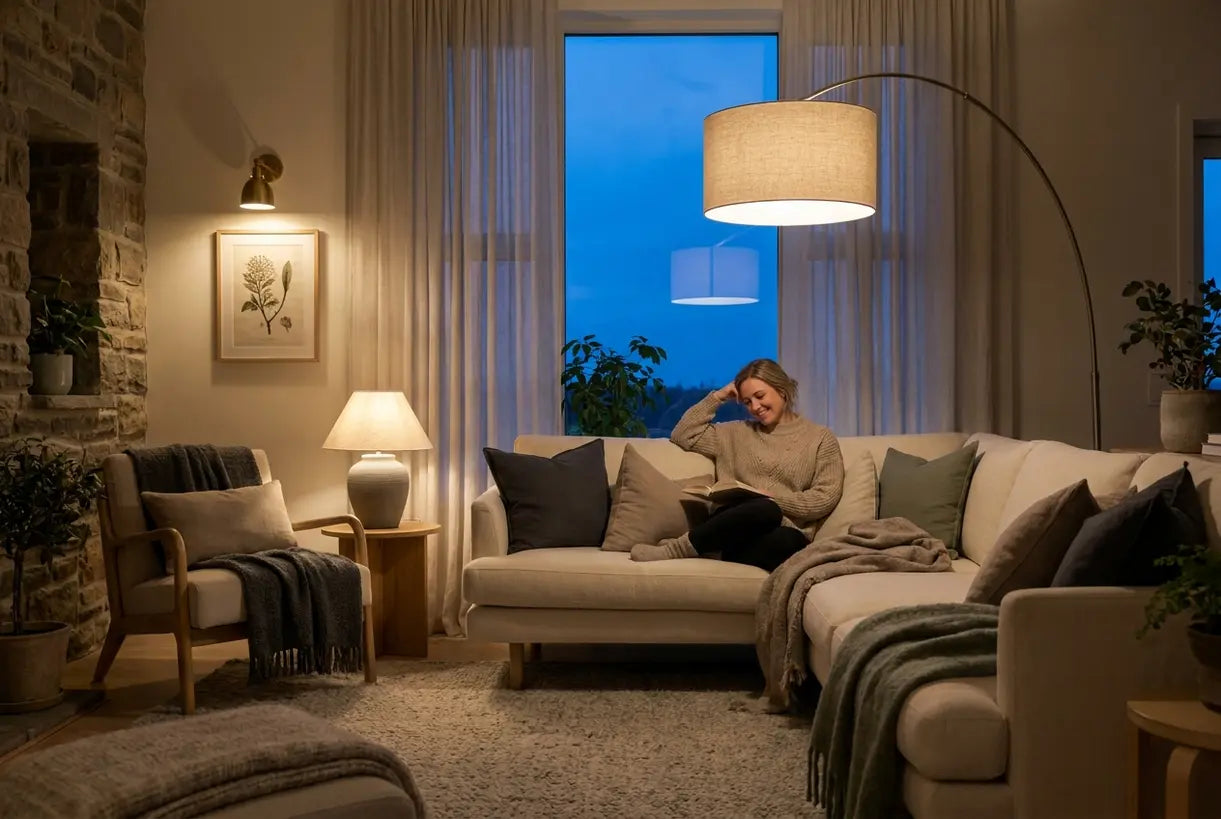
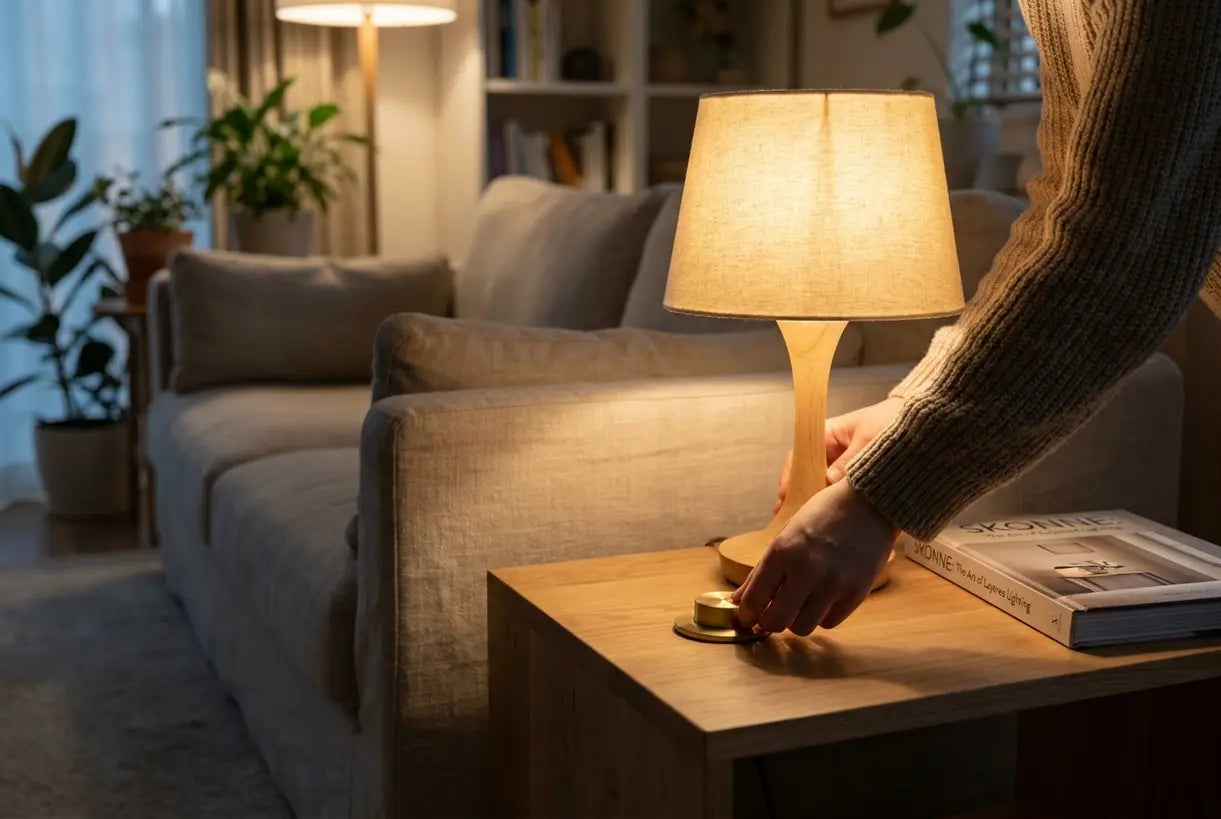
Notice how a properly layered living room creates pools of light and gentle shadows rather than flat, even illumination. This dimensionality is what makes a space feel curated and intentional rather than merely functional.
Once your ambient foundation is established, complete your scheme with task and accent pieces that add both function and visual poetry. The second and third layers transform a room from merely livable to truly lovable.
Complete Your Lighting Layers
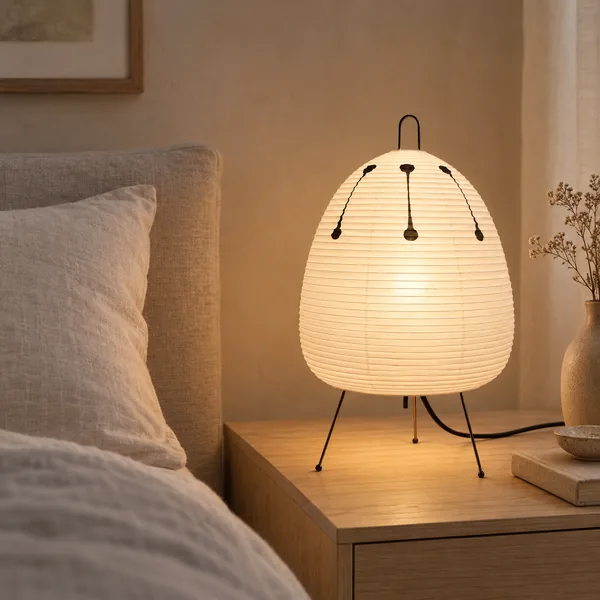 Shiro Rice Paper Table Lamp Nordic Minimalist$119.00$199.00
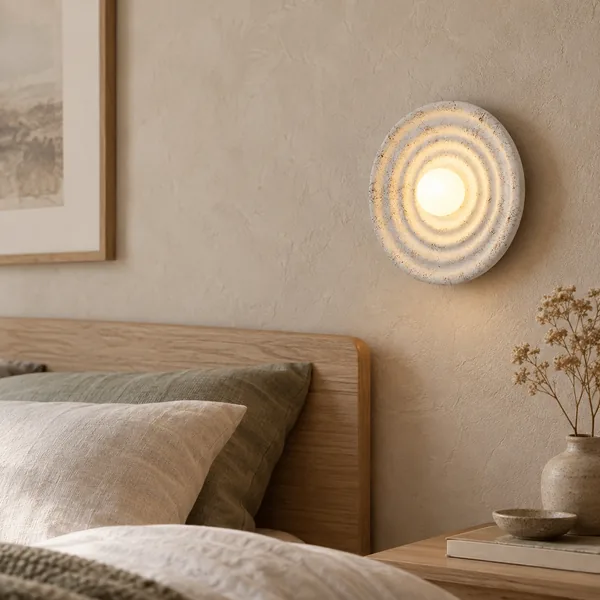 Lysring Circular LED Wall Light Wabi-Sabi Style$169.00$229.00
The Shiro Rice Paper Table Lamp brings organic warmth to side tables while providing essential task lighting for reading and conversation. Meanwhile, the Lysring Circular LED Wall Light adds sculptural interest as part of your accent layer, creating depth and visual intrigue that transforms flat walls into features worth noticing. Together with your ambient foundation, these pieces complete the three-layer theory in action.
Floor Lamps
Shop all Floor Lamps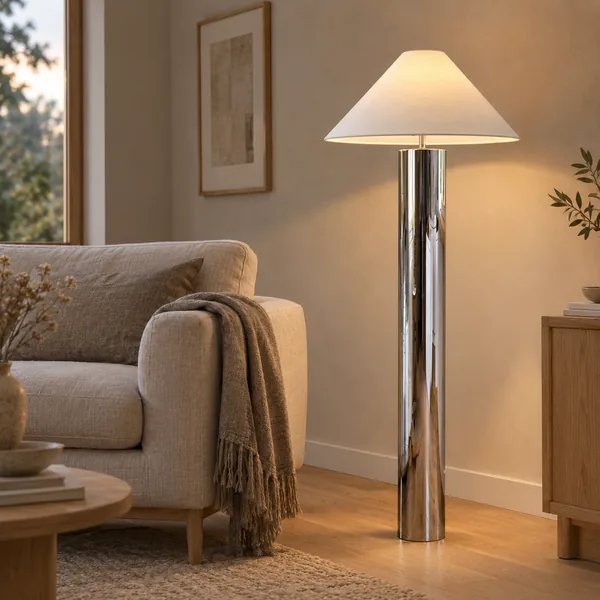
Conclusion
Mastering layered lighting for the living room is one of the most transformative things you can do for your home. By understanding the three-layer lighting theory—ambient, task, and accent—and following the practical 5-7 light source rule, you create spaces that adapt to every moment of your day.
The journey from harsh overhead illumination to a warm, multi-layer lighting scheme doesn't require a complete renovation. Start with one strong ambient piece as your foundation. Add task lighting where you need it most. Finish with accent lighting that highlights what you love. Each layer builds upon the last until your living room becomes the sanctuary you've always wanted.
At Skonne, we believe the right lighting does more than illuminate—it creates atmosphere, supports well-being, and brings the Scandinavian principle of hygge into everyday life. Our curated collection of rice paper floor lamps, minimalist table lamps, and sculptural wall sconces are designed to work together as complete lighting schemes that transform how you experience your home.
Related Article
Living Room Track Lighting: Best Styles, Layouts & Ideas for a Flexible LoungeTransform your living room with track lighting that adapts to every moment. Explore modern styles, flexible layouts & Scandinavian design ideas.