
Ambient Lighting for the Living Room: How to Create Mood, Warmth & Atmosphere
Summary›
- What Is Ambient Living Room Lighting and Why It Matters
- The 5-7 Lighting Rule: Layering for Perfect Ambiance
- Warmth Through Color Temperature: The 2700K-3000K Sweet Spot
- Creating Mood with Scandinavian-Inspired Fixtures
- Small Space Solutions for Renters and Apartments
- Curated Lighting Pieces That Transform Your Space
- Practical Tips for Everyday Ambiance
- Conclusion: Creating Your Sanctuary Through Light
There's a moment when day fades into evening, when harsh overhead lights feel intrusive and the silence of a dark room feels too empty. This is the hour when ambient lighting for living room spaces becomes essential—not just as decoration, but as the foundation of how we actually live in our homes. Whether you're curling up with a book, hosting intimate gatherings, or simply unwinding after a long day, the quality of your lighting shapes the emotional temperature of every moment.
At Skonne, we believe creating warmth shouldn't require a complete renovation or an interior design degree. The right ambient lighting transforms ordinary rooms into sanctuaries—spaces that welcome you, hold you, and help you breathe a little deeper. In this guide, we'll explore how to layer light sources, choose the perfect warm tones, and curate fixtures that embody the Scandinavian philosophy of hygge: that universal yearning for cozy contentment.
What Is Ambient Living Room Lighting and Why It Matters
Ambient lighting is the foundation of your living room's illumination—the soft, overall glow that fills a space without casting harsh shadows or creating glare. Unlike task lighting (focused beams for reading or cooking) or accent lighting (spotlights that highlight artwork), ambient light wraps a room in gentle radiance that mimics natural daylight at its most flattering.
The importance of intentional ambient lighting extends beyond aesthetics. Research in environmental psychology has shown that warm, layered lighting reduces stress hormones and promotes relaxation. In contrast, harsh overhead lighting can trigger subtle anxiety responses, keeping our nervous systems in a state of alertness exactly when we need to unwind. This is why Scandinavian design, with its deep understanding of long winter evenings, prioritizes multiple soft light sources over single bright fixtures.
When we talk about creating warm ambient lighting living room environments, we're really discussing how to support your wellbeing. The goal isn't merely visibility—it's creating an atmosphere where conversation flows naturally, where solitude feels nurturing rather than lonely, and where your living room becomes the heart of home life.
The 5-7 Lighting Rule: Layering for Perfect Ambiance
One of the most persistent questions in interior lighting is deceptively simple: how many light sources should a living room have? Professional designers often reference the 5-7 lighting rule—a guideline suggesting every well-lit living room needs between five and seven distinct light sources to achieve balanced, ambient illumination.
This doesn't mean five to seven glaring ceiling fixtures. Instead, it describes a careful layering strategy:
- Overhead ambient source: A dimmable ceiling fixture or pendant that provides baseline illumination
- Floor lamps: Tall, sculptural pieces that cast light upward and outward, filling vertical space
- Table lamps: Smaller sources for side tables, consoles, and reading nooks
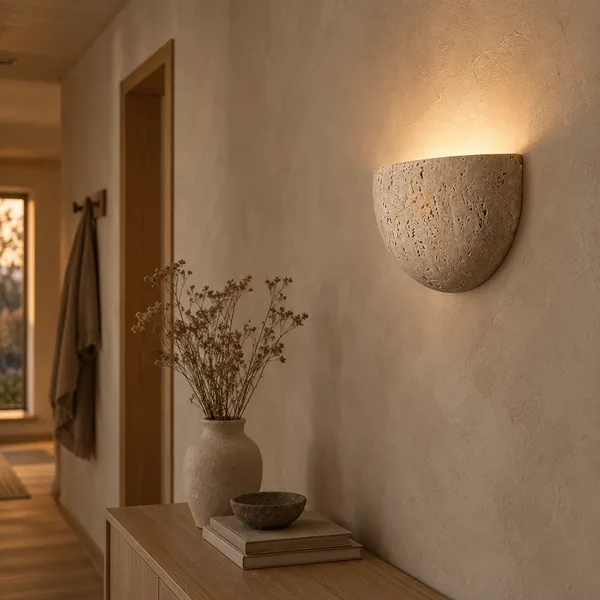
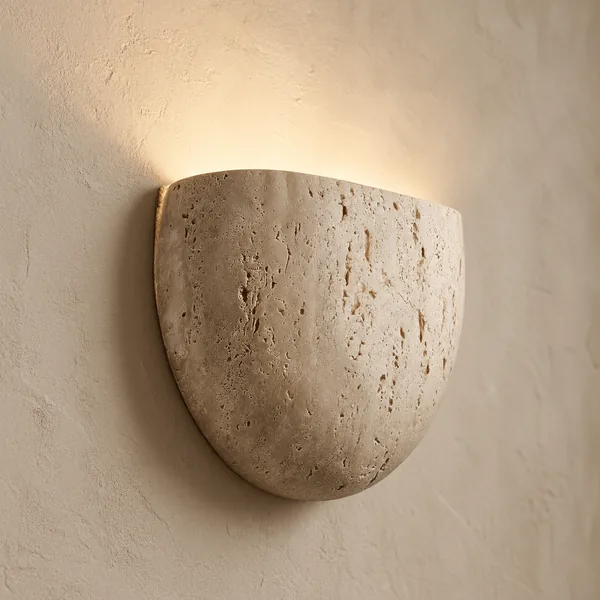
- Wall sconces: For those looking to explore more options, our Wall Lights collection offers a curated selection of fixtures that wash walls with gentle uplight, expanding the perceived size of your room
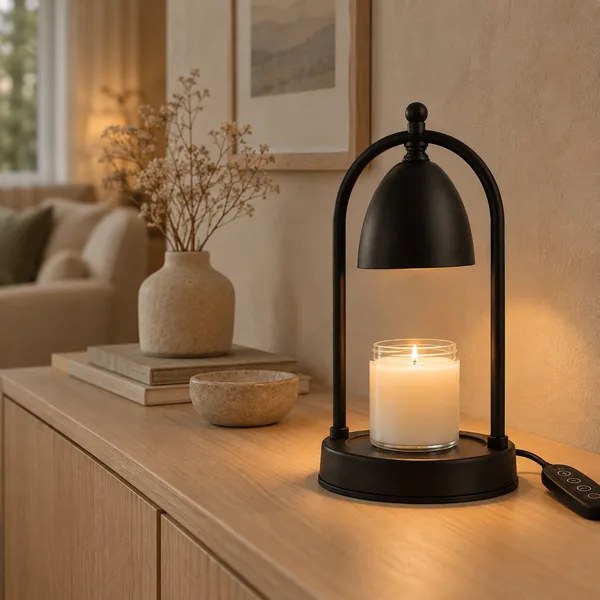
- Candlelight or LED alternatives: The flickering warmth that signals relaxation and ritual
- Accent fixtures: Art lights, shelf lighting, or picture lights that add depth
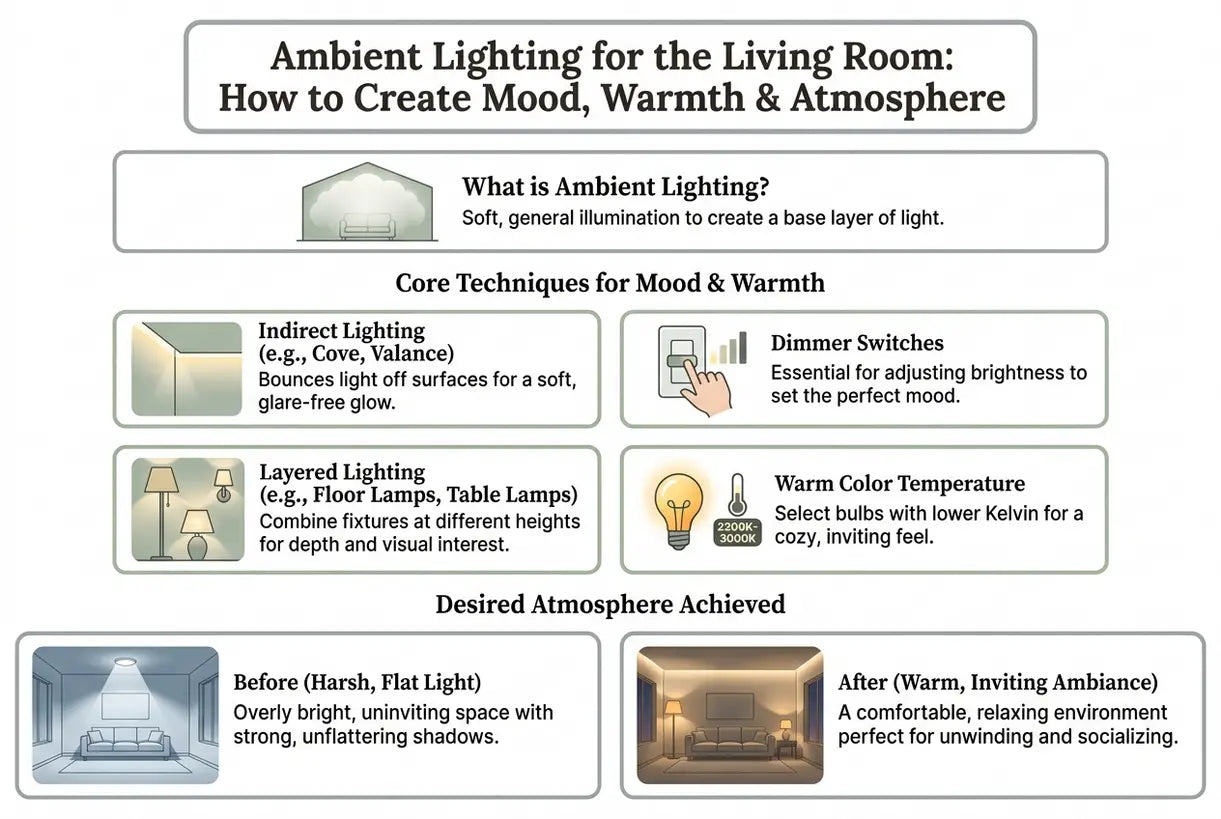
The magic of this layering approach is flexibility. On bright weekend mornings, you might rely solely on natural light filtered through sheer curtains. During grey afternoons, a single floor lamp might suffice. But as evening approaches, you'll gradually layer in living room ambient lighting ideas—adding a table lamp here, dimming the overhead fixture there—until the room glows with precisely calibrated warmth.
Warmth Through Color Temperature: The 2700K-3000K Sweet Spot
Color temperature, measured in Kelvin (K), determines whether your light appears warm and golden or cool and blue-white. For ambient living room lighting, the ideal range falls between 2700K and 3000K—what lighting professionals call "warm white."
Understanding this concept transforms how you shop for bulbs. At the lower end, 2700K mimics the golden glow of sunset or candlelight, creating that unmistakable warm cozy lighting living room feeling. At 3000K, light remains warm but slightly crisper—better for spaces where you occasionally read or work, but still far from the clinical blue-white of daylight bulbs (5000K-6500K).

When selecting bulbs for your cozy living room lighting setup, always check the packaging for Kelvin ratings. LED technology has made it possible to find energy-efficient bulbs that nonetheless produce beautifully warm light. Dimmable options are particularly valuable, allowing you to lower brightness as evening progresses without altering the color temperature itself.
The relationship between color temperature and ambiance isn't merely aesthetic. Studies have demonstrated that exposure to warm light in evening hours supports healthy circadian rhythms, helping your body recognize that rest is approaching. Conversely, cool light signals wakefulness—helpful during morning routines, but counterproductive when you're trying to cultivate evening peace.
Creating Mood with Scandinavian-Inspired Fixtures
The Scandinavian design tradition offers particularly sophisticated solutions for ambient lighting. Born from cultures that experience months of darkness, Nordic lighting design prioritizes exactly what modern living rooms need: multiple soft sources, natural materials that diffuse light beautifully, and forms that double as sculptural art.
Consider how the right floor lamp can anchor a reading corner while simultaneously contributing to overall room ambiance. The Kveld Scandinavian Mushroom Floor Lamp Walnut embodies this philosophy perfectly. Its distinctive silhouette draws the eye upward, while the acrylic fabric shade transforms harsh bulb light into a gentle, mushroom-shaped glow that spreads softly across your space. The walnut base adds organic warmth that complements the mood lighting living room aesthetic you're cultivating.
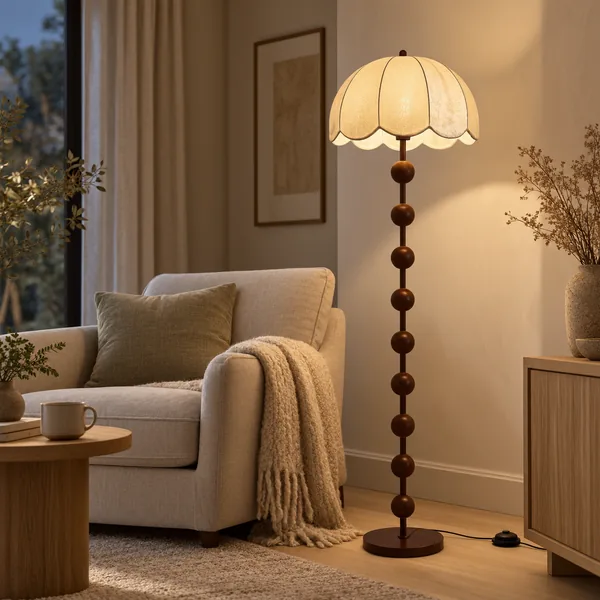 Kveld Scandinavian Mushroom Floor Lamp Walnut$219.00$349.00
What makes pieces like the Kveld lamp particularly effective for ambient lighting is their diffusion. Rather than directing light in a single beam, quality Scandinavian fixtures use carefully selected materials—linen, rice paper, frosted glass—to scatter illumination in all directions. This indirect lighting eliminates harsh shadows while creating that coveted sense of enveloping warmth.
Living Room Lighting
Shop all Living Room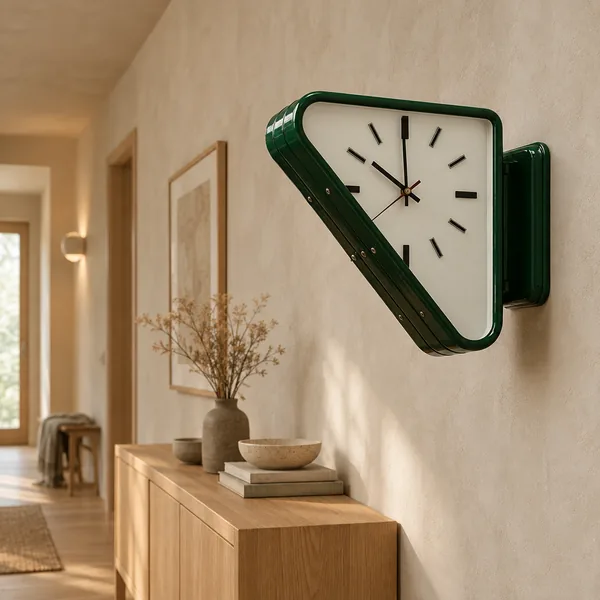
 Save $110.00
 +15 options
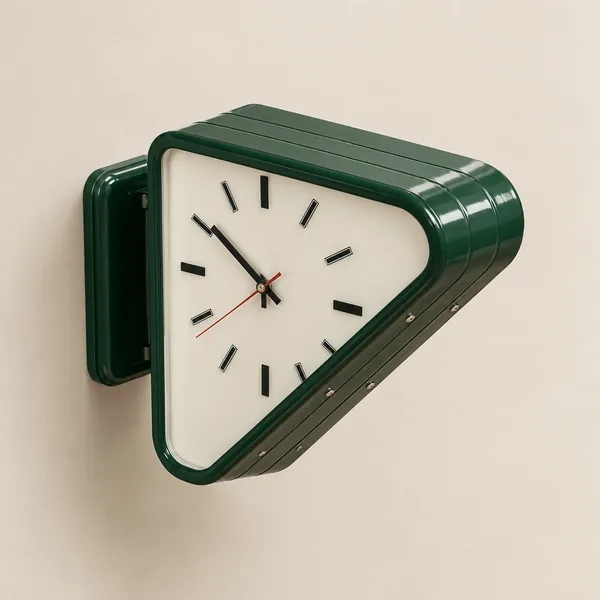
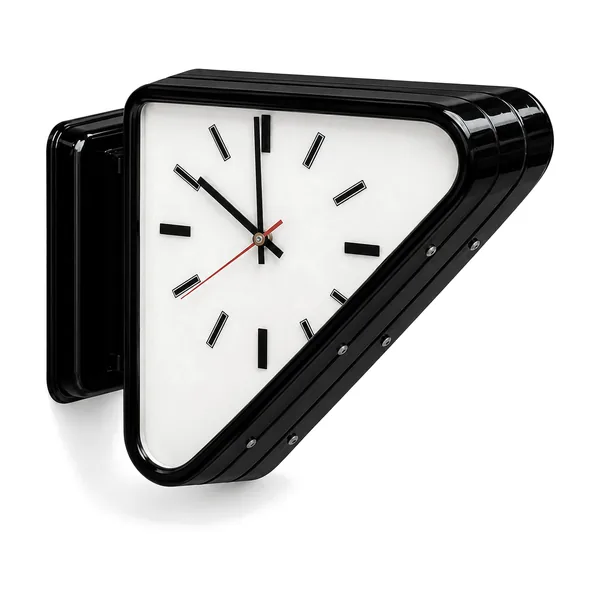
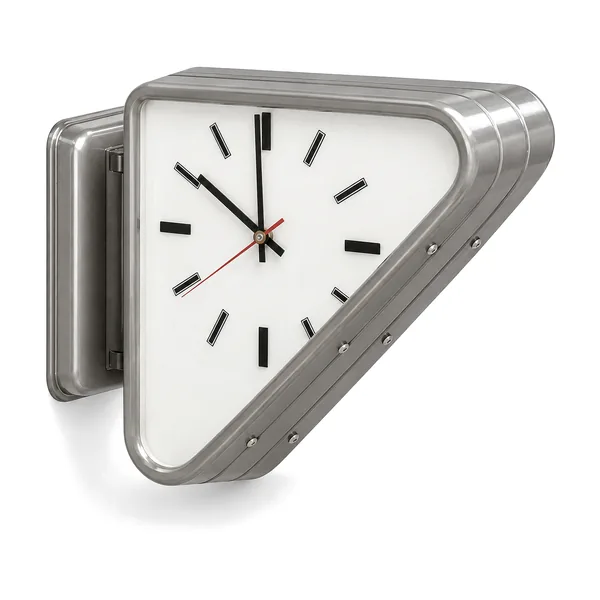
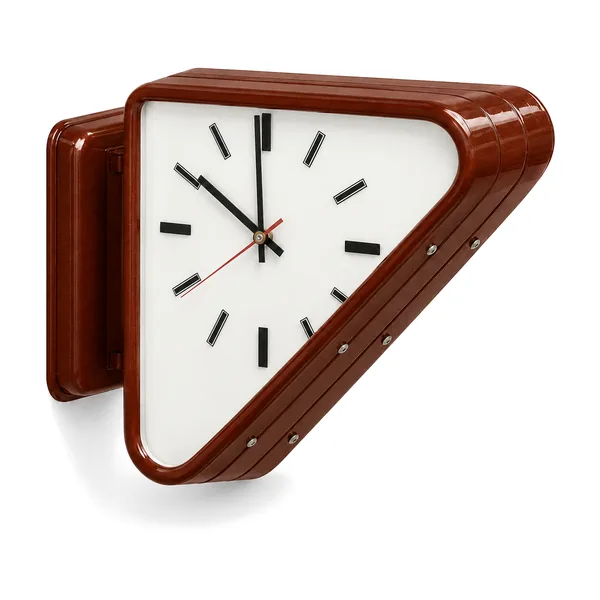
Tvilling Dual-Sided Geometric Metal Wall Clock
 Save $70.00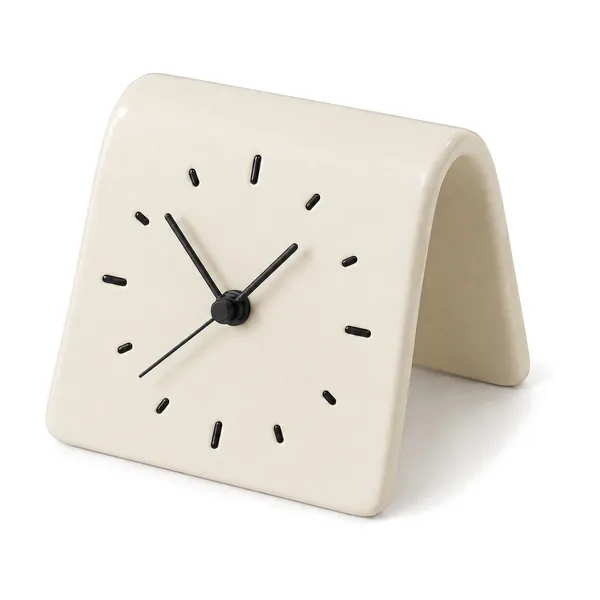
 +37 options
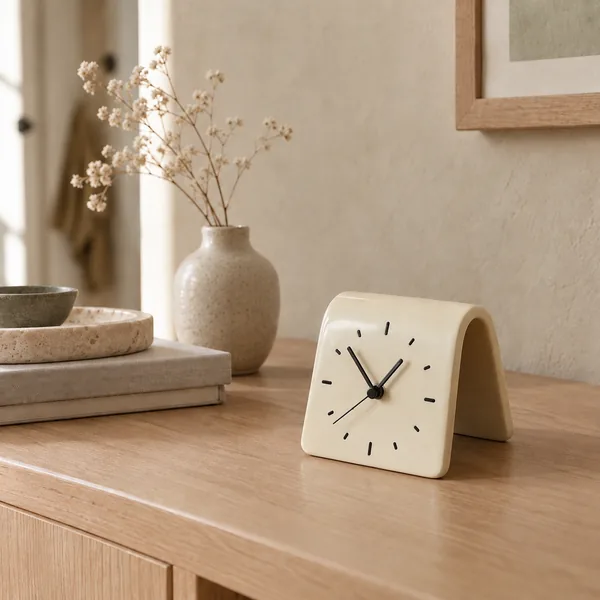
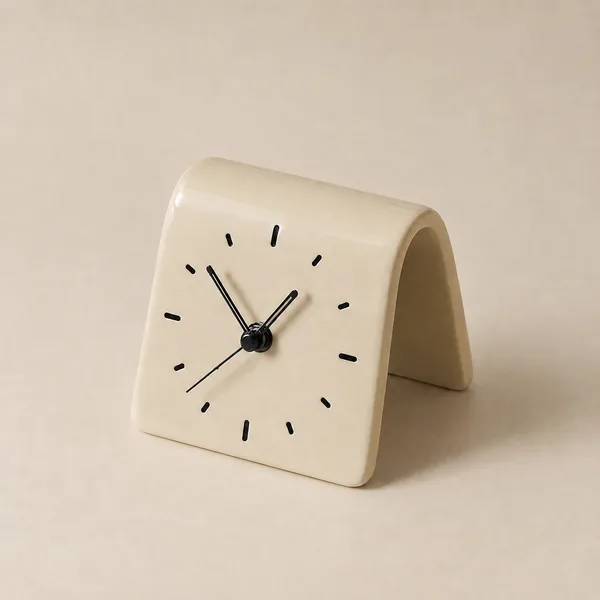
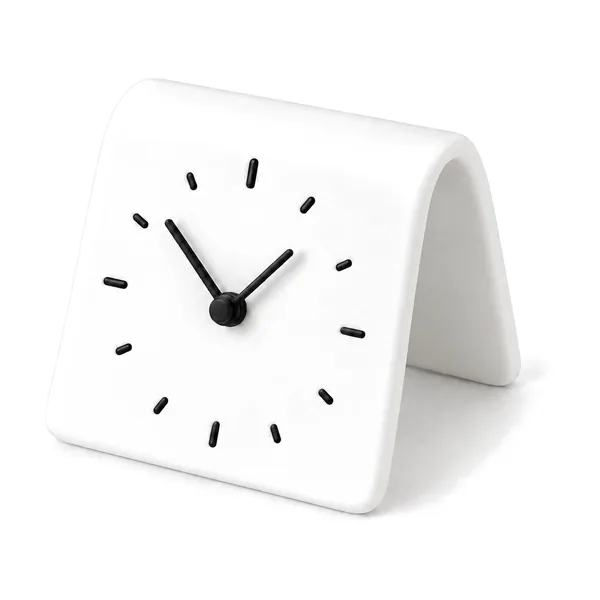
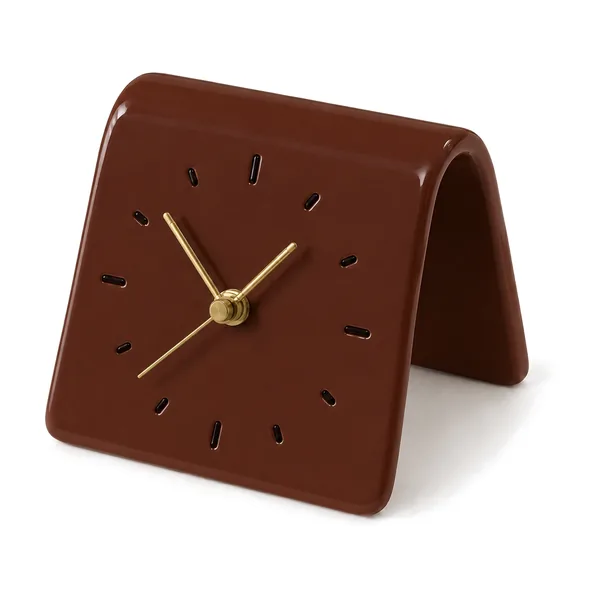
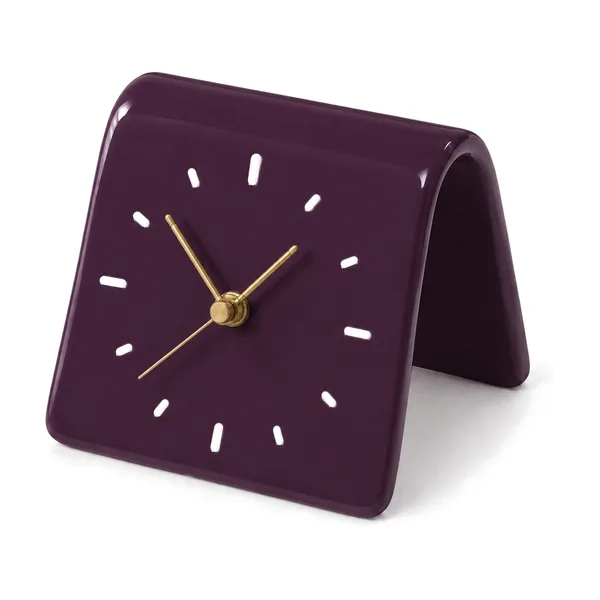
Tilje Silent Ceramic Desk Clock for Modern Homes
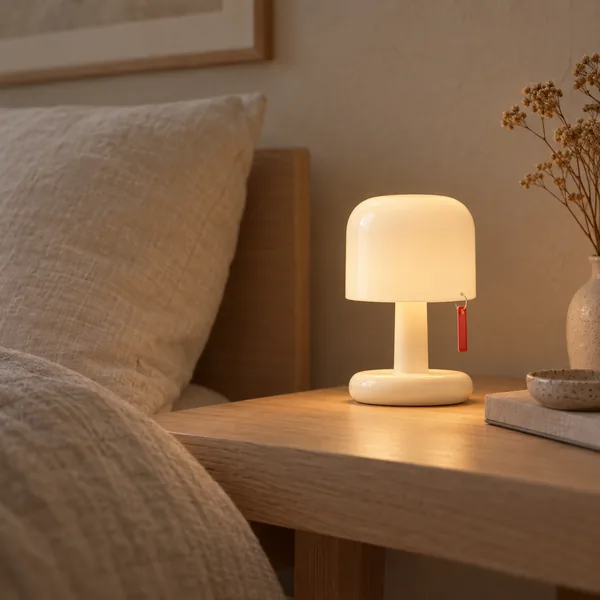
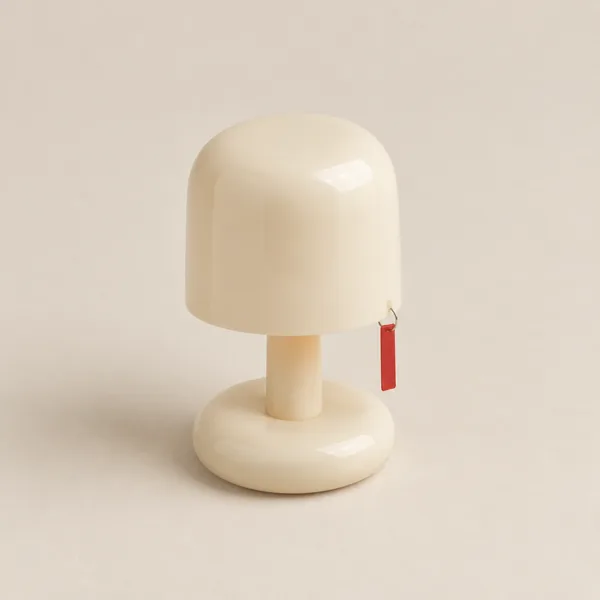
Small Space Solutions for Renters and Apartments
Not everyone has the luxury of extensive electrical work or permanent installation options. The good news? Creating beautiful ambient lighting doesn't require ownership or renovation budgets. Many of the most effective techniques work perfectly in rental apartments and smaller living spaces.
Plug-in wall sconces, for instance, offer the uplighting benefits of hardwired fixtures without any electrical work. Strategic placement of floor lamps can define separate zones within open-plan spaces—a reading nook here, a conversation area there—without physical barriers. And battery-operated LED candles or puck lights can add accent warmth to bookshelves, mantels, or window sills without any outlets at all.
The video above demonstrates how thoughtful lamp placement transforms even modest apartments into layered, inviting spaces. Notice how the creator combines different heights—tall floor lamps creating vertical interest, medium table lamps filling the middle space, and low sources adding intimate glow at seating level. This variation in light elevation prevents the flat, institutional feeling that comes from single-source lighting.
For those navigating dim lighting for living room challenges in compact spaces, consider these renter-friendly principles:
- Choose portable pieces that move with you and adapt to new layouts
- Prioritize dimmable options to adjust for different times of day and activities
- Layer at different heights to create visual depth in limited square footage
- Use mirrors strategically to amplify and distribute existing light sources
Curated Lighting Pieces That Transform Your Space
Beyond technical specifications, the most successful ambient lighting schemes include fixtures that feel personal and artful. Scandinavian design excels at creating pieces that function as both light sources and sculptural statements—objects you'd appreciate even when unlit.
While floor lamps provide foundational ambient light, pairing them with complementary table lamps creates sophisticated layered lighting living room arrangements. The Vasten Artisan Japanese Ceramic Floor Lamp offers handcrafted artistry that transforms corners into focal points. Available in three sizes, these ceramic pieces bring organic texture and warm, diffused light that works beautifully in living rooms of any scale. The Formia Sculptural Resin Table Lamp Nordic Shade complements this approach perfectly—its textured resin base and soft Nordic fabric shade add artistic interest to side tables while contributing gentle ambient glow to your overall lighting scheme.
Featured Lighting for Your Living Room Ambiance
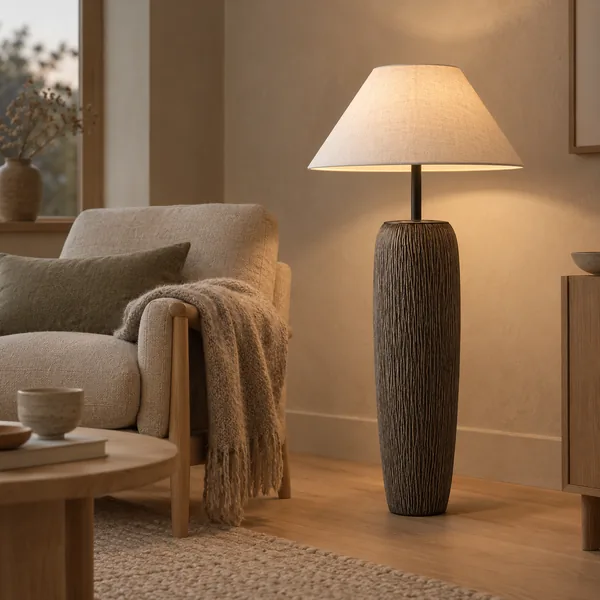 Vasten Artisan Japanese Ceramic Floor Lamp$394.00$569.00
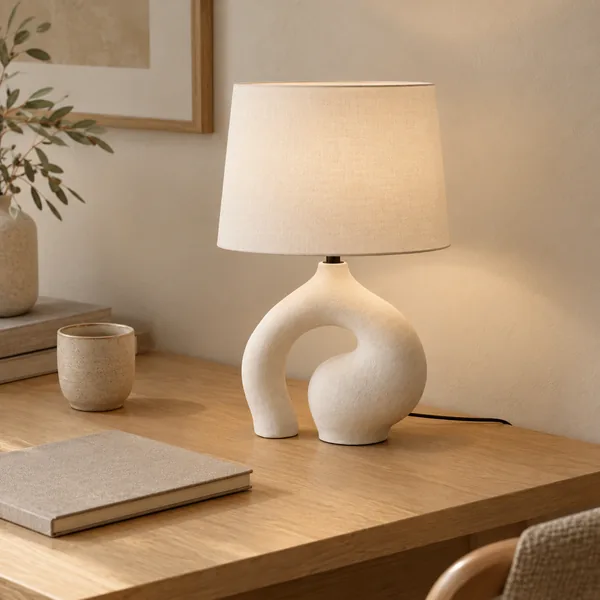 Formia Sculptural Resin Table Lamp Nordic Shade$399.00$579.00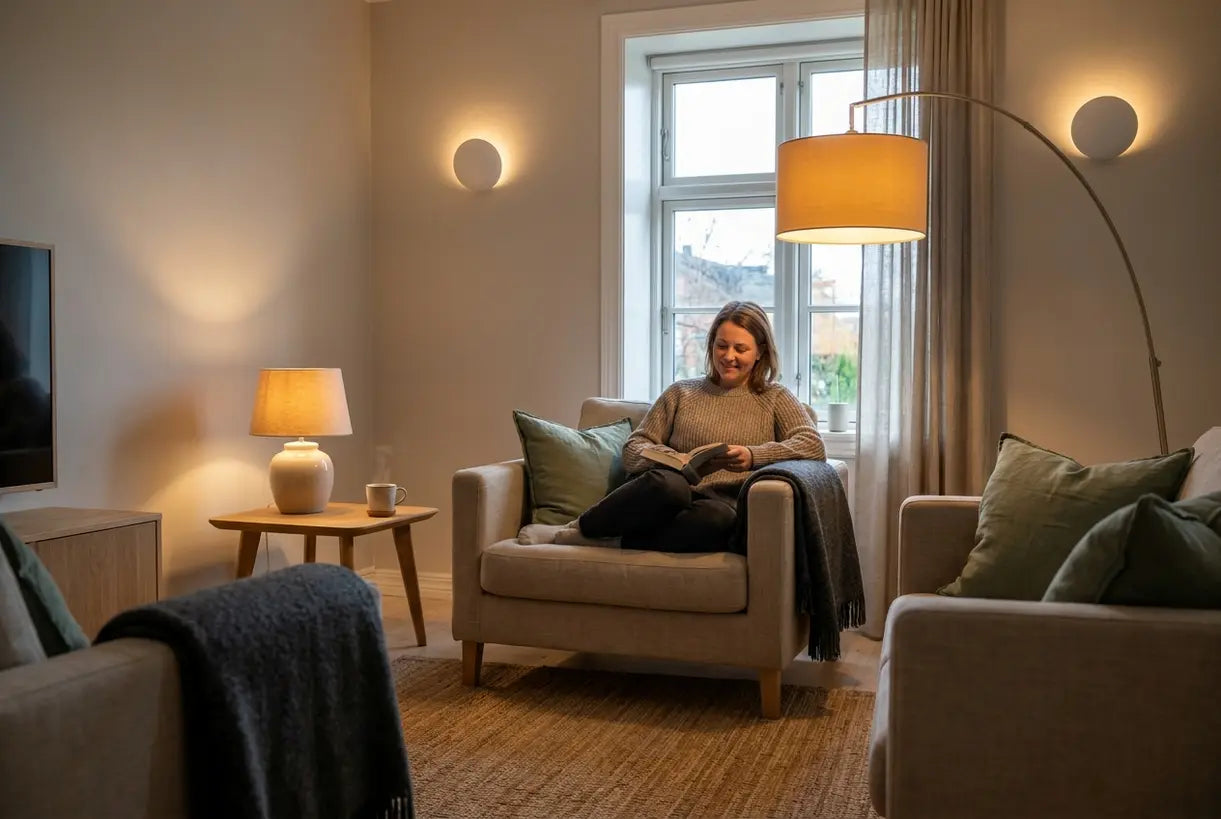
When curating your living room lighting, consider how each piece contributes to the overall atmosphere while standing alone as a design object. The best warm lighting for living room environments balances functionality with emotional resonance—fixtures that make you feel something when you enter the room.
Lamps
Shop all Lamps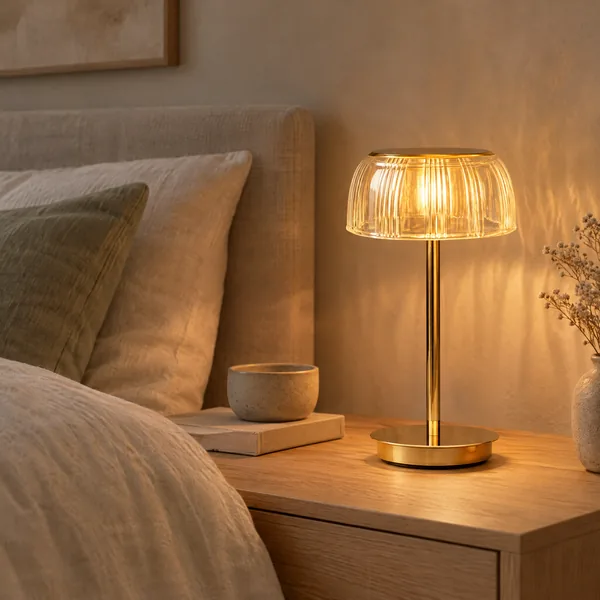
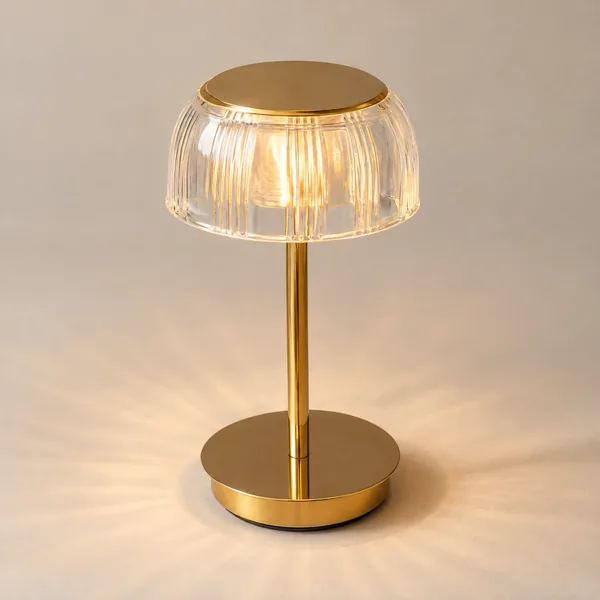 Save $30.00
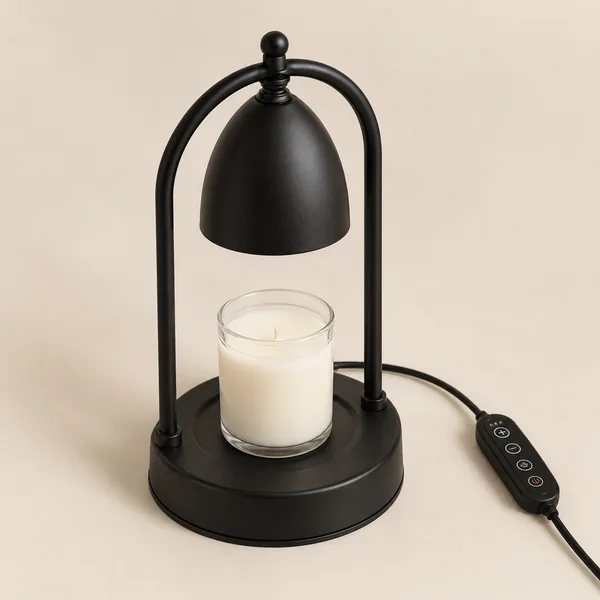
Kvalla Jellyfish LED Rechargeable Table Lamp
 Save $140.00
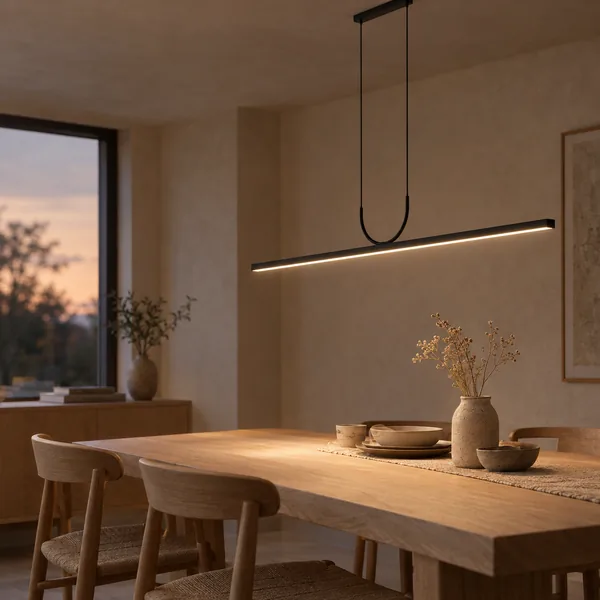
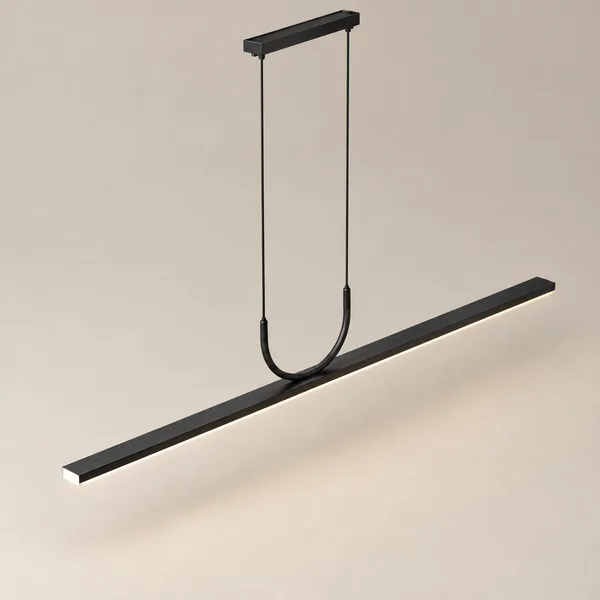
Linné Minimalist Linear Black LED Pendant Light
 Save $60.00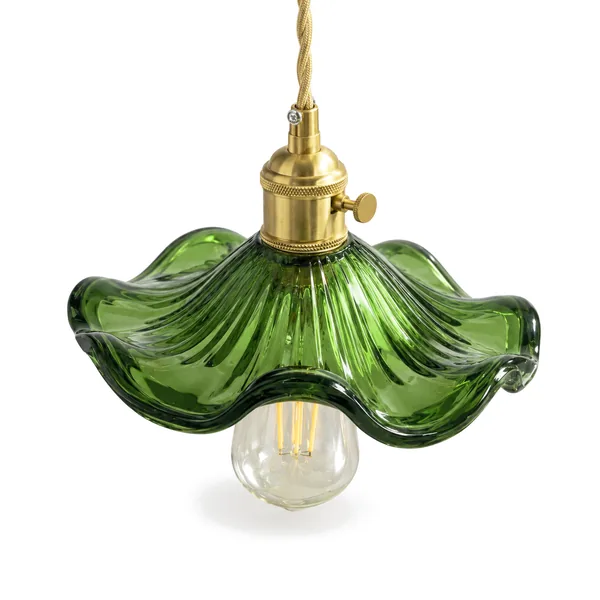
 3 options
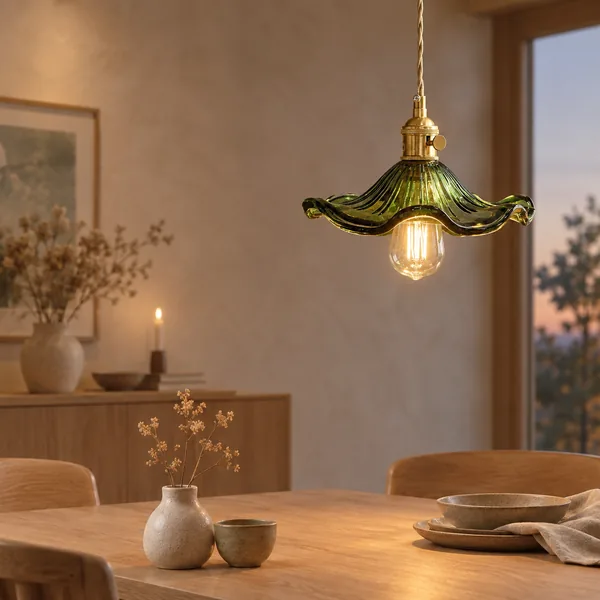
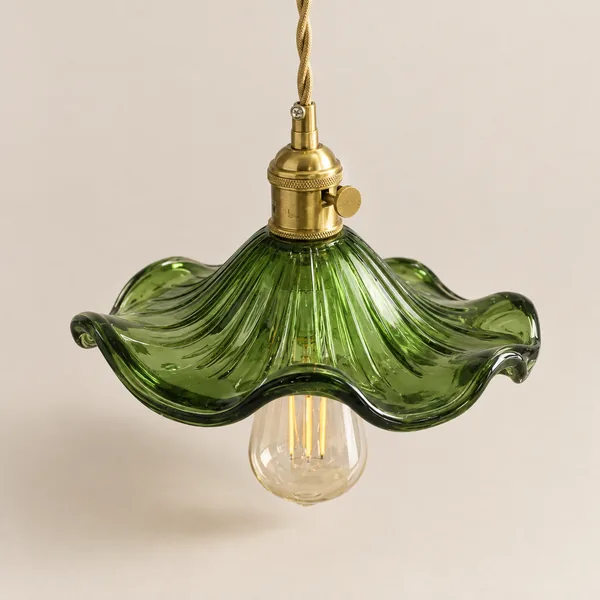
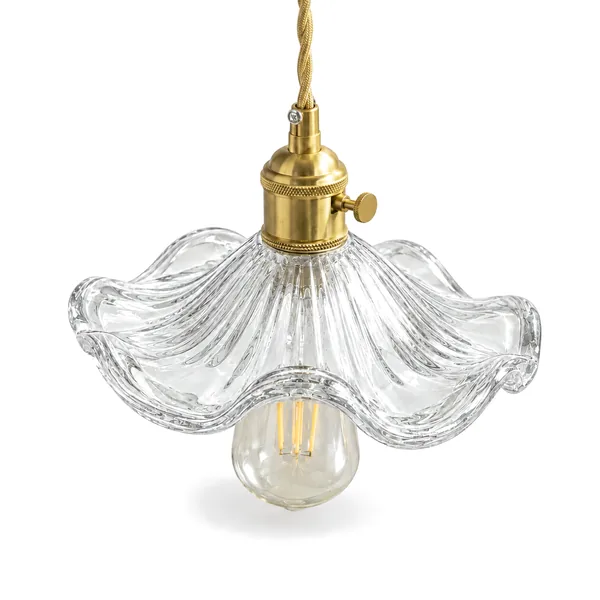
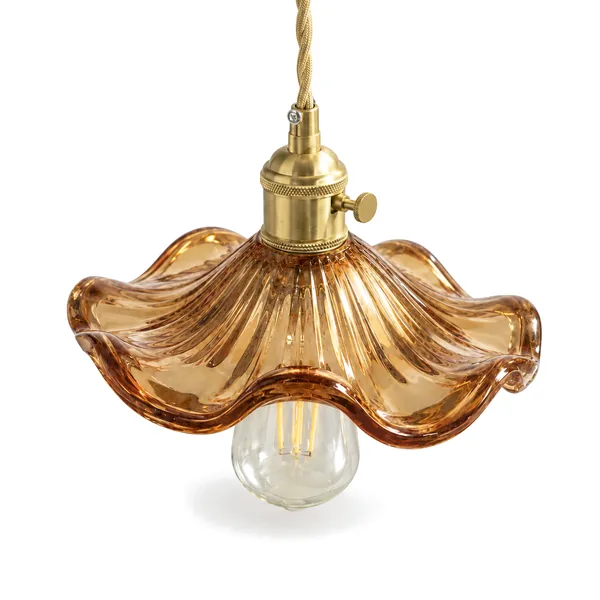
Glora Nordic Glass Pendant Light with Copper
Practical Tips for Everyday Ambiance
Creating beautiful ambient lighting isn't a one-time installation—it's a practice you refine over time. These practical strategies will help you develop an intuitive sense for how to light your space:
The Dimmer Switch Principle: If you do nothing else, install dimmer switches on your overhead fixtures. The ability to lower brightness transforms harsh ceiling lights into viable ambient sources. This simple upgrade costs little but dramatically expands your lighting options.
Consider the evening transition: The best time to evaluate your ambient lighting is actually at dusk. Notice how natural light fades in your living room, and identify which areas become too dim first. These shadowed zones are where additional light sources will have the most impact.
Grouping matters: Odd numbers of light sources typically create more visual interest than even groupings. Three table lamps spread throughout a room often feel more dynamic than two. This isn't rigid rules but rather an invitation to play and experiment.
Reflect on your lifestyle: The best ambient lighting for living room spaces varies depending on how you actually use the room. If you host frequently, ensure conversation areas have soft, face-flattering light sources. If you use your living room primarily for solitary relaxation, prioritize the cozy corners where you curl up with books.
Seasonal adjustments: Your lighting needs shift with the calendar. Winter months might call for additional warm light sources to combat seasonal darkness, while summer evenings might require only minimal ambient lighting. Quality fixtures adapt to these changing needs.
Conclusion: Creating Your Sanctuary Through Light
Ultimately, mastering ambient lighting for your living room is about more than technical specifications or design trends. It's about creating a space that genuinely supports the life you want to live—a room that welcomes you home, holds your conversations, witnesses your quiet moments, and wraps you in comfort when the world outside feels overwhelming.
The Scandinavian approach, with its emphasis on multiple soft sources, warm color temperatures, and beautiful natural materials, offers a proven framework for achieving this sanctuary feeling. Whether you're layering the gentle glow of a mushroom floor lamp, the artistry of a ceramic fixture, or the soft diffusion of a fabric-shaded table lamp, each piece contributes to an atmosphere of intentional warmth.
At Skonne, we curate lighting that honors this philosophy—pieces designed not just to illuminate but to transform, to comfort, and to create those small moments of hygge that make a house feel like home. Your living room deserves lighting that understands its role in your daily life.
Related Article
Layered Lighting for the Living Room: How to Plan a Multi-Layer Lighting SchemeLearn how to plan a multi-layer lighting scheme for your living room with our complete guide to ambient, task and accent lighting.