
Linear Chandeliers: Long, Horizontal Fixtures for Dining Tables & Open Spaces
Summary›
- What Is a Linear Chandelier?
- Benefits of Using a Linear Chandelier
- Types and Styles of Linear Chandeliers
- How to Choose the Perfect Linear Chandelier
- What Size Linear Chandelier for Your Dining Room?
- Material and Finish Selection
- Installation Considerations
- Cost and Investment Considerations
- Creating Your Perfect Dining Atmosphere
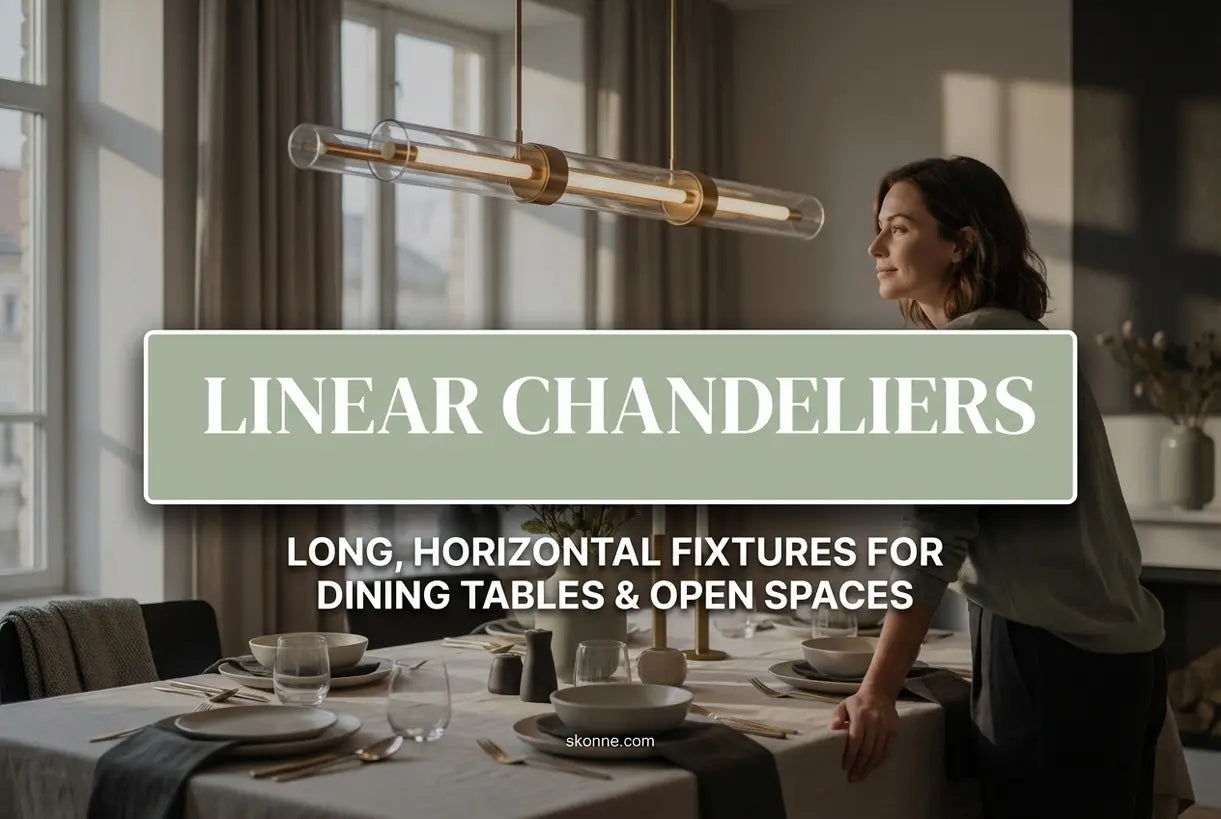
Finding the perfect lighting for your dining room can feel like searching for that missing piece of a puzzle. You want something that anchors the space, creates warmth, and reflects your personal style without overwhelming the room. Enter the linear chandelier—a sophisticated, elongated fixture designed specifically to illuminate rectangular dining tables and open-plan living areas with intentional elegance.
Unlike traditional circular chandeliers, a linear chandelier extends horizontally, following the natural lines of your dining table and creating a balanced visual rhythm. Whether you're hosting intimate dinner parties or family gatherings, the right linear chandelier dining room setup transforms meals into memorable experiences. In this guide, we'll explore everything you need to know about selecting, sizing, and styling these stunning fixtures for your home.
What Is a Linear Chandelier?
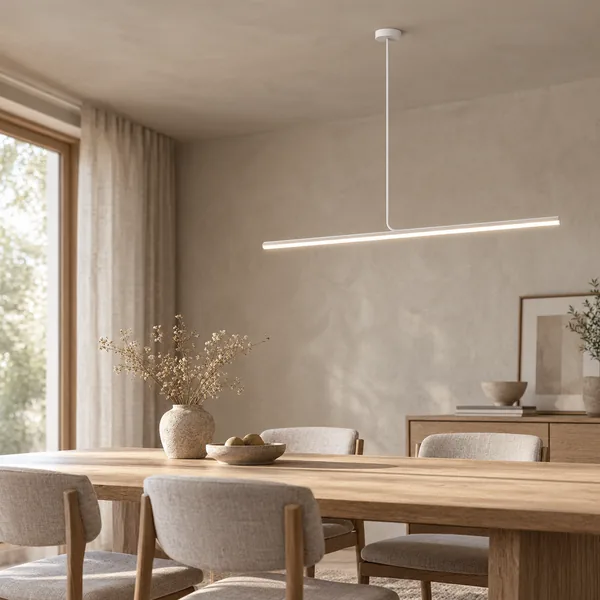
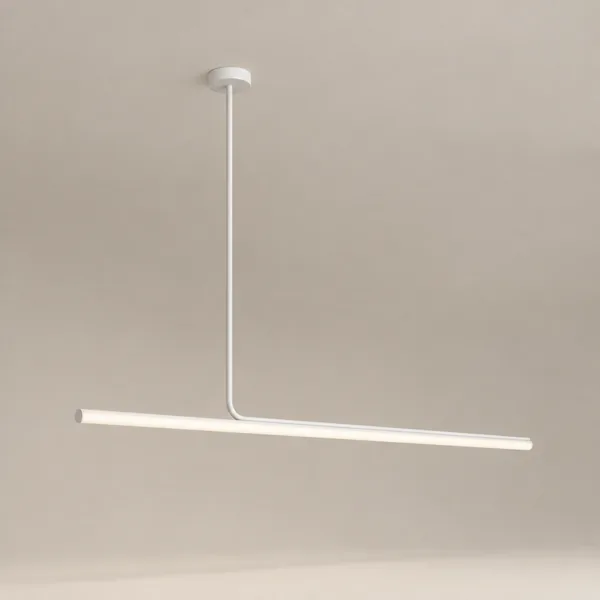
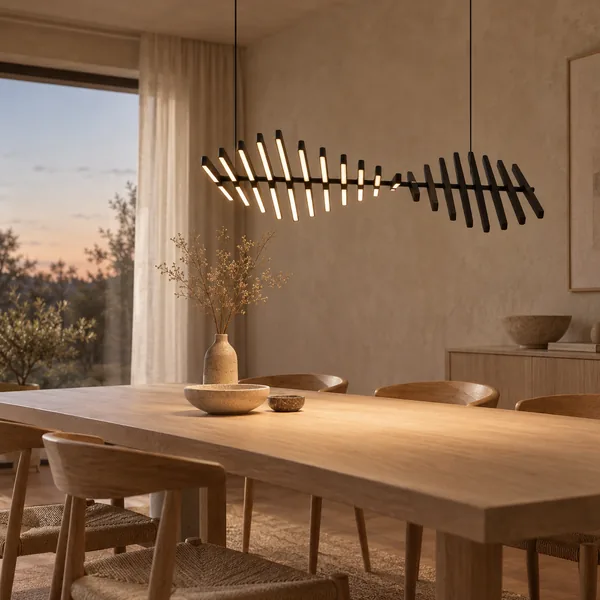
A linear chandelier—also known as a rectangular chandelier, horizontal chandelier, or long chandelier—is a ceiling-mounted light fixture characterized by its elongated, horizontal form. These fixtures typically range from 24 to 60 inches in length and feature multiple light sources arranged in a straight line or subtle geometric pattern.
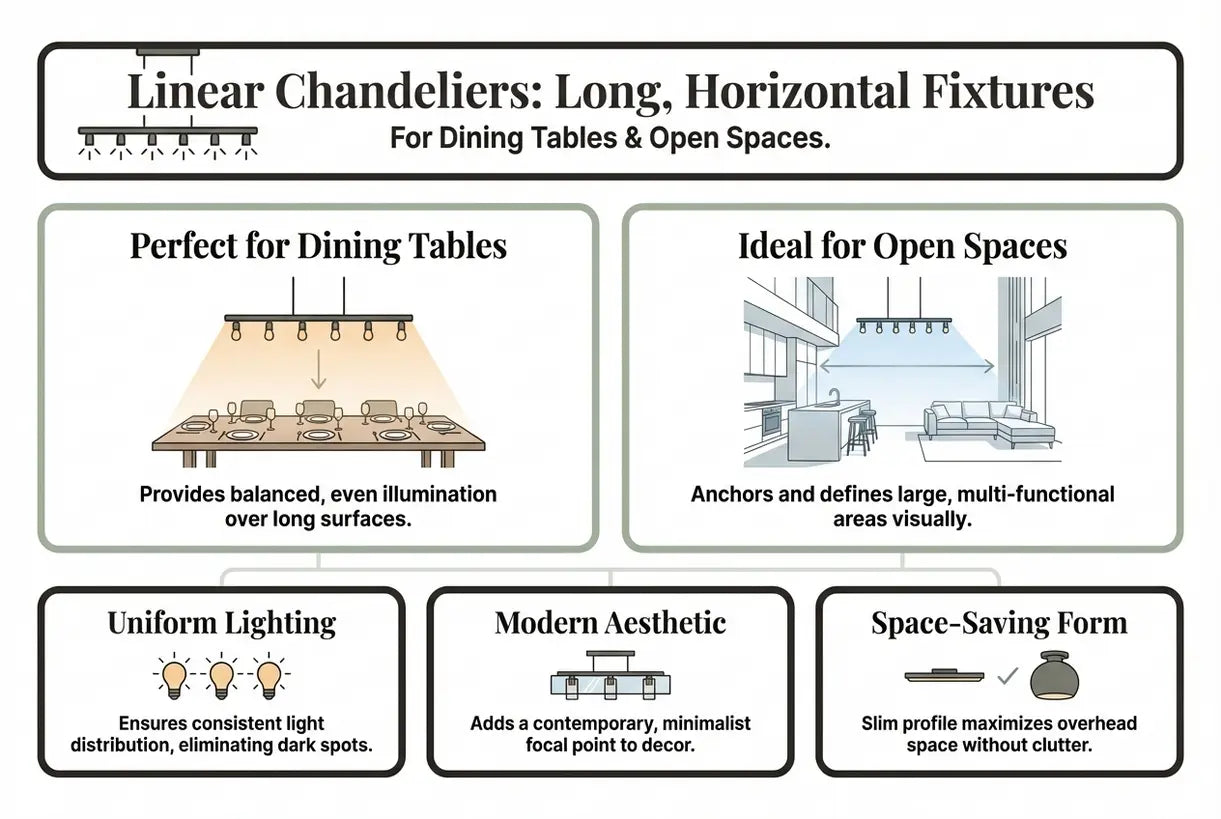
The design principle behind linear pendant light fixtures is simple yet powerful: they mirror the shape of rectangular dining tables, kitchen islands, and long console tables. This creates visual harmony and ensures even light distribution across the entire surface. From sleek modern linear chandelier designs with clean metal lines to ornate rectangular dining chandelier styles featuring crystals and mixed materials, there's a linear fixture to complement every interior aesthetic.
Benefits of Using a Linear Chandelier
Before diving into styles and specifications, let's explore what are the benefits of using a linear chandelier over other lighting options:
- Perfect Proportions: The elongated shape naturally complements rectangular surfaces, eliminating the awkward visual gaps that round chandeliers can create over long tables.
- Even Illumination: Multiple light sources distributed along a horizontal plane provide consistent lighting across your entire dining area—no dark corners or overly bright hotspots.
- Space Definition: In open-concept homes, a linear ceiling light helps visually define the dining zone without requiring walls or room dividers.
- Statement Presence: These fixtures serve as sculptural art pieces that draw the eye upward and add architectural interest to your ceiling plane.
- Versatile Styling: From minimalist Scandinavian designs to bold contemporary linear fixtures, these chandeliers adapt to diverse interior styles.
Linear Pendant Lights
Shop all Linear Pendant Lights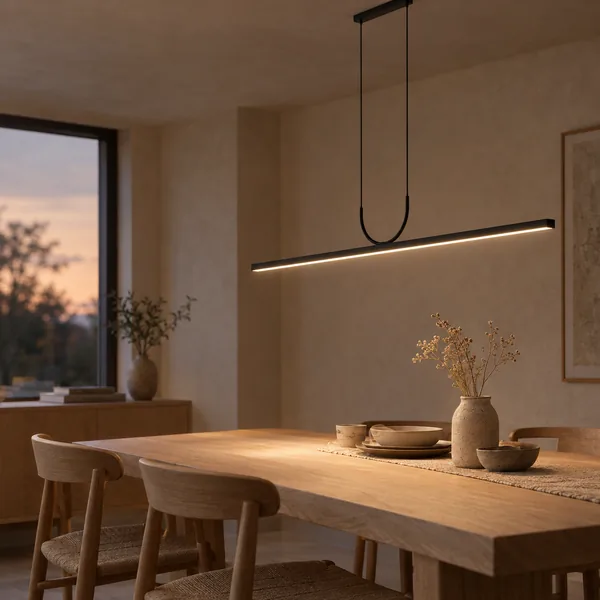
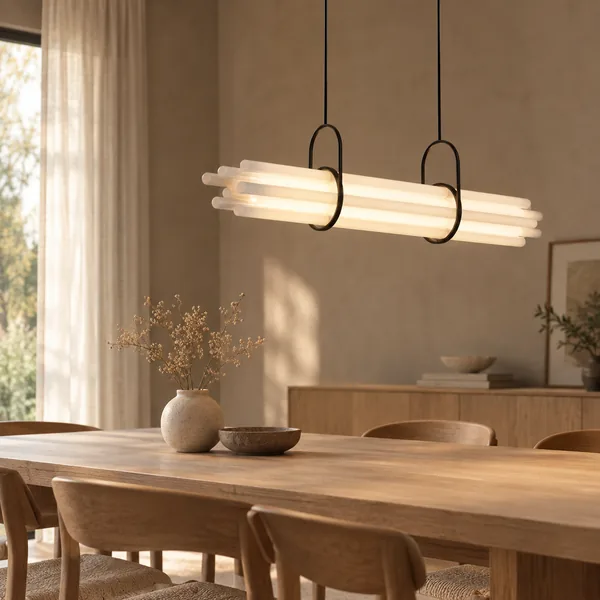
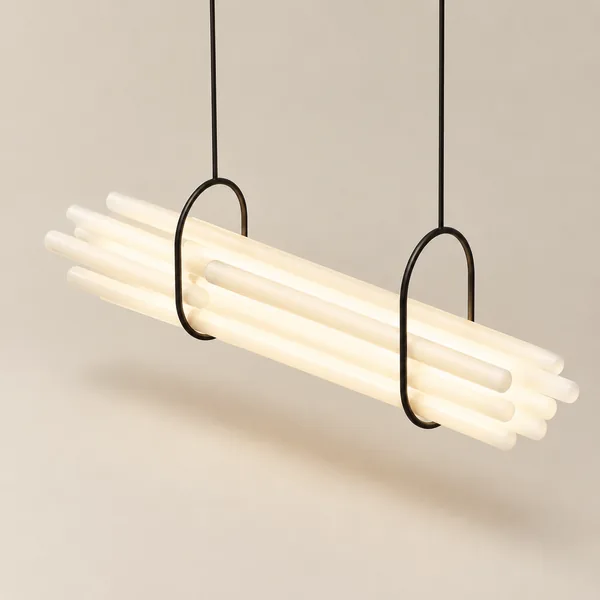
Types and Styles of Linear Chandeliers
When exploring what are the different types of linear chandeliers, you'll discover a rich variety of designs suited to different aesthetics and functional needs:
Modern Linear Chandeliers
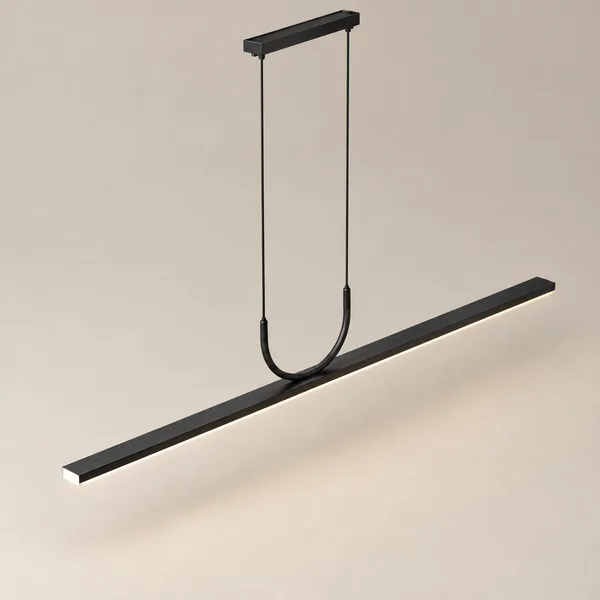
Sleek, minimalist designs featuring clean lines, geometric shapes, and premium materials like brushed aluminum or matte black finishes. These contemporary linear fixtures emphasize simplicity and understated sophistication—perfect for Scandinavian-inspired interiors.
Linear Brass Chandeliers
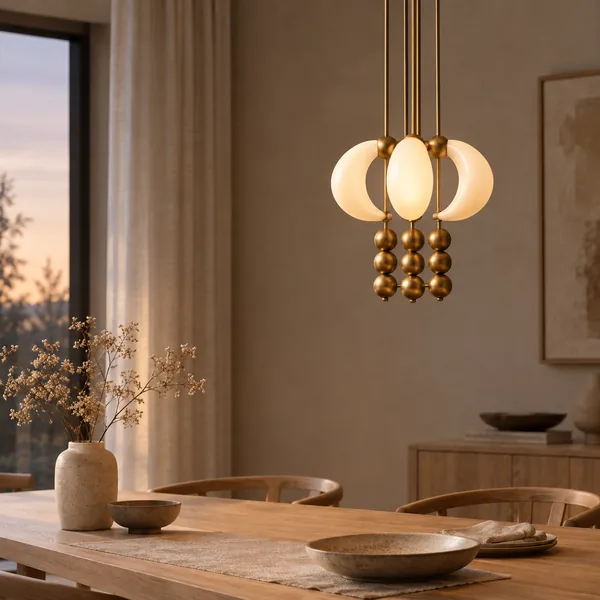
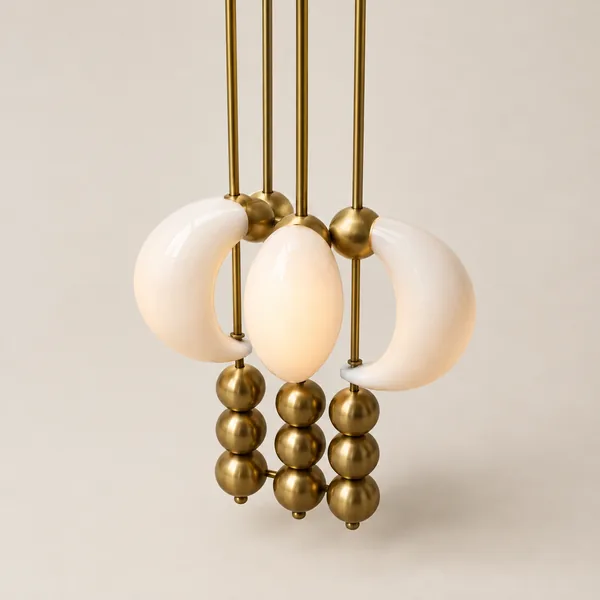
Warm metallic tones bring a touch of timeless elegance to dining spaces. A linear brass chandelier pairs beautifully with natural wood tables, leather seating, and neutral color palettes. The warm glow of brass creates an inviting hygge atmosphere that encourages lingering conversations.
Crystal and Glass Linear Fixtures
For those seeking drama and refinement, crystal-accented rectangular chandeliers refract light into dancing patterns across walls and ceilings. These pieces blend traditional chandelier elements with modern horizontal orientation.
Mixed-Material Designs
Combining wood, metal, stone, and glass elements, these fixtures add textural depth and organic warmth to your dining room. They bridge the gap between rustic and contemporary aesthetics.
If you're exploring various lighting options for your space, our Dining Room Lighting collection offers a curated selection of fixtures designed to transform how you experience mealtimes and gatherings.
How to Choose the Perfect Linear Chandelier
Selecting the right fixture involves balancing aesthetics with practical considerations. This video offers expert guidance on choosing lighting that complements your dining space:
When evaluating options, consider how the fixture will interact with your existing furniture, ceiling height, and overall room proportions. The goal is to create a cohesive look that feels intentional and inviting.
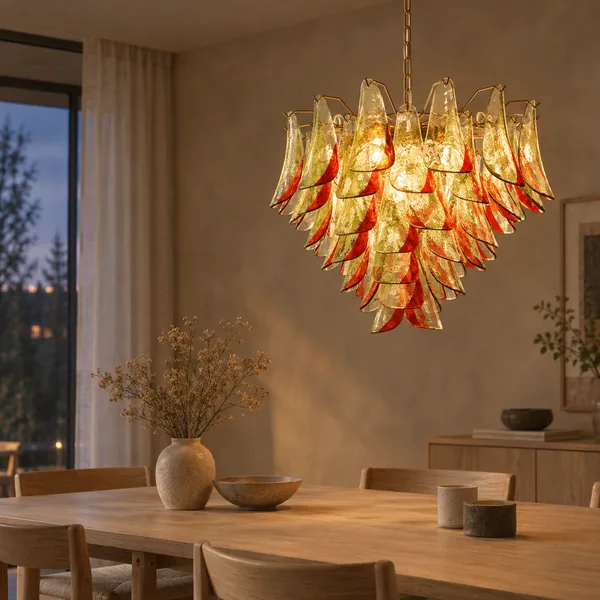 Klarglod Dimmable Nordic K9 Crystal Chandelier$889.00$1,279.00
The Klarglod Dimmable Nordic K9 Crystal Chandelier exemplifies how crystal elements can elevate a linear form. Its hand-selected K9 crystal accents catch and refract light beautifully, while the warm gold metallic frame adds a layer of Nordic sophistication that feels both timeless and contemporary.
What Size Linear Chandelier for Your Dining Room?
One of the most common questions we hear is: what size linear chandelier for dining room spaces? Getting the proportions right ensures your fixture enhances rather than overwhelms your space.
The Golden Rule of Sizing
For rectangular dining tables, your linear chandelier should measure approximately two-thirds to three-quarters the length of your table. This creates visual balance while leaving adequate clearance at either end.
| Table Length | Recommended Chandelier Length | Ideal Width/Height |
|---|---|---|
| 60 inches (5 feet) | 36-45 inches | 10-14 inches wide |
| 72 inches (6 feet) | 48-54 inches | 12-16 inches wide |
| 84 inches (7 feet) | 56-63 inches | 14-18 inches wide |
| 96+ inches (8+ feet) | 64+ inches or consider multiple fixtures | 16-20 inches wide |
Height Considerations
The bottom of your chandelier should hang 30-36 inches above the table surface for standard 8-foot ceilings. For higher ceilings, add approximately 3 inches of hanging length per additional foot of ceiling height. This ensures adequate illumination without obstructing sightlines across the table.
Material and Finish Selection
The materials you choose significantly impact the ambiance and longevity of your fixture. Here's what to consider:
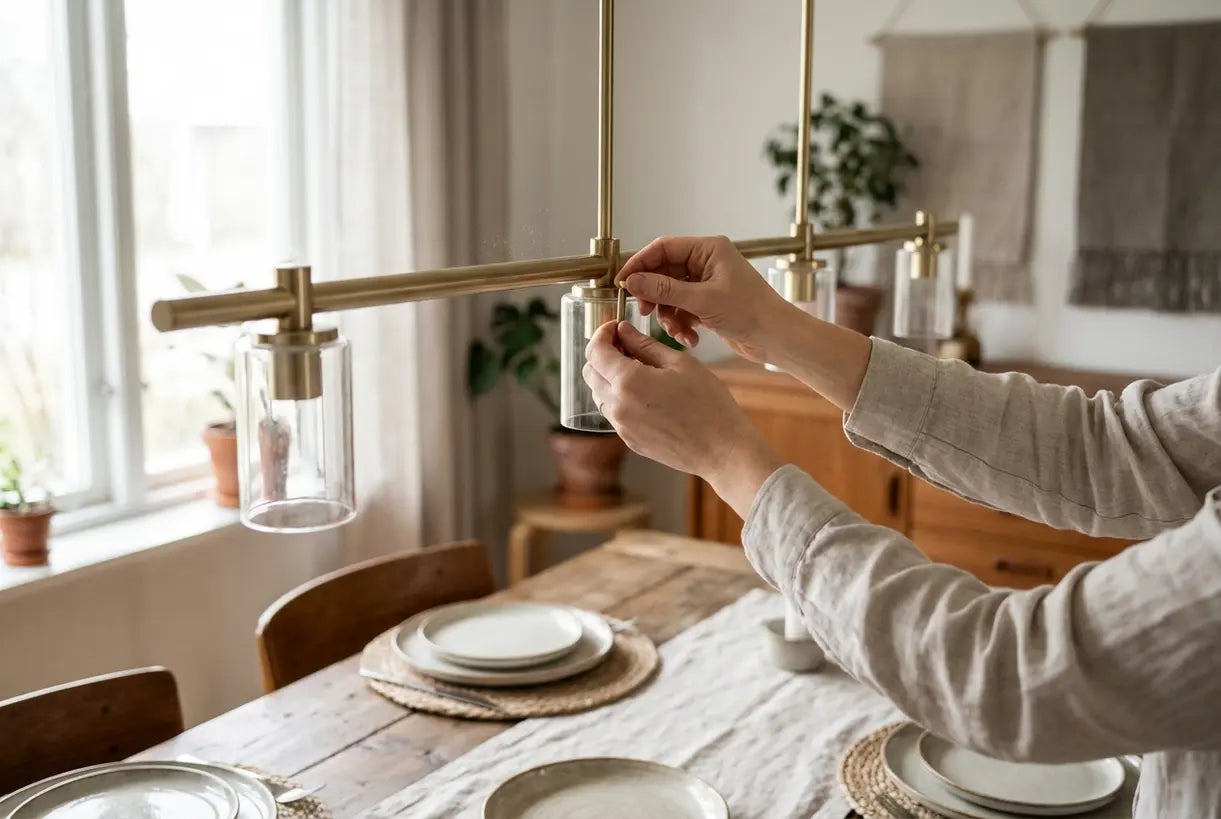
Brass and Gold Tones
Warm metallics like brass, antique gold, and champagne finishes create an inviting, lived-in feel. These finishes develop a beautiful patina over time and pair exceptionally well with natural materials like wood and linen. A linear brass chandelier works beautifully in both traditional and contemporary settings.
Matte Black and Dark Finishes
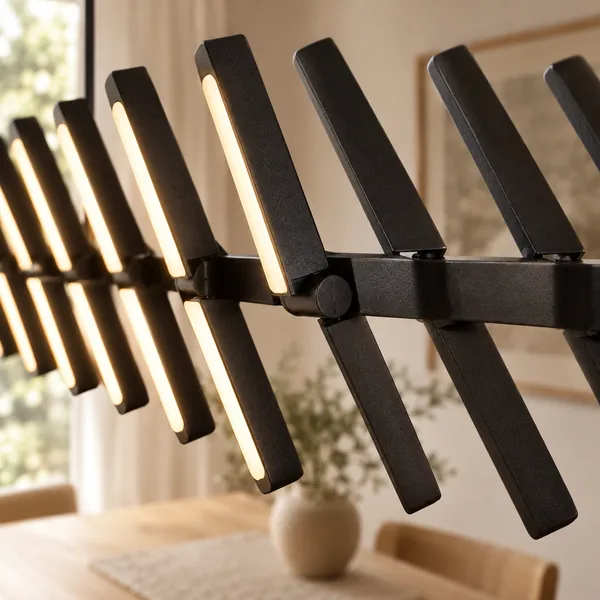
For bold contrast and modern edge, matte black fixtures anchor light-colored rooms and create dramatic focal points. Black linear chandeliers are particularly striking against white or light gray ceilings.
Mixed Materials
Fixtures combining metal with wood, stone, or woven elements add organic texture and visual interest. These designs feel grounded and intentional—perfect for creating that coveted Scandinavian hygge atmosphere.
Curated Linear Chandelier Selections
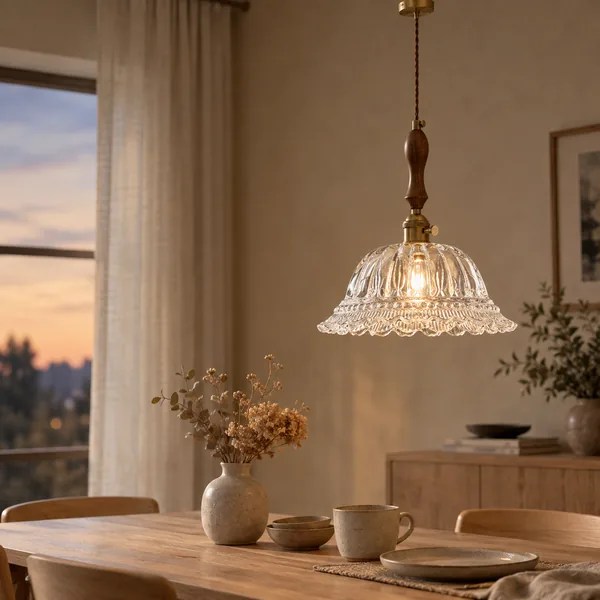 Gloda Walnut Brass French Style Pendant Light$169.00$229.00
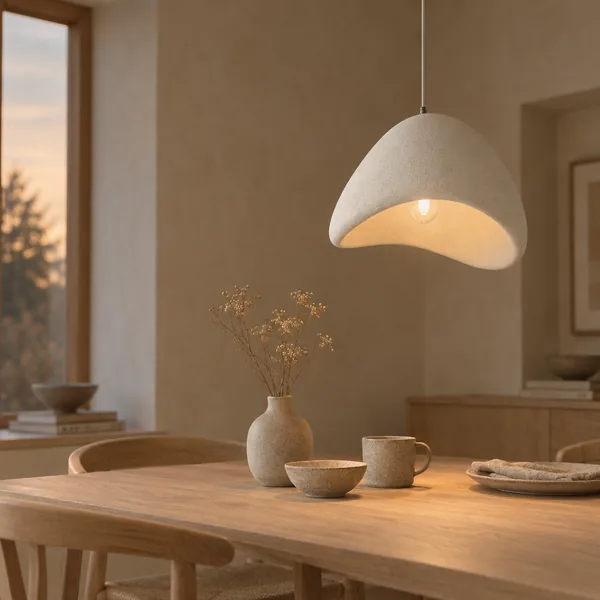 Stena Textured Stone Chandelier Pendant Light$259.00$389.00
The Gloda Walnut Brass French Style Pendant Light demonstrates the beauty of mixed materials, combining rich walnut wood with polished brass for a fixture that feels both grounded and refined. Similarly, the Stena Textured Stone Chandelier Pendant Light showcases how organic textures like hand-finished stone surfaces can transform a linear fixture into a sculptural art piece.
Installation Considerations
Understanding how to install a linear chandelier helps you plan your project and determine whether professional assistance is needed.
Electrical Requirements
Most linear chandeliers require a standard junction box, but larger fixtures may need additional support. If your fixture weighs more than 50 pounds, you'll likely need to install a ceiling support brace or fan-rated electrical box.
Mounting Options
- Standard Canopy: A single mounting point for fixtures up to approximately 48 inches
- Dual-Point Mounting: Two connection points for added stability on longer fixtures
- Sloped Ceiling Adapters: Specialized hardware for angled or vaulted ceilings
- Track or Rail Systems: Allow for adjustable positioning along a ceiling-mounted track
When to Hire a Professional
While experienced DIYers can handle basic installations, we recommend professional installation for:
- Fixtures weighing over 25 pounds
- Ceiling heights exceeding 10 feet
- Complex electrical modifications
- Vintage homes with outdated wiring
Always consult a licensed electrician to ensure your installation meets local building codes and safety standards.
Chandeliers
Shop all Chandeliers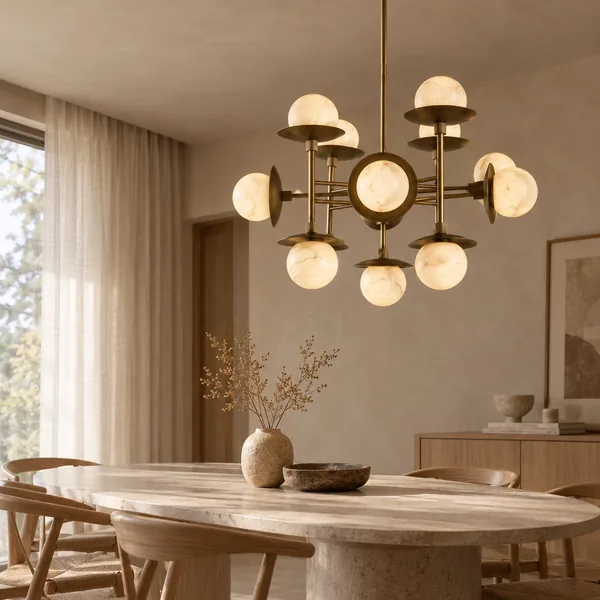
Cost and Investment Considerations
A common question from homeowners is: how much does a linear chandelier typically cost? The answer varies significantly based on size, materials, craftsmanship, and brand positioning.
Investment Range Guide: Entry-level linear chandeliers typically start around $150-$300 for basic designs in standard finishes. Mid-range options featuring better materials and craftsmanship generally fall between $400-$800. Premium and designer pieces with hand-finished details, artisan materials, or custom sizing can range from $1,000 to $5,000+. At Skonne, our curated collection spans from accessible everyday pieces around $200 to statement installations up to $11,000, ensuring options for every stage of your design journey.
Value Factors to Consider
When evaluating price points, consider:
- Material Quality: Solid brass versus plated metal, genuine crystal versus acrylic
- Craftsmanship: Hand-finished details versus mass production
- Light Source: Integrated LED systems versus replaceable bulbs
- Dimming Capability: Smart controls and dimming options add versatility
- Warranty and Support: Quality manufacturers stand behind their products
Remember that a well-chosen linear chandelier is an investment in your home's ambiance and your daily experience of the space. The right fixture will serve your family for decades, making it worth prioritizing quality within your budget.
Creating Your Perfect Dining Atmosphere
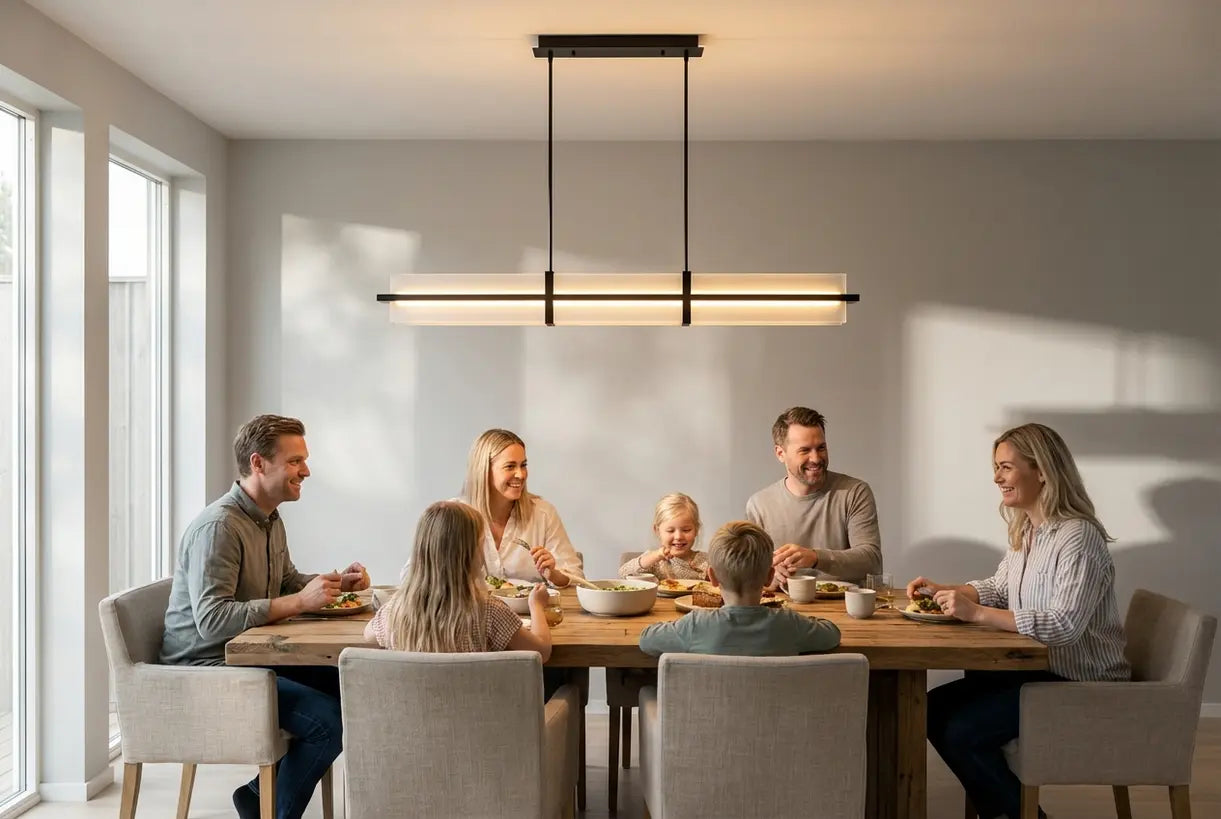
The dining room is where connections happen—where we gather to share meals, celebrate milestones, and create memories with the people who matter most. A thoughtfully selected linear chandelier serves as the anchor for these moments, casting warm light that invites conversation and creates intimacy.
When you choose a fixture that resonates with your aesthetic and meets your functional needs, you're not just installing a light source. You're creating an atmosphere. You're defining how it feels to gather in your home. And you're making a statement about what matters to you: intentional design, quality craftsmanship, and the warm embrace of Scandinavian-inspired living.
Ready to Find Your Perfect Fixture? At Skonne, we believe lighting should feel as good as it looks. Our curated collection of linear chandeliers, pendant lights, and dining room fixtures brings together Scandinavian design principles with exceptional craftsmanship—helping you create spaces that feel elevated, intentional, and uniquely yours.
Related Article
Foyer & Entryway Chandeliers: Make a Grand First ImpressionTransform your entryway with the perfect foyer chandelier. Learn expert sizing tips, discover modern Scandinavian styles, and make a grand first impression.