
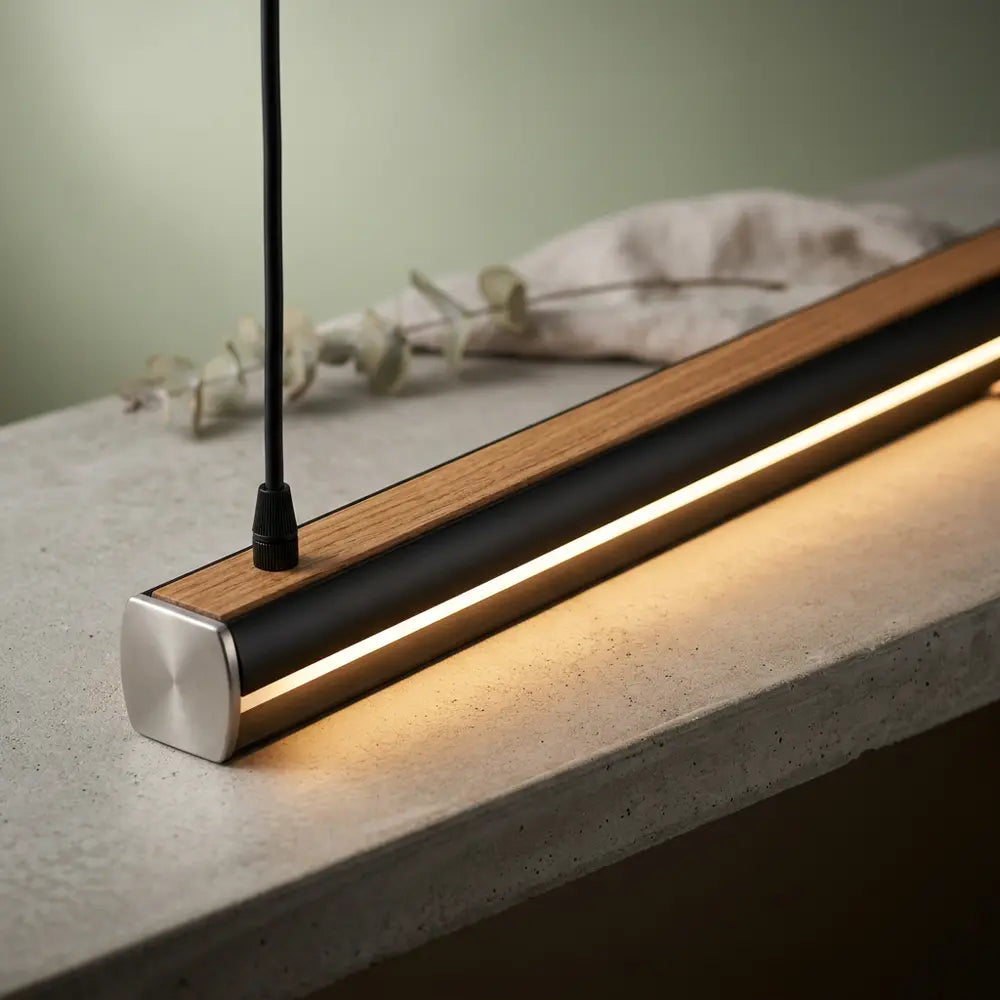
Linear Pendant Lights
Showing 1 - 17 of 17 products
 Save $140.00
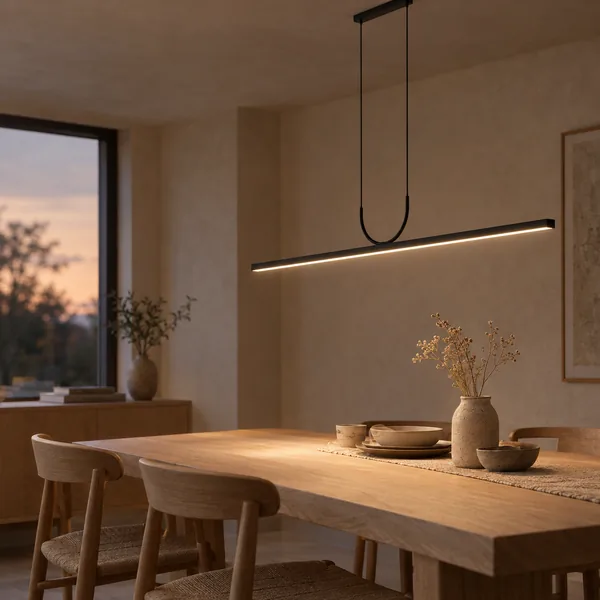
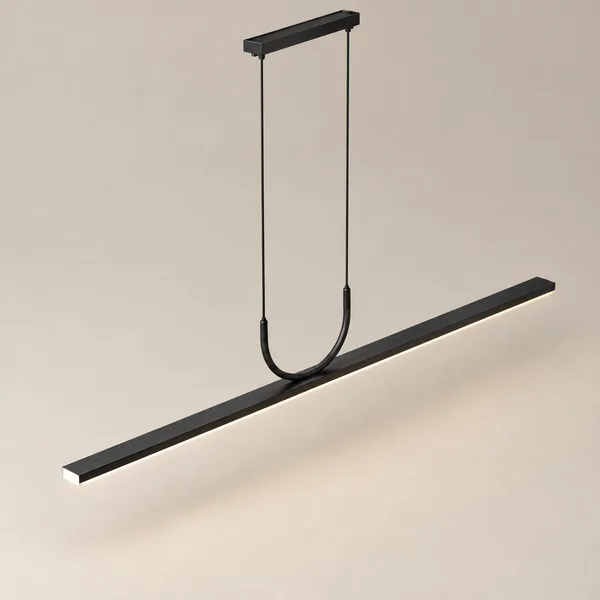
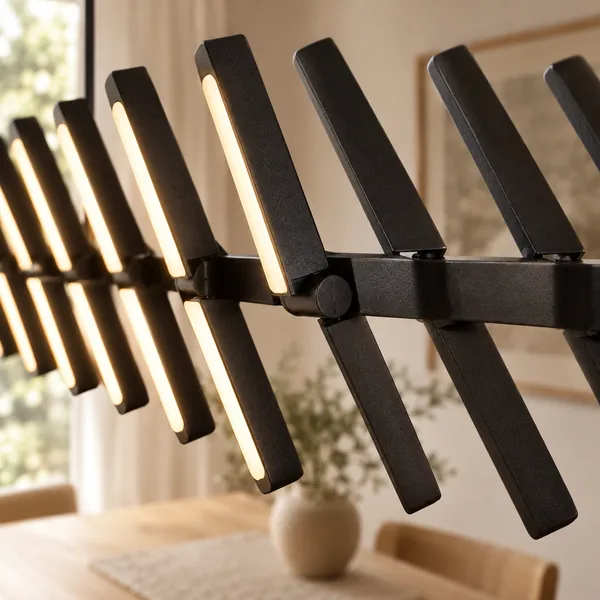
Linné Minimalist Linear Black LED Pendant Light
 Save $210.00
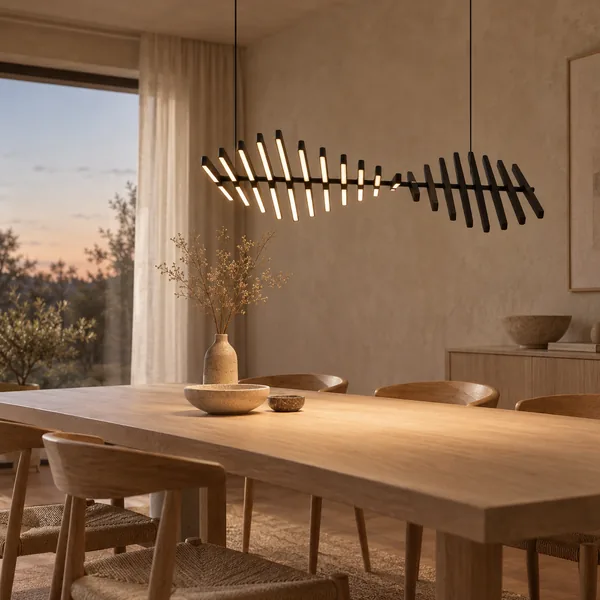
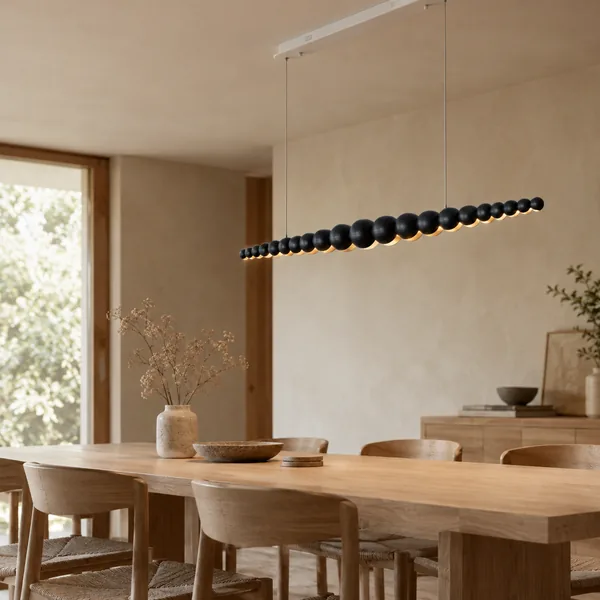
Nattbue Dimmable Black Modern LED Chandelier
 Save $170.00
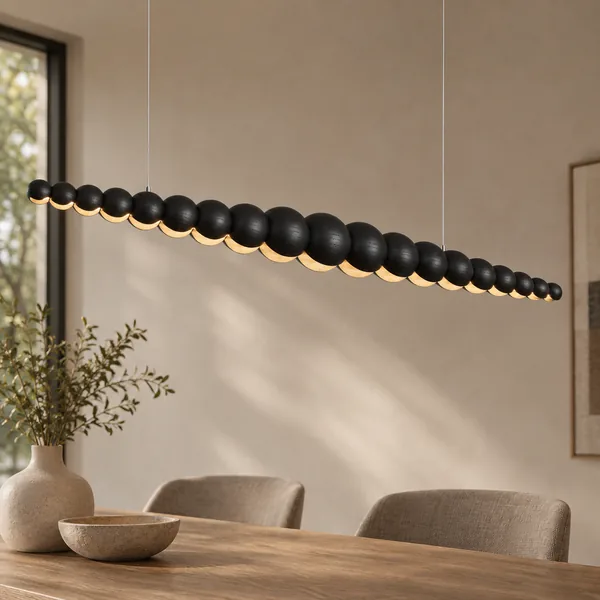
Strengla Black Wood Bead Linear Pendant Light
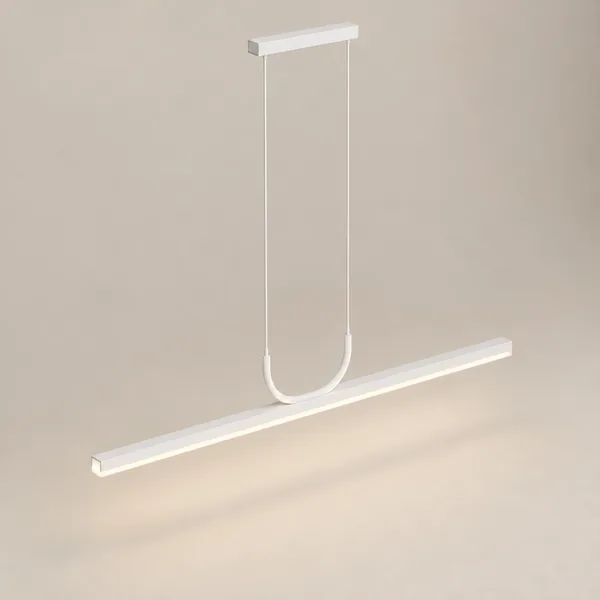 Save $100.00
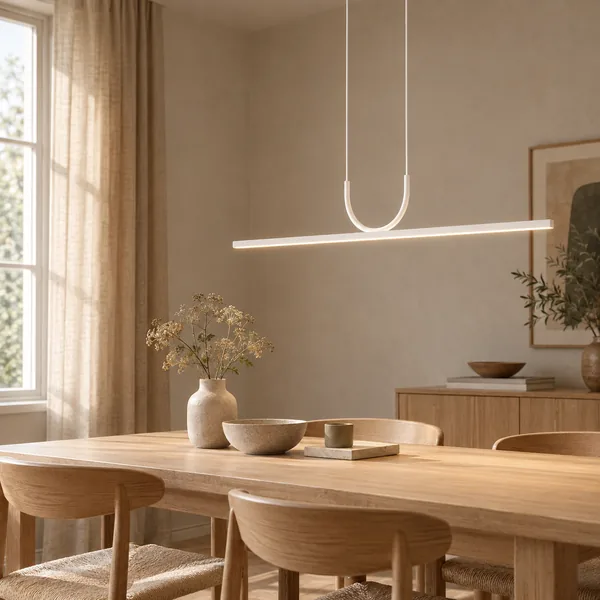
Linnea White Minimalist Linear LED Pendant Light
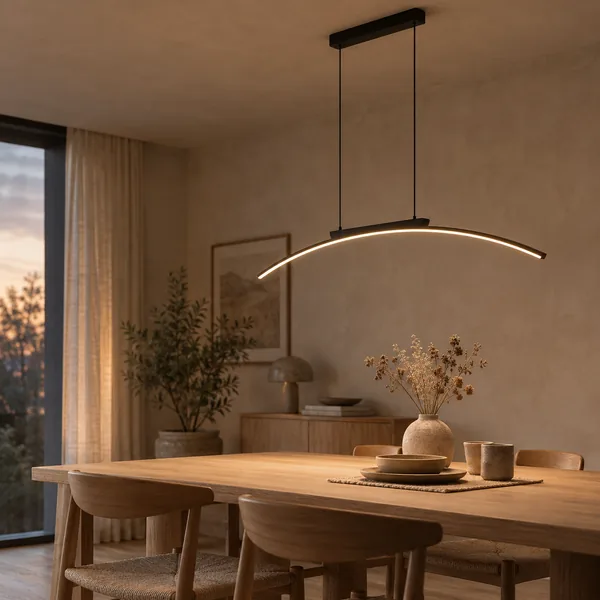
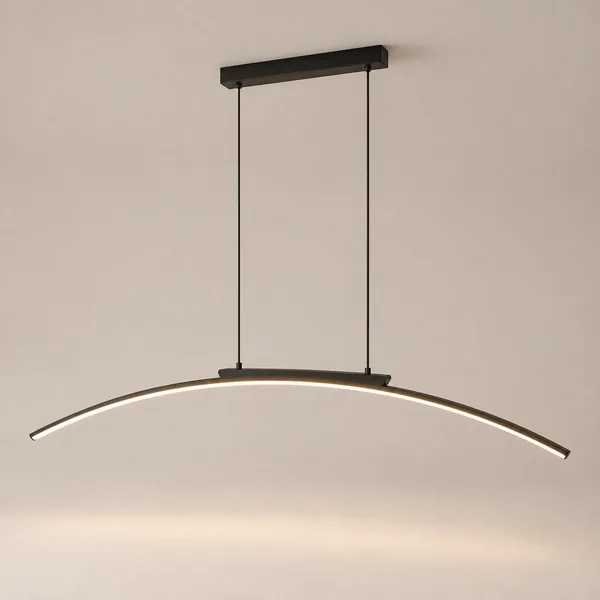 Save $140.00
Lysbu Curved Arc LED Chandelier in Nordic Black
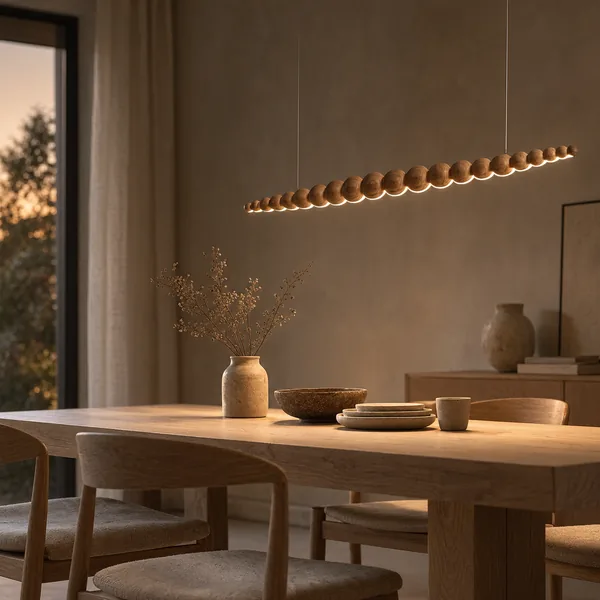
 Save $300.00
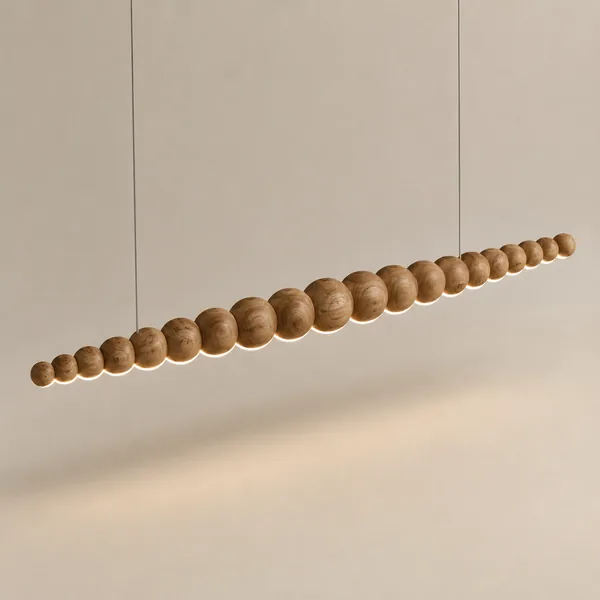
Strale Linear Wood Bead Dimmable Pendant Light
 Save $270.00
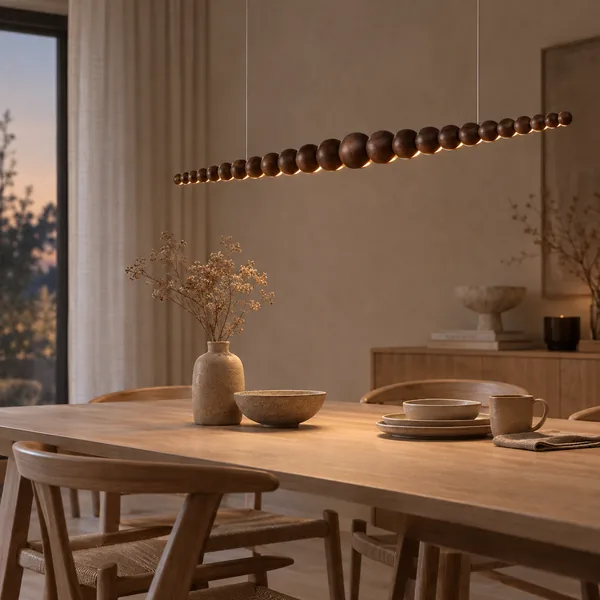
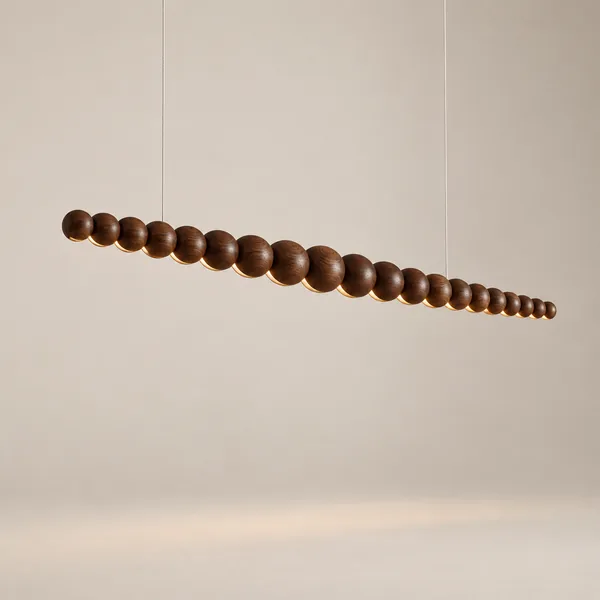
Treslys Dark Wood Dimmable Linear Pendant Light
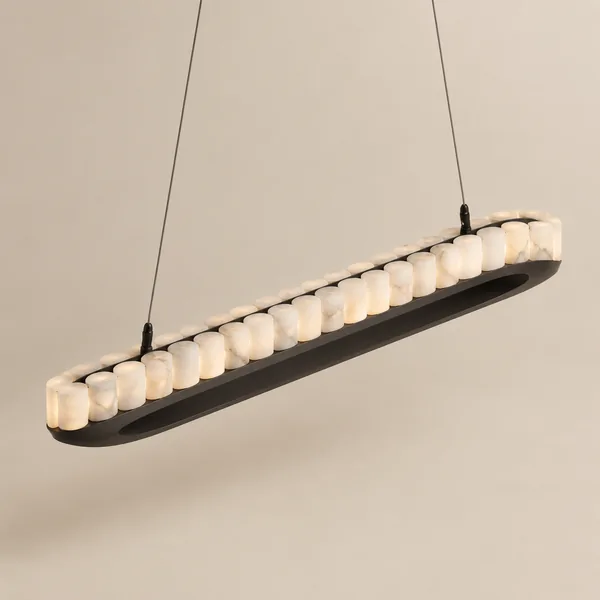 Save $310.00
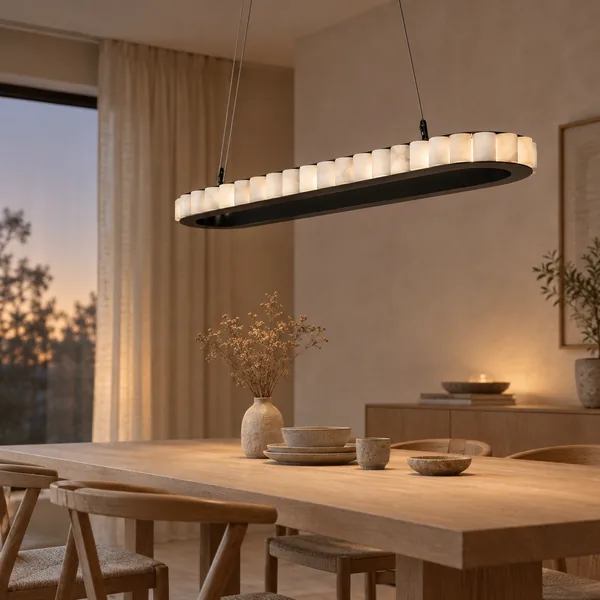
Marvei Oval Marble LED Pendant Light for Dining
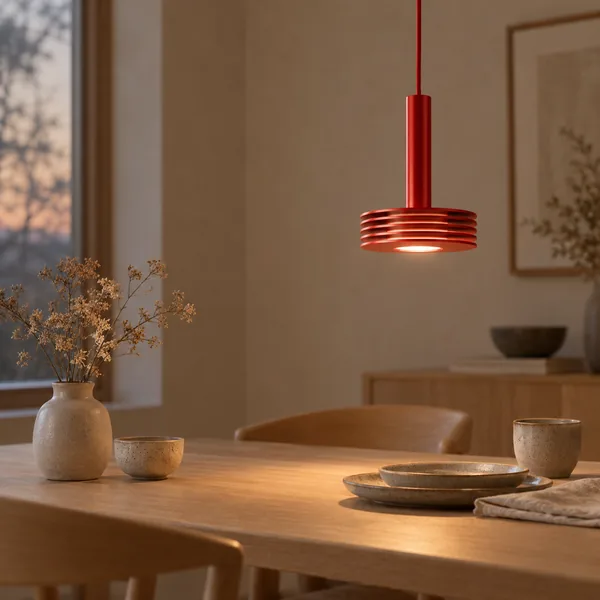
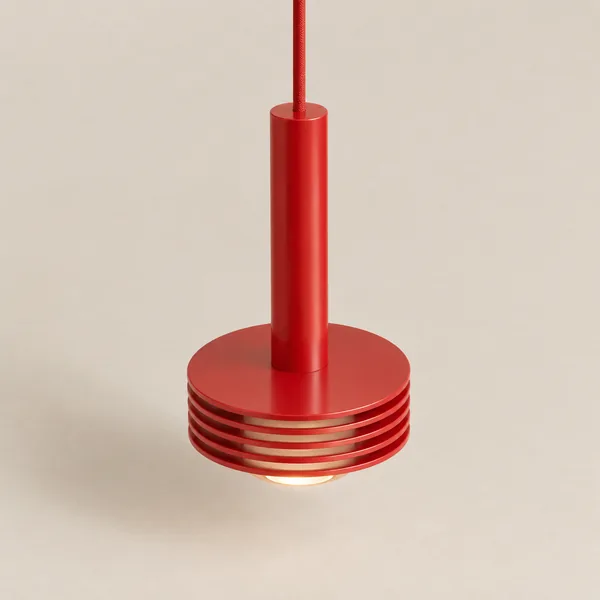 Save $100.00
Strala Modern Minimalist Aluminum Pendant Light
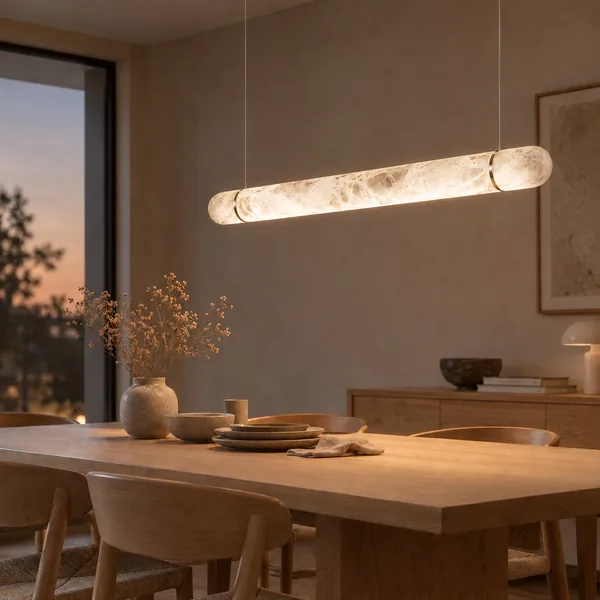
 Save $350.00
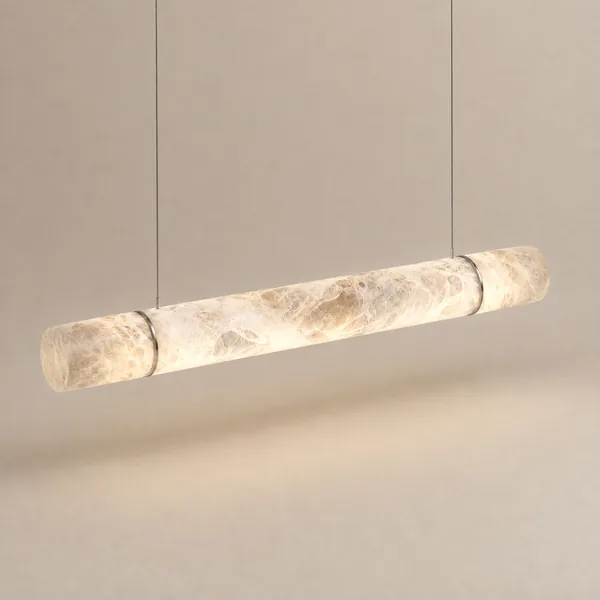
Stenlys Sculptural Marble Beam Pendant Light
 Save $130.00
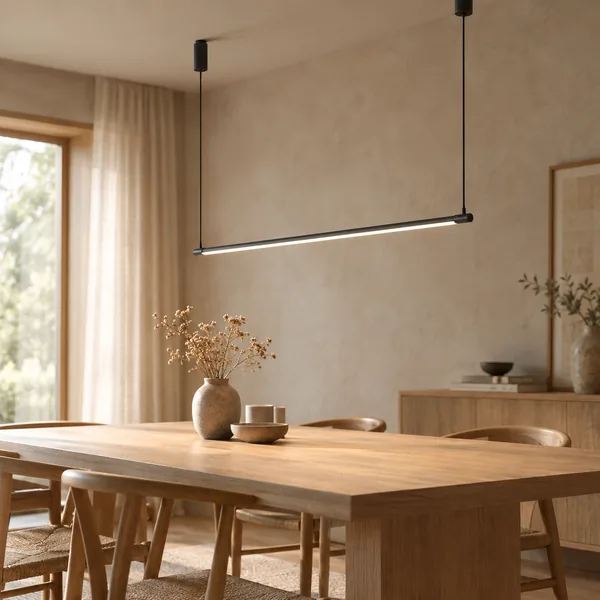
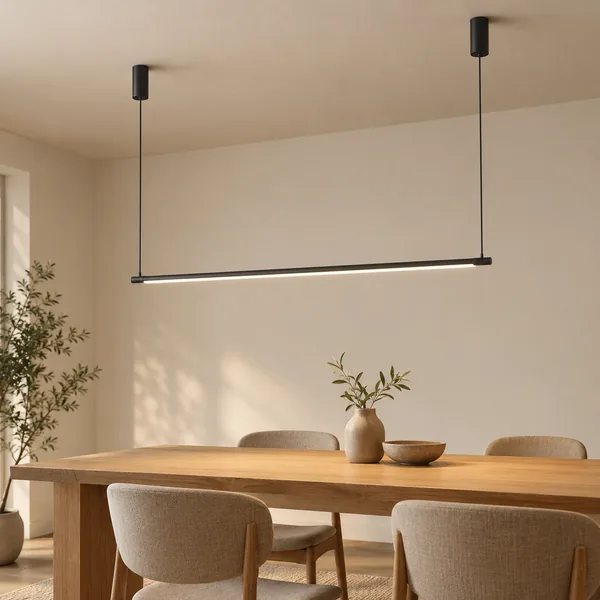
Rekke Aluminum Linear LED Pendant Light Black
 Save $510.00
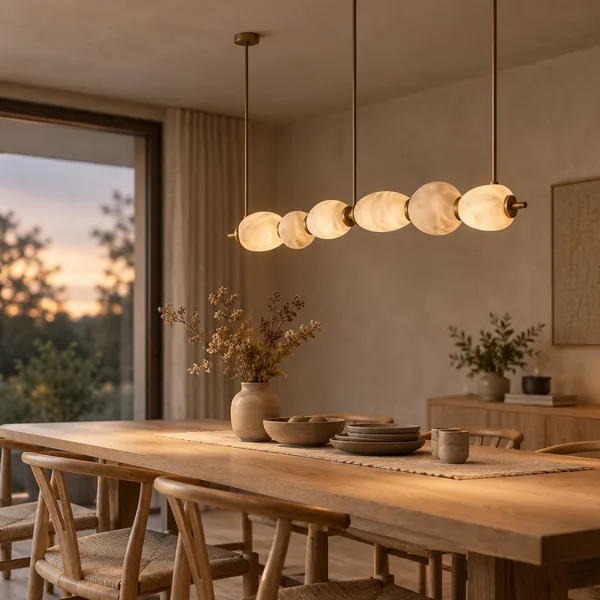
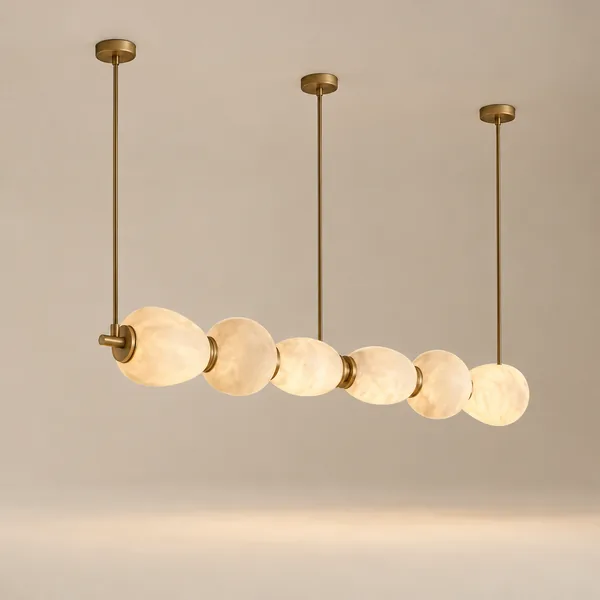
Stenvei Natural Marble Dimmable Pendant Light
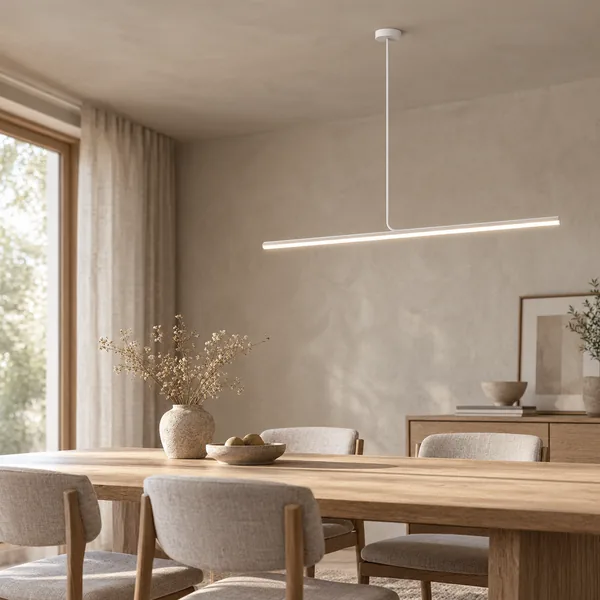
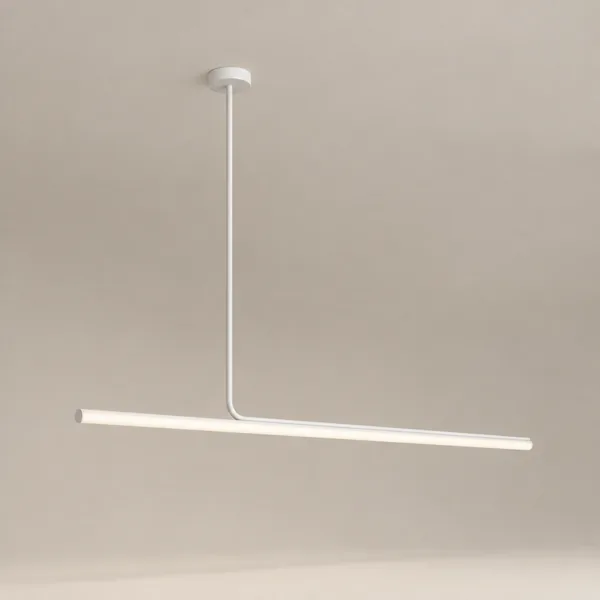
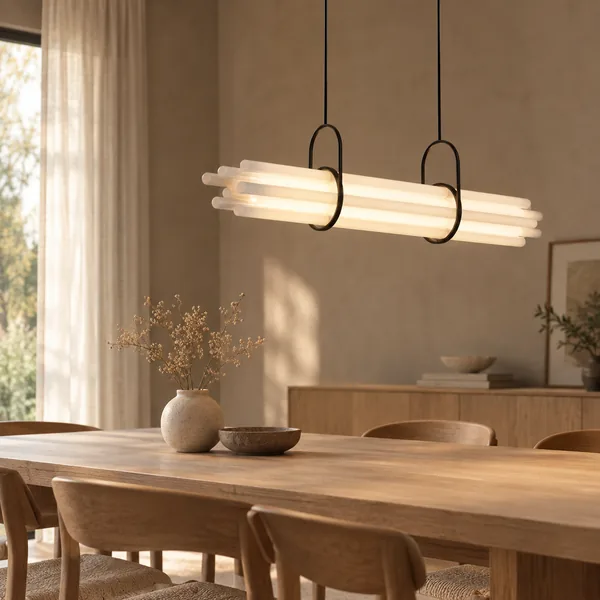
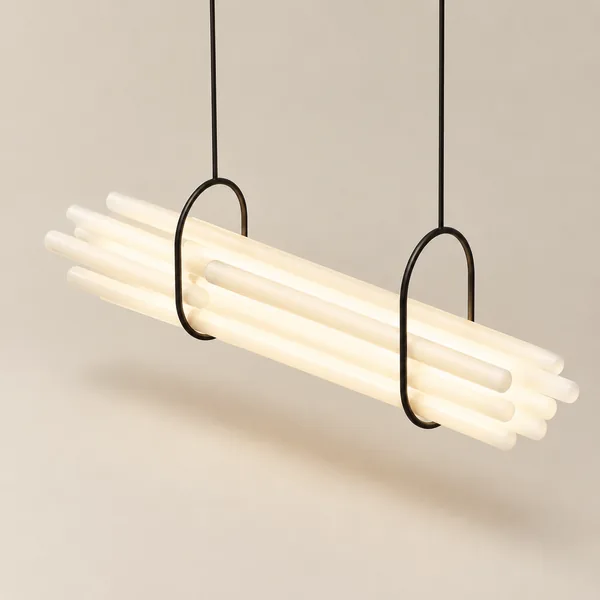
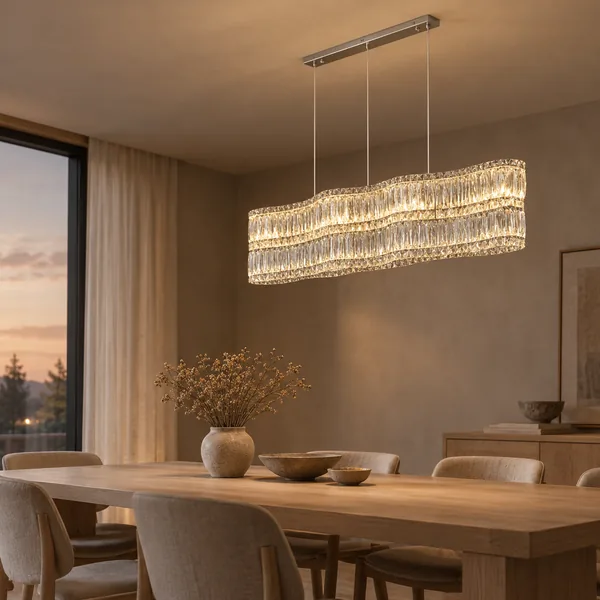
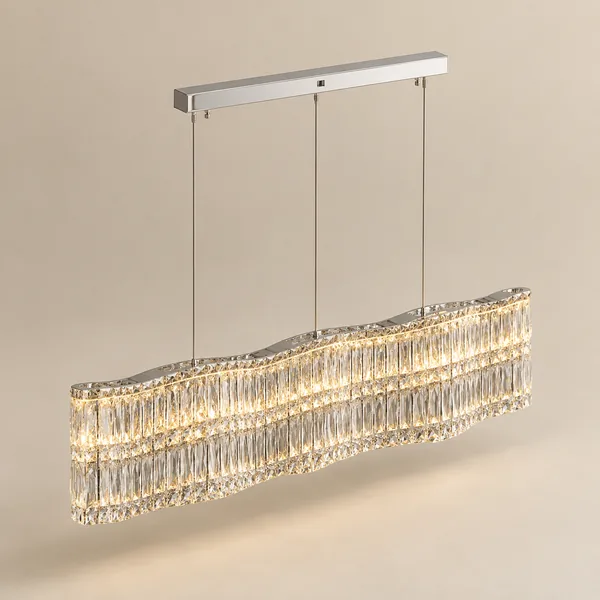
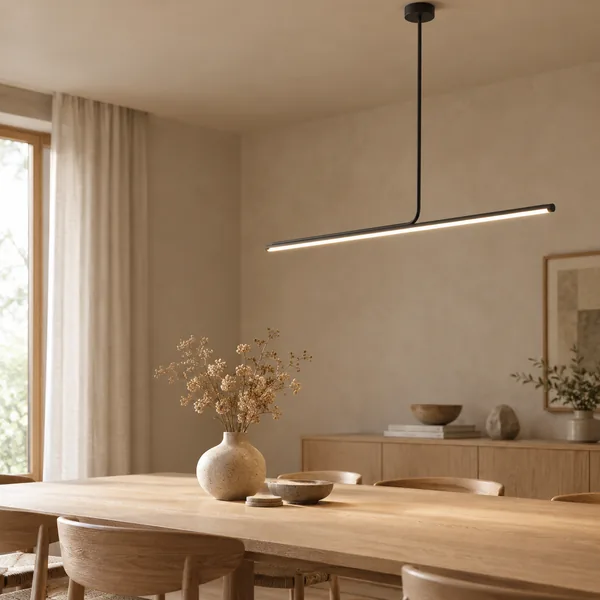
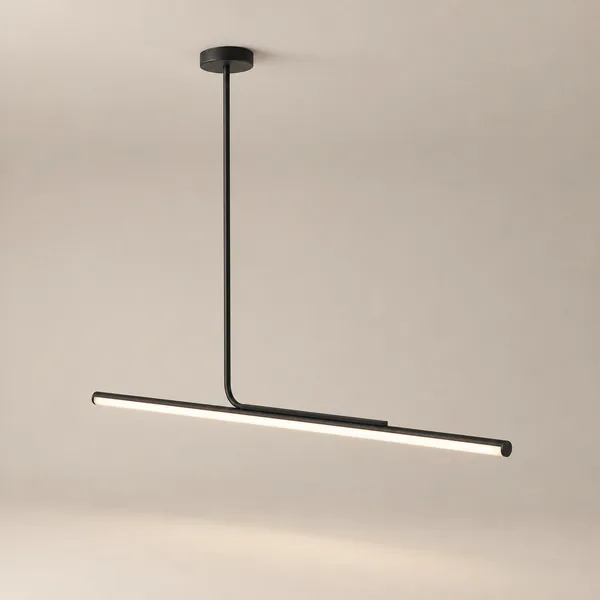
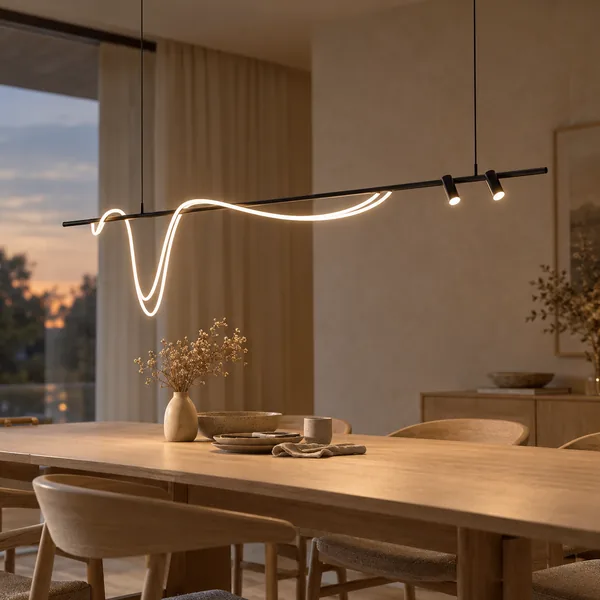
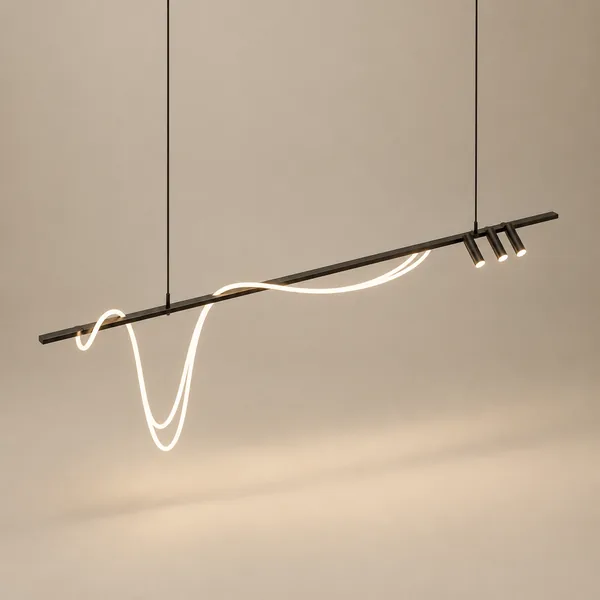
There is something quietly compelling about a light that follows the line of a table — the way it anchors a room, draws people together, and makes every meal feel considered. Linear pendant lights do exactly that. Long, low-profile, and designed with intention, they are one of the most functional yet architecturally beautiful choices you can make for a kitchen island or dining table.
At Skonne, our collection of linear pendant lights draws from the Nordic tradition of purposeful design — where every shape earns its place, every material is chosen with care, and warmth is never an afterthought.
Why Linear Pendant Lighting Works So Well in the Home
Most ceiling fixtures are designed around a single point of light. Linear pendants take a different approach — they distribute light evenly along a horizontal plane, which makes them uniquely suited to long surfaces like kitchen islands, dining tables, and breakfast bars.
The result is fewer shadows, more even illumination, and a visual balance that round or cluster pendants simply cannot achieve over an elongated space. This is not just a practical advantage — it is a design advantage too.
A well-chosen linear suspension light visually "completes" a room. It creates a clear focal point overhead, guides the eye, and defines the dining or kitchen zone without the need for additional architectural interventions. In open-plan living spaces — where so many Nordic-inspired homes lean — this kind of quiet definition is invaluable.
Linear Kitchen Island Lighting for the Scandinavian Home
The kitchen island has become the social heart of the modern home. It is where coffee is made in the morning, where children sit with homework, where guests linger during dinner parties. Linear kitchen island lighting respects this role — it provides generous task light for cooking and prep, while also creating the kind of warm, inviting glow that makes a kitchen feel lived-in and welcoming.
In the Scandinavian design tradition, the kitchen is never just a workspace. It is a gathering place, and the lighting must serve both moods. Our curated selection balances direct and indirect lighting profiles, so you can find a fixture that works as hard during busy weeknight dinners as it does during slow Sunday mornings.
Whether your kitchen runs a sleek, handleless aesthetic or leans toward the warmth of natural timber cabinetry, there is a linear pendant in our collection that will feel like it was always meant to be there.
Materials, Finishes and the Scandinavian Aesthetic
One of the defining qualities of Nordic design is an honest relationship with materials. Wood is not disguised; metal is not over-embellished. Our linear wood pendant lights celebrate this philosophy — featuring timber finishes that bring organic warmth to an otherwise structured form.
For those drawn to a more pared-back, contemporary look, our black linear pendant lights offer striking contrast against white or light-toned interiors. Matte black has become a signature finish in modern Scandinavian spaces — assertive without being aggressive, graphic without being cold.
Where a softer, more versatile finish is needed, brushed nickel and warm metallic tones work beautifully alongside natural textures like stone benchtops, rattan seating, and oak flooring — all hallmarks of the Nordic interior palette.
Each material choice in our collection has been made with longevity in mind. These are not trend-driven pieces. They are lights designed to look right for decades, growing better as the spaces around them evolve.
Modern Linear LED Pendant Lights and the Quality of Light
In Scandinavian countries, where natural light is scarce for much of the year, the quality of artificial light is treated with great seriousness. It is not enough for a light to simply illuminate — it must illuminate beautifully.
Our linear LED pendant lights are selected with this standard in mind. Warm LED technology creates a glow that feels close to natural candlelight — soft, flattering, and inviting rather than clinical or harsh. This is particularly important over dining tables, where the quality of light directly affects the atmosphere of every meal.
Many of the linear pendants in our collection are fully dimmable, giving you complete control over the mood of your space. A brighter setting for weekend breakfasts; a lower, more intimate glow for evening entertaining. This adaptability is central to how thoughtful Scandinavian lighting design actually functions in daily life.
LED technology also means that these fixtures are energy efficient and long-lasting — practical considerations that align naturally with the Nordic value of sustainability.
Sizing and Scale for Dining Table Lighting
Getting the proportion right is one of the most important decisions when choosing dining table lighting. A linear pendant that is too short will look lost; one that is too long will overwhelm the room and potentially obstruct sightlines across the table.
As a general guide, your linear pendant should be approximately two-thirds the length of your table. For a standard 1800mm dining table, a fixture between 1000mm and 1200mm works well. For a larger island or table, scaling up to 1400mm–1600mm creates a more dramatic, proportional presence.
Hanging height matters just as much as length. Adjustable cable length is a feature we prioritize across our collection, because ceiling heights vary enormously from home to home. Whether you are working with a low-slung apartment ceiling or a vaulted open-plan space, the ability to fine-tune the drop ensures your light sits at exactly the right height — close enough to be intimate, high enough to preserve clear sightlines.
Linear Pendant Lights as Architectural Lighting
Beyond the kitchen and dining room, linear pendants are increasingly being used as a form of architectural lighting — as structural visual elements that define and differentiate zones within an open-plan space.
A linear suspension light positioned over a reading nook or a workspace creates an implied boundary, a room-within-a-room feeling that is especially useful in large open-plan living areas. In commercial contexts — cafés, boutique hotels, working studios — this principle is used extensively, and it translates beautifully into residential interiors too.
The clean, elongated profile of a linear pendant is inherently architectural in character. It reads like a deliberate structural choice, not an afterthought. This is what distinguishes great lighting design from simply buying a light — and it is the distinction that Skonne's curation is built around.
Bar Pendant Lights and the Hospitality-Inspired Interior
The rise of the kitchen island has brought with it a new appreciation for bar pendant light styling — fixtures that borrow their confident, horizontal format from restaurant and hospitality design and translate it seamlessly into the home.
There is something inherently social about this style of lighting. It says: this is a place to gather, to stay a while, to pour another glass. It creates an atmosphere, not just illumination.
Our selection includes designs that feel genuinely at home in a residential kitchen or dining room, without the industrial overtones that can make hospitality-inspired lighting feel out of place in a warmer, more personal setting. The Nordic style influence ensures that even the most structured, linear pieces retain a sense of softness and human scale.
Choosing the Right Linear Pendant Light for Your Space
The best way to approach choosing a linear pendant is to start with the surface it will illuminate, then work outward. Consider the length of your island or table, the height of your ceiling, and the dominant materials and finishes in your room.
If your space is primarily natural and warm — oak, linen, stone — a linear wood pendant or a warm-toned metal fixture will feel most cohesive. If your interior leans contemporary or monochromatic, a black linear pendant will provide the right kind of contrast and definition. If you want something that works across both worlds, brushed nickel or a neutral matte finish is the most versatile choice.
Think also about light direction. Some linear pendants project light downward only — ideal for task lighting over a kitchen island. Others incorporate upward-facing elements that bounce light off the ceiling and create a softer, more ambient effect — better suited to dining rooms where atmosphere matters as much as function.
Our team at Skonne is always available to help you find the right fit. We know these decisions matter, and we approach every enquiry with the same care we bring to our curation.
Explore More Pendant Lighting at Skonne
Linear pendants are one expression of what pendant lighting can do. If you are exploring other styles and forms — whether clustered, glass-shaded, or dramatic chandelier-style arrangements — our broader pendant lighting range offers a curated selection across every aesthetic. Browse our full pendant lights collection to discover the full breadth of Scandinavian-inspired pendant design at Skonne.
A linear pendant light is one of the most considered investments you can make in your home. It shapes how a room feels every single day — at breakfast, at dinner, at every quiet moment in between. When it is right, you stop noticing the light itself and simply feel the warmth it creates. That is the standard we hold every piece in this collection to.
Frequently Asked Questions about Linear Pendant Lights
17 products