
Living Room Table Lamps: How to Choose the Perfect Lamp for Your Lounge
Summary›
- Why Your Living Room Table Lamp Matters More Than You Think
- Understanding Table Lamp Height: The Foundation of Good Design
- Choosing the Right Size Table Lamp for Your Space
- Style Coordination: Finding the Perfect Living Room Table Lamp Ideas
- Solutions for Small Living Spaces
- Creating Visual Harmony: Should Table Lamps Match?
- Lighting Quality: Choosing the Best Bulbs for Your Living Room
- Building Your Perfect Living Room Lighting Scheme
Finding the right living room table lamp can transform your lounge from merely functional to truly inviting. These intimate lighting pieces do more than illuminate—they create atmosphere, define zones within your space, and express your personal aesthetic. Whether you're curling up with a book or entertaining friends, the perfect lamp becomes an essential companion in your daily rituals.
In this guide, we'll explore everything you need to know about selecting, sizing, and styling table lamps for your living space. From understanding proportional harmony to discovering the best light bulbs for your needs, you'll learn how to create that coveted Scandinavian hygge—that warm, cozy feeling that makes a house feel like home. And along the way, we'll introduce you to thoughtfully designed pieces that combine functionality with Nordic-inspired beauty.
Why Your Living Room Table Lamp Matters More Than You Think
Your living room table lamp is the unsung hero of interior lighting. While overhead fixtures provide general illumination, table lamps offer something more precious: layered, atmospheric light that flatters skin tones, reduces eye strain, and creates intimate pockets of warmth within larger spaces.
At Skonne, we believe lighting should serve both practical needs and emotional ones. A well-chosen lamp doesn't just sit on your side table—it becomes part of your home's story, casting gentle pools of light that invite you to slow down and savor the moment.
Research from the Lighting Research Center confirms what many intuitively know: warm, dimmable lighting in living spaces promotes relaxation and can even improve sleep quality when used in the evening hours. This makes your table lamp selection not just a design decision, but a wellness choice.
Understanding Table Lamp Height: The Foundation of Good Design
One of the most common questions we hear is about proper lamp height. Getting this right is crucial—too tall, and your lamp dominates the space awkwardly. Too short, and eye-level glare becomes an issue. The goal is eye-level illumination when seated, which typically means the bottom of the lampshade should sit between 24 to 28 inches from the table surface.
When placed on a standard 24-inch side table, your lamp should reach approximately 48 to 52 inches in total height. This places the light source comfortably at or slightly above eye level when you're seated on a sofa or armchair, creating that soft, diffused glow that enhances rather than overwhelms your space.
Choosing the Right Size Table Lamp for Your Space
Proportion is everything when selecting a modern table lamp for living room settings. Your lamp should feel harmonious with its surroundings—neither dwarfed by oversized furniture nor overwhelming delicate pieces. A good rule of thumb: the lamp's diameter should be approximately one-third the width of your table.
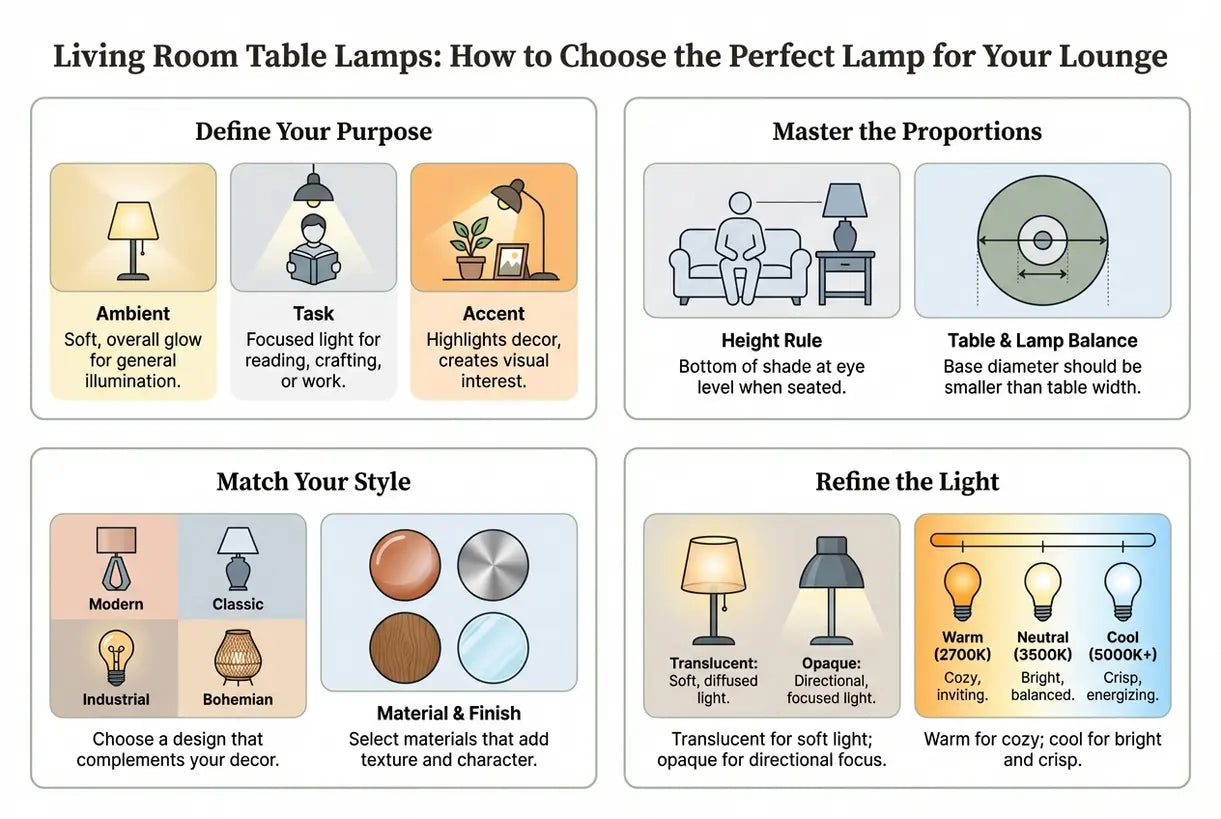
For larger living rooms with substantial sofas and coffee tables, consider lamps in the 28-32 inch range with broader bases. In more compact spaces, a small living room table lamp with a slender profile—typically 20-26 inches—maintains visual breathing room while providing adequate illumination. The key is balance: your lamp should complement, not compete with, your existing furniture.
Table Lamps
Shop all Table Lamps
 Save $30.00
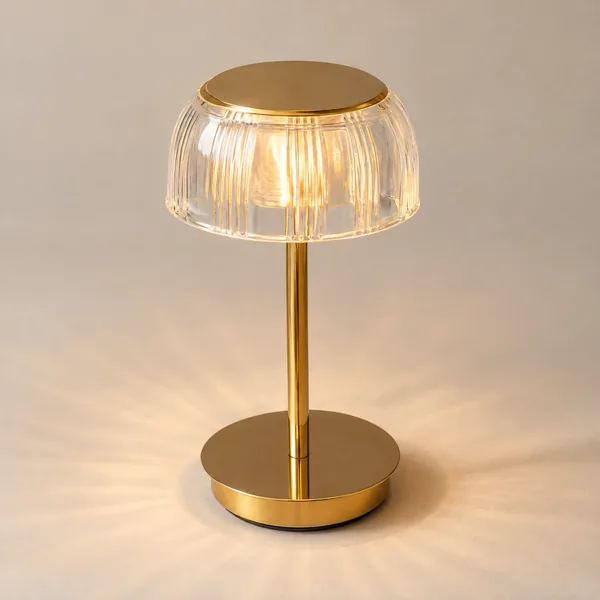
Kvalla Jellyfish LED Rechargeable Table Lamp
 Save $60.00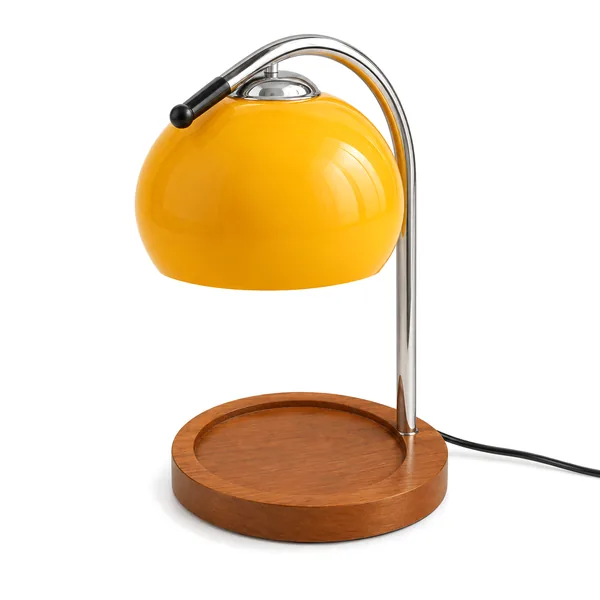
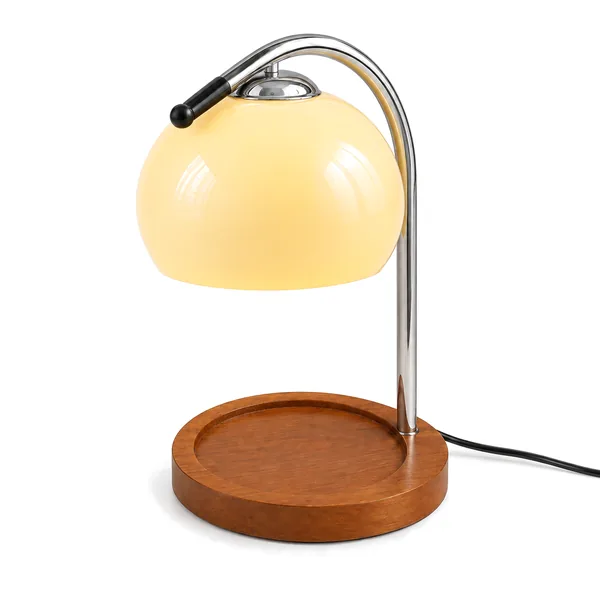 3 options
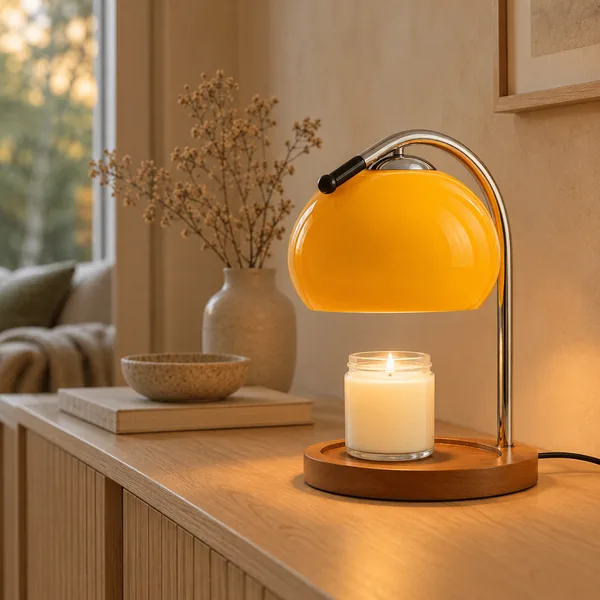
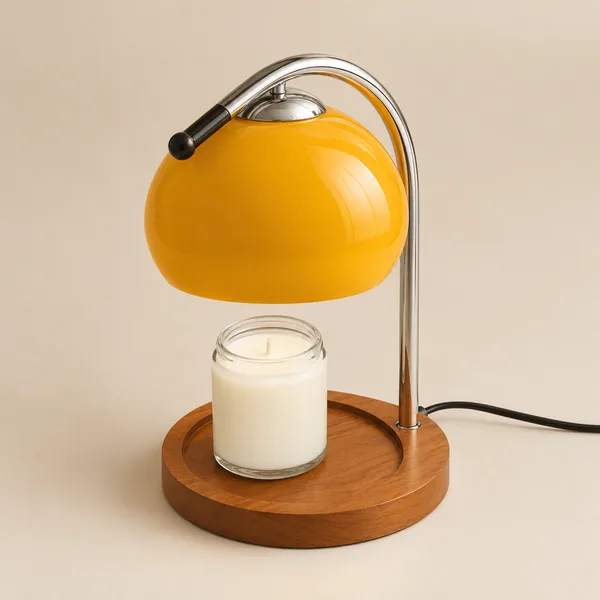
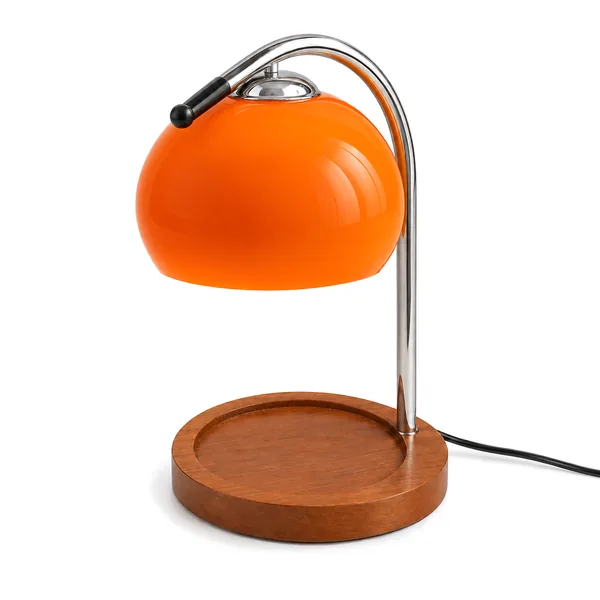
Solvarm Stained Glass Candle Warmer Table Lamp
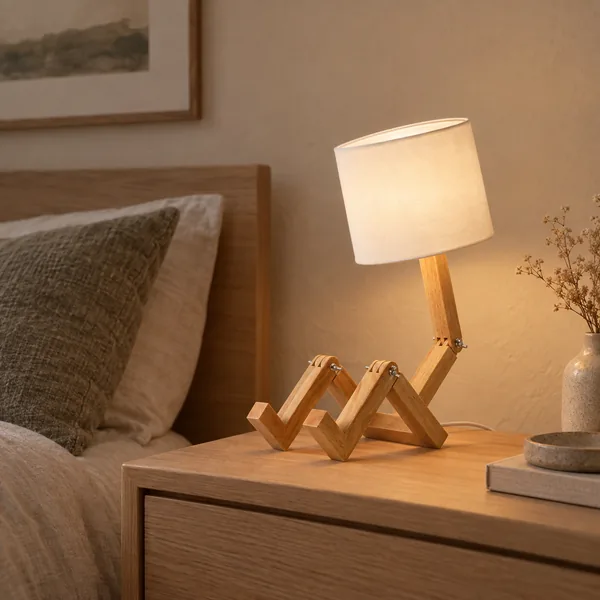
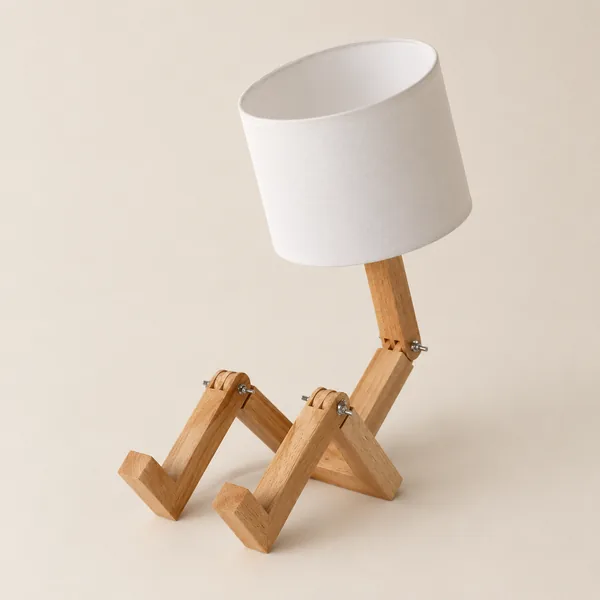
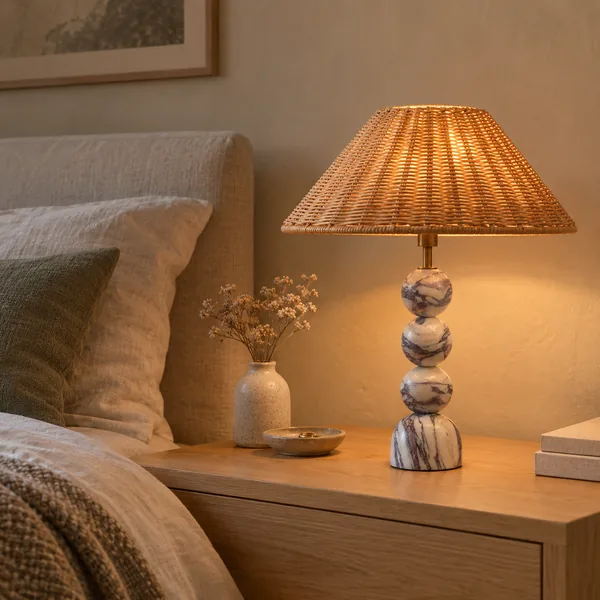
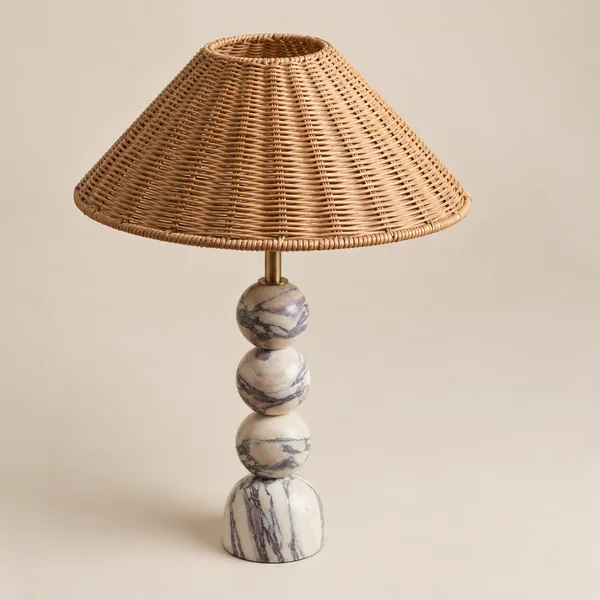 Save $220.00
Stenglo Nordic Marble Table Lamp Rattan Shade
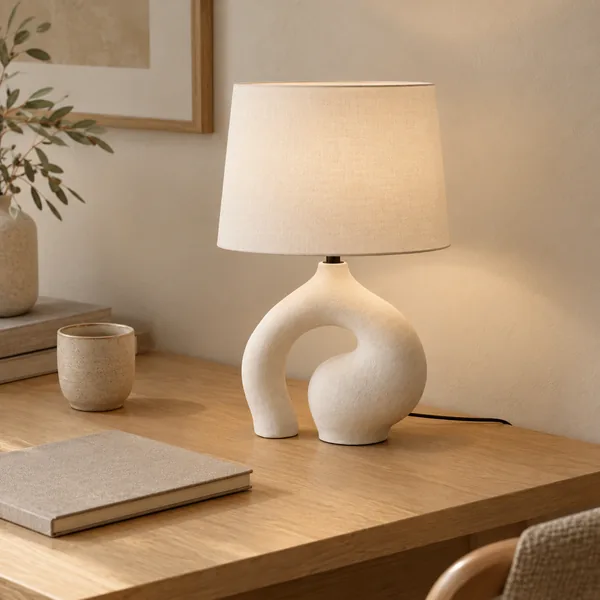 Formia Sculptural Resin Table Lamp Nordic Shade$399.00$579.00
For spaces needing additional ambient lighting beyond table lamps, exploring our Floor Lamps collection offers complementary solutions that maintain the same Scandinavian design principles.
Style Coordination: Finding the Perfect Living Room Table Lamp Ideas
The style of your accent lamp living room choice can anchor your entire design scheme. Scandinavian-inspired interiors particularly benefit from lamps that blend organic materials with clean, intentional lines. Think sculptural resin bases, handwoven textures, and natural wood elements that celebrate craftsmanship.
When selecting your living room table lamp ideas, consider your existing furniture style:
- Mid-century modern spaces: Look for lamps with geometric bases and tapered shades
- Minimalist interiors: Choose streamlined designs in neutral palettes with subtle textural interest
- Bohemian or eclectic rooms: Embrace organic shapes and natural materials like raffia or wood
- Traditional settings: Select lamps with classic proportions upgraded through contemporary materials
The beauty of decorative table lamp selections is their power to bridge different design elements. A thoughtfully chosen lamp can soften a too-modern space or add contemporary freshness to traditional rooms.
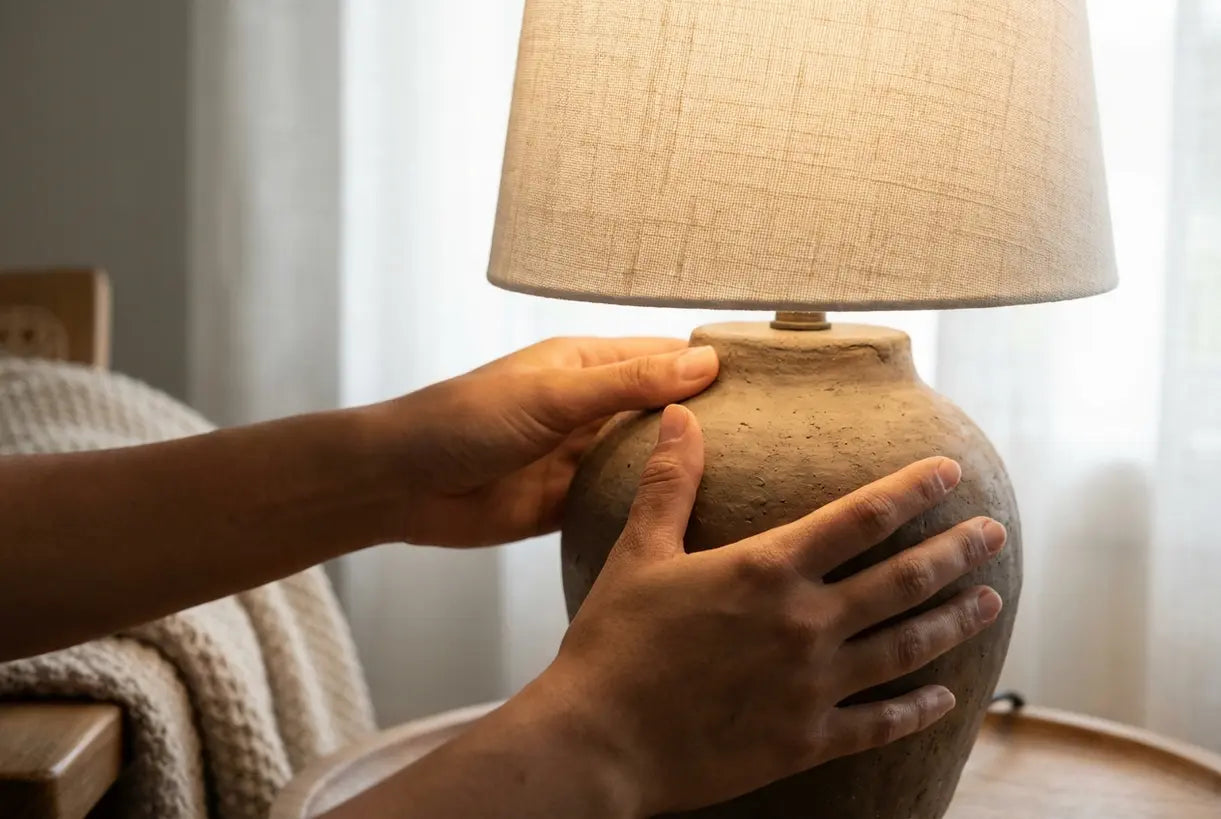
Solutions for Small Living Spaces
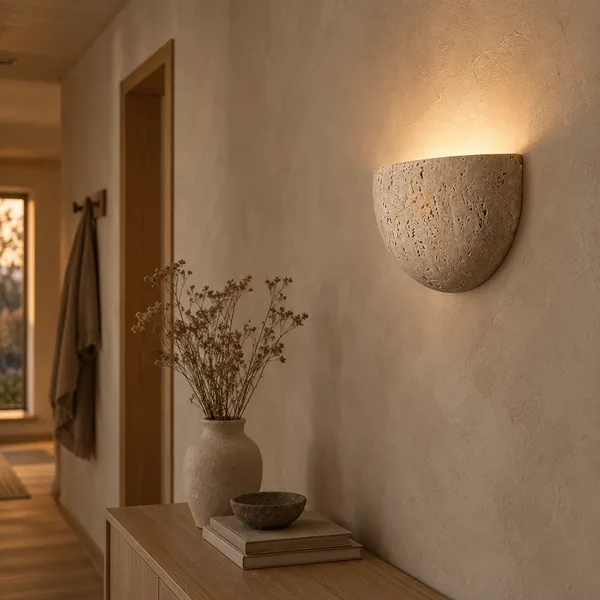
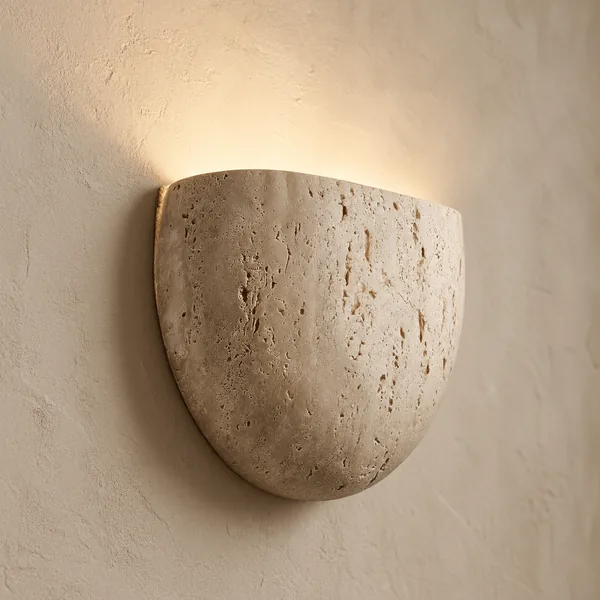
Compact living rooms present unique opportunities rather than limitations. A well-chosen small living room table lamp can create the illusion of space through strategic light placement. Consider narrow-profile lamps, wall-mounted alternatives that save surface space, or multi-functional pieces that serve as both lighting and sculptural art.
Positioning matters enormously in smaller rooms. Place your bedside lamp for living room (or side table lamp) in corners to bounce light off walls, instantly expanding the perceived room size. Select lighter-colored shades that diffuse light broadly rather than directing it downward.
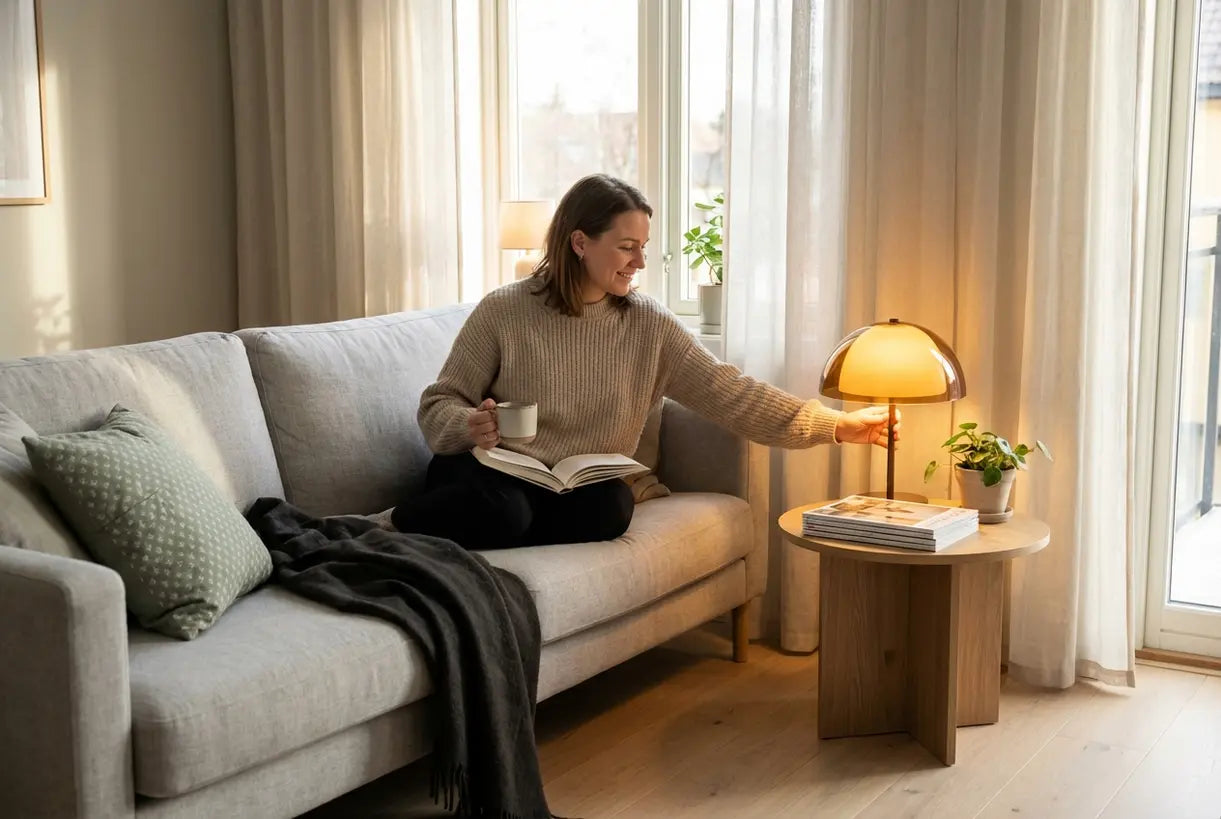
Remember that in intimate spaces, one statement lamp often outperforms multiple small fixtures. It creates a focal point while maintaining that essential Scandinavian principle of less but better—curated simplicity that feels both intentional and effortlessly welcoming.
Living Room Lighting
Shop all Living Room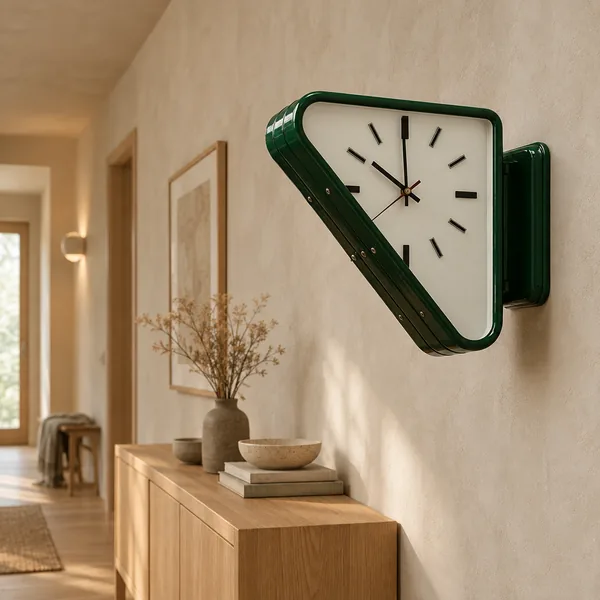
 Save $110.00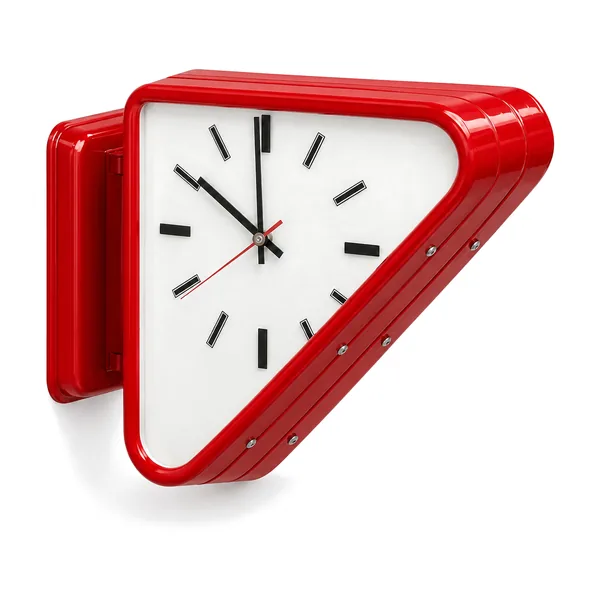
 +15 options
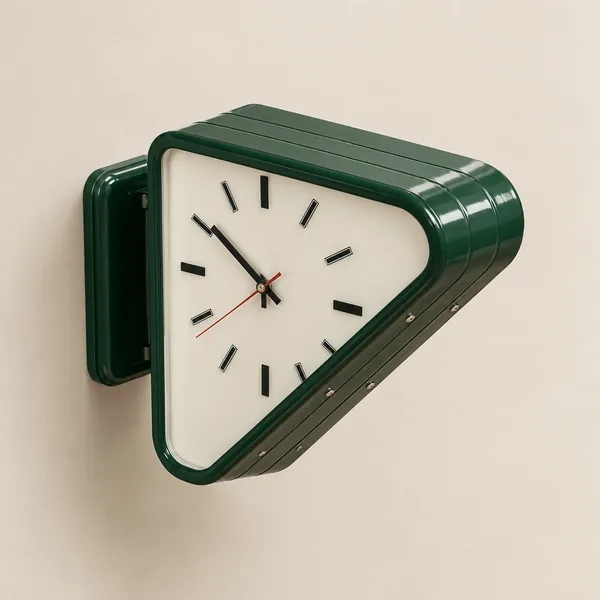
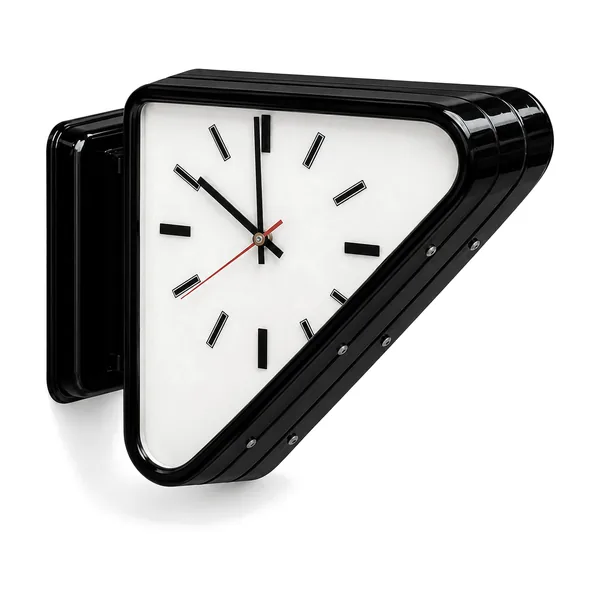
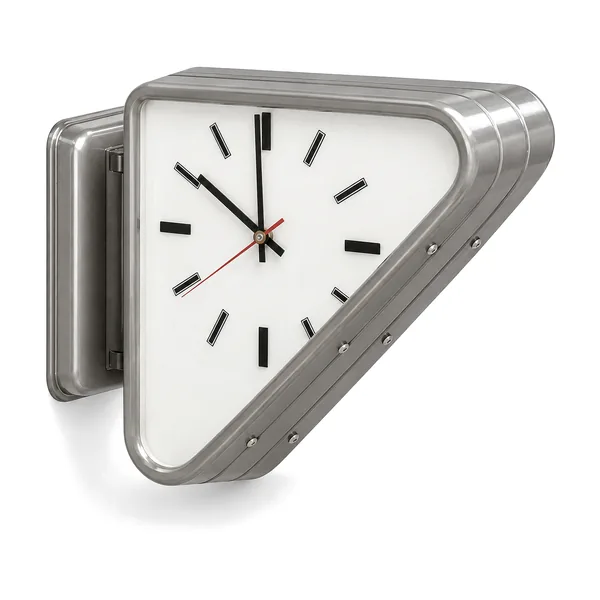
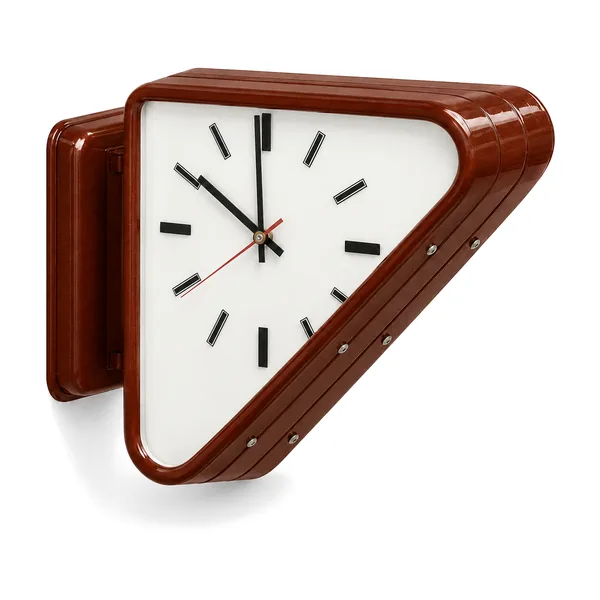
Tvilling Dual-Sided Geometric Metal Wall Clock
 Save $70.00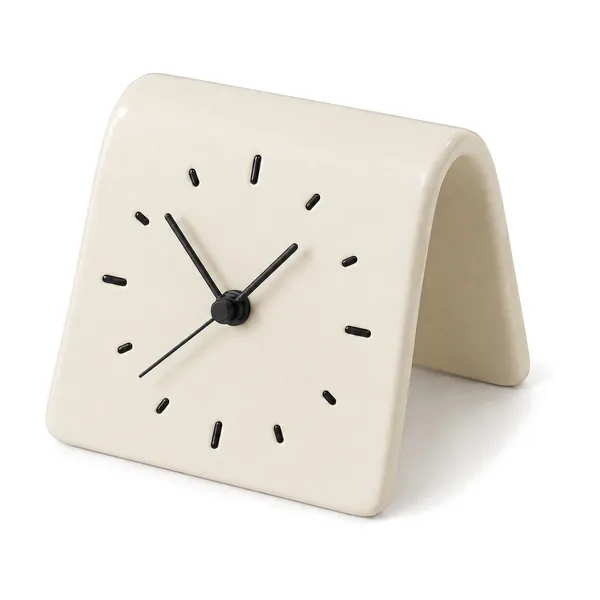
 +37 options
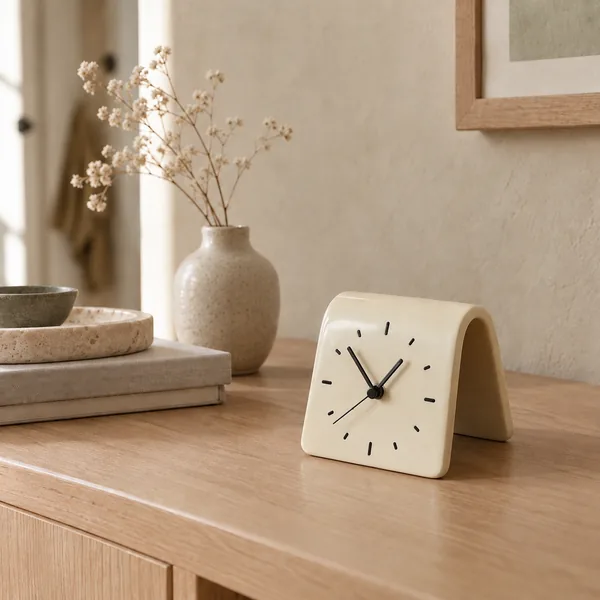
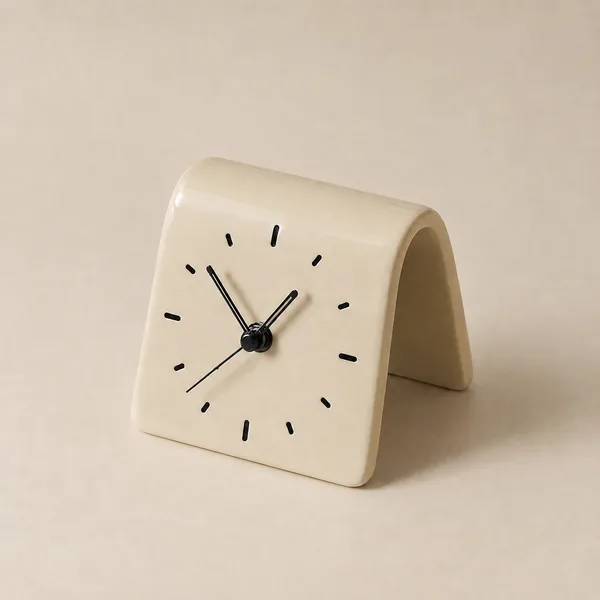
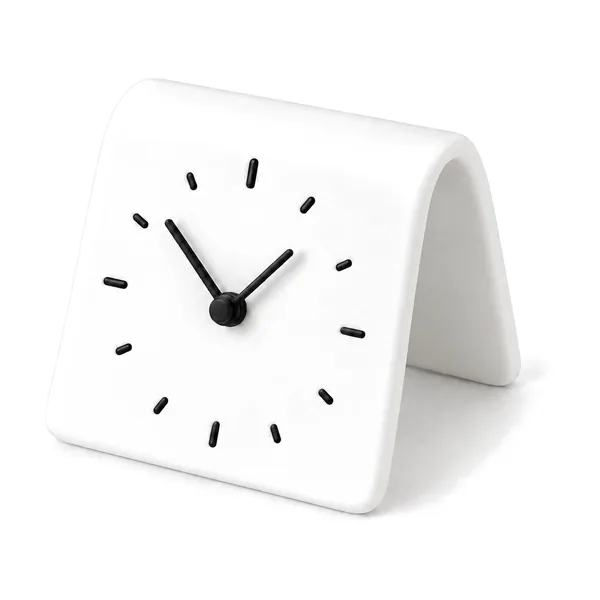
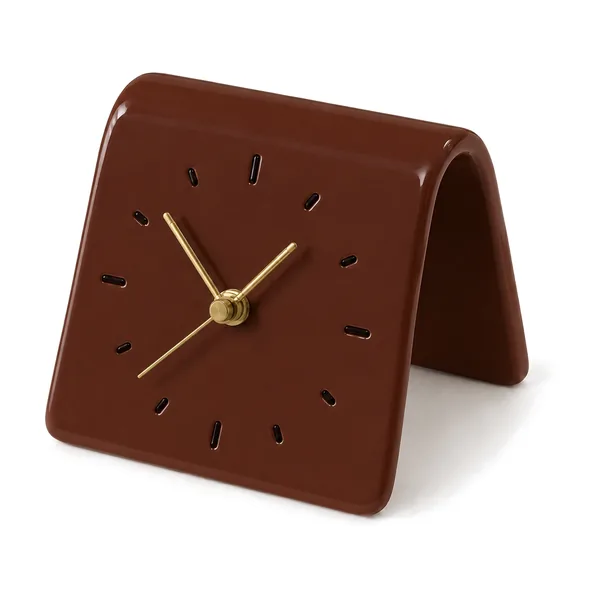
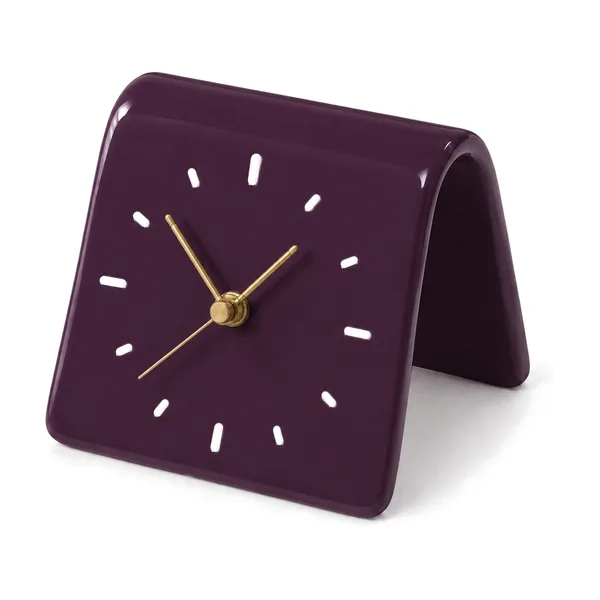
Tilje Silent Ceramic Desk Clock for Modern Homes
Creating Visual Harmony: Should Table Lamps Match?
The question of matching lamps sparks frequent debate among interior enthusiasts. Here's our perspective: coordination triumphs over matching. While symmetrically paired lamps flanking a sofa create classic elegance, today's living rooms benefit from curated variety that showcases your personality.
Instead of identical twins, consider coordinating cousins—lamps sharing a design language but with individual character. This might mean matching base materials with different heights, or similar silhouettes in varying finishes. The goal is visual conversation, not uniformity.
For those who love symmetry, identical lamps provide harmonious balance. For eclectic tastes, mixed styles unified by color temperature or material palette create sophisticated interest. Both approaches work beautifully when executed with intention.
Curated Scandi-Style Lighting Solutions
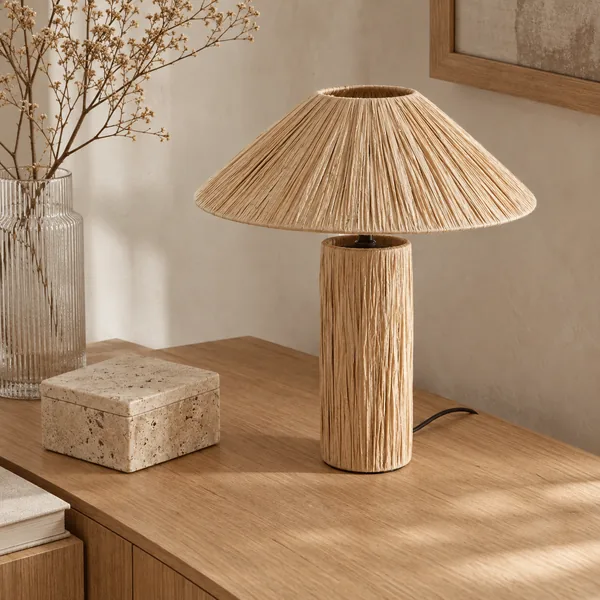 Fletta Handwoven Raffia Wabi-Sabi Table Lamp$289.00$379.00
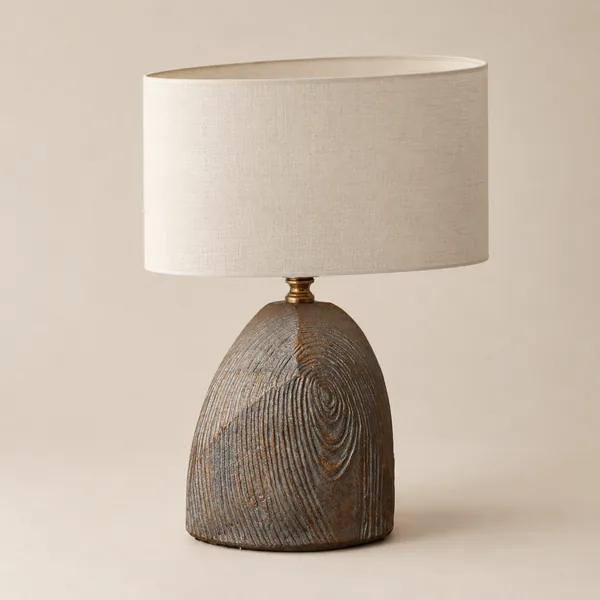 Skogvar Vintage Resin Tree Stump LED Table Lamp$449.00$649.00
Lighting Quality: Choosing the Best Bulbs for Your Living Room
The perfect table lamp for living room deserves equally thoughtful bulb selection. For that signature Scandinavian warmth, choose bulbs in the 2700K to 3000K range—warm white that mimics candlelight and golden hour sunlight. Avoid cool daylight bulbs (5000K+) which feel clinical and disrupt evening relaxation.
Consider these bulb options for different needs:
- LED filament bulbs: Energy-efficient with vintage aesthetics, perfect for exposed shade designs
- Dimmable LEDs: Essential for creating adjustable ambiance throughout the day
- Smart bulbs: Offer app-controlled dimming and color temperature adjustment
- Opal or frosted bulbs: Provide soft, diffused light without visible glare
The U.S. Department of Energy recommends LEDs for living spaces due to their longevity and efficiency—typically lasting 25 times longer than incandescent alternatives while using at least 75% less energy.
Pro Tip: Always check your lamp's maximum wattage rating before selecting bulbs. The perfect lighting scheme means nothing if it creates safety hazards or damages your beautiful new lamp.
Building Your Perfect Living Room Lighting Scheme
Choosing the ideal living room table lamp balances practical considerations with emotional resonance. The right lamp doesn't merely light your space—it creates the conditions for connection, relaxation, and everyday beauty. It transforms harsh overhead lighting into gentle, human-scaled illumination that welcomes you home.
At Skonne, we've curated our collection around the principle that good design should be both beautiful and livable. Our Scandinavian-inspired lamps honor traditional craftsmanship while embracing contemporary needs—pieces that look as lovely at 3 PM as they do at 10 PM, whether you're reading, working, or simply being present in your space.
The journey to perfect living room lighting is personal, but you needn't navigate it alone. By understanding proportion, embracing warm light, and selecting pieces that speak to your aesthetic, you create not just illumination, but sanctuary. That is the true purpose of thoughtful lighting design.
Related Article
Table Lamps: The Complete Guide to Styles, Types & How to ChooseExplore table lamp styles and types in our complete guide. Learn how to choose the perfect table lamp for your home decor.