
Mexican Home Decor: Bold Colors, Folk Art & Vibrant Style for an Expressive Interior
Summary›
- What Defines Mexican Home Decor Style?
- The Color Palette: Understanding Bold Mexican Interiors
- Talavera Pottery: The Heart of Mexican Folk Art
- Bridging Two Worlds: Modern Mexican Decor Meets Scandinavian Design
- Curating Your Mexican Home: Practical Style Strategies
- Conclusion: Creating Your Expressive Sanctuary
There's something undeniably magnetic about mexican home decor. Perhaps it's the fearless approach to color, the celebration of handcrafted artistry, or the way these spaces seamlessly blend centuries-old traditions with contemporary living. For design enthusiasts seeking an interior that tells a story, Mexican style offers an expressive canvas where warmth takes center stage.
Whether you're drawn to the bold colors interior designers rave about or the intricate patterns of talavera pottery, incorporating Mexican elements transforms your home into a sanctuary of personality and soul. At Skonne, we understand that exceptional design transcends borders—and the intersection of Scandinavian craftsmanship with Mexican vibrancy creates spaces that feel both curated and lived-in. In this guide, you'll discover how to weave vibrant home style techniques into your space while honoring the integrity of folk art decor traditions.
What Defines Mexican Home Decor Style?
Mexican home decor is far more than a single aesthetic movement; it's a rich tapestry woven from indigenous heritage, colonial history, and contemporary innovation. At its core, this style celebrates the handmade, the authentic, and the unapologetically colorful.
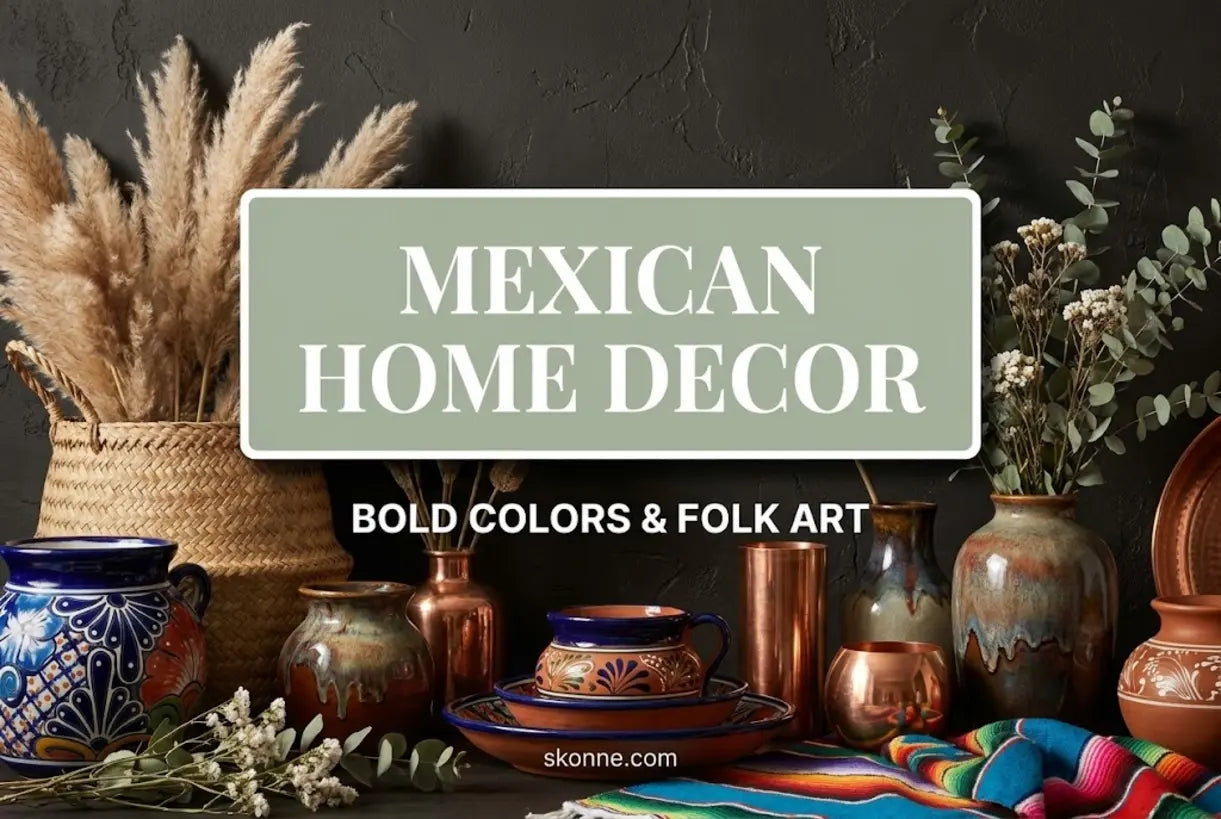
The foundation rests on folk art decor traditions passed through generations—think hand-thrown ceramics, woven textiles, carved wooden furniture, and hammered copper accents. Unlike mass-produced alternatives, each piece carries the story of its maker, bringing soul and uniqueness into contemporary interiors. Hacienda style decor elements, with their thick stucco walls, exposed wooden beams (vigas), and terracotta flooring, speak to architectural traditions rooted in functionality and beauty.
Modern interpretations have evolved to embrace mexican style decor principles without overwhelming spaces. Today's designers thoughtfully curate statement pieces—a vibrant serape throw draped over a neutral sofa, a hand-painted ceramic collection displayed on open shelving, or a dramatic Talavera tile installation that serves as a room's focal point. The result is an environment that feels collected rather than decorated, where every object holds meaning and contributes to an atmosphere of hospitality and warmth.
The Color Palette: Understanding Bold Mexican Interiors
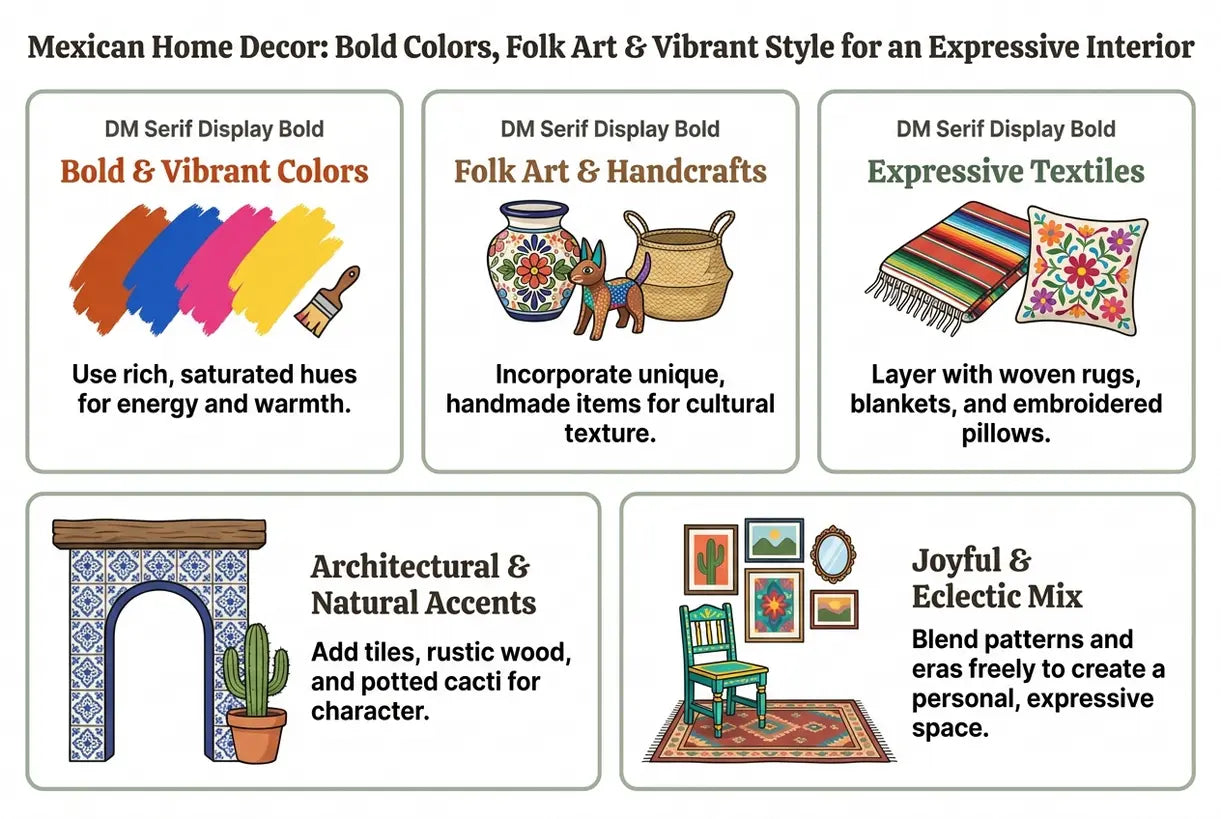
Color psychology plays a fundamental role in Mexican interior design, with each hue carrying cultural significance and emotional resonance. Understanding these key colors used in Mexican style interiors allows you to create spaces that feel authentically warm and inviting.
Cobalt blue dominates the landscape, derived from the mineral pigments used in traditional Talavera ceramics. This color evokes clear skies and represents divine protection in Mexican culture. Warm terracottas and burnt oranges ground spaces in earth connection, reflecting the desert landscapes and clay-rich soil. Passionate reds and deep magentas infuse energy and celebration, while golden yellows capture the intensity of Mexican sunshine.
What makes bold colors interior design in Mexican homes particularly sophisticated is the strategic use of neutrals. Think warm whites, natural wood tones, and raw clay—these act as visual resting places that prevent overwhelming the senses. For homeowners hesitant about dramatic color commitments, consider integrating these vibrant tones through textiles (Otomi pillows, Zapotec rugs, or embroidered runners) against a backdrop of light walls and natural materials.
Talavera Pottery: The Heart of Mexican Folk Art
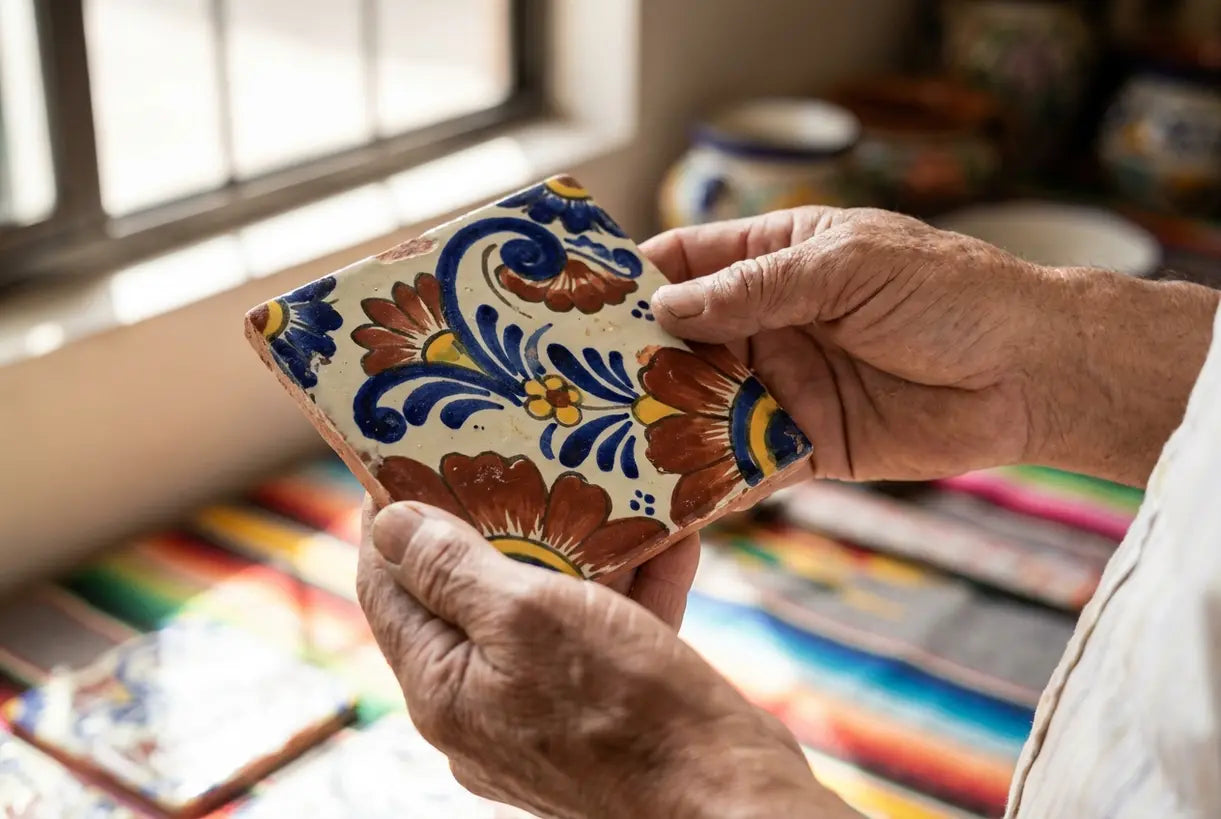
When discussing authentic mexican home decor, Talavera pottery stands as perhaps the most recognizable symbol of Mexican craftsmanship. This distinctive ceramic tradition, which originated in Puebla in the 16th century, combines Islamic decorative traditions with indigenous ceramic techniques and Spanish colonial influences.
Authentic Talavera is a labor-intensive art form. Each piece begins with local clay that's shaped, dried, and fired at high temperatures. Artisans then apply pure mineral pigments—never synthetic paints—to create the characteristic cobalt blue backgrounds, intricate floral motifs, and geometric patterns. A final glaze and second firing gives Talavera its signature glossy finish and durability.
So how is Talavera pottery used in decor? The applications are remarkably versatile. Statement pieces like oversized urns or punched-tin chandeliers with ceramic accents anchor large spaces. Medium-sized decorative plates create stunning wall gallery arrangements—these look particularly striking when hung in asymmetrical clusters against white or cream walls. Smaller items—bowls, vases, and candle holders—work beautifully on open shelving, coffee tablås, or as table centerpieces.
When styling with Talavera, resist the urge to match patterns perfectly. Instead, mix different motifs (floral, geometric, animal) within the same color family for visual interest. Pair these Mexican ceramics with complementary textures: rough-hewn wood, woven jute, or hammered metal. The contrast between the glossy glaze and matte natural materials creates the layered sophistication that defines elevated Mexican interiors.
Pendant Lights
Shop all Pendant Lights
 Save $140.00
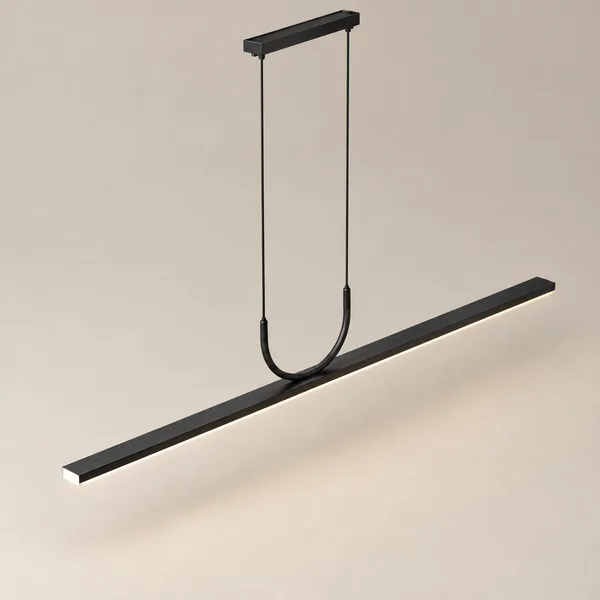
Linné Minimalist Linear Black LED Pendant Light
 Save $60.00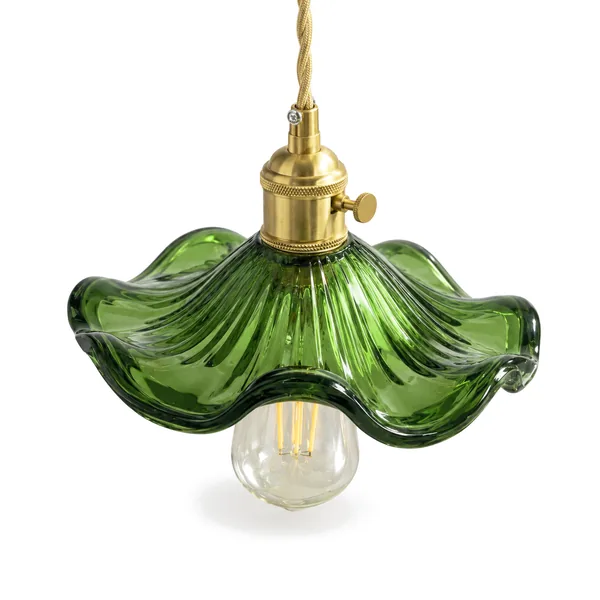
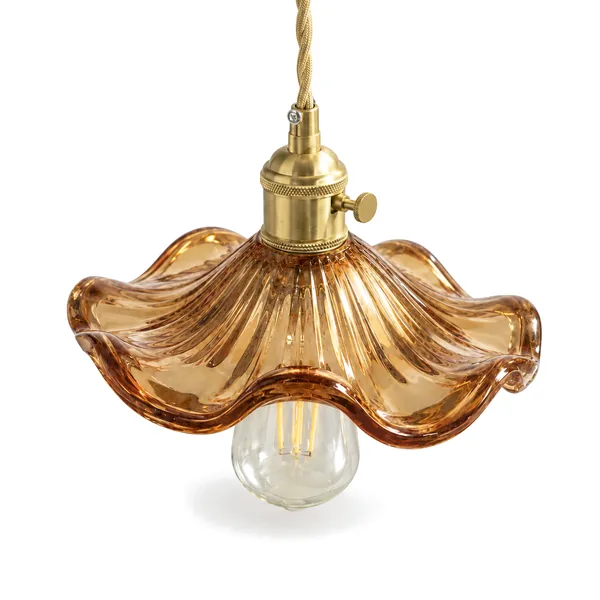 3 options
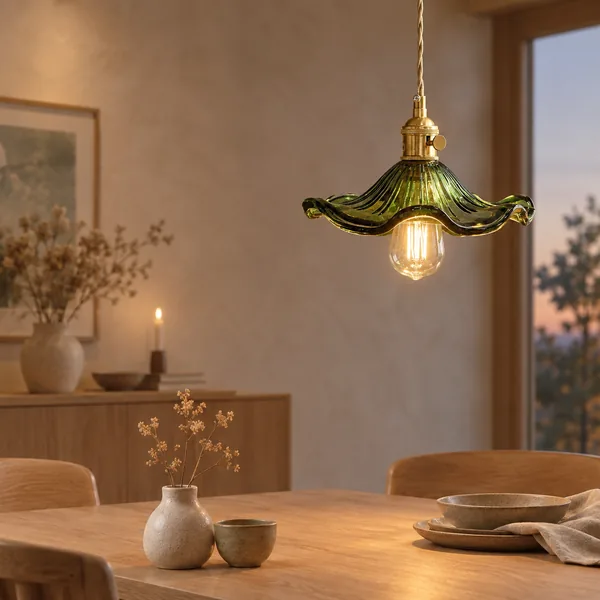
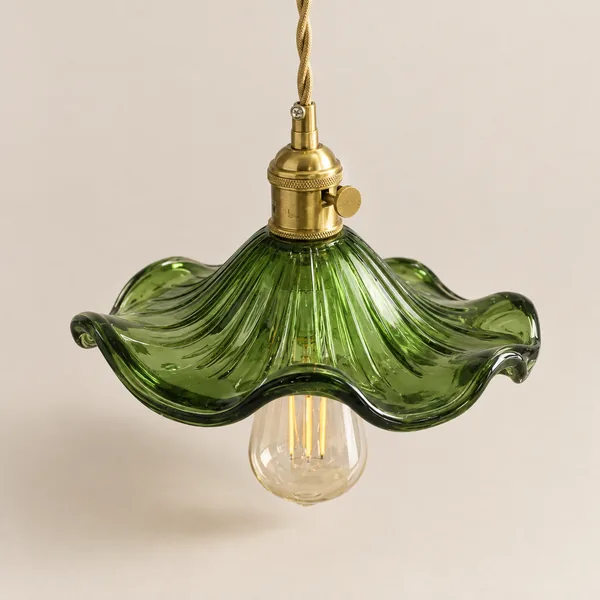
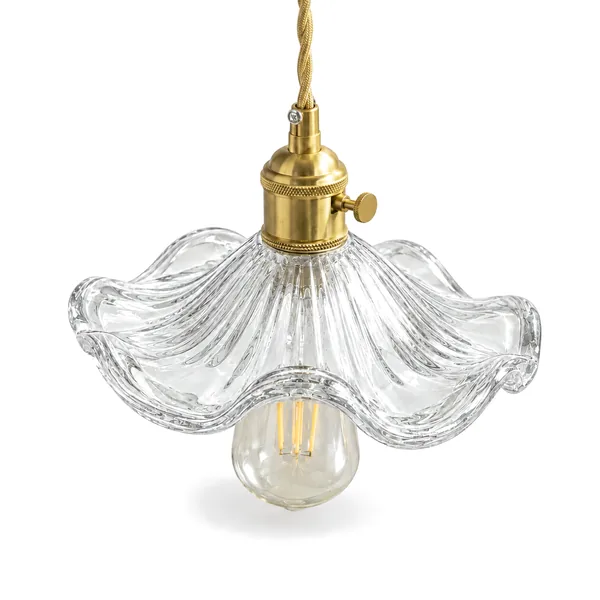
Glora Nordic Glass Pendant Light with Copper
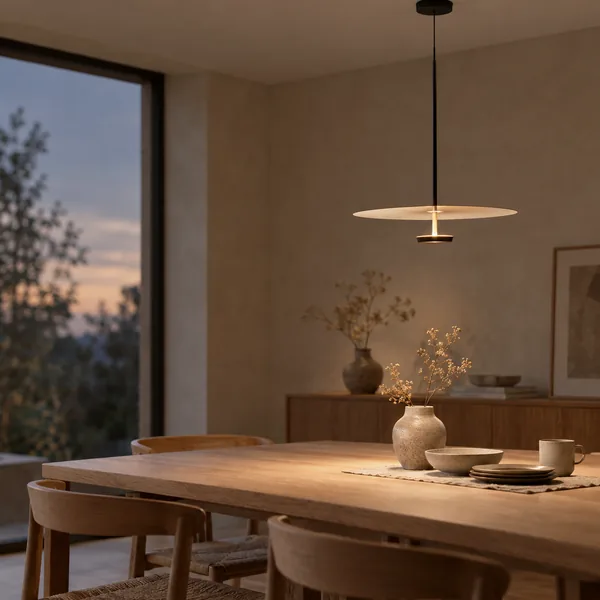
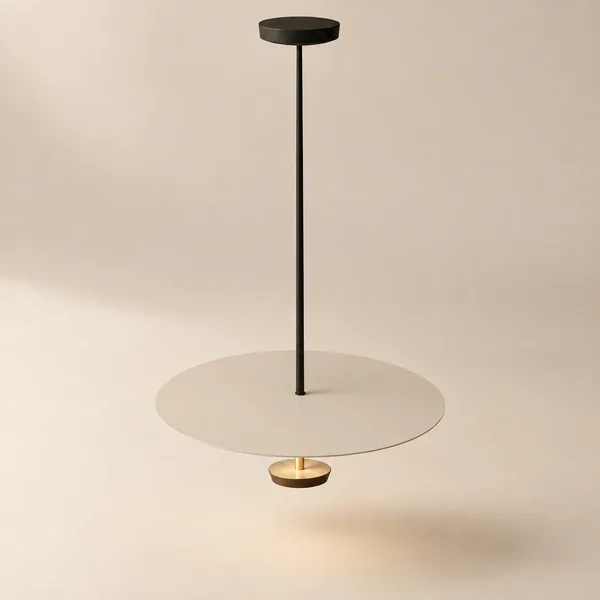 Save $120.00
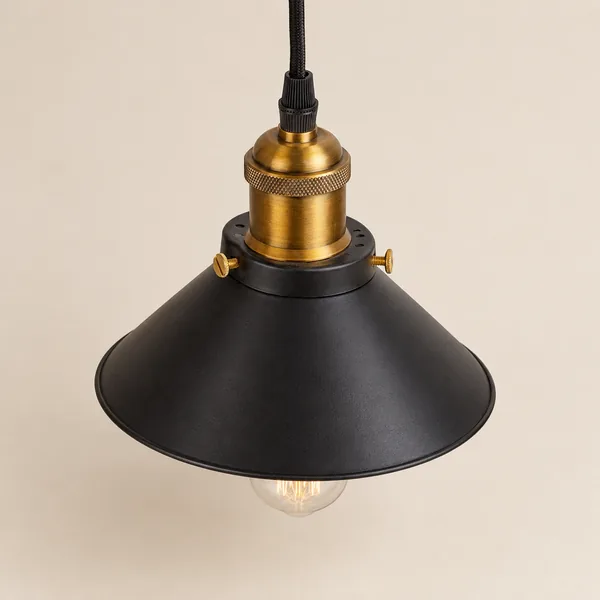
Skiva Nordic Saucer Ceiling Pendant Light LED
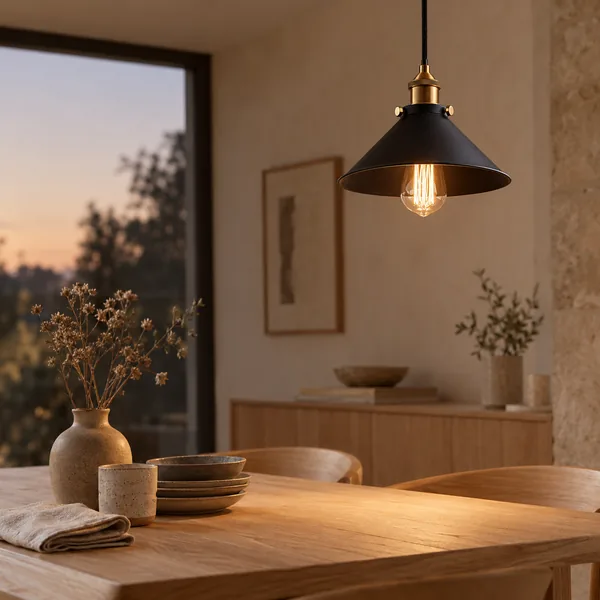
Bridging Two Worlds: Modern Mexican Decor Meets Scandinavian Design
The question of how to incorporate Mexican decor into a modern home often concerns those who appreciate both contemporary minimalism and cultural warmth. The solution lies not in compromise, but in thoughtful synthesis—finding where Mexican vibrancy and modern restraint naturally coexist.
One of the most compelling design approaches emerges from the question: how do you mix Mexican decor with Scandinavian style? While seemingly distinct, these aesthetics share surprising commonalities. Both traditions honor craftsmanship and natural materials. Both eschew disposable trends in favor of lasting quality. Both create spaces designed for gathering and comfort—the Danish concept of hygge resonates deeply with the Mexican value of la convivencia.
The key is balance. Incorporate Mexican bold colors interior elements through smaller, impactful pieces against a restrained Scandinavian backdrop. A neutral-toned room with light wood flooring and white walls becomes a gallery for a vibrant Mexican textile collection or ceramic display. Alternatively, consider lighting as a bridge between these worlds. The Driva Sculptural Cloud Pendant Light in Glass exemplifies this fusion—the warm amber glass finish complements earthy Mexican color palettes while its sculptural Nordic form adds sophisticated craftsmanship to any vibrant home style setting.
Creating Cohesive Mexican-Scandinavian Spaces
When designing with both aesthetics in mind, start with the Nordic principle of creating a calm, light-filled foundation. Choose pale walls, natural wood flooring, and streamlined furniture forms. Then introduce Mexican elements as deliberate focal points that draw the eye and warm the atmosphere.
For traditional mexican home elements, look beyond the obvious tourist imports. Seek out hand-embroidered textiles from Oaxaca, pottery from Guanajuato, or woven palm baskets from Michoacán—pieces where you can trace the craft tradition to a specific region. These objects carry more authenticity and storytelling power than generic "Mexican-style" items.
Texture becomes your most powerful tool in this fusion. Scandinavian spaces often rely heavily on smooth woods and soft textiles. Introducing the rough, hand-worked surfaces of Mexican ceramics, wall hangings, and carved objects creates the tactile contrast that makes both traditions shine. The interplay between Scandinavian restraint and Mexican exuberance creates interiors that feel curated, personal, and deeply welcoming.
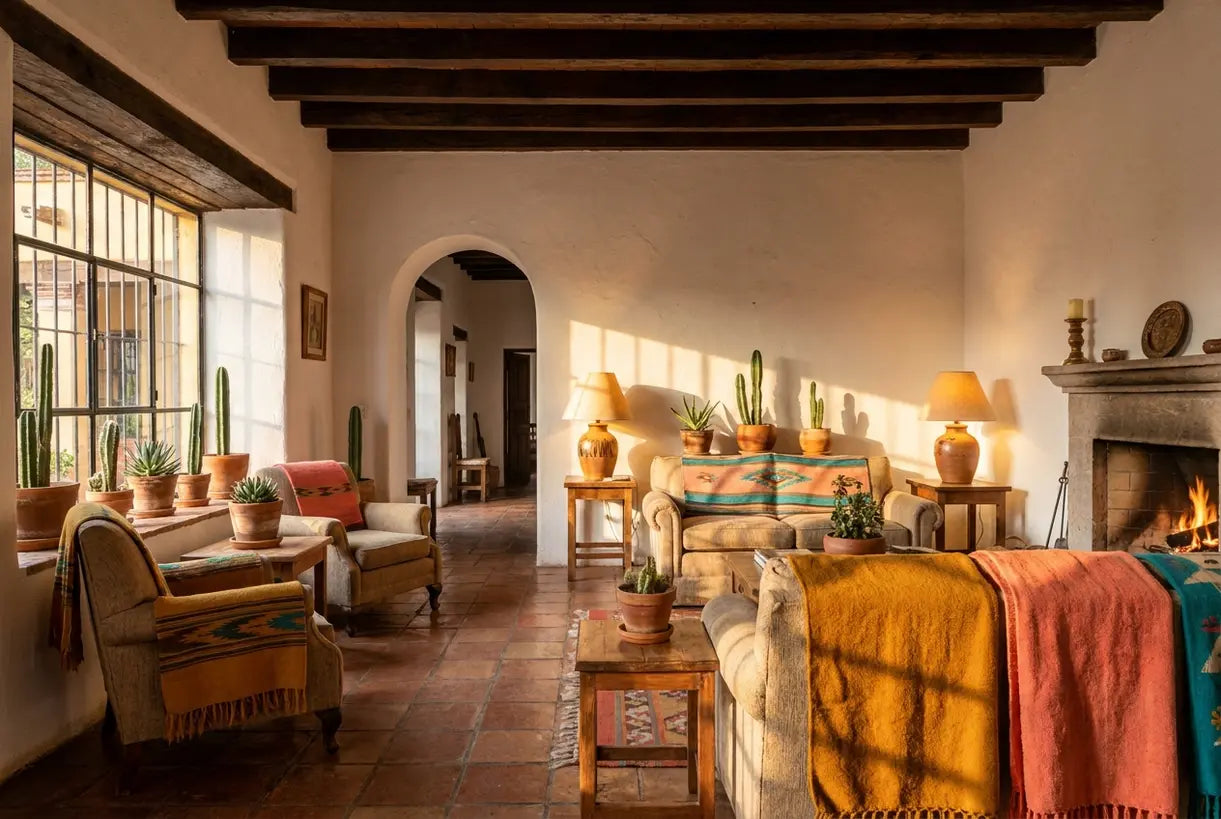
When selecting accent pieces, consider how each item contributes to the overall warmth of the space. Our Wall Lights collection offers Scandinavian-designed sconces that brilliantly complement Mexican folk art decor, with warm light that enhances the saturated colors of artisan pieces.
Home Decor
Shop all Home Decor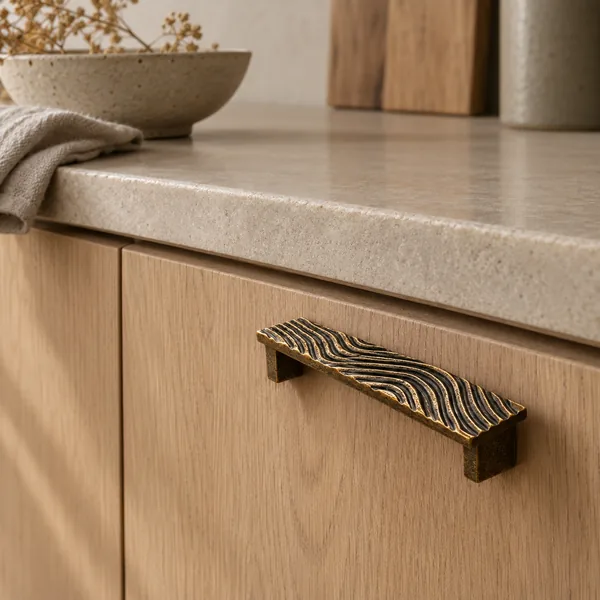
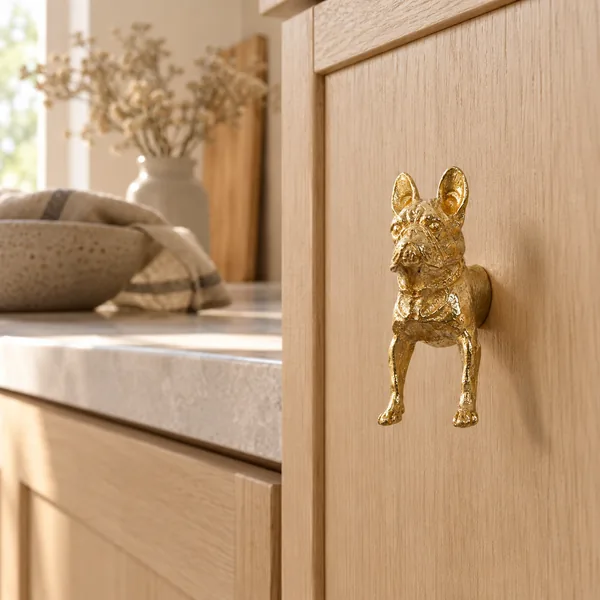
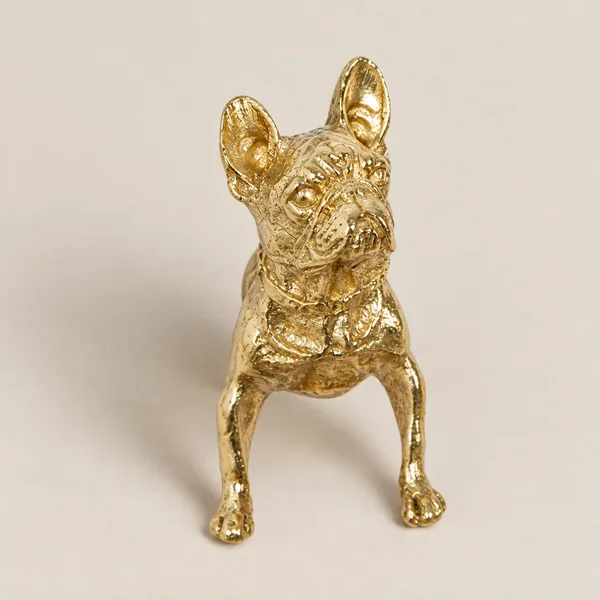 Save $44.50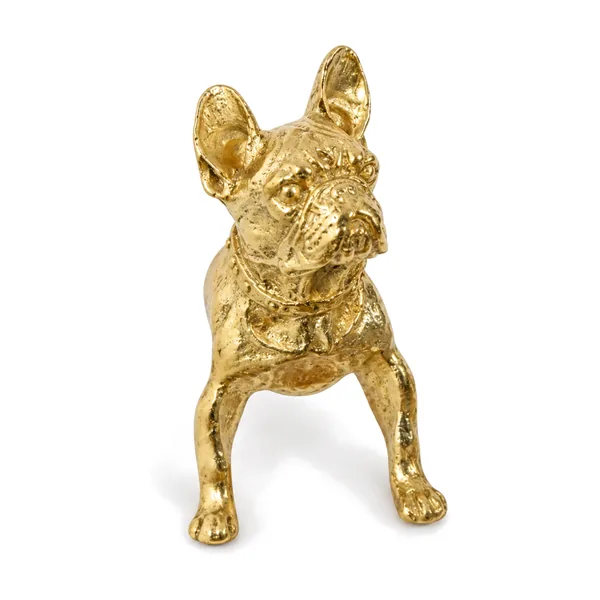
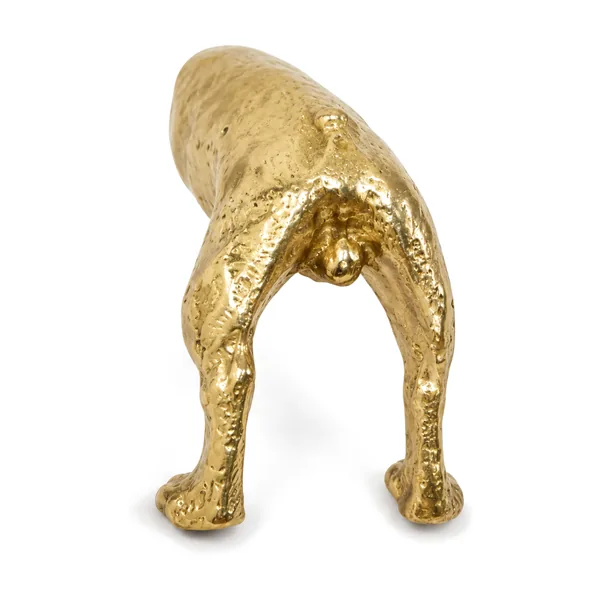 2 options
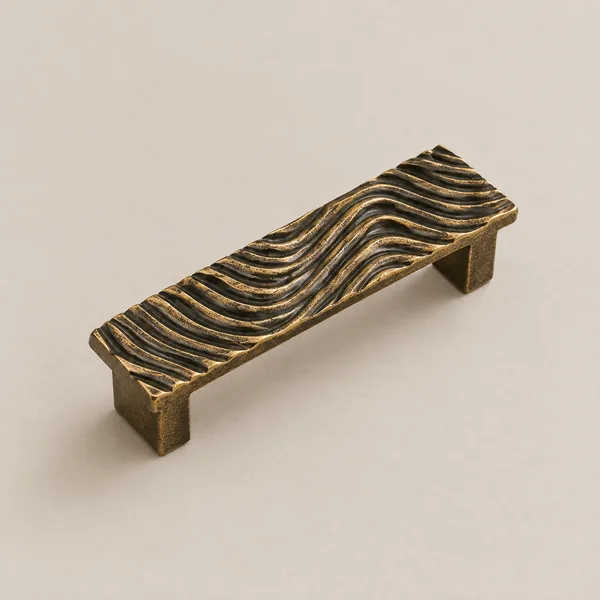
Tassa Polished Brass Dog Cabinet Pull Handle
 Save $110.00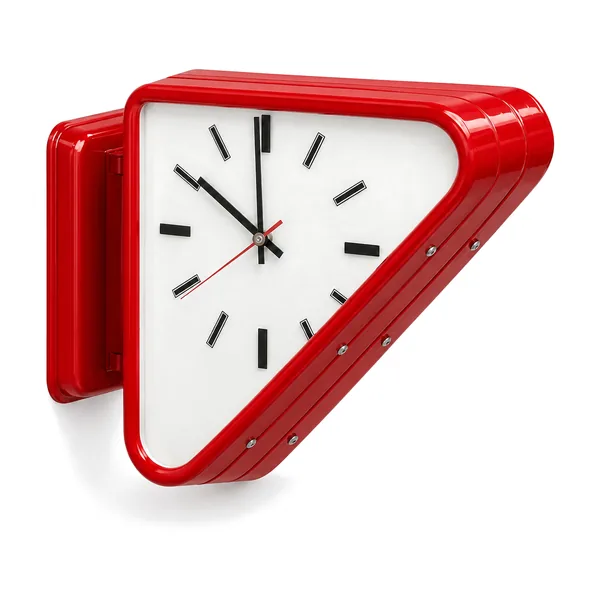
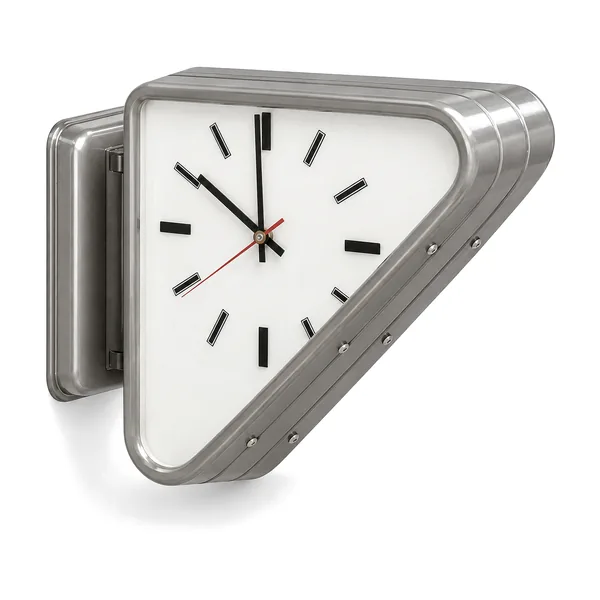
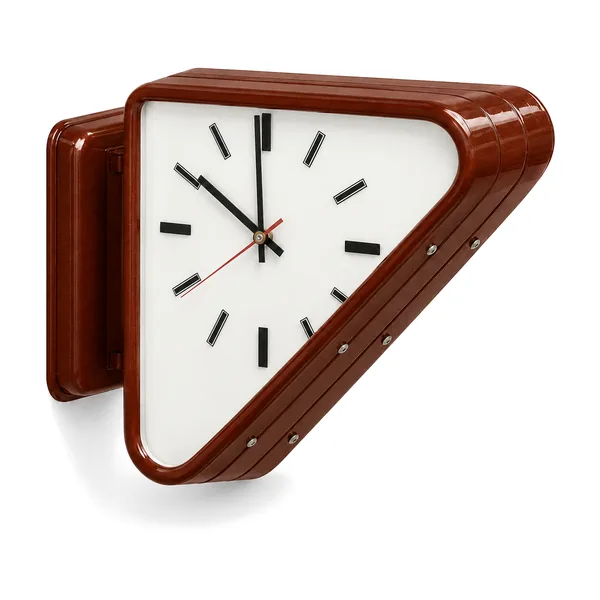 +15 options
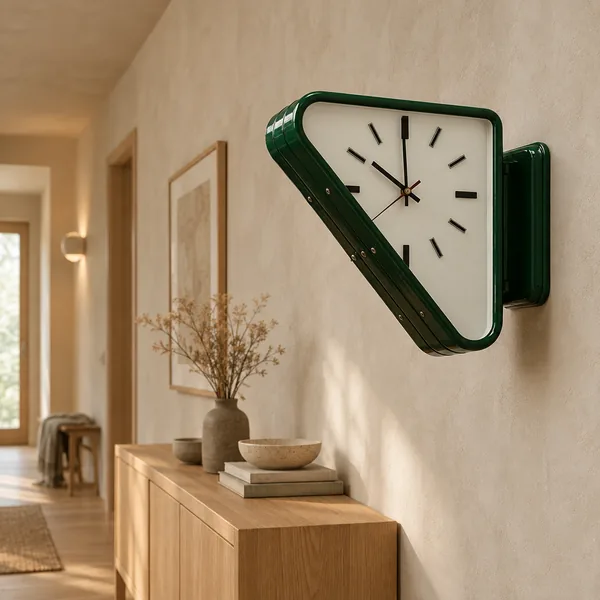
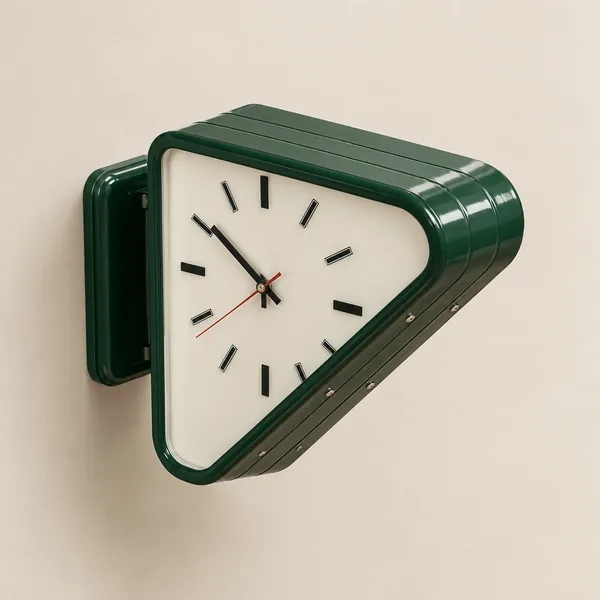
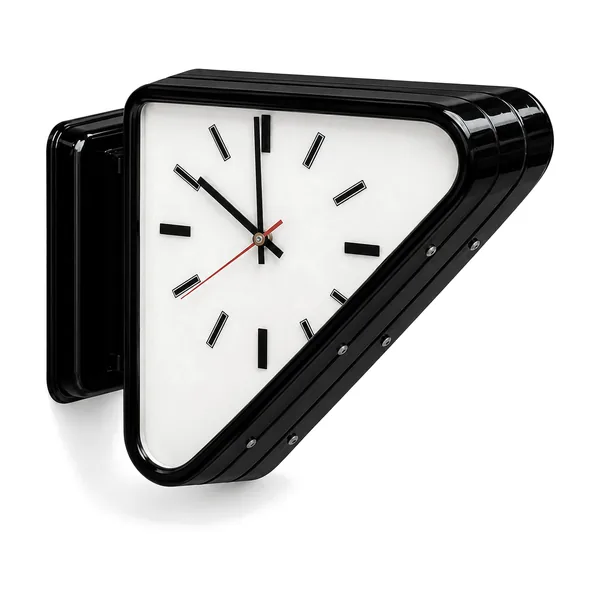
Tvilling Dual-Sided Geometric Metal Wall Clock
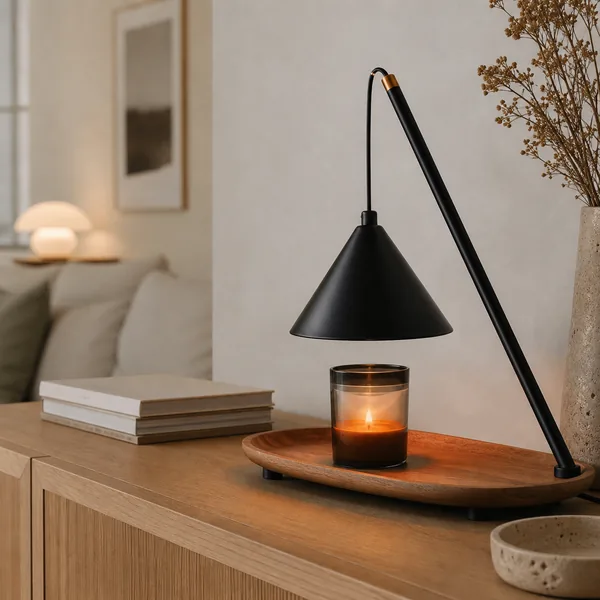
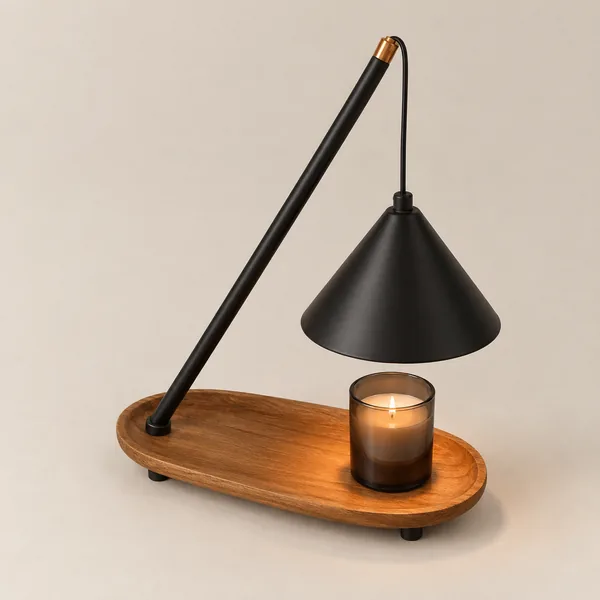
Curating Your Mexican Home: Practical Style Strategies
Successfully integrating mexican home decor requires thoughtful curation rather than accumulation. The goal is to honor the tradition while creating a space that feels contemporary and personal.
Begin by identifying your entry points—areas where one or two statement pieces can transform a space. A dining room might benefit from a Talavera ceramic chandelier paired with woven placemats. A bedroom could feature a single vibrant Otomi textile as a throw or wall hanging against white linen bedding. A living room might showcase a collection of hand-turned pottery vessels on a minimalist bookshelf.
For modern mexican decor approaches, consider the concept of visual breathing room. Pair your boldest pieces with subdued backgrounds. A cobalt blue Talavera vase commands more attention on a simple oak console than it does amidst cluttered surfaces. Similarly, a vibrant Mexican rug needs neutral walls and furniture to truly sing.
Artisan quality lighting serves as another bridge element. The right fixture illuminates your Mexican pieces while acting as a sculptural element itself. Consider how Jorde Handmade Rustic Ceramic Vase brings true artisan character and warm earth tones to your Mexican-inspired space—the handmade irregularities and organic variations that define folk art decor traditions create a sense of history and authenticity.
Artisan Pieces for Mexican-Inspired Interiors
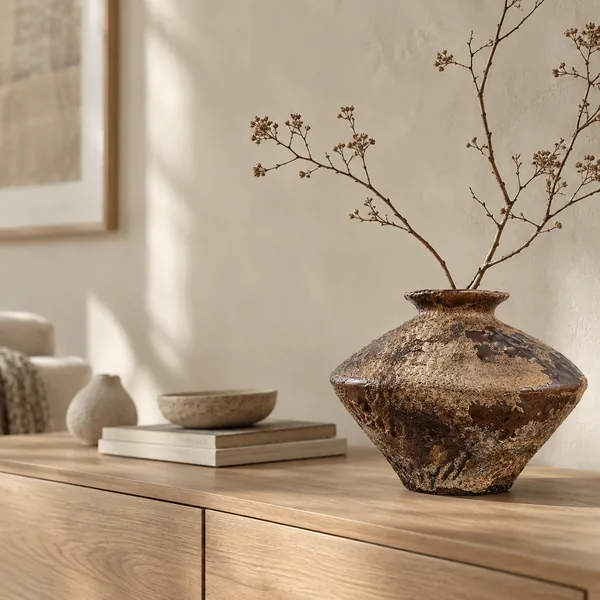 Jorde Handmade Rustic Ceramic Vase Home Decor$129.00$189.00
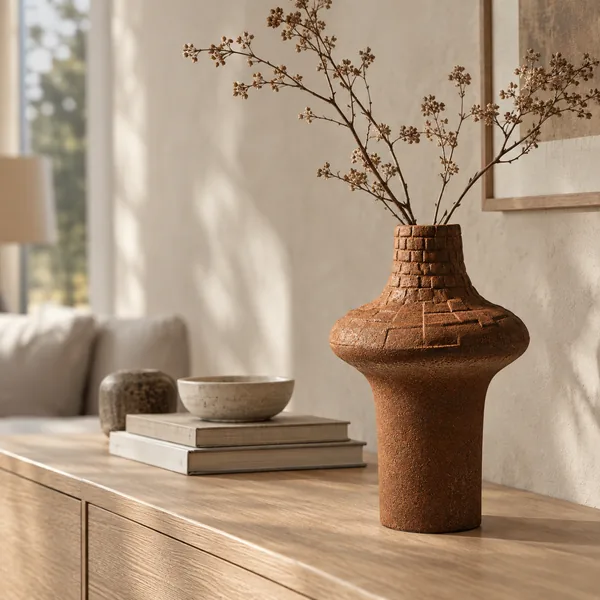 Torva Rustic Plaid Ceramic Vase Artisan Decor$149.00$219.00
The Torva Rustic Plaid Ceramic Vase offers another dimension of versatility for mexican home decor enthusiasts. Its handcrafted texture and distinctive plaid patterns bring artisan warmth that pairs harmoniously with Mexican folk art styling. The earthy clay tones complement both traditional terracotta palettes and more contemporary interpretations of Mexican vibrant home style.
The Role of Materials and Texture
Beyond color and pattern, materiality defines southwestern decor and Mexican interiors. Look for pieces that showcase traditional techniques: hand-hammered copper, hand-woven palm or wool, turned wood, and traditional leatherwork. These materials develop beautiful patinas over time, adding depth and character to your home.
Plant life also plays an essential role—succulents, cacti, and trailing plants like pothos inhabit Mexican-inspired spaces naturally. Display them in simple terracotta pots or talavera pottery planters for authentic connection to the landscape that inspires this aesthetic.
Conclusion: Creating Your Expressive Sanctuary
Mexican home decor offers something rare in the world of interior design: permission to be utterly expressive. It celebrates the handcrafted over the mass-produced, the colorful over the cautious, and the authentic over the trend-chasing. By understanding core principles—bold colors interior applications, the cultural significance of talavera pottery, and the importance of artisan craftsmanship—you can create spaces that feel both globally informed and deeply personal.
The fusion of Mexican warmth with Scandinavian restraint represents one of the most exciting directions in contemporary interior design. Both traditions elevate everyday objects through masterful craftsmanship. Both prioritize creating spaces that welcome gathering and connection. At Skonne, we believe that the best homes are curated over time, blending influences from around the world through the unifying lens of quality materials and honest design.
As you explore these ideas in your own space, remember that authentic folk art decor isn't about perfection—it's about presence. Choose pieces that speak to you, display them with intention, and allow your home to evolve as you discover new treasures that tell your unique story.
Related Article
Indian Home Decor: Rich Colors, Patterns & Artisan Style for a Vibrant InteriorExplore Indian home decor with vibrant colors, intricate patterns, and artisan craftsmanship. Create a warm, inviting space that blends tradition with modern design.