
Indian Home Decor: Rich Colors, Patterns & Artisan Style for a Vibrant Interior
Summary›
- Understanding the Key Elements of Indian Home Decor
- Rich Color Palettes That Define Indian Interiors
- The Art of Mixing Patterns and Textures
- Artisan Craftsmanship at the Heart of Indian Decor
- Modern Interpretations of Indian Home Decor
- The Scandinavian-Indian Fusion
- Artisanal Lighting for Indian-Inspired Spaces
- Incorporating Brass and Metallic Accents
- Practical Tips for Styling Your Space
- Conclusion
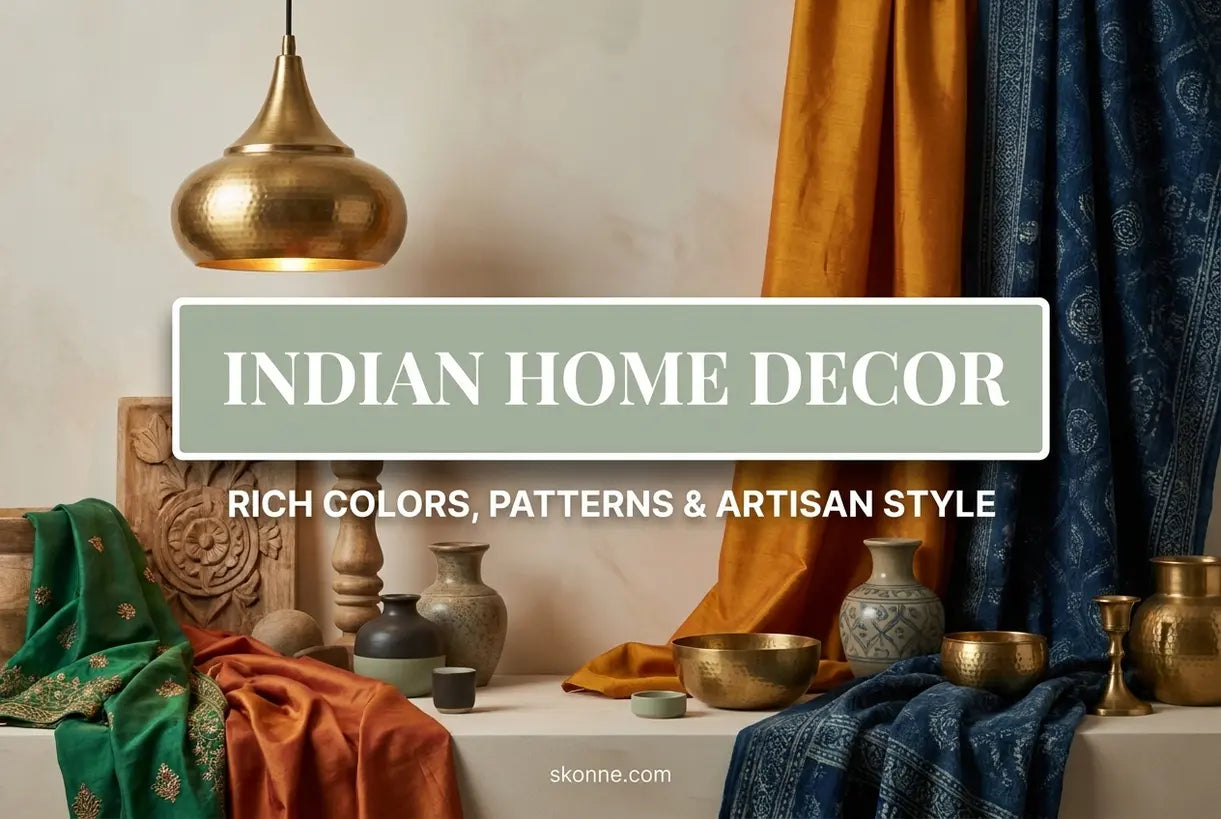
There's something undeniably magnetic about Indian home decor. The vibrant hues, intricate patterns, and centuries-old artisan traditions create spaces that feel alive with warmth and character. For design enthusiasts seeking to infuse their homes with personality and depth, Indian-inspired interiors offer a treasure trove of inspiration that transcends borders and trends.
Whether you're drawn to the opulence of traditional Indian decor or prefer the clean lines of modern interpretations, incorporating elements of this rich design heritage can transform any space. At Skonne, we believe that the most compelling interiors emerge when you thoughtfully blend different design philosophies. Throughout this guide, you'll discover how to weave Indian decorative elements into your home while achieving that perfect balance between curated luxury and approachable comfort.
Understanding the Key Elements of Indian Home Decor
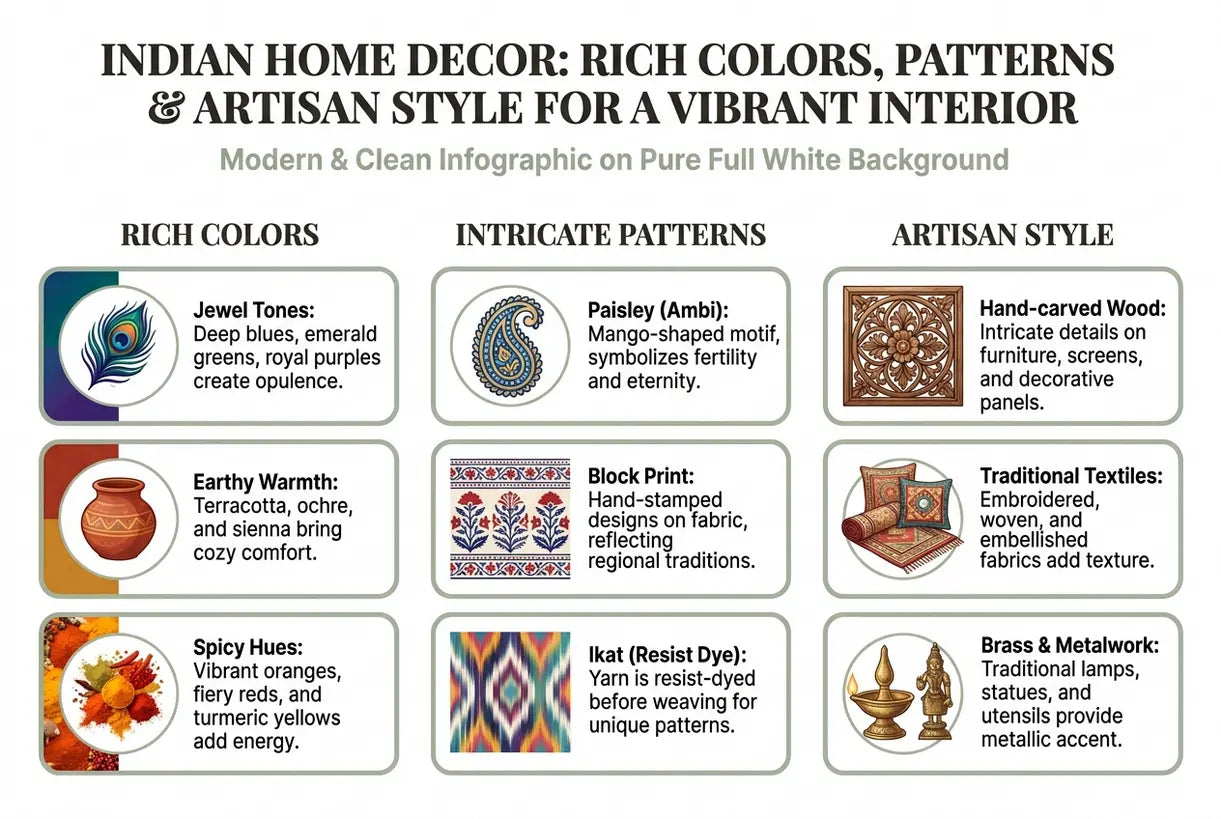
Indian home decor is characterized by several distinctive features that have evolved over thousands of years. Understanding these foundational elements helps you make more intentional choices when curating your space.
Color plays a central role in Indian interiors, with deep jewel tones and earthy pigments reflecting the country's diverse landscapes and cultural celebrations. Textiles are equally significant, featuring hand-woven fabrics, block prints, and embroidery techniques passed down through generations. The emphasis on handcrafted goods—from pottery to metalwork—speaks to a deep respect for artisan skill and storytelling through objects.
Furniture in Indian interiors often features intricate carvings, curved silhouettes, and mixed materials like rosewood, teak, and brass inlays. Layering is essential, with spaces designed to feel collected over time rather than purchased in a single shopping trip. This approach creates rooms with depth, history, and that coveted lived-in warmth.
Rich Color Palettes That Define Indian Interiors
The Indian color palette draws from nature, spirituality, and celebration. Understanding these hues helps you select pieces that authentically capture the essence of this design tradition.
Warm foundational tones include saffron, turmeric, terracotta, and warm browns that evoke the Indian landscape. Jewel tones like sapphire blue, emerald green, ruby red, and amethyst purple add depth and luxury. For a more muted approach, consider contemporary interpretations using sand, ivory, and sage green as bases with strategic pops of traditional color through accessories and art.
When incorporating these colors into your space, consider the mood you want to create. Saffron and red energize and stimulate conversation, making them ideal for dining areas. Deep blues and greens promote calm and introspection, perfect for bedrooms and reading nooks. The key is balance—allow these rich tones to breathe by pairing them with neutral backgrounds and natural materials.
The Art of Mixing Patterns and Textures
One of the most exhilarating aspects of Indian home decor is the fearless approach to pattern mixing. Unlike Western minimalism that often fears visual clutter, Indian design celebrates layered textiles, conflicting motifs, and tactile variety.
Traditional patterns include paisley, which originated in Persia but became iconic to Indian textiles; intricate floral motifs inspired by Mughal gardens; geometric designs found in block-printed fabrics; and ikat patterns created through resist-dyeing techniques. These patterns appear on cushions, throws, rugs, and wall hangings.
The secret to successful pattern mixing lies in finding common elements. Choose patterns that share a color family, then vary the scale—pair large-scale florals with smaller geometric prints, or bold ikat with subtle textured weaves. This creates visual interest without overwhelming the eye. For those new to mixing patterns, start with a neutral base and add one or two patterned textiles, gradually building your comfort level.
Artisan Craftsmanship at the Heart of Indian Decor
What truly distinguishes Indian home decor is its reverence for handmade craftsmanship. Each region of India has developed specialized techniques for textiles, metalwork, wood carving, and pottery, resulting in pieces that carry the maker's signature and cultural story.
Blue pottery from Jaipur, brass work from Moradabad, handloom weaves from Varanasi, and terracotta from Bengal—each represents centuries of refined technique. When you bring these pieces into your home, you're not just decorating; you're preserving cultural heritage and supporting artisan communities.
For design-conscious homeowners, the charm of artisan pieces lies in their slight imperfections and unique variations. Unlike mass-produced items, handcrafted decor carries soul and individuality. These pieces become conversation starters, heirlooms, and the distinctive touches that make a house feel like a home.
Pendant Lights
Shop all Pendant Lights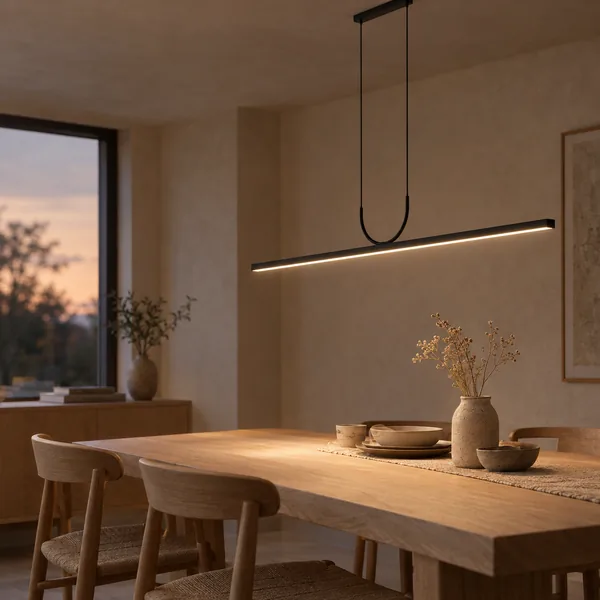
 Save $140.00
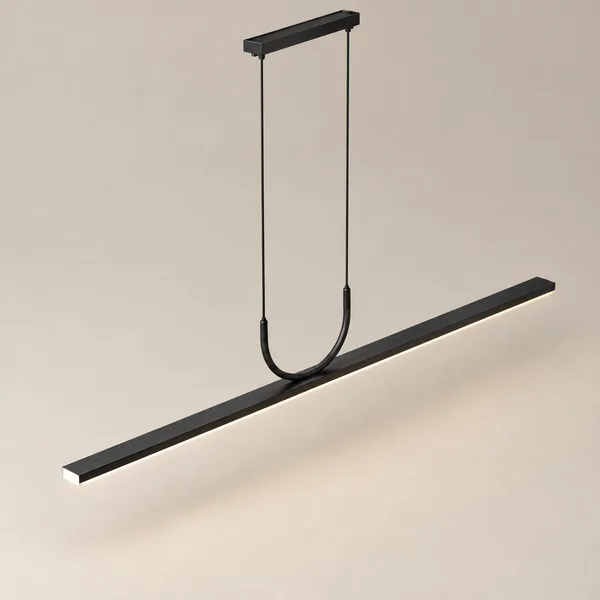
Linné Minimalist Linear Black LED Pendant Light
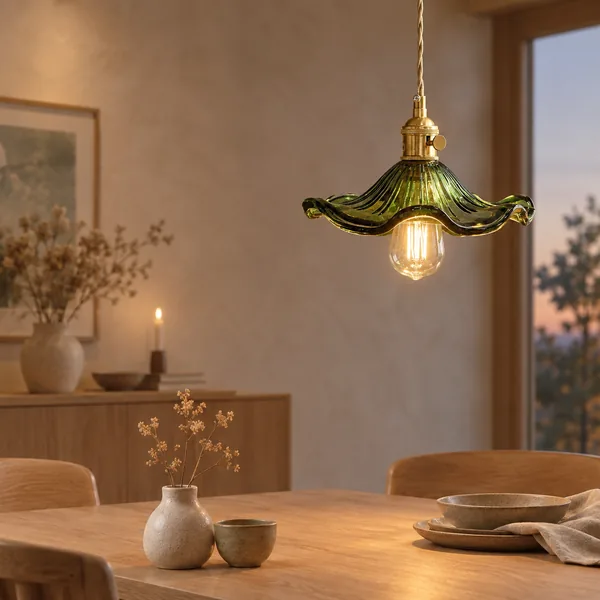
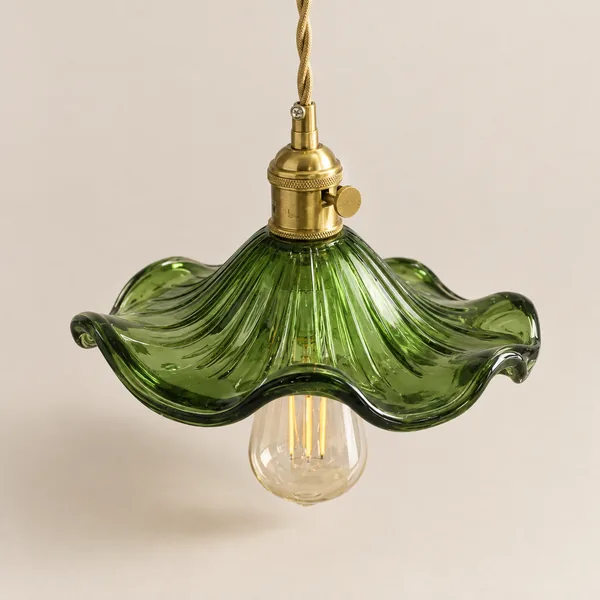 Save $60.00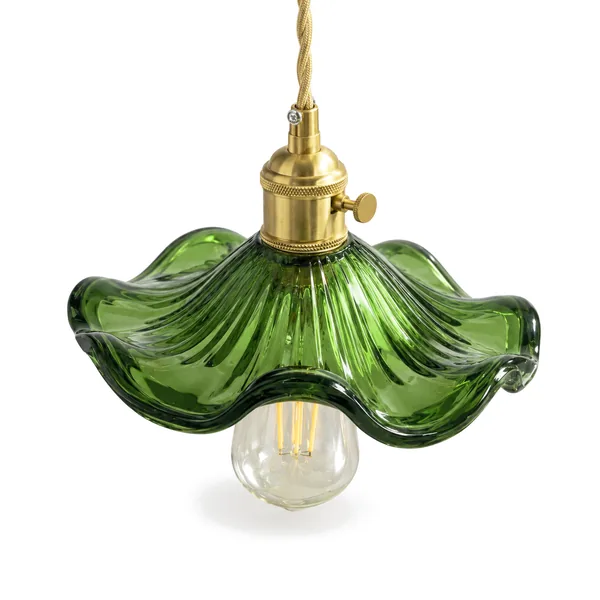
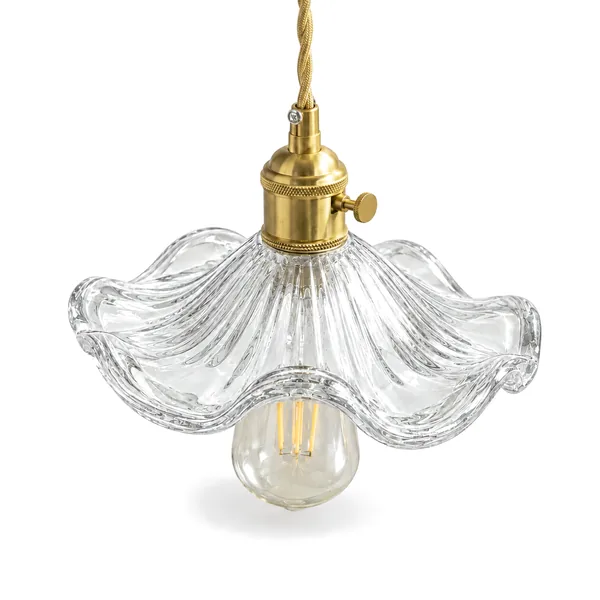
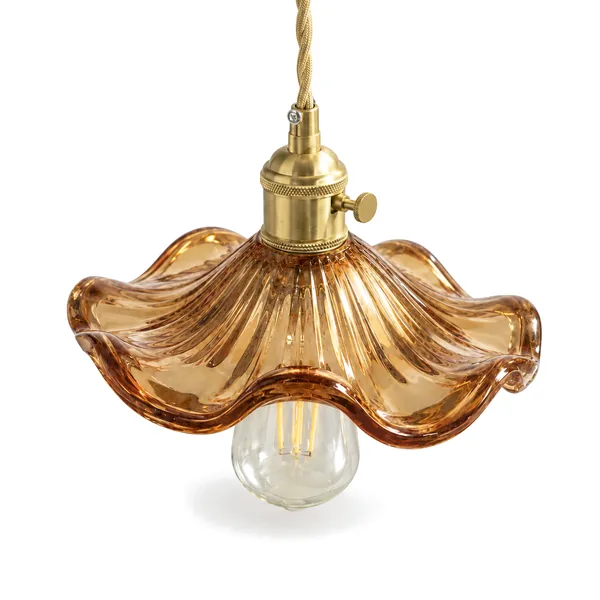 3 options
Glora Nordic Glass Pendant Light with Copper
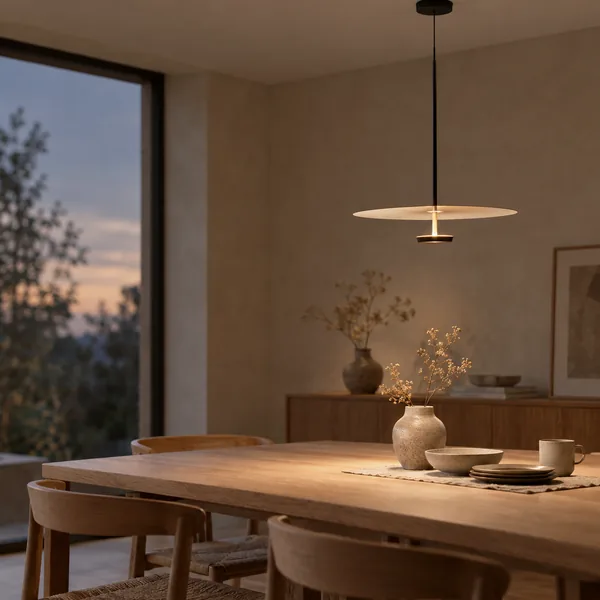
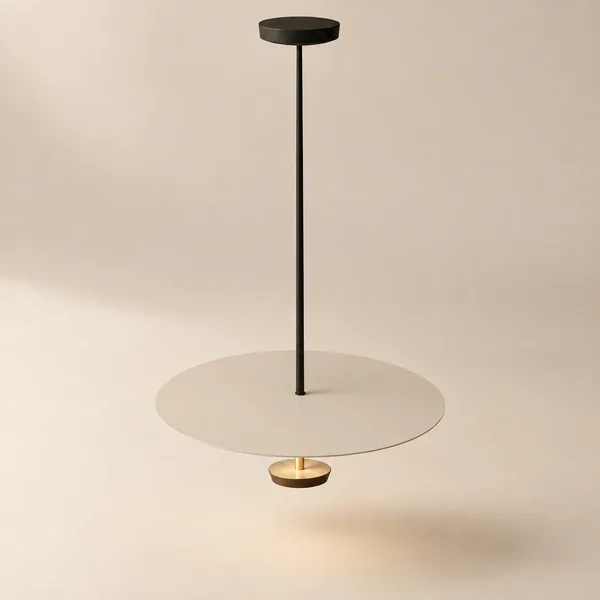 Save $120.00
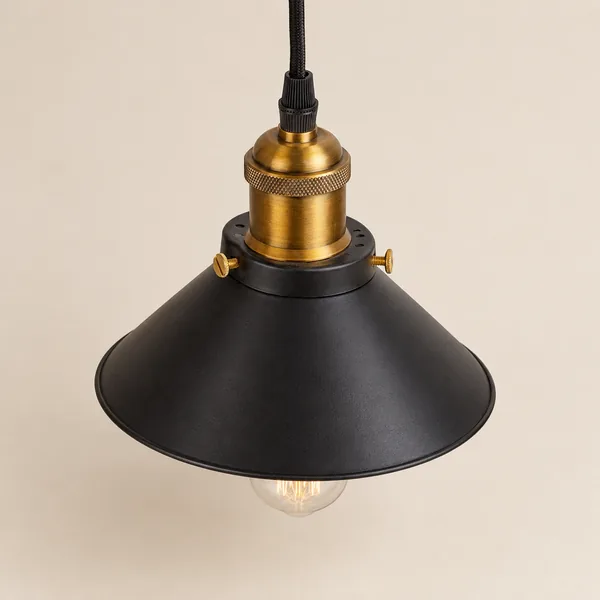
Skiva Nordic Saucer Ceiling Pendant Light LED
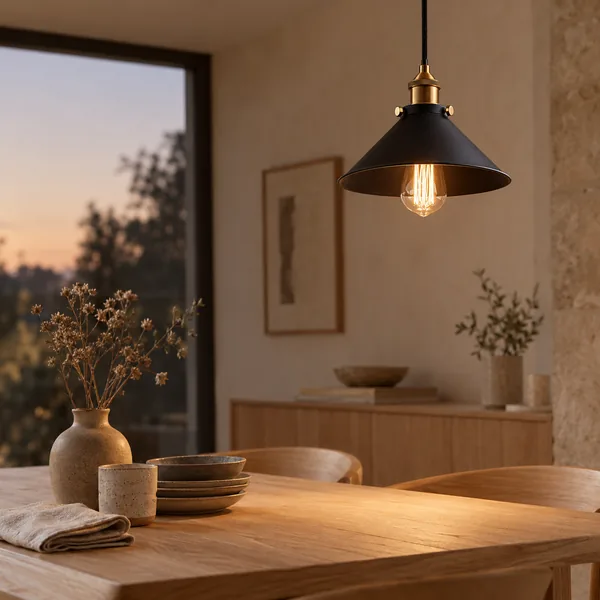
Modern Interpretations of Indian Home Decor
Contemporary Indian interior design has evolved to meet the needs of modern living while honoring traditional roots. Today's approach focuses on curated restraint—selecting fewer, more impactful pieces rather than filling every surface with ornamentation.
Modern Indian spaces often feature cleaner lines while maintaining warm color palettes. Traditional motifs might appear in abstract form, and antique pieces are paired with contemporary furniture for contrast. The goal is creating spaces that feel current and functional while respecting cultural heritage.
This evolution makes Indian decor accessible to homeowners who appreciate the aesthetic but require practicality for everyday living. A single statement piece—a carved wooden screen, a vibrant Dhurrie rug, or artisan lighting—can anchor a room's design direction without overwhelming the space.
The Scandinavian-Indian Fusion
Perhaps the most compelling contemporary trend is the fusion of Scandinavian and Indian design. At first glance, these styles might seem incompatible—Scandinavian minimalism versus Indian maximalism—but they share fundamental values that make them natural partners.
Both traditions emphasize craftsmanship, natural materials, and creating homes that feel warm and welcoming. Scandinavian hygge and Indian hospitality both prioritize comfort and gathering. The neutral, light-filled Scandinavian palette provides the perfect backdrop for Indian color and pattern to shine without competition.
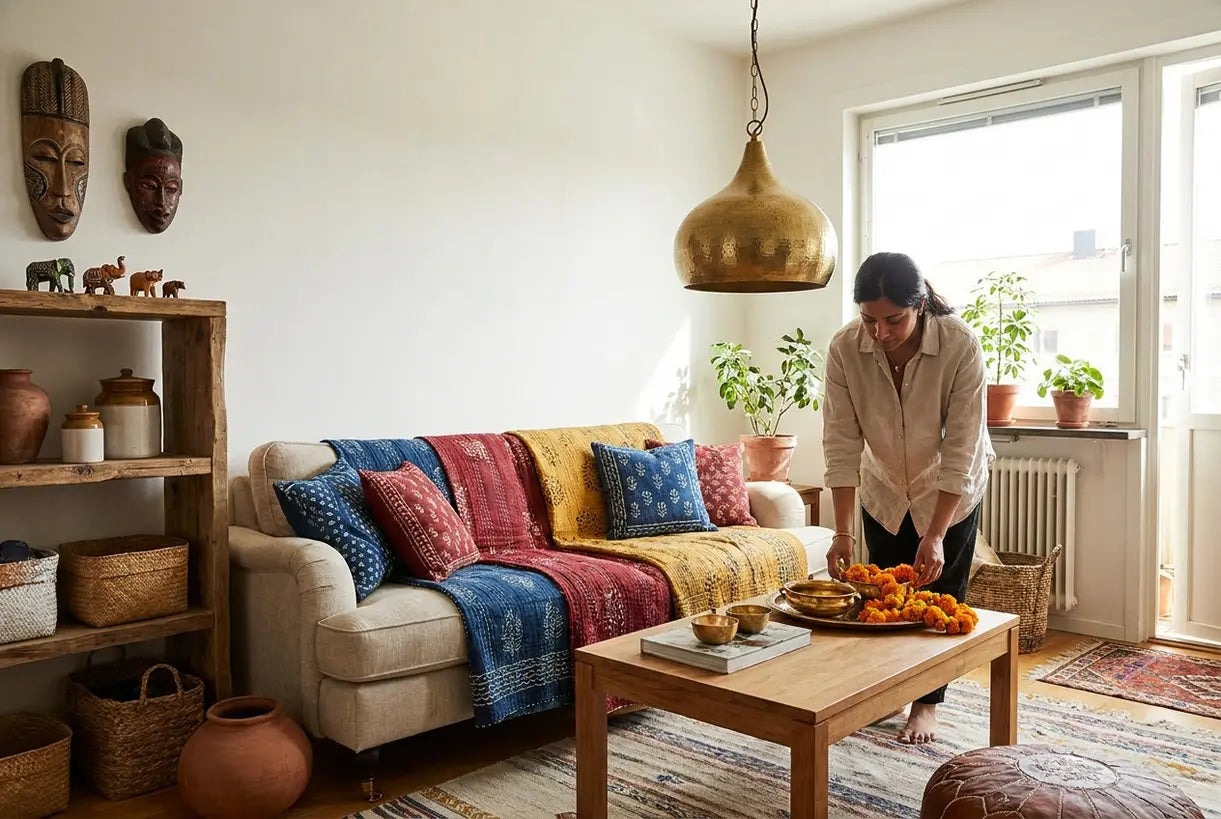
To achieve this fusion in your home, start with a Scandinavian foundation—light walls, natural wood furniture, and clean-lined pieces—then layer in Indian elements through textiles, brass accents, and artisan lighting. The result is a space that feels globally collected yet intentionally cohesive. For those looking to enhance their walls with this aesthetic, our Wall Lights collection offers pieces that beautifully bridge both design traditions.
Artisanal Lighting for Indian-Inspired Spaces
Lighting is where Indian craftsmanship truly shines. Traditional Indian lighting draws inspiration from temple lamps, palace lanterns, and ceremonial diyas—objects designed not just to illuminate but to create atmosphere and honor ritual.
When selecting lighting for an Indian-inspired interior, look for pieces featuring warm metals like brass, copper, and bronze. These materials cast a golden glow that enhances the warm palette typical of Indian decor. Stained glass, intricate metal cutwork, and organic shapes that reference natural forms add authentic character.
The right lighting fixture becomes a sculptural centerpiece that anchors your room's design. It should feel collected rather than purchased—like a treasure discovered during travels. This approach to lighting transforms functional necessity into artistic expression.
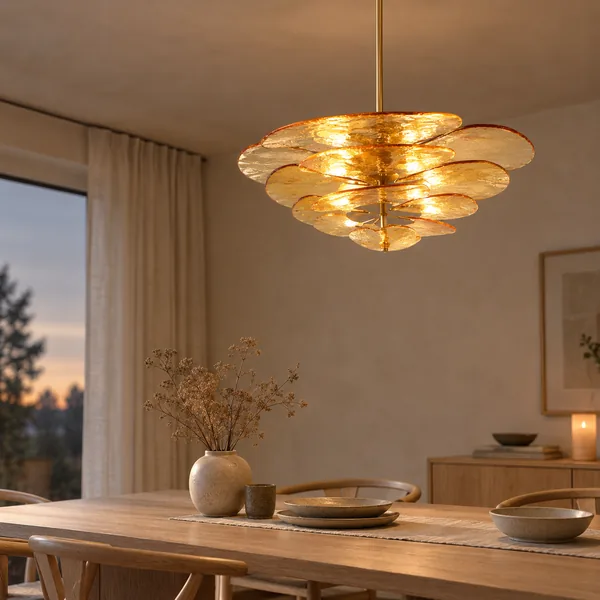 Ravglo Handcrafted Amber Stained Glass Chandelier$899.00$1,389.00
Incorporating Brass and Metallic Accents
Brass holds a special place in Indian decorative tradition. Once reserved for temples and noble households, brass objects—from ritual bowls to mirror frames—symbolized prosperity and spiritual significance. Today, brass accents bring warmth and sophistication to contemporary interiors.
The key to using brass effectively is balance. In Indian homes, brass often appears as functional art—candle holders, serving dishes, and religious objects that double as decor. When incorporating brass into modern spaces, look for pieces that feel authentic rather than trendy, with patina and weight that suggest quality craftsmanship.
Lighting offers a particularly effective way to introduce brass, as the metal's warm tones enhance the quality of light while adding visual interest. When paired with natural materials like wood or linen, brass creates a textural dialogue that feels both contemporary and timeless. The Gloda Walnut Brass French Style Pendant Light exemplifies this harmony, bringing together rich brass Accents and warm wood in a design that bridges Scandinavian minimalism with Indian warmth.
Lighting That Bridges Tradition and Modern Design
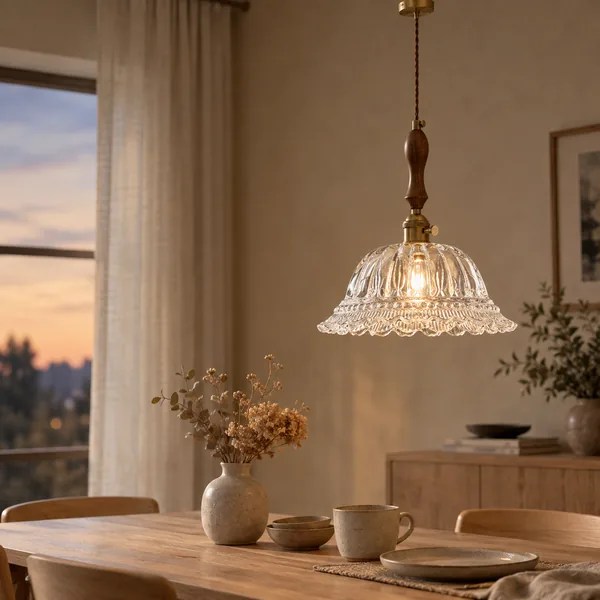 Gloda Walnut Brass French Style Pendant Light$169.00$229.00
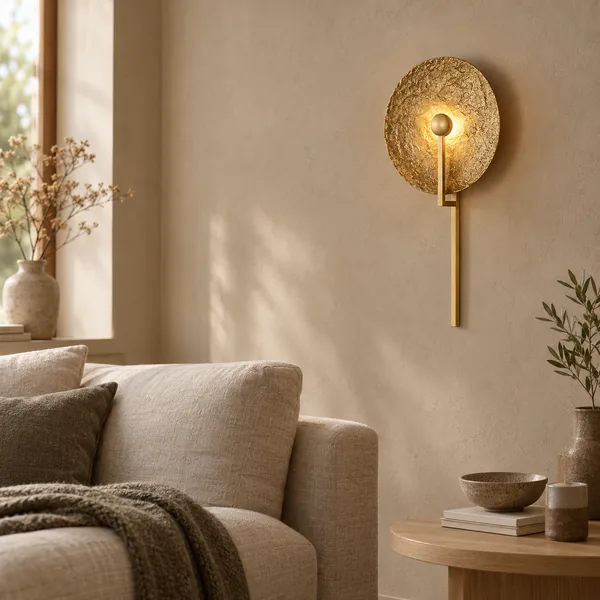 Skiva Sculptural Copper Disc Brass Wall Light$339.00$429.00
For wall-mounted options, the Skiva Sculptural Copper Disc Brass Wall Light brings artisanal character through its hand-forged copper and brass construction. The sculptural quality of this piece speaks to the Indian tradition of viewing everyday objects as opportunities for artistic expression. You can find more information about this product and similar artisanal design traditions from India on Architectural Digest.
Practical Tips for Styling Your Space
Bringing Indian home decor into your space doesn't require a complete overhaul. The most successful interiors evolve gradually, with pieces collected thoughtfully over time. Here are practical strategies for incorporating Indian elements into your existing space.
Start by auditing your current color palette. If your walls and large furniture pieces are neutral, you have the perfect foundation for adding Indian textiles and accessories. Begin with one statement piece—a carved mirror, a brass bowl, or a handwoven rug—and build around it. This prevents the space from feeling cluttered and ensures each piece has room to be appreciated.
Consider the lighting in your space. Indian interiors often feature multiple light sources at varying heights—floor lamps, table lamps, sconces, and candles—to create atmosphere. The play of light and shadow is as important as the fixtures themselves.
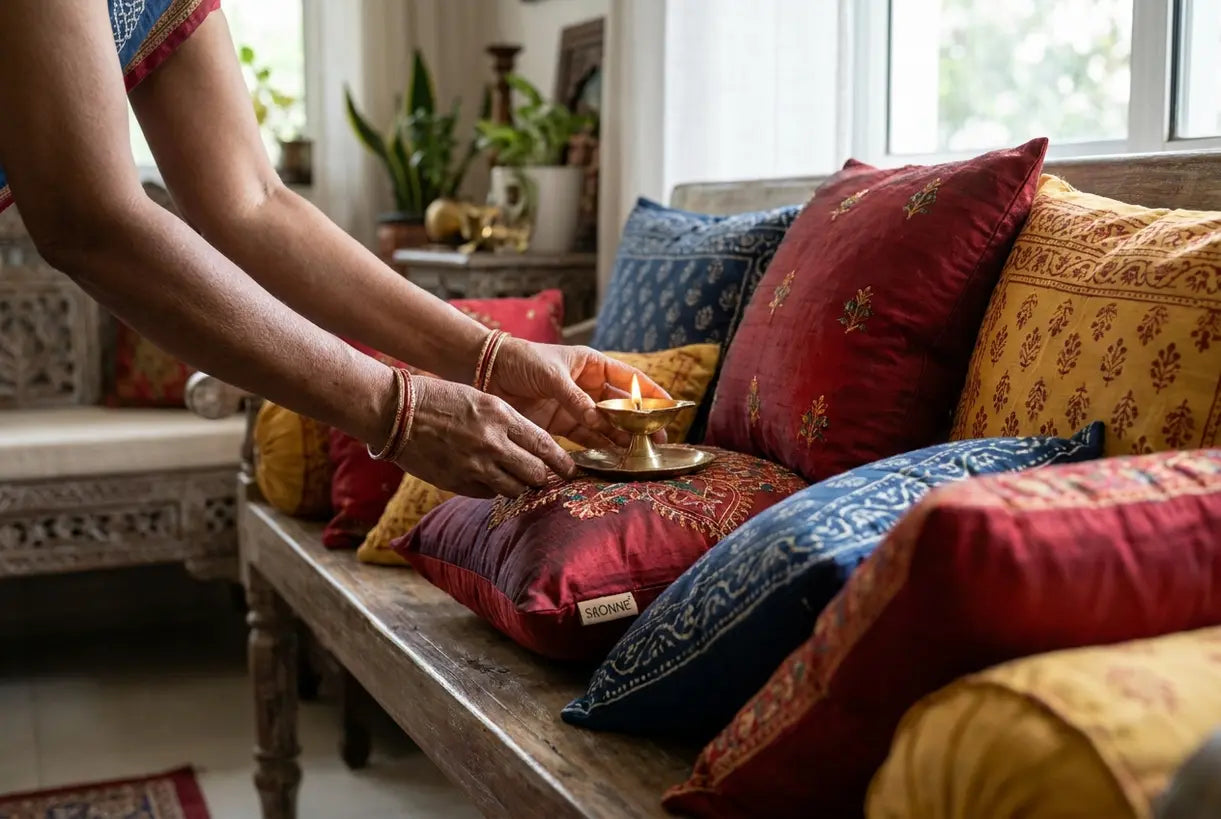
Don't be afraid to mix eras and origins. A vintage Indian textile can look stunning draped over a modern sofa. Contemporary art gains depth when hung alongside traditional brass objects. The goal is creating a dialogue between pieces rather than matching sets.
For authentic Indian textiles, consider sources that work directly with artisan communities. Organizations like the American Craft Council highlight the importance of preserving traditional craft techniques while supporting contemporary makers. Whether you're sourcing from ethical importers or collector shops, prioritize pieces with provenance and craftsmanship.
Lamps
Shop all Lamps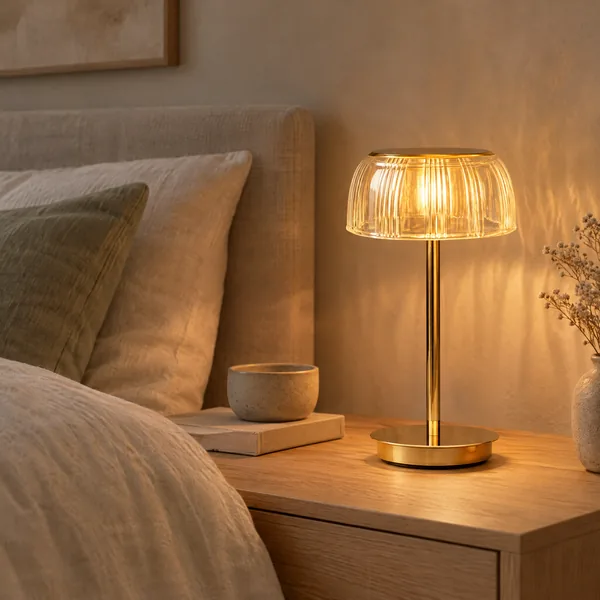
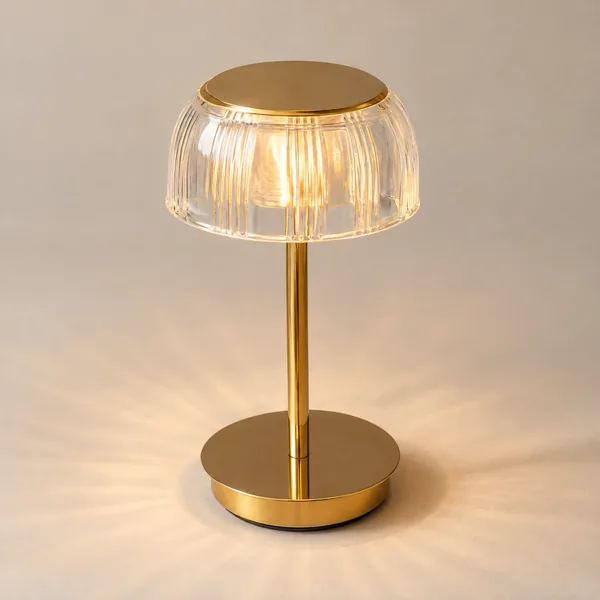 Save $30.00
Kvalla Jellyfish LED Rechargeable Table Lamp
 Save $140.00
Linné Minimalist Linear Black LED Pendant Light
Save $60.003 optionsGlora Nordic Glass Pendant Light with Copper
Pro Tip: When curating your Indian-inspired space, focus on quality over quantity. A single exceptional piece—a hand-carved panel, a vintage textile, or artisan lighting—will have more impact than multiple mass-produced items. Let each piece tell its story.
Conclusion
Indian home decor offers an invitation to celebrate color, honor craftsmanship, and create spaces that feel deeply personal. Whether you're drawn to the full richness of traditional style or prefer the subtlety of modern interpretations, the principles of Indian design—warmth, layering, and intentionality—translate beautifully to any home.
At Skonne, we believe that the best interiors reflect a thoughtful curation of influences. By blending the warmth and artisanal quality of Indian decor with the clean lines of Scandinavian design, you can create spaces that feel both globally inspired and distinctly personal. The journey of curating your home is ongoing, with each piece contributing to a narrative that's uniquely yours.
Ready to begin your own Indian-inspired interior journey? Explore our collection of artisan lighting and discover how the right pieces can transform your space with warmth, character, and timeless appeal.
Related Article
Japanese Home Decor: Minimalist, Zen-Inspired Style for a Calm & Balanced InteriorTransform your space with Japanese home decor ideas that embrace minimalism, natural materials, and Zen-inspired tranquility for a calm interior.