
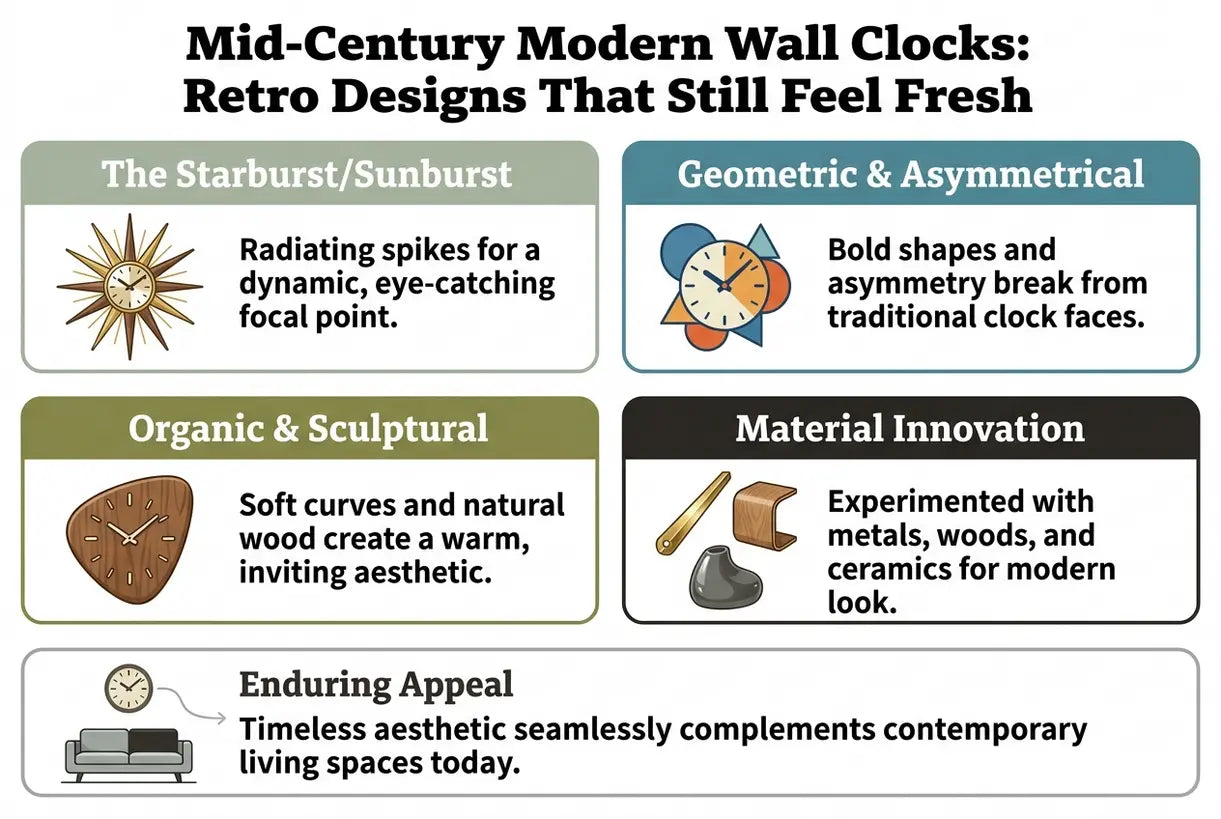
Mid-Century Modern Wall Clocks: Retro Designs That Still Feel Fresh
Summary›
- The Enduring Appeal of Mid-Century Clock Design
- What Defines Authentic Mid-Century Clock Aesthetics
- Curated Timepieces for Contemporary Living
- Styling Your Mid-Century Clock in Modern Homes
- Understanding Vintage vs. Reproduction Mid-Century Clocks
- Materiality and Craftsmanship in Contemporary Clock Design
- Conclusion: Timeless Design for Intentional Living
There's something undeniably captivating about a well-crafted timepiece that transcends mere functionality. When you encounter a mid-century modern wall clock hanging thoughtfully upon a wall, you're not just checking the time—you're witnessing a piece of design history that continues to resonate with contemporary sensibilities. These iconic fixtures emerged from an era defined by optimism and innovation, yet they possess an uncanny ability to feel utterly current in today's Scandinavian-inspired interiors.
At Skonne, we believe that the most meaningful home accessories tell a story while serving your daily life. Whether you're drawn to the atomic exuberance of starburst designs or the refined minimalism of Nordic interpretations, understanding what makes these timepieces special helps you curate a space that feels both intentional and warmly sophisticated. In this guide, we'll explore the enduring appeal of these retro classics and show you how to select pieces that harmonize beautifully with modern living.
The Enduring Appeal of Mid-Century Clock Design
The period spanning roughly 1933 to 1965 gave birth to some of the most influential design movements of the twentieth century. During this golden age, architects and furniture designers began approaching everyday objects with fresh eyes, viewing them as opportunities for artistic expression rather than mere utilities. Wall clocks became particularly fertile ground for experimentation, resulting in sculptural forms that challenged traditional notions of what a timepiece could be.
What sets these designs apart is their masterful balance between playfulness and restraint. While Victorian clocks often hid behind ornate cases and contemporary digital displays prioritize pure function, retro wall clocks from the mid-century period embraced their dual identity as both practical instruments and kinetic art. They weren't afraid to make a statement, yet they never felt excessive or cluttered.
This philosophy aligns deeply with Scandinavian design principles that continue to guide our curation at Skonne. The emphasis on clean lines, natural materials, and honest construction creates objects that feel timeless rather than trendy. Whether you're decorating a minimalist loft or a cozy family home, the right MCM clock adds personality without disrupting visual harmony. For those looking to explore more options, our Table Lamps collection offers complementary pieces that share this same considered approach to design.
What Defines Authentic Mid-Century Clock Aesthetics
Identifying genuine mid-century modern wall clock characteristics requires looking beyond surface styling to understand the underlying design philosophy. These timepieces typically feature several distinctive elements that continue to influence contemporary makers today.
Geometric and Organic FormsThe most recognizable examples feature bold geometric shapes—radiating spokes, perfect spheres, and sweeping curves inspired by atomic age imagery. However, true mid-century design also embraced geometric wall clock structures that felt both mathematical and natural. Think of the way a George Nelson ball clock combines precise geometry with playful color, or how starburst models echo both celestial bodies and organic growth patterns.
Material IntegrityAuthentic period pieces and quality modern reproductions prioritize honest materials. Look for genuine wood finishes, brass accents, ceramic elements, and high-grade metals. These materials weren't merely decorative choices; they reflected a post-war emphasis on craftsmanship and durability. When you examine a vintage timepiece, you'll notice how natural materials develop character over time, creating depth that synthetic alternatives simply cannot replicate.
Decorative Wall Clocks
Shop all Wall Clocks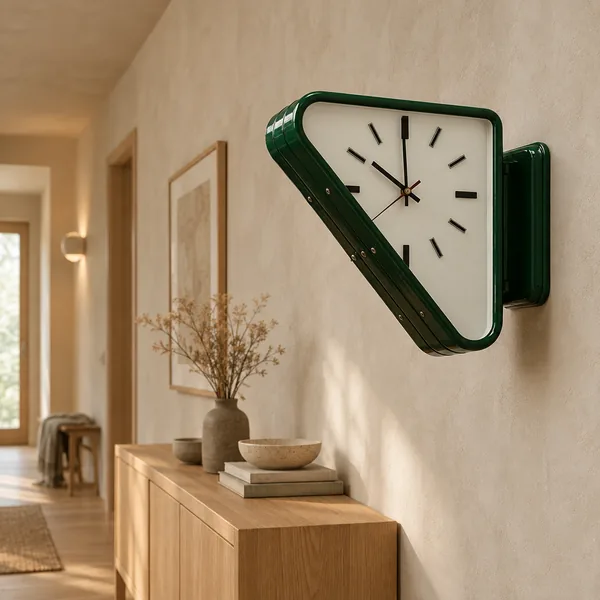
 Save $110.00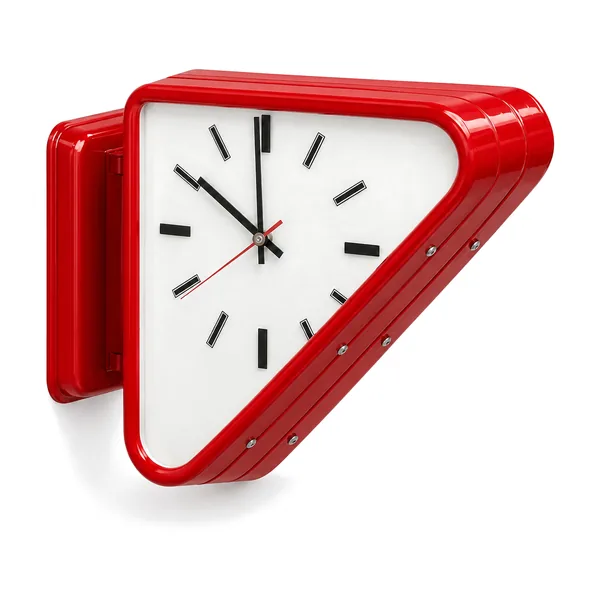
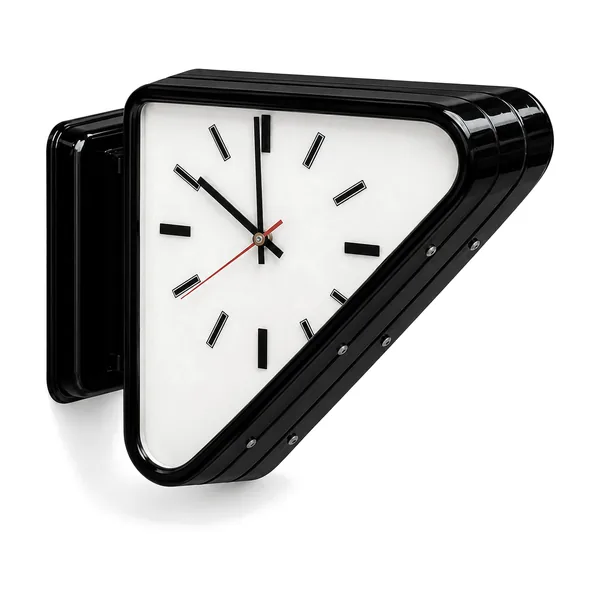
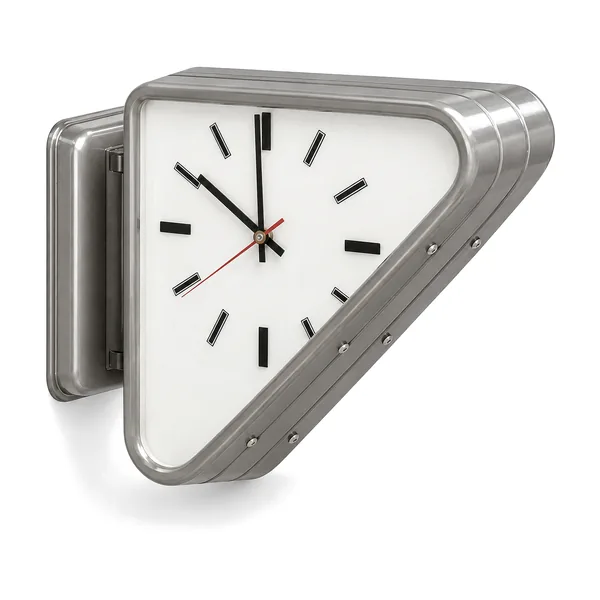
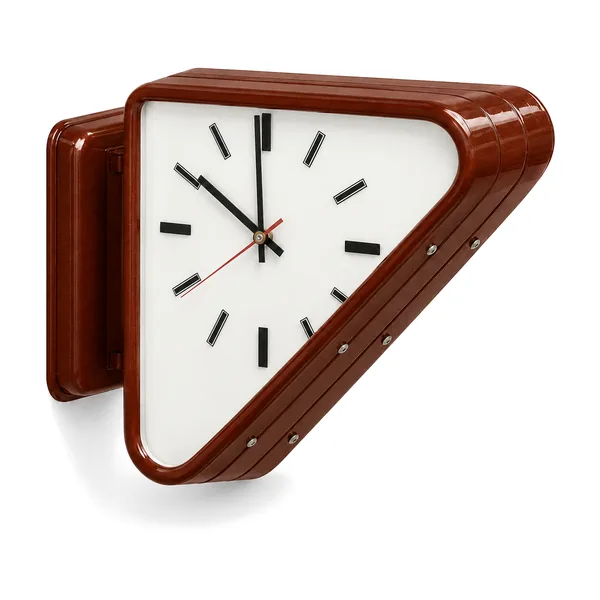 +15 options
Tvilling Dual-Sided Geometric Metal Wall Clock
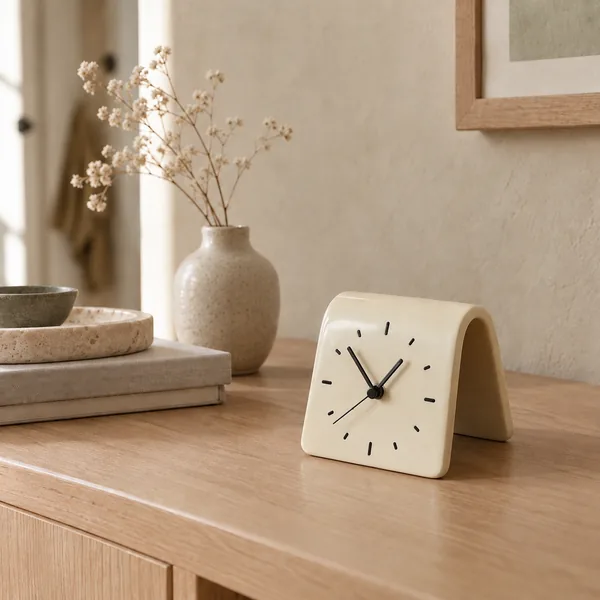
 Save $70.00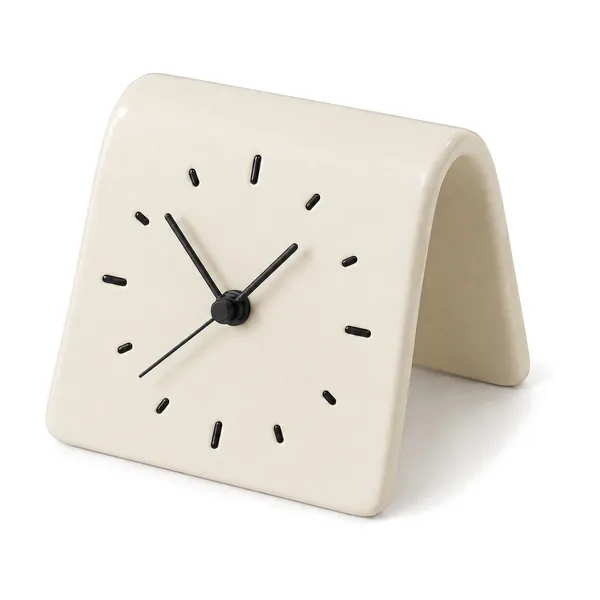
 +37 options
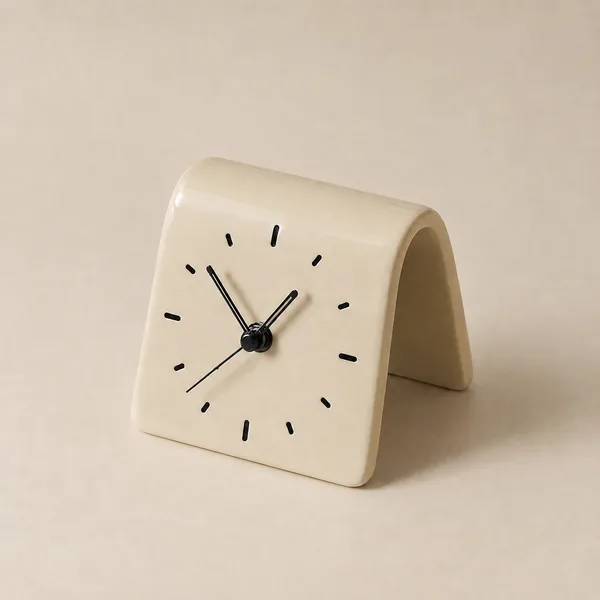
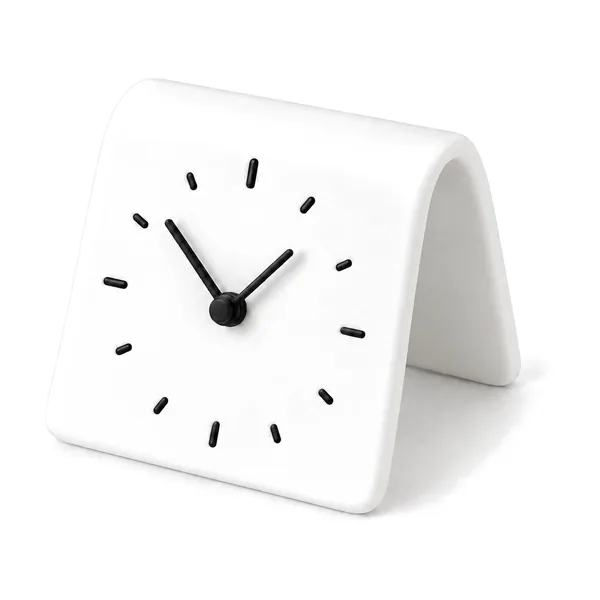
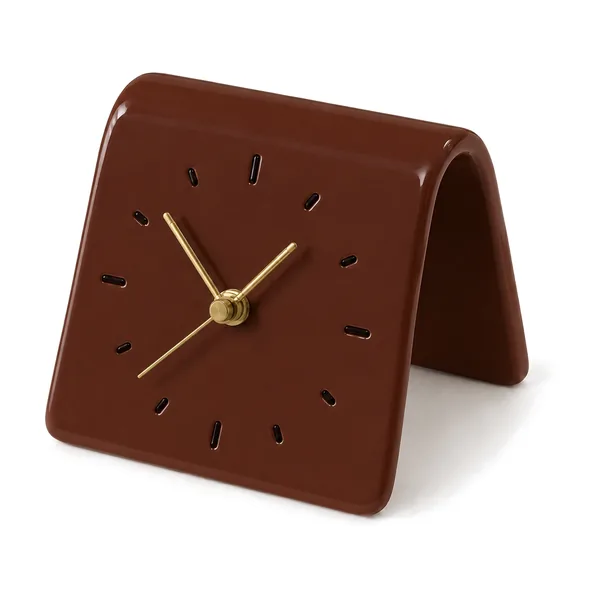
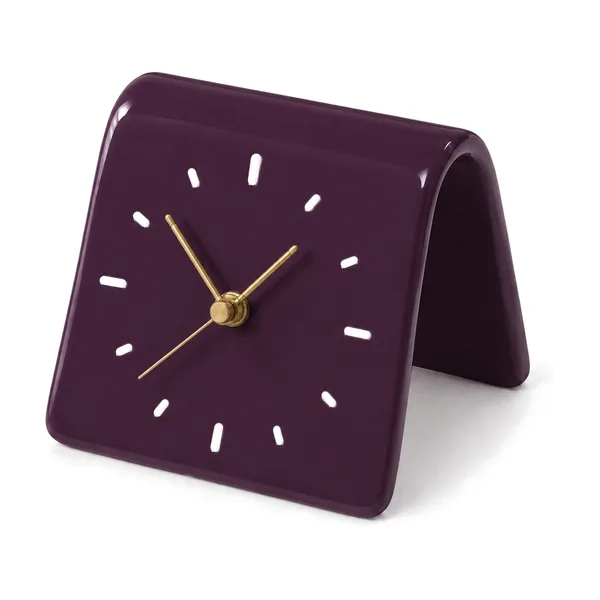
Tilje Silent Ceramic Desk Clock for Modern Homes
 Save $120.00
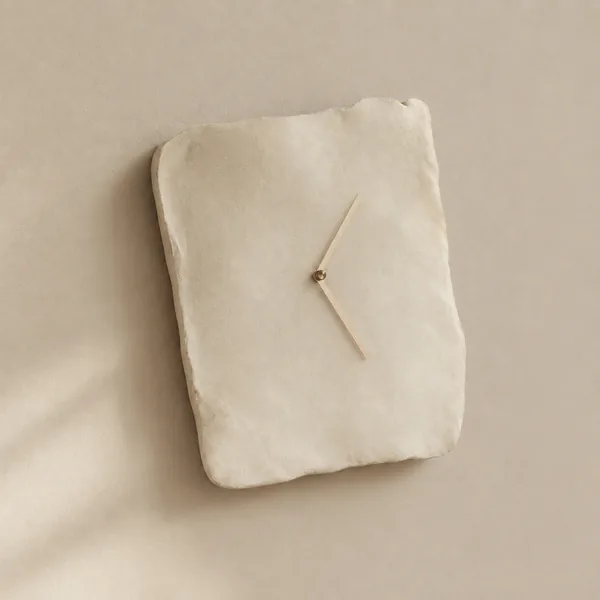
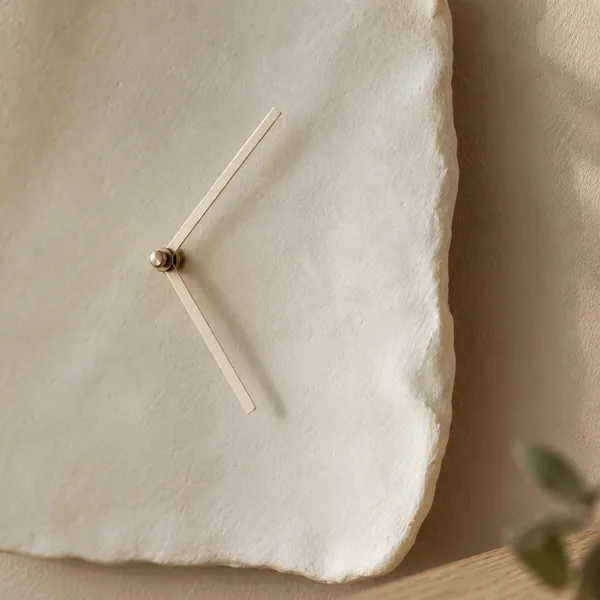
Stilla Silent Resin Wall Clock Nordic Minimalist
Curated Timepieces for Contemporary Living
Finding a clock that honors mid-century heritage while meeting modern standards for quality and silence requires careful discernment. We've selected pieces that capture the spirit of the era while addressing the practical needs of today's homes. Each one represents a different facet of mid-mod design philosophy, from architectural geometry to organic minimalism.
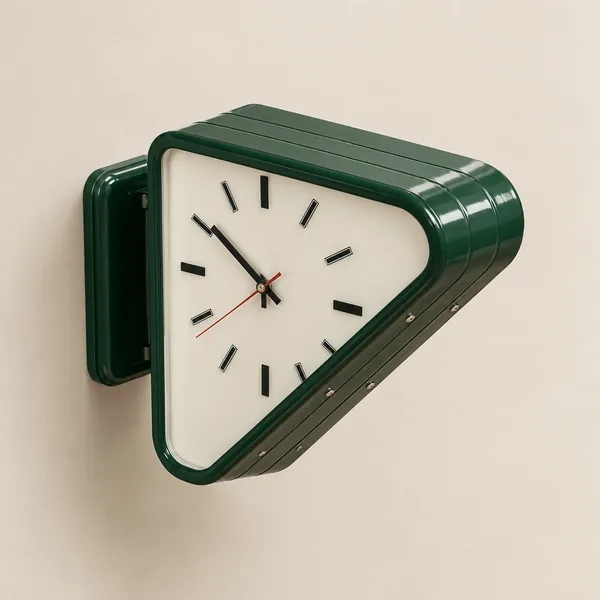
Tvilling Dual-Sided Geometric Metal Wall Clock$269.00$379.00The Tvilling Dual-Sided Geometric Metal Wall Clock addresses a common challenge in open-concept homes: how to display time beautifully from multiple perspectives. Its architectural presence bridges the gap between functional decor and sculpture, offering clean triangular lines that reference classic mid-century geometry while accommodating contemporary spatial layouts. Available in five sophisticated finishes, it brings that sought-after architectural interest to living rooms, hallways, and creative studios without overwhelming the surrounding space.
When we consider the essence of mid-century design, we're looking for pieces that demonstrate intentionality in every detail. The Tvilling exemplifies this through its dual-sided display, ensuring that the time remains visible whether you're entering a room or departing from it. This thoughtful consideration of daily living patterns reflects the same user-centered approach that defined the original mid-century modern movement.
Beyond pure geometry, the mid-century era also celebrated the intersection of art and utility. This philosophy manifests beautifully in pieces that prioritize silent operation—a crucial factor for bedrooms, reading nooks, and contemplative spaces where the intrusive tick-tock of traditional mechanisms would disrupt the peaceful atmosphere.
Sculptural Interpretations for Quiet Interiors
Modern life demands moments of stillness, and your wall clock should contribute to, rather than detract from, a serene environment. Contemporary interpretations of atomic clock aesthetics have evolved to prioritize silence alongside style, using advanced quartz movements that eliminate distracting noise while maintaining impeccable accuracy.
Create a relevant title
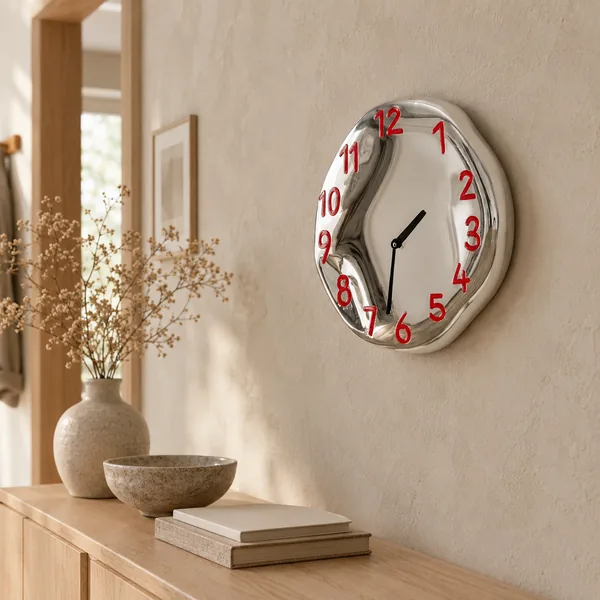 Glansa Chrome Ceramic Wall Clock Silent Quartz$329.00$479.00Stilla Silent Resin Wall Clock Nordic Minimalist$259.00$379.00
The Glansa Chrome Ceramic Wall Clock Silent Quartz illustrates how contemporary craftsmen reinterpret nostalgic aesthetics through modern material science. Its chrome electroplated finish catches and plays with ambient light throughout the day, transforming the piece from a static fixture into a dynamic element that shifts with your home's natural lighting. Meanwhile, the Stilla Silent Resin Wall Clock Nordic Minimalist offers a softer counterpoint—its handcrafted resin construction and irregular contours embrace wabi-sabi principles, reminding us that beauty often resides in natural imperfection rather than machine-made uniformity.
Styling Your Mid-Century Clock in Modern Homes
Successfully integrating a Nordic wall clock into your existing décor requires thoughtful consideration of scale, placement, and surrounding context. These pieces often serve as focal points, so their positioning can dramatically influence how a room feels and functions.
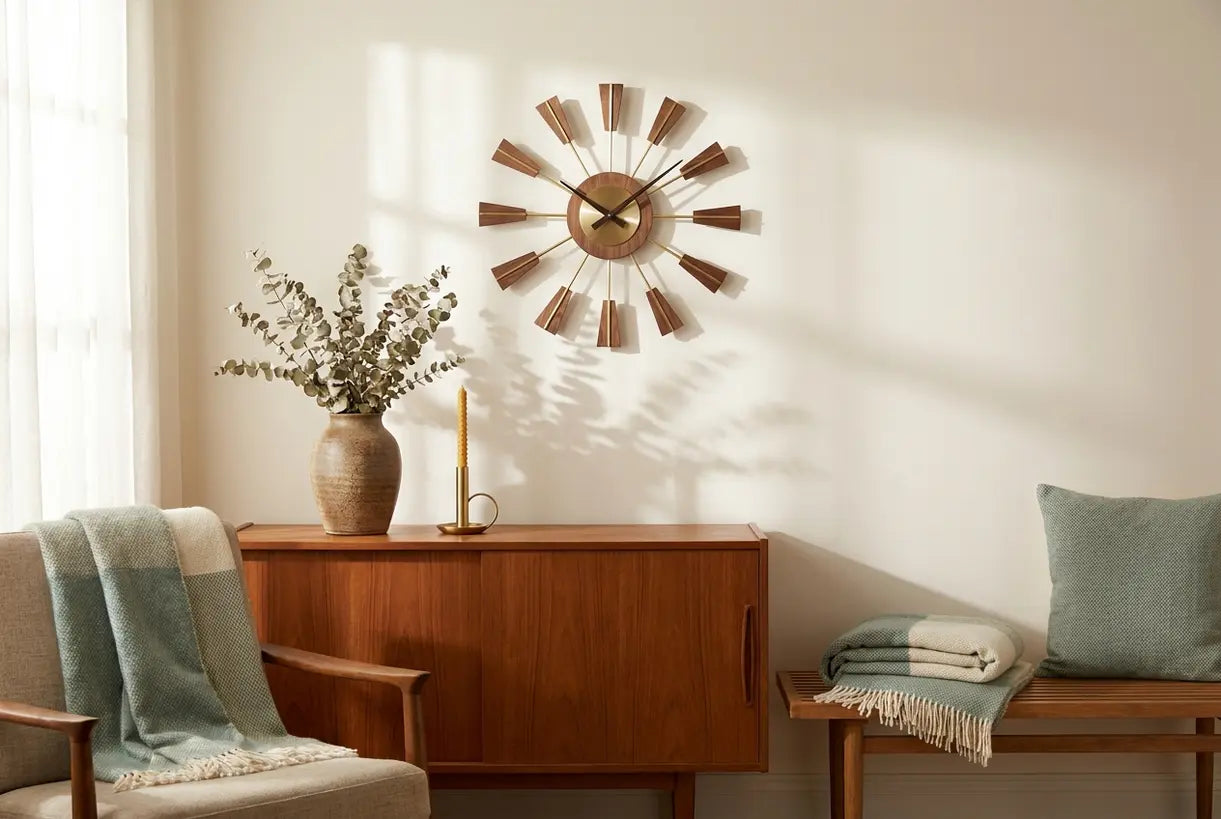
Creating Visual BalanceMid-century wall clocks typically command attention through their distinctive profiles. When styling a starburst clock or geometric design, ensure the surrounding wall space allows it to breathe. Avoid cluttering the area with competing artwork or shelves that might diminish its impact. Instead, consider pairing your clock with complementary textures—perhaps a smooth credenza below or an organic textile nearby—to create layered visual interest without chaos.
Size and Proportion GuidanceSelecting the appropriate diameter for your space prevents your timepiece from feeling either lost or overwhelming. In general, larger rooms with high ceilings accommodate bigger statement pieces, while intimate spaces benefit from more modest proportions. A general guideline suggests choosing a clock whose diameter measures approximately one-half to two-thirds the width of the furniture piece below it—the wall space above a console table, for instance, suits a mid-century wall decor piece sized accordingly.
The height at which you hang your clock also affects both aesthetics and functionality. Position the center of the clock at or slightly above eye level when standing, typically between 60 and 66 inches from the floor. This placement ensures visibility while maintaining comfortable sight lines across the room.
Scandinavian Lighting
Shop all Scandinavian Lighting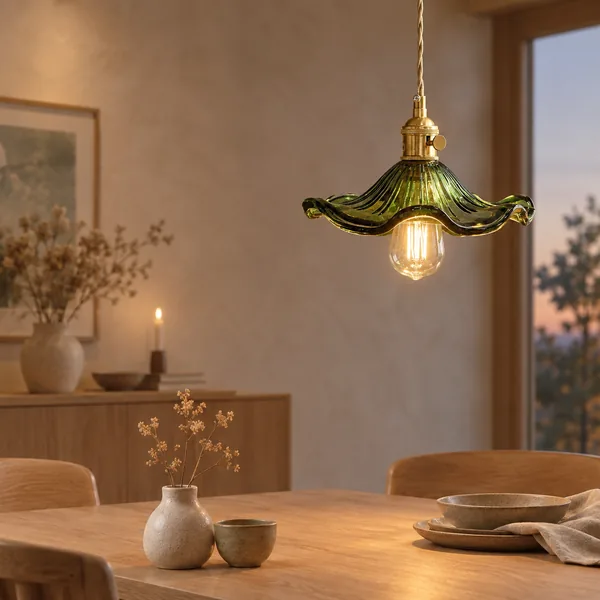
 Save $60.00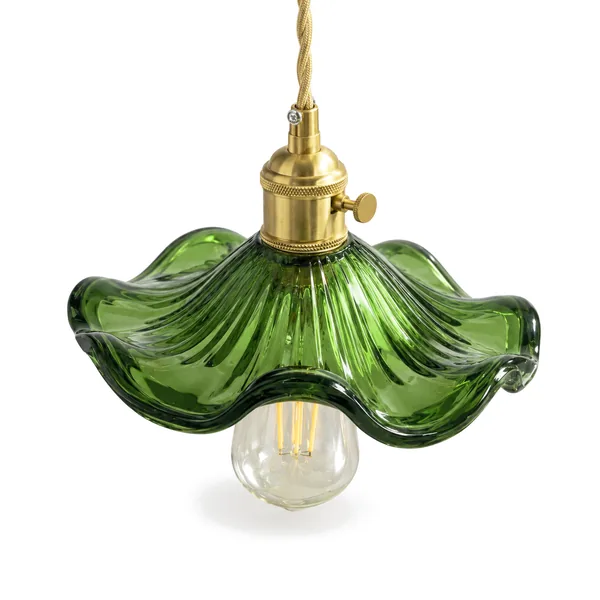
 3 options
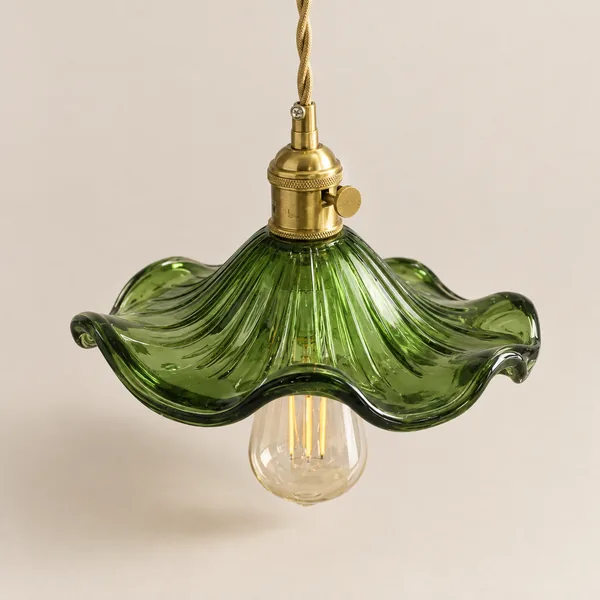
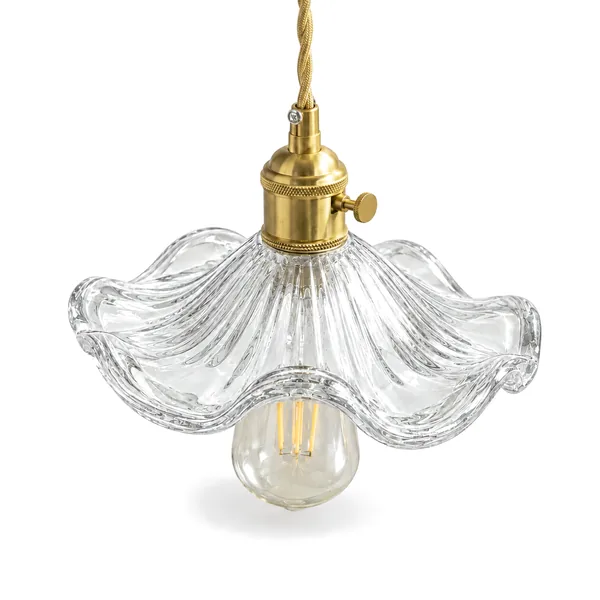
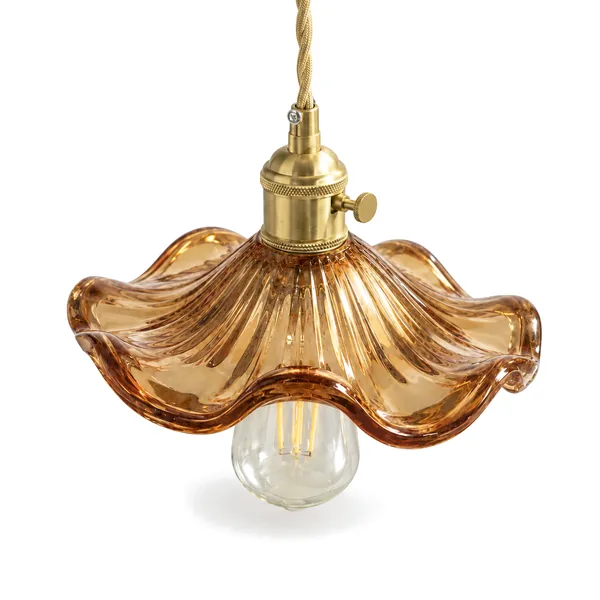
Glora Nordic Glass Pendant Light with Copper
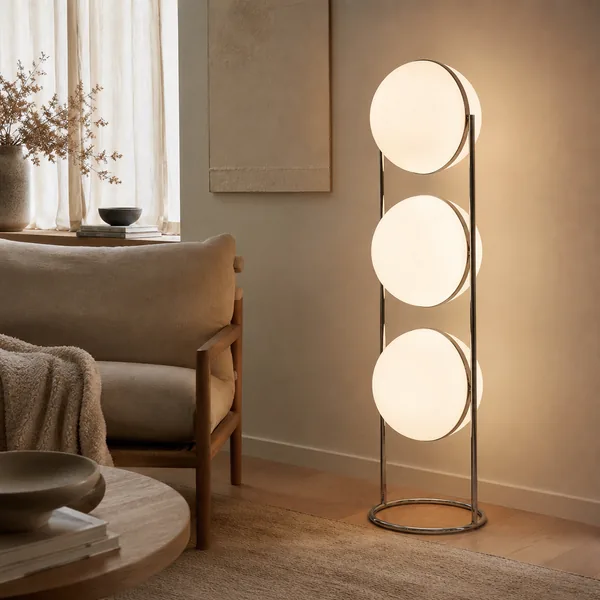
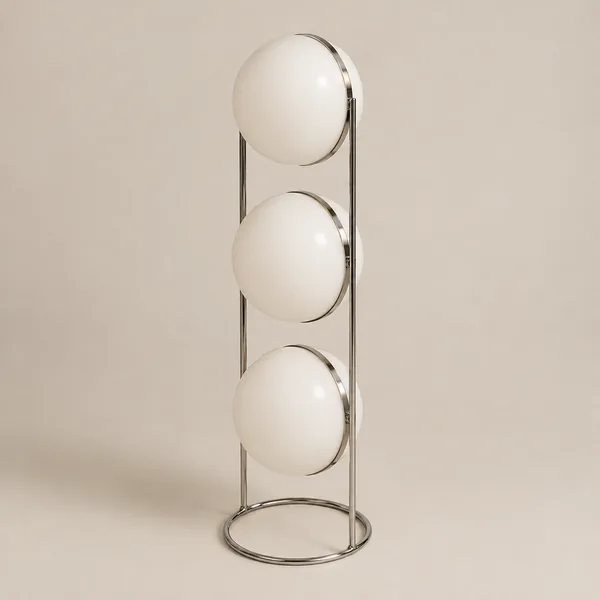 Save $150.00
Kulglod Bauhaus Chrome Acrylic Globe Floor Lamp
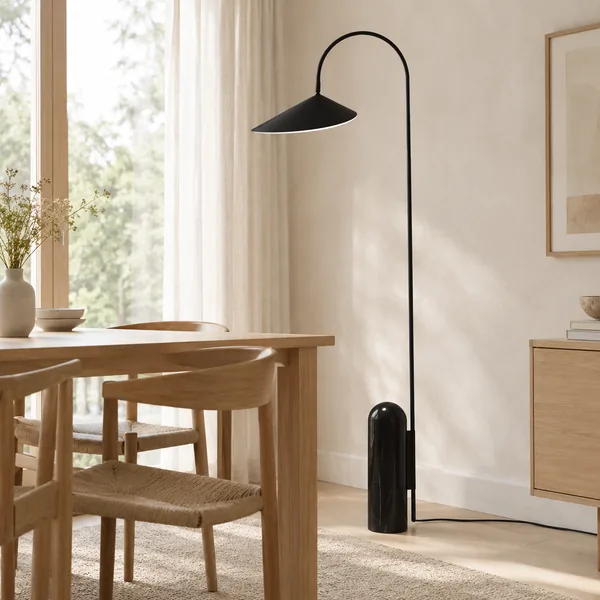
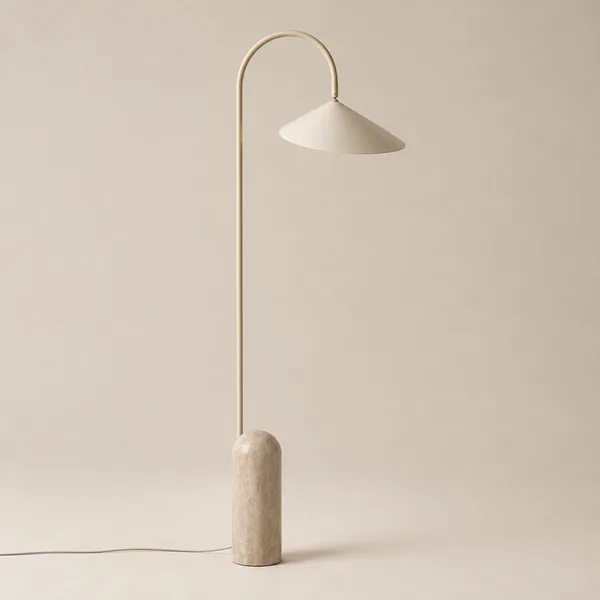 Save $230.00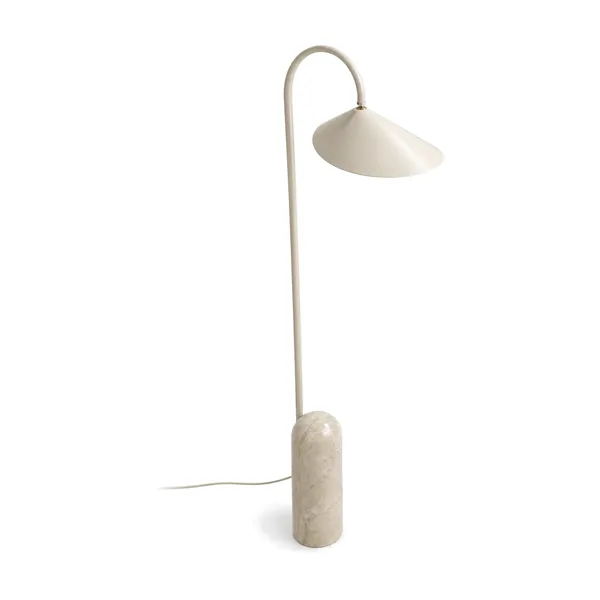
 2 options
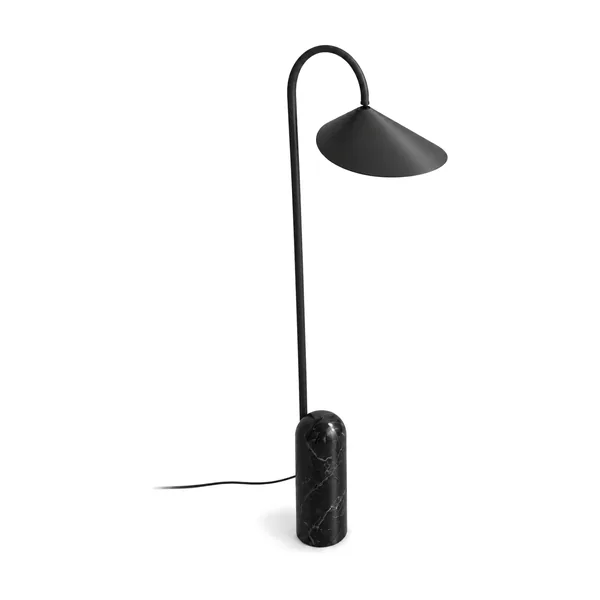
Velbue Marble Base Arc Floor Lamp Danish Design
 Save $210.00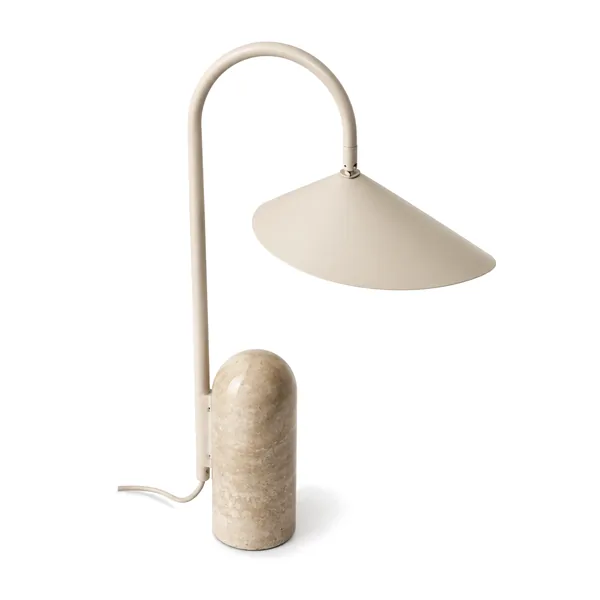
 2 options
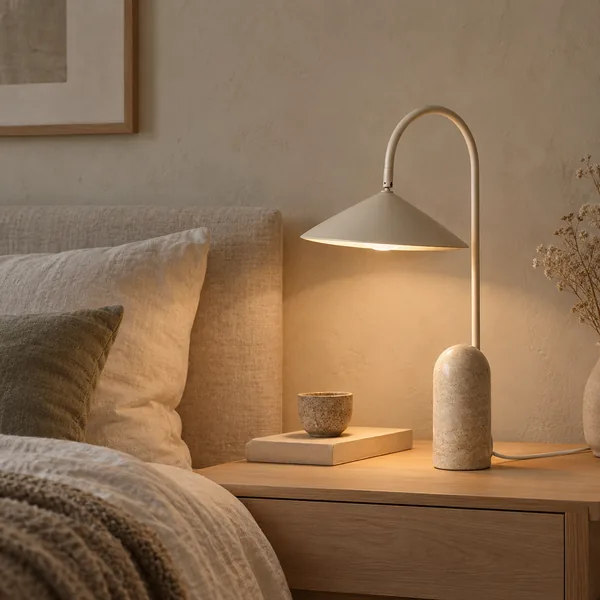
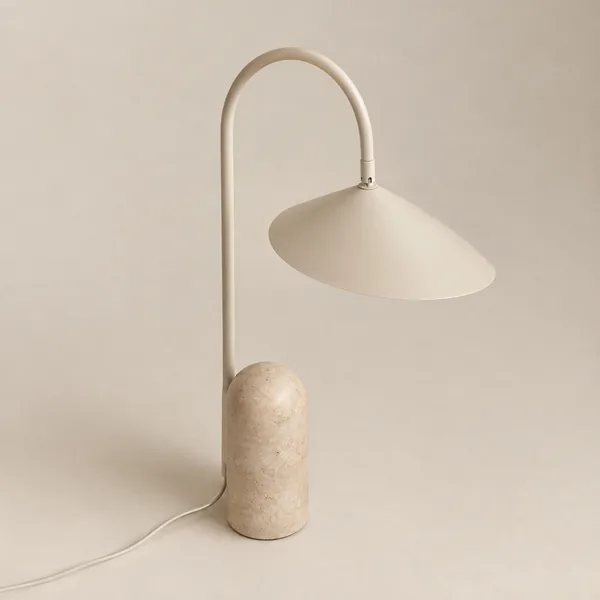
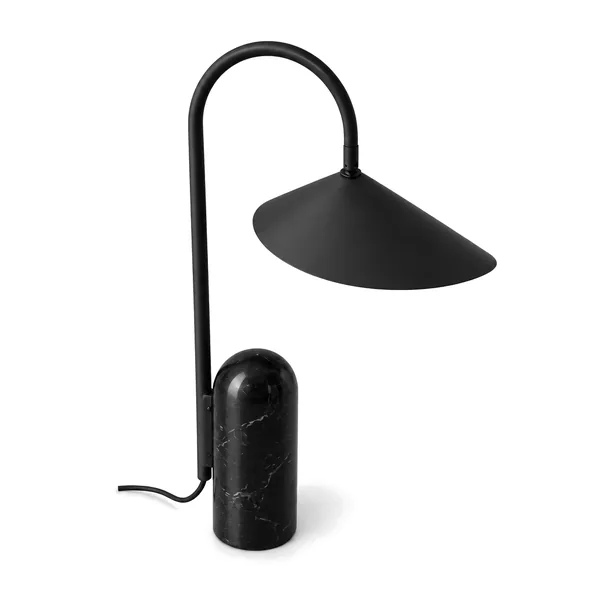
Solvei Danish Minimalist Arc Table Lamp Marble
Understanding Vintage vs. Reproduction Mid-Century Clocks
The distinction between authentic vintage pieces and high-quality reproductions marks one of the most significant considerations for collectors and casual decorators alike. Each option presents distinct advantages depending on your priorities, budget, and intended use.
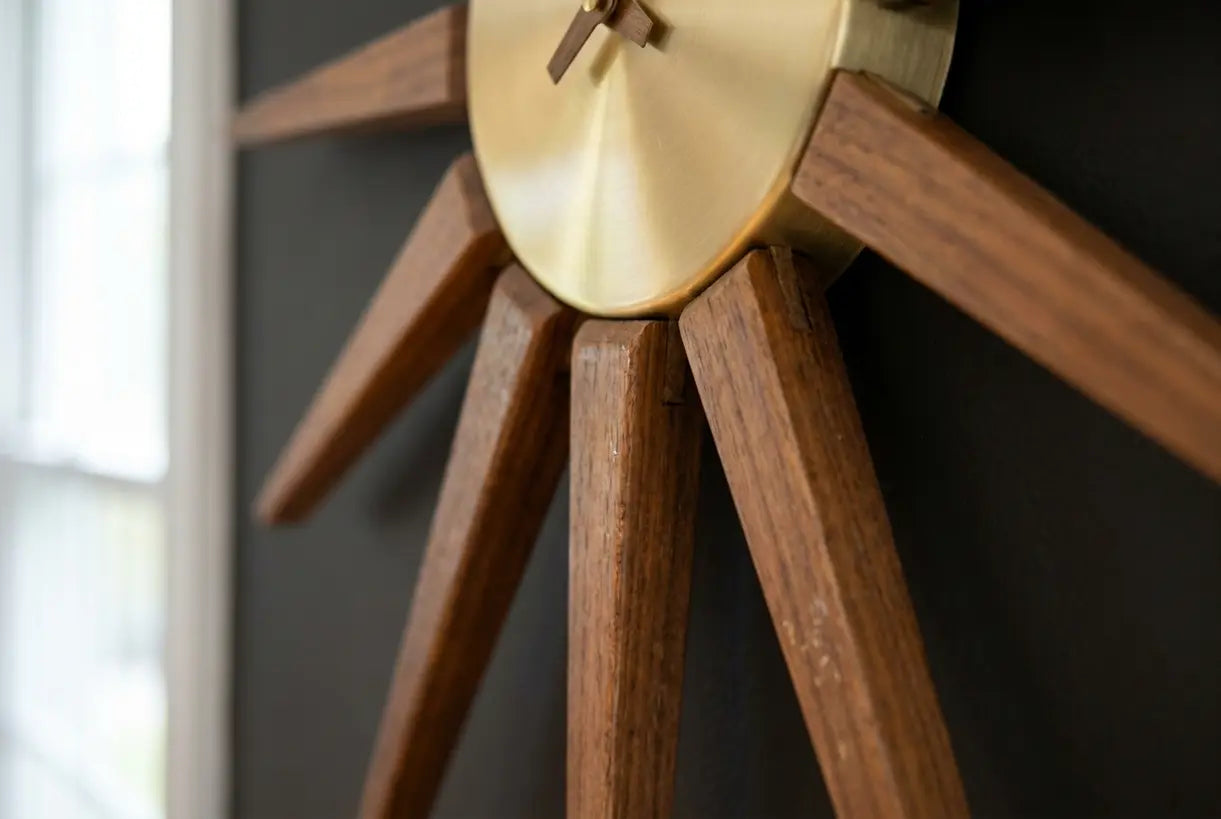
Authentic Vintage ConsiderationsOriginal George Nelson wall clock designs and period pieces from manufacturers like Howard Miller represent genuine design history. These artifacts often appreciate in value and carry the patina of decades past. However, vintage acquisition requires careful authentication, potential restoration work, and acceptance of mechanical limitations. Many vintage clocks utilize wind-up movements that require regular attention, and finding replacement parts for damaged elements can prove challenging and expensive.
 The Case for Contemporary Reproductions
Modern interpretations offer several practical advantages without necessarily sacrificing aesthetic authenticity. Contemporary manufacturers can utilize improved quartz movements for silent, accurate timekeeping while faithfully reproducing iconic exterior designs. Materials science has also evolved, meaning today's chrome plating, wood finishing, and ceramic work often exceed the durability of mid-century manufacturing techniques. For daily use in active households, a well-crafted reproduction frequently provides the ideal balance between visual authenticity and functional reliability.
When evaluating reproductions, examine the quality of materials and construction methods. The finest contemporary pieces honor the original design intentions while incorporating modern engineering improvements. Look for solid wood rather than veneers, genuine metal accents rather than painted plastic, and silent German or Japanese quartz movements that promise years of maintenance-free operation.
Materiality and Craftsmanship in Contemporary Clock Design
The material choices in a mid-mod clock significantly influence not only its appearance but also how it integrates with your home's sensory environment. Understanding these material qualities helps you select pieces that align with your tactile preferences and practical requirements.
Ceramic and Resin InnovationsCeramic wall clocks offer a cool, substantial presence that pairs beautifully with warm woods and soft textiles. The material's natural variation ensures each piece possesses unique character, while its durability resists the fading and warping that can affect organic materials. Similarly, handcrafted resin allows for organic, flowing shapes impossible to achieve with rigid materials, creating soft silhouettes that complement both minimalist and maximalist interiors.
Metal and Geometric PrecisionFor spaces that lean toward industrial or atomic aesthetics, metal clocks provide structural clarity and reflective properties that animate the room throughout the day. Brushed brass offers warmth and vintage appeal, while chrome and blackened steel contribute contemporary edge. When selecting metal clocks, consider how ambient light interacts with the finish—high-polish surfaces create dramatic reflections, while matte finishes absorb light and recede subtly into the background.
Conclusion: Timeless Design for Intentional Living
The enduring popularity of retro wall clock designs testifies to their profound success in merging form with function. These pieces remind us that the objects we choose to live with can elevate daily routines into moments of aesthetic appreciation. Whether you gravitate toward the architectural precision of geometric designs or the organic warmth of handcrafted ceramic and resin, selecting a wall clock becomes an act of curating your environment with intention.
At Skonne, we understand that authentic design isn't about replicating a museum piece but about finding objects that resonate with your personal aesthetic while honoring timeless principles of craftsmanship. Our carefully selected range of timepieces offers pathways to that distinctive Scandinavian feeling—spaces that feel both curated and comfortable, sophisticated yet welcoming. When you choose a clock that genuinely speaks to you, you're not merely decorating a wall; you're investing in a daily reminder that thoughtful design enhances life's simple pleasures.
Related Article
Oversized Wall Clocks: Big & Statement-Making Designs for Living Rooms & BeyondStatement-making oversized wall clocks bring bold style to living rooms. Discover big modern designs, sizing tips & Scandi-inspired placement ideas.