
Modern Flower Vases: Contemporary, Minimalist & Artistic Designs for Today's Interiors
Summary›
The modern flower vase has transcended its humble origins as a simple vessel for cut flowers. Today, it stands as a sculptural statement piece that defines the character of a room, whether displayed on a mantel, dining table, or entryway console. As homeowners gravitate toward more intentional, curated interiors, the demand for contemporary designs that balance functionality with artistic expression has never been stronger.
From the raw, tactile surfaces of wabi sabi flower vase designs to the crystalline clarity of modern glass vase silhouettes, today's offerings reflect a deeper appreciation for craftsmanship and materiality. At Skonne, we believe that the right vase doesn't just hold stems—it anchors a space, creates visual rhythm, and invites the calming essence of Scandinavian hygge into your daily life. In this guide, we'll explore how to select, style, and showcase modern flower vase designs that elevate your home with contemporary elegance.
Current Trends in Contemporary Vase Design
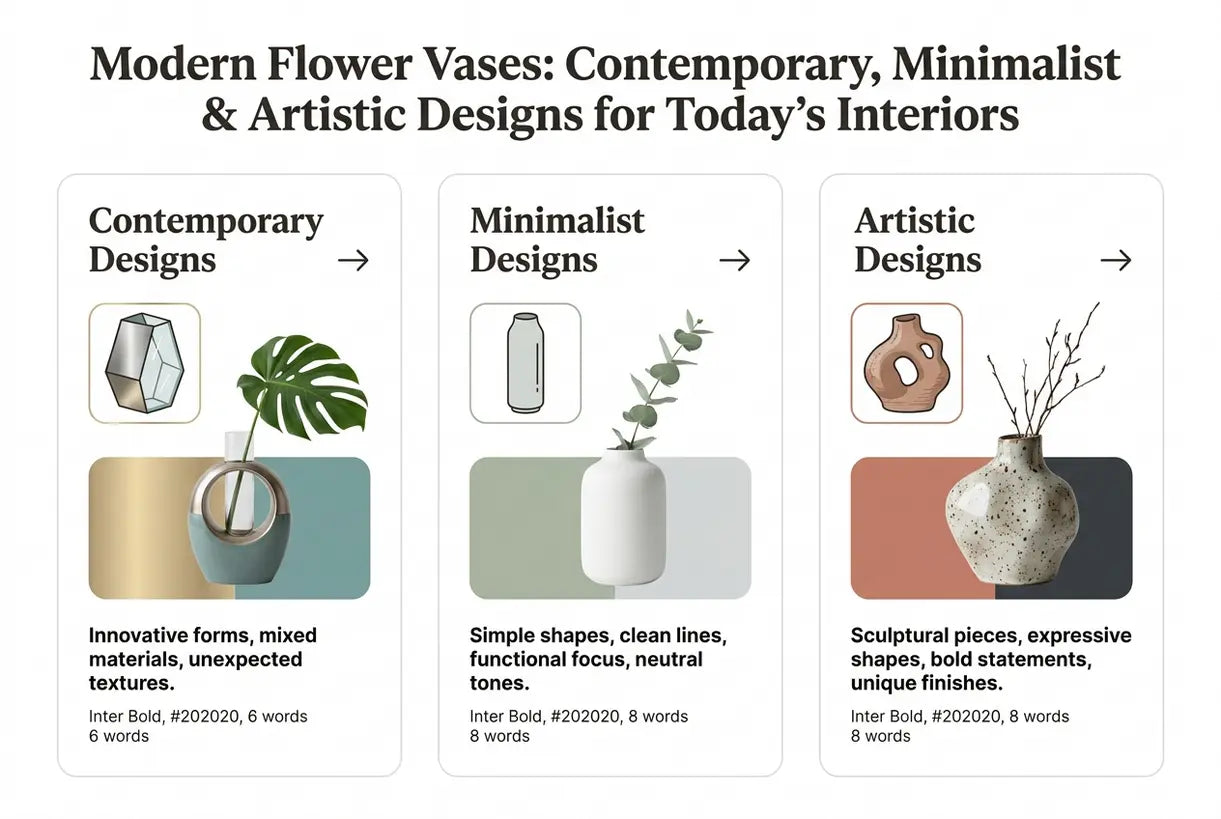
The landscape of contemporary vase design is experiencing a renaissance, with makers and designers pushing beyond traditional forms into territory that blurs the line between functional object and fine art. Understanding these movements helps you make informed choices that feel current yet timeless.
Biomorphic and Sculptural Forms
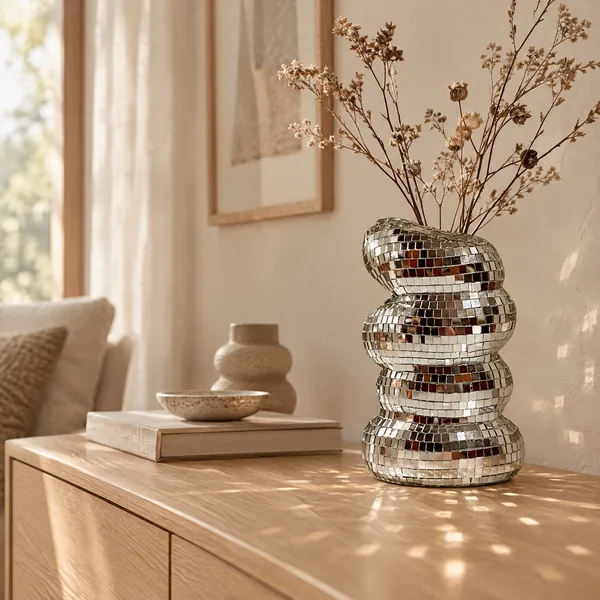
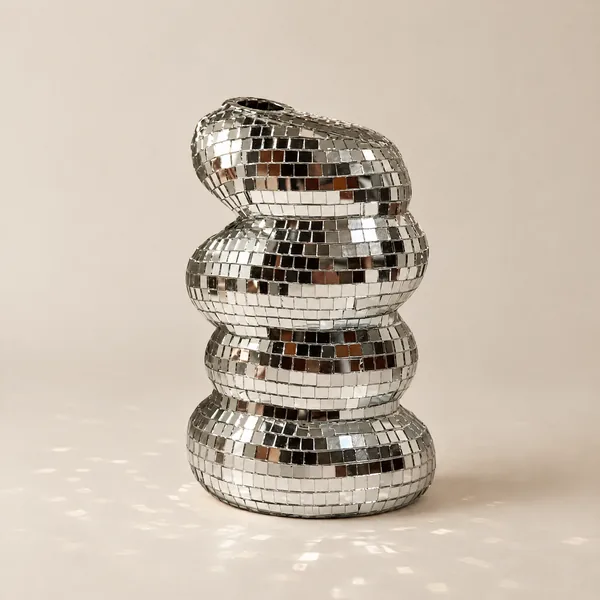
Perhaps the most significant shift in recent years is the move toward sculptural vase silhouettes inspired by organic, biomorphic shapes. These pieces reject rigid symmetry in favor of flowing curves, undulating surfaces, and asymmetrical profiles that mimic natural elements like river stones, seed pods, and eroded clay. An artistic flower vase in this style serves as a focal point even when empty, functioning as tabletop sculpture that draws the eye and sparks conversation.
Earthy Palettes and Textural Richness
Color trends have shifted dramatically away from bright, saturated hues toward muted, earthy palettes—think terracotta, oatmeal, sage, and slate. These tones complement the Nordic vase design philosophy of creating calm, restorative spaces. When paired with textural finishes—matte glazes, raw clay, or subtle ribbing—these vases bring warmth and tactility to minimalist interiors that might otherwise feel sterile.
For those looking to explore more options, our New Arrivals offers a curated selection of these trending designs, handpicked for their craftsmanship and design integrity.
The Wabi-Sabi Aesthetic
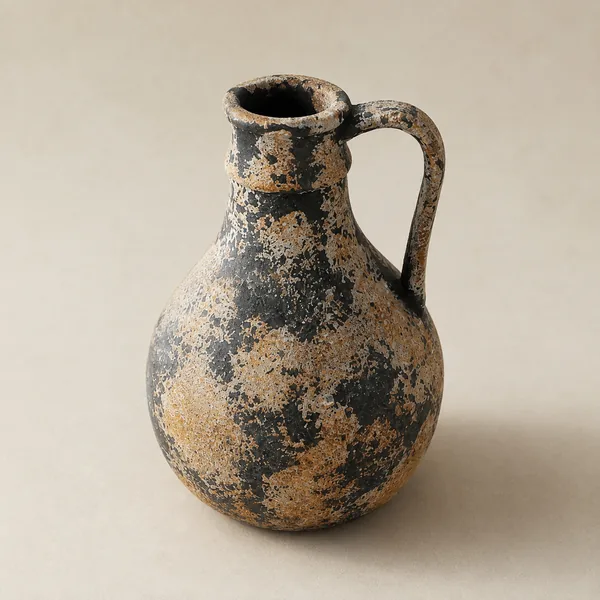
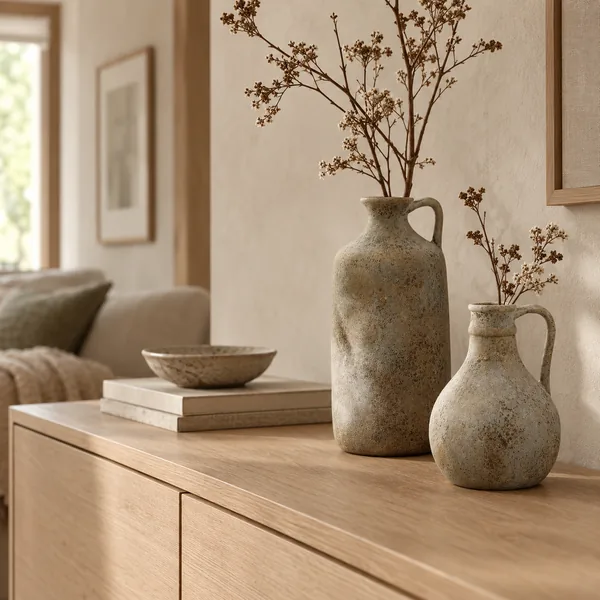
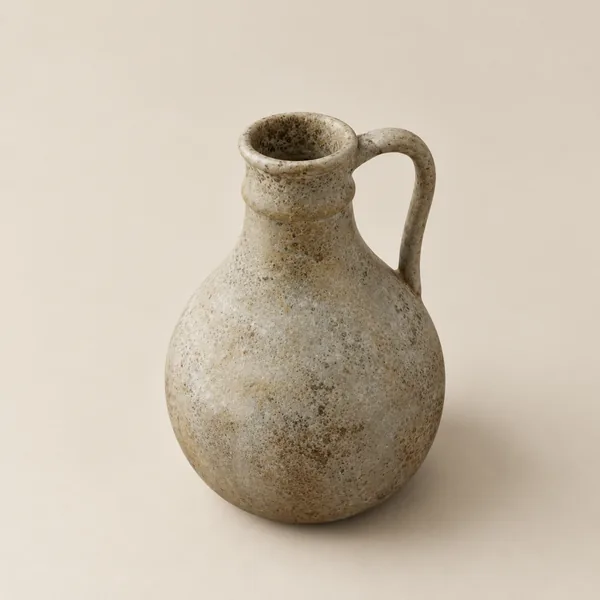
Japanese wabi-sabi principles have deeply influenced modern Western design, celebrating imperfection, impermanence, and the beauty of natural materials. A handmade flower vase embodying this philosophy might feature intentional irregularities, crackle glazes, or asymmetrical handles that bear the maker's touch. These pieces remind us that true luxury lies not in factory-perfect uniformity, but in the unique character of artisan craftsmanship.
Decorative Vases
Shop all Decorative Vases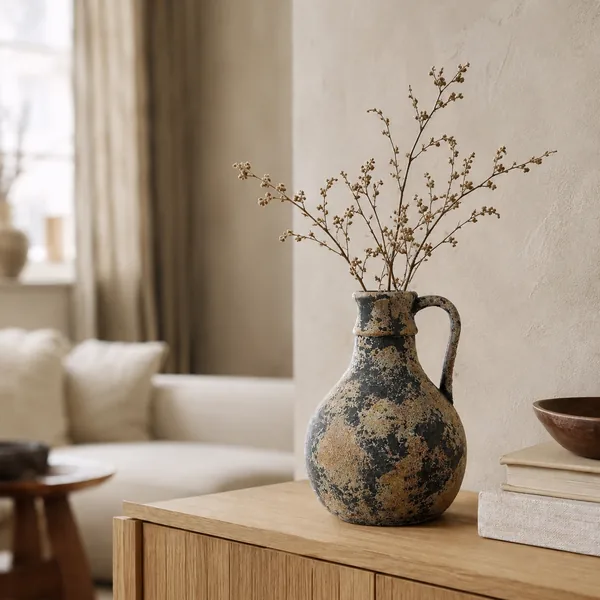
 Save $40.00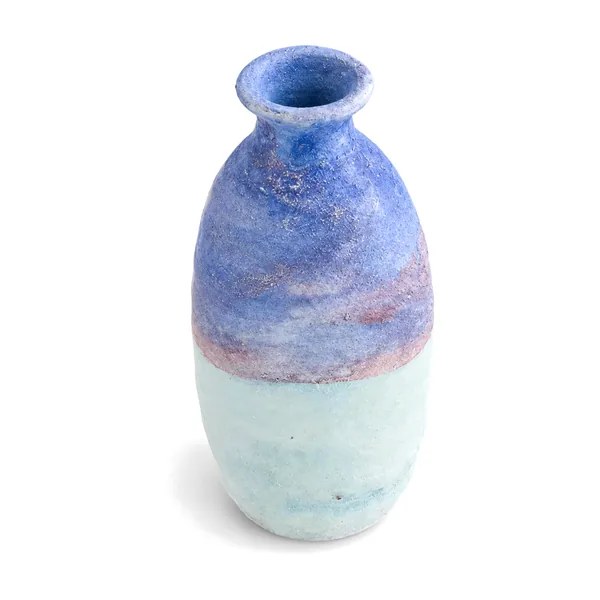
 4 options
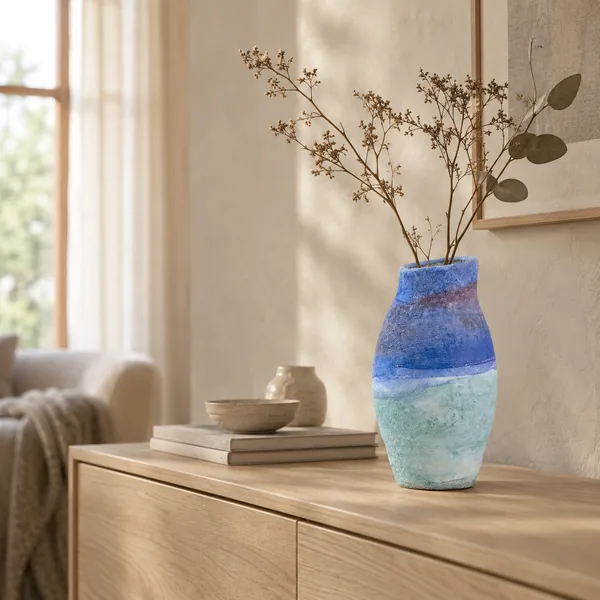
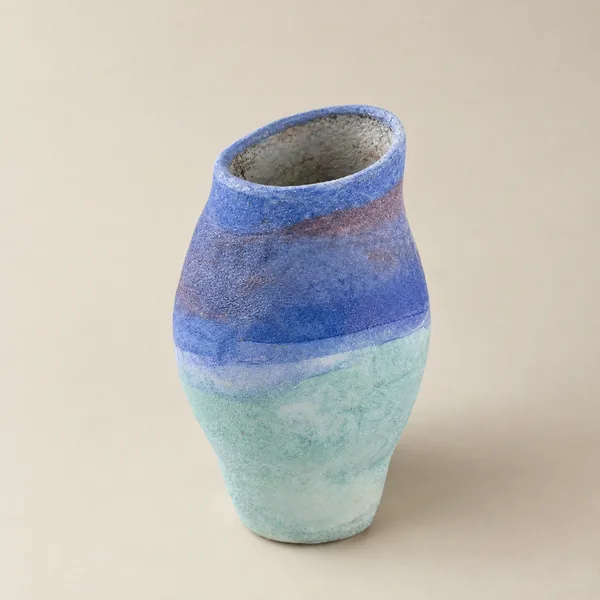
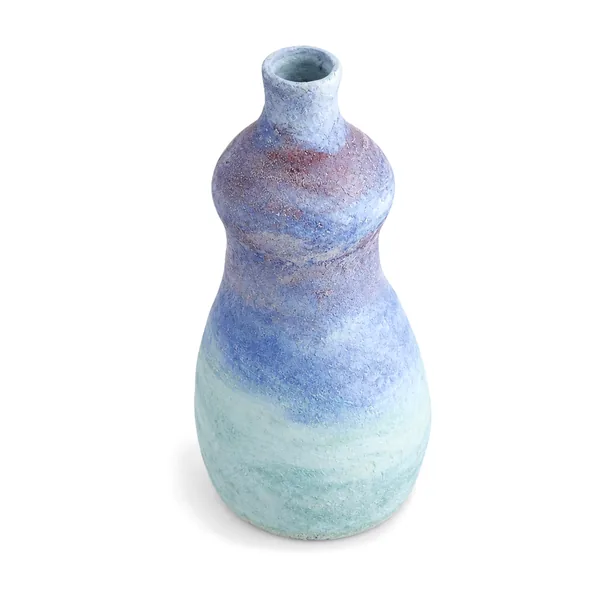
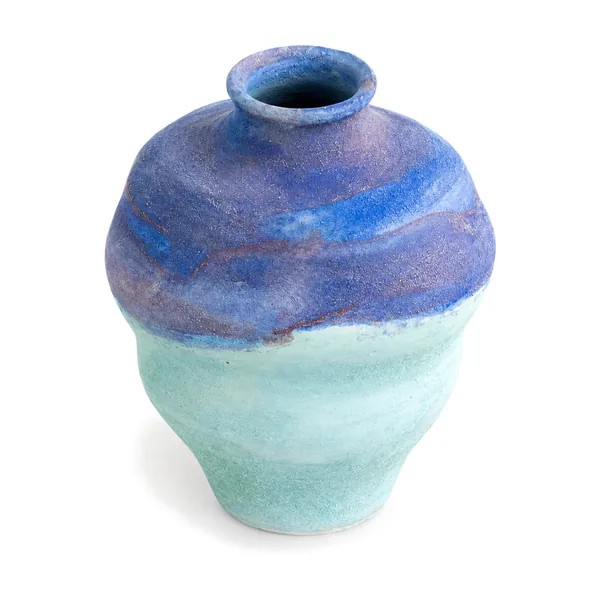
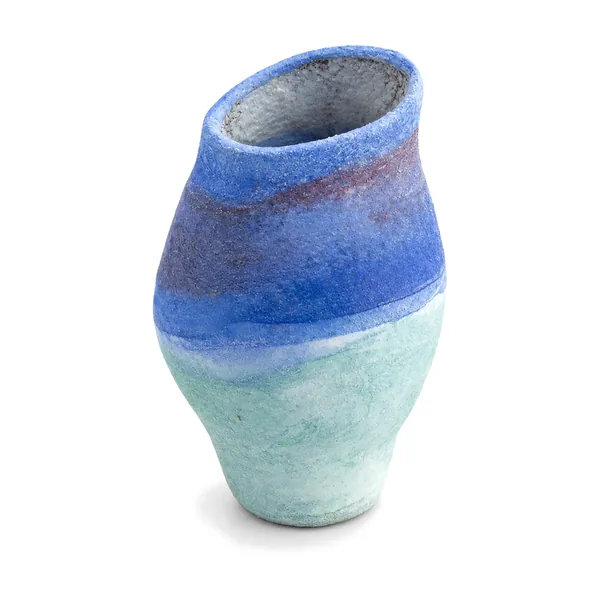
Dyvna Blue Gradient Ceramic Vase for Home Decor
Material Matters: Glass vs. Ceramic in Modern Vessels
When selecting a modern flower vase, material choice significantly impacts both aesthetics and functionality. Each medium carries distinct properties that affect how light interacts with the piece, what types of arrangements work best, and how the vase contributes to your overall interior scheme.
The Transparency of Glass
Modern glass vase designs offer a luminous quality that ceramic cannot replicate. Borosilicate glass, in particular, provides exceptional clarity and durability, resisting thermal shock and maintaining its pristine appearance over time. The transparency of glass creates visual lightness, making these vases ideal for smaller spaces where you want to avoid visual heaviness. They also showcase the architectural quality of stems and the interplay of water and light, turning even a single branch into a meditation on natural structure.
The Warmth of Ceramic
Ceramic flower vase options provide earthbound warmth and versatility. From high-fired stoneware to delicate porcelain, ceramic offers infinite variation in surface texture and glaze effects. Unglazed clay absorbs light, creating soft, muted shadows that add depth to a room, while glossy finishes reflect light and can brighten darker corners. The weight of ceramic also provides stability for taller arrangements or branches that might topple a lighter vessel.
Choosing Based on Content
Consider what you'll display when selecting material. Dense, opaque ceramic works beautifully for dried botanicals, pampas grass, or branches where the stems themselves aren't visually interesting. Clear glass shines when showcasing orchids, tulips, or other stems with elegant lines worth highlighting. For those seeking the best of both worlds, frosted or tinted glass offers partial opacity while maintaining that characteristic luminosity.
The Art of the Handmade: Embracing Artisan Quality
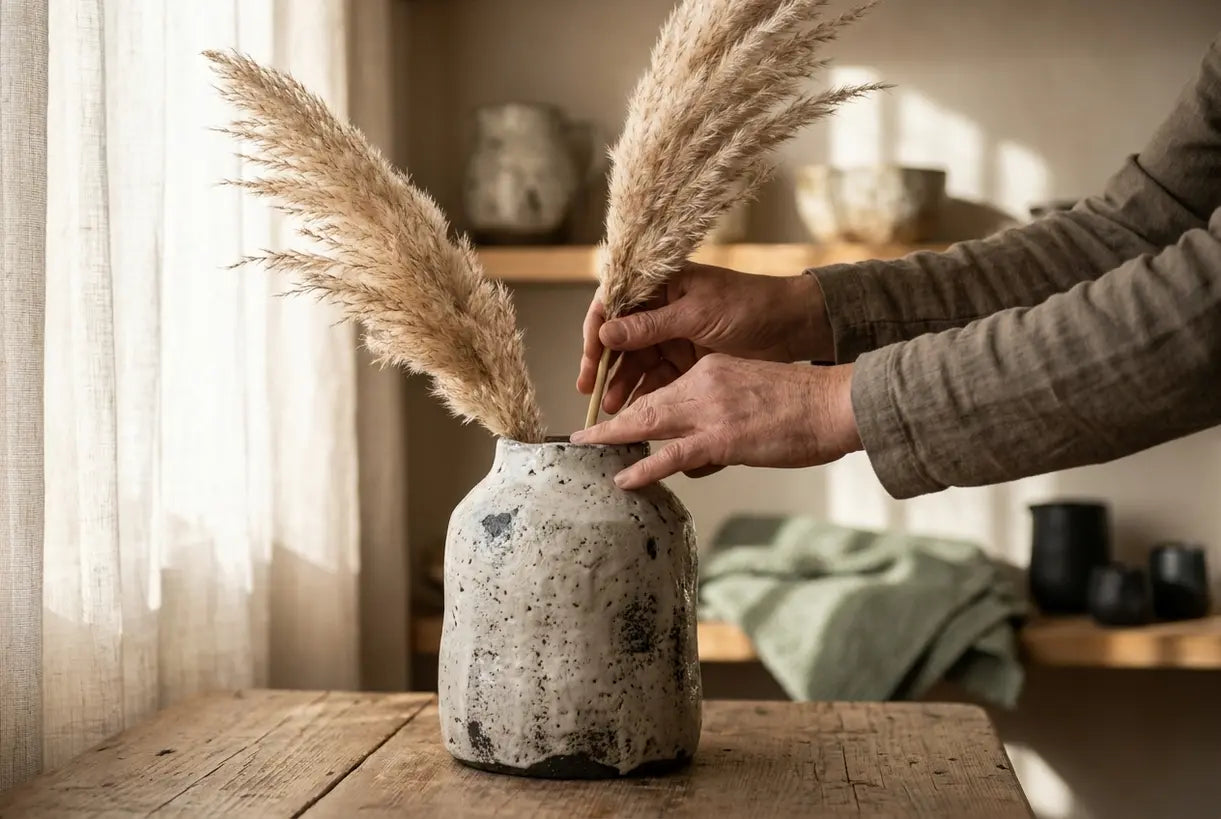
In an era of mass production, there's profound value in objects shaped by human hands. A handmade flower vase carries the energy of its creation—the slight variations in wall thickness, the organic flow of glaze, the subtle fingerprints of the maker. These aren't flaws; they're signatures of authenticity that mass-market replicas cannot replicate.
The minimalist flower vase trend doesn't demand cold, industrial perfection. Rather, it seeks simplicity of form combined with rich material presence. Artisan ceramics achieve this balance through careful consideration of proportion and surface. A wheel-thrown vessel might feature slight wobbles that catch light differently throughout the day, while hand-built pieces showcase deliberate texture that invites touch.
When you choose artisan-made vessels, you're not just purchasing décor; you're investing in a functional object that improves with age, developing patina and character that tells a story of use and care. This aligns perfectly with Scandinavian values of investing in fewer, better things and creating homes that feel personal rather than staged.
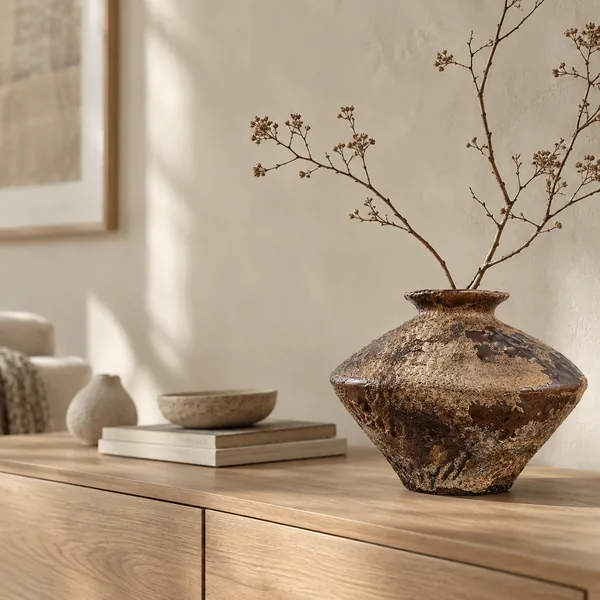 Jorde Handmade Rustic Ceramic Vase Home Decor$129.00$189.00
Styling Modern Vases in Scandinavian Interiors
Integrating a modern flower vase into your home requires thoughtful consideration of scale, placement, and context. The Scandinavian approach emphasizes restraint—curated displays that allow each piece breathing room rather than cluttered arrangements that compete for attention.
The Rule of Three
When grouping vases, odd numbers create visual interest more effectively than even pairings. Three vessels of varying heights, arranged in a loose triangle, establish a dynamic composition that guides the eye. Vary the materials within the group—perhaps combining a ceramic flower vase with a glass vessel and a metallic accent—to create textural contrast while maintaining a cohesive color palette.
Console and Mantle Styling
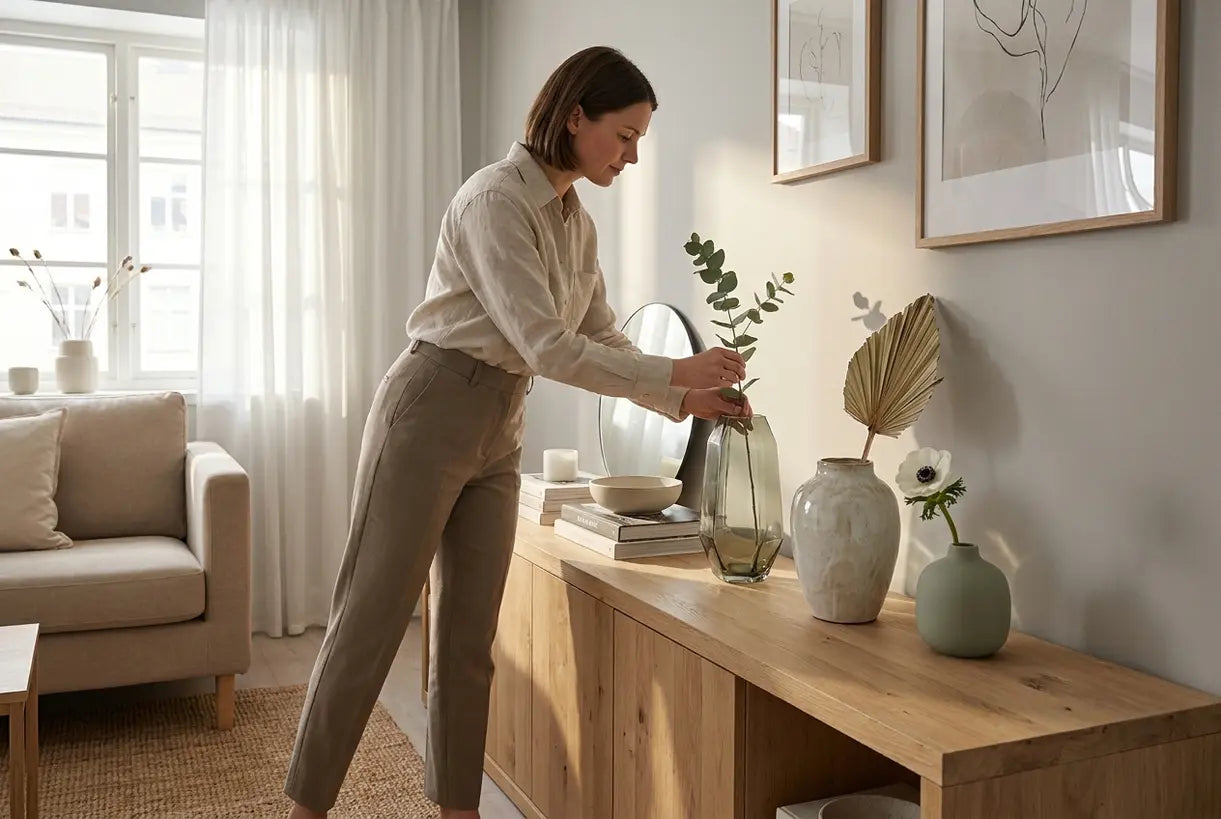
Entryway consoles and fireplace mantles offer prime real estate for vase displays. On a console, anchor one end with a taller sculptural vase and balance it with a lamp or framed artwork on the opposite side, creating asymmetrical harmony. For mantles, consider the vertical space above—tall branches in a substantial vase can draw the eye upward, emphasizing ceiling height and architectural details.
Tabletop Considerations
Dining and coffee tables require lower profiles to maintain sightlines across the room. Wide, low bowls or vessels under 12 inches work best here, allowing conversation to flow unobstructed. A single statement artistic flower vase with a few carefully chosen stems often creates more impact than elaborate floral arrangements that obstruct views and dominate the space.
Beyond Botanicals: Alternative Fillings
One of the most liberating aspects of modern vase ownership is recognizing that flowers are optional. Your modern glass vase might hold nothing but clean water, its surface catching and refracting window light. Dried botanicals—pampas grass, bunny tails, or dried eucalyptus—offer year-round structure without maintenance. For a more unexpected approach, consider displaying collected stones, beach glass, or even leaving the vessel empty as pure sculpture. The versatility of a well-designed vase means it adapts to your needs and seasons, never feeling like a single-use accessory.
Home Decor
Shop all Home Decor
 Save $44.50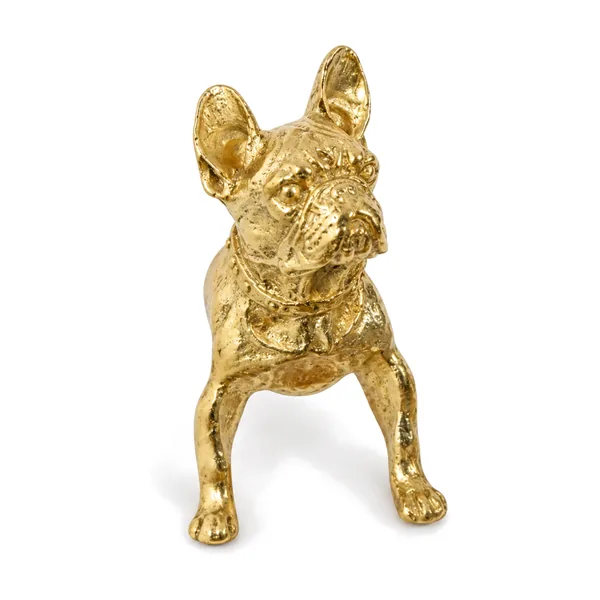
 2 options
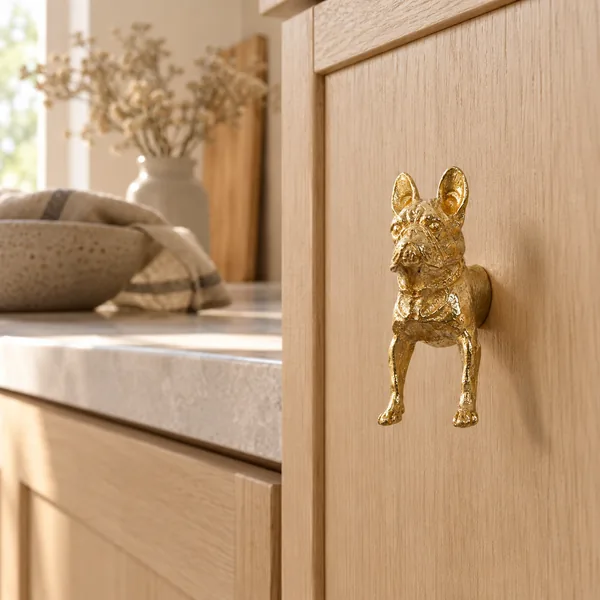
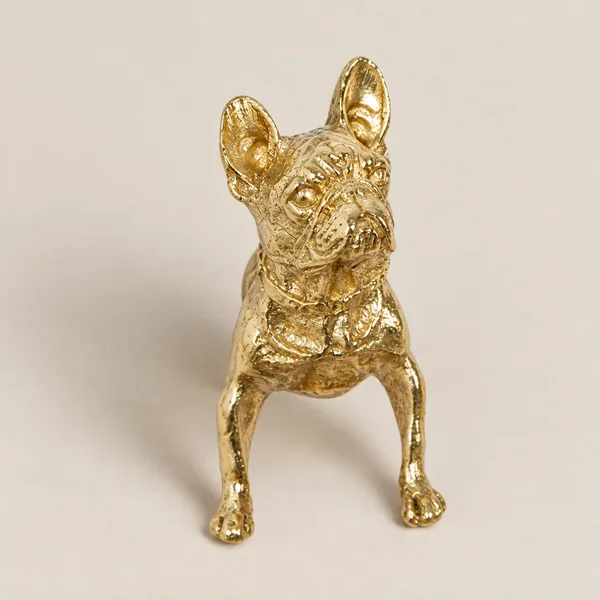
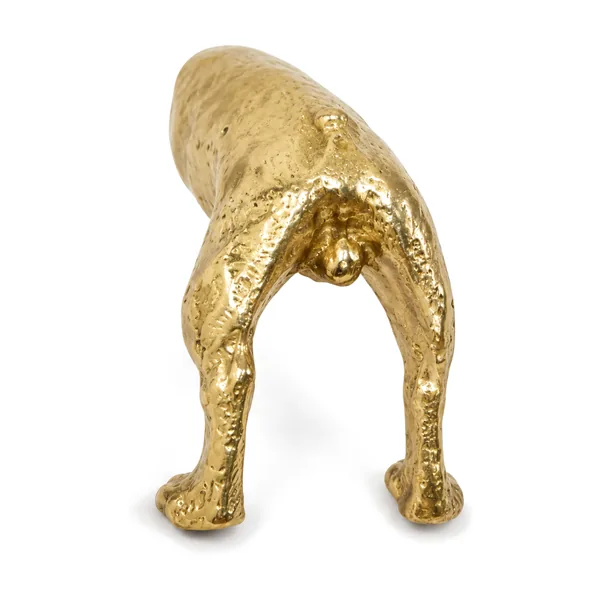
Tassa Polished Brass Dog Cabinet Pull Handle
 Save $110.00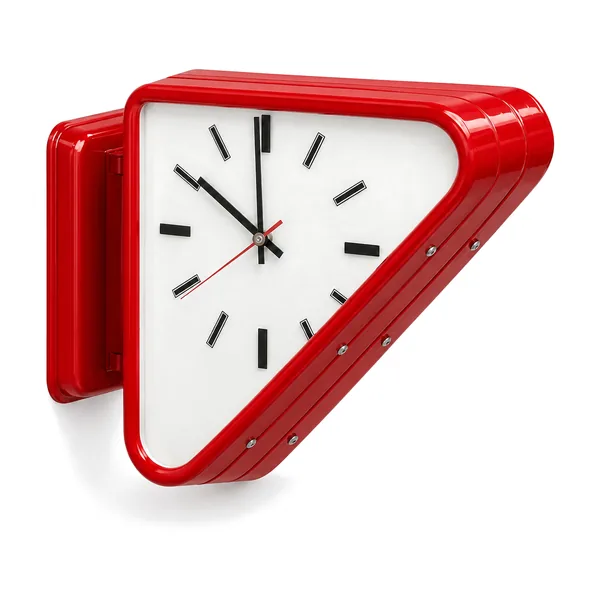
 +15 options
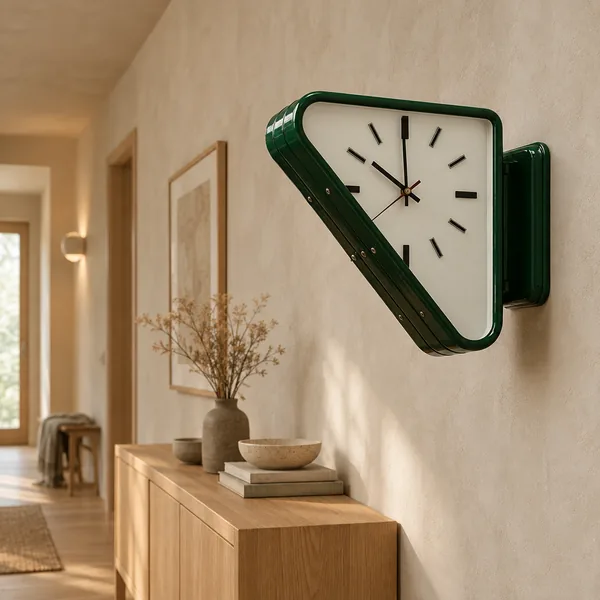
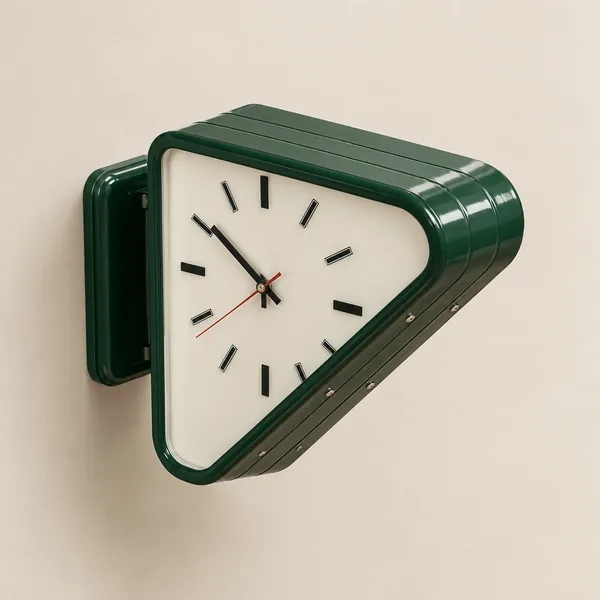
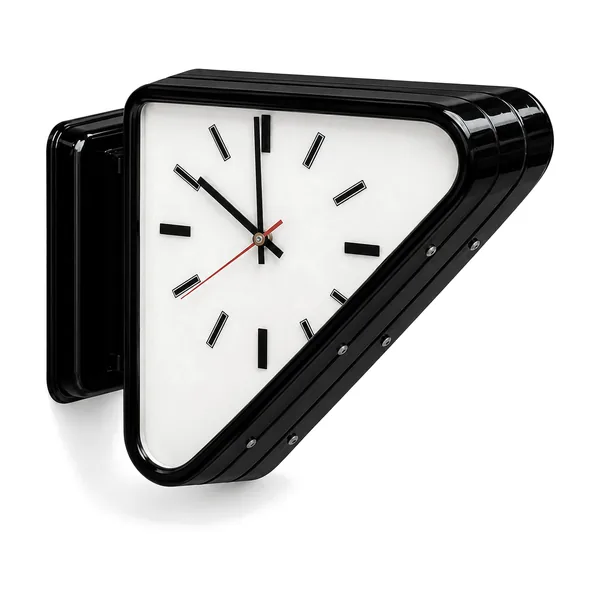
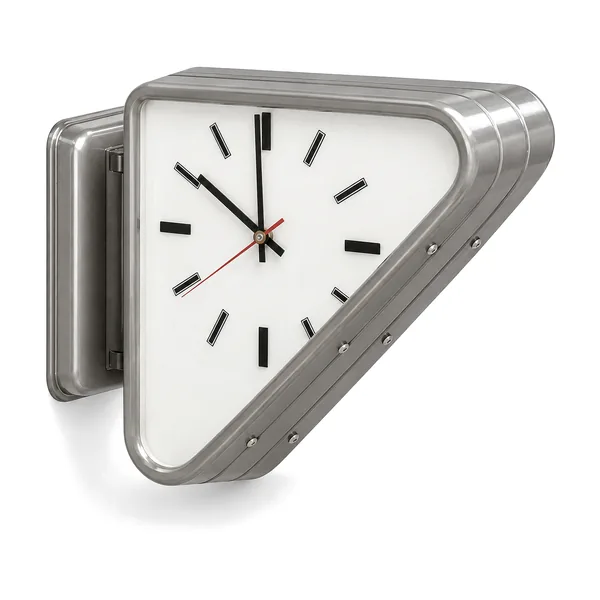
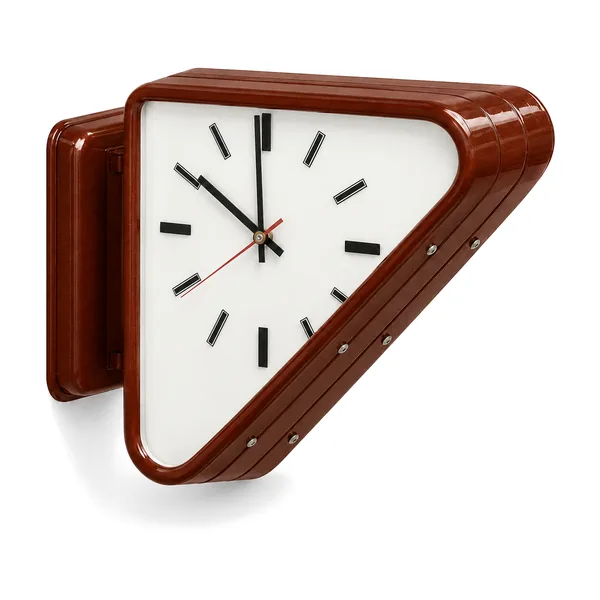
Tvilling Dual-Sided Geometric Metal Wall Clock
Curated Selection: Vessels for Every Interior
At Skonne, we search the world for vessels that embody the principles of Nordic vase design—clean silhouettes, honest materials, and timeless appeal that transcends seasonal trends. The following selections represent the diversity of the modern vase landscape, from rustic ceramics that celebrate imperfection to precision glass that captures light with crystalline clarity.
The Vårka Borosilicate Round Glass Vase for Flowers demonstrates how contemporary glasswork can achieve both delicacy and durability. Its rounded form and premium construction make it an essential building block for any curated home, while the Torva Rustic Plaid Ceramic Vase Artisan Decor offers textural depth that transforms shelves into gallery-worthy displays.
Featured Modern Vases for Contemporary Homes
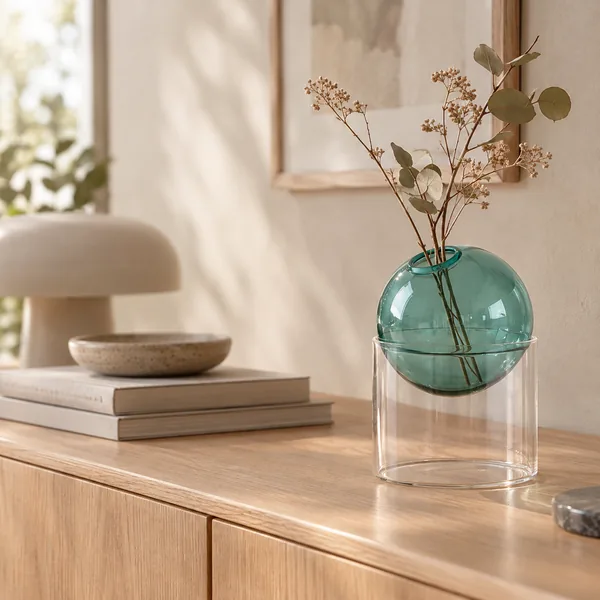 Vårka Borosilicate Round Glass Vase for Flowers$38.00$59.00
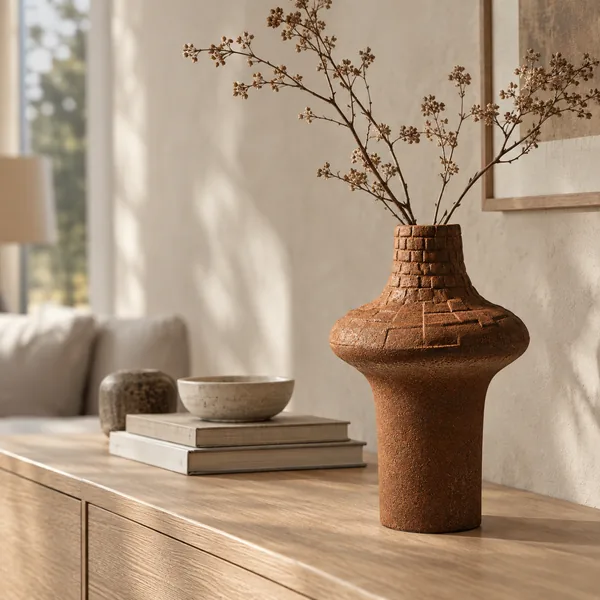 Torva Rustic Plaid Ceramic Vase Artisan Decor$149.00$219.00
Conclusion: Elevating Everyday Moments
The modern flower vase represents more than a trend—it's a commitment to surrounding yourself with objects that bring intentionality and beauty to daily life. Whether you're drawn to the crystalline purity of modern glass vase designs, the earthy authenticity of handmade flower vase ceramics, or the bold statements of sculptural vase forms, the key lies in choosing pieces that resonate with your personal aesthetic and lifestyle.
At Skonne, we curate each vessel with the understanding that the objects we live with shape how we experience our homes. A thoughtfully chosen vase becomes a ritual object—the vessel that holds Saturday market flowers, the centerpiece that welcomes guests, the silent sculpture that catches morning light. By selecting quality pieces that honor craftsmanship and design integrity, you create spaces that feel not just decorated, but truly lived in and loved.
Explore our complete collection of contemporary vase designs to discover the perfect vessel for your space, and transform ordinary moments into opportunities for aesthetic appreciation.
Related Article
Green Flower Vases: Sage, Emerald & Teal Designs for Nature-Inspired InteriorsExplore the beauty of green flower vases in sage, emerald and teal tones. Find styling tips and nature-inspired designs to bring organic warmth into your home.