
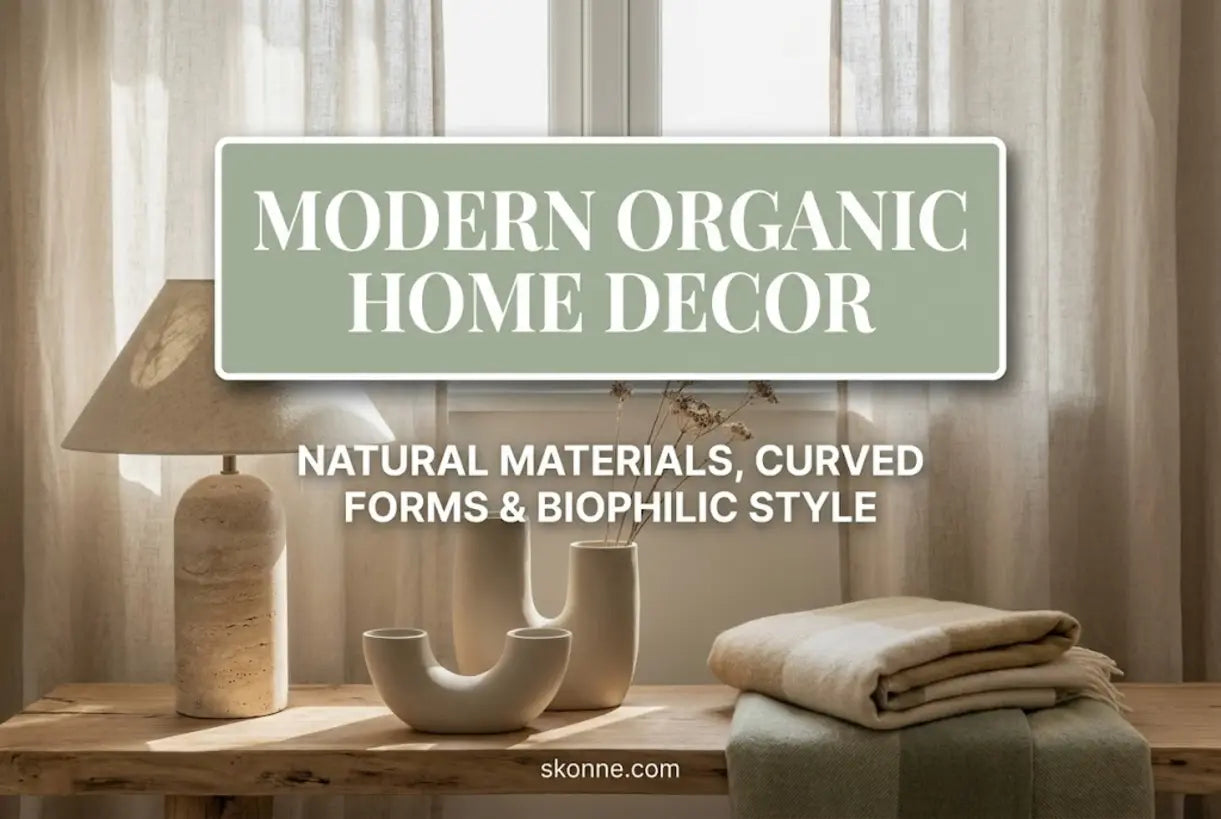
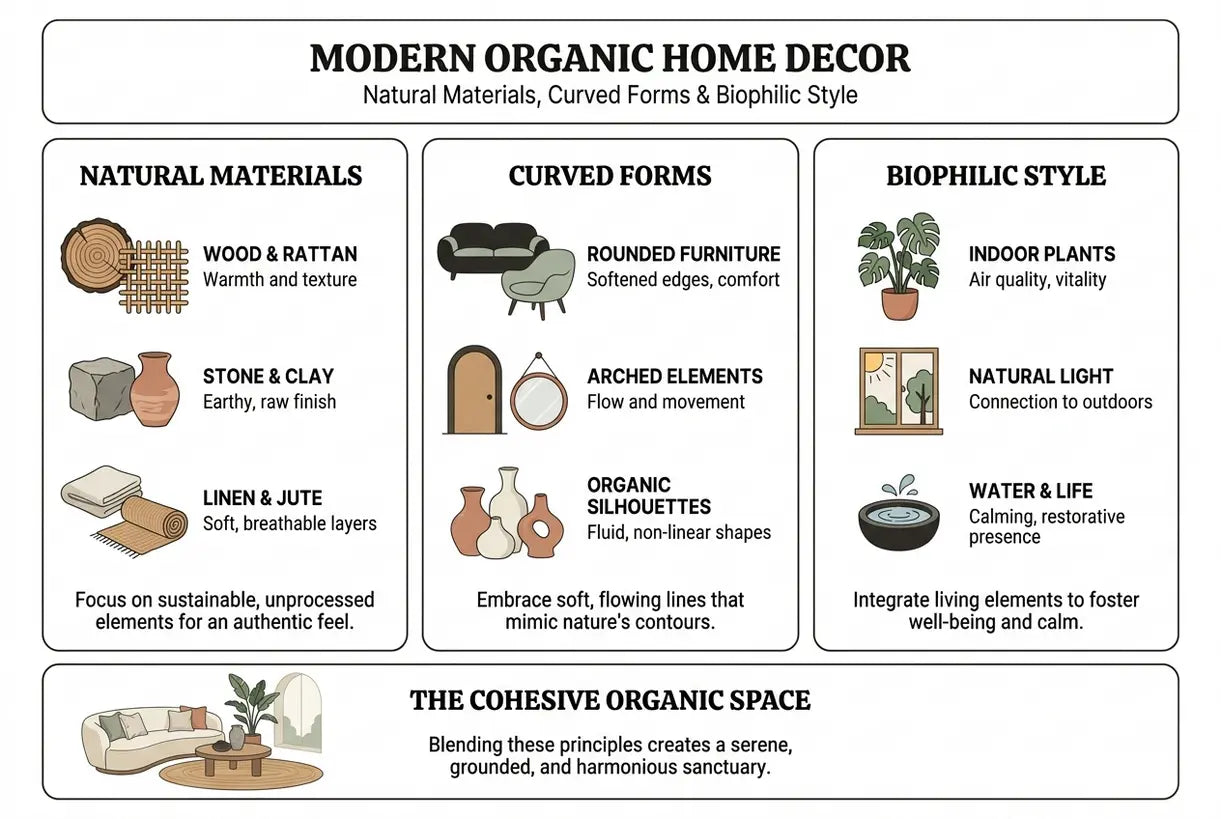
Modern Organic Home Decor: Natural Materials, Curved Forms & Biophilic Style
Summary›
- What Is Organic Modern Decorating Style?
- The Foundation: Natural Materials That Transform Spaces
- Embracing Curved Forms and Organic Shapes
- Biophilic Design: Connecting Nature and Home
- How Do I Style an Organic Modern Living Room?
- Understanding Key Design Rules
- What's Trending in Home Decor in 2026?
- Creating Your Modern Organic Sanctuary
There's a certain feeling when you walk into a room that just works—where each element feels intentional, the materials invite you to touch them, and the space seems to breathe alongside you. That's the essence of modern organic home decor, a design philosophy that bridges the clean lines of contemporary minimalism with the warmth and authenticity of the natural world.
For homeowners and design enthusiasts between 28 and 45 seeking that perfect balance of sophistication and comfort, this style offers something truly special. It's not about perfection; it's about connection—to nature, to craftsmanship, and to the spaces we inhabit. Throughout this guide, we'll explore the foundational principles of organic modern style, from natural materials and curved forms to biophilic principles, while showing you how to bring these elements into your own home.
What Is Organic Modern Decorating Style?
At its core, organic modern decorating style represents a thoughtful marriage between two seemingly opposite worlds: the bold, uncluttered aesthetic of modern design and the imperfect, textural beauty of nature. This approach embraces natural materials decor not as accents, but as the foundation of your space.
Imagine a room where raw travertine sits beside smooth ceramic, where curved silhouettes complement clean geometric lines, and where every object tells a story of origin. The modern organic home celebrates materials in their authentic state—stone with its natural veining, wood with its grain patterns, textiles that soften and age gracefully.
Unlike purely minimalist spaces that can feel cold or sterile, organic modern interiors prioritize warmth and tactility. They're inspired by Scandinavian principles of hygge—the Danish concept of cozy contentment—but elevated through a contemporary lens. The result? Spaces that feel curated yet approachable, refined yet lived-in.
Understanding this style means recognizing that beauty exists in imperfection. A travertine surface with organic veining becomes a focal point, not a flaw. An asymmetric ceramic vessel gains character through its handcrafted irregularities. These elements create visual interest while grounding your space in the authenticity of the natural world.
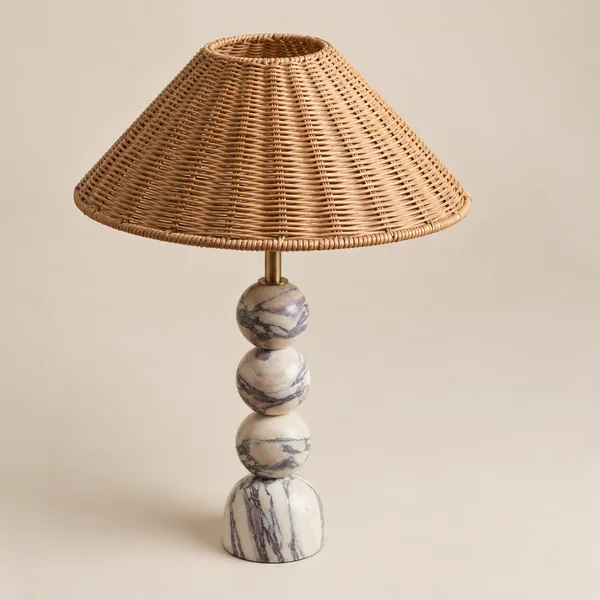
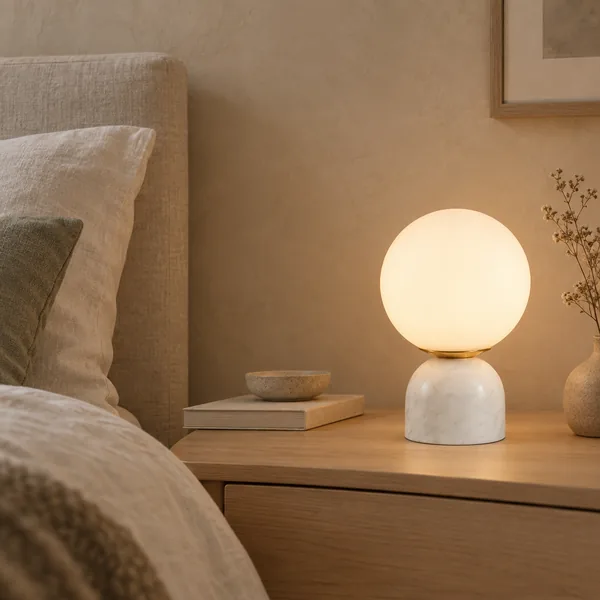
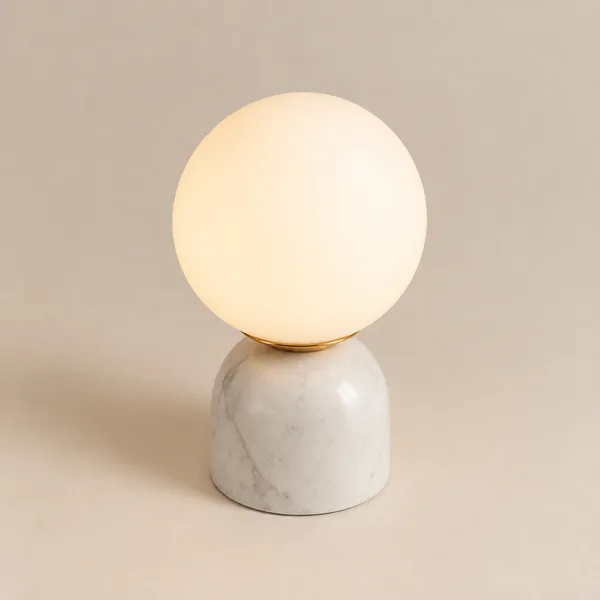
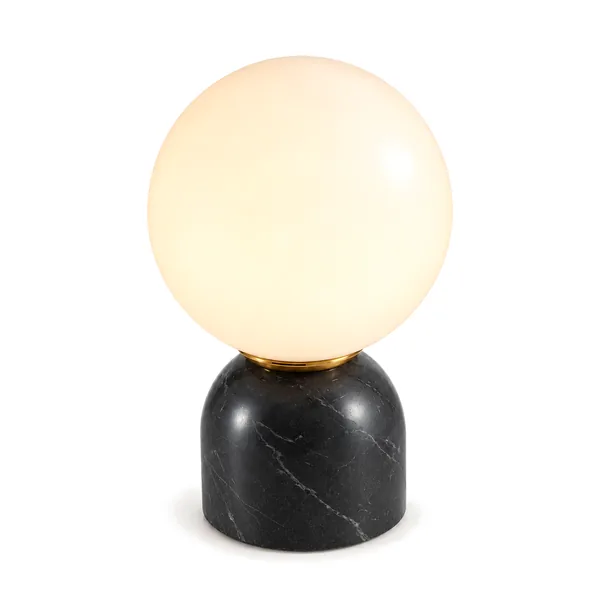
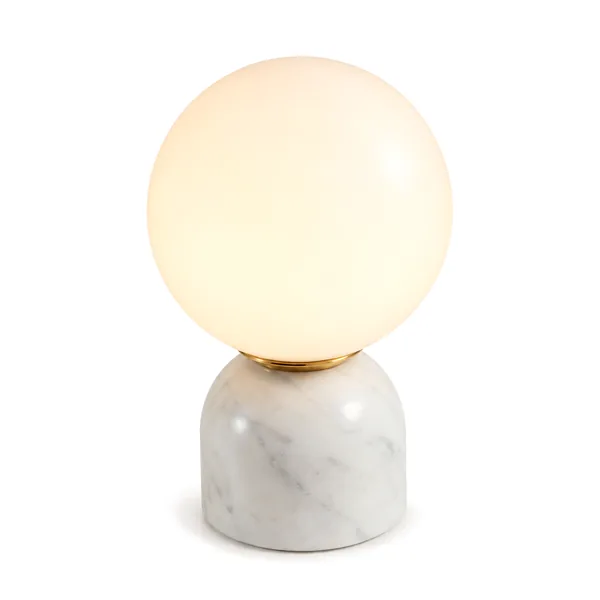
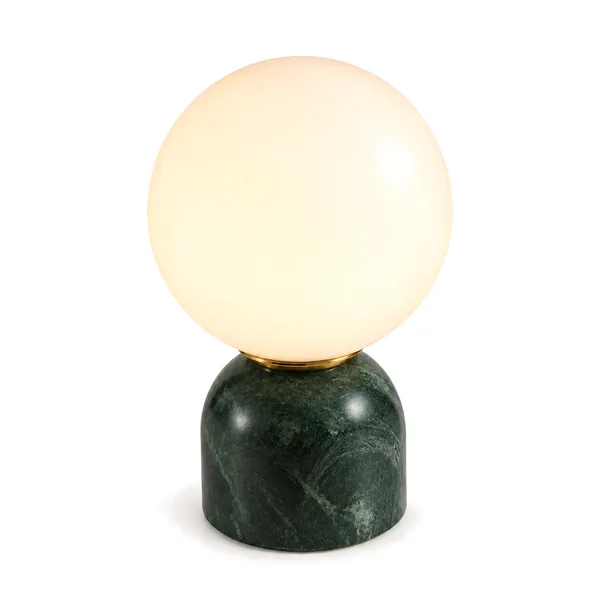
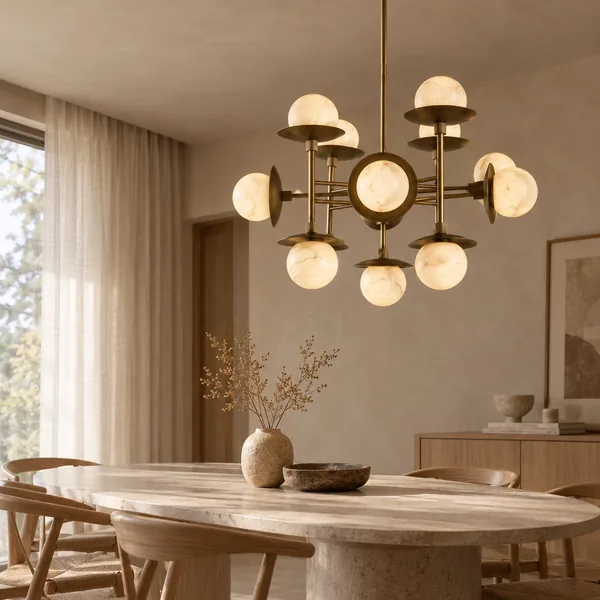
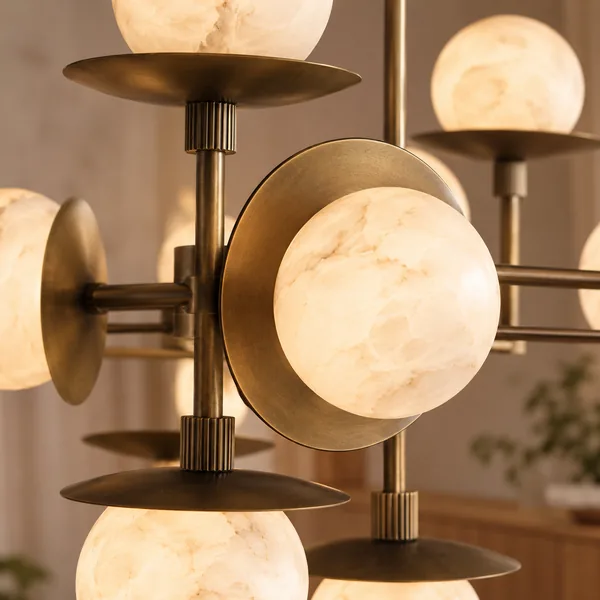
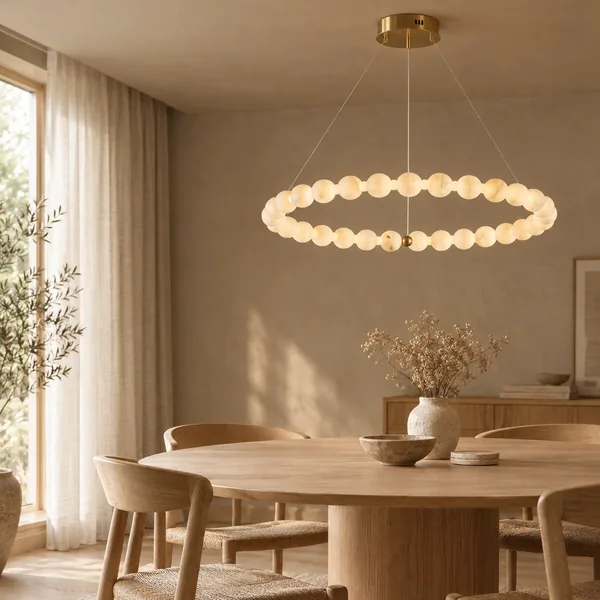
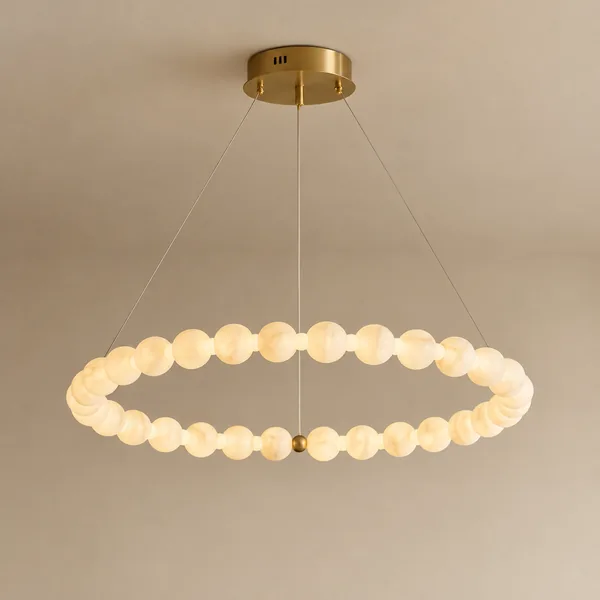
Marble Lighting
Shop all Marble Lighting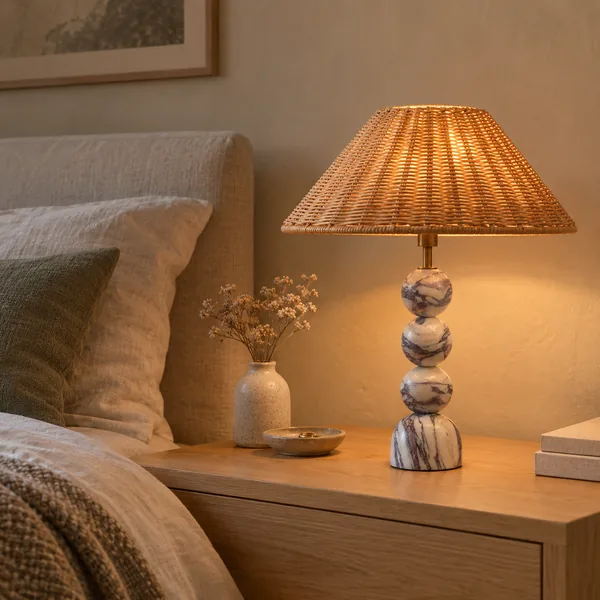
The Foundation: Natural Materials That Transform Spaces
The heart of modern organic design lies in material selection. When we talk about natural materials decor, we're referring to substances that exist in nature with minimal processing—stone, wood, clay, natural fibers, and metals in their raw or lightly finished states.
Stone, particularly travertine, marble, and limestone, has emerged as a defining material for 2026 and beyond. Its weight, texture, and unique veining patterns bring immediate sophistication to any space. Unlike synthetic alternatives, natural stone carries the memory of its geological formation, making each piece genuinely one-of-a-kind.
Wood remains equally essential, though modern organic style tends toward lighter, untreated, or oil-finished varieties that showcase natural grain. Think white oak, ash, or walnut in their most authentic presentation. The goal is to honor the material's origin rather than conceal it behind heavy stains or veneers.
Natural textiles—linen, wool, cotton, and silk—soften the harder edges of stone and wood while adding layers of sensory experience. These materials change over time, developing patina and character that synthetic fabrics simply cannot replicate.
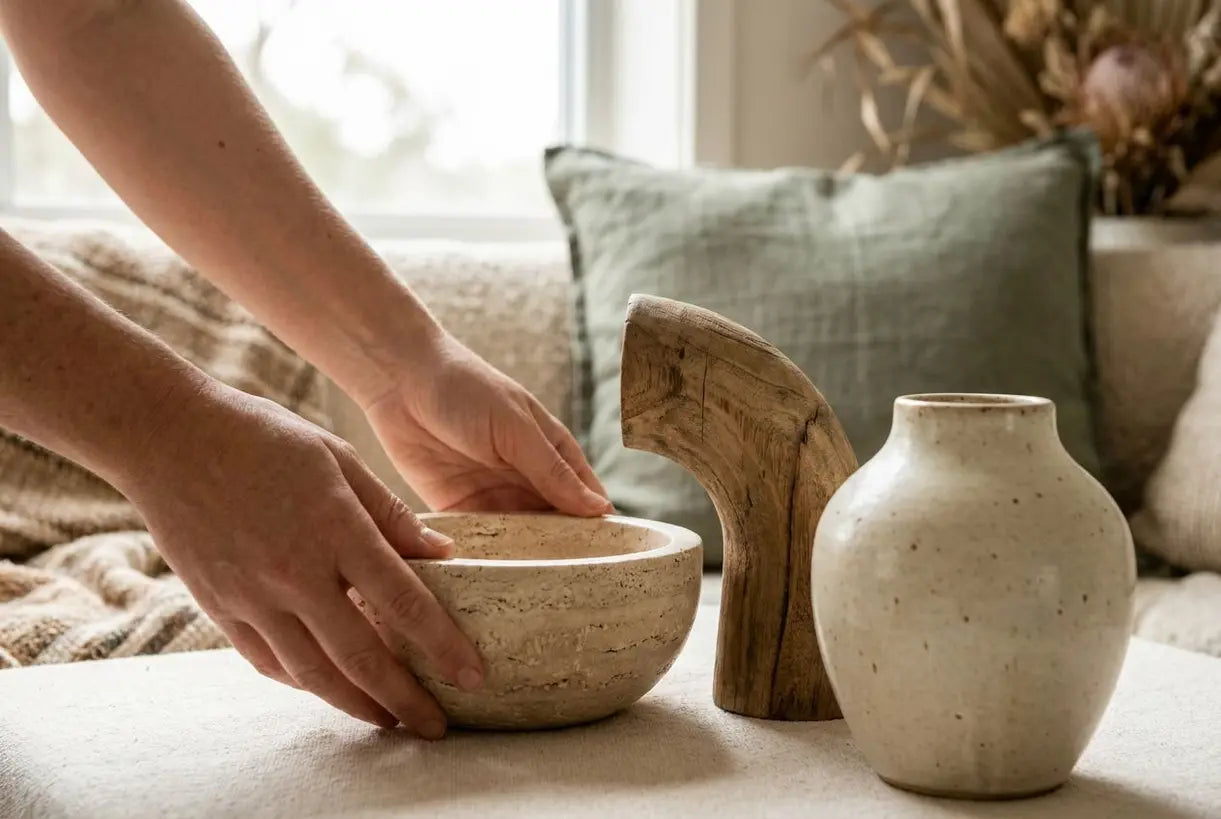
Ceramic and glass, when crafted through traditional methods, also fit beautifully within this aesthetic. Hand-thrown pottery, blown glass with visible imperfections, and artisanal ceramics add organic character through their irregular forms and tactile surfaces.
The Rise of Travertine in Organic Modern Interiors
Natural stone lighting and decorative objects have become increasingly sought after in contemporary organic design. Travertine, in particular, has seen a renaissance for its warm neutral tones and distinctive porous texture. Sourced from mineral springs, this limestone variety provides a direct connection to natural processes while offering sophisticated visual weight.
Beyond aesthetics, natural stone contributes to sustainable home design through its durability and longevity. Unlike trend-driven synthetic materials that may need replacement within years, quality stone objects become heirlooms, gaining beauty as they age.
Embracing Curved Forms and Organic Shapes
Where traditional modernism often favored rigid geometry—think cube-shaped coffee tables and rectangular sofas—curved forms interior design introduces flow and movement. This shift represents more than aesthetics; it mirrors the organic curves found in nature, from river stones to tree branches to human anatomy.
Curved furniture softens spaces visually and physically, creating environments that feel more welcoming and less imposing. A rounded sofa or an oval dining table invites gathering and conversation. Archways, circular mirrors, and sculptural light fixtures add gentle geometry without sacrificing the clean lines that modern design requires.
The interplay between curved and straight lines creates visual rhythm. Too many curves can feel chaotic; too many straight lines feel rigid. The organic modern approach finds balance through thoughtful juxtaposition—perhaps a curved pendant light above a rectangular dining table, or rounded ceramic vessels on linear shelving.
Why Curved Forms Feel Right
There's psychological research suggesting that curved shapes reduce stress and create positive emotional responses. Our brains process curved forms differently than angular ones, activating areas associated with reward and aesthetic appreciation. This explains why spaces with organic curves feel inherently more comfortable and welcoming.
In lighting design specifically, curved forms enhance the diffusion and warmth of illumination. A rounded pendant or sculptural table lamp casts softer shadows and creates more flattering ambient light than harsh, angular alternatives.
Biophilic Design: Connecting Nature and Home
Biophilic home design takes the organic modern aesthetic beyond material selection to embrace our innate connection to nature. This approach recognizes that humans evolved in natural environments and therefore respond psychologically to natural elements within our built spaces.
Biophilic design incorporates living plants, natural light, organic patterns, and references to natural landscapes. It might manifest as a large fiddle-leaf fig in a ceramic planter, botanical prints on natural linen, or sculptural objects that echo organic forms like seed pods or river stones.
Natural light becomes paramount in biophilic spaces. Sheer linen curtains filter daylight beautifully while maintaining privacy. Mirrors placed strategically reflect and amplify available sunlight. Light-colored walls and reflective surfaces help distribute natural illumination throughout the day.
Water features, though less common in residential spaces, can create powerful biophilic connections. Even smaller elements—a ceramic fountain on a console table or a shallow water bowl with floating candles—introduce the visual and auditory soothing qualities of water.
The Wellness Benefits of Biophilic Spaces
Beyond aesthetics, biophilic design offers measurable wellness benefits. Studies consistently show that spaces incorporating natural elements reduce stress, improve cognitive function, and enhance overall wellbeing. This makes biophilic principles particularly valuable in home offices, bedrooms, and other spaces where rest and restoration are priorities.
The goal isn't to create an indoor jungle or rustic cabin aesthetic, but rather to weave subtle natural references throughout a sophisticated contemporary framework. A single organic element—a natural stone lamp, a curved ceramic vase, a piece of driftwood—can transform a room's energy without overwhelming the modern sensibility.
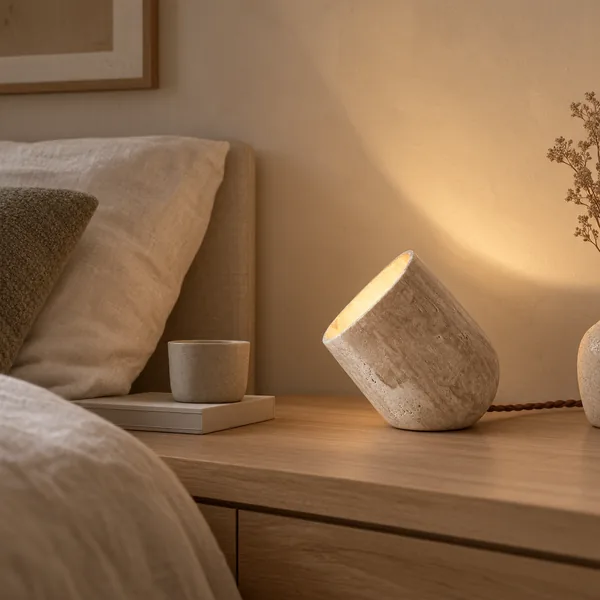 Stenvarm Travertine Natural Stone Accent Lamp$239.00$299.00
The Stenvarm Travertine Natural Stone Accent Lamp exemplifies how a single object can anchor a space in organic modern principles. Each piece features natural veining patterns unique to its stone source, bringing authentic natural materiality to bedside tables, consoles, or reading nooks. The warm tonal qualities of travertine complement both neutral palettes and bolder color choices, making it remarkably versatile across different interpretations of this style.
How Do I Style an Organic Modern Living Room?
Creating an organic modern living room doesn't require a complete overhaul. Instead, approach styling as an evolution, introducing natural materials and curved forms gradually while maintaining your space's functional flow.
Start with your largest surfaces and work inward. If replacing major furniture isn't feasible, introduce organic character through textiles—natural linen or wool throws, cotton cushions in earthy tones, jute or wool rugs with subtle texture. These layers add warmth without demanding significant investment.
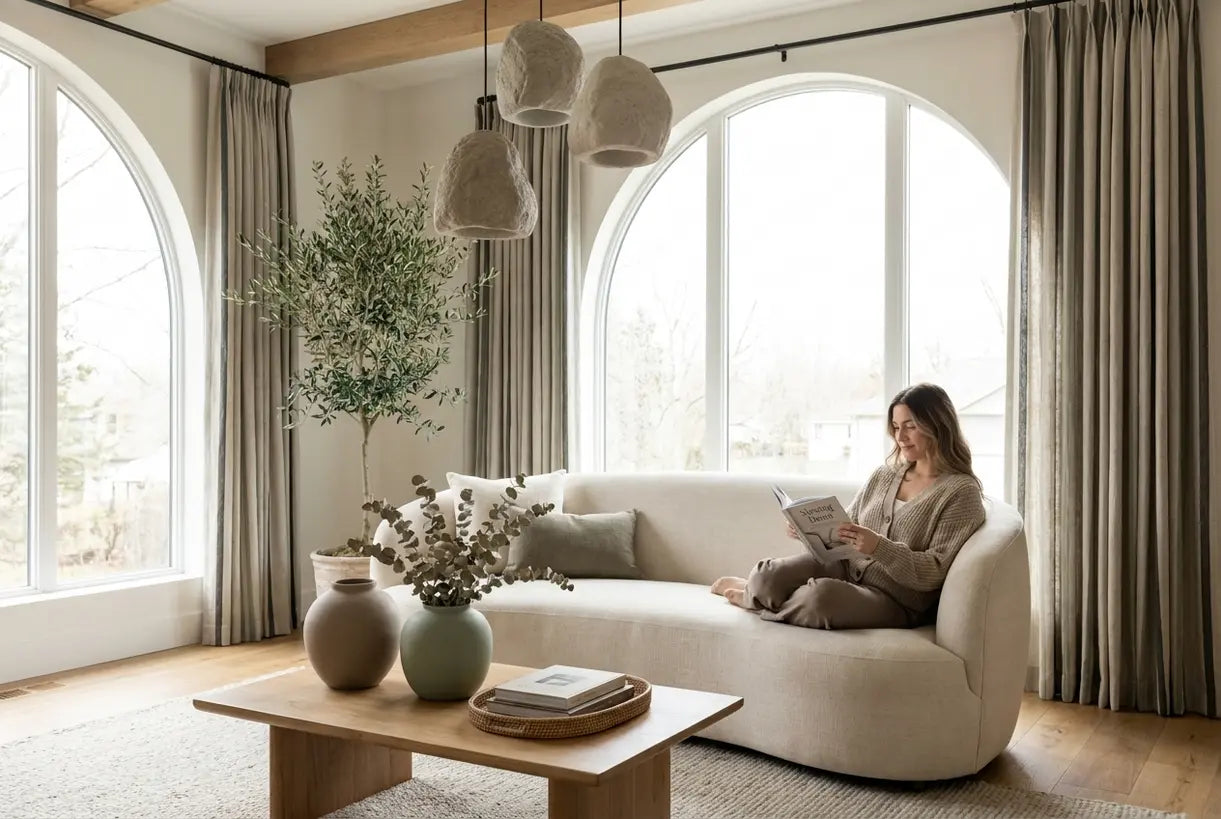
Quick Styling Tip: Create a "material palette" before introducing new pieces. Select 3-4 natural materials (perhaps stone, light wood, linen, and ceramic) and use this as your guide for every purchase. This ensures cohesion even as you acquire items over time.
Lighting offers perhaps the most transformative opportunity. A sculptural pendant crafted from natural stone or wood becomes an immediate focal point while serving functional needs. Accent lighting on side tables should feel substantial—ceramic bases, stone elements, or wooden forms rather than thin metal or plastic.
Display objects with intention. Group natural elements in odd numbers (three ceramic vessels in varying heights, for example). Allow negative space between objects so each piece can be appreciated individually. Edit regularly, removing items that don't contribute to the overall aesthetic vision.
For those exploring the intersection of Scandinavian minimalism and Japanese wabi-sabi principles, our Japandi Lighting collection offers a curated selection that bridges these complementary philosophies.
Travertine Lighting
Shop all Travertine Lighting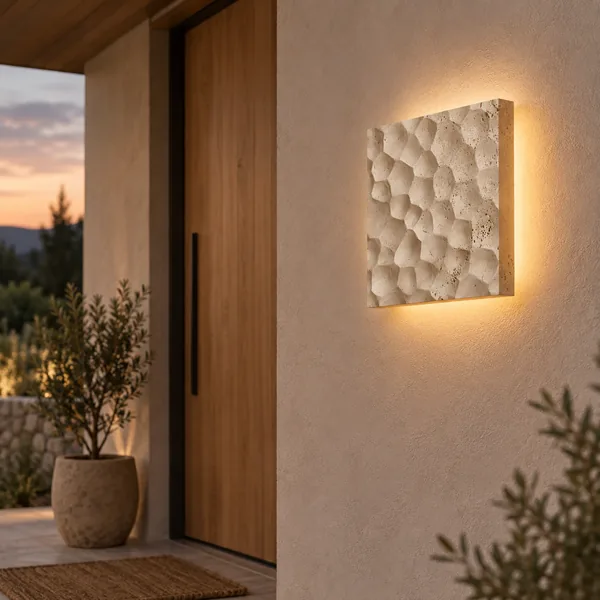
 Save $170.00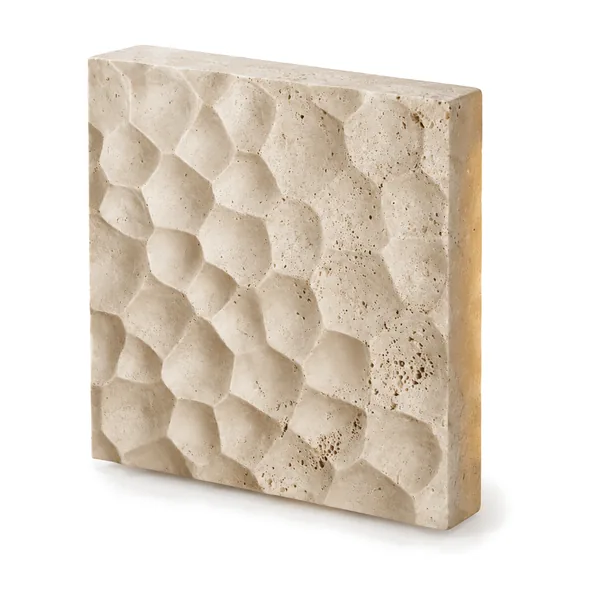
 2 options
Stenvei Natural Stone IP65 LED Outdoor Sconce
 Save $130.00
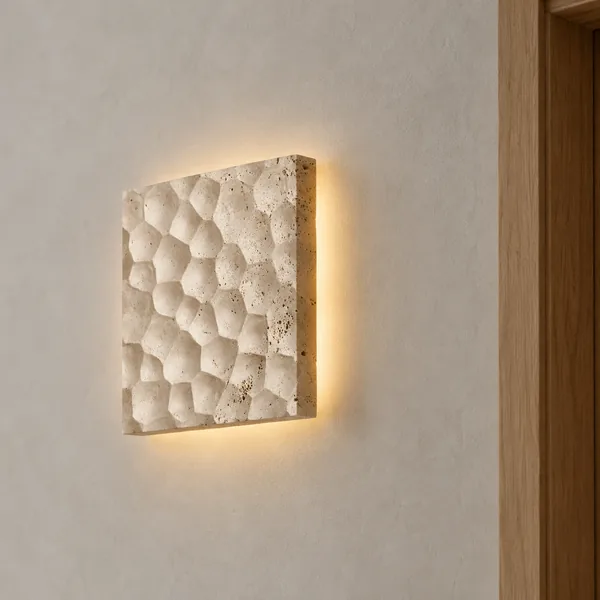
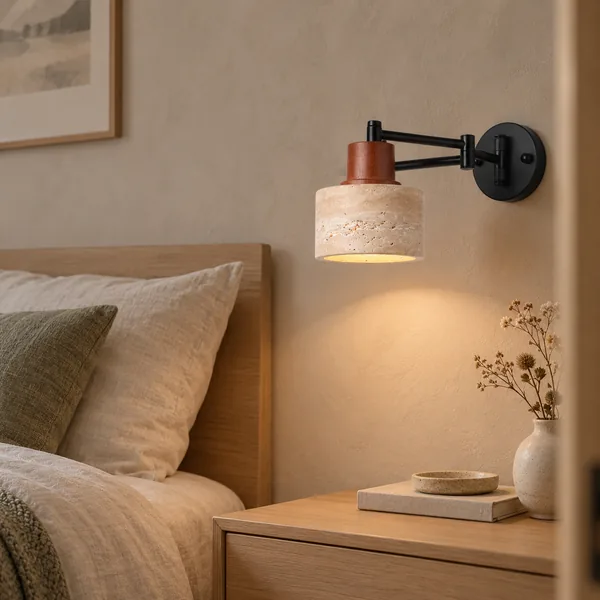
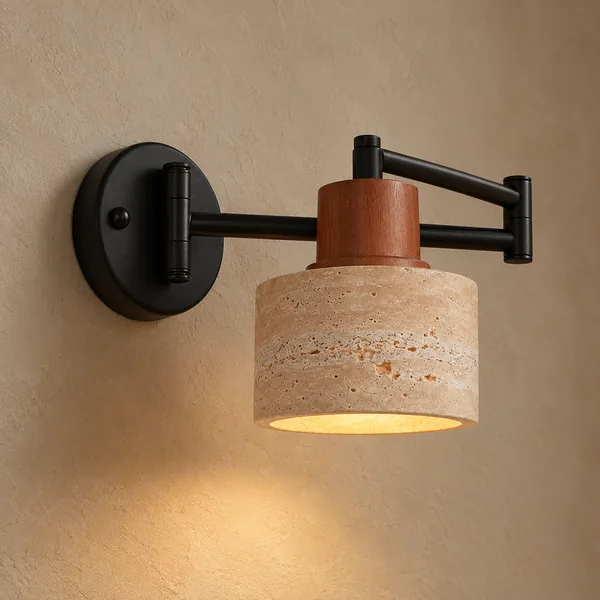
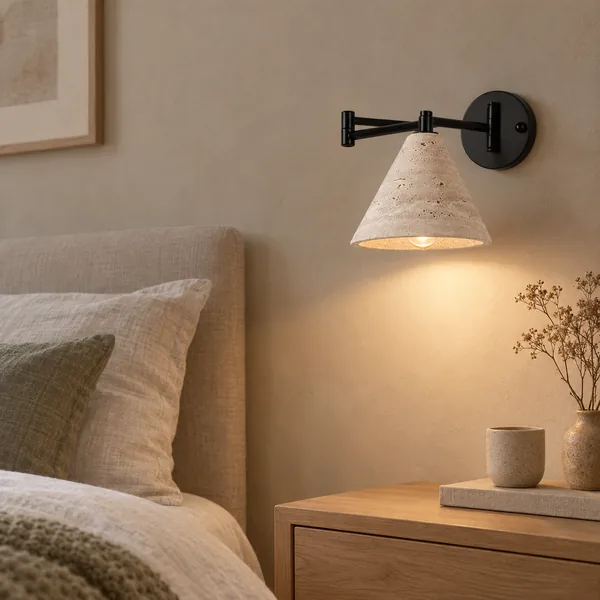
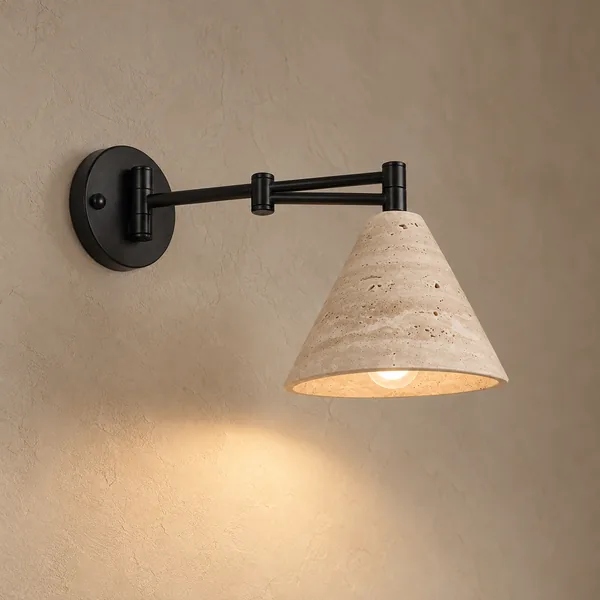
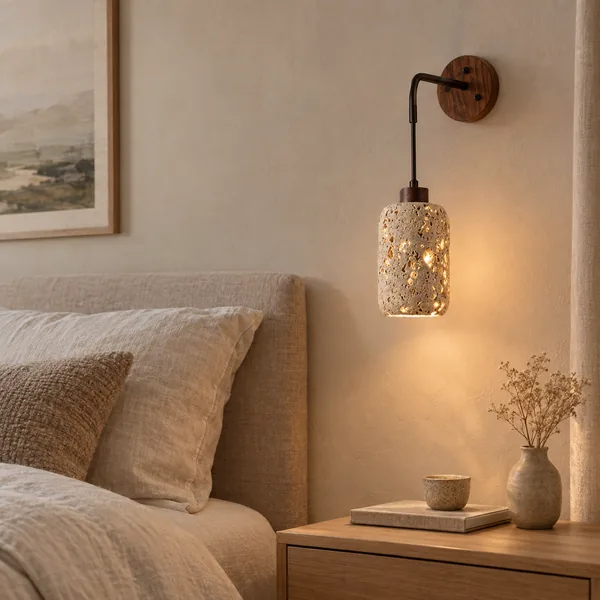
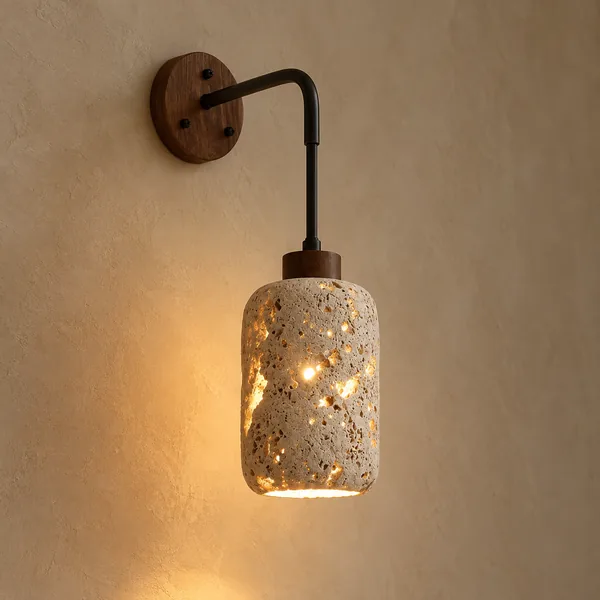
Fjella Natural Travertine Adjustable Wall Lamp
Understanding Key Design Rules
What Is the 3-5-7 Rule in Interior Design?
The 3-5-7 rule provides a framework for grouping decorative objects that work particularly well within organic modern styling. The principle suggests arranging items in groups of odd numbers—three, five, or seven—rather than even groupings which can appear too symmetrical and static.
This rule applies beautifully when styling with organic materials. A trio of handcrafted ceramic vessels, for instance, creates visual interest through height and shape variation. Five objects on a coffee table, carefully balanced by size and texture, invite the eye to explore. The asymmetry of odd numbers mirrors nature itself, where perfect symmetry is rare.
Within organic modern spaces, apply this rule to natural material collections: three stone objects, five wooden elements, or seven botanical references. The result feels curated without appearing forced.
What Is the 3/4/5 Rule in Interior Design?
The 3/4/5 rule addresses spatial planning and proportion, particularly for furniture arrangements. It suggests dividing room dimensions by these numbers to determine appropriate sizes for key pieces and their spacing.
In practical terms, this might mean ensuring your sofa occupies roughly 3/5 of your living room's width, leaving 1/5 on either side for circulation and lighting. Or positioning a coffee table 4 feet from seating to maintain comfortable conversation distance while allowing movement.
For organic modern spaces, this rule helps prevent overcrowding while ensuring rooms feel adequately furnished. It creates breathing room around natural material pieces, allowing their textures and forms to be appreciated without competition.
Curated Pieces for Organic Modern Living
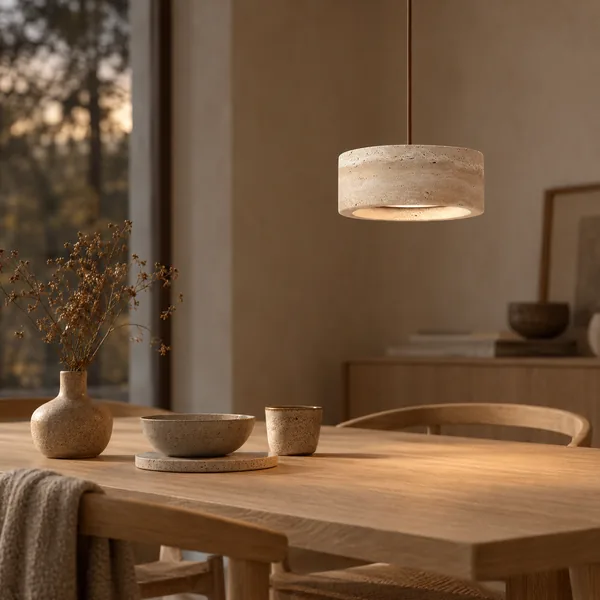 Stenglo Travertine Stone Dimmable Pendant Light$249.00$329.00
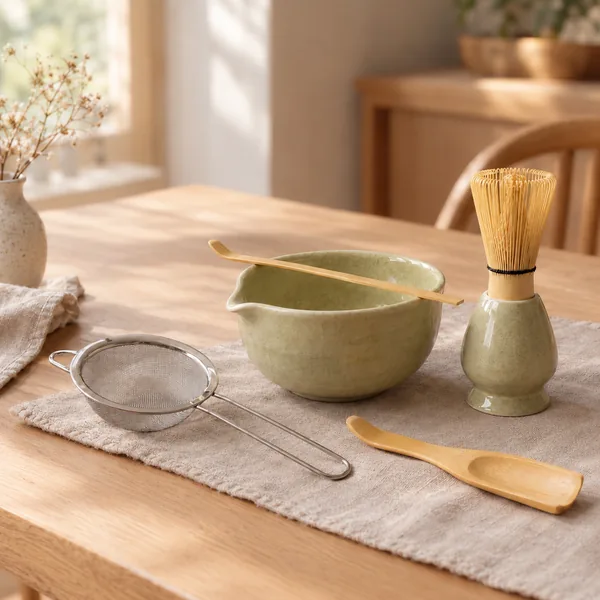 Stille 6-Piece Ceramic Japanese Matcha Tea Set$99.00$139.00
What's Trending in Home Decor in 2026?
As we look toward 2026, the organic modern movement continues evolving while maintaining its core principles. Several specific trends are shaping how designers and homeowners interpret earthy home decor and natural material aesthetics.
Travertine continues its dominance, appearing not just in lighting and small objects but in furniture surfaces, architectural elements, and sculptural art pieces. The material's versatility allows it to range from rustic to refined depending on finish and context.
The scandinavian organic style influence deepens, with more emphasis on wellness-oriented spaces designed for slow living. This translates to furniture with organic curves, natural fiber window treatments that filter rather than block light, and dedicated spaces for rituals like tea service or morning meditation.
Color palettes lean further into warm neutrals—think oatmeal, terracotta, muted sage, and warm greys. These tones complement natural materials while creating calming environments. The stark white minimalism of past decades gives way to richer, layered neutrals that feel more human and less clinical.
Authenticity and provenance become increasingly important. Consumers want to know where materials originated, who crafted their objects, and what processes were used. This transparency aligns with sustainable home design values while adding narrative depth to the spaces we create.
The Japandi Organic Blend
A significant 2026 trend combines Japanese wabi-sabi principles with Scandinavian functionality—the Japandi aesthetic. This fusion emphasizes imperfect beauty, natural materials, and spaces designed for intentional living. Look for unglazed ceramics, unfinished wood with visible grain, and objects that celebrate age and patina rather than pristine condition.
The japandi organic blend resonates particularly with the 28-45 demographic seeking spaces that feel both refined and emotionally resonant. It's not about displaying wealth or following trends; it's about creating environments that nurture wellbeing and authentic living.
2026 Color Palette Preview: Warm neutrals remain dominant, but we're seeing richer saturation—terracotta deepens to rust, sage greens move toward forest, and greys warm toward taupe. These deeper tones pair beautifully with natural stone and wood, creating sophisticated yet grounding spaces.
Creating Your Modern Organic Sanctuary
The journey toward modern organic home decor isn't about perfection—it's about intention. Each material choice, each curved form, each natural element contributes to a space that feels authentically yours while honoring the principles that make this aesthetic so compelling.
At Skonne, we believe that the objects we surround ourselves with should bring genuine joy and connection. Natural stone lighting not only illuminates your space; it grounds it. Ceramic tea sets invite ritual and presence. Curved forms create flow and harmony. These aren't just decorative choices—they're investments in how you experience your home every day.
Whether you're beginning a complete redesign or introducing organic elements gradually, remember that the best spaces evolve over time. Start with quality pieces that speak to you, prioritize natural materials that age beautifully, and create room for your home to grow alongside you.
Natural materials, curved forms, and biophilic elements aren't design trends—they're timeless principles that connect us to something larger than ourselves. In a world that often feels increasingly digital and artificial, our homes can become sanctuaries of authenticity, warmth, and organic beauty. That's the promise of modern organic home decor, and it's one we're honored to help you discover.
Related Article
Modern Living Room Decor: Sleek, Stylish Ideas for a Contemporary LoungeDiscover sleek, stylish modern living room decor ideas. Transform your contemporary lounge with Scandinavian-inspired lighting and design tips for the perfect space.