
Modern vs Contemporary Home Decor: What's the Difference & Which Style Is Right for You?
Summary›
- What Is Modern Design? A Historical Perspective
- What Is Contemporary Design? Living in the Now
- Modern vs Contemporary Home Decor: Key Differences at a Glance
- Where Does Scandinavian Design Fit In?
- Room-by-Room Style Guide
- Can You Mix Modern and Contemporary Decor?
- How to Choose the Right Style for Your Home
- Conclusion: Finding Your Design Voice
Standing in the showroom comparing furniture ideas—or scrolling through Pinterest at midnight—you've likely asked yourself: What exactly is the difference between modern and contemporary home decor? These terms are often used interchangeably, yet they represent two distinctly different design philosophies. Understanding these distinctions isn't just about sounding knowledgeable at dinner parties; it's about creating a home that feels intentional, cohesive, and authentically yours.
For design enthusiasts seeking clarity in the modern vs contemporary home decor debate, this guide will illuminate the unique characteristics of each style. Whether you're furnishing your first apartment or curating your forever home, understanding these differences will help you make confident design decisions—and discover lighting and decor that bridges the gap beautifully.
What Is Modern Design? A Historical Perspective
Modern design refers to a specific historical period: the early to mid-20th century, roughly 1920s through 1950s/1960s. Born from the modernist movement, this style emerged as a deliberate departure from the ornate, cluttered aesthetics that preceded it. Think of the clean simplicity of the Bauhaus movement, the functional elegance of mid-century modern furniture, or the stark geometry found in iconic pieces from designers like Le Corbusier and Mies van der Rohe.
The philosophy behind modern design is rooted in functionality and honesty to materials. Form follows function in this aesthetic—every piece serves a purpose, and decoration is minimal or purposeful rather than ornamental. You'll find natural materials like wood, leather, and linen paired with industrial elements such as metal, concrete, and glass. Color palettes tend toward earth tones: warm browns, muted greens, burnt oranges, and plenty of cream and tan neutrals.
Key characteristics of modern design include:
- Clean, horizontal lines that create visual calm
- Low-profile furniture with visible legs and open space underneath
- Natural wood tones—walnut, teak, oak
- Minimal window treatments
- Functionality over ornamentation
Importantly, modern design is a fixed historical style. It's not evolving today—what we call "modern" remains anchored in that mid-century aesthetic, even as we live well into the 21st century.
What Is Contemporary Design? Living in the Now
Contemporary design, by contrast, is fluid, ever-changing, and directly of the moment. The word itself means "belonging to the same time"—so by definition, contemporary design reflects what is current and happening now. What qualifies as contemporary in 2025 would look entirely different than contemporary design from 2015.
Today's contemporary aesthetic embraces minimalism but isn't afraid to incorporate bold artistic statements. You'll see sleek profiles, but also dramatic sculptural lighting, oversized art pieces, and unexpected material combinations. Where modern design feels warm and collected over time, contemporary often reads as fresh, curated, and gallery-like.
Current contemporary interiors frequently feature:
- Neutral bases (white, gray, beige) with bold accent colors
- Mixtures of materials—polished concrete with velvet, brass with blackened steel
- Curved forms and organic shapes trending alongside sharp geometry
- Statement lighting as functional art
- Open floor plans with distinct textural zones
Because contemporary design evolves with current trends, it's particularly influenced by technology, sustainability innovations, and cultural movements. Today's contemporary spaces might incorporate smart home integration, sustainable materials, and biophilic elements that speak to current lifestyle priorities.
Scandinavian Lighting
Shop all Scandinavian Lighting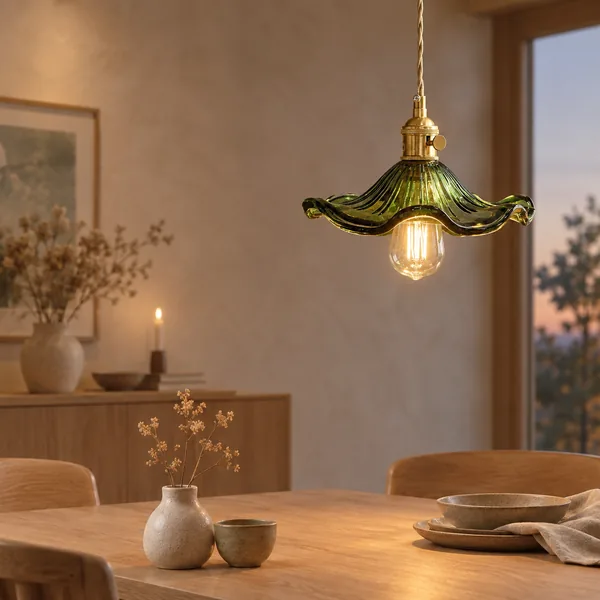
 Save $60.00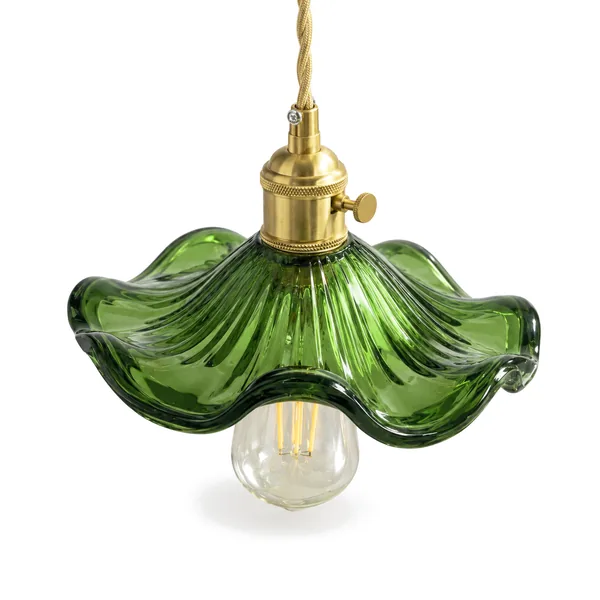
 3 options
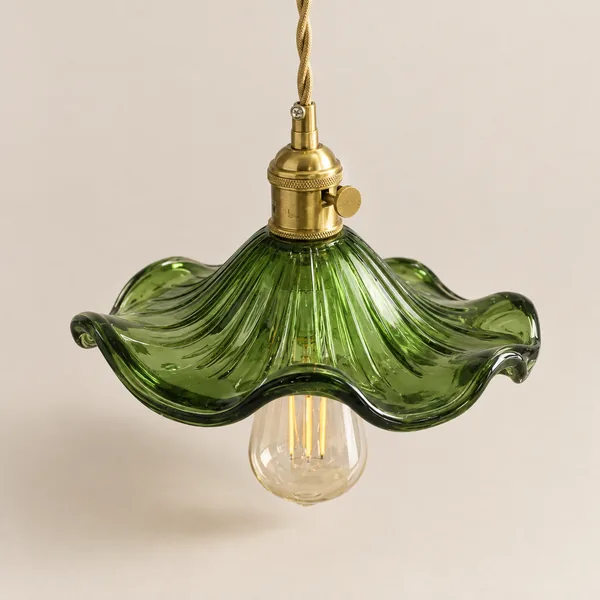
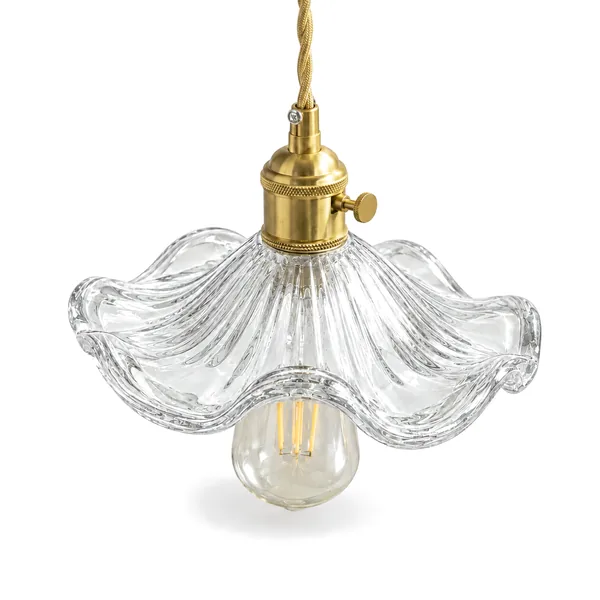
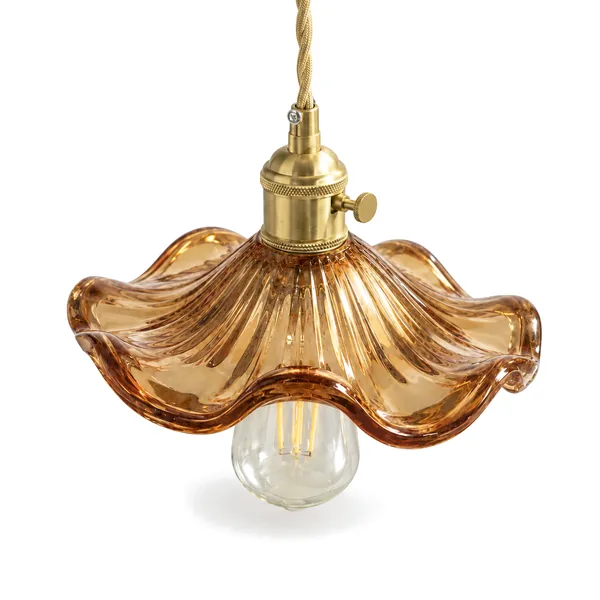
Glora Nordic Glass Pendant Light with Copper
 Save $150.00
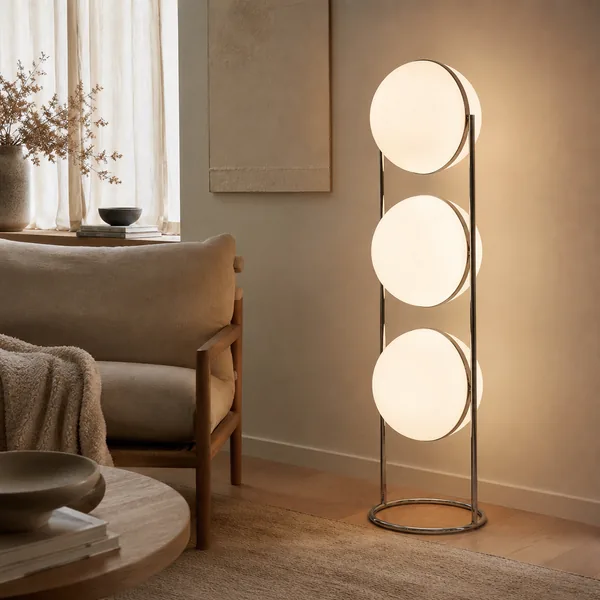
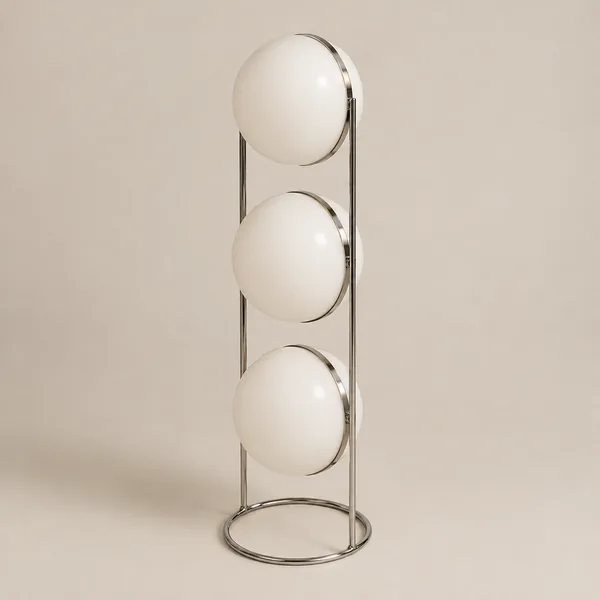
Kulglod Bauhaus Chrome Acrylic Globe Floor Lamp
 Save $230.00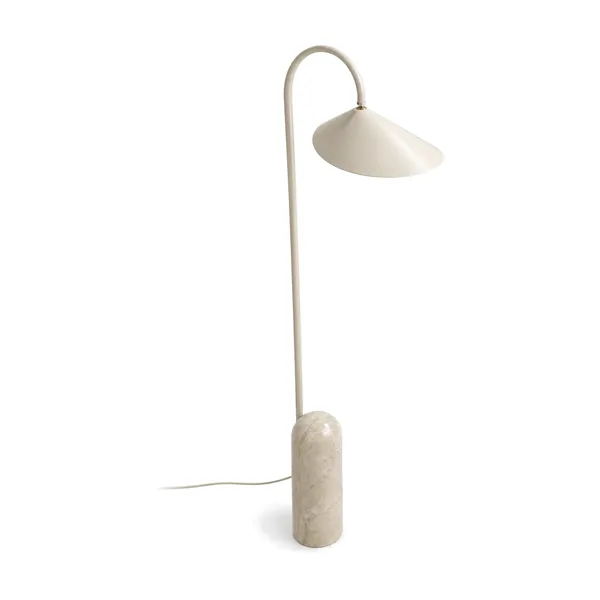
 2 options
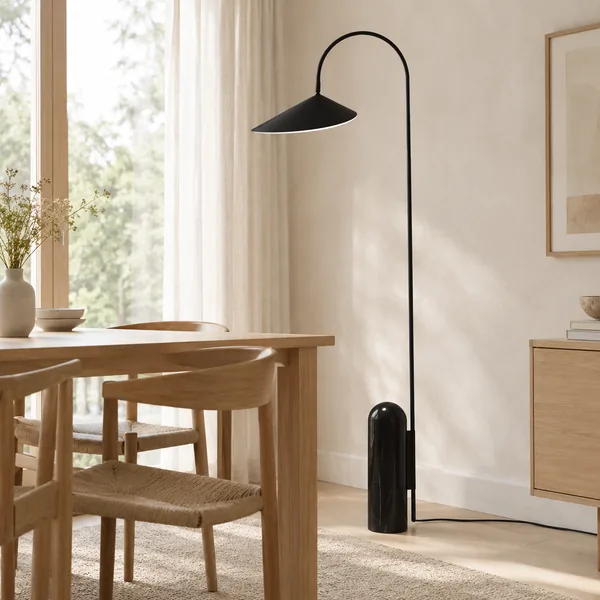
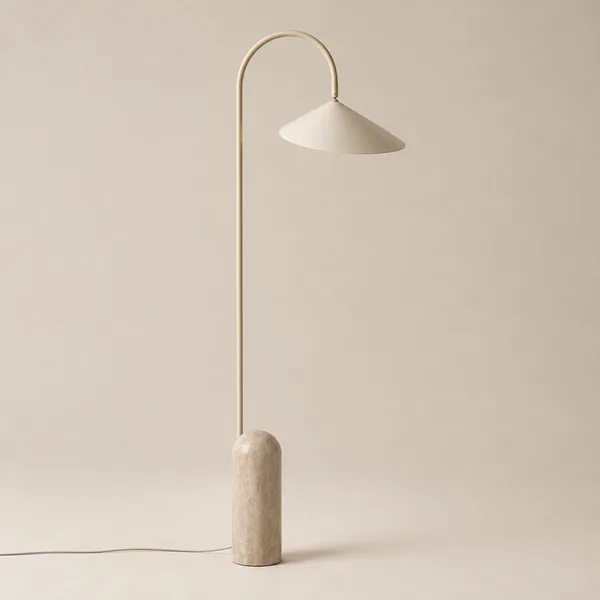
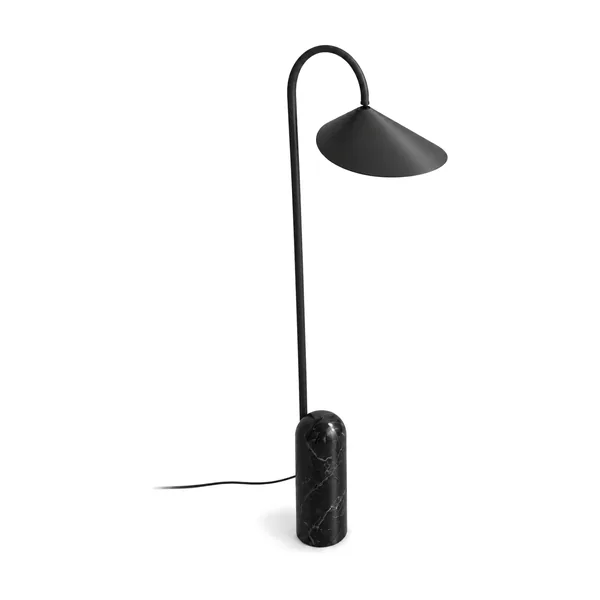
Velbue Marble Base Arc Floor Lamp Danish Design
 Save $210.00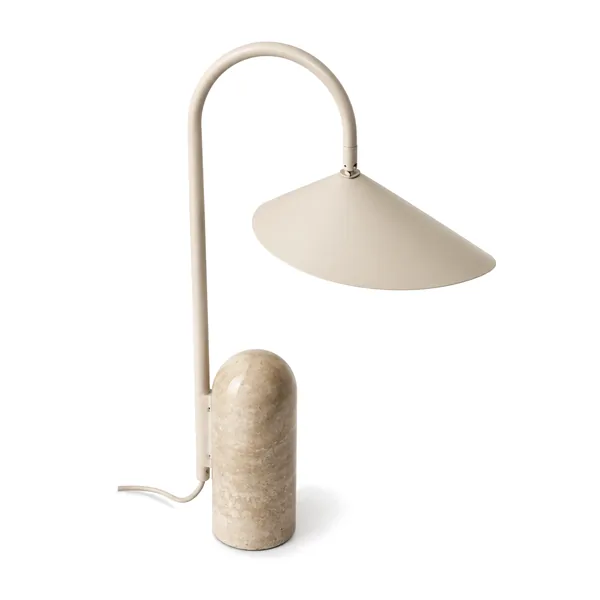
 2 options
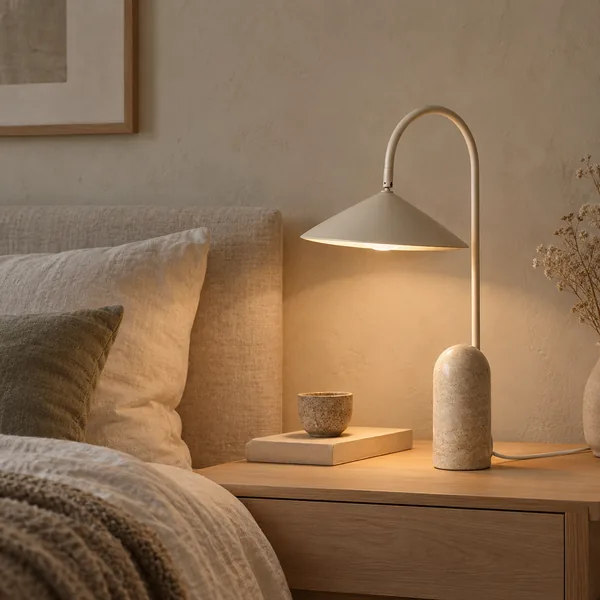
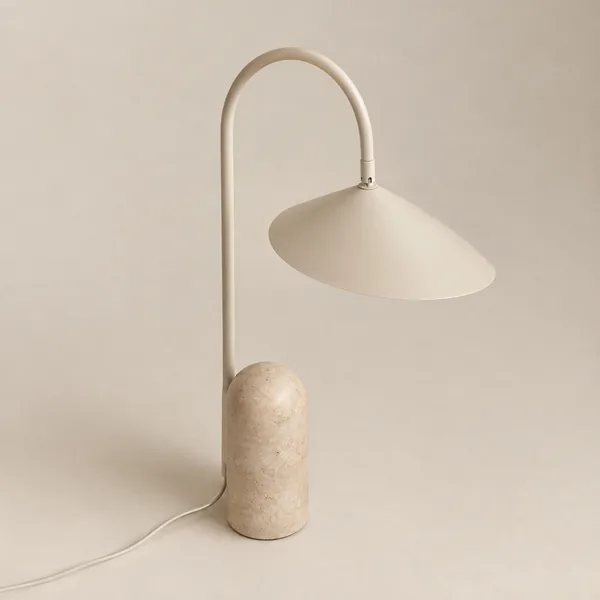
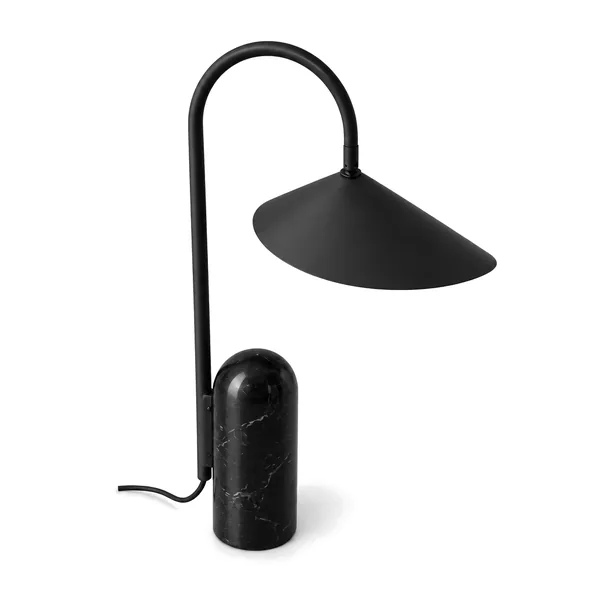
Solvei Danish Minimalist Arc Table Lamp Marble
Modern vs Contemporary Home Decor: Key Differences at a Glance
When weighing modern versus contemporary style, the distinctions become clearer when viewed side by side. Modern design celebrates a specific era's aesthetic; contemporary celebrates right now. Modern leans earthy and functional; contemporary embraces bold neutrality and artistic expression.
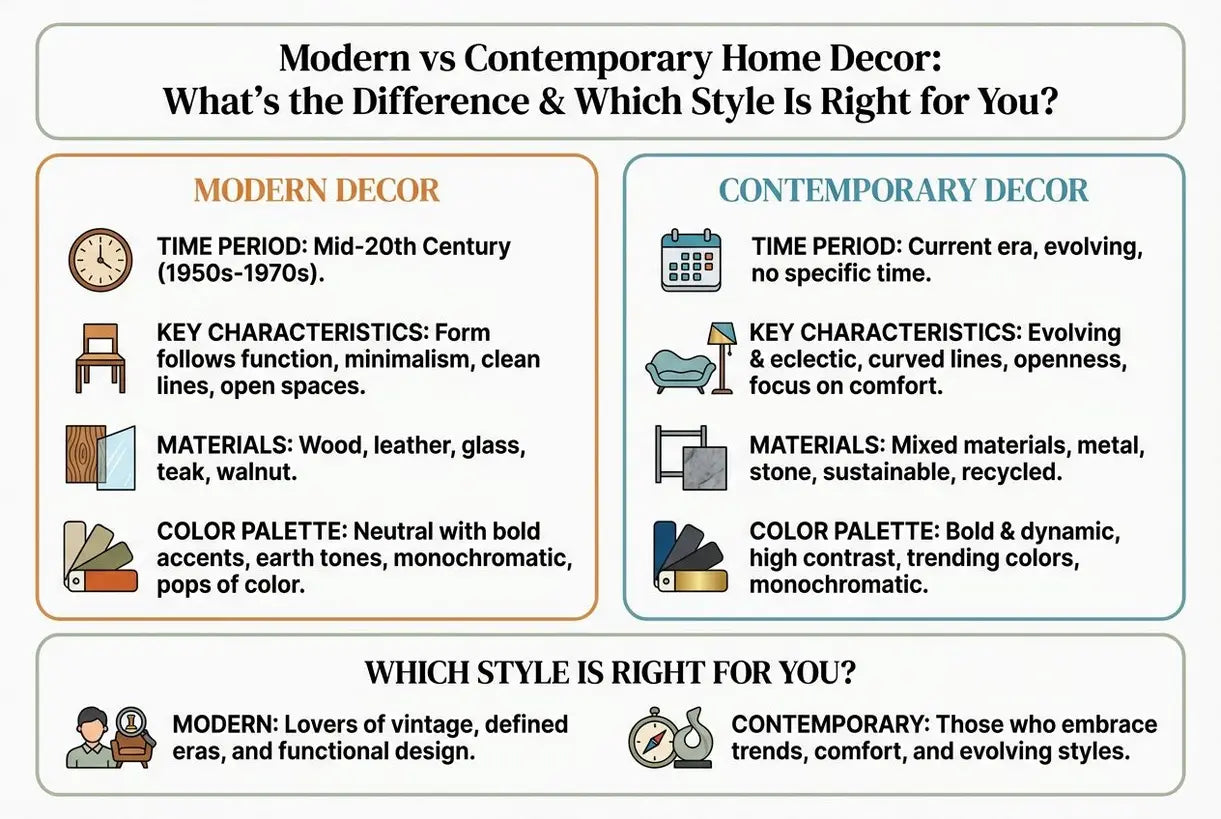
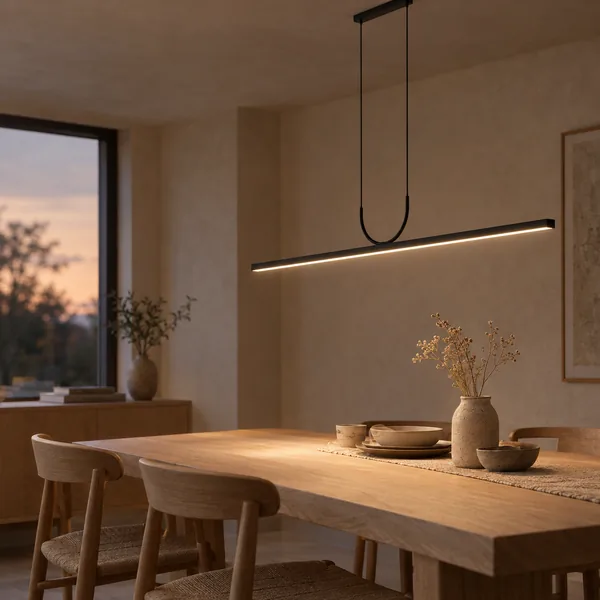
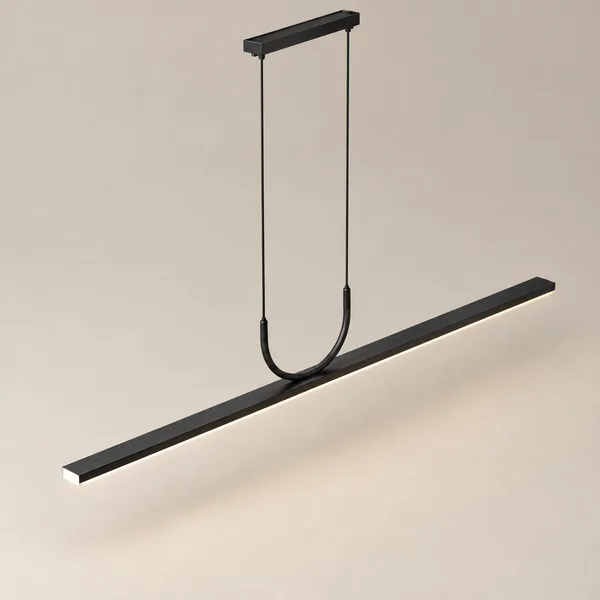
Consider how lighting choices reflect these differences: Modern design favors warm, diffuse light sources—think paper shades, amber glass, and soft illumination that enhance the natural wood tones. Contemporary design often embraces dramatic, architectural lighting—linear pendants, sculptural chandeliers, and fixtures that function as standalone art pieces.
The Rekke Aluminum Linear LED Pendant Light Black perfectly demonstrates how thoughtful lighting can bridge both aesthetics. Its architectural black form speaks to contemporary sensibilities, while its clean, functional lines honor modern design principles.
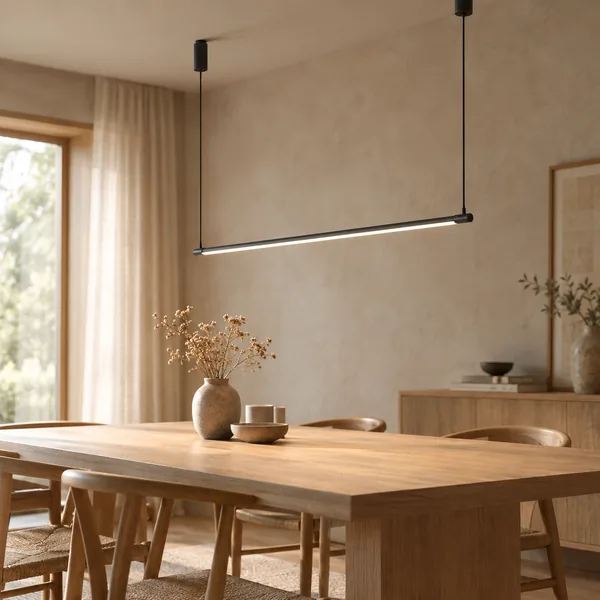 Rekke Aluminum Linear LED Pendant Light Black$229.00$359.00
Where Does Scandinavian Design Fit In?
Here's where many design enthusiasts find themselves asking: Is Scandinavian design modern or contemporary? The answer is nuanced—and often both.
Scandinavian design emerged in the 1950s across Denmark, Norway, and Sweden, sharing much of modernism's timeline. It shares modern design's emphasis on functionality, natural materials, and clean lines. However, Scandinavian design also introduced the concept of hygge—the Danish philosophy of creating warmth, comfort, and well-being within your space.
This hygge element distinguishes Scandinavian style from strict modernism. Where pure modern design can feel austere or museum-like, Scandinavian interiors invite touch, lounging, and daily life. Layered textures, soft lighting, and lived-in warmth define the Scandi approach.
Today, Scandinavian design has evolved into what many call Japandi or modern Nordic—a fusion that sits comfortably within contemporary interiors. It maintains mid-century roots while adapting to current color palettes, sustainable materials, and open-concept living needs.
For those drawn to this aesthetic, exploring our Pendants & Chandeliers collection offers curated lighting solutions that honor these hybrid sensibilities—pieces that respect heritage design while feeling entirely current.
Room-by-Room Style Guide
Your choice between styles likely varies by room and function. Understanding how each design philosophy translates to specific spaces helps create a home that feels cohesive yet personalized.
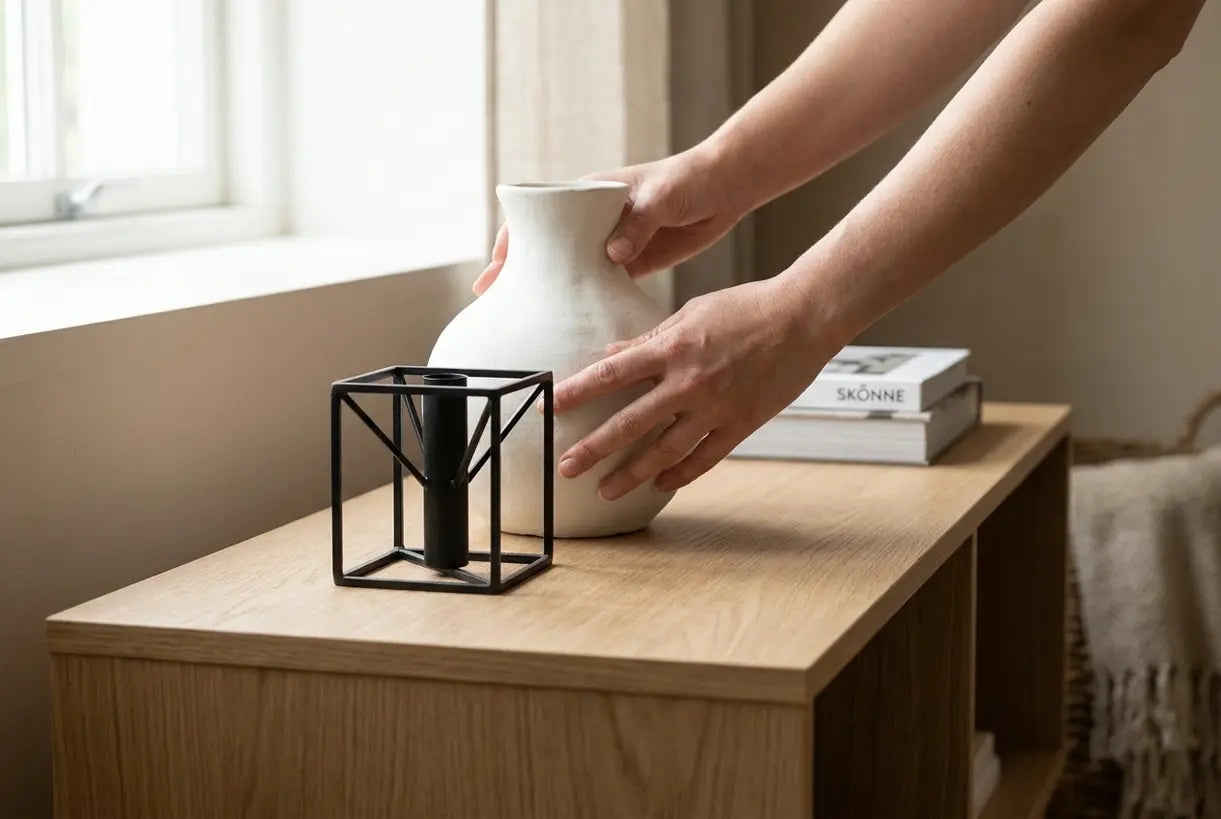
Living Room: Creating Your Signature Space
Living rooms benefit tremendously from clear stylistic intention. Modern living rooms feature low-slung sofas in leather or tweed, angular coffee tables, and gallery walls showcasing period-appropriate art. Contemporary living rooms might showcase a statement sectional in performance velvet, minimal wall art, and sculptural floor lamps that double as conversation pieces.
When curating accessories, consider the Shiro Rice Paper Table Lamp Nordic Minimalist—it casts that warm, diffused glow that makes spaces feel lived-in, perfect for creating the intentional atmosphere both styles embrace. Equally versatile, the Kveld Scandinavian Mushroom Floor Lamp Walnut grounds any room with soft, ambient lighting through its sculptural walnut mushroom form.
Lighting for Every Style
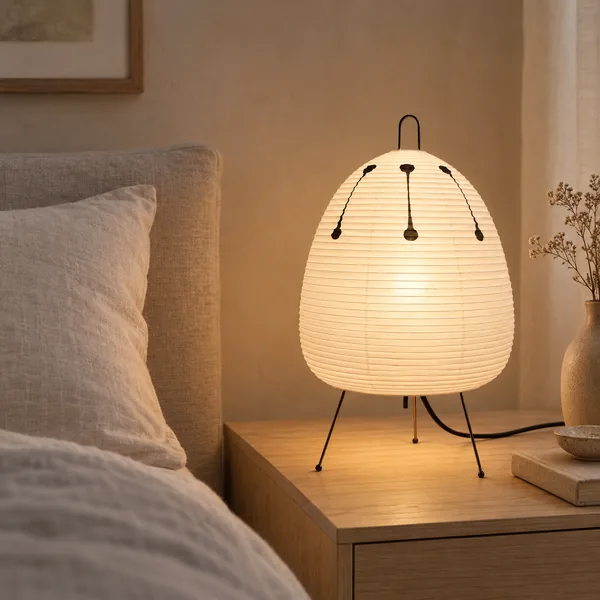 Shiro Rice Paper Table Lamp Nordic Minimalist$119.00$199.00
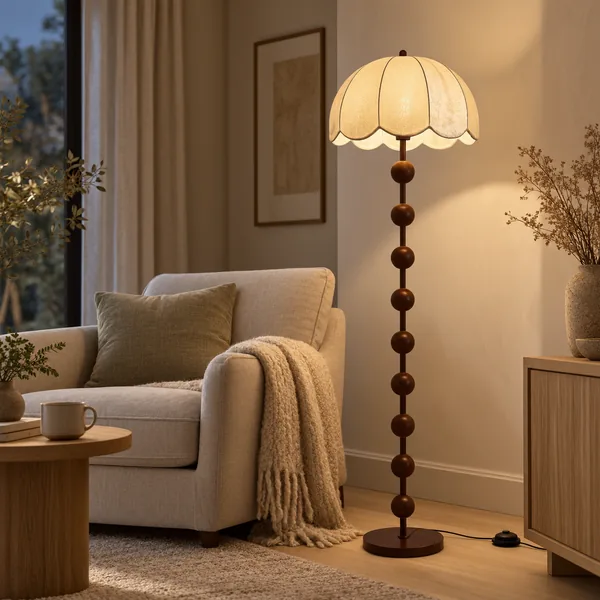 Kveld Scandinavian Mushroom Floor Lamp Walnut$219.00$349.00
Bedroom: Restorative Sanctuary
Modern bedrooms prioritize natural materials—platform beds in solid wood, crisp cotton bedding, and functional bedside tables. Contemporary bedrooms might feature upholstered headboards, layered textiles in muted tones, and dramatic pendant lights or sculptural sconces flanking the bed.
Both approaches benefit from warm, dimmable lighting that transitions from morning energizing to evening relaxation. Consider how materials feel at 6 AM and midnight—texture plays more crucially here than in any other room.
Kitchen & Dining: Gathering Spaces
Modern kitchens showcase natural wood cabinetry, butcher block or marble countertops, and pendant lighting over islands. The emphasis on honest materials means displaying functional objects—the beautiful cast iron skillet belongs on a hook, not hidden in a cabinet.
Contemporary kitchens lean into sleek surfaces, handleless cabinetry, and integrated appliances. Lighting here makes bold statements—think oversized pendants, architectural track systems, or sculptural chandeliers that define the dining zone within open floor plans.
Can You Mix Modern and Contemporary Decor?
The question isn't whether you can mix these styles—it's how to do it artfully. Many of the most compelling interiors exist in that intentional overlap where mid-century warmth meets contemporary edge.
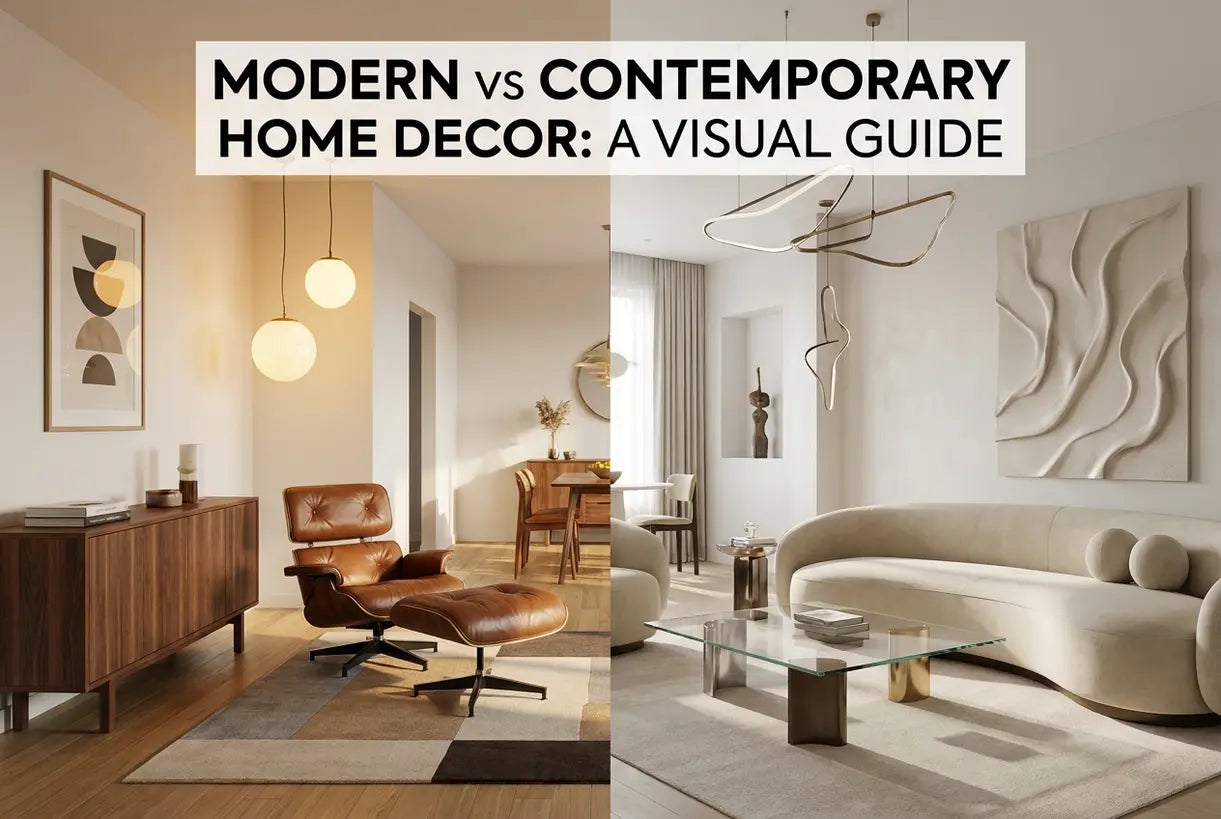
Successful mixing requires a strong grounding in neutral bases and consistent material palettes. Start with a cohesive color story—perhaps warm woods and black metals—then layer pieces from both eras that speak to each other through silhouette or materiality.
Design Tip: Use modern pieces as your foundation (reliable, timeless) and contemporary pieces as your accent layers (trending, artistic). This creates a space that won't feel dated when contemporary trends inevitably shift.For visual guidance on blending these aesthetics, watch this expert breakdown:
The most harmonious blended spaces share one non-negotiable: restraint. Both modern and contemporary styles punish excess clutter. Curate your objects with intention—every piece should earn its place through beauty, function, or both.
Lamps
Shop all Lamps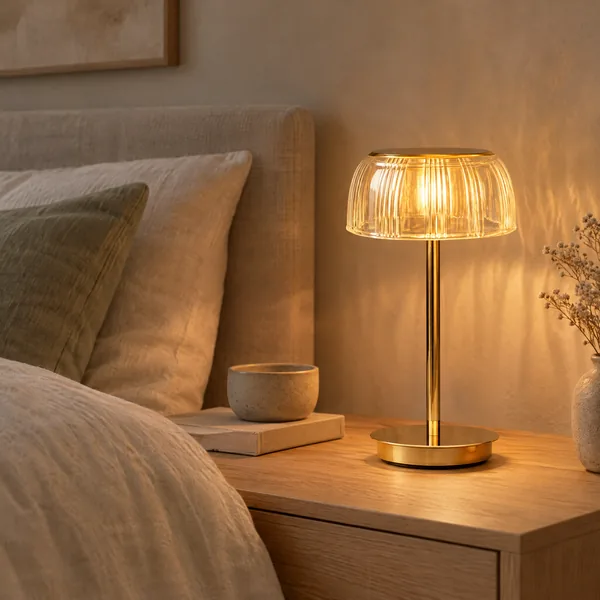
 Save $30.00
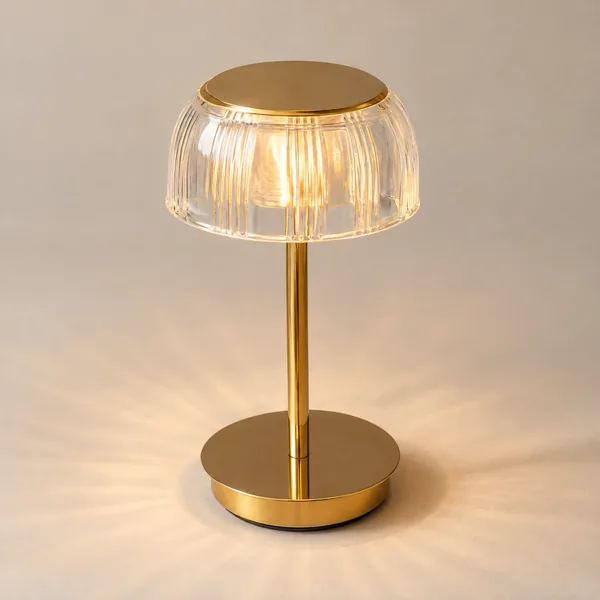
Kvalla Jellyfish LED Rechargeable Table Lamp
 Save $140.00
Linné Minimalist Linear Black LED Pendant Light
Save $60.003 optionsGlora Nordic Glass Pendant Light with Copper
How to Choose the Right Style for Your Home
Selecting between modern and contemporary—or designing a synthesis—isn't about following rules. It's about honoring how you actually live and what story you want your home to tell.
Consider your lifestyle honestly:
- Do you relish hunting for vintage gems at estate sales, or prefer curated selections from current design showrooms?
- Does your natural decorating style accumulate objects organically, or do you edit and refresh seasonally?
- Do you feel energized by bold artistic statements, or calmed by restrained, familiar silhouettes?
Your answers likely indicate whether you're drawn toward the collected warmth of modern design, the gallery-like freshness of contemporary interiors, or the lived-in sophistication that happens when these aesthetic languages converse.
Remember that Scandinavian design—with its emphasis on quality materials, thoughtful lighting, and hygge comfort—offers a beautiful bridge between these worlds. At Skonne, we curate lighting and decor pieces that honor this middle ground: timeless enough to anchor your space, current enough to feel fresh, and always warm enough to feel like home.
Whether your path leads to period-authentic modern statements, cutting-edge contemporary pieces, or that perfect in-between that feels uniquely yours, the most important element is intention. Every object you bring into your space should serve your daily life and aesthetic joy—not just fill an empty corner.
Conclusion: Finding Your Design Voice
Understanding the modern vs contemporary home decor distinction empowers you to design with confidence and authenticity. Modern design offers a nostalgic, grounded aesthetic rooted in mid-century innovation, while contemporary style provides the flexibility to embrace current trends and personal expression. Neither is superior—they serve different sensibilities and living patterns.
What unites both styles is a reverence for quality, purposeful function, and the refusal of visual clutter. Both demand that you curate with intention, choosing pieces that matter rather than accumulating decorative filler.
At Skonne, we believe the most beautiful homes emerge when heritage craftsmanship meets current living needs—when a linear pendant references Bauhaus clarity while illuminating your contemporary kitchen island, or when a mushroom floor lamp from 1970s inspiration lights your Scandinavian-inspired bedroom.
Your perfect aesthetic exists at the intersection of what you love and how you live. Start there, and let your home evolve authentically.
Related Article
Modern Organic Home Decor: Natural Materials, Curved Forms & Biophilic StyleDiscover how to create a calming, nature-inspired home with modern organic decor. Learn the key elements: natural materials, curved forms, and biophilic design principles.