
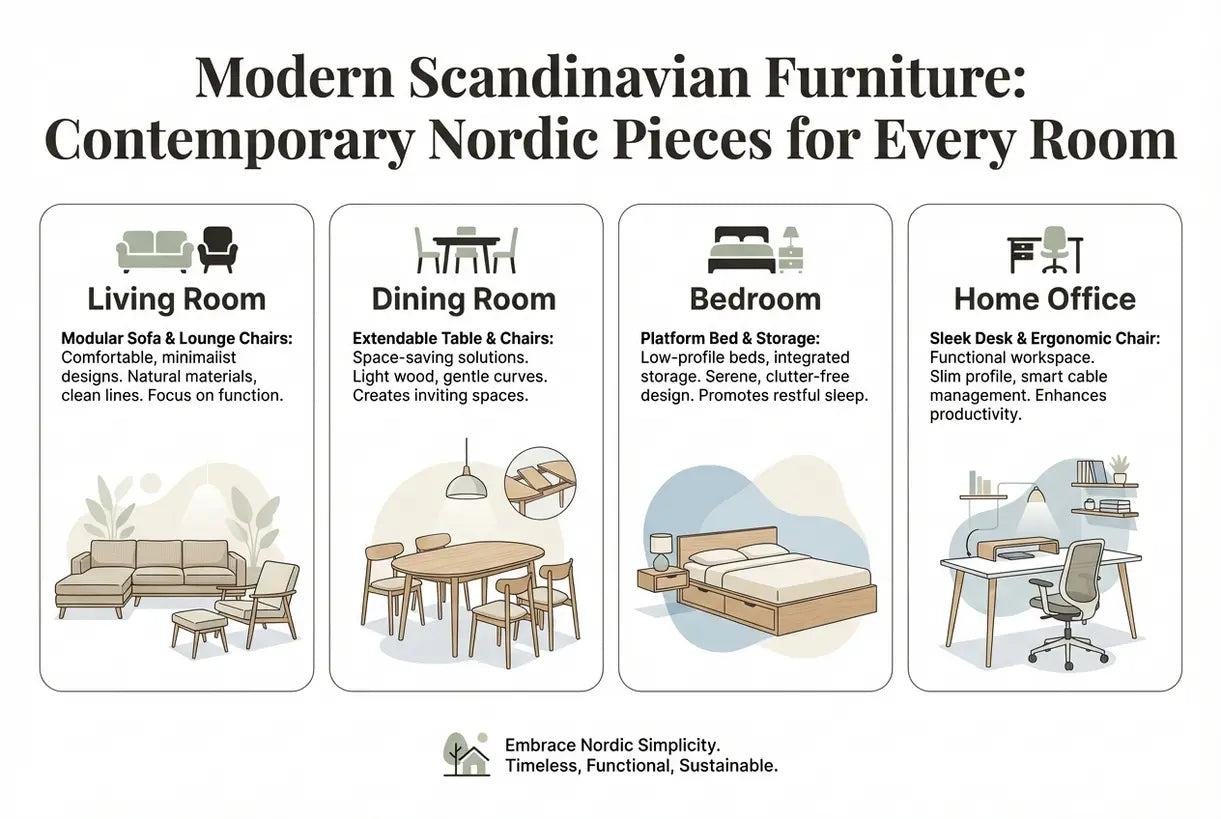
Modern Scandinavian Furniture: Contemporary Nordic Pieces for Every Room
Summary›
- Understanding Modern Scandinavian Furniture Design
- The Core Principles of Scandinavian Design
- Scandinavian Furniture for Compact Living
- Lighting as a Furniture Companion
- Scandinavian vs. Mid-Century Modern
- Color Palettes That Complement Scandinavian Furniture
- Completing the Look with Thoughtful Lighting Design
- Conclusion
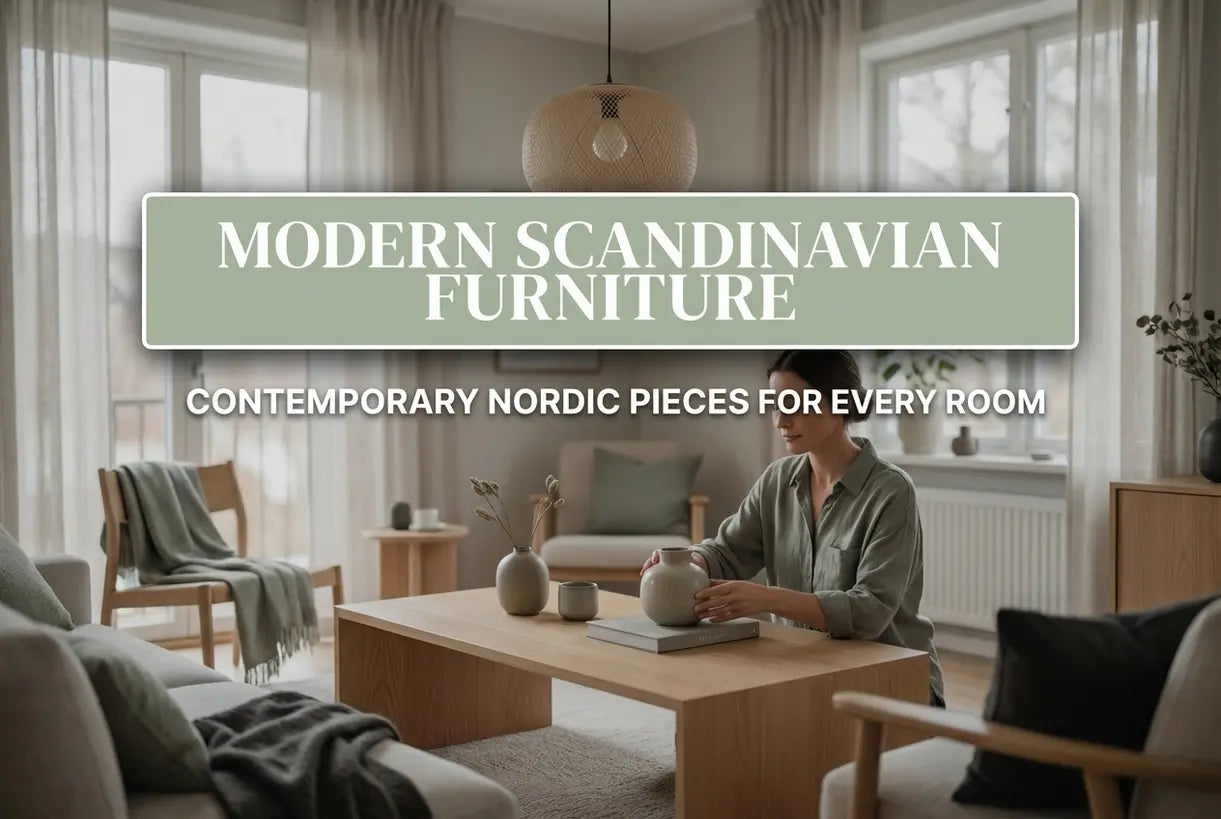
Creating a home that feels both serene and sophisticated begins with understanding the essence of modern scandinavian furniture design. Rooted in the Nordic philosophy of balancing beauty with purpose, this design movement has transformed how we think about our living spaces. Whether you're a first-time homeowner curating your perfect starter apartment or a design enthusiast seeking to refresh your aesthetic, the principles of Scandinavian furniture offer timeless solutions that speak to contemporary needs.
At Skonne, we believe that exceptional design doesn't merely decorate—it elevates everyday moments. As you explore the defining characteristics, styling possibilities, and practical applications of Scandinavian furniture, you'll discover how the right companions, particularly in lighting, can transform individual pieces into cohesive, welcoming environments. This guide will walk you through everything from selecting authentic scandinavian furniture ideas to understanding how thoughtful illumination enhances your Nordic-inspired spaces.
Understanding Modern Scandinavian Furniture Design
What defines modern Scandinavian furniture design is a commitment to functional simplicity paired with warm, natural materials. Emerging from the Nordic countries in the mid-20th century, this aesthetic rejected the cold rigidity of earlier modernist movements, instead embracing organic shapes, honest craftsmanship, and materials that invite touch.
True Scandinavian pieces prioritize clean lines without sacrificing comfort, feature light-toned woods like oak, birch, and ash, and maintain an uncluttered visual language that creates breathing room in any space. The philosophy extends beyond mere aesthetics—it reflects a cultural value system that prioritizes wellbeing, sustainability, and the creation of spaces that support meaningful daily life. For those beginning their journey into this aesthetic, exploring our Table Lamps collection offers an excellent entry point, as lighting often serves as the most accessible way to introduce Nordic sensibilities into your home.
The Core Principles of Scandinavian Design
Functionality Meets Beauty
Every piece of Scandinavian furniture tells a story of intentionality. Before any aesthetic consideration, designers ask: How will this object serve its user? This functional-first approach results in furniture that doesn't merely occupy space but actively enhances how you live. Storage solutions hide efficiently within sleek profiles. Seating supports the body through ergonomic curves that feel as natural as they look refined.
Natural Materials and Texture
The tactile experience of Scandinavian furniture sets it apart from other minimalist movements. Rather than glossy, synthetic finishes, you'll find honest wood grains, supple leather that ages gracefully, and woven textiles that soften structured silhouettes. This emphasis on natural materials creates spaces that feel authentically lived-in, not staged.
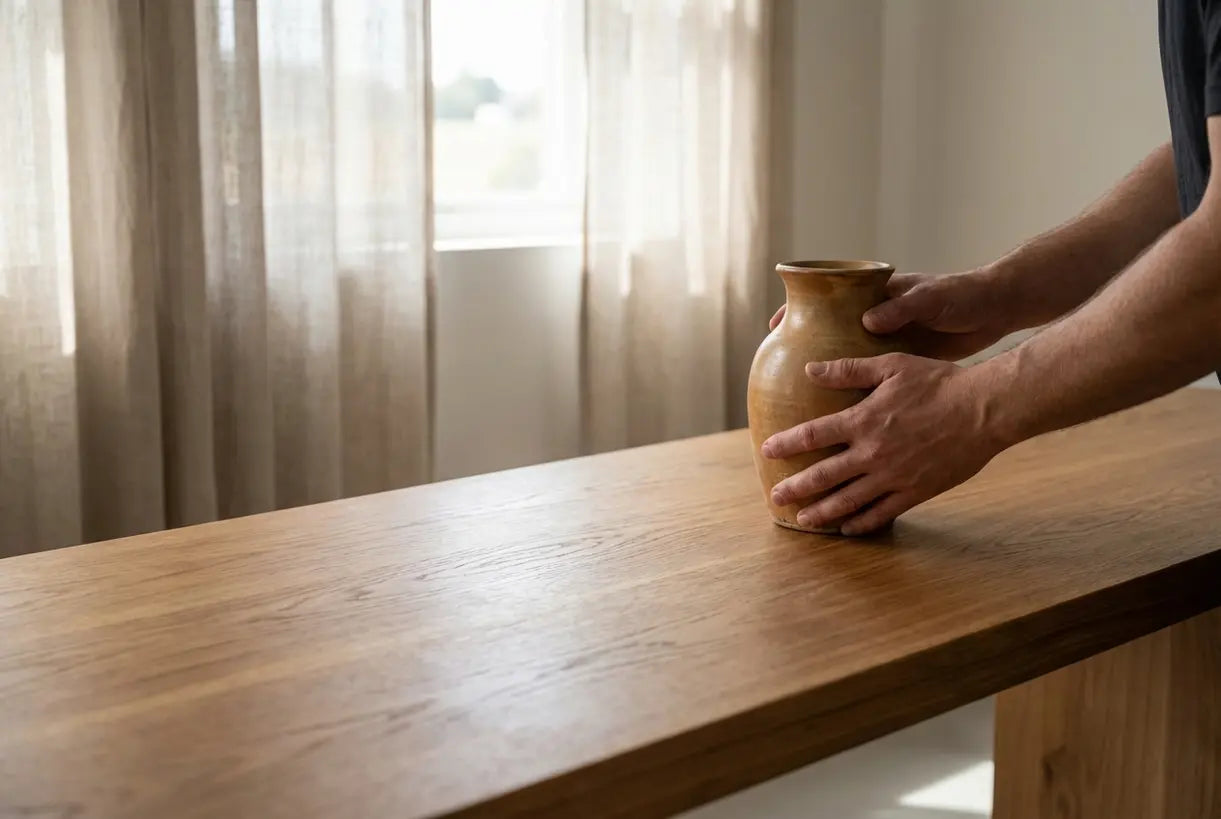
When selecting pieces for your home, pay attention to the joinery and material quality. Authentic Scandinavian craftsmanship reveals itself in details like dovetail joints, visible wood grains that vary piece to piece, and finishes that protect rather than mask the natural character of the material.
Scandinavian Furniture for Compact Living
One of the most practical appeals of this design philosophy is its remarkable adaptability to smaller spaces. How do I style Scandinavian furniture in a small apartment? The answer lies in the Nordic approach to nordic minimalism and smart space planning.
Opt for multi-functional pieces—a sleek sofa bed that transitions from daytime lounging to guest accommodation, nesting tables that tuck away when not needed, or floating shelves that provide storage without consuming floor space. The light color palettes inherent to swedish interior style naturally expand visual boundaries, while the clean lines prevent the visual heaviness that can make compact rooms feel cramped.
Vertical space becomes your ally in small Scandinavian apartments. Tall, narrow shelving units draw the eye upward, and wall-mounted lighting eliminates the need for surface-hogging fixtures. The result is a space that feels airy and intentional, regardless of square footage.
Pendant Lights
Shop all Pendant Lights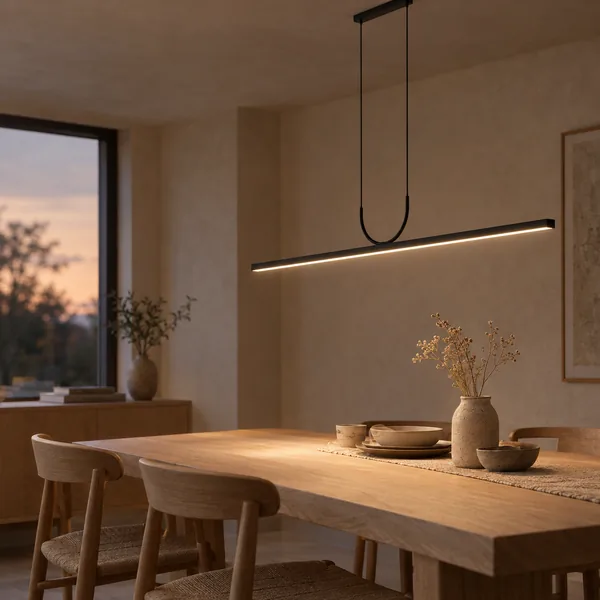
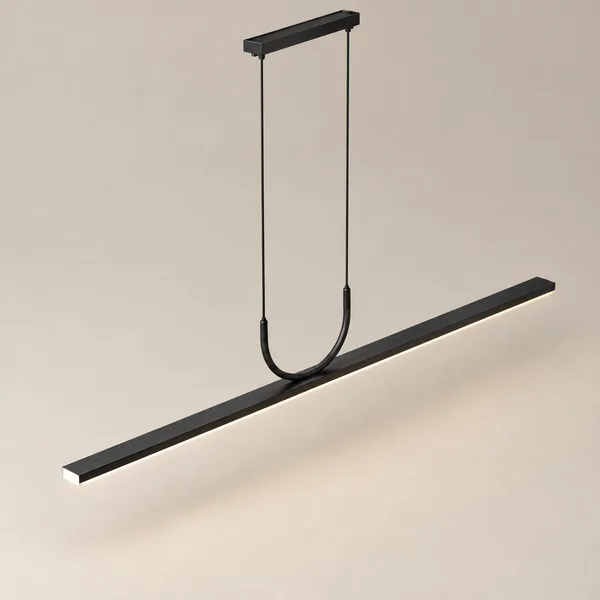 Save $140.00
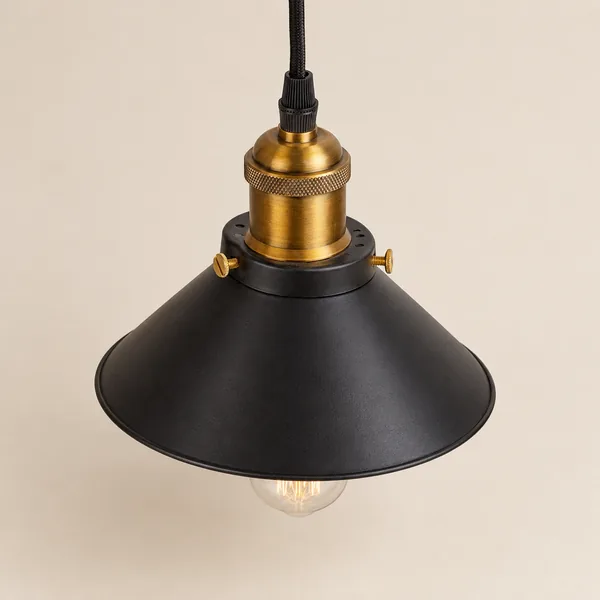
Linné Minimalist Linear Black LED Pendant Light
 Save $60.00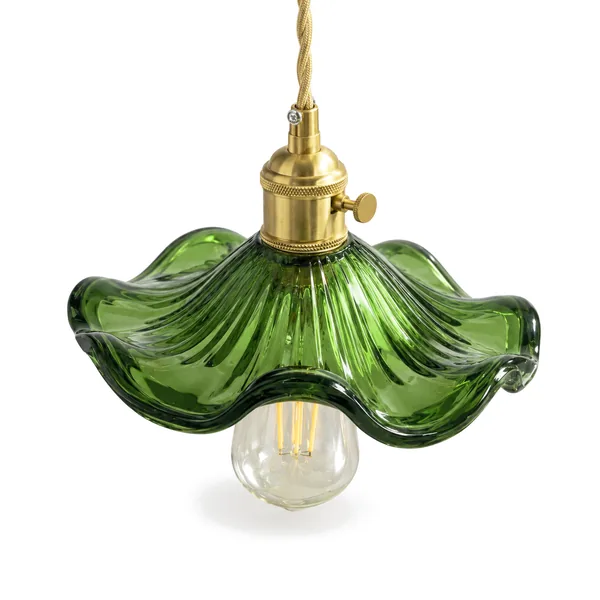
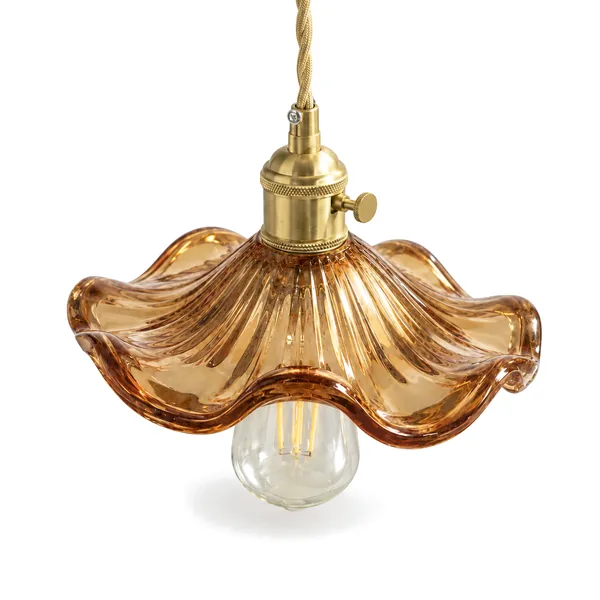 3 options
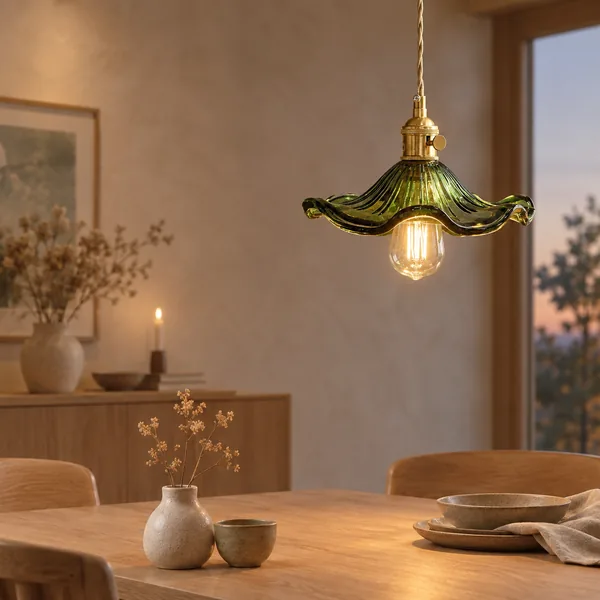
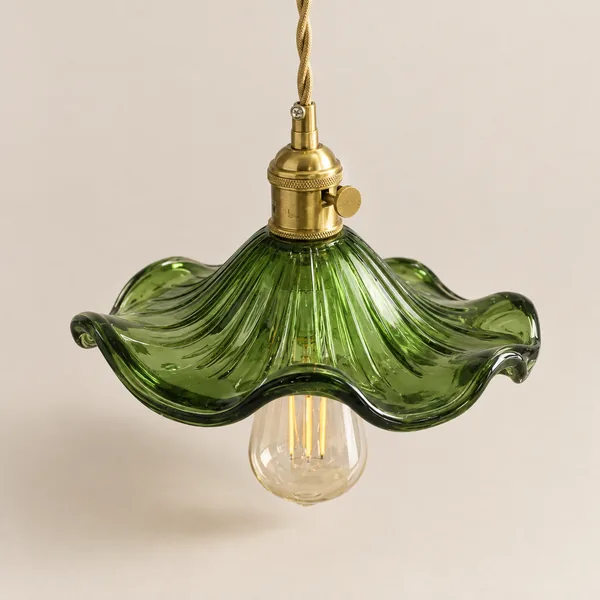
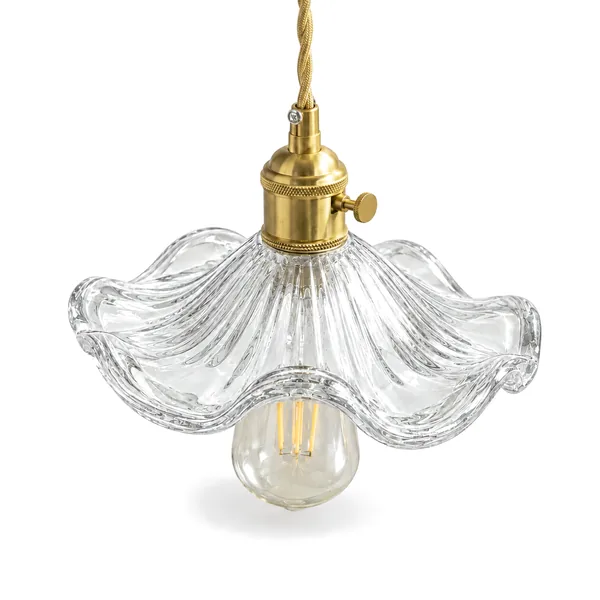
Glora Nordic Glass Pendant Light with Copper
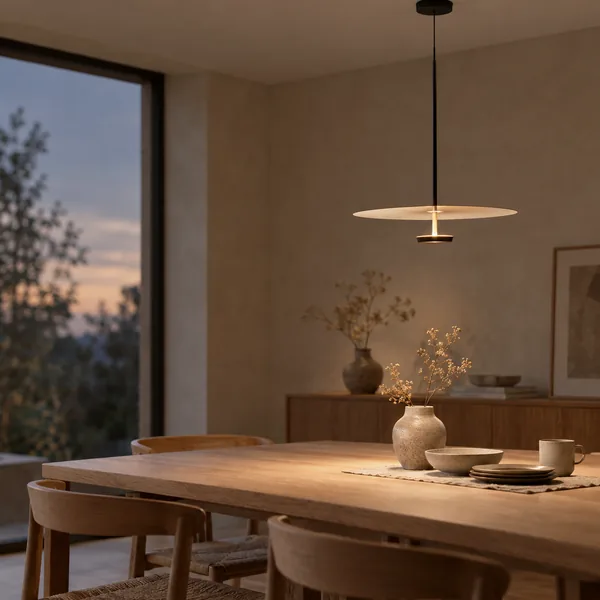
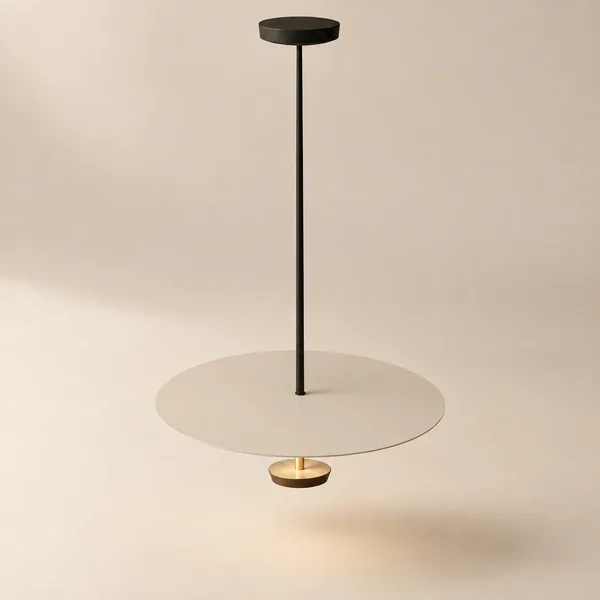 Save $120.00
Skiva Nordic Saucer Ceiling Pendant Light LED
When planning your layout, resist the urge to fill every corner. Negative space is as intentional as the furniture itself in Scandinavian design. This restraint creates visual breathing room and allows each carefully chosen piece to command the attention it deserves.
Lighting as a Furniture Companion
The relationship between furniture and lighting in Nordic design is symbiotic. Where Scandinavian furniture provides the foundation of function, lighting adds the dimension of atmosphere—essential for achieving that coveted hygge furniture design feeling.
The Gloda Walnut Brass French Style Pendant Light exemplifies this philosophy perfectly. Its warm walnut tones harmonize with natural wood furniture, while the brass accents introduce a subtle warmth that prevents minimalist spaces from feeling sterile.
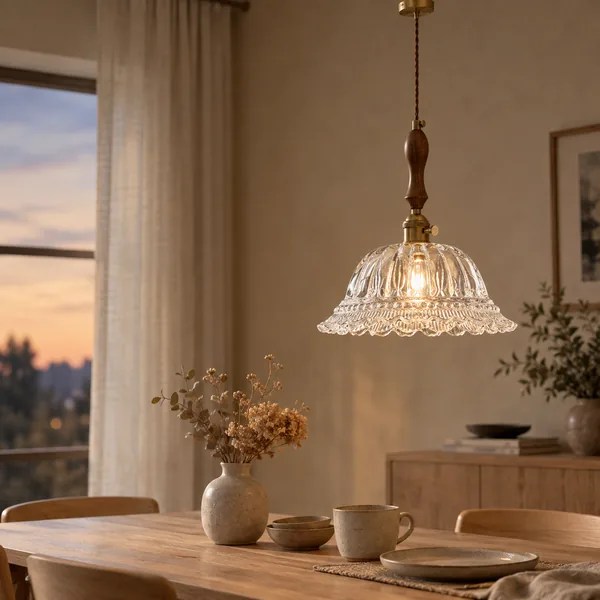 Gloda Walnut Brass French Style Pendant Light$169.00$229.00
Suspended above dining areas, the Gloda pendant creates an intimate gathering zone while maintaining the clean sightlines essential to Scandinavian aesthetics. Its materials echo the natural wood grains of your furniture, creating visual continuity that elevates the entire room.
Scandinavian vs. Mid-Century Modern
What is the difference between Scandinavian and mid-century modern furniture? While these styles share historical roots and often draw from the same era, they diverge in philosophy and execution.
Mid-century modern furniture typically embraces bolder forms, darker woods like teak and walnut, and more dramatic silhouettes. It often features richer upholstery colors and geometric patterns that make strong visual statements. In contrast, Scandinavian design maintains a lighter, airier palette with pale woods and neutral textiles that prioritize scandinavian living room serenity over visual drama.
Scandinavian pieces also tend toward a more understated humility in their presence—think of the iconic Wishbone chair versus a statement-making Eames lounger. Both are beautiful, but the Scandinavian piece whispers where the mid-century piece speaks. Understanding this distinction helps you curate a cohesive aesthetic that reflects your personal sensibility.
Color Palettes That Complement Scandinavian Furniture
What colors work best with Scandinavian furniture? The traditional palette draws from nature: soft whites reminiscent of Nordic snow, warm grays echoing coastal stones, muted blues that mirror Baltic waters, and gentle taupes that speak to forest floors.
Contemporary scandi furniture trends have expanded this vocabulary while maintaining the core principle of restraint. Sage greens, dusty pinks, and deep ochres now find their place alongside classics, used as accents that add personality without overwhelming the peaceful atmosphere. The key is maintaining high contrast between light and shadow while keeping hues desaturated and natural.
Chandeliers
Shop all Chandeliers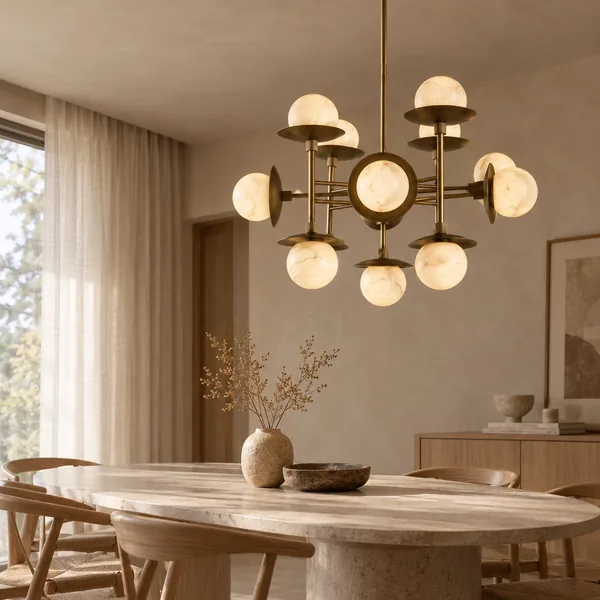
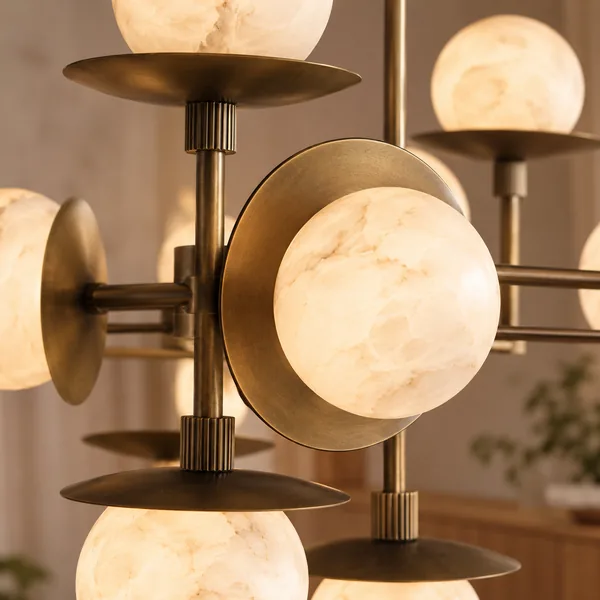
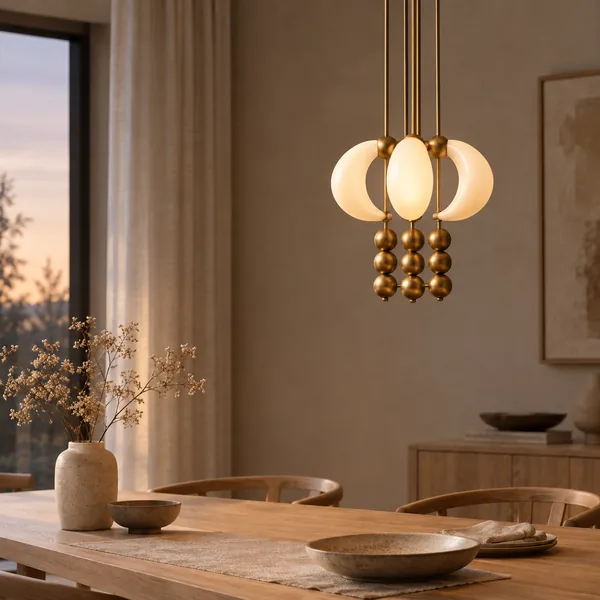
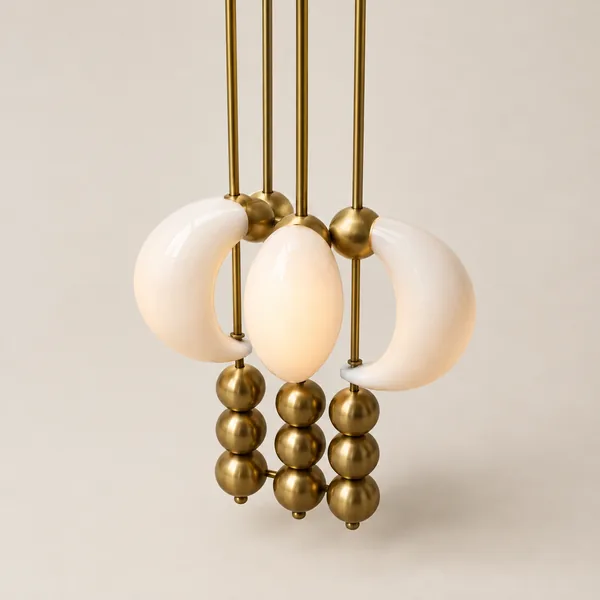
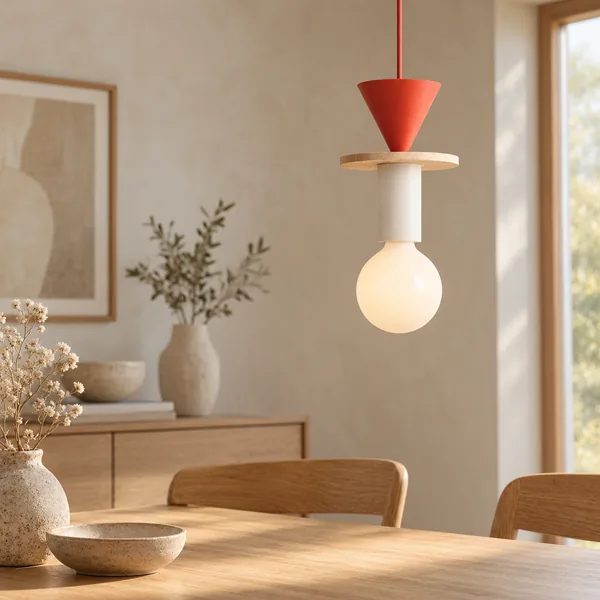
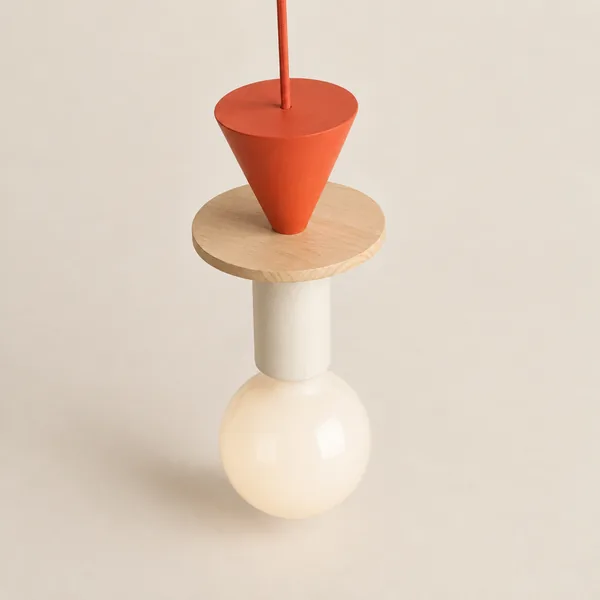
Lighting plays a crucial role in how these colors read throughout the day. Warm-toned fixtures, especially those incorporating natural materials, soften the starkness of white walls and enhance the warmth of wood tones as evening approaches.
Curated Lighting for Your Scandinavian Space
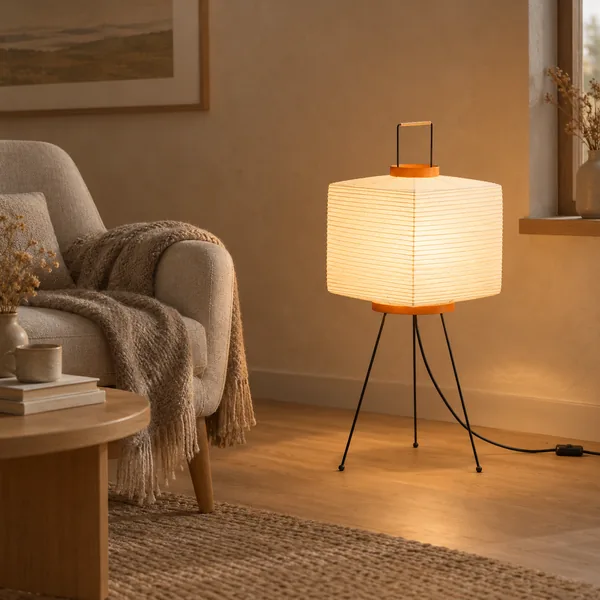 Papira Handcrafted Rice Paper Ambient Floor Lamp$159.00$249.00
The architectural Kolna Hand-Blown Glass Cylinder Pendant Light introduces sophisticated transparency to your minimalist space, while the Papira Handcrafted Rice Paper Ambient Floor Lamp embodies the wabi-sabi philosophy through its organic texture and soft, diffused glow.
Completing the Look with Thoughtful Lighting Design
How can lighting complement Scandinavian furniture? The principle of nordic home design dictates that lighting should serve as an extension of your furniture's personality—organic where wood is featured, geometric where lines are clean, soft where comfort is prioritized.
Layered lighting achieves the hygge atmosphere central to Scandinavian lifestyle. Ambient lighting provides overall illumination through ceiling fixtures or wall sconces. Task lighting focuses on specific activities through desk lamps or reading lights. And accent lighting highlights architectural features or artwork, adding depth and dimension to your carefully curated furniture.
The video above demonstrates essential styling techniques that bridge furniture selection with lighting placement, showing how contemporary Nordic spaces achieve their celebrated balance of warmth and minimalism.
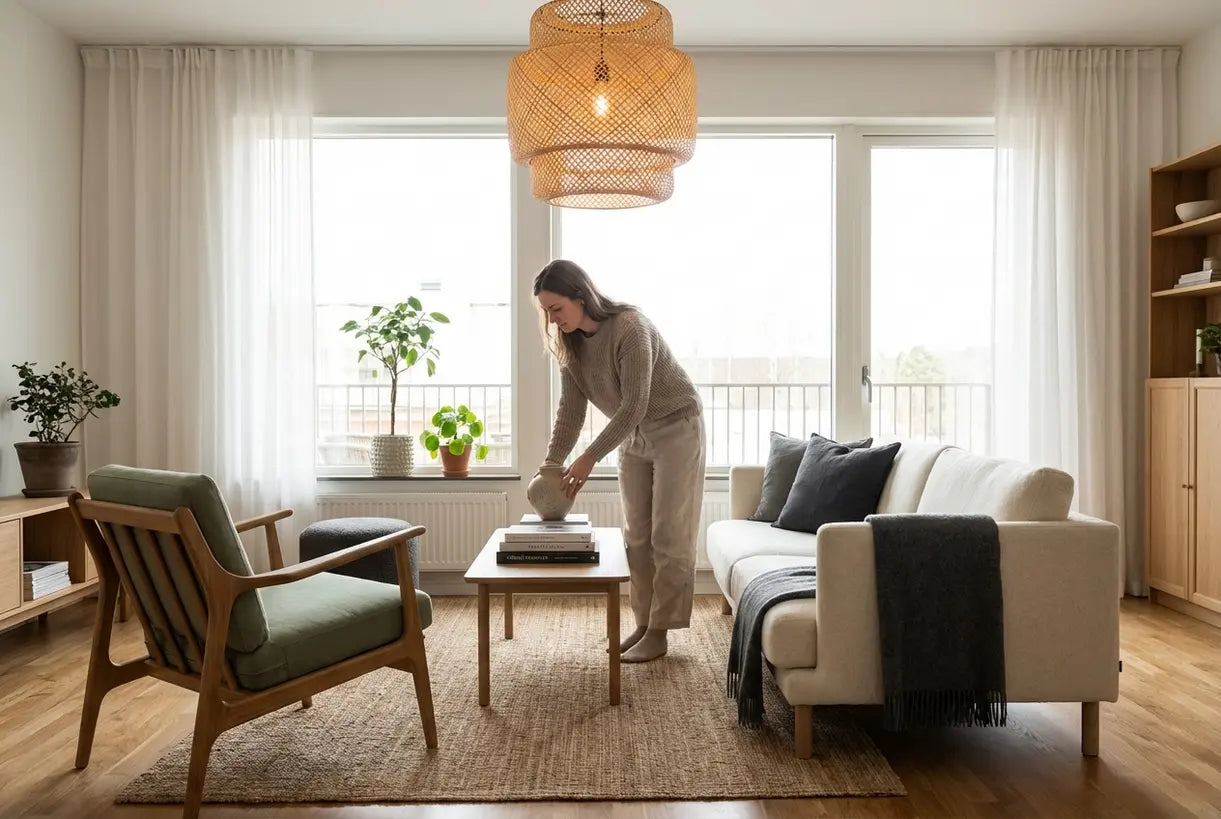
Natural light remains the ideal starting point—position furniture to maximize daylight exposure, then supplement with carefully chosen fixtures as the sun sets. This approach creates spaces that feel alive and responsive to natural rhythms, a hallmark of authentic Scandinavian interiors.
For additional inspiration on curating furniture collections, Dezeen's coverage of Scandinavian design offers insights from Nordic makers and contemporary interpretations of classic principles.
Conclusion
Modern Scandinavian furniture design offers more than aesthetic appeal—it provides a philosophy for living intentionally in spaces that support wellbeing. By understanding the core principles of functionality, natural materials, and quiet beauty, you can curate environments that feel both sophisticated and welcoming.
The journey from theory to practice requires attention to how individual pieces interact within your space. Lighting, as we've explored, serves as the critical element that transforms furniture from objects into experiences. At Skonne, our curated collection of Scandinavian-inspired lighting has been selected specifically to harmonize with these design principles, offering pieces that honor Nordic craftsmanship while serving contemporary lifestyles.
Whether you're beginning your Scandinavian journey with a single statement pendant or refreshing your entire home aesthetic, remember that the goal isn't perfection—it's creating spaces that feel authentically yours. Explore our collections to discover how thoughtful lighting can elevate your furniture choices and bring that coveted Nordic warmth into every room of your home.
Related Article
Best Scandinavian Furniture Brands: A Curated Guide for Design LoversExplore our curated guide to the best scandinavian design furniture brands. From timeless Danish classics to contemporary Nordic makers, discover pieces that bring warmth and minimalist beauty to your home.