
Scandinavian Floral Design: Nature-Inspired Patterns & Botanical Decor
Summary›
- What is Scandinavian Floral Design?
- The Roots of Scandinavian Pattern Design
- Key Elements of Nordic Botanical Design
- Bringing Nature Indoors: Botanical Scandinavian Decor
- Scandinavian Fabric Design and Textiles
- Creating Your Own Scandinavian Floral Patterns
- Styling Scandinavian Flowers in Your Home
- Room-by-Room Botanical Inspiration
- Embracing the Scandinavian Connection to Nature
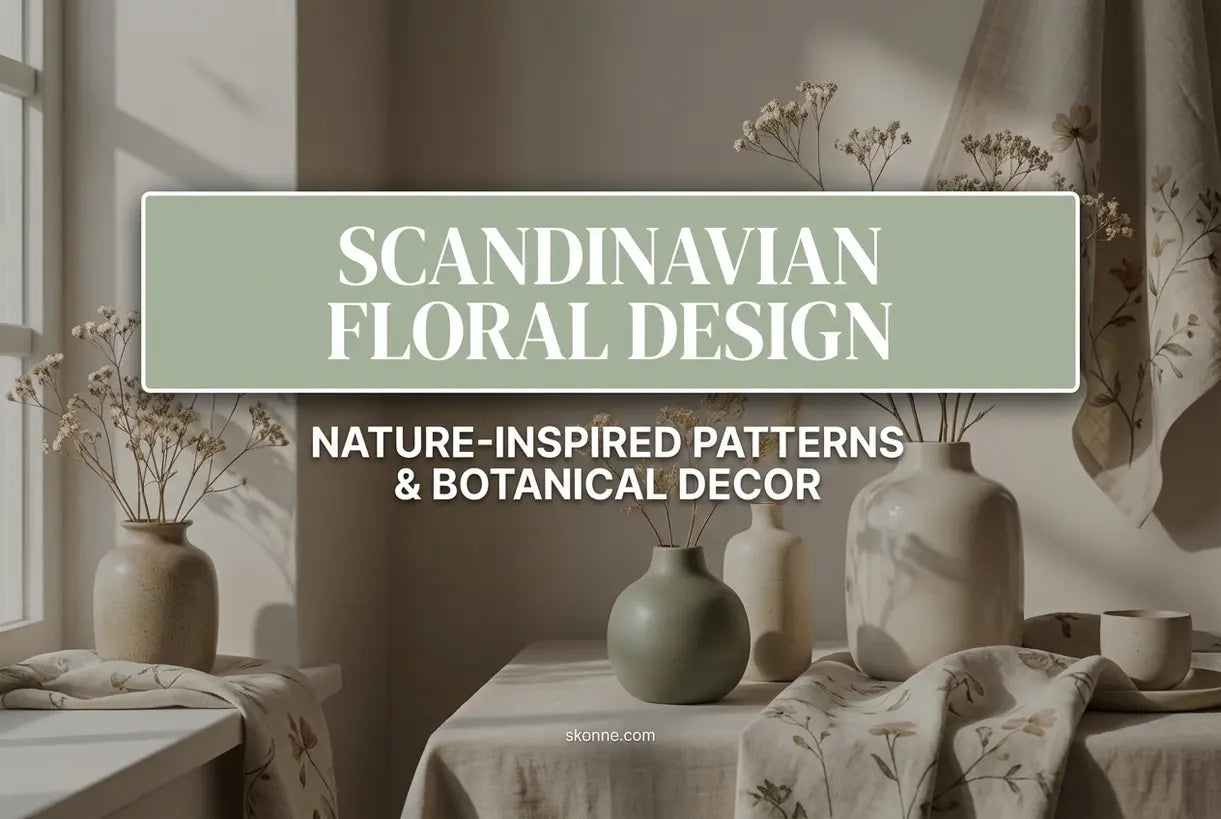
There's something undeniably captivating about the way Scandinavian interiors embrace the natural world. When you step into a thoughtfully designed Nordic space, you're met with an immediate sense of calm — light streaming through windows, natural materials underfoot, and subtle reminders of the outdoors woven throughout the decor. At the heart of this aesthetic lies scandinavian floral design, a design language that transforms botanical inspiration into patterns, textiles, and decor that feel both timeless and refreshingly modern.
Whether you're curating a complete home refresh or simply looking to infuse your space with the gentle warmth of nature-inspired elements, understanding the principles behind this aesthetic will help you make intentional choices that resonate. In this guide, we'll explore everything from the historical roots of scandinavian pattern design to practical ways you can bring these botanical influences into your own home — with thoughtfully crafted pieces designed to last.
What is Scandinavian Floral Design?
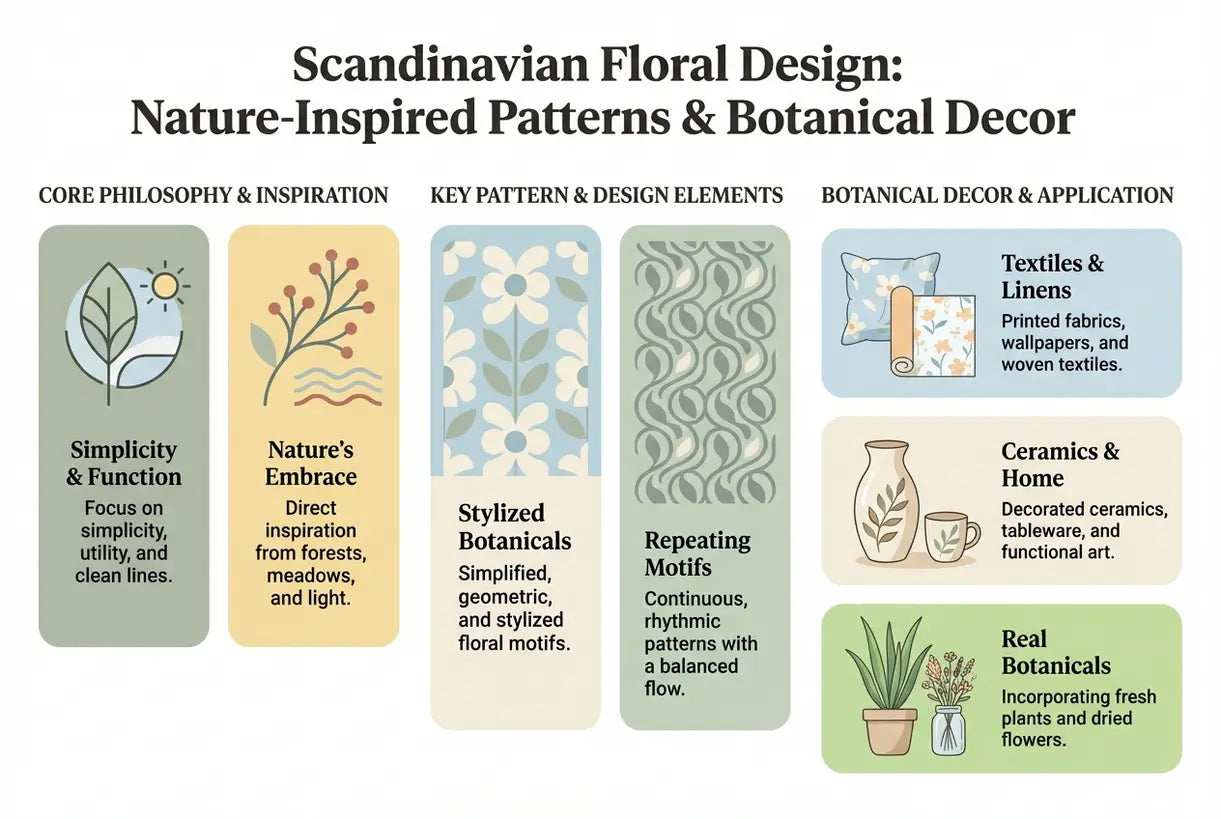
Scandinavian floral design represents a distinctive approach to botanical motifs that emerged from the Nordic countries' deep connection to their natural surroundings. Unlike the ornate, heavily detailed floral patterns found in Victorian or Baroque traditions, nordic floral patterns favor simplicity, balance, and restraint. The designs typically feature stylized flowers, leaves, and natural elements rendered in clean lines and muted color palettes.
This aesthetic evolved from a practical necessity. In regions where winter darkness lasts for months, bringing elements of the brief but brilliant summer indoors became essential for wellbeing. Folk art traditions in Sweden, Norway, and Denmark developed distinctive ways of depicting local flora — from wild roses and lilies-of-the-valley to stylized leaves and berries — creating visual reminders of the vibrant seasons to come.
Today, scandinavian nature motifs appear everywhere from wallpaper and textiles to ceramic vases and lighting fixtures. What makes these designs enduring is their versatility: they add organic warmth without overwhelming a space, complementing rather than competing with the clean, functional forms that define Nordic interiors.
The Roots of Scandinavian Pattern Design
Understanding the history behind these botanical elements helps us appreciate why they feel so intentional and authentic. Scandinavian pattern design has deep roots in rural craft traditions, where patterns were passed down through generations and often held symbolic meaning.
In Swedish and Norwegian folk art, known as Dalecarlian and rosemaling respectively, flowers weren't merely decorative — they represented prosperity, joy, and the promise of returning spring. These traditions emphasized hand-painted designs featuring heart-shaped leaves, scrolling vines, and clusters of stylized blooms arranged in rhythmic, balanced compositions.
The 20th century brought the Modernist movement, which transformed how these traditional motifs were interpreted. Designers began stripping away ornamentation to reveal essential forms. This evolution gave us the minimalist floral scandinavian aesthetic we recognize today: botanical elements reduced to their most elegant lines, often rendered in single colors or subtle tonal variations. The result is patterns that feel contemporary yet connected to centuries of craft heritage.
Key Elements of Nordic Botanical Design
What separates authentic scandinavian floral design from other botanical aesthetics? Several distinctive characteristics define this approach:
- Stylized simplicity: Rather than realistic depictions, flowers and leaves are reduced to essential shapes — often geometric or abstracted forms that suggest rather than replicate nature
- Symmetrical balance: Patterns tend toward organized, balanced arrangements that create visual harmony
- Limited color palettes: Soft greens, muted blues, warm creams, and occasional pops of muted coral or yellow dominate
- Organic repetition: Motifs repeat in rhythmic, flowing patterns that echo natural growth
- Negative space: Generous breathing room between elements prevents visual clutter
When selecting botanical scandinavian decor for your home, look for pieces that embody these principles. The goal is to create a sense of organic living — bringing the outside in without sacrificing the calm, uncluttered feeling that makes Scandinavian interiors so appealing.
Scandinavian Lighting
Shop all Scandinavian Lighting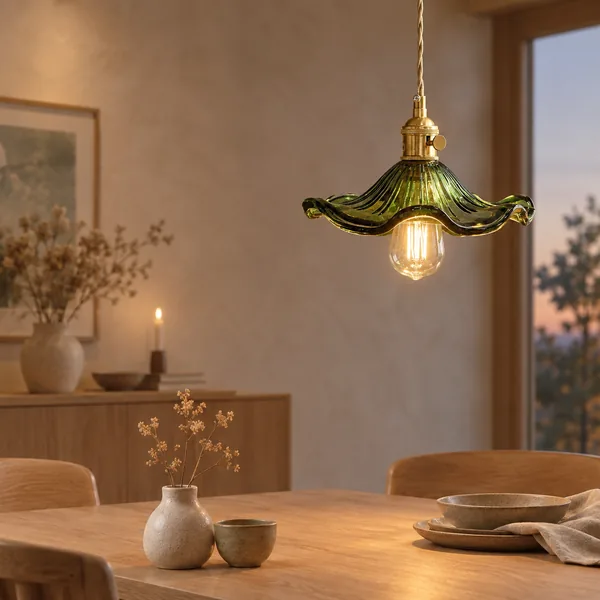
 Save $60.00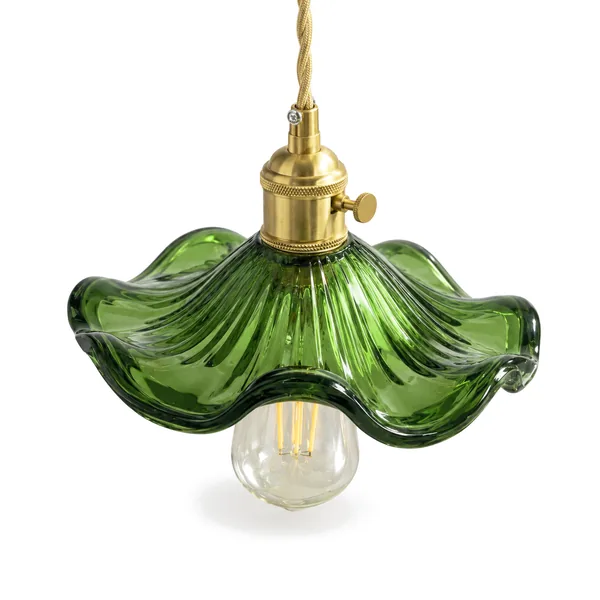
 3 options
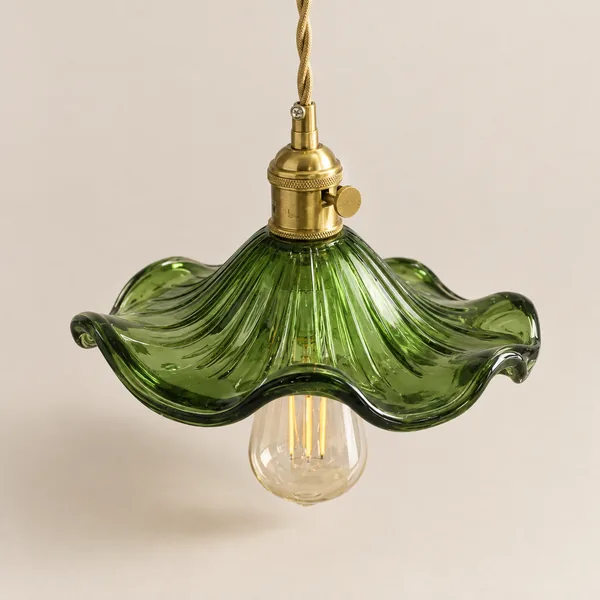
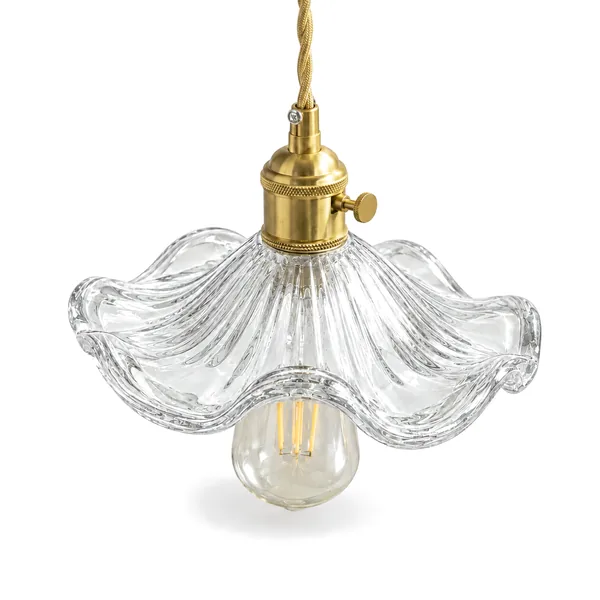
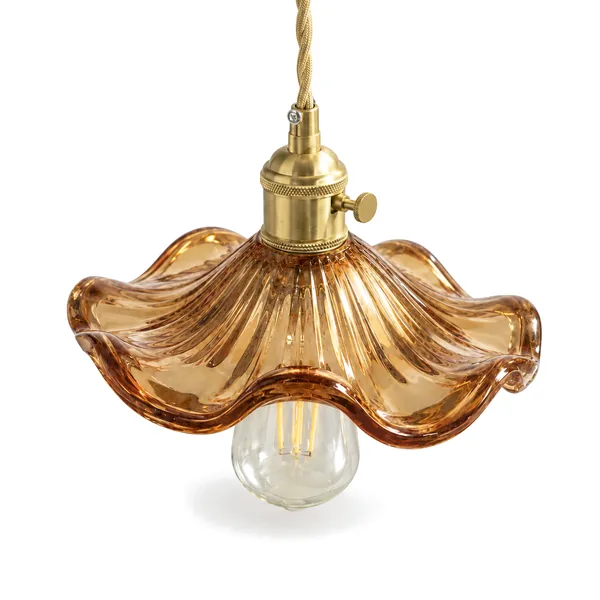
Glora Nordic Glass Pendant Light with Copper
 Save $150.00
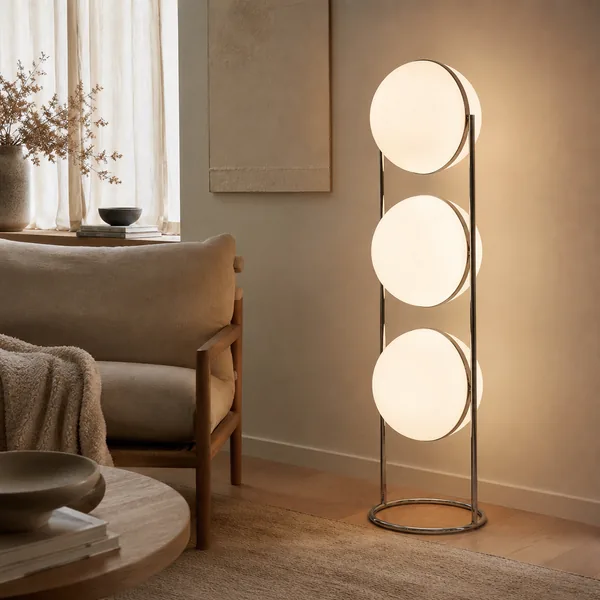
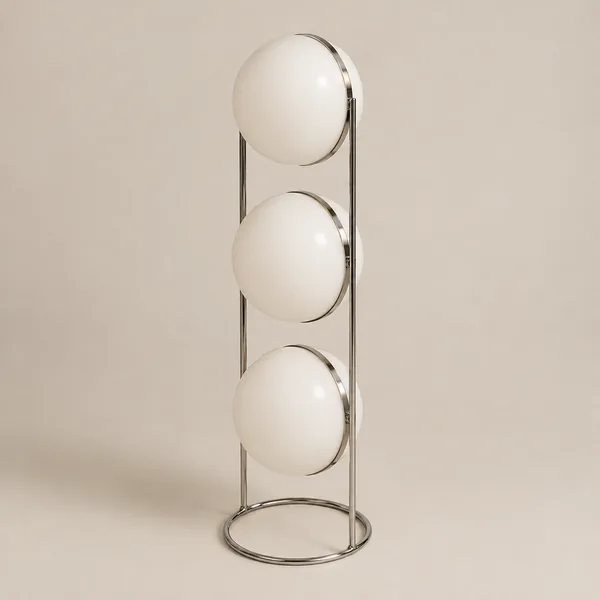
Kulglod Bauhaus Chrome Acrylic Globe Floor Lamp
 Save $230.00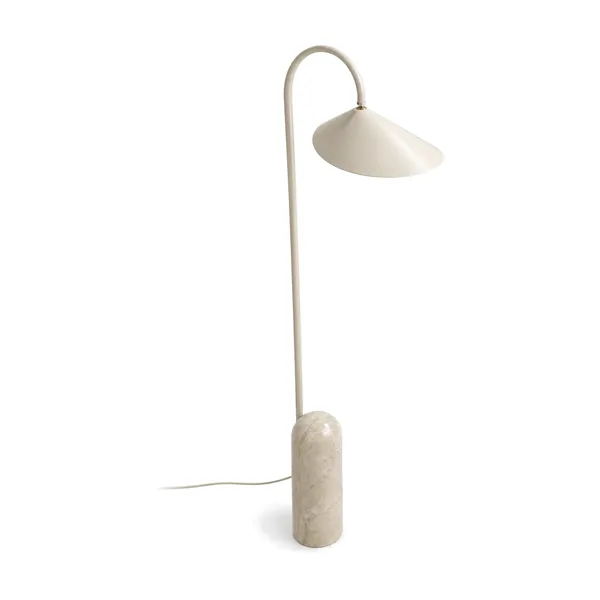
 2 options
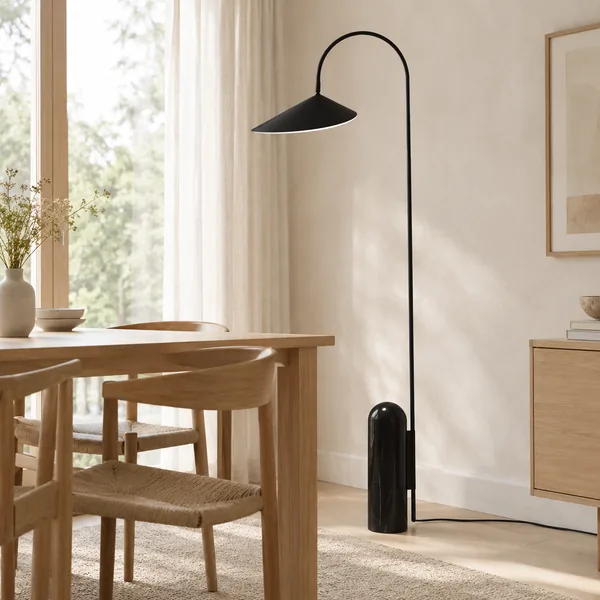
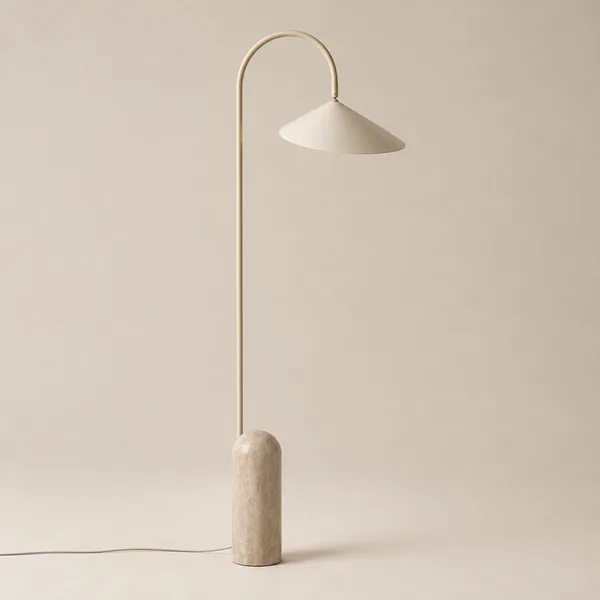
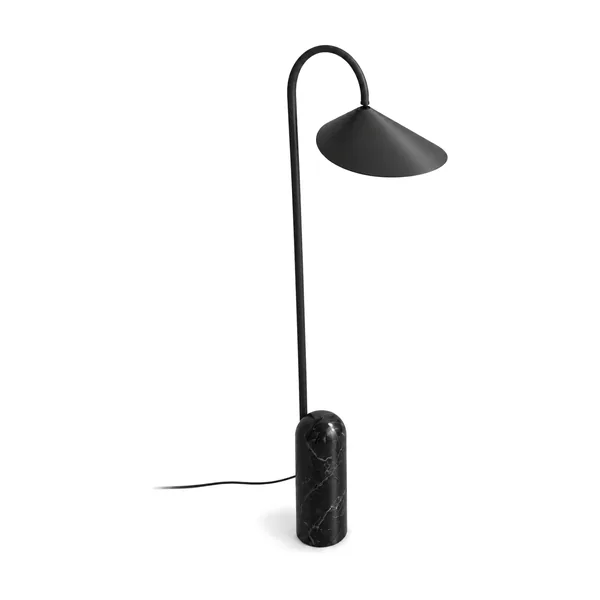
Velbue Marble Base Arc Floor Lamp Danish Design
 Save $210.00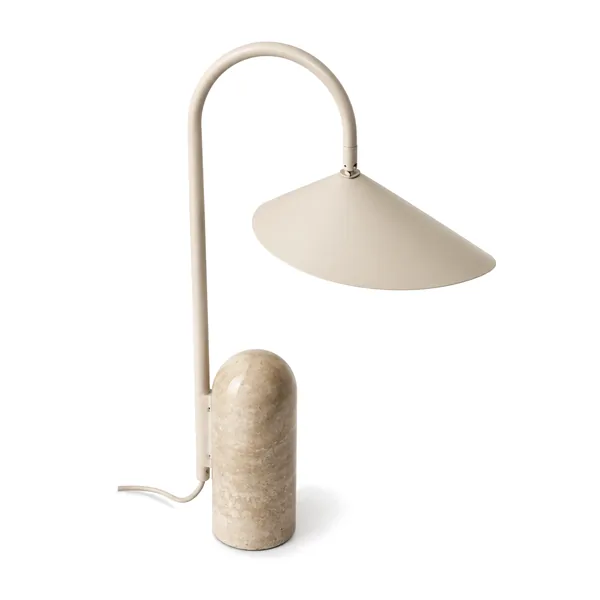
 2 options
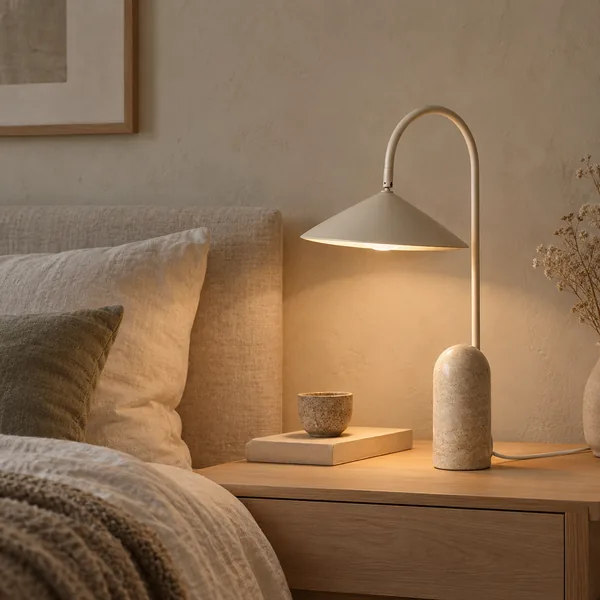
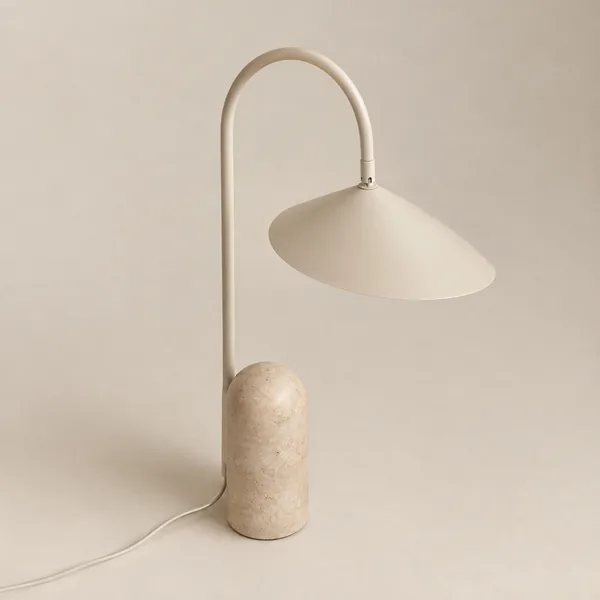
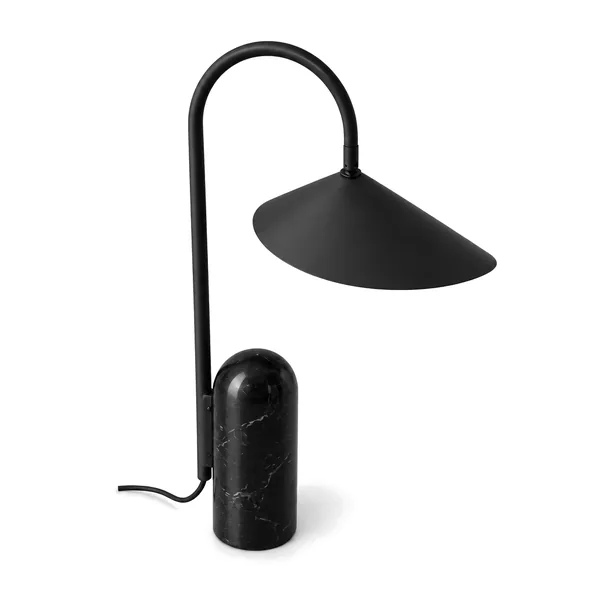
Solvei Danish Minimalist Arc Table Lamp Marble
Bringing Nature Indoors: Botanical Scandinavian Decor
One of the most impactful ways to incorporate floral elements into your home is through statement pieces that showcase botanical beauty while maintaining the clean, curated aesthetic of Nordic design. The vessels we choose to hold our flowers and branches become sculptural elements themselves, contributing to the overall feeling of intentional living.
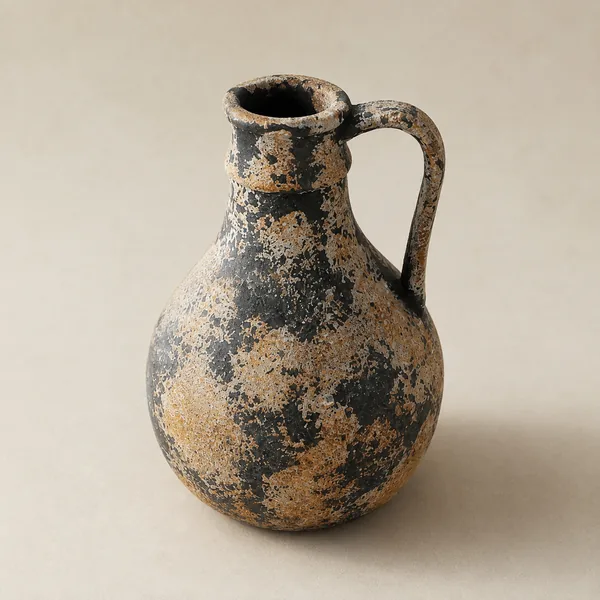
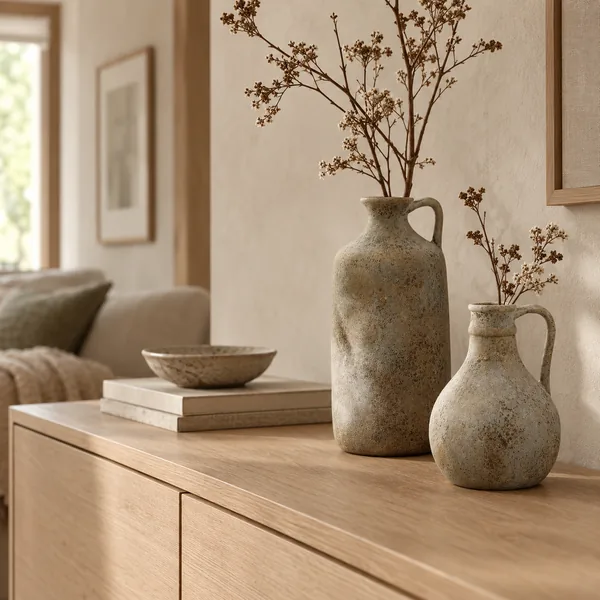
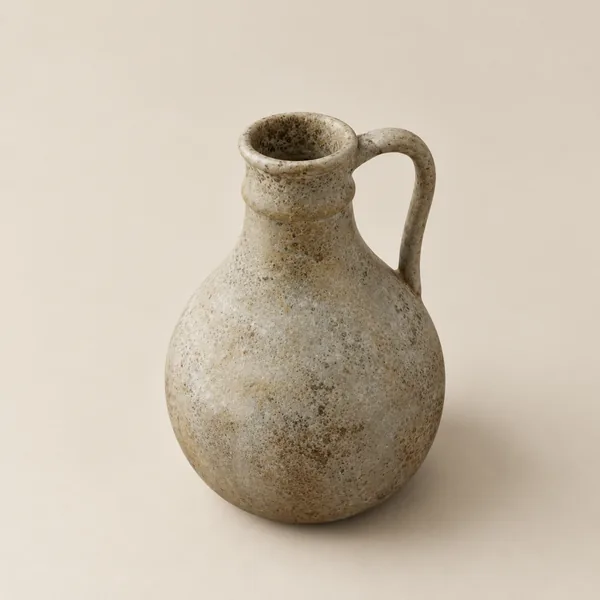
The Jorde Handmade Rustic Ceramic Vase exemplifies this philosophy beautifully. Its organic, handcrafted form provides the perfect foundation for displaying dried wildflowers, pampas grass, or seasonal branches. The rustic texture complements the natural elements it holds, creating a cohesive tableau that feels effortlessly collected rather than staged.
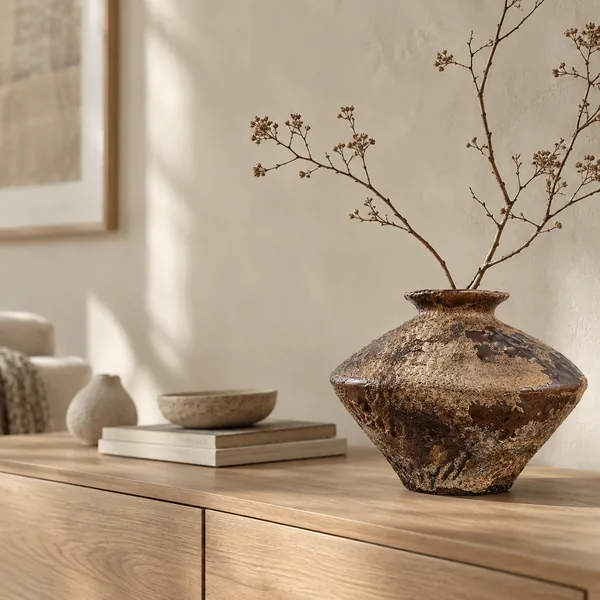 Jorde Handmade Rustic Ceramic Vase Home Decor$129.00$189.00
Scandinavian Fabric Design and Textiles
Fabric presents another beautiful opportunity to weave botanical elements into your space. Scandinavian fabric design has a rich history, with iconic pattern houses developing textiles that have become synonymous with Nordic style. These fabrics typically feature repeating floral motifs, leafy borders, or abstracted nature scenes that bring subtle pattern to cushions, curtains, and upholstery.
When incorporating patterned textiles, balance is key. In Scandinavian interiors, bold patterns are often anchored by neutral backgrounds — think soft grays, warm whites, and natural linens. This approach allows the botanical elements to become focal points without overwhelming the space. Consider layering different scales of pattern: a larger-scale leaf print on curtains paired with smaller geometric florals on accent pillows.
For those looking to explore more options, our Home Decor collection offers a curated selection of botanical-inspired pieces designed to harmonize with your Scandinavian aesthetic.
Creating Your Own Scandinavian Floral Patterns
If you're feeling creatively inspired, designing your own scandinavian flower patterns can be a rewarding way to deepen your connection with this aesthetic. The beauty of Nordic-inspired botanical design is that it doesn't require advanced artistic skill — just an appreciation for simplicity and balance.
The process typically begins with observation. Study the shapes of local wildflowers, the curve of a fern frond, or the rhythm of leaves along a stem. Then, simplify. Reduce your subject to its most essential lines, removing unnecessary detail. This is the key to achieving that distinctive folk art flower design look — forms that are recognizable but stylized.
Color selection matters as much as form. Traditional Nordic palettes draw from the landscape: soft moss greens, faded denim blues, warm oatmeals, and the occasional accent of terracotta or muted rose. These tones work beautifully in both hand-drawn applications and digital design.
Styling Scandinavian Flowers in Your Home
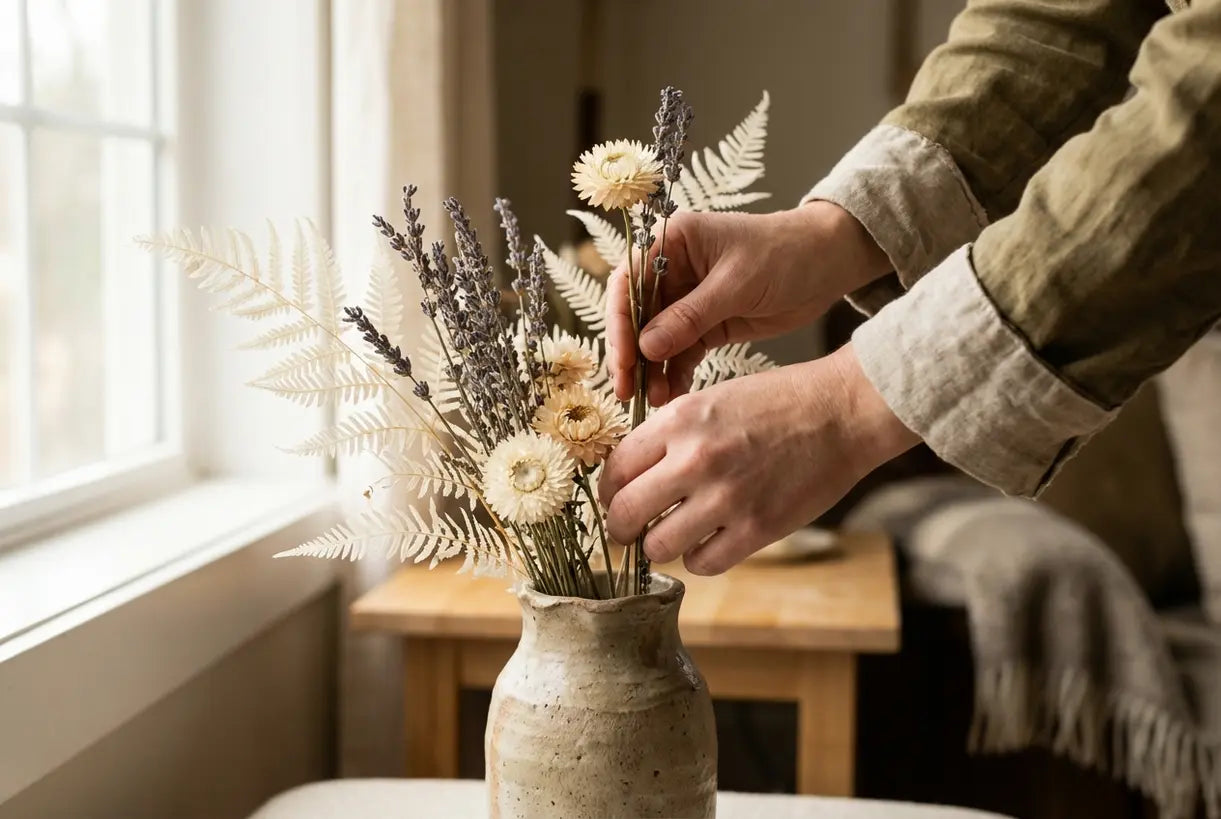
Displaying botanicals in a Scandinavian interior requires the same intentionality that defines the design philosophy itself. Rather than elaborate arrangements, Nordic styling favors loose, organic groupings that feel collected from a meadow. Think asymmetrical bundles of dried flowers in ceramic vessels, single sculptural branches in minimal vases, or casually arranged stems that honor their natural growing patterns.
The vessels you choose become integral to the overall composition. This is where the intersection of form and function becomes most apparent — the object holding your botanicals should be as beautiful as what it contains.
The Blomst Petal Fabric Pendant Light brings the gentle curves of botanical forms overhead, creating ambient light that feels like filtered sunshine through petals. Meanwhile, the Glovik Amber Geometric Glass Sculptural Vase offers a striking vessel for floral displays, its warm amber tones and faceted geometry creating beautiful interplay with both dried and fresh arrangements.
Botanical Lighting & Vessels
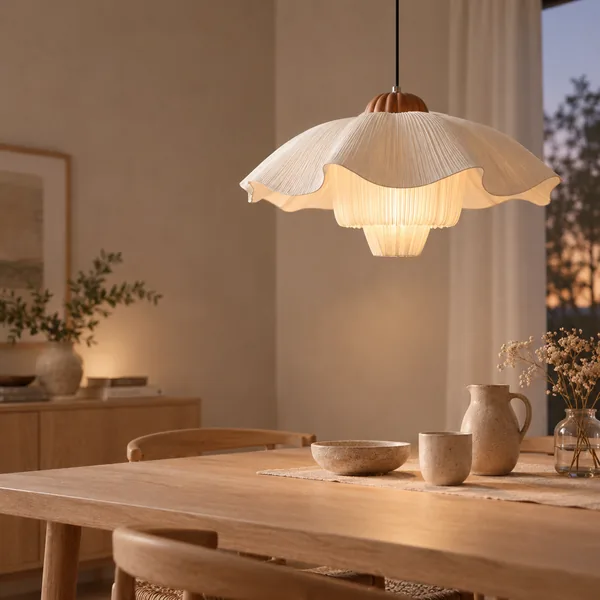 Blomst Petal Fabric Pendant Light Nordic Cream$289.00
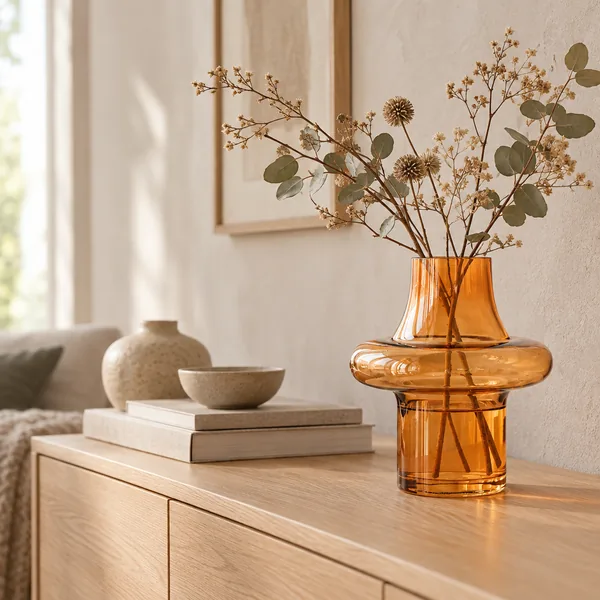 Glovik Amber Geometric Glass Sculptural Vase$89.00
Room-by-Room Botanical Inspiration
Integrating scandinavian floral design throughout your home doesn't require a complete overhaul. Instead, approach each room as an opportunity to layer botanical elements that enhance the existing atmosphere while maintaining the calm, uncluttered feeling central to Nordic design.
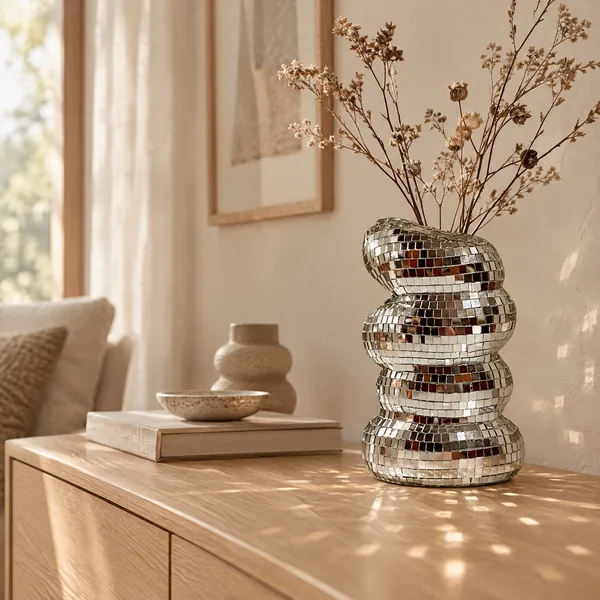
In the living area, consider how natural light interacts with your botanical decor. Position mirrors to reflect light onto floral arrangements, and choose fabrics with subtle nature motifs that complement rather than dominate the space. The goal is to create a sense of hygge — that untranslatable Danish concept of cozy contentment — where botanical touches feel like gentle invitations to pause and breathe.
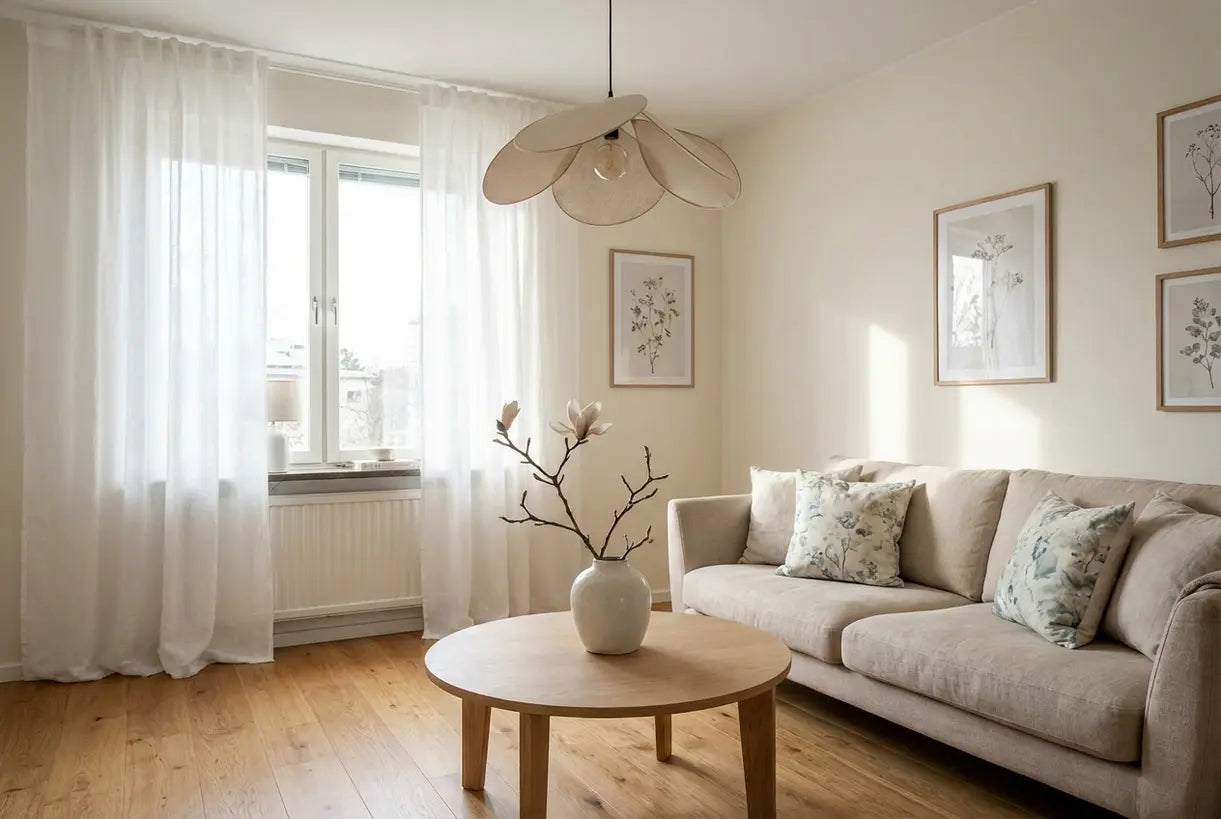
Bedrooms benefit from softer applications: linen bedding with delicate leaf prints, a single dried stem in a bedside vessel, or artwork featuring abstracted botanical forms. In dining spaces, consider how a sculptural centerpiece can transform the table into something special while maintaining the functional simplicity Scandinavian design prizes.
Decorative Vases
Shop all Decorative Vases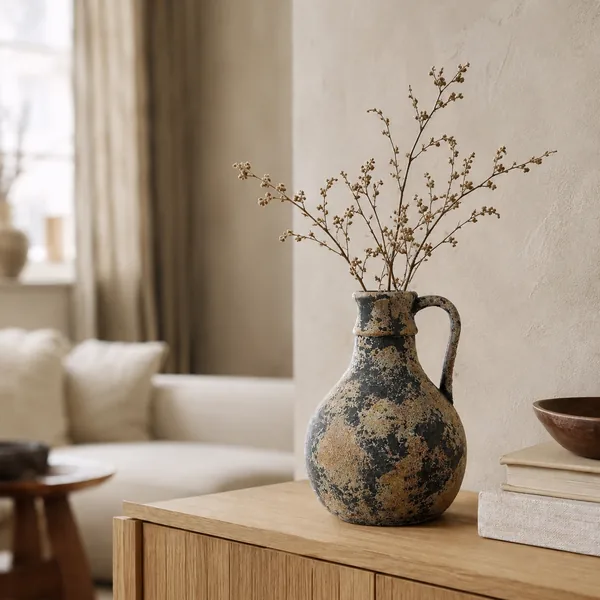
 Save $40.00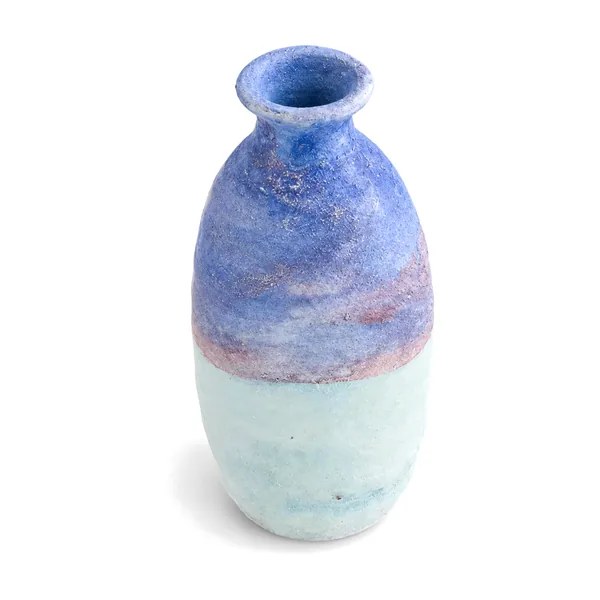
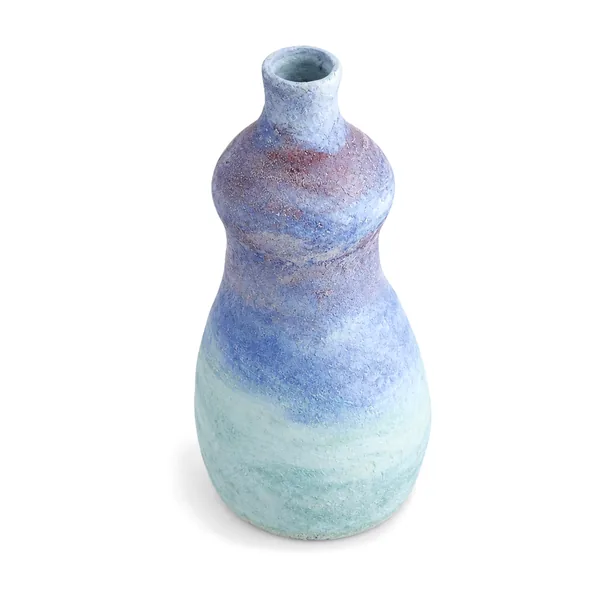
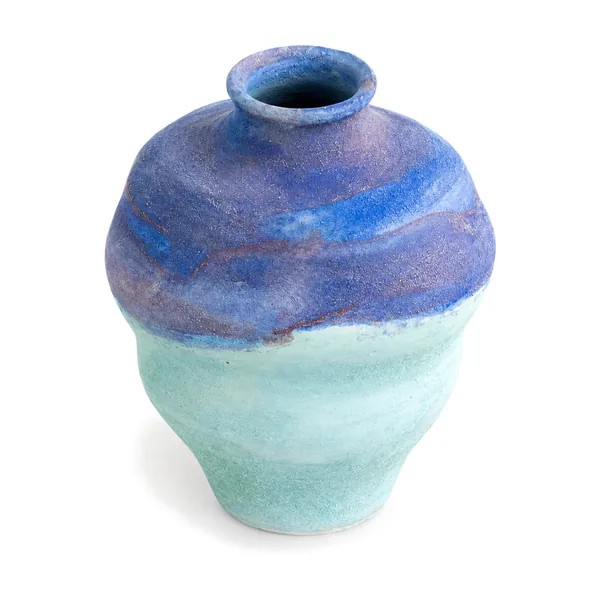
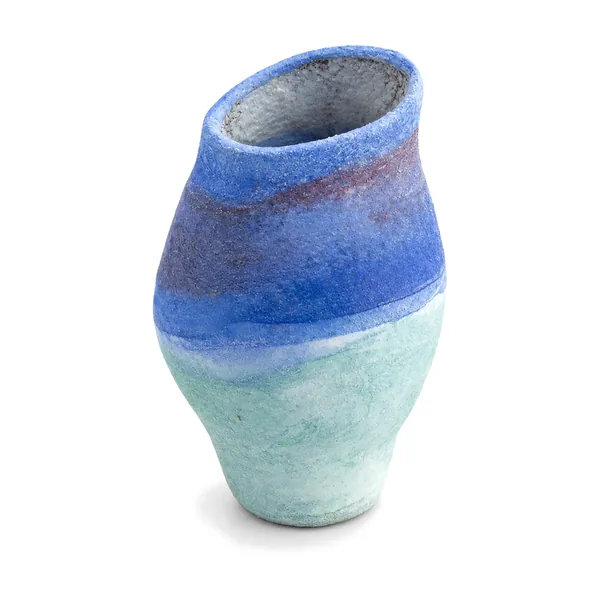 4 options
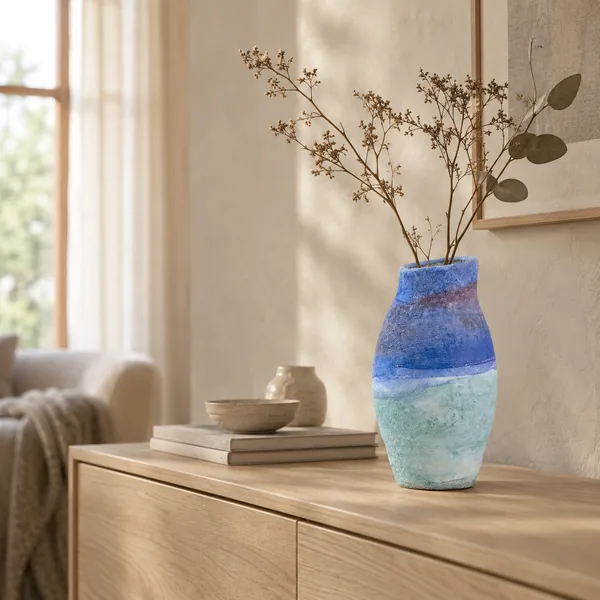
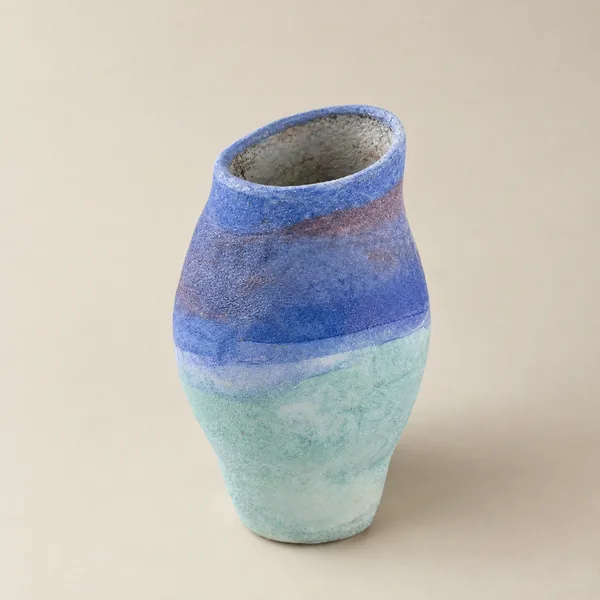
Dyvna Blue Gradient Ceramic Vase for Home Decor
Embracing the Scandinavian Connection to Nature
The enduring appeal of scandinavian floral design lies in its authenticity. These aren't arbitrary patterns imposed on a space — they're visual expressions of a culture's relationship with its landscape. By incorporating these elements thoughtfully, you're not just following a trend; you're participating in a design tradition that has celebrated the Nordic landscape for centuries.
At Skonne, we believe that the objects we surround ourselves with should bring genuine joy and lasting beauty. Each piece in our collection — from handcrafted ceramic vessels to nature-inspired lighting — has been selected to help you create a home that feels both elevated and welcoming. The gentle curves of a petal-shaped pendant, the organic texture of a rustic vase, the warm glow of amber glass — these are the details that transform a house into a sanctuary.
As you explore ways to bring scandinavian botanical design into your own space, remember that restraint is your ally. Choose pieces that resonate with your personal sense of beauty, display them with intention, and allow the quiet elegance of Nordic aesthetics to create the calm, light-filled home you've been envisioning.
Related Article
Modern Scandinavian Furniture: Contemporary Nordic Pieces for Every RoomDiscover how to incorporate modern Scandinavian furniture design into every room. From minimalist principles to cozy hygge accents, create a home that feels both timeless and inviting.