
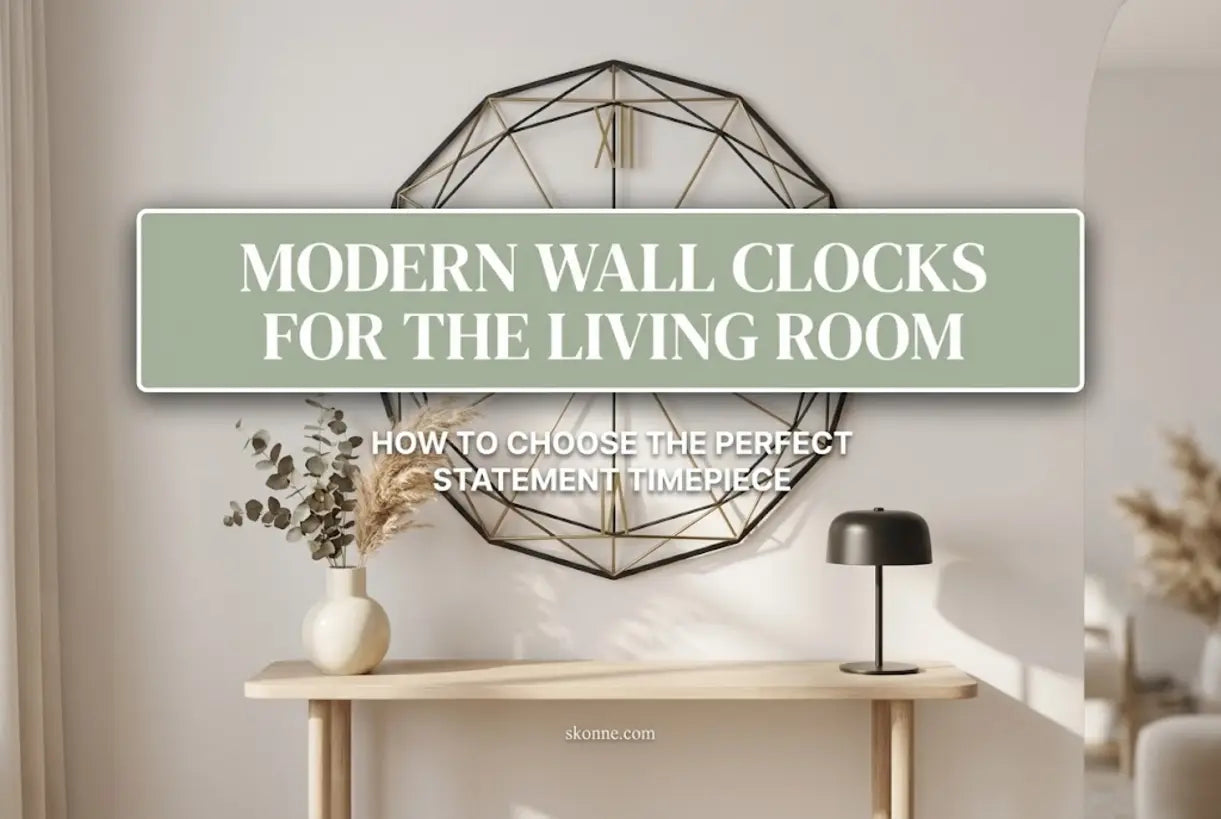
Modern Wall Clocks for the Living Room: How to Choose the Perfect Statement Timepiece
Summary›
- Why a Statement Clock Matters in Your Living Room
- Finding the Right Size for Your Space
- Matching Your Clock to Your Decor Style
- The Case for Silent Movement
- Visual Inspiration and Design Ideas
- Materials That Define Modern Wall Clocks
- Creating a Cohesive Living Room Vignette
- Curating Your Perfect Living Room Timepiece
When you walk into a thoughtfully designed living room, your eyes naturally gravitate toward the pieces that anchor the space. Among sofas and coffee tables, there's one often-overlooked element that quietly commands attention while serving an essential purpose: the modern wall clock for living room spaces. Far more than a simple time-telling device, today's decorative timepieces function as sculptural statements that can transform an ordinary wall into a curated focal point.
For homeowners and design enthusiasts seeking that perfect balance of function and aesthetics, selecting the right statement wall clock requires more than browsing attractive designs. Size, placement, materials, and movement type all play crucial roles in how your chosen piece will harmonize with Scandinavian interiors or contemporary spaces. In this guide, we'll explore everything you need to know about selecting a timepiece that elevates your living room while maintaining the serene, intentional atmosphere that makes a house feel like home.
Why a Statement Clock Matters in Your Living Room
The living room serves as the heart of modern homes—a gathering place for family, a backdrop for entertaining, and often the first impression guests receive. While lighting fixtures and art prints frequently steal the decor spotlight, a carefully chosen clock brings something uniquely valuable: the marriage of utility and beauty.
A geometric wall clock or Scandinavian wall clock can serve as the visual anchor that ties together disparate elements in an open-concept space. When positioned thoughtfully, it creates rhythm and balance, drawing the eye upward and adding vertical interest to walls that might otherwise feel empty or incomplete. Unlike artwork that conveys passive beauty, a clock introduces dynamic energy through constant, gentle motion.
Moreover, in our digital age where most people check their phones for the time, a wall-mounted timepiece represents an intentional choice to disconnect from screens. It invites presence and mindfulness—the very essence of hygge living that Scandinavian design embraces.
Finding the Right Size for Your Space
One of the most common questions when selecting a modern timepiece centers on proportion. What size wall clock is best for a living room? The answer depends on your wall dimensions, ceiling height, and the surrounding furniture arrangement.
The Golden Ratio for Wall Clocks: Designers generally recommend selecting a clock with a diameter that occupies between two-thirds and three-quarters of your available wall width (excluding furniture). For example, if you have a 9-foot wide wall above a sofa, aim for a clock between 24 and 32 inches in diameter.
Consider your ceiling height as well. Standard 8-foot ceilings pair beautifully with clocks in the 20-30 inch range, while vaulted or 10+ foot ceilings can comfortably accommodate oversized designs up to 39 inches. The key is visual balance—a clock should feel substantial enough to hold its own against other statement pieces without overwhelming the room.
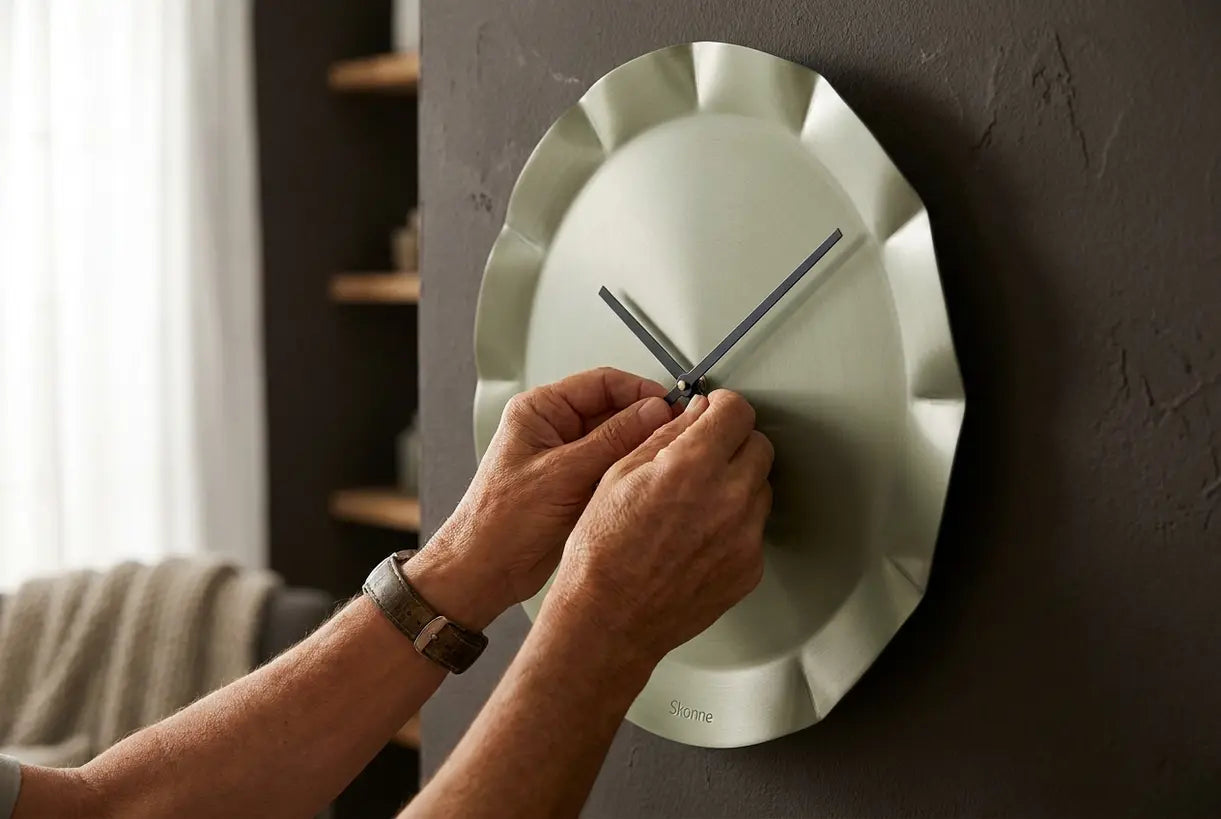
Placement Strategies That Work
Where should you hang a wall clock in your living room? The most impactful positions typically include:
- Above the fireplace mantel: Creates a symmetrical focal point, especially when centered and hung 6-12 inches above the mantel surface
- Behind the main seating area: Perfect for large statement pieces that become the room's conversation starter
- On an accent wall: Allows the clock to function as standalone art in minimalist spaces
- Adjacent to entryways: Provides practical time-checking while making a strong first impression
For open-plan homes where the living room flows into dining or kitchen areas, consider a large wall clock positioned to be visible from multiple zones. This approach unifies the space while serving different functional needs.
Matching Your Clock to Your Decor Style
How do you choose a wall clock that matches your decor? The secret lies in identifying the dominant materials, shapes, and visual weight already present in your space. A minimalist clock design in muted tones complements Scandinavian and Japandi interiors, while architectural clocks with bold geometric forms suit industrial and contemporary aesthetics.
Consider these style pairings:
| Interior Style | Recommended Clock Characteristics |
|---|---|
| Scandinavian/Nordic | Light wood tones, white or soft gray finishes, simple circular or rounded shapes |
| Modern Minimalist | Clean lines, monochromatic palettes, absence of numerals, thin frames |
| Industrial | Exposed gears, metal finishes, dark colors, vintage-inspired designs |
| Contemporary Eclectic | Bold colors, asymmetrical shapes, mixed materials |
The finish of your clock should also relate to other metal elements in the room. If your lighting fixtures feature brushed brass, a clock with similar warm metal tones creates cohesion. For those looking to explore more options, our Home Decor collection offers a curated selection of accessories designed to complement statement timepieces.
Decorative Wall Clocks
Shop all Wall Clocks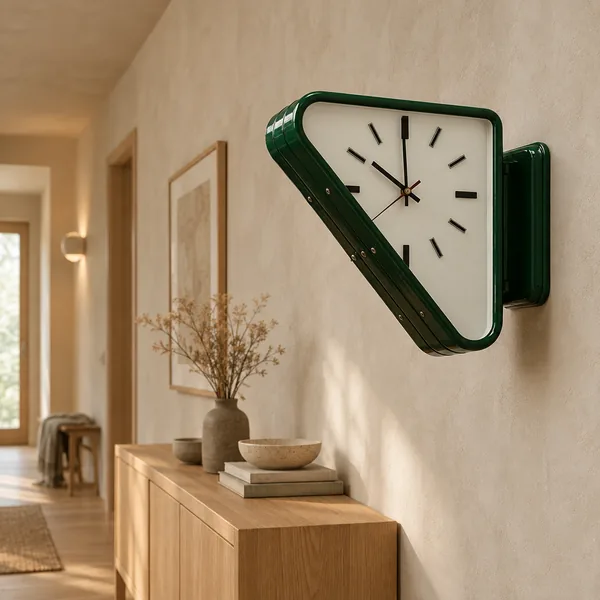
 Save $110.00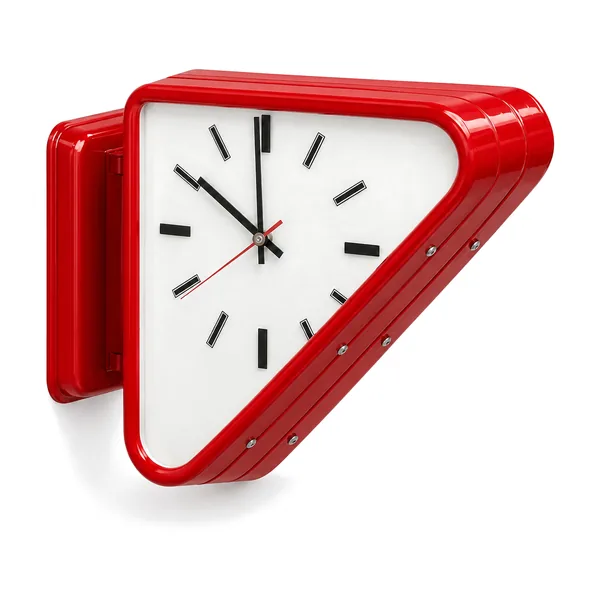
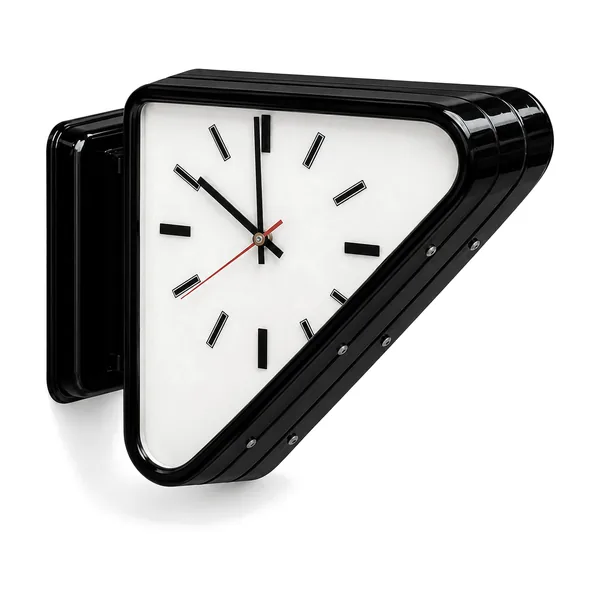
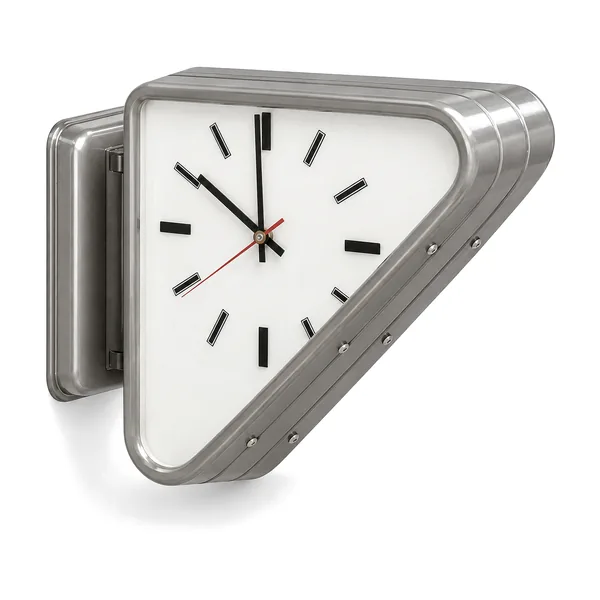
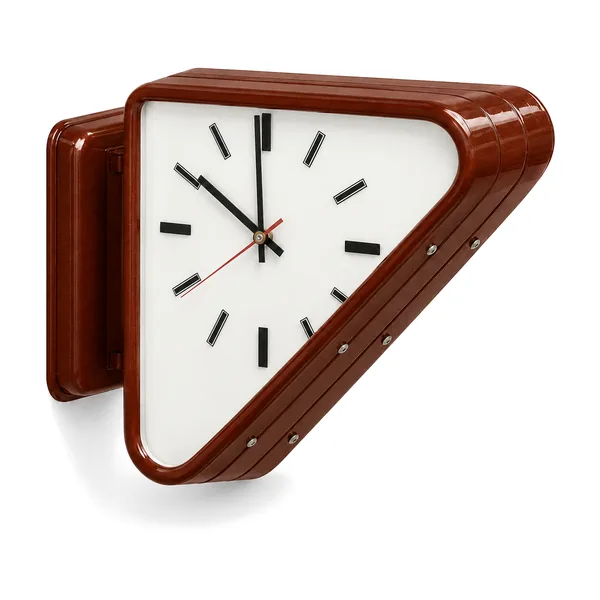 +15 options
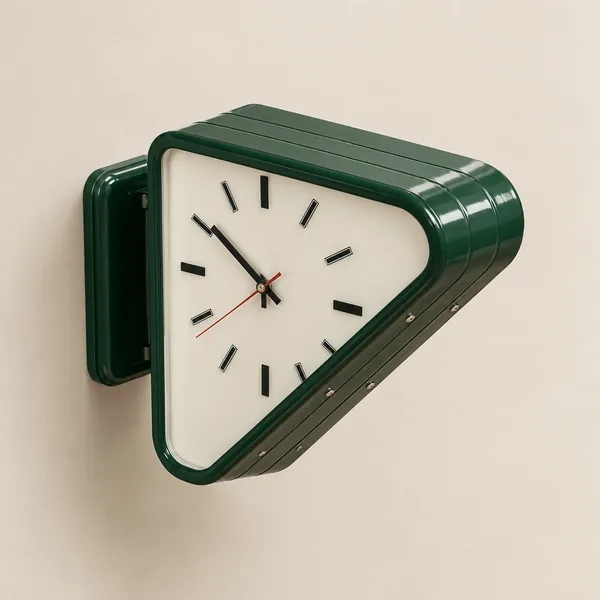
Tvilling Dual-Sided Geometric Metal Wall Clock
 Save $70.00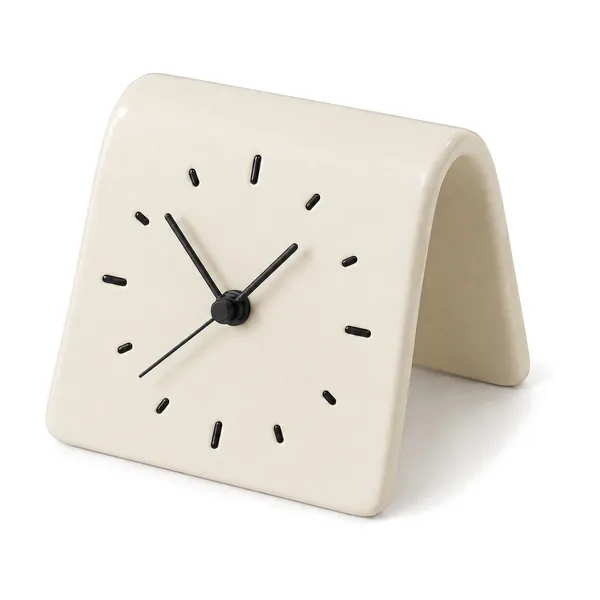
 +37 options
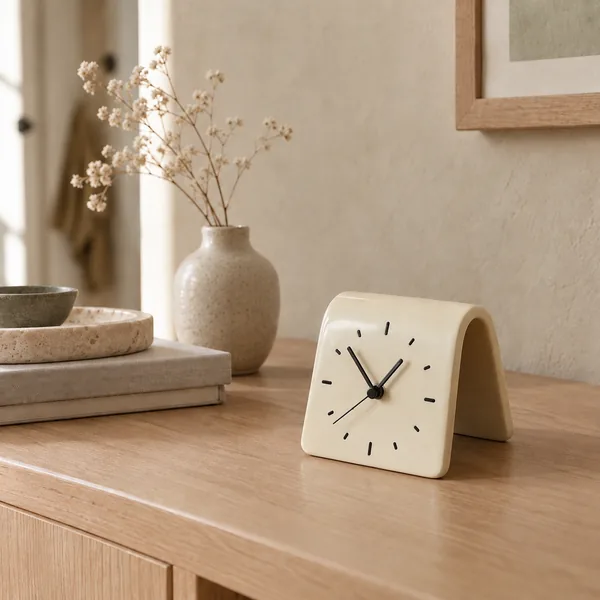
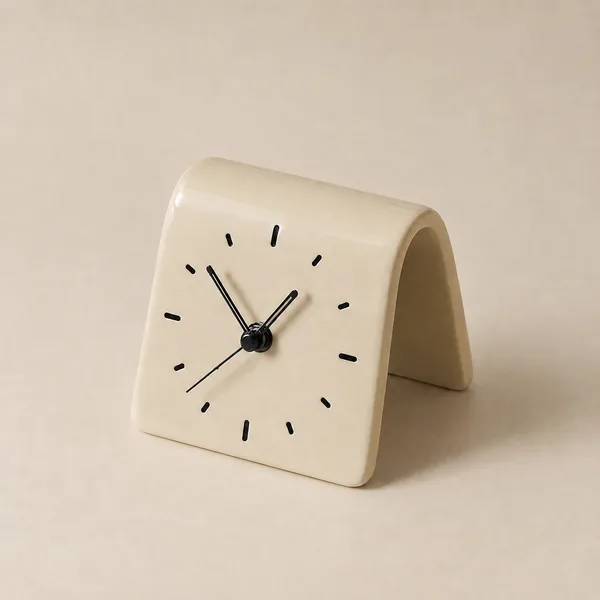
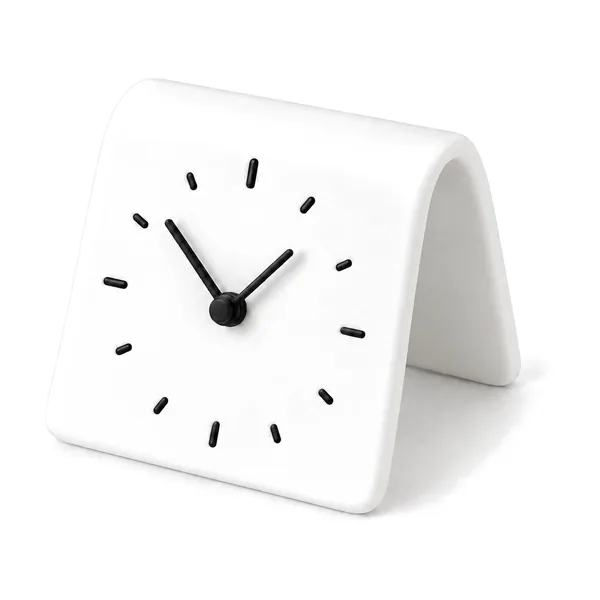
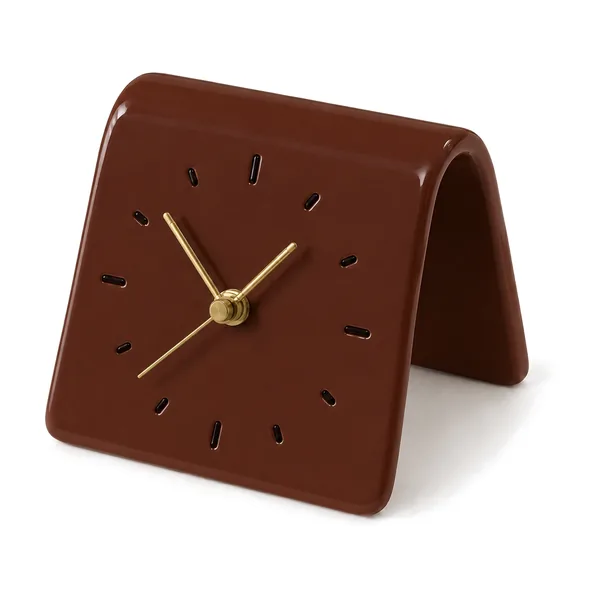
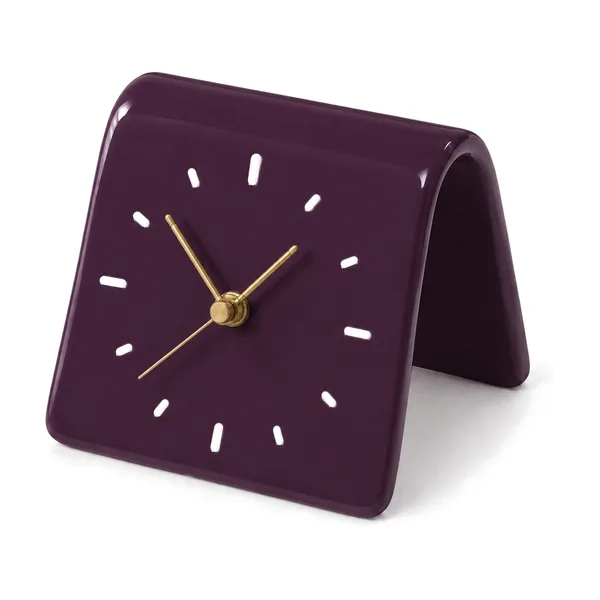
Tilje Silent Ceramic Desk Clock for Modern Homes
 Save $120.00
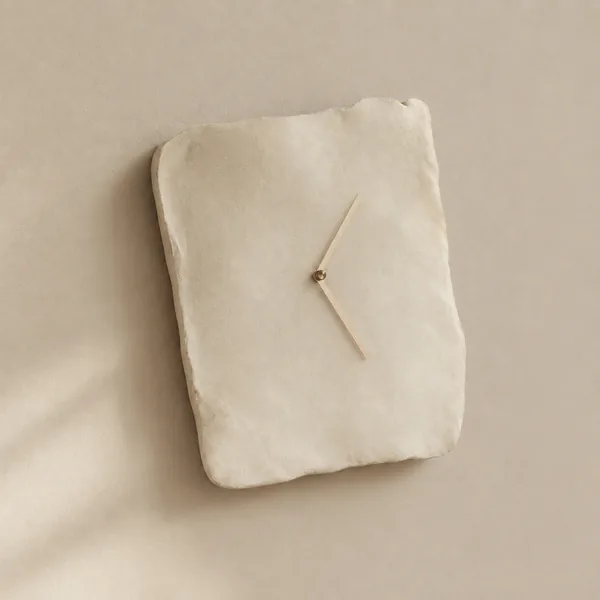
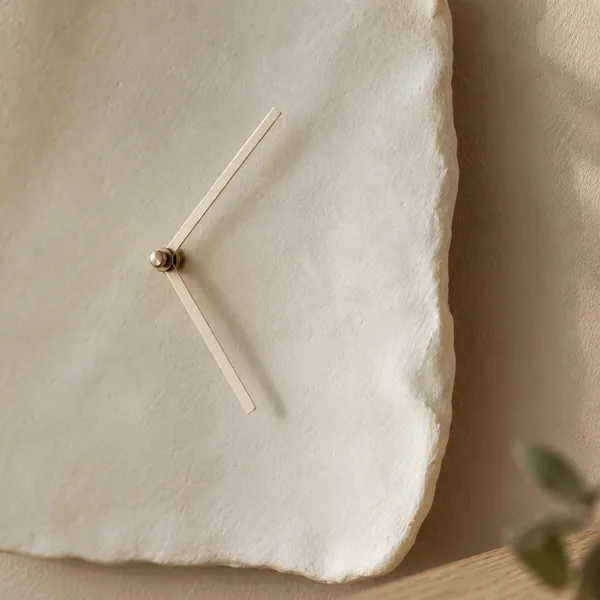
Stilla Silent Resin Wall Clock Nordic Minimalist
The Case for Silent Movement
Are silent wall clocks better for living spaces? For many homeowners, the answer is a resounding yes. Traditional ticking clocks can introduce subtle stress into otherwise serene environments, particularly during quiet moments of reading or conversation. The gentle, inaudible sweep of silent quartz movement maintains the peaceful atmosphere that modern living rooms cultivate.
Beyond psychological comfort, silent clocks offer practical advantages:
- No sleep disruption if the living room is near bedrooms
- Better audio quality for music or television (no background ticking competing with sound)
- Cleaner visual aesthetic without visible second-hand movement for some designs
When shopping for a Nordic wall decor piece, prioritize models specifically labeled as "silent sweep" or "non-ticking" to ensure the tranquility you envision.
Tvilling Dual-Sided Geometric Metal Wall Clock$269.00$379.00The Tvilling Dual-Sided Geometric Metal Wall Clock exemplifies how architectural design can serve functional needs while maintaining visual harmony. Its silent movement ensures it enhances rather than disrupts your living room's atmosphere.
Visual Inspiration and Design Ideas
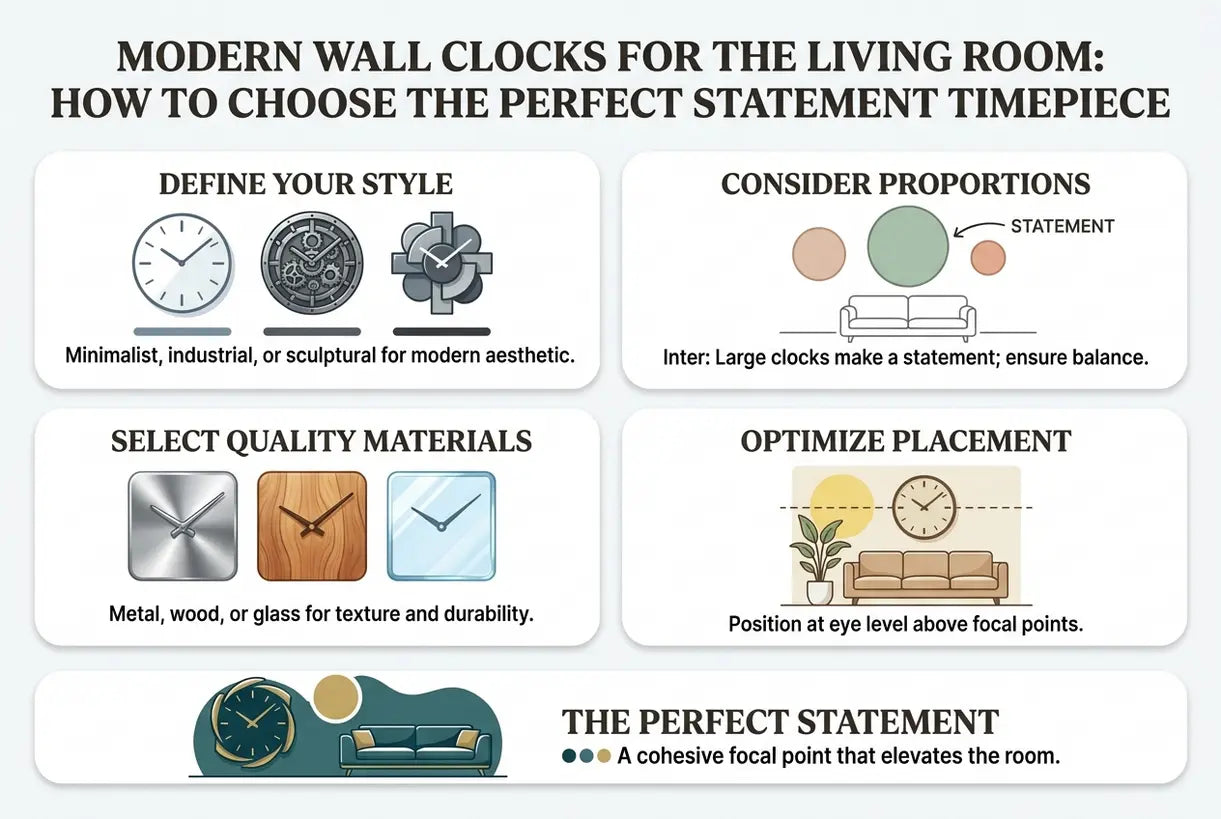
To spark your imagination for what's possible with modern timepieces, explore these curated design ideas that showcase how different styles work within living room settings:
Materials That Define Modern Wall Clocks
What materials are best for modern wall clocks? The answer depends on your aesthetic preferences, lifestyle needs, and the existing material palette in your space. Understanding the qualities of different materials helps you make an informed choice.
Metal: Steel, brass, and aluminum offer durability and contemporary appeal. Metal clocks often feature geometric designs and industrial-inspired finishes. They're easy to clean and resist warping over time.
Wood: Natural wood brings warmth and organic texture to living rooms. Light oak and ash complement Scandinavian interiors, while darker walnut suits mid-century modern spaces. Ensure solid wood pieces are properly sealed to prevent moisture damage.
Resin and Ceramic: These materials allow for sculptural, organic forms that feel like art pieces. Matte finishes create subtle elegance, while textured surfaces add visual interest.
Glass and Acrylic: Transparent or translucent elements create airy, contemporary aesthetics. They're particularly effective in small spaces where visual lightness matters.
When selecting materials, consider maintenance requirements and how they'll age. High-quality materials from reputable manufacturers ensure your decorative timepiece remains beautiful for years to come.
Curated Living Room Essentials
Stilla Silent Resin Wall Clock Nordic Minimalist$259.00$379.00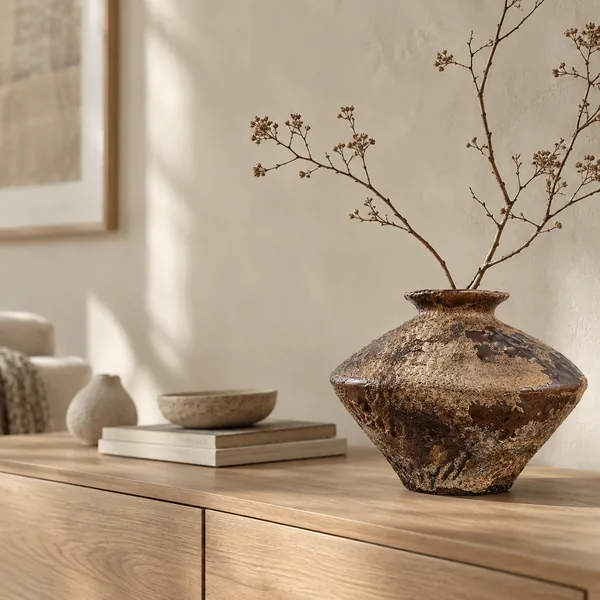 Jorde Handmade Rustic Ceramic Vase Home Decor$129.00$189.00
The Dwell design magazine notes that the best contemporary interiors balance utility with artistic expression—and nowhere is this more evident than in the selection of a living room clock that doubles as sculptural art.
Living Room Lighting
Shop all Living RoomSave $110.00+15 optionsTvilling Dual-Sided Geometric Metal Wall Clock
 Save $70.00+37 options
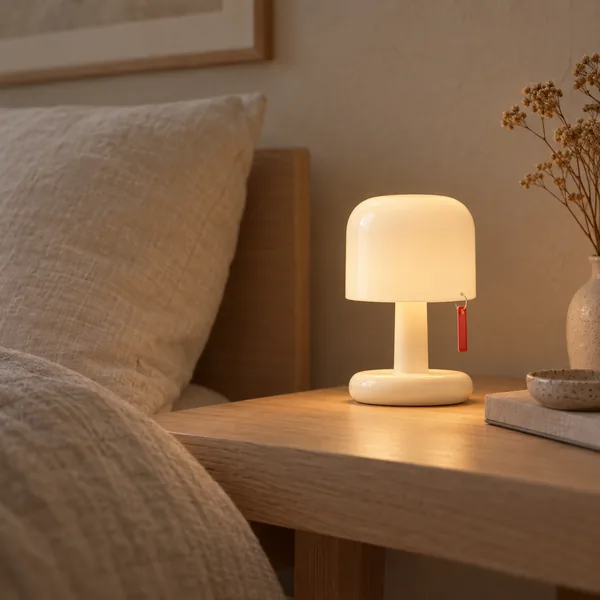
Tilje Silent Ceramic Desk Clock for Modern Homes

Creating a Cohesive Living Room Vignette
A statement clock rarely exists in isolation. The most compelling living room designs treat the wall as a curated composition where the clock interacts with surrounding elements. Consider pairing your timepiece with complementary decor that doesn't compete for attention but rather enhances the overall aesthetic.
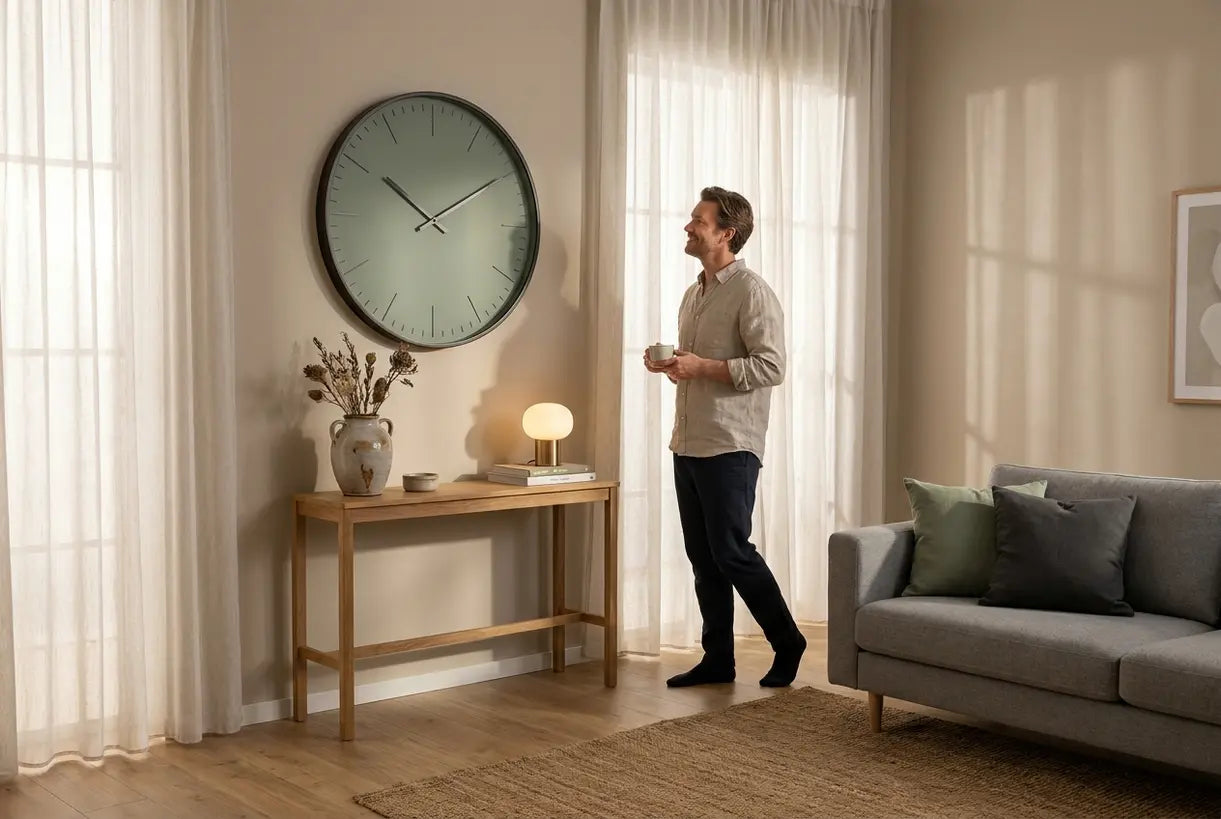
Balance your clock's visual weight with intentional negative space, or frame it with smaller decorative objects like sculptural vases or candle holders. The goal is creating a living room wall decor arrangement that feels collected over time rather than purchased from a single collection.
Remember that the most successful interiors evolve gradually. Your statement wall clock can serve as an anchor piece around which other elements gradually find their place, creating a home that feels genuinely personal and intentionally designed.
Curating Your Perfect Living Room Timepiece
Selecting the ideal modern wall clock for living room spaces involves balancing practical considerations with aesthetic vision. From determining the right scale for your walls to understanding how different materials age and wear, thoughtful selection ensures your timepiece serves your home beautifully for years.
The best decorative timepieces do more than tell time—they tell a story about your design sensibilities and values. Whether you're drawn to the serene minimalism of Nordic design or the bold geometry of contemporary styles, there's a statement clock that reflects your unique perspective.
At Skonne, we curate timepieces that honor both heritage craftsmanship and modern innovation, bringing the warmth and intentionality of Scandinavian design philosophy into every piece. Explore our collections to find the clock that transforms your living room from functional space to inspired sanctuary.
Related Article
Large Modern Wall Clocks: Big, Statement-Making Designs for Contemporary SpacesDiscover stunning large modern wall clocks that transform any room. From minimalist to oversized statement pieces, find the perfect timepiece for contemporary spaces.