
Oil Rubbed Bronze Dining Room Lighting: Dark, Warm Metallic Fixtures for Traditional & Transitional Dining Spaces
Summary›
- Understanding the Oil Rubbed Bronze Aesthetic
- Color Coordination and Design Compatibility
- Styling Oil Rubbed Bronze in Different Design Aesthetics
- Sizing and Placement Guidelines
- Installation and Practical Considerations
- The Enduring Appeal of Dark Bronze Finishes
- Conclusion: Creating Your Perfect Dining Atmosphere
When you're designing a dining space that feels both grounded and intentional, the lighting you choose becomes the anchor that ties everything together. Oil rubbed bronze dining room lighting has emerged as a perennial favorite among homeowners seeking that perfect balance between traditional warmth and transitional sophistication. This dark, rich finish carries a depth that stainless steel or chrome simply cannot replicate, creating an inviting atmosphere where memories are made over long dinners and intimate gatherings.
The beauty of oil rubbed bronze lies in its versatility—it's substantial enough to anchor a traditional dining room yet refined enough to complement modern, Scandinavian-inspired spaces. Whether you're drawn to vintage-inspired silhouettes or clean contemporary lines, this warm metallic finish adapts beautifully to your vision. At Skonne, we believe that great lighting doesn't just illuminate your space; it transforms how you experience it. As you explore the possibilities of dark bronze dining light options, you'll discover how this timeless material can elevate your dining room from functional to truly memorable.
Understanding the Oil Rubbed Bronze Aesthetic
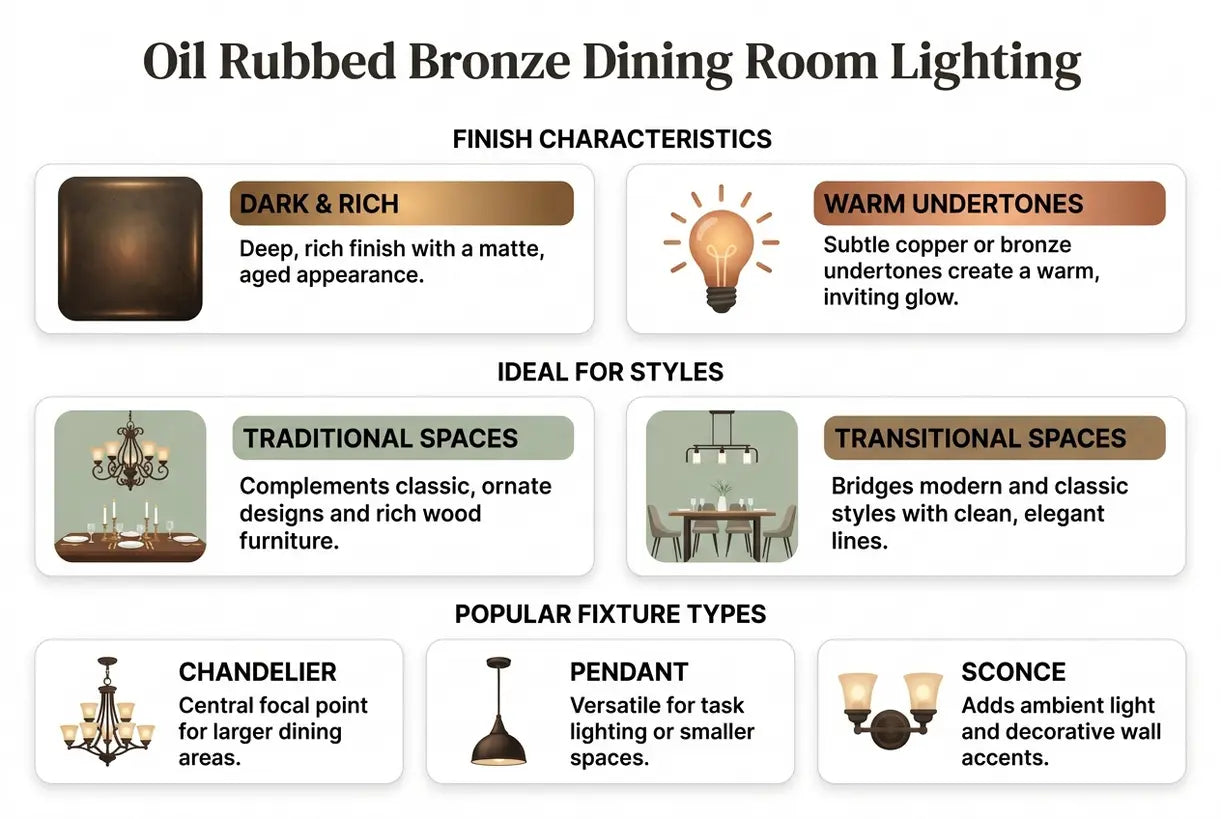
Oil rubbed bronze is more than just a color—it's a living finish that evolves and deepens over time. Unlike painted or plated metals, true oil rubbed bronze features hand-rubbed oil treatments that create subtle variations in tone, from deep espresso to warm chocolate brown. These organic undertones make each fixture unique while maintaining the cohesive warmth that makes this material so beloved in dining spaces.
The finish excels at absorbing light rather than reflecting it harshly, which creates the soft, ambient glow essential for comfortable dining environments. This characteristic makes oil rubbed bronze particularly effective in rooms with natural wood elements, textural wall treatments, or softer color palettes. The dark metal doesn't compete with your decor; instead, it provides a visual resting point that allows other design elements to shine.
What Makes This Finish Distinctive?
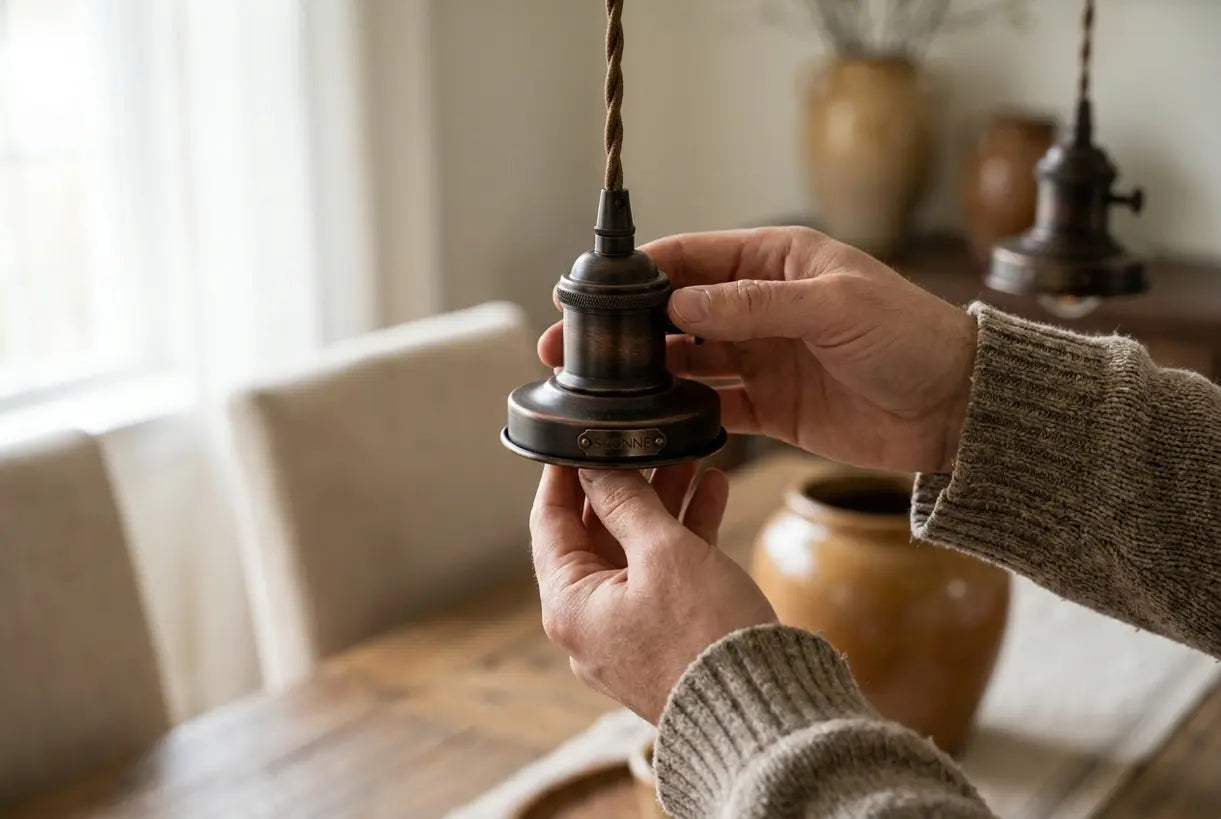
The hallmark of quality oil rubbed bronze lies in its varied surface texture. When you look closely at a premium fixture, you'll notice subtle highlights catching the light—copper or bronze undertones that peek through the darker exterior. This dimensional quality creates visual interest whether the light is on or off, making your fixture a sculptural element even during daylight hours.
Modern manufacturing techniques have evolved to offer consistent quality while maintaining the artisanal character that defines this finish. Today's transitional bronze lighting combines traditional craftsmanship with contemporary engineering, resulting in fixtures that honor classical aesthetics while meeting modern performance standards. For those exploring Mediterranean Lighting, you'll find that oil rubbed bronze complements the warm, earthy tones characteristic of that style beautifully.
Color Coordination and Design Compatibility
One of the most common questions when considering dark metal dining fixtures is how to coordinate colors effectively throughout the space. The good news is that oil rubbed bronze's warm undertones make it surprisingly adaptable to a wide range of color schemes.
Perfect Color Pairings
Oil rubbed bronze thrives alongside deep, saturated hues and organic neutrals. Consider these winning combinations for your dining room:
- Warm grays and greiges: Create a sophisticated, monochromatic foundation that lets your lighting become a focal point
- Sage and olive greens: Bring out the subtle earthy undertones in the bronze finish
- Deep burgundies and wine tones: Enhance the rich warmth of the metal for dramatic, enveloping spaces
- Cream and ivory: Provide contrast while maintaining the warm, inviting atmosphere essential to dining areas
- Natural wood tones: From light oak to rich walnut, wood and bronze create an organic, timeless pairing
The key is avoiding harsh, cool whites or stark primary colors that can clash with the warmth of bronze. Instead, embrace muted, complex hues that feel collected over time rather than chosen from a catalog.
Dining Room Lighting
Shop all Dining Room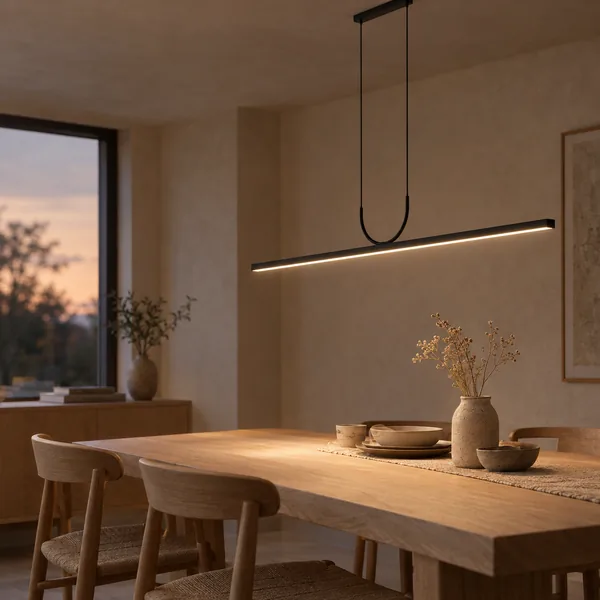
 Save $140.00
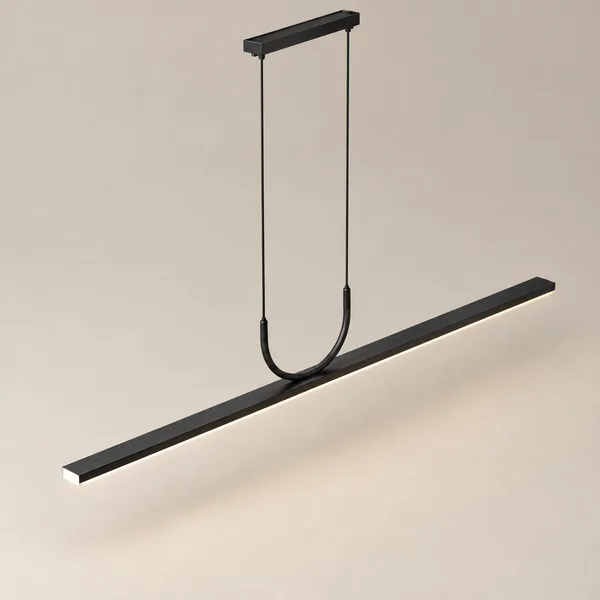
Linné Minimalist Linear Black LED Pendant Light
 Save $60.00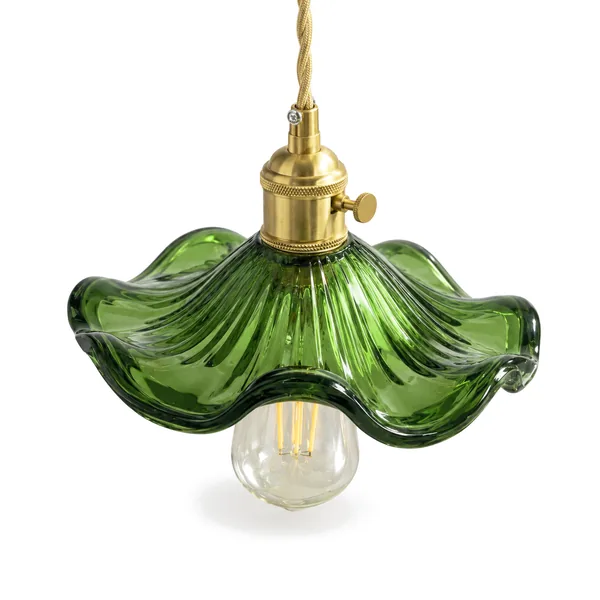
 3 options
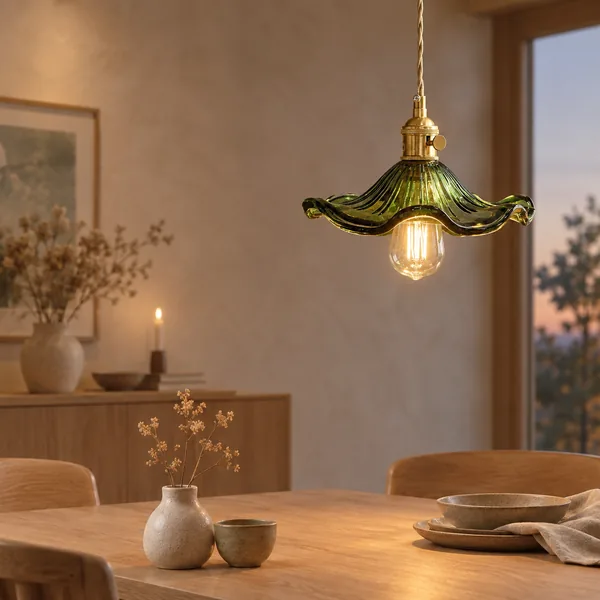
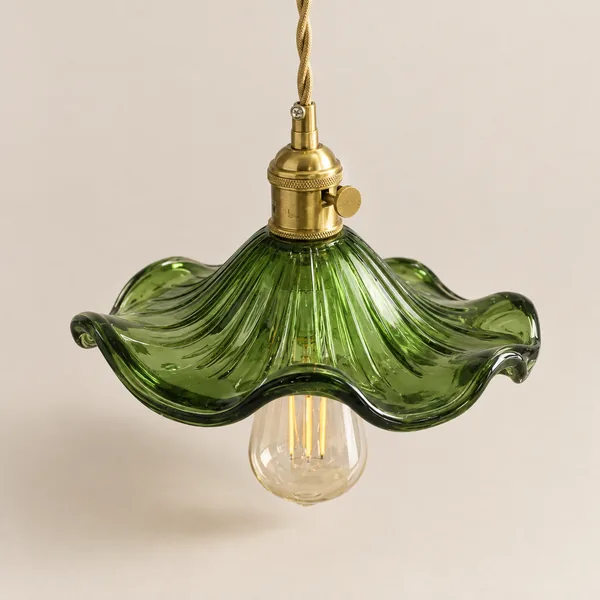
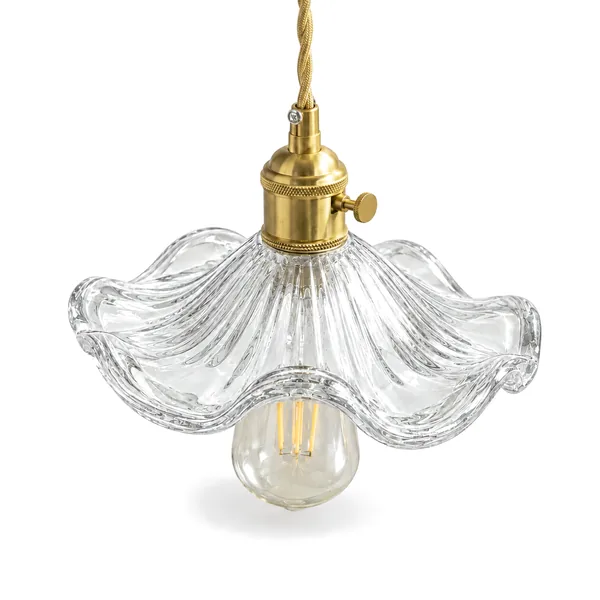
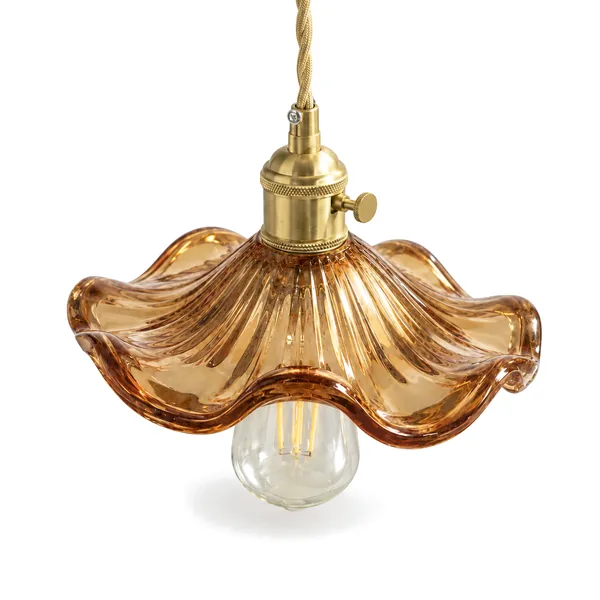
Glora Nordic Glass Pendant Light with Copper
 Save $120.00
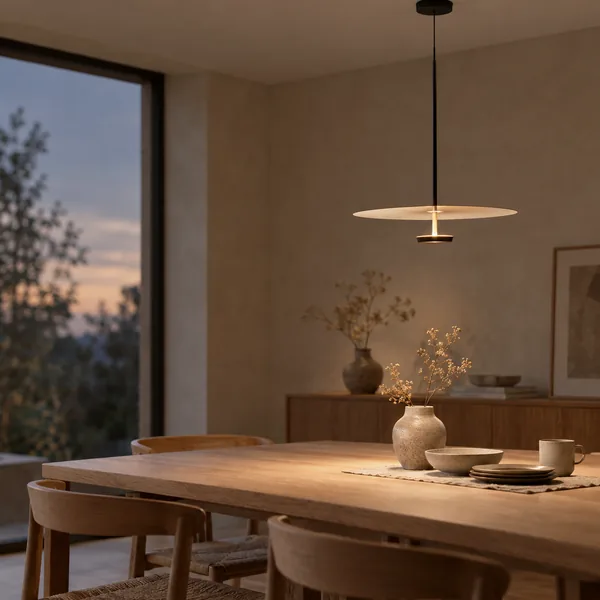
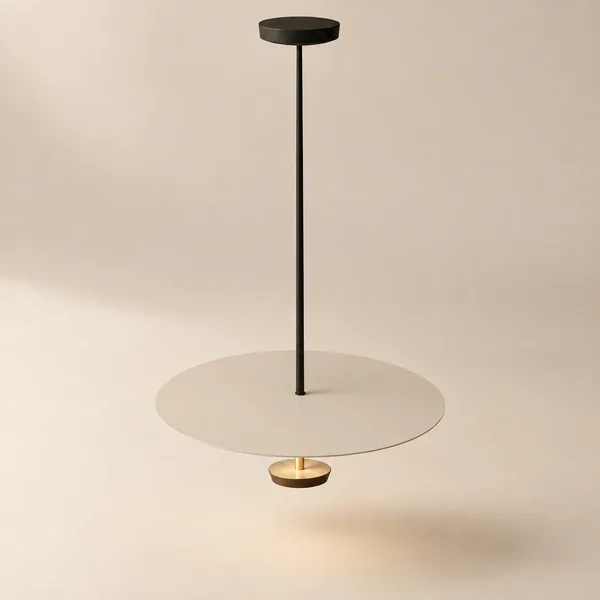
Skiva Nordic Saucer Ceiling Pendant Light LED
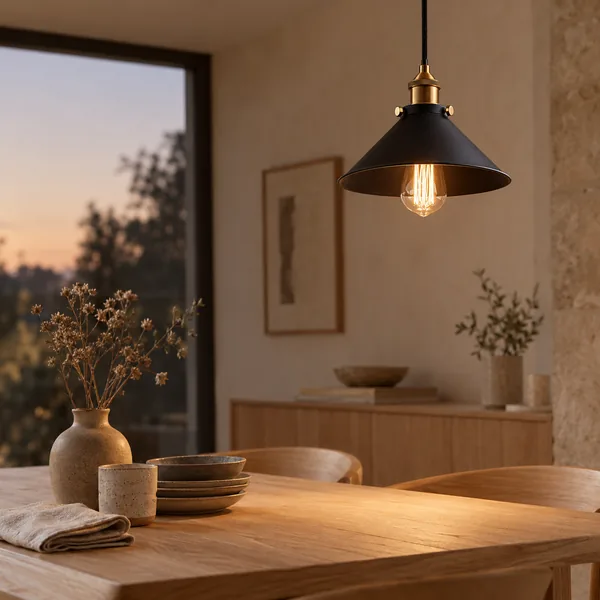
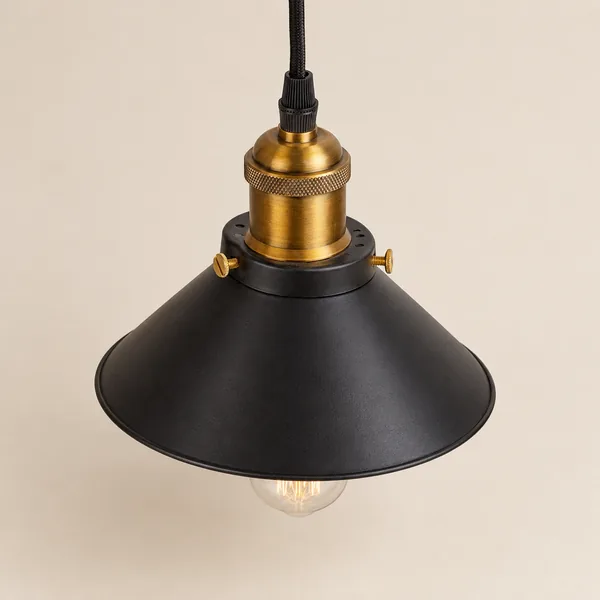
Styling Oil Rubbed Bronze in Different Design Aesthetics
Perhaps the most compelling aspect of oil rubbed bronze is its chameleonic ability to adapt to various interior styles. Whether your dining room leans farmhouse, mid-century modern, or transitional, there's a bronze fixture that will feel perfectly at home.
Traditional and Classic Spaces
In traditional dining rooms, vintage oil rubbed bronze fixtures with ornate detailing reinforce the room's formal elegance. Look for chandeliers with curved arms, fabric shades, or crystal accents that reference historical design while benefiting from modern electrical safety and efficiency standards. The dark finish provides weight and gravitas that lighter metals cannot achieve.
Transitional and Contemporary Settings
For those bridging traditional and modern aesthetics, modern oil rubbed bronze chandelier designs offer clean lines and simplified forms while maintaining that essential warmth. Geometric shapes, exposed bulbs, and minimal ornamentation allow the material itself to be the star, creating fixtures that feel current yet enduring.
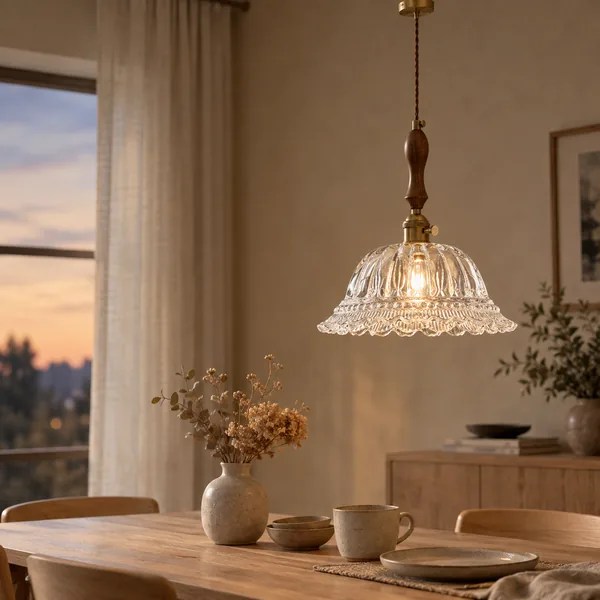 Gloda Walnut Brass French Style Pendant Light$169.00$229.00
The Gloda Walnut Brass French Style Pendant Light exemplifies this transitional approach, combining warm brass and walnut tones that speak to dark metallic warmth while maintaining an airy, contemporary silhouette. It's an excellent choice for dining rooms where you want traditional materials interpreted through a modern lens.
Sizing and Placement Guidelines
Getting the scale right is crucial when selecting oil rubbed bronze dining room lighting. A fixture that's too small will feel lost and insufficient; one that's too large can overwhelm the space and obstruct sight lines across the table.
The Golden Rules of Chandelier Sizing
For dining rooms, there's a simple formula that interior designers rely upon: add the length and width of your room in feet, and convert that number to inches. This gives you the ideal diameter for your chandelier. For example, a 12 by 14-foot room calls for a fixture approximately 26 inches in diameter.
However, when hanging over a dining table specifically, the rules shift slightly. Your fixture should be roughly one-half to two-thirds the width of your table—narrower than the table itself to avoid head bumps while substantial enough to anchor the space visually.
Height Guidelines: Hang your dining room chandelier 30-36 inches above the table surface (for standard 8-foot ceilings). Add 3 inches for each additional foot of ceiling height. This positioning provides ample illumination while maintaining open sight lines for conversation.
Linear and Multi-Pendant Arrangements
For rectangular tables, consider linear chandeliers or multiple pendants arranged in a row. These configurations distribute light evenly across the entire table while creating rhythm and visual interest. When using multiple pendants, space them evenly—typically 24-30 inches apart for standard tables—and maintain that same 30-36 inch height above the surface.
Contemporary Fixtures for Transitional Spaces
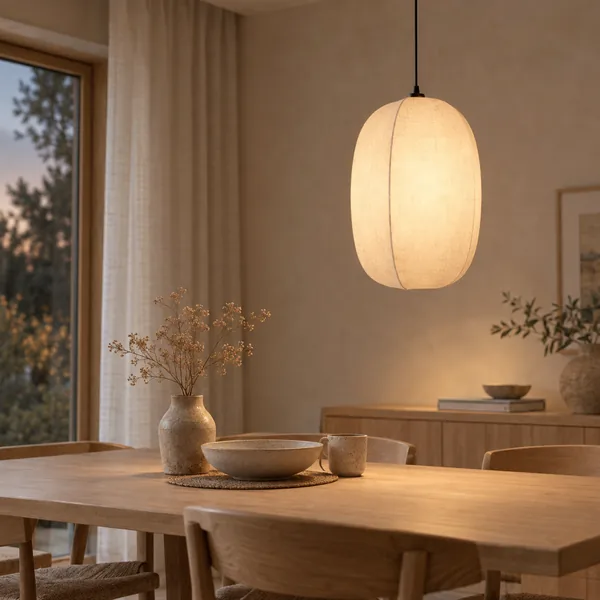 Driva Linen Lantern Pendant Light Warm Ambiance$189.00$299.00
The Kolna Hand-Blown Glass Cylinder Pendant Light demonstrates how dark metal dining fixtures can incorporate contemporary glass elements for a lighter, more transitional aesthetic. The black metal canopy grounds the piece while the glass cylinder provides sophisticated diffusion. Similarly, the Driva Linen Lantern Pendant Light balances traditional charm with Scandinavian restraint, its organic linen shade creating a gentle glow that dining rooms beg for.
Installation and Practical Considerations
Once you've selected the perfect oil rubbed bronze chandelier or pendant, proper installation ensures both safety and optimal performance. While we always recommend professional electrical installation, understanding the process helps you communicate effectively with your electrician and prepare adequately.
Dimmers Are Your Friend
Dining rooms require lighting flexibility—from bright task lighting during setup and cleanup to soft, ambient illumination during meals. Installing a dimmer switch compatible with your chosen bulbs is essential. LED-compatible dimmers prevent flickering and buzzing while allowing you to adjust the mood from functional to intimate.
Bulb Selection for Warmth
To enhance the warm undertones of oil rubbed bronze, select bulbs in the 2700K to 3000K range. These "warm white" temperatures complement the finish rather than fighting against it with cool, blue-tinted light. Clear bulbs and vintage Edison styles can add additional character, particularly in fixtures where the bulb remains visible.
Chandeliers
Shop all Chandeliers
The Enduring Appeal of Dark Bronze Finishes
Interior design trends come and go, but certain materials maintain their relevance across decades and even centuries. Oil rubbed bronze falls into this category of enduring classics. While brass and chrome have experienced dramatic swings in popularity, bronze has remained steadily respected—a finish that feels appropriate regardless of the current trend cycle.
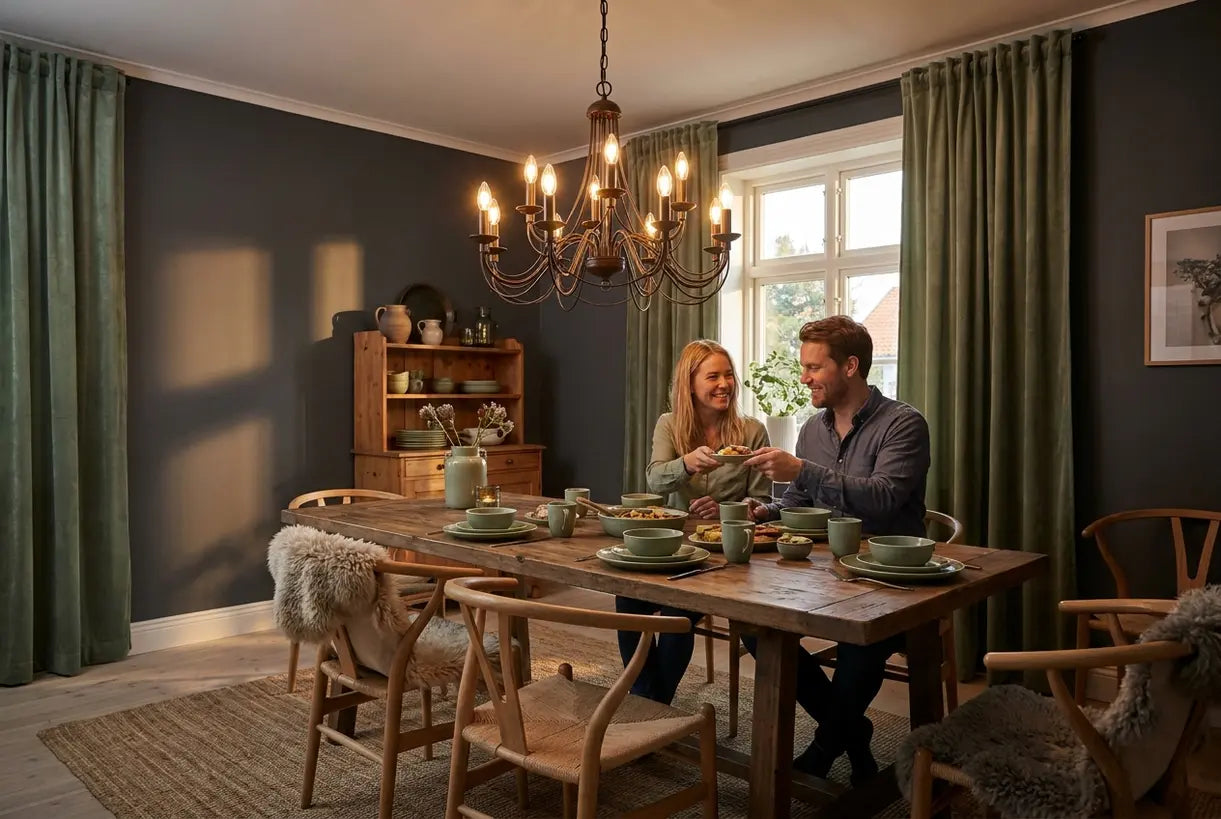
Current design discourse emphasizes material authenticity and longevity, values that align perfectly with investment-quality lighting. As homeowners move away from disposable decor toward intentional curation, choosing fixtures made from substantial, time-tested materials makes both aesthetic and environmental sense. An oil rubbed bronze fixture purchased today will likely outlast multiple furniture arrangements and color scheme updates.
Design Longevity: Unlike heavily ornamented styles that date quickly or ultra-minimal designs that may feel cold, oil rubbed bronze occupies a "Goldilocks zone"—interesting enough to engage the eye, restrained enough to avoid trend-specific categorization.
Conclusion: Creating Your Perfect Dining Atmosphere
Choosing oil rubbed bronze dining room lighting represents more than a simple hardware decision—it's an investment in the emotional temperature of your home. The right fixture creates that indefinable quality we call "atmosphere," the sense that a space is welcoming, grounded, and ready to host life's meaningful moments.
At Skonne, we understand that every dining room tells a story about the people who gather there. Whether you're drawn to the transitional elegance of mixed materials, the traditional gravitas of classic chandelier silhouettes, or the contemporary interpretation of dark metals, finding lighting that resonates with your vision is essential. The journey from browsing to installation may seem daunting, but the result—a dining space that genuinely feels like yours—is worth every consideration of size, style, and finish.
As you refine your dining room lighting choices, remember that great design balances immediate appeal with long-term satisfaction. The fixtures you choose today will witness countless meals, celebrations, and quiet Tuesday evenings. Choosing warm metallic dining lighting with timeless character ensures those moments unfold beneath a glow that always feels just right.
Related Article
Glass Dining Room Lighting: Frosted, Smoked & Clear Fixtures for Every Dining StyleDiscover how frosted, smoked, and clear glass fixtures transform your dining space. Find the perfect glass lighting style for your home.