
Organic Modern Floor Lamps: Natural, Sculptural & Curved Designs for Biophilic Interiors
Summary›
- What Is an Organic Modern Floor Lamp?
- The Biophilic Connection: Why Natural Lighting Matters
- Materials That Define Authentic Biophilic Lighting
- Curved Forms and Sculptural Shapes
- Styling Curved Floor Lamps in Your Living Room
- Organic Modern vs. Japandi: Understanding the Distinctions
- Strategic Placement for Sculptural Floor Lamps
- Creating Your Biophilic Sanctuary
The way we light our homes has shifted dramatically in recent years. Moving beyond purely functional fixtures, today's discerning homeowners seek lighting that tells a story—pieces that ground us in nature while elevating our everyday spaces. An organic modern floor lamp does exactly this, bridging the gap between contemporary design sensibilities and our innate need for natural elements.
As we spend more time indoors, the craving for biophilic design—interiors that connect us to the natural world—has never been stronger. These sculptural lighting pieces, crafted from wood, ceramic, and natural fibers, offer more than illumination; they provide a sense of calm, intention, and organic beauty that transforms how we experience our living spaces. In this guide, we'll explore what defines these coveted fixtures, how to style them effectively, and why investing in the right Scandinavian Lighting pieces creates lasting impact in your home.
What Is an Organic Modern Floor Lamp?
An organic modern floor lamp represents a design philosophy that marries clean, contemporary lines with shapes and materials inspired by nature. Unlike rigid, industrial lighting fixtures, these lamps embrace curves, asymmetry, and the inherent character of natural materials. They reject the synthetic in favor of the authentic, featuring sculptural forms that might remind you of smooth river stones, tree branches, or the gentle arc of a wave.
The movement draws heavily from biophilic design principles—the practice of incorporating nature into built environments to enhance wellbeing. This isn't merely an aesthetic choice; research consistently shows that exposure to natural forms and materials reduces stress and creates more restorative spaces. When you choose a natural floor lamp crafted from wood or ceramic, you're not just selecting a light source—you're inviting the grounding presence of nature into your daily rituals.
The Biophilic Connection: Why Natural Lighting Matters
Biophilic lighting goes beyond energy efficiency or brightness levels. It considers how light interacts with natural materials to create atmospheres that feel alive and nurturing. Biophilic floor lighting typically features warm color temperatures that mimic natural daylight, paired with materials that diffuse light softly—think rice paper, linen shades, or perforated ceramics.
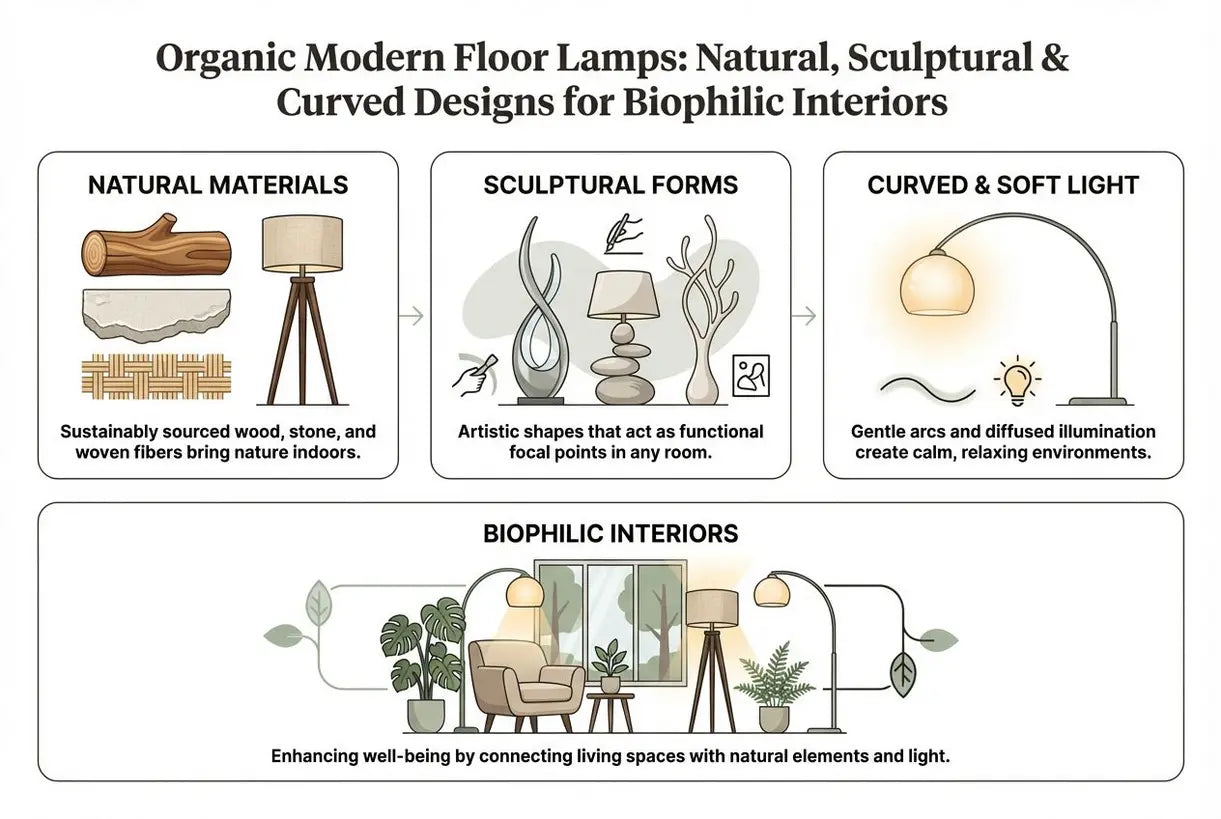
The texture of these materials creates dynamic shadow play and gentle gradients of light that change throughout the day. This variability keeps our visual environment engaging without being overwhelming—a key principle of biophilic design. Whether you're creating a reading nook, a meditation corner, or simply softening the edges of a living space, these fixtures provide the hygge-inspired warmth that makes a house feel like home.
Materials That Define Authentic Biophilic Lighting
When selecting an organic modern fixture, the material palette matters as much as the form. The best biophilic lighting celebrates the imperfect, the handcrafted, and the naturally occurring.
Solid Wood: Warms any space with its grain patterns and patina that deepens over time. Look for lamps that showcase the wood's natural character rather than hiding it under heavy finishes.
Ceramic and Clay: Hand-finished surfaces offer tactile interest and earthy authenticity. The firing process creates subtle color variations impossible to replicate with synthetic materials.
Rice Paper and Natural Fibers: These translucent materials create the soft, enveloping glow essential for relaxed, restorative environments. They filter light the way leaves filter sunlight in a forest canopy.
Natural Stone Accents: Some sculptural pieces incorporate marble or river stone bases, grounding the fixture literally and visually while adding sophisticated weight.
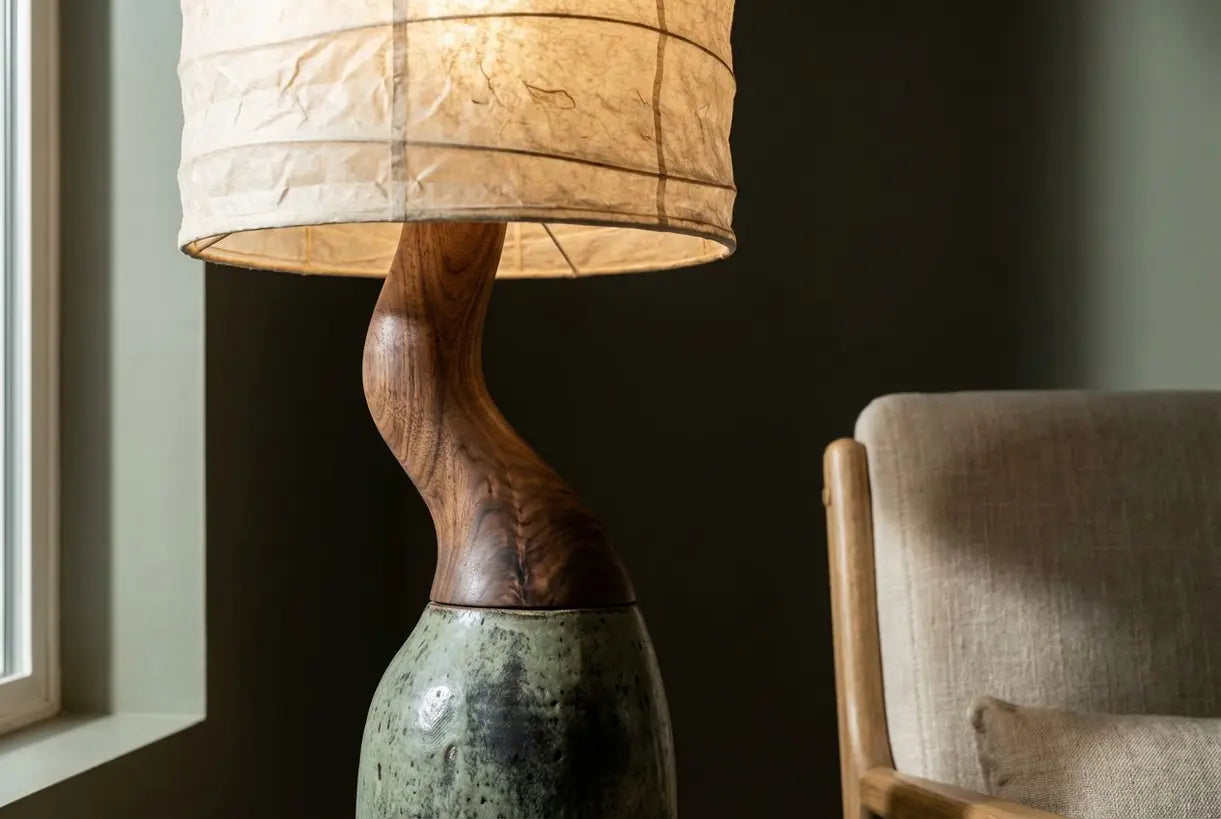
The Stille Japanese Wabi-Sabi Solid Wood Floor Lamp exemplifies material authenticity. Handcrafted from natural wood with a warm ambient LED glow, this piece celebrates the Japanese philosophy of wabi-sabi—finding beauty in imperfection. The wood grain becomes the lamp's signature, making each piece uniquely yours.
Floor Lamps
Shop all Floor Lamps
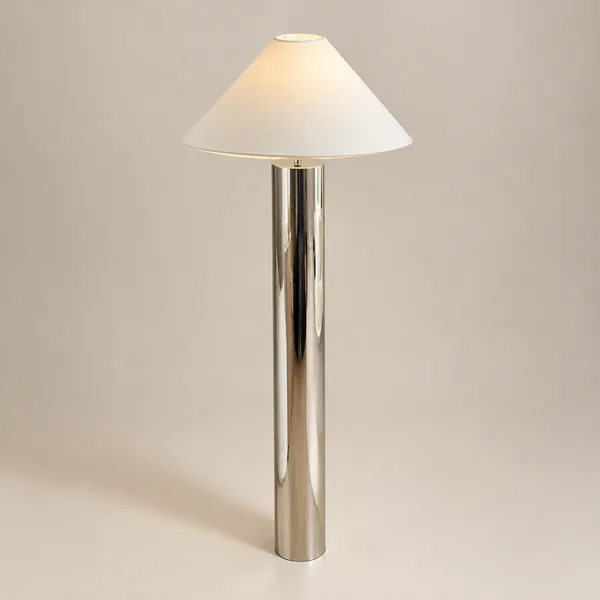
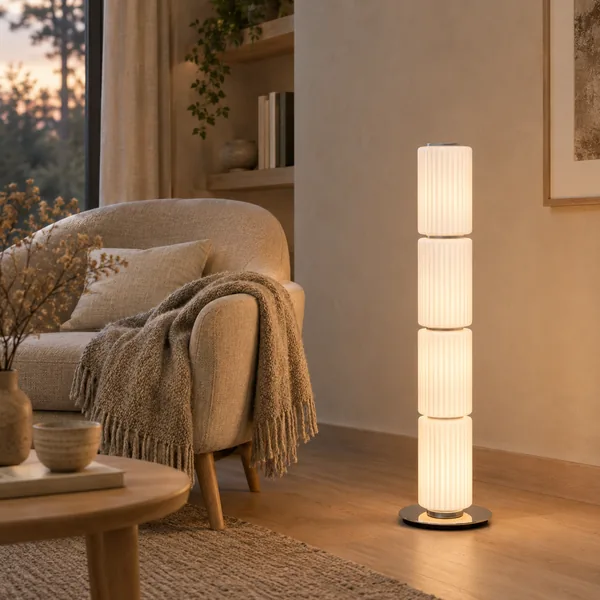
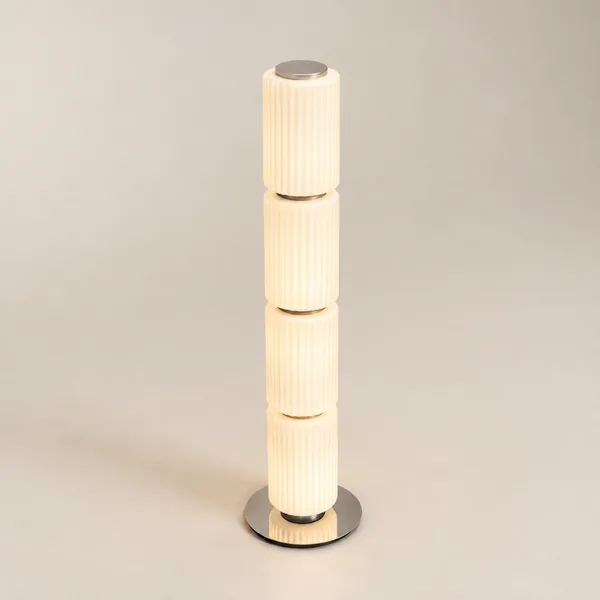
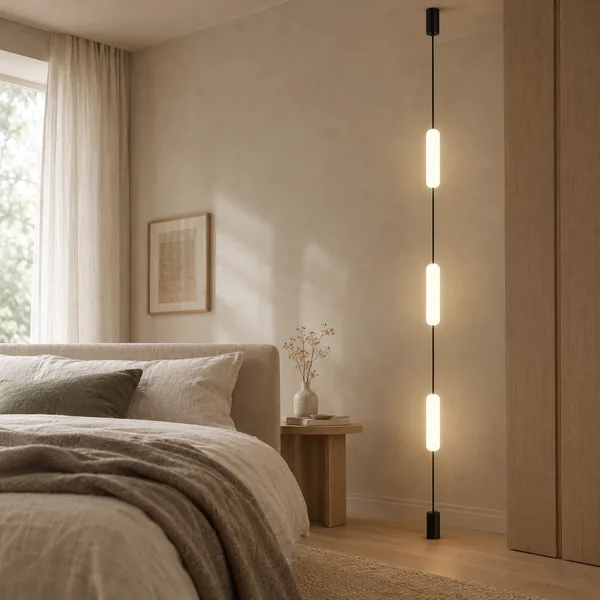
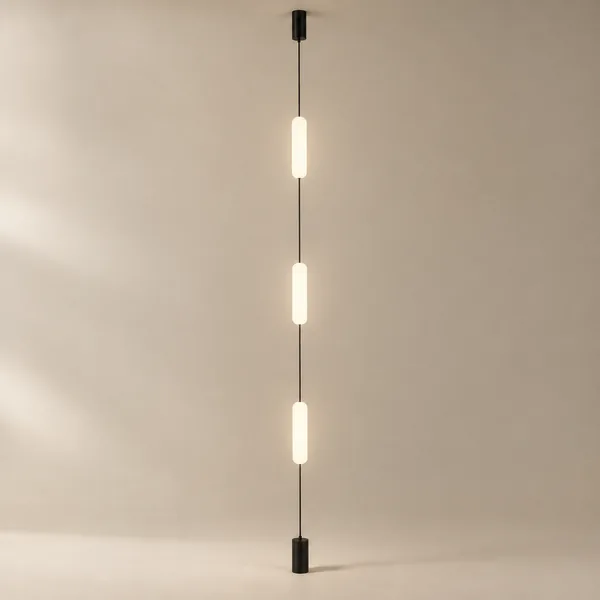
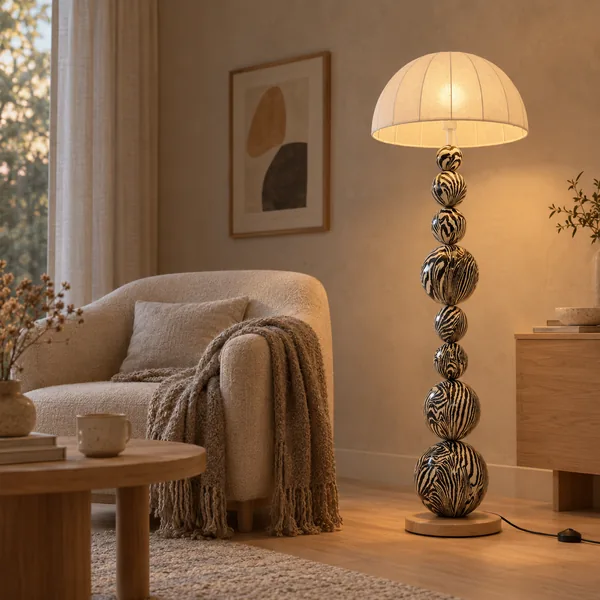
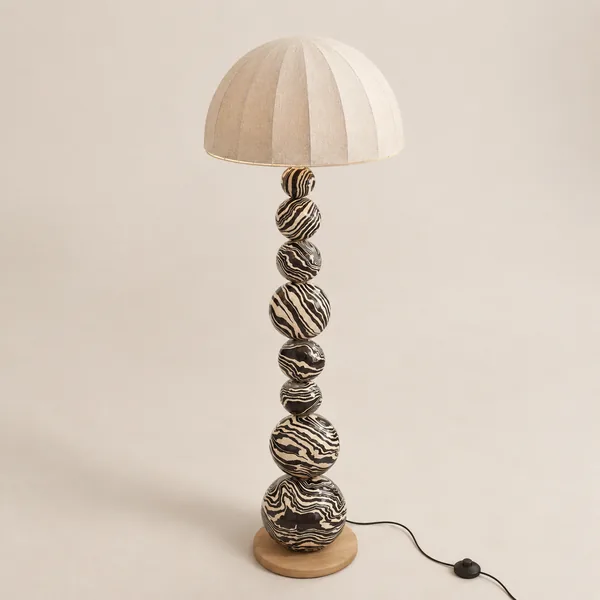
Curved Forms and Sculptural Shapes
The silhouette of an organic modern fixture sets it apart from conventional lighting. A modern curved floor lamp introduces movement and flow to a room, its arc often hovering protectively over a seating area or sweeping upward like a stem reaching toward light. These curves soften the rectilinear nature of most architecture, introducing a sense of growth and life.
Modern sculptural floor lamps take this concept further, functioning as standalone art pieces even when unlit. Their forms may evoke abstracted natural elements—twisted vines, smooth pebbles, or volcanic formations. When illuminated, they cast dramatic shadows that animate your walls, creating an ever-changing visual experience as you move through the space.
This emphasis on form connects closely to the Japandi aesthetic, where Japanese wabi-sabi principles meet Scandinavian functionality. Both movements share a reverence for craftsmanship, natural materials, and the beauty of honest, unpretentious design.
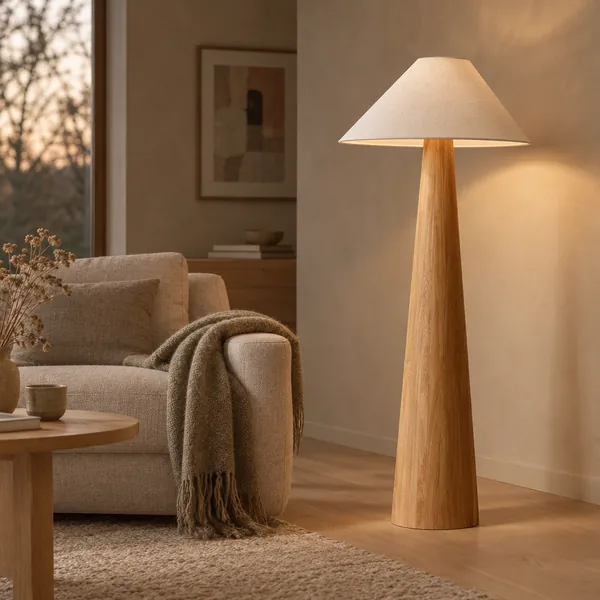 Stille Japanese Wabi-Sabi Solid Wood Floor Lamp$399.00$699.00
Styling Curved Floor Lamps in Your Living Room
Finding the perfect placement for your modern curved floor lamp requires balancing aesthetics with function. These pieces work particularly well as anchor points in seating arrangements, where their arc can extend gracefully over a chair or sofa, providing task lighting without the visual clutter of ceiling pendants or table lamps.
Create Intimate Zones: Position your lamp to define a specific area within a larger room—a reading corner, a conversation spot, or a meditation space. The sculptural quality naturally draws the eye and creates a sense of destination.
Consider Scale and Proportion: In rooms with standard 8-9 foot ceilings, look for lamps between 57-65 inches tall. Higher ceilings can accommodate more dramatic forms. The key is ensuring the lamp relates harmoniously to surrounding furniture—typically, the bottom of the shade should sit at or slightly above eye level when seated.
Layer Your Lighting: Combine your sculptural floor piece with other light sources at varying heights. A floor lamp pairs beautifully with wall sconces and candles to create the layered, atmospheric lighting central to Scandinavian design.
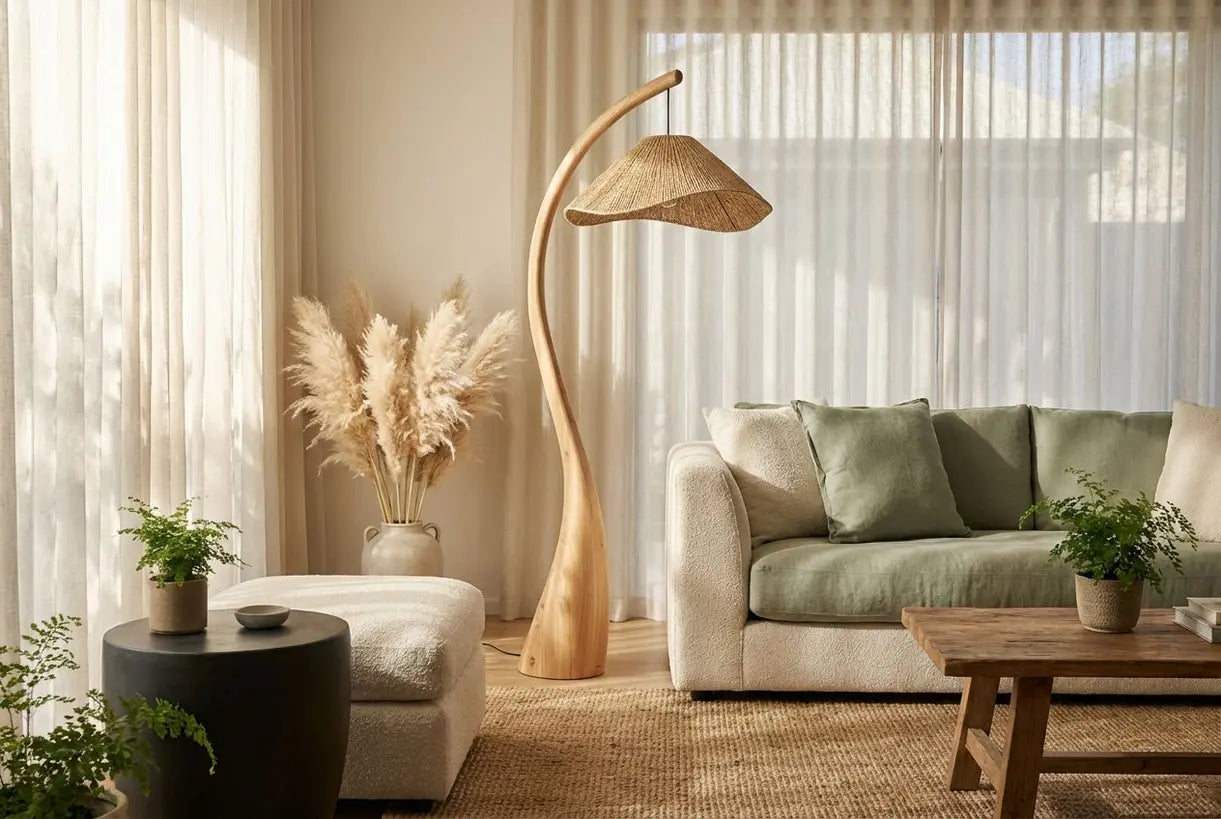
When styling with other natural elements, echo the lamp's material in smaller accents—wooden bowls, ceramic vases, or linen throws—to create visual coherence. The goal is a space that feels curated over time, not decorated all at once.
Japandi Lighting
Shop all Japandi Lighting
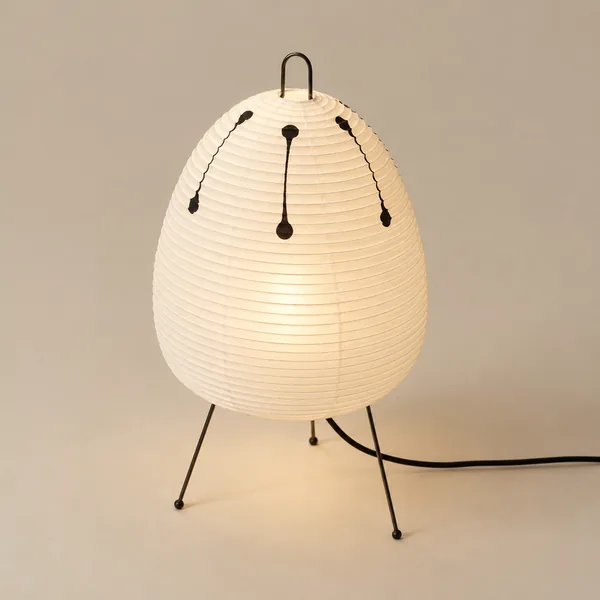 Save $80.00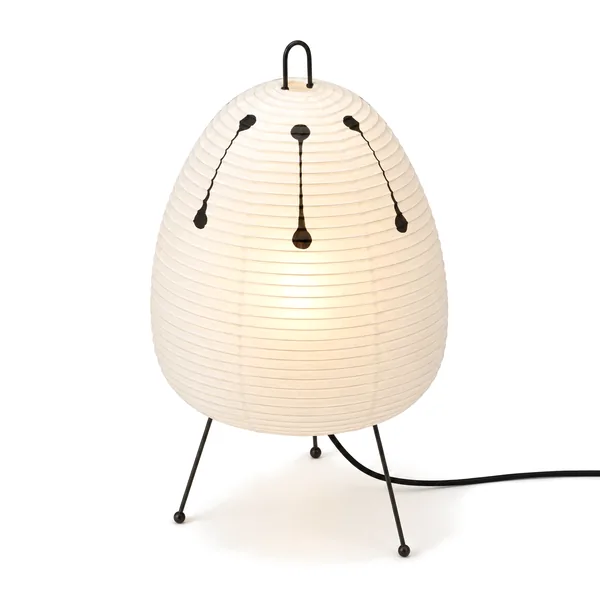
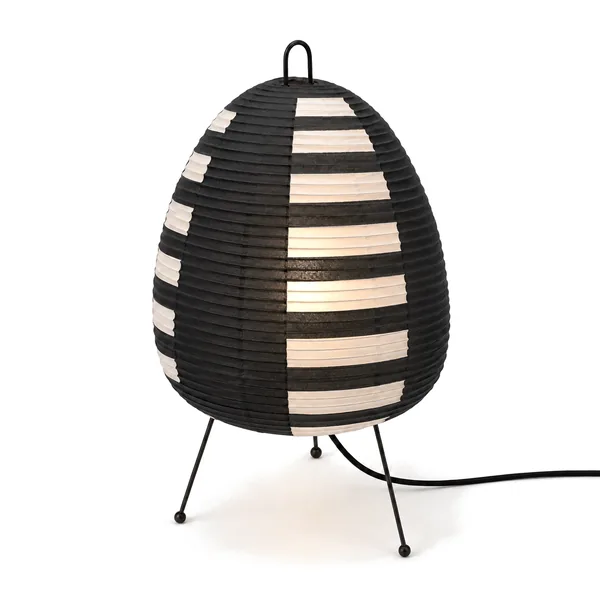
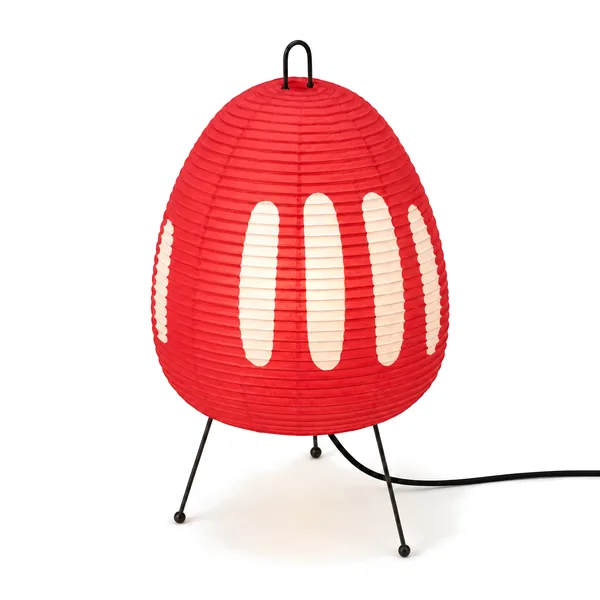
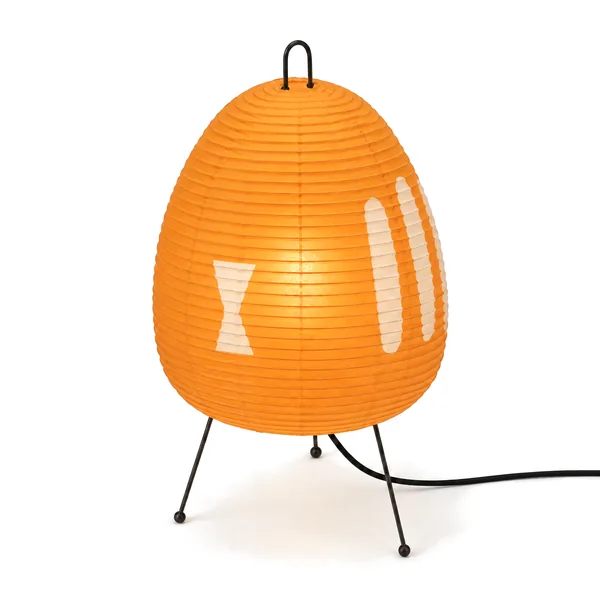 +37 options
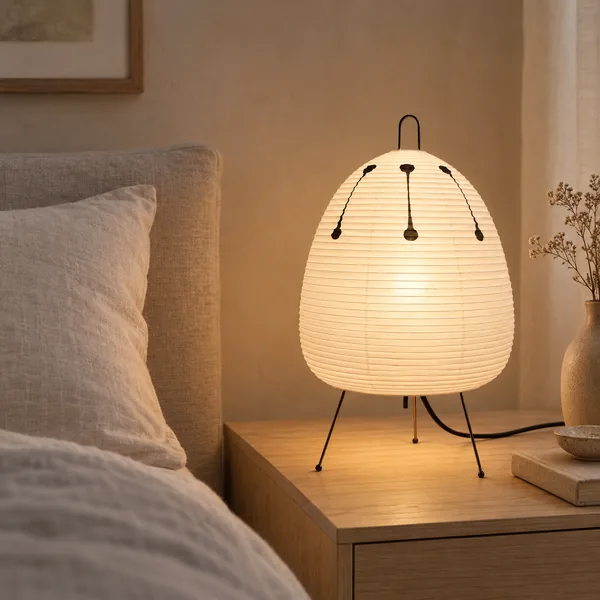
Shiro Rice Paper Table Lamp Nordic Minimalist
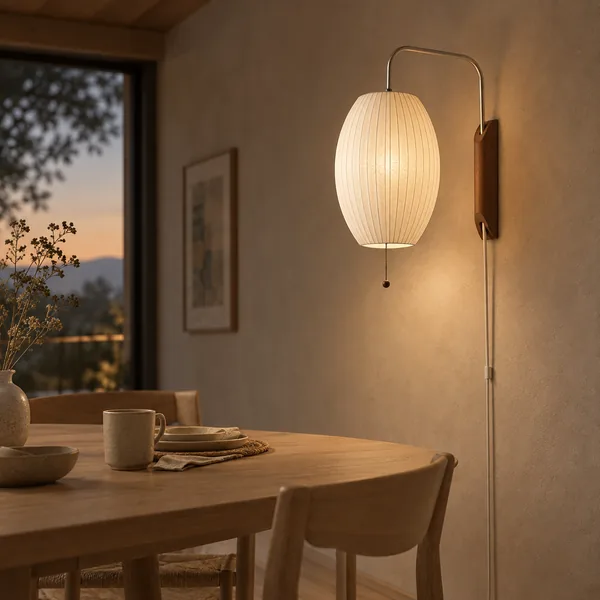
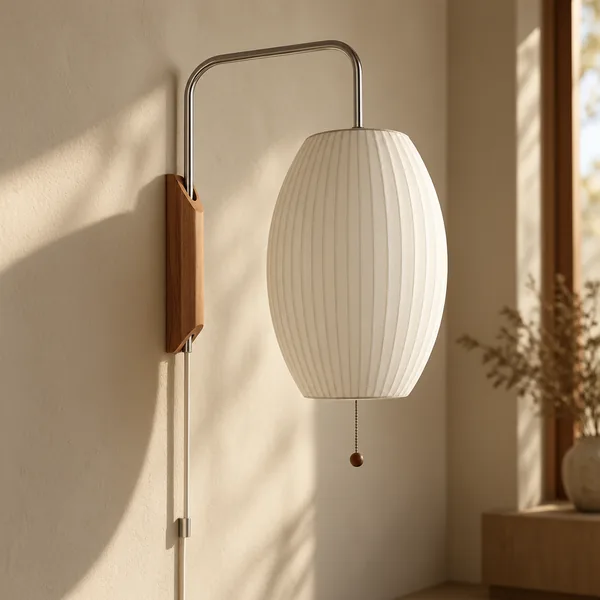 Save $102.00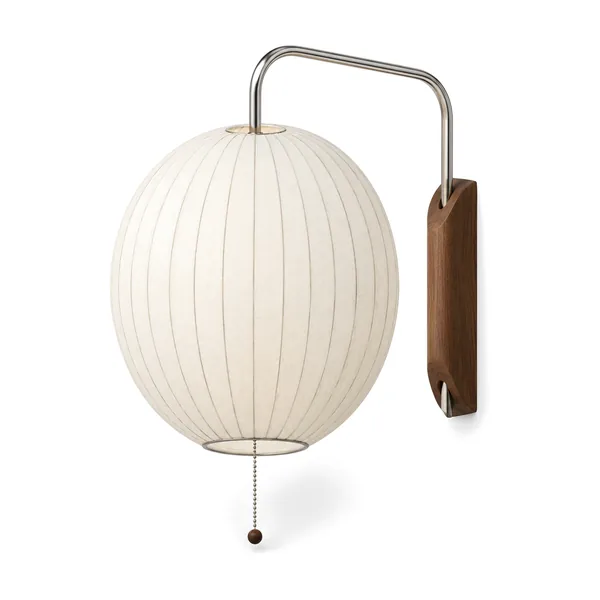
 4 options
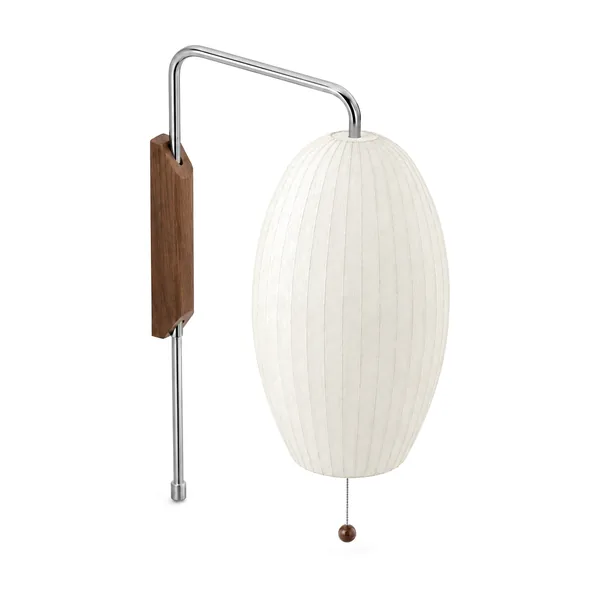
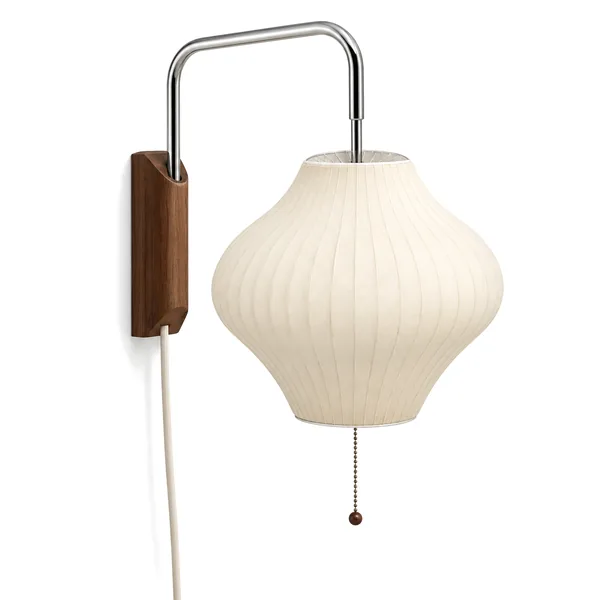
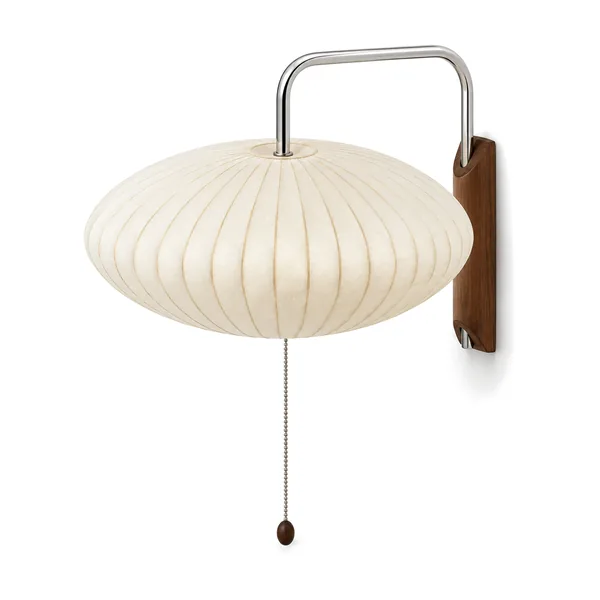
Solvei Minimalist Silk Wall Lamp for Bedroom
 Save $290.00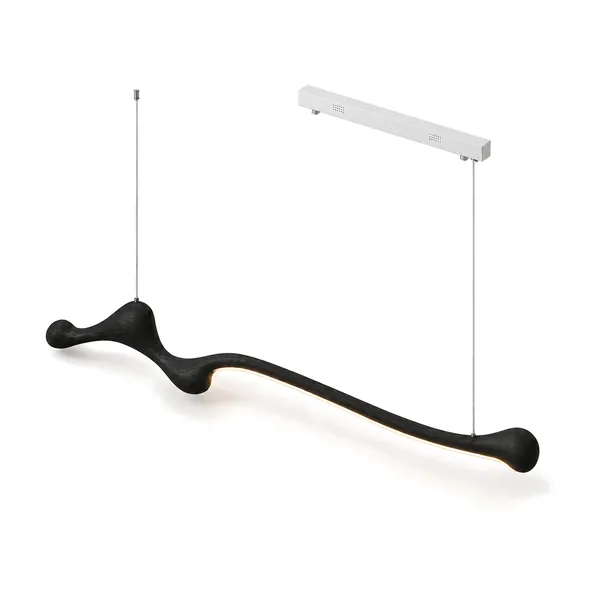
 3 options
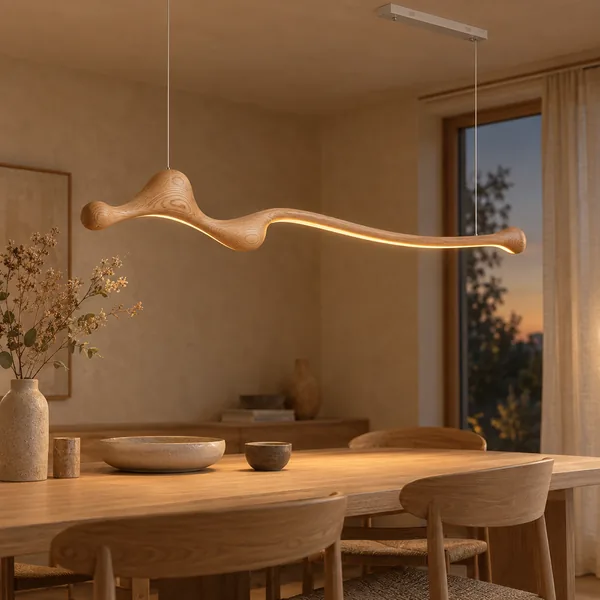
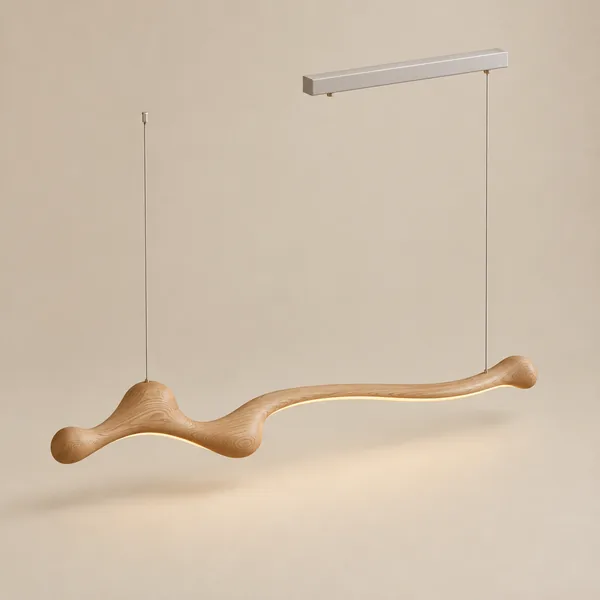
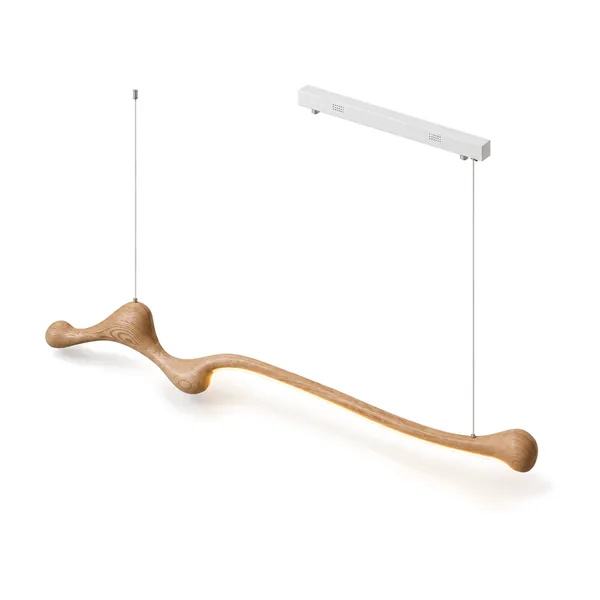
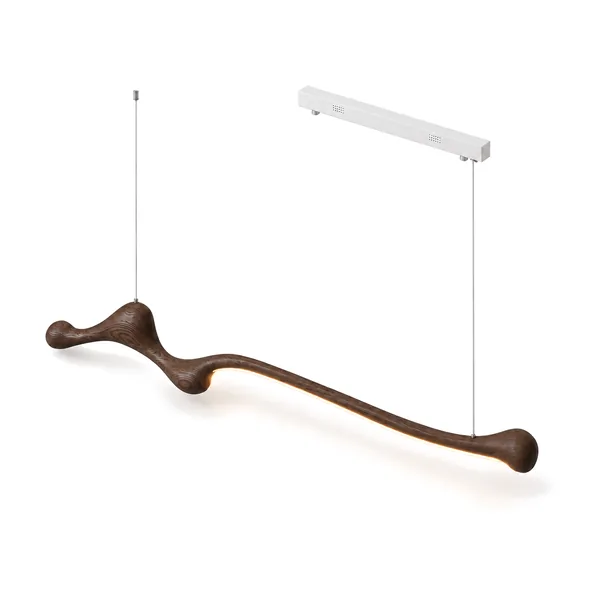
Skoglyn Dimmable Ash Wood Linear Pendant Light
Organic Modern vs. Japandi: Understanding the Distinctions
The question often arises: what differentiates organic modern style from Japandi? While closely related, each has distinct characteristics worth understanding as you curate your space.
Organic Modern emphasizes biophilic connections and sculptural, nature-inspired forms. It tends to celebrate the inherent qualities of materials—wood grain, ceramic irregularities, woven textures—and often features warmer, earthier palettes. The style prioritizes the relationship between the object and the natural world from which its materials came.
Japandi, while also material-conscious, leans more heavily into functional minimalism and restraint. It typically employs a more muted, neutral color palette with stronger emphasis on empty space (ma) and precise craftsmanship. Where organic modern embraces curves and flowing lines, Japandi might balance those curves with more rectilinear elements and stricter simplicity.
In practice, the two styles blend beautifully. Many Scandinavian lighting pieces embody both philosophies—the clean functionality of Nordic design married to the organic materiality of Japanese aesthetics. The Stillvei Wabi-Sabi Rice Paper Floor Lamp represents this fusion perfectly, combining a sculptural presence with restrained, intentional design that honors both traditions.
Strategic Placement for Sculptural Floor Lamps
Knowing where to place a sculptural floor lamp maximizes both its functional and aesthetic impact. These pieces deserve thoughtful positioning—they're not merely utilities but centerpieces.
Entry Points and Corners: A sculptural lamp placed near an entrance or in an underutilized corner transforms transitional spaces into moments of interest. The vertical presence draws the eye upward, emphasizing room height while filling negative space.
Bedside Alternatives: For bedrooms lacking nightstands or with limited surface area, a floor lamp beside the bed frees up space while providing adjustable reading light. Look for models with dimming capabilities to support your circadian rhythm.
Behind Furniture: Placing a substantial sculptural piece partially behind a sofa or chair adds depth and layering. This technique, borrowed from interior design studios, creates sophisticated vignettes that feel professionally styled.
Near Natural Light Sources: Position your lamp where it will be touched by natural daylight. This creates a dialogue between the fixture and the window, emphasizing the biophilic connection throughout the day.
Curated Sculptural Lighting for Biophilic Spaces
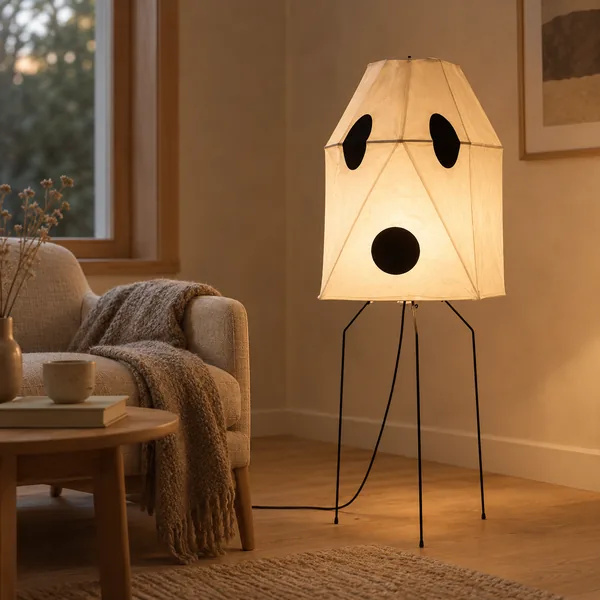 Stillvei Wabi-Sabi Rice Paper Floor Lamp 57in$389.00$529.00
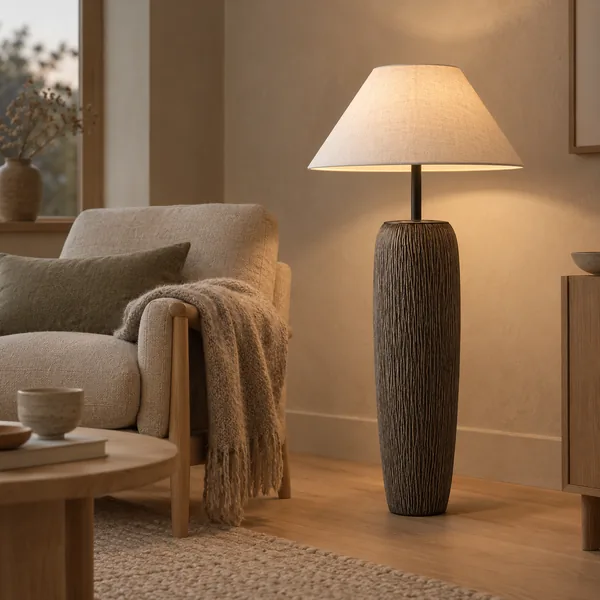 Vasten Artisan Japanese Ceramic Floor Lamp$394.00$569.00
For those seeking sophisticated technological integration with organic form, the Vasten Artisan Japanese Ceramic Floor Lamp offers hand-finished ceramic construction in three sizes with intuitive touch control. It's proof that organic sculptural light pieces can honor traditional craftsmanship while serving contemporary lifestyles.
Creating Your Biophilic Sanctuary
The journey toward a more nature-connected home doesn't require a complete renovation. Often, a single thoughtful lighting choice becomes the catalyst for broader transformation. An organic modern floor lamp anchors your space with intention, warmth, and authentic material beauty.
When selecting your piece, prioritize quality materials and honest craftsmanship over trends. Look for natural variations in wood grain, hand-finished ceramic surfaces, or the subtle weave of natural fibers. These details reward daily attention and age gracefully alongside your home.
At Skonne, we curate lighting that respects both the environment that produces it and the spaces it illuminates. Our collection of Scandinavian Lighting embraces the organic modern philosophy—pieces that feel simultaneously timeless and perfectly attuned to contemporary living. We believe your home deserves lighting that does more than brighten; it should nurture, ground, and inspire.
Related Article
Modern Floor Lamps for the Bedroom: Best Styles, Placement Tips & How to ChooseDiscover the best modern floor lamp for bedroom spaces. From minimalist to arc styles, learn placement tips and how to choose the perfect bedroom lighting.