
Outdoor Landscape Lighting: Design Ideas, Fixture Types & How to Plan Your Scheme
Summary›
- Understanding Outdoor Landscape Lighting Types
- How to Plan Your Outdoor Landscape Lighting Layout
- The Best Height for Landscape Lighting Fixtures
- Lumens Requirements for Outdoor Landscape Lighting
- Solar vs Wired Landscape Lighting: Key Benefits
- Scandinavian Design Principles for Outdoor Lighting
- Create Your Perfect Outdoor Sanctuary
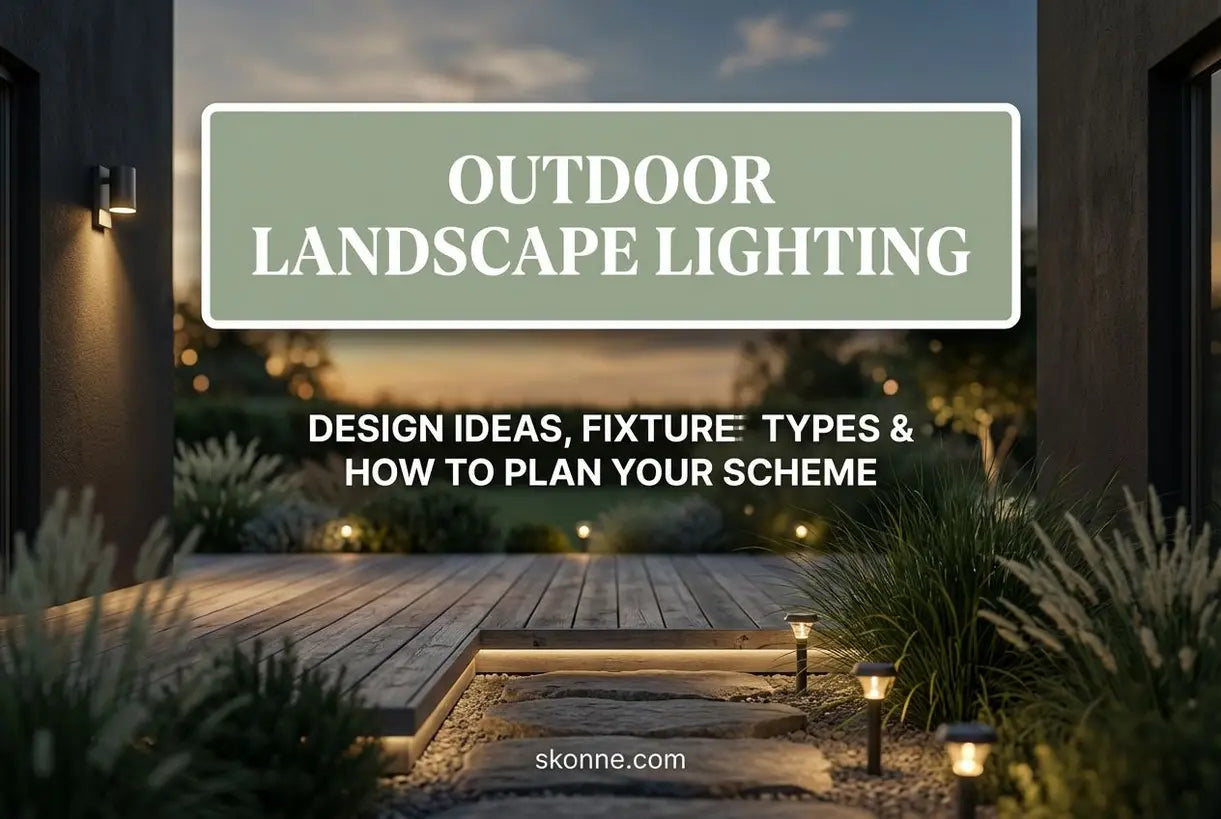
When the sun sets over your garden, does your outdoor space fade into darkness—or transform into a warm, inviting sanctuary that beckons you to linger just a little longer? Thoughtfully designed outdoor landscape lighting has the power to extend your living space, create dramatic focal points, and infuse your evenings with that signature Scandinavian hygge feeling: intimate, comfortable, and quietly beautiful.
Whether you're illuminating a winding garden path or casting gentle light across your patio, the right landscape outdoor lighting ideas can elevate your home's exterior from overlooked to unforgettable. In this guide, you'll discover how to plan an outdoor lighting landscape design scheme that balances aesthetic appeal with practical functionality, using Nordic-inspired principles and carefully curated fixtures. By the end, you'll have the confidence to create an outdoor lighting plan that works as hard as it looks beautiful—and we'll show you exactly which fixtures can bring your vision to life.
Understanding Outdoor Landscape Lighting Types
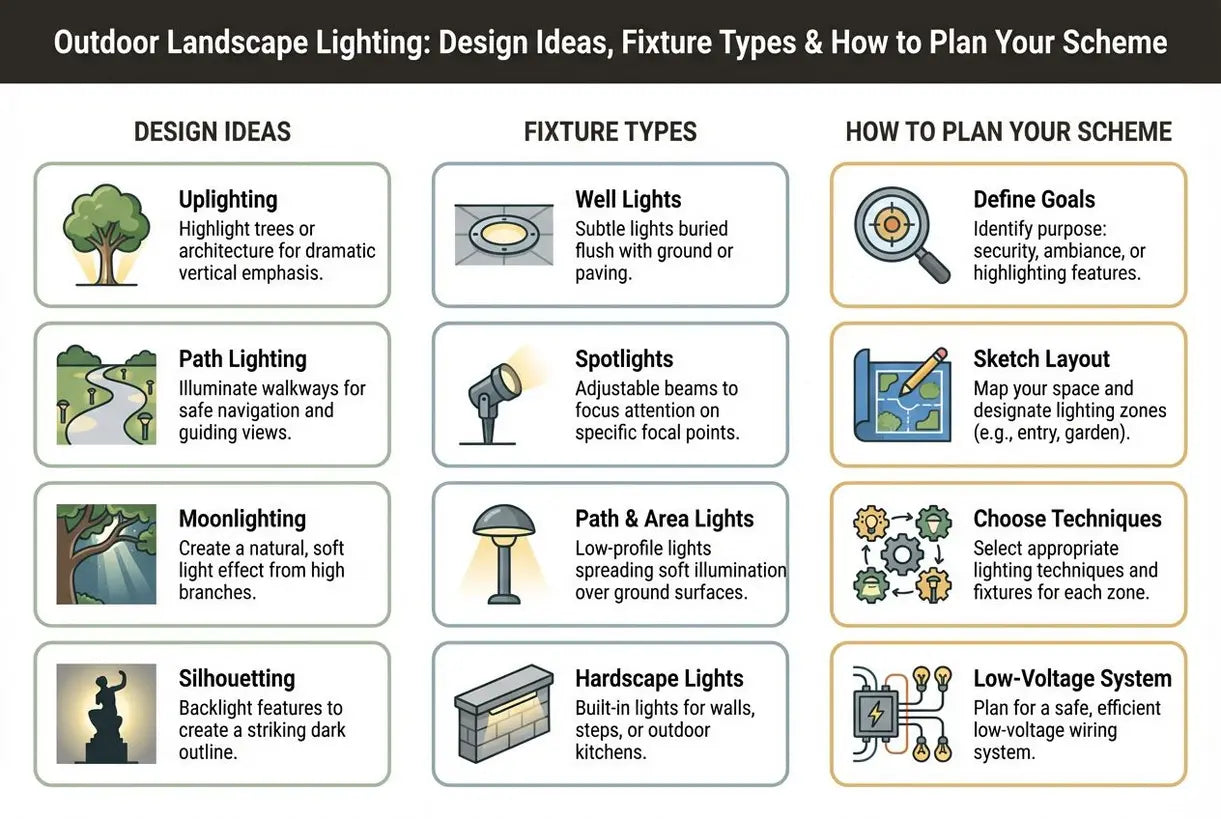
The foundation of any successful outdoor landscape lighting scheme lies in understanding the three primary lighting techniques: ambient, task, and accent lighting. Each serves a unique purpose, and together they create layers of illumination that add depth and character to your outdoor environment.
Ambient lighting provides overall illumination and general visibility, typically serving as your base layer. Think of soft washes of light across patios or warm pools of radiance along pathways. Task lighting focuses on specific areas where activities occur—grilling stations, dining tables, or staircases require brighter, directed illumination. Accent lighting, however, is where the magic happens: this technique highlights architectural features, specimen plants, or water elements, creating visual interest and drawing the eye to your garden's most treasured spots.
Common fixture types include path lights for walkways, wall sconces for vertical surfaces, floodlights for broad coverage, and in-ground Well Lights for dramatic uplighting. Deck and step lights ensure safety while adding subtle sparkle, while bollard lights double as decorative sculptures by day and beacons by night. When selecting fixtures, consider your home's architectural style—a Scandinavian-inspired frame pairs beautifully with clean lines, natural materials, and weathered textures.
How to Plan Your Outdoor Landscape Lighting Layout
Planning your outdoor landscape lighting layout requires intentionality and a clear understanding of how you use your outdoor spaces. Begin by walking your property at dusk with a flashlight, identifying which areas feel dark or neglected and where natural gathering spots emerge. Take note of existing focal points—mature trees, water features, or architectural elements—that deserve dramatic illumination.
Sketch a rough map of your outdoor space, marking zones that need different types of lighting. Prioritize entrances and pathways for safety, then layer in accent lighting to create visual interest. Consider power source locations and the practicality of wiring versus solar options. A well-planned scheme ensures no dark pockets remain while avoiding the "runway effect" created by overly uniform placement.
A key principle of landscape lighting planning is layering your light sources. Combine uplighting on trees with pathway lighting and wall washing for your home's facade. This creates dimension and prevents flat, one-dimensional illumination. For those looking to explore more options, our Adjustable Wall Lights collection offers a curated selection of fixtures that adapt beautifully to diverse outdoor settings.
Mapping Your Lighting Zones
Divide your outdoor space into functional zones: entry points, pathways, gathering areas, and garden features. Each zone requires different treatment based on its purpose and the mood you wish to create. Entryways benefit from welcoming, warm light that guides visitors safely, while garden paths need consistent, gentle illumination that prevents accidents without feeling clinical.
Outdoor Lighting
Shop all Outdoor Lighting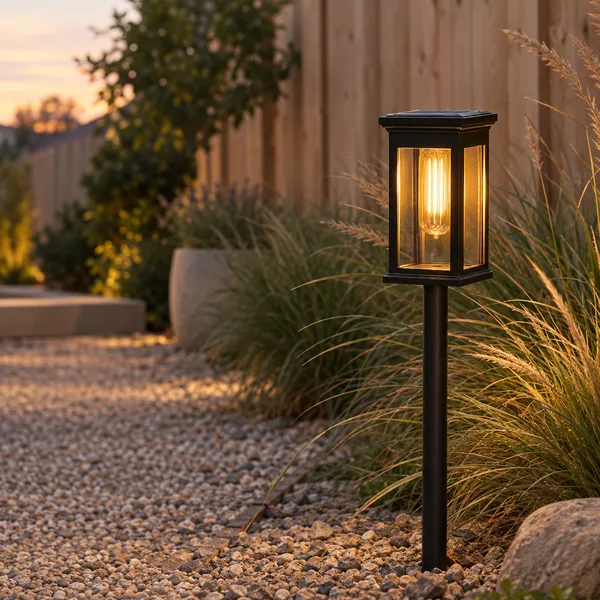
 Save $30.00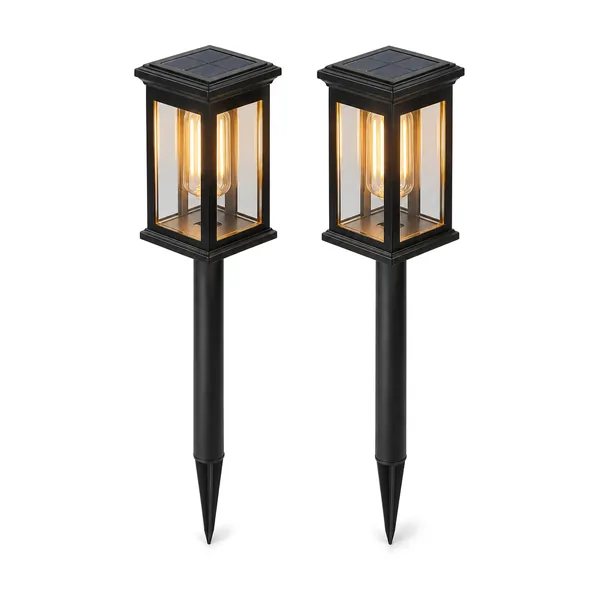
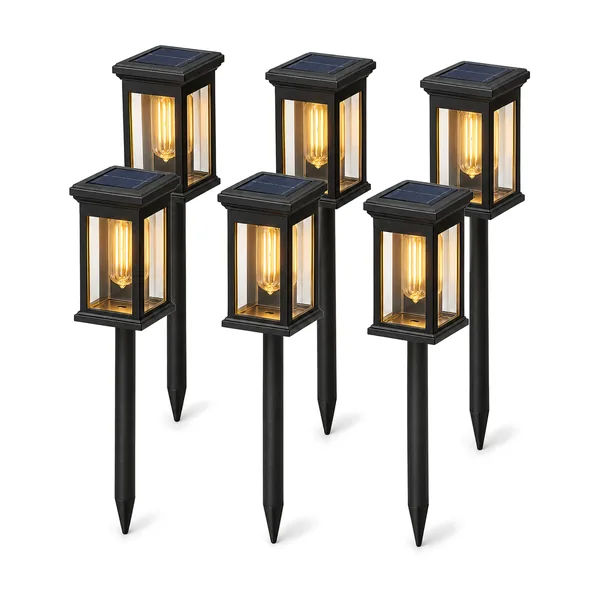
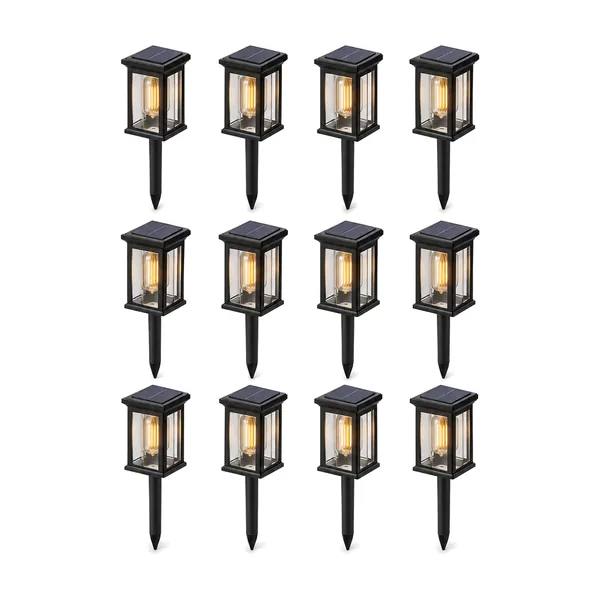 3 options
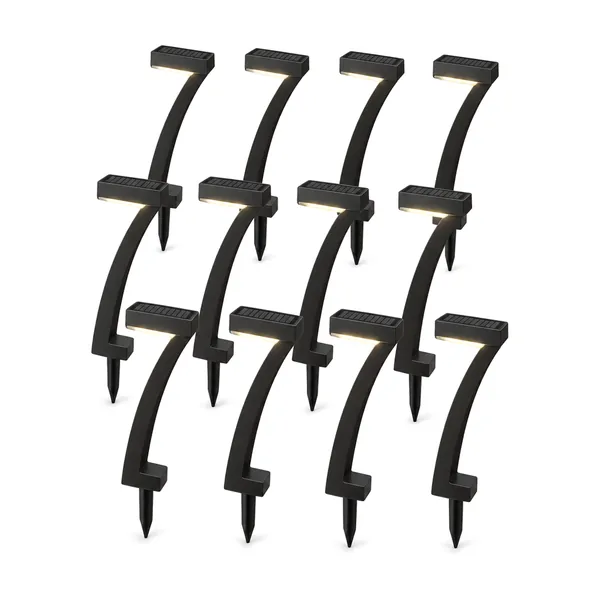
Solsti Solar Garden Path Lights 2700K Warm White
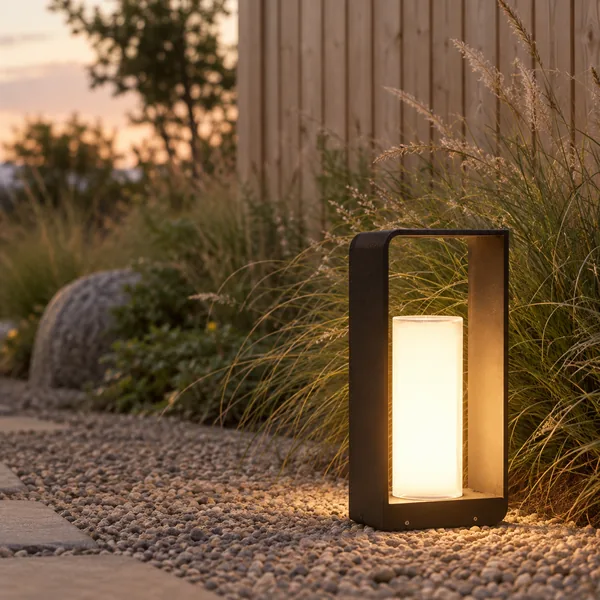
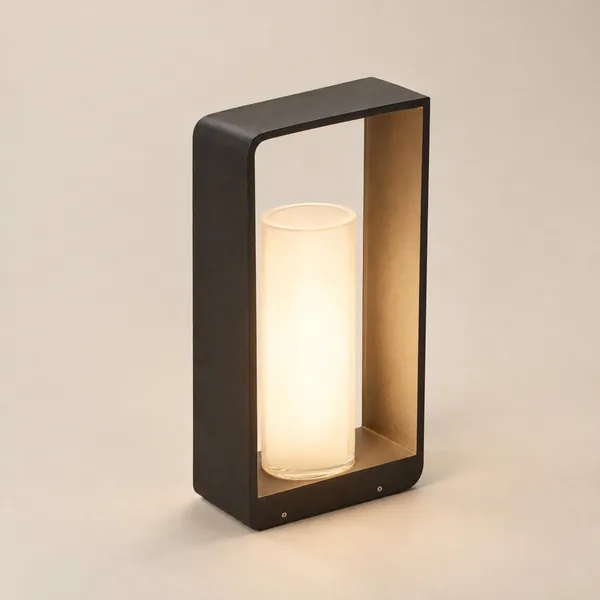 Save $40.00
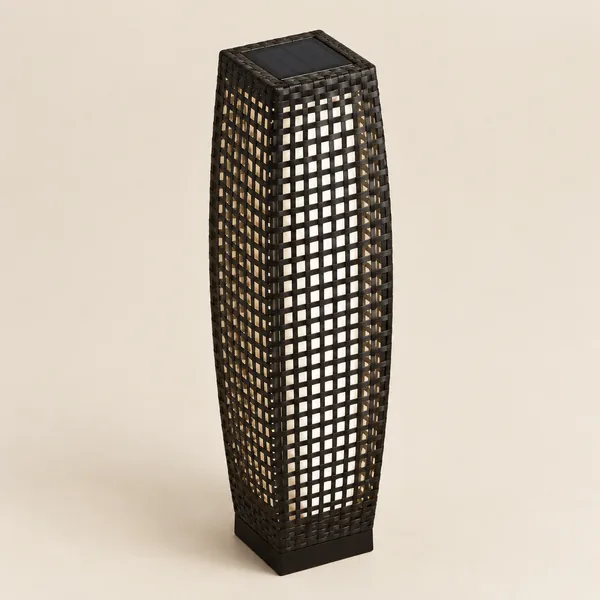
Kvelda Solar LED Garden Lawn Lamp Waterproof
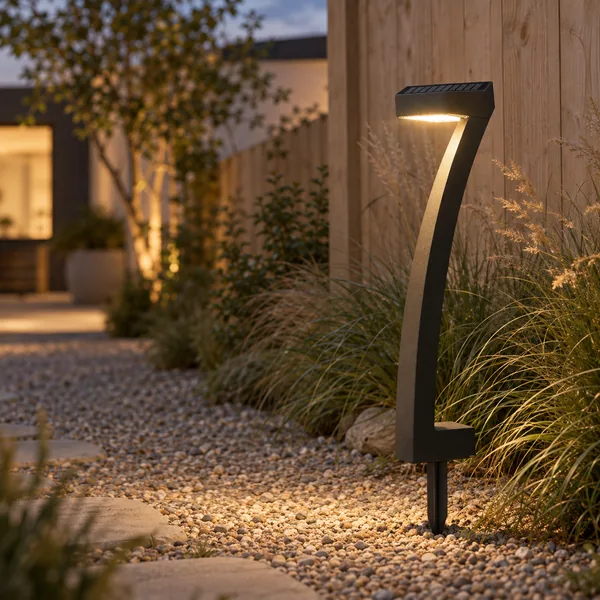
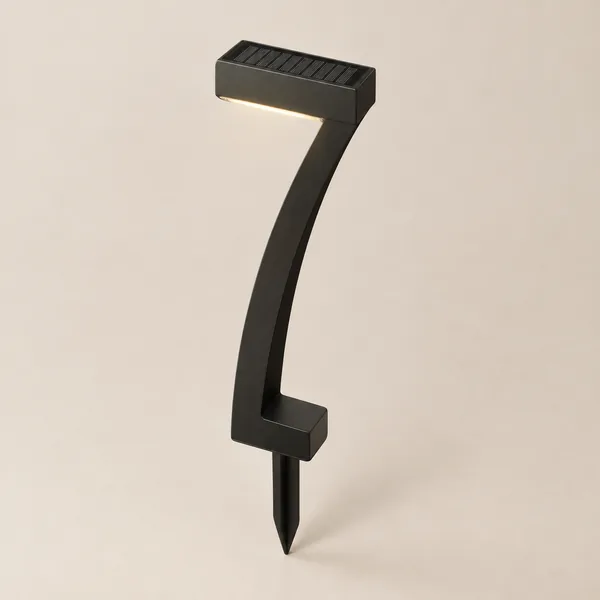 Save $30.00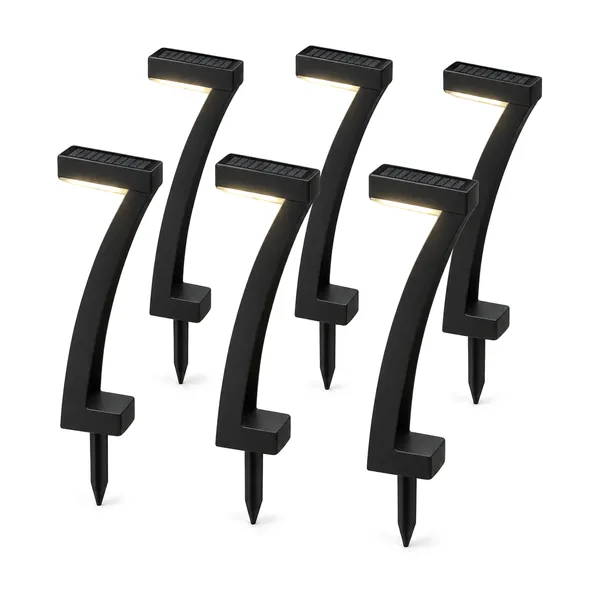
 2 options
Solsti Solar Outdoor Path Lights 2700K Warm White
The Best Height for Landscape Lighting Fixtures
Fixture height significantly impacts both the quality of light and the overall aesthetic of your outdoor space. Path lights typically stand 14 to 16 inches tall with the light source positioned below eye level to prevent glare and create intimate pools of illumination. Wall sconces should be mounted roughly 66 to 72 inches from the ground—approximately eye level—to distribute light evenly across vertical surfaces.
Uplighting requires strategic placement: ground-level fixtures positioned 6 to 12 inches from tree trunks or architectural features cast dramatic shadows upward. For pendant lights over outdoor dining areas, maintain 30 to 36 inches clearance above the table surface to prevent obstructed sightlines while ensuring adequate task lighting.
Remember that these are general guidelines—your specific landscape may require adjustments based on terrain, vegetation density, and personal preference. The goal is always to create comfortable, glare-free illumination that enhances rather than dominates your outdoor environment.
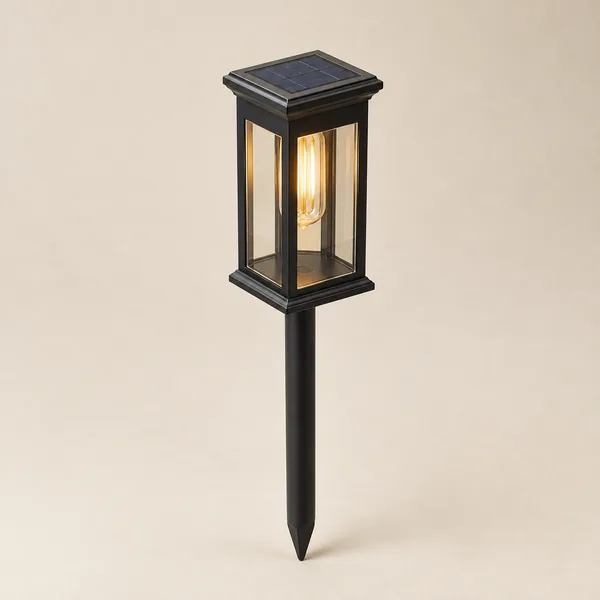
Solsti Solar Outdoor Path Lights 2700K Warm White$119.00$149.00The Solsti Solar Outdoor Path Lights 2700K Warm White embody the perfect height and brightness combination for garden pathways. With their stake-in-the-ground design and warm 2700K illumination, these Scandinavian-inspired fixtures eliminate the guesswork of placement while providing up to 12 hours of nightly ambiance. Their understated silhouette complements natural landscapes without competing with your garden's organic beauty.
Lumens Requirements for Outdoor Landscape Lighting
Understanding lumens—the measure of light output—helps you select fixtures with appropriate brightness for their intended use. Path lighting typically requires 100 to 200 lumens to safely guide foot traffic without overwhelming the senses. Wall sconces and accent fixtures work well in the 200 to 400 lumen range, providing adequate illumination while maintaining ambiance.
Task-oriented areas like outdoor kitchens or dining spaces demand higher output, generally 400 to 700 lumens for focused activities. Security and flood lighting can range from 700 to 1,300 lumens, though these should be used sparingly and only where necessary to avoid disrupting the peaceful atmosphere of your garden.
Consider dimmable options or fixtures with multiple brightness settings to adapt your lighting scheme throughout the evening and across seasons. The flexibility to adjust output ensures your outdoor space remains versatile for different occasions and times of night.
Solar vs Wired Landscape Lighting: Key Benefits
The choice between solar and wired landscape lighting involves balancing convenience, reliability, and long-term performance. Solar outdoor lights offer unmatched installation flexibility—no trenching, no wiring, no electrical permits required. They position themselves anywhere sunlight reaches, making them ideal for renters or homeowners seeking immediate transformation without infrastructure changes.
Modern solar technology has advanced significantly, with high-quality fixtures now providing consistent illumination for 8 to 12 hours nightly when properly charged. However, solar performance depends on panel placement and seasonal daylight hours, potentially requiring strategic positioning for optimal sun exposure.
Wired systems deliver unwavering reliability and consistent brightness regardless of weather or season. They support higher-lumen fixtures and complex control systems like dimmers and smart home integration. The downside involves higher upfront installation costs and the need for professional electrical work in many cases. For comprehensive outdoor lighting landscape design guidance, the American Society of Landscape Architects offers professional resources on sustainable lighting practices.
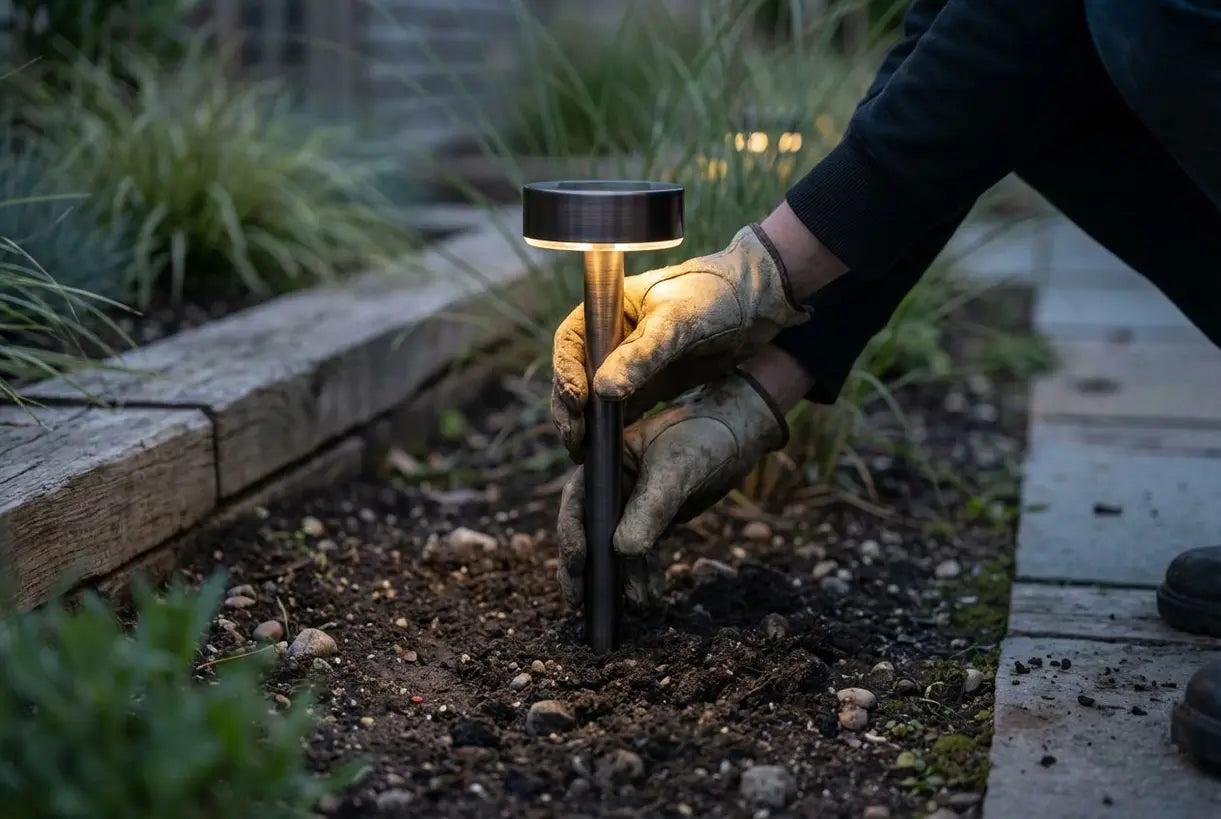
Luckily, you don't have to choose exclusively between solar and wired systems. Many Scandinavian-inspired designs blend both approaches—using solar path lights for flexibility while installing hardwired wall sconces for permanent architectural elements. This hybrid strategy maximizes convenience while ensuring key areas remain consistently illuminated.
Scandinavian Outdoor Lighting Solutions
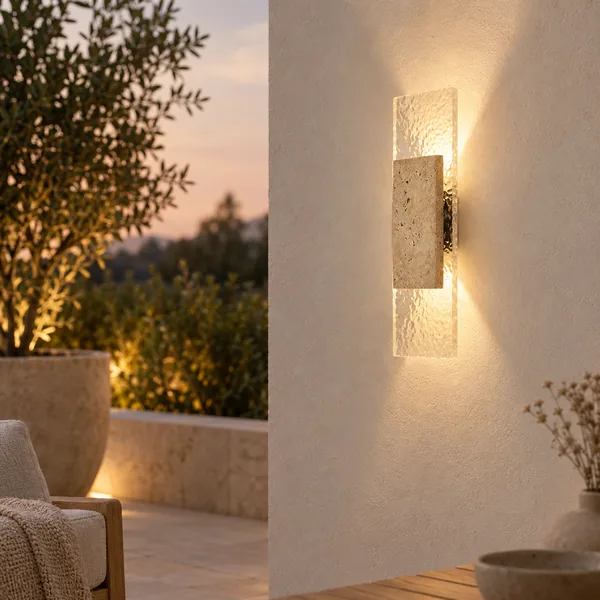 Steinglo Waterproof Stone Wall Sconce 18W LED$239.00$349.00
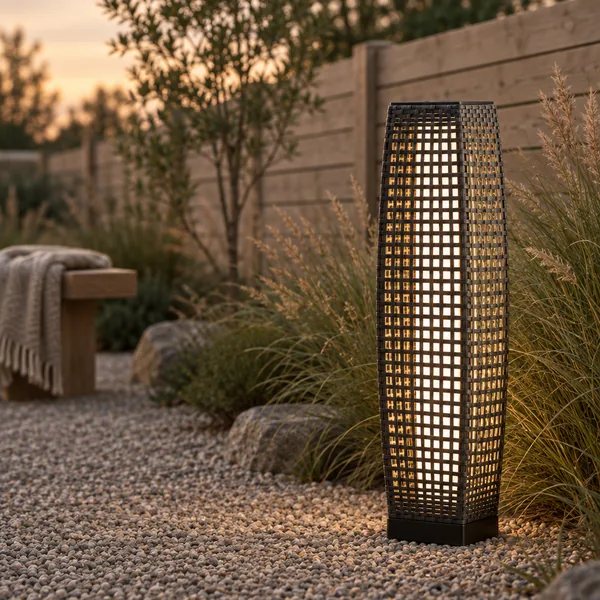 Solvik Art Deco Solar Outdoor Patio Floor Lamp$99.00$179.00
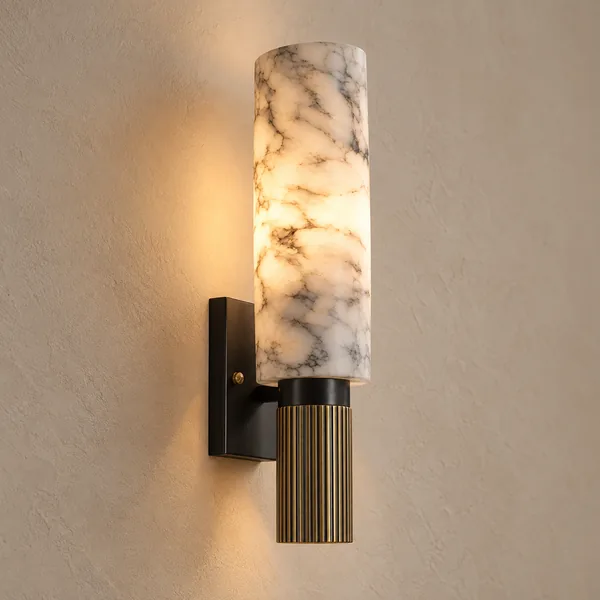
The Steinglo Waterproof Stone Wall Sconce 18W LED brings authentic Nordic craftsmanship to your exterior walls with its natural stone body and warm amber glow. IP65 waterproof rated for complete weather protection, this fixture elevates entryways and garden walls with its organic silhouette. For larger patio spaces, the Solvik Art Deco Solar Outdoor Patio Floor Lamp introduces vertical elegance without any wiring requirements—its weather-resistant iron construction and Art Deco-inspired lines create instant ambiance wherever placed.
Lantern Wall Lights
Shop all Lantern Wall Lights
Scandinavian Design Principles for Outdoor Lighting
Scandinavian outdoor lighting design emphasizes functional beauty and connection to nature. The philosophy prioritizes warm color temperatures—2700K to 3000K—that mimic candlelight and fire, creating that coveted cozy atmosphere without harsh blue tones. Materials matter: matte black metals, untreated wood, and natural stone age gracefully while complementing organic surroundings.
Restraint defines Nordic aesthetics. Rather than flooding the garden with light, the Scandinavian approach carefully edits illumination to create mystery and discovery. Shadow becomes as important as light itself, with carefully positioned fixtures revealing textures and forms while leaving pockets of darkness for the eye to rest. Quality triumphs over quantity—one perfectly placed wall sconce outperforms a dozen poorly positioned spotlights.
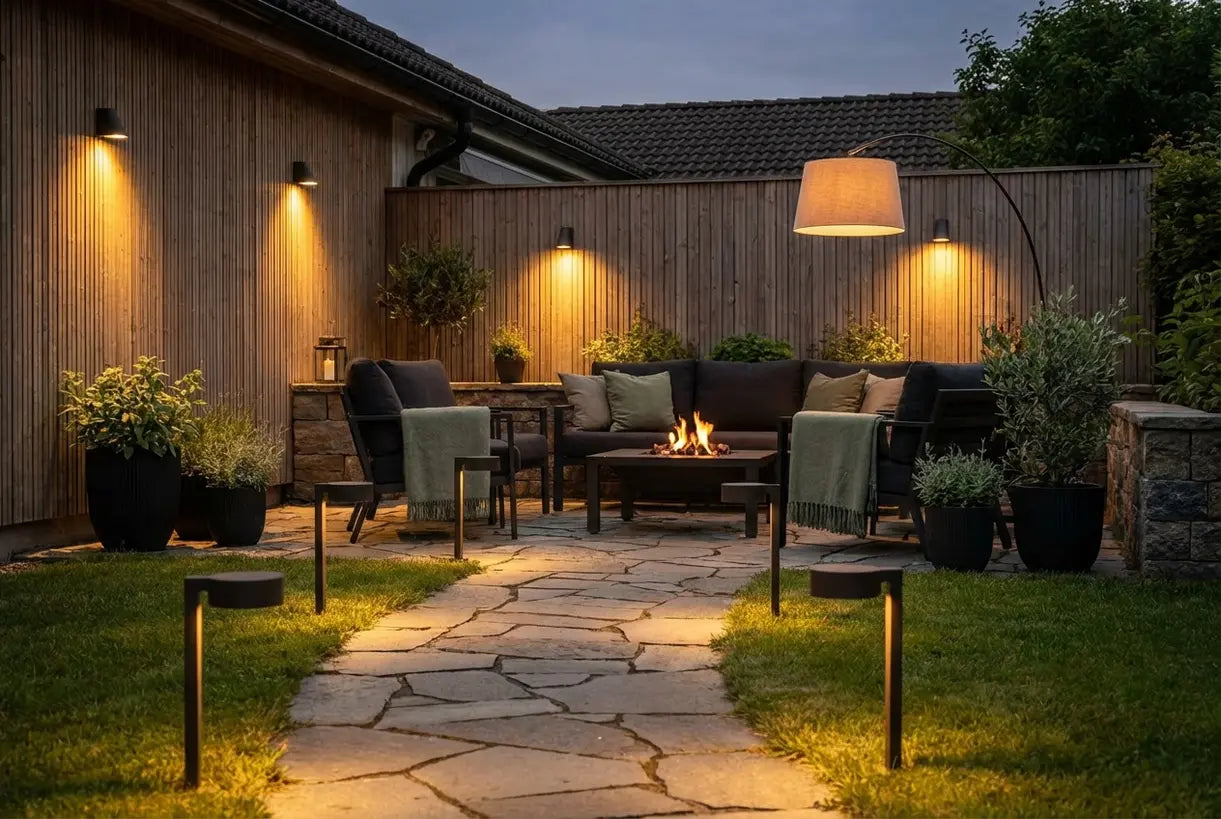
Consider the seasonal rhythms of your region. In Nordic countries, outdoor lighting must perform through long, dark winters, resulting in designs that feel particularly magical during those months when daylight fades early. This sensibility translates beautifully to any climate, creating outdoor rooms that remain inviting year-round. According to lighting design principles, layered outdoor illumination significantly increases usable square footage while enhancing property value and security.
Create Your Perfect Outdoor Sanctuary
Thoughtful outdoor landscape lighting transforms your garden from a daytime-only space into a 24-hour sanctuary for relaxation and connection. By understanding fixture types, lumens requirements, and strategic placement heights, you create an outdoor environment that feels both safe and enchanting. Remember that the best lighting schemes evolve over time—start with key pathways and gathering areas, then add accent lighting as your vision develops.
The Scandinavian approach reminds us that lighting isn't just about visibility; it's about creating atmosphere, highlighting natural beauty, and extending the warmth of indoor life beyond your walls. With carefully selected fixtures that balance innovative technology with timeless Nordic craftsmanship, your outdoor landscape lighting becomes an expression of your personal aesthetic—a warm invitation to pause, breathe, and embrace the quiet magic of evening.
At Skonne, we believe quality outdoor lighting should feel effortless yet intentional. Our collection of Scandinavian-inspired fixtures combines sustainable materials with warm, welcoming illumination designed to age beautifully alongside your garden. Whether you choose solar convenience or hardwired reliability, the right lighting transforms your outdoor space into something truly special.
Related Article
Garden Lighting: How to Beautifully Illuminate Your Outdoor GardenDiscover beautiful garden lighting ideas to transform your outdoor space. Learn how to illuminate pathways and create a warm Nordic ambiance.