
Lantern Wall Lights
Showing 1 - 20 of 20 products
 Save $50.00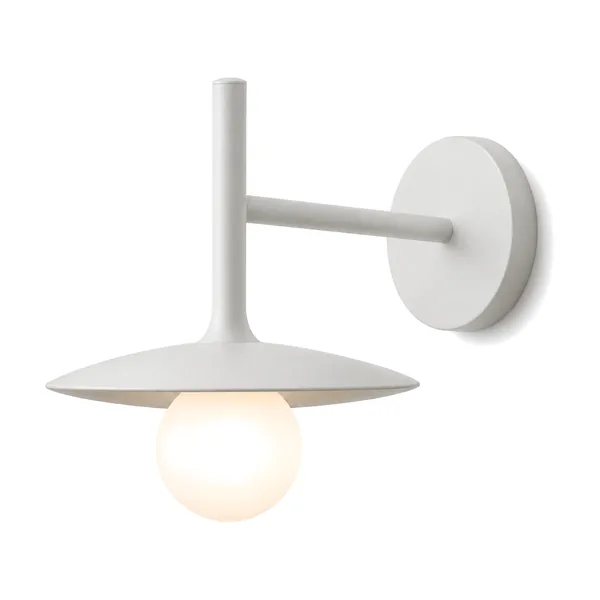
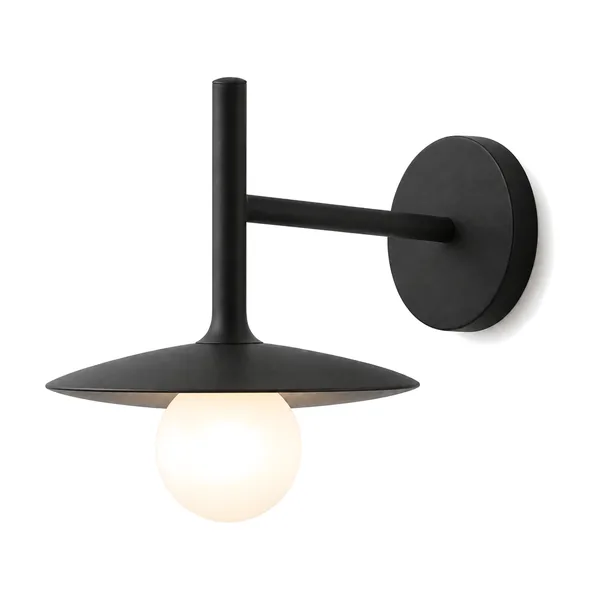
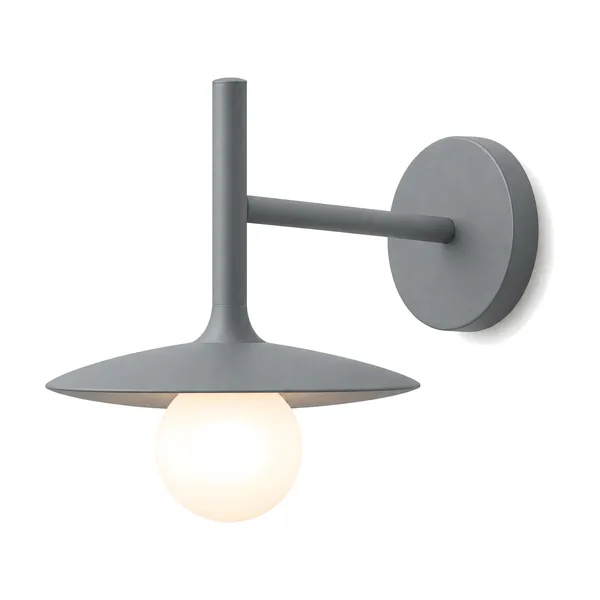 3 options
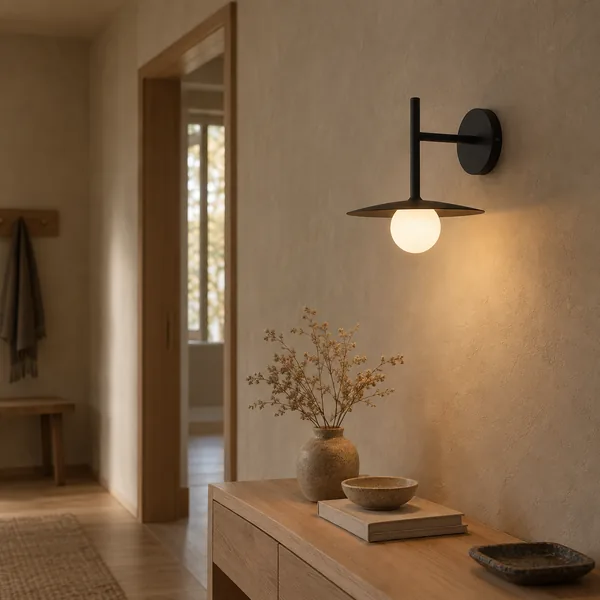
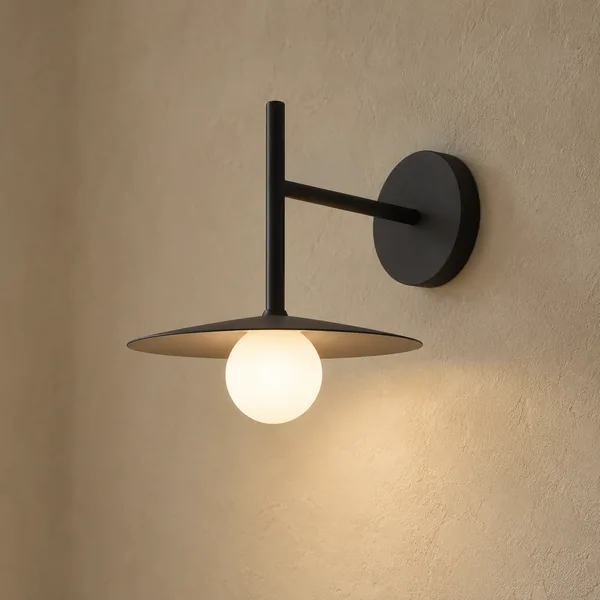
Glöd Nordic LED Wall Lamp Frosted Glass Dimmable
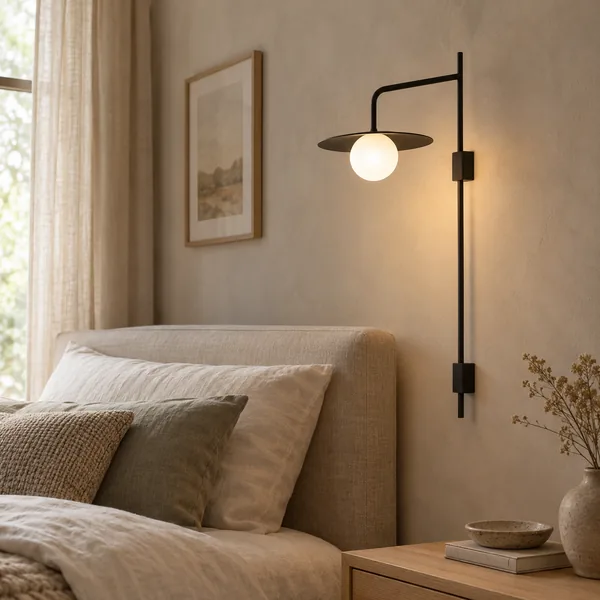
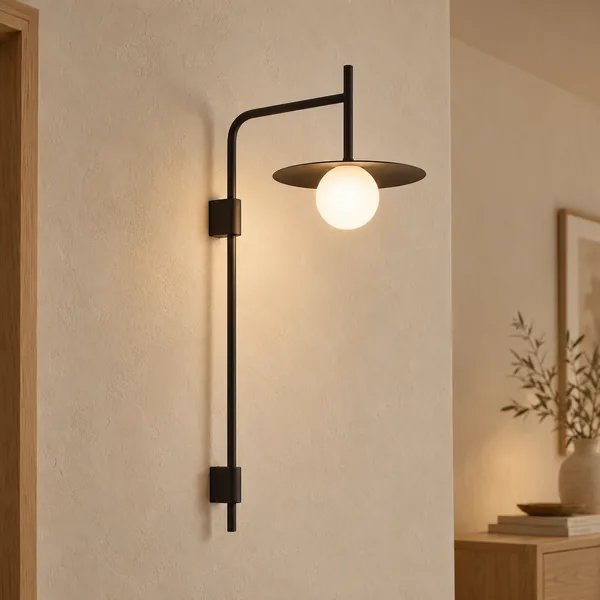 Save $50.00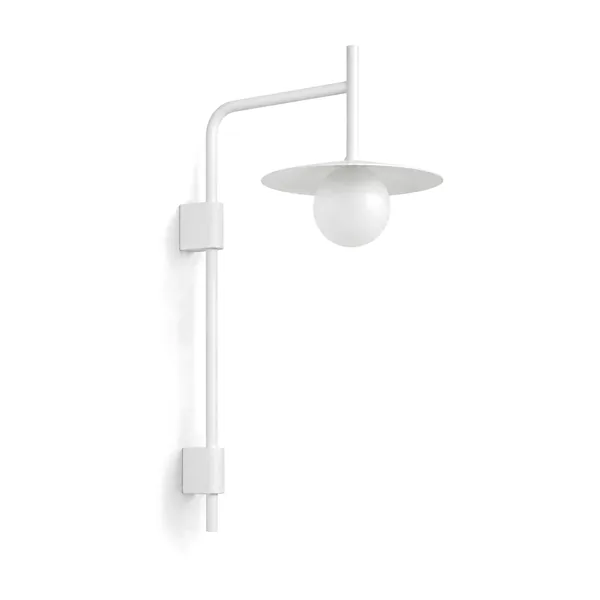
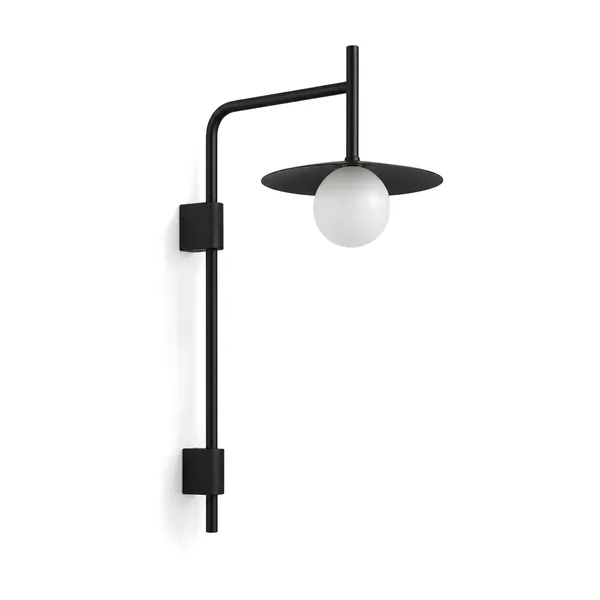
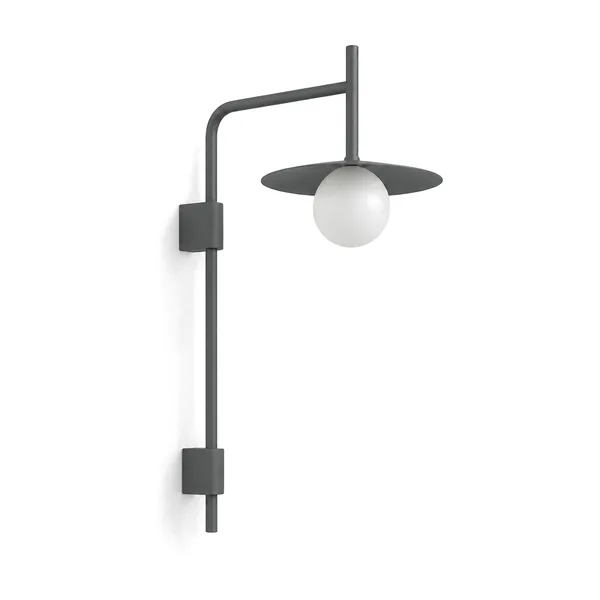 3 options
Solvik Dimmable Frosted Glass LED Wall Sconce
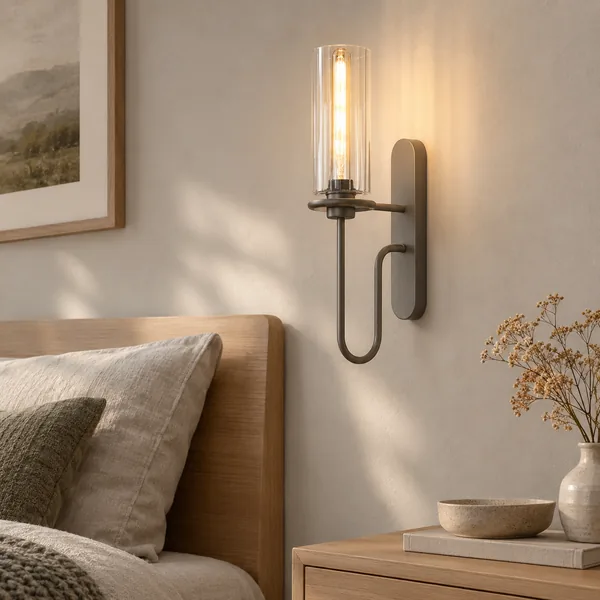
 Save $60.00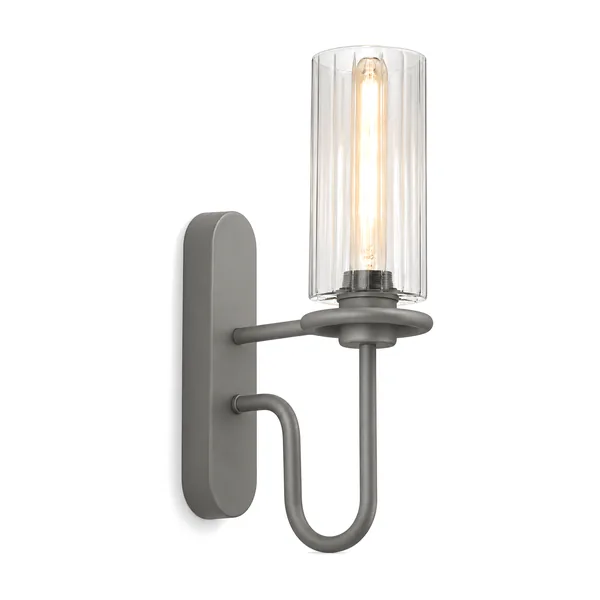
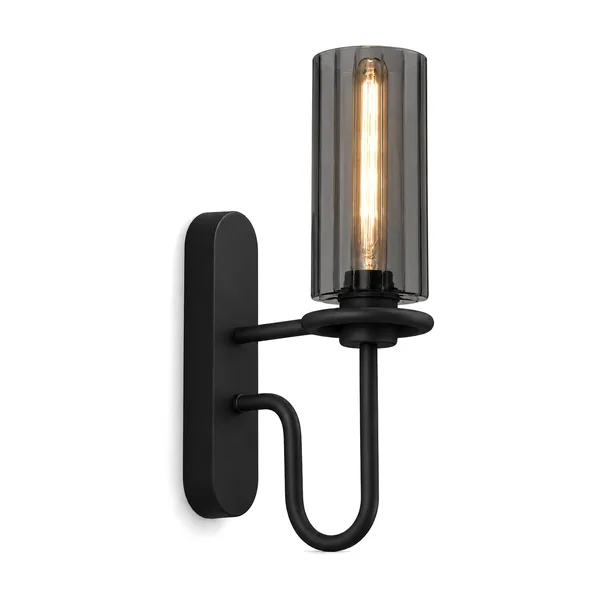 4 options
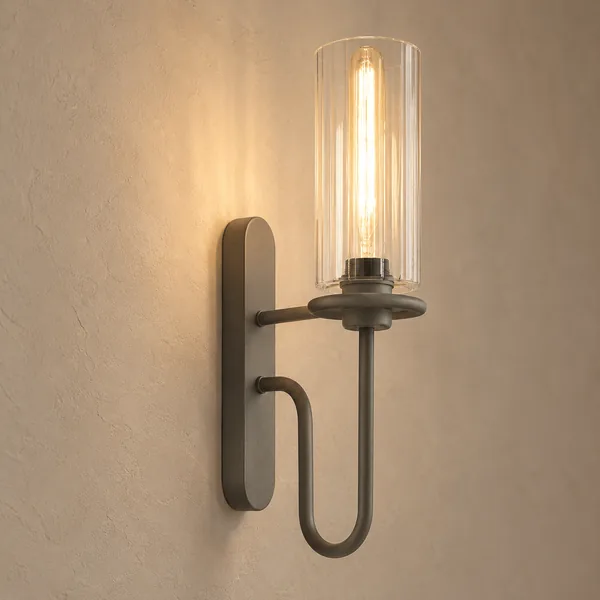
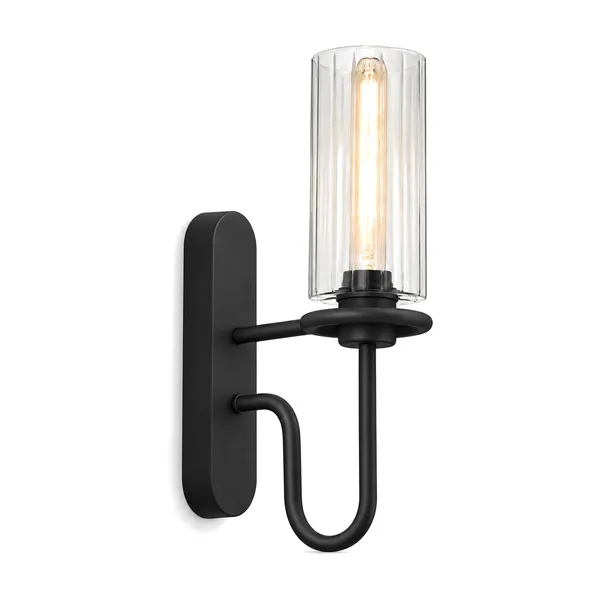
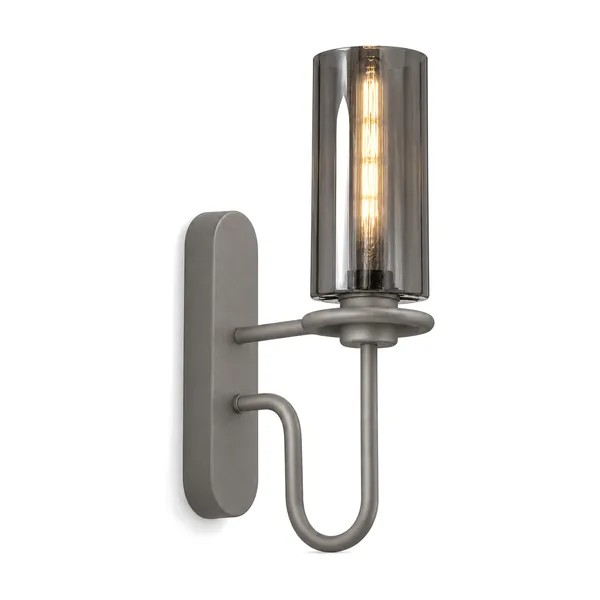
Skygge Nordic Glass Wall Sconce Ambient Light
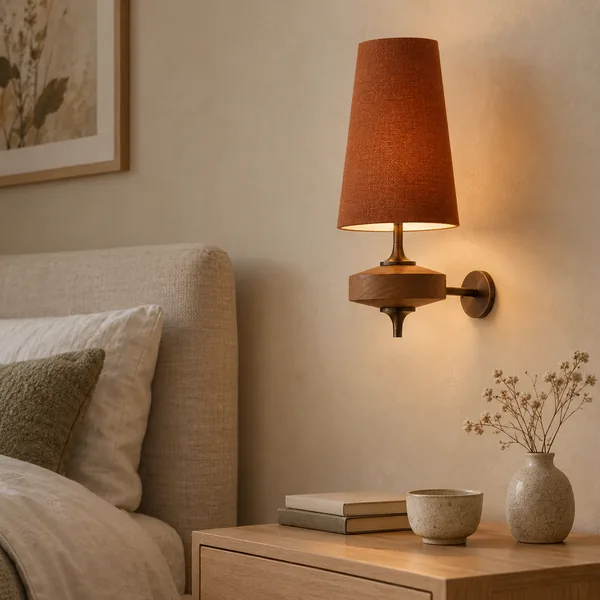
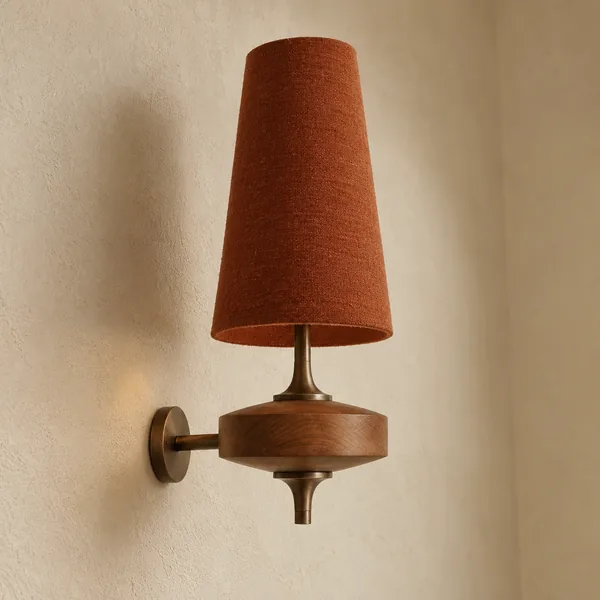 Save $150.00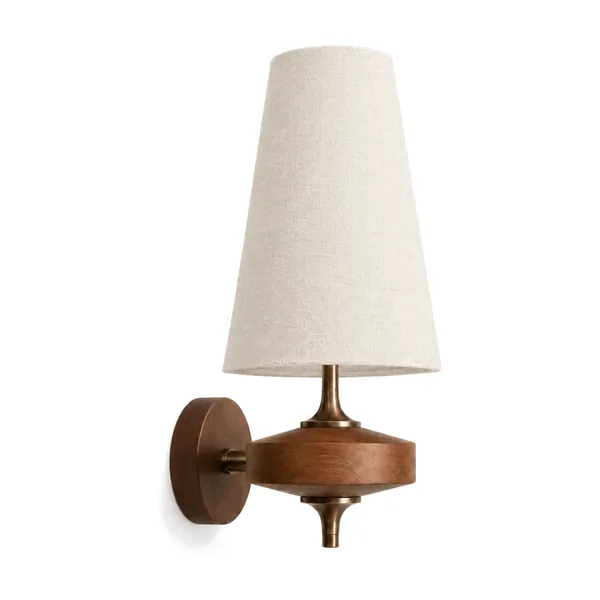
 3 options
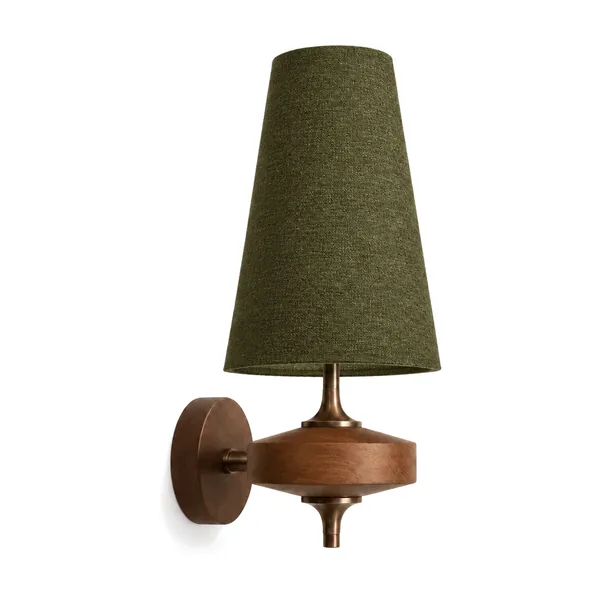
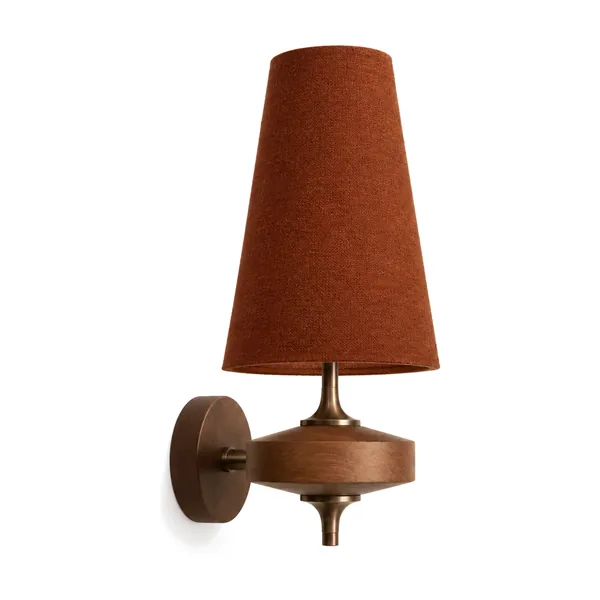
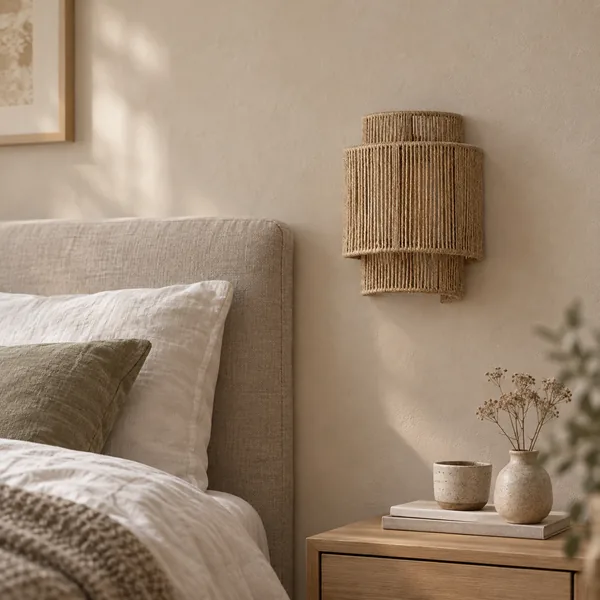
Vevra Nordic Fabric Wall Light with Wood Base
 Save $130.00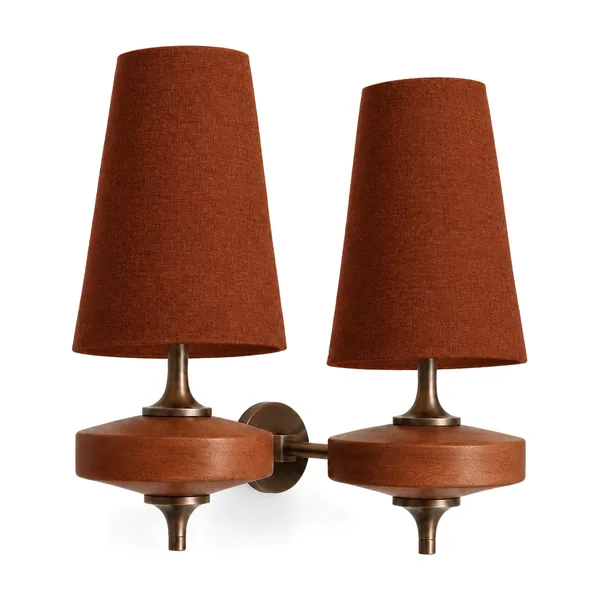
 3 options
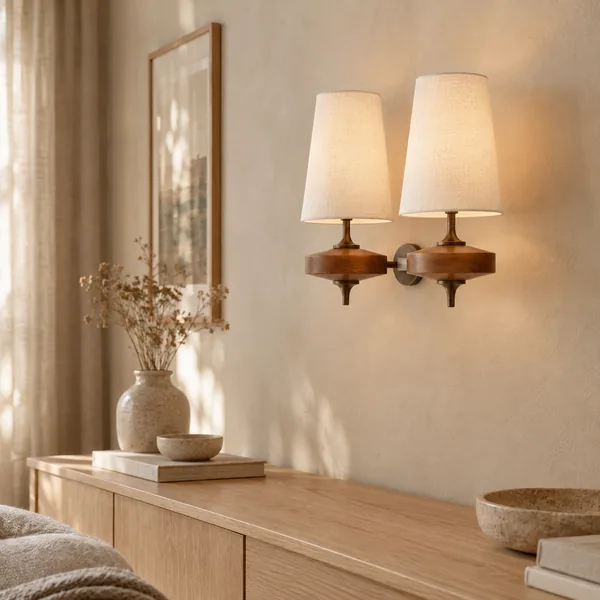
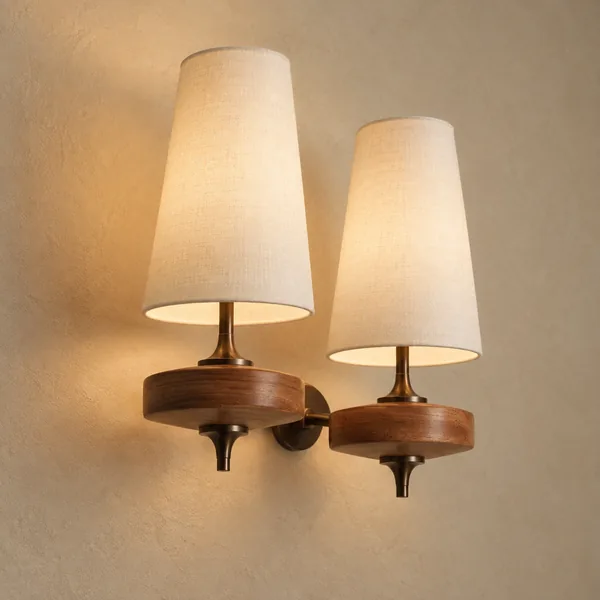
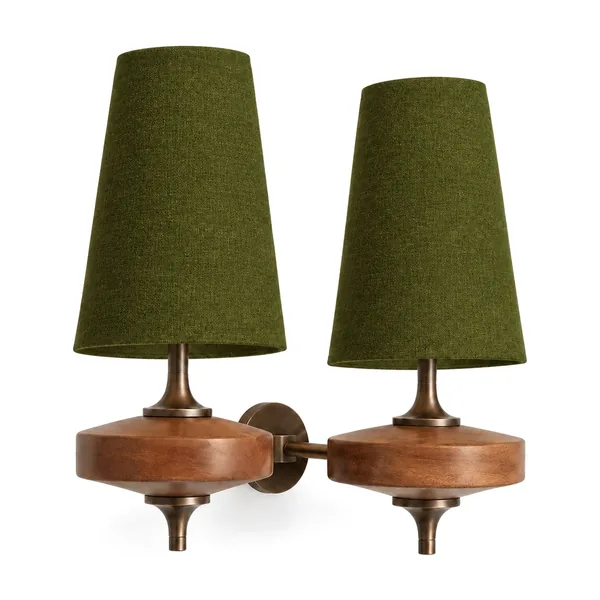
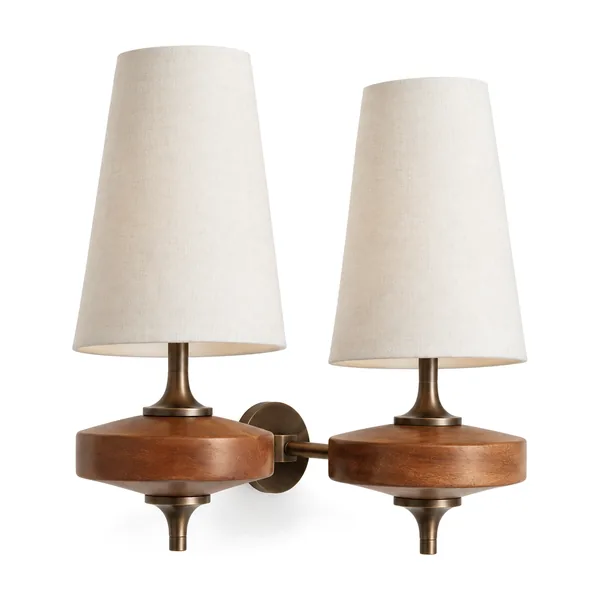
Tviljo Nordic Dual Fabric Wall Lamp Warm Light
 Save $150.00
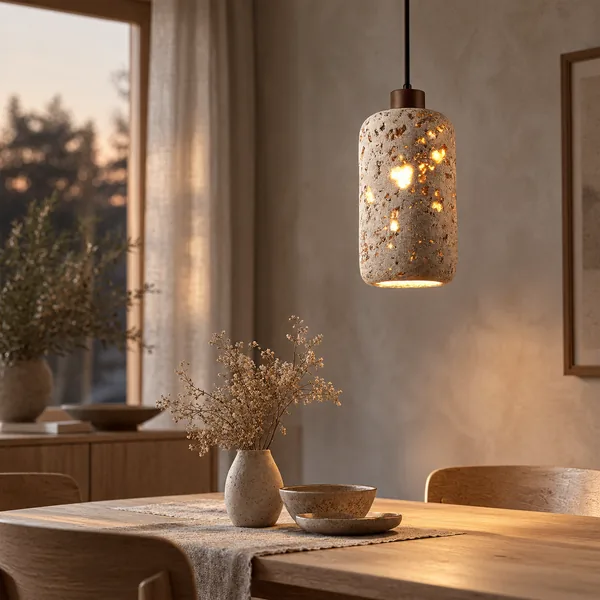
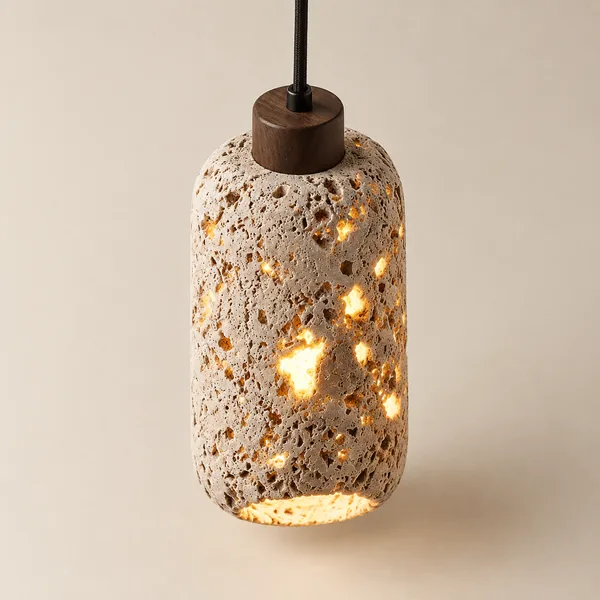
Fjella Travertine Stone Pendant Light Japandi
 Save $180.00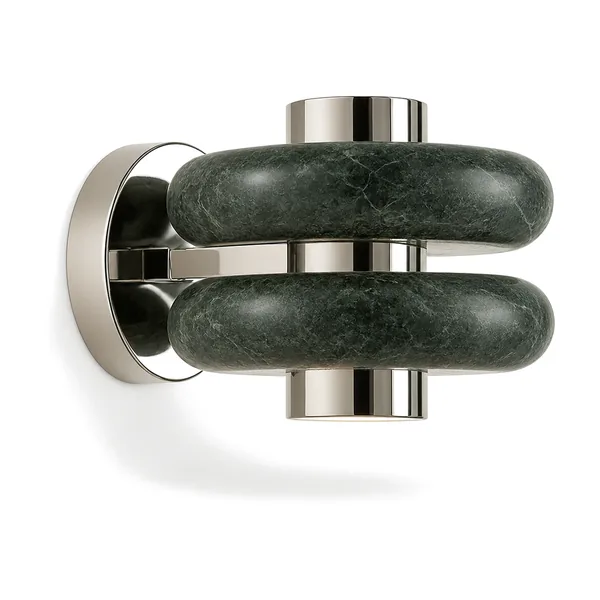
 2 options
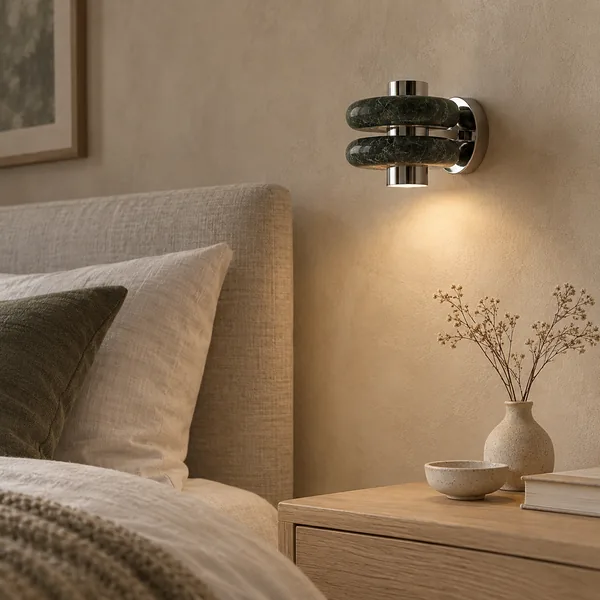
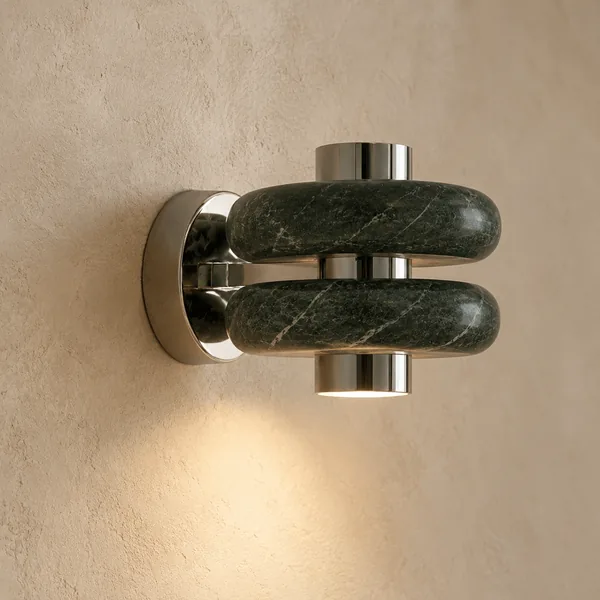
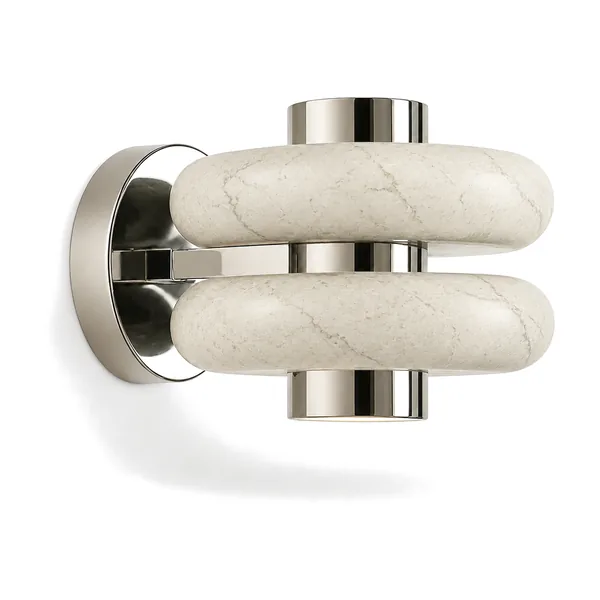
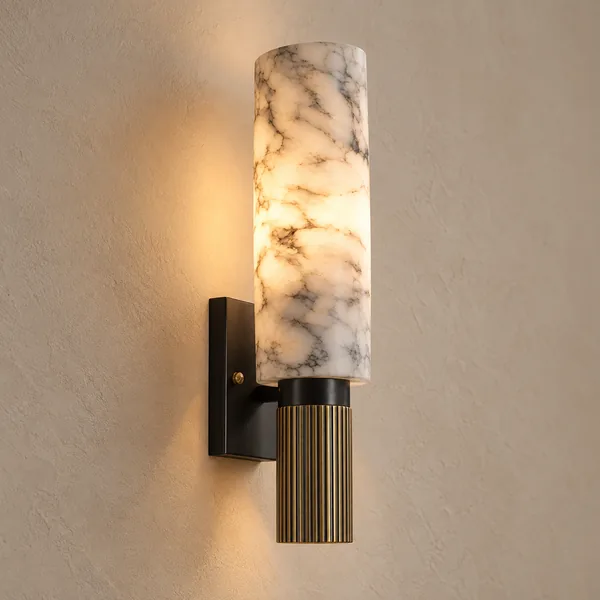
Grenvid Green Marble LED Wall Light Nordic Design
 Save $30.00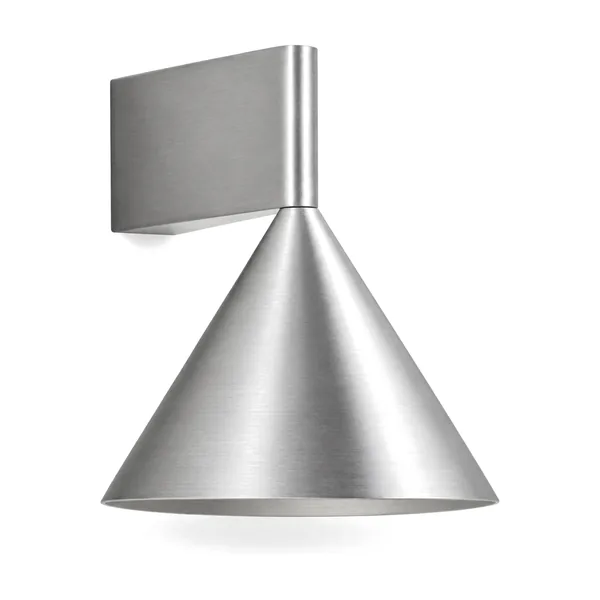
 2 options
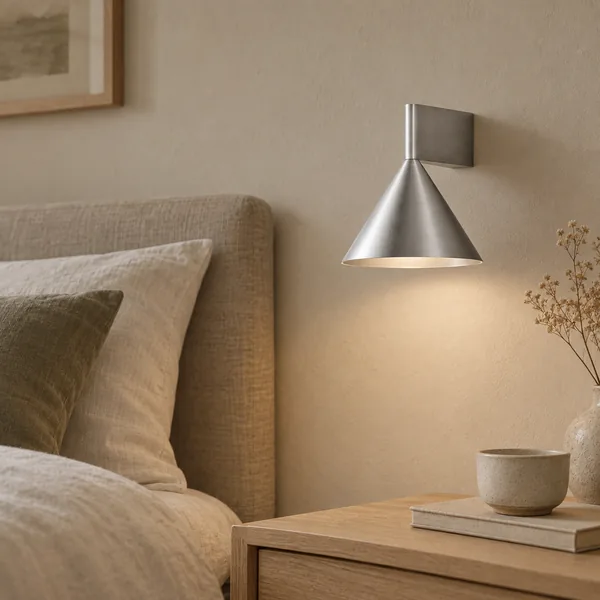
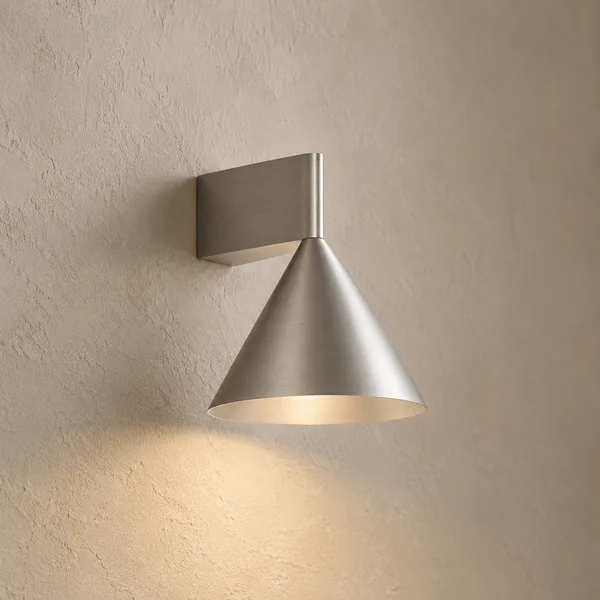
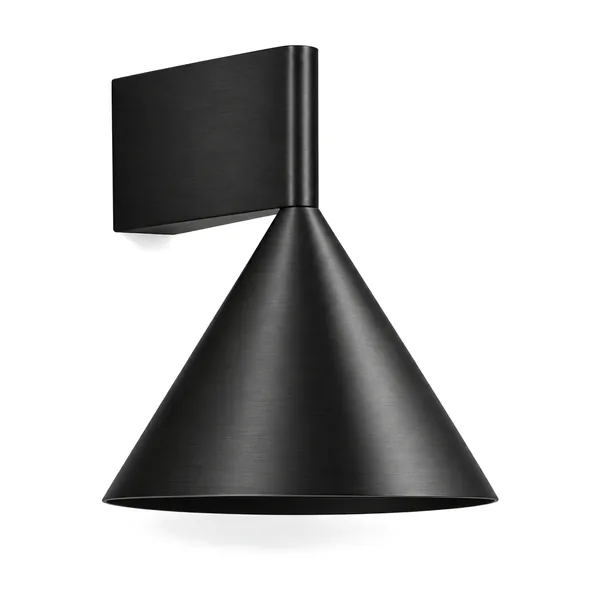
Spira Aluminum Cone Wall Sconce Up Down Light
 Save $180.00
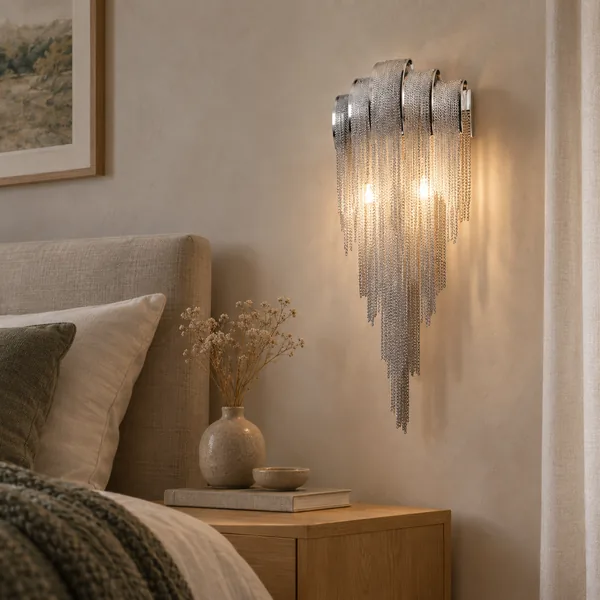
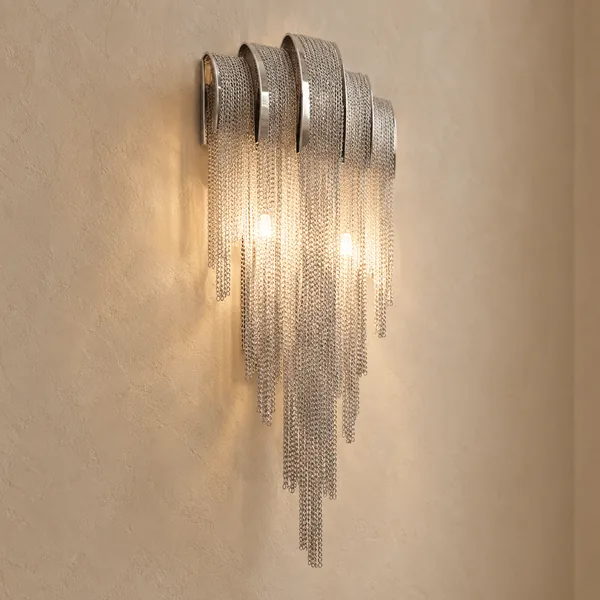
Lenka Chrome Tassel Wall Sconce for Modern Homes
 Save $102.00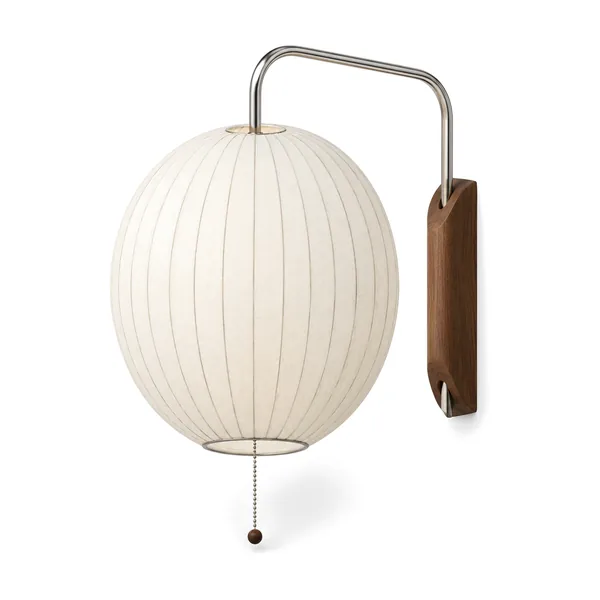
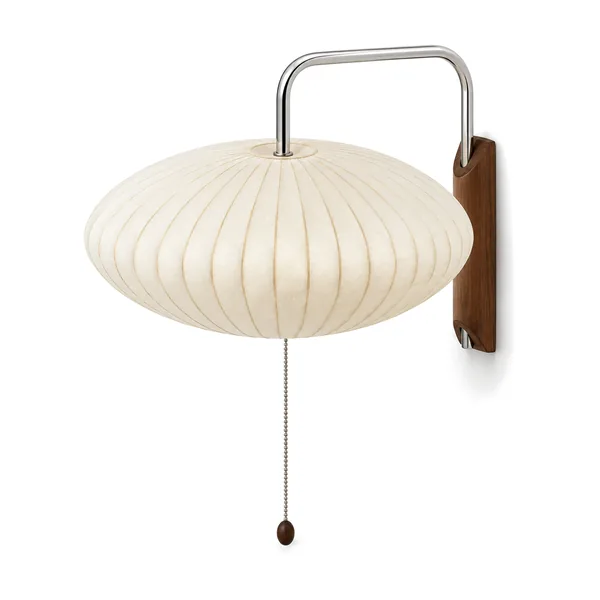 4 options
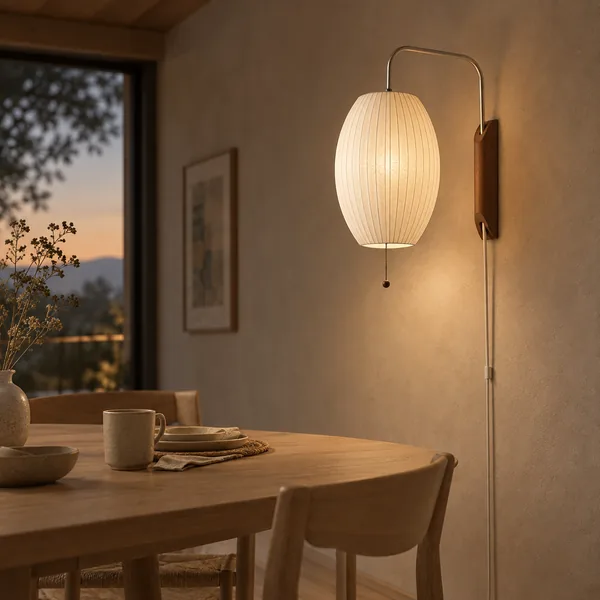
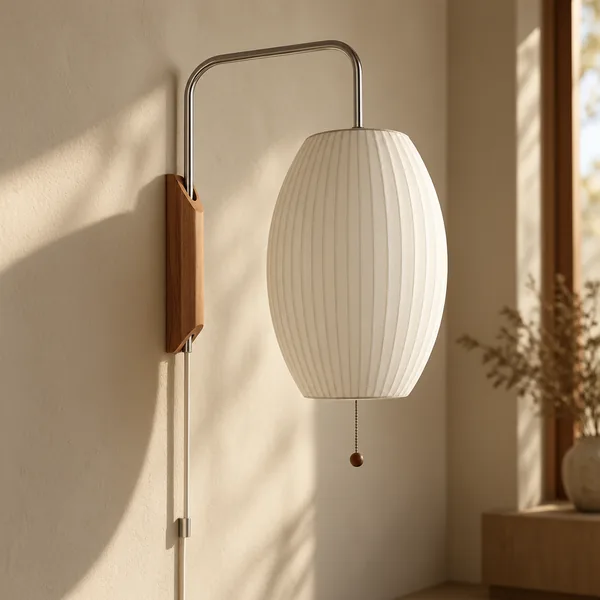
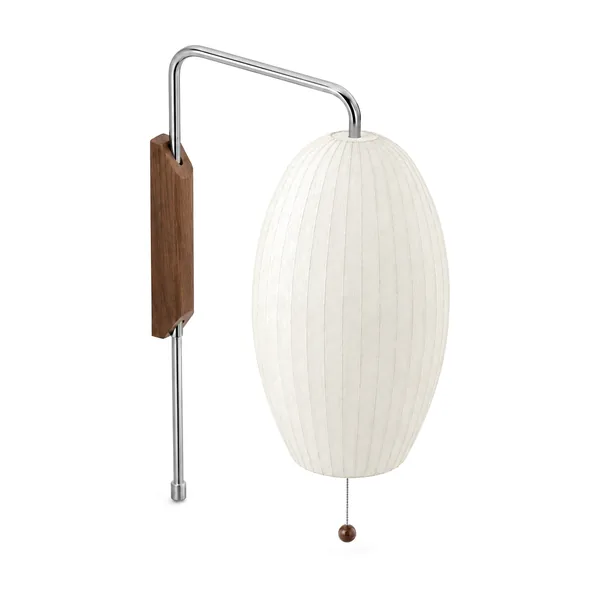
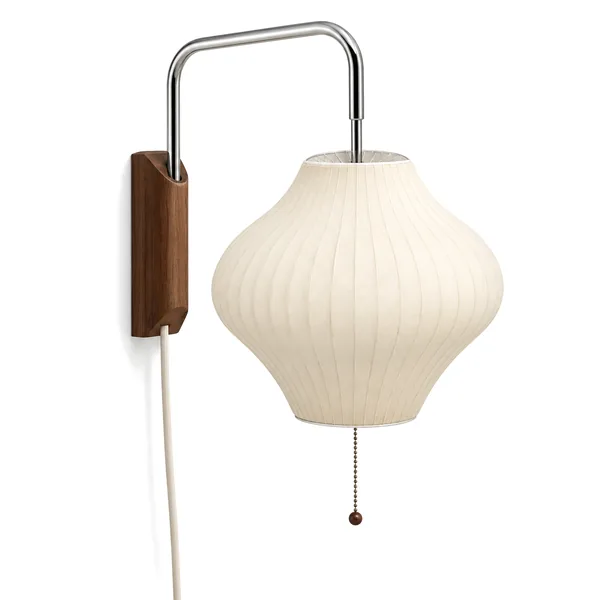
Solvei Minimalist Silk Wall Lamp for Bedroom
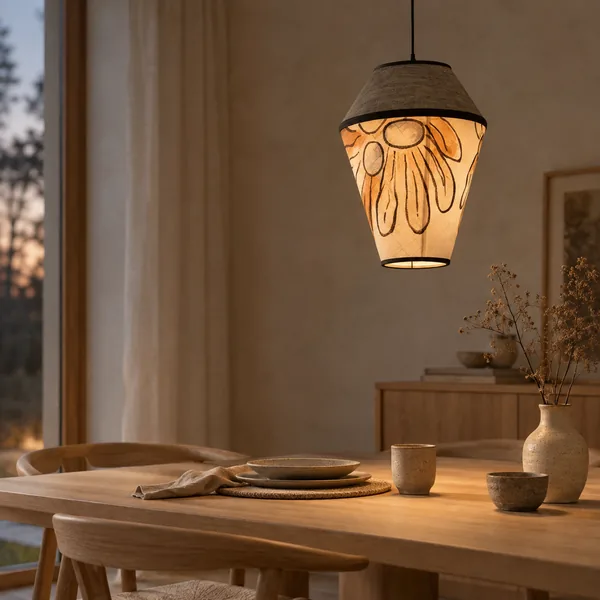
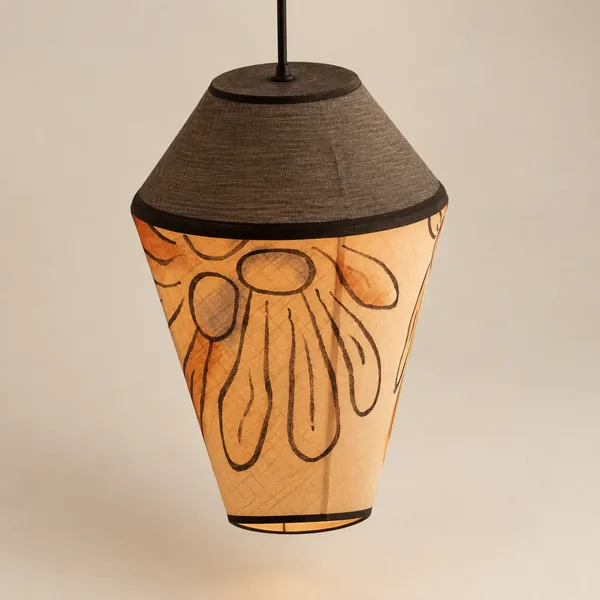 Save $80.00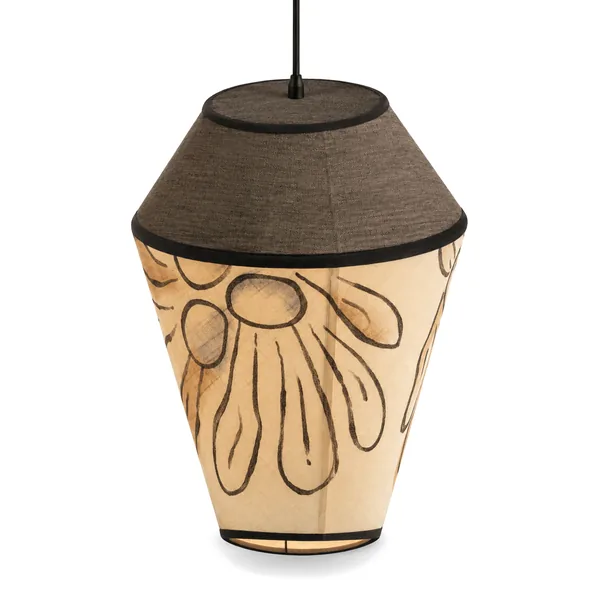
 4 options
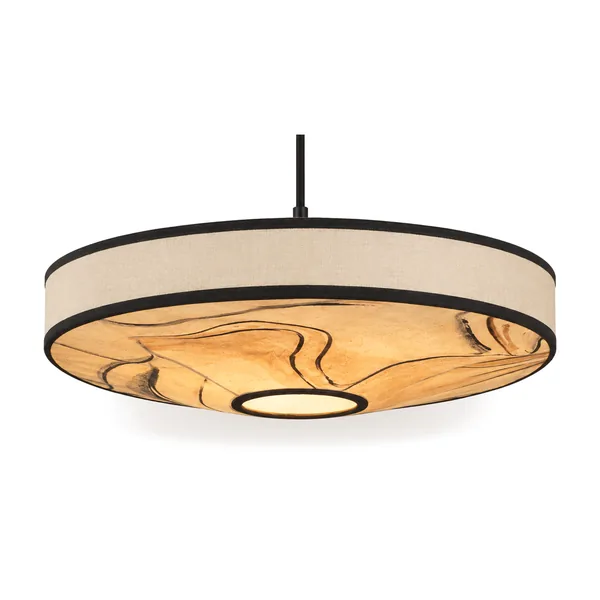
Fletta Wabi-Sabi Handcrafted Fabric Pendant Light
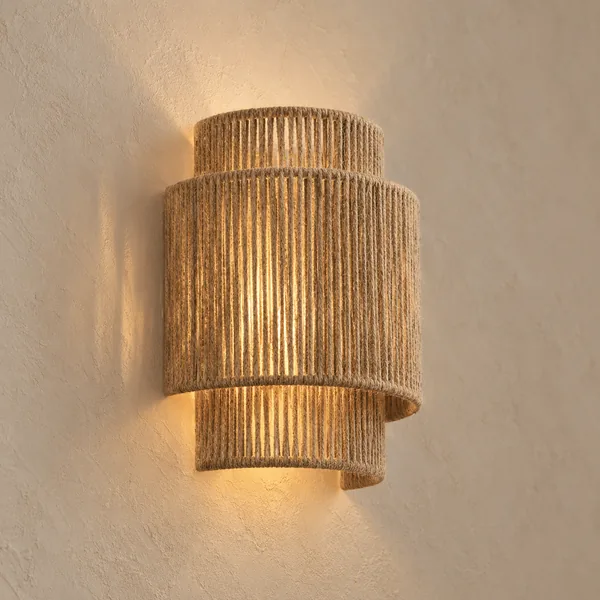
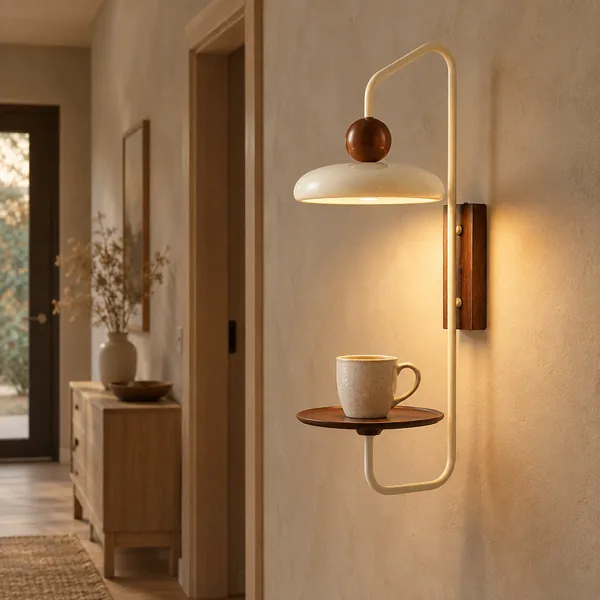
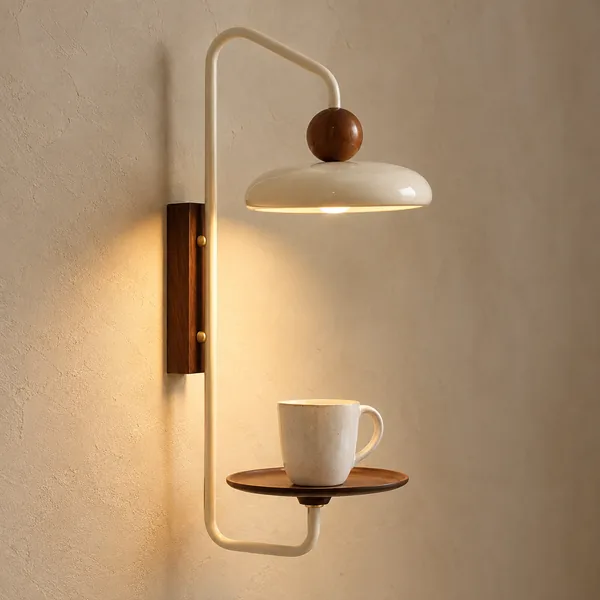
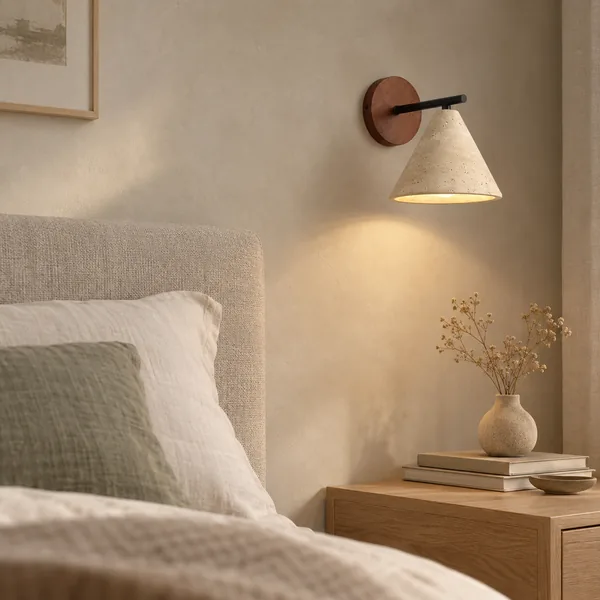
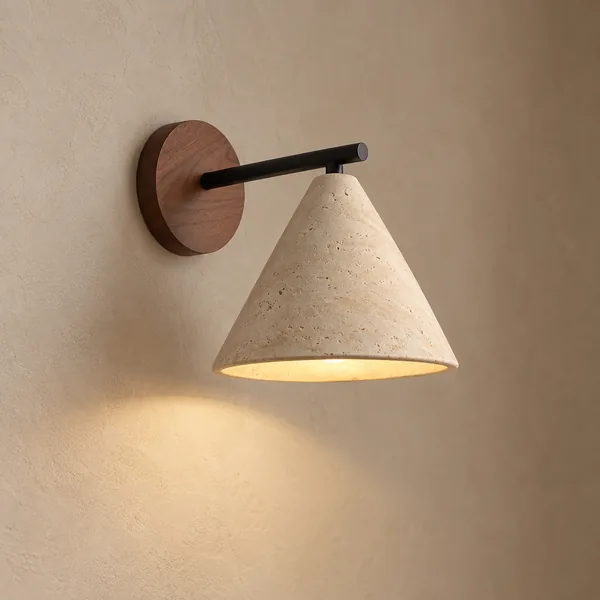
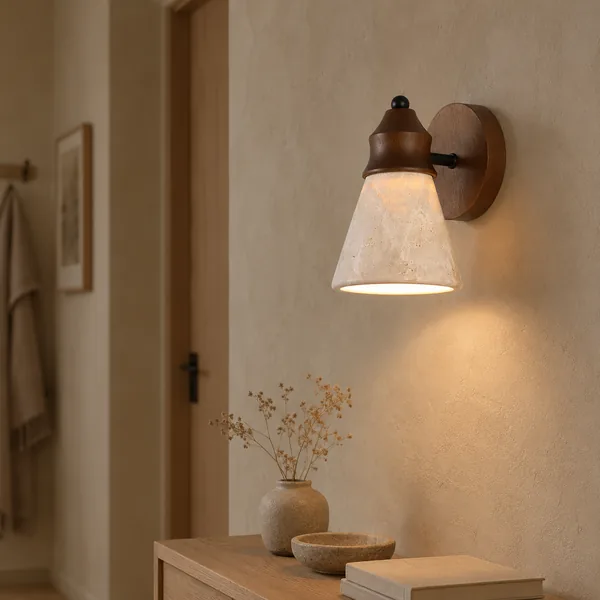
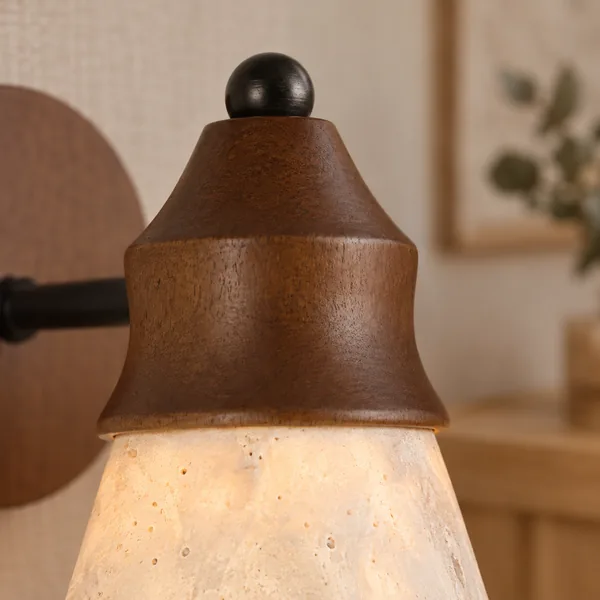
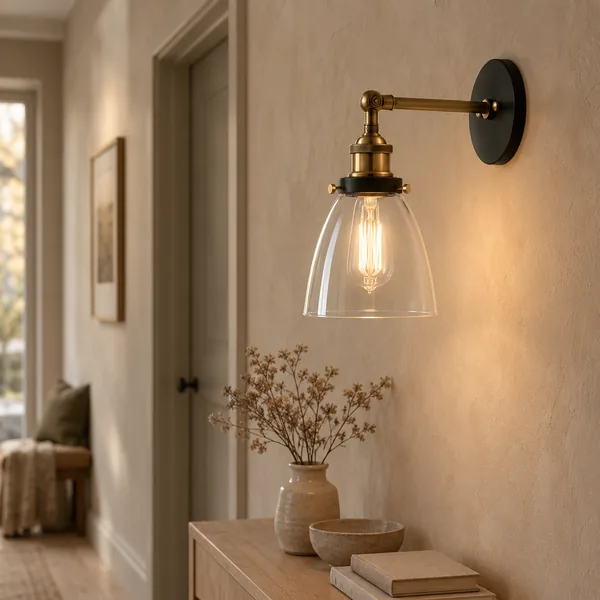
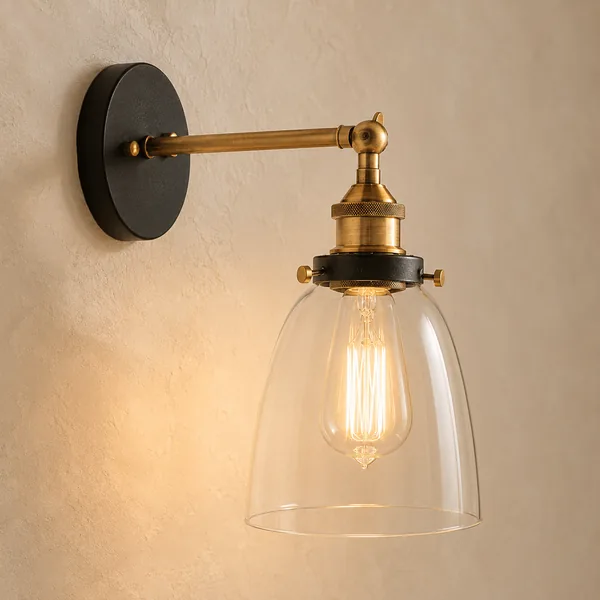
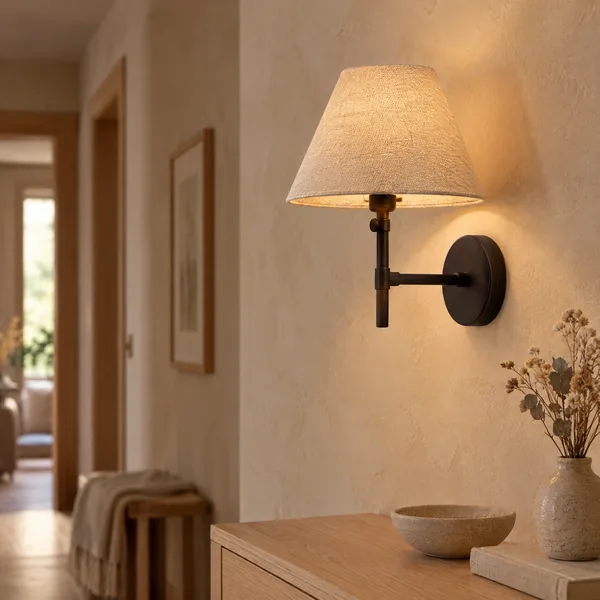
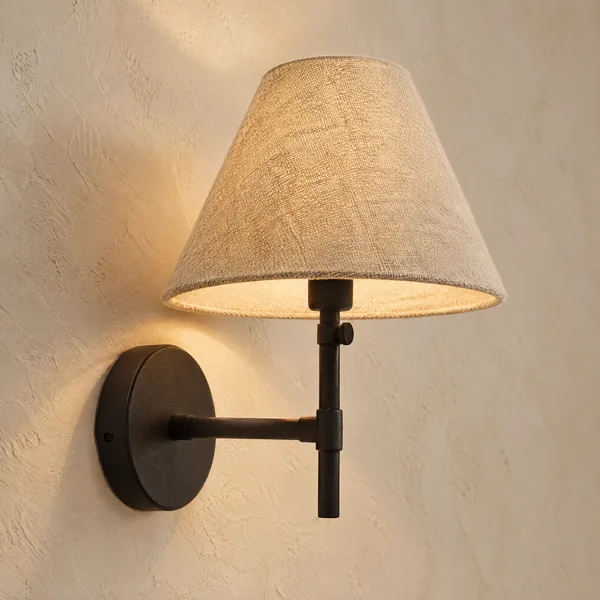
There is something quietly timeless about a lantern on a wall — the way it frames a doorway, softens a hallway, or turns a plain exterior into something that feels genuinely considered. Lantern wall lights sit at the intersection of function and character, offering a form of illumination that carries centuries of design history while adapting beautifully to contemporary Nordic and modern interiors. At Skonne, our curated collection brings together indoor and outdoor lantern wall lights chosen for their craftsmanship, their material integrity, and their ability to bring warmth to almost any space.
Whether you are dressing a front entrance, layering light across a living room wall, or finding the right fixture for a covered patio, this collection offers considered options at a range of price points — all sharing that distinctive lantern silhouette that never really goes out of style.
What Makes Lantern Wall Lights a Design Classic
The lantern form has endured for a reason. Its enclosed glass shade, structural frame, and upright proportions create an immediate sense of architectural presence — something a flat-panel or bare-bulb fitting simply cannot replicate. Lantern wall sconces draw the eye, anchor a wall, and signal that light itself has been thought about, not merely installed.
In Scandinavian design, where restraint and warmth coexist, the lantern translates particularly well. Its clean geometric cage — whether in matte black steel, warm brass, or powder-coated aluminum — pairs naturally with the honest materials and pared-back palette that define Nordic interiors. The glass shade diffuses light gently, creating the soft, even glow that is central to hygge living.
Beyond aesthetics, the enclosed structure of a lantern fitting offers practical advantages: it protects the bulb from draughts, makes lamp replacement cleaner, and in weather-rated versions, shields the light source from rain and moisture. Form and function, as Scandinavian design has always insisted, are never truly separate.
Indoor Lantern Wall Sconces for Living Spaces and Hallways
Indoor lantern wall sconces bring a warmth and depth to interior walls that is hard to achieve with recessed lighting alone. In a hallway, a pair of lantern fittings creates rhythm and welcome — guiding movement through the space while softening walls that might otherwise feel plain. In a living room or bedroom, a single lantern sconce provides layered ambient light that complements a central ceiling fixture without competing with it.
The proportions of an indoor lantern matter. A slender, half-lantern style fitting works well in tighter spaces — a narrow corridor or a staircase landing — where a full-depth fitting would feel imposing. Larger, more architectural lanterns suit generous entryways, open-plan living areas, and double-height spaces where a bolder presence is welcome.
Finish choice is equally significant indoors. Brass structure brings warmth and an artisanal quality that works beautifully in Scandinavian interiors leaning toward organic textures and natural materials. Matte black maintains crisp contrast against white walls or pale timber — a particularly clean pairing for modern Nordic schemes. Both finishes age with character, which feels right for a fitting with such an inherently traditional form.
Outdoor Wall Lanterns Built to Last
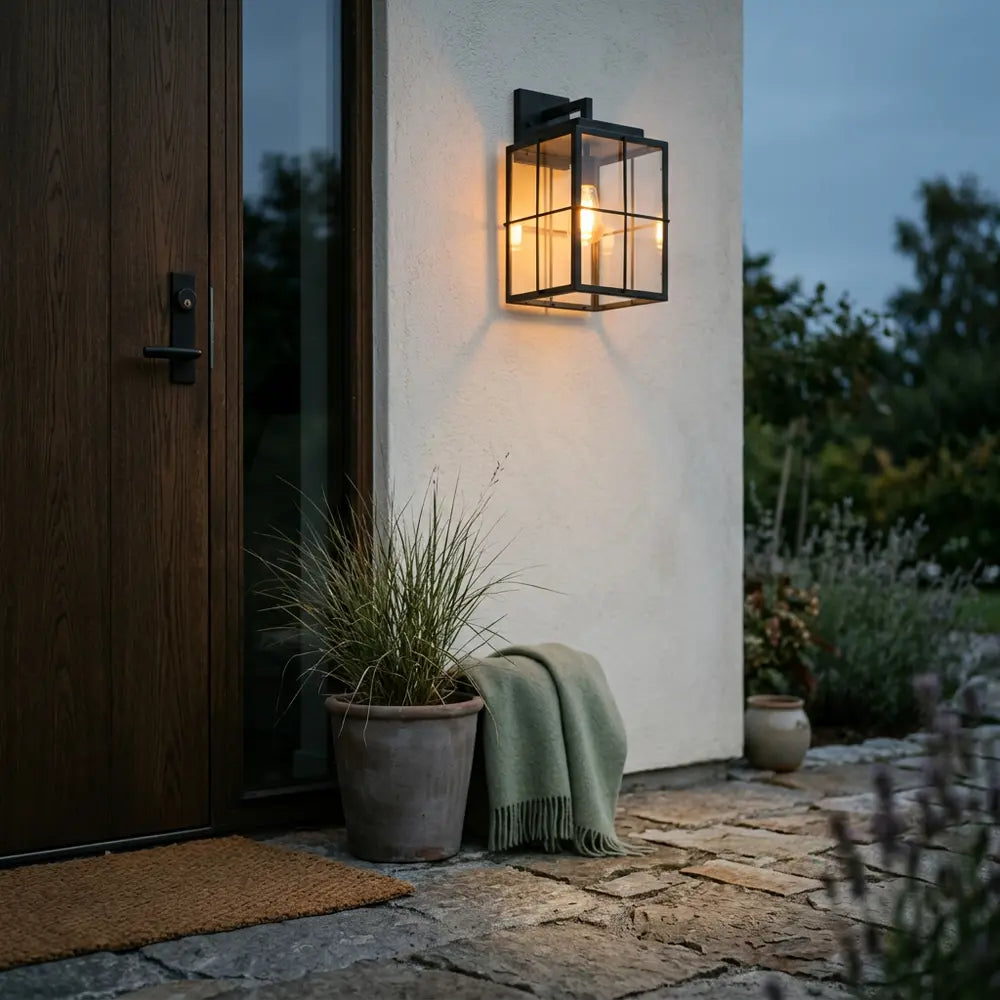
An outdoor wall lantern faces demands that interior fittings simply do not. Rain, temperature fluctuation, UV exposure, coastal salt air — a well-made exterior lantern must contend with all of these over years of daily use. Skonne's outdoor selections are chosen with material durability as a non-negotiable starting point, not an afterthought.
Powder-coated aluminum is among the most practical choices for exterior lanterns: lightweight, corrosion-resistant, and available in a range of finishes from matte black to deep charcoal and soft white. The powder coating creates a hard, even surface that resists chipping and fading far better than standard paint, maintaining its appearance through repeated weathering.
For those drawn to a warmer aesthetic, brass outdoor wall lights offer a genuinely premium option. Marine-grade or lacquered brass resists corrosion effectively, and its natural warm tone only deepens with time — a quality that suits the Skonne philosophy of choosing pieces that improve rather than merely endure. Paired with clear or seeded glass, a brass lantern on a front door surround has an elegance that synthetic materials rarely replicate.
For coastal or exposed locations, looking for fittings with a confirmed IP44 rating or higher ensures protection against water ingress from multiple directions. Many of our outdoor lantern wall lights carry IP54 or IP65 ratings, suitable for open porches, garden walls, and fully exposed facades.
The Scandinavian Aesthetic in Lantern Form
Nordic design has always had a particular relationship with light — not just in quantity, but in quality. Long winter evenings made thoughtful, layered illumination a cultural priority rather than a decorative choice. The Scandinavian aesthetic in lantern wall lighting is not about ornament for its own sake, but about choosing a fitting whose honest construction and considered proportions make a space feel genuinely good to be in.
This manifests in several ways across our collection. You will find lanterns with incised fluting on their frames — a quiet decorative detail that catches light subtly without overstatement. There are designs with porcelain forms and ceramic elements that bring texture and craft to an otherwise industrial silhouette. And there are the clean, unadorned cage lanterns — minimal almost to severity — that let the quality of the material do all the speaking.
A modern outdoor wall lantern in the Nordic tradition is not trying to evoke history for nostalgia's sake. It uses a familiar form because that form is genuinely excellent, then refines it with contemporary materials, better weather protection, and thoughtful proportioning for today's architecture. The result feels both rooted and current — exactly what considered design should achieve.
Carriage Lamps, Coach Lights, and Heritage-Inspired Styles
Within the lantern category, carriage lamps and LED coach lights occupy a particularly distinctive corner. Their origins in gas-lit exterior fixtures give them a robustness of silhouette — typically taller, more enclosed, with strong vertical lines — that translates well to contemporary facades, particularly on period properties or homes with traditional architectural detailing.
Modern versions of these heritage forms have been updated considerably. LED-compatible fittings extend lamp life dramatically, reducing maintenance for hard-to-reach exterior mounting positions. Dusk-to-dawn sensor options automate switching, ensuring entryway illumination is present when it is actually needed without manual intervention. The carriage lamp's visual weight also makes it one of the more effective choices for large exterior walls where a smaller sconce would simply disappear.
Choosing Between a Half Lantern and Full Lantern Style
One of the most practical decisions in selecting a lantern wall light is understanding the difference between a half lantern style and a full, projecting lantern. A half lantern is flat-backed — designed to sit flush against the wall — and extends a shallower depth into the room or outside space. This makes it well-suited to narrow passages, smaller patios, or facades where projection depth would be a practical issue.
A full lantern projects further from the wall, casting light more evenly in multiple directions and creating a stronger three-dimensional presence. This suits wider entryways, garden gate pillars, and interior spaces with sufficient wall depth — hallways with generous proportions, or living room feature walls where the fitting can breathe.
Neither is universally superior; the right choice depends on the specific architectural context and the visual effect you want to create. Our product listings include projection depth measurements alongside height and width, helping you make a confident decision before purchase.
Illumination Quality and Bulb Compatibility
A lantern wall light's visual character is shaped as much by the quality of the light it produces as by the fitting itself. Entryway illumination typically benefits from warm white light — roughly 2700K to 3000K — which reinforces the welcoming quality the lantern form already suggests. Cooler light temperatures can feel stark within the enclosed glass shade, reducing rather than enhancing the hygge atmosphere.
Most lanterns in our collection are compatible with standard E27 or B22 bulbs, making it straightforward to choose LED options that achieve the right warmth and colour rendering. A filament-style LED bulb visible through a clear glass shade adds a further layer of visual warmth — the gentle glow of the element itself becomes part of the fitting's character. For opaque or frosted glass shades, a higher-output LED ensures sufficient illumination despite the diffusion.
Wattage requirements vary by space size and intended use. A decorative accent lantern in a bedroom might work beautifully with a 4–6W LED, while a front entrance lantern serving as a primary light source will typically need 8–12W or more. Our product descriptions specify maximum wattage for each fitting, along with our own recommendations for bulb type.
Mounting Height and Scale for Lantern Wall Lights
Getting mounting height right is fundamental to how a lantern wall light reads in its space. Too high, and the fitting becomes disconnected from human scale — present in the room but not part of it. Too low, and it risks both practical inconvenience and visual awkwardness.
For exterior entryways, the standard recommendation places the centre of the fitting at approximately 5.5 to 6 feet from ground level — roughly eye height for a standing adult. This ensures the lantern is naturally visible without requiring an upward glance, and casts light usefully across the doorstep and approach path.
For interior corridor or hallway use, similar logic applies, though ceiling height will influence the optimal position. In a standard 8-foot ceiling hallway, positioning the fitting between 72 and 80 inches from the floor works well. In double-height spaces, lanterns can be mounted higher, though the scale of the fitting itself should increase proportionally — a small lantern on a tall wall will simply vanish.
Scale relative to the wall is equally important. A generous wall surface can support a lantern of 16 to 20 inches in height without feeling overwhelmed; a narrower wall or smaller door surround calls for something in the 10 to 14 inch range. Many customers find it helpful to tape a paper template of their intended fitting's dimensions to the wall before ordering — a simple step that prevents scale mismatches before they happen.
Explore More Wall Lighting from Skonne
Lantern wall lights are one expression of wall-mounted lighting within Skonne's broader collection. If your project calls for a different aesthetic or form factor, the following collections offer further curated options worth exploring.
- Flush Mount Wall Lights: Wall lights that sit close to the wall surface, ideal for spaces where a projecting fitting is not practical — narrow corridors, stairwells, and rooms with lower ceilings.
- Adjustable Wall Lights: Directional and articulating wall fittings that allow you to focus light precisely — well-suited to reading corners, workspace walls, and task-oriented illumination.
- Marble Wall Lights: Wall sconces featuring marble shades and elements, bringing natural stone texture and warmth to interior walls in a distinctly Nordic material palette.
Skonne's lantern wall lights are chosen to be genuinely useful in real homes — durable enough for outdoor exposure, characterful enough to anchor an interior wall, and proportioned to suit the range of spaces most people are actually working with. Whether you are replacing a tired existing fitting or lighting a space from scratch, the right lantern is here. Browse our full wall lights collection to explore every style and finish we carry.
Frequently Asked Questions about Lantern Wall Lights
20 products