
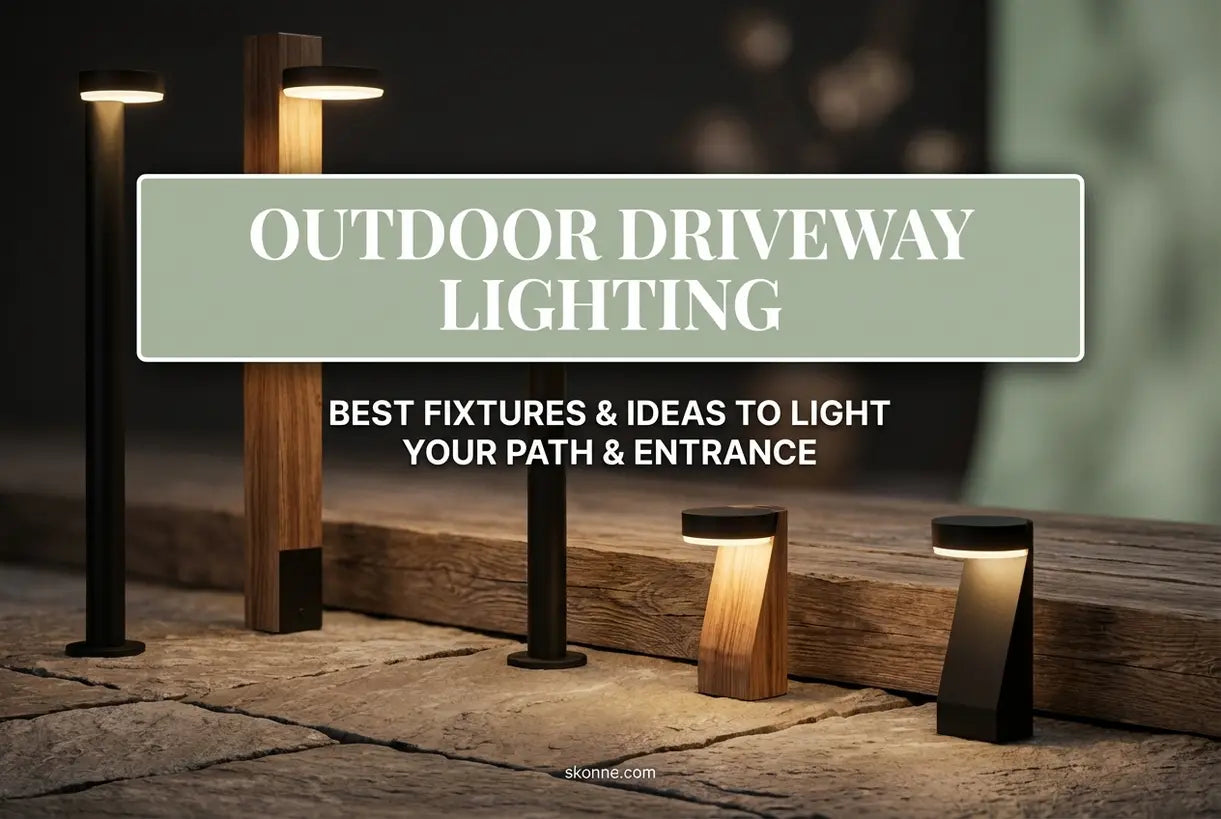
Outdoor Driveway Lighting: Best Fixtures & Ideas to Light Your Path & Entrance
Summary›
- Why Driveway Lighting Matters
- Types of Driveway Lighting Fixtures
- The Scandinavian Design Approach to Driveway Illumination
- Planning Your Driveway Lighting Layout
- Sustainable and Smart Driveway Lighting Options
- Maintaining Your Driveway Lighting Investment
- Conclusion: Illuminating Your Path with Intention
There is something inherently welcoming about a driveway that glows softly against the evening sky. Beyond the practical benefits of safety and navigation, thoughtfully designed outdoor lighting driveway solutions transform your entrance into an extension of your home's personality. At Skonne, we believe that the path to your front door should feel as intentional and warm as the spaces within.
Whether you live in a suburban home with a winding approach or an urban residence with a compact entrance, the right driveway lighting creates that unmistakable Scandinavian sense of hygge — a feeling of comfort, safety, and understated beauty. In this guide, we will explore how to illuminate your driveway with fixtures that balance Nordic minimalism with functional brilliance.
Why Driveway Lighting Matters
Your driveway serves multiple purposes. It is a transitional space, a practical necessity for parking and navigation, and often the first impression visitors have of your home. Without proper illumination, this critical area becomes a source of anxiety rather than welcome.
Safety remains the primary consideration. According to the National Safety Council, proper exterior lighting significantly reduces the risk of trips and falls on residential properties. But beyond statistics, there is the emotional experience: arriving home after dark should feel reassuring, not disorienting. Landscape lighting driveway installations address both concerns while adding visual depth to your property.
The Scandinavian approach to exterior lighting emphasizes restraint and warmth. Rather than flooding spaces with harsh, cold light, Nordic design favors pools of gentle illumination that guide without overwhelming. This philosophy proves particularly valuable along driveways, where excessive brightness creates light pollution and detracts from your home's architecture.
Types of Driveway Lighting Fixtures
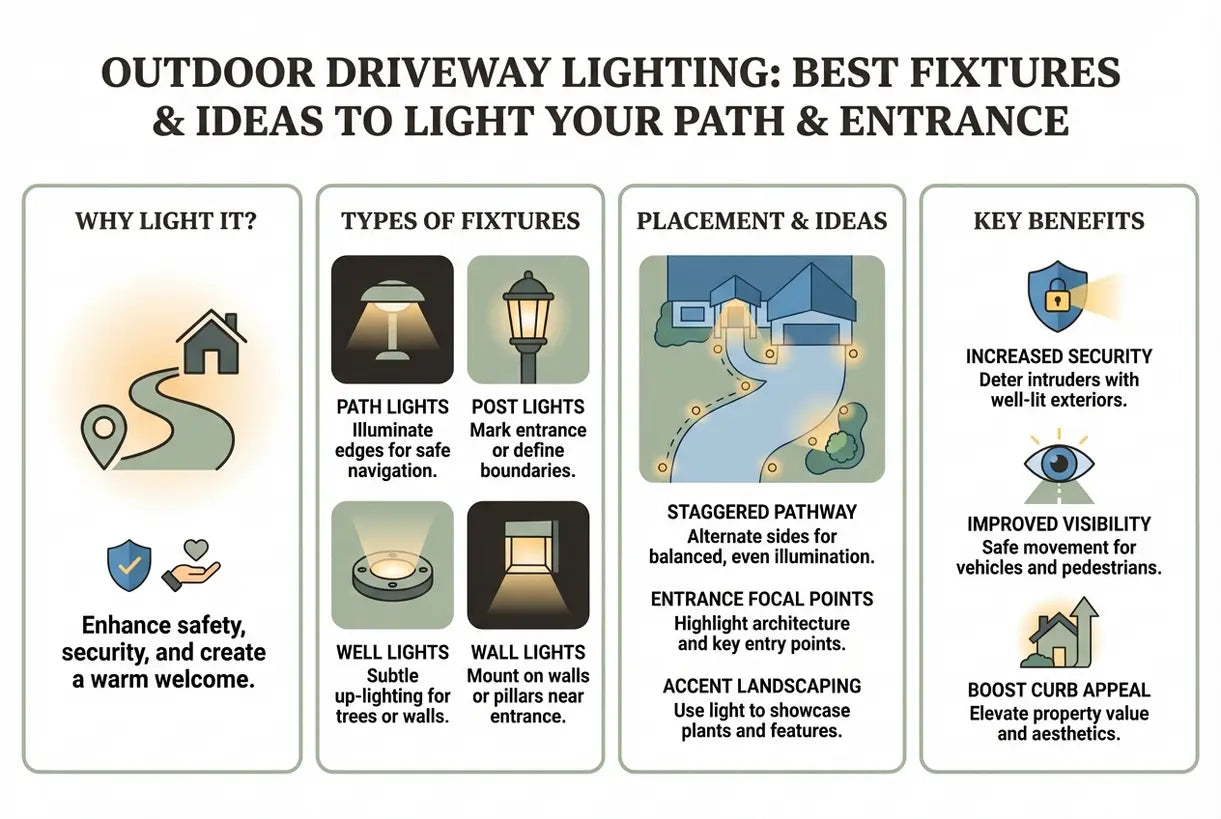
Understanding your options helps you create a cohesive lighting scheme. Each fixture type serves distinct purposes along your driveway entrance.
Post Lights and Bollard Lighting
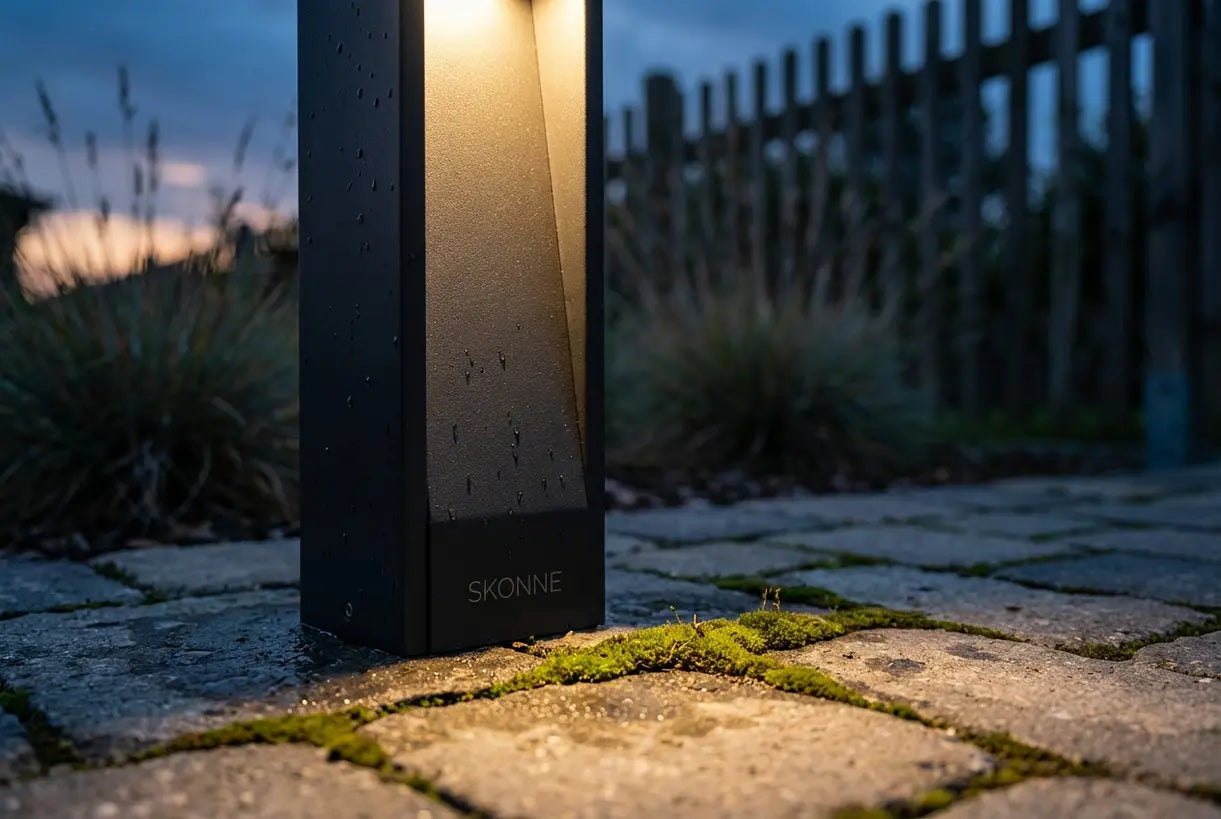
Post lights and bollard lights stand as vertical sentinels along your driveway edges. These fixtures excel at defining boundaries while casting gentle pools of light at ground level. Scandinavian-inspired designs favor clean cylindrical forms, matte finishes, and diffused LED sources that eliminate harsh glare.
For those seeking outdoor post lighting ideas, consider varying heights for visual interest. Taller posts near the entrance create a sense of arrival, while shorter bollards along curves help drivers navigate turns safely after dark.
Path Lights and Pathway Illumination
Lower-profile path lights sit closer to the ground, typically 12 to 24 inches tall. These fixtures excel at lining walkways that branch off from your driveway or marking the transition to your front entrance. The best landscape pathway lights feature subtle upward glow that highlights plantings without creating light trespass.
Wall Sconces and Entrance Lighting
When your driveway meets your garage or a perimeter wall, entrance lighting in the form of wall sconces provides both functional task lighting and aesthetic warmth. These fixtures anchor your lighting scheme and prevent that "floating" feeling that occurs when only ground-level lights illuminate a space.
For those looking to explore more options, our Outdoor Lighting collection offers a curated selection of Scandinavian-inspired fixtures for every exterior application.
Solar vs. Hardwired Driveway Lighting
One of the most common questions homeowners face: should you choose solar or hardwired fixtures?
Solar driveway lights offer compelling advantages. Installation requires no trenching or electrical work, making them ideal for existing landscapes. Modern solar technology has evolved significantly — today's quality fixtures store enough energy to illuminate from dusk until dawn, even after overcast days. They also provide the flexibility to adjust placement as your landscape matures.
Hardwired options deliver consistent brightness regardless of weather conditions and typically offer higher lumen outputs. They suit permanent installations where reliability and maximum illumination outweigh flexibility considerations.
Many successful outdoor lighting driveway schemes combine both approaches: solar path lights along extended edges where wiring proves impractical, with hardwired fixtures at critical navigation points and entrance walls.
Outdoor Lighting
Shop all Outdoor Lighting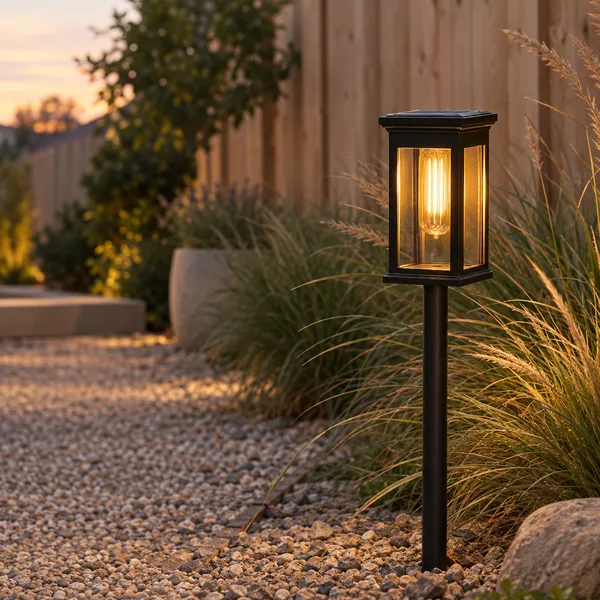
 Save $30.00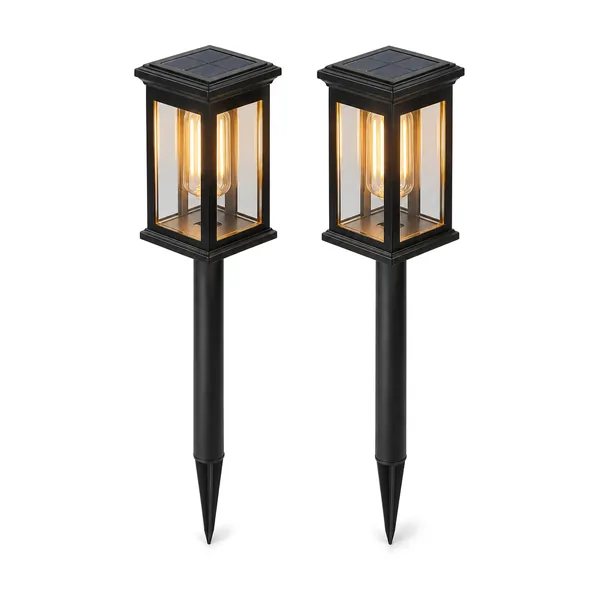
 3 options
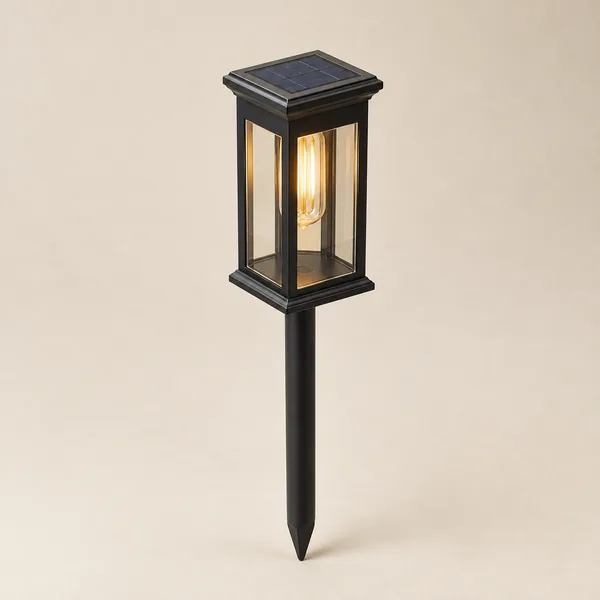
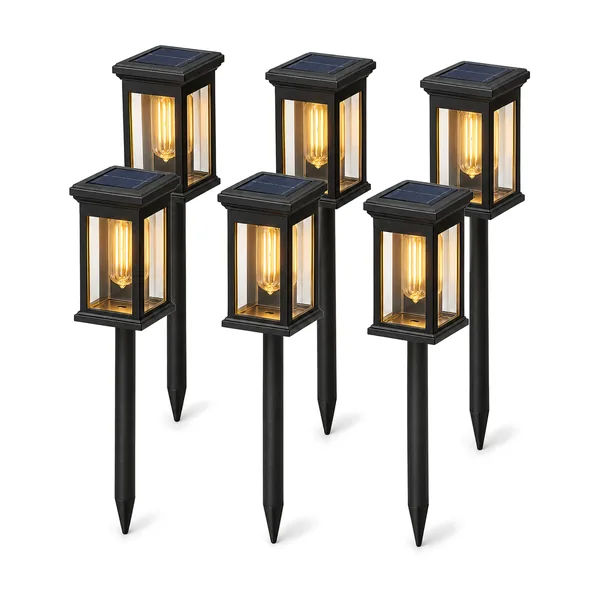
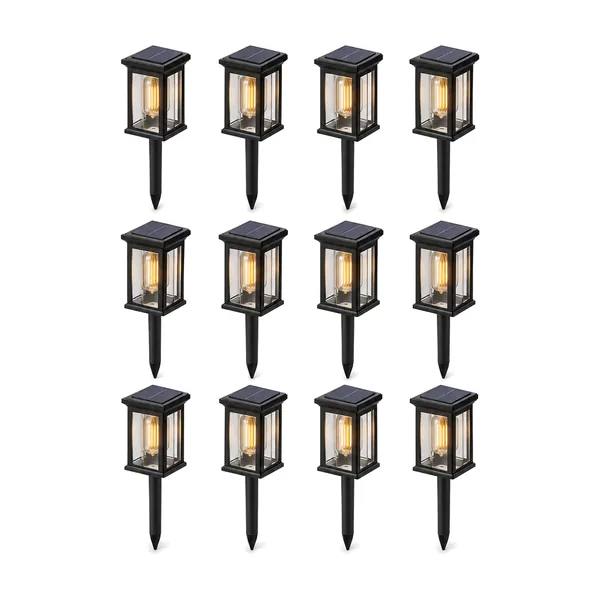
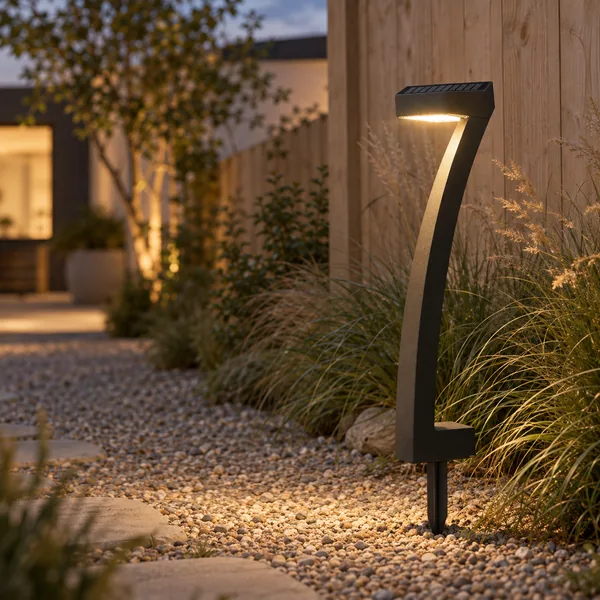
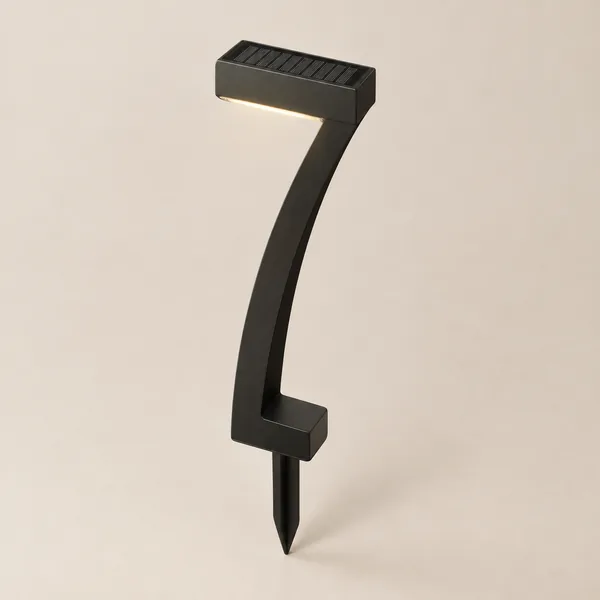
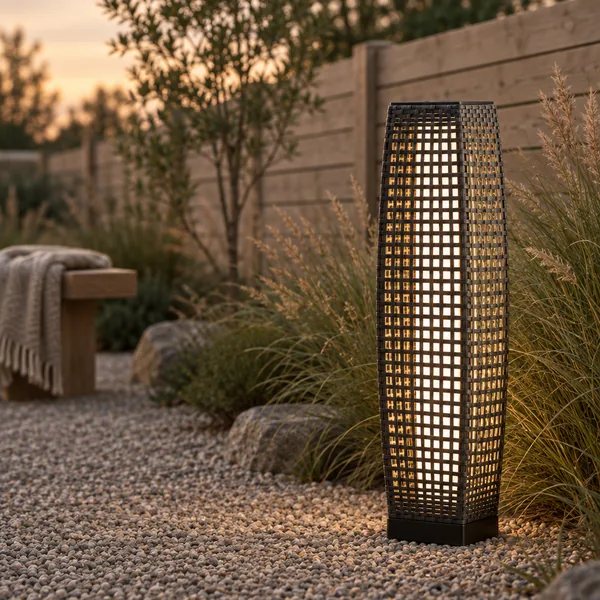
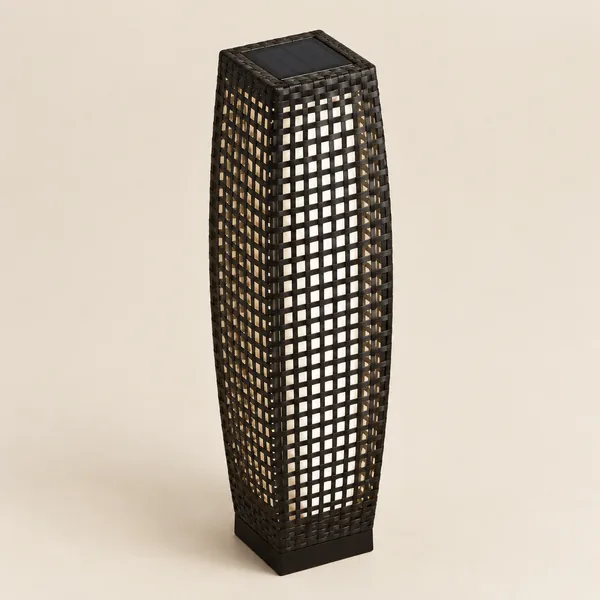
Solsti Solar Garden Path Lights 2700K Warm White
 Save $40.00
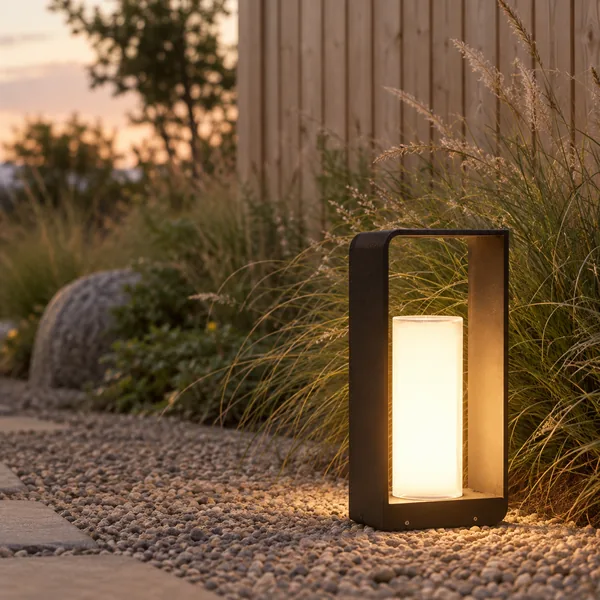
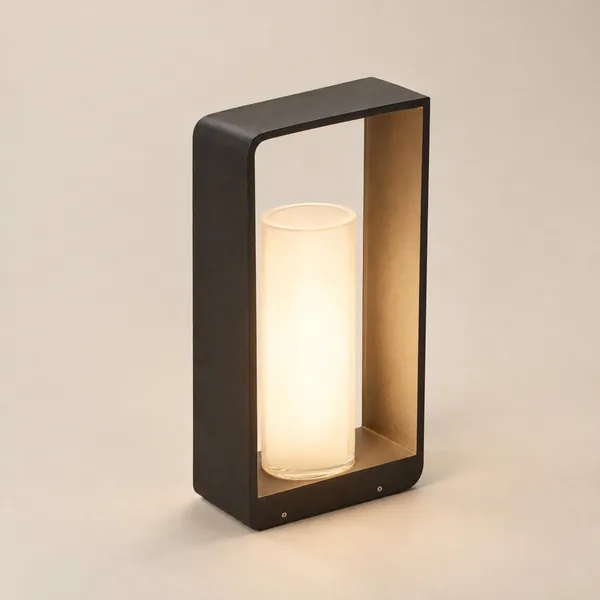
Kvelda Solar LED Garden Lawn Lamp Waterproof
 Save $30.00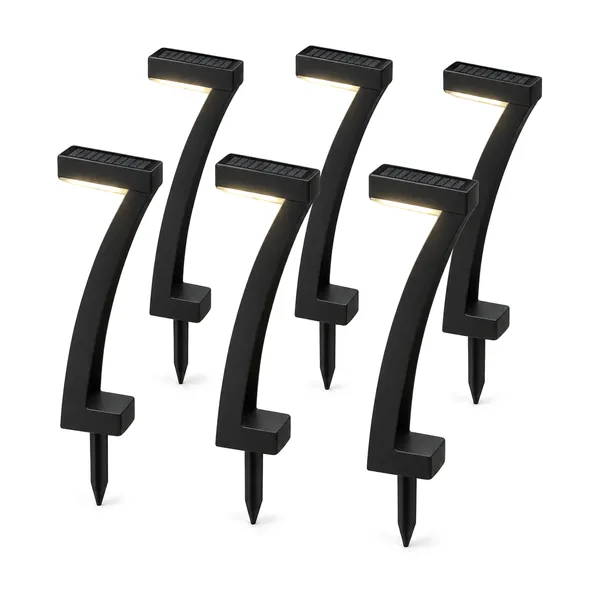
 2 options
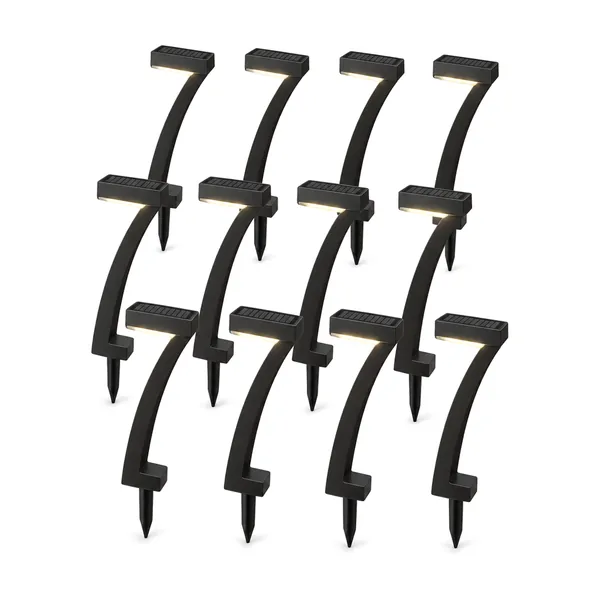
Solsti Solar Outdoor Path Lights 2700K Warm White
The Scandinavian Design Approach to Driveway Illumination
Nordic design principles translate exceptionally well to exterior lighting. The region's long, dark winters have fostered a sophisticated understanding of artificial illumination that balances function with emotional wellbeing.
The key tenets include:
- Warm color temperatures: LEDs rated at 2700K to 3000K mimic candlelight and incandescent bulbs, avoiding the clinical feel of cooler temperatures.
- Natural materials: Weathered metals, stone textures, and wood accents ground fixtures in the landscape rather than making them appear industrial.
- Minimalist silhouettes: Clean lines and understated forms that complement rather than compete with your home's architecture.
- Layered lighting: Combining multiple fixture types at varying heights to create depth and dimension.
These principles guide every fixture selection at Skonne, ensuring your driveway lighting scheme feels curated and cohesive.
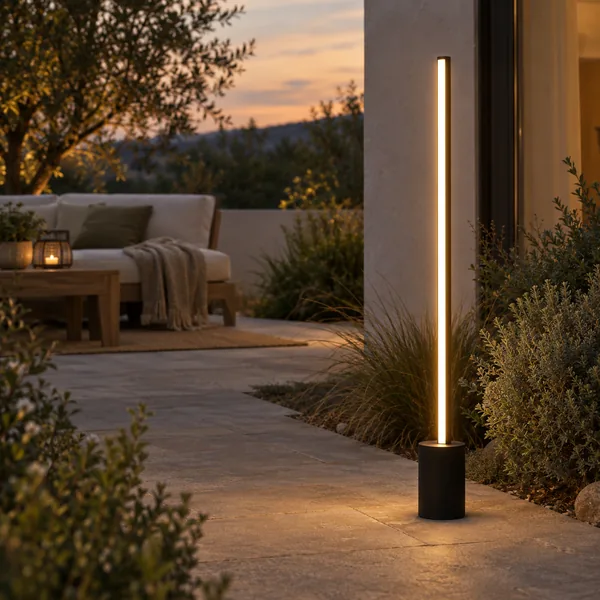 Stiglys Waterproof LED Garden Path Post Light$219.00$319.00
The Stiglys Waterproof LED Garden Path Post Light embodies these Scandinavian values perfectly. Available in four heights reaching up to 49.2 inches, this IP65-rated fixture allows you to create layered pathway designs that define your driveway with understated elegance. The sleek, minimalist form complements contemporary and traditional homes alike, while the waterproof construction ensures years of reliable performance through harsh weather conditions.
Planning Your Driveway Lighting Layout
Effective outdoor lighting driveway installation requires thoughtful planning. Before selecting fixtures, observe your space at various times — dusk, full night, and during different weather conditions. Note where shadows pool, where visitors might hesitate about direction, and which architectural features deserve highlighting.
Spacing Guidelines for Driveway Lights
Proper spacing prevents the "runway effect" of overly uniform lighting while ensuring adequate coverage. For path lights along straight driveway segments, position fixtures 6 to 8 feet apart on alternating sides. This staggered arrangement creates visual rhythm and eliminates the tunnel feeling that symmetrical spacing sometimes produces.
Along curves, reduce spacing to 4 to 6 feet, placing fixtures on the outside of turns where drivers need maximum visibility. Entrance areas and garage aprons benefit from closer spacing or more powerful fixtures to define these transitional zones clearly.
Remember that light quality matters more than quantity. A few well-placed fixtures with proper beam spread outperform numerous weak sources that create inconsistent patches of bright and dark.
Creating Visual Hierarchy
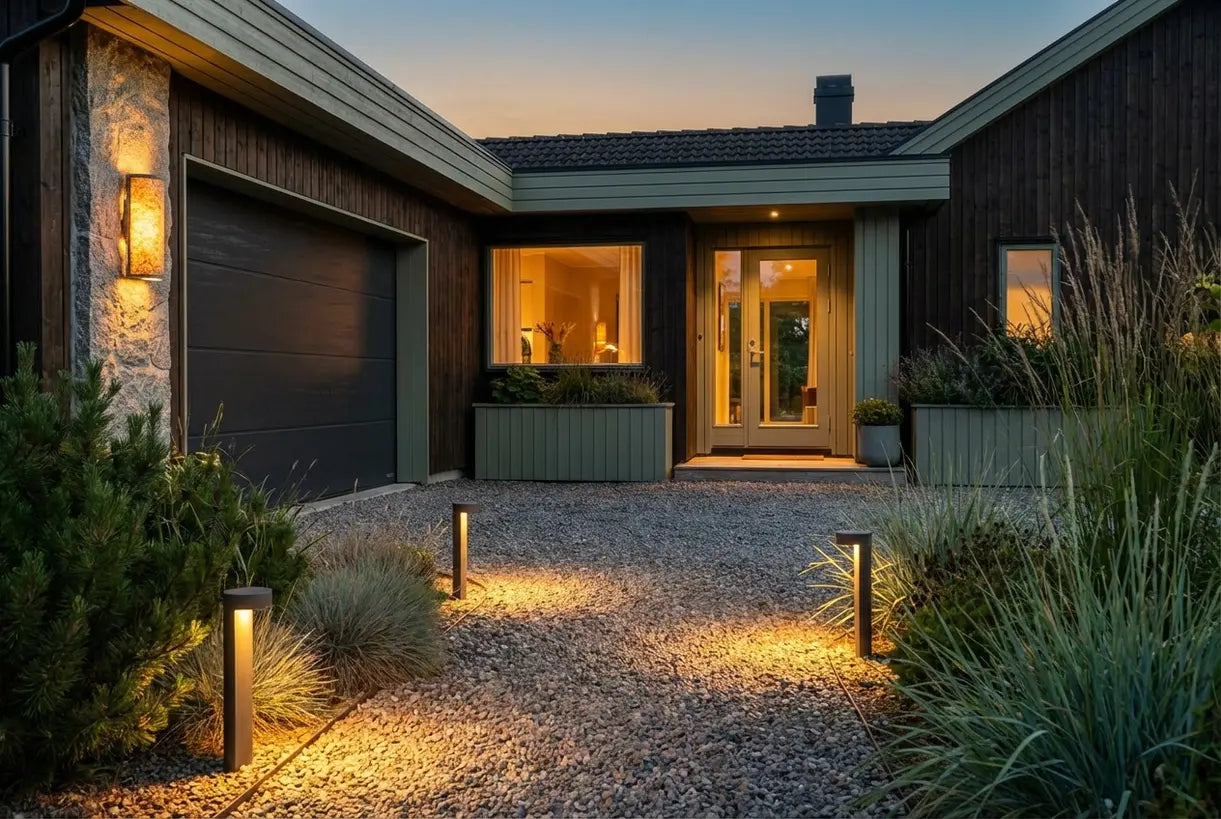
Think of your driveway as a journey with distinct chapters. The entrance from the street represents the introduction — this is where taller post lights or statement fixtures establish presence. The central stretch serves as the narrative, with consistent pathway illumination guiding visitors smoothly. The arrival zone near your garage or front door functions as the conclusion, where layered lighting from wall sconces and ground fixtures creates a sense of welcome.
This approach transforms a purely functional necessity into an experience. When executed well, guests arrive at your door feeling grounded and oriented rather than disoriented by harsh contrasts between bright driveway and dark doorway.
Warm and Welcoming Driveway Solutions
Solsti Solar Outdoor Path Lights 2700K Warm White$119.00$149.00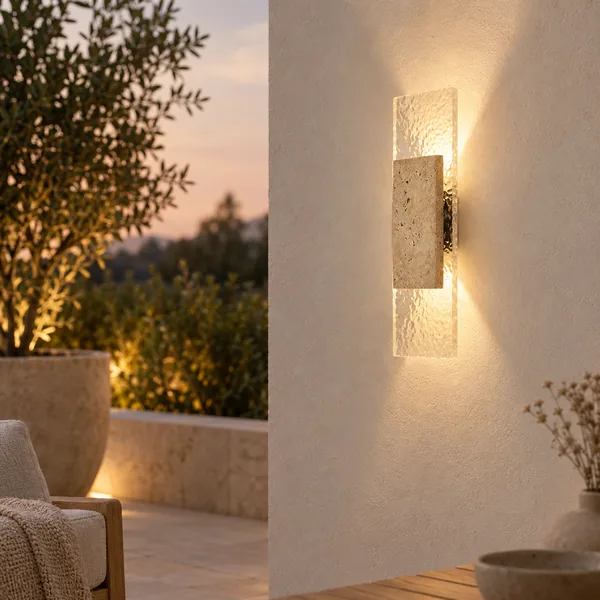 Steinglo Waterproof Stone Wall Sconce 18W LED$239.00$349.00
The Solsti Solar Outdoor Path Lights eliminate installation complexity while delivering that coveted 2700K warm white glow. With dusk-to-dawn sensors and Nordic-inspired design, these solar-powered fixtures line driveway edges effortlessly. Pack options allow you to illuminate extended distances without wiring constraints, making them ideal for rental properties or established landscapes where trenching proves impractical.
For garage walls or entrance alcoves, the Steinglo Waterproof Stone Wall Sconce introduces natural texture and warmth. The IP65-rated stone construction pairs with energy-efficient 18W LED illumination to create an anchoring presence that defines your arrival zone. This fixture demonstrates how Scandinavian design incorporates organic materials to soften the technical nature of outdoor lighting.
Mounted Ceiling Lights
Shop all Ceiling Lights




Sustainable and Smart Driveway Lighting Options
Environmental consciousness drives many lighting decisions today. Fortunately, LED driveway lighting technology has evolved to consume up to 75% less energy than incandescent alternatives while lasting 25 times longer. This efficiency proves particularly valuable for driveway installations where multiple fixtures operate simultaneously for extended hours.
Solar technology has similarly advanced. While early solar lights struggled to store enough energy for reliable all-night illumination, contemporary photovoltaic cells and battery systems maintain consistent performance even after cloudy days. Quality solar fixtures now incorporate intelligent controls that adjust brightness based on ambient conditions, further extending battery life.
Installation Considerations
Before committing to a driveway lighting scheme, evaluate your specific site conditions.
For existing driveways: Solar options or low-voltage LED systems using surface-mount conduit require minimal disruption to established hardscaping. These approaches suit homeowners seeking transformation without major renovation.
For new construction or renovation: Hardwired fixtures offer maximum design flexibility. During construction, plan for underground conduit to all fixture locations, ensuring adequate power supply and future serviceability.
For tree-lined or shaded driveways: Solar options may require strategic placement in sun-exposed areas, or you may prefer reliable hardwired fixtures for consistent performance throughout the year.
Consider professional consultation for complex installations involving multiple circuit zones, smart controls, or integration with existing landscape lighting systems. A well-designed plan prevents costly mistakes and ensures your outdoor lighting driveway scheme performs reliably for years.
Maintaining Your Driveway Lighting Investment
Quality fixtures represent an investment in your home's safety, beauty, and value. Proper maintenance maximizes this investment.
Clean fixture lenses quarterly to remove dirt, pollen, and debris that diffuse light output. For solar fixtures, ensure photovoltaic panels remain unobstructed to maintain charging efficiency. Check and tighten mounting hardware annually, particularly in regions subject to freeze-thaw cycles or high winds.
LED light sources typically last 25,000 to 50,000 hours — essentially maintenance-free for a decade or more. When bulbs eventually require replacement, choose color temperatures that match existing fixtures to maintain visual consistency.
Finally, audit your lighting scheme seasonally. As plantings mature and your home's architecture becomes weathered, you may discover opportunities to adjust fixture angles or add supplemental lighting to address newly developing shadows or wayfinding challenges.
Conclusion: Illuminating Your Path with Intention
Thoughtful outdoor lighting driveway design transcends mere functionality. When approached with the Scandinavian values of warmth, restraint, and natural beauty, your driveway becomes an invitation — a carefully orchestrated transition between public street and private sanctuary.
At Skonne, we curate fixtures that honor this philosophy. From the clean minimalism of post lights to the organic warmth of stone wall sconces, each piece in our collection serves both practical wayfinding and emotional comfort. The journey to your front door should feel as intentional as the spaces within your home.
Whether you choose solar flexibility or wired reliability, prioritize quality fixtures that weather the seasons while maintaining their quiet elegance. Your driveway lighting scheme will greet you every evening for years to come — make it a welcome worth anticipating.
Explore our complete collection of Scandinavian-inspired driveway lights, path lights, and entrance fixtures to discover the perfect illumination for your unique space.
Related Article
Outdoor Lighting Installation Cost: What to Budget for Professional Exterior LightingDiscover outdoor lighting installation costs per fixture and total project budgets. Plan your exterior lighting with professional pricing insights from Skonne.