
Outdoor Lighting Ideas: Inspiring Ways to Illuminate Every Corner of Your Exterior
Summary›
- The Scandinavian Approach to Outdoor Illumination
- Patio Lighting Ideas for Effortless Entertaining
- Pathway and Garden Illumination That Guides and Delights
- Solar Solutions for Sustainable Outdoor Living
- The Science of Warmth: Color Temperature for Outdoor Spaces
- Creating Your Outdoor Lighting Masterplan
- Final Thoughts: Light as an Invitation
There's something almost magical about stepping into a beautifully lit outdoor space as evening settles in. That gentle glow dancing through foliage, the warm pools of light inviting you to linger on the patio just a little longer—this is the essence of Scandinavian hygge brought to your exterior. Outdoor lighting ideas have evolved far beyond basic security floodlights. Today, thoughtful illumination transforms gardens, patios, and pathways into intentional extensions of your home.
Whether you're hosting summer gatherings, creating a tranquil meditation garden, or simply wanting to enhance your home's curb appeal, the right outdoor home lighting ideas blend functionality with that unmistakable Nordic sensibility: clean lines, natural materials, and warmth without excess. In this guide, we'll explore inspiring ways to illuminate every corner of your exterior, from solar path lights that guide your way home to statement floor lamps that anchor your outdoor living room.
The Scandinavian Approach to Outdoor Illumination
Scandinavian design principles offer a timeless framework for exterior lighting that feels both contemporary and deeply connected to nature. Rather than overwhelming your space with brightness, the Nordic aesthetic favors layered, low-level lighting that creates pockets of warmth and shadow. This approach mimics the gentle glow of candlelight—a cornerstone of Danish hygge culture.
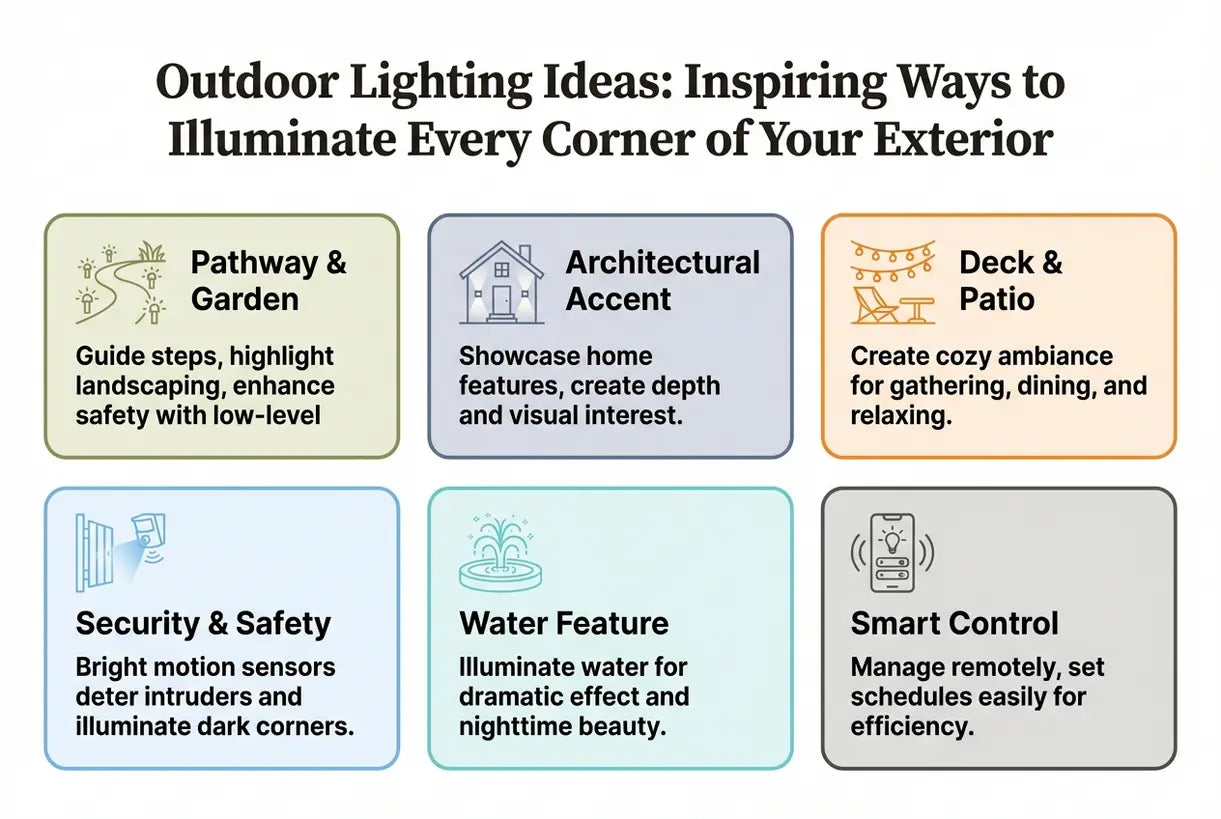
When considering outdoor lighting ideas for your home, think in terms of zones. Your patio might call for ambient lighting that encourages conversation, while pathways need subtle guidance without harsh glare. Gardens benefit from accent lighting that highlights textural elements and creates depth after dark. The goal isn't to eliminate darkness but to sculpt it, creating an exterior that feels inviting rather than institutional.
For those looking to extend this curated aesthetic indoors, our Pendant Lights collection offers the same Scandinavian sensibility for your interior spaces, creating seamless visual flow between inside and out.
Patio Lighting Ideas for Effortless Entertaining
Your patio is where outdoor living truly happens—morning coffee rituals, evening wine with friends, weekend family dinners al fresco. The right lighting transforms this space from merely functional to genuinely magical. Rather than relying on a single overhead source, consider creating layers of illumination that can be adjusted to suit any occasion.
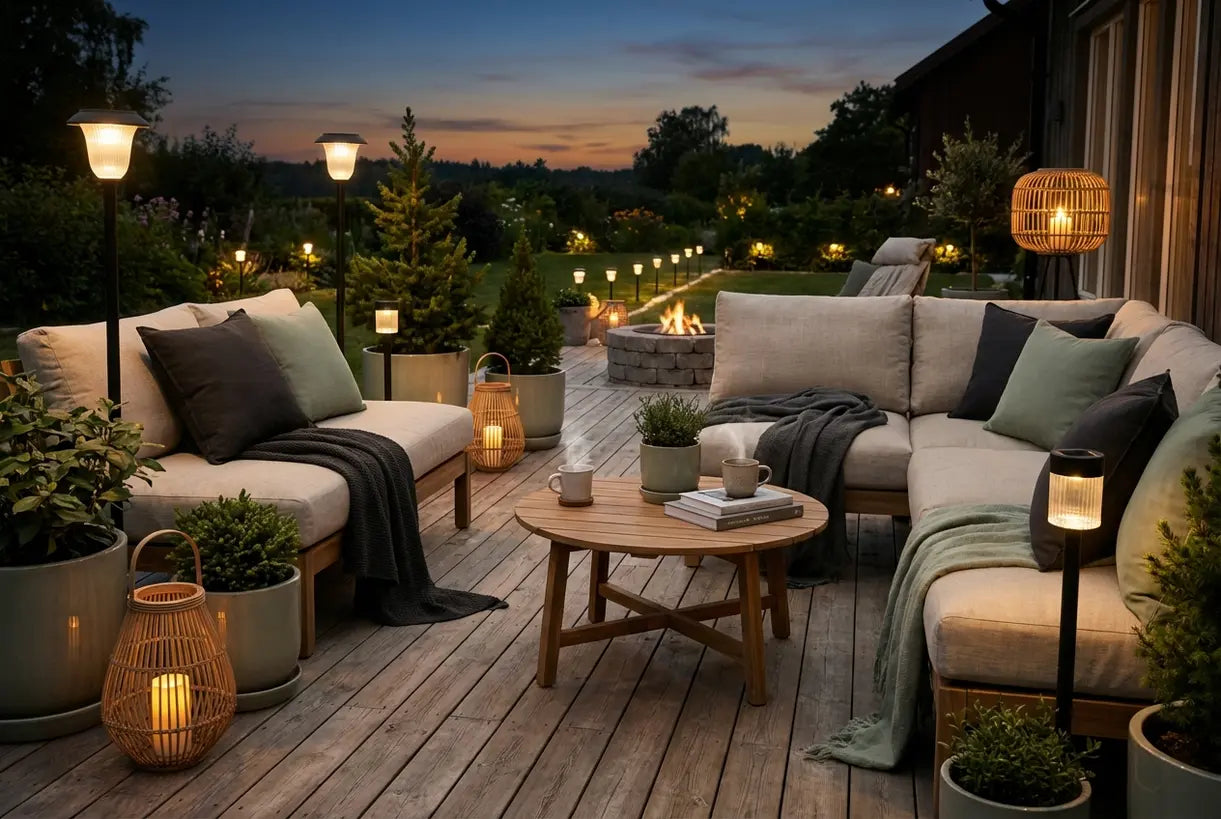
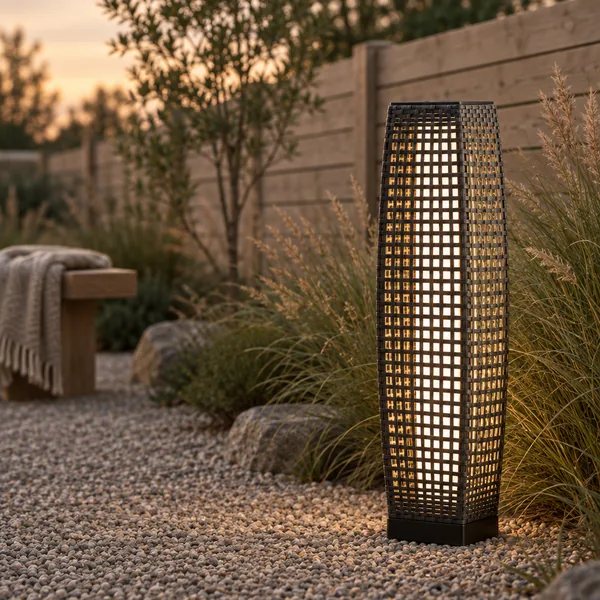
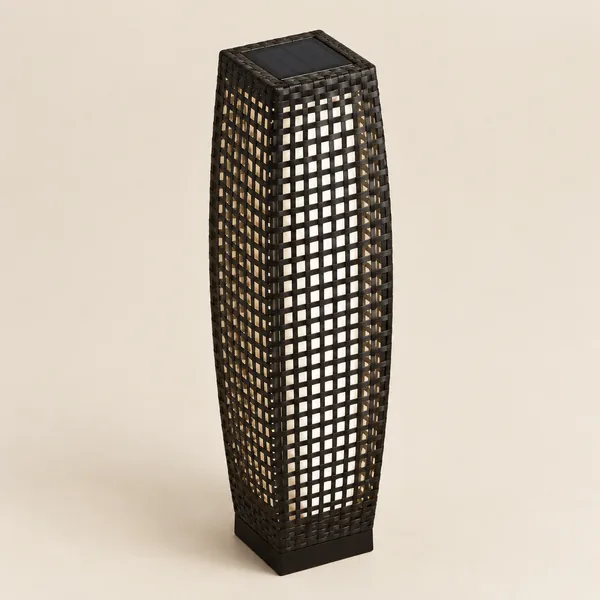
Floor lamps bring an unexpected level of sophistication to outdoor seating areas. Much like their indoor counterparts, they anchor conversation nooks and provide that essential warm glow that makes guests want to settle in and stay awhile. The Solvik Solar Wicker Outdoor Floor Lamp Dark Brown exemplifies this approach beautifully—its natural wicker texture adds organic warmth while the solar-powered design means no unsightly cords to trip over or extension cables to hide.
When planning your patio lighting, consider these key zones:
- Conversation areas: Position lighting at eye level or below to avoid glare and create intimacy
- Dining spaces: Ensure adequate task lighting for eating, but keep it dimmable for atmosphere
- Perimeter edges: Use subtle uplighting or lanterns to define boundaries without fencing your space in
- Entry points: Welcome guests with well-lit transitions from indoors to out
Outdoor Lighting
Shop all Outdoor Lighting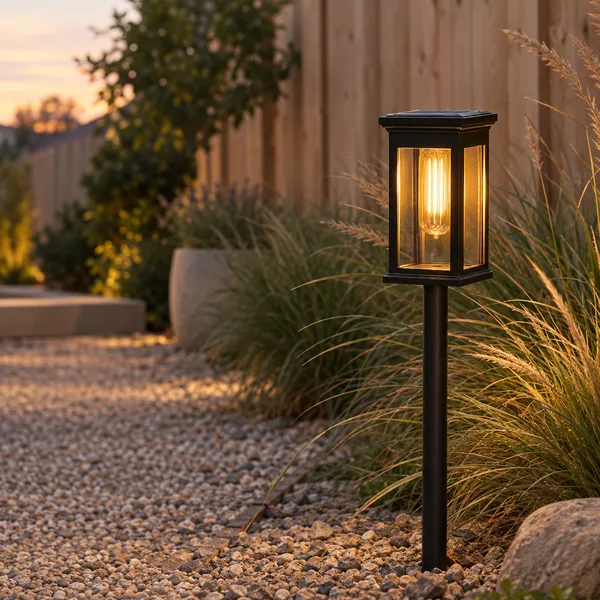
 Save $30.00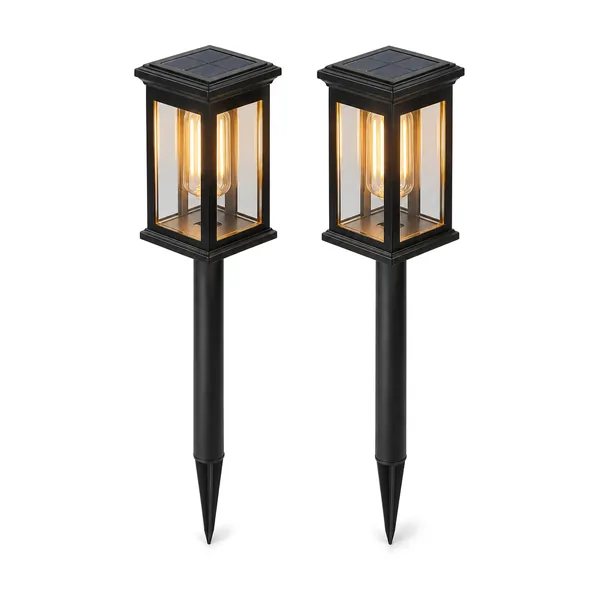
 3 options
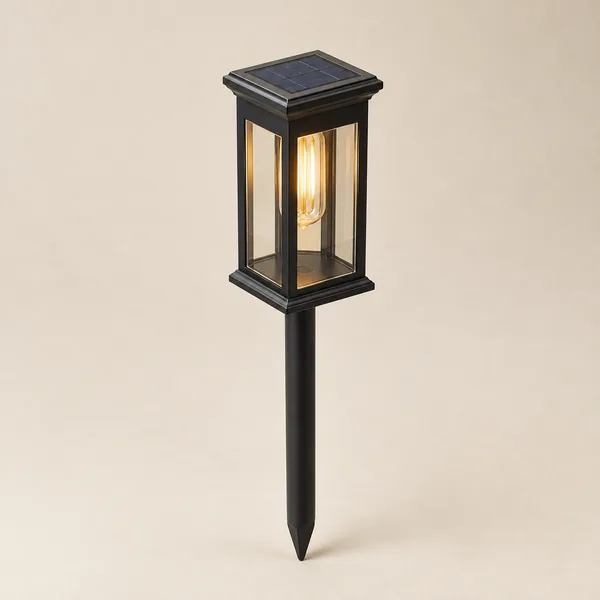
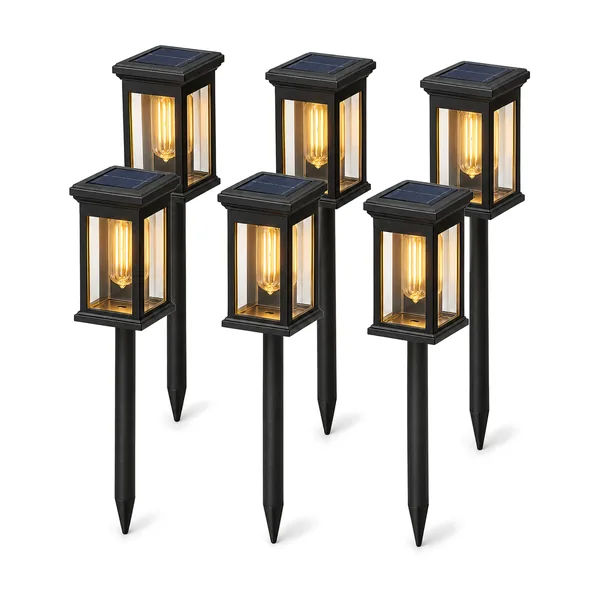
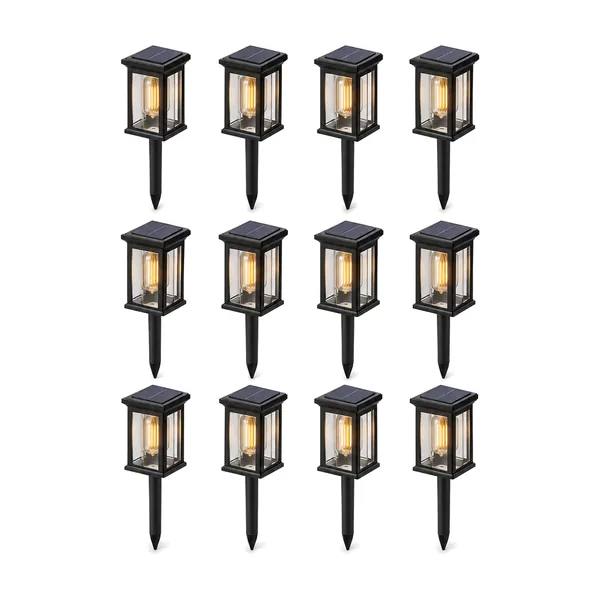
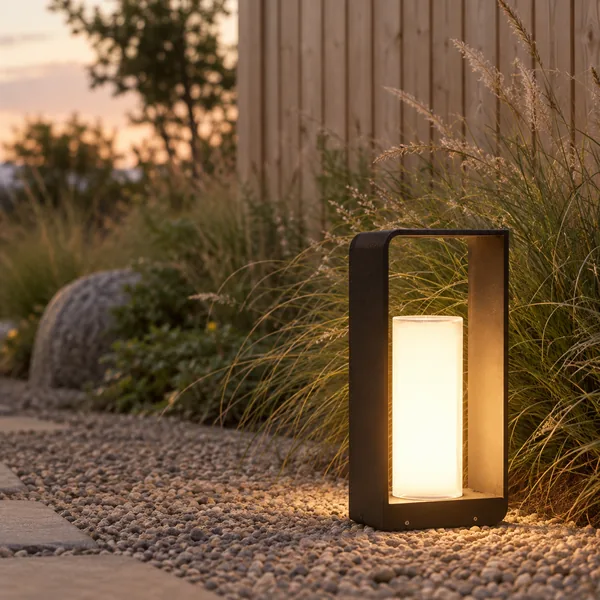
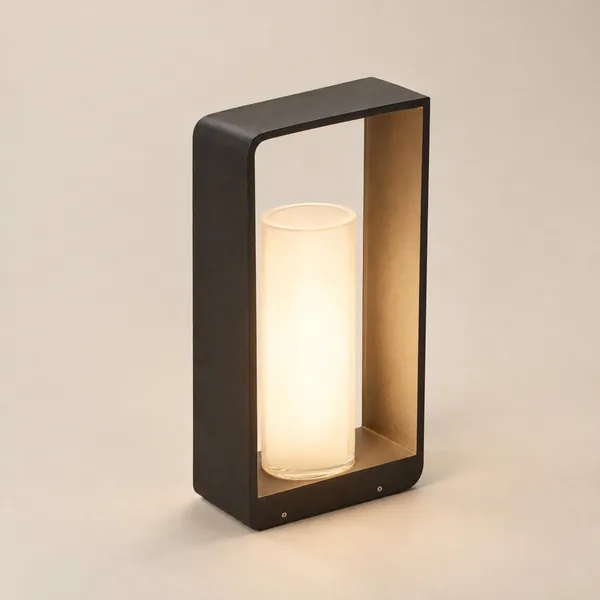
Solsti Solar Garden Path Lights 2700K Warm White
 Save $40.00
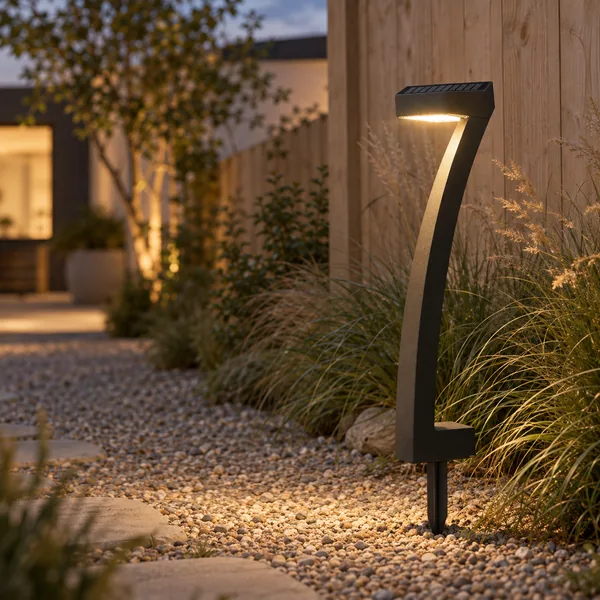
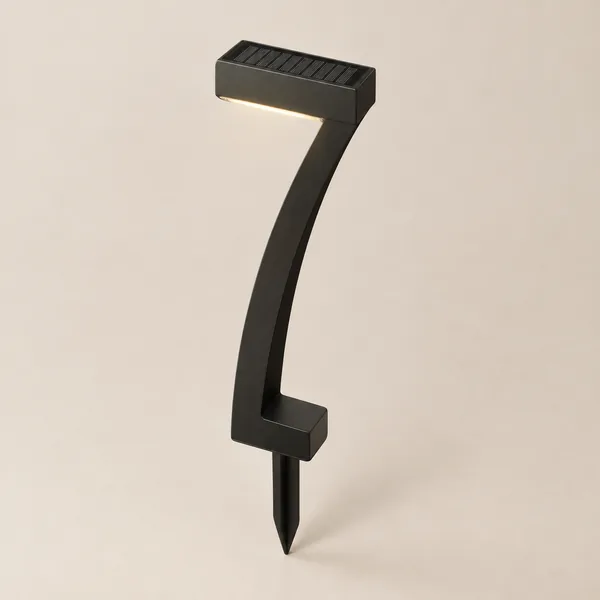
Kvelda Solar LED Garden Lawn Lamp Waterproof
 Save $30.00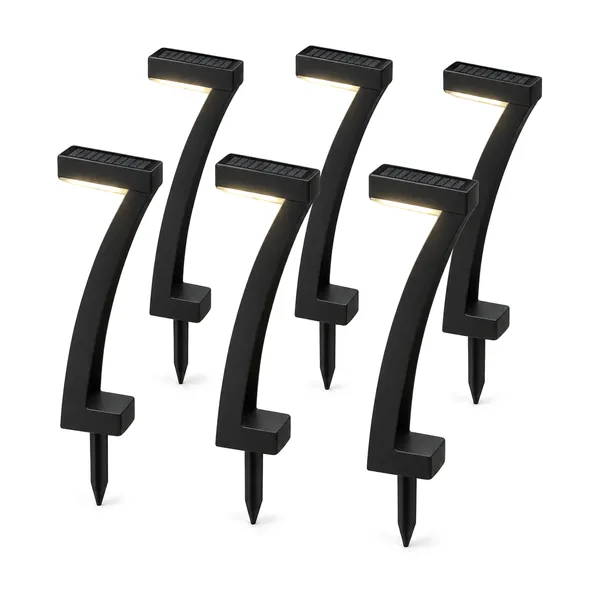
 2 options
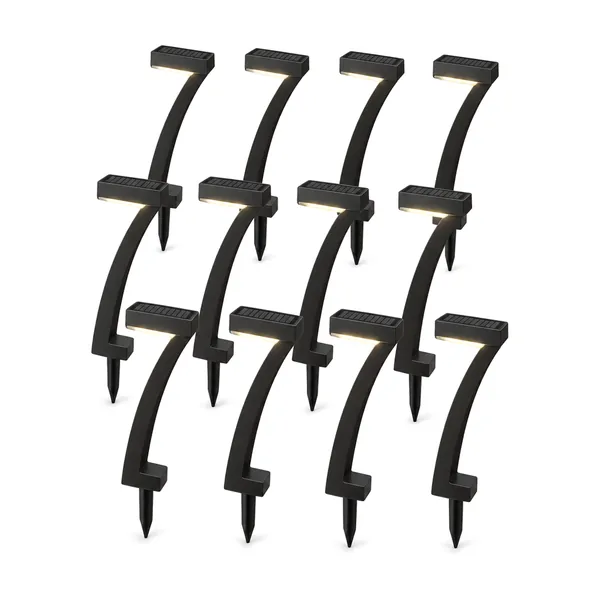
Solsti Solar Outdoor Path Lights 2700K Warm White
Pathway and Garden Illumination That Guides and Delights
Garden lighting serves dual purposes: practical navigation and atmospheric enhancement. The best outdoor home lighting ideas for pathways achieve both without feeling overdone. Solar technology has revolutionized this category, offering wire-free solutions that activate automatically at dusk and require zero maintenance beyond occasional cleaning.
When designing your garden lighting scheme, resist the urge to light everything. Instead, identify key features worth highlighting—a sculptural tree, a water element, a favorite seating bench—and let darkness frame these illuminated moments. This selective approach creates visual drama and saves energy while maintaining that essential Nordic restraint.
Pathway spacing is crucial for both safety and aesthetics. As a general guideline, position lights 6 to 8 feet apart along walkways, staggering them slightly rather than creating a rigid runway effect. For curved paths, place lights on the inside of curves where they best illuminate the direction of travel.

The Solkorg Solar Wicker Outdoor Garden Light Set brings textural interest to garden pathways while providing that soft, welcoming glow that makes evening strolls through your landscape feel like a mini escape. Pair these with the Solsti Solar Garden Path Lights 2700K Warm White along main walkways for consistent illumination that guides guests safely while preserving the romantic ambiance of your garden after dark.
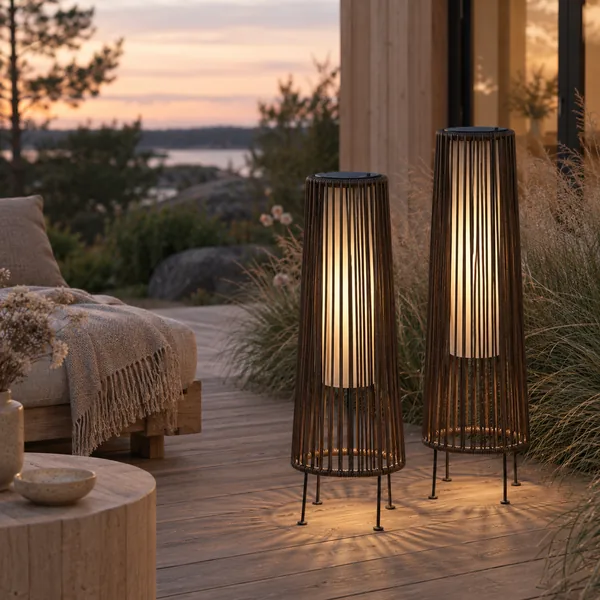 Solkorg Solar Wicker Outdoor Garden Light Set$229.00$279.00
Solar Solutions for Sustainable Outdoor Living
Solar technology has matured significantly, making it an increasingly attractive option for exterior illumination. Modern solar lights offer reliable performance, consistent brightness, and extended runtime—often illuminating for 8 to 12 hours on a full charge. For environmentally conscious homeowners, solar garden lights represent an easy way to reduce energy consumption without sacrificing style.
The key to successful solar lighting lies in strategic placement. Panels need adequate daylight exposure to charge fully, so avoid positioning lights in deep shade or beneath dense tree canopy. That said, many contemporary designs feature removable or adjustable panels, allowing you to optimize sun collection while positioning the light itself exactly where you want it.
Beyond sustainability, solar lighting offers practical advantages that align perfectly with Scandinavian simplicity: no wiring means no trenching through your garden, no electrical permits, and no dependency on outdoor outlets. You can rearrange your lighting scheme seasonally or experiment with new layouts without commitment.
Portable Lamps
Shop all Portable Lamps
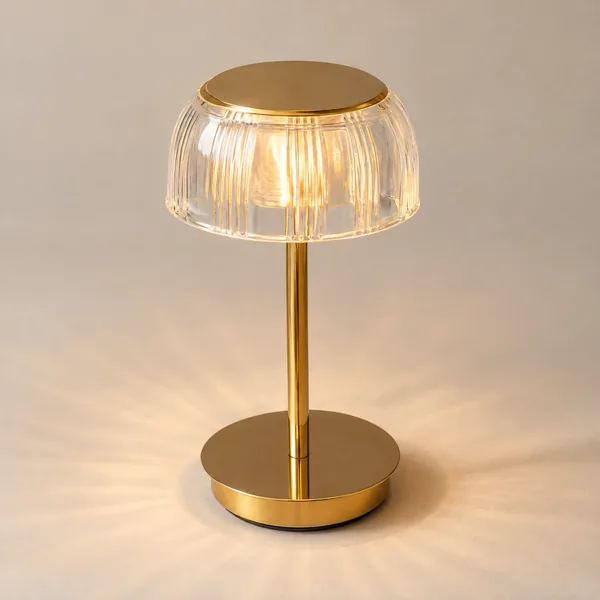 Save $30.00
Kvalla Jellyfish LED Rechargeable Table Lamp
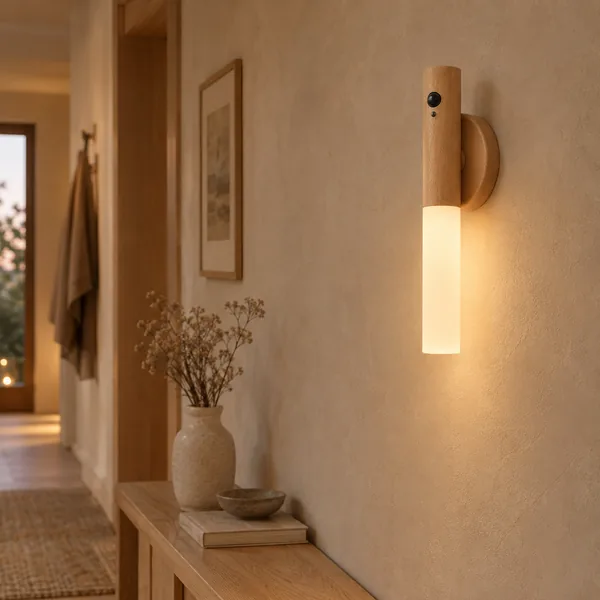
 Save $50.00
 4 options
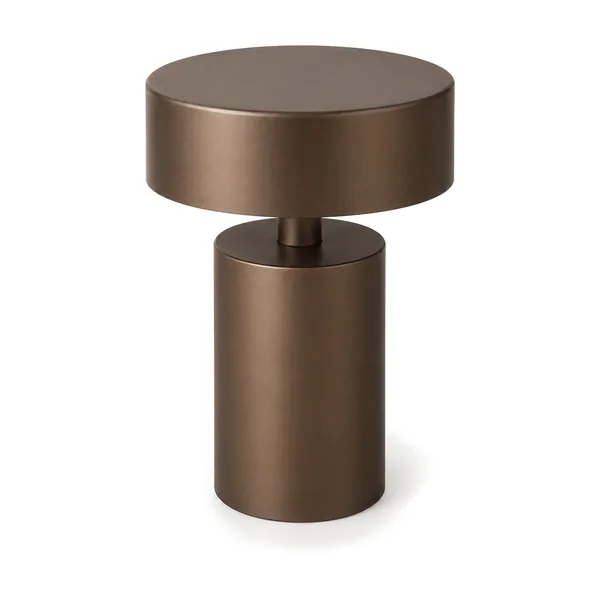
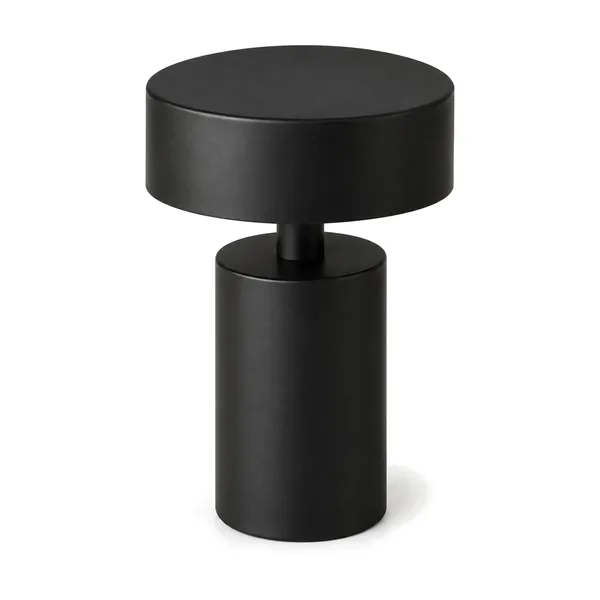
Svamp Sculptural Cordless Dimmable Table Lamp

 Save $40.00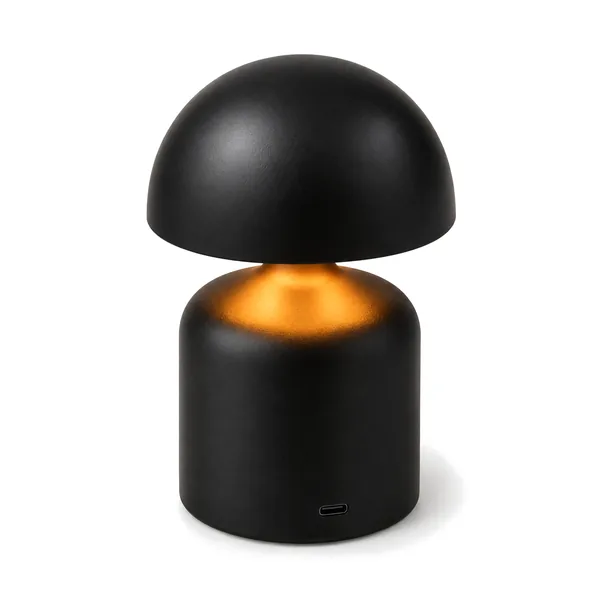

 3 options
Kveld Cordless Touch Lamp with 3 Color Modes
The Science of Warmth: Color Temperature for Outdoor Spaces
Not all light feels the same, and understanding color temperature helps you create the right mood for different outdoor applications. Measured in Kelvin (K), color temperature ranges from warm yellows (2700K) to cool blues (5000K+). For outdoor living spaces—particularly those designed around entertaining and relaxation—warmer temperatures between 2700K and 3000K create that inviting, cozy atmosphere that encourages lingering.
Cooler temperatures (4000K-5000K) have their place in outdoor lighting schemes, particularly for security lighting, task-oriented areas like outdoor kitchens, or contemporary architectural highlighting. However, for the primary living areas where you want to replicate that indoor hygge feeling outdoors, warm white light remains the gold standard.
When selecting fixtures, look for specifications that clearly state color temperature rather than vague terms like "soft white" or "daylight." Products rated at 2700K, like the Solsti Solar Garden Path Lights 2700K Warm White, deliver that perfect warm glow that flatters skin tones and creates an inherently welcoming environment.
Complete Your Outdoor Lighting Collection
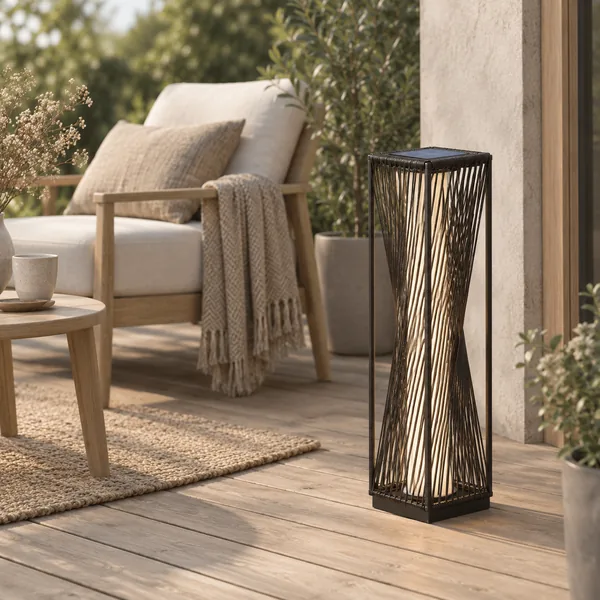 Solvik Solar Wicker Outdoor Floor Lamp Dark Brown$159.00$169.00Solsti Solar Garden Path Lights 2700K Warm White$59.00$89.00
Creating Your Outdoor Lighting Masterplan
The most successful outdoor lighting schemes develop organically, layer by layer. Start with your priorities—perhaps lighting the pathway from driveway to door for safety, or illuminating the patio for entertaining. Live with these elements for a while, noticing how you actually use your outdoor spaces after dark, before adding additional fixtures.
Consider seasonal changes in how you use your exterior. Summer entertaining might call for different lighting configurations than autumn evenings by the fire pit. The flexibility of solar and battery-powered options allows you to adapt your lighting throughout the year without rewiring.
Remember that outdoor lighting extends your home's personality into the landscape. Just as you curate your interior with intention—selecting pieces that balance beauty with function—approach your exterior illumination with the same thoughtful criteria. Quality fixtures in natural materials like wicker, brass, or weathered steel age gracefully and develop character over time, much like the gardens they illuminate.
Final Thoughts: Light as an Invitation
Great outdoor lighting doesn't just illuminate—it invites. It draws you out into spaces you might otherwise overlook after sunset, extending your living area and connecting you with the rhythms of evening. Whether you're lighting a compact urban balcony or sprawling suburban garden, the principles remain the same: layer your light sources, favor warmth over brightness, and choose fixtures that honor the natural world they inhabit.
At Skonne, we believe that outdoor spaces deserve the same design consideration as interiors. Our curated collection of solar and exterior lighting brings Scandinavian sensibility to your garden, patio, and pathways—beautiful fixtures that work beautifully, season after season. Explore our outdoor collections and discover how the right illumination can transform your exterior into the most inviting room of your home.
Related Article
Modern Outdoor Lighting Fixtures: Sleek, Contemporary Designs for Today's ExteriorsTransform your exterior with modern outdoor lighting fixtures. Discover sleek, contemporary designs that enhance curb appeal and create inviting outdoor spaces.