
Plants for Home Decor: How to Style Your Space with Greenery
Summary›
- Understanding the Power of Greenery in Scandinavian Design
- How to Style Plants in Home Decor: Core Principles
- Real vs. Artificial: Making the Right Choice for Your Lifestyle
- Room-by-Room Greenery Guide
- Creating a Cohesive Nordic Greenery Aesthetic
- Expert Inspiration for Plant Styling
- Conclusion: Curating Your Indoor Oasis
There's something undeniably magical about walking into a space that breathes with life. A well-placed fern cascading from a shelf or a sculptural monstera catching the morning light can transform even the most minimalist interior into a sanctuary. For those of us drawn to the Scandinavian philosophy of hygge—that warm, intentional feeling of contentment—bringing nature indoors isn't just a design trend; it's a way of creating home.
Whether you're working with a sun-drenched loft or a cozy apartment with limited natural light, incorporating the right plant for home decor can elevate your space while honoring your lifestyle. From live botanicals that purify the air to thoughtfully crafted artificial alternatives that require zero maintenance, greenery offers endless possibilities for personal expression. In this guide, we'll explore how to style your home with plants that complement Nordic aesthetics, share practical placement strategies, and introduce artisan vessels that transform your botanicals into curated art pieces.
Understanding the Power of Greenery in Scandinavian Design
The Scandinavian approach to interior design has always maintained a profound respect for the natural world. This isn't surprising, considering Nordic countries experience dramatic seasonal shifts that make indoor greenery particularly precious during long winters. Indoor plants home decor isn't merely about aesthetics—it's about creating that essential connection to nature that grounds us.
When we introduce living (or lifelike) elements into our spaces, we activate biophilic design principles that have been shown to reduce stress and improve wellbeing. The key lies in intentionality. Rather than filling every corner with random foliage, Scandinavian styling encourages us to select pieces that serve both function and beauty. A single statement palm in a handcrafted ceramic vessel can speak volumes more than a cluttered collection of mismatched pots.
The art of styling plants interior spaces requires understanding negative space, texture interplay, and the rhythm of your room. Think of plants as sculptural elements—organic shapes that soften the clean lines of modern furniture while adding layers of visual interest through varying heights, leaf patterns, and vessel materials.
How to Style Plants in Home Decor: Core Principles
Before selecting specific botanicals, consider these fundamental styling approaches that align with Nordic sensibilities:
- Layered Heights: Create visual drama by positioning tall specimens behind medium-sized plants, with trailing varieties in the foreground
- Odd Numbers: Group plants in threes or fives for natural, asymmetrical arrangements that feel collected over time
- Texture Contrast: Pair glossy leaves with matte ceramics, or delicate ferns with robust pottery
- Single Statement Pieces: Sometimes one magnificent plant in a beautiful vessel outperforms a crowded windowsill
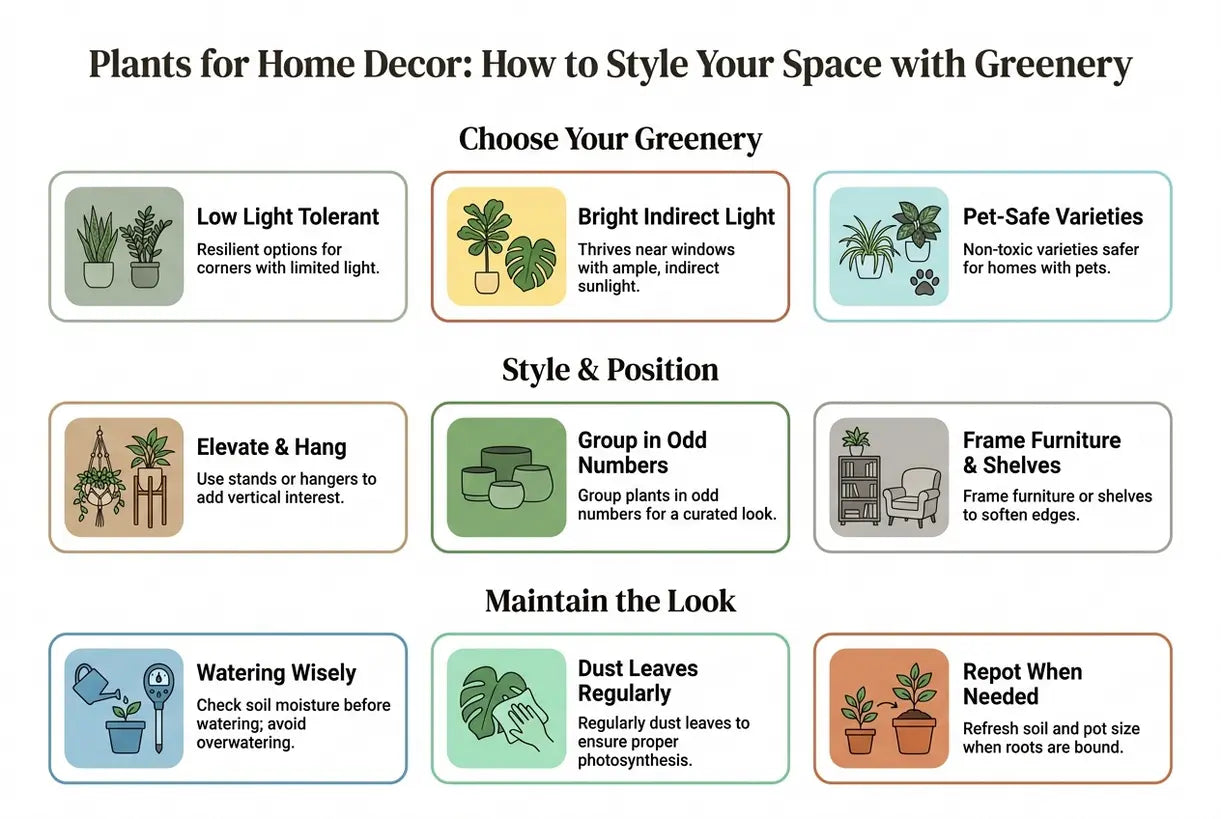
The question of how to style plants in home decor often comes down to balancing abundance with restraint. Scandinavian homes are known for their curated, uncluttered aesthetic—what we might call "intentional fullness." When arranging greenery, step back frequently to assess whether each element earns its place. The goal is a space that feels lived-in and warm, not chaotic or overgrown.
For those seeking the authentic Nordic experience, consider exploring our Premium Picks collection, featuring carefully selected pieces that embody the intersection of form and function essential to Scandinavian living.
Decorative Vases
Shop all Decorative Vases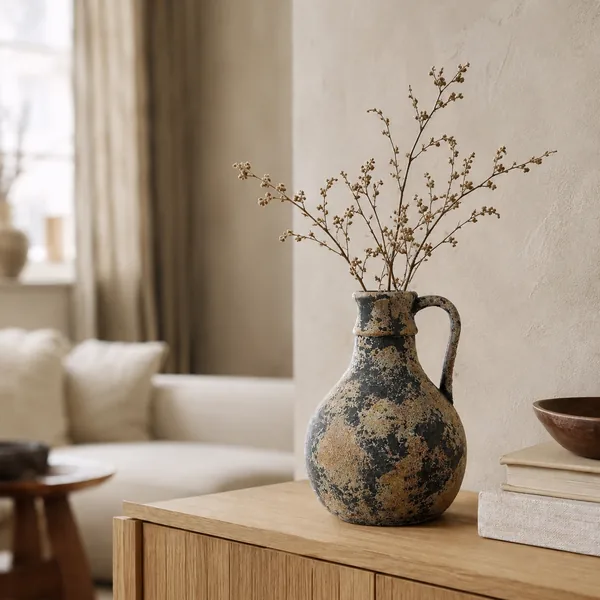
 Save $40.00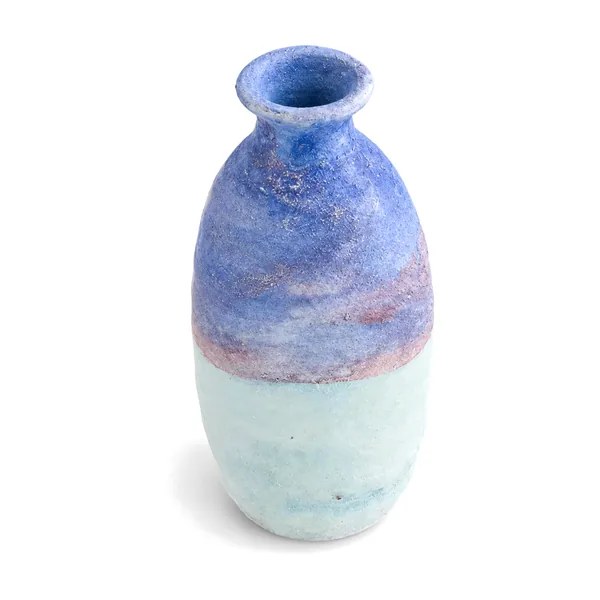
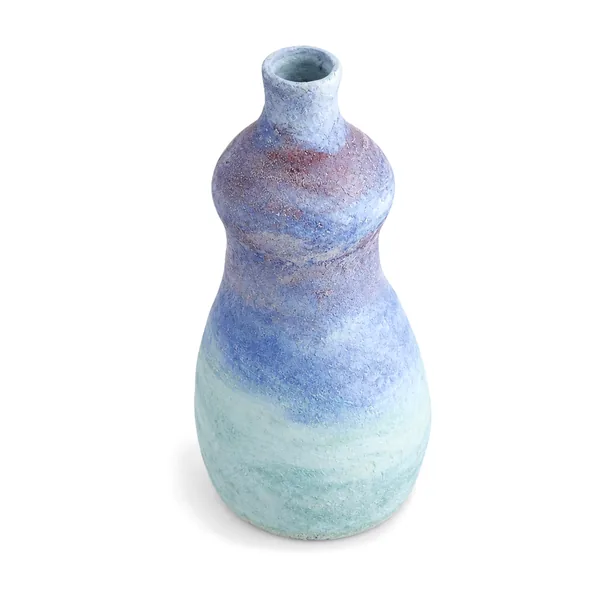
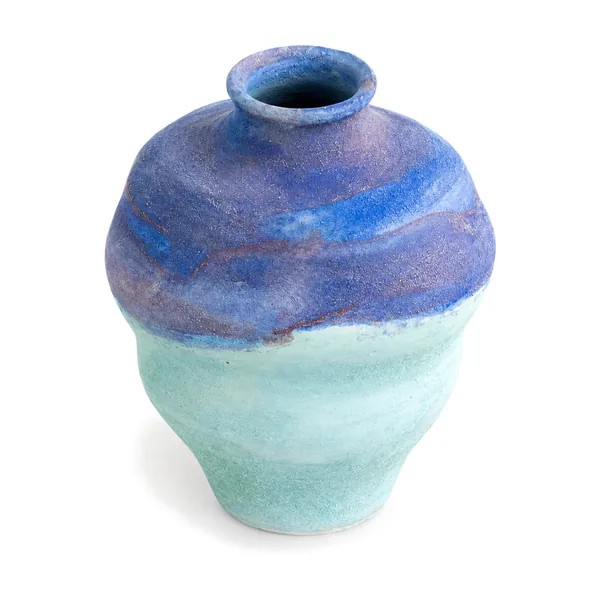
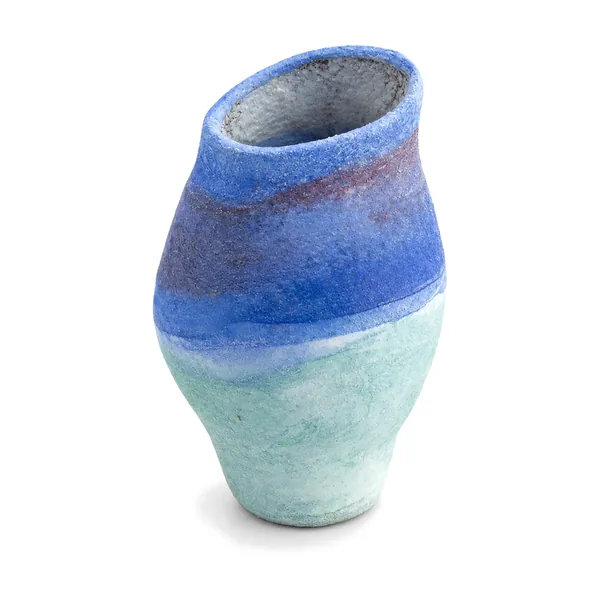 4 options
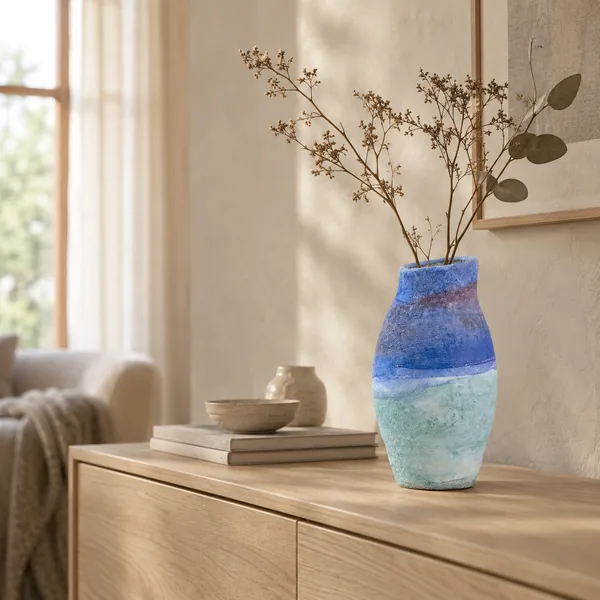
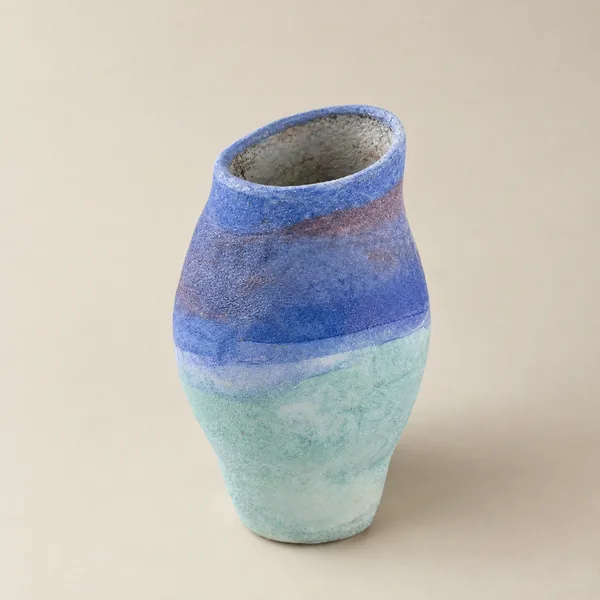
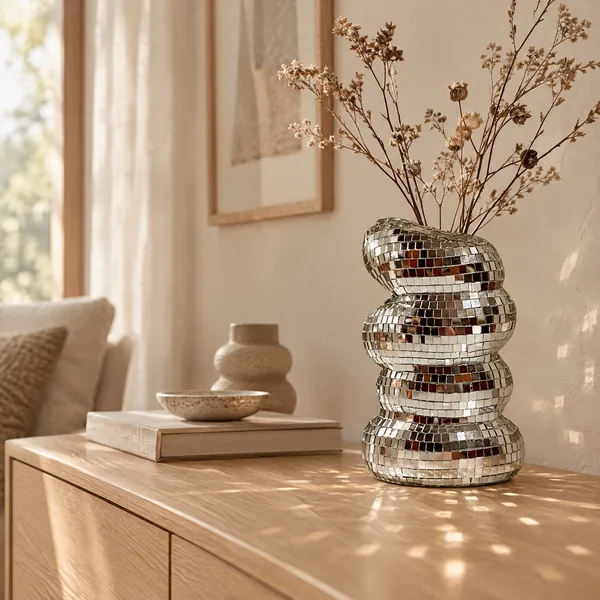
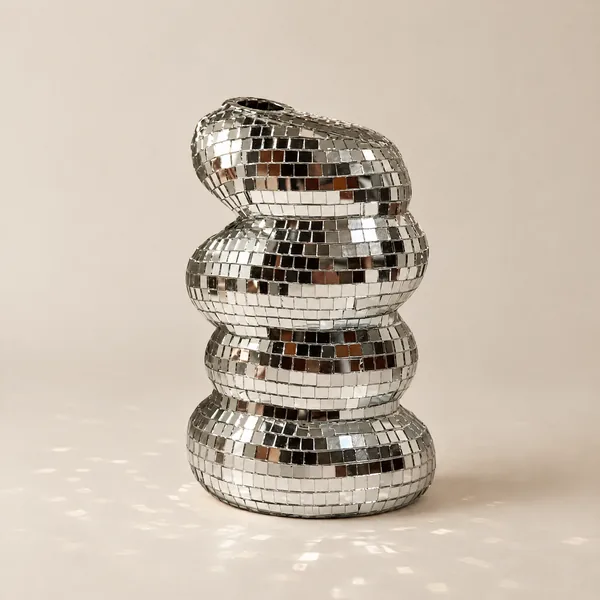
Dyvna Blue Gradient Ceramic Vase for Home Decor
Real vs. Artificial: Making the Right Choice for Your Lifestyle
Not every space—or every homeowner—can accommodate live plants. Low-light apartments, busy travel schedules, and simply the desire for zero-maintenance beauty have made fake plants home decor increasingly sophisticated. Today's high-quality artificial botanicals capture the nuanced coloring and organic imperfections of real plants so convincingly that even design professionals often need a second look.
When considering artificial trees for home decor, invest in pieces crafted from premium materials that mimic natural leaf variations. The best faux plants feature wired stems that allow you to shape and arrange them organically, avoiding the telltale uniform appearance of cheaper alternatives. Large specimens like fiddle leaf figs or olive trees work particularly well as artificial options, as they create dramatic impact without the demanding care requirements of their living counterparts.
For smaller spaces and accent pieces, fake plants for living room shelves or bathroom vanities offer year-round color without the worry of proper watering schedules or seasonal dormancy. The key to convincing styling lies in your vessels—artificial plants deserve the same thoughtful presentation as live ones.
The Art of Displaying Botanicals
Even the most beautiful plant—real or artificial—needs the right home. The vessel you choose frames your greenery, anchoring it within your space and elevating it from simple houseplant to intentional design element. This is where craftsmanship matters, and where Skonne's collection of artisan vessels shines.
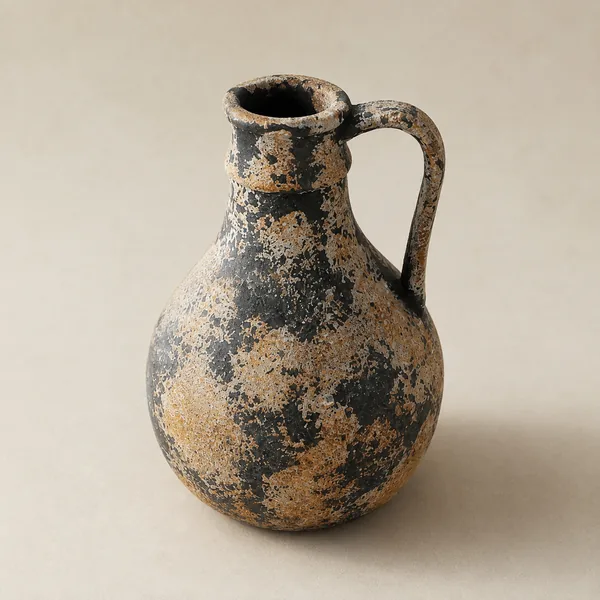
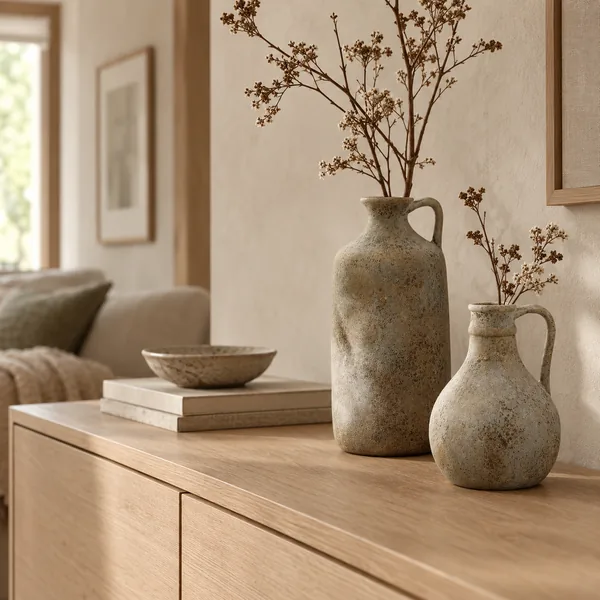
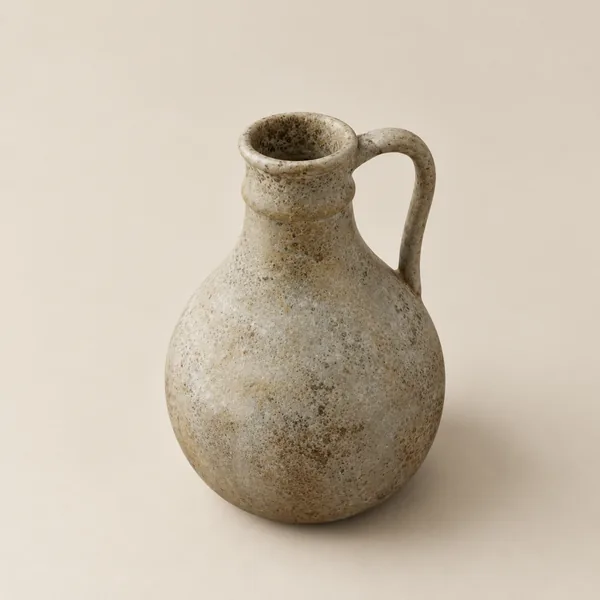
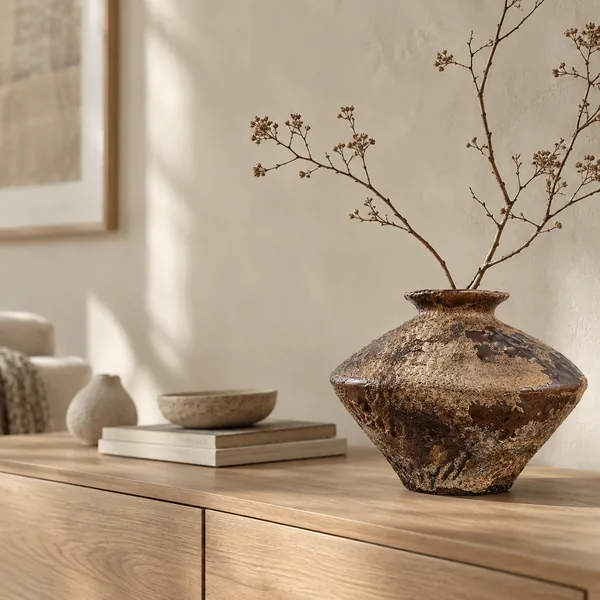 Jorde Handmade Rustic Ceramic Vase Home Decor$129.00$189.00
The Jorde Handmade Rustic Ceramic Vase exemplifies the Scandinavian appreciation for wabi-sabi—the beauty found in imperfection. With its organic character and active glaze finish, this vessel brings warmth and tactile interest to your plant displays. Whether cradling dried pampasgrass or serving as a standalone sculptural element beside your potted fern, it creates that coveted sense of hygge through its artisanal presence.
Glass vessels offer another dimension entirely, particularly for hydroponic displays or single-stem arrangements that complement your larger plant groupings. The transparency of quality borosilicate glass creates visual lightness while allowing you to appreciate the full architecture of stems and roots.
Vessels for Your Plant Styling Journey
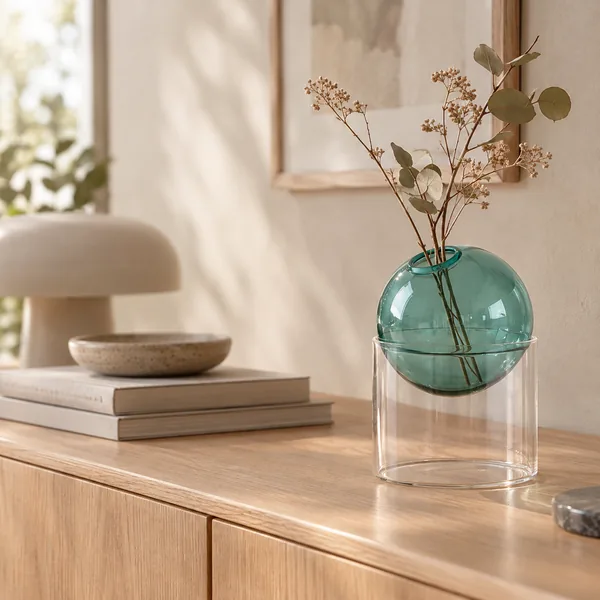 Vårka Borosilicate Round Glass Vase for Flowers$38.00$59.00
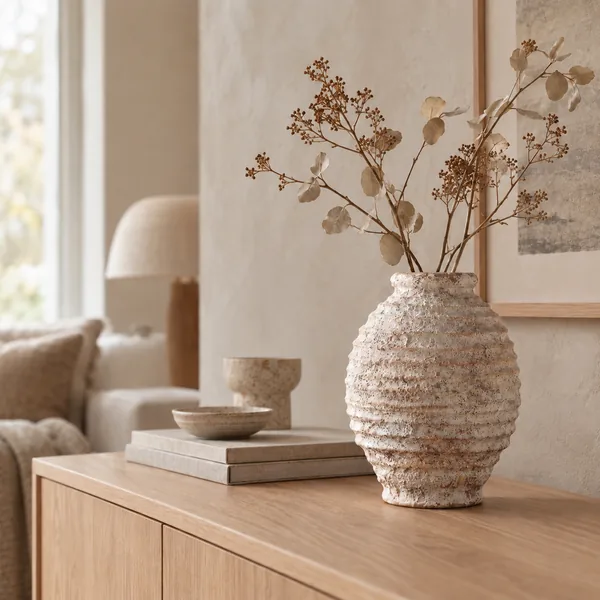 Stille Rustic Handmade Ceramic Vase Earth Tone$99.00$169.00
The Vårka Borosilicate Round Glass Vase brings crystalline clarity to your styling, perfect for showcasing propagation cuttings from your favorite trailing pothos or presenting a single dramatic monstera stem. For those seeking earthier warmth, the Stille Rustic Handmade Ceramic Vase in grounding earth tones creates the ideal companion to your greenery, whether styled with dried botanicals or positioned as a sculptural counterpoint to living plants.
Home Decor
Shop all Home Decor
 Save $44.50
 2 options
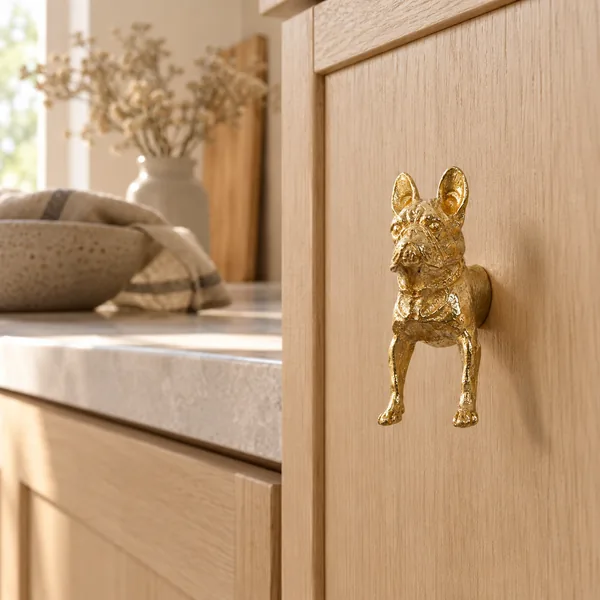
Tassa Polished Brass Dog Cabinet Pull Handle
 Save $110.00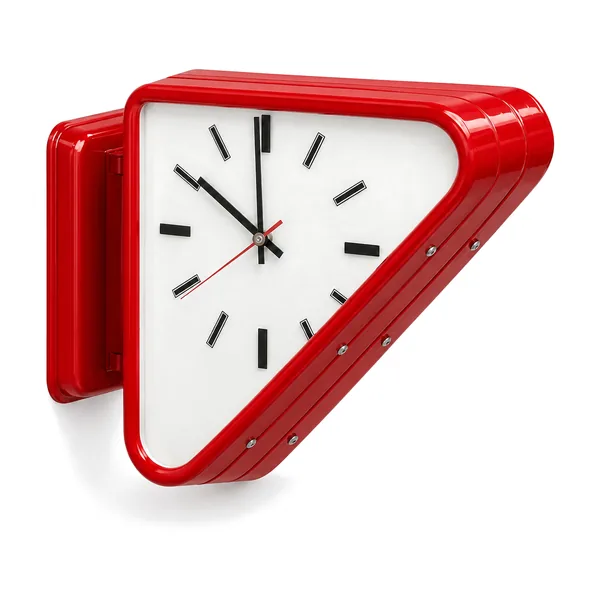
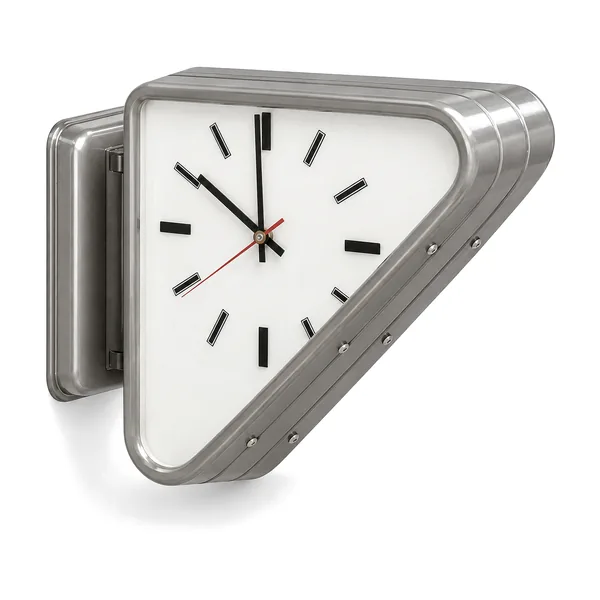
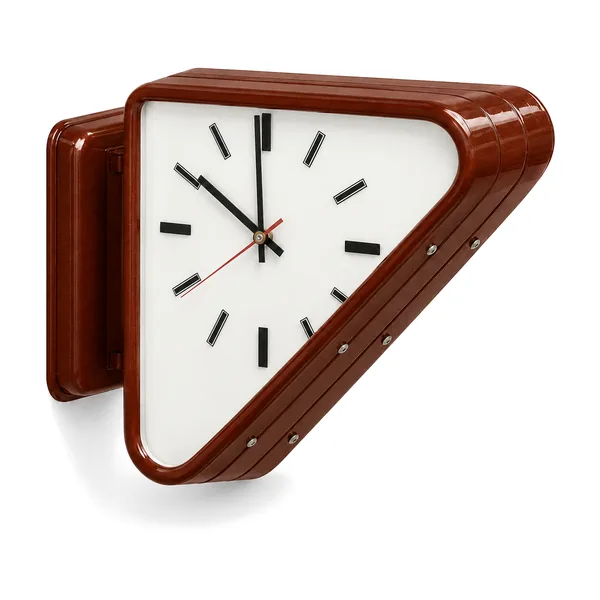 +15 options
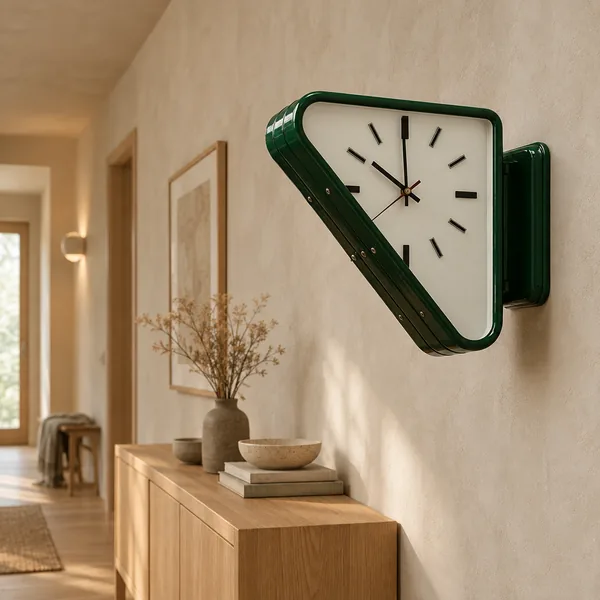
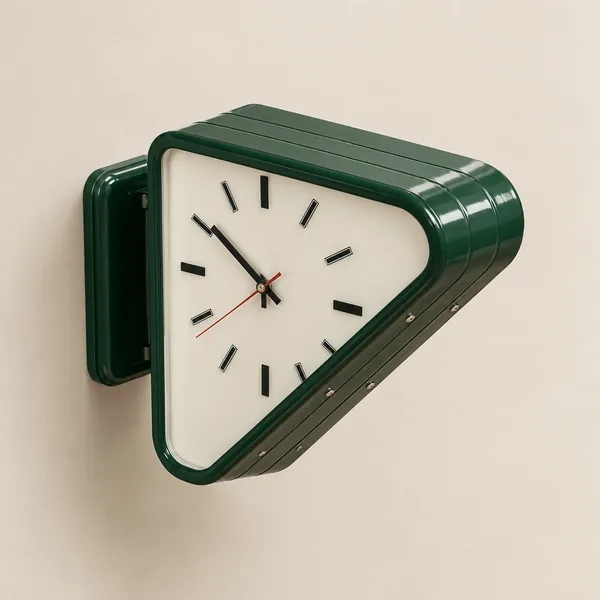
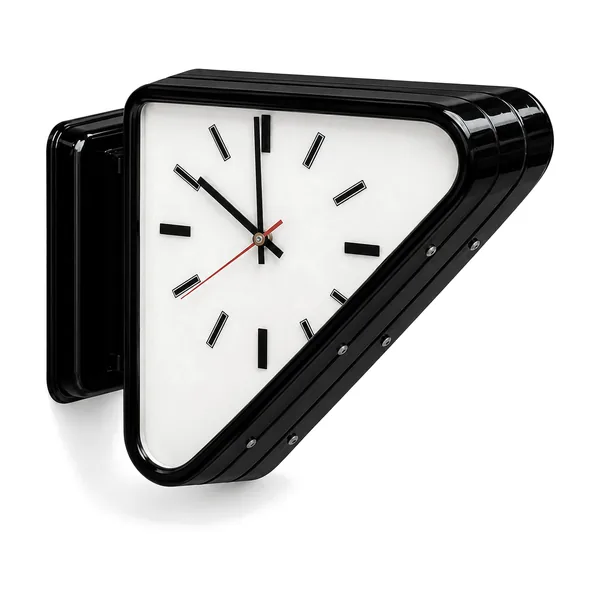
Tvilling Dual-Sided Geometric Metal Wall Clock
Room-by-Room Greenery Guide
Different spaces call for different approaches to botanical styling. Understanding the unique requirements and opportunities of each room helps you make informed decisions about how to decorate with fake plants versus investing in living specimens.
Living Room Plant Arrangements
The living room typically offers the most flexibility for plant placement, with opportunities for floor specimens, tabletop arrangements, and hanging installations. When considering how to arrange plants in living room spaces, start with your room's focal point. A tall plant beside the sofa or a grouping on the coffee table naturally draws the eye and softens architectural lines.
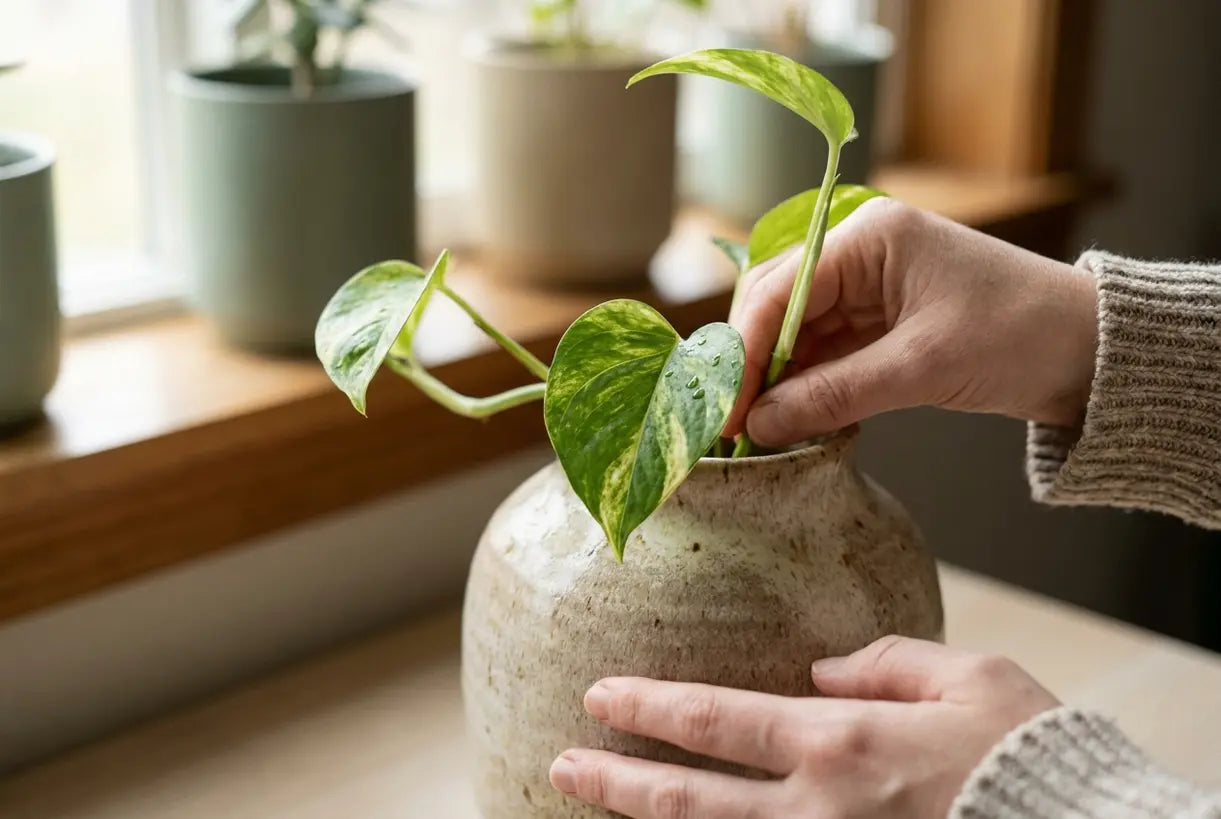
Consider the scale of your furniture when selecting plant sizes. Oversized specimens work beautifully in rooms with high ceilings or substantial furniture pieces, while compact arrangements suit smaller seating areas. The interplay between your vessels—perhaps a combination of the textured Jorde ceramic alongside sleek glass—adds layers of interest that prevent your plant groupings from feeling monotonous.
Low Light Solutions
One of the most common concerns we hear is about spaces that lack abundant natural light. The question of what plants work best in low light has a dual answer: certain resilient live species like snake plants and ZZ plants can tolerate dim conditions, but this is also where quality artificial options truly shine.
Large artificial plants for indoors make exceptional sense for north-facing rooms, windowless bathrooms, or offices with limited daylight. Without the constraints of photosynthesis requirements, you can place that stunning olive tree or bird of paradise exactly where the design requires it, not just where the windows permit.
Creating a Cohesive Nordic Greenery Aesthetic
The magic of Scandinavian plant styling lies in the dialogue between natural elements and curated design. When selecting your best plant for home decor pieces, consider how they interact with your existing palette of materials—warm woods, natural linens, matte ceramics, and soft metallics.
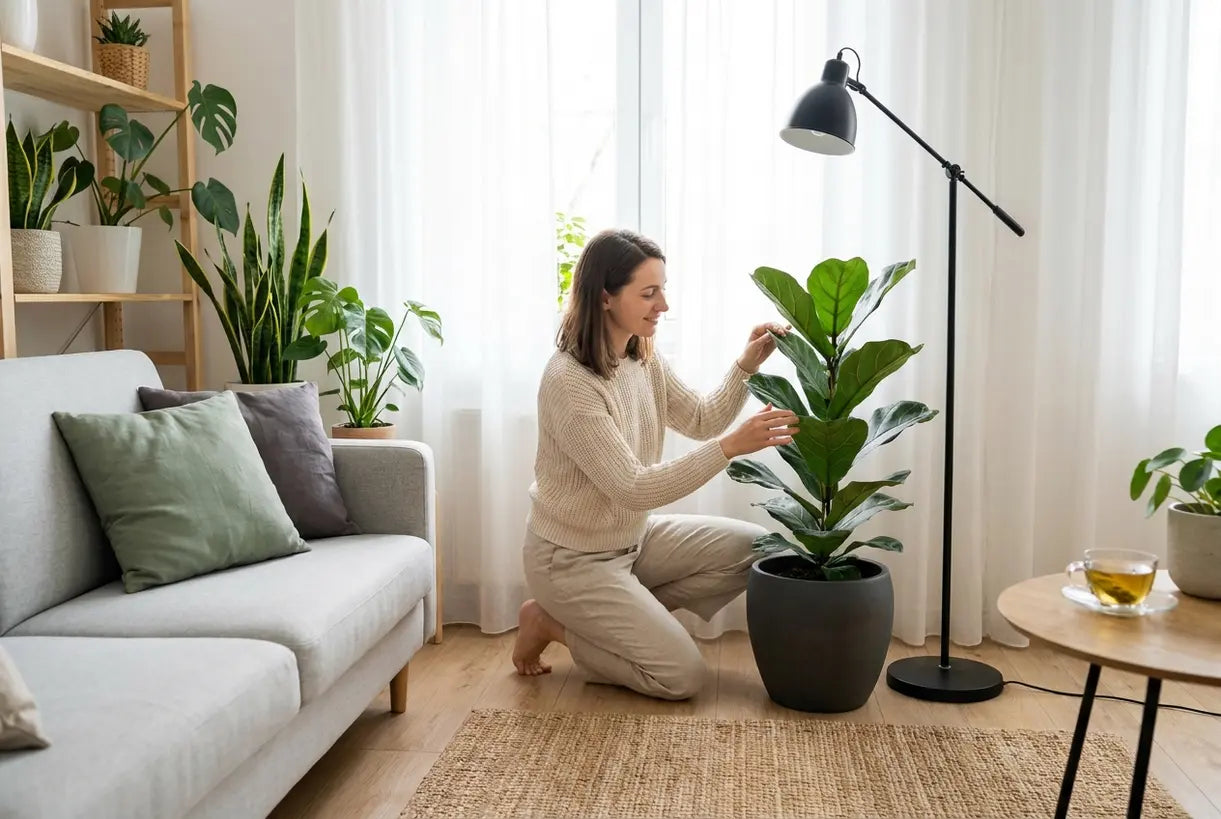
Color harmony plays a crucial role. The deep greens of most foliage complement the neutral, earthy tones prevalent in Nordic design. When styling with luxury artificial plants, look for specimens that incorporate subtle color variations—hints of lime in new growth, reddish undertones on stems, or variegated leaf patterns—that mirror the complexity of living plants.
Don't overlook the importance of negative space. A single, perfectly positioned plant in a beautiful vessel often delivers more impact than a crowded collection. This restraint is quintessentially Scandinavian—each element should breathe, allowing your eye to rest and appreciate the intentionality of the composition.
Expert Inspiration for Plant Styling
To see these principles in action, take a moment to watch this inspiring demonstration from Hilton Carter, showing how to transform spaces through thoughtful plant placement and styling techniques.
Carter's approach demonstrates that successful plant styling isn't about having a green thumb—it's about understanding spatial relationships, scale, and the dialogue between botanicals and their containers. Whether you're working with living specimens or premium artificial alternatives, these same principles apply.
Conclusion: Curating Your Indoor Oasis
Transforming your space with greenery—whether through living indoor plant for home decor selections or meticulously crafted artificial alternatives—offers an accessible path to that coveted Scandinavian sense of hygge. The key lies in thoughtful curation: choosing specimens and vessels that resonate with your aesthetic while honoring the architectural character of your space.
By investing in quality vessels like the artisan ceramics and refined glass pieces in Skonne's collection, you elevate your botanical displays from simple houseplant arrangements to intentional design statements. These handcrafted pieces don't merely hold your greenery; they frame it, complement it, and integrate it into your broader vision of home.
Remember that the best styled spaces feel collected over time rather than purchased in a single weekend. Start with one statement piece—a sculptural plant in a handcrafted ceramic vase, perhaps—and build your collection organically. Allow your interior garden to evolve as your confidence and understanding of what works in your specific space grows.
Your home deserves to breathe with life and warmth. With the right plants, the perfect vessels, and a thoughtful approach to styling, you can create that indoor oasis you've been dreaming of—one that welcomes you back with natural beauty every single day.
Related Article
Home Decor Ideas & Trends: The Best Decorating Inspiration for Every RoomDiscover the best home decor decorating ideas for every room. From Scandinavian minimalism to bold accents, transform your space with expert inspiration.