
Plaster-In Wall Lights: Architectural, Recessed Fixtures for a Seamless, Built-In Look
Summary›
- What Is a Plaster-In Wall Light and How Does It Work?
- The Benefits of Recessed Wall Lights vs Surface Sconces
- How Do You Install Plaster-In Wall Lights During Renovation?
- Can Plaster Wall Lights Be Painted to Match Your Walls?
- What Rooms Work Best With Built-In Architectural Lighting?
- Creating Your Architectural Lighting Plan
- Conclusion
There's a quiet revolution happening in contemporary interior design. Where once we accepted visible hardware and protruding fixtures as necessary evils, today's sophisticated spaces embrace plaster-in wall lights—architectural lighting solutions that merge completely with your walls. These recessed wall lights create the illusion of light emanating from the architecture itself, offering that coveted seamless look that defines modern Scandinavian minimalism. Whether you're planning a full renovation or simply exploring architectural wall lighting options for your home, understanding how these built-in wall fixtures function will help you create spaces that feel both intentional and effortlessly elegant. At Skonne, we believe lighting should serve your space without demanding attention, and while plaster in wall light installations require specific planning, the result is a permanent source of warmth that becomes part of your home's DNA.
What Is a Plaster-In Wall Light and How Does It Work?
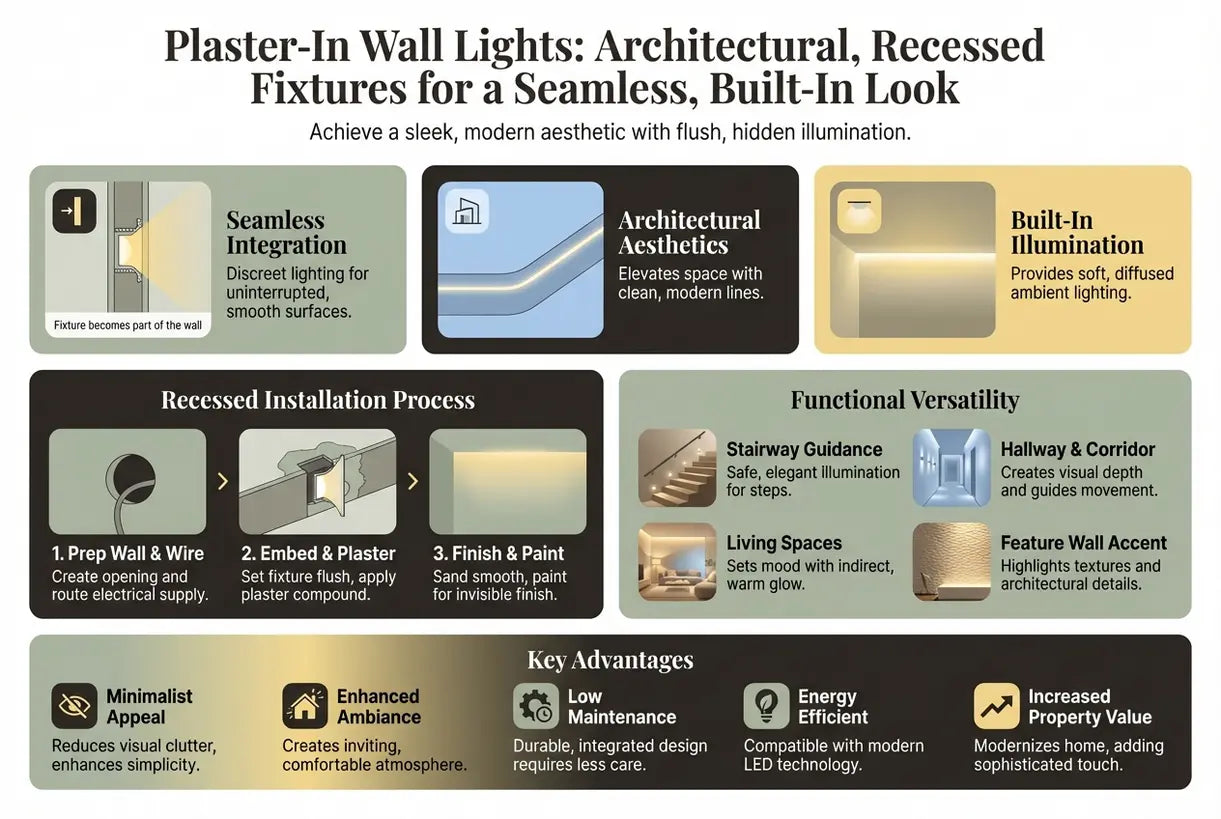
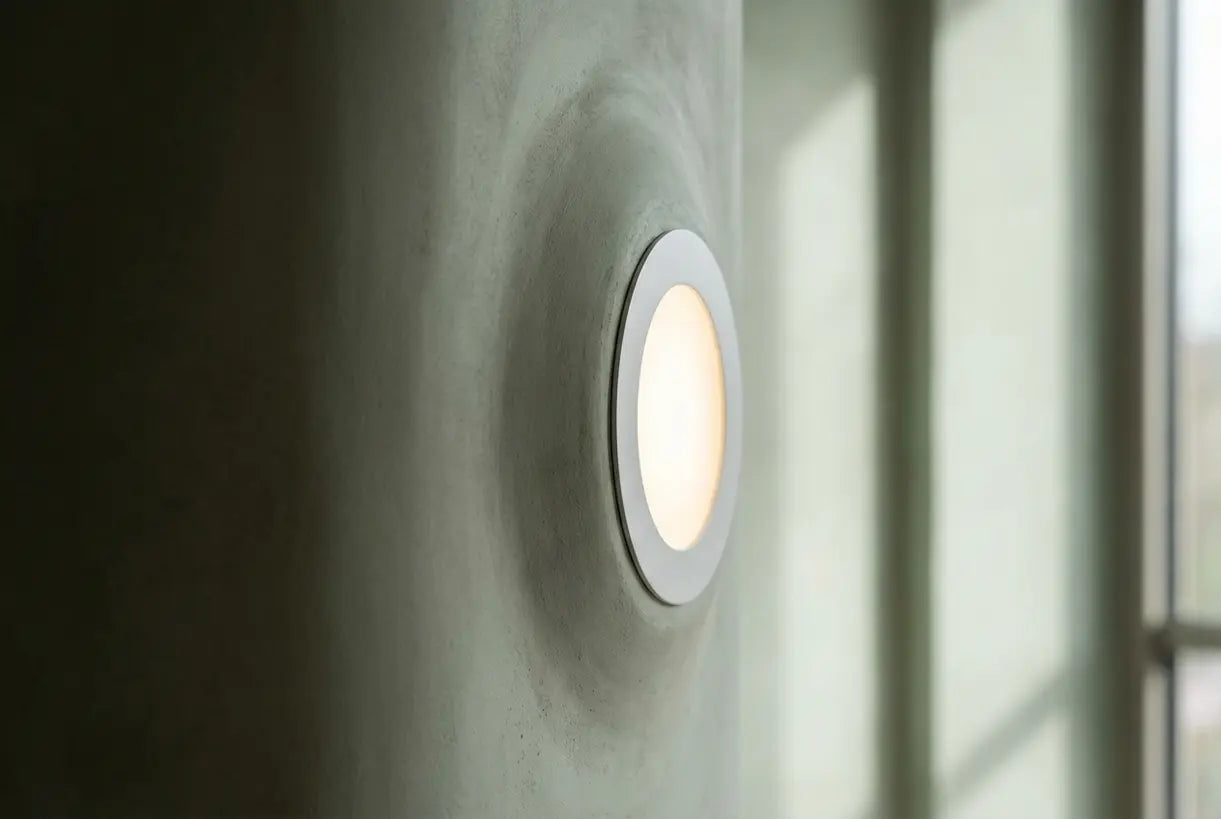
A plaster-in wall light—sometimes called a trimless wall fixture or gypsum wall light—is a lighting element designed to sit flush within your wall surface, completely concealed by drywall compound or plaster. Unlike traditional surface-mounted sconces, these fixtures integrate directly into the wall cavity during construction or renovation, with only the light aperture visible. The fixture housing is typically constructed from paintable materials like gypsum or specialized polymers that accept joint compound, allowing the surrounding wall to flow uninterrupted over the light source.
When activated, these invisible wall lights create dramatic grazing effects across wall surfaces or provide soft, indirect ambient illumination. The light source—often LED for efficiency and longevity—is recessed deep within the housing, eliminating glare and creating a gentle glow that appears to originate from the architecture itself. This drywall recessed light approach transforms illumination from a decorative afterthought into an integral design element, perfect for achieving the clean lines and clutter-free aesthetic central to Scandinavian interior philosophy.
The Benefits of Recessed Wall Lights vs Surface Sconces
Choosing between plaster wall sconce installations and traditional surface-mounted alternatives involves considering both aesthetics and functionality. Recessed wall lights offer several distinct advantages for the contemporary home:
Architectural Integration: Unlike protruding fixtures, built-in lighting becomes part of your wall's surface plane, creating uninterrupted visual flow.Space Optimization: By eliminating projection into the room, these fixtures maximize usable space in narrow hallways, compact bedrooms, and stairwells where every inch matters.
Visual Quiet: For those seeking the seamless wall lighting aesthetic, trimless fixtures eliminate the visual noise of mounting hardware, backplates, and exposed wiring.
Customization: A paintable plaster fixture can be tinted to match your exact wall color, ensuring the lighting element disappears completely into your chosen palette.
Durability: Protected within the wall structure, these fixtures typically experience less accidental damage than exposed sconces, while LED technology ensures years of maintenance-free operation.
Wall Lights
Shop all Wall Lights
How Do You Install Plaster-In Wall Lights During Renovation?
Installing plaster in wall light fixtures requires careful planning and typically coincides with new construction or major renovation projects. The process begins during the rough-in phase, where electrical wiring is routed to precise locations within wall studs. Unlike standard junction boxes, these fixtures require specialized housings that align perfectly with the future drywall plane.
Once the drywall is installed, the fixture edges are taped and mudded alongside standard seams, creating a continuous surface. The key to successful architectural recessed lighting installation lies in ensuring the fixture housing sits perfectly flush with the finished wall plane—any misalignment will be visible after painting. Professional installation is recommended, as the process requires both electrical expertise and drywall finishing skill to achieve the invisible effect.
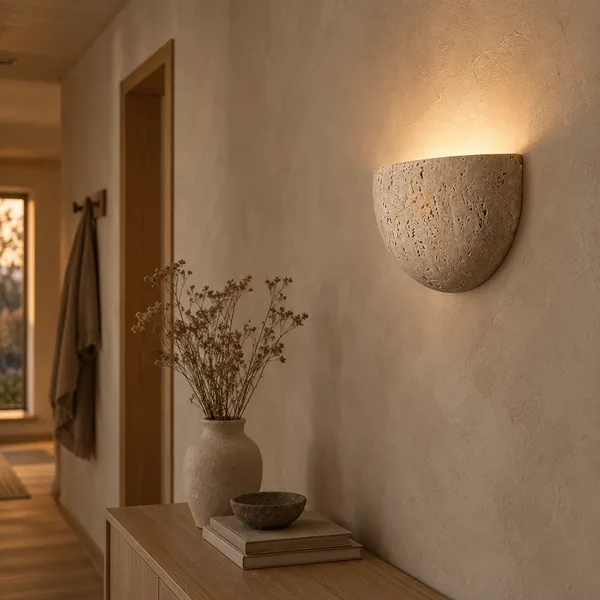
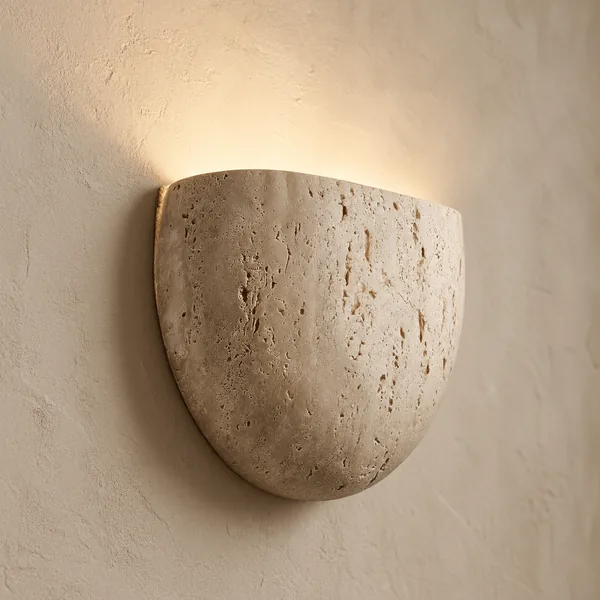
For those exploring Adjustable Wall Lights as an alternative to permanent recessed installation, modern surface-mounted options can achieve remarkably clean lines without the commitment of drywall integration. However, if you're drawn to the flush aesthetic of built-in fixtures, consider the Eldorm Handcrafted Wabi-Sabi Iron Wall Sconce, which offers a warm, flush-mounted profile that brings architectural sensibility without requiring extensive wall modification.
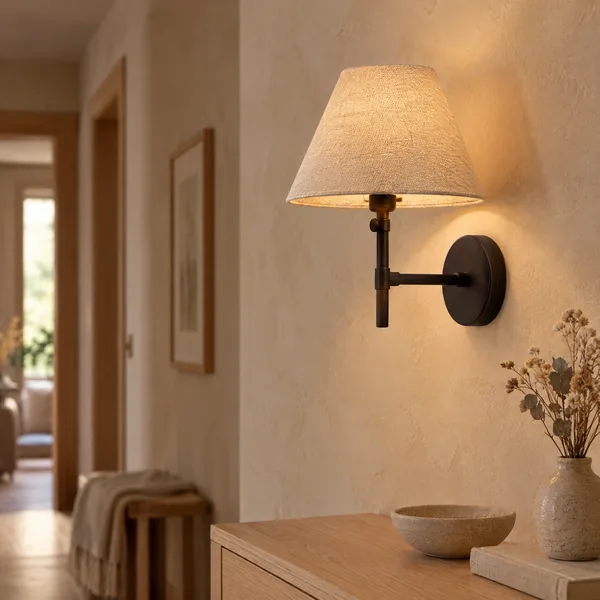 Eldorm Handcrafted Wabi-Sabi Iron Wall Sconce$199.00$259.00
Can Plaster Wall Lights Be Painted to Match Your Walls?
One of the most compelling features of quality gypsum wall light fixtures is their ability to accept paint or plaster finish, rendering them virtually invisible during daylight hours. Most architectural-grade fixtures feature porous surfaces specifically engineered to bond with joint compound and paint, allowing them to become truly seamless elements of your interior canvas.
Before painting, ensure the fixture housing is properly sealed and primed according to manufacturer specifications. Use the same paint formulation applied to your surrounding walls—whether matte, eggshell, or low-sheen—to maintain consistent light reflection across the surface. This customization potential means your flush mount wall light installation can evolve with your décor, accommodating color scheme changes without fixture replacement.
Design Integration and Material Considerations
Successful architectural lighting balances form with atmospheric effect. When planning your built-in wall fixture layout, consider the grazing angle of light against wall textures. Smooth surfaces reflect light differently than textured plaster, influencing how shadows and highlights play across your space.
Color Temperature Considerations: Warm white LEDs (2700K-3000K) typically best serve residential Scandinavian interiors, enhancing the hygge atmosphere that defines Nordic design. Cooler temperatures may read as clinical against warm wall tones.
Dimming Capabilities: Integrating dimmers with your recessed wall light system allows for dynamic scene-setting, from bright task illumination to subtle evening ambiance.
Spacing Guidelines: For hallway installations, position fixtures at consistent intervals—typically 6-8 feet apart—to create rhythmic visual interest without overwhelming the space.
Sculptural Alternatives to Architectural Recessed Lighting
While trimless wall fixtures offer unparalleled seamless integration, many homeowners seek the architectural aesthetic without the commitment of drywall demolition. Contemporary wall lighting design bridges this gap through sculptural fixtures that maintain clean lines while remaining surface-mounted. These alternatives provide the flexibility to evolve your lighting scheme as needs change, while still honoring the minimalist principles of Scandinavian design.
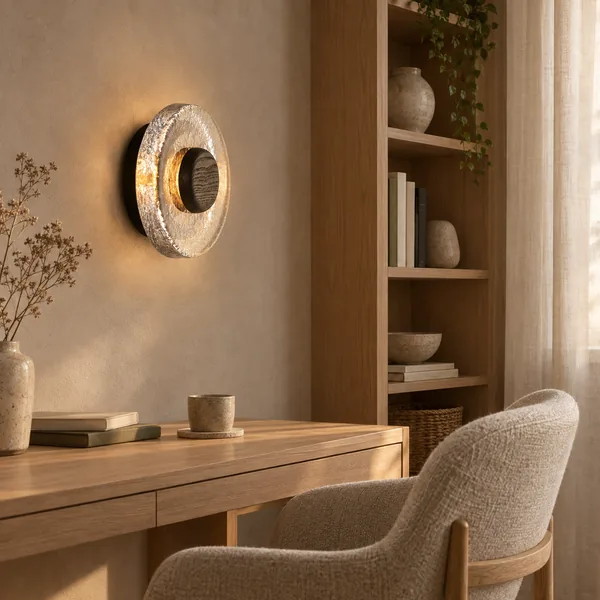
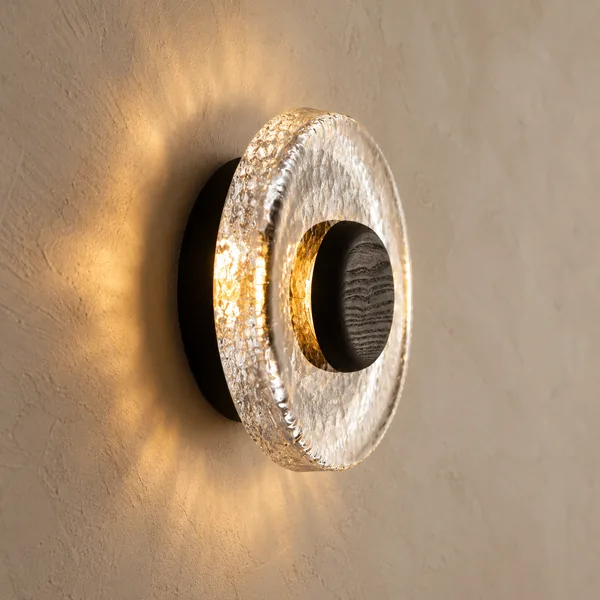
For those drawn to dimensional illumination that doubles as art, the Glodsten Handcrafted Glass Stone LED Wall Light casts radiance through a handcrafted textured shade, creating the layered lighting effect similar to recessed installations. Similarly, the Glødvar Retro Iron Wall Sconce Nordic Design brings vintage-inspired warmth with clean Nordic character, available in six finishes to complement your architectural palette.
Curated Wall Lighting Solutions
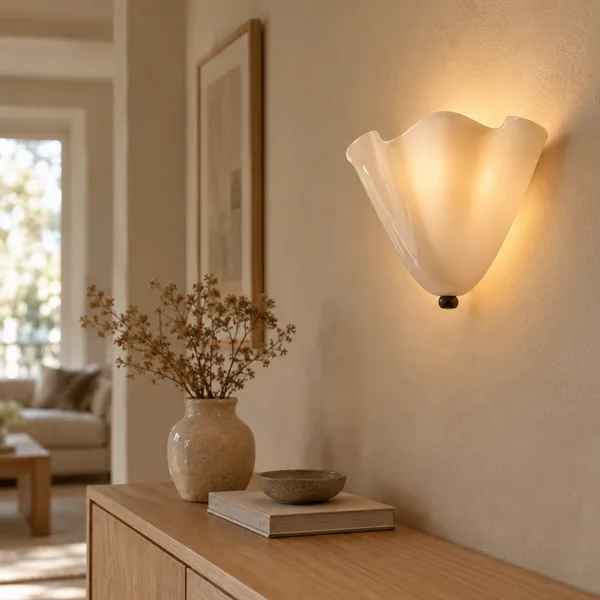 Glodsten Handcrafted Glass Stone LED Wall Light$259.00$319.00
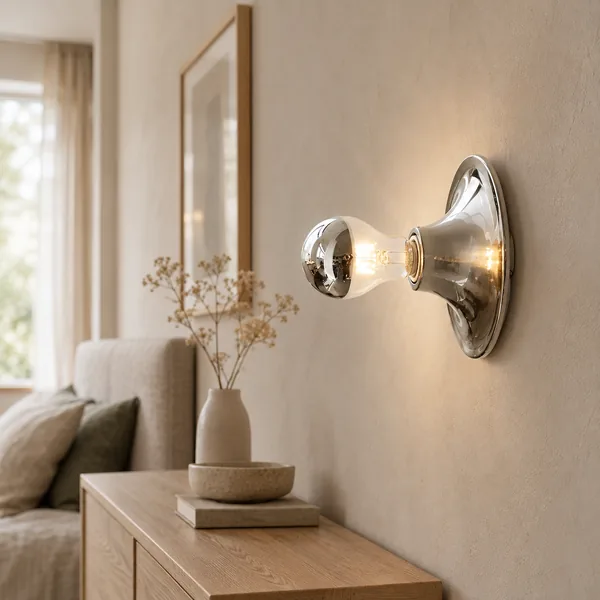 Glødvar Retro Iron Wall Sconce Nordic Design$89.00$129.00
Maintenance and Long-Term Care
While trimless wall fixtures require significant upfront installation effort, their maintenance requirements are minimal compared to surface-mounted alternatives. Without exposed hardware, these fixtures resist dust accumulation and cleaning wear. LED light sources typically last 15-20 years according to Department of Energy research, meaning once installed, your architectural lighting should function beautifully for decades.
When cleaning painted plaster wall sconce installations, treat the surface as you would your wall—gentle dusting or careful wiping with a damp cloth, avoiding harsh chemicals that might degrade the paint finish or diffuser materials.
What Rooms Work Best With Built-In Architectural Lighting?
Seamless wall lighting performs beautifully in spaces where tranquility and clean sightlines are paramount. Consider these applications:
Primary Bedrooms: Low-level invisible wall lights on either side of the bed provide gentle nighttime navigation without disturbing sleep cycles or cluttering nightstands.
Corridors and Staircases: Continuous lighting at ankle or waist height transforms transitional spaces from utilitarian passages to gallery-like experiences.
Living Areas: Strategically placed architectural wall lighting creates subtle accent illumination, highlighting art or architectural features without competing with pendant or floor lighting.
Bathrooms: When properly rated for damp locations, recessed fixtures provide even vanity lighting while maintaining the serene, spa-like aesthetic desired in modern Scandinavian bathrooms.
Flush-Mount Wall Lights
Shop all Flush-Mount Wall Lights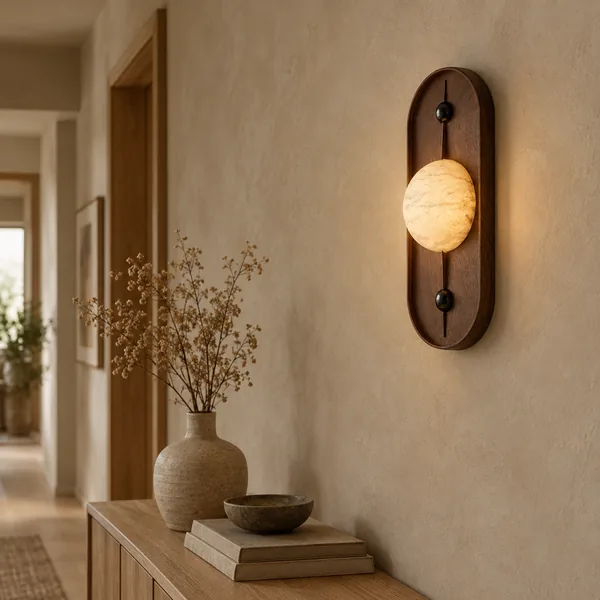
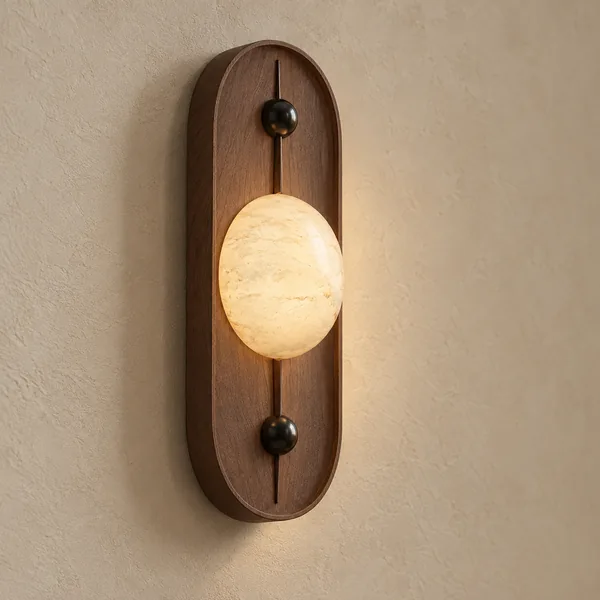
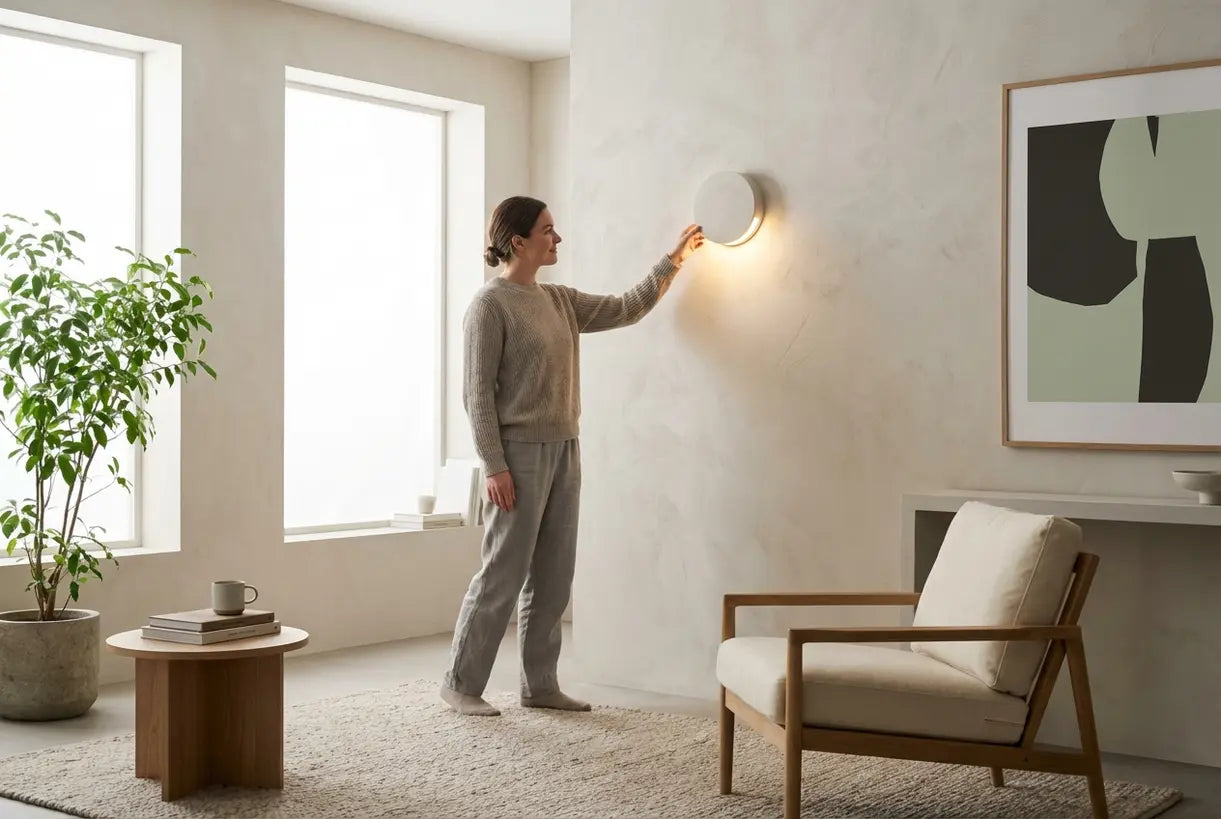
Creating Your Architectural Lighting Plan
Whether you choose full plaster in wall light integration or curated surface-mounted alternatives, the principles remain consistent: light should enhance your space without complicating it. Consider how shadows fall throughout the day, where you need gentle wayfinding versus task illumination, and how your lighting choices support the overall material palette of your home.
The beauty of Scandinavian design lies in this intentionality—every element serves a purpose, and beauty emerges from restraint. Your lighting choices, whether invisible architectural fixtures or thoughtfully selected sconces, should invite you to slow down and appreciate the interplay of light, shadow, and texture that makes a house feel like home.
Conclusion
Plaster-in wall lights represent the intersection of functional necessity and architectural artistry, offering a permanent lighting solution that honors the minimalist principle of lagom—just enough, perfectly placed. While these drywall recessed light installations require commitment and professional execution, the result is a home that breathes with light, unencumbered by visible fixtures or hardware.
At Skonne, we curate lighting solutions for those who appreciate the intentionality of Scandinavian design. While we celebrate the beauty of architectural recessed lighting, we also understand that not every space requires permanent renovation. Whether you choose the seamless integration of plaster-in fixtures or prefer the flexibility of our handcrafted surface-mounted collections, the goal remains constant: creating warm, inviting spaces where light serves your life, not the other way around.
Related Article
Renter-Friendly Wall Lights: No-Drill, No-Wire Fixtures You Can Install Without DamageTransform your rental with renter friendly wall lights. Discover no-drill, magnetic fixtures that add style without damaging walls or requiring wiring.