
Recessed Ceiling Light Fixtures: How to Choose & Use Can Lights in Your Home
Summary›
- What Are Recessed Ceiling Light Fixtures?
- Types of Recessed Light Fixtures for Your Home
- The Rule of Thumb for Recessed Lighting Spacing
- How Many Recessed Lights Do You Need in a Room?
- Current Trends in Recessed Ceiling Lights
- Common Disadvantages of Recessed Lights (And How to Address Them)
- Beautiful Alternatives to Recessed Lighting
- Conclusion: Creating Your Perfect Lighting Scheme
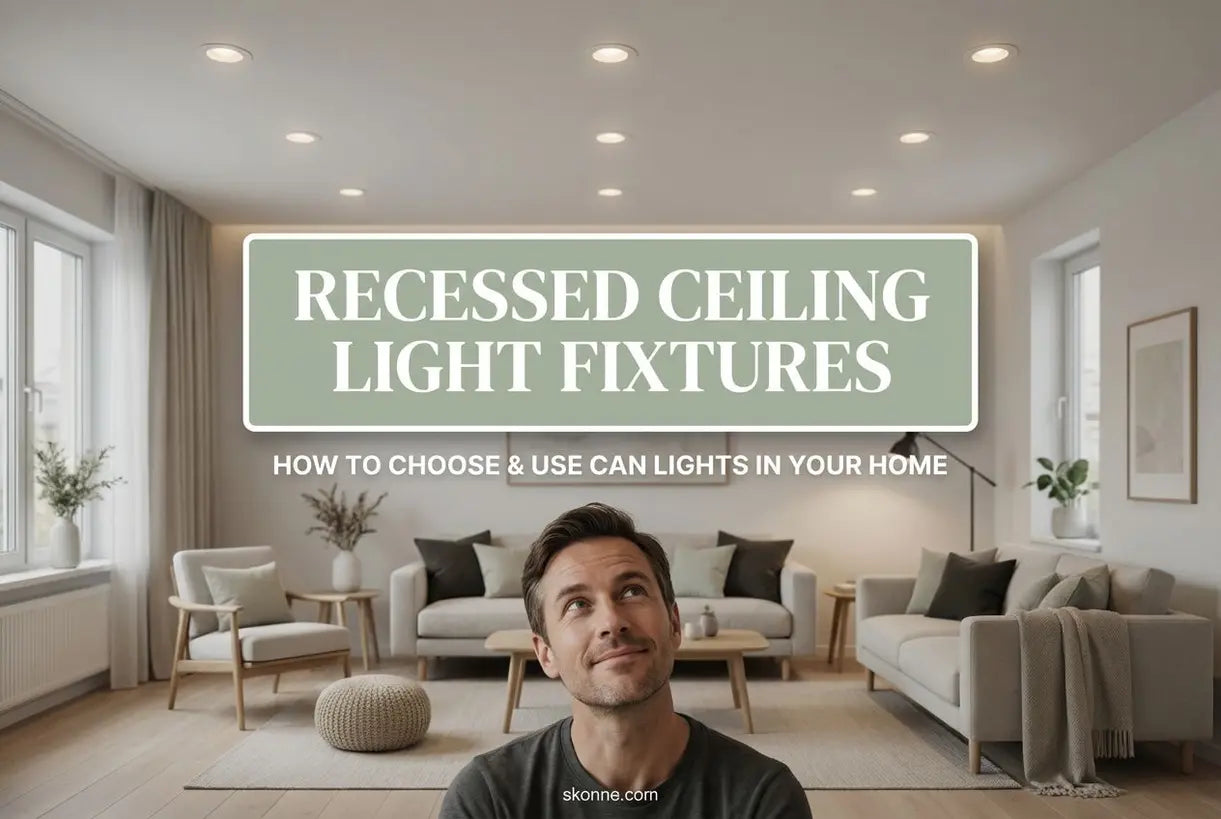
Choosing the right recessed light fixtures ceiling can transform your living space from ordinary to extraordinary. Whether you're renovating a contemporary loft or refreshing a cozy Scandinavian-inspired home, understanding how to select, space, and install can lights (also known as downlights) is essential for creating that warm, intentional atmosphere we all crave.
In this guide, you'll discover everything you need to know about recessed ceiling lighting—from spacing rules and installation basics to current design trends and common pitfalls to avoid. We'll also explore beautiful alternatives when recessed fixtures aren't the right fit for your space,because achieving the perfect lighting scheme sometimes means thinking beyond the ceiling can.
What Are Recessed Ceiling Light Fixtures?
Recessed light fixtures ceiling installations—commonly called can lights, downlights, or pot lights—are light housings installed above the ceiling line, with only the trim visible from below. Unlike pendant lights or chandeliers that hang down, these fixtures sit flush with your ceiling, creating a clean, streamlined look that works beautifully in modern and minimalist interiors.
The anatomy of a recessed light includes three main components:
- The housing: The metal can that sits inside your ceiling cavity
- The trim: The visible ring that sits flush against your ceiling surface
- The bulb/module: The light source itself, increasingly integrated into LED recessed lighting systems
This hidden installation makes recessed lighting ideal for rooms with low ceilings, spaces where you want an unobstructed view, or areas that require focused task lighting without visual clutter.
Types of Recessed Light Fixtures for Your Home
Before diving into installation, it's helpful to understand your options. The world of recessed ceiling lights has evolved significantly, offering choices to suit different ceiling types, room functions, and aesthetic preferences.
New Construction vs. Remodel Housing
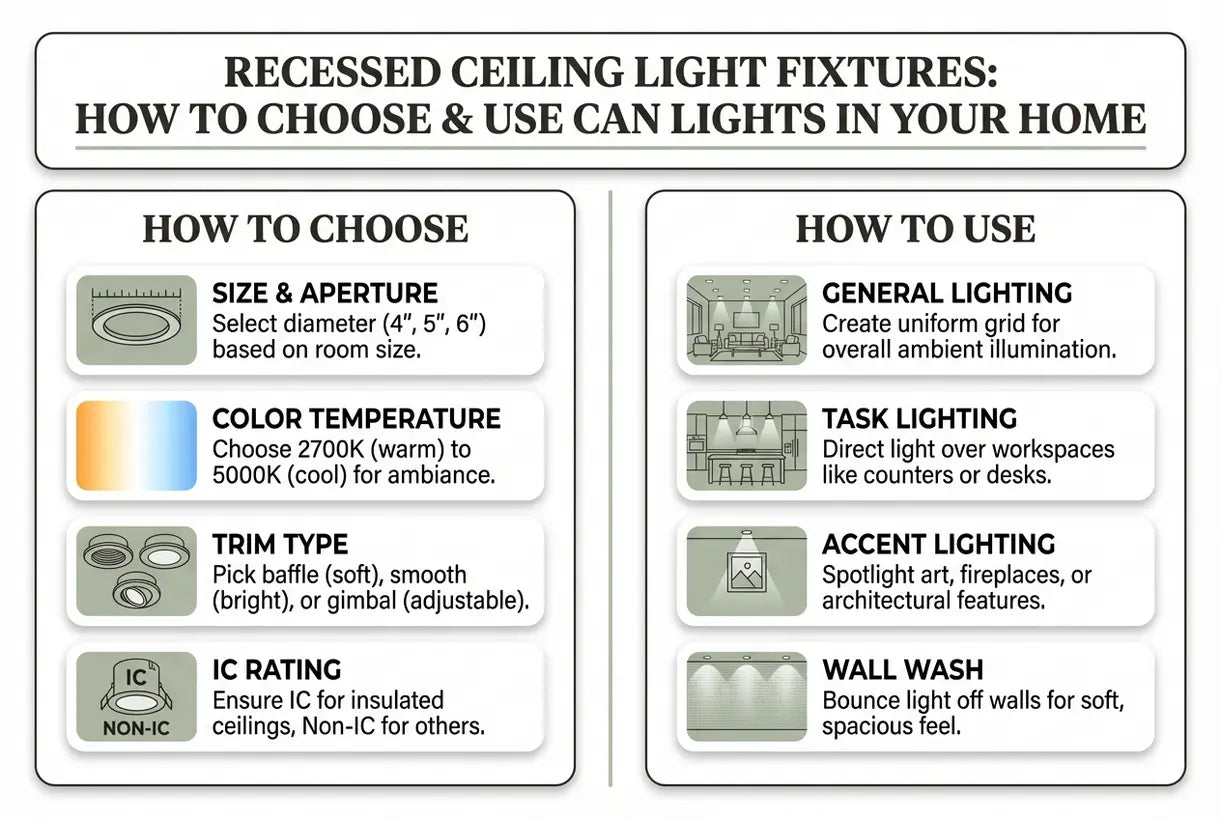
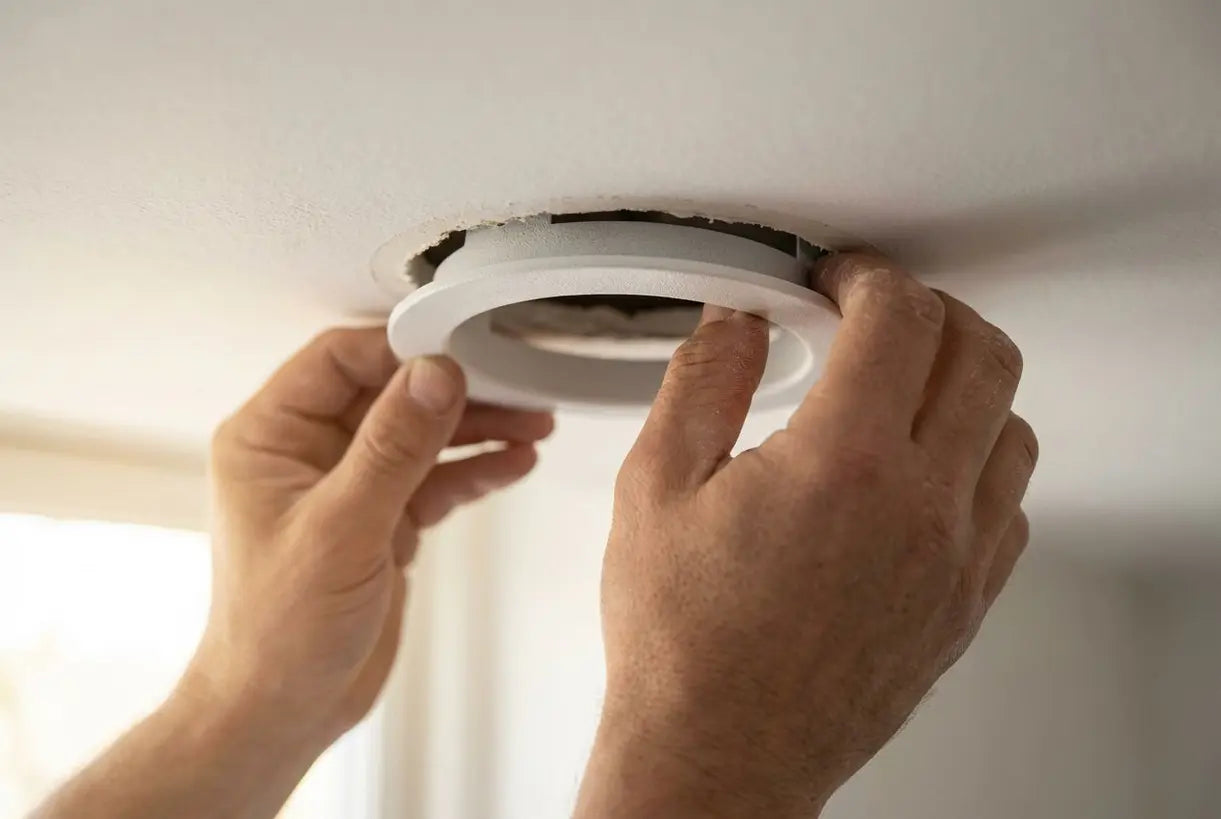
If you're building new or have full access to ceiling joists, new construction housing attaches directly to structural members. For existing homes, remodel housing (also called old work cans) installs through a ceiling cutout, making them perfect for retrofits without major construction.
IC-Rated vs. Non-IC Rated
IC-rated (insulation contact) housings are essential if your recessed lights will touch ceiling insulation. These specially designed cans prevent overheating and fire hazards. Non-IC rated housings require clearance from insulation and are suitable only for uninsulated spaces.
Trim Styles
The trim you choose affects both aesthetics and light distribution:
- Baffle trim: Features ribbed interior to reduce glare—ideal for living spaces
- Reflector trim: Has a smooth, shiny interior for maximum light output
- Adjustable/gimbal trim: Allows you to direct light at an angle—perfect for accent lighting
- Wall wash trim: Includes a shield to direct light toward walls, minimizing the cave effect
For those exploring curated lighting options for their home, our Bedroom Lighting & Decor collection offers beautifully designed alternatives that complement recessed systems.
Mounted Ceiling Lights
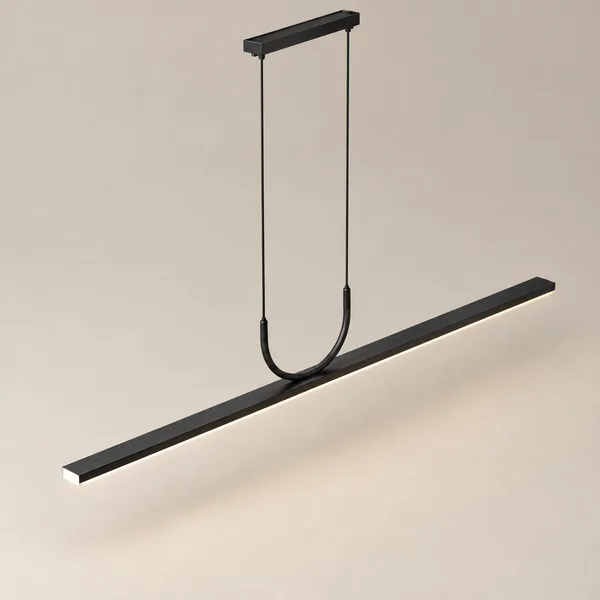
Shop all Ceiling Lights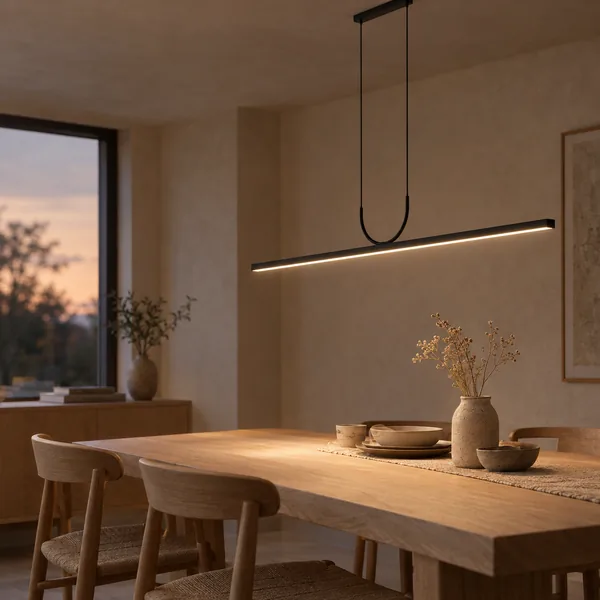
The Rule of Thumb for Recessed Lighting Spacing
One of the most common questions we hear is: "How far apart should I place my can lights?" Getting the spacing right is crucial for avoiding dark spots, excessive brightness, or that dreaded "runway" effect.
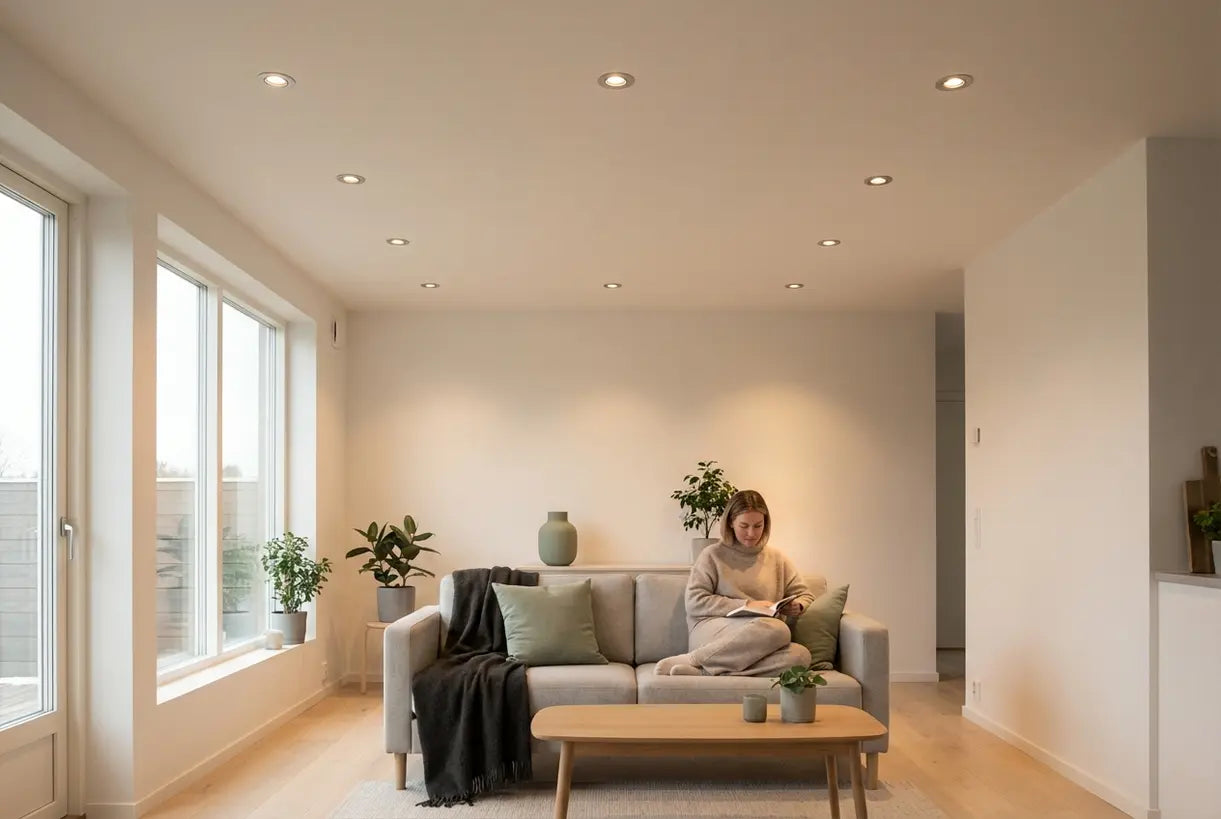
The Classic Formula: Space recessed lights approximately half the distance of your ceiling height apart. For an 8-foot ceiling, place lights 4 feet apart. For a 10-foot ceiling, space them 5 feet apart.
However, this is just a starting point. Consider these additional factors:
- Room function: Kitchens and workspaces need more concentrated lighting than bedrooms
- Beam angle: Wider beam spreads (60+ degrees) can be spaced farther apart than narrow spots
- Natural light: Rooms with abundant daylight may need fewer recessed fixtures
- Wall distance: Place first lights approximately 3 feet from walls to avoid harsh shadows
When planning your layout, use graph paper or lighting design software to map out your space. Mark fixed elements like cabinets, furniture, and ceiling fixtures first, then distribute your recessed lights evenly while maintaining the spacing guidelines above.
How Many Recessed Lights Do You Need in a Room?
Calculating the right number of fixtures prevents under-lighting your space or creating a ceiling that looks like Swiss cheese. Here's a practical approach:
- Calculate total wattage needed: Multiply room square footage by 1.5 (for general lighting) or 2.5 (for task-heavy areas)
- Divide by your bulb wattage: LED recessed lighting typically uses 9-15 watt bulbs that replace 60-75 watt incandescents
- Adjust for layout: Round to an even number that works symmetrically in your space
For example, a 12x14 foot living room (168 sq ft) needs approximately 250 watts of total lighting. Using 10-watt LED can lights (equivalent to 65-watt incandescent), you'd need about 6 fixtures arranged in a 2x3 or 3x2 grid.
Current Trends in Recessed Ceiling Lights
The world of recessed lighting continues to evolve, with innovations that blend functionality and Scandinavian-inspired minimalism beautifully.
Slim LED Panels and Wafer Lights
Ultra-thin LED recessed lighting has revolutionized installation, requiring only 1/2 inch of ceiling depth. These wafer lights or disk lights install easily between joists without traditional housings, making them ideal for basements with limited clearance.
Smart Recessed Lighting
WiFi-enabled can lights now offer tunable white temperatures, dimming capabilities, and voice control. Imagine adjusting your kitchen lighting from warm 2700K for morning coffee to bright 4000K for cooking—without leaving your seat.
Trimless and Flangeless Designs
For the ultimate minimalist look, trimless recessed lights feature mud-in flanges that create a seamless transition between ceiling and light. After drywall mudding and painting, only a subtle glow ring indicates the fixture's location.
Adjustable Multiples
Instead of individual cans, linear recessed fixtures with multiple adjustable heads provide flexibility while maintaining clean ceiling lines. These work beautifully over kitchen islands and dining areas.
Common Disadvantages of Recessed Lights (And How to Address Them)
While recessed light fixtures ceiling installations offer many benefits, they're not without challenges. Understanding potential drawbacks helps you make an informed decision and plan accordingly.
The "Cave Effect"
When walls remain dark while only the floor is illuminated, rooms can feel smaller and less welcoming. This happens when recessed lights don't wash walls with light. Solution: Include wall wash trim fixtures or add sconces and pendants to brighten vertical surfaces.
Limited Style Expression
Recessed fixtures are inherently subtle—sometimes too subtle for spaces where you want lighting to be a design feature. They provide illumination without personality. For rooms where ambiance and sculptural interest matter, consider supplementing with statement pieces.
This is where thoughtful alternatives shine. The Driva Sculptural Cloud Pendant Light in Glass offers a striking solution when you want ceiling lighting that doubles as art. Its handcrafted cloud glass design transforms your ceiling while providing the ambient light that recessed fixtures often lack alone.
Installation Complexity
Installing recessed ceiling lights in existing homes requires cutting drywall, running wiring through joists, and potentially dealing with insulation. While DIY-friendly for experienced homeowners, first-timers may prefer professional installation.
Energy and Heat Considerations
Incandescent recessed lights generate significant heat (which is why IC-rated housing matters). Modern LED recessed lighting solves this, offering cool operation and 75% energy savings compared to traditional bulbs.
Glare and Comfort
Looking directly into bright can lights causes discomfort and eye strain. Proper trim selection—baffles over reflectors for living spaces—plus thoughtful positioning away from typical sight lines helps minimize this issue.
Beautiful Alternatives to Recessed Lighting
Sometimes, recessed lights aren't the answer—or at least, not the complete answer. Scandinavian and Japandi interiors particularly benefit from layered lighting that combines function with warmth and material beauty.
Consider these scenarios where pendant lights and ceiling fixtures outperform can lights:
- Low ceilings with character: When you don't want to sacrifice headroom but crave visual interest
- Open floor plans: Pendant lights help define zones without walls
- Rooms needing soft, diffused light: Paper, linen, and glass shades create the hygge glow that downlights struggle to achieve
- Spaces where you want to draw the eye upward: Sculptural fixtures add vertical dimension
Radiant Alternatives to Recessed Fixtures
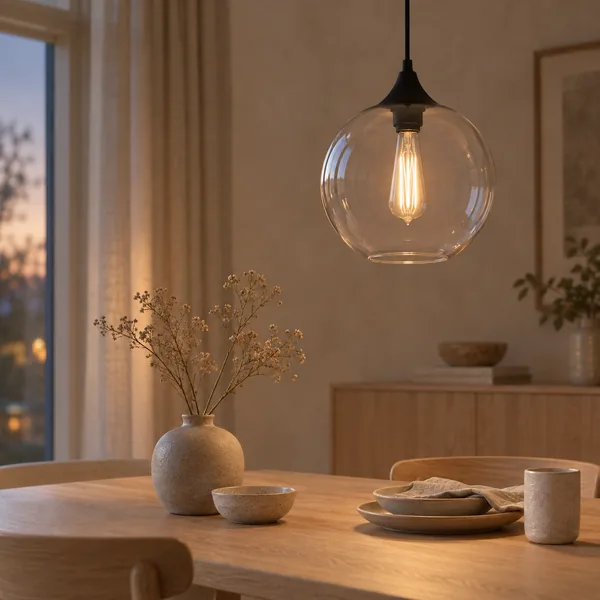 Glora Artisan Mouth-Blown Glass Pendant Light$149.00$219.00
The Kvara Nordic Washi Paper Ceiling Pendant Light exemplifies how alternative fixtures create that coveted Scandinavian warmth. Its Japandi-inspired design diffuses light beautifully—something recessed ceiling lights simply cannot achieve alone. For those seeking artisan character, the Glora Artisan Mouth-Blown Glass Pendant Light brings handcrafted elegance with eight unique designs to complement any interior style.
Living Room Lighting
Shop all Living Room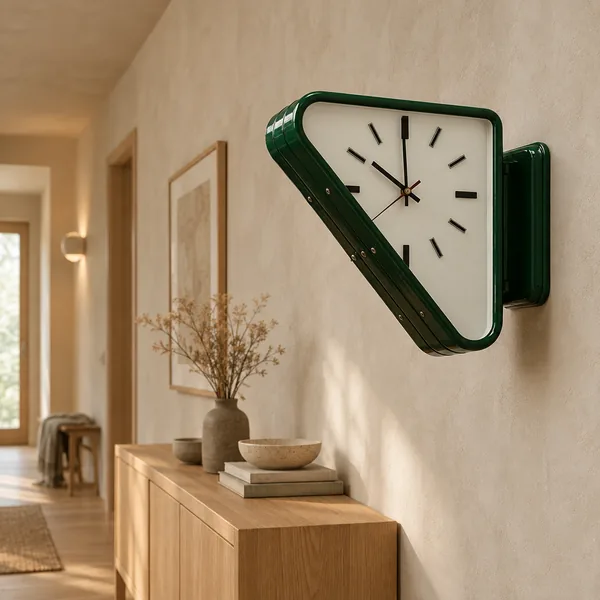
 Save $110.00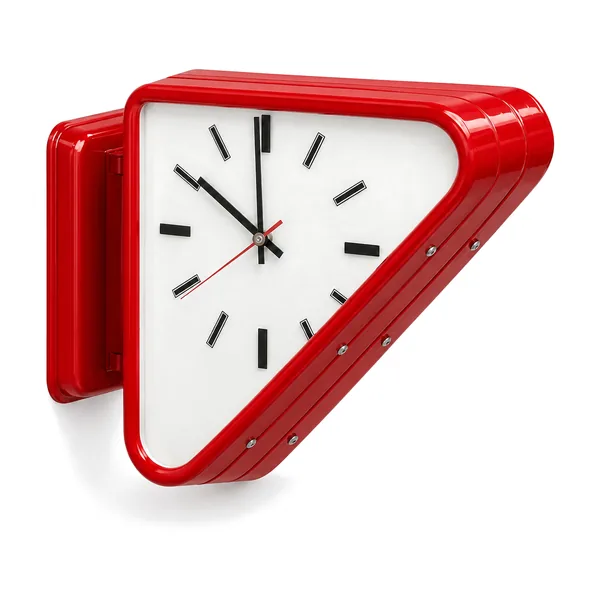
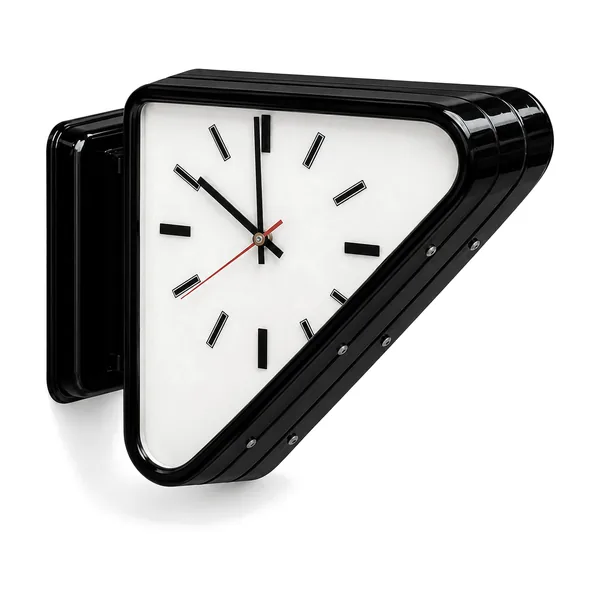
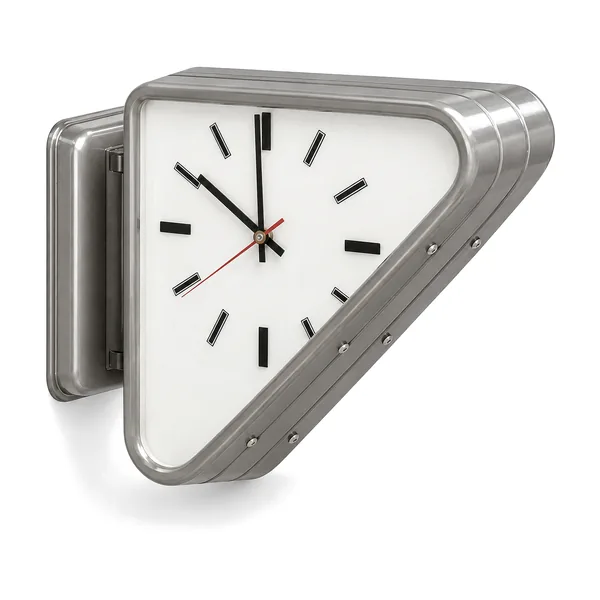
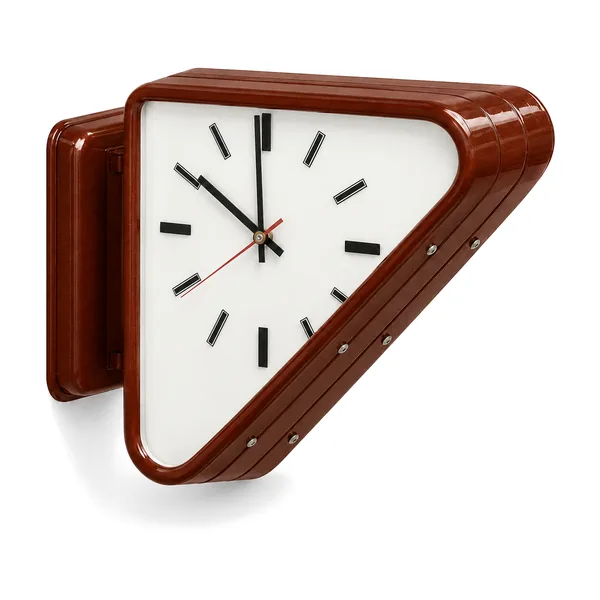 +15 options
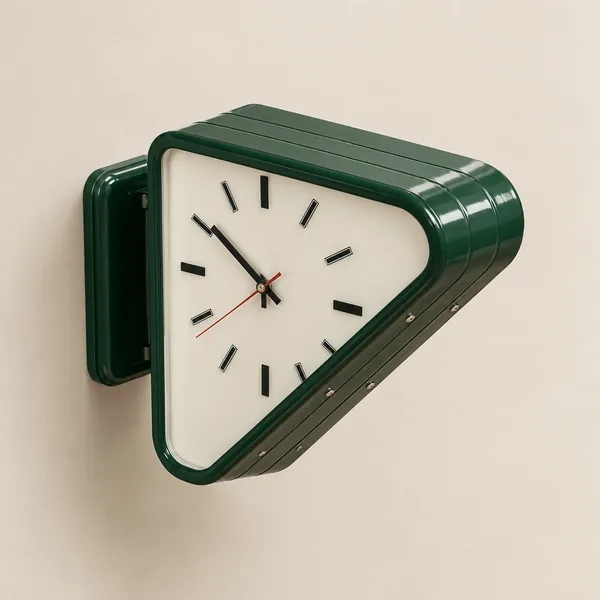
Tvilling Dual-Sided Geometric Metal Wall Clock
 Save $70.00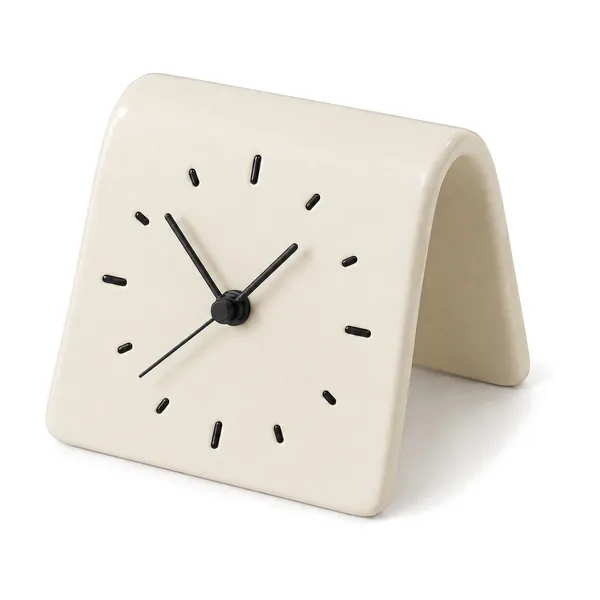
 +37 options
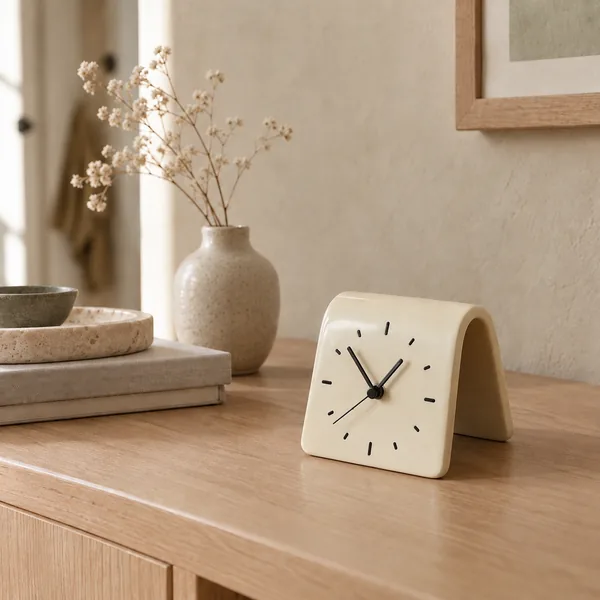
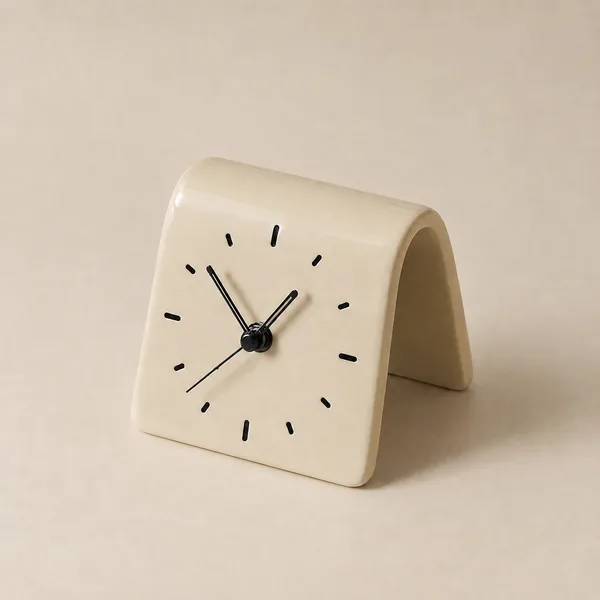
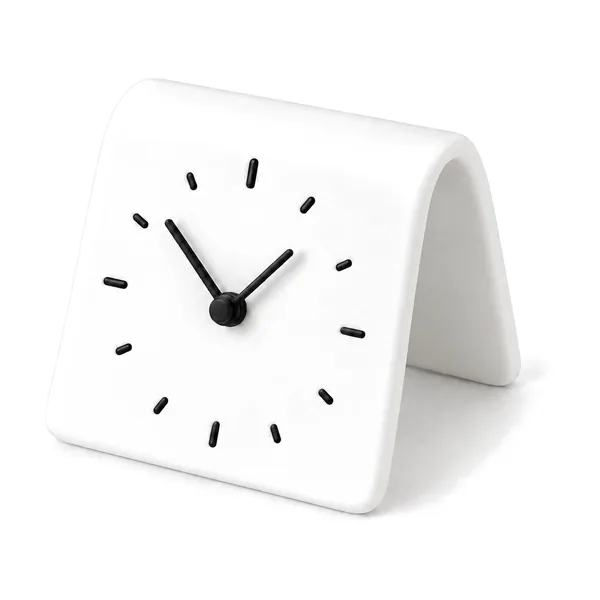
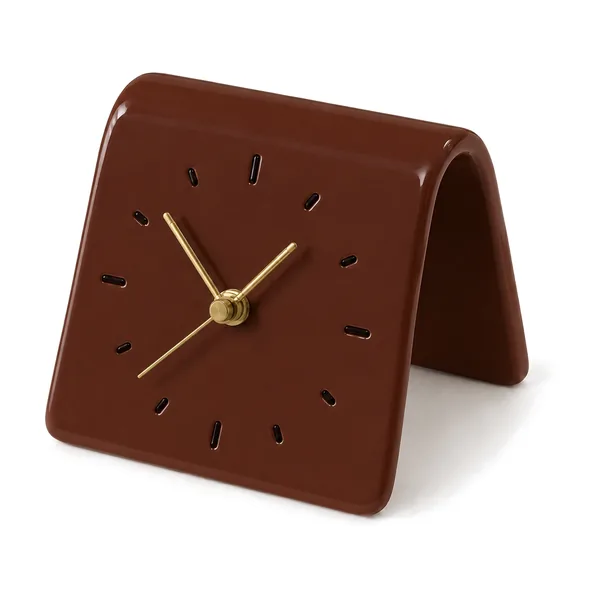
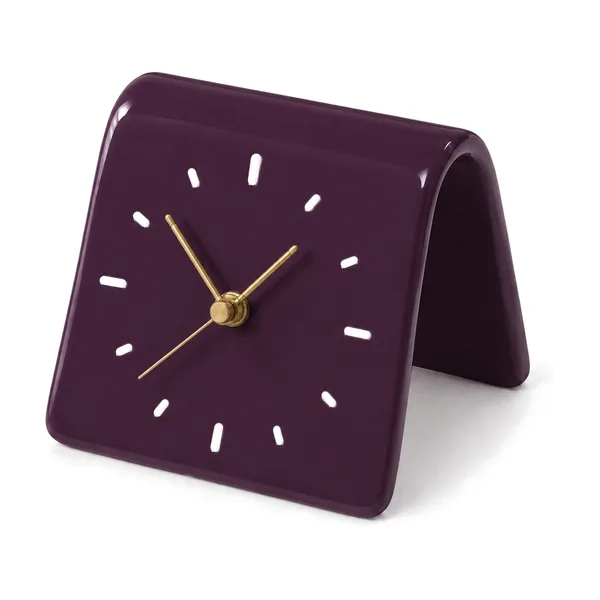
Tilje Silent Ceramic Desk Clock for Modern Homes
Conclusion: Creating Your Perfect Lighting Scheme
Recessed light fixtures ceiling installations remain a versatile, practical choice for modern homes. When planned thoughtfully—with proper spacing, appropriate trim selection, and awareness of potential drawbacks—can lights provide excellent general illumination while maintaining clean sightlines.
However, the most inviting spaces layer multiple light sources. Your ceiling deserves more than functional downlights. By combining strategic recessed lighting with statement pendants, wall sconces, and table lamps, you create depth, warmth, and visual interest that transforms houses into homes.
At Skonne, we believe lighting should be as intentional as every other design choice in your space. Whether you're updating recessed ceiling lights throughout your home or searching for that perfect pendant to complement your existing system, our curated collection brings Scandinavian sensibility to every fixture.
Related Article
Ceiling Light Covers, Shades & Globes: How to Choose, Replace & UpgradeDiscover everything you need to know about ceiling light covers, shades, and globes. Learn how to choose the right style, replace old covers, and upgrade your home lighting.